News related to
beyond

The Healthy with KidSTART initiative has expanded significantly, growing from supporting 120 families in 2020 to more than 3,100 families in 2024 SINGAPORE – Media OutReach Newswire – 25 February 2025 – On 22 February 2025, over 600 KidSTART parents and children gathered for a day of fun at the What’s for Lunch? A Farm Adventure food expo organised by Prudential Singapore (“Prudential’) and KidSTART Singapore (“KidSTART”). […]

The American University in Dubai has formalised a significant partnership with the University of Pennsylvania’s Perelman School of Medicine to establish the AUD School of Medicine in Dubai. This collaboration marks a major step in enhancing medical education in the UAE, leveraging Penn Medicine’s vast expertise to provide world-class training and resources to future healthcare professionals in the region. The new school aims to offer a rigorous […]

Apple Inc. has unveiled an ambitious plan to invest over $500 billion in the United States within the next four years, a move poised to significantly bolster the nation’s technology infrastructure and employment landscape. Central to this initiative is the construction of a 250,000-square-foot manufacturing facility in Houston, Texas, dedicated to producing servers for Apple’s artificial intelligence operations. This facility is expected to commence operations in 2026, […]

Bitcoin’s value has dropped sharply, leading to over $950 million in liquidations within a 24-hour span, with the majority coming from long positions. The cryptocurrency, which had briefly surpassed $96,000, fell below $91,000 during this period, causing significant turbulence in the market.

The latest downturn in Bitcoin’s price highlights the ongoing volatility of the cryptocurrency market, where large price swings can lead to massive liquidations, especially for investors holding leveraged positions. The $800 million liquidated from long positions underscores the growing risks associated with leveraged trading, as investors who had bet on the currency’s continued rise were caught off guard by the sharp decline.

This price movement came after Bitcoin had reached a significant high, fuelling bullish sentiment across the market. However, the sudden reversal left many traders exposed. Data indicates that liquidations in both futures and margin trading were largely driven by highly leveraged positions, which automatically close out when prices move against the trader’s position. The cryptocurrency’s sudden dip has served as a stark reminder of how quickly market sentiment can shift, particularly for those with large, leveraged bets.

The extent of the liquidation has drawn attention to the role of leveraged trading in amplifying price movements. When Bitcoin’s price surged past the $96,000 mark, many saw it as a sign of continued growth. As more traders entered the market, both retail and institutional, the likelihood of liquidation spikes increased, particularly when the market moved in the opposite direction. Analysts suggest that the cascading liquidations may have exacerbated the drop, as automated sell-offs added downward pressure to the market.

This volatile period is not an isolated incident but part of a broader pattern seen in the cryptocurrency market. Bitcoin, along with other major digital currencies, has witnessed significant fluctuations over the past year, with periods of sharp gains followed by equally dramatic losses. These erratic movements are a result of various factors, including shifting investor sentiment, regulatory concerns, and the broader economic climate, all of which contribute to the unpredictability of the market.

In the wake of the liquidation event, industry experts have called for greater caution in the trading of highly volatile assets like Bitcoin. While the cryptocurrency has demonstrated the potential for substantial profits, the risk of large losses remains ever-present. Investors, particularly those engaging in leveraged trading, are urged to exercise caution, as the market’s unpredictability makes it challenging to accurately forecast future price movements.

Despite the challenges posed by such volatility, Bitcoin’s fundamental role in the wider cryptocurrency ecosystem remains intact. Its status as the leading digital currency continues to attract significant attention from both institutional and retail investors. The fluctuating price of Bitcoin is often seen as a reflection of the growing pains of a maturing market, as it strives for greater stability and legitimacy within the global financial landscape.

The impact of this latest price drop extends beyond just those directly involved in Bitcoin trading. It also affects the broader cryptocurrency ecosystem, as other digital currencies often follow Bitcoin’s lead in terms of price movements. Altcoins such as Ethereum and Litecoin, for instance, have also seen significant declines following Bitcoin’s drop. The interconnectedness of these digital assets means that fluctuations in Bitcoin’s value can ripple through the entire market, leading to a wave of liquidations and losses across various cryptocurrencies.

As the dust settles, it remains to be seen how the market will recover from the latest downturn. Some experts predict a rebound in Bitcoin’s value, while others are cautious about the cryptocurrency’s near-term outlook. Regardless of the direction Bitcoin takes, the market’s volatility continues to challenge investors and analysts alike, with price swings showing no signs of slowing down.

The latest developments also shine a spotlight on the regulatory environment surrounding cryptocurrency markets. As governments around the world seek to establish clearer frameworks for digital asset trading, the need for robust risk management practices becomes more pressing. Many traders are calling for increased transparency in the market, which they believe could help mitigate the effects of such volatile swings. However, the decentralized nature of cryptocurrencies presents a challenge to regulators, who are still grappling with how best to approach these digital assets.

The Emirates Nuclear Energy Corporation has entered into a strategic partnership with nuclear technology firm newcleo to advance nuclear energy projects in Europe and the Middle East and North Africa region. This collaboration aims to explore the deployment of Lead-cooled Fast Reactor technology, focusing on decarbonising energy-intensive industries and facilitating knowledge transfer between the entities.

As part of the agreement, ENEC is considering a direct investment in newcleo, potentially amounting to €500 million. This investment would support newcleo’s ongoing development of LFR technology, which utilises liquid lead as a coolant to enhance safety and efficiency in nuclear reactors. The partnership also encompasses co-investment plans to deploy LFR projects within the MENA region, targeting sectors that require substantial energy inputs, such as manufacturing and petrochemicals.

Mohamed Al Hammadi, CEO of ENEC, highlighted the significance of this alliance: “Collaborating with newcleo aligns with our commitment to sustainable energy solutions. By integrating advanced nuclear technologies, we aim to address the growing energy demands while reducing carbon emissions in the region.”

Stefano Buono, CEO of newcleo, expressed optimism about the partnership’s potential: “Our innovative LFR technology offers a pathway to efficient and safe nuclear energy. Partnering with ENEC provides an opportunity to implement these solutions on a broader scale, accelerating the transition to clean energy.”

The LFR technology developed by newcleo is designed to operate with fast neutrons at atmospheric pressure and high temperatures, utilising liquid lead or lead-bismuth alloy as a coolant. This approach offers several advantages, including a high boiling point, beneficial neutronic properties, and non-reactivity with water and air, which collectively enhance the reactor’s safety and efficiency.

In addition to technological collaboration, the partnership aims to facilitate knowledge transfer and capacity-building initiatives. This includes hands-on training programs using research reactors and operational facilities, enabling the development of a skilled workforce proficient in advanced nuclear technologies.

This alliance exemplifies a growing trend of international cooperation in the nuclear energy sector. By combining ENEC’s regional expertise with newcleo’s technological innovations, the partnership seeks to create a model for public-private collaboration that could extend beyond their respective markets, potentially influencing global nuclear energy strategies.

HTXMining, a prominent liquidity staking platform, is gaining recognition for its innovative approach to enabling passive income within the cryptocurrency sector. Offering advanced staking solutions, HTXMining is empowering investors to grow their digital asset portfolios through its user-friendly and highly efficient model. By leveraging blockchain technology and decentralised finance principles, HTXMining is providing a fresh avenue for crypto enthusiasts seeking steady returns without the complexities typically associated with traditional investment methods.

At the core of HTXMining’s appeal is its seamless integration of liquidity staking. Unlike conventional staking, which locks up digital assets in a particular blockchain network, liquidity staking allows users to stake their crypto assets without sacrificing liquidity. This means that investors can earn rewards from staking while retaining the ability to access their funds at any given moment, giving them the flexibility to respond to market conditions swiftly. This feature has already attracted a significant user base, with many turning to HTXMining to diversify their portfolios and enhance their passive income potential.

HTXMining’s staking solutions are built on the back of a robust and scalable infrastructure designed to handle large volumes of transactions with minimal risk. The platform supports a range of leading cryptocurrencies, including Ethereum , Binance Coin , and others, allowing users to participate in staking opportunities across multiple networks. By utilising cutting-edge algorithms, HTXMining optimises reward generation, ensuring that users maximise returns on their investments while mitigating the risks of price volatility that can be inherent in the crypto market.

One of the platform’s key features is its focus on decentralisation. HTXMining operates under a decentralised governance model, enabling token holders to have a say in platform decisions, such as staking rewards, upgrades, and community incentives. This fosters a sense of ownership and participation among users, which is a growing trend in the broader DeFi space. Through its democratic approach, HTXMining sets itself apart from other platforms that remain under centralised control, offering transparency and community-driven development.

Security is another critical aspect of HTXMining’s offerings. Recognising the importance of protecting users’ digital assets, the platform employs industry-leading security measures, including multi-signature wallets, encrypted data transmission, and regular audits. These protocols are designed to safeguard investors’ funds, providing them with peace of mind as they engage in staking activities.

HTXMining’s value proposition also extends beyond passive income generation. The platform is actively involved in the research and development of new staking models, aiming to improve the efficiency and scalability of the broader liquidity staking ecosystem. By collaborating with leading blockchain developers and participating in industry forums, HTXMining is positioning itself as a key player in shaping the future of decentralised finance.

The platform offers a comprehensive suite of tools and analytics for users to track their staking performance. These features enable investors to monitor their rewards, assess market trends, and adjust their staking strategies accordingly. For those new to crypto staking, HTXMining provides educational resources and support, ensuring that users of all experience levels can engage with the platform confidently and effectively.

As the demand for passive income opportunities in the crypto space continues to grow, HTXMining is capitalising on this trend by expanding its product offerings and building strategic partnerships. Its commitment to user-centric solutions, combined with its focus on decentralisation, security, and scalability, positions HTXMining as a standout platform in the rapidly evolving DeFi landscape. With the increasing adoption of cryptocurrencies and the growing interest in yield-generating assets, the platform is well-positioned to attract further investment and continue driving innovation within the space.

While HTXMining’s impact on passive income generation is undeniable, the broader implications of its success could extend to the mainstream adoption of decentralised finance. As more users recognise the benefits of liquidity staking and become comfortable with crypto-based investment strategies, platforms like HTXMining could play a pivotal role in bringing DeFi into the financial mainstream. However, challenges remain, particularly in terms of regulatory uncertainty and market fluctuations, which could impact the platform’s long-term sustainability.

Bupa introduces a prestigious VHIS plan with enhanced protection, personalised health concierge services, and dedicated health expertise for those who seek the best HONG KONG SAR – Media OutReach Newswire – 24 February 2025 – For people in Hong Kong who want to safeguard what matters most with a plan that goes beyond, Bupa is now welcoming a new Voluntary Health Insurance Scheme (VHIS) plan into its […]

Advertisements

MG Motor has achieved a significant milestone in the Middle East automotive market, recording 70,033 vehicle sales in 2024. This figure represents a 10% increase compared to the previous year, underscoring the brand’s growing popularity in the region. The Kingdom of Saudi Arabia emerged as MG’s largest market, contributing over 30,000 units to the total sales. This robust performance solidifies MG’s position among the top car manufacturers […]

French defence and technology conglomerate Thales has announced plans to commence production of radar antennas in the United Arab Emirates within this year. This strategic initiative aims to cater to both domestic requirements and international export demands, marking a significant expansion of Thales’ footprint in the Middle East. Pascale Sourisse, President and Chief Executive Officer of Thales International, detailed the company’s commitment to establishing a radar manufacturing […]

Dubai is solidifying its status as a premier destination for ultra-high-net-worth individuals and family offices, driven by a confluence of strategic initiatives, favourable economic policies, and an influx of global financial entities. This trend is reshaping the emirate’s financial landscape, positioning it as a global hub for wealth management and investment. The Dubai International Financial Centre has experienced remarkable growth, with the number of hedge funds increasing […]

Dubai’s property market is projected to stabilise or experience a slight decline in prices over the next 12 to 18 months, according to a recent report by Moody’s Ratings. This forecast comes as developers confront escalating construction costs and potential project delays, challenges that could reshape the emirate’s real estate landscape. The anticipated stabilisation follows a period of significant growth, with property prices in Dubai increasing by […]

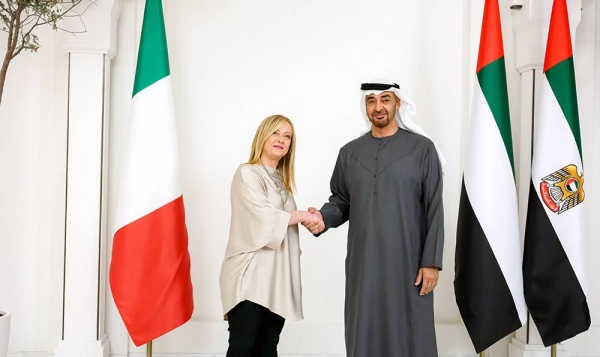
President Sheikh Mohamed bin Zayed Al Nahyan’s state visit to Italy has significantly bolstered the relationship between the United Arab Emirates and Italy. During a dinner banquet hosted by Italian President Sergio Mattarella, both leaders expressed their commitment to enhancing bilateral cooperation across various sectors.

President Mattarella welcomed Sheikh Mohamed and his delegation, highlighting the deep-rooted ties between the two nations and their mutual desire to further strengthen collaboration for the benefit of their peoples. In response, Sheikh Mohamed conveyed his appreciation for the warm reception and emphasized the strategic partnership’s ongoing growth. He noted that this visit reflects both countries’ aspirations to work together towards elevated cooperation and joint economic development.

A symbolic exchange of honors took place during the banquet. Sheikh Mohamed awarded President Mattarella the Order of Zayed, the UAE’s highest civilian honor bestowed upon world leaders. In return, President Mattarella conferred upon Sheikh Mohamed the Order of Merit of the Italian Republic, Italy’s highest accolade for foreign dignitaries.

The UAE delegation accompanying Sheikh Mohamed included Sheikh Abdullah bin Zayed Al Nahyan, Deputy Prime Minister and Minister of Foreign Affairs; Sheikh Hamdan bin Mohamed bin Zayed Al Nahyan, Deputy Chairman of the Presidential Court for Special Affairs; and Sheikh Mohammed bin Hamad bin Tahnoon Al Nahyan, Advisor to the UAE President. The Italian side was represented by several ministers, senior officials, and other dignitaries.

As Sheikh Mohamed’s aircraft entered Italian airspace, it was ceremoniously escorted by a squadron of Italian military jets, symbolizing the importance of this visit. This gesture underscores the mutual respect and the strengthening ties between the two nations.

The discussions between the leaders encompassed a wide range of topics, including investment opportunities, advancements in artificial intelligence, and cultural exchanges. Both countries are keen to explore collaborative ventures in these areas to foster innovation and economic growth.

Energy cooperation emerged as a focal point during the talks. The UAE’s Abu Dhabi National Oil Company and Italy’s energy giant Eni are expanding their partnership beyond traditional oil and gas sectors. Their collaboration now includes renewable energy projects, aligning with global efforts to transition towards sustainable energy solutions.

Defense and security were also prominent on the agenda. Italy’s Leonardo remains a key supplier to the UAE Armed Forces, and both nations are exploring avenues to deepen their defense cooperation. This includes potential joint ventures and knowledge exchange programs aimed at enhancing the capabilities of their respective armed forces.

Emerging sectors such as climate change mitigation, food security, and the space industry were identified as promising areas for future collaboration. Both countries recognize the importance of addressing global challenges through joint initiatives and are committed to working together to develop innovative solutions.

This visit follows Italian Prime Minister Giorgia Meloni’s diplomatic mission to Abu Dhabi, which took place approximately a month prior. During that visit, multiple cooperation agreements were signed, including a significant energy deal involving Albania. These developments signify a renewed vigor in UAE-Italy relations, moving beyond traditional frameworks to embrace broader regional and global partnerships.

Analysts suggest that the UAE-Italy relationship is evolving into a strategic alliance with the potential to influence regional dynamics. Both nations are positioning themselves as key players in the Indo-Mediterranean region, leveraging their economic and geopolitical strengths to foster stability and prosperity.

The leaders also discussed the possibility of developing trilateral and regional alliances, particularly focusing on Africa and East Asia. While Italy prioritizes Eastern Europe, the UAE maintains a strong focus on Africa, creating opportunities for strategic alignment and collaborative initiatives in these regions.

By K Raveendran The term disruption has undergone a significant transformation in meaning over the years. Traditionally, it carried a negative connotation, indicating disorder or interruption. However, in the contemporary technological setting, disruption is celebrated as a driver of innovation, progress, and problem-solving. Companies like Uber, Airbnb, and Tesla have all disrupted their respective industries, […]

Qatar Islamic Bank has been distinguished as the ‘Best SME Bank’ in Qatar by Global Finance as part of its 2025 GW Platt Foreign Exchange and SME Bank Awards. This accolade underscores QIB’s pivotal role in supporting small and medium-sized enterprises within the nation, contributing significantly to economic diversification, private sector expansion, and financial inclusion. Global Finance’s annual awards identify financial institutions worldwide that demonstrate exceptional leadership […]

Türkiye has launched its inaugural New-Type Landing Craft Tank at the Anadolu Shipyard in Istanbul, marking a significant advancement in the nation’s naval capabilities. The vessel, designated YLCT C-159, is the first of eight planned ships under a project initiated in early 2024 by the Presidency of Defense Industries.

The contract for these advanced amphibious vessels was signed in April 2024, and just ten months later, the first ship has been successfully launched. The remaining seven ships are slated for completion within the next 27 months, with the second YLCT expected to launch within a week. This accelerated timeline underscores Türkiye’s commitment to enhancing its naval fleet with domestically produced assets.

Haluk Gorgun, head of Turkish Defence Industries, expressed pride in this milestone, stating that it brings Türkiye closer to its goal of a stronger and more deterrent navy in the “Blue Homeland.” The YLCTs are designed to transport various vehicles and personnel, playing a crucial role in combat missions, disaster response, humanitarian aid, and evacuation operations.

Over the past 23 years, Türkiye has significantly increased the domestic production rate of its naval platforms from 20% to 80%. This achievement positions the country among a select group capable of designing, building, and maintaining a comprehensive range of military ships, including amphibious assault ships, support vessels, combat ships, and submarines.

The Anadolu Shipyard, located in Tuzla, Istanbul, has been instrumental in this progress. Founded in the early 1950s, the shipyard has evolved from building sailing yachts to advanced military vessels. It boasts facilities capable of constructing ships up to 17,000 DWT, with two shipways measuring 200 meters and 140 meters, respectively. The shipyard can simultaneously build up to six vessels, reflecting its substantial capacity and expertise.

In addition to bolstering its own naval forces, Türkiye has made strides in exporting domestically produced warships. The country has delivered vessels to nations such as Indonesia, Malaysia, Pakistan, Nigeria, and Qatar. Notably, in December 2024, Turkish defense company STM announced a contract to build two naval logistics ships for Portugal, marking Türkiye’s first military shipbuilding export to a NATO and EU member state.

The YLCT class ships are poised to enhance Türkiye’s operational capabilities significantly. These vessels are designed for high-speed operations, capable of transporting tanks, troops, and supplies during various missions. Their versatility makes them invaluable assets for both military logistics and humanitarian efforts, including natural disaster response and evacuation operations.

The launch of YLCT C-159 signifies a broader national effort to develop a self-sufficient defense industry. Türkiye’s focus on domestic production aims to reduce reliance on foreign suppliers and strengthen its strategic autonomy. This initiative aligns with the country’s long-term vision of becoming a formidable maritime power, capable of projecting influence and ensuring security within its regional waters and beyond.

As the remaining YLCT vessels are completed and integrated into the fleet, Türkiye’s naval forces will experience a substantial boost in their operational readiness and versatility. The successful execution of this project reflects the nation’s growing industrial capabilities and its determination to assert itself as a key player in the global defense sector.

The Anadolu Shipyard’s role in this endeavor cannot be overstated. With a history dating back to the 1950s, the shipyard has transformed into a hub of advanced naval construction. Its facilities, including two expansive shipways and multiple quays, enable the construction and maintenance of a wide array of vessels. The shipyard’s capacity to build up to six ships simultaneously highlights its strategic importance to Türkiye’s defense infrastructure.

Looking ahead, Türkiye’s investment in domestic naval production is expected to yield significant economic and strategic benefits. The development of indigenous shipbuilding capabilities not only enhances national security but also opens avenues for international collaboration and export opportunities. As Türkiye continues to modernize its fleet, it sets a precedent for self-reliance and innovation in defense manufacturing.

The launch of the first YLCT ship represents a pivotal moment in Türkiye’s maritime history. It exemplifies the nation’s commitment to strengthening its naval forces through domestic ingenuity and production. As subsequent vessels join the fleet, Türkiye is poised to enhance its maritime security and project power more effectively on the global stage.


The probability of a Litecoin Exchange-Traded Fund gaining approval in 2025 has surged to 85%, as indicated by the prediction platform Polymarket. This significant development reflects growing optimism within the cryptocurrency community and among investors regarding the potential mainstream acceptance of Litecoin-based financial products.

Polymarket, a decentralized information markets platform, enables users to speculate on the outcomes of future events by trading shares that correspond to specific predictions. The current 85% figure represents the collective sentiment of market participants who believe that regulatory bodies are likely to approve a Litecoin ETF within the current year.

The push for cryptocurrency ETFs has been a focal point for financial institutions and investors aiming to integrate digital assets into traditional financial markets. Bitcoin and Ethereum, the leading cryptocurrencies, have been at the forefront of this movement, with several ETF proposals submitted to regulatory authorities worldwide. The increasing attention towards Litecoin suggests a broadening interest in diversifying crypto-based financial instruments.

Litecoin, often referred to as the “silver to Bitcoin’s gold,” was created in 2011 by Charlie Lee, a former Google engineer. It offers faster transaction confirmation times and a different hashing algorithm compared to Bitcoin, positioning itself as a more efficient alternative for everyday transactions. Over the years, Litecoin has maintained a strong presence in the cryptocurrency market, consistently ranking among the top digital assets by market capitalization.

The potential approval of a Litecoin ETF could have several implications for the financial markets. Firstly, it would provide institutional and retail investors with a regulated and familiar vehicle to gain exposure to Litecoin without the need to directly purchase and store the cryptocurrency. This could lead to increased liquidity and potentially reduce volatility in Litecoin’s market price.

The introduction of a Litecoin ETF could signal a maturation of the cryptocurrency market, indicating that regulatory bodies are becoming more comfortable with digital assets beyond Bitcoin and Ethereum. This could pave the way for a wider array of crypto-based financial products, offering investors more options to diversify their portfolios.

However, the path to ETF approval is not without challenges. Regulatory agencies, such as the U.S. Securities and Exchange Commission , have historically been cautious in approving cryptocurrency ETFs, citing concerns over market manipulation, custody solutions, and the overall volatility of digital assets. While there have been instances of ETF approvals in other jurisdictions, the U.S. market remains a significant hurdle for widespread adoption.

In response to these challenges, proponents of a Litecoin ETF have been actively engaging with regulators to address their concerns. This includes implementing robust custody solutions, ensuring transparent pricing mechanisms, and demonstrating compliance with existing financial regulations. The collaborative efforts between the cryptocurrency industry and regulatory bodies aim to create a framework that balances innovation with investor protection.

The broader cryptocurrency market has been experiencing a period of growth and increased adoption. Major financial institutions have begun offering crypto-related services, and several countries are exploring the development of central bank digital currencies . This evolving landscape suggests a shift towards the normalization of digital assets within the global financial system.

Investors and market analysts are closely monitoring the developments surrounding the potential approval of a Litecoin ETF. While the 85% probability indicated by Polymarket reflects a strong belief in a favorable outcome, it is essential to approach such predictions with caution. The regulatory environment is complex and subject to change, and past performance is not indicative of future results.

As the year progresses, the cryptocurrency community will be attentively observing regulatory announcements and market responses. The approval of a Litecoin ETF could serve as a catalyst for further innovation and acceptance of digital assets within traditional finance. Conversely, delays or rejections could prompt a reevaluation of strategies among crypto advocates and investors.

The Xposure International Film Awards 2025, held during the 9th International Photography Festival in Sharjah, United Arab Emirates, have recognised outstanding achievements in global filmmaking. This year’s event saw a significant increase in participation, with 834 submissions from filmmakers worldwide, surpassing the previous year’s entries.

Organised by the Sharjah Government Media Bureau , the awards ceremony honoured winners across four categories: Short Film, Animation, Cinematic Arts, and Documentary Feature. The event underscored the festival’s commitment to celebrating diverse and innovative storytelling in the visual arts.

In the Short Film category, Iranian filmmaker Payam Mahmoudi Kurdistani received the top accolade for “Nietzschean Suicide,” a film that captivated audiences with its profound narrative. Italian director Andrea Devicenzi was recognised as the runner-up for “Crossing The North,” an impactful portrayal of personal journey and resilience.

The Animation category highlighted dynamic visual storytelling, awarding first place to Spain’s Andres Aguilar for “The Strange Case Of The Human Cannonball.” Turkish animator Mustafa Keskin secured the runner-up position with “Ari-6427,” showcasing creativity and technical prowess.

Iranian filmmaker Mehrshad Karkhani triumphed in the Cinematic Arts category with “Bruise-Lips Tulip,” a film noted for its artistic depth and compelling visuals. Finnish filmmakers Markku Hakala and Mari Kaki earned the runner-up spot for “Giants Kettle,” a work that impressed with its unique perspective and storytelling.

The Documentary Feature category honoured Belgian directors Jurgen Buedts and Sahim Omar Kalifa for “Iraq’s Invisible Beauty,” a documentary that offers a poignant exploration of unseen narratives. Portuguese filmmaker Diogo Andrade was named runner-up for “Sikat Subar – A Hidden Colourful Feather,” a documentary that sheds light on overlooked cultural stories.

Beyond the competitive categories, the festival paid tribute to ten luminaries whose contributions have significantly impacted the filmmaking industry. Honourees included Academy Award winners and changemakers such as Brent Homann, Franklin Leonard, Glenn Gainor, Jerome Pink, Maitha Alawadi, Martin Desmond Roe, Pippa Erlich, Roger Horrocks, Siraj Jhaveri, and Travon Free. Each was presented with tokens of appreciation for their invaluable efforts in advancing the art of cinema.

Casino aesthetics have profoundly influenced contemporary art and culture, extending beyond the gaming floors into various creative domains. The vibrant visuals, architectural grandeur, and thematic elements of casinos have become significant sources of inspiration for artists, designers, and cultural institutions worldwide.

The architectural evolution of casinos, particularly in Las Vegas, exemplifies this impact. In the early 2000s, a shift from replica-themed designs to modern art and architecture transformed the city’s landscape. Prominent architects like Helmut Jahn, Daniel Libeskind, and César Pelli were commissioned to create trendy tower casinos, aiming to attract visitors through innovative design. The CityCenter complex, for instance, showcases contemporary art installations and structures that have redefined the traditional casino image. This movement, termed “Casinopolitanism,” has influenced urban development in cities like Macau and Singapore, which have adopted similar approaches to integrate art and architecture into their casino resorts.

Artists have also drawn inspiration from casino culture, incorporating its elements into various art forms. Photographer Adam Lampton’s work in Macau captures the juxtaposition of colonial history, Chinese traditions, and modern casino-driven capitalism. His images document the rapid transformation of Macau into a gambling hub, highlighting the contrasts between grand-scale casino projects and the city’s quieter residential neighborhoods. Similarly, Las Vegas-based artist James Stanford creates digital montages that reinterpret historic neon signs into complex mandala patterns, blending traditional symbols with contemporary digital art techniques. His “Shimmering Zen” series exemplifies how casino imagery can be reimagined to produce new artistic expressions.

The interior design of casinos further exemplifies the fusion of art and environment. The Cosmopolitan of Las Vegas, for example, integrates art throughout its premises, featuring graffiti by artists like Shepard Fairey and installations such as Roark Gourley’s giant shoe sculptures. These artistic elements enhance the ambiance, creating immersive experiences that extend beyond gambling. The resort’s artist-in-residence program and digital art displays in its lobby further emphasize the role of art in enriching the visitor experience.

Casino aesthetics have also permeated popular culture, influencing fashion, film, and music. The opulent and glamorous imagery associated with casinos has been portrayed in numerous films and music videos, symbolizing luxury, risk, and excitement. This portrayal has, in turn, influenced fashion trends, with designers drawing inspiration from the lavish costumes and vibrant colors typical of casino settings. The integration of casino-inspired elements into mainstream media underscores the cultural significance of casino aesthetics in shaping contemporary art and lifestyle.

MOSCOW, RUSSIA – Media OutReach Newswire – 21 February 2025 – Wildberries, a leading e-commerce platform in Eurasia, increased the number of its pickup points by 75% since the beginning of 2024 to support the dynamic growth of its marketplace. The total number of Wildberries pickup points has surpassed 58,000 across seven countries where the marketplace operates. Three quarters of these pickup points are operated by local […]

Jebel Ali Free Zone has entered into a partnership with Indian multinational food brand Haldiram’s to establish one of the largest saffron processing facilities in the Gulf Cooperation Council region. The agreement was formalised during the Gulfood event in Dubai.

Scheduled to commence operations in March 2025, the facility will be managed by Kesar Expert & Packers, a company with 22 years of experience in high-quality saffron processing in India. The plant aims to obtain the globally recognised European BRCGS certification, ensuring the quality and purity of its saffron products.

Initially, the hub will process 30 metric tonnes of saffron annually, with plans to expand capacity to 100 metric tonnes over the next five years. This growth strategy will leverage the Comprehensive Economic Partnership Agreement between the UAE and India, as well as the advanced connectivity and infrastructure provided by Jebel Ali Port and Jafza.

The collaboration also explores further avenues, including expanding Haldiram’s presence in Dubai and investing in additional food processing and distribution facilities. This initiative underscores Dubai’s position as a global trade hub, bolstered by Jafza’s thriving food and beverage sector, which currently hosts over 770 companies.

This development aligns with a series of significant engagements by Indian food and beverage companies at Gulfood. Reliance Consumer Products Limited introduced its renowned brand Campa to the UAE market, marking its inaugural entry, facilitated by Abu Dhabi’s Agthia Group. Additionally, Lulu Retail has signed nine strategic memorandums of understanding with global manufacturers to enhance product offerings across the GCC and beyond. Among these agreements is the introduction of Milaf Cola, a carbonated date beverage from Saudi Arabia, to LuLu stores throughout the GCC, with future plans to enter the Indian market.

Arabian Post Staff -Dubai The United Arab Emirates has rapidly transformed into a pivotal hub for international cricket, hosting major tournaments and nurturing a competitive national team. This evolution from informal matches to a central role in the cricketing world underscores the nation’s commitment to the sport. Cricket’s roots in the UAE trace back to 1892 when British military personnel introduced the game to the Trucial States. […]

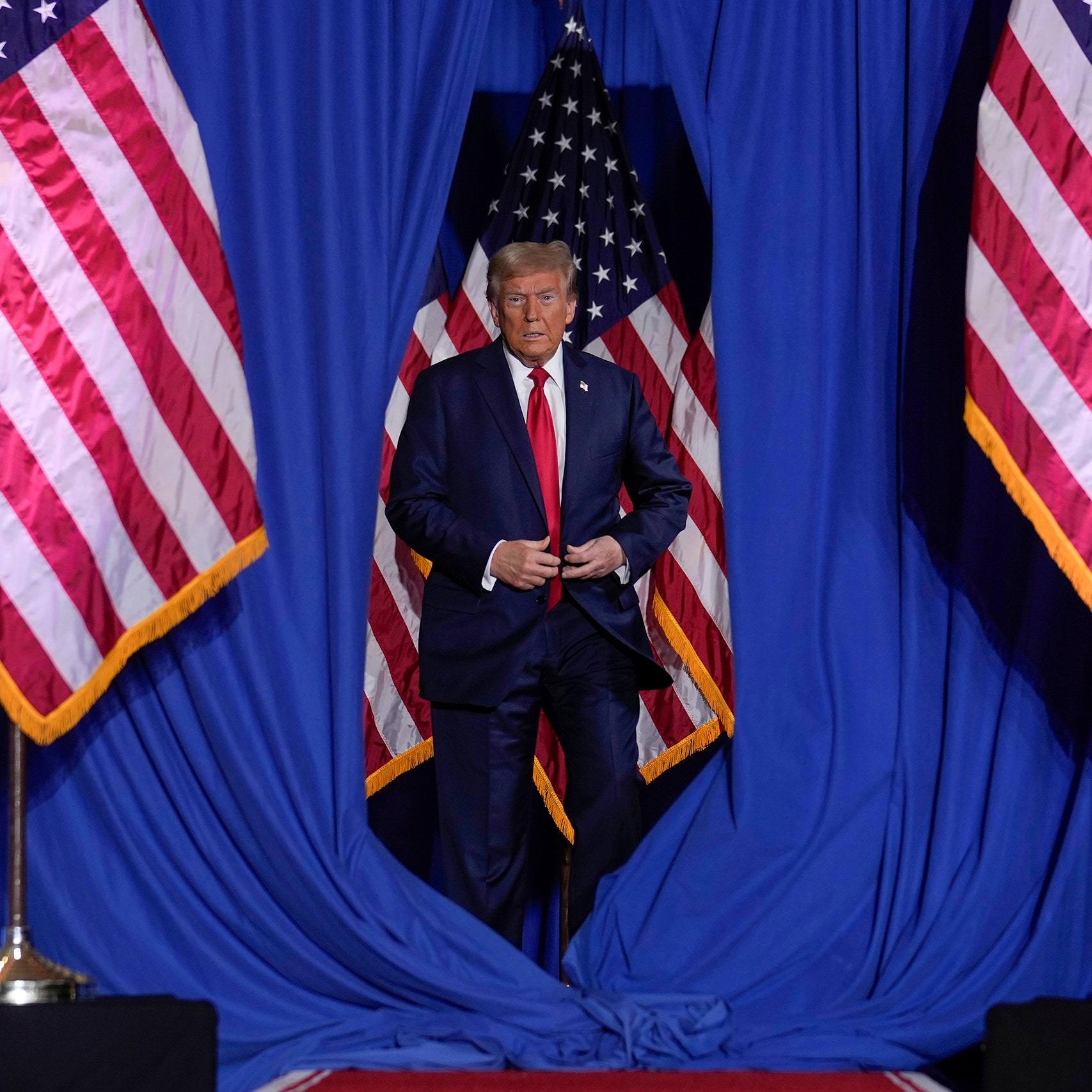
President Donald Trump has executed a significant overhaul of the U.S. military’s top leadership, dismissing Air Force General Charles Q. Brown Jr., the Chairman of the Joint Chiefs of Staff, along with five other senior military officials. This move, announced late Friday, marks an unparalleled shift within the Pentagon’s hierarchy. General Brown, who made history as the first African American to serve as the nation’s highest-ranking military […]

The cryptocurrency landscape is witnessing the emergence of Pepeto, a meme coin that has garnered significant attention during its presale phase. Priced at a mere $0.000000112, Pepeto positions itself as a potential high-return investment, reminiscent of the early days of Shiba Inu .

Shiba Inu’s meteoric rise transformed modest investments into substantial fortunes. An individual who invested $1,000 in SHIB during its inception in August 2020 would see that investment balloon to approximately $12.67 million today. This surge underscores the lucrative potential inherent in early-stage meme coin investments.

Pepeto aims to capitalize on this trend by presenting itself as the “true Pepe,” seeking to rectify past missteps in the meme coin sector. Beyond its humorous branding, Pepeto introduces innovative features designed to enhance user experience and market appeal. Central to its ecosystem is PepetoSwap, a platform offering zero-fee trading, a significant departure from the often hefty fees associated with traditional exchanges. Additionally, the development of the Pepeto Exchange aims to bolster liquidity and minimize slippage, ensuring smoother transactions for users.

The total token supply for Pepeto mirrors that of the original PEPE coin, set at 420 trillion tokens. This deliberate choice reflects a strategic effort to draw parallels with successful predecessors while carving out its unique identity in the crypto space.

The cryptocurrency landscape is witnessing a notable shift as FloppyPepe , a small-cap AI-integrated meme coin, gains traction among investors traditionally aligned with established tokens like Cardano . This trend highlights the dynamic nature of the crypto market, where emerging technologies and innovative projects can rapidly alter investor preferences.

FloppyPepe has distinguished itself by merging meme culture with artificial intelligence, creating a unique niche in the crypto ecosystem. The token’s recent SolidProof certification has bolstered investor confidence by ensuring the security and reliability of its smart contracts. This certification, achieved during its ongoing presale phase, underscores the project’s commitment to transparency and technological robustness.

The presale of FPPE has demonstrated remarkable momentum, reportedly raising nearly $1 million within 24 hours. This rapid capital influx is indicative of strong market interest and suggests a growing belief in FPPE’s potential. Contributing to this enthusiasm is the announcement of an upcoming text-to-image AI agent on Telegram, slated for release in two weeks, which aims to enhance user engagement and broaden the token’s utility.

In contrast, Cardano , a well-established blockchain platform known for its proof-of-stake consensus mechanism and focus on sustainability, has experienced a modest decline in its token value. Currently trading at approximately $0.769463, ADA has seen a 4.07% decrease over the past 24 hours. Despite its strong market position and a market capitalization exceeding $27 billion, ADA’s recent performance reflects the volatile nature of the cryptocurrency market and the challenges faced by established tokens amidst emerging competitors.

The rise of FPPE is part of a broader trend where investors are exploring alternative assets with high growth potential. Reports indicate that holders of Cardano and Dogecoin are reallocating funds towards emerging tokens like FPPE, driven by the prospect of substantial returns. Analysts have identified FPPE as a formidable contender in the AI crypto sector, with projections suggesting significant growth potential.

FPPE’s innovative approach includes deflationary tokenomics, where 1% of every transaction is burned, reducing the total supply over time and potentially increasing the token’s value. Additionally, 3% of each transaction is redistributed to long-term holders, incentivizing sustained investment and fostering a loyal community. These mechanisms are designed to create scarcity and reward commitment, distinguishing FPPE from other meme coins.

The convergence of meme culture and AI technology in FPPE represents a novel fusion that appeals to a diverse investor base. This blend not only capitalizes on the viral nature of meme coins but also integrates practical AI applications, offering users tangible utility beyond speculative trading. The forthcoming AI-driven features are anticipated to enhance user interaction and provide unique functionalities within the crypto space.

While FPPE’s ascent is noteworthy, it operates within a highly competitive and unpredictable market. Established entities like Cardano possess extensive ecosystems and substantial developer communities, providing them with resilience and the capacity for innovation. Cardano’s ongoing developments and strategic initiatives continue to position it as a significant player in the blockchain arena.

VISHNU RAJA
RYO YAMADA
HITORI GOTOH
IKUYO KITA