News related to
beyond

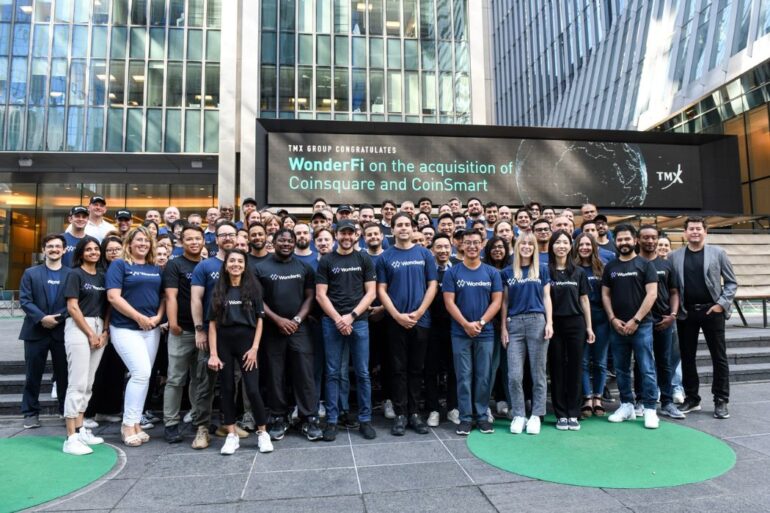
Robinhood has announced a definitive agreement to acquire WonderFi Technologies Inc. for C$250 million in cash, marking a significant expansion into Canada’s regulated cryptocurrency sector. The deal, anticipated to close in the second half of 2025, offers a 41% premium to WonderFi’s shareholders and will integrate WonderFi’s entire team into Robinhood Crypto’s Canadian operations.

This acquisition grants Robinhood access to WonderFi’s regulated crypto trading platforms, Bitbuy and Coinsquare, which collectively manage over C$2.1 billion in client assets. These platforms have experienced substantial growth, with a 110% increase in assets under custody since the end of 2023.

WonderFi’s consolidation of Bitbuy and Coinsquare under a single regulated investment dealer has positioned it as a dominant player in Canada’s crypto market. The company now serves over 1.7 million registered users, offering services that include crypto trading, staking, and payment processing through its SmartPay platform.

The acquisition aligns with Robinhood’s strategy to diversify its offerings beyond traditional stock trading. By integrating WonderFi’s platforms, Robinhood aims to provide Canadian users with a comprehensive suite of financial services, including crypto trading, staking, and payments. This move also reflects a broader trend of consolidation in the crypto industry, as companies seek to expand their global footprint and comply with evolving regulatory standards.

The Canadian crypto market has become increasingly attractive to international firms, partly due to its stringent regulatory environment. WonderFi’s adherence to Canadian regulations and its status as a fully regulated investment dealer make it a valuable asset for Robinhood’s international expansion. The acquisition is expected to enhance Robinhood’s competitiveness in the global crypto market, providing a robust platform for growth in Canada and potentially beyond.

This transaction is part of a series of strategic moves by Robinhood to deepen its involvement in the cryptocurrency space. The company previously acquired crypto exchange Bitstamp for $200 million, signaling its commitment to expanding its crypto offerings.
By Sushil Kutty The western Press is egging United States President Donald Trump to press India for third-party mediation in the Kashmir imbroglio roiling India-Pakistan relations, while at the same time asserting that Trump has put India, led by Prime Minister Narendra Modi, in a “tight spot”. Prime Minister Modi wasn’t asked for his opinion […]

HONG KONG SAR – Media OutReach Newswire – 13 May 2025 – WRISE Hong Kong today announced the appointment of Mr. Joe C. Lee as Non-Executive Director of WRISE Prestige Hong Kong, effective immediately. With his distinguished entrepreneurial background and extensive expertise in technology and business innovation, Mr. Lee will bring invaluable strategic insights to further strengthen WRISE Prestige’s growing wealth management business for the high-net-worth individuals. […]

Hong Kong-based blockchain firm Animoca Brands is preparing for a public listing on a U.S. stock exchange, capitalising on what its leadership describes as a “unique moment” created by President Donald Trump’s more accommodating stance toward digital assets. The company, known for its investments in Web3 gaming and decentralised finance, is exploring various shareholding structures and aims to finalise its plans in the near future.

Executive Chairman Yat Siu indicated that the decision to pursue a U.S. listing marks a significant shift from the company’s previous position. Under the Biden administration, stricter regulatory measures had deterred Animoca from entering the American market. However, the current administration’s efforts to position the U.S. as a global hub for digital assets have altered the landscape. “It’s a unique moment in time,” Siu remarked, emphasising the strategic importance of accessing the world’s largest capital market.

Animoca Brands, which was valued at nearly $6 billion in 2022, reported unaudited revenues of $314 million for the year ending December 31, 2024. The company’s earnings before interest, taxes, depreciation, and amortisation stood at $97 million. Its financial reserves include approximately $293 million in cash and stablecoins, alongside $538 million in digital assets. These figures reflect a robust financial position as the company considers re-entering public markets after its delisting from the Australian Securities Exchange in 2020.

The potential listing aligns with a broader trend of crypto-focused companies seeking to establish a presence in the U.S. market. Notably, American Bitcoin, a cryptocurrency mining firm backed by Eric and Donald Trump Jr., announced plans to go public through a merger with Gryphon Digital Mining. This move underscores the growing influence of pro-crypto sentiments within the current administration and the opportunities they present for blockchain enterprises.

Animoca’s portfolio includes investments in over 540 companies, with stakes in prominent entities such as OpenSea, Kraken, and Consensys. The firm’s diverse holdings span various sectors within the digital asset ecosystem, reinforcing its position as a significant player in the industry. Siu highlighted the company’s unique approach, stating, “We think we’re the biggest non-financial services crypto firm,” and emphasised the importance of showcasing innovation beyond traditional financial services through a public listing.

The company’s Digital Asset Advisory business experienced substantial growth, generating $165 million in bookings for 2024, a 116% increase year-over-year. This segment provides services such as token advisory, marketing, and trading support, contributing significantly to Animoca’s revenue streams. Additionally, the firm reported $110 million in bookings from its Web3 operating businesses and $39 million from investment activities.

Sobha Realty has unveiled its latest masterplan development, Sobha Central, strategically located on Sheikh Zayed Road. The project introduces 1,225 upscale residences across six residential towers, aiming to redefine urban living in Dubai’s central corridor. Designed as a self-contained vertical community, Sobha Central integrates residential, commercial, and recreational spaces. The development features a curated mix of one- and two-bedroom apartments, targeting professionals and investors seeking modern amenities […]

BANGKOK, THAILAND – Media OutReach Newswire – 13 May 2025 – Siam Piwat is redefining travel experiences in Bangkok with the ONESIAM Global Visitor Card, an exclusive privilege card created especially for global visitors. Designed to match the needs of modern explorers, the card offers seamless access to extraordinary experiences across travel, shopping, dining, sightseeing, and more under the concept of “Access the Extraordinary.” This all-in-one travel […]

Design software company Figma Inc. has confidentially filed for an initial public offering in the United States, selecting Morgan Stanley as the lead underwriter. This move positions the San Francisco-based firm as a significant test case for investor appetite in technology listings during a period of market volatility driven by geopolitical tensions and fluctuating economic policies. Figma’s decision to proceed with an IPO follows the collapse of […]

Advertisements

Matein Khalid The smoke signals from Geneva came even faster than the one in the Vatican that announced the arrival of Pope Leo XIV on the world stage. If the US-China trade marathon was a Bollywood movie, Scott Bessant would be​ ​dancing wet and wild with the Chinese Vice Premier Lifeng in their Jet d’Eau or kowt​owing on those little abraas that criss-cross the Rhône river​ since […]

By Saifur Rahman The governments and the private sector in the GCC are investing heavily in infrastructure and creating world-class race tracks for the development of motorsports that, coupled with strong interest among the local youth are spearheading the motorsports in the region. Home to two global Formula 1 race tracks, the region is yet to become a global hotspot for motorsports. Although a lot of youngsters […]

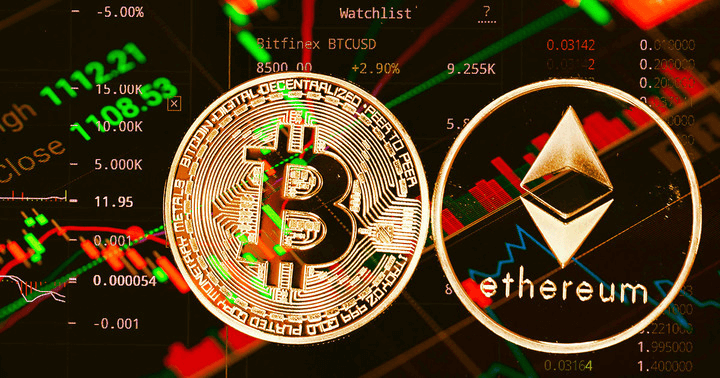
Bitcoin’s trajectory has garnered heightened attention as prominent figures in the cryptocurrency realm project significant growth, underpinned by strategic initiatives and institutional endorsements.

Changpeng Zhao, known as CZ and the founder of Binance, has articulated a bullish stance, suggesting that Bitcoin’s value could escalate to between $500,000 and $1,000,000 within the current market cycle. He attributes this potential surge to increasing institutional adoption and the maturation of the crypto market, envisioning the total cryptocurrency market capitalization reaching $5 trillion by year’s end.

Investor Tim Draper has expressed an even more optimistic view, positing that Bitcoin could attain an “infinite” value in U.S. dollar terms. He characterizes Bitcoin as a new store of value, emphasizing its decentralized nature and finite supply, which he believes positions it as a superior alternative to traditional fiat currencies.

Eric Trump has also entered the discourse, forecasting exponential growth for Bitcoin. He has disclosed that the Trump family holds a substantial position in Bitcoin, reflecting their confidence in its long-term value. Eric Trump has further stated that his father, President Donald Trump, will vigorously support the cryptocurrency sector, aiming to establish the United States as a global leader in digital assets.

Geoffrey Kendrick of Standard Chartered has projected a significant appreciation for Binance Coin , anticipating a 360% increase to $2,775 by 2028. He cites the coin’s utility and scarcity as primary drivers of its expected growth.

Analyst Michaël van de Poppe has accurately predicted Ethereum’s breakout to $2,100, attributing the movement to favorable market conditions and increased investor interest. Similarly, Lark Davis has identified a bullish pattern in Solana’s price action, targeting a rise to $170 once it surpasses the $150–$160 range.

These forecasts coincide with strategic developments in the cryptocurrency space. President Trump’s administration has initiated the establishment of a Strategic Bitcoin Reserve, repurposing over $17 billion in forfeited bitcoins from legal cases to create a federal digital asset reserve. This move aims to position the U.S. as a leader in digital asset holdings, with the Treasury managing the reserve through strategies like dollar-cost averaging and prohibiting the sale of the assets to maintain long-term value.

The Trump family’s involvement in the cryptocurrency sector extends beyond holdings. Eric Trump and Donald Trump Jr. have invested in a bitcoin-mining venture named American Bitcoin, in partnership with Hut 8, a major crypto infrastructure company. This initiative seeks to make American Bitcoin the world’s largest and most efficient bitcoin miner, with plans to accumulate a substantial strategic bitcoin reserve.

Bitcoin has surged beyond the $103,000 mark, buoyed by a confluence of macroeconomic developments and heightened institutional engagement. The cryptocurrency’s ascent to $103,963 underscores a significant rebound from its April low of approximately $76,000, reflecting a resurgence in investor confidence.

A pivotal factor in this rally is the recent trade agreement between the United States and the United Kingdom, which has alleviated some global economic uncertainties. The deal, emphasizing increased export access, particularly for U.S. agricultural products, has been perceived as a positive signal for markets, contributing to the uptick in Bitcoin’s value.

Institutional investment has played a crucial role in Bitcoin’s momentum. Notably, spot Bitcoin exchange-traded funds in the U.S. have experienced substantial inflows, with BlackRock’s iShares Bitcoin Trust surpassing $50 billion in net assets. This influx of capital from institutional investors has been instrumental in driving the cryptocurrency’s price upward.

The appointment of a crypto-friendly head to the U.S. Securities and Exchange Commission has further bolstered market sentiment. This move is anticipated to lead to a more accommodating regulatory environment for digital assets, encouraging greater participation from both institutional and retail investors.

Technical analysts are closely monitoring Bitcoin’s performance, noting that if it maintains support above the $100,000 threshold, it could test previous highs. However, they caution that a drop below key support levels could prompt a reassessment of the market’s trajectory.

The broader cryptocurrency market has mirrored Bitcoin’s gains, with other digital assets such as Ether, XRP, and Solana registering notable increases. This collective uptrend suggests a renewed appetite for risk among investors, extending beyond Bitcoin to encompass a wider array of cryptocurrencies.

Goldman Sachs has elevated its position in BlackRock’s Bitcoin exchange-traded fund to a staggering $1.4 billion, signalling an intensified commitment to the rapidly expanding cryptocurrency market. This move follows a growing interest among institutional investors, who are increasingly seeking exposure to Bitcoin as a hedge against inflation and a way to diversify their portfolios. With the global financial landscape facing new challenges, such as fluctuating interest rates and geopolitical instability, Bitcoin has emerged as a potential safe haven, enticing financial giants to deepen their involvement in digital assets.

The financial powerhouse’s latest decision to boost its stake in the Bitcoin ETF indicates not only the firm’s confidence in the cryptocurrency but also reflects the broader institutional shift towards embracing Bitcoin as part of a diversified investment strategy. Goldman Sachs’ previous foray into Bitcoin ETFs was more cautious, but this latest increase marks a notable change in approach, suggesting that the firm believes the regulatory environment for digital assets is stabilising, making Bitcoin a more attractive asset class.

This bold move comes at a time when the Bitcoin market has seen considerable fluctuations. Despite this volatility, institutional investors, including hedge funds, pension funds, and asset managers, are positioning themselves to benefit from long-term growth. Goldman Sachs’ decision also highlights the increasing convergence of traditional finance and the cryptocurrency world. The firm’s involvement is likely to set a precedent for other major banks, who may follow suit in bolstering their positions in Bitcoin and other digital currencies.

Central to Goldman Sachs’ decision to increase its stake is the market’s evolving sentiment towards Bitcoin and its potential to outperform traditional assets in the coming years. Despite its price swings, Bitcoin is being seen by many as a store of value, similar to gold, particularly as governments worldwide engage in expansive fiscal policies. The rise of Bitcoin ETFs, led by BlackRock’s offering, has provided institutional investors with a regulated and accessible means of entering the crypto space, without the direct involvement in managing digital wallets or private keys.

The ETF market has been a key component in facilitating institutional adoption of digital assets. BlackRock’s Bitcoin ETF, launched amid growing demand, has provided a vehicle for major investors to gain exposure to Bitcoin’s price movements through a traditional financial instrument. This has enabled established firms like Goldman Sachs to invest without the complexities associated with direct cryptocurrency trading. ETFs also offer the benefit of liquidity and transparency, which appeal to institutional investors who prioritise stability and regulatory clarity.

The impact of institutional investments in Bitcoin cannot be overstated. With large players such as Goldman Sachs now deeply embedded in the Bitcoin ecosystem, the cryptocurrency is receiving a degree of legitimacy previously reserved for traditional assets. This institutional endorsement is likely to encourage other investment firms to follow suit, pushing Bitcoin further into the mainstream. Moreover, the increased demand from institutions is expected to drive the price of Bitcoin upward, as more capital flows into the market, further solidifying its role as a viable asset class.

Another critical aspect of Goldman Sachs’ decision is the changing macroeconomic environment. The COVID-19 pandemic has accelerated the adoption of digital assets, with central banks around the world introducing monetary policies that have weakened fiat currencies. This environment has made Bitcoin an attractive hedge against inflation, especially in countries facing economic instability. Goldman Sachs, recognising this trend, appears to be doubling down on its belief that Bitcoin’s scarcity and decentralized nature position it as a powerful asset in uncertain economic times.

Goldman Sachs’ stake in BlackRock’s Bitcoin ETF demonstrates the growing acceptance of Bitcoin by the broader financial industry. BlackRock’s decision to launch a Bitcoin ETF itself marked a pivotal moment in the crypto market, as it was one of the first major asset management firms to publicly embrace Bitcoin in such a significant manner. The success of the ETF, alongside Goldman Sachs’ investment, reinforces the notion that Bitcoin is gradually being integrated into the mainstream financial system.

The strategic importance of this move by Goldman Sachs extends beyond just its investment in the ETF. The firm’s actions are likely to influence future regulatory developments concerning digital assets. With such a large financial institution making a significant move into the crypto market, it is expected that regulators will be more inclined to develop clearer guidelines and frameworks for Bitcoin and other cryptocurrencies. This regulatory certainty would be beneficial for both institutional investors and the broader crypto ecosystem, as it would reduce the risks associated with the evolving nature of cryptocurrency laws.

ValorC3 Data Centers has unveiled plans to construct a state-of-the-art 10MW colocation facility in Boise, Idaho. The project is a strategic move to meet growing demand for high-performance infrastructure capable of supporting artificial intelligence and other cutting-edge technologies. The new facility is expected to position Boise as a key hub in the U.S. data centre landscape, reinforcing the region’s role in the digital economy. This major development […]

Rootstock, a prominent project designed to bring advanced functionalities to Bitcoin, has made significant strides in improving the security of decentralised finance through an enhanced hashrate contribution. As Bitcoin’s blockchain remains the most dominant in the world, Rootstock seeks to provide additional layers of functionality, particularly by enabling smart contracts and decentralised applications on top of Bitcoin’s network. This development is seen as a major step forward in bridging the gap between Bitcoin’s strong security features and the flexibility that DeFi protocols demand.

For years, Bitcoin has been regarded as a secure store of value but lacked many of the programmability features available in other blockchain networks, notably Ethereum. While Ethereum’s dominance in the DeFi sector is well-established, Bitcoin’s limited scripting capabilities have prevented it from achieving similar prominence in the space. Rootstock, by integrating smart contracts with Bitcoin, aims to leverage Bitcoin’s security and decentralisation while also making it more adaptable to the growing demand for DeFi services.

One of the key advancements in Rootstock’s latest efforts is its contribution to Bitcoin’s overall hashrate. Hashrate is the computational power required to process transactions and secure the network, and it plays a vital role in maintaining blockchain integrity. The increase in Rootstock’s hashrate share is an important factor in improving Bitcoin’s security, particularly as the ecosystem grows more complex with the addition of smart contract functionality. By boosting its hashrate share, Rootstock provides a stronger shield against potential attacks, such as double-spending or malicious 51% attacks, that could compromise the security of both Bitcoin and its additional smart contract capabilities.

The significance of Rootstock’s contributions goes beyond technical performance. As it integrates with Bitcoin, Rootstock makes it easier for developers to build on the Bitcoin blockchain, providing greater flexibility in the development of dApps. Rootstock’s compatibility with Bitcoin allows developers to tap into Bitcoin’s established and robust user base while adding advanced functionalities through the Rootstock platform.

Smart contracts, which are at the heart of DeFi, enable trustless financial transactions without the need for intermediaries. By combining these with Bitcoin’s inherent security model, Rootstock offers a promising solution for users and developers alike. The project’s work in enhancing security through hashrate support complements its broader mission of ensuring the long-term viability and competitiveness of Bitcoin in the rapidly evolving DeFi landscape.

Although Bitcoin’s energy consumption has drawn criticism due to its reliance on proof-of-work , Rootstock’s innovation demonstrates that scaling the network can be done without sacrificing security. As one of the leading DeFi platforms to incorporate Bitcoin into its framework, Rootstock’s developments suggest that Bitcoin could become a more formidable player in the DeFi sector moving forward.

For Bitcoin to thrive in the DeFi world, the integration of features like smart contracts and improved security is essential. Rootstock’s success in merging these elements without compromising Bitcoin’s decentralisation model is a critical step in this direction. The increase in hashrate not only strengthens the network’s defences but also reassures users and investors of the project’s commitment to robust security practices.

OpenAI is engaged in high-stakes negotiations with Microsoft to restructure their multibillion-dollar partnership, aiming to secure new funding and lay the groundwork for a potential initial public offering . The discussions focus on revising equity arrangements and long-term access to OpenAI’s advanced artificial intelligence technologies.

Microsoft, having invested over $13 billion in OpenAI since 2019, is reportedly willing to adjust its equity stake in exchange for extended access to OpenAI’s AI models beyond the current 2030 agreement. This move reflects Microsoft’s strategic interest in maintaining a competitive edge in AI integration across its products and services.

The renegotiation also involves updating broader contractual terms established during Microsoft’s initial $1 billion investment in 2019. These revisions are crucial as OpenAI transitions into a public benefit corporation , a structure that balances profit motives with its mission to develop AI for the public good.

OpenAI’s shift to a PBC comes after abandoning plans to become a for-profit entity, following criticism from stakeholders concerned about deviating from its nonprofit origins. The new structure allows for conventional equity holdings by investors and employees while ensuring that the nonprofit entity retains significant control over the company’s direction.

The company’s recent fundraising efforts underscore its ambitions, with $6.6 billion raised in October 2024 and an additional $40 billion in March 2025, elevating its valuation to approximately $300 billion. These funds are intended to support OpenAI’s pursuit of artificial general intelligence and the development of AI technologies that can be broadly beneficial.

However, the partnership’s evolution has not been without tension. OpenAI’s engagements with other tech giants like SoftBank and Oracle have reportedly caused friction with Microsoft. Despite these challenges, both companies recognize their mutual dependence, particularly as Microsoft continues to integrate OpenAI’s technologies into its offerings.

Critics, including co-founder Elon Musk, have expressed concerns that OpenAI’s restructuring could compromise its nonprofit mission. Legal scrutiny from authorities in California and Delaware adds another layer of complexity to the company’s transformation. OpenAI must navigate these regulatory landscapes carefully to maintain its mission-driven approach while accommodating investor interests.

HONG KONG SAR – Media OutReach Newswire – 10 May 2025 – ​Invest Hong Kong (InvestHK) announced today (May 10) that the Director-General of Investment Promotion at InvestHK, Ms Alpha Lau, will embark on a series of visits to Istanbul, Türkiye; Budapest, Hungary; and Cairo, Egypt, some of the key economies along the Belt and Road, to strengthen economic ties and promote Hong Kong as the premier […]

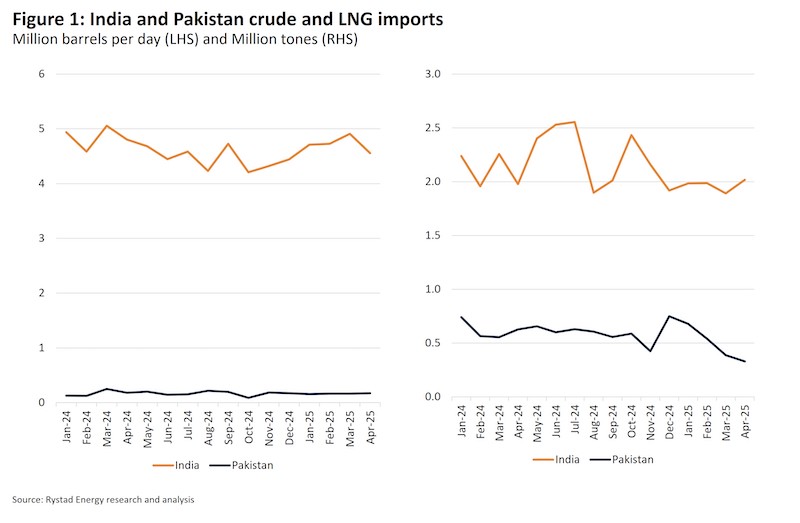
By K Raveendran Reports from across the border suggest that Pakistan is already suffering a fuel crisis, with petrol pumps having been ordered closed for the time being. An analysis of the emerging energy scenario in the wake of the ongoing conflict suggests the beginning of a serious crisis for Pakistan, while India is relatively […]

Abu Dhabi Investment Office has announced the expansion of its San Francisco office, aiming to bolster the emirate’s economic clusters and facilitate global innovation, particularly in the healthcare sector. This move is part of a broader strategy to position Abu Dhabi as a central hub for health technology and related industries. The San Francisco office, situated in a region renowned for its advancements in health tech, biotech, […]

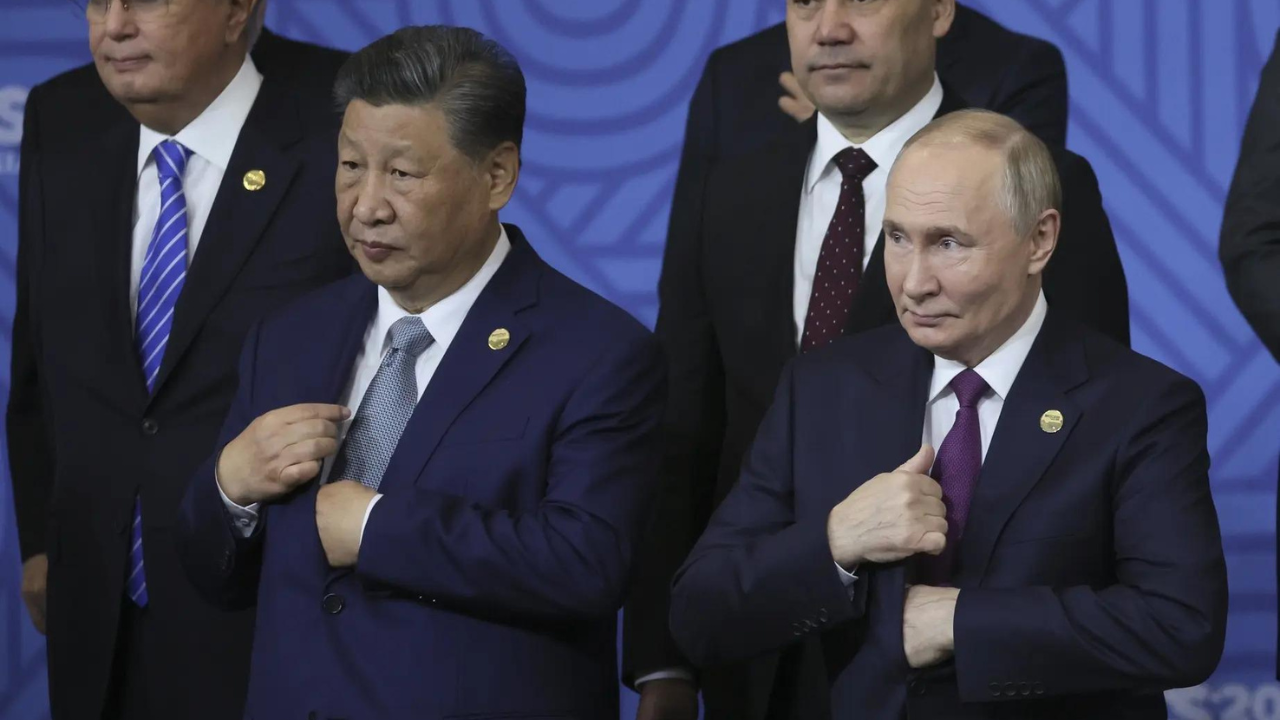
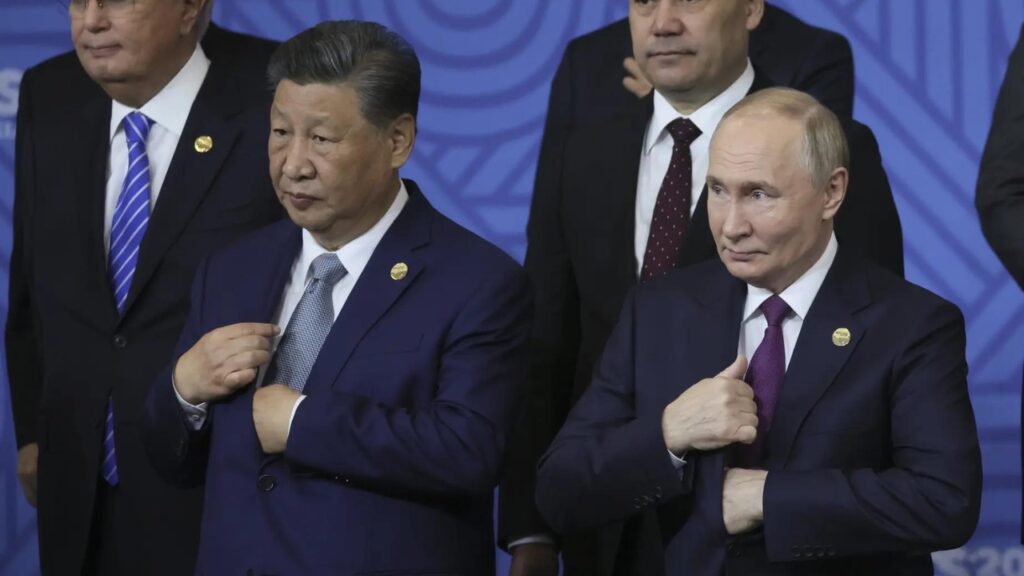
By Nitya Chakraborty The joint declaration issued by the Russian President Vladimir Putin and the Chinese President Xi Jinping on the eve of the Victory Day on May 9 upholding longstanding friendship to pursue mutual benefit and win-win outcomes in the new era carries major significance in the present period of global tariff war as […]


Abu Dhabi’s International Holding Company has joined forces with US-based investment giant BlackRock to establish a $1 billion reinsurance platform headquartered in the Abu Dhabi Global Market . The initiative, which also includes Lunate, an Abu Dhabi-based alternative investment manager, aims to underwrite liabilities exceeding $10 billion and is poised to reshape the global reinsurance landscape.

The yet-to-be-named platform will adopt a buy-and-build strategy, focusing on acquiring and developing reinsurance capabilities. BlackRock will contribute its insurance asset management expertise, advisory services, and Aladdin technology platform to the venture. Additionally, BlackRock is expected to make a minority investment commitment upon the finalization of the deal.

Lunate’s participation marks its entry into the reinsurance sector, expanding its investment portfolio beyond its existing $105 billion in assets under management. The firm has been actively investing across various sectors, including energy infrastructure and climate finance, as evidenced by its acquisition of a 40% stake in ADNOC Oil Pipelines and the establishment of the $30 billion ALTÉRRA climate investment vehicle.

The collaboration between IHC, BlackRock, and Lunate underscores Abu Dhabi’s strategic push to position itself as a global hub for financial services and reinsurance. The ADGM’s progressive regulatory framework and its appeal to international financial institutions have made it an attractive destination for such ventures.

This partnership is expected to leverage the strengths of each entity: IHC’s expansive investment portfolio and regional influence, BlackRock’s global asset management capabilities, and Lunate’s innovative investment strategies. Together, they aim to address the growing demand for reinsurance solutions and contribute to the diversification of Abu Dhabi’s financial sector.

The upcoming launch of CyberCatsCoin is generating considerable excitement in the cryptocurrency community, as the new meme coin promises to bring tangible utility to a sector often dominated by speculative tokens. With its presale slated to begin shortly, the coin’s creators are positioning it to stand out not only for its playful, meme-inspired branding but also for its innovative approach to addressing real-world problems within the crypto space.

Unlike many meme coins, which thrive primarily on viral marketing and community-driven hype, CyberCatsCoin aims to blend the playful, community-driven ethos of meme tokens with functionality that extends beyond just speculation. According to the project’s whitepaper, the coin is designed to facilitate a range of use cases, from providing a platform for decentralized applications to integrating with charity initiatives and supporting real-world partnerships. This combination of fun and purpose has already caught the attention of crypto enthusiasts and investors alike.

The project is being led by a team of experienced blockchain developers, marketing strategists, and community managers, many of whom have previously worked on high-profile crypto projects. Their goal is to differentiate CyberCatsCoin from the vast sea of meme tokens by offering long-term value to its holders, rather than relying solely on short-term speculative hype. By integrating robust utility features, the team hopes to attract a broader audience beyond typical meme coin investors, such as those interested in decentralized finance , NFTs, and blockchain-based solutions.

One of the primary goals of CyberCatsCoin is to create an ecosystem where users can interact with the coin in various meaningful ways. The development team has outlined plans to launch a decentralized exchange and a series of dApps that will enable holders to use their tokens in real-world applications. These include everything from charity donations to staking rewards and governance in the project’s evolving ecosystem. Such features are designed to drive both utility and adoption, helping to position CyberCatsCoin as more than just another joke coin.

The presale for CyberCatsCoin is expected to generate significant interest, particularly among meme coin enthusiasts who are familiar with coins like Dogecoin and Shiba Inu. However, the coin’s creators are eager to highlight how CYBCC is different. By incorporating meaningful use cases and long-term vision into the tokenomics, they are positioning the coin as a more sustainable and impactful option for those seeking to participate in the meme coin market.

The presale will offer early investors the chance to purchase CYBCC at a discounted price before it officially launches on various exchanges. This strategic move aims to build a solid foundation of loyal supporters and create momentum for the token’s eventual widespread adoption. As with any presale, however, investors are urged to exercise caution and conduct due diligence before committing their funds.

CyberCatsCoin’s focus on real-world utility has sparked considerable interest from the DeFi and blockchain development communities. The project is not just about creating another meme coin for fun but about pushing the boundaries of what meme-inspired cryptocurrencies can achieve. Experts in the blockchain sector have noted that the integration of utility with meme-based marketing could pave the way for a new breed of crypto assets that combine the best of both worlds: fun, community engagement, and real-world applicability.

Despite the current bear market conditions in the cryptocurrency sector, the project has already garnered a strong community following on social media platforms, with thousands of users joining Telegram groups and Twitter channels dedicated to CyberCatsCoin. This level of early interest bodes well for the presale and beyond, as the coin’s creators continue to engage with their community through regular updates, contests, and partnership announcements.

The Indian Rupee has plummeted to its lowest value against the UAE Dirham in over a month, marking a significant drop to 23.36 per dirham. This decline, the steepest since mid-April, follows escalating border tensions between India and Pakistan, which have triggered volatile market reactions. Traders are closely monitoring the situation, with fears of further instability driving the currency’s slide.

As the conflict intensifies, the Rupee’s depreciation is attributed to growing uncertainties surrounding the geopolitical standoff. India and Pakistan, both nuclear-armed neighbours, have long been at odds over the Kashmir region. The latest developments have exacerbated market fears of prolonged instability, pushing investors to seek safer assets, which has further weighed on the Rupee.

Currency markets, traditionally sensitive to geopolitical risks, have seen a surge in demand for the US Dollar, which remains a global safe-haven. Analysts point to the Dollar’s strengthening as a direct response to mounting tensions in South Asia, compounded by global inflationary pressures. With foreign investors retreating from riskier assets, the Rupee has been further pressured, intensifying the currency’s downtrend.

The Indian government’s response to the situation, alongside Pakistan’s military actions, has added to investor uncertainty. The military exchanges along the Line of Control between the two countries have led to heightened concerns not only about regional security but also about the broader economic repercussions of prolonged instability. Economists suggest that the markets will continue to reflect these risks until diplomatic measures are taken to de-escalate tensions.

The ongoing conflict is expected to affect trade relations, particularly in sectors reliant on cross-border commerce. Import and export activities between India and Pakistan, already hindered by past disputes, are likely to experience further disruptions. This could lead to an uptick in inflation, especially in critical sectors like oil, where price fluctuations are particularly sensitive to regional tensions.

Central banks in both nations, as well as the International Monetary Fund , have called for restraint, urging both sides to avoid further military escalation and seek peaceful resolutions. However, the risk of military confrontations spilling over into broader regional instability remains a concern that is factoring heavily into currency movements.

The financial impact on India is also underscored by the continued inflationary pressures faced by the country. While India has a relatively strong domestic economy, analysts warn that the ongoing uncertainty over the border conflict could undermine investor confidence, further destabilising the currency. This would place more pressure on the Reserve Bank of India , which may be forced to intervene in the markets to prevent excessive depreciation.

For businesses and consumers, the weakening Rupee has meant higher costs for imported goods, particularly fuel and electronic products, which are crucial to India’s economy. The cost of living for many Indian citizens is expected to rise, further intensifying socio-economic concerns. The rise in fuel prices has already led to protests in certain parts of India, with many calling on the government to address the economic fallout from the ongoing tensions.

The Indian government, however, remains optimistic about the long-term outlook for the Rupee. According to finance ministry officials, the country’s economic fundamentals remain robust despite the external geopolitical risks. They argue that the current currency depreciation is part of a broader, global trend, and that India is well-positioned to weather the storm with its growing foreign reserves and strong trade relationships beyond the subcontinent.

Despite these assurances, many analysts argue that India’s growing fiscal deficits and inflationary pressures could further complicate the Rupee’s recovery. A sharp depreciation could potentially lead to an erosion of investor confidence, compounding the country’s financial challenges.

NEW YORK, USA – Media OutReach Newswire – 8 May 2025 – FLock.io, a private AI training platform, closed a strategic funding round led by DCG in December 2024 and launched FL Alliance, a solution enabling decentralized AI model training. FL Alliance transforms everyday devices into training nodes, allowing users to create personalized LLMs, earn token rewards, and maintain complete data privacy. AI adoption in healthcare, fintech, […]

Coinbase Global has agreed to acquire Deribit, the world’s largest bitcoin and ether options trading platform, for approximately $2.9 billion. The transaction comprises $700 million in cash and 11 million shares of Coinbase Class A common stock, marking the company’s most significant acquisition to date.

This strategic move positions Coinbase to strengthen its presence in the burgeoning crypto derivatives market, which has witnessed substantial growth in recent years. Deribit, founded in 2016 and headquartered in Dubai, specializes in options, futures, and spot trading. The platform reported a near doubling of its trading volume in 2024, reaching $1.2 trillion, largely attributed to increased institutional participation following the U.S. elections.

The acquisition aligns with Coinbase’s broader international growth strategy, particularly as the company seeks to expand its services beyond the United States. Deribit’s active license to operate in Dubai offers Coinbase a strategic foothold in the Middle Eastern market, a region that has emerged as a key global hub for blockchain and cryptocurrency businesses amid increasing regulatory pressures in the U.S. and EU.

Greg Tusar, Coinbase’s Vice President of Institutional Product, stated, “This will make us the most comprehensive player in derivatives.” The deal underscores Coinbase’s commitment to diversifying its offerings and catering to the evolving needs of institutional clients.

The acquisition comes amid a surge in crypto-related mergers and acquisitions, fueled by a more supportive U.S. regulatory environment under President Trump. The administration has pledged to advance the country as a “bitcoin superpower,” prompting a wave of deals in the sector. Notably, Kraken agreed to a $1.5 billion deal for NinjaTrader, and Ripple announced a $1.25 billion purchase of Hidden Road.

Coinbase’s previous acquisitions, including One River Digital and Tagomi , have bolstered its service offerings and footprint in the crypto sector. The Deribit deal represents a significant step in Coinbase’s ongoing efforts to expand its global reach and capitalize on the growing demand for crypto derivatives.

Deribit’s CEO, Luuk Strijers, acknowledged the company’s receipt of strategic investment inquiries over time but emphasized that Deribit had not been put up for sale. Despite this, the company engaged Financial Technology Partners to assess potential acquisition offers, reflecting the increasing interest in crypto derivatives platforms.

VISHNU RAJA
RYO YAMADA
HITORI GOTOH
IKUYO KITA