News related to
beyond

HONG KONG SAR – Media OutReach Newswire – 26 October 2025 – The metabolic “Three Highs” – hyperglycemia, hypertension, and hyperlipidemia – demonstrate a strong collective impact on cardiovascular diseases. An interim report from the HEARTWISE study, led by the School of Nursing, LKS Faculty of Medicine at The University of Hong Kong (HKUMed), reveals that patients presenting with this metabolic triad face up to 70% risk […]

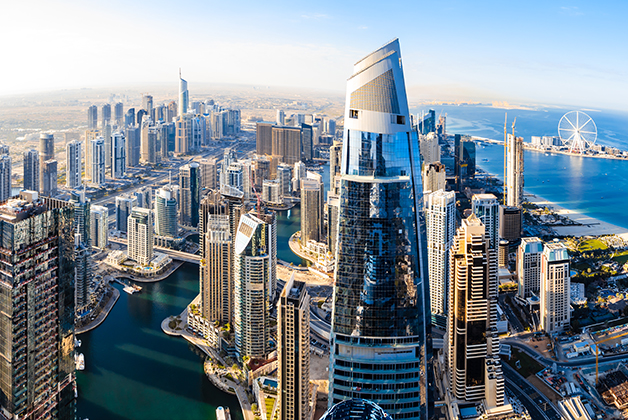
India is positioning itself as a global food supplier using Dubai as the logistical gateway, according to statements made by Chief Minister N. Chandrababu Naidu of Andhra Pradesh during his visit to the UAE. He declared that India’s strengths in agriculture, horticulture, aquaculture and logistics will enable the country to serve “the global community” through Dubai’s market access.

Naidu spoke of the UAE city’s strategic connectivity and global reach as ideal for scaling Indian-food exports. He noted that the Andhra Pradesh government is aiming to reduce logistics costs by integrating inland waterways, railways, road and seaports, and by spending around 14 per cent of the state’s GDP on logistics infrastructure as part of the drive to increase efficiency. His role as chief minister of Andhra Pradesh places him at the centre of an ambitious push to offer the state as a manufacturing and supply-chain hub with Indian agriculture at its core.

The announcement comes amid a broader investment road-show in which Naidu met with senior policymakers and business leaders in the UAE to discuss partnerships across multiple sectors, including food processing, green energy, AI and infrastructure. During a dialogue in Dubai the chief minister stated that India will supply food to the global community through Dubai as a hub, adding that he met ministers, family-business leaders and airlines executives during the visit. He praised the Indian diaspora for their contributions and flagged the state’s goal of making the new capital Amaravati a “green and blue city” built around water, greenery and advanced infrastructure.

Andhra Pradesh’s food-processing ambitions are a central plank of the strategy. The state government has invited investment from UAE food-conglomerates to scale cocoa cultivation, chocolate manufacturing, aquaculture and related logistics. The Chinese food-industry trend of “value-added exports” is echoed by India’s attempt to move beyond raw agricultural exports towards packaged, processed and high-logistics-integrated supply chains.

From a trade perspective, positioning Dubai as a re-export hub can offer Indian producers quicker access to Middle East, African and European markets. Dubai’s status as a global logistics and trading hub gives India the opportunity to piggy-back on existing infrastructure and reach. It also offers investors assurances of regulatory, financial and physical connectivity.

However, a number of challenges stand in the way. India already faces structural issues in agriculture: fragmented landholdings, variable productivity, post-harvest losses, and high domestic logistics costs. While Naidu cites a logistics cost of about 14 per cent of GDP for Andhra Pradesh, the national average remains higher and such a figure implies major optimisation ahead. The use of Dubai as a hub also raises questions of tariff regimes, transit duties, warehousing handling cost and competition from other international producers using the Gulf as re-export platforms.

Critics also point to the risk of over-promising on export capacity. India’s agriculture export ratio remains modest relative to the size of its production, and moving up the value chain into globally competitive processed foods will require investment in cold-chain infrastructure, quality standards and market-specific certifications. The reliance on a single state’s announcement may also raise concerns about federal coordination and falling short of expectations if broader national agricultural reforms lag.

Microsoft has introduced a new avatar named Mico to lead its latest update of the Copilot assistant, marking a strategic move in how the company presents AI interactions. The Mico character joins an array of twelve new enhancements in the Copilot Fall Release, positioning the assistant as more expressive, collaborative and user-friendly. The visual identity of Mico is intentionally playful—an abstract, floating shape capable of changing colour […]

Dubai-based Emirates Integrated Telecommunications Company PJSC announced that its third-quarter results delivered a 7.9 per cent year-on-year jump in revenues to AED 3.87 billion, underpinned by growth in mobile, fixed and ICT businesses. The company reported an EBITDA of AED 1.85 billion, which equated to a margin of 47.8 per cent, while normalised net profit rose by 25.8 per cent to AED 732 million. Chief Executive Fahad […]

The Ministry of Finance has introduced the “Retail Sukuk” programme enabling citizens and residents to purchase government-backed Treasury Sukuk via participating banks with a minimum investment of AED 4,000. The first bank partner will be announced on 3 November 2025.

The move directly expands access to sovereign Islamic finance instruments previously reserved for institutional investors. According to the announcement, the scheme permits investment in Shariah-compliant Islamic treasury securities through fractionalised digital platforms operated by the banks. Leader Sheikh Maktoum bin Mohammed bin Rashid Al Maktoum described the initiative as “translating our leadership’s vision of empowering individuals, promoting a culture of saving and developing government investment instruments that enhance individual participation in economic growth and provide a direct opportunity to contribute to the national development journey.”

The initiative aligns with the nation’s financial-inclusion agenda and the strategy to deepen local capital markets. By lowering the threshold to AED 4,000, the scheme reduces entry barriers for retail investors and broadens the investor base for the domestic sovereign debt market. Analysts point out that universal access to such instruments represents a structural shift in how governments engage with individual savers.

Industry experts say this development reflects emerging trends in the Gulf’s Islamic finance sector, particularly the fractionalisation and tokenisation of Sukuk products. A legal-advisory report on the Gulf Cooperation Council’s Sukuk market noted that digital platforms and smaller tickets are “redefining how Sharia-compliant capital is structured, distributed and accessed.” The Abu Dhabi Islamic Bank earlier launched a “Smart Sukuk” platform allowing retail investment from about USD 1,000 in fractionalised Sukuk.

Governance stakeholders emphasise that the retail programme remains denominated in dirhams and linked to sovereign-backed Sukuk already traded in the market, ensuring exposure to high-quality government assets rather than untested structures. The Ministry reaffirmed that the rollout will follow the “highest standards of transparency and quality.”

Financial institutions stand to benefit from expanded customer-base growth and increased assets under management, while retail investors gain a compliant savings vehicle offering diversification beyond deposits and conventional investments. Yet risks remain. While sovereign-backed, Sukuk carry credit, liquidity and market-risk dimensions; beginners may require enhanced education around profit-sharing-based returns, Shariah-compliance nuances and secondary-market liquidity.

Some market participants caution that the success of the scheme will depend on the secondary-market functioning and investor confidence in digital platforms. Previous fractional-Sukuk roll-outs in the region flagged the need for robust regulatory oversight, clear smart-contract frameworks, and standardised product terms to build long-term participation.

MADRID, SPAIN – Media OutReach Newswire – 25 October 2025 – OPPO, a leading global smart device brand, today announced a deeper collaboration with Google to redefine personalized and secure mobile AI, focusing on personalized AI capabilities, AI model deployment, and AI privacy. Through this technical cooperation, OPPO aims to deliver more intuitive, secure, and comprehensive mobile AI experiences to users worldwide. “Working closely with partners like […]

The lead up to the table tennis contests at the 15th National Games of China take place next month at the Galaxy Arena, embracing the spirit of ‘National Games for All’ with the unique integration of record-breaking ‘sports-meet-art’ activations MACAU SAR – Media OutReach Newswire – 24 October 2025 – In celebration of the 15th National Games of China, which will be hosted in the Guangdong-Hong Kong-Macao […]

Advertisements

   By K Raveendran   The market seems to have already done its arithmetic on the new US sanctions on two major Russian oil companies, Rosneft PJSC and Lukoil, gauging the immediate and medium-term consequences for energy supply lines stretching from Moscow to Mumbai. In a matter of hours, crude prices spiked, reflecting not just […]

The article Latest Trump Sanction On Russian Oil Companies Gives Escape Route To India appeared first on Latest India news, analysis and reports on Newspack by India Press Agency).

HANOI, VIETNAM – Media OutReach Newswire – 24 October 2025 – 8Wonder Winter 2025 officially announces its full lineup, featuring global music icon Alicia Keys, “the songbird of America” with 17 prestigious GRAMMY Awards; K-pop’s new-generation phenomenon aespa; “the limitless voice” Dimash; and top Vietnamese artists Van Mai Huong, HIEUTHUHAI, and Maydays. With a grand scale, the “Symphony of Stars” concert, taking place on December 6 at […]

MANILA, PHILIPPINES – Media OutReach Newswire – 24 October 2025 – Green GSM has been honored with the E-Mobility Award for Technology Adoption by the Electric Vehicle Association of the Philippines (EVAP), recognizing its outstanding contribution to promoting electric mobility and supporting the country’s transition to sustainable transportation. Green GSM honored with E-Mobility Award at the 13th Philippine Electric Vehicle Summit (PEVS). The 13th Philippine Electric Vehicle […]

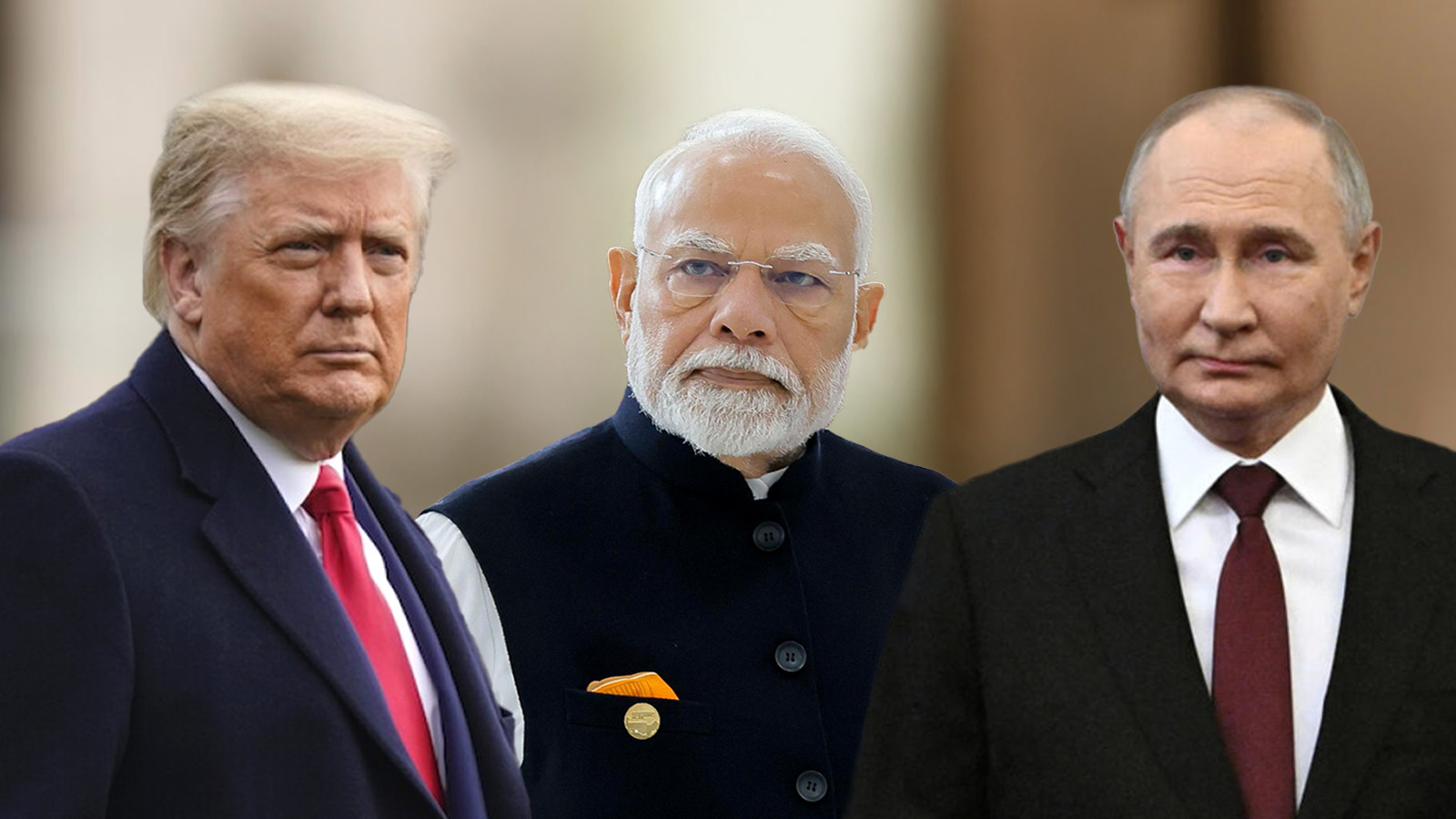
Global oil prices climbed sharply following new sanctions targeting Russia’s major producers, underscoring how geopolitical risk is once again reshaping the energy sector. The United States moved to impose measures against Rosneft and Lukoil, companies that together account for roughly half of Russia’s oil production. The measures froze U. S. assets of the companies, barred American business dealings and threatened secondary penalties for third-party entities dealing with them.

The immediate market reaction was decisive. Brent crude rose by about 5.7 per cent after the announcement, while U. S. futures recorded their most significant one-day jump in over four months. Supply concerns and uncertainty around the disruption of Russian flows have added a new premium to oil prices. Some analysts describe this as the return of the “geopolitical risk premium” that had subsided earlier this year.

Key dynamics are emerging in the global energy landscape. One of them is the pressure on refineries in China and India that have heavily relied on Russian crude. With sanctions threatening secondary penalties, buyers are reconsidering their linkages. The ramifications extend beyond immediate flows: Russia’s ability to route crude via its so-called ‘shadow fleet’ of tankers and opaque trading chains may be challenged further, complicating its export capacity.

From the Russian side, President Vladimir Putin described the U. S. move as “unfriendly” and warned it could backfire by pushing up global oil costs. However, Moscow also signalled that production would continue, and previous sanctions have not immediately led to a collapse in output, suggesting resilience and adaptation persist in the Russian energy sector.

For the buyer nations, the calculus is shifting. Indian and Chinese refineries, which have depended on discounted Russian grades, now face the risk of being cut off from Western-dollar financing, insurance and shipping links if they flout U. S. rules. The potential loss of Russian supply at discount could create a scramble for alternative sources. Meanwhile, Russia may turn more aggressively towards friendly states or deepen barter trade, but such shifts would likely come with higher costs and logistical complexity. Analysts argue that the global spare capacity outside OPEC is already thin, so any reduction in Russian supply could tighten the market further.

In financial markets the impact is tangible. Energy stocks in Europe rose alongside oil prices, while Russian stock indices registered losses on the back of sanction pressure. Firms in the Asia-Pacific region with exposure to Russian crude may face heightened risk premiums or supply disruptions. The confluence of sanctions and market reactions underscores how inter-linked energy flows, geopolitics and financial exposure have become.

On the structural front, situation highlights the ongoing challenge of sanction enforcement. The U. S. Treasury and allied agencies are increasingly focusing not just on Russia’s producers but the broader ecosystem: shipping, insurance, finance. The effectiveness of these measures depends upon the willingness of non-U. S. players to comply and the ability of Russia to create work-arounds through alternative trade routes. The efficiency of existing infrastructure, the cost of shipping to farther markets, and the reliability of insurance all factor into how quickly Russian production or exports may come under strain.

Unveils Bold Innovations, Strategic Partnerships, and a Vision for a Sustainable Tomorrow Revolutionary Vision: Michelin showcases its strategy to become a world-leading manufacturer of life-changing composites and experiences, driven by its All-Sustainable framework: People × Profit × Planet. Powerful Partnerships: Industry leaders and KOL joined Michelin in a panel discussion to share real-world sustainability collaborations and measurable impact. Culinary Innovation: GOAT Bangkok, a One MICHELIN Star restaurant, […]

A leading voice at the United Nations General Assembly roundtable pressed for stablecoins and blockchain-based identity systems as crucial tools in closing the gap for the 1.7 billion people globally who remain outside formal financial services. Adrian Wall, managing director of the Digital Sovereignty Alliance, moderated a session on global digital identity and financial inclusion on 22 October 2025 at the UN headquarters in New York, asserting that inclusive digital ecosystems must go hand in hand with personal data ownership.

Wall declared that “financial inclusion without financial literacy is a bridge to nowhere. It is access without empowerment,” emphasising that agency begins with ownership of data and dignity begins with choice. The DSA event convened 48 policy-makers, technology leaders and sustainable-development practitioners to explore frameworks combining blockchain, stablecoins and digital identity protocols in Africa, Asia and Latin America.

The discussion centred on how stablecoins—cryptocurrency units pegged to fiat currencies—and decentralised ledger infrastructures can extend access to payments, savings and credit for those shut out of traditional banking. Wall highlighted that data sovereignty underpins financial sovereignty: by empowering individuals to control their digital identity, systems can shift from passive access to active agency. He noted the critical role of stablecoins in environments where banking infrastructure is weak, pointing to pilots in sub-Saharan Africa where mobile wallets linked to digital identity verify transactions in previously unbanked communities.

Yet speakers also raised caution about stablecoins’ risks. Regulatory oversight remains uneven, with concerns about reserve transparency, anti-money-laundering compliance and the possibility of financial exclusion if digital identity systems mis-function. One attendee warned that “if identity platforms fail, we may deepen the exclusion we’re trying to solve.” The DSA stressed the need for multi-stakeholder governance: national regulators, technology providers and civil-society organisations must co-design the protocols to safeguard inclusion rather than displace it.

Beyond Africa, the dialogue extended to how stablecoins might support cross-border remittance flows, reducing cost and settlement delay. With global remittances hitting over US$700 billion annually, the potential for digital-asset rails has attracted attention from development lenders and fintech firms. Wall suggested that stablecoins anchored to trusted fiat liabilities could complement central bank digital currencies where those are nascent, offering a hybrid model for underserved markets.

Microsoft has raised the price of its Xbox development kit from US$1,500 to US$2,000—a jump of approximately 33 per cent. Sources familiar with the matter state that the price increase applies globally, covering regions beyond the United States. The move follows earlier price hikes for the Xbox Series X and S consoles and increases to the Xbox Game Pass subscription. Microsoft attributes the change to broad “macroeconomic […]

SINGAPORE – Media OutReach Newswire – 24 October 2025 – Apical was awarded the Sustainable Supply Chain Partnership Award – Singapore at the ESGBusiness Awards 2025 in Kuala Lumpur, Malaysia. The honour recognises Apical’s leadership in building a responsible, deforestation-free palm oil sourcing model that supports inclusive growth across its value chain. The award highlights Apical2030, the company’s long-term sustainability strategy, built on four pillars: Transformative Partnerships, […]

LAGOS – Fintech company Moniepoint Inc. announced yesterday that it has raised more than US $200 million in a Series C equity financing round aimed at accelerating its expansion across Africa and into diaspora markets. The round was led by British private equity firm Development Partners International through its African Development Partners III fund, with participation from impact-investor LeapFrog Investments, Google Africa Investment Fund, global payments giant […]

The International Court of Justice in The Hague issued an advisory opinion stating that Gaza Strip’s occupying power must facilitate humanitarian relief efforts by the United Nations Relief and Works Agency for Palestine Refugees in the Near East and other UN bodies, and ensure the civilian population’s essential needs for food, water, shelter, fuel and medical care are met. Presiding Judge Yuji Iwasawa declared that Israel “is […]

India’s online retail sector is showing signs of stabilising momentum outside of its traditional festival peaks, as consumer habits increasingly shift toward year-round purchasing patterns. According to a report by consulting firm Redseer, while the September-October period continues to see elevated demand—driven principally by mobiles and electronics—overall online shopping volumes are less reliant on a single event window than in previous years.

The study noted that during the opening two days of the 2025 festive sales period, gross merchandise value for online platforms rose 23 to 25 per cent year-on-year; this uptick marked a four-to-five-fold improvement relative to the equivalent stage of last year. The growth was particularly strong for premium smartphones and large-screen televisions.

Analysts say this shift reflects structural changes in India’s commerce ecosystem. According to a separate 2025 report by Bain and partners, India’s e-retail market hit roughly US$ 60 billion in 2024, despite growth rates moderating to around 10-12 per cent from earlier double-digit levels, due to inflation and slower wage growth. Long-term projections remain optimistic, with the market expected to grow at over 18 per cent annually and reach US$ 170-190 billion by 2030.

Several key drivers underpin the movement toward more stable demand. First, a broader geographic spread: Tier-2 and Tier-3 cities are playing an increasing role in online retail, with the Internet and smartphone penetration expanding rapidly beyond metro areas. According to the India Brand Equity Foundation, Tier-3 cities posted 21 per cent year-on-year growth during summer sales in 2025 and accounted for 38 per cent of order volumes.

Second, tax policy reforms have had an impact. In September 2025, the government implemented new Goods and Services Tax rate cuts affecting electronics, furniture and mid-priced apparel. For instance, GST on large-screen TVs fell from 28 per cent to 18 per cent, producing a 6-8 per cent drop in retail price in those segments according to reporting by the Economic Times. These changes helped elevate consumption in discretionary categories and show how policy can shift timing and category mix of online purchases.

Third, the rise of quick-commerce and digital payment adoption is changing how and when people shop. Q-commerce platforms delivering in under 30 minutes have been growing rapidly: one market report forecasts the segment will hit US$ 1.6 billion in 2025 and account for 12 per cent of online sales. These platforms are increasingly used for impulse or gifting purchases rather than just replenishment.

Yet, the data also show nuance and caveats. Even as online retail becomes less festival-driven, mobiles and electronics continue to dominate during the peak windows. The Redseer survey found that the surge in early festival days was led by premium smartphones and TVs—users that were already loyalty-members or heavy-buyers. This suggests the shift to steady year-round demand is underway, but not yet universal across all product categories. Beauty, apparel, and general merchandise are still heavily influenced by the time around festivals.

Brands and retailers are responding by adjusting their strategies. Many are investing more in digital-first discovery, including influencer content and short-form video, recognising that consumers are engaging earlier and across multiple touchpoints. For example, analysis by HT Media found that in the 2025 festival season shoppers were starting purchases up to six weeks ahead, and were blending online research with offline store conversions, especially for high-value items.


The Chief Executive of Tesla, Inc., Elon Musk, stands to become the first individual ever to reach a personal net worth of US$1 trillion if he fulfils the company’s newly unveiled incentive package that ties his compensation to the firm achieving an $8.5 trillion valuation. Tesla’s latest proxy filing reveals that Musk could be awarded up to 423.7 million shares, or roughly 12% of the company, if the […]

Eight Democratic senators, led by Adam Schiff of California, have formally asked Steve Witkoff—the U. S. Special Envoy to the Middle East—for detailed explanations regarding his continued involvement with crypto assets tied to World Liberty Financial, a venture he co-founded with the family of Donald Trump. The lawmakers’ letter highlights potential conflicts of interest stemming from Witkoff’s dual role as a diplomat and investor.

Their concerns centre on Witkoff’s asset disclosures, which indicate he still holds stakes in entities tied to World Liberty and other crypto businesses as of his 13 August 2025 financial report. The senators press him to clarify whether he has divested these holdings, whether he has obtained ethics waivers, and whether his official capacities have overlapped with personal financial interests.

World Liberty Financial launched the stable-coin USD1, and in May 2025 a firm linked to the Abu Dhabi sovereign investment arm reportedly committed around US$2 billion to the venture. The same Gulf-state entity is connected to high-level U. S. export approvals of advanced semiconductor chips, a situation that lawmakers see as raising grave ethical questions.

Witkoff, a New York real-estate magnate and longtime Trump associate, was appointed envoy in early 2025 despite limited experience in diplomacy. While his defenders say he has taken steps to divest and comply with regulation, critics say he remains financially tied to ventures that stand to benefit from his government role. The administration has signalled it is reviewing his disclosures and ethics compliance.

In their letter, the senators request responses to seven key questions by 31 October 2025. They ask how Witkoff could sell off a real-estate holding of about US$120 million while retaining crypto interests; whether he or his family hold additional digital assets beyond those disclosed; when he divested, if at all; whether he holds any interests in Trump-family business ventures; whether he has obtained ethics guidance from the U. S. Office of Government Ethics; and whether any waiver was granted allowing him to participate in matters in which he had a financial interest.

Separately, lawmakers highlight the chronology of events: after World Liberty received the Gulf-state investment commitment, the White House approved export of advanced U. S. chips to the United Arab Emirates—raising the appearance of intertwined public and private interests. Ethics experts say this conflation of diplomacy and private profit may run afoul of federal rules under 18 U. S. C. § 208 and the constitutional emoluments clause, which bars public officials from participating in matters in which they have a financial interest.

HONG KONG / SINGAPORE – Media OutReach Newswire – 23 October 2025 – Regent Hong Kong has etched its name in hospitality history by becoming the first and only hotel in Asia with the best views to secure a flawless 100/100 rating from The Most Perfect View Certified Program. This recognition cements the luxury waterfront hotel’s reputation as the hotel with the best views of Victoria Harbour, […]

Dubai – The classifieds operator Dubizzle Group announced its decision to postpone its initial public offering on the Dubai Financial Market, citing the need to evaluate optimal timing for the listing. The company, which had filed an IPO prospectus around ten days ago, was preparing to open the book-building phase when it elected to defer the listing. The group had proposed offering approximately 30.34 % of its […]

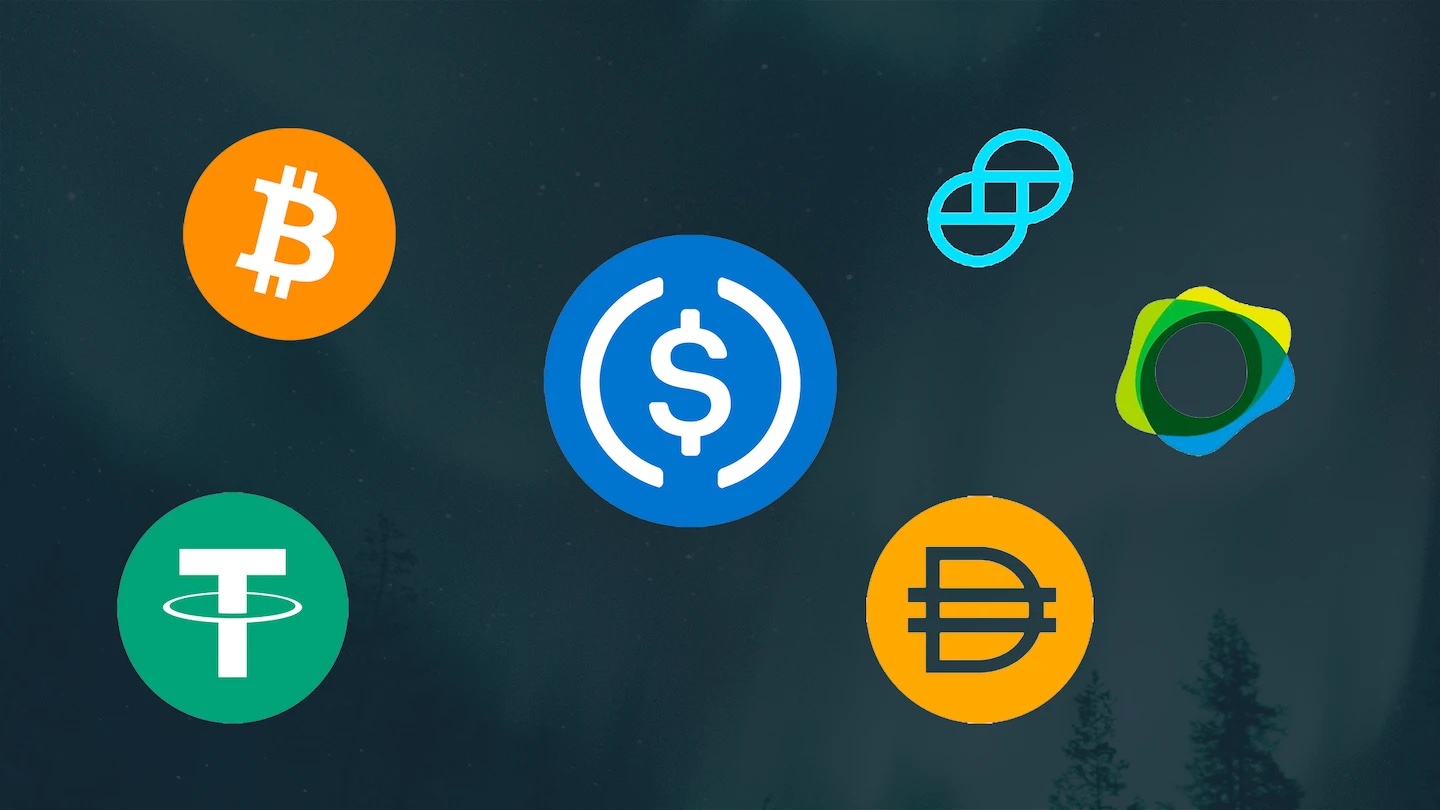
For years, the cryptocurrency debate has centred on price. Every discussion returned to charts, volatility, and market speculation. The fixation on value swings has distracted from a much more important story. The future of digital finance is not about price movement. It is about infrastructure. Regulated stablecoins are emerging as the foundation of a new global financial system. They combine the trust of established currencies with the […]

  K Raveendran   The very idea of a Lokpal riding in a BMW, reeks of irony so strong that it almost feels like satire. The institution that stands as the sentinel of public probity, the watchdog against corruption, has managed to draw ridicule upon itself by its desire for luxury wheels. A BMW-driven Lokpal […]

The article Lokpal’s BMW Fixation Is Outright Corruption, If Not Vulgar appeared first on Latest India news, analysis and reports on Newspack by India Press Agency).

VISHNU RAJA
RYO YAMADA
HITORI GOTOH
IKUYO KITA