Just in:
December Is the Last Window for $800,000 U.S. Residency Investment // Musk expresses willingness to recruit Nvidia chief Huang // Modi ally flags youth opportunities gap despite growth // LANDMARK Presents ‘Destination CENTRAL’: A District-Wide Celebration Inviting Global Travellers to Explore the Dynamism, Luxury, and Soul of Central // Oil markets are celebrating an Iran peace deal that hasn’t been signed // Ping An Digital Bank Deepens Purchase Order Financing Scenarios, Expands into Service Trade Financing Market // HKSTP Achieves Fruitful Success at Inaugural Participation in Singapore Urban Mobility Week 2026 // Forged court directives trigger probe into website blocking // Hongkong Land Unveils LANDMARK Orchard as New Name for Wheelock Place // Eternal Beauty Holdings Releases the “2026 Hong Kong Daily Mood Index and Fragrance Trends White Paper” // MG Motor presents four electrified vehicles at Dubai exhibition // Oil Markets May Have Turned Democratic Temporarily, But Supply Risks Persist // Maersk discloses data theft from acquired legacy system // Court questions varsity rigidity over student suspensions // ONYX Hospitality Group Unveils Plans for Amari Samui Resort and Villas, Elevating Its Premium Resort Offering on Koh Samui // Ajman University MBA climbs to joint 13th regionally // DP World transports million containers through UAE corridors // Isaac challenges Ciza’s credentials // ATI Secures Manila South Harbour Concession Renewal To 2063 // Turkish Airlines adds Chengdu to mainland China services //

News related to
beyond

SINGAPORE – Media OutReach Newswire – 25 June 2025 – Six trade associations and professional membership bodies have come together under a unified collaboration, known as the Alliance, to officially launch the full-scale Professional Services (PS) Centre in Shanghai today. The Alliance comprises the Institute of Singapore Chartered Accountants (ISCA), the Association of Small & Medium Enterprises (ASME), the Institute of Valuers and Appraisers, Singapore (IVAS), the […]

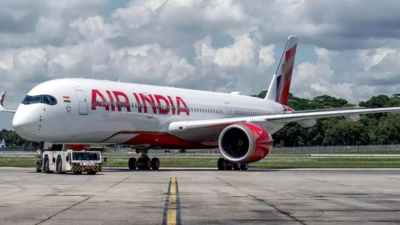
Air India and IndiGo have recommenced services to the UAE after a suspension triggered by airspace closures amid the Israel–Iran conflict. Airlines halted operations on Monday following triggered restrictions from missile strikes on the U.S. Al Udeid Air Base in Qatar. With Gulf skies now reopening, the carriers have initiated phased resumption of flights, prioritising passenger safety and adjusted routing measures.

Reinstatement efforts began on Tuesday, with most Air India flights to and from the Middle East set to resume by 25 June. The airline confirmed European routes would also come back online, and services to the U.S. East Coast and Canada are slated to recommence “at the earliest opportunity”. IndiGo echoed this approach, stating operations through Gulf countries had “stabilised”, albeit with some flights rerouting around closed Iranian airspace, which may cause extended journey times. Air India Express has similarly resumed select West Asian routes, including those from Delhi and Mumbai to Muscat, Riyadh, Jeddah and key UAE destinations.

The sudden airspace closure followed Iran’s missile assault on Qatar’s Al Udeid base in retaliation to U.S. bombings of Iranian nuclear sites. Multiple states, including the UAE, Kuwait, Bahrain, Iraq and Qatar, sealed their skies, incurring over 160 flight diversions. Airlines including Air India, IndiGo, Gulf carriers, and major European operators were forced into rerouting, cancellations and prolonged airborne holds.

In Bengaluru, Kempegowda International Airport experienced significant disruption on Monday, as 21 international flights were either cancelled or diverted. Six incoming flights and ten departures were scrapped, while five services arriving from the Middle East were rerouted to Bengaluru. The affected flights included services from IndiGo, Air India, Akasa Air, Kuwait Airways and Gulf Air, connecting destinations such as Doha, Abu Dhabi, Jeddah, Kuwait, London, Dubai, Dammam and Bahrain. IndiGo has since issued advisories encouraging passengers to verify their itineraries via the airline’s app or website.

Airspace closures prompted widespread disruptions across India. At Delhi’s Indira Gandhi International Airport, 48 flights were cancelled. The closures also affected routes beyond the Gulf, with Air India suspending services to Europe, the East Coast of North America and Canada. Such decisions followed safety concerns reminiscent of past incidents involving civilian aircraft in conflict zones.

Air India’s messaging emphasised the phased nature of the restoration plan. The airline noted that most flights to the Middle East would resume by 25 June and affirmed regular updates to passengers via official channels. Delays and reroutings may continue temporarily as the network stabilises. The airline pledged to avoid airspace deemed unsafe by international aviation authorities. IndiGo’s CEO framed the resumption as “prudent and progressive”, committed to using the safest routes amid ongoing monitoring.

Industry experts highlight the additional burden on airlines due to these disruptions. Longer flight paths translate to higher fuel consumption and operational costs. Rival carriers in Europe and the Middle East have already adopted detours to bypass Israeli, Iraqi and Jordanian airspace, citing financial impacts and tighter margins. Brent crude oil briefly climbed to around $70.80 per barrel following the regional skirmishes, adding strain on airline fuel budgets.

Passenger advocacy groups have urged transparency from carriers during this phase. With unforeseen diversions and cancellations, travellers seek clarity on compensation, rerouting options and timely notifications. Airline platforms are now investing in real-time advisory systems to minimise frustration and smooth operational turbulence.

The current easing of tensions appears tied to a ceasefire agreement brokered by the United States, accepted by both Israel and Iran. Although hostilities continue in limited form, the reopening of Gulf airspace indicates improved conditions for aviation. Travel experts caution, however, that volatility may persist if diplomatic progress stalls or military exchanges recur.

For Indian travellers, the resumption of Middle East routes is particularly timely. The Gulf region is a major employment and transit hub, hosting millions of Indian nationals. Restored connectivity affects not only personal travel but also supply chains, cargo links and business routes vital to India’s economic relations with Gulf partners.

Looking ahead, most Indian airlines face a dual challenge: restoring pre-conflict schedules while preparing contingency plans for renewed tensions. Many are exploring additional over-water routes, flexible flight planning and enhanced coordination with aviation regulators. These efforts aim to ensure that in the event of future disruptions, passenger inconvenience is minimised and safety remains paramount.


Kubuntu 25.10 will no longer install the Plasma X11 session by default, making Wayland the standard graphical environment for new users. Enthusiasts who require Xorg compatibility can still opt in manually, but the change marks a significant milestone in Kubuntu’s long‑planned migration away from legacy display protocols. New installations of Kubuntu 25.10—scheduled for general release on 9 October 2025—will boot into KDE Plasma under Wayland, mirroring Ubuntu’s […]

HONG KONG SAR – Media OutReach Newswire – 25 June 2025 – AIA Hong Kong announced the launch of Wealth Generation (“the Plan”), a bespoke life insurance plan designed exclusively for high-net-worth (HNW) individuals. This Plan enables customers to capitalise on wealth creation opportunities in today’s dynamic market while fostering long-term prosperity through strategic legacy planning. The Plan features multiple market-first^ legacy planning options, a rare-in-market* Flexi […]

A U.S. intelligence assessment indicates that the air strikes on Iran’s nuclear facilities, including Fordow, Natanz and Isfahan, have damaged above-ground structures and access points but left underground enrichment infrastructure and uranium stockpiles largely undisturbed. The report by the Defence Intelligence Agency projects only a temporary setback—measured in months—to Iran’s nuclear programme, challenging assertions by the White House that the sites were “totally obliterated”.

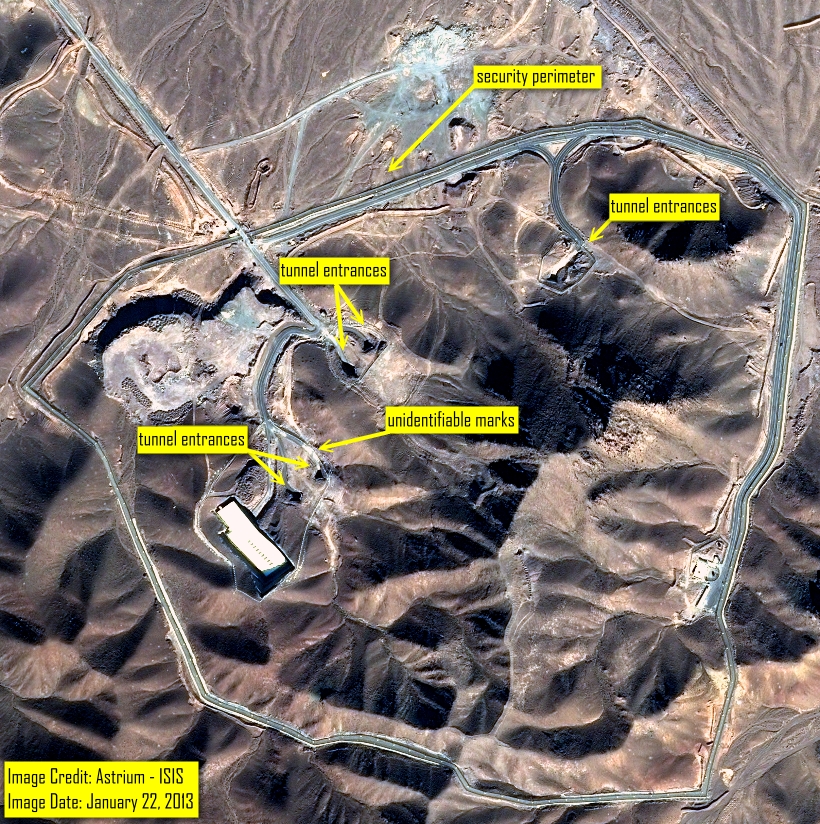
Satellite imagery released after the strikes on 22 June shows craters and blocked entrances at Fordow, where bunker-busting Massive Ordnance Penetrators reportedly hit ventilation shafts, yet analysts emphasise that the subterranean halls housing centrifuges lie too deep to evaluate via overhead visuals. WMD experts note that centrifuges are “extremely vibration-sensitive”, suggesting potential internal damage, but absent on-site inspection, the extent remains uncertain.

The United Nations nuclear watchdog, the International Atomic Energy Agency, has urged renewed inspections at the sites. Director-General Rafael Grossi told an emergency Board of Governors session that significant underground damage was plausible, yet only rigorous inspections can confirm impact and assess stockpiles of enriched uranium, including the 400 kg of material enriched to 60 percent purity.

The DIA report also confirms that Iranian authorities pre-positioned crucial nuclear materials and equipment prior to the air campaign. High-resolution satellite images captured extensive vehicle activity—bulldozers, trucks and sealed tunnel exits—on 19–21 June, indicating a deliberate evacuation of enriched uranium and centrifuges. Analysts speculate this operation undercut the campaign’s intended impact, preserving Iran’s capacity to resume enrichment and reconstitution of its nuclear programme with comparative ease.

The White House disputes the DIA’s findings. Press Secretary Karoline Leavitt described the intelligence leak as “flat‑out wrong”, citing the precision of the bombing campaign and reiterating President Trump’s declaration of a “perfectly executed mission” and “total obliteration” of Iran’s nuclear infrastructure. Similarly, the Pentagon backs the President, contending that USAF and Navy strikes, featuring B‑2 stealth bombers flying 37‑hour missions deploying MOPs, decisively hit their targets.

Despite official optimism, several non-proliferation experts question whether the attacks achieved strategic success. David Albright, president of the Institute for Science and International Security, asserted that while imagery suggests severe impact at Fordow, conclusive assessment requires internal access. Jeffrey Lewis and other analysts emphasise that intact uranium stockpiles, even if held at other sites, provide Iran with a largely intact nuclear baseline.

The conflict has escalated beyond the nuclear dimension. Intermittent Iranian missile and drone fire has targeted U.S. and allied bases in the wider Middle East, prompting a U.S.-brokered ceasefire between Iran and Israel, while global oil prices fluctuated amid tensions.

IAEA technical teams have not yet been able to return to the sites. Grossi reminded parties that uninterrupted oversight is essential for both verifying the damage and ensuring no material has been diverted for weapons purposes. Iran has not formally objected to future inspections, although parliamentary figures have suggested curbs on IAEA activity if international hostility continues.

Assessment of long‑term outcomes remains contested. Pro‑strike voices argue that disrupting operations, even temporarily, imposes significant costs on Iran’s programme architecture. Critics warn that such tactics could drive Tehran’s nuclear scientific talent further underground or accelerate development of redundant facilities.

Meanwhile, intelligence officials and non‑proliferation authorities emphasise that blunts, quarterly backtracking cannot substitute for diplomacy. Restoring negotiations with Iran, potentially via intermediaries including the IAEA, remains the keystone for ensuring non‑weaponisation and preventing recurrence.

The DIA characterises damage as limited to “core components and stockpiles”—an interpretation not aligned with politically driven portrayals of mission success. As conflict fatigue weighs on global observers, the effectiveness of military action in halting nuclear proliferation faces renewed scrutiny.

Cryptocurrency markets are recalibrating as TRON’s USDT reserves climb to an unprecedented $80.7 billion, eclipsing Ethereum’s $73.8 billion—a record milestone for 2025. Data from blockchain analytics firm CryptoQuant highlights that TRON’s share of the Tether stablecoin ecosystem has entered previously uncharted territory.

This expansion further cements TRON as the dominant platform for USDT issuance. Tether’s circulation on TRON—branded as TRC‑20 tokens—has surged sharply since the beginning of the year, jumping from approximately $59.8 billion in January to over $80 billion by mid‑June. In comparison, Ethereum’s ERC‑20 USDT remains below TRON’s benchmark, highlighting a structural shift in network preference.

Market observers attribute TRON’s gains to its lower fees and faster transaction times. A report from NFTEvening confirms that, as of mid‑May, TRON commanded nearly 50 per cent of global USDT supply, while Ethereum’s share hovered around 41 per cent. TRON’s blockchain now processes more than 2.4 million USDT transactions daily, dwarfing Ethereum’s roughly 280 000 transfers.

TRON’s performance in 2021 was already notable, with USDT supply expanding from $6.7 billion to $39.4 billion—an increase of nearly 487 per cent. Stakeholder confidence accelerated through 2024, with TRON first overtaking Ethereum in USDT issuance in November.

While TRON’s stablecoin dominance grows, its total value locked in DeFi has declined—from roughly $7.5 billion in January to about $4.3 billion by mid‑year—according to DefiLlama statistics. However, decentralised exchange activity on TRON is rising; trading volume increased from $4.9 billion in April to $5.5 billion in May. Analysts argue that users may prefer flexible, liquid trading over locking capital in yield‑farming protocols.

TRX, TRON’s native token, has gained approximately 2.2 per cent in the past 24 hours to $0.2729, yet remains some 36 per cent beneath its December 2024 peak of $0.4313. Technical charting shows consolidation below the 20‑day simple moving average and strength above key exponential moving averages, indicating latent bullish potential.

CryptoQuant reports that TRON’s agenda is now largely centred on payments rather than advanced DeFi, noting a distinct mix of tokens like Wrapped TRX and USDD on the network. The network’s recurring USDT mints are viewed as part of a strategic buildup. In mid‑May, Tether authorised another $1 billion mint on TRON, pushing its authorised supply well beyond Ethereum’s at $73.7 billion compared with $74.5 billion.

TRON’s growing role in Asia and emerging markets may be another driver. The platform appeals to users and exchanges that prioritise low cost and swift settlement—features that align with cross‑border remittance and retail payments. However, questions around TRON’s longstanding association with illicit transactions continue to cast a shadow over its rising stature.

Ethereum retains significant traction within DeFi due to its robust ecosystem and broader stablecoin diversity. Nevertheless, ongoing surcharges and network congestion are prompting shifts towards alternate chains like TRON. The competition reflects a broader evolution towards a multi‑chain infrastructure where each blockchain plays to its strengths: Ethereum for advanced financial apps, TRON for efficient payments.

Regulators are also watching this competition. Policy discussions around stablecoin frameworks in the United States, Europe and Asia could reshape how tokens are issued and used. TRON’s dominance in USDT may prompt further scrutiny and prompt Tether to reassess its minting cadence and reserve disclosures across different chains.

Forecasts place global GDP growth at 3.2 percent for 2025, yet the United Arab Emirates is projected to expand at about 4 percent and the Kingdom of Saudi Arabia by 3 percent, with both economies expected to accelerate through to 2027. These figures mark a significant divergence from the global outlook and underscore the economic momentum building in these Gulf nations. Data from NielsenIQ indicate that both the UAE and […]

Advertisements

Oman will become the first Gulf Cooperation Council nation to impose a personal income tax, mandating a 5 per cent levy on individuals whose gross annual income exceeds OMR 42,000 from 1 January 2028, under Royal Decree No 56/2025. The newly enacted law, spanning 76 articles across 16 chapters, represents a historic policy shift aimed at diversifying the Sultanate’s revenue sources beyond hydrocarbons.

The Tax Authority has confirmed that this threshold renders roughly 99 per cent of the populace exempt, targeting only the top one per cent of earners. The fairness-driven approach includes deductions for education, healthcare, primary housing, zakat, charitable donations and inheritance, signalling a progressive and socially aware stance.

Finance Minister Said bin Mohammed Al‑Saqri framed the move as integral to bolstering fiscal sustainability, shielding the Sultanate from oil revenue fluctuations, and advancing Oman Vision 2040. The authority anticipates non-oil revenue will rise to 15 per cent of GDP by 2030 and 18 per cent by 2040, marking a significant realignment of economic priorities.

Preparations are well underway. Karima Mubarak Al Saadi, director of the Personal Income Tax Project, noted that the tax infrastructure—including electronic filing systems integrated with government databases—and regulatory frameworks have been established. Executive regulations are expected within a year of publication in the Official Gazette, ensuring sufficient lead‑time for implementation.

International observers see the move as part of a broader Gulf fiscal transformation. Thomas Vanhee of Aurifer Middle East Tax Consultancy commented that Oman’s decision may anticipate IMF guidance encouraging Gulf states to broaden revenue bases. While income tax may challenge the region’s historic appeal to expatriates, Gulf nations including the UAE and Saudi Arabia have already introduced VAT and corporate taxes, signalling an irreversible shift.

Analysts emphasise that the low flat rate and high exemption point strike a balance between revenue generation and retaining competitiveness. Oil revenue accounts for up to 85 per cent of Oman’s public income, and this reform is expected to reinforce fiscal buffers while maintaining social equity.

Economic research by Gulf‑based think‑tanks confirms that the tax’s fiscal impact is modest, contributing under 1 per cent of GDP initially, but holds strategic value in funding non-hydrocarbon sectors such as education, healthcare, housing and social safety nets. For investors, the tax signals enhanced fiscal resilience and potential stability in public financing.

Despite the progressive rollout and social safeguard measures, policy challenges remain. The effective administration of personal income tax will demand efficiency, public awareness and compliance. Authorities appear to have addressed this proactively, expanding staff training and preparing guidance materials for both individuals and businesses.

Ethiopia’s financial sector has entered a decisive phase as Nib International Bank and Arifpay Financial Technologies formally join forces to upscale the nation’s digital payment infrastructure. With card acceptance, a merchant‑centric app and payment gateway on the launchpad, the alliance aims to expand financial inclusion, support small and medium enterprises and attract foreign currency inflows. Nib International Bank, the country’s sixth‑largest private lender, brings to the table […]

Al Udeid Air Base in Qatar, hosting around 10,000 U.S. and allied personnel, was struck on 23 June 2025 by a volley of short- and medium-range ballistic missiles launched by Iran in apparent retaliation for American airstrikes on its nuclear facilities. Qatar’s air defences intercepted the incoming salvo, reported as six missiles by Iran and fourteen by U.S. sources, with no casualties or significant damage recorded.

Tehran described the strike as a calibrated response, matching the number of missiles to bombs used in the U.S. assault on Natanz, Fordow and Esfahan, suggesting a bid to avoid civilian harm. Iranian state media dubbed the action “Operation Glad Tidings of Victory” and stressed it was carried out away from populated areas. U.S. President Donald Trump, characterising the barrage as “very weak,” acknowledged that Iran provided advance notice, enabling effective interception and preventing casualties.

Qatar issued a forceful denunciation, condemning the barrage as a “flagrant violation” of its sovereignty and international law. Dr Majed bin Mohammed Al Ansari, spokesperson for Qatar’s Foreign Ministry, warned that the country reserves the right to respond proportionally and reiterated calls for a return to genuine diplomacy. Qatar Airways temporarily suspended flights amid the airspace closure, and India’s embassy in Doha advised nationals to remain cautious amid the unfolding tensions.

The United Arab Emirates and Saudi Arabia also condemned the violence. The UAE described the missiles as a breach of Qatari sovereignty and called for an immediate halt to military escalation. Riyadh echoed this stance, expressing full support for Qatar and branding the strike “unjustifiable,” warning of broader destabilisation. The Arab League, Jordan, Bahrain and Oman joined the chorus, denouncing the attack and urging restraint.

Western capitals emphasised caution. France and Germany condemned the missile salvo but underscored the necessity of diplomacy. The United Nations and European Union called for urgent de-escalatory measures and a return to negotiations, with António Guterres warning of the risk of “regional conflagration”. Beijing and Moscow echoed appeals for a diplomatic resolution.

Iran’s Supreme Leader Ayatollah Ali Khamenei stated that Iran would not succumb to aggression and that its missile barrage equalled the U.S. assault. Tehran also hinted at further measures if U.S. actions persist. Meanwhile, Israel unleashed its most extensive air campaign yet on Tehran, striking sites including Evin Prison and Fordow enrichment facility.

The strikes on Qatar and also U.S. bases in Iraq—though unconfirmed beyond Qatar—have prompted airspace closures over Gulf nations including Kuwait, Bahrain and the UAE. Commercial carriers like IndiGo and Air India Express issued advisories or rerouted flights, contributing to widening disruptions in travel.

Global financial markets reacted nervously, with oil prices briefly spiking over fears of disruption in the Strait of Hormuz, a critical passage for global energy shipments. The International Atomic Energy Agency, meanwhile, voiced anxiety about the security of Iran’s nuclear sites following the U.S. bombardment.

Analysts suggest Iran’s approach was designed to recalibrate the balance of deterrence without provoking full-scale war. The matched missile count, pre-warning, and focus on a remote military target indicate a calculated effort to signal strength while avoiding mass casualties.

Diplomats across Europe, the U.N. and the Gulf pressed for an immediate halt to further strikes and for major powers to step up mediation. Qatar, a longstanding facilitator of regional talks, is uniquely positioned to spearhead efforts. Both Iran and the U.S. have acknowledged potential for dialogue: Trump spoke of the prospect of “peace and harmony,” echoing Tehran’s assertions that the strike completed its “symbolic” objectives.

But with tensions now inflamed between Iran, Israel and the U.S., and Gulf states on alert, diplomatic channels face a critical juncture. Any miscalculation could unleash renewed conflict across the region.

ByteDance has unveiled “Dolphin”, an OCR model released under an MIT licence designed to revolutionise document processing by combining layout analysis and parsing in a unified workflow. This new tool is poised to enhance accuracy and adaptability across complex document types, marking a major advancement in optical character recognition. Dolphin operates by first analysing the document layout—identifying paragraphs, tables, figures and formulas—and then parsing each section in […]

A team from the Directorate General of Civil Aviation will conduct a comprehensive annual audit of Air India from 24 to 26 June, intensifying focus on the carrier’s operations and compliance following the June 12 crash of Flight AI171 in Ahmedabad, which claimed nearly 280 lives. Though scheduled independently of the crash, the audit arrives as inspectors scrutinise the airline’s operational documents, cabin safety protocols, and historical audit responses.

Leading the review will be Deputy Chief Flight Operations Inspector Adhiraj Yadav and a team of ten officials, including two cabin safety experts. The inspection will span documents on airworthiness, crew training and flight duty records, and previous non-compliance action plans. The DGCA has emphasised mandatory presence of key Air India executives during the audit.

The audit takes place against a backdrop of mounting regulatory intervention. In late May, a DGCA inspection found that three Airbus jets in Air India’s fleet flew without timely safety checks on their emergency slides—one A320 had a check more than one month overdue, and one A319 was delayed by over three months. The regulator issued formal warnings and described the delayed compliance as evidence of “weak procedural control and oversight”.

Further compounding matters, the DGCA last Saturday issued a stern warning for repeated and serious pilot duty scheduling violations, instructing the removal of three crew-scheduling executives. Air India has indicated it has acted on the directive.

These developments follow intensified inspections of all 33 Boeing 787s in Air India’s fleet. While initial findings revealed no major safety defects, 24 aircraft had already undergone enhanced inspections by mid-June, with the remainder scheduled to complete the checks shortly. The comprehensive checks contributed to delays and cancellations across wide-body operations, with a downturn in route availability pegged at around 15 percent through mid‑July.

Experts suggest that this layer of oversight reflects a strategic shift by the DGCA toward “360-degree” evaluations, broadening beyond routine audits to include airlines, airports, maintenance organisations, training institutes and ground services. Officials describe this as a coordinated effort to fortify the aviation ecosystem after safety deficiencies surfaced in recent months.

In response, Air India has emphasised that it is accelerating its internal compliance efforts, including extensive verification of maintenance records and ensuring escape-slide checks are up to date. The airline maintains that its aircraft—particularly the ill-fated Boeing 787-8—were “well maintained” and crews were suitably experienced.

The crash of Flight AI171 involved a Boeing 787-8 Dreamliner registered VT‑ANB, which lost thrust after take-off and impacted a hostel block at B.J. Medical College shortly after clearing the runway. Only one passenger survived, while at least 39 people were killed on the ground. Both UK and US authorities are supporting the investigation, which is examining technical and procedural factors such as engine performance, hydraulic systems, flap configuration and crew training.

Tata Group, which assumed ownership of Air India in 2022, has urged staff to treat the disaster as a “turning point” in rebuilding a safety-first culture. Its strategic investments have included more than US $70 billion in new aircraft orders, infrastructure upgrades and a full-scale rebranding effort. Analysts caution, however, that restoring public trust hinges on tangible improvements in operational discipline and compliance.

The DGCA audit will therefore not only evaluate existing compliance but also test if Air India’s corrective processes are thorough and permanent. Given recent warnings and the complexity of the current probe, expectations are high that the audit’s findings could shape a longer-term regulatory approach to aviation safety in India.

A high‑performance tool named Kingfisher, developed by MongoDB, now enables developers and security teams to detect and validate active secrets—such as API keys and credentials—in codebases in real time. Its release addresses shortcomings in existing scanners by verifying through live checks against cloud services. Kingfisher began as a personal project in July 2024 by MongoDB security engineer Mick Grove, who was dissatisfied with current open‑source secret scanners. […]

TerraZero has introduced “Gigi”, a voice-activated AI assistant designed to guide users through its immersive 3D social gaming and brand-engagement platform, Intraverse. The assistant is available both on the website and within virtual environments, offering real-time audio guidance to facilitate exploration, creation, and interaction. This marks a key shift in user experience, integrating conversational AI with virtual exploration functionality. Gigi enables users to ask questions aloud and […]

Iran has launched a new wave of missile and drone strikes against Israel, following U.S. airstrikes that obliterated key Iranian nuclear facilities under Operation Midnight Hammer. The ripple effects are already being felt in global oil markets, while diplomatic channels strain under mounting pressure. The bombardment hit Israeli cities including Tel Aviv and Ashdod, with satellite monitoring confirming sirens and intercepted projectiles. Iran disclosed the deployment of […]

Elon Musk has cast aside the existing Grok AI training corpus and directed xAI to construct an entirely new foundation—one that excludes what he calls “garbage” and “uncorrected data”—and then retrain the model from that vetted base. This overhaul is intended to power the next-generation Grok, tentatively dubbed Grok 3.5 or Grok 4, with “advanced reasoning” capabilities that Musk says will enable it to “rewrite the entire […]

Private kindergarten pupils across the UAE will now receive 40 minutes of Arabic instruction each school day under a fresh directive from the Ministry of Education. The policy, effective from the 2025–2026 academic year, establishes a foundation aimed at fostering national identity and language proficiency from the earliest stages of education.

The requirement entails 200 minutes of weekly Arabic lessons—one period per day—from September this year, set to increase to 300 minutes per week by the 2027–2028 school year. Qualified early‑childhood educators will deliver lessons tailored for both native and non‑native speakers using approved resources and age‑appropriate methodologies.

Alongside Arabic, Islamic education will feature for Muslim children in kindergarten, with 90 minutes per week allocated, divided into two 45‑minute sessions or three 30‑minute lessons. Social studies will be incorporated to introduce concepts of family, UAE geography, environmental awareness and broader community values through a mix of classroom and outdoor play-based learning.

Beyond academic scheduling, the Ministry emphasises the move as a cultural cornerstone aimed at nurturing young learners who are confident, rooted in identity and proficient in their mother tongue. Advisory visits to private schools are set before term begins, with compliance inspections commencing in the 2026–2027 academic year.

This initiative forms part of a wider UAE‑wide agenda. Abu Dhabi’s Department of Education and Knowledge introduced a similar policy this academic year, mandating 240 minutes of weekly Arabic instruction in nurseries and kindergartens—rising to 300 minutes in 2026–2027. ADEK highlighted that early childhood is a critical period for language acquisition and stressed the significance of nurturing both native and non‑native Arabic speakers with customised learning pathways.

ADEK executive‑director for early education, Mariam Al Hallami, described the directive as delivering children “the gift of language, identity, and connection starting from day one,” and underscored the use of interactive methods such as storytelling, song and play to engage learners.

These regional policies echo growing sentiments from education officials across the Emirates. In Abu Dhabi, the ADEK strategy parallels curricula in Dubai and Sharjah, which have recently rated private schools on their success in embedding Arabic language and culture. Sharjah’s ruler has previously urged educators to innovate Arabic teaching and revamp pedagogical approaches.

Analysis of early education studies supports the Ministry’s stance. Research indicates that consistent, immersive instruction during foundational years boosts linguistic fluency and cognitive development. Tailored tracks for different proficiency levels also align with global best practices for inclusive early foreign‑language programmes.

Private schools are now working to revamp their curriculums. Administrators across the Emirates are preparing to integrate the additional lessons while ensuring instructional quality. Schools will receive curriculum frameworks and educator training ahead of implementation.

Some teaching professionals caution that the rollout must be carefully managed. A teacher at a leading international school in Dubai, speaking anonymously, noted that maintaining engagement for non‑native pupils requires smaller class sizes and specialised support. Equally, curriculum directors warn against overloading learners with too many structured subjects, advocating balance with play.

Parents have shown mixed reactions. Many expatriate families express strong support for their children learning Arabic early to aid cultural integration, while others voice concerns about the impact on existing literacy or numeracy time. School councils are expected to discuss timetables and resource allocations in the coming weeks.

Home‑school collaboration will be key. The UAE Ministry and ADEK are encouraging schools to involve families with take‑home materials, workshops and community events dedicated to Arabic language and culture. Experts say that parental engagement significantly strengthens children’s retention and enthusiasm for language learning.

HANOI, VIETNAM – Media OutReach Newswire – 23 June 2025 – With the invention of solar cells using Passivated Emitter and Rear Contact (PERC) technology, Prof. Martin Andrew Green from the University of New South Wales (Australia) and his team made a groundbreaking contribution to green energy production. Two years after receiving the 2023 VinFuture Grand Prize, he continues to push the boundaries of solar innovation, working […]

Dubai’s Roads and Transport Authority, partnering with Emaar Properties, is expanding the Burj Khalifa/Dubai Mall Metro Station to meet mounting passenger demand. The extension enlarges the station from 6,700 m² to 8,500 m², boosting its hourly throughput from 7,250 to 12,320 passengers—an uplift of 65 per cent. When complete, it is expected to accommodate up to 220,000 passengers per day. The move comes as metro use continues to rise sharply at this […]

João Almeida secured the general classification at the Tour de Suisse on 22 June, overpowering Kevin Vauquelin in a commanding mountain time trial, while Filippo Baroncini clinched his first overall win at the Baloise Belgium Tour on the same day. The victories mark a milestone weekend for UAE Team Emirates‑XRG, pushing its season tally to a record-breaking 50 wins.

Almeida, wearing the yellow jersey, staged a remarkable turnaround during the 10.1 km ascent from Beckenried to Stockhütte. Starting the final stage 33 seconds behind Vauquelin, he posted a blistering 27:33—beating the Frenchman by 1:40 and sealing the victory by a 1:07 margin. His performance ensured he not only claimed the overall title but also the points jersey.

The Tour de Suisse had already seen Almeida recover from an early setback—losing over three minutes on stage one—by capturing stage four and seven victories, and grinding out bonus seconds during stage seven to stay within reach. The final time trial confirmed his status as one of the WorldTour’s most consistent climber–time‑trial specialists.

Baroncini’s triumph at the Baloise Belgium Tour marked his debut general classification success. He topped the podium with a slender four-second lead over Ethan Hayter, after a tactically astute five‑stage campaign. Baroncini’s consistency in the Ardennes-style terrain and strategic riding during the Golden Kilometre bonus sprints proved decisive.

These wins reflect a broader surge in form across the Emirati team. With Almeida’s mastery in time trials and mountain terrain, complemented by Baroncini’s emergence in hilly classics, the squad demonstrates depth and versatility—especially crucial as attention now turns to the Tour de France.

Analysts highlight that Almeida parlayed a challenging start into a commanding campaign by dominating critical stages and leveraging team support. He paid tribute to his riders and staff after stage seven, noting that every second counted and his boost in morale hinged on teamwork.

Baroncini, meanwhile, operated quietly yet effectively—conserving energy and nabbing time bonuses without making headlines until the final standings were published. His victory signals maturity beyond a first-time winner; his profile suggests he could emerge as a versatile contender in mountainous races later this season.

UAE Team Emirates‑XRG, under the stewardship of General Manager Mauro Gianetti and Team Manager Matxin Fernández, stands third in the UCI WorldTeam rankings this season, boasting eight overall stage‑race victories and seventeen individual stage wins. Tadej Pogačar has led the charge with seven wins, yet Almeida and Baroncini are edging into prominence.

The team’s momentum also offers tactical flexibility for the upcoming Tour de France, where Almeida is expected to support Pogačar, and Baroncini may be deployed in breakaways or mountain stages. Their successes in Switzerland and Belgium send a clear signal: UAE Team Emirates‑XRG will field a multi‑faceted and potent challenge in the Grand Départ.

UAE authorities have flown back several nationals and residents from Iran as part of a security-driven emergency operation amid intensifying regional uncertainty. The coordinated move, which involved direct communication between officials in Abu Dhabi and Tehran, was aimed at ensuring swift and safe repatriation in light of mounting geopolitical instability in the region. The evacuation operation, which took place without prior public notice, was disclosed by the […]

Saudi Arabian Oil Company, widely known as Aramco, is dramatically expanding beyond its oil and petrochemical roots into a diversified, technology-centric energy powerhouse. Under Chief Executive Amin Nasser, the enterprise is balancing its historic role as a revenue pillar for the Kingdom with aggressive investments in artificial intelligence, renewables, blue hydrogen, carbon capture and e‑fuels. Aramco’s strategic pivot is anchored in its financial strength. The company reported […]

Tests by Thailand’s Pollution Control Department have revealed that arsenic concentrations in the Kok River and tributaries now exceed national safety limits by up to five times. Biochemical analysis indicates that these toxic levels are linked to unregulated mining operations in Shan State, Myanmar, particularly within territories controlled by the United Wa State Army.

The Kok River, which begins its 285km course in Myanmar’s Daen Lao Range before entering Thailand through Mae Ai and flowing into Chiang Rai and eventually the Mekong, has become the focus of mounting alarm. Tests conducted between late May and early June demonstrated elevated arsenic at all 15 tested points along the Kok and Sai rivers, with further contamination detected in two Mekong sampling sites.

Local fishermen have reported adverse impacts to aquatic life and livelihoods. Prices for catch in Chiang Rai have dropped by nearly half, as consumer fear surrounding contamination takes hold. Fisherman Sawat Kaewdam told AFP: “They say, ‘There’s arsenic. I don’t want to eat that fish.’”.

Satellite imagery and drone footage show dozens of active mining sites emerging since around 2022, believed to involve both gold and rare earth minerals. These mines operate under minimal environmental safeguards, with tailings and chemical-laden effluent discharged directly into rivers. One environmental campaigner described the situation as Thailand’s “largest-ever case of transboundary pollution”.

Health experts warn that while immediate poisoning symptoms may not materialise, long‑term exposure through contaminated water and fish consumption could lead to chronic arsenic poisoning. Somporn Phengkham of the Community Health Impact Assessment Platform emphasised the risk of gradual accumulation, urging increased scrutiny of wells and irrigation systems.

Communities along the Kok River have experienced unusual water discolouration, persistent skin irritations, and fish deformities. Chiang Rai environmentalists staged protests on 5 June, tying ribbons along the river bridge to demand intervention and mine closure. In Chiang Mai’s Mae Ai district, a monk from Wat Thaton confirmed that the river’s appearance and use had become culturally and practically untenable.

Thailand’s federal government has initiated emergency measures. Deputy Prime Minister Prasert Jantararuangtong has overseen a new response centre, while the Pollution Control Department is conducting enhanced sampling. Officials reassure domestic water supplies are safe, although the contamination source remains external.

Proposals for containment include constructing a dam across the Kok River to trap sediments, dredging heavily polluted sections, and pursuing diplomatic negotiations with Myanmar and China. The Foreign Affairs Committee is engaging Beijing to urge oversight of Chinese mining companies operating within UWSA territories.

Challenges persist as Shan State’s mines lie beyond Myanmar’s central control. With the UWSA exerting autonomy and Chinese-linked firms driving extraction operations, finding a direct negotiating partner proves elusive. Regional analysts warn that building physical barriers without curbing source pollution will yield temporary alleviation at best.

Environmental advocates underscore the urgency of scaling up real-time monitoring and cross-border coordination. They highlight growing concerns that contamination could extend throughout the Mekong basin, threatening agriculture, fisheries, and water security across Southeast Asia.

Experts like Tanapon Phenrat of Naresuan University stress that addressing the problem requires systemic reform: mandated tailings treatment, strict environmental standards, and international cooperation. “We need to act now,” he stated.

DGCA has directed Air India to strip three senior officials of all responsibilities in crew scheduling and rostering, citing repeated and serious violations of licensing, rest periods, and flight‑duty time norms, according to its order dated 20 June. The order targets a divisional vice‑president and two crew‑scheduling managers, requiring disciplinary proceedings and immediate reassignment to non‑operational roles until reforms are enacted.

Air India must report the outcomes of disciplinary measures within ten days, while the DGCA warns that further breaches could result in financial penalties, licence suspensions, or even revocation of operating permissions. The directive followed a post‑transition audit after the airline migrated from ARMS to the CAE flight‑and‑crew management platform, which uncovered unauthorised crew pairings and scheduling beyond permissible duty hours.

Officials identified include Choorah Singh, Divisional Vice‑President; Pinky Mittal, Chief Manager, DOPS – Crew Scheduling; and Payal Arora, Planning – Crew Scheduling. The DGCA noted that these individuals were directly responsible for the failures in licensing compliance, rest‑period requirements and recency norms—a critical safety concern.

Two long‑haul Bangalore–London flights on 16 and 17 May exceeded the 10‑hour flight‑duty time limit under a special dispensation, prompting a separate show‑cause notice to the airline’s accountable manager.

This regulatory action follows last week’s Boeing 787 crash shortly after take‑off from Ahmedabad, which claimed 270 lives. Though the crew‑rostering order is not directly linked to the crash, it adds to the broader investigation and safety scrutiny surrounding Air India operations.

The DGCA’s move underscores systemic lapses in Air India’s crew‑management framework. The regulator expressed “serious and repeated” concerns, despite self‑disclosure by the airline, highlighting deficiencies in internal oversight and compliance controls. Air India has been instructed to implement corrective reforms to align with Civil Aviation Requirements, specifically those governing flight‑duty time‑limitations intended to mitigate fatigue.

These revisions are timely: new pilot duty‑and‑rest hour regulations will take effect from 1 July, increasing minimum weekly rest from 36 to 48 hours and capping night‑operation landings at two. The DGCA’s enforcement thus dovetails with wider efforts to bolster systemic safety in the aftermath of the Ahmedabad tragedy.

Regulatory experts observe that such administrative and disciplinary responses are not anomalies. In May, the DGCA issued warnings regarding overdue maintenance checks on three Airbus aircraft, including emergency‑equipment inspections. Earlier in the year, Air India received fines totalling ₹30 lakh for pilot recency violations.

Commenting on the broader safety landscape, former regulators note that consistent oversight is crucial in preventing fatigue‑related lapses and mechanical oversights. A sustained regulatory push is under way to restore confidence in Air India’s operational reliability.

Air India has yet to publicly respond to the DGCA directive. In previous instances, the airline has emphasised cooperation and accelerated internal reforms. As it enters the 10‑day deadline, the aviation community will closely monitor how the airline reshapes its rostering protocols and whether these measures signal a lasting shift in safety governance.

VISHNU RAJA
RYO YAMADA
HITORI GOTOH
IKUYO KITA