News related to
beyond

Dubai’s Museum of the Future has launched a vibrant series of events and interactive workshops designed to engage visitors with cutting-edge technology and innovation throughout June. This initiative aims to expand public interaction with future-forward concepts, positioning the museum as a hub for experiential learning and exploration in the region. The new programme features a blend of activities tailored to various age groups and interests, with a […]

OPEC+ has escalated production quotas by roughly one million barrels per day from March to June, aiming to reactivate idled capacity, yet actual output across the group remains flat, according to data from Morgan Stanley analysts led by Martijn Rats. Saudi Arabia in particular shows no detectable uptick, underscoring a lag between policy shifts and market reality.

The decision to accelerate quota rollbacks follows sustained cuts totalling around 2.2 million b/d, initiated in early 2023 to support prices. With non‑OPEC supply growing and global demand weakening, the efficacy of supply restraint has waned, prompting OPEC+ to pivot back to restoring output gradually. Despite headline quota increases of approximately 137,000 b/d per month since April, actual deliveries appear limited.

Underlying structural factors are at play. Several members—most notably Kazakhstan and Iraq—have reportedly exceeded their quotas, diluting the announced gains. Saudi Arabia, with substantial spare capacity, stands out as the most capable contributor to any genuine rise in output. However, its contribution remains muted so far. Analysts suggest this reflects a strategic choice to reclaim market share rather than an immediate scale-up.

Analysts at Morgan Stanley project modest growth: between June and September, OPEC+ core members may add around 420,000 b/d—approximately half of which could originate from Saudi Arabia. Even then, actual production may fall well short of quotas, with implementation challenges persisting.

This gap between policy and output carries market implications. With more supply forecast, Morgan Stanley predicts a surplus of roughly 800,000 b/d in Q4 and 1.5–2.0 million b/d in early 2026, pressuring Brent crude prices down toward the mid‑$50s. Currently, Brent trades near $66 per barrel—11% below its level at the start of the year.

In parallel, geopolitical friction between Saudi Arabia and Russia surfaced during policy talks. Riyadh favoured a more aggressive quota rollback, while Moscow, alongside Oman and Algeria, urged caution amid worries about demand resilience. The compromise settled on another 411,000 b/d increase for July, a repetition of earlier monthly hikes.

Markets initially responded positively: oil prices climbed 3–4% following the July quota announcement, with Brent touching the mid‑$60s. That rebound, however, reflected relief over continuity rather than enthusiasm over fresh supply. Wildfires in Canada and refinery maintenance cycles were also cited as supporting factors.

Across OPEC+, reliability of quotas remains a concern. While some members exceed limits, others—constrained by infrastructure or investment—may struggle to ramp up. Saudi Arabia’s spare capacity remains central, but constraints on countries like Russia complicate the outlook even as OPEC+ restores cut volumes faster than planned.

Meanwhile, non‑OPEC supply continues to grow, particularly in the U.S., Canada, Guyana and Brazil—with forecast increases of about 1.1 million b/d in 2025. That expansion alone could outpace expected global demand growth of 800,000 b/d, risking oversupply irrespective of OPEC+ decisions.

With a full quota restoration now likely by September 2025—months ahead of the original schedule—and non‑OPEC volumes outweighing demand growth, the market faces a mounting supply glut heading into late 2025 and 2026. Analysts caution that idled capacity may remain untouched for months beyond official quotas, delaying meaningful production gains.

As OPEC+ enters this intensified phase of quota reopening, its central challenge remains execution rather than announcement. High-profile policy shifts are yet to translate into barrels at market, and the divergence between targets and reality could widen over the coming quarters. Market players are now watching whether Saudi Arabia leads by example or the rhetoric fades before the pumps do.

LiquidStack has introduced the GigaModular Coolant Distribution Unit, its most advanced liquid‑cooling solution yet, engineered to deliver up to 10 megawatts of scalable, direct‑to‑chip cooling. The debut of this system at the Datacloud Global Congress in Cannes, France, signals a pivotal advance in thermal infrastructure necessary for high‑density AI and cloud‑computing workloads. As data centre rack densities climb past 120 kW and approach projections of 600 kW by 2027, conventional […]

Maein Khalid Since the pandemic, IPO activity across GCC capital markets has surged – offering a sharp contrast to the stop-start pace on New York’s Nasdaq and the near standstill on London’s LSE. Nearly 300 IPOs have raised around $50 billion across the Gulf since 2021. Below I outline six key macro themes shaping this post-Covid IPO boom in the GCC. First, contrary to expectations, the number, […]

MEXC, a prominent digital asset exchange, has accelerated its stablecoin expansion strategy after acquiring $20 million worth of USDe tokens, marking a notable milestone as its stablecoin ecosystem surpasses a $100 million total value locked . This move signals a determined push by MEXC to strengthen its position in the increasingly competitive stablecoin market and further diversify its crypto offerings.

The $20 million USDe acquisition represents a calculated effort to bolster liquidity and adoption of stablecoins pegged to the US dollar, which have become vital in reducing volatility within the cryptocurrency sector. Stablecoins like USDe offer users a more reliable medium of exchange and store of value compared to traditional cryptocurrencies, which can experience dramatic price swings. MEXC’s increasing focus on stablecoins aligns with global trends where institutional and retail investors seek safer avenues for digital asset investment amid regulatory uncertainties and market fluctuations.

Beyond the recent purchase of USDe, MEXC’s stablecoin portfolio has seen sustained growth, pushing the platform’s total stablecoin value locked to exceed $100 million. This figure reflects the combined assets users have committed within MEXC’s stablecoin ecosystem, encompassing liquidity pools, staking, and yield farming products. The growing TVL not only underscores user confidence but also enhances the exchange’s capacity to support high-volume trading and DeFi activities anchored by stablecoins.

MEXC’s engagement in the stablecoin space builds upon its earlier strategic $16 million investment in Ethena, a notable innovator specialising in stablecoin technology and ecosystem development. Ethena’s platform focuses on creating programmable, algorithmic stablecoins that aim to maintain price stability through decentralised governance and dynamic supply adjustments. By backing Ethena, MEXC has positioned itself at the forefront of stablecoin innovation, tapping into emerging technologies that could redefine how digital currencies achieve and sustain their peg.

The decision to invest heavily in USDe and Ethena also comes amid rising competition among exchanges and financial platforms seeking to capture market share in stablecoin issuance and trading. Major players like Tether , USD Coin , and Binance USD dominate market capitalization, but newer tokens like USDe have gained traction through enhanced transparency, regulatory compliance, and blockchain interoperability. MEXC’s adoption of USDe highlights its intent to diversify beyond the dominant incumbents, offering users alternatives that may align better with evolving regulatory frameworks.

Industry experts note that the integration of stablecoins into broader financial systems remains a critical driver for crypto adoption. Stablecoins facilitate cross-border payments, remittances, and decentralised finance applications with reduced friction and costs compared to fiat-based mechanisms. MEXC’s strategy of expanding its stablecoin offerings enhances its utility as a hub for such financial activities, making it attractive to a wider range of traders and developers.

Regulatory clarity surrounding stablecoins has varied globally, with some jurisdictions imposing stringent requirements while others promote innovation-friendly policies. MEXC, headquartered in Seychelles with a growing international presence, has adapted to this shifting landscape by aligning its stablecoin partnerships with platforms like Ethena that emphasise compliance and governance transparency. This approach aims to pre-empt potential regulatory hurdles and establish MEXC as a responsible player in the digital currency ecosystem.

The growth in MEXC’s TVL also corresponds with increased user engagement in decentralised finance products facilitated by stablecoins. Yield farming and staking opportunities offered on the platform encourage users to lock their assets in exchange for rewards, helping to boost liquidity and network activity. These products often depend on stablecoins to mitigate risk, offering participants a balance between yield generation and capital preservation.

Market analysts observe that the stablecoin sector is poised for further expansion as demand for digital dollar substitutes rises. Factors such as increasing institutional interest, the rise of central bank digital currencies , and the ongoing integration of blockchain technology into mainstream finance all contribute to stablecoins becoming indispensable in the crypto landscape. MEXC’s proactive steps to expand its stablecoin infrastructure may provide a competitive advantage as these trends accelerate.

The $100 million TVL milestone not only demonstrates MEXC’s capability to attract substantial user funds but also reflects confidence in the exchange’s technical infrastructure and security protocols. Ensuring safe custody and seamless transactions is crucial for stablecoin platforms, given the heightened regulatory scrutiny and user concerns over fraud and hacking incidents in the sector.

MEXC’s roadmap indicates continued efforts to broaden its stablecoin offerings, with potential plans to incorporate additional tokens and enhance cross-chain compatibility. This would enable users to transact stablecoins across multiple blockchain networks, facilitating greater interoperability and expanding MEXC’s reach within the decentralised finance space.

The exchange also plans to deepen its collaboration with DeFi projects and developers, positioning stablecoins as a foundational component for innovative financial products. This aligns with broader industry movements where stablecoins serve as the backbone for lending protocols, decentralised exchanges, and payment solutions.

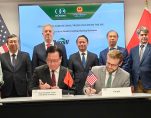
WASHINGTON D.C, US – Media OutReach Newswire – 7 June 2025 – Vietnam’s Minister of Agriculture and Environment Do Duc Duy led a delegation of nearly 50 agencies, agribusinesses, and associations to the United States from June 2–6, 2025, to promote trade and increase imports of agricultural and timber products. The delegation held business dialogues in Iowa, Ohio, Maryland and Washington, D.C. MoU signing to purchase US […]

Willem Blijdorp initially set his sights on a career in tourism. From 1970 to 1975, he studied at the Hotel Management School in Maastricht, the Netherlands. However, upon graduation, he chose an unexpected path. He decided to become the organizer of the now-legendary ‘Butterfahrten’. This marked the beginning of an entrepreneurial journey that continues to this day. The Butterfahrt Concept During a business trip to Germany, Blijdorp was […]

Advertisements

The 2025 MICHELIN Guide selection in Vietnam features a record 181 establishments: 9 One MICHELIN Star (1 new and 1 promoted), 2 MICHELIN Green Star (1 new), 63 Bib Gourmand (9 new), and 109 MICHELIN Selected (14 new). CieL (Ho Chi Minh City) directly debuts with One MICHELIN Star, while Coco Dining (Ho Chi Minh City) is promoted to One MICHELIN Star. The new MICHELIN Green Star […]

Elon Musk’s social media platform X has entered into a partnership with Polymarket, a cryptocurrency-based prediction market, enabling users to place bets on future events directly through the platform. This collaboration aims to integrate Polymarket’s forecasting capabilities with X’s user interface, allowing for real-time betting on topics ranging from political elections to economic indicators.

Polymarket, established in 2020, operates as a decentralized platform where users can wager on the outcomes of various events using cryptocurrency. The platform utilizes blockchain technology to ensure transparency and security in transactions. By partnering with X, Polymarket seeks to broaden its user base and bring prediction markets into mainstream social media usage.

Shayne Coplan, CEO of Polymarket, emphasized the significance of this partnership, stating that it represents a convergence of two platforms committed to truth-seeking and transparency. He highlighted that the integration would provide users with a more interactive and informed experience when engaging with current events on X.

The collaboration is set to introduce features that allow users to participate in prediction markets seamlessly within the X platform. This includes the ability to place bets on live events, access real-time data, and receive AI-generated insights to inform their decisions. The integration is designed to enhance user engagement by combining social media interaction with financial incentives tied to real-world outcomes.

Elon Musk has previously expressed interest in the predictive power of markets like Polymarket, suggesting that they can offer more accurate insights than traditional polling methods. By incorporating such a platform into X, Musk aims to provide users with tools that reflect collective intelligence and market-based forecasting.

The partnership also aligns with Musk’s broader vision of transforming X into a multifaceted platform that extends beyond traditional social media functionalities. By integrating financial services, content creation tools, and now prediction markets, X is positioning itself as a comprehensive digital ecosystem.

While the integration promises to offer users new ways to engage with content and events, it also raises questions about regulatory compliance and the potential for market manipulation. Polymarket has faced scrutiny in the past, including a $1.4 million fine from the Commodity Futures Trading Commission in 2022 for operating an unregistered derivatives trading platform. The company has since taken steps to restrict access for U.S. users and ensure compliance with relevant regulations.

As the partnership unfolds, both X and Polymarket will need to navigate the complex landscape of financial regulations, user privacy concerns, and the ethical implications of integrating betting mechanisms into social media. The success of this collaboration will depend on their ability to balance innovation with responsibility, ensuring that users can engage with prediction markets in a secure and informed manner.

The integration is expected to roll out in phases, with initial features becoming available to select users before a broader launch. Both companies have indicated that they will provide updates on the progress of the integration and any new features that become available.

Vietnam’s Vingroup and Gulf states are both rewriting their growth playbooks through state-led sustainability drives, forging a parallel transformation from legacy empires into green innovation hubs. HANOI, VIETNAM – Media OutReach Newswire – 6 June 2025 – Vietnam’s Vingroup and Gulf nations share parallel journeys of strategic reinvention, as the old playbooks that delivered decades of growth are showing their limits. While Gulf countries built wealth on […]

The manufacturing landscape in India is undergoing a profound transformation as nearly all major players invest heavily in artificial intelligence and machine learning technologies. This shift reflects a strategic focus on boosting operational efficiency, driving business impact, and advancing sustainability goals. An extensive survey by Rockwell Automation reveals that Indian manufacturers are rapidly adopting AI and ML to remain competitive in a global marketplace increasingly dominated by digital innovation.

Manufacturers across India are leveraging AI and ML to optimise production processes, reduce costs, and enhance product quality. The integration of these technologies into factory operations enables predictive maintenance, real-time monitoring, and automation of complex tasks. This leads to minimising downtime, improving yield, and accelerating time-to-market. Industrial leaders cite AI and ML as essential tools for unlocking value amid rising raw material prices and supply chain uncertainties.

The adoption rates in India closely mirror global trends but stand out for the intensity of focus on sustainability. AI-driven analytics allow manufacturers to significantly cut energy consumption and waste, contributing to environmental goals aligned with international standards and India’s own climate commitments. Companies are deploying smart sensors and AI algorithms to monitor emissions and optimise resource use, which is crucial as regulatory pressures tighten and consumer expectations evolve.

Executives in India report that their investment in AI and ML technologies is yielding measurable returns. Data from the Rockwell Automation survey indicates that over 90% of respondents observe improved operational performance attributable to these digital initiatives. Furthermore, nearly three-quarters affirm that their AI-driven strategies have enhanced decision-making speed and accuracy, facilitating quicker responses to market demands and disruptions.

The Indian government’s push to encourage digital adoption in manufacturing, through initiatives such as ‘Make in India’ and the National Strategy on AI, complements corporate efforts. Policy frameworks supporting Industry 4.0 advancements, including financial incentives and infrastructure development, have accelerated the uptake of AI and ML technologies. This alignment between public policy and private sector ambition has created a fertile environment for innovation in the manufacturing ecosystem.

Several sectors within Indian manufacturing stand to benefit disproportionately from AI and ML integration. Automotive, pharmaceuticals, and consumer goods producers are early adopters, capitalising on AI’s ability to optimise supply chains, enhance product customisation, and improve quality control. For example, AI algorithms can predict demand patterns more accurately, enabling just-in-time inventory management that reduces excess stock and associated costs.

While enthusiasm for AI and ML is high, manufacturers face challenges in implementation. Shortages of skilled personnel who can develop and maintain AI systems are common, necessitating investment in workforce training and collaboration with technology providers. Cybersecurity remains a critical concern, as increased digital connectivity opens potential vulnerabilities. Firms are therefore balancing rapid technology deployment with robust risk management strategies to safeguard intellectual property and operational integrity.

The evolving role of AI and ML in manufacturing also raises questions about labour dynamics. Automation driven by these technologies has the potential to displace routine manual jobs but also creates opportunities for higher-skilled employment in areas such as data science, system maintenance, and process optimisation. Industry leaders emphasise the need for reskilling initiatives to ensure the workforce adapts to the demands of a more digitally integrated manufacturing sector.

Investors and technology companies are taking notice of India’s growing appetite for AI and ML in manufacturing. Partnerships between domestic manufacturers and global tech firms are expanding, bringing access to advanced AI platforms and expertise. Indian startups specialising in industrial AI solutions are gaining traction, offering innovative products tailored to the unique challenges of Indian factories, such as managing variable power supply and legacy equipment integration.

The emphasis on sustainability powered by AI is gaining traction beyond regulatory compliance. Indian manufacturers recognise that eco-friendly operations can enhance brand value and meet the expectations of increasingly conscious consumers worldwide. Technologies that track carbon footprints, water usage, and waste generation help firms align with global environmental, social, and governance criteria, which are becoming decisive factors for international trade and investment.

As AI and ML technologies mature, their influence on Indian manufacturing’s competitive edge is expected to deepen. Automation of routine tasks frees human workers to focus on innovation and complex problem-solving, potentially accelerating product development cycles and enabling mass customisation. Real-time data analytics empower firms to respond nimbly to market fluctuations and supply chain disruptions, a critical advantage amid ongoing geopolitical and economic uncertainties.

Oil prices maintained stability following a notable rise as market participants reacted to constructive signals from high-level discussions between the United States and China. Brent crude hovered near $65 a barrel, positioning itself for a weekly advance that would mark its first since mid-May. Similarly, West Texas Intermediate settled close to $63, reflecting a cautious but optimistic outlook amid evolving geopolitical dynamics. The dialogue between President Donald […]

Hunter Marquez graduated from the U.S. Air Force Academy with honours, expecting to begin their career as a commissioned second lieutenant. Despite meeting all academic and training requirements, Marquez and two other graduates have been barred from active duty due to restrictions stemming from a policy introduced during Donald Trump’s presidency that prohibits transgender individuals from serving openly in the military. This decision has ignited renewed debate […]

The debt burden across the Middle East and North Africa has escalated markedly over the last decade, with many governments relying heavily on borrowing to sustain public spending amid economic challenges. This growing fiscal strain, combined with an increasing dependence on external donor funding, has amplified the influence of foreign actors on both domestic policies and regional geopolitics, raising concerns about the long-term economic sovereignty of these […]

SINGAPORE – Media OutReach Newswire – 6 June 2025 – The ultimate kids and family event of the year, K!DZ POP CON 2025, is set to take over Sands Expo & Convention Centre, Level 1, Halls A,B,C on 21–22 June 2025, and it’s bursting with exciting brand activations, workshops, live entertainment, and must-see experiences from some of the biggest names in kids’ entertainment! 21 – 22 June […]

Over 80% of Employees Take Sick Leave Due to Sleep Deprivation; Mondays Are the Most Popular “Sickie” Days Economic downturn: 91% of respondents feel stressed from work and life 81% report frequent awakenings; 64% have trouble falling asleep – two distinct sleep problems, doctor explain 78% say stress impacts sleep quality 80% hope to resolve both types of sleep problems; 85% seek long-term sleep solutions Dual Action […]

SHENZHEN, CHINA – Media OutReach Newswire – 5 June 2025 – Leading smart device company OPPO today announced the signing of a global patent licensing agreement with Volkswagen Aktiengesellschaft (hereafter referred to as Volkswagen) to license OPPO’s cellular standard-essential patents portfolio to the group, including 5G. Under the agreement, OPPO’s cellular standard-essential patents will be licensed to Volkswagen to enhance user experiences for its connected vehicle offerings […]

Thailand’s tourism industry continues to grapple with significant challenges despite the temporary surge in visitor interest linked to the popularity of HBO’s hit series set on Koh Samui. The so-called “White Lotus effect” sparked a modest increase in Western tourists drawn by the picturesque island backdrop of the show. However, this spike has failed to reverse the broader downward trend that has gripped the sector, which remains weighed down by a complex mix of economic, geopolitical, and structural factors.

Tourism, which historically accounted for approximately 20% of Thailand’s GDP, has not rebounded to pre-pandemic levels. The government’s ambitious targets for visitor arrivals have consistently fallen short, with numbers lagging due to a combination of diminished demand from key markets, lingering travel restrictions in some regions, and competition from neighbouring countries aggressively courting tourists with attractive packages and incentives.

Koh Samui, often portrayed as a tropical paradise in the series, experienced an influx of curious travellers eager to visit the filming locations. Hotels and local businesses reported short-term gains, but these have proven insufficient to restore the overall health of the industry. Analysts note that the White Lotus effect highlights the growing influence of media and entertainment in shaping travel preferences but also underscores the limitations of relying on such ephemeral boosts without broader strategic support.

The pandemic fundamentally altered global travel behaviours, accelerating trends towards more cautious spending and preference for less crowded destinations. Additionally, the economic slowdown and inflationary pressures in Western countries have tightened discretionary budgets for leisure travel, further curbing outbound flows. Thailand, which relies heavily on long-haul visitors from Europe, North America, and Australia, has thus found itself at a disadvantage amid shifting global economic dynamics.

Geopolitical tensions in Southeast Asia and stricter visa and entry policies in response to health concerns have deterred potential visitors. While Thailand has progressively eased COVID-19 restrictions, some travellers remain wary of changing regulations and the unpredictability of travel protocols. This uncertainty contrasts with competitors like Vietnam and Malaysia, which have implemented more streamlined border policies to attract tourists.

The country’s tourism infrastructure also faces scrutiny. Despite being a longstanding favourite destination, several regions struggle with overdevelopment, environmental degradation, and inconsistent service standards. These issues have sparked calls for more sustainable tourism practices to ensure long-term viability. Efforts to diversify tourism offerings beyond beach resorts, such as promoting eco-tourism, cultural tourism, and wellness retreats, are gaining traction but require substantial investment and coherent policy frameworks to achieve scale.

The Thai government has responded with a series of incentives aimed at reviving the sector. These include marketing campaigns targeting emerging markets such as China, India, and the Middle East, where outbound travel is expected to grow. Subsidies and financial support for local businesses, infrastructure upgrades, and training programmes for hospitality workers form part of the recovery blueprint. Nonetheless, experts caution that the benefits of these measures will manifest gradually and hinge on geopolitical stability and global economic recovery.

Tourism operators highlight that the industry’s challenges extend beyond attracting visitors to addressing the quality of the visitor experience and the sustainability of growth. For example, concerns about overtourism in some hotspots have led to overcrowding and resource depletion, while lesser-known regions struggle to attract sufficient attention and investment. This imbalance has prompted calls for a more balanced approach that spreads economic benefits more evenly across the country.

Foreign direct investment in the tourism sector remains muted compared with previous years, reflecting broader investor caution about global economic uncertainties. The depreciation of the Thai baht has had mixed effects; while it makes the destination more affordable for foreign tourists, it also raises costs for imported goods and services crucial to the hospitality industry. Inflationary pressures on food, energy, and labour add to the operational challenges faced by businesses seeking to maintain profitability while keeping prices competitive.

Labour shortages persist as well, with many workers leaving the tourism sector during the pandemic to pursue alternative employment. This has led to difficulties in maintaining service quality and meeting seasonal demand peaks. The government has encouraged re-skilling and vocational training programmes, but the gap remains significant, especially in rural and less-developed areas.

Industry analysts point to the need for a comprehensive long-term strategy that integrates tourism with broader economic and social development goals. This would include embracing digital transformation to enhance marketing, customer engagement, and operational efficiency, as well as fostering partnerships between the public and private sectors to ensure resilience against future shocks.

Thailand’s brand as a travel destination continues to enjoy global recognition for its natural beauty, rich culture, and culinary appeal. However, sustaining this reputation requires ongoing adaptation to evolving traveller expectations, global trends, and environmental imperatives. While the White Lotus series has brought some renewed attention to specific locales, the industry’s recovery depends on deeper structural reforms and coordinated efforts at multiple levels.

The United Arab Emirates and Kuwait have cemented a series of bilateral agreements designed to enhance collaboration across vital sectors such as health, energy, education, and defence. These agreements were formalised during an official visit by UAE Vice President Sheikh Mansour bin Zayed Al Nahyan at Bayan Palace, where Kuwaiti Prime Minister Sheikh Ahmad Abdullah Al-Ahmad Al-Sabah also presided over the signing ceremony.

This diplomatic engagement reflects a shared commitment to deepen economic and political cooperation amid a shifting geopolitical landscape in the Gulf region. Both nations seek to leverage their strategic partnership to accelerate development goals and bolster regional stability.

The agreements encompass a broad spectrum of cooperation frameworks. In healthcare, the MoUs aim to facilitate joint initiatives in medical research, health services, and pandemic preparedness. This builds upon existing efforts to enhance public health infrastructure and improve access to advanced medical technologies within both countries. The collaboration is expected to include exchanges of expertise and the establishment of joint health projects, reinforcing resilience against future health crises.

Energy cooperation constitutes a central pillar of the accord, reflecting the growing importance of sustainable development and energy diversification in Gulf policies. Both nations have expressed intent to collaborate on clean energy projects, including renewable energy deployment and energy efficiency programmes. This aligns with wider regional ambitions to reduce carbon footprints and accelerate the energy transition, tapping into solar, wind, and hydrogen potential. The partnership aims to foster knowledge-sharing, joint investments, and innovation in sustainable energy technologies, signalling a clear move away from traditional hydrocarbon dependency.

Education and innovation sectors also feature prominently in the agreements. Kuwait and the UAE plan to develop cooperative education programmes, facilitate student and academic exchanges, and promote joint research ventures. These initiatives target strengthening human capital and nurturing a knowledge-based economy, crucial for long-term competitiveness. Special focus is placed on artificial intelligence and digital transformation, areas recognised for their transformative potential across industries.

Defence collaboration marks another significant dimension of the bilateral ties, with both countries pledging closer coordination in security and military affairs. This includes enhanced training cooperation, intelligence sharing, and joint exercises aimed at improving operational readiness and countering emerging threats in a volatile regional security environment.

Investment and infrastructure development feature heavily within the broader strategic framework. The agreements envisage boosting trade flows, encouraging cross-border investments, and facilitating infrastructure projects. These measures are expected to unlock economic opportunities, create jobs, and support broader Gulf Cooperation Council integration efforts.

Social development has not been overlooked, with the accords setting the stage for cooperative efforts in social welfare, cultural exchange, and community development. This demonstrates a recognition that sustainable progress extends beyond economic growth to encompass social cohesion and quality of life improvements.

This series of MoUs signals a concerted effort by the UAE and Kuwait to consolidate their partnership amid evolving regional and global dynamics. Both nations are navigating complex challenges, including economic diversification pressures, climate change imperatives, and shifting geopolitical alliances. The agreements reflect a proactive strategy to leverage bilateral cooperation as a stabilising and growth-enhancing force.

The visit by Sheikh Mansour underscores the UAE’s broader diplomatic outreach in the Gulf, aimed at strengthening ties with neighbouring states while advancing shared priorities. Kuwait, meanwhile, views this enhanced partnership as vital for reinforcing its role in regional affairs and securing avenues for economic resilience.

Experts note that such collaborations between Gulf states are increasingly critical as they face mounting global competition and internal transformation demands. By pooling resources, expertise, and political will, the UAE and Kuwait position themselves to address mutual challenges more effectively and harness new opportunities.

This development follows a pattern of intensified Gulf collaboration that has gained momentum following shifts in regional geopolitics. Enhanced bilateral relations are viewed as key to ensuring collective security and economic prosperity, particularly amid external uncertainties and emerging global power dynamics.

The agreements also reflect a clear alignment with the strategic visions of both countries, which prioritise innovation, sustainability, and regional integration. As the Gulf states pursue diversification and modernisation agendas, such partnerships become essential tools for advancing these objectives.

While the full scope and impact of the signed agreements will unfold over time, the foundations laid in this visit mark a significant milestone. The emphasis on critical sectors such as healthcare, clean energy, education, and defence highlights the comprehensive nature of the partnership.


Saudi Arabia is advocating for accelerated increases in oil production within the OPEC+ coalition, aiming to reclaim market share lost during past output cuts. The kingdom is reportedly pressing the group to raise supplies by more than 400,000 barrels per day for August and possibly September, signalling a clear shift in strategy amid evolving global energy demands.

The decision underscores Saudi Arabia’s intent to capitalise on high seasonal demand in the northern hemisphere summer months. By scaling back production curbs more aggressively, Riyadh seeks to boost revenue and solidify its influence over global oil markets as supply dynamics shift. This approach reflects broader geopolitical and economic calculations, especially as global economies adjust to fluctuating energy needs and the ongoing transition to cleaner energy sources.

OPEC+ has been managing oil supply carefully since 2020, following the severe demand shock caused by the pandemic and ensuing market volatility. Initial drastic cuts helped stabilise prices, but the alliance has gradually increased output to balance rising demand. Saudi Arabia, as the largest producer within OPEC+, holds substantial sway in determining the group’s production policies and has been central to managing these supply adjustments.

This move to hasten production hikes also coincides with concerns over emerging market demand and the possible impact of economic slowdowns in key economies such as China and Europe. Saudi officials appear confident that increased output will prevent rivals, including the US shale sector and other non-OPEC producers, from expanding their share amid tightening market conditions.

Industry experts highlight that Saudi Arabia’s push for faster supply growth may be aimed at pre-empting market share erosion by ensuring that OPEC+ remains the dominant supplier globally. Since mid-2022, the kingdom has carefully recalibrated its production to respond to volatile price trends and geopolitical uncertainties, including tensions in the Middle East and disruptions caused by sanctions on Russia.

The timing of the proposed output rise is critical. Summer months traditionally bring peak consumption due to higher energy needs for cooling in developed markets, which can drive up prices. Saudi Arabia’s intention to increase supply during this window suggests an effort to maximise returns while stabilising prices to avoid sharp fluctuations that could undermine consumer confidence and economic recovery.

Global oil markets remain sensitive to a variety of factors including inflationary pressures, currency fluctuations, and shifting consumer behaviour. While demand for fossil fuels is under pressure from environmental policies and the accelerating transition to renewables, oil remains a crucial commodity in the global energy mix. Saudi Arabia’s strategy to secure market share through supply management is thus seen as a pragmatic response to balancing short-term profitability with long-term market relevance.

OPEC+ member countries have historically struggled to reach consensus on output levels, with diverse national interests shaping negotiations. Saudi Arabia’s dominant position, reinforced by its vast production capacity and financial reserves, often allows it to influence group decisions. However, some members have expressed concerns about aggressive supply increases potentially undermining prices and fiscal stability.

The broader geopolitical landscape also plays a role in shaping OPEC+ policies. Tensions involving key players such as Russia, which holds a significant share in the alliance, and ongoing conflicts in the Middle East add layers of complexity to supply decisions. Riyadh’s leadership in pushing for larger hikes indicates confidence in managing these risks while maintaining its strategic goals.

Market analysts note that US shale producers have responded to higher prices by increasing output, albeit with some operational constraints. Saudi Arabia’s efforts to accelerate OPEC+ production are seen as a counterbalance to this trend, aiming to keep global supply within manageable limits and avoid price spikes that could trigger demand destruction or accelerate the shift to alternatives.

Saudi Aramco, the kingdom’s state-owned oil giant, plays a pivotal role in implementing the supply strategy. Its vast infrastructure, including refineries and export terminals, supports the planned output increases. Aramco’s ability to ramp up production rapidly without incurring excessive costs provides Saudi Arabia with a competitive edge in the global energy market.

Environmental considerations also influence production decisions. While the global push for net-zero emissions is intensifying, OPEC+ nations, led by Saudi Arabia, continue to argue for the essential role of oil in energy security and economic development. The kingdom is simultaneously investing in cleaner technologies and diversifying its economy to reduce dependence on hydrocarbons in the long term.

The interaction between Saudi Arabia’s production policy and global economic indicators remains closely monitored by investors and policymakers alike. Oil prices affect inflation rates, trade balances, and geopolitical stability, making OPEC+ decisions crucial beyond the energy sector. The kingdom’s assertive stance on output could signal a more proactive approach to managing these broader economic impacts.

Analysts emphasize that while Saudi Arabia seeks to regain market share, the volatility of global markets and uncertainties surrounding demand growth require cautious optimism. Supply increases must be balanced against potential oversupply risks, which could trigger price declines detrimental to all producers within OPEC+.

SINGAPORE – Media OutReach Newswire – 5 June 2025 – Sentosa Development Corporation (SDC) and Mount Faber Leisure Group (MFLG) have collaborated to transform Sentosa for ‘Peranakan Reimagined’ — a vibrant showcase that reimagines Peranakan culture through a contemporary lens. A double celebration in commemoration of SG60 as well as the 10th year anniversary of the Singapore Cable Car – Sentosa Line, this showcase will run from […]

Royal Challengers Bengaluru clinched their maiden Indian Premier League trophy in a dramatic final that showcased resilience and strategic brilliance. Punjab Kings fought valiantly, propelled by Shashank Singh’s determined unbeaten 61 off 30 balls, which pushed the contest into the final over, but Bengaluru’s composed chase secured a narrow victory that ended their long-standing title drought.

The final was held at the Narendra Modi Stadium in Ahmedabad, a venue known for its electric atmosphere and capacity to host large crowds, intensifying the stakes for both teams. Royal Challengers Bengaluru, having faced near-misses in past editions, approached the match with a balanced squad and a clear focus on executing their game plan.

Bengaluru’s opening batter, Faf du Plessis, delivered a crucial start with a measured innings that kept the scoreboard ticking, while Virat Kohli, the team’s captain, demonstrated exceptional leadership and composure under pressure. Kohli’s emotional response after the victory reflected the significance of this win, marking a landmark achievement in his illustrious career and for the franchise as a whole.

Punjab Kings’ campaign was bolstered by consistent performances throughout the tournament, with Shashank Singh emerging as a key figure in the final stages. His aggressive hitting in the final over rekindled Punjab’s hopes, underscoring his ability to perform in high-pressure situations despite being a less experienced player compared to some of the tournament’s big names.

The match unfolded with Bengaluru setting a competitive total, thanks to disciplined bowling and tight fielding that disrupted Punjab’s batting rhythm. The team’s bowling unit, featuring young pace talents and seasoned spinners, executed their plans effectively, exploiting pitch conditions that favoured variation and accuracy over sheer pace.

Punjab’s chase was anchored by Shashank Singh’s late surge, supported by contributions from seasoned campaigners in the middle order. The game’s intensity escalated in the final overs as both teams exchanged momentum shifts. Bengaluru’s fielding unit rose to the occasion with sharp catches and crucial run-outs, demonstrating the importance of athleticism in T20 cricket.

Kohli’s leadership was pivotal throughout the tournament and especially in the final, where his tactical decisions—such as bowling changes and field placements—proved decisive. His decision to trust emerging players and balance the bowling attack between spin and pace showcased his evolving captaincy style, blending experience with youth.

This victory holds particular weight for Royal Challengers Bengaluru, who had faced criticism for their inability to convert strong squads into championship wins despite featuring some of the world’s best cricketers over the years. Their perseverance and strategic adjustments reflect the franchise’s commitment to learning from past shortcomings and building a cohesive team culture.

On the other side, Punjab Kings’ performance signals their growing stature in the IPL landscape. Their squad, combining experienced international stars and dynamic local talent, has laid the groundwork for sustained competitiveness in future seasons. Shashank Singh’s emergence as a clutch player adds a new dimension to their batting arsenal.

The tournament itself highlighted evolving trends in the IPL, such as the increasing value of all-rounders who can contribute in multiple facets of the game, and the growing importance of data analytics in shaping team strategies. Teams that adapted quickly to pitch variations and managed player workloads effectively gained a competitive edge.

Royal Challengers Bengaluru’s triumph also reflects the broader trend of franchises investing in nurturing young talent alongside marquee signings. The blend of youth and experience in their squad created a balanced dynamic, enabling flexibility in match situations and resilience during pressure moments.

Virat Kohli’s emotional celebration after the victory symbolised not just personal triumph but also the fulfilment of collective team ambition. His dedication and on-field performances throughout the tournament served as inspiration to his teammates and fans alike, reaffirming his status as one of the modern era’s leading cricketers.

The success of the final, both in terms of competitive quality and spectator engagement, underscores the IPL’s position as a premier cricket league that blends entertainment with high-performance sport. It also sets a precedent for future editions, where teams will look to replicate Bengaluru’s model of combining strategic planning with individual brilliance.

This landmark title for Royal Challengers Bengaluru may well signal a shift in the IPL’s competitive balance, encouraging franchises to prioritise long-term team-building and leadership stability. The franchise’s journey from perennial runners-up to champions illustrates the evolving nature of T20 cricket, where adaptability and mental toughness are as vital as raw talent.

With the IPL continuing to attract global stars and expanding its audience, the implications of this final extend beyond the trophy itself. It provides valuable insights into how teams can harness both data-driven decision-making and traditional cricketing skills to succeed in a highly competitive environment.

By K Raveendran Strong signs of undercurrents are emerging in the aviation space between India and the Gulf. There is renewed tussle over landing rights — the coveted permissions that determine which airlines get to fly where, how often, and with how many seats. For years, this battleground has been tilted in favour of Gulf-based […]

The United Arab Emirates has long established itself as a vibrant meeting point of cultures, ideas, and innovation — a country where talent from every corner of the world is celebrated. Among the creative figures making their mark on the UAE’s cultural landscape is Zia Ur Rehman Shaikh, a dynamic filmmaker, storyteller, and cultural ambassador whose work continues to inspire and connect communities through the power of […]

VISHNU RAJA
RYO YAMADA
HITORI GOTOH
IKUYO KITA