News related to
data

Akamai Technologies has unveiled the “Defenders’ Guide 2025: Fortify the Future of Your Defense,” a detailed report aimed at bolstering cybersecurity measures for organizations worldwide. This inaugural State of the Internet report offers in-depth research on emerging threats and provides actionable strategies to enhance security postures. The guide addresses critical areas such as risk management, network architecture reinforcement, and host security implementation. It presents novel findings on […]

Waha Capital PJSC, an Abu Dhabi-listed investment management firm, has reported a net profit of AED 381 million for the fiscal year 2024, reflecting a return on average equity of 10%. This performance is attributed to increased fee income and gains on portfolio assets. The company’s total income stood at AED 1.176 billion, slightly down from AED 1.222 billion in 2023.

A significant contributor to this achievement is the Waha Investment division, which recorded a net profit of AED 379 million. This surge is driven by robust recurring fee income, bolstered by a 25% growth in third-party assets under management , reaching AED 6.9 billion by year-end. These third-party assets now constitute nearly 58% of Waha Capital’s total AUM, underscoring the company’s success in attracting global institutional investors.

The Private Investments segment also performed well, generating a net profit of AED 116 million. This was largely due to the realization of gains from several portfolio assets. Meanwhile, Waha Land, the company’s real estate arm, contributed AED 46 million in net profit, benefiting from increased leasing activities that enhanced income streams.

In the fourth quarter alone, Waha Capital reported a net profit of AED 99 million. By December 31, 2024, the company’s total AUM had risen to AED 11.9 billion, a 13% increase from AED 10.5 billion at the end of 2023. This growth was primarily driven by substantial inflows from third-party mandates.

Waleed Al Mokarrab Al Muhairi, Chairman of Waha Capital, highlighted the company’s strategic focus on expanding third-party capital and enhancing portfolio value. He noted that the 25% increase in third-party AUM to AED 6.9 billion, representing 58% of total AUM, reflects Waha Capital’s commitment to delivering consistent, market-leading returns for its investors.

In addition to its financial achievements, Waha Capital secured a new US$400 million revolving credit facility during the year. This facility, extendable to US$500 million, offers a maturity extension of up to two years, thereby enhancing the company’s financial flexibility and supporting its growth initiatives.

Cryptocurrency analysts are forecasting a significant upward trajectory for XRP, Ripple’s native token, with projections suggesting a potential rise to $17 in the coming year. This optimistic outlook is bolstered by recent market developments and technical analyses indicating a robust bullish trend.

As of February 17, 2025, XRP is trading at $2.71, reflecting a slight decrease of 0.025% from the previous close. The token experienced an intraday high of $2.80 and a low of $2.70, with a 24-hour trading volume of approximately $2.9 billion.

The recent acknowledgment by the U.S. Securities and Exchange Commission of Grayscale’s application to list an XRP Exchange-Traded Fund has injected renewed enthusiasm into the market. Although this acknowledgment does not equate to approval, it signifies a step forward in regulatory recognition, potentially paving the way for increased institutional investment.

Technical analysis reveals that XRP is forming a bullish pennant pattern, a continuation pattern that often precedes significant price movements. Analyst Egrag Crypto has highlighted this formation, suggesting that upon confirmation of a breakout above the $3.40 resistance level, XRP could rally towards the $15 to $17 range. He emphasizes the importance of surpassing this critical threshold to validate the bullish momentum.

In addition to the ETF developments, XRP’s decentralized exchange has reported a surge in activity, with daily trading volumes reaching $17 million. This uptick in DEX usage indicates growing confidence among retail investors and may serve as a catalyst for further price appreciation.

Market sentiment is further buoyed by the broader cryptocurrency landscape, where assets like Bitcoin have demonstrated resilience amidst economic fluctuations. The recent stabilization of Bitcoin’s price, despite inflationary pressures, suggests a maturation of the crypto market, with XRP poised to benefit from this stability.

Ethereum , the world’s second-largest cryptocurrency by market capitalization, has experienced a notable price decline, trading at $2,668.58 USD. This downturn has prompted market analysts to project a potential surge, with forecasts suggesting a rise to between $4,000 and $8,000 in the coming months.

The current price reflects a decrease of $25.71 from the previous close, with intraday highs reaching $2,717.51 and lows of $2,656.81. Despite this downward trend, experts remain optimistic about Ethereum’s future performance.

Several factors contribute to this positive outlook. The ongoing development and anticipated upgrades to the Ethereum network, particularly the transition to a proof-of-stake consensus mechanism, are expected to enhance scalability and energy efficiency. These improvements could bolster investor confidence and drive demand.

The increasing adoption of decentralized finance platforms and non-fungible tokens , which predominantly operate on the Ethereum blockchain, underscores the network’s integral role in the evolving digital economy. This growing utilization may further influence ETH’s value positively.

The United Arab Emirates is set to engage in high-level discussions with the European Union to bolster international efforts against money laundering and financial crimes. Hamid Al Zaabi, Secretary General and Vice Chairman of the UAE National Anti-Money Laundering and Combatting Financing of Terrorism and Financing of Illegal Organisations Committee, announced the upcoming talks, emphasizing the UAE’s dedication to global financial stability.

Al Zaabi highlighted the necessity of international collaboration, noting that the UAE has already initiated dialogues with the United States and France to develop a comprehensive strategy addressing financial crimes, including those related to narcotics and fraud. He stated, “Through comprehensive preventive measures, the UAE continues to foster a stable and secure economic environment for all.”

This initiative follows the seventh EU-UAE Structural Dialogue on Anti-Money Laundering and Countering the Financing of Terrorism , held in Abu Dhabi in November 2024. The meeting underscored the commitment of both parties to combat financial crimes and enhance international cooperation. Discussions focused on current global trends and challenges in AML/CFT, with both sides expressing a shared determination to strengthen collaborative measures.

The EU emphasized the importance of law enforcement and judicial cooperation between the UAE, EU member states, and relevant EU bodies. The dialogue was co-chaired by representatives from the UAE Ministry of Foreign Affairs, the European External Action Service , the EU Delegation to the UAE, and the European Commission. Plans were made to convene the next round of discussions in Brussels in early 2025.

In addition to these dialogues, the UAE hosted a seminar titled “European Union Sanctions and Enhancing Cooperation to Strengthen Sanction Effectiveness” in Abu Dhabi. The event provided a comprehensive overview of EU sanctions frameworks and explored avenues for enhanced cooperation to ensure the efficacy of sanctions. Attendees included representatives from various UAE public sector entities, reflecting the nation’s commitment to aligning with international standards and practices in financial regulation.

The UAE’s proactive stance is further evidenced by its hosting of the 2024 Asia/Pacific Group on Money Laundering Annual Meeting and Technical Assistance and Training Forum. The event, attended by over 400 delegates from the Asia-Pacific region, served as a platform to coordinate anti-money laundering and counter-terrorism financing technical assistance. The forum welcomed new Development Assistance Partners, including the EU AML/CFT Global Facility, Germany’s Global Program Combating Illicit Financial Flows , and Luxembourg’s Institute for Legal Support and Technical Assistance .

These efforts are part of a broader strategy by the UAE to enhance its financial regulatory framework and international cooperation. In November 2024, the UAE and Sweden signed bilateral agreements on mutual legal assistance in criminal matters and extradition, aiming to strengthen collaboration in combating organized crime. Sweden’s Minister for Justice, Gunnar Strömmer, emphasized that these agreements would reduce criminals’ ability to operate within both countries.

The UAE’s commitment to combating financial crimes is also evident in its recent actions against international criminal networks. The country has been instrumental in targeting the Kinahan cartel, a notorious organized crime group involved in drug trafficking and money laundering. In late 2024, Ireland signed an extradition treaty with the UAE, facilitating the prosecution of cartel members residing in Dubai. This development followed the arrest of Sean McGovern, a key figure in the Kinahan cartel, in Dubai. The treaty represents a significant step in international efforts to dismantle such criminal organizations.

French authorities have been investigating investments by Marseille-based drug dealers in Dubai’s real estate market. Luxurious skyscrapers, such as “Act One” and “Act Two,” have become focal points in judicial investigations into money laundering activities. French drug traffickers are suspected of channeling illicit funds into these properties, highlighting the UAE’s ongoing challenges in preventing financial crimes. The UAE’s collaboration with international partners is crucial in addressing these complex transnational issues.

SINGAPORE – Media OutReach Newswire – 17 February 2025 – YSH Farm, a third-generation Singaporean farm renowned for its premium-quality ducks since 1976, proudly announces the launch of its new brand, Original Tiong Bahru.This Chinese New Year, the brand pays homage to Singapore’s culinary heritage by reviving traditional recipes that date back to the 1930s. YSH Farm roasted pig and specialties Inspiration Behind Original Tiong Bahru The […]

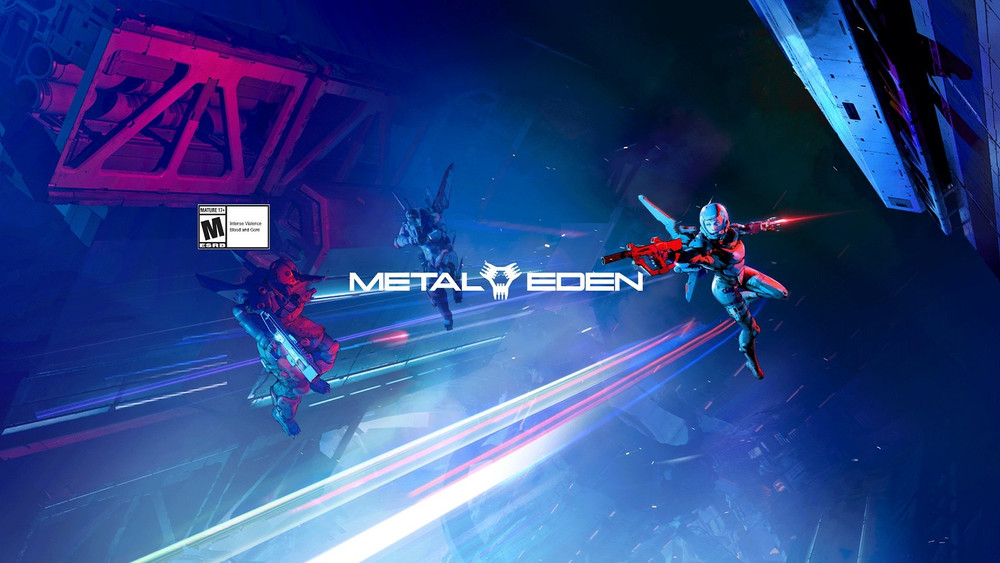
Reikon Games, the independent Polish studio renowned for the 2017 cyberpunk shooter ‘Ruiner’, has announced their latest project, ‘Metal Eden’. This first-person shooter is scheduled for release on May 6, 2025, and will be available on PlayStation 5, Xbox Series X|S, and PC platforms.

‘Metal Eden’ immerses players in a dystopian cyberpunk universe, reminiscent of the studio’s previous work. The game was unveiled during the State of Play event on February 12, 2025, where its dynamic gameplay and striking visuals drew immediate attention. Players will navigate the neon-lit architecture of the techno-planet Moebius, engaging in intense combat scenarios that demand both agility and strategic thinking.

In ‘Metal Eden’, players assume the role of ASKA, an advanced Hyper Unit android infused with a digitized human consciousness. The narrative centers on ASKA’s mission to uncover the mysteries of a lost human colony, whose souls are stored within cybernetic cores. This journey delves deep into themes of humanity’s transcendence beyond physical form, exploring a world where consciousness resides within robotic entities.

The gameplay of ‘Metal Eden’ emphasizes high-speed action and fluid movement, drawing comparisons to titles like ‘Ghostrunner’. Players can expect mechanics that include wall-running, rapid evasion, and utilizing the environment to outmaneuver adversaries. The combat system is designed to keep players in constant motion, with a focus on seamless transitions between movement and combat.

A notable feature in ‘Metal Eden’ is the ‘Core Ripping’ mechanic. This allows players to extract cores from enemies, which can then be used strategically—either by consuming them to gain enhancements or by deploying them as explosive projectiles against foes. This system adds a layer of tactical depth, enabling players to adapt their approach based on the challenges they encounter.

The development of ‘Metal Eden’ comes after a challenging period for Reikon Games. In January 2024, reports indicated that the studio underwent significant layoffs, reducing approximately 80% of its staff. Despite these setbacks, the remaining team has demonstrated resilience, channeling their efforts into the creation of this ambitious new title.

‘Metal Eden’ is set to offer eight distinct missions, each designed to immerse players further into its richly crafted world. The game’s aesthetic combines cyberpunk elements with fast-paced shooter mechanics, aiming to provide a fresh experience for fans of the genre. As the release date approaches, anticipation is building among the gaming community, eager to explore the depths of Moebius and the mysteries it holds.

Advertisements

Koei Tecmo Holdings has unveiled a significant leadership restructuring, appointing Hisashi Koinuma as the new President and Chief Executive Officer, effective April 1, 2025. This transition marks a pivotal moment for the Japanese video game developer and publisher, renowned for franchises such as “Dynasty Warriors” and “Ninja Gaiden.”

Koinuma, who currently serves as Representative Director and Executive Vice President, will ascend to the roles of President and CEO. His tenure at Koei Tecmo began in April 1994, and he has since held various key positions, including Chief Operating Officer of Koei Tecmo Games. His leadership has been instrumental in steering the company’s entertainment division, particularly in the development of popular titles.

The company’s co-founder, Yoichi Erikawa, will transition from his current position as President and CEO to assume the role of Representative Director and Chairman of Koei Tecmo Holdings. Erikawa, also known by his pen name Kou Shibusawa, co-founded Koei in 1978 alongside his wife, Keiko Erikawa. Under their guidance, the company evolved from a personal computer sales venture into a prominent entity in the gaming industry, eventually merging with Tecmo in 2008 to form the current Koei Tecmo Holdings.

Keiko Erikawa, who has been serving as Representative Director and Chairman, will step down from her current roles to become Director and Chairman Emeritus. In addition, she will take on the position of Representative Director and President of a newly established subsidiary, Koei Tecmo Corporate Finance, effective April 1, 2025. This new entity will absorb the investment functions of Koei Tecmo Games, aiming to enhance governance related to investments and optimize cash management across the organization.

The leadership changes are part of Koei Tecmo’s strategic initiative to separate business execution from management supervision, thereby strengthening its corporate governance framework. The company has been preparing for this transition through deliberations within its Nomination and Compensation Committee, with the objective of achieving sustained growth and profitability.

In an official statement, Koei Tecmo articulated its vision: “Our group aims to become the world’s number one digital entertainment company under the spirit of ‘creativity and contribution.'” The company believes that the new management structure, commencing in the fiscal year 2025, will be pivotal in realizing this ambition.

Hisashi Koinuma’s promotion to CEO is anticipated to bring a fresh perspective to Koei Tecmo’s leadership. His extensive experience within the company, particularly in overseeing the entertainment division, positions him well to navigate the evolving landscape of the gaming industry. Koinuma has been a driving force behind several successful projects and is expected to continue fostering innovation and expansion in his new role.

The establishment of Koei Tecmo Corporate Finance signifies the company’s commitment to bolstering its investment capabilities. By creating a dedicated subsidiary focused on financial management, Koei Tecmo aims to streamline its investment processes and enhance overall financial efficiency. This move is expected to provide a robust foundation for the company’s future projects and strategic initiatives.

Vedanta Aluminium, India’s leading aluminium producer, has introduced an AI-powered drone system to bolster safety measures at its Jamkhani coal mine in Odisha. This initiative, developed in collaboration with Vedanta’s Spark program, aims to enhance operational efficiency and safety protocols within the mining sector.

The AI-driven drones are equipped with advanced software capable of real-time aerial surveillance, automatically detecting and tracking human, animal, and vehicle movements within a 500-meter radius of blasting zones. This technology enables remote monitoring, providing live-streaming alerts for unauthorized activities and facilitating seamless audio communication between officials, drone pilots, and blasting officers for precise coordination.

Sunil Gupta, Chief Operating Officer of Vedanta Aluminium, emphasized the company’s commitment to workplace safety, stating that the integration of AI-powered drones signifies a significant advancement in creating a secure work environment while improving monitoring and compliance.

David Stone, Chief Executive Officer of Vedanta’s Coal Mines, highlighted the impact of this technology, noting that the deployment of AI-powered drones sets a new benchmark for mine safety by enhancing situational awareness and risk management.

The Jamkhani coal mine, Vedanta’s first greenfield project in Odisha, plays a crucial role in supplying fuel to the company’s Jharsuguda plant, one of the world’s largest aluminium smelters. The introduction of AI-powered drones is part of Vedanta Aluminium’s broader strategy to implement digital transformation across its operations, leveraging technologies such as artificial intelligence, robotics, the Internet of Things , and smart safety solutions.

Amitesh Sinha, Vice President and Head of CVC & Spark at Vedanta, underscored the importance of corporate-startup collaborations in driving innovation. He mentioned that the partnership with Skylark Drones and the Vedanta Mines team reflects the company’s focus on safety innovation, with the Spark program actively working with over 70 startups and deploying more than 100 projects to integrate AI and digital solutions into manufacturing.

Beyond technological advancements, Vedanta Aluminium remains committed to Odisha’s socio-economic development, engaging in initiatives that encompass education, healthcare, sustainable livelihoods, and rural infrastructure enhancement. As India’s largest aluminium producer, the company manufactured 2.37 million tonnes in the fiscal year 2024, supplying critical industries and reinforcing its leadership in sustainable mining and digital innovation. Notably, Vedanta Aluminium ranks second globally in the S&P Global Corporate Sustainability Assessment 2024 for the aluminium industry, reaffirming its dedication to responsible mining practices and a greener future.

The integration of AI-powered drones into mining operations signifies a transformative approach to safety and efficiency in the industry. By providing comprehensive surveillance and instant communication capabilities, this technology empowers mining teams with greater situational awareness, enabling swift responses to potential hazards and ensuring a safer working environment.

The AI-driven drones operate autonomously, scanning the designated areas and identifying any unauthorized movement or anomalies. Upon detection, the system generates immediate alerts, allowing for prompt intervention to prevent potential incidents. This proactive approach not only mitigates risks but also enhances overall operational efficiency by reducing downtime associated with manual inspections and clearances.

The collaboration between Vedanta Aluminium and technology startups exemplifies a growing trend in the industry, where established corporations partner with agile innovators to co-develop solutions that address complex operational challenges. Such partnerships facilitate the rapid adoption of cutting-edge technologies, driving continuous improvement in safety standards and operational practices.

In addition to enhancing safety, the deployment of AI-powered drones contributes to environmental sustainability. By ensuring precise monitoring and control over mining activities, the technology helps in minimizing ecological disturbances and promotes adherence to environmental regulations. This aligns with Vedanta Aluminium’s commitment to sustainable practices and its efforts to reduce the environmental footprint of its operations.

The successful implementation of AI-driven drone technology at the Jamkhani coal mine serves as a model for the mining industry, demonstrating how digital transformation can lead to safer and more efficient operations. As the industry continues to evolve, the integration of such innovative solutions is poised to become a standard practice, setting new benchmarks for safety and operational excellence.

Vedanta Aluminium’s proactive approach in adopting advanced technologies reflects its strategic vision of leading the industry towards a more sustainable and technologically advanced future. By prioritizing safety, efficiency, and environmental responsibility, the company not only enhances its operational capabilities but also contributes positively to the broader socio-economic landscape.


A significant shift in American financial trends has emerged: the number of U.S. adults owning Bitcoin now exceeds those carrying student loan debt. This development highlights the growing adoption of cryptocurrency amidst ongoing concerns over educational debt.

Recent data indicates that approximately 65.7 million American adults, or 28% of the adult population, currently own cryptocurrency, with Bitcoin being the predominant asset. This marks a substantial increase from 15% in 2021, suggesting a rising public confidence in digital currencies. In contrast, about 42.7 million Americans hold federal student loan debt, collectively amounting to $1.693 trillion. This figure represents a 42% increase over the past decade, reflecting both the escalating costs of higher education and the broader accessibility of college degrees.

The surge in cryptocurrency ownership can be attributed to several factors. The “crypto winter” of 2022, characterized by significant market downturns, appears to have been a temporary setback. Since then, the market has rebounded, with Bitcoin’s value reaching record highs. Notably, in December 2024, Bitcoin rallied past $107,000, fueled by President-elect Donald Trump’s proposal to establish a U.S. Bitcoin strategic reserve. This policy initiative, coupled with the inclusion of companies like MicroStrategy in major stock indices, has bolstered investor confidence and attracted substantial capital inflows.

Demographic analyses reveal that cryptocurrency adoption varies across different groups. Men aged 18 to 29 are the most prominent investors, with 42% reporting that they have engaged with cryptocurrencies. This contrasts with 17% of women in the same age bracket. Racial and ethnic disparities are also evident: 28% of Asian adults have invested in cryptocurrencies, compared to approximately 20% of Black and Hispanic adults, and 14% of White adults. Income levels further influence investment patterns, with 23% of adults in upper-income households participating in the crypto market, versus 14% in lower-income households.

Despite the increasing popularity of cryptocurrencies, skepticism persists. A survey conducted in October 2024 found that 63% of U.S. adults lack confidence in the safety and reliability of cryptocurrencies. This sentiment underscores the volatile nature of digital assets and the regulatory uncertainties surrounding them.

Conversely, the student loan landscape presents its own challenges. The percentage of households with student debt has more than doubled from 10% in 1992 to 21% in 2022. This rise is partly due to more Americans pursuing higher education and the escalating costs associated with it. The financial burden of student loans has far-reaching implications, affecting borrowers’ ability to purchase homes, start businesses, and save for retirement.

Policy responses to these issues have been varied. The Trump administration has expressed skepticism towards widespread student debt forgiveness, favoring targeted relief measures instead. In contrast, Vice President Kamala Harris has advocated for more comprehensive solutions, including significant debt cancellation and the promotion of free college education to address systemic inequalities.

smart, the automotive brand renowned for compact urban vehicles, has unveiled a series of compelling offers to promote electric vehicle adoption in the United Arab Emirates . These initiatives, introduced in collaboration with the AW Rostamani Group, aim to make sustainable transportation more accessible to consumers.

The incentives encompass flexible financing options and comprehensive warranties covering both vehicles and batteries. This strategic move is designed to facilitate a seamless transition for drivers considering the shift to electric mobility. The AW Rostamani Group, with over five decades of automotive excellence in the UAE, supports this endeavour, reflecting a commitment to environmental sustainability and innovative automotive solutions.

The UAE’s EV market is experiencing significant growth, driven by government policies and increasing environmental awareness. In 2023, the market reached a valuation of USD 2.0 billion and is projected to escalate to USD 11.3 billion by 2032, with a compound annual growth rate of 19.30% between 2024 and 2032. This surge is attributed to ongoing infrastructure development, technological advancements, and a national vision to reduce carbon emissions.

Projections indicate that electric vehicles will constitute approximately 22.32% of the UAE’s automotive market by 2029, with aspirations to surpass 50% adoption by 2050. Currently, the nation boasts over 70,000 EVs, a number expected to rise to 100,000 by 2027. This growth is supported by enhanced charging infrastructure and a heightened public consciousness regarding the benefits of sustainable mobility.

Dubai’s Museum of the Future recently hosted an array of global dignitaries attending the World Governments Summit 2025, which concluded last week. The summit attracted over 30 heads of state and government, more than 80 international and regional organizations, and 140 government delegations, totaling over 6,000 participants.

Among the distinguished visitors to the museum were President Andry Rajoelina of Madagascar, Vice President Félix Ulloa of El Salvador, Prime Minister Sonexay Siphandone of Laos, and Chairwoman Željka Cvijanović of the Presidency of Bosnia and Herzegovina. These leaders explored the museum’s innovative exhibits, which span themes from outer space exploration to the intricacies of inner space, reflecting the institution’s commitment to showcasing future trends and technological advancements.

The Museum of the Future, celebrated for its avant-garde architecture and often referred to as “the most beautiful building on Earth,” serves as a global platform for intellectual discourse. It aims to foster discussions on future opportunities and challenges, bringing together thought leaders, policymakers, and innovators to collaboratively shape the trajectory of humanity.

During their visits, the delegations were briefed on the museum’s role in promoting knowledge-driven dialogues and its efforts in exploring transformative trends across various sectors. The immersive experiences offered by the museum provided these global leaders with insights into potential future scenarios, emphasizing the importance of proactive governance and international cooperation.

The World Governments Summit 2025, held from February 11 to 13 in Dubai, centered on the theme “Shaping Future Governments.” The event convened a diverse group of participants, including heads of state, ministers, industry leaders, and experts, to deliberate on pressing global challenges and innovative solutions. Key topics encompassed governance, economic development, technological innovation, sustainability, and global health.

His Excellency Mohammad Al Gergawi, Minister of Cabinet Affairs and Chairman of the World Governments Summit Organization, highlighted the summit’s significance, stating that it has achieved its prominent status through a unique and forward-thinking vision. This vision prioritizes proactive future planning as the foundation of effective governance, focusing on empowering individuals and developing thriving communities. It champions international partnerships and collaboration as the most effective way to achieve common goals and ensure prosperity for all.

The summit featured over 200 interactive sessions, addressed by more than 300 prominent figures. Discussions ranged from the integration of artificial intelligence in public services to strategies for sustainable urban development. Notably, the event also hosted 21 global forums that delved into future trends and their implications for governments worldwide.

In addition to the high-profile political figures, the summit attracted leaders from various sectors. Sundar Pichai, CEO of Google and Alphabet; Robin Li, Co-founder and CEO of Baidu; and Larry Ellison, Chairman and CTO of Oracle, were among the notable attendees. Their participation underscored the critical intersection of technology and governance in addressing contemporary global issues.

The Museum of the Future’s engagement with these leaders during the summit exemplifies its mission to be more than just a repository of exhibits. It strives to be an active participant in the global dialogue on shaping the future, providing a space where ideas converge, and collaborative solutions emerge.

The cryptocurrency market witnessed an unprecedented surge in token creation in January 2025, with over 600,000 new tokens minted, a twelvefold increase from the monthly average of 50,000 observed between 2022 and 2023. This rapid expansion has raised significant concerns among analysts regarding potential liquidity fragmentation and its impact on the market’s stability.

The acceleration in token issuance became particularly notable in the fourth quarter of 2024, with monthly figures reaching 400,000 before escalating to January’s record levels. Bobby Ong, co-founder of CoinGecko, highlighted this trend, attributing it to the emergence of user-friendly token creation platforms. One such platform, Pump.fun, operating on the Solana blockchain, enables users to launch meme coins without requiring technical expertise. This democratization of token creation has lowered barriers to entry, allowing a broader spectrum of individuals to participate in the crypto ecosystem.

While the proliferation of new tokens reflects a vibrant and innovative market, it also poses challenges. Gabriel Halm, a research analyst at IntoTheBlock, expressed concerns that the sheer volume of new tokens could lead to liquidity fragmentation. With investor attention and capital spread across an ever-growing number of assets, the liquidity of individual tokens may diminish, potentially resulting in increased volatility and difficulties in executing large trades without significant price impacts.

The surge in token creation is not occurring in isolation. The broader cryptocurrency market has experienced notable fluctuations. In January 2025, the overall market capitalization saw gains, with Bitcoin’s price increasing by 9% month-over-month, reaching an intramonth high of approximately $109,000. However, this growth has been accompanied by heightened volatility, partly attributed to macroeconomic factors such as elevated U.S. Treasury yields, which have exerted pressure on risk assets, including cryptocurrencies.

The influx of new tokens also raises questions about the quality and viability of these assets. The ease of token creation may lead to an oversupply of tokens with limited utility or value, potentially diluting investor confidence and capital. This environment necessitates rigorous due diligence from investors to discern valuable projects from those lacking substantive foundations.

The rapid expansion of the token landscape could have regulatory implications. As the market becomes increasingly saturated, regulators may scrutinize the legitimacy and compliance of new token offerings more closely. This could lead to stricter regulatory frameworks aimed at protecting investors and ensuring market integrity.

In response to these developments, market participants are advocating for enhanced transparency and standards in token issuance. Establishing clear guidelines and best practices could help mitigate risks associated with the proliferation of new tokens and support the sustainable growth of the cryptocurrency market.

The current landscape presents a paradox: while the surge in token creation signifies innovation and growth, it also introduces complexities that could undermine market stability. Balancing the enthusiasm for new digital assets with prudent risk management and regulatory oversight will be crucial in navigating the evolving dynamics of the cryptocurrency market.

Slotomania, the leading free-to-play slots game developed by Playtika, has been actively enhancing its player experience through strategic partnerships and in-game events. In October 2024, the company extended its collaboration with the popular game show “Let’s Make a Deal,” sponsoring the Big Deal of the Day segment from October 1 to October 24. This initiative offered contestants the opportunity to win substantial prizes, mirroring the excitement of hitting a jackpot within the game. Amnon Calev, Executive General Manager of Slotomania, expressed enthusiasm about the partnership, highlighting its alignment with Slotomania’s mission to deliver joy and significant wins to both players and viewers.

In conjunction with the television sponsorship, Slotomania integrated “Let’s Make a Deal” themed features into its gaming platform. Players were introduced to branded wild reels, substantial jackpots, and interactive prize reveals reminiscent of the show’s iconic format. New users who downloaded Slotomania during this period received 60 free spins on the “Let’s Make a Deal” slot machine, along with a welcome bonus of 1,000,000 free coins. Kat Torina, Vice President of Partnership Solutions at Fremantle, noted that this collaboration successfully merged gaming and television entertainment, creating memorable experiences for both contestants and players.

Following this, from October 15 to October 29, 2024, Slotomania launched an Epic October Celebration Extravaganza. This event provided both new and returning players with ten consecutive days of exclusive in-game rewards, including free spins, significant bonuses, and massive coin winnings. The celebration aimed to enhance player engagement and reward loyalty, further solidifying Slotomania’s position as a premier destination for slot enthusiasts.

Despite these efforts to enrich the gaming experience, Slotomania has faced criticism regarding its customer support services. Reviews on platforms such as Sitejabber have highlighted issues, with the game receiving a rating of 1.5 stars based on 78 reviews. Common complaints include unresponsive or unhelpful customer service, unmet expectations regarding in-game purchases, and a perceived lack of value. Similarly, feedback compiled by PissedConsumer.com indicates that 75% of users believe there is room for improvement in customer service, with only 14% likely to recommend the game to others.

In response to these concerns, Slotomania has been actively updating its platform to address user feedback and enhance the overall gaming experience. The company has introduced new features and improvements aimed at providing a more rewarding and enjoyable environment for its players. These updates reflect Slotomania’s commitment to continuous development and responsiveness to its user community.

Slotomania offers a diverse selection of over 170 free online slot games, complemented by various mini-games and bonus features. The platform is accessible via web browsers and dedicated applications for iOS and Android devices, ensuring a seamless gaming experience across multiple platforms. The game’s vibrant graphics and smooth performance have been praised, particularly on devices with advanced display capabilities.

Saudi Arabia’s Public Investment Fund is intensifying its efforts to diversify the nation’s economy by expanding tourism investments beyond the capital city, Riyadh. This strategic move aligns with the Kingdom’s Vision 2030 objectives, aiming to transform Saudi Arabia into a global tourism hub. In July 2023, PIF established the Saudi Tourism Investment Company, known as Asfar, to spearhead the development of new tourism projects across various cities. […]

Chinese state-sponsored hacking group Salt Typhoon has intensified its cyber-espionage activities, targeting telecommunications providers worldwide by exploiting known vulnerabilities in Cisco network devices. Despite previous exposure and sanctions, the group continues to infiltrate critical infrastructure, compromising sensitive communications data. Between December 2024 and January 2025, Salt Typhoon successfully breached at least five telecommunications networks, including two based in the United States. Other affected entities include a U.S.-based […]

Matein Khalid SpaceX is up 7X since my post in 2020, when we invested at $46 billion pre-money and it is now $350 billion. I do not recommend anybody put new money in this or any of the big AI plays. There are 300 AI startups that were rejected by two Palo Alto brand name VC partners I respect in the past year and this sector will […]

By Dr. Gyan Pathak In pursuance of Equality of opportunity and treatment, an ILO Committee of Experts has asked India again to amend the definition of wage, ensure job evaluation, equal remuneration for the same job to male and female workers, and end discrimination on religious or caste basis especially for Dalit Muslims and Dalit […]


The Trump administration has directed the Department of Homeland Security to terminate all climate-related activities, effectively removing climate considerations from the agency responsible for managing disaster responses across the United States. This directive, issued through an internal memo, signifies a substantial shift in federal disaster preparedness and response strategies. The memo, disseminated to DHS leadership, mandates the cessation of programs and initiatives that address climate change impacts, […]

The artificial intelligence sector is currently navigating a period of volatility, with stock performances reflecting a mix of investor optimism and emerging challenges. Major tech companies, including Microsoft, Alphabet, and Nvidia, have seen fluctuations in their stock prices, influenced by both advancements in AI technology and competitive pressures from global players.

Microsoft Corporation’s stock is trading at $408.43, experiencing a slight decrease of 0.53% from the previous close. Alphabet Inc. stands at $185.23, down by 0.52%, while Nvidia Corporation has seen a modest increase of 2.59%, bringing its share price to $138.85. These movements come in the wake of significant developments in the AI landscape, notably the emergence of China’s DeepSeek-R1, which has introduced new dynamics into the market.

DeepSeek-R1’s introduction has prompted a reevaluation among investors, leading to a selloff in certain AI stocks. Nvidia, for instance, experienced a notable decline, with shares dropping $24.20 to $118.42, marking an 11.8% decrease for the year to date. This downturn is attributed to concerns over DeepSeek-R1’s potential to disrupt established AI market leaders.

Despite these challenges, the AI sector’s growth trajectory remains robust. The global AI market is projected to expand from $214.6 billion in 2024 to $1.34 trillion by 2030, reflecting a compound annual growth rate of 35.7%. This surge is driven by continuous advancements in AI technologies and their increasing integration across various industries.

In the software domain, companies are capitalizing on AI’s momentum. The iShares Expanded Tech-Software Sector ETF has risen by 27% over the past six months, outpacing the iShares Semiconductor ETF, which saw less than a 1% increase in the same period. This trend indicates a growing investor preference for software firms that offer stable growth and are less susceptible to manufacturing disruptions.

Companies like Monday.com and Confluent have reported significant revenue growth, with their stock prices reflecting this positive trajectory. The adoption of AI technologies has bolstered demand for software solutions, leading to more lucrative consumption-based pricing models and attracting institutional investors seeking consistent returns.

However, the AI sector is not without its debates. A discernible divide is emerging between two schools of thought: the ‘AI Cavaliers,’ who are pursuing the ambitious goal of achieving artificial general intelligence , and the ‘AI Roundheads,’ who advocate for a more targeted approach, focusing on solving specific problems efficiently. This discourse is shaping investment strategies and influencing the direction of AI research and development.

The competitive landscape is further intensified by substantial investments from tech giants. Companies such as Microsoft, Alphabet, Amazon, and Meta are allocating extensive resources toward AI advancements, driven by both the fear of missing out and the potential advantages of pioneering AGI. This aggressive investment strategy underscores the high stakes involved in AI development and the race for market dominance.

In the medical imaging sector, AI’s impact is becoming increasingly pronounced. The global AI in medical imaging market was valued at $1.28 billion in 2024 and is projected to reach approximately $14.46 billion by 2034, growing at a CAGR of 27.10%. This growth is attributed to AI’s ability to enhance diagnostic accuracy and efficiency, leading to improved patient outcomes and streamlined healthcare processes.

Cybercriminals are intensifying efforts to compromise YouTube users by dispatching deceptive emails that closely mimic official communications from the platform. These fraudulent messages aim to trick recipients into downloading malicious software, jeopardizing personal data and account security. Reports indicate that these phishing emails often appear to originate from legitimate YouTube addresses, such as “[email protected].” The emails may prompt users to review alleged policy violations or updates, urging […]

The New York Stock Exchange’s electronic trading platform, NYSE Arca, has formally requested approval from the U.S. Securities and Exchange Commission to permit Ethereum staking within Grayscale’s Ethereum exchange-traded funds . This proposal, submitted on February 14, 2025, aims to amend the operational framework of the Grayscale Ethereum Trust ETF and the Grayscale Ethereum Mini Trust ETF, enabling these funds to participate in Ethereum’s staking mechanism.

Ethereum staking involves validators locking up a certain amount of Ether to support network operations such as block validation and security. In return, stakers receive rewards proportional to their staked amount. By integrating staking into its ETFs, Grayscale intends to enhance investor returns by generating additional income through these rewards.

The official filing outlines that, if approved, the Trusts will stake Ether through reputable staking service providers. This approach is designed to benefit fund shareholders directly, ensuring that the staked assets remain under the custody of the Trusts’ current custodian. Grayscale emphasizes that this method differs from other staking-as-a-service models previously scrutinized by the SEC, as it does not involve pooling assets with third parties.

Grayscale has clarified that while staking is intended to generate additional income, the firm will not guarantee or promote any specific level of returns to investors. This cautious stance likely reflects an awareness of regulatory concerns and market volatility associated with cryptocurrency investments.

The move to incorporate staking comes at a time when Ethereum’s role in the cryptocurrency ecosystem is expanding, particularly after its transition to a proof-of-stake consensus mechanism. This shift allows Ether holders to participate in network validation and earn rewards, making staking an attractive feature for investment funds aiming to maximize returns.

The proposal also highlights that the Trusts’ participation in staking is designed to comply with existing regulatory frameworks. By keeping staked assets under the Trusts’ custody and avoiding third-party pooling, Grayscale aims to mitigate potential risks and align with SEC guidelines.

The SEC’s decision on this proposal could set a significant precedent for the integration of staking features into cryptocurrency investment products. A favorable ruling may encourage other asset managers to explore similar enhancements, potentially leading to a broader acceptance of staking within traditional financial products.

However, the regulatory environment surrounding cryptocurrency staking remains complex. The SEC has previously taken action against certain staking programs it deemed as unregistered securities offerings. Grayscale’s proposal seeks to differentiate its approach by emphasizing direct benefits to fund shareholders and adherence to regulatory standards.

Market analysts suggest that if the proposal is approved, it could enhance the appeal of Grayscale’s Ethereum ETFs by offering investors additional income streams through staking rewards. This development may also influence the competitive landscape of cryptocurrency ETFs, prompting other issuers to consider similar features to attract investors.

As of now, the SEC has not provided a timeline for its decision on the proposal. Stakeholders within the cryptocurrency and financial sectors are closely monitoring the situation, recognizing its potential implications for the future of crypto-based investment products.

In the broader context, this initiative reflects the ongoing efforts by financial institutions to integrate innovative blockchain features into traditional investment vehicles. The outcome of this proposal may serve as a benchmark for future endeavors aiming to bridge the gap between decentralized finance and mainstream financial markets.

Investors are advised to stay informed about the SEC’s forthcoming decisions and to consider the potential risks and benefits associated with staking-enabled investment products. As the regulatory landscape continues to evolve, due diligence and a thorough understanding of the mechanisms involved remain essential for making informed investment choices.

South Korea’s manufacturing sector has witnessed a significant decline in employment, reaching its lowest point in over a decade. Data from Statistics Korea indicates that as of January, the number of individuals employed in manufacturing stood at approximately 4.39 million, a reduction of 56,000 compared to the same period last year. This figure represents the most substantial drop since January 2013, when employment in the sector was […]

Artificial Intelligence has become an integral part of various industries, enhancing efficiency and decision-making processes. Central to harnessing the full potential of AI is the art of prompt engineering—the craft of designing inputs that guide AI models to produce desired outputs. This report delves into the various prompting techniques that have emerged, offering insights into their applications and effectiveness. Zero-Shot Prompting Zero-shot prompting involves instructing an AI […]

VISHNU RAJA
RYO YAMADA
HITORI GOTOH
IKUYO KITA