News related to
data

Oil prices have experienced a notable increase, marking the second consecutive weekly gain, as geopolitical developments and strategic decisions by major oil-producing entities influence global supply dynamics. The introduction of new US sanctions targeting Iran’s oil sector, coupled with planned output adjustments by the Organization of the Petroleum Exporting Countries and its allies , have been pivotal in this upward trend. Brent crude futures recently rose by […]

Kuwait is on the brink of a significant financial transformation as it prepares to permit banks to offer mortgages for the first time. This legislative shift, anticipated to be approved soon by the Council of Ministers, is expected to unlock a market valued at approximately $65 billion, potentially expanding lenders’ credit portfolios by 40%. Historically, Kuwait has refrained from allowing or regulating mortgages due to concerns over […]

Dubai is implementing significant regulatory reforms to enhance its status as a burgeoning hub for hedge funds. The Dubai Financial Services Authority is conducting a comprehensive review of existing regulations to eliminate unnecessary burdens and lower entry barriers for financial firms.

The DFSA has proposed reducing the minimum capital requirements for certain money managers, aligning more closely with European Union and United Kingdom standards. This marks one of the most substantial regulatory shifts in nearly two decades. Currently, Dubai hosts over 70 hedge funds, with a significant number managing assets exceeding $1 billion.

In addition to lowering capital thresholds, the DFSA is considering reducing the amount of emergency cash that firms are required to maintain. Furthermore, the authority may abolish rules necessitating regulatory approval for key personnel hires, shifting the responsibility of vetting to the companies themselves.

These proposed changes aim to minimize barriers to entry and foster a more conducive business environment for hedge funds. The DFSA emphasizes that these reforms will maintain compliance with international regulatory standards while promoting growth within the financial sector.

The Dubai International Financial Centre , established in 2004, operates as an independent jurisdiction within the United Arab Emirates, with its own legal and regulatory framework based on international standards and principles of common law. This unique environment has been instrumental in attracting global financial services and related industries to Dubai.

The DIFC does not impose any investment or leverage restrictions on hedge funds, providing managers with broad flexibility to design products that align with their strategies. Mandatory disclosures are required in the hedge fund’s prospectus, and specific rules relate to prime brokers, who must be eligible custodians authorized to provide custody services in the DIFC or recognized foreign entities.

Setting up a fund in the DIFC requires either establishing a domestic fund manager or licensing an existing fund manager from a recognized jurisdiction to act as the external fund manager of the DIFC fund. The base capital requirement for a Category 3C Fund Manager is $70,000, with actual capital required depending on the nature and scale of the business.

The DFSA’s commitment to promoting the development of the financial services industry in Dubai has garnered support from international bodies such as the Managed Funds Association . The MFA acknowledges that the new statutory objective will help the DFSA prioritize the growth of the financial services industry in Dubai, allowing alternative investment funds to better serve institutional investors in the region.

The evolving regulatory environment in the UAE is critical for hedge funds and alternative investment firms looking to thrive in the region. Understanding key regulatory trends, upcoming changes, and potential areas of focus provides valuable insights for those already regulated or exploring opportunities in the UAE’s dynamic financial landscape.

Abu Dhabi-based renewable energy company Masdar is exploring the acquisition of a stake in TotalEnergies’ renewable energy assets in Portugal, according to sources familiar with the matter. This potential investment underscores Masdar’s strategic expansion into the European renewable energy market as it strives to achieve a global renewable energy capacity of 100 gigawatts by 2030.

The discussions involve Masdar potentially leveraging Saeta Yield, a green energy company it acquired from Brookfield Renewable for $1.4 billion in September 2024, to facilitate the deal. Saeta Yield’s portfolio includes 745 megawatts of operational wind assets and a 1.6 GW development pipeline across Spain and Portugal, positioning it as a significant player in the Iberian renewable energy sector.

TotalEnergies currently operates approximately 600 MW of installed renewable capacity in Portugal, predominantly in wind energy, with additional solar and hydroelectric assets. The valuation of wind assets per megawatt is currently higher than that of solar, making this an attractive investment opportunity for Masdar. TotalEnergies has not commented on the potential stake sale.

Masdar’s interest in TotalEnergies’ assets aligns with its broader strategy to expand its presence in the Iberian Peninsula. In addition to the Saeta Yield acquisition, Masdar secured a minority stake in a 2 GW solar portfolio controlled by Spanish utility Endesa. The company is also in negotiations with Endesa to further expand their partnership, reflecting its commitment to the European renewable energy market.

These strategic moves are part of Masdar’s ambitious plan to scale up its renewable energy capacity globally. The company’s goal of reaching 100 GW by 2030 is supported by investments in various markets, with a significant focus on Europe. The acquisition of stakes in established renewable assets, such as those owned by TotalEnergies and Endesa, provides Masdar with a robust platform to achieve its expansion objectives.

The potential deal with TotalEnergies would not only enhance Masdar’s asset base but also strengthen its operational capabilities in managing wind energy projects. This is particularly pertinent given the higher valuation and demand for wind assets in the current market. By integrating TotalEnergies’ Portuguese assets, Masdar could optimize its portfolio and enhance its competitive position in the European renewable energy sector.

Masdar’s strategic acquisitions and partnerships in the Iberian Peninsula reflect a calculated approach to establishing a strong foothold in a region with abundant renewable energy resources. The company’s investments are aligned with the European Union’s commitment to increasing renewable energy production, offering Masdar opportunities for growth and collaboration within the European market.

As the global energy landscape shifts towards sustainable sources, Masdar’s proactive expansion into established and emerging renewable energy markets positions it as a key player in the transition to clean energy. The company’s strategic investments in Europe, particularly in the Iberian Peninsula, demonstrate its commitment to contributing to global renewable energy targets and addressing climate change challenges.

Coinbase Global Inc., the largest U.S.-based cryptocurrency exchange, is in advanced discussions to acquire Deribit, a leading platform for Bitcoin and Ether options trading. The potential acquisition has been communicated to regulators in Dubai, where Deribit holds a license.

Deribit, founded in 2016 and headquartered in the Netherlands, has established itself as a dominant force in the cryptocurrency options market, particularly for Bitcoin and Ether contracts. In 2024, the exchange’s options notional trading volume surged 99% year-over-year to $743 billion, with total trading volume nearing $1.2 trillion. This growth underscores the increasing adoption of options and futures among institutional traders seeking risk management tools and leverage in crypto markets.

The potential acquisition aligns with Coinbase’s strategic push to expand its institutional offerings and underscores the growing importance of derivatives in the digital asset space. By integrating Deribit’s robust derivatives platform, Coinbase aims to enhance its product suite for institutional clients and strengthen its position in the competitive cryptocurrency exchange landscape.

While Coinbase’s interest has progressed to advanced stages, it is noteworthy that Kraken, another major U.S. cryptocurrency exchange, has also been in talks with Deribit regarding a potential acquisition. Contrary to earlier reports suggesting that Kraken had withdrawn from negotiations, sources indicate that discussions between Kraken and Deribit are ongoing. This simultaneous interest from two prominent exchanges highlights Deribit’s significant value proposition in the crypto derivatives market.

Deribit’s valuation has been a focal point in these discussions. In January, reports estimated the company’s worth to be between $4 billion and $5 billion. However, with the recent surge in crypto market activity and the heightened interest from major exchanges, the valuation could potentially be higher. Despite the advanced nature of the talks, it remains unclear if Coinbase has reached a final agreement with Deribit, and the discussions may not necessarily result in a deal.

The potential acquisition has been communicated to regulators in Dubai, as Deribit holds a license in the city. This license would be transferred to the acquiring entity, in this case, Coinbase. This regulatory aspect adds a layer of complexity to the negotiations, as compliance with international financial regulations is paramount for both entities.

The cryptocurrency industry has witnessed a surge in mergers and acquisitions, reflecting a maturation of the market and a drive towards consolidation. Exchanges are increasingly seeking to diversify their offerings to cater to a broader clientele, particularly institutional investors who demand sophisticated trading instruments like options and futures. By potentially acquiring Deribit, Coinbase would not only expand its product offerings but also solidify its position as a comprehensive platform for various trading strategies.

For Deribit, integration with a major exchange like Coinbase could provide access to a wider user base and additional resources, potentially accelerating its growth and innovation in the derivatives market. However, such an acquisition would also entail significant integration efforts, including aligning technological infrastructures, compliance protocols, and corporate cultures.

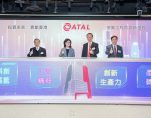
Revitalised Industrial Building Transformed into State-of-the-Art Smart Headquarters Sets Industry Benchmark HONG KONG SAR – Media OutReach Neswire – 21 March 2025 – ATAL Engineering Group (“ATAL”), a leading provider in electrical and mechanical (E&M) engineering and information and communications technology (ICT) services for smart cities, today held the Opening Ceremony for ATAL Design, Research and Training Centre and its new headquarters, ATAL Tower. This milestone underscores […]

The Open Network Foundation has addressed circulating reports suggesting it raised $400 million in a funding round. Contrary to these claims, the Foundation clarified that prominent venture capital firms have collectively acquired over $400 million worth of Toncoin, the native cryptocurrency of the TON blockchain, through purchases from early investors.

Among the investors are notable firms such as Sequoia Capital, Ribbit, Benchmark, and Kingsway. Additional participants include Vy Capital, Draper Associates, Libertus Capital, CoinFund, Hypersphere, SkyBridge, and Karatage. These investments were made directly in Toncoin, rather than through traditional equity or cash transactions. A spokesperson for the TON Foundation emphasized that this is not a fundraising round but rather a strategic move by these venture capitalists, reflecting their confidence in the future success and utility of the TON blockchain and its expanding ecosystem.

The TON blockchain, originally developed by the founders of the messaging app Telegram, operates as a decentralized network supporting the development of Mini Apps within the Telegram ecosystem. In January, the Foundation strengthened its partnership with Telegram, designating TON as the exclusive blockchain for Telegram’s Mini Apps Ecosystem. This collaboration aims to provide Telegram’s extensive user base, which significantly exceeds 1 billion monthly active users, with seamless access to financial applications, including efficient payment solutions for goods and services.

Over the past year, the TON blockchain has experienced substantial growth. The number of active accounts surged from 4 million to 41 million, and Toncoin holders surpassed 121 million, exceeding the number of wallets holding Bitcoin. This remarkable expansion has attracted institutional investors globally, underscoring the network’s robust capabilities and potential.

Looking ahead, the TON Foundation aims to onboard 30% of active Telegram users to the TON blockchain by 2028. This ambitious goal will be driven by four key verticals:

1. Attracting users through Telegram’s native intellectual property, such as stickers, gifts, and on-chain collectibles.

2. Introducing engaging and rewarding multiplayer mini-games.

3. Providing decentralized finance solutions that offer user-friendly savings options with sustainable returns.

4. Creating practical payment applications that deliver real-world utility for crypto holdings.

Shaun Maguire, Partner at Sequoia Capital, expressed enthusiasm about the collaboration, stating, “The TON team is the best in the world at the intersection of consumer product thinking and crypto infrastructure. When you combine this with the global distribution of Telegram, we’re very excited to see where they go.”

Advertisements

Steadfastly Implements High-Quality Development Strategies and Optimize Channel Structures with a Focus on Global Market Expansion HONG KONG SAR – Media OutReach Neswire – 21 March 2025 – ZJLD Group Inc. (“ZJLD” or the “Company”, together with the Company’s subsidiaries, collectively the “Group”) (SEHK stock code: 06979. HK), an outstanding representative in the Chinese baijiu industry and the first baijiu company listed in Hong Kong Stock Exchange, […]

HONG KONG SAR – Media OutReach Neswire – 21 March 2025 – Hong Kong has unveiled its pioneering Low-altitude Economy (LAE) Regulatory Sandbox, marking the official start of pilot projects to promote development of the LAE with a view to creating new business opportunities, strengthening city management and bringing a new “smart city” experience to the public. Speaking at the launch event yesterday (March 21), Chief Executive […]

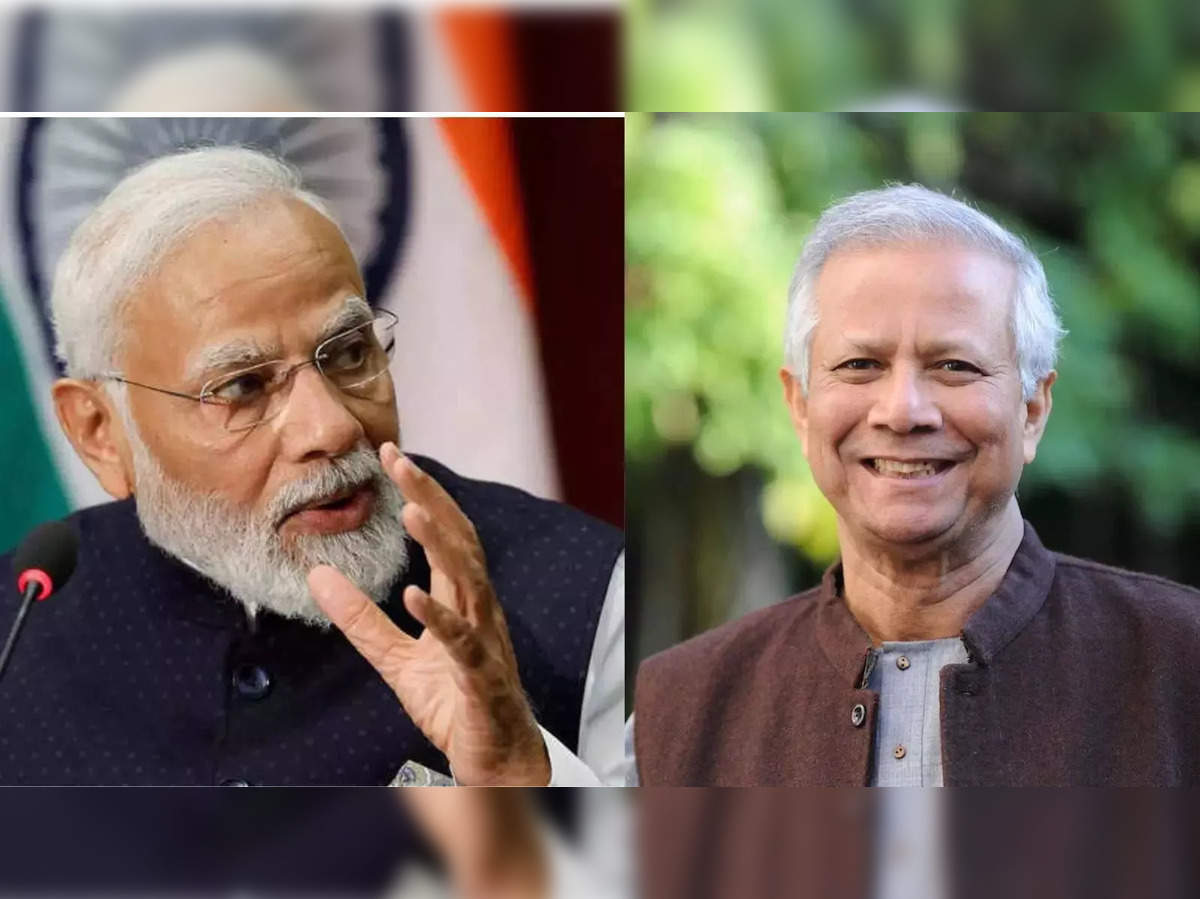
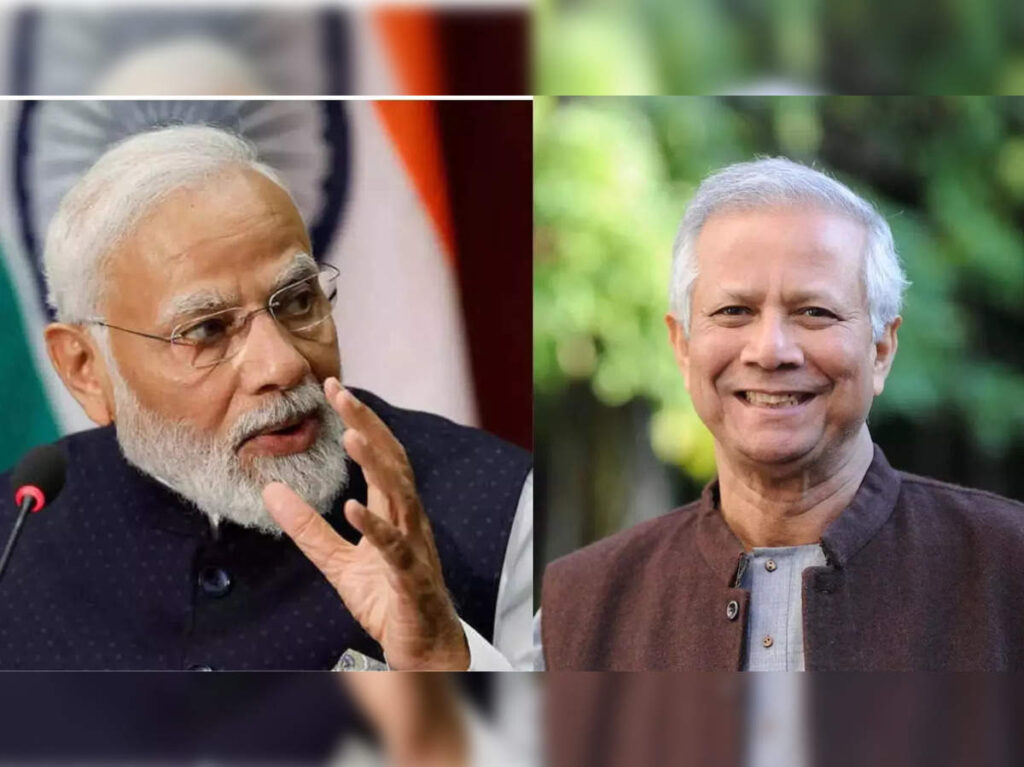
By Nitya Chakraborty Bangladesh has officially sought a meeting between their head of interim government Dr. Mohammad Yunus and the Indian Prime Minister Narendra Modi on the sidelines of the coming BIMSTEC meeting at Bangkok on April 2-4 next. Both countries are members of BIMSTEC. As per present schedule, both have confirmed their presence at […]

Tron , the blockchain platform known for its high throughput and scalability, has expanded its ecosystem by integrating with the Solana blockchain. This strategic move aims to enhance cross-chain interoperability, offering users and developers increased flexibility within the decentralized finance landscape.

Justin Sun, founder of Tron, announced the integration, stating that TRX is now operational on the Solana blockchain, with full liquidity available. He provided the contract address for the Solana-based TRX coin, emphasizing the readiness of the liquidity pools.

The integration of TRX onto the Solana blockchain represents a significant strategic move for Tron. This cross-chain expansion offers several potential benefits: enhanced liquidity, improved interoperability, and wider adoption. The integration enables TRX to be traded on Solana-native decentralized exchanges like Pump.fun, potentially increasing overall trading volume and market accessibility. As a wrapped token on Solana, TRX can now participate in Solana’s DeFi ecosystem, which is known for its high throughput and low transaction costs. The move exposes TRX to Solana’s growing user base, potentially attracting new investors and users to the Tron ecosystem.

Beyond the Solana integration, Tron has revealed a partnership with Pump.fun to run the launch of PumpSwap, a new native decentralized exchange meant to reinvent liquidity access and cross-chain interoperability.

The integration of TRX into Solana is part of a broader trend towards increased interoperability and collaboration within the blockchain industry. As more projects seek to work together to overcome technical challenges and expand their user bases, this trend is driven by the recognition that no single blockchain can solve all the problems facing the industry, and that collaboration is key to unlocking the full potential of blockchain technology.


This move is expected to enhance the capabilities of smart contracts, NFTs, and DeFi applications within the Tron ecosystem. The collaboration could allow TRX holders to benefit from faster transactions, access cross-chain liquidity, and enjoy lower transaction costs for DeFi operations. Justin Sun’s vision for zero-fee stablecoin transactions on Tron could also gain momentum with this integration, making it more feasible and efficient.

The potential implications of this integration are vast. Direct TRX-SOL exchanges made possible by the integration could reduce dependency on external bridges, minimizing intermediary risks. Tron’s DeFi protocols, such as JustLend and SunSwap, could leverage Solana’s liquidity and ecosystem, expanding their use cases.

The integration of TRX onto the Solana blockchain represents a significant strategic move for Tron. This cross-chain expansion offers several potential benefits: enhanced liquidity, improved interoperability, and wider adoption. The integration enables TRX to be traded on Solana-native decentralized exchanges like Pump.fun, potentially increasing overall trading volume and market accessibility. As a wrapped token on Solana, TRX can now participate in Solana’s DeFi ecosystem, which is known for its high throughput and low transaction costs. The move exposes TRX to Solana’s growing user base, potentially attracting new investors and users to the Tron ecosystem.

Beyond the Solana integration, Tron has revealed a partnership with Pump.fun to run the launch of PumpSwap, a new native decentralized exchange meant to reinvent liquidity access and cross-chain interoperability.

The integration of TRX into Solana is part of a broader trend towards increased interoperability and collaboration within the blockchain industry. As more projects seek to work together to overcome technical challenges and expand their user bases, this trend is driven by the recognition that no single blockchain can solve all the problems facing the industry, and that collaboration is key to unlocking the full potential of blockchain technology.
Chinese financial experts have raised concerns that US dollar-pegged stablecoins may strengthen the dollar’s global dominance by linking international credit to virtual economies. They advocate for China to develop its own stablecoins to enhance the yuan’s international standing.

A recent opinion piece published in several Chinese outlets considers how China should respond to the proliferation of US dollar stablecoins. The article suggests that China’s central bank should consider issuing its own stablecoins to counter the influence of dollar-pegged digital currencies.

Wang Yongli, former Vice President of the Bank of China, analyzed the position of the U.S. dollar as the world’s dominant currency and its implications for China’s monetary strategy. He pointed out that many countries, including China, have sought to internationalize their currencies and reduce reliance on the dollar, but these efforts face significant challenges. Despite China being the world’s second-largest economy and the largest trading nation in goods, the RMB’s share in global payments remains low, only around 4%, compared to the dollar’s nearly 50%. The RMB’s share in global reserves is also minimal, at just over 2%, while the U.S. dollar, despite declining from its peak, still accounts for nearly 60%.

China has been proactive in developing its own central bank digital currency , known as the digital yuan or e-CNY. This initiative aims to modernize the country’s payment systems and promote the yuan’s international use. The digital yuan is currently being tested in various regions and sectors within China, with plans for broader implementation in the future.

The internationalization of the yuan faces challenges, particularly due to China’s stringent capital controls, which limit the currency’s convertibility. These controls are in place to maintain financial stability but hinder the yuan’s acceptance as a global currency. Additionally, geopolitical tensions and U.S. sanctions add complexity to China’s efforts to promote the yuan internationally.

In response to these challenges, Chinese researchers have proposed the idea of a common Asian digital currency. Such a currency could reduce the region’s reliance on the U.S. dollar and enhance financial cooperation among Asian countries. This proposal reflects a strategic move to counter the dollar’s dominance and promote regional financial stability.

The proliferation of US dollar stablecoins presents both opportunities and challenges for global financial systems. While they offer efficiency and accessibility in digital transactions, they also reinforce the dollar’s hegemony, potentially undermining other currencies. China’s consideration of its own stablecoins and the development of the digital yuan are strategic efforts to enhance the yuan’s global standing and mitigate the risks associated with dollar-dominated digital currencies.

Saturday Morning Breakfast Cereal by Zach Weinersmith Source – Patreon

Saturday Morning Breakfast Cereal by Zach Weinersmith Source – Patreon

A major fire at an electrical substation in Hayes, west London, has led to the complete closure of Heathrow Airport, causing widespread disruption to global air travel. The blaze resulted in a significant power outage, prompting airport authorities to suspend all operations until midnight on 21 March. The incident began when a fire broke out at the North Hyde substation, approximately 1.5 miles from Heathrow. Emergency services, […]

Saudi Aramco, in collaboration with Siemens Energy, has inaugurated the kingdom’s inaugural direct air capture unit, a pilot facility designed to extract 12 tonnes of carbon dioxide annually from the atmosphere. This initiative represents a significant advancement in Saudi Arabia’s commitment to reducing greenhouse gas emissions and exploring sustainable technologies. The DAC unit, situated in Dhahran, serves as a testing platform for next-generation CO₂ capture materials tailored […]

President Vladimir Putin has expressed openness to Western companies considering a return to the Russian market, provided they comply with Moscow’s terms. This stance comes amid ongoing geopolitical tensions and economic realignments following the Ukraine conflict.

In a recent address to the Russian Union of Industrialists and Entrepreneurs, Putin acknowledged the interest of foreign businesses in re-entering Russia but emphasized that any return would not entail preferential treatment. He stated that companies which had previously divested their Russian assets at discounted rates should not anticipate reacquiring them under similar conditions. Putin underscored the necessity of establishing a regulatory framework that preserves the competitive edge of domestic enterprises while accommodating foreign entities.

Despite these overtures, Dmitry Medvedev, Deputy Chairman of Russia’s Security Council, indicated that no formal applications from Western companies seeking to resume operations in Russia have been received. He noted that while there have been informal inquiries, official requests remain absent. Medvedev suggested that the absence of formal applications could be attributed to the complexities introduced by domestic businesses filling the void left by departing Western firms.

The exodus of Western companies from Russia, triggered by the onset of the Ukraine war and ensuing sanctions, led to significant shifts in the Russian market landscape. Major corporations such as McDonald’s and Starbucks ceased their operations, prompting local enterprises to step in and occupy the vacated spaces. This transition has fostered the growth of domestic brands, altering consumer dynamics and market shares within the country.

The prospect of Western companies returning to Russia is further complicated by the nation’s current economic conditions. Russia’s wartime economy is grappling with challenges including inflation and political instability, factors that could deter potential investors. Additionally, concerns over corporate nationalization and asset seizures have heightened apprehensions among foreign investors contemplating re-entry into the Russian market.

The broader geopolitical context also plays a pivotal role in shaping the investment climate. Recent developments, such as discussions around the potential return of blocked Russian foreign exchange reserves, have sparked debates within the European Union. Some analysts caution that releasing these reserves could inadvertently bolster Russia’s war efforts, thereby undermining Ukraine’s position and the EU’s strategic leverage. This underscores the intricate balance that policymakers must navigate in addressing the economic dimensions of the conflict.

Internal documents suggest that Russia may be strategizing to prolong the Ukraine conflict, potentially undermining peace negotiations led by international actors. A Kremlin-affiliated think tank report proposes extending the war and making demands that could derail diplomatic efforts. Such maneuvers add layers of uncertainty to the geopolitical landscape, influencing the calculus of foreign businesses considering a return to Russia.

OPEC+ has announced a revised schedule for seven member nations to implement additional oil output cuts, aiming to compensate for previous overproduction. These measures are set to overshadow the planned production increases slated for next month.

The updated plan mandates monthly reductions ranging from 189,000 to 435,000 barrels per day , with the cuts extending until June 2026. This initiative seeks to address the excess output that has occurred despite the group’s ongoing efforts to stabilize the oil market.

Since 2022, OPEC+, which includes members of the Organization of the Petroleum Exporting Countries along with Russia and other allies, has been implementing output cuts totaling 5.85 million bpd, approximately 5.7% of global supply. These cuts were introduced in phases to support market stability amid fluctuating demand and geopolitical tensions.

Despite these efforts, certain member countries have exceeded their production quotas. Kazakhstan, for instance, has seen a significant production surge due to Chevron’s expansion at the Tengiz oilfield, leading to output levels surpassing its OPEC+ quota.

To address this imbalance, the new compensatory cuts will require substantial contributions from Iraq, Kazakhstan, and Russia, with Saudi Arabia also making smaller adjustments. These measures are designed to offset the previous overproduction and align the group’s output with agreed targets.

Concurrently, OPEC+ has decided to proceed with a modest production increase of 138,000 bpd starting in April, citing healthier market conditions. This marks the beginning of a series of monthly hikes intended to gradually restore a total of 2.2 million bpd over the next 18 months, following repeated delays since 2022.

However, the introduction of compensatory cuts raises questions about the net effect on global oil supply. The scheduled reductions are expected to more than offset the planned production hikes, potentially tightening the market further. This development comes amid new U.S. sanctions targeting Chinese entities involved in supplying Iranian oil, which have contributed to a recent uptick in oil prices.

As of Friday, Brent crude futures rose 0.3% to $72.21 per barrel, and U.S. West Texas Intermediate crude futures increased 0.4% to $68.32 per barrel. Both benchmarks were set to rise about 2% for the week, marking the largest weekly gains since early 2025.

The International Energy Agency has noted that increasing global trade tensions and new U.S. tariffs are negatively impacting oil demand and economic growth, creating uncertainty. The IEA revised its oil-demand growth estimates down to 1.03 million bpd from an earlier 1.1 million bpd, while OPEC projects higher growth at 1.45 million bpd.

With OPEC+ set to raise output beyond April and increased production in regions like Kazakhstan, Iran, and Venezuela, the IEA expects global oil supply to exceed demand, foreseeing a surplus of approximately 600,000 bpd. Total supply could average 104.5 million bpd by 2025, driven by non-OPEC+ production growth.

Many factors come into play when choosing a reliable broker to start your trading journey. For someone with limited experience in the markets, this choice can be very confusing, and the priorities are hard to define. However, traders have their own trove of practical knowledge, and tapping into it can shed light on brokers’ red flags. As part of its global research, global broker Octa surveyed hundreds […]

Saturday Morning Breakfast Cereal by Zach Weinersmith Source – Patreon

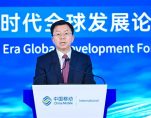
HONG KONG SAR – Media OutReach Newswire – 20 March 2025 – China Mobile International (“CMI”) hosted the AI+ Era Global Development Forum in Hong Kong on March 19. Distinguished guests included Li Huidi, Executive Vice President of China Mobile; Mu Chenhong, Deputy Director of the Information Center, Liaison Office of the Central People’s Government in the Hong Kong SAR; Wong Chi Kwong, Tony, JP, the Commissioner […]

President Donald Trump has called on Congress to expedite the passage of stablecoin and cryptocurrency reserve legislation, emphasizing the need for regulatory clarity in the rapidly evolving digital asset sector. This appeal was made during his address at the Digital Asset Summit, marking the first time a sitting U.S. president has spoken at a cryptocurrency-focused conference.

In his speech, President Trump underscored the importance of integrating digital assets into the mainstream financial system, stating, “We must ensure that our regulatory framework fosters innovation while protecting consumers and maintaining financial stability.” He urged legislators to deliver comprehensive bills to his desk before the congressional recess in August, reflecting a sense of urgency in addressing the regulatory challenges posed by digital currencies.

This development follows the Senate Banking Committee’s recent advancement of the Generating Necessary Information for Unobstructed Selection Act, a bipartisan bill co-sponsored by Senators Bill Hagerty and Kirsten Gillibrand. The GENIUS Act aims to provide federal legitimacy to stablecoins, digital currencies pegged to traditional assets like the U.S. dollar, by establishing a dual regulatory framework. This framework would allow stablecoin issuers to register with either state or federal authorities, thereby promoting their adoption as mainstream payment options. However, critics, including Senator Elizabeth Warren, have raised concerns about potential risks such as insufficient consumer safeguards and financial instability, cautioning against a possible Big Tech takeover of the dollar.

In addition to legislative efforts, the Trump administration has taken proactive steps to position the United States as a leader in the digital asset space. Earlier this month, President Trump signed an executive order establishing a Strategic Bitcoin Reserve and a U.S. Digital Asset Stockpile. The Strategic Bitcoin Reserve is designed to treat bitcoin as a reserve asset, capitalized with bitcoin forfeited in criminal or civil asset forfeiture proceedings. This move aims to create a “digital Fort Knox,” signaling a significant shift in the U.S. government’s approach to digital assets. The U.S. Digital Asset Stockpile will consist of other digital assets obtained through similar forfeiture proceedings, with strategies for their responsible stewardship under consideration.

The administration’s actions have been met with both optimism and skepticism. Proponents argue that these measures will integrate cryptocurrencies more deeply into the financial system, transforming them into viable payment systems and investment vehicles. Kevin O’Leary, a prominent investor and “Shark Tank” star, remarked that under President Trump’s leadership, cryptocurrency is moving away from its “cowboy era,” referencing past market volatility and regulatory uncertainties. O’Leary noted that with the implementation of regulations, crypto is becoming more integrated with financial institutions, signaling a maturation of the industry.

Conversely, critics express concerns over the rapid institutionalization of digital assets without comprehensive regulatory oversight. They caution that an overly permissive stance could lead to financial instability and inadequate consumer protections. The debate highlights the delicate balance policymakers must strike between fostering innovation and ensuring the safety and soundness of the financial system.

The Digital Asset Summit also featured discussions on the global implications of the United States’ digital asset policies. Industry leaders emphasized the need for international collaboration to establish harmonized regulatory standards, citing the borderless nature of cryptocurrencies. They argued that coordinated efforts are essential to prevent regulatory arbitrage and to promote the healthy development of the global digital asset ecosystem.

As the legislative process unfolds, all eyes are on Congress to see how it will navigate the complex landscape of digital asset regulation. The outcome will have profound implications not only for the United States but also for the global financial system, as nations worldwide grapple with the challenges and opportunities presented by the rise of digital currencies.

Pasqal, a French quantum computing startup, has integrated its neutral-atom quantum processors into Microsoft’s Azure Quantum cloud service, marking a significant advancement in cloud-based quantum computing accessibility. This collaboration allows Azure Quantum users to utilize Pasqal’s unique technology to address complex computational challenges without the need for substantial infrastructure investments. Neutral-atom quantum computing represents a notable shift from traditional quantum computing methods. Pasqal’s approach involves manipulating neutral […]

The TON Foundation, the entity overseeing the development of The Open Network blockchain, has successfully raised over $400 million through the sale of its native cryptocurrency, Toncoin. This substantial investment underscores the growing confidence in blockchain technologies and their potential applications.

Prominent venture capital firms participated in this funding round, including Sequoia Capital, Ribbit, Benchmark, and Kingsway. Additional investors such as Vy Capital, Draper Associates, Libertus Capital, CoinFund, Hypersphere, SkyBridge, and Karatage also contributed, reflecting a broad spectrum of interest from established financial entities.

A spokesperson for the TON Foundation clarified that these investments were made directly in Toncoin, rather than through traditional equity or cash transactions. This approach aligns with the foundation’s commitment to integrating investors into the TON ecosystem, promoting active participation and alignment with the network’s growth objectives.

The TON blockchain, initially conceptualized by Telegram, has experienced significant development and adoption. Over the past year, it has attracted more than 40 million active users, with the number of independent Toncoin holders reaching approximately 121 million. This rapid expansion highlights the platform’s scalability and its appeal to a diverse user base.

Toncoin serves multiple functions within the TON ecosystem, including transaction fees, staking, and governance. Validators and stakers receive Toncoin rewards for securing the network, and holders can participate in on-chain governance by submitting and voting on improvement proposals. This multifaceted utility enhances the token’s value proposition and encourages community engagement.

The involvement of high-profile investors such as Sequoia Capital and Benchmark not only provides substantial financial backing but also brings strategic expertise to the TON Foundation. These firms have a history of supporting innovative technology ventures, and their participation is expected to accelerate TON’s development and market penetration.

The decision to raise funds through a token sale rather than traditional equity financing reflects a broader trend in the blockchain industry. This method allows for immediate liquidity and aligns investor incentives with the network’s performance, fostering a more integrated and symbiotic relationship between the foundation and its backers.

The successful capital raise positions the TON Foundation to further enhance its infrastructure, expand its user base, and explore new applications for its blockchain technology. As the blockchain landscape continues to evolve, TON’s ability to attract significant investment underscores its potential to become a major player in the decentralized technology space.

This development also reflects a growing institutional interest in cryptocurrencies and blockchain projects. The participation of established venture capital firms signifies a maturation of the industry, with traditional investors recognizing the long-term potential of decentralized networks and digital assets.

The TON Foundation’s strategic approach to fundraising and its commitment to integrating investors into its ecosystem may serve as a model for other blockchain projects seeking sustainable growth and community engagement. By aligning the interests of investors, developers, and users, TON aims to foster a vibrant and resilient network capable of adapting to the rapidly changing technological landscape.

VISHNU RAJA
RYO YAMADA
HITORI GOTOH
IKUYO KITA