News related to
data

HONG KONG SAR – Media OutReach Neswire – 3 March 2025 – The Grand Opening Ceremony of Kai Tak Sports Park (KTSP) on Saturday (March 1) featured cultural performances, music and entertainment at the magnificent new Kai Tak Stadium with a seating capacity of 50,000, marking the beginning of a new era for Hong Kong as Asia’s events capital. Speaking at the launch event, John Lee, Chief […]

By Nantoo Banerjee If the United States of America is the provider of the largest trade surplus to India year after year, there is no reason for India to impose unreasonable tariffs on merchandise imported from its best trading partner. In fact, the import tariff should not be allowed to be a bone of contention […]

Binance, a leading cryptocurrency exchange, has announced it will discontinue trading pairs involving stablecoins that do not comply with the European Union’s Markets in Crypto-Assets regulation for users in the European Economic Area by March 31, 2025. This decision aligns with the EU’s efforts to establish a standardized regulatory framework for crypto-assets, aiming to enhance transparency and consumer protection.

The affected stablecoins include Tether , First Digital USD , TrueUSD , Pax Dollar , Dai , Augmint Euro Token , TerraUSD , TerraClassicUSD , and PAX Gold . Binance has advised its EEA users to convert their holdings in these non-compliant stablecoins to those that meet MiCA standards, such as USD Coin and Euro Coin , or directly to euros.

The MiCA regulation, which came into force in June 2023, seeks to create a cohesive regulatory environment for crypto-assets across the EU. It introduces stringent requirements for stablecoin issuers, including maintaining adequate reserves and adhering to transparency and consumer protection standards. Stablecoins are categorized under MiCA as either e-money tokens , which reference a single official currency, or asset-referenced tokens , which are linked to multiple assets.

Circle’s USD Coin and Euro Coin are among the few stablecoins that have achieved MiCA compliance. This compliance ensures their continued availability and use within the EEA. In contrast, prominent stablecoins like Tether and MakerDAO’s Dai have not met MiCA requirements, leading to their delisting from platforms operating within the EU.

Binance’s move is part of a broader trend among cryptocurrency exchanges to align with the new regulatory landscape. Other exchanges, such as Crypto.com and Kraken, have also announced plans to delist non-compliant stablecoins to adhere to MiCA standards. For instance, Crypto.com has outlined its intention to halt deposits of certain stablecoins by January 31, 2025, with full delisting scheduled for March 31, 2025. Similarly, Kraken is preparing to remove Tether and four other stablecoins from its platform in the EEA to comply with the regulations.

The European Securities and Markets Authority has set a deadline of March 31, 2025, for digital asset firms to ensure compliance with MiCA. This regulatory push underscores the EU’s commitment to fostering a secure and transparent crypto market, mitigating risks associated with stablecoins, and protecting investors.

MiCA’s implementation has also spurred the development of new compliant stablecoins. Dutch fintech company Quantoz Payments, for example, is set to launch two stablecoins, EURQ and USDQ, both licensed by the Dutch Central Bank as e-money tokens. These developments indicate a shift towards regulated digital finance in Europe, providing consumers with more secure and compliant options for digital payments.

Apple has ceased offering its Advanced Data Protection feature to UK users, following demands from the British government for access to encrypted iCloud data. This decision means that iCloud backups in the UK will no longer be end-to-end encrypted, allowing Apple to access and, if required, share user data with law enforcement agencies possessing a valid warrant. The UK’s request was made under the Investigatory Powers Act […]

Vietnam’s government has initiated the development of a legal framework for digital assets and currencies, aiming to bolster economic growth to at least 8% by 2025. Prime Minister Pham Minh Chinh has directed the Ministry of Finance and the State Bank of Vietnam to draft the necessary regulations, with a proposal expected to be submitted this month. This initiative is part of Directive No. 05, which outlines measures to stimulate the nation’s economic expansion.

The absence of a formal legal framework for digital assets has left Vietnamese investors vulnerable to potential scams and financial losses. Currently, cryptocurrency transactions occur without specific regulatory oversight, increasing the risk for participants. The government’s move to establish clear regulations seeks to protect users and enhance trust in blockchain technology and related applications.

Nguyễn Duy Hưng, Chairman of Saigon Securities Incorporation, highlighted Vietnam’s significant position in the global digital asset market, noting that the country ranks among the top four in terms of transaction volume. He emphasized the necessity of a transparent legal framework to ensure that both developers and investors are protected, thereby fostering a secure environment for market participants and deterring fraudulent activities.

The urgency for regulation has been underscored by incidents such as a recent $100 million cryptocurrency fraud, which exploited the regulatory vacuum. Lawyer Phạm Ba Đô, Director of SJKLAW Law Firm, pointed out that the lack of comprehensive legal guidelines has created fertile ground for such fraudulent schemes. He advocates for the prompt establishment of clear definitions and regulations concerning virtual currencies and assets, recognizing their potential for trade and payment in specific contexts while clarifying their status as legal means of payment.

Vietnam’s strategic move to regulate digital assets aligns with its broader economic ambitions. The country has revised its GDP growth target for 2025 to at least 8%, up from the previous range of 6.5% to 7.0%. This adjustment reflects the government’s commitment to rapid economic development. The National Assembly has approved significant infrastructure projects, including the construction of the country’s first nuclear power plants and a rail link connecting northern Vietnam’s major seaport to China. These initiatives are expected to enhance the nation’s industrial capabilities and trade connectivity.

The manufacturing sector continues to be a cornerstone of Vietnam’s economy, with value added projected to reach $108.7 billion by 2025, growing at a compound annual growth rate of 3.33% from 2025 to 2029. The country’s strategic location, coupled with labor costs approximately 50% lower than China’s, makes it an attractive destination for international businesses seeking relocation. Government tax incentives and participation in trade agreements like the Comprehensive and Progressive Agreement for Trans-Pacific Partnership and the EU-Vietnam Free Trade Agreement further enhance Vietnam’s appeal as a manufacturing hub.

However, achieving the ambitious 8% GDP growth target is not without challenges. The Asian Development Bank forecasts Vietnam’s GDP growth at 6.2% for 2025, while the World Bank projects a slightly higher rate of 6.6%. These figures, though optimistic, fall short of the government’s target, indicating the need for effective policy implementation and favorable external conditions to realize the desired growth.

The development of a legal framework for digital assets is expected to attract foreign investment and stimulate innovation within the financial sector. By providing legal clarity, Vietnam aims to position itself as a regional leader in the digital economy, capitalizing on the growing global interest in cryptocurrencies and blockchain technology.

Saudi Arabia has unveiled an ambitious plan to attract investments totaling approximately 375 billion Saudi riyals into its mining sector by 2035, as part of its Vision 2030 initiative aimed at reducing dependence on oil revenues. Khalid Al-Mudaifer, the Deputy Minister of Industry and Mineral Resources for Mining Affairs, announced this strategic objective during the BMO Global Metals, Mining, and Critical Minerals Conference held in Miami from February 23 to 26, 2025.

The Kingdom has already secured investments amounting to 75 billion riyals in mining projects since the implementation of a landmark law designed to attract investors. Al-Mudaifer highlighted that these efforts have significantly boosted the sector’s growth, with the number of mining companies operating in Saudi Arabia increasing from six in 2020 to 133 by the end of 2023.

As part of its Vision 2030 economic diversification strategy, Saudi Arabia aims to position mining as a key pillar of its economy. The Kingdom’s mineral wealth is now valued at 9.3 trillion riyals, up from previous estimates of 5 trillion riyals, reflecting intensified exploration efforts and a growing global demand for critical minerals. Annual exploration spending has risen by 32%, outpacing the global average.

In line with these developments, Saudi Arabia has been actively engaging in international partnerships to bolster its mining sector. Notably, the Kingdom signed nine investment agreements totaling over $9.32 billion in the metals and mining sector with companies including India’s Vedanta and China’s Zijin Group during the World Investment Conference in Riyadh. These deals aim to support Saudi Arabia’s Vision 2030 plan to diversify the economy and attract significant foreign investment.

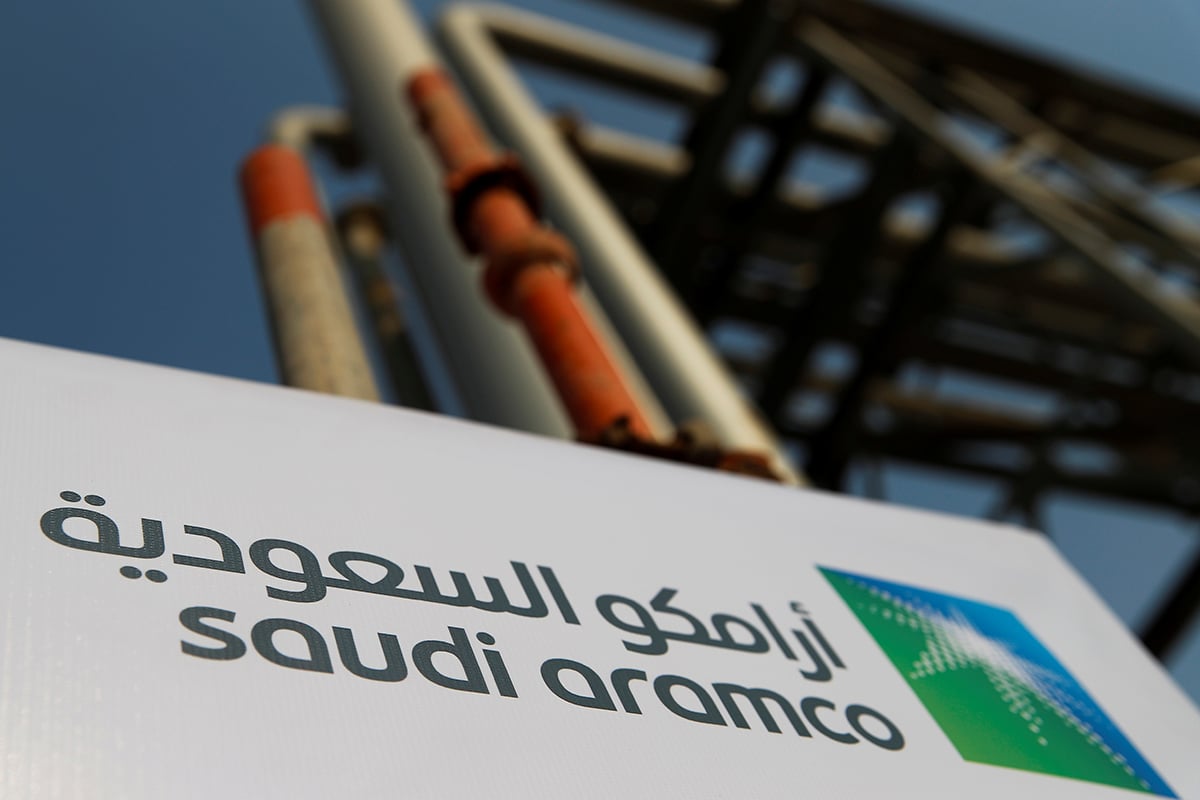
Saudi Aramco, the world’s largest oil company, plans to expand its investments in lithium production, aiming to become a mining hub and diversify from oil. In collaboration with the state-owned mining firm Ma’aden, Aramco targets commercial lithium production by 2027 to meet increasing demand driven by electric vehicles. This strategic shift aligns with the Kingdom’s efforts to establish a lithium refining and export industry, leveraging its energy competitiveness and infrastructure.

Saudi Arabia’s ambitious $124 billion dividend payout to Aramco shareholders is facing increasing scrutiny as the kingdom grapples with rising fiscal pressures and economic uncertainty. The payout, one of the largest in history, is at the heart of the country’s financial strategy, but concerns about the sustainability of this massive distribution are growing.

The kingdom has long relied on its state-owned oil giant, Saudi Aramco, as a major source of revenue, particularly in funding its Vision 2030 diversification programme. However, with global oil prices experiencing volatility and the kingdom’s economic growth showing signs of strain, questions are being raised about whether such a hefty payout can continue to be supported by the nation’s financial structure.

Saudi Arabia’s fiscal challenges are not new but have intensified recently due to various factors, including fluctuations in oil prices and a need to fund extensive public sector projects aimed at reducing the kingdom’s dependence on oil exports. This shift towards diversification involves significant investments in non-oil sectors such as technology, entertainment, and tourism. While these sectors hold promise for future growth, they have not yet generated the same level of revenue as oil, leaving the government in a delicate position.

Aramco’s profits have been a key contributor to the kingdom’s financial health, with the company remaining one of the world’s most profitable corporations. In 2023, Aramco’s net income exceeded $160 billion, allowing it to maintain its status as the highest dividend-paying company globally. This enabled the state to continue its lavish payouts to shareholders, including the Saudi government itself, which holds a majority stake.

Despite Aramco’s healthy profits, the global energy landscape has shifted significantly. Rising energy costs, geopolitical instability, and increasing competition from renewable energy sources are all factors that could impact the oil industry’s long-term profitability. Saudi Arabia’s ability to balance these challenges with its ambitious payout policy could prove to be a major hurdle.

The kingdom’s fiscal outlook is further complicated by its commitment to maintaining its social and economic development programs, which are pivotal for the success of Vision 2030. The state has allocated significant sums to infrastructure, healthcare, and housing initiatives, all of which are critical for securing the country’s long-term economic stability. However, these expenditures, combined with the substantial payout to Aramco shareholders, create a significant strain on public finances.

To address these challenges, Saudi Arabia is looking to restructure its approach to fiscal management, exploring options such as public debt and non-oil revenue streams. Some analysts suggest that this could involve revising the Aramco dividend model, potentially reducing the payout in favour of reinvesting in the country’s non-oil sectors.

The pressure on the Saudi government is not only financial but also political. With global attention focused on Saudi Arabia’s economic reforms, any deviation from its ambitious growth plans could undermine investor confidence, which has been a cornerstone of its economic strategy. International investors, particularly those in the energy sector, are closely monitoring the situation, aware that any decision to alter the dividend payout could have ripple effects throughout the global markets.

The geopolitical landscape adds another layer of complexity to the situation. Saudi Arabia’s position within OPEC and its ongoing efforts to stabilise global oil prices play a key role in its economic future. However, OPEC’s decisions are increasingly influenced by non-member countries and shifting global consumption patterns. As demand for oil from traditional markets in Europe and the US declines, Saudi Arabia faces the dual challenge of maintaining oil revenues while simultaneously adapting to a future in which oil may no longer be the dominant driver of global growth.

In the wake of these uncertainties, Aramco’s leadership remains focused on enhancing its operations and securing long-term profitability. The company has committed to expanding its investments in petrochemicals, refining, and other energy-related sectors, as well as pursuing green energy initiatives that could ensure its relevance in the post-oil era. However, even with these efforts, Aramco faces growing competition from other energy giants and the increasing pressure to adopt sustainable practices in response to global climate concerns.

Saudi Arabia’s fiscal trajectory will likely remain unpredictable for the foreseeable future, especially as the country navigates the complexities of economic diversification while maintaining its oil revenue base. The government’s ability to balance its financial commitments to both Aramco and its broader economic goals will be crucial in shaping the future of its financial landscape.


Advertisements

The global cryptocurrency market capitalization has soared beyond the $3 trillion mark, reaching approximately $3.185 trillion, following a significant policy shift by the United States government. President Donald Trump announced the establishment of a U.S. strategic cryptocurrency reserve, initially comprising digital tokens such as XRP, Cardano , and Solana .

This unprecedented move led to immediate and substantial price increases across the cryptocurrency market. XRP’s value surged from $2.23 to $2.99, boosting its market capitalization by $44 billion. Similarly, SOL’s price escalated from $140 to $168, while ADA experienced an increase from $0.68 to nearly $1. Subsequently, President Trump expanded the reserve to include Bitcoin and Ethereum , prompting further market rallies. Bitcoin’s price escalated by 9% to $93,000, adding $166 billion to its market capitalization, and Ethereum saw a 13% rise to $2,516.

The creation of this strategic reserve signifies a notable shift in the U.S. government’s stance toward digital assets, aiming to bolster the crypto industry and provide governmental support. This initiative contrasts with previous regulatory approaches and is expected to accelerate institutional adoption, offer regulatory clarity, and enhance U.S. leadership in digital asset innovation.

Market analysts have responded positively to these developments. Anthony Scaramucci, manager of a leading crypto exchange-traded fund , forecasts Bitcoin reaching $200,000 in 2025, potentially becoming a $4 trillion asset. Similarly, analysts anticipate a significant bull market for Bitcoin and crypto miners, projecting Bitcoin to reach $225,000, driven by historical price cycles and a potentially favorable regulatory environment under the Trump administration.

However, the establishment of the strategic reserve has raised questions regarding its operational framework and potential implications for investors. Concerns have emerged about how the reserve will function and whether it includes mechanisms to protect investors from potential losses. Additionally, the administration has prohibited the U.S. Federal Reserve from developing a digital dollar and announced tariffs on goods from Canada, Mexico, and China, introducing further variables into the economic landscape.

The surge in cryptocurrency values has also led to increased market activity and liquidity. Major exchanges have reported heightened trading volumes, indicating intensified investor interest and confidence in digital assets. This influx of capital suggests a bullish trend, with potential upward price movements across various cryptocurrencies.

Chinese automaker BYD Co. has reported a significant increase in its February 2025 sales, reinforcing its leading position in the global electric vehicle market. The company sold 322,846 vehicles worldwide, marking an 8.9% rise from January’s 296,446 units and a substantial year-on-year growth from 122,311 units in February 2024. This surge includes 318,233 passenger new energy vehicles , encompassing both battery electric vehicles and plug-in hybrid electric […]

Apple’s efforts to revolutionise its voice assistant, Siri, with advanced artificial intelligence capabilities have encountered notable setbacks. Internal sources indicate that a fully modernised, conversational version of Siri is now projected to debut with iOS 20, anticipated in 2027, marking a substantial delay from earlier plans.  The tech giant had initially aimed to integrate large language models into Siri, enhancing its ability to understand and process natural […]

The 97th Academy Awards, hosted by Conan O’Brien, faced significant streaming disruptions as Hulu’s platform experienced widespread technical failures, preventing thousands of subscribers from accessing the live event. According to Down Detector, over 34,000 users reported issues with the service shortly after the ceremony commenced at 7 p.m. ET. Viewers attempting to watch the Oscars on Hulu encountered various problems, including being unexpectedly logged out, receiving “invalid […]

MoneyHash, a leading payment orchestration platform operating in the Middle East and Africa , has been honoured as one of the UAE’s Future 100 companies, acknowledging its significant contributions to fintech innovation in the region. This accolade underscores the company’s commitment to addressing the complex payment infrastructure challenges faced by businesses across the MEA region.

Founded by Egyptian entrepreneurs, MoneyHash offers a unified application programming interface that simplifies the integration of various payment methods and providers. This solution streamlines the checkout experience for businesses, reducing operational costs and enhancing scalability across different markets. The platform’s ability to navigate the fragmented payment landscape in emerging markets has positioned it as a crucial player in the regional fintech ecosystem.

In January 2025, MoneyHash secured $5.2 million in pre-Series A funding, led by Flourish Ventures, a global fintech investor known for backing industry leaders such as Chime and FlutterWave. New investors, including Saudi Arabia’s Vision Ventures, Arab Bank’s venture capital arm, and Emurgo Kepple Ventures, also participated in the round. Notably, Jason Gardner, founder and former CEO of Marqeta, made his first investment in the MEA region through this funding round. This financial boost followed a $4.5 million seed round in early 2024, reflecting the company’s rapid growth and the increasing confidence of investors in its business model.

The payment landscape in emerging markets is often characterized by high failure rates and operational challenges. Each market presents a unique set of payment providers, methods, and regulations, leading to increased operational costs and revenue leakage for businesses. MoneyHash addresses these issues by offering a unified platform that integrates various payment solutions, thereby reducing complexity and improving efficiency. According to Nader Abdelrazik, co-founder and CEO of MoneyHash, failure rates in these markets are three times the global average, with fraud rates and cart abandonment over 20% higher than in developed markets. By leveraging their extensive experience in the MEA region, MoneyHash aims to transform payments from a cost and risk center into a growth enabler for businesses.

The UAE’s Future 100 initiative aims to support the top 100 emerging companies that play a vital role in the competitiveness of the country’s future economy sectors. The program has secured 25 new partnerships, spanning strategic, media, and community collaborations, to support these emerging companies. The inaugural list of Future 100 companies was unveiled on December 2, highlighting businesses that are expected to drive innovation and economic growth in the UAE.

MoneyHash’s recognition as a Future 100 company not only highlights its innovative approach to payment solutions but also emphasizes the growing importance of fintech in the region’s economic development. As businesses in the MEA region continue to seek efficient and scalable payment solutions, platforms like MoneyHash are poised to play a pivotal role in shaping the future of commerce.

The company’s recent funding and accolades reflect a broader trend of increased investment in fintech solutions that address the unique challenges of emerging markets. By simplifying payment processes and reducing operational hurdles, MoneyHash empowers businesses to focus on growth and customer engagement, thereby contributing to the overall economic development of the region.

The longstanding business model of India’s information technology industry is facing obsolescence due to the rapid advancements in artificial intelligence , according to industry leaders. At the recent Nasscom Technology and Leadership Forum in Mumbai, HCL Technologies’ CEO, C Vijayakumar, emphasized the urgency for IT companies to adopt a “paranoid” mindset to remain relevant and drive growth.

Vijayakumar highlighted that the traditional model, characterized by a linear scaling of revenues and personnel over the past three decades, is now ripe for disruption. He revealed that HCL has been challenging its teams to achieve double the revenue with half the workforce, leveraging AI-driven automation to enhance productivity. This approach underscores the necessity for the industry to rethink its operations in the face of AI’s transformative potential.

Echoing this sentiment, Infosys CEO Salil Parekh concurred on the need for vigilance to stay relevant in the evolving landscape. He noted that a significant portion of the industry operates on input-based models and stressed the importance of transitioning to output and platform-based services. Parekh emphasized that AI is a massive productivity development tool, bringing in new work that otherwise wouldn’t have been possible.

The rise of generative AI technologies, which can automate tasks such as code generation, has been identified as a significant factor disrupting current business models. Vijayakumar pointed out that AI’s impact is considerably different from past technological shifts like cloud computing and digitization, necessitating proactive measures including the creation of new revenue streams and business ventures. For instance, generative AI can greatly enhance productivity by accelerating project timelines, exemplified by a potential reduction of a billion-dollar, five-year tech program to three and a half years.

To mitigate dependency on external models and geopolitical risks, Vijayakumar advocated for Indian tech firms to invest in building their own language models, citing the decreasing costs of setting up training infrastructure. This move could offer a long-term competitive advantage as costs decrease. Infosys has already taken steps in this direction by launching an open-source responsible AI toolkit to enhance trust and transparency in AI, furthering its commitment to creating an inclusive AI ecosystem that ensures safety, security, privacy, and fairness.

Alef Group’s Hayyan community is redefining sustainable living in Sharjah, seamlessly integrating modern luxury with environmental consciousness. This innovative development offers residents a harmonious blend of nature and contemporary amenities, setting a new standard for eco-friendly living in the region.

Located in the heart of Sharjah, Hayyan is a meticulously planned villa community that emphasizes a deep connection with nature. The development boasts expansive green spaces, including the emirate’s largest community park spanning 1,000,000 square feet. This unmanicured green area features over 40,000 trees, enhancing Sharjah’s ecological landscape and providing residents with a serene environment.

Central to Hayyan’s design is its commitment to sustainability. The community incorporates 80,000 square feet dedicated to organic edible gardens, promoting local food production and fostering a sense of community among residents. These allotments encourage sustainable living practices, allowing residents to engage in organic farming and enjoy fresh produce.

A standout feature of Hayyan is its impressive water lagoon, covering 50,000 square feet. Recognized as the largest in Sharjah, this lagoon offers a unique recreational space for residents, enhancing the community’s appeal and providing a tranquil setting for various water-based activities.

The architectural design of Hayyan reflects a harmonious blend of modern aesthetics and natural elements. The villas and townhouses are crafted to maximize natural light and ventilation, reducing reliance on artificial energy sources. This design philosophy not only enhances the living experience but also aligns with global sustainability goals by minimizing the community’s carbon footprint.

Alef Group’s vision for Hayyan extends beyond individual residences. The development includes a comprehensive range of amenities designed to promote a healthy and active lifestyle. Residents have access to walking and cycling paths, sports facilities, and communal spaces that encourage social interaction and physical well-being. These features are thoughtfully integrated into the natural landscape, ensuring that the community’s design promotes both environmental sustainability and residents’ quality of life.

The strategic location of Hayyan along Emirates Road ensures seamless connectivity to major hubs in Sharjah and the broader United Arab Emirates. This accessibility enhances the community’s appeal, offering residents the tranquility of suburban living without compromising on urban conveniences.

Alef Group’s commitment to delivering high-quality developments is evident in Hayyan’s construction and planning. The use of sustainable building materials, coupled with innovative design practices, underscores the company’s dedication to environmental stewardship. This approach not only benefits the environment but also ensures long-term value for residents and investors alike.

The introduction of neighborhoods like Samr within Hayyan reflects Alef Group’s ongoing efforts to diversify housing options and cater to varying lifestyle preferences. These neighborhoods are designed to offer a unique living experience, combining luxury with sustainability, and are set to become sought-after addresses in Sharjah.

Sharon AI and New Era Helium have initiated plans to develop a 250-megawatt net-zero energy data center in Ector County, Texas. The companies have signed a non-binding letter of intent with GROW Odessa, an economic development corporation, to acquire a 200-acre site for the project. The proposed data center will be powered by natural gas supplied by New Era Helium, with plans to implement carbon capture utilization […]

Saturday Morning Breakfast Cereal by Zach Weinersmith Source – Patreon

The United Arab Emirates has firmly established itself as a leading global investment destination, attracting substantial foreign direct investment inflows that have significantly bolstered its economic landscape. In 2023, the UAE’s FDI inflows surged by 34.97% to reach $30.69 billion, up from $22.74 billion in 2022, marking a notable increase in investor confidence and economic resilience. This remarkable growth positions the UAE as the second-largest recipient of […]

Saudi Arabia has successfully issued its first sovereign green bond, raising €1.5 billion and marking a significant step in the Kingdom’s commitment to sustainable financing. The issuance attracted substantial investor interest, with bids totaling €7.25 billion, indicating strong confidence in Saudi Arabia’s environmental initiatives. The green bond is part of a dual-tranche euro-denominated issuance, which also included a 12-year conventional bond. The green tranche has a 7-year […]

The Organization of the Petroleum Exporting Countries is grappling with increasing difficulties in managing its surplus oil production capacity, currently estimated at six million barrels per day. Over the past several months, the organization has postponed decisions to increase output multiple times, reflecting concerns over weak global demand and rising production from non-OPEC producers. In December 2024, OPEC and its allies, collectively known as OPEC+, announced a […]

DP World has achieved a significant milestone in 2024, handling a record 1.3 million vehicles across its Dubai terminals. This represents a substantial 53.6% increase compared to the previous year, marking the highest vehicle throughput in the company’s history. The flagship Jebel Ali Port played a pivotal role in this achievement, processing nearly 960,000 roll-on, roll-off units. This reinforces its status as the region’s premier automotive hub. […]

Dubai’s Roads and Transport Authority and Dubai Holding have entered into a landmark agreement valued at AED 6 billion to significantly enhance the emirate’s road infrastructure. The signing ceremony, attended by H.H. Sheikh Ahmed bin Saeed Al Maktoum, Chairman of Dubai Holding, underscores the city’s dedication to improving connectivity and reducing traffic congestion across key urban areas.

The comprehensive plan focuses on upgrading access points and internal road networks in several prominent communities, including Jumeirah Village Circle , Dubai Production City, Business Bay, Palm Jumeirah, and International City . These enhancements aim to streamline traffic flow, bolster road safety, and significantly reduce travel times for residents and visitors alike.

In Jumeirah Village Circle, the project entails the development of four additional access points featuring grade-separated interchanges. This initiative is designed to double the capacity of the area’s entry and exit points, potentially reducing travel time on internal roads and access points by up to 70%. The improvements are also expected to enhance traffic safety and ensure seamless flow at intersections.

For Dubai Production City, new bridges will be constructed to improve access from Sheikh Mohammed bin Zayed Road. These upgrades are anticipated to cut travel time at entry and exit points and improve traffic flow on internal roads by 50%.

In Business Bay, the agreement includes surface improvements at intersections leading from Sheikh Zayed Road and the construction of a pedestrian bridge at the intersection with First Al Khail Road. These measures aim to enhance pedestrian safety and optimize traffic flow. Upgrades to internal roads in the Towers Area are expected to reduce travel time by 30% across entry and exit points and internal routes.

Palm Jumeirah will see the construction of additional acceleration and deceleration lanes at six locations to optimize traffic flow. Two pedestrian bridges will replace at-grade crossings, enhancing mobility and ensuring pedestrian safety while reducing travel time within Palm Jumeirah by 40%.

The project also covers the expansion of the road marking the entrance into International City from Manama Street by adding a new lane, widening internal roads, and upgrading surface intersections with traffic signals. These enhancements are expected to streamline traffic flow, enhance road safety, and reduce travel time from 15 minutes to just five minutes.

H.H. Sheikh Ahmed bin Saeed Al Maktoum emphasized that this strategic partnership reflects a shared vision of a city that is not only innovative but also seamlessly accessible. He stated that through projects like these, Dubai Holding reaffirms its commitment to shaping the future of the emirate by developing world-class communities and infrastructure that enhance connectivity, mobility, and quality of life for all who call Dubai home. Together with RTA, they are reinforcing Dubai’s position as a leading global hub in urban innovation.

Mattar Al Tayer, Director-General and Chairman of the Board of Executive Directors of RTA, expressed his pleasure in signing the agreement with Dubai Holding to enhance access points for the group’s key development areas. He stated that this agreement will enhance the capacity of internal roads and access points, leading to reduced travel times, improved connectivity for residents and visitors, and greater road safety for all users. Al Tayer added that RTA remains dedicated to fostering strategic partnerships with real estate developers to ensure the road infrastructure in development areas can effectively accommodate traffic demand, enhancing seamless mobility for residents and visitors. The projects under this agreement are expected to reduce travel time and increase the capacity of entry and exit points by 30 to 70%.

Amit Kaushal, Group Chief Executive Officer of Dubai Holding, underscored the company’s support for RTA and its efforts to enhance connectivity and accessibility across the city, particularly in some of Dubai’s most dynamic destinations. He noted that Dubai Holding is dedicated to delivering integrated, future-ready developments that meet the evolving needs of businesses and communities. Kaushal highlighted that these road enhancements will not only reduce travel times and improve road capacity but also elevate the overall experience of their communities, reinforcing Dubai Holding’s commitment to shaping a more connected and sustainable Dubai.

This agreement aligns with Dubai’s broader strategy to invest in infrastructure that supports economic growth and enhances the quality of life for its residents. By collaborating on such large-scale projects, RTA and Dubai Holding aim to address the growing transportation needs of the city, ensuring efficient and safe mobility for all.

Chinese artificial intelligence startup DeepSeek has unveiled data suggesting its V3 and R1 models could achieve a theoretical daily cost-profit ratio of 545%. citeturn0news9 This revelation has significant implications for the AI industry, particularly concerning operational efficiencies and cost structures.

According to DeepSeek’s disclosure, the daily operational cost for these models amounts to $87,072. This figure is based on the rental expense of Nvidia’s H800 graphics processing units , priced at $2 per hour. In contrast, the models are projected to generate daily revenues of $562,027, leading to the stated 545% cost-profit ratio. citeturn0news9

However, DeepSeek has cautioned that actual revenues may be lower due to various factors, including different model costs, free access via web and app platforms, and reduced developer fees during off-peak hours. citeturn0news9

The company’s pricing strategy has been notably aggressive. DeepSeek recently announced discounts of up to 75% for developers during off-peak hours, specifically from 1630 GMT to 0030 GMT. This move aims to attract a broader developer base and challenge global competitors by offering more affordable integration options. citeturn0news10

Beijing has expressed support for DeepSeek’s advancements, emphasizing that the company seeks to complement, rather than compete directly with, U.S. AI giants like OpenAI and Google DeepMind. The Chinese embassy in Washington highlighted the collaborative potential of global AI developments, reflecting a preference for cooperation over competition. citeturn0news11

DeepSeek’s models have seen rapid adoption across various sectors in China, including hospitals, local governments, car manufacturers, and state-owned enterprises. This widespread integration is attributed to the models’ low deployment costs and the company’s open-source strategy, which have facilitated seamless adoption. Notably, endorsements from President Xi Jinping and major Chinese corporations like Tencent, BYD, and Great Wall Motor have further propelled DeepSeek’s prominence in the AI landscape. citeturn0news12

The company’s cost-efficient approach has raised questions about the high expenditure models prevalent among U.S. AI firms. DeepSeek’s ability to deliver competitive performance using less powerful and more affordable hardware challenges the existing paradigms of AI development and deployment costs.

The Ethereum Foundation has announced a significant restructuring of its leadership, appointing Hsiao-Wei Wang and Tomasz Stańczak as co-executive directors, effective from 17 March 2025. This move coincides with Aya Miyaguchi’s transition from executive director to president of the organization. Additionally, prominent Ethereum developer Danny Ryan has joined Etherealize, a new venture aiming to bridge Ethereum with institutional investors.

Hsiao-Wei Wang brings seven years of experience as a core researcher at the EF, contributing notably to the development of the Beacon Chain and fostering Ethereum’s community in Taiwan. Her deep understanding of Ethereum’s foundational principles positions her well for this leadership role. Tomasz Stańczak, founder and CEO of Nethermind, an Ethereum client development firm, has been instrumental in enhancing Ethereum’s infrastructure and scalability. His technical expertise and leadership within the developer community are expected to drive further innovation within the EF.

Aya Miyaguchi’s elevation to president reflects her ongoing commitment to Ethereum’s mission. Having served as executive director since 2018, Miyaguchi has played a pivotal role in expanding Ethereum’s global reach and fostering partnerships across various sectors. Her new role will allow her to focus on strategic initiatives and broader ecosystem development.

In a parallel development, Danny Ryan, a longtime Ethereum researcher and developer, has joined Etherealize as a co-founder. Etherealize, established by former banker Vivek Raman, aims to bridge the gap between Ethereum and traditional financial institutions by educating and engaging with institutional investors. Ryan’s involvement underscores a concerted effort to position Ethereum as a serious asset within mainstream finance.

These leadership changes come at a critical juncture for Ethereum, as the platform seeks to address scalability challenges and enhance its infrastructure. The appointment of Wang and Stańczak introduces a co-leadership model aimed at fostering collaboration and leveraging diverse expertise. This approach aligns with the EF’s commitment to decentralization and community-driven development.

Bitlayer, a prominent player in the Bitcoin Layer 2 ecosystem, has announced strategic collaborations with five major blockchain networks: Base, Starknet, Arbitrum, Sonic, and Plume Network. This initiative aims to integrate Bitlayer’s BitVM technology, thereby unlocking approximately $1.9 trillion in Bitcoin liquidity and expanding its utility within decentralized finance ecosystems.

The integration of BitVM, a trust-minimized Bitcoin bridge developed by Bitlayer, is central to these partnerships. This technology facilitates secure and programmable interactions between Bitcoin and various blockchain platforms, enabling users to leverage their Bitcoin holdings across multiple DeFi applications.

Base, an Ethereum Layer 2 solution developed by Coinbase, is among the networks collaborating with Bitlayer. Through this partnership, Bitcoin holders can utilize their assets within Base’s ecosystem, bridging the gap between Bitcoin and Ethereum-compatible decentralized applications. This integration is expected to enhance Bitcoin’s liquidity within the Base network, offering users access to a broader range of financial services.

Starknet, a permissionless decentralized ZK-rollup, is also integrating with Bitlayer’s BitVM Bridge. This collaboration aims to provide Bitcoin users with seamless access to Starknet’s ecosystem, enabling instant transactions with minimal fees in a trust-minimized environment secured by STARK proofs. The integration is anticipated to create a Bitcoin DeFi hub, allowing users to fully exploit the potential of their Bitcoin holdings.

Arbitrum, known for its robust and highly liquid DeFi ecosystem, is another key partner in this initiative. By integrating with Bitlayer’s BitVM Bridge, Arbitrum users will be able to bridge assets to and from Bitcoin under a trust-minimized framework. This development positions Arbitrum as a pioneer in bringing genuine DeFi solutions to the Bitcoin space, further enhancing the interoperability between Bitcoin and Ethereum-compatible networks.

The Plume Network, recognized as the first full-stack Layer 1 Real World Asset chain and ecosystem purpose-built for RWAFi, is also collaborating with Bitlayer. Through the BitVM Bridge, Plume Network aims to achieve optimal liquidity for diverse use cases within the Bitcoin ecosystem. This partnership is expected to advance RWAs as a cornerstone for bringing institutional-grade products to the blockchain space, thereby broadening the scope of Bitcoin’s utility.

Sonic, the first SVM to launch on Solana, is integrating with Bitlayer’s BitVM Bridge to transform how users interact with games and applications. This collaboration is set to enhance the gaming and decentralized application landscape by incorporating Bitcoin’s liquidity and security features, offering users a more enriched experience.

Collectively, these integrations are poised to unlock Bitcoin’s substantial liquidity across multiple blockchain ecosystems. Users on Base, Starknet, Arbitrum, Sonic, and Plume Network will gain access to a variety of DeFi opportunities, including yield farming, liquidity pools, staking, lending, and borrowing, all while benefiting from Bitcoin’s renowned security and decentralization.

VISHNU RAJA
RYO YAMADA
HITORI GOTOH
IKUYO KITA