News related to
data

Dubai Aerospace Enterprise (DAE) has announced a definitive agreement to acquire 100% of Nordic Aviation Capital (NAC), a leading aircraft leasing company established over three decades ago. The terms of the transaction have not been disclosed.

As of September 2024, NAC’s fleet consisted of 252 owned and committed assets, leased to approximately 60 airline customers across 40 countries. Following the acquisition, DAE’s fleet will expand to about 750 owned, managed, and committed aircraft, valued at approximately $22 billion, serving around 170 airline customers in 70 countries.

Firoz Tarapore, CEO of DAE, expressed enthusiasm about the acquisition, stating, “We are delighted at this opportunity to add NAC’s capabilities, complementary market presence, and people to our platform. This transaction will allow us to provide more cost-effective solutions to a larger group of customers.”

The acquisition will be financed through internal resources and committed debt financing, ensuring that DAE’s leverage and funding metrics remain consistent with its credit ratings. The transaction is subject to regulatory approvals and the approval of NAC Holdings Limited’s shareholders, with completion anticipated in the first half of 2025.

Emirati billionaire Hussain Sajwani has pledged to invest $20 billion in the U.S. data center industry, a move announced alongside President-elect Donald Trump at his Mar-a-Lago residence in Palm Beach, Florida.

Sajwani, chairman of Dubai-based DAMAC Properties, expressed his intention to potentially exceed the $20 billion investment, contingent upon favorable market conditions. This substantial commitment underscores the growing demand for data infrastructure to support advancements in artificial intelligence and cloud services.

DAMAC Properties, under Sajwani’s leadership, has a history of collaboration with the Trump Organization, notably developing the Trump International Golf Club in Dubai, which opened in 2017. Sajwani’s relationship with Trump has been well-documented, with the two families sharing both business and personal ties.

The announcement comes amid a surge in investments in AI technology and the necessary infrastructure to support it. Since the introduction of OpenAI’s ChatGPT in late 2022, there has been a significant increase in funding directed toward generative AI technology and the infrastructure required to support it. For instance, Microsoft announced plans to invest approximately $80 billion this fiscal year to expand its AI capacity.

President-elect Trump has emphasized his commitment to bolstering domestic industries and attracting foreign investment. During his campaign, he proposed higher tariffs on Chinese goods to limit China’s access to advanced data center technology. The announcement of Sajwani’s investment aligns with Trump’s economic agenda, aiming to stimulate job creation and technological advancement within the United States.

However, it’s worth noting that not all previously announced investments have come to fruition. Early in his first term, Trump announced a $10 billion investment by Foxconn in a Wisconsin factory, which promised thousands of jobs but was largely abandoned. Despite such precedents, the current investment climate, particularly in AI and data infrastructure, appears more robust, with multiple tech giants committing substantial funds to expand their capabilities.

Sajwani’s investment is expected to focus on the construction of data centers across various U.S. states, including Texas, Arizona, Oklahoma, Ohio, Illinois, Louisiana, Michigan, and Indiana. These facilities will play a crucial role in supporting the growing demands of AI applications and cloud computing services.

The U.S. data center industry has been experiencing significant growth, with estimates suggesting that the country could attract up to $1 trillion in data center investments over the next five years. Sajwani’s commitment represents a notable contribution to this expanding sector, highlighting the increasing importance of data infrastructure in the digital economy.

In addition to his ventures in real estate and data centers, Sajwani has diversified his business interests through his private investment firm, which acquired Italian fashion group Roberto Cavalli in 2019. He has also invested in luxury developments in London, including the Versace-branded DAMAC Tower in Nine Elms.

The collaboration between Sajwani and Trump has not been without scrutiny. Their business dealings have raised questions about potential conflicts of interest, given Trump’s political position and the international scope of their ventures. Nonetheless, both parties have maintained that their relationship is strictly professional, centered around mutually beneficial business opportunities.

As the U.S. continues to tighten restrictions on the export of AI chips to China, investments like Sajwani’s are seen as strategic moves to bolster domestic technological infrastructure. The Biden administration had previously implemented measures to limit China’s access to advanced AI technology, a stance that President-elect Trump appears poised to continue with key appointments in his administration.

Sajwani’s commitment to investing in U.S. data centers reflects a broader trend of international investors recognizing the potential of the American technology sector. With the increasing integration of AI and cloud services into various industries, the demand for robust data infrastructure is set to rise, making such investments both timely and strategically significant.

The announcement has been met with optimism from industry analysts, who view it as a positive indicator of continued growth and innovation in the U.S. technology sector. As these data centers become operational, they are expected to create numerous job opportunities and contribute to the advancement of AI and cloud computing technologies.

While the full impact of Sajwani’s investment will unfold over the coming years, its alignment with current technological trends and economic policies suggests a significant boost to the U.S. data center industry. As the digital economy expands, the importance of such infrastructure investments cannot be overstated, positioning the United States as a continued leader in technological innovation.


SINGAPORE – Media OutReach Newswire – 8 January 2025 – Divineway Fengshui announces the release of Master Louis Cheung’s new book, An Introduction to Liu Ren Divine Magic. The book aims to provide an in-depth exploration of Liu Ren Divine Magic, an ancient Taoist tradition, offering insights into its principles and relevance today. Offline Book Launch Event Date: 12 January 2025 (Sunday) Time: 3pm to 6pm Venue: […]

Launches First Capture Media Factory to Support 670% Growth in Hong Kong in October HONG KONG SAR – Media OutReach Newswire – 7 January 2025 – CaptureTM Hong Kong, the leading analogue media digitisation provider, proudly announces a significant milestone — digitising over 1 million family photos in 2024. To support this remarkable growth, the company is opening a new facility in Lai Chi Kok, expanding capacity […]

HONG KONG SAR – Media OutReach Newswire – 7 January 2025 – TESSAN, a global leader in travel charging solutions, has officially announced its collaboration with renowned American singer-songwriter Rachael Yamagata. As part of this collaboration, TESSAN has premiered an exclusive documentary on YouTube, offering an intimate look at Rachael’s artistic journey and philosophy. The film delves into her deeply personal reflections on music and life’s many […]

LONDON, UNITED KINGDOM – Media OutReach Newswire – 7 January 2025 – The Best Places to Work organization is proud to announce the Top 25 Best Places to Work in Europe for 2024, recognizing the most outstanding employers who have demonstrated exceptional commitment to fostering positive, inclusive, and innovative work environments. Leading the rankings this year is MSD, a global leader in the pharmaceutical industry, followed by […]

By Sushil Kutty Voting is on February 5. Results will be declared on February 8. The BJP put out a poster within minutes of the announcement that Delhi will have a BJP Chief Minister by mid-February. But the BJP was beaten to the claim by AAP spokesperson Priyanka Kakkar who asserted, even before the Election […]
Advertisements

A Ultimate Destination for Festive Activities to Ring in a Joyful and Prosperous Year with Family and Friends MACAU SAR – Media OutReach Newswire – 7 January 2025 – As the twelfth lunar month arrives, festive aromas fill the air, marking the approach of the Lunar New Year—China’s most significant traditional festival, now proudly recognized as a UNESCO Intangible Cultural Heritage of Humanity. This year, the vibrant […]

Source – Patreon

The UAE’s construction sector is witnessing a significant surge in tender prices as the country’s real estate market continues its upward trajectory. The sharp increase is primarily attributed to soaring demand for residential, commercial, and hospitality projects, fueling competition among contractors and suppliers. As a result, construction companies are facing higher material and labor costs, which in turn has led to inflated tender bids.

Analysts and industry experts have pointed out that this rise in tender prices is indicative of the broader economic recovery within the UAE, where the real estate market has seen remarkable growth. With major developments underway in cities like Dubai and Abu Dhabi, the demand for construction services and materials has skyrocketed, resulting in an intensified bidding environment. This trend is expected to persist as the UAE gears up to host major international events, such as the World Expo 2025 and the FIFA World Cup 2026, driving further demand for infrastructure projects.

In particular, high-end residential and commercial real estate developments have seen the sharpest price increases in tenders. Dubai’s luxury residential projects, including sprawling villas and multi-story towers, have been in high demand. These projects often require specialized labor and premium materials, pushing up both direct and indirect costs. As developers rush to complete these high-profile projects, contractors are forced to submit higher tenders to secure the necessary resources and meet the expected timelines.

Meanwhile, the UAE government’s investment in infrastructure projects has also contributed to the surge in prices. Initiatives such as the development of new airports, expanded metro systems, and ambitious plans for sustainable urban growth have intensified the competition for skilled labor and construction materials. Experts highlight that these large-scale government-funded projects are consuming a significant portion of the available workforce, further driving up tender prices.

The pressure on construction companies is further compounded by global supply chain disruptions. Factors such as the ongoing geopolitical tensions, rising fuel prices, and inflation have contributed to higher costs for imported construction materials, such as steel, cement, and aluminum. This has made it more challenging for contractors to keep tender prices competitive without compromising on the quality of their work.

Labor shortages have become a pressing issue in the UAE’s construction sector. The rapid expansion of the real estate market has created a demand for skilled workers, leading to rising wages, particularly in niche trades such as electrical and mechanical installation. As a result, contractors are adjusting their pricing models to reflect these elevated labor costs, further pushing up tender prices. Additionally, the labor shortage is expected to worsen as new construction projects are announced, making it difficult for companies to meet deadlines and cost expectations without increasing bids.

Some industry players have warned that this trend could lead to delays in project completion. With construction costs spiraling, developers may face challenges in managing their budgets, which could result in postponed or scaled-back projects. This scenario is already unfolding in some sectors, with several major real estate projects experiencing delays due to the rising costs of construction and labor.

On the other hand, real estate developers continue to express optimism about the future prospects of the UAE’s property market. Despite the soaring tender prices, many believe that the long-term value of their investments will more than offset the increased upfront costs. Dubai, in particular, continues to attract international investors and homebuyers, with its status as a global financial hub and safe haven from geopolitical uncertainties. The influx of foreign capital is expected to keep demand for real estate high, even as construction costs climb.

The real estate boom is also being bolstered by the UAE government’s ongoing efforts to attract foreign investment. Initiatives such as the implementation of long-term visas for investors and the expansion of freehold property ownership for expatriates have increased demand for residential and commercial properties. Additionally, the UAE’s focus on becoming a hub for technology and innovation has driven up demand for modern office spaces and smart city infrastructure, further stimulating the construction sector.

One noteworthy impact of this real estate boom is the shift towards sustainability and green building practices. Developers are increasingly incorporating energy-efficient technologies and sustainable materials into their projects to meet both local and international environmental standards. While these features can add to the cost of construction, they also offer long-term savings through lower energy consumption and maintenance costs. This focus on sustainability has attracted global investors who are willing to pay a premium for green-certified properties, thereby helping to offset some of the rising construction costs.

However, the rise in tender prices may present challenges for smaller construction firms. As larger companies dominate the bidding process for major projects, smaller contractors may struggle to remain competitive. This could lead to a consolidation of the market, where larger, more established construction firms are able to absorb the rising costs, while smaller firms face greater difficulties securing contracts. Industry experts believe that this could result in a shift towards greater specialization, with smaller firms focusing on niche markets or lower-scale projects that do not face the same degree of competition as larger developments.

State-owned investors, notably sovereign wealth funds (SWFs) and public pension funds (PPFs), are significantly increasing their presence in global private markets. With combined assets under management exceeding $13 trillion, these entities are reshaping investment landscapes by channeling substantial capital into sectors such as private equity, real estate, and infrastructure. Mubadala Investment Company, Abu Dhabi’s sovereign wealth fund, exemplifies this trend. In 2024, Mubadala’s investments surged by 67% […]

Saudi Arabia has taken a significant step toward revolutionizing its renewable energy sector, announcing the prequalification of 33 companies for its ambitious 8GWh Battery Energy Storage System (BESS) projects. This initiative, which is a critical part of the country’s broader energy transformation strategy, aims to enhance the efficiency and stability of the nation’s power grid while bolstering its renewable energy capacity. The announcement marks a pivotal milestone […]

Abu Dhabi has introduced a new initiative aimed at easing business setup procedures, creating a more efficient environment for entrepreneurs and investors. The Abu Dhabi Regulatory Authority (ADRA) has been established to streamline business registration processes, offering faster, more transparent services to individuals and companies looking to establish operations in the emirate. ADRA’s formation marks a significant shift in how businesses interact with regulatory bodies, as it […]

Mashreq Bank, a leading financial institution in the Middle East and North Africa (MENA) region, has completed the sale of a majority stake in its digital payments subsidiary, NEOPAY, for $385 million. The stake was acquired by a consortium comprising Arcapita Group Holdings Limited, a global alternative investment firm based in Bahrain, and DgPays, a prominent financial infrastructure technology provider in the Europe, Middle East, and Africa […]

PureHealth’s subsidiary, Ardent Health, has executed a strategic move to bolster its presence in the United States healthcare market. The UAE-based health provider announced the acquisition of a significant U.S. healthcare player, marking a pivotal moment in its global expansion strategy. This development positions Ardent Health as a more formidable force within the competitive American healthcare landscape, aligning with PureHealth’s long-term goals to diversify and expand its operations internationally.

The deal, valued at billions of dollars, grants Ardent Health an influential role within the U.S. healthcare sector, which has seen increasing demand for services, particularly in the aftermath of the COVID-19 pandemic. Ardent Health, which already operates a network of hospitals, outpatient centers, and healthcare services across the U.S., will leverage this acquisition to further expand its geographical footprint and service offerings. Experts believe this acquisition reflects a calculated strategy to access new patient populations, advance healthcare innovation, and enhance service delivery across different states.

The acquisition involves several hospitals and healthcare facilities, adding more than 2,000 beds to Ardent Health’s network, enhancing its capacity to meet growing demand for healthcare services, particularly in underserved regions. This move further aligns with the increasing trend of healthcare consolidation in the U.S., as healthcare providers look to increase their operational efficiencies and compete with larger hospital networks.

The acquisition also opens up new opportunities for Ardent Health to integrate its healthcare models with the acquired facilities. With a focus on innovative care delivery systems, Ardent aims to introduce cutting-edge technologies such as telemedicine, digital health solutions, and artificial intelligence-driven diagnostics to improve patient outcomes. This integration could provide Ardent with a competitive advantage, positioning it as a leader in offering cost-effective, patient-centric care.

For PureHealth, this acquisition aligns with its broader strategy to diversify its portfolio and deepen its international presence. The company’s growth trajectory has been marked by aggressive expansion into various international markets, with a particular emphasis on the U.S., a market that has shown resilience and growth even amidst economic challenges. PureHealth’s CEO, who has been instrumental in orchestrating the acquisition, commented that the move is crucial for achieving the company’s goal of becoming a leading global player in healthcare by 2025.

Healthcare analysts have noted that this acquisition also represents a shift towards a more integrated and patient-focused healthcare model. By expanding its reach in the U.S., Ardent Health is poised to compete with well-established U.S.-based healthcare systems. This growth will likely allow Ardent Health to capitalize on the growing trend toward value-based care, which incentivizes healthcare providers to improve patient outcomes while reducing costs.

The deal underscores the growing importance of international investment in the U.S. healthcare sector, as foreign entities increasingly recognize the opportunities in one of the world’s largest and most lucrative healthcare markets. This acquisition also highlights the ongoing trend of Middle Eastern healthcare giants making strategic inroads into Western markets, a move that reflects the global nature of the healthcare industry and the increasing demand for quality care worldwide.

Ardent Health, under the leadership of PureHealth, is expected to continue its trajectory of growth, driven by this acquisition and other strategic initiatives. The acquisition process, which is still subject to regulatory approvals, will likely face scrutiny from U.S. antitrust regulators. However, experts anticipate that the deal will clear these hurdles, as it is expected to strengthen competition and improve healthcare service delivery in the affected regions.

The expansion of Ardent Health’s footprint is seen as a response to the broader challenges facing U.S. healthcare, such as rising costs, an aging population, and disparities in access to quality care. By acquiring facilities in underserved markets, Ardent Health aims to bridge some of these gaps while enhancing its overall service offerings. Furthermore, the acquisition aligns with PureHealth’s emphasis on improving healthcare infrastructure in emerging markets, where there is a pressing need for advanced healthcare systems.

As the healthcare sector evolves globally, players like PureHealth’s Ardent Health are capitalizing on mergers and acquisitions to achieve economies of scale, increase their market share, and enhance patient care. The success of this acquisition will likely have a ripple effect across the industry, prompting further consolidation and strategic partnerships within the healthcare sector.

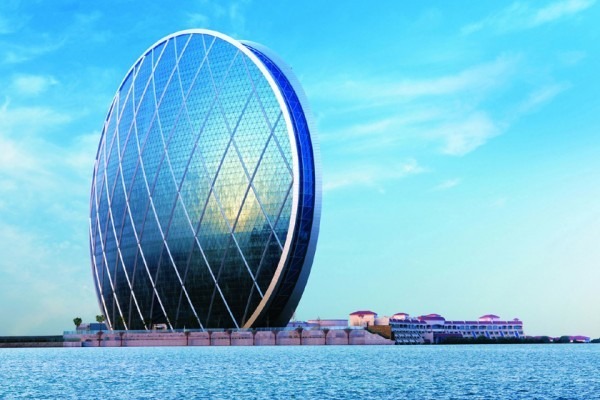
Aldar Properties, a prominent real estate developer based in the UAE, is set to enter the international bond market with its debut offering of hybrid notes, aiming to raise significant capital through a benchmark USD-denominated issuance. This marks a strategic move as the company seeks to diversify its financing options, reflecting growing confidence in the Middle Eastern property sector despite global economic fluctuations.

The move is seen as a key step in Aldar’s long-term financing strategy, which includes bolstering its liquidity and securing funds to support its extensive pipeline of real estate developments across the UAE. The planned issuance of hybrid bonds will likely appeal to institutional investors seeking higher returns, as these notes are designed to offer a more attractive yield compared to traditional debt instruments.

According to industry experts, hybrid notes offer the flexibility of both equity and debt instruments. These securities typically carry characteristics of bonds but can be converted into equity at the issuer’s discretion. In Aldar’s case, the hybrid notes will be structured to provide flexibility while enhancing the company’s capital base. This initiative is aligned with Aldar’s goal of optimizing its balance sheet while maintaining a competitive edge in the rapidly evolving real estate market.

The hybrid bonds will be issued under Aldar’s recently updated USD 2 billion Global Medium-Term Note (GMTN) program, which was approved earlier this year. The company intends to use the funds raised through this issuance to support its growth initiatives, which include several high-profile residential and commercial projects within Abu Dhabi and across the UAE. These developments are expected to contribute to the company’s steady revenue stream and help it capture a larger share of the region’s expanding real estate market.

Aldar’s decision to tap into the hybrid bond market comes at a time when investors have shown increased interest in hybrid instruments due to their unique risk-return profile. With these notes, Aldar is looking to capitalize on favorable market conditions while maintaining its financial flexibility, as hybrid securities are less sensitive to interest rate fluctuations compared to traditional debt.

The UAE’s thriving real estate sector has demonstrated resilience, despite global challenges such as inflationary pressures and geopolitical tensions. Aldar’s strong performance in recent years, along with its reputation for high-quality developments, positions the company well to attract investor interest in its hybrid bond offering. Analysts predict that the offering could provide Aldar with a competitive advantage, allowing the company to continue its expansion plans while managing financial risk more effectively.

Aldar’s hybrid notes will appeal to both global and regional investors, with its strategic location and robust development pipeline making it an attractive investment opportunity. The company’s portfolio includes high-profile projects like the Yas Bay waterfront development, which features residential, commercial, and entertainment spaces. These iconic projects are poised to enhance the company’s brand recognition and drive future demand for its properties, ultimately increasing the potential for returns on hybrid bond investments.

Investor interest in the UAE’s real estate market remains strong, particularly in Abu Dhabi, where Aldar holds a dominant position. The UAE’s government initiatives, including plans to diversify the economy and improve infrastructure, have further contributed to the positive outlook for the sector. These factors, combined with Aldar’s track record of successful developments, are expected to bolster investor confidence in the company’s bond issuance.

The company’s strategy of diversifying its capital structure by incorporating hybrid securities is not only about raising funds but also about ensuring sustainable growth in a competitive market. By issuing hybrid bonds, Aldar is able to strengthen its capital position without overly diluting equity or taking on excessive debt. This approach ensures the company can maintain a healthy balance sheet while executing its ambitious growth plans.

Aldar’s hybrid notes offering is part of a larger trend within the Middle Eastern real estate market, where companies are increasingly turning to innovative financing structures to meet their funding needs. As other regional developers explore similar hybrid instruments, Aldar’s move could set a precedent for future debt issuances in the sector. It also reflects the growing maturity of the Middle East’s bond market, which is attracting increasing attention from international investors.

Market experts believe the debut hybrid notes from Aldar will be a bellwether for other companies in the region. Should the offering meet with strong demand, it could encourage further issuances from both established developers and newer market entrants. This would signal an increasing acceptance of hybrid securities as a viable alternative to traditional financing methods, which may have been less attractive due to rising interest rates and market volatility.

Saudi Arabia has successfully raised $12 billion via a three-part bond issuance, marking its largest debt sale since 2017. The offering attracted substantial investor interest, with the order book reaching nearly $37 billion, indicating an oversubscription of approximately three times.

The bond issuance comprises three tranches: $5 billion with a three-year maturity, $3 billion maturing in six years, and $4 billion set for a ten-year term. This strategic move aligns with the kingdom’s 2025 borrowing plan, which estimates funding needs of 139 billion Saudi riyals ($37.02 billion) to address a projected budget deficit of 101 billion riyals for the year. Additionally, approximately 38 billion riyals are allocated for debt repayment.

Concurrently, the Public Investment Fund (PIF), Saudi Arabia’s sovereign wealth fund, has secured a $7 billion murabaha credit facility. This Islamic financing arrangement, supported by a syndicate of 20 international and regional financial institutions, is intended to fuel the fund’s future investments.

These financial maneuvers are integral to Saudi Arabia’s Vision 2030 initiative, which seeks to diversify the economy beyond oil dependence. Finance Minister Mohammed Al Jadaan has emphasized the government’s commitment to expanding strategic spending through 2025, focusing on development and giga-projects that align with Vision 2030 objectives.

Over 300 industry leaders convene in Hong Kong to explore the future of Asian property markets HONG KONG SAR – Media OutReach Newswire – 7 January 2025 – The MIPIM Asia Summit concluded its 18th edition on December 4th, bringing together over 400 international delegates at the Grand Hyatt, Hong Kong. As Asia’s premier real estate investment platform, this year’s summit focused on the vision for the […]

SINGAPORE – Media OutReach Newswire – 7 January 2025 – Zuellig Pharma, a leading healthcare solutions company in Asia, has announced that it has completed the acquisition of Propan, a market leading brand in the multivitamin-appetite stimulant segment, from ADP Pharma Corporation. Propan is an established and trusted brand in the Philippines. It remains a reliable partner in promoting healthier lives across the nation. From prescription capsules […]

First insurance provider in Hong Kong to empower members with accessible pharmacy consultations for minor ailments HONG KONG SAR – Media OutReach Newswire – 6 January 2025 – Bupa Hong Kong, the leading health insurance specialist, is proud to announce the launch of the Bupa x Mannings PharmaCare Programme (“PharmaCare Programme”) in partnership with Mannings, Hong Kong’s largest health and beauty chain. This initiative makes Bupa the […]

HONG KONG SAR – Media OutReach Newswire – 6 January 2025 – The Hong Kong Industrial Artificial Intelligence and Robotics Centre (FLAIR), specialising in AI and robotics application R&D, will make its debut at CES 2025 in Las Vegas, USA, from 7 to 10 January. CES 2025: A Hub for Global Tech Innovation CES, the world’s most influential technology event, connects global brands, industry leaders, and innovators […]

MACAU SAR – Media OutReach Newswire – 6 January 2025 – Melco Resorts & Entertainment has been honored a collective total of six diamonds from Black Pearl Restaurant Guide 2025. The recognition from the esteemed annual culinary guide is presented to the Company’s signature Chinese restaurants Jade Dragon and Yí, iconic French fine dining restaurant, Alain Ducasse at Morpheus, and Japanese restaurant Sushi Kinetsu. Jade Dragon at […]

Currency markets sent a resounding message last week: the US remains the dominant force in the global economy. The dollar surged to a two-year high against the euro, which fell to $1.0267, and reached an eight-month peak against sterling, with the pound dropping to $1.2354, which is its lowest level since late April. This sharp rally reflected a growing belief among investors that the US economy’s resilience […]

By Nantoo Banerjee The slump in India’s GDP growth rate is understandable. Contrary to the government claims, the job market is down. The income growth, in general, is shrinking. A vast section of consumers are not spending enough, except for wage goods or daily dire necessities, as their real income is not growing. The FMCG […]

VISHNU RAJA
RYO YAMADA
HITORI GOTOH
IKUYO KITA