News related to
data

HONG KONG SAR – Media OutReach Neswire – 20 March 2025 – Hong Kong has maintained its World No.3 ranking in the latest Global Financial Centres Index (GFCI) after New York (No.1) and London (No.2). Hong Kong’s overall rating increased by 11 points to 760, remaining top in the Asia-Pacific region. The biannual GFCI, published today (March 20) by the Z/Yen from the United Kingdom and the […]

By P. Sudhir As the year 2026 approaches, the issue of the delimitation of parliamentary and assembly constituencies is drawing public attention and controversy. This is the year when the freeze on the number of seats will end, and the next round of delimitation must be undertaken following the first census conducted after 2026. The […]

South Korean prosecutors conducted a raid on the headquarters of Bithumb, one of the country’s largest cryptocurrency exchanges, as part of an investigation into allegations of misappropriation of company funds. The probe centers on suspicions that Bithumb provided a rental deposit of 3 billion Korean won for an apartment in Seoul’s Seongdong-gu district, intended for its former representative director and current advisor, Kim Dae-sik. Authorities suspect that a portion of these funds may have been diverted for Kim’s personal apartment purchase, raising concerns about potential financial misconduct within the company.

The investigation was initiated following a referral from the Financial Supervisory Service , South Korea’s primary financial regulatory body. Prosecutors from the Seoul Southern District Prosecutors’ Office executed the search and seizure operation at Bithumb’s headquarters located in the Yaksu-dong area of Seoul. The objective was to gather evidence related to the alleged misappropriation of funds and to scrutinize the company’s financial transactions pertaining to the apartment lease agreement.

Bithumb has not yet issued an official statement regarding the raid or the allegations. The company has faced legal challenges in the past, including investigations into potential tax evasion and fraudulent activities. In previous instances, Bithumb’s executives have been implicated in legal controversies, further intensifying scrutiny of the exchange’s operations.

The current investigation adds to a series of legal challenges faced by Bithumb in recent years. In 2018, the exchange was investigated for alleged tax evasion, resulting in a substantial back-tax payment. Additionally, Bithumb has been the target of multiple hacking incidents, leading to significant financial losses. These recurring issues have raised concerns about the company’s internal controls and governance practices.

The cryptocurrency industry in South Korea operates under stringent regulatory oversight, with authorities actively monitoring exchanges to ensure compliance with financial regulations and to protect investors. The FSS has been particularly vigilant in overseeing cryptocurrency exchanges, given the rapid growth of digital asset trading in the country. This latest investigation into Bithumb underscores the regulators’ commitment to enforcing compliance and addressing potential misconduct within the industry.

The outcome of this investigation could have significant implications for Bithumb’s reputation and operations. If the allegations are substantiated, the company may face legal penalties, and its leadership could be held accountable for any financial improprieties. Moreover, such developments could impact investor confidence and influence the broader perception of the cryptocurrency market in South Korea.

As the investigation progresses, stakeholders within the cryptocurrency community and the financial industry at large will be closely monitoring the situation. The case highlights the importance of robust corporate governance and the need for transparency in financial dealings, particularly within the rapidly evolving digital asset sector.

While Bithumb has previously navigated legal and regulatory challenges, the current allegations present a critical test for the company’s leadership and operational integrity. The exchange’s response to the investigation and its cooperation with authorities will be pivotal in determining its future trajectory and standing within the industry.

In light of these developments, industry observers emphasize the necessity for cryptocurrency exchanges to implement stringent internal controls and to adhere to ethical standards to mitigate risks associated with financial misconduct. Such measures are essential to foster trust and to ensure the sustainable growth of the cryptocurrency market.

As the legal proceedings unfold, the focus will remain on Bithumb’s internal practices and the actions of its former and current executives. The findings of the investigation are anticipated to influence regulatory policies and could lead to more rigorous enforcement measures within the cryptocurrency sector in South Korea.

Cryptocurrency payments in the European Union have seen a significant uptick, with 70% directed towards retail, food, and beverage sectors, according to a report by Oobit, a cryptocurrency payments platform. The analysis, which denominated all transactions in U.S. dollars, revealed that the average payment size using the Oobit app was $8.36, while the average deposit amounted to approximately $85.

Beyond everyday consumer goods, 26% of crypto payments were allocated to tourism-related activities, encompassing lodging, travel, and aviation. Government services and digital payments constituted 1.5% of transactions, with an additional 1.5% directed towards miscellaneous purchases such as healthcare and entertainment.

The surge in cryptocurrency usage within the EU is attributed to the growing acceptance of digital assets, bolstered by governmental efforts to enact supportive legislation. Notably, a substantial 92% of these payments were conducted using the USDt stablecoin. However, this prevalence presents challenges under the Markets in Crypto-Assets regulation, which came into full effect on December 30, 2024.

Complementing Oobit’s findings, data from Chainalysis indicates a 44% year-over-year increase in cryptocurrency adoption across Central, Northern, and Western Europe. For transactions under $1 million, the stablecoin market in these regions is expanding at a rate 2.5 times faster than in North America, highlighting a robust trend towards digital currency integration in everyday financial activities.

Technological advancements have played a pivotal role in facilitating this growth. Innovations such as the Lightning Network have enabled swift micropayments in Bitcoin, while crypto debit cards offering “crypto-back” rewards have made spending digital currencies more accessible. These developments signify a shift from viewing cryptocurrencies merely as speculative assets to recognizing them as practical means of exchange.

This evolution is further evidenced by global adoption trends. In June 2024, Nubank integrated the Lightning Network, bringing cryptocurrency payment capabilities to 100 million customers in Latin America. Similarly, in June 2023, IBEX partnered with Grupo Salinas to allow millions of Mexicans to pay their internet bills using Bitcoin. More recently, in March 2025, Ripple secured a license in Dubai to offer crypto payment services in the United Arab Emirates, underscoring the worldwide momentum of digital currency adoption.

Pakistan is moving decisively towards establishing a legal framework for cryptocurrency trading, aiming to position itself as a hub for blockchain-powered finance and attract international investment.

Bilal Bin Saqib, the newly appointed Chief Executive Officer of the Pakistan Crypto Council, emphasized the country’s readiness to embrace digital assets. “Pakistan is done sitting on the sidelines; we want regulatory clarity and a legal framework that is pro-business,” Saqib stated. He highlighted Pakistan’s potential as a leader in blockchain finance, noting that “60% of the population is under 30; we have a Web3-native workforce ready to build.”

The Pakistan Crypto Council, established under the Ministry of Finance, is tasked with developing regulations and promoting blockchain technology and digital assets within the country. This initiative marks a significant shift from the central bank’s previous warnings against cryptocurrency use, citing concerns over fraud and financial instability.

Despite past apprehensions, Pakistan ranks ninth globally in crypto adoption, with an estimated 15 to 20 million Pakistanis engaging in cryptocurrency trading. This substantial user base underscores the pressing need for a clear regulatory environment to safeguard investors and stimulate economic growth.

Saqib, recognized by Forbes as a Web3 investor and blockchain strategist, highlighted Pakistan’s competitive advantage in the crypto space. He pointed out that the country offers one of the lowest operating costs for crypto businesses, making it a more cost-effective alternative to hubs like Dubai and Singapore.

The government’s proactive stance includes plans to engage with countries like the United Arab Emirates, Nigeria, and Turkey to learn from their regulatory experiences. This collaborative approach aims to ensure that Pakistan’s digital asset ecosystem evolves securely, compliantly, and sustainably.

On the taxation front, the government intends to adopt a “balanced pro-growth tax structure” designed to attract foreign investment while fostering domestic innovation. This strategy reflects a commitment to creating a business-friendly environment that encourages the integration of blockchain technology into various sectors of the economy.

The establishment of the Pakistan Crypto Council underscores the government’s commitment to integrating blockchain technology with the financial landscape. The council’s role includes overseeing policy development, addressing regulatory challenges, and collaborating with international bodies to develop standardized frameworks for digital economic engagement.

This move aligns with global trends, as countries worldwide are increasingly recognizing the potential of cryptocurrencies and blockchain technology. By creating a clear regulatory framework, Pakistan aims not only to attract international investors but also to position itself as a leader in the rapidly evolving digital economy.

Thailand’s edible insect industry has emerged as a global leader, seamlessly blending tradition with modern sustainability practices. This sector not only offers a rich source of nutrition but also presents environmentally friendly alternatives to conventional protein sources. In Thailand, consuming insects is deeply rooted in cultural traditions, especially in regions like Isan and the north. Markets frequently display an array of fried insects, including grasshoppers, crickets, silkworm […]

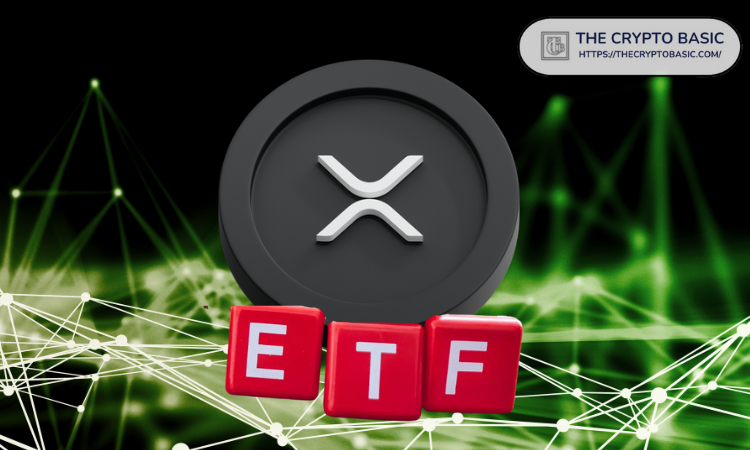
Ripple Labs has achieved a significant legal victory as the U.S. Securities and Exchange Commission officially dropped its lawsuit against the company. This development has not only propelled XRP’s market performance but also opened the door for future financial products centered around the cryptocurrency.

The SEC’s decision to withdraw its case concludes a four-year legal battle that began in December 2020, when the agency accused Ripple of conducting unregistered securities sales totaling $1.3 billion. Ripple’s CEO, Brad Garlinghouse, announced the resolution, marking a pivotal moment for the company and the broader cryptocurrency industry. He described the SEC’s move as a “resounding victory” and a “long overdue surrender” by the regulator.

The immediate market reaction to the news was pronounced. XRP’s price surged by approximately 13%, reaching nearly $2.56. This surge solidified XRP’s position as the third-largest cryptocurrency by market capitalization, trailing only Bitcoin and Ethereum. The broader cryptocurrency market also experienced positive momentum, with Bitcoin rising 2.2% to $84,096 and Ethereum increasing 6.6% to $2,031.

Beyond the immediate market implications, Ripple’s legal victory has broader significance for the cryptocurrency industry. The case had been closely watched as a potential precedent for how digital assets might be regulated in the United States. The SEC’s decision to drop the lawsuit may signal a more favorable regulatory environment for cryptocurrencies, encouraging further institutional adoption and investment.

In the aftermath of the legal resolution, Ripple’s CEO, Brad Garlinghouse, expressed optimism about the company’s future prospects. He anticipates the launch of an XRP exchange-traded fund by the end of 2025, reflecting growing investor interest and potential regulatory acceptance. Garlinghouse stated, “I have immense confidence in the ETFs. I think there are 11 different filings pending with the SEC to launch XRP ETFs. I think those will be live in the second half of this year.”

The potential approval of an XRP ETF would represent a significant milestone for Ripple and the broader cryptocurrency market. ETFs provide investors with a regulated and accessible means to gain exposure to digital assets, potentially attracting a broader investor base. Several applications for XRP ETFs are currently under review by the SEC, including proposals for spot, leveraged, and inverse ETFs. Notably, asset management firm Franklin Templeton has recently joined the list of applicants, underscoring the growing institutional interest in XRP.

The resolution of Ripple’s legal challenges and the anticipated launch of an XRP ETF come at a time of increasing mainstream acceptance of cryptocurrencies. Major financial institutions are exploring digital asset offerings, and regulatory clarity is gradually improving. Ripple’s recent developments position the company to capitalize on these trends and potentially expand its influence within the financial sector.

However, challenges remain. The cryptocurrency industry continues to navigate a complex regulatory landscape, and the approval of an XRP ETF is contingent upon the SEC’s assessment of market stability, investor protection, and other factors. Additionally, the volatility inherent in cryptocurrency markets poses risks that both investors and regulators must consider.

Despite these challenges, Ripple’s recent achievements have bolstered confidence among its stakeholders. The company’s proactive engagement with regulators and commitment to compliance have been pivotal in resolving legal disputes and paving the way for future innovations. As the industry evolves, Ripple’s experience underscores the importance of collaboration between regulators and cryptocurrency firms to foster a sustainable and inclusive financial ecosystem.

Advertisements

Dubai has embarked on a groundbreaking initiative to revolutionise its real estate sector by launching a pilot project for property tokenization. Spearheaded by the Dubai Land Department , this endeavour positions Dubai as the first property registration authority in the Middle East to integrate blockchain technology into property title deeds, marking a significant milestone in the region’s technological advancement. The core objective of this project is to […]

Cognite, an industrial software firm backed by Saudi Aramco, has inaugurated an artificial intelligence services center in Bengaluru, Karnataka. The company is actively pursuing partnerships with leading Indian conglomerates to enhance industrial operations through advanced AI solutions. The newly established center has already secured collaborations with a prominent cement manufacturer and a major automotive company, though specific details remain undisclosed. Håkon Bjerke, Cognite’s Chief Strategy Officer, emphasized […]

Billionaire Gautam Adani’s conglomerate, the Adani Group, is reportedly in advanced negotiations to acquire a majority stake in Emaar India, the Indian subsidiary of Dubai-based real estate developer Emaar Properties. The deal, valued between ₹4,000 crore and ₹5,000 crore, aims to bolster Adani’s presence in the Indian real estate sector. Discussions indicate that Adani Realty, an unlisted entity under the Adani Group, is set to acquire between […]

The United States Federal Reserve’s monetary policy decisions have a direct impact on the United Arab Emirates’ financial landscape, owing to the dirham’s peg to the U.S. dollar. Consequently, changes in the Fed’s interest rates influence borrowing costs in the UAE, affecting sectors such as real estate and personal finance. However, experts suggest that only substantial rate cuts by the Fed would lead to noticeable reductions in […]

The GNOME Project has officially released GNOME 48, codenamed “Bengaluru,” introducing a suite of new features and improvements aimed at refining user experience and promoting digital wellbeing. This latest iteration underscores GNOME’s commitment to evolving its desktop environment to meet contemporary user needs. One of the standout additions in GNOME 48 is the ‘Wellbeing’ feature integrated into the Settings application. This tool enables users to monitor and […]

The Uniswap community has approved two governance proposals, allocating a total of $165.5 million to bolster the development of its ecosystem. This substantial funding is directed towards advancing the recently launched Unichain Layer 2 network and Uniswap v4 protocol, as well as initiating new liquidity incentive programs.

The first proposal earmarks $95.4 million for the Uniswap Foundation’s grants budget, accompanied by an additional $25.1 million designated for operational expenses over the next two years. These funds aim to enhance capital efficiency, activate revenue streams, and attract active contributors to the platform. The second proposal allocates $45 million to support liquidity incentives, a strategic move to attract new users and sustain ecosystem growth through developer-centric activities.

Gauntlet, a Web3 risk management protocol, has been entrusted with managing these liquidity incentives. They have deployed and configured an Aera vault on the mainnet for the Uniswap Foundation, injecting over 7.5 million UNI tokens, valued at approximately $52 million at current prices. This initiative is designed to draw in new users and maintain growth across both networks.

The approval of these proposals also lays the groundwork for the long-discussed ‘fee switch’ mechanism. This feature would redirect a portion of protocol fees, currently earned by liquidity providers, towards UNI token holders. The Uniswap Foundation has indicated that it will proceed with the necessary legal steps to activate this switch, aligning the interests of governance members with the protocol’s long-term success.

The community’s decision to allocate substantial funds to ecosystem development reflects a strong commitment to increasing the network’s scalability and creating new opportunities for growth. The foundation’s long-term goal is to transition Uniswap from a decentralized exchange into a platform that can also cater to developers, bringing significant value to the Uniswap community.

Uniswap v4, launched in mid-January 2025, introduced the concept of ‘hooks’—contracts that allow developers to customize interactions within pools, swaps, and fees. The launch of Unichain, built on the Optimism tech stack, further enhances Uniswap’s scalability by providing a Layer 2 network capable of supporting more transactions at lower fees.

The activation of the fee switch represents a significant step in Uniswap’s ongoing efforts to align the interests of its governance members with the protocol’s long-term success. Over $1 billion in annualized fees have been generated by the Uniswap protocol, and this shift would allow token holders to capture a portion of that revenue.

This development has had a positive impact on the market perception of Uniswap’s native token, UNI. Following the announcement, the price of UNI experienced a notable surge, reflecting growing optimism among investors regarding the platform’s future prospects.

World’s Lightest Ballistic Plate HPS-4 – Award Winning Design at IDEX Innovation Trail, Revolutionary Material Leads New Era in Security Sector HONG KONG SAR – Media OutReach Newswire – 20 March 2025 – GEAR Industries Limited — a Hong Kong-based company specializing in tailored defence solutions. With a strong focus on leveraging proprietary materials, GEAR is at the forefront of innovation, dedicated to raising security and safety […]

Saturday Morning Breakfast Cereal by Zach Weinersmith Source – Patreon

Saturday Morning Breakfast Cereal by Zach Weinersmith Source – Patreon

Ethereum’s decentralized finance ecosystem has experienced a substantial contraction, with total value locked plummeting by $29 billion over the past 30 days. This decline has raised concerns about Ethereum’s dominance in the DeFi landscape, especially as rival blockchains gain traction.

As of March 19, Ethereum’s TVL stands at $89 billion, down from $118 billion recorded on February 19, marking a 25% reduction in total deposits within its DeFi platforms. This downturn coincides with a surge in the Bitcoin to Ethereum ratio, which has reached an all-time high. Currently, with Bitcoin trading at $83,000 and Ethereum at $1,900, one BTC can now purchase over 44 ETH, reflecting a 30% increase from the 1:33 ratio observed on February 25.

Several factors have contributed to this sharp devaluation. The introduction of new trade tariff policies has unsettled global markets, prompting crypto investors to seek safety in Bitcoin over Ethereum. Additionally, Ethereum’s ongoing network scalability issues and unsuccessful updates have dampened investor confidence. Historical data indicates that Ethereum’s devaluation has accelerated post-Merge, with multiple failed network upgrades pushing ETH supply above pre-Merge levels.

The Ethereum Foundation attempted to regain control by reshuffling leadership in February, but investor sentiment remains bleak following the disappointing Pectra and Hoodi updates. This has led to a massive capital outflow from Ethereum’s DeFi ecosystem, with TVL dropping from $118 billion on February 19 to $89 billion on March 19, marking a $29 billion capital loss within a month—a 25% decline in total deposits across Ethereum DeFi.

The declining on-chain statistics align with lower demand for leveraged longs in ETH futures. The premium of these futures over spot markets has dropped below the 5% neutral level to only 3%—the lowest in over a year—indicating diminished trading confidence.

Ethereum’s decentralized exchange volumes have seen a significant decline, with volumes decreasing approximately 30% over the last week. Specific protocols within the Ethereum network have exhibited notable drops in activity, with the Maverick Protocol experiencing an 85% reduction and Dodo’s volume decreasing by 45%.

Despite these challenges, Ethereum maintains its leadership in total value locked, currently at $47.2 billion. However, a 9% weekly drop has significantly narrowed the gap with competitors. In contrast, BNB Chain’s deposits increased by 6% in the past week, while Ethereum’s key DeFi projects saw major losses, including an 11% drop in Stargate Finance’s TVL, a 9% decline in Maker’s deposits, and a 6% reduction in Spark Finance.

The $29 billion drop in Ethereum’s DeFi TVL, coupled with continued scalability struggles and external economic pressures, heightens bearish risks. As liquidity diminishes in the DeFi ecosystem, ETH coins previously locked in smart contracts are entering the short-term market supply. If capital outflows persist, ETH could face further downward pressure, potentially retesting the $1,500 support zone. Additionally, with Bitcoin’s dominance widening, ETH risks losing more market share in the near term, especially if upcoming economic policies do not meet market expectations.

The declining interest in Ethereum-based exchange-traded funds further exacerbates the situation. Over the past seven days, these digital assets have suffered cumulative outflows of $265.4 million, reflecting diminished institutional interest.

In response to these challenges, Ethereum’s developers are under increasing pressure to address scalability issues and restore investor confidence. The upcoming Hoodi update is anticipated to tackle some of these concerns, but its success remains uncertain. Meanwhile, competitors like Solana and BNB Chain are capitalizing on Ethereum’s setbacks, attracting users and liquidity with their own DeFi offerings.


Arabian Post Staff -Dubai Abu Dhabi’s sovereign wealth fund, ADQ, has entered into a strategic partnership with U.S.-based private equity firm Energy Capital Partners to invest over $25 billion in energy infrastructure projects across the United States. This 50-50 collaboration aims to develop 25 gigawatts of new power generation capacity, primarily to meet the escalating electricity demands of data centers and other energy-intensive industries. The joint venture […]

BEIJING, CHINA – Media OutReach Newswire – 19 March 2025 – As AI transforms global industries, the transportation sector is undergoing notable change. Autonomous driving technology is rapidly scaling, with top companies like Google’s Waymo and Baidu’s Apollo Go leading the way. Waymo, a pioneer in autonomous driving, has launched commercial operations in four major U.S. cities, providing approximately 150,000 rides per week, which demonstrates its scalability. […]

Binance led global cryptocurrency exchange app downloads in February, achieving 4.83 million installs. OKX followed with 2.47 million downloads, while Bitget secured 1.57 million.

Binance’s dominance reflects its extensive user base and robust infrastructure. The platform offers a wide range of services catering to both novice and experienced traders, featuring a user-friendly interface and comprehensive security measures. This combination has contributed to its global popularity.

OKX has made significant strides, attracting a large number of traders with its advanced trading features and competitive fee structure. The platform’s commitment to providing a seamless trading experience has solidified its strong position in the industry.

Bitget has emerged as a formidable player, gaining traction due to its focus on copy trading and social trading features. These allow users to replicate the trades of successful traders, appealing to those looking to leverage the expertise of others.

The dominance of Binance, OKX, and Bitget in February’s download rankings reflects the growing demand for reliable and user-friendly cryptocurrency exchange platforms. As the cryptocurrency market continues to evolve, these platforms are well-positioned to capitalize on the increasing interest in digital assets. Their ability to adapt to market trends and provide innovative solutions will be crucial in maintaining their leadership positions.

Other notable platforms in the top ten include Coinbase with 1.38 million downloads, Bybit with 1.31 million, Crypto.com with 884,000, KuCoin with 609,000, MEXC with 543,000, Kraken with 343,000, and Gate with 320,000.

These figures highlight the competitive nature of the cryptocurrency exchange market, with platforms continually striving to enhance their offerings to attract and retain users.

In related developments, HTX reported a substantial surge in trading volume in February, accompanied by an 8.15% month-over-month rise in app logins, indicating heightened user engagement. The platform also secured a top-three position in EUR-stablecoin trading volume and was recognized by Forbes as one of the “Top 25 World’s Most Trustworthy Crypto Exchanges of 2025.”

The cryptocurrency exchange landscape is continually evolving, with platforms investing in user experience, security, and innovative features to differentiate themselves in a crowded market. As user preferences shift and new technologies emerge, exchanges that can adapt and meet the changing demands are likely to maintain or improve their standings in future download rankings.

The data underscores the importance of mobile accessibility in the cryptocurrency market, as users increasingly prefer managing their digital assets on-the-go. Exchanges that offer intuitive and secure mobile applications are better positioned to attract a broader user base.

The emphasis on features like copy trading and social trading, as seen with Bitget, indicates a trend towards community engagement and educational resources within trading platforms. These features not only empower novice traders but also foster a sense of community among users.

As regulatory landscapes shift and user expectations evolve, cryptocurrency exchanges face the ongoing challenge of balancing innovation with compliance and security. Platforms that can navigate these complexities while delivering value to their users are likely to see continued growth in both downloads and active user engagement.

MSI, a global leader in high-performance server solutions, has unveiled its latest range of server platforms at CloudFest 2025, held from March 18 to 20 at Europa-Park, Germany. The new lineup includes Open Rack v3 Servers, Data Center Modular Hardware System Servers, and NVIDIA MGX™ AI Servers, each designed to enhance scalability, efficiency, and sustainability in cloud computing environments. The ORv3 Servers focus on modularity and standardisation, […]

Bitcoin, Ether, and Solana are anticipated to experience price fluctuations between 3% and 5% as the Federal Reserve prepares to announce its latest monetary policy decisions.

As of Wednesday, Bitcoin has seen a modest uptick, trading at $83,290—a 1.2% increase, though it remains 31% below its January peak. Ethereum and Solana have also registered gains, with Ethereum rising by 1.5% and Solana by 1.6%.

The Federal Open Market Committee is set to release its rate review, along with growth and inflation projections. Market consensus suggests that the Fed will maintain current interest rates. However, investors are keenly awaiting Chair Jerome Powell’s press conference for indications of potential shifts toward more accommodative monetary policies, especially in light of concerns surrounding the labor market and consumer spending.

Volmex’s one-day implied volatility indices, which measure expected price fluctuations, suggest that Bitcoin could see a 24-hour price swing of approximately 3.31%. Similarly, Ethereum and Solana are projected to experience movements of 5.25% and 5.73%, respectively.

Historically, Bitcoin has exhibited notable volatility around FOMC meetings. For instance, on August 5, 2024, Bitcoin’s price declined by 7.2%, while Ethereum dropped by 10.1%, coinciding with macroeconomic announcements. These movements were accompanied by surges in the Bitcoin Volmex Implied Volatility Index, underscoring the sensitivity of cryptocurrency markets to such events.

Market participants are also reflecting on President Trump’s recent announcement of a U.S. “crypto reserve,” which includes assets like XRP, Cardano , and Solana . This initiative added over $200 billion to the cryptocurrency market’s value, with XRP’s market capitalization alone increasing by $44 billion. Bitcoin and Ethereum were subsequently added to the reserve, leading to a 9% surge in Bitcoin’s price to $93,000.

Despite these developments, Bitcoin’s price has faced challenges, hitting a four-month low of $76,867 before recovering slightly to $80,480. This decline is partly attributed to investor disappointment over the government’s stance on active cryptocurrency purchases.

Analysts caution that Bitcoin is at a critical juncture, with potential support levels around $73,000. Weakness at this technical level could signal further declines, drawing parallels to the 2021 crypto market downturn. Market dynamics, including the prevalence of speculative assets like meme coins, suggest a fragile foundation, with retail traders holding depreciating assets.

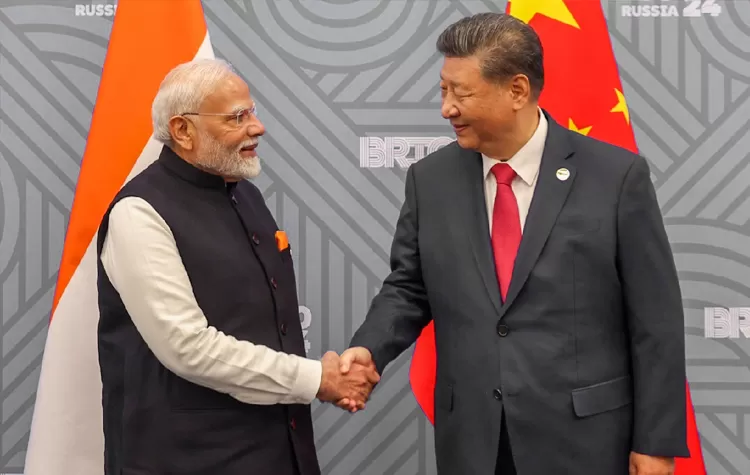
By Nitya Chakraborty Narendra Modi has been heading the Indian government as the Prime Minister since 2014. He has made so far many observations about the delicate India-China relations in the last nearly eleven years, but his observations on this issue made to the American journalist cum researcher Lex Fridman in his podcast released on […]

HONG KONG SAR – Media OutReach Newswire – 19 March 2025 – Jamf (NASDAQ: JAMF) the standard in managing and securing Apple at work, announced it has been included as a Representative Vendor in the 2025 Gartner® Market Guide for Endpoint Management Tools. As the report points out: “Using a unified endpoint management (UEM) tool remains the best approach to managing the entire employee device fleet. However, […]

VISHNU RAJA
RYO YAMADA
HITORI GOTOH
IKUYO KITA