News related to
data

Watani Investment Company, a subsidiary of the National Bank of Kuwait Group, has introduced a comprehensive investment platform named NBK Invest and rebranded its brokerage services from Watani Brokerage to NBK Brokerage. This strategic move aims to unify the company’s investment products and services under the NBK brand, enhancing client accessibility and experience.

NBK Invest is designed to offer clients a seamless and integrated investment experience, providing a range of services tailored to meet diverse financial goals. The platform encompasses various investment solutions, including guided investments, money market funds, equity funds, and bond funds. By consolidating these services under the NBK brand, the company seeks to streamline its offerings and present a cohesive identity to its clientele.

Operating independently from NBK Invest, NBK Brokerage caters to clients seeking an active trading experience. The brokerage service provides access to multiple markets, including Boursa Kuwait, other Gulf Cooperation Council markets, and Egypt. Clients can engage in online trading, subscribe to capital increases, and efficiently manage dividend distributions. The rebranding to NBK Brokerage reflects the company’s commitment to delivering comprehensive brokerage services with expert trading support, all under the trusted NBK name.

The decision to unify investment services under the NBK brand aligns with the company’s broader strategy to enhance brand recognition and trust. By offering a cohesive suite of investment and brokerage services, NBK aims to provide clients with a more streamlined and user-friendly experience. This initiative is expected to bridge the gap between clients and the company’s diverse financial products, fostering a more integrated approach to wealth management.

In addition to the rebranding efforts, NBK has emphasized its commitment to technological innovation within its investment services. The NBK Invest platform incorporates advanced digital tools, enabling clients to monitor their portfolios, execute trades, and access market insights in real-time. This digital-first approach is designed to meet the evolving needs of modern investors, offering convenience and efficiency in managing their investments.

The rebranding of Watani Brokerage to NBK Brokerage also signifies a strategic effort to align the company’s services with the overarching NBK brand identity. This alignment is anticipated to enhance client trust and loyalty, as the NBK brand is synonymous with financial stability and excellence in the region. By integrating its brokerage services under this well-established brand, the company aims to attract a broader client base and reinforce its position in the competitive financial services market.

NBK Brokerage offers specialized services tailored to meet the unique needs of different client segments. For instance, the brokerage provides Sharia-compliant trading options, allowing clients to invest in accordance with Islamic principles. This inclusivity ensures that a diverse range of clients can find investment solutions that align with their financial objectives and ethical considerations.


The Dubai Maritime Authority , operating under the Ports, Customs, and Free Zone Corporation, has announced a significant initiative to enhance telecommunications coverage across Dubai’s coastal regions. This project, unveiled during the Dubai International Boat Show 2025 at Dubai Harbour, aims to bolster network infrastructure in collaboration with three strategic partners.

Central to this initiative is the installation of four advanced telecommunications towers. These structures are slated for deployment in key maritime locations, including Dubai Islands, The World Islands, Palm Jebel Ali, and Dubai Waterfront. The enhanced network is expected to provide robust and reliable communication services, thereby improving safety and operational efficiency for maritime activities in these areas.

Sheikh Dr. Saeed bin Ahmed bin Khalifa Al Maktoum, CEO of the Dubai Maritime Authority, emphasized the project’s alignment with Dubai’s vision to become a global leader in maritime innovation. He stated that the enhanced telecommunications infrastructure will not only support existing maritime operations but also attract international stakeholders, fostering economic growth within the sector.

The Dubai International Boat Show 2025 served as a strategic platform for this announcement. The event, held from February 19 to 23 at Dubai Harbour, attracted over 30,000 visitors and featured more than 1,000 brands from over 60 countries. Highlights included the display of over 200 yachts and watercraft, underscoring Dubai’s status as a premier maritime hub.

In addition to the telecommunications project, the DMA signed an agreement with Octanta Maritime Academy during the exhibition. This partnership aims to enhance training and development within the maritime sector, ensuring that industry professionals are equipped with the latest skills and knowledge to navigate the evolving landscape.

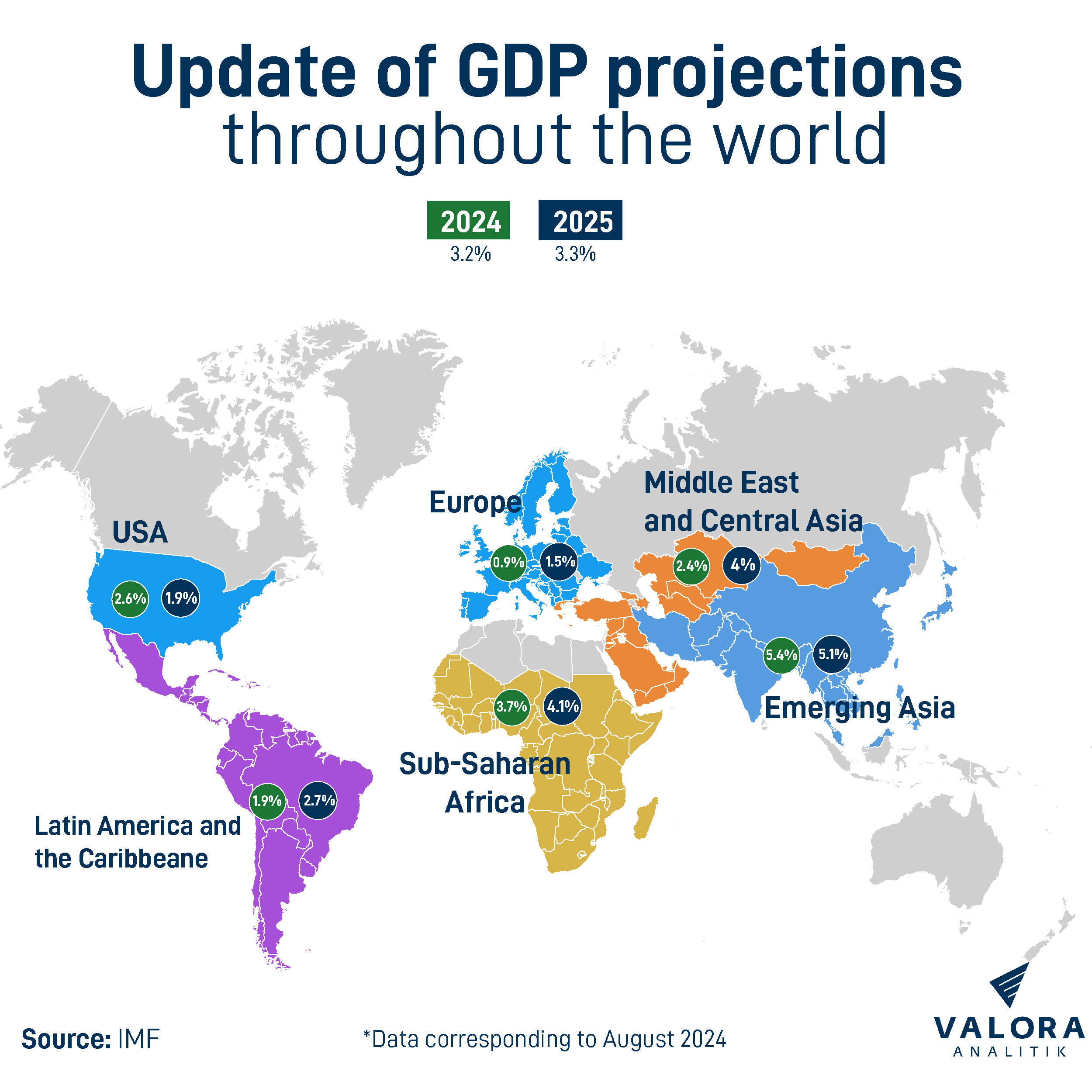
The Gulf Cooperation Council economies are poised to outpace global economic growth in 2025, driven by strategic diversification efforts and robust non-oil sector expansion. According to First Abu Dhabi Bank’s latest Global Investment Outlook report, the GCC’s gross domestic product is projected to nearly double, reaching 3.6% in 2025, surpassing the International Monetary Fund’s global growth forecast of 2.8%.

Saudi Arabia stands at the forefront of this regional surge, with its non-oil GDP anticipated to grow by 4.4% in 2025, up from 3.5% the previous year. This projection aligns with PwC’s analysis, which also foresees a 4.4% expansion in the kingdom’s non-oil economy for the same period. The IMF further estimates that Saudi Arabia’s overall economy will expand by 3.3% in 2025, with growth accelerating to 4.1% in 2026. This optimistic outlook is bolstered by Moody’s recent upgrade of Saudi Arabia’s sovereign credit rating to Aa3, reflecting the success of its economic diversification initiatives and reduced reliance on oil revenues.

The United Arab Emirates is also projected to experience significant economic growth. The IMF forecasts a 5.1% increase in the UAE’s GDP for 2025, while the World Bank anticipates growth rates of 4% in 2025 and 4.1% in 2026. These projections are underpinned by the UAE’s strategic investments in non-oil sectors, business-friendly regulations, and a low corporate tax regime. S&P Global Ratings highlights that the UAE’s GDP growth is expected to remain strong between 2025 and 2027, supported by buoyant non-hydrocarbon activities.

Oxford Economics echoes this positive sentiment, predicting that the GCC’s regional GDP growth will nearly double to 3.6% in 2025, outpacing the global forecast of 2.8%. This growth is attributed to gradual increases in oil production and sustained robust trajectories in non-energy sectors. The World Bank concurs, projecting that the GCC region will grow by 3.4% in 2025 and 4.1% in 2026, compared to an expected 3.3% growth rate for the broader Middle East and North Africa region.

FAB’s Group Head of Global Private Banking, Michel Longhini, emphasized the region’s resilience, stating, “The 2025 global economic environment presents unique challenges, but the GCC region continues to stand out as a beacon of resilience and opportunity.” This resilience is further demonstrated by the UAE’s non-oil GDP growth, which is expected to remain strong at 4.9% in 2024 and 5% in 2025, supported by government initiatives to attract foreign investments and promote economic diversification.

In Saudi Arabia, economic growth is expected to accelerate in 2025 due to an increase in oil production, following two years of modest performance. A Reuters poll of economists indicates that the kingdom’s economy is forecasted to grow by 4.4% in 2025, up from an anticipated 1.3% this year. This growth is driven by plans to reverse previous production cuts and bolster non-oil revenues.

SINGAPORE – Media OutReach Newswire – 24 February 2025 – British Council Singapore celebrated the achievements of exceptional UK alumni at the Study UK Alumni Awards 2025, held at The Fullerton Hotel Singapore, on 20 February. This flagship event honours individuals who have leveraged their UK education to make significant contributions to their professions, communities and societies. British Council Singapore Honours Outstanding UK Alumni at the Study […]

The U.S. Securities and Exchange Commission has decided to withdraw its enforcement actions against cryptocurrency exchange Coinbase and non-fungible token marketplace OpenSea. This move marks a significant change in the regulatory landscape for digital assets.

Coinbase announced that SEC staff have agreed in principle to dismiss the lawsuit against the company, pending approval from the Commission’s three commissioners. The lawsuit, initiated in 2023, accused Coinbase of operating as an unregistered securities exchange and failing to register its staking services. Coinbase’s Chief Legal Officer, Paul Grewal, described the anticipated dismissal as “righting a major wrong.”

In a parallel development, OpenSea’s founder, Devin Finzer, stated that the SEC is closing its investigation into the NFT platform. Finzer characterized this outcome as “a win for everyone who is creating and building in our space.” The SEC had been investigating OpenSea to determine whether certain NFTs should be classified as securities.

These regulatory reversals coincide with a broader shift in the U.S. government’s approach to the tech industry, particularly the cryptocurrency sector. Following substantial campaign contributions from tech companies, including a $300 million donation from Elon Musk, the administration has rolled back regulations and dismissed major lawsuits affecting the industry. Notably, federal cases against Musk’s SpaceX and Coinbase have been dropped, reflecting this deregulatory trend.

Coinbase’s CEO, Brian Armstrong, attributed the favorable legal outcome to the current administration’s policies. He noted that the SEC’s decision would result in a complete dismissal without fines or changes to the company’s operations. Armstrong expressed optimism about future collaboration with the SEC, especially with the anticipated appointment of Paul Atkins as the new chair.

The SEC’s decision to drop these cases has been well-received within the cryptocurrency community, as it removes significant legal uncertainties that have loomed over the industry. Industry-friendly lawmakers are now working on new legislation to provide clearer regulatory guidelines for digital assets. Additionally, the acting SEC Chair, Mark Uyeda, has established a task force aimed at creating a new regulatory framework, signaling a more collaborative approach between regulators and the crypto industry.

Despite these positive developments, the cryptocurrency market remains volatile. Following the announcement of the SEC’s decision, Coinbase’s shares experienced an initial surge but later declined by 8.3%. This downturn was influenced by a significant drop in Bitcoin’s price after a major Ethereum hack at Bybit, resulting in a $1.4 billion loss. Bitcoin’s value, which had reached $99,000, fell to $95,000 after the incident.

The administration’s support for the tech and cryptocurrency sectors represents a notable shift from previous regulatory approaches. By reducing regulations and fostering innovation, the government aims to position the United States as a leader in the digital asset space. However, the administration has also indicated a willingness to address issues such as “tech censorship,” maintaining a balance between deregulation and oversight.

As the SEC moves to formalize the dismissal of these cases, the cryptocurrency industry anticipates a more favorable regulatory environment. The collaboration between regulators and industry stakeholders is expected to pave the way for clearer guidelines and increased innovation in the digital asset space.

In the wake of these developments, market participants are closely monitoring the SEC’s next steps and the potential impact on the broader cryptocurrency ecosystem. The resolution of these high-profile cases may set a precedent for how regulatory bodies approach digital assets in the future, influencing both market dynamics and the legal landscape.

Elon Musk, at the helm of the Department of Government Efficiency , has initiated a series of aggressive reforms targeting federal agencies, igniting debates over the balance between technological innovation and governmental oversight. Appointed by President Donald Trump, Musk’s mandate is to streamline government operations, a mission he has approached with characteristic boldness.

In a striking display at the Conservative Political Action Conference, Musk brandished a chainsaw, symbolizing his intent to cut through bureaucratic inefficiencies. This theatrical gesture underscores his commitment to employing advanced technologies, particularly artificial intelligence, to overhaul traditional governmental processes. However, critics argue that such methods may lead to indiscriminate reductions, potentially undermining essential public services.

Central to Musk’s strategy is a directive requiring federal employees to substantiate their weekly contributions. An email circulated mandates that staff enumerate five specific achievements each week, with non-compliance interpreted as voluntary resignation. This policy aligns with President Trump’s broader agenda to downsize the federal workforce, including proposed cuts to the Defense Department and incentives for remote employees to accept buyouts. Proponents assert that these measures will enhance accountability and fiscal responsibility, while detractors view them as draconian and demoralizing.

The composition of DOGE’s leadership has also drawn attention. Notably, Edward Coristine, a 19-year-old with a background in cybersecurity, has emerged as a key figure within the department. His rapid ascent and the unconventional approaches of the team have raised questions about the experience and methods driving these significant governmental changes.

Musk’s influence extends to regulatory frameworks affecting his business interests. Following substantial campaign contributions from the tech sector, including a $300 million donation from Musk, the administration has rolled back several regulations and dismissed major lawsuits against companies like SpaceX and Coinbase. This deregulatory trend has sparked discussions about potential conflicts of interest and the ethical implications of intertwining public policy with private enterprise.

Despite these advancements, DOGE has encountered legal challenges. A federal judge recently denied a motion to restrict DOGE’s access to sensitive Treasury data, a decision that has intensified debates over data privacy and the extent of DOGE’s authority. The Department of Justice has since agreed to limit DOGE’s access to personal taxpayer information, reflecting ongoing concerns about the scope and oversight of Musk’s initiatives.

Source – Patreon

Advertisements

Electronic Health Record interoperability is fundamentally transforming telehealth services, enhancing patient care, and streamlining healthcare delivery. By enabling seamless data exchange across various healthcare platforms, interoperable EHR systems provide clinicians with comprehensive patient information, thereby improving diagnostic accuracy and treatment efficacy.

The integration of EHR systems with telehealth platforms offers numerous benefits. Healthcare providers gain access to a unified and holistic view of patient data, which streamlines workflows and reduces administrative burdens. This integration ensures that patient information is accurate and readily accessible, facilitating informed decision-making and minimizing the risk of medical errors.

Interoperability ensures the smooth transmission and utilization of patient data across multiple healthcare systems and platforms. It breaks down barriers that previously hindered the seamless flow of information between healthcare providers, hospitals, pharmacies, and other stakeholders. By enabling the sharing of data, interoperability maximizes the potential of EHRs, transforming them into a powerful tool for enhancing patient care.

Studies have demonstrated that telehealth programs, when paired with the appropriate EHR systems, enhance access to care, increase patient satisfaction, and reduce medical expenditures. By improving clinician experience, integrated systems contribute to achieving the quadruple aim of healthcare: enhancing patient experience, improving population health, reducing costs, and improving the work life of healthcare providers.

However, the rapid expansion of telehealth has also highlighted challenges within its infrastructure, such as licensing for doctors to practice across state lines and insurance issues related to virtual care coverage. These challenges underscore the need for robust interoperability solutions to ensure that telehealth services are efficient, effective, and accessible.

In response to these challenges, healthcare organizations are increasingly adopting interoperable EHR systems to facilitate seamless data exchange. This adoption not only improves patient care but also enhances operational efficiency, allowing healthcare providers to focus more on patient care rather than administrative tasks.

Lightpath, a prominent provider of all-fiber infrastructure-based connectivity, has announced the deployment of a 230-route mile, high-fiber-count network in the Phoenix metropolitan area. This strategic expansion is driven by partnerships with multiple hyperscaler clients and aims to meet the escalating demand for robust connectivity, particularly for artificial intelligence applications. The newly constructed network features underground, multi-conduit systems capable of housing up to 20,000 fibers. It establishes connections […]

Edge Artificial Intelligence is rapidly transforming how industries process data by enabling real-time analysis directly on devices. This shift reduces dependence on centralized cloud infrastructures, offering significant advantages in speed, security, and efficiency. By processing data locally, Edge AI minimizes latency, providing immediate responses essential for applications like autonomous vehicles and industrial automation. This on-device computation ensures that critical decisions are made without delays associated with data […]

Pope Francis, aged 88, is in critical condition following a prolonged asthmatic respiratory crisis, as confirmed by the Vatican. The Pontiff experienced severe breathing difficulties, necessitating high-flow oxygen therapy and blood transfusions due to anemia and thrombocytopenia. Despite being alert and spending the day seated in an armchair, he is reportedly in increased pain. Admitted to Rome’s Gemelli Hospital on 14 February after a week-long bout of […]

Türkiye has launched its inaugural New-Type Landing Craft Tank at the Anadolu Shipyard in Istanbul, marking a significant advancement in the nation’s naval capabilities. The vessel, designated YLCT C-159, is the first of eight planned ships under a project initiated in early 2024 by the Presidency of Defense Industries.

The contract for these advanced amphibious vessels was signed in April 2024, and just ten months later, the first ship has been successfully launched. The remaining seven ships are slated for completion within the next 27 months, with the second YLCT expected to launch within a week. This accelerated timeline underscores Türkiye’s commitment to enhancing its naval fleet with domestically produced assets.

Haluk Gorgun, head of Turkish Defence Industries, expressed pride in this milestone, stating that it brings Türkiye closer to its goal of a stronger and more deterrent navy in the “Blue Homeland.” The YLCTs are designed to transport various vehicles and personnel, playing a crucial role in combat missions, disaster response, humanitarian aid, and evacuation operations.

Over the past 23 years, Türkiye has significantly increased the domestic production rate of its naval platforms from 20% to 80%. This achievement positions the country among a select group capable of designing, building, and maintaining a comprehensive range of military ships, including amphibious assault ships, support vessels, combat ships, and submarines.

The Anadolu Shipyard, located in Tuzla, Istanbul, has been instrumental in this progress. Founded in the early 1950s, the shipyard has evolved from building sailing yachts to advanced military vessels. It boasts facilities capable of constructing ships up to 17,000 DWT, with two shipways measuring 200 meters and 140 meters, respectively. The shipyard can simultaneously build up to six vessels, reflecting its substantial capacity and expertise.

In addition to bolstering its own naval forces, Türkiye has made strides in exporting domestically produced warships. The country has delivered vessels to nations such as Indonesia, Malaysia, Pakistan, Nigeria, and Qatar. Notably, in December 2024, Turkish defense company STM announced a contract to build two naval logistics ships for Portugal, marking Türkiye’s first military shipbuilding export to a NATO and EU member state.

The YLCT class ships are poised to enhance Türkiye’s operational capabilities significantly. These vessels are designed for high-speed operations, capable of transporting tanks, troops, and supplies during various missions. Their versatility makes them invaluable assets for both military logistics and humanitarian efforts, including natural disaster response and evacuation operations.

The launch of YLCT C-159 signifies a broader national effort to develop a self-sufficient defense industry. Türkiye’s focus on domestic production aims to reduce reliance on foreign suppliers and strengthen its strategic autonomy. This initiative aligns with the country’s long-term vision of becoming a formidable maritime power, capable of projecting influence and ensuring security within its regional waters and beyond.

As the remaining YLCT vessels are completed and integrated into the fleet, Türkiye’s naval forces will experience a substantial boost in their operational readiness and versatility. The successful execution of this project reflects the nation’s growing industrial capabilities and its determination to assert itself as a key player in the global defense sector.

The Anadolu Shipyard’s role in this endeavor cannot be overstated. With a history dating back to the 1950s, the shipyard has transformed into a hub of advanced naval construction. Its facilities, including two expansive shipways and multiple quays, enable the construction and maintenance of a wide array of vessels. The shipyard’s capacity to build up to six ships simultaneously highlights its strategic importance to Türkiye’s defense infrastructure.

Looking ahead, Türkiye’s investment in domestic naval production is expected to yield significant economic and strategic benefits. The development of indigenous shipbuilding capabilities not only enhances national security but also opens avenues for international collaboration and export opportunities. As Türkiye continues to modernize its fleet, it sets a precedent for self-reliance and innovation in defense manufacturing.

The launch of the first YLCT ship represents a pivotal moment in Türkiye’s maritime history. It exemplifies the nation’s commitment to strengthening its naval forces through domestic ingenuity and production. As subsequent vessels join the fleet, Türkiye is poised to enhance its maritime security and project power more effectively on the global stage.

Exoscale, the cloud service division of A1 Digital, has partnered with Austrian company Diggers to implement an advanced liquid cooling system in their Vienna data center, aiming to enhance energy efficiency for artificial intelligence workloads. This collaboration focuses on reducing energy consumption and repurposing waste heat generated by high-performance computing processes. The increasing demand for AI applications has significantly escalated energy usage in data centers, with cooling […]

Elon Musk has announced plans to revamp X’s Community Notes feature after it contradicted a statement by President Donald Trump regarding Ukrainian President Volodymyr Zelensky’s approval rating. The incident has ignited debates over the platform’s role in moderating political discourse and the integrity of its fact-checking mechanisms. The controversy began when President Trump claimed that President Zelensky’s approval rating stood at “4 percent.” Community Notes, X’s user-driven […]

A massive security breach at cryptocurrency exchange Bybit has resulted in the theft of approximately $1.4 billion in Ethereum , marking one of the largest heists in the digital currency sector to date. The incident has ignited a contentious debate within the Ethereum community regarding the feasibility and ethics of implementing a blockchain rollback to recover the stolen assets.

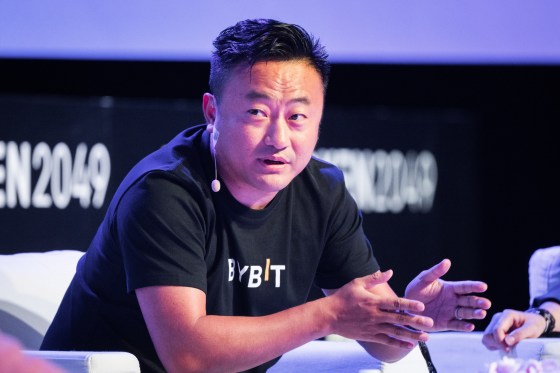
Bybit disclosed that during a routine transfer between digital wallets, an attacker managed to exploit the process, diverting the substantial sum to an unidentified address. Despite the significant loss, CEO Ben Zhou assured users that the platform remains solvent and that customer funds are secure. However, he cautioned that withdrawal requests might experience delays as the company addresses the breach.

In response to the theft, prominent figures in the cryptocurrency space have proposed drastic measures. Arthur Hayes, co-founder of BitMEX, suggested rolling back the Ethereum blockchain to invalidate the illicit transaction. He referenced the 2016 DAO hack, where a similar rollback was executed, stating, “ETH stopped being a form of money in 2016 after the DAO hack hard fork. If the community is willing to do it again, I would support it.”

Samson Mow, CEO of JAN3, echoed this sentiment, advocating for the creation of a new Ethereum token, “ETHNK,” to prevent the stolen funds from benefiting North Korea, the suspected perpetrator behind the hack. Mow emphasized the potential geopolitical ramifications, suggesting that allowing the hackers to retain the funds could lead to regulatory scrutiny and sanctions against Ethereum.

Despite these calls for intervention, Ethereum’s core developers have dismissed the idea of a rollback. Tim Beiko, a prominent Ethereum developer, described the proposal as “technically intractable,” highlighting the complexities and potential unintended consequences of such an action. He explained that the interconnected nature of Ethereum’s blockchain, coupled with the myriad on-chain and off-chain transactions, makes reversing the chain a formidable challenge.

The broader Ethereum community has also expressed resistance to the rollback idea. Many argue that altering the blockchain undermines the principles of immutability and decentralization that are foundational to Ethereum and other cryptocurrencies. Critics contend that setting a precedent for reversing transactions could erode trust in the network and open the door to future manipulations.

In the aftermath of the hack, Bybit has initiated several measures to address the situation. The exchange is collaborating with law enforcement agencies and blockchain analytics firms to trace the stolen funds. Additionally, Bybit has announced a bounty program, offering rewards to individuals who provide information leading to the recovery of the assets.

The incident has also had immediate repercussions on the cryptocurrency market. Ethereum’s price experienced a decline of approximately 7% following the news of the hack, reflecting investor concerns over security vulnerabilities within the ecosystem. Market analysts suggest that such events could prompt tighter regulatory scrutiny and potentially influence future policy decisions regarding digital assets.

This event serves as a stark reminder of the persistent security challenges facing the cryptocurrency industry. As exchanges and platforms continue to evolve, the balance between maintaining decentralization and implementing protective measures remains a critical and ongoing debate.

A significant majority of cryptocurrency users in Latin America are planning to increase their digital asset investments by 2025, according to a recent survey by Binance Research. The study, which encompassed over 10,000 participants from Argentina, Brazil, Colombia, and Mexico, revealed that 95% of respondents intend to expand their cryptocurrency portfolios within the next year.

The survey detailed the investment timelines of these users: 40.1% plan to acquire more cryptocurrencies in the next three months, 15.3% within six months, and 39.7% over the next twelve months. Only a marginal 4.9% of those surveyed indicated no plans to further invest in cryptocurrencies this year.

This enthusiasm is further underscored by projections from payments company Triple-A, which anticipates that Latin America will lead global cryptocurrency adoption with a growth rate of 116% by 2024. Currently, the region boasts approximately 55 million cryptocurrency users, accounting for nearly 10% of the worldwide user base.

The motivations driving Latin American investors towards cryptocurrencies are multifaceted. The survey identified the primary reasons as seeking high returns , achieving financial freedom , hedging against inflation , embracing innovation , diversifying investment portfolios , and prioritizing security and privacy .

Economic challenges in the region, such as Argentina’s inflation rate surpassing 100%, have prompted individuals to explore alternative financial avenues. Cryptocurrencies offer a potential hedge against currency devaluation, making them an attractive option for many. In Brazil, the younger demographic is increasingly turning to digital assets as a means of diversification and wealth accumulation.

Guilherme Nazar, Vice President for Latin America at Binance, highlighted the region’s significance in the company’s strategic plans. He emphasized that regulatory developments will be pivotal in sustaining and guiding the growth of cryptocurrency adoption. Reflecting this commitment, Binance has expanded its operations by acquiring a licensed broker-dealer in Brazil, enabling the provision of a broader spectrum of financial services in compliance with local regulations.

The survey also shed light on the duration of engagement with cryptocurrencies among users. Over half of the respondents have been involved with digital assets for more than a year, indicating a deepening familiarity and trust in the technology. This trend aligns with Binance’s internal data, which reported a 63% increase in its Latin American user base in 2024, coinciding with Bitcoin’s impressive 121% price surge that year.

Cryptocurrency exchange Bybit has suffered a significant security breach, resulting in the theft of approximately $1.5 billion in digital assets. The incident has prompted a substantial number of users to withdraw their funds, testing the platform’s liquidity and operational resilience.

The breach involved the unauthorized transfer of over 400,000 Ether from one of Bybit’s cold wallets, which are typically offline and considered more secure than hot wallets. The stolen funds were moved to multiple unidentified addresses, complicating immediate recovery efforts. Bybit’s co-founder and CEO, Ben Zhou, addressed the situation, assuring customers that the exchange remains solvent and that all user assets are safe and backed on a one-to-one basis. He emphasized that the company is taking all necessary measures to investigate the breach and enhance security protocols to prevent future incidents.

In the hours following the hack, Bybit experienced a surge in withdrawal requests, processing more than 350,000 within a ten-hour window. Despite the high volume, Zhou reported that 99.9% of these requests were completed promptly, with only larger transactions undergoing additional security verifications. To address the immediate shortfall caused by the theft, Bybit secured a bridge loan from undisclosed partners, covering approximately 80% of the lost Ether. Zhou noted that purchasing such a large amount of Ether on the open market was not feasible due to liquidity constraints and potential market impact.

The hack has raised concerns within the cryptocurrency community, highlighting ongoing security challenges in the industry. Analysts have pointed out that while cold wallets are generally more secure, they are not immune to sophisticated attacks. The incident has prompted discussions about the need for enhanced security measures and regulatory oversight to protect investors and maintain trust in digital asset platforms.

In response to the breach, Bybit has initiated a comprehensive security review, collaborating with blockchain experts to trace the stolen funds and identify the perpetrators. The exchange has also committed to updating its security infrastructure, including implementing multi-signature protocols and enhancing user authentication processes. Zhou expressed confidence in the platform’s ability to recover from the incident, stating that user funds remain fully backed and that operations will continue without interruption.

The broader cryptocurrency market has shown resilience in the face of the hack, with major assets like Bitcoin and Ether experiencing only slight declines in value. Industry observers suggest that while such incidents can shake investor confidence, the market’s overall stability indicates a maturation of the digital asset ecosystem. However, the event serves as a stark reminder of the vulnerabilities that persist in the space and the continuous need for robust security practices.

Cryptocurrency exchange Bybit has made a significant move in the digital asset market by acquiring approximately 36,893 Ether in an over-the-counter transaction valued at $100 million USDT. This strategic purchase, conducted at a rate of $2,711 per ETH, was facilitated through prominent financial services firms Galaxy Digital and FalconX.

This acquisition comes on the heels of a substantial security breach that Bybit experienced on February 21, 2025, where approximately 401,347 ETH, equivalent to $1.12 billion, were illicitly transferred from the exchange’s cold wallet. The hack, attributed to the North Korean Lazarus Group, significantly impacted market confidence and led to a notable decline in Ethereum’s price, which dropped from $2,850 to $2,750 within an hour of the incident.

In response to the breach, Bybit’s CEO, Ben Zhou, addressed the situation in a public forum, assuring users of the exchange’s financial resilience. He stated that the company’s assets exceed the stolen amount, with a cold wallet reserve of nearly $3 billion in USDT. This reassurance aimed to bolster user confidence amidst the turmoil.

The decision to purchase a substantial amount of ETH is part of Bybit’s strategy to replenish its reserves and stabilize its operations following the hack. The transaction was executed through OTC channels to minimize market disruption and secure a fixed purchase price. This approach reflects a growing trend among cryptocurrency exchanges to manage large transactions discreetly, thereby reducing potential volatility in the open market.

Market analysts have observed that such significant acquisitions can influence investor sentiment positively. Following Bybit’s announcement, Ethereum’s price experienced a modest uptick, rising by over 2.3% in the past 24 hours, while the broader CoinDesk 20 Index saw a 0.76% increase during the same period. This price movement suggests a restoration of confidence among investors, despite the recent security concerns.

The broader implications of Bybit’s actions highlight the challenges cryptocurrency exchanges face in ensuring security and maintaining user trust. The swift response to the breach, coupled with transparent communication and decisive financial maneuvers, underscores the importance of robust security protocols and contingency planning in the rapidly evolving digital asset landscape.

As the situation develops, stakeholders within the cryptocurrency ecosystem will be monitoring Bybit’s continued efforts to enhance security measures and restore full operational integrity. The incident serves as a critical reminder of the vulnerabilities inherent in digital asset management and the necessity for continuous advancements in cybersecurity practices.

In the wake of these events, Ethereum’s market performance remains a focal point for investors. The recent price fluctuations underscore the asset’s sensitivity to exchange-related incidents and broader market dynamics. As of now, Ethereum is trading at $2,769.35, reflecting a change of $89.60 from the previous close. The intraday high reached $2,792.69, with a low of $2,679.35, indicating ongoing volatility in the market.

The probability of a Litecoin Exchange-Traded Fund gaining approval in 2025 has surged to 85%, as indicated by the prediction platform Polymarket. This significant development reflects growing optimism within the cryptocurrency community and among investors regarding the potential mainstream acceptance of Litecoin-based financial products.

Polymarket, a decentralized information markets platform, enables users to speculate on the outcomes of future events by trading shares that correspond to specific predictions. The current 85% figure represents the collective sentiment of market participants who believe that regulatory bodies are likely to approve a Litecoin ETF within the current year.

The push for cryptocurrency ETFs has been a focal point for financial institutions and investors aiming to integrate digital assets into traditional financial markets. Bitcoin and Ethereum, the leading cryptocurrencies, have been at the forefront of this movement, with several ETF proposals submitted to regulatory authorities worldwide. The increasing attention towards Litecoin suggests a broadening interest in diversifying crypto-based financial instruments.

Litecoin, often referred to as the “silver to Bitcoin’s gold,” was created in 2011 by Charlie Lee, a former Google engineer. It offers faster transaction confirmation times and a different hashing algorithm compared to Bitcoin, positioning itself as a more efficient alternative for everyday transactions. Over the years, Litecoin has maintained a strong presence in the cryptocurrency market, consistently ranking among the top digital assets by market capitalization.

The potential approval of a Litecoin ETF could have several implications for the financial markets. Firstly, it would provide institutional and retail investors with a regulated and familiar vehicle to gain exposure to Litecoin without the need to directly purchase and store the cryptocurrency. This could lead to increased liquidity and potentially reduce volatility in Litecoin’s market price.

The introduction of a Litecoin ETF could signal a maturation of the cryptocurrency market, indicating that regulatory bodies are becoming more comfortable with digital assets beyond Bitcoin and Ethereum. This could pave the way for a wider array of crypto-based financial products, offering investors more options to diversify their portfolios.

However, the path to ETF approval is not without challenges. Regulatory agencies, such as the U.S. Securities and Exchange Commission , have historically been cautious in approving cryptocurrency ETFs, citing concerns over market manipulation, custody solutions, and the overall volatility of digital assets. While there have been instances of ETF approvals in other jurisdictions, the U.S. market remains a significant hurdle for widespread adoption.

In response to these challenges, proponents of a Litecoin ETF have been actively engaging with regulators to address their concerns. This includes implementing robust custody solutions, ensuring transparent pricing mechanisms, and demonstrating compliance with existing financial regulations. The collaborative efforts between the cryptocurrency industry and regulatory bodies aim to create a framework that balances innovation with investor protection.

The broader cryptocurrency market has been experiencing a period of growth and increased adoption. Major financial institutions have begun offering crypto-related services, and several countries are exploring the development of central bank digital currencies . This evolving landscape suggests a shift towards the normalization of digital assets within the global financial system.

Investors and market analysts are closely monitoring the developments surrounding the potential approval of a Litecoin ETF. While the 85% probability indicated by Polymarket reflects a strong belief in a favorable outcome, it is essential to approach such predictions with caution. The regulatory environment is complex and subject to change, and past performance is not indicative of future results.

As the year progresses, the cryptocurrency community will be attentively observing regulatory announcements and market responses. The approval of a Litecoin ETF could serve as a catalyst for further innovation and acceptance of digital assets within traditional finance. Conversely, delays or rejections could prompt a reevaluation of strategies among crypto advocates and investors.

The U.S. Securities and Exchange Commission has agreed to dismiss its lawsuit against cryptocurrency exchange Coinbase, signaling a significant policy shift under President Donald Trump’s administration. This decision concludes a legal battle initiated in 2023, where the SEC accused Coinbase of operating as an unregistered securities exchange, broker, and clearing agency.

Coinbase’s Chief Legal Officer, Paul Grewal, announced the development, describing it as a “complete win” for the company. The SEC’s move to drop the case is pending approval from its three commissioners. This action reflects a broader change in the regulatory landscape for cryptocurrencies in the United States, as the current administration aims to foster a more crypto-friendly environment.

President Trump’s administration has swiftly overhauled the SEC’s approach to cryptocurrency regulation. Acting SEC Chair Mark Uyeda has established a task force dedicated to creating a new regulatory framework for digital assets. This initiative seeks to provide clear guidelines and reduce regulatory uncertainty for industry participants.

The lawsuit against Coinbase was originally filed under the leadership of former SEC Chair Gary Gensler during President Joe Biden’s tenure. The SEC alleged that Coinbase had been operating illegally by facilitating the trading of unregistered securities. Coinbase consistently denied these allegations, arguing that its operations complied with existing laws and that the SEC’s regulatory framework was ill-suited for digital assets.

The dismissal of the lawsuit is seen as a victory not only for Coinbase but also for the broader cryptocurrency industry, which has faced increased regulatory scrutiny in recent years. Industry stakeholders have argued that stringent regulations stifle innovation and limit the potential benefits of blockchain technology.

The Trump administration’s approach marks a departure from the previous administration’s policies, which were characterized by rigorous enforcement actions against crypto companies. In addition to dropping the lawsuit against Coinbase, the SEC is reportedly reviewing other pending cases against cryptocurrency firms, including those against Binance and Kraken. These actions suggest a broader trend toward deregulation and a more permissive environment for digital asset enterprises.

The decision to dismiss the lawsuit has been met with mixed reactions. Proponents of cryptocurrency view it as a positive step that will encourage innovation and solidify the United States’ position as a leader in the digital asset space. Critics, however, express concern that reduced regulatory oversight could lead to increased fraud and market manipulation, potentially harming investors.

The SEC’s internal dynamics have also shifted with the change in administration. Commissioners Mark Uyeda and Hester Peirce, known for their pro-crypto stances, are leading efforts to redefine the regulatory approach toward digital assets. Their leadership is expected to influence the development of policies that balance investor protection with the promotion of technological innovation.

Coinbase’s CEO, Brian Armstrong, has been an outspoken advocate for clearer cryptocurrency regulations. Following the announcement of the lawsuit’s dismissal, Armstrong expressed gratitude toward the administration, stating that the decision “righted a major wrong” and would have positive implications for the industry. He emphasized the need for a regulatory framework that provides clarity and supports the growth of the crypto economy.

The SEC’s decision comes at a time when the cryptocurrency market is experiencing significant growth. Bitcoin, the leading digital currency, has reached record highs, and institutional interest in crypto assets is increasing. The administration’s favorable stance toward cryptocurrencies is expected to further boost market confidence and attract more participants to the space.

However, the rapid policy shift has also raised questions about the influence of political contributions on regulatory decisions. Reports indicate that several tech industry leaders, including figures from the cryptocurrency sector, made substantial donations to President Trump’s campaign. While some view these contributions as a means to support favorable policies, others argue that they may undermine the integrity of regulatory processes.

As the SEC moves forward with its new task force, the focus will be on developing comprehensive guidelines that address the unique characteristics of digital assets. This includes determining how existing securities laws apply to cryptocurrencies and what new regulations may be necessary to protect investors while fostering innovation.

The Xposure International Film Awards 2025, held during the 9th International Photography Festival in Sharjah, United Arab Emirates, have recognised outstanding achievements in global filmmaking. This year’s event saw a significant increase in participation, with 834 submissions from filmmakers worldwide, surpassing the previous year’s entries.

Organised by the Sharjah Government Media Bureau , the awards ceremony honoured winners across four categories: Short Film, Animation, Cinematic Arts, and Documentary Feature. The event underscored the festival’s commitment to celebrating diverse and innovative storytelling in the visual arts.

In the Short Film category, Iranian filmmaker Payam Mahmoudi Kurdistani received the top accolade for “Nietzschean Suicide,” a film that captivated audiences with its profound narrative. Italian director Andrea Devicenzi was recognised as the runner-up for “Crossing The North,” an impactful portrayal of personal journey and resilience.

The Animation category highlighted dynamic visual storytelling, awarding first place to Spain’s Andres Aguilar for “The Strange Case Of The Human Cannonball.” Turkish animator Mustafa Keskin secured the runner-up position with “Ari-6427,” showcasing creativity and technical prowess.

Iranian filmmaker Mehrshad Karkhani triumphed in the Cinematic Arts category with “Bruise-Lips Tulip,” a film noted for its artistic depth and compelling visuals. Finnish filmmakers Markku Hakala and Mari Kaki earned the runner-up spot for “Giants Kettle,” a work that impressed with its unique perspective and storytelling.

The Documentary Feature category honoured Belgian directors Jurgen Buedts and Sahim Omar Kalifa for “Iraq’s Invisible Beauty,” a documentary that offers a poignant exploration of unseen narratives. Portuguese filmmaker Diogo Andrade was named runner-up for “Sikat Subar – A Hidden Colourful Feather,” a documentary that sheds light on overlooked cultural stories.

Beyond the competitive categories, the festival paid tribute to ten luminaries whose contributions have significantly impacted the filmmaking industry. Honourees included Academy Award winners and changemakers such as Brent Homann, Franklin Leonard, Glenn Gainor, Jerome Pink, Maitha Alawadi, Martin Desmond Roe, Pippa Erlich, Roger Horrocks, Siraj Jhaveri, and Travon Free. Each was presented with tokens of appreciation for their invaluable efforts in advancing the art of cinema.

Saudi Arabia is rapidly transforming the Gulf Cooperation Council’s private equity landscape through strategic initiatives, regulatory reforms, and its unwavering commitment to Vision 2030. This ambitious blueprint is redefining the region’s investment environment, setting new standards for growth, diversification, and global collaboration.

Over the past five years, private equity investments in Saudi Arabia have experienced remarkable expansion. In 2023 alone, the Kingdom attracted nearly $4 billion in private equity, a significant increase from previous years. This surge is largely attributed to the nation’s stable economic climate, with inflation rates maintained at 2.1 percent in 2024 and a projected 2.3 percent in 2025, fostering a conducive environment for investors.

A pivotal element of this growth is Saudi Arabia’s strategic push to privatize key state-owned assets, including sectors such as airports, water, sports, and energy services. This move has unlocked investment opportunities exceeding $50 billion, actively inviting private sector participation across critical areas like infrastructure, healthcare, education, tourism, and entertainment. The Public Investment Fund , the Kingdom’s sovereign wealth fund, plays a central role in this transformation. Notably, PIF has entered into agreements with Japanese financial institutions, securing up to $51 billion to enhance capital flows through both debt and equity channels. Additionally, PIF plans to establish a $1 billion joint fund with the Hong Kong Monetary Authority, targeting investments in firms expanding into Saudi Arabia, particularly in manufacturing and renewable energy sectors.

The Kingdom’s dedication to Vision 2030 is further exemplified by the establishment of the Savvy Games Group in 2021. This initiative aims to position Saudi Arabia as a global gaming hub by 2030, with plans to invest $37.8 billion in the video game industry. The strategy includes acquiring leading game developers and publishers, fostering job creation, and contributing significantly to the national GDP. In line with this vision, Savvy Games Group acquired the American mobile game developer Scopely for $4.9 billion in 2023 and is reportedly in discussions to acquire the gaming division of Niantic for $3.5 billion.

Public-private partnerships are also instrumental in empowering Saudi businesses to expand globally. These collaborations offer domestic companies the opportunity to engage with international markets and learn from global best practices. Experts highlight that PPPs are pivotal in transforming Saudi Arabia’s economy, leading to increased foreign direct investment and sustainable economic growth. The government’s proactive approach in fostering these partnerships underscores its commitment to creating a vibrant environment for both local and international investors.

Abu Dhabi has solidified its economic partnership with China through a series of strategic agreements aimed at enhancing bilateral trade and investment. A delegation led by the Abu Dhabi Department of Economic Development visited China, culminating in several key collaborations designed to introduce Abu Dhabi’s investment opportunities to Chinese businesses and investors. One significant outcome of the visit was the Abu Dhabi Chamber of Commerce and Industry’s […]

Saudi Arabia has announced a significant investment of SR13.4 billion to expand the Qurayyah Independent Power Plant in the Eastern Province. This expansion aims to add 3.01 gigawatts of power generation capacity, addressing the Kingdom’s growing energy demands and supporting its economic development. The Saudi Power Procurement Company , the nation’s sole licensed electricity buyer, has signed a power purchase agreement with the Saudi Electricity Company and […]

VISHNU RAJA
RYO YAMADA
HITORI GOTOH
IKUYO KITA