News related to
data

Merger and acquisition activity in the Middle East and North Africa region experienced a significant uptick in 2024, with total deal value reaching $92.3 billion, a 7% increase from the previous year. The number of deals also rose by 3%, totaling 701 transactions compared to 679 in 2023. This growth has been largely attributed to substantial reforms in capital markets, strategic policy changes, and enhanced efforts to attract foreign investments.

The Gulf Cooperation Council countries were at the forefront of this surge, accounting for 580 deals worth $90 billion. Cross-border transactions played a pivotal role, representing 52% of the total deal volume and 74% of the overall value. Sovereign wealth funds such as the Abu Dhabi Investment Authority , Mubadala Investment Company from the United Arab Emirates , and the Public Investment Fund from Saudi Arabia were instrumental in driving this activity.

The UAE emerged as a key player, recording the region’s largest M&A deal of the year. Clayton Dubilier & Rice, Stone Point Capital, and Mubadala Investment announced the acquisition of Truist Insurance for $12.4 billion. Following closely, Saudi Aramco acquired a 22.5% stake in Rabigh Refining and Petrochemical Company from Japan’s Sumitomo Chemical for $8.9 billion. Additionally, a consortium comprising PAG, Mubadala, and ADIA acquired a 60% stake in China’s Zhuhai Wanda Commercial Management Group for $8.3 billion.

Outbound deals dominated the M&A landscape, contributing 61% of the total deal value with 199 transactions amounting to $56.6 billion. The MENA region continued to attract foreign direct investment, with 163 inbound deals valued at $11.4 billion, marking an 18% increase in volume and a 42% surge in value compared to 2023.

Sector-wise, technology and consumer products led in deal volume, each experiencing a 10% year-on-year increase. The United States stood out as the largest acquiring country outside the region, with 48 transactions totaling $4.6 billion.

The UAE maintained its position as a preferred investment destination, achieving the highest volume and value for inbound transactions. The country recorded 96 deals valued at $7.6 billion, representing 67% of the total deal value. The technology sector was particularly vibrant, with 35 deals driven by the nation’s focus on artificial intelligence, cybersecurity, and digital transformation. Notably, Microsoft’s $1.5 billion acquisition of Abu Dhabi’s Group 42 underscored the strengthening ties between the UAE and the United States.

Saudi Arabia also attracted significant investment, with the UAE and Saudi Arabia collectively reporting 318 deals valued at $29.6 billion. Both countries were among the top bidders in the MENA region, highlighting their active participation in the M&A landscape. In 2024, the United States was the favored target destination for MENA investors, with 41 deals amounting to $19.9 billion.

Domestic M&A activity saw an uptick, contributing 48% of the total deal volume with 339 deals, up from 333 in 2023. The combined disclosed value of domestic transactions stood at $24.4 billion. The technology and consumer products sectors attracted increased investor interest, fueled by digital transformation and evolving consumer behaviors, together accounting for 35% of the total domestic deal volume.

The oil and gas sector continued its upward trajectory, leading in disclosed deal value with $9 billion, representing 37% of the total domestic deal value. This was largely due to Saudi Aramco’s $8.9 billion acquisition of Rabigh Refining and Petrochemical Company.

HONG KONG SAR – Media OutReach Newswire – 28 February 2025 – International Genius Company (hereafter referred to as “IGC“; Stock Code: 0033.HK) announced its interim results for the period ending December 31, 2024.Thanks to the application of AI-driven trading technology solutions, IGC’s tech-driven investment management services segment has achieved significant growth, turning losses into profits. During the reporting period, IGC witnessed a substantial increase in both […]

Saturday Morning Breakfast Cereal by Zach Weinersmith Source – Patreon

Saturday Morning Breakfast Cereal by Zach Weinersmith Source – Patreon

GRVT, a pioneering hybrid cryptocurrency exchange, has announced a strategic partnership with CoinRoutes, a leading cryptocurrency order execution management system . This collaboration aims to provide institutional traders with seamless access to advanced on-chain trading strategies, addressing the growing demand for secure and efficient decentralized finance solutions.

In January 2025, mainstream decentralized exchanges experienced a significant surge in trading volumes, reaching a record $454.1 billion—a 40% increase from December 2024’s $323.89 billion. This uptick underscores the escalating interest from institutional investors in decentralized trading platforms. GRVT’s unique hybrid model, which combines the security of self-custody with the speed of centralized exchanges, positions it as a compelling option for institutions seeking compliant and high-performance trading venues.

Through this integration, institutional clients can now access GRVT directly via CoinRoutes’ interface, unlocking a suite of sophisticated trading tools. These include smart order routing and execution algorithms designed to optimize trades across multiple liquidity pools, real-time market data dashboards for informed decision-making, and proprietary transaction cost analysis to assess and enhance execution quality. Additionally, the platform supports automated spread and multi-product trading, enabling complex strategies across various assets and trading pairs, as well as cross-exchange arbitrage and token farming opportunities.

To further incentivize institutional participation, GRVT and CoinRoutes are introducing a two-phase program. The initial phase offers exclusive signup bonuses for new institutional users onboarding through CoinRoutes. The subsequent phase provides volume-based incentives and rebates, encouraging high-frequency and large-scale trading activities.

By Nitya Chakraborty Democratic rights activist Jagdeep S. Chhokar in his recent piece in the news portal The Wire mentions of his four conclusions on the state of Indian polity in the present stage after the BJP sweep in Delhi assembly polls. His four concluding points are- first, the BJP is almost achieving an opposition-free […]

HONG KONG SAR – Media OutReach Newswire – 28 February 2025 – Generali Hong Kong has once again achieved outstanding results at the “10Life 5-Star Insurance Awards 2025”, with a total of six products earning 5-star accolades in recognition of its excellence in product design and market performance. These awards cover multiple categories, including deferred annuities, savings, critical illness, and life insurance. Generali Hong Kong has won […]

Advertisements

The Open Network has witnessed a remarkable expansion in its ecosystem, primarily driven by the rapid adoption of Tether’s USDT stablecoin. Since its integration in April 2024, the circulating supply of USDT on the TON blockchain has soared to approximately $1.5 billion within a span of ten months, marking the fastest growth of any stablecoin on a blockchain to date.

This swift adoption underscores the synergistic partnership between TON and Tether, aiming to enhance peer-to-peer payment solutions, especially within Telegram’s extensive user base. The seamless integration of USDT has not only bolstered transaction volumes but also significantly increased user engagement within the TON ecosystem.

In response to this burgeoning demand, Tether has introduced the Legacy Mesh system, a bridge-free multichain liquidity solution. Launched on February 11, 2025, the Legacy Mesh connects USDT deployments across multiple blockchain networks, including TRON, Ethereum, Arbitrum, Ink, Berachain, and TON. This initiative aims to unify the $138 billion USDT market, facilitating seamless liquidity movement and enhancing the overall efficiency of stablecoin transactions.

The decentralized finance landscape on TON has also experienced substantial growth. Protocols such as STON.fi and DeDust.io have been instrumental in this expansion, with daily average trading volumes on TON’s decentralized exchanges escalating from just over $2 million to $21.4 million by December 2024. USDT plays a pivotal role in this ecosystem, accounting for over 25% of decentralized exchange volumes, thereby providing users with a stable medium of exchange and a reliable store of value.

Further enriching the TON ecosystem, Factorial Finance, a TON-based lending protocol, announced the launch of USDT borrowing services against Toncoin on February 19, 2025. This development offers users enhanced financial flexibility, allowing them to leverage their Toncoin holdings to access USDT liquidity. Since its inception, Factorial Finance has attracted over $11 million in total value locked, reflecting the growing confidence of users in TON’s DeFi offerings.

The strategic collaboration between TON and Tether has not only accelerated the adoption of USDT but has also positioned TON as a formidable player in the blockchain arena. The rapid growth trajectory of USDT on TON exemplifies the increasing demand for stable and efficient digital payment solutions, particularly within platforms boasting large user bases like Telegram.

The U.S. Securities and Exchange Commission has dismissed its lawsuit against Coinbase, the largest cryptocurrency exchange in the United States. This legal action, initiated in 2023, accused Coinbase of operating as an unregistered securities exchange and facilitating the trading of at least 13 crypto tokens that the SEC contended should have been registered as securities. Coinbase consistently refuted these allegations, maintaining that the crypto assets in question did not meet the criteria of investment contracts.

In a court filing dated February 27, 2025, the SEC agreed to voluntarily dismiss all litigation related to Coinbase and its parent company, Coinbase Global, with prejudice. This decision effectively terminates the case permanently. The SEC also withdrew its request for an interlocutory appeal with the U.S. Court of Appeals, signaling a significant policy shift under the current administration.

This move aligns with a broader change in the SEC’s approach to cryptocurrency regulation following the inauguration of President Donald Trump’s second term and the appointment of Paul Atkins, a crypto-friendly chairman, to lead the agency. Under this new leadership, the SEC has adopted a more lenient stance toward the crypto industry, reflecting the administration’s intent to support and promote the sector.

In addition to the Coinbase case, the SEC has also closed investigations into several other prominent cryptocurrency firms. Notably, the agency has ended its probes into OpenSea, a leading non-fungible token marketplace, and Robinhood’s crypto unit. These investigations, initiated during the previous administration, have been dismissed with prejudice, indicating that they cannot be refiled.

The decision to drop these cases has been welcomed by the affected companies. Coinbase’s Chief Legal Officer, Paul Grewal, stated, “SEC staff has agreed in principle to dismiss its unlawful enforcement case against Coinbase, subject to Commissioner approval—righting a major wrong.” Similarly, representatives from OpenSea and Robinhood expressed relief and optimism about the SEC’s revised regulatory approach.

This series of dismissals is part of a broader realignment of federal regulatory and enforcement priorities under the Trump administration. The SEC’s shift toward a more collaborative and transparent regulatory framework for the crypto industry is evident in the establishment of a new Crypto Task Force. Led by Commissioner Hester Peirce, the task force aims to develop comprehensive regulations that provide clarity and support for the burgeoning crypto sector.

Commissioner Peirce emphasized the need for a revised approach, stating, “It’s time for the Commission to rectify its approach and develop crypto policy in a more transparent manner.” This sentiment reflects a departure from the previous administration’s stringent regulation-by-enforcement strategy, which had been criticized for creating uncertainty and stifling innovation within the industry.

The SEC’s recent actions have also extended to other major players in the crypto space. The agency has dismissed its lawsuit against ConsenSys, the developer of the popular MetaMask crypto wallet. This lawsuit, filed in June 2024, alleged that ConsenSys engaged in the unregistered offer and sale of securities through its MetaMask Staking service and operated as an unregistered broker. The dismissal of this case further underscores the SEC’s evolving stance toward crypto-related businesses.

Market reactions to these regulatory developments have been notable. Shares of Coinbase Global Inc experienced fluctuations, with the stock trading at $208.37, reflecting a decrease of 2.20% from the previous close. Similarly, Robinhood Markets Inc saw its stock price at $48.78, a slight decline of 0.16%. In the cryptocurrency markets, Bitcoin is currently priced at $79,821.00, down 6.82%, while Ethereum stands at $2,121.24, a decrease of 9.14%. These movements suggest a period of adjustment as investors respond to the changing regulatory landscape.

The Trump administration’s influence extends beyond the SEC. The Consumer Financial Protection Bureau has also dropped several enforcement actions against companies such as Capital One and Rocket Homes. These cases, which included allegations of misleading customers and illegal kickback schemes, have been dismissed with prejudice under the bureau’s new leadership. This pattern indicates a significant shift in federal regulatory and enforcement priorities, favoring a more business-friendly environment.

Bitcoin has experienced significant volatility, with its price surging to $87,000 before plummeting below $80,000. This dramatic fluctuation has led to over $800 million in liquidations within the past 24 hours, predominantly affecting long positions.

The cryptocurrency’s value reached a peak of $87,000, marking a substantial increase. However, this upward momentum was short-lived, as Bitcoin’s price swiftly declined, falling below the $80,000 threshold. This marks the first time since November 11 that Bitcoin has traded at such low levels.

The sharp downturn has resulted in extensive liquidations across the market. Data indicates that long positions worth over $800 million have been liquidated, accounting for more than 90% of all liquidations during this period. Notably, approximately 44% of these liquidations, valued at $371 million, occurred on the Bybit exchange.

Several factors have contributed to this heightened volatility. Uncertainties surrounding U.S. President Donald Trump’s tariff plans and cryptocurrency policies have created a climate of apprehension among investors. Additionally, a significant security breach involving the theft of $1.5 billion worth of Ether from the Bybit exchange has further eroded market confidence.

The broader economic landscape has also played a role in Bitcoin’s price movements. A sell-off in U.S. tech stocks has influenced investor sentiment, leading to a more cautious approach toward high-risk assets like cryptocurrencies. Since mid-December, Bitcoin’s market value has decreased by approximately 25%, down from its peak of $105,000.

Market analysts are closely monitoring key support levels to assess potential future movements. The $80,000 mark is considered a critical support level; a sustained decline below this threshold could signal further bearish trends. Conversely, if Bitcoin manages to stabilize above this level, it may indicate resilience and the potential for a rebound.

The recent volatility has also impacted other cryptocurrencies. Ether experienced a decline of nearly 6%, reaching its lowest level since January 2024. Similarly, XRP saw a significant drop, though it has shown signs of a slight recovery.

High-net-worth individuals in the UAE and across the Gulf Cooperation Council are confronting a narrowing window of opportunity to secure permanent U.S. residency. This development follows U.S. President Donald Trump’s announcement of a new “Gold Card” visa program, set to replace the existing EB-5 Immigrant Investor Program. The proposed “Gold Card” visa requires a $5 million investment, significantly higher than the current EB-5 program’s minimum of $1 […]

Umm Al Qura for Development and Construction, the developer behind Makkah’s transformative Masar Destination project, has set its initial public offering price at SAR 15 per share. This pricing, at the upper limit of the anticipated range, reflects robust investor interest, with institutional orders surpassing expectations. The IPO’s institutional tranche witnessed an oversubscription rate of approximately 241 times, amassing orders totaling around SAR 473 billion from both […]

The Gulf region’s strategic importance in global supply chains is increasing as the US seeks to secure critical minerals vital for technology and clean energy. With an eye on reducing dependence on China, the US is now pivoting towards the Gulf, an area rich in natural resources and energy infrastructure, to diversify its supply of rare earth elements and minerals. Recent geopolitical shifts have made it clear […]

The United Arab Emirates’ banking sector is set to maintain its earnings growth trajectory into 2025, bolstered by robust government support and strong capital positions, even as monetary policy tightens. Consultancy firm Alvarez & Marsal reports that aggregate earnings for UAE-listed banks increased by 8% year-on-year in 2024, primarily due to a 26.8% decline in annual impairment charges, attributed to recoveries and reduced write-downs. However, return on […]

Dubai’s real estate market witnessed a 0.57% decline in property prices in January 2025, marking the first downturn since mid-2022. This shift suggests a potential stabilisation in a market that has seen consistent growth over the past two years.

According to Property Monitor’s latest report, the average price per square foot in January stood at AED 1,484 . Despite the price reduction, the month recorded 14,413 transactions, the highest-ever sales volume for January. However, this figure represents a 4.6% decrease compared to December 2024.

The median prices for different property types were reported as follows: apartments at AED 1,350,000, townhouses at AED 2,610,000, and villas at AED 6,915,888. These figures indicate a slight moderation in prices across various segments.

Industry experts attribute this price correction to several factors, including an increase in housing supply and a natural market adjustment following a prolonged period of rapid price escalation. The surge in property values over the past two years has been partly driven by an influx of high-net-worth individuals seeking luxury residences in Dubai.

In response to the growing demand, developers have accelerated construction projects. Notably, nearly 9,000 villas are slated for completion by the end of this year, with an additional 19,700 expected by 2025. This expansion aims to address the housing needs of a population projected to reach 5.8 million by 2040.

While the luxury segment has been a significant driver of the market, there are emerging concerns about affordability for middle-income residents. The rapid appreciation in property values has led to increased living costs, prompting discussions about sustainable growth and the necessity for diverse housing options.

Bitcoin, the world’s largest cryptocurrency by market value, experienced a significant decline on Friday, falling over 5% to a three-and-a-half-month low. The digital asset traded below $80,000 for the first time since November 11, reaching $79,666.

This downturn has erased approximately a quarter of Bitcoin’s market value since mid-December, when it peaked at $105,000. The recent decline is attributed to uncertainties surrounding U.S. President Donald Trump’s impending tariff plans and crypto policy, as well as diminished investor confidence following a substantial $1.5 billion hack involving rival cryptocurrency Ether.

President Trump confirmed that a 25% tariff on Mexican and Canadian goods, along with an additional 10% on Chinese imports, will commence on March 4. This announcement has led to a sell-off in risk-sensitive assets, including cryptocurrencies. The broader tech sector has also been affected, with major indices like the Dow Jones, S&P 500, and Nasdaq experiencing considerable losses.

The recent $1.5 billion hack of Ether from the Bybit exchange has further exacerbated negative sentiment in the crypto market. This incident has raised concerns about the security of digital assets, leading to increased withdrawals from Bitcoin-backed exchange-traded funds.

Market analysts suggest that if key support levels, such as $82,000, do not hold, Bitcoin might face further losses. The decline is also influenced by a broader risk-off environment, significant outflows from spot Bitcoin ETFs, and macroeconomic uncertainties.

SINGAPORE – Media OutReach Newswire – 28 February 2025 – GAC AION, the electric vehicle division of VINCAR Group, is pleased to announce the launch of the Aion V electric SUV. This new model introduces advanced features and a sustainable design, setting new benchmarks in the electric vehicle market. Exterior View of Aion V Product Highlights The AION V offers a WLTP range of 485km per charge, […]

Uber, in partnership with Dubai’s Roads and Transport Authority , has unveiled ‘Uber School,’ a transportation service tailored for students aged eight and above. This initiative aims to provide families with a cost-effective and secure solution for daily school commutes. Operating between 6 AM and 6 PM, Uber School aligns with standard school hours and accommodates extracurricular activities. Parents can anticipate savings of up to 35% on […]

Saturday Morning Breakfast Cereal by Zach Weinersmith Source – Patreon

Saturday Morning Breakfast Cereal by Zach Weinersmith Source – Patreon

Cryptocurrency exchange Bybit has secured in-principle approval from the United Arab Emirates’ Securities and Commodities Authority to establish a virtual asset platform within the country. This significant regulatory milestone positions Bybit closer to obtaining a full operational license, enabling the firm to offer a comprehensive range of digital asset services to both retail and institutional clients in the UAE.

The approval, dated 18 February 2025, arrives at a pivotal moment for Bybit. On 21 February, the exchange experienced a substantial security breach, resulting in the loss of approximately $1.4 billion in digital assets. The incident, among the largest in cryptocurrency history, occurred during a transfer between Bybit’s cold and hot wallets. Despite this setback, the SCA’s in-principle approval underscores confidence in Bybit’s commitment to regulatory compliance and operational resilience.

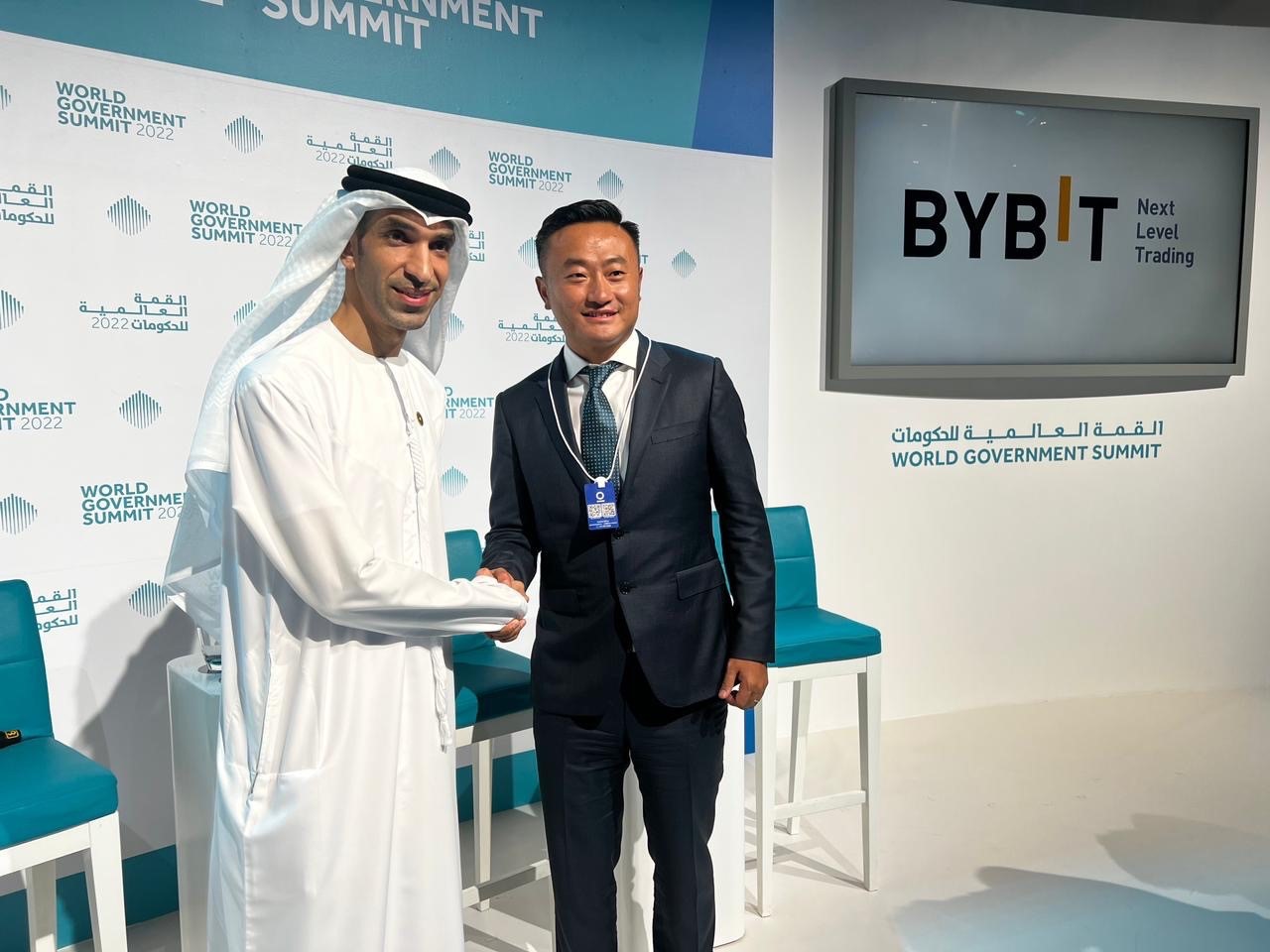
Ben Zhou, co-founder and CEO of Bybit, expressed gratitude for the SCA’s decision, stating, “We are honored to have received the in-principle approval from the SCA. This approval marks a crucial step in our journey to providing secure and transparent crypto trading solutions.” Zhou emphasized Bybit’s dedication to collaborating with regulators to foster a compliant and innovative digital asset ecosystem for investors in the UAE.

The UAE has been proactive in positioning itself as a global hub for cryptocurrency and blockchain innovation. Bybit’s regulatory progress aligns with the nation’s forward-thinking stance on digital assets, aiming to create a secure and compliant environment for trading activities. The SCA’s approval of Bybit is indicative of the UAE’s commitment to attracting reputable crypto platforms and fostering a robust digital economy.

In addition to its advancements in the UAE, Bybit is actively expanding its regulatory footprint worldwide. The exchange has secured approvals in several key markets, including India, Georgia, Kazakhstan, and Turkey. Notably, on 25 February 2025, Bybit announced its re-entry into the Indian market after successfully registering with the Financial Intelligence Unit . This move followed a temporary suspension due to compliance issues, during which Bybit paid a $1 million penalty for operating without proper registration. The exchange has since aligned with Indian regulatory standards, resuming full services for existing users and gradually onboarding new clients.

However, Bybit’s global expansion has not been without challenges. In late 2024, the exchange temporarily adjusted its operations within the European Economic Area to comply with the region’s Markets in Crypto-Assets regulations. This decision reflects Bybit’s commitment to adhering to varying regulatory landscapes and ensuring compliance across jurisdictions.

The recent security breach has also prompted scrutiny from regulatory bodies. In Japan, the Financial Services Agency has urged major app stores to delist Bybit and other unregistered crypto exchanges, citing concerns over unlicensed operations and potential risks to investors. This development highlights the importance of robust security measures and regulatory compliance as Bybit continues its global expansion.

In response to the security incident, Bybit has taken steps to mitigate the impact on its users. The exchange has replaced the stolen Ether to ensure that customer funds remain unaffected. This action demonstrates Bybit’s commitment to maintaining user trust and upholding the integrity of its platform.

The cryptocurrency market has been closely monitoring Bybit’s developments, especially in light of the recent security breach. Market analysts suggest that while the in-principle approval from the SCA is a positive development, Bybit’s ability to enhance its security infrastructure and navigate complex regulatory environments will be critical to its sustained growth and reputation.

By Raju Kumar BHOPAL: Madhya Pradesh, often referred to as the “Heart of India,” is renowned for its rich historical, cultural, and natural heritage. The state government has implemented various initiatives to develop the tourism sector and attract investments. The Global Investors Summit 2025 in Bhopal has raised hopes for a renewed focus on the […]


In a significant advancement for the United Arab Emirates’ financial sector, Hubpay, a cross-border payments platform, has partnered with Aquanow, a leading digital asset infrastructure provider, to launch the nation’s first fully regulated cryptocurrency payment gateway tailored for businesses and small to medium-sized enterprises . This collaboration enables companies across various sectors—including real estate, manufacturing, and general trading—to securely accept cryptocurrency payments alongside traditional fiat transactions.

The introduction of this regulated crypto payment facility comes in the wake of the UAE Central Bank’s Payment Token Services Regulation , which was enacted on 6 July 2024. The PTSR establishes a comprehensive framework for digital payment services in the UAE, particularly those involving cryptocurrency ‘payment tokens’ or ‘stablecoins’. Under this regulation, entities offering payment token services must obtain appropriate licensing or registration from the Central Bank to operate within the country.

Aquanow, recognized for its comprehensive trading and payment solutions in the digital asset space, has been awarded a Virtual Asset Service Provider license by Dubai’s Virtual Assets Regulatory Authority . This license authorizes Aquanow to offer broker-dealer services, management and investment services, and lending and borrowing services related to virtual assets within the Emirate. The partnership with Hubpay leverages Aquanow’s licensed infrastructure to facilitate seamless and secure cryptocurrency transactions for businesses operating in the UAE.

The UAE has been proactive in positioning itself as a global hub for the cryptocurrency industry. Government-owned licensing firm KIKLABB in Mina Rashid, Dubai, now accepts cryptocurrency payments—including Bitcoin , Ethereum , and Tether —for various trade licenses and visas. Additionally, the Dubai Financial Services Authority has announced plans to develop a comprehensive crypto-regulatory framework, further solidifying the nation’s commitment to embracing digital assets.

WDTA APAC Institute Inaugurated to Lead AI Governance and Standards Development HONG KONG SAR – Media OutReach Newswire – 27 February 2025 – Cyberport, the World Digital Technology Academy (WDTA) and the International Academicians Science & Technology Innovation Centre (IASTIC) co-organised the “AI Safety, Trust, and Responsibility (AI STR)” Forum. This event served as the Hong Kong session of the recently concluded AI Action Summit 2025 in […]

VISHNU RAJA
RYO YAMADA
HITORI GOTOH
IKUYO KITA