News related to
data

Crude oil prices are projected to remain within the $70 per barrel range, influenced by multiple factors, including potential oversupply conditions and shifts in geopolitical dynamics. Experts suggest that while the market might stabilize around this figure, uncertainty from global demand and political maneuvers will continue to shape its trajectory in the coming months.

The crude market has entered a phase where supply and demand fundamentals are being tested against evolving global economic conditions. Several key developments, particularly around oil-producing nations, have created a delicate balance that keeps prices in a relatively stable range, yet susceptible to fluctuations driven by external factors.

For months, the oil market has been closely watching the decisions of the Organization of the Petroleum Exporting Countries (OPEC) and its partners, such as Russia, who collectively manage production quotas to balance supply. OPEC’s recent moves to curb production have been aimed at propping up prices, but an increase in U.S. oil output has led to speculation that there may be an oversupply in the market. The United States has reached record production levels, largely driven by shale oil, which could overshadow OPEC’s production cuts.

Geopolitical tensions in major oil-producing regions, such as the Middle East, remain a persistent risk to price stability. However, analysts have indicated that, at least for now, the global oil market is able to absorb disruptions without a significant impact on prices. The advent of more diverse energy sources, including natural gas and renewable energy, has also lessened oil’s price volatility compared to previous decades.

One of the most notable contributors to the ongoing price forecast is former U.S. President Donald Trump’s impact on energy policies. His administration’s push for energy independence and deregulation policies have led to a surge in domestic oil production. While Biden’s administration has implemented more stringent climate and energy policies, the effects of Trump’s legacy are still visible, with shale producers continuing to drive the U.S. oil production boom.

Despite this, global oil consumption, especially in China, has shown signs of slower growth, a factor that could weigh on oil prices. Experts note that while China remains a major driver of global energy demand, its economic slowdown could dampen the demand for crude, putting downward pressure on prices. Additionally, OPEC’s attempts to control prices by adjusting production could be more difficult to execute as non-OPEC countries, particularly the U.S., maintain higher levels of output.

Environmental pressures are also playing a role in shaping oil demand. Many nations are intensifying their efforts to transition to cleaner energy sources, potentially limiting the demand for fossil fuels in the long term. Governments worldwide are setting more ambitious renewable energy targets and offering incentives for green technologies, which could lead to a future reduction in oil dependency.

Despite these long-term trends, the immediate outlook for crude remains cautiously optimistic. The global recovery from the pandemic, especially in developed economies, is expected to continue driving demand for oil, particularly for transportation and manufacturing. Yet, the resurgence of COVID-19 in certain regions and the ongoing supply chain disruptions may have a complex impact on global economic growth, which will, in turn, influence oil demand.

In the U.S., gas prices remain a central topic as consumers face fluctuating fuel costs. While gas prices in the country have seen recent increases due to tighter refinery margins and seasonal demand spikes, there is no consensus on how long this trend will persist. Analysts believe that domestic production levels, combined with seasonal factors, could prevent prices from surging uncontrollably.

In Europe, the situation is more nuanced. Energy prices, including natural gas and oil, have been a driving force behind inflation. The war in Ukraine, ongoing for several years now, has further complicated Europe’s energy dynamics, pushing countries to reconsider their energy strategies. Despite Europe’s focus on alternative energy, oil continues to play a significant role in meeting energy demand, particularly in transportation and industry. With the cost of living rising and energy prices still high, consumers in Europe are facing additional financial strain.

At a global level, the shift toward more sustainable energy production and consumption is growing, but it is clear that oil remains a cornerstone of the global energy mix for the time being. Countries that rely heavily on oil exports, like Saudi Arabia and Russia, continue to exert influence on the market, pushing for price stabilization measures. However, the dynamics of global energy consumption are changing, and the transition to greener alternatives remains a key factor to monitor.
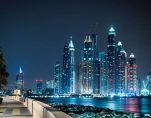
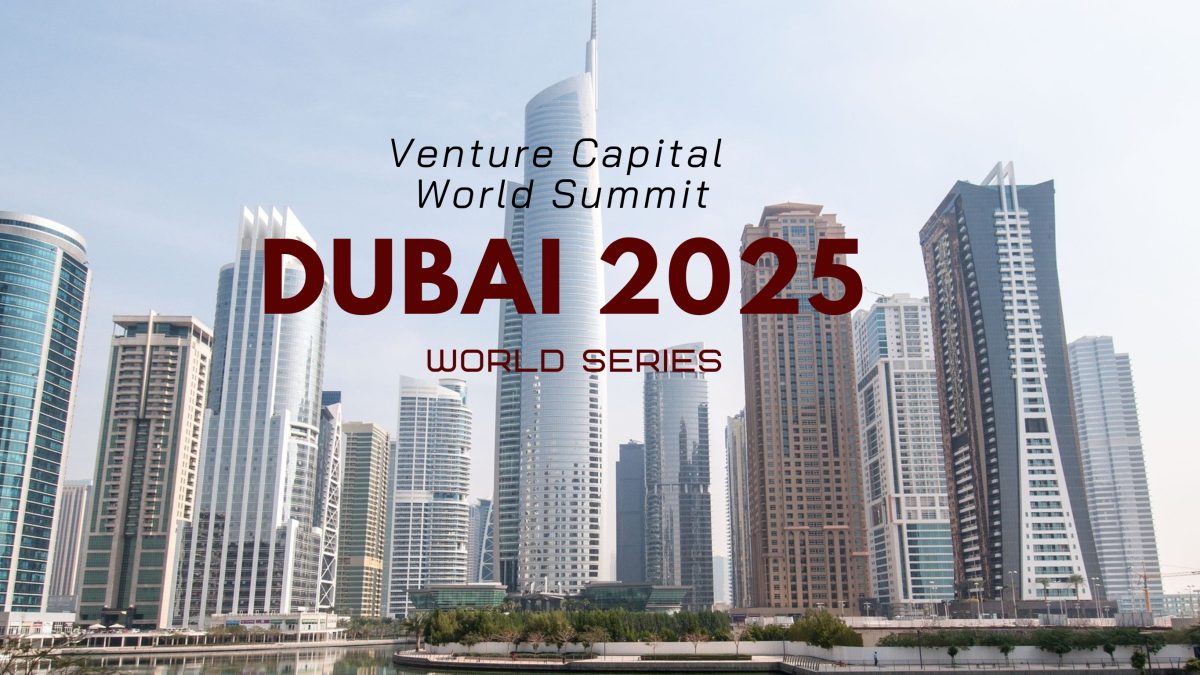
Dubai’s property market has experienced a remarkable surge in demand, with the fourth quarter of 2024 marking the highest-ever quarterly sales, signaling a bullish outlook for 2025. The city’s real estate sector continues to attract investors and homebuyers, bolstered by favorable economic conditions and government initiatives aimed at supporting growth. The trend suggests that Dubai’s property market will likely maintain its momentum, making it one of the most attractive destinations for real estate investment globally.

The Dubai Land Department (DLD) reported that in Q4 2024, the total value of real estate transactions soared to new heights, breaking previous records. In addition to an increase in the volume of sales, the average property prices have seen upward movements, driven by high demand in both residential and commercial segments. This strong performance is attributed to a combination of factors, including the city’s resilient economic recovery, strong investor confidence, and a growing population that is increasingly seeking quality housing and investment opportunities.

Leading this growth is the luxury real estate segment, which has experienced a particularly sharp uptick. High-net-worth individuals and international investors have shown a preference for prime residential properties, with villas, penthouses, and beachfront developments seeing the most significant price increases. As international travel restrictions ease and global investors return to the market, Dubai’s luxury offerings continue to be seen as attractive, safe havens for capital preservation.

In addition to the luxury sector, there is increasing interest in mid-market housing. The city’s developers have been responding to this demand by focusing on affordable housing projects, catering to the growing middle class. Several large-scale developments, particularly in emerging areas such as Dubai South, Dubai Creek Harbour, and Mohammed bin Rashid City, are underway to address this need.

The government’s proactive role in shaping the property landscape cannot be overstated. Initiatives such as long-term visas, tax breaks, and investor-friendly policies continue to provide a favorable business environment for property owners. Furthermore, the Expo 2020 Dubai, despite its delayed launch, has had a lasting impact on the city’s infrastructure, attracting additional global attention and investment. The city’s diverse and dynamic economy, with sectors like tourism, technology, and finance growing at a rapid pace, further strengthens the property market’s growth potential.

Dubai’s location as a global financial hub and a gateway between East and West remains a crucial factor for foreign buyers. The city’s diversification efforts, which focus on sectors such as fintech, renewable energy, and logistics, make it an attractive option for investors seeking growth and stability. As a result, Dubai’s real estate market remains a strong performer compared to other global cities.

The UAE’s ambitious Vision 2025 plans, which include expanding tourism, enhancing urban infrastructure, and fostering a knowledge-based economy, will likely boost demand for both residential and commercial properties in the long term. These national efforts support the city’s appeal as a thriving center for business and leisure, encouraging both local and foreign investments.

As Dubai’s economy continues to diversify and evolve, real estate will remain a key pillar. Developments in the infrastructure sector, such as the expansion of the Dubai Metro and road networks, are expected to play a significant role in sustaining the growth of property markets in both established and developing areas. Additionally, a growing focus on sustainability and green developments has led to an increase in eco-friendly properties, which appeal to environmentally conscious buyers and investors.

The residential market, while currently the star of the show, is not the only segment benefitting from this upswing. Dubai’s commercial real estate market has also seen robust demand, particularly in office spaces and retail developments. As more businesses, particularly tech and financial firms, establish a foothold in the city, the demand for high-quality office spaces in prime locations has risen. Moreover, the hospitality industry has also enjoyed a boost, with new luxury hotels and resorts attracting both international and regional visitors, supporting the broader tourism sector.

Looking ahead to 2025, experts predict that Dubai’s property market will continue to attract investment, particularly from buyers and developers seeking stability amid global economic uncertainties. Analysts are particularly optimistic about the long-term prospects of the market, with the growing demand for both luxury and affordable housing creating a balanced real estate ecosystem. The projected growth of the city’s economy, combined with its increasing role as a global business hub, positions Dubai to maintain its upward trajectory.

Despite the optimistic outlook, challenges remain, particularly in terms of rising construction costs and the potential for market saturation in some areas. However, developers are adapting to these challenges by focusing on innovative design and sustainable construction practices. The launch of new projects is expected to continue at a strong pace, with an emphasis on meeting the needs of an increasingly diverse population. Whether through green building initiatives, mixed-use developments, or community-focused design, Dubai’s real estate sector is evolving to meet the demands of modern buyers and investors.

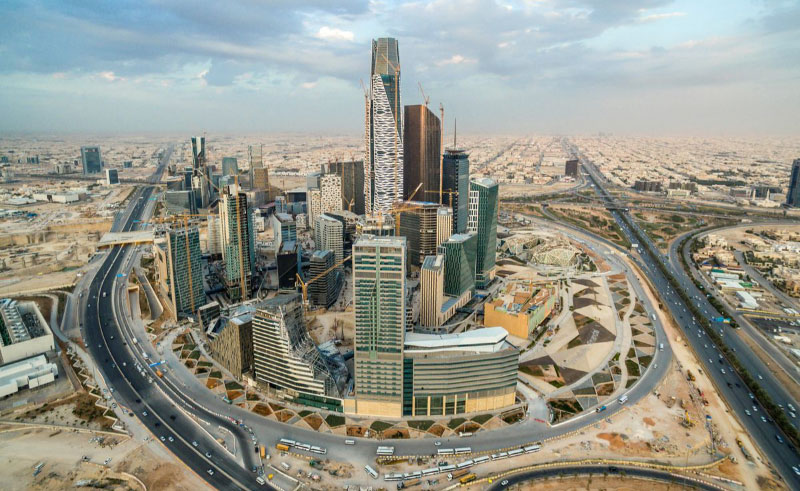
Saudi Arabia has secured a significant financial agreement, arranging a $666 million Shariah-compliant revolving credit facility. This deal represents the country’s continuing efforts to bolster its economy while maintaining adherence to Islamic financial principles. The facility was structured in alignment with Shariah law, which prohibits earning or paying interest, marking an important step for the nation’s economic and fiscal policies.

The loan is set to bolster Saudi Arabia’s financial resources, enabling it to support its economic diversification programs under Vision 2030. This initiative, launched by Crown Prince Mohammed bin Salman, aims to reduce the kingdom’s reliance on oil revenues by expanding investments in sectors like technology, tourism, and entertainment. As part of this strategy, Saudi Arabia has been working to establish itself as a leading hub for global finance, with a strong focus on Islamic finance.

Key international and local banks participated in the deal, underscoring the growing confidence in Saudi Arabia’s financial and economic reforms. The country’s ability to attract investment in this manner signals a positive outlook for its economic future, as it navigates the transition towards a more diverse and sustainable economic model.

The revolving credit facility is structured to provide flexibility in financing, offering Saudi Arabia the ability to draw and repay funds as needed. This arrangement reflects a growing trend among global sovereigns seeking to tap into Shariah-compliant financial instruments. The use of such instruments is becoming increasingly popular, especially in the Middle East, where Islamic finance is a long-standing practice.

Saudi Arabia’s commitment to maintaining a robust and diversified economy is evident in its proactive approach to financing. The revolving credit facility aligns with the broader objectives of Vision 2030, aiming not only to reduce the kingdom’s dependence on oil exports but also to position it as a key player in the global financial landscape.

The financial facility is also a testament to the continued strength of the Saudi banking sector. Despite challenges posed by global economic fluctuations, Saudi banks have demonstrated resilience, supported by sound regulatory frameworks and a relatively stable domestic economy. This deal further underscores the country’s ability to secure favorable financing terms in the global market.

For global investors, this deal represents a favorable opportunity, as Saudi Arabia’s creditworthiness remains strong, bolstered by its strategic economic initiatives. With international markets increasingly receptive to Shariah-compliant investments, Saudi Arabia is well-positioned to capitalize on these trends, fostering further growth and stability.

The arrangement also reflects the broader international appetite for Islamic finance products. Global financial institutions are increasingly keen on structuring deals in compliance with Islamic finance principles, attracted by the stability and ethical foundations of these financial models. This aligns with global financial trends that emphasize sustainability, ethical investing, and financial inclusion.

Saudi Arabia’s ability to attract such significant financing indicates a growing trust in the kingdom’s economic reforms. With continued investments in infrastructure and development projects, the deal contributes to the country’s long-term economic objectives. This marks another milestone in the ongoing evolution of Saudi Arabia’s financial landscape, which aims to integrate more Islamic finance mechanisms and create a sustainable, diversified economy.

The success of the deal highlights the growing sophistication of the Saudi financial market. As more international institutions embrace Shariah-compliant products, the kingdom is establishing itself as a financial powerhouse in the region. This further positions Saudi Arabia as a leader in Islamic finance, not only attracting regional but also global investors seeking ethically aligned opportunities.

The $666 million deal is part of a broader set of financial moves that align with the kingdom’s Vision 2030 goals. With a clear focus on reducing its dependency on oil and diversifying into other sectors, Saudi Arabia is positioning itself as a destination for international investment. This revolving credit facility represents a key component of these efforts, reinforcing Saudi Arabia’s fiscal stability and commitment to a robust, sustainable future.

SINGAPORE – Media OutReach Newswire – 2 January 2025 – Crystal Learning Pte. Ltd. and Lingo School of Knowledge are pleased to announce the streamlining of their combined language offerings following their recent merger. This strategic decision will create a more focused and efficient portfolio, enabling regular class openings, greater operational synergy, and more opportunities for students to start their language learning journeys. Under this new structure, […]

SINGAPORE – Media OutReach Newswire – 2 January 2025 – Conservation International and Sateri, a member of the RGE group of companies, have announced the launch of the third phase of the Poyang Lake Ecosystem Restoration Initiative. This new phase marks a critical milestone in restoring China’s largest freshwater lake by integrating carbon neutrality efforts, building on the initiative’s significant success since its inception in 2019. Located […]

LAS VEGAS, USA – Media OutReach Newswire – 2 January 2025 – VinAI has announced its participation in the Consumer Electronics Show (CES) 2025, taking place from January 7 to January 10, 2025, in Las Vegas, USA. At CES 2025, VinAI will showcase cutting-edge AI technologies such as DrunkSense and Touch2Park in an exclusive in-vehicle demonstration, reaffirming their superior integration capabilities and commitment to delivering groundbreaking mobility […]

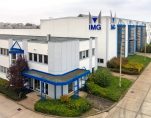
Future of IMG Ingenieurtechnik und Maschinenbau GmbH secured at the site – Picture is available at AP – ROSTOCK / GRÜNHEIDE – Newsaktuell – 2 January 2025 – Rescue for jobs at Rostock-based IMG Ingenieurtechnik und Maschinenbau GmbH (IMG). Zachert Ingenieurtechnik und Maschinenbau GmbH, a wholly owned subsidiary of Zachert Private Equity GmbH (ZPE), will take over the long-established mechanical engineering company when the contracts are signed […]

Advertisements
By P. Sudhir The year 2024, which has ended, has been a tumultuous one both nationally and internationally. In India, the year began with the State-sponsored installation of the idol at the newly-built but incomplete Ram temple at Ayodhya, a signal from the BJP rulers that the era of Hindutva raj has begun. This was […]


HONG KONG SAR – Media OutReach Newswire – 2 January 2025 – With much fanfare, Hong Kong welcomed the inaugural scheduled commercial flight outside of Mainland China of the country’s first domestically developed and built C919 passenger jet aircraft on January 1, 2025. The C919 aircraft receives a water salute at Hong Kong International Airport and warm welcome by Secretary for Transport and Logistics Mable Chan (first […]

Source – Patreon

Dubai’s public transport network experienced a significant surge in usage during New Year’s Eve celebrations, with over 2.5 million passengers utilizing various modes of transportation, marking a 9.3% increase from the previous year’s 2.29 million riders. The Dubai Metro, encompassing both the Red and Green lines, was the most utilized service, accommodating 1,133,251 passengers. The Dubai Tram also saw substantial patronage, transporting 55,391 individuals. Public buses played […]

Emaar The Economic City (EEC), the master developer behind Saudi Arabia’s King Abdullah Economic City (KAEC), has secured shareholder approval for a substantial capital reduction aimed at extinguishing accumulated losses. During the Extraordinary General Meeting (EGM) held on December 31, 2024, shareholders endorsed the board’s proposal to decrease the company’s capital by 53.83%, reducing it from SAR 11.33 billion to SAR 5.23 billion. This decision involves canceling […]

Saudi Arabia’s ACWA Power has successfully secured a financing deal worth $692 million for a major wind power plant in Egypt. The agreement underscores the growing momentum in the renewable energy sector as Egypt intensifies its push to diversify energy sources and reduce its carbon footprint. The financing package for the wind power plant was finalized with the involvement of a consortium of international banks, including the […]

Shuaa Capital, a leading investment firm based in the UAE, has announced the resignation of its Managing Director, following the completion of a significant debt restructuring process. The move marks a turning point for the company, which has faced challenges in the aftermath of the financial overhaul. The board of Shuaa Capital confirmed that the resignation came after the successful conclusion of the restructuring process, which was […]

Dubai Police have successfully apprehended Ridouan Taghi, a notorious international fugitive and the leader of the criminal organization ‘Angels of Death,’ marking a significant achievement in global law enforcement efforts. Taghi, who is 41 years old, had been listed on INTERPOL’s most-wanted list for years, known for his involvement in a string of violent crimes across multiple countries, particularly the Netherlands.

Taghi, a Moroccan-Dutch national, was considered one of the most dangerous individuals on the international criminal radar. His organization, the ‘Angels of Death,’ is infamous for its role in numerous murders, drug trafficking, and organized crime syndicates. Dutch authorities had been hunting him for his alleged involvement in orchestrating a series of high-profile killings, many of which were tied to the growing conflict between rival crime families in Europe. His arrest is being hailed as a major breakthrough in efforts to dismantle the vast criminal networks operating in Europe and beyond.

The fugitive was arrested in Dubai after a carefully coordinated operation involving multiple international law enforcement agencies, including the Dutch National Police and INTERPOL. The capture of Taghi is seen as a key success for international cooperation in the fight against organized crime. Dubai’s strategic position as a global hub for business and travel has made it a focal point for law enforcement operations targeting high-profile criminals seeking to evade capture.

Authorities revealed that Taghi had been living under a false identity, using sophisticated methods to conceal his whereabouts. His arrest was the result of months of surveillance and intelligence-sharing between international agencies, which eventually led investigators to Dubai. His criminal empire, which spanned several continents, involved activities such as arms trafficking, money laundering, and the coordination of several brutal assassinations. Taghi was a prime figure in a criminal syndicate that operated with brutal precision, spreading fear and violence in both his home country and across Europe.

Dutch law enforcement officials expressed relief and satisfaction at the news of Taghi’s arrest. The head of the Dutch National Police emphasized that this operation is a monumental step forward in their efforts to dismantle organized crime. “Ridouan Taghi has been at the center of one of the most violent and dangerous criminal organizations in Europe,” said the official. “His arrest is not only a victory for Dutch police but also for the international community.”

Taghi’s criminal network had long been a thorn in the side of European authorities. His involvement in high-profile killings, such as the murder of investigative journalist Peter R. de Vries, who had been reporting on the criminal activities surrounding Taghi, brought his activities into the global spotlight. The murder of de Vries shocked the Netherlands and raised concerns about the growing influence of organized crime in the country.

In addition to orchestrating murders, Taghi is also believed to have been deeply involved in the narcotics trade, particularly in the trafficking of cocaine. His ability to navigate international borders and evade capture for so long had earned him a reputation as a master of evasion. His criminal activities spanned countries, including the Netherlands, Belgium, Spain, and Morocco, and he is said to have enjoyed the protection of powerful criminal factions that further complicated efforts to bring him to justice.

The investigation into Taghi’s activities also brought attention to the role of international cooperation in combating organized crime. The success of his capture highlights the increasing importance of information-sharing and coordination among law enforcement agencies. INTERPOL, which played a key role in the operation, noted that the arrest sends a strong message to other criminals who believe they can hide from the law.

Following his arrest, Taghi was immediately placed in custody and is expected to be extradited to the Netherlands to stand trial. Dutch authorities have charged him with numerous offenses, including murder, attempted murder, and involvement in a criminal organization. His trial will be closely monitored, as it is expected to shed light on the inner workings of his criminal network and the extent of its operations.

Taghi’s arrest is likely to have significant implications for organized crime across Europe. It is expected to destabilize the power structure of the criminal organizations that have long relied on his leadership and influence. Moreover, it serves as a warning to other high-profile fugitives that international law enforcement agencies are more determined than ever to pursue them across borders.

Experts in international law enforcement have pointed out that Taghi’s capture is a rare example of the global reach of criminal organizations being successfully confronted through collaborative policing. It highlights how organized crime, which once seemed untouchable due to the complex networks that shielded its leaders, is becoming increasingly vulnerable to coordinated efforts.

Oil prices maintained stability as trading resumed in 2025, with attention shifting towards US stockpiles amid market volatility. Despite fluctuations throughout the early part of the year, oil traders are closely monitoring the latest figures from the American Petroleum Institute (API) and the Energy Information Administration (EIA), which will provide critical insights into supply-demand dynamics. As concerns over global oil supply chain disruptions wane, the US oil inventory data will likely dictate near-term market direction.

Brent crude futures remained above $85 per barrel, while West Texas Intermediate (WTI) futures hovered around $80. The two benchmarks are managing to stay resilient as markets balance competing influences, such as slowing economic growth in major markets and tighter OPEC+ production cuts. The price levels indicate that traders are cautiously optimistic about the future despite challenges.

The main point of focus for market participants is the state of US crude stockpiles. The most recent data from the EIA and API have highlighted a noticeable reduction in stock levels, which is prompting questions about how sustainable the supply will be in the coming months. The drop in reserves has led some analysts to suggest that future price pressures could be on the rise if the supply situation worsens.

In addition, OPEC+’s actions remain a significant driver for global oil prices. Throughout 2024, the oil cartel, led by Saudi Arabia and Russia, has implemented coordinated production cuts, which have helped to keep prices relatively firm despite macroeconomic pressures. This decision to limit production, particularly in the context of a potential economic slowdown, has acted as a counterbalance to potential downturns in the global oil market.

Another major consideration for analysts is the ongoing developments in the US oil industry. Despite the challenges posed by fluctuating crude prices, US shale producers have demonstrated remarkable resilience. The continued ability of shale operators to cut costs and increase efficiency has allowed the US to maintain a competitive edge in global markets. However, concerns over the long-term sustainability of shale output, particularly in the face of regulatory changes and capital constraints, continue to weigh on investors’ minds.

For now, traders are wary of potential shocks to the oil market. Geopolitical tensions, particularly in the Middle East, have the potential to disrupt supply lines, and this possibility keeps the oil markets on edge. Despite the efforts by OPEC+ to stabilize prices, uncertainty surrounding global economic recovery and energy demand adds an element of volatility that traders are unwilling to ignore.

The US, as the world’s largest producer of oil, has become a critical factor in the stability of oil prices. The actions of the Federal Reserve and its stance on interest rates are expected to have a ripple effect on global energy markets. A stronger US dollar could potentially dampen demand for oil in international markets, while changes in US monetary policy could either stimulate or slow down global growth, influencing oil consumption patterns.

In this environment of caution, oil traders are also keeping an eye on upcoming policy shifts in major economies. While the US continues to prioritize energy independence, the global push towards cleaner energy alternatives remains a challenge to traditional oil demand. Countries such as China, which have been transitioning towards renewable energy, continue to create uncertainty in long-term projections for oil consumption.

Despite this, the global energy market has been adjusting to the new reality of higher oil prices, particularly in response to tighter production controls. The shift in pricing power towards OPEC+ and other oil-exporting nations underscores the changing dynamics of the global energy landscape, where once-dominant oil-consuming countries may find themselves on the back foot in the coming years.

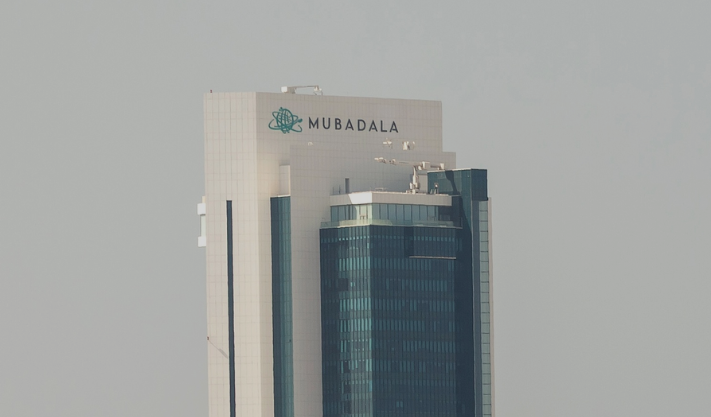
Abu Dhabi’s sovereign wealth fund Mubadala has taken the lead in global investment deals, outshining Saudi Arabia’s Public Investment Fund (PIF) with a remarkable $29 billion in recent transactions. The massive deals, which span various sectors from energy to technology, signal Mubadala’s growing influence in international markets and its strategic approach to diversifying assets. This shift also highlights the evolving power dynamics between the Gulf’s financial titans, with each country intensifying efforts to bolster its economic position amid fluctuating oil prices and geopolitical shifts.

Mubadala’s landmark investments come at a time when Saudi Arabia has aggressively expanded the reach of its PIF, particularly through high-profile acquisitions and a focus on sectors such as entertainment, tourism, and green energy. However, Mubadala’s swift maneuvers in the market have positioned it to not only compete with the PIF but potentially reshape the future of the investment landscape in the Middle East. The fund’s most notable deals include a series of investments in technology companies, as well as strategic moves in the renewable energy sector, aimed at securing long-term returns in an increasingly volatile global economy.

Experts suggest that Mubadala’s success is tied to its methodical approach to diversification. Unlike the PIF, which has been bold in pursuing large-scale, high-risk investments, Mubadala has focused on stabilizing its portfolio with balanced investments across a wide range of industries. This includes a heightened focus on cutting-edge industries such as artificial intelligence, clean energy, and biotechnology. As a result, Mubadala has emerged as a significant player in these high-growth areas, while also maintaining a strong foothold in more traditional sectors like real estate and infrastructure.

The timing of Mubadala’s recent success also speaks volumes about its ability to adapt to changing market conditions. Amid rising inflation and shifting investor sentiments, the fund has strategically pivoted towards companies with promising growth prospects, even as market conditions become more unpredictable. The diversification strategy has not only paid off but has also placed Mubadala in a position to capitalize on opportunities in the rapidly changing global economy.

Saudi Arabia, meanwhile, is determined to maintain the prominence of the PIF as the engine driving the kingdom’s economic transformation under its Vision 2030 plan. The PIF has ramped up its investments in global companies, most notably in the entertainment and sports sectors, including stakes in firms like Lucid Motors and endeavors such as the development of the $500 billion smart city, Neom. But despite the PIF’s ambitious projects and high-profile investments, critics argue that its heavy reliance on the oil sector makes it vulnerable to market fluctuations, a concern that Mubadala’s diversified approach may be better positioned to mitigate.

Saudi officials have defended the PIF’s strategy, stating that it plays a critical role in advancing the country’s non-oil economy. The PIF’s investments, particularly in the entertainment and sports sectors, are expected to bring long-term returns and aid in the creation of new jobs, especially for Saudi youth. Yet, this aggressive pursuit of diversification has raised questions about the risk of spreading its resources too thin. Mubadala, on the other hand, has positioned itself to weather global downturns by maintaining a more balanced portfolio, one that includes significant investments in both emerging technologies and established industries.

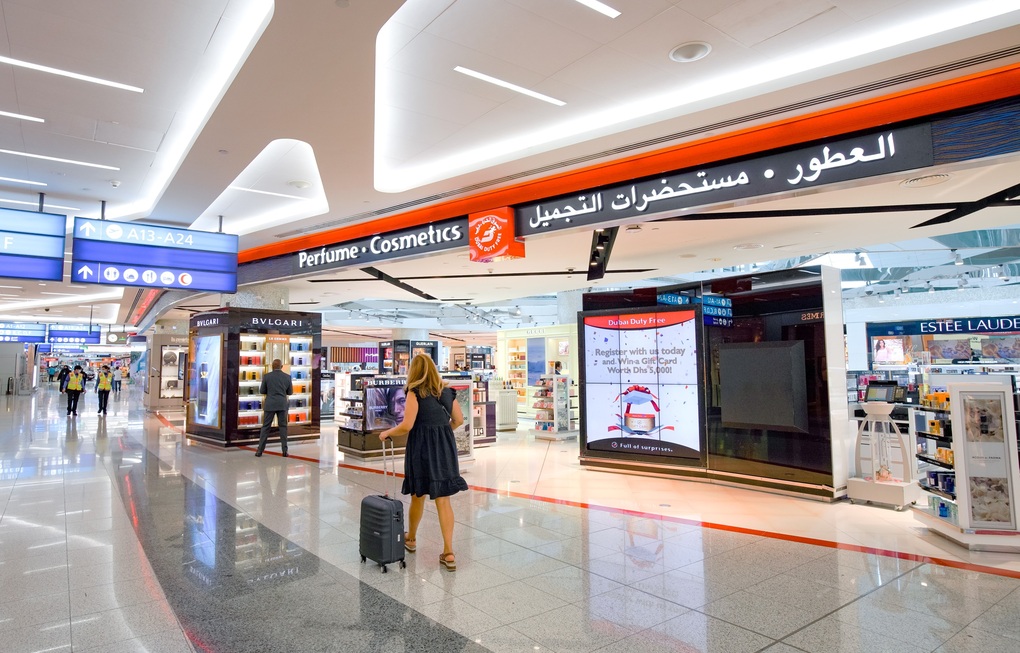
Dubai Duty Free (DDF) has reported a record annual turnover of AED7.901 billion (US$2.16 billion) for 2024, marking a significant achievement in the retail sector.

December 2024 was particularly noteworthy, with sales reaching AED821.94 million (US$225.19 million), a 2% increase over December 2023, setting a new monthly record for the retailer.

A key contributor to this December surge was DDF’s 41st anniversary celebration on December 20, which featured a 25% discount on a wide range of products. This promotion generated AED59.99 million (US$16.44 million) in sales within a 24-hour period.

Throughout 2024, DDF processed over 20.733 million sales transactions, averaging 56,649 per day, and sold 55.137 million units of merchandise. An estimated 13.7 million customers shopped at its arrivals and departures stores during the year.

Online sales contributed AED197 million (US$54 million), representing 2.5% of the total annual turnover. Sales in departures accounted for 90% of overall sales, with AED7.121 billion (US$1.951 billion), reflecting a modest 0.84% year-on-year growth. In contrast, arrivals sales fell by 12.21% to AED537 million (US$147 million).

The top five categories for the year were perfumes, followed by liquor, cigarettes and other tobacco products, gold, and electronics. Perfumes retained their position as the top-selling category, with sales of AED1.50 billion (US$411 million), contributing 19% of total sales and showing a growth of 9.79% year-on-year.

Liquor reached AED1.056 billion (US$289 million), accounting for 13% of annual sales but declined by 6.6% over the previous year. Sales of cigarettes and other tobacco products rose by 8.27% to AED807 million (US$221 million), making up 10.2% of total sales. Gold sales were AED779 million (US$213 million), just ahead of the category’s 2023 performance, accounting for 9.86% of total revenue. Electronics completed the top five with sales of AED546 million (US$149 million), down 13% on 2023, representing 7% of turnover.

In line with the growth of the operation, staff recruitment continued in 2024, with total staff numbers now at 6,030, comprising 54 different nationalities. Notably, the senior management team was strengthened with the recruitment of eight senior managers in key roles, including seven UAE Nationals.

SHENZHEN, CHINA – Media OutReach Newswire – 2 January 2025 – A recent study conducted by Yeahka Limited (9923.HK), a leader in payment processing solutions, sheds light on the transformative impact of the AI revolution that has been intensifying since the end of 2022, sparked by innovations such as ChatGPT. This surge has drawn a myriad of industry leaders and academic experts into the development of large-scale […]

HONG KONG SAR – Media OutReach Newswire – 2 January 2025 – Canon Hongkong Company Limited (Canon Hong Kong) is pleased to announce today the appointment of Mr. Gary Lee as the company’s new CEO, with immediate effect. With over three decades of experience in accounting and finance, Mr. Lee joined Canon Hong Kong in 1997 and has held several senior management positions across different business units […]

By Nitya Chakraborty The New Year 2025 has started in the backdrop of the restoration of the ruling party BJP’s confidence following its electoral successes in the state assembly elections in Maharashtra and Haryana and completely overshadowing the Samajwadi Party in the assembly by polls in Uttar Pradesh. The Party leadership of the BJP and […]


SINGAPORE – Media OutReach Newswire – 1 January 2025 – The inaugural Yuewen Music Festival illuminated the sky over Singapore with a magnificent display of over a thousand drones and dazzling fireworks, both inspired by popular Yuewen Intellectual Properties (IPs). This innovative fusion of music and IP has captivated audiences from around the world. The festival’s grand finale on December 31st As the clock’s hands steadily approached […]

SYDNEY, AUSTRALIA – Media OutReach Newswire – 1 January 2025 – With the rapid development of the Web3 ecosystem, 2024 undoubtedly marks a pivotal moment in the blockchain industry. This year, Memecoins have transformed from speculative assets into a mainstream cultural phenomenon, becoming a key driver of widespread consensus and wealth transfer. As new issuance models and evolving asset types continue to emerge, the substantial investment opportunities […]

Source – Patreon

VISHNU RAJA
RYO YAMADA
HITORI GOTOH
IKUYO KITA