News related to
data

Khalifa Economic Zones Abu Dhabi Group and ETG Bio Green Polymer have signed a 50-year land lease agreement to establish a cutting-edge compostable polymers factory in KEZAD Al Ma’mourah. This strategic partnership aims to produce 100% sustainable polymers, facilitating manufacturers’ shift towards eco-friendly, plastic-free packaging solutions. The forthcoming facility is poised to significantly enhance the region’s sustainable manufacturing capabilities. By producing compostable polymers, it will address the […]

Oil prices experienced a decline on Friday, with Brent futures decreasing by 73 cents, or 0.95%, to $75.75 per barrel, and U.S. West Texas Intermediate crude falling by 73 cents, or 1%, to $71.75 per barrel. Despite this downturn, both benchmarks were poised for a weekly gain, influenced by supply disruptions in Russia and ongoing uncertainty surrounding potential peace negotiations in Ukraine.

The market has been reacting to recent events impacting supply dynamics. Ukrainian drone strikes targeted a key pumping station on a major international pipeline in southern Russia, disrupting oil supplies from Kazakhstan. This incident has heightened concerns over the stability of oil exports in the region, contributing to price volatility.

In the United States, oil refiners are expected to shut in about 1.25 million barrels per day of capacity in the week ending February 21, increasing available refining capacity by 258,000 bpd. Offline capacity is projected to fall to 893,000 bpd in the week ending February 28. These adjustments in refining operations reflect the industry’s response to current supply and demand conditions.

Global oil demand growth is projected to average 1.1 million bpd in 2025, up from 870,000 bpd in 2024. This increase is primarily driven by emerging Asian economies, with China remaining a significant contributor due to its petrochemical sector. However, the pace of China’s expansion is expected to slow, and OECD demand is forecast to return to a structural decline following a modest increase last year.

World oil supply experienced a decline of 950,000 bpd to 102.7 million bpd in January, influenced by seasonally colder weather affecting North American production, as well as output decreases in Nigeria and Libya. Despite this reduction, supply remains 1.9 million bpd higher than a year ago, with gains led by the Americas. Projections indicate that global oil supply will increase by 1.6 million bpd to 104.5 million bpd in 2025, assuming OPEC+ voluntary cuts remain in place.

The Energy Information Administration forecasts that Brent crude oil prices will average $74 per barrel in 2025, before declining to $66 per barrel in 2026. This outlook considers factors such as increasing production and relatively weak global oil demand growth, leading to a rise in global oil inventories and exerting downward pressure on prices.

Market participants are closely monitoring geopolitical developments, particularly the potential for peace negotiations between Russia and Ukraine. The outcome of these discussions could significantly impact global oil supply and demand dynamics, influencing price trajectories in the near term.

Gulf Craft, a prominent yacht and boat manufacturer, has entered into a partnership with the Dubai Institute of Design and Innovation to advance innovation and nurture talent within the maritime industry. This collaboration, formalised during the Dubai International Boat Show on February 21, 2025, marks the third consecutive year the two institutions have joined forces. The agreement was signed at Gulf Craft’s stand on the second day […]

The United Arab Emirates Ministry of Economy has unveiled a national digital platform designed to monitor the prices of essential commodities across the nation. This initiative aims to provide real-time tracking of key consumer goods, including cooking oil, eggs, dairy products, rice, sugar, poultry, legumes, bread, and wheat, from various retailers. The platform enables officials to compare current prices against established ceilings, ensuring compliance and preventing unjustified […]

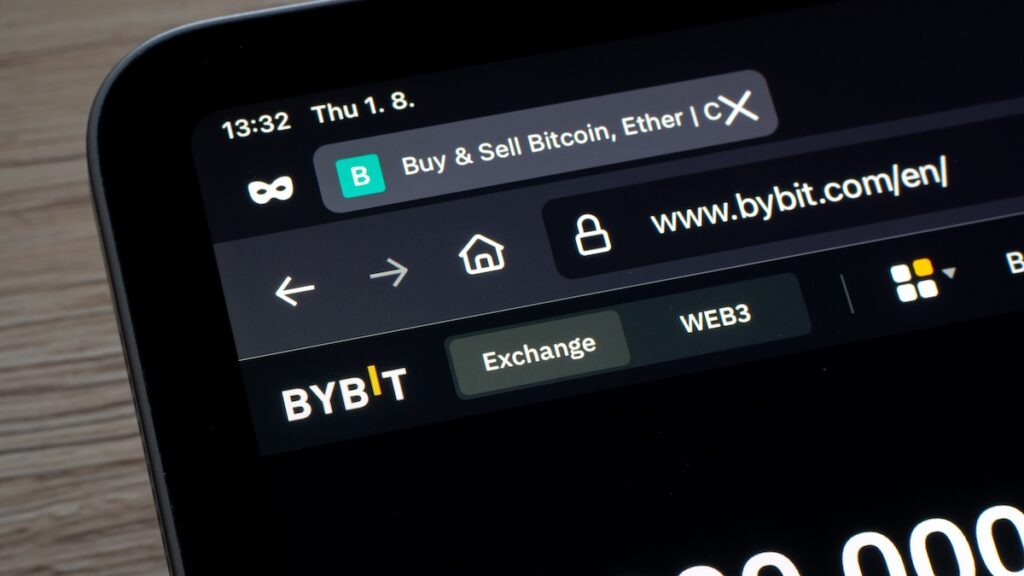
In a significant security breach, Dubai-based cryptocurrency exchange Bybit has reported the theft of approximately $1.5 billion worth of Ethereum. The incident, which stands as one of the largest in the history of digital currencies, has raised serious concerns about the security protocols of cryptocurrency platforms.

Bybit’s CEO, Ben Zhou, disclosed that during a routine transfer from the exchange’s cold wallet to a warm wallet, an attacker managed to manipulate the transaction interface. This manipulation granted the hacker control over the cold wallet, enabling the unauthorized transfer of around 401,000 Ethereum tokens to an unidentified address. Despite the magnitude of the theft, Zhou assured clients that all their assets remain fully backed and unaffected, emphasizing that the exchange’s operations continue without disruption.

The breach has prompted Bybit to collaborate with blockchain forensic experts to trace and recover the stolen funds. Initial investigations suggest that the pilfered assets are being moved across various new addresses, complicating the recovery efforts. Notably, TRM Labs, a blockchain intelligence firm, has linked the attack to North Korean hackers, citing substantial overlaps between the addresses used in this breach and those associated with previous North Korean cyber thefts. This connection underscores the escalating involvement of state-sponsored actors in large-scale cryptocurrency crimes.

In response to the incident, Bybit has processed over 350,000 withdrawal requests, aiming to maintain client trust and ensure liquidity. The exchange has also implemented bridge loans to compensate users for any unrecovered funds, highlighting its commitment to safeguarding customer interests. However, the hack has led to a noticeable decline in the value of Bybit’s native token, which experienced a drop of up to 6% following the news.

This event adds to a series of high-profile security breaches within the cryptocurrency sector. In 2024 alone, cybercriminals absconded with approximately $2.2 billion from various crypto platforms, reflecting the persistent vulnerabilities in the industry’s security infrastructure. The Bybit hack, surpassing previous incidents in scale, serves as a stark reminder of the challenges that digital asset exchanges face in protecting against increasingly sophisticated cyber threats.

The broader cryptocurrency market has also felt the impact of the Bybit breach. Both Bitcoin and Ethereum experienced slight declines in value as traders reacted to the unfolding situation. Analysts suggest that such incidents could hinder the path to mainstream adoption of cryptocurrencies, as security concerns remain a significant barrier for potential investors.

Milrem Robotics, EM&E Group, and Thales in Belgium have formalised a strategic partnership to enhance the United Arab Emirates’ defence capabilities. The collaboration aims to integrate advanced weapon systems into unmanned ground vehicles, addressing the nation’s evolving security needs. The Memorandum of Understanding , signed on 18 February 2025 in Abu Dhabi, outlines a framework for joint innovation and the integration of robotics capabilities. A primary objective […]

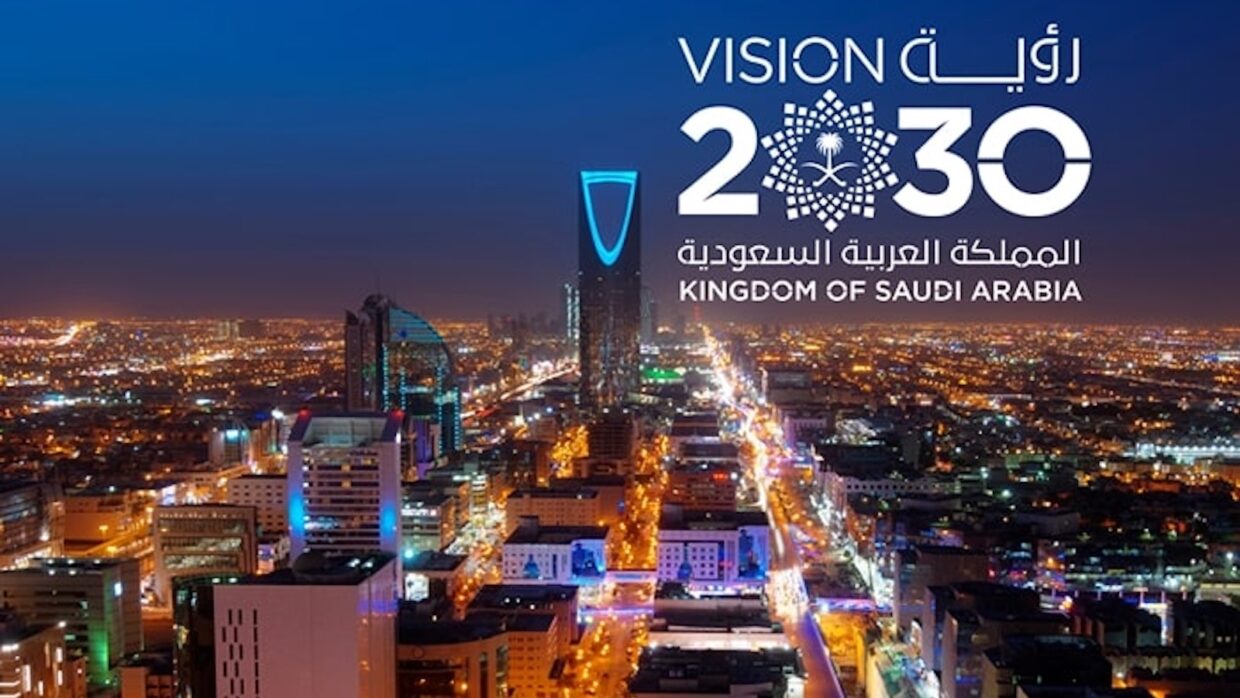
Saudi Arabia has rapidly become a pivotal player in the Gulf Cooperation Council’s private equity sector, driven by strategic reforms and its ambitious Vision 2030 agenda. Over the past five years, the Kingdom’s private equity investments have experienced remarkable growth, escalating from $523 million in 2019 to $4 billion in 2023, reflecting a compound annual growth rate of 66%. This surge underscores Saudi Arabia’s commitment to creating an investor-friendly environment that appeals to both domestic and international stakeholders.

A significant factor contributing to this expansion is the dominance of buyout transactions, which have consistently constituted approximately 80% of the total private equity capital deployed in the country. This trend indicates a robust market for mergers and acquisitions, aligning with the nation’s objectives to diversify its economy and reduce reliance on oil revenues. Additionally, growth equity investments are gaining momentum, supporting mid-sized companies poised for expansion and further stimulating economic diversification.

The Kingdom’s strategic initiatives, particularly the Shareek Program launched in 2021, play a crucial role in this transformation. Designed to bolster large Saudi enterprises, Shareek aims to accelerate private sector investments, fostering economic development and enhancing the global competitiveness of Saudi businesses. By facilitating partnerships between the public and private sectors, the program seeks to unlock new investment opportunities and drive sustainable growth.

Sector-wise, technology and infrastructure have emerged as focal points for private equity investments. The government’s emphasis on digital transformation and smart city projects has attracted substantial capital, leading to advancements in these areas. For instance, the development of NEOM, a futuristic city envisioned under Vision 2030, exemplifies the type of large-scale infrastructure projects drawing investor interest. Such initiatives not only modernize the nation’s landscape but also create a plethora of opportunities for private equity firms seeking to capitalize on the burgeoning demand for innovative solutions.

In tandem with these developments, Saudi Arabia’s Public Investment Fund has been instrumental in anchoring foreign investments within the Kingdom. By collaborating with international asset managers and financial institutions, PIF aims to attract $100 billion in annual foreign direct investments by 2030. Notable partnerships include a $2 billion Middle East infrastructure fund with Canadian asset manager Brookfield and agreements with Japanese financial entities, reflecting the Kingdom’s strategic approach to integrating global expertise and capital into its economic framework.

However, the rapid evolution of the private equity landscape is not without challenges. Proposed changes by the Accounting and Auditing Organization for Islamic Financial Institutions could introduce complexities in the Islamic debt market, potentially affecting transaction structures and investor appeal. The new rules mandate issuers of Islamic bonds to transfer legal ownership of underlying assets to investors, aiming for closer adherence to Islamic principles of risk-sharing. While intended to enhance compliance, these changes may increase transaction costs and deter investment if not managed adeptly.

Liquidity concerns persist, particularly in sectors with less mature market infrastructures. The developing nature of the private equity and venture capital ecosystems necessitates continuous efforts to deepen capital markets and enhance investor confidence. Initiatives to address these issues include the maturation of Saudi Arabia’s stock market, which is progressively offering more exit avenues for private equity investments, thereby improving liquidity and attracting further capital inflows.

The Kingdom’s proactive stance in privatizing state-owned assets across various sectors, such as energy, infrastructure, healthcare, education, tourism, and entertainment, has unlocked vast opportunities for both local and international investors. With investments now exceeding $50 billion, these privatization efforts signify a pivotal shift in Saudi Arabia’s economic landscape, promoting private sector involvement and fostering a more dynamic investment climate.

In the realm of sports and entertainment, Saudi Arabia has made significant strides, exemplified by its $1 billion investment in DAZN, a sports streaming service owned by billionaire Sir Leonard Blavatnik. This strategic move not only amplifies the Kingdom’s presence in the global sports industry but also aligns with its broader objectives to diversify the economy and enhance its international image. The collaboration aims to broadcast Saudi sports and events to over 200 markets, showcasing the nation’s commitment to expanding its cultural and entertainment footprint worldwide.


Advertisements

The Dubai Maritime Authority , under the Ports, Customs, and Free Zone Corporation, has unveiled a strategic initiative to bolster telecommunications coverage across the emirate’s waters. This project involves the installation of four advanced telecommunications towers, aiming to provide comprehensive network coverage in key maritime zones, including Dubai Islands, The World Islands, Palm Jebel Ali, and Dubai Waterfront.

Sheikh Dr. Saeed bin Ahmed bin Khalifa Al Maktoum, CEO of the DMA, emphasized that this initiative aligns with Dubai’s vision to establish itself as a premier global maritime hub. “Our participation in this project reflects our commitment to enhancing Dubai’s position as a leading center for maritime navigation, luxury yachts, and recreational marine activities,” he stated.

The announcement was made during the Dubai International Boat Show, where the DMA showcased the “Dubai Waterways Telecom Network Coverage” project. This initiative is set to enhance the telecommunications infrastructure, ensuring seamless connectivity for maritime operations and leisure activities.

In collaboration with key partners, the project aims to address existing connectivity gaps in Dubai’s maritime regions. The enhanced network is expected to support various maritime stakeholders, including commercial vessels, recreational boaters, and emergency services, by providing reliable communication channels essential for safety and operational efficiency.

This development is part of a broader strategy to integrate advanced technologies into Dubai’s maritime sector. By improving telecommunications infrastructure, the DMA seeks to attract regional and international maritime enterprises, fostering investment and reinforcing Dubai’s status as a competitive maritime capital.

The initiative also complements previous efforts to streamline maritime operations. For instance, the Telecommunications and Digital Government Regulatory Authority had previously signed a memorandum of understanding with the Ports, Customs, and Free Zone Corporation to simplify the authorization process for maritime vessels. This agreement aimed to establish a cohesive procedure for acquiring necessary authorizations through the DMA, thereby enhancing operational efficiency within Dubai’s territorial waters.

Casino aesthetics have profoundly influenced contemporary art and culture, extending beyond the gaming floors into various creative domains. The vibrant visuals, architectural grandeur, and thematic elements of casinos have become significant sources of inspiration for artists, designers, and cultural institutions worldwide.

The architectural evolution of casinos, particularly in Las Vegas, exemplifies this impact. In the early 2000s, a shift from replica-themed designs to modern art and architecture transformed the city’s landscape. Prominent architects like Helmut Jahn, Daniel Libeskind, and César Pelli were commissioned to create trendy tower casinos, aiming to attract visitors through innovative design. The CityCenter complex, for instance, showcases contemporary art installations and structures that have redefined the traditional casino image. This movement, termed “Casinopolitanism,” has influenced urban development in cities like Macau and Singapore, which have adopted similar approaches to integrate art and architecture into their casino resorts.

Artists have also drawn inspiration from casino culture, incorporating its elements into various art forms. Photographer Adam Lampton’s work in Macau captures the juxtaposition of colonial history, Chinese traditions, and modern casino-driven capitalism. His images document the rapid transformation of Macau into a gambling hub, highlighting the contrasts between grand-scale casino projects and the city’s quieter residential neighborhoods. Similarly, Las Vegas-based artist James Stanford creates digital montages that reinterpret historic neon signs into complex mandala patterns, blending traditional symbols with contemporary digital art techniques. His “Shimmering Zen” series exemplifies how casino imagery can be reimagined to produce new artistic expressions.

The interior design of casinos further exemplifies the fusion of art and environment. The Cosmopolitan of Las Vegas, for example, integrates art throughout its premises, featuring graffiti by artists like Shepard Fairey and installations such as Roark Gourley’s giant shoe sculptures. These artistic elements enhance the ambiance, creating immersive experiences that extend beyond gambling. The resort’s artist-in-residence program and digital art displays in its lobby further emphasize the role of art in enriching the visitor experience.

Casino aesthetics have also permeated popular culture, influencing fashion, film, and music. The opulent and glamorous imagery associated with casinos has been portrayed in numerous films and music videos, symbolizing luxury, risk, and excitement. This portrayal has, in turn, influenced fashion trends, with designers drawing inspiration from the lavish costumes and vibrant colors typical of casino settings. The integration of casino-inspired elements into mainstream media underscores the cultural significance of casino aesthetics in shaping contemporary art and lifestyle.

Protective measures against email fraud remain widely insufficient among leading Asia Pacific companies. Australia’s high adoption rate of proper email authentication (71%) among its top companies sets the standard for the Asia Pacific region Around 50% of leading Singapore and India’s businesses have implemented the recommended level of email authentication Concerningly, less than 20% of the largest organisations in Japan, South Korea, China and Thailand are actively […]

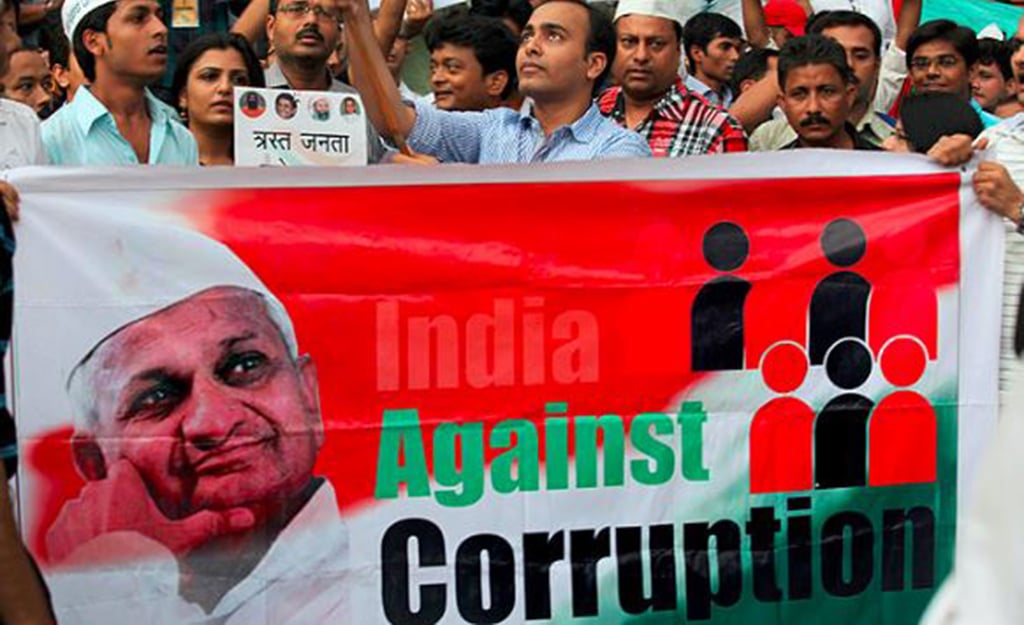
By Girish Linganna US President Donald Trump has raked up a hornets’ nest in New Delhi by claiming that $21 million in US aid to India—from the United States Agency for International Development (USAID), an independent US government agency responsible for administering civilian foreign aid and development assistance, approved earlier by Joe Biden, was used […]

Ethereum co-founder Vitalik Buterin has voiced strong objections to the integration of gambling applications, often termed “casinos,” within the blockchain ecosystem. In a recent Ask Me Anything session on the Tako platform, Buterin addressed criticisms suggesting that Ethereum’s reluctance to embrace such applications renders it “bad and intolerant.” He emphasized that this perspective signifies a troubling “moral reversal” within the crypto community.

Buterin’s remarks come amid ongoing debates about the role of gambling-related decentralized applications in the blockchain space. While some blockchain platforms have welcomed these applications, viewing them as avenues for increased user engagement and revenue, Buterin maintains that Ethereum should adhere to a higher ethical standard. He expressed disappointment with community members who advocate for the inclusion of gambling platforms, stating that such a shift would compromise the foundational values upon which Ethereum was built.

The co-founder further highlighted the contrasting approaches of different blockchain networks. He noted that while some platforms are open to any application, including gambling, Ethereum’s commitment to ethical considerations sets it apart. This distinction has led to criticisms from certain sectors, accusing Ethereum of being overly restrictive. However, Buterin argues that maintaining ethical integrity is paramount, even if it means resisting trends that prioritize profit over principle.

This stance has sparked discussions within the crypto community about the balance between innovation and ethics. Supporters of Buterin’s viewpoint argue that the long-term success and legitimacy of blockchain technology depend on its alignment with moral and ethical standards. Detractors, however, believe that limiting certain applications could stifle innovation and limit the potential uses of blockchain technology.

Global oil prices have experienced a significant decline, with West Texas Intermediate crude falling nearly 3% to $70.40 per barrel, marking a two-month low. This downturn is attributed to a combination of U.S. policy changes under President Donald Trump and evolving geopolitical dynamics in the Middle East. President Trump’s recent energy policies have introduced substantial volatility into the oil market. His administration’s focus on bolstering fossil fuel […]

Dubai’s Security Industry Regulatory Agency has officially launched the “Tawash” system, a cutting-edge digital platform designed to revolutionise the security of gold and jewellery transportation within the emirate. Unveiled during the Intersec 2025 event at the Dubai World Trade Centre, “Tawash” aims to provide real-time tracking and enhanced protection for valuable consignments, leveraging advanced artificial intelligence technologies. The “Tawash” system enables gold and jewellery companies to manage […]

Saudi Arabia is poised to lead the Middle East and North Africa region in initial public offerings in 2025, with 27 companies planning to list on its stock exchange. This surge underscores the Kingdom’s efforts to diversify its economy and strengthen its capital markets. According to a report by EY, the MENA region anticipates 38 company IPOs and 22 fund listings in 2025, spanning various sectors. The […]

Bengaluru-based digital payments firm Cashfree Payments has raised $53 million in a Series C funding round led by South Korean gaming giant Krafton, with participation from existing investor Apis Partners. This investment aims to accelerate Cashfree’s product development, market expansion, and global growth initiatives. Established in 2015, Cashfree Payments has become a significant player in India’s digital payments landscape, processing $80 billion annually for over 800,000 businesses. […]

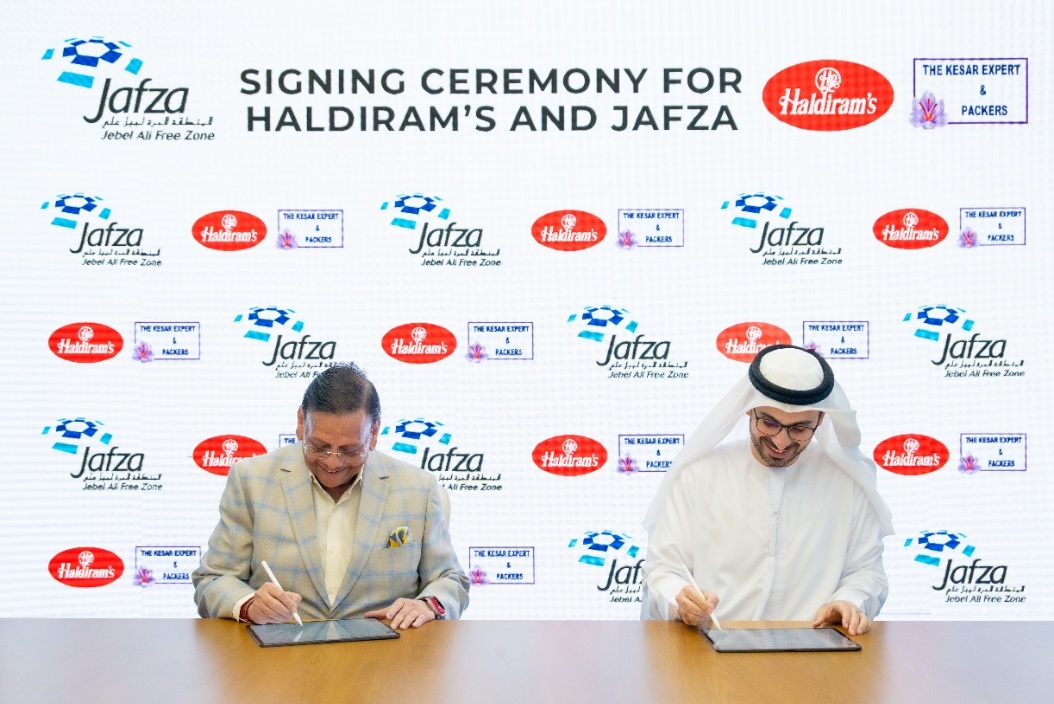
Jebel Ali Free Zone has entered into a partnership with Indian multinational food brand Haldiram’s to establish one of the largest saffron processing facilities in the Gulf Cooperation Council region. The agreement was formalised during the Gulfood event in Dubai.

Scheduled to commence operations in March 2025, the facility will be managed by Kesar Expert & Packers, a company with 22 years of experience in high-quality saffron processing in India. The plant aims to obtain the globally recognised European BRCGS certification, ensuring the quality and purity of its saffron products.

Initially, the hub will process 30 metric tonnes of saffron annually, with plans to expand capacity to 100 metric tonnes over the next five years. This growth strategy will leverage the Comprehensive Economic Partnership Agreement between the UAE and India, as well as the advanced connectivity and infrastructure provided by Jebel Ali Port and Jafza.

The collaboration also explores further avenues, including expanding Haldiram’s presence in Dubai and investing in additional food processing and distribution facilities. This initiative underscores Dubai’s position as a global trade hub, bolstered by Jafza’s thriving food and beverage sector, which currently hosts over 770 companies.

This development aligns with a series of significant engagements by Indian food and beverage companies at Gulfood. Reliance Consumer Products Limited introduced its renowned brand Campa to the UAE market, marking its inaugural entry, facilitated by Abu Dhabi’s Agthia Group. Additionally, Lulu Retail has signed nine strategic memorandums of understanding with global manufacturers to enhance product offerings across the GCC and beyond. Among these agreements is the introduction of Milaf Cola, a carbonated date beverage from Saudi Arabia, to LuLu stores throughout the GCC, with future plans to enter the Indian market.

President Donald Trump has executed a significant overhaul of the U.S. military’s top leadership, dismissing Air Force General Charles Q. Brown Jr., the Chairman of the Joint Chiefs of Staff, along with five other senior military officials. This move, announced late Friday, marks an unparalleled shift within the Pentagon’s hierarchy. General Brown, who made history as the first African American to serve as the nation’s highest-ranking military […]

GWSLTD has introduced an AI-based cryptocurrency quantitative investment strategy, projecting daily returns of 5% and an annualized return of 986.23%. This initiative is designed to outperform traditional cloud mining platforms. The strategy employs machine learning and big data analytics to navigate the volatile digital currency market, focusing on assets like Bitcoin , Ethereum , Dogecoin , and Tether . By leveraging AI, GWSLTD aims to enhance investment […]

SHANGHAI, CHINA – Media OutReach Newswire – 21 February 2025 – In the Financial Times‘ 2025 global ranking of MBA programmes, CEIBS has once again been named #1 in Asia, marking nine consecutive years as the highest ranked programme in the region on the internationally authoritative list. The programme was ranked #12 globally. This accomplishment demonstrates the robustness and enduring quality of our programme in a climate […]

Linux has made significant strides in the gaming industry, challenging the long-standing dominance of Windows. Recent data indicates that Linux’s market share on Valve’s Steam platform reached 2.29% in December 2024, up from 2.03% in November. Although there was a slight decline to 2.06% in January 2025, the overall trend showcases a growing acceptance of Linux among gamers. This upward trajectory can be attributed to several factors, […]

Finanx AI’s FNXAI token has experienced a notable surge, capturing the attention of both retail and institutional investors. This growth is attributed to its innovative approach of linking the token’s value to profits generated by AI-driven stock trading algorithms, moving away from traditional speculative models.

At the forefront of this initiative is Zhang Bao Long, Finanx AI’s Chief Strategic Officer, often referred to as the “Warren Buffett of China.” Zhang emphasizes the critical role of artificial intelligence in modern finance, stating that leveraging technology to extract patterns from complex data is essential for success in today’s markets.

The FNXAI token distinguishes itself by anchoring its value to the performance of AI-powered trading strategies. These advanced machine learning algorithms analyze vast amounts of market data to execute trades, aiming to generate consistent, real-world profits. This methodology offers a more predictable and stable asset class compared to the volatility often associated with traditional cryptocurrencies.

Despite fluctuations in the broader market, FNXAI has demonstrated resilience, with its price reaching an all-time high of $2.08 on February 18, 2025. The token’s 24-hour trading volume stands at approximately $4.88 million, indicating sustained interest and activity among investors.

Analysts attribute FNXAI’s stability to its AI-driven foundation, which provides a buffer against the typical volatility in the crypto space. As more institutions and hedge funds incorporate AI into their quantitative trading strategies, FNXAI represents a shift towards automated, data-centric decision-making in asset management.

Zhang Bao Long predicts that AI will continue to disrupt traditional financial strategies, urging industry players to adopt AI-driven methods or risk obsolescence. He asserts that the future of finance is moving away from instinct-based decisions towards intelligence-driven strategies.

The cryptocurrency landscape is witnessing the emergence of Pepeto, a meme coin that has garnered significant attention during its presale phase. Priced at a mere $0.000000112, Pepeto positions itself as a potential high-return investment, reminiscent of the early days of Shiba Inu .

Shiba Inu’s meteoric rise transformed modest investments into substantial fortunes. An individual who invested $1,000 in SHIB during its inception in August 2020 would see that investment balloon to approximately $12.67 million today. This surge underscores the lucrative potential inherent in early-stage meme coin investments.

Pepeto aims to capitalize on this trend by presenting itself as the “true Pepe,” seeking to rectify past missteps in the meme coin sector. Beyond its humorous branding, Pepeto introduces innovative features designed to enhance user experience and market appeal. Central to its ecosystem is PepetoSwap, a platform offering zero-fee trading, a significant departure from the often hefty fees associated with traditional exchanges. Additionally, the development of the Pepeto Exchange aims to bolster liquidity and minimize slippage, ensuring smoother transactions for users.

The total token supply for Pepeto mirrors that of the original PEPE coin, set at 420 trillion tokens. This deliberate choice reflects a strategic effort to draw parallels with successful predecessors while carving out its unique identity in the crypto space.

The cryptocurrency market is witnessing a significant shift as FloppyPepe , an AI-driven meme coin, gains unprecedented traction among investors. Analysts project a remarkable 9,300% surge for FPPE, positioning it ahead of established tokens like Pepe and Bonk .

FloppyPepe’s rapid ascent is attributed to its successful private presale, which raised $907,200 within 24 hours, underscoring strong investor confidence. The token is currently available at a presale price of $0.0000002, presenting an accessible entry point for a diverse range of investors. The project’s credibility is further reinforced by a SolidProof audit and endorsements from prominent figures in the crypto community, including popular YouTuber NASS CRYPTO.

A key differentiator for FloppyPepe is its integration of artificial intelligence, particularly through its AI text-to-image tool, Meme-o-Matic. This innovative feature enables users to generate viral content rapidly, enhancing user engagement and broadening the token’s appeal. The tool is slated for launch on Telegram in the coming weeks, potentially expanding its user base significantly.

Market analysts highlight FloppyPepe’s potential for substantial returns. Projections suggest that an initial investment of $1,000 could escalate to $250,000, indicating a 25,000% return. Such forecasts are drawing attention from investors seeking high-yield opportunities in the evolving crypto landscape.

The broader cryptocurrency market is also experiencing notable movements. Bitcoin has stabilized at $96,500, while Solana has demonstrated a significant surge. In this dynamic environment, FloppyPepe’s unique blend of meme culture and AI technology positions it as a compelling investment opportunity.

VISHNU RAJA
RYO YAMADA
HITORI GOTOH
IKUYO KITA