News related to
data

SINGAPORE – Media OutReach Newswire – 24 February 2025 – The Institute of Singapore Chartered Accountants (ISCA) has signed a Memorandum of Understanding (MOU) with Xi’an Jiaotong-Liverpool University (XJTLU) in Suzhou, China, to establish pathways for students in China to pursue the Singapore Chartered Accountant Qualification (SCAQ). The newly-formed partnership marks the first collaboration with a university in China for ISCA, since the launch of its first […]

Chinese artificial intelligence startup DeepSeek has announced plans to release five open-source code repositories in the coming week, furthering its commitment to transparency and community collaboration. This initiative follows the company’s recent unveiling of its R1 reasoning model, which has positioned DeepSeek as a formidable competitor to established AI entities like OpenAI and Meta. Founder Liang Wenfeng emphasized the cultural significance of open-source practices, stating that they […]

By Nantoo Banerjee India, the world’s second most preferred destination of illegal migrants, has a lot to learn from the United States about how the latter has been handling the situation in recent years. Although US President Donald Trump is lately hogging the limelight for forcing illegal immigrants out of the country, such deportations are […]

An explosion occurred early Monday at the Russian Consulate General in Marseille, France, coinciding with the third anniversary of Russia’s invasion of Ukraine. The blast, which Russian authorities have denounced as a “terrorist attack,” has prompted demands for a comprehensive investigation by French officials. The incident took place within the consulate premises in Marseille, a major port city in southern France. Stanislav Oranskiy, the Russian Consul General […]

MG Motor has achieved a significant milestone in the Middle East automotive market, recording 70,033 vehicle sales in 2024. This figure represents a 10% increase compared to the previous year, underscoring the brand’s growing popularity in the region. The Kingdom of Saudi Arabia emerged as MG’s largest market, contributing over 30,000 units to the total sales. This robust performance solidifies MG’s position among the top car manufacturers […]

The American University of Sharjah’s College of Engineering has successfully renewed accreditation for its seven undergraduate programs through the Commission for Academic Accreditation of the UAE Ministry of Education. This achievement underscores the university’s commitment to maintaining high educational standards and providing quality engineering education in the region.

The accredited programs include Bachelor of Science degrees in Chemical Engineering, Civil Engineering, Computer Engineering, Electrical Engineering, Industrial Engineering, Mechanical Engineering, and Computer Science. This comprehensive accreditation ensures that each program meets rigorous academic and professional criteria, aligning with both national and international standards.

Dr. Susan Mumm, Chancellor of AUS, expressed pride in this accomplishment, stating that it reflects the university’s dedication to excellence in engineering education. She emphasized that such recognition not only enhances the institution’s reputation but also assures current and prospective students of the quality and relevance of their chosen programs.

The CAA serves as the UAE’s federal quality assurance agency for higher education, responsible for licensing institutions and accrediting academic programs. Its role is pivotal in ensuring that educational offerings in the country adhere to international best practices and equip graduates with the necessary skills and knowledge for their professional careers.

In addition to CAA accreditation, AUS’s engineering programs have also been reaccredited by the Accreditation Board for Engineering and Technology through September 30, 2030. ABET accreditation is a globally recognized endorsement that signifies a program’s adherence to quality standards essential for graduates entering the engineering profession.

Dr. Fadi Aloul, Dean of the College of Engineering, highlighted the significance of these accreditations, noting that they are a testament to the faculty’s dedication, the university’s robust curriculum, and the continuous efforts to align with industry advancements. He added that such achievements position AUS graduates competitively in the global job market.

The rigorous accreditation process involves comprehensive evaluations of program curricula, faculty qualifications, facilities, and institutional support. These assessments ensure that the programs not only meet academic standards but also effectively prepare students for the challenges of the engineering field.

Students and alumni have also expressed their satisfaction with the renewed accreditations. Many believe that graduating from accredited programs enhances their employment prospects and provides assurance to employers regarding the quality of education they have received.

Dubai Islamic Bank , the largest Islamic bank in the United Arab Emirates, has introduced its inaugural Sustainability-Linked Finance Facilities Financing Framework. This initiative positions DIB as the first Islamic bank globally to establish such a framework, aligning with the International Capital Market Association’s Sustainability-Linked Loan Principles.

The newly launched framework delineates clear criteria for eligible Sustainability-Linked Finance Facilities, enabling DIB to issue instruments dedicated to financing projects that contribute to climate change mitigation. It incorporates predefined Key Performance Indicators and Sustainability Performance Targets, ensuring that financed projects adhere to stringent environmental standards.

Dr. Adnan Chilwan, Group Chief Executive Officer at DIB, emphasized the significance of this development, stating that the framework underpins a key pillar in the bank’s sustainability strategy—’Finance a Sustainable Future’—and reflects DIB’s commitment to achieving 15% of its portfolio in sustainable finance by 2030. He further noted that this framework would support clients aiming to transition towards more sustainable business models with clear environmental commitments.

To maintain transparency and accountability, DIB plans to publish an allocation and impact report annually throughout the lifespan of the sustainability-linked finance instruments. These reports will undergo evaluation by an independent party to ensure the integrity and effectiveness of the financed projects.

Advertisements

Arabian Post Staff -Dubai Visa has unveiled its Tap-to-Add Card service in Jordan, enabling cardholders to incorporate their Visa contactless cards into digital wallets by simply tapping them on their mobile devices. This initiative aims to enhance the security and convenience of digital wallet provisioning, eliminating the need for manual data entry—a process often prone to errors and potential security vulnerabilities. Mario Makary, Vice President and Cluster […]

Shenzhen, a prominent technology hub in southern China’s Guangdong province, has unveiled an ambitious plan to inject 4.5 billion yuan into its burgeoning artificial intelligence and robotics sectors. This substantial financial commitment aims to fortify the city’s position as a global leader in technological innovation.

The newly announced policy package offers significant incentives to enterprises operating within these industries. Businesses can avail themselves of subsidies covering up to 60% of their computing power expenses, with a ceiling of 10 million yuan per company. These vouchers are designed to alleviate the substantial costs associated with high-performance computing, a critical component in AI development. Additionally, the government plans to introduce model vouchers, corpus vouchers, and scene-based subsidies to further stimulate growth and innovation within the AI and robotics sectors.

Lin Yi, the head of Shenzhen’s AI industry department, emphasized the city’s dedication to advancing humanoid robotics. He outlined plans to implement specialized policies aimed at achieving breakthroughs in key technologies, enhancing databases, and scaling up manufacturing processes. These initiatives are expected to accelerate the development and deployment of humanoid robots in various sectors.

To foster a collaborative ecosystem, the Shenzhen government intends to support companies through a ranking system designed to encourage partnerships and expedite technological advancements. This approach aims to create a synergistic environment where industry leaders, startups, and research institutions can collaborate effectively. The allocation of the 4.5 billion yuan fund is slated for this year, with applications for companies opening in March.

In a broader strategic move, Shenzhen plans to integrate AI and robotics into its major science and technology projects. This integration seeks to cultivate robust partnerships between industry players, academic institutions, and research organizations, thereby creating a comprehensive and collaborative innovation ecosystem. Zhang Lin, director of the Shenzhen municipal bureau of science and technology innovation, highlighted the city’s ambition to accelerate the development of a globally influential industrial and technological innovation center, positioning Shenzhen as a beacon of innovation.

Historically, Shenzhen has transformed from a modest fishing village into one of China’s most dynamic and innovative cities. Currently, it is home to over 2,200 AI companies, boasting a comprehensive AI industry chain that spans from smart chip production and algorithm development to large-scale models and software-hardware applications. This extensive ecosystem underscores the city’s capacity to support and sustain rapid technological advancements.

The city’s AI ambitions are not limited to financial incentives. Plans are underway to expand AI applications across various sectors, with an additional 100 scenarios set to be introduced in 2025. These scenarios will focus on areas such as municipal sanitation, emergency response, and healthcare, building upon the nearly 200 AI-powered applications already operational throughout the city. This expansion reflects Shenzhen’s commitment to leveraging AI to enhance public services and quality of life for its residents.

Elon Musk’s Starlink, the pioneering satellite internet service, is encountering escalating competition from China’s state-backed SpaceSail and Amazon’s Project Kuiper. SpaceSail, headquartered in Shanghai, has embarked on an ambitious expansion, aiming to deploy up to 15,000 low-Earth orbit satellites by 2030. This initiative seeks to challenge Starlink’s current dominance in the high-speed satellite internet sector. Since its inception in 2020, Starlink has launched approximately 7,000 LEO satellites, […]

GamerBoom, an AI-driven gaming data platform, has successfully raised $9 million in its latest funding round, elevating its total capital to $11 million. This infusion of funds is poised to accelerate the company’s mission to enhance gaming experiences through advanced data analytics and seamless Web3 integration.

The funding round attracted prominent investors, including NVIDIA, Solana, Bing Ventures, Mask Network, Digital Finance Group , and Jsquare. Their collective investment underscores a growing confidence in GamerBoom’s innovative approach to merging artificial intelligence with gaming data solutions.

Zino, the Chief Executive Officer of GamerBoom, expressed enthusiasm about the investment, stating, “This funding will enable us to scale our AI-driven gaming data solutions and unlock new opportunities for the Web3 gaming space.” The company aims to utilise the capital to refine its AI models, expand its suite of analytical tools, and broaden its reach within the gaming community.

GamerBoom’s platform functions as a data layer that integrates seamlessly with popular Web2 games, such as “League of Legends.” By employing AI-driven data tagging, the platform meticulously tracks in-game actions, transforming them into valuable insights. This process not only aids in training AI models but also rewards players through an innovative “Train-to-Earn” system, fostering a symbiotic relationship between gamers and developers.

The platform boasts nearly one million registered users, reflecting its growing popularity among both gamers and developers. By incentivising data labelling, GamerBoom ensures the continuous influx of high-quality, real-time gaming data, which is crucial for the development of responsive AI applications in the gaming industry.

Key features of GamerBoom include:

– Gamified Incentive Layer & AI Tagging: Enhances traditional gaming by rewarding players for completing specific tasks, while AI tagging converts in-game actions into tokenised assets.

– Broad Compatibility: Supports a wide range of PC and mobile games, allowing for effortless integration without necessitating significant changes to existing gaming setups.

– AI Agent-as-a-Service: Introduces AI agents that simplify blockchain interactions, such as wallet creation and cryptocurrency management, thereby making Web3 gaming more accessible to a broader audience.

– User-Friendly Interface: Offers a familiar user experience akin to platforms like Steam and Epic Games, facilitating easy adoption by gamers.

NVIDIA’s participation in the funding round is particularly noteworthy. As a leader in AI technology, NVIDIA’s backing is expected to bolster GamerBoom’s capabilities in delivering sophisticated gaming analytics. This partnership signifies a strategic alignment aimed at pushing the boundaries of AI-powered gaming solutions.

GamerBoom’s inclusion in Binance’s Most Valuable Builder Accelerator Program and its shortlisting for the Solana AI Hackathon further highlight its prominence in the AI gaming sector. These accolades reflect the company’s commitment to innovation and its potential to set new standards in the industry.

Looking ahead, GamerBoom plans to expand its ecosystem by introducing features such as an entry portal that enables users to create personalised gaming AI agents. This initiative will allow gamers to interact with intelligent virtual assistants, simultaneously contributing to the training and refinement of AI models.


Germany’s conservative bloc, led by Friedrich Merz, has secured a narrow victory in the federal election, positioning Merz to potentially become the nation’s next chancellor. The Christian Democratic Union and its Bavarian sister party, the Christian Social Union , garnered approximately 28.5% of the vote, according to official results. This outcome, while a win, reflects the CDU/CSU’s second-worst performance in post-war history, underscoring the fragmented nature of […]

French defence and technology conglomerate Thales has announced plans to commence production of radar antennas in the United Arab Emirates within this year. This strategic initiative aims to cater to both domestic requirements and international export demands, marking a significant expansion of Thales’ footprint in the Middle East. Pascale Sourisse, President and Chief Executive Officer of Thales International, detailed the company’s commitment to establishing a radar manufacturing […]

Dubai’s leading public parking provider, Parkin Company PJSC, has unveiled a mobile application designed to revolutionise parking for residents and visitors. The app offers a range of features aimed at simplifying parking management, enhancing accessibility, and promoting efficient urban mobility. Users can register through three methods: creating an account directly, utilising UAE Pass, or linking an existing Roads and Transport Authority account via the Parkin registration form. […]

Strengthening Global Trade Financial Solutions NEW YORK, US – Media OutReach Newswire – 24 February 2025 – XTransfer, a leading global B2B cross-border trade payment platform, continues solidifying its regulatory presence in the United States by acquiring five new payment licenses in Illinois, Iowa, New Mexico, Idaho, and South Carolina. This milestone follows the company’s recent expansion into New Hampshire, the District of Columbia, Utah, Georgia, and […]

Japan’s digital trade deficit reached an unprecedented ¥6.65 trillion in 2024, highlighting the increasing reliance on foreign digital services, particularly from dominant U.S. technology firms. This figure has more than tripled since 2014, when comparable data first became available, according to a recent government report.

The surge in the digital trade deficit is primarily attributed to Japanese companies’ growing dependence on services provided by American tech giants such as Amazon, Microsoft, and Google. These services encompass cloud computing, online advertising, and licensing fees, which have become integral to enhancing operational efficiency across various sectors in Japan. The lack of competitive domestic alternatives has further entrenched the position of these foreign providers in the Japanese market.

In 2024, Japan’s imports of digital-related services outpaced exports, leading to the record deficit. This trend reflects the broader global dominance of U.S. information technology companies, whose advanced services have become indispensable to businesses worldwide. The Finance Ministry’s preliminary balance of payments report indicates that while Japan enjoyed a record current account surplus of ¥29.26 trillion in 2024, bolstered by higher dividend and interest receipts from abroad, the goods and services trade deficit stood at ¥6.51 trillion, heavily influenced by the digital trade imbalance.

Experts suggest that bridging this digital divide requires significant investment in domestic technological development. Kengo Wataya, a researcher at the Mitsubishi Research Institute, points out that despite efforts to develop homegrown cloud services, there remains a substantial gap in capabilities between Japanese and American companies. Wataya emphasizes the necessity for Japan to leverage digital technologies to generate revenue in other sectors, thereby mitigating the burgeoning deficit.

The government’s data also reveals that Japan’s digital trade deficit has been on a consistent upward trajectory over the past decade. In 2014, the deficit was recorded at ¥2.02 trillion, underscoring a more than threefold increase by 2024. This escalation is indicative of the rapid digital transformation globally and Japan’s escalating consumption of foreign digital services.

The digital trade balance encompasses various services, including payments for cloud infrastructure, online advertising, and licensing fees for digital content such as music and video. As both individuals and enterprises in Japan continue to digitize their operations and lifestyles, the demand for sophisticated digital services has surged. However, the domestic market’s inability to supply comparable services has resulted in increased reliance on imports, thereby widening the trade deficit.

While the overall current account surplus suggests a positive economic outlook, the underlying figures present a complex narrative. The substantial income from overseas investments has been a significant contributor to the surplus. However, the persistent and growing trade deficit, particularly in the digital sector, raises concerns about the sustainability of this economic model. Analysts warn that an overreliance on foreign digital services could expose Japan to external economic fluctuations and undermine the competitiveness of its domestic tech industry.

In response to these challenges, there have been calls for strategic policy interventions aimed at fostering innovation within Japan’s tech sector. Proposals include increased funding for research and development, incentives for startups, and collaborations between academia and industry to cultivate a robust digital ecosystem. By enhancing domestic capabilities, Japan could reduce its dependence on foreign services and improve its trade balance in the digital domain.

Addressing the digital trade deficit is not solely an economic imperative but also a matter of national security. Reliance on foreign digital infrastructure and services may pose risks related to data sovereignty and cybersecurity. Therefore, developing indigenous technologies and services is crucial for safeguarding sensitive information and maintaining technological autonomy.

The Islamic World Educational, Scientific and Cultural Organisation and the Emirates Scholar Research Centre have formalised a partnership aimed at enhancing scientific research and innovation. The Memorandum of Understanding was signed in Sharjah by Salem Omar Salem, Director of ICESCO’s Regional Office, and Dr. Firas Habbal, President of ESRC and Vice Chairman of its Board of Trustees.

This collaboration seeks to create a robust framework for addressing global challenges through the exchange of knowledge, joint research initiatives, and academic cooperation. By leveraging the strengths of both organisations, the partnership aspires to foster innovation and contribute to scientific advancement in the region.

Salem Omar Salem emphasised the significance of this alliance, stating that it represents a pivotal step towards integrating expertise and developing collaborative research projects aimed at tackling pressing global issues. He highlighted the UAE’s and Sharjah’s commitment to supporting international efforts in advancing scientific research and promoting tolerance.

Dr. Firas Habbal echoed these sentiments, noting that the partnership aligns with ESRC’s dedication to advancing scientific research and innovation through collaborations with leading international entities. He underscored the belief that scientific inquiry serves as the cornerstone for building a more tolerant and sustainable future.

The MoU outlines several key areas of cooperation, including the organisation of joint scientific conferences, the exchange of researchers and experts, and the development of innovative research projects. These initiatives aim to provide practical solutions to global challenges and contribute to the broader scientific community.

This partnership reflects a broader trend of collaborative efforts between ICESCO and various academic and research institutions. For instance, ICESCO has previously signed agreements with entities such as the University of Sharjah and the European Muslim Scholars Council, focusing on enhancing cooperation in education, culture, and scientific research. These alliances underscore ICESCO’s commitment to fostering international collaboration and promoting the exchange of knowledge across borders.

The collaboration between ICESCO and ESRC is poised to make significant contributions to the scientific landscape, not only within the UAE but also across the broader Islamic world. By pooling resources and expertise, both organisations aim to drive innovation, support sustainable development, and address complex global issues through research and academic excellence.

Raydium’s RAY token experienced a significant decline of 25% as Pump.Fun initiated tests on its own Automated Market Maker exchange. This development has raised concerns among investors regarding the future of Raydium’s platform and its competitive positioning within the decentralized finance ecosystem.

Pump.Fun, a prominent tool within the Solana blockchain network, has been instrumental in facilitating various DeFi activities. The testing of its proprietary AMM exchange signifies a strategic move to expand its service offerings, potentially positioning itself as a direct competitor to existing platforms like Raydium. This strategic shift has introduced uncertainty into the market, leading to a notable sell-off of RAY tokens.

The introduction of a new AMM by Pump.Fun could lead to a redistribution of liquidity within the Solana ecosystem. Investors are closely monitoring how this development might impact Raydium’s market share and user engagement. The potential for increased competition has prompted a reassessment of RAY’s valuation, contributing to its sharp price decline.

Market analysts suggest that the testing phase of Pump.Fun’s AMM exchange is a critical period that could reshape the dynamics of DeFi platforms on the Solana network. The outcome of these tests may influence user preferences and liquidity flows, thereby affecting the operational viability of existing platforms like Raydium.

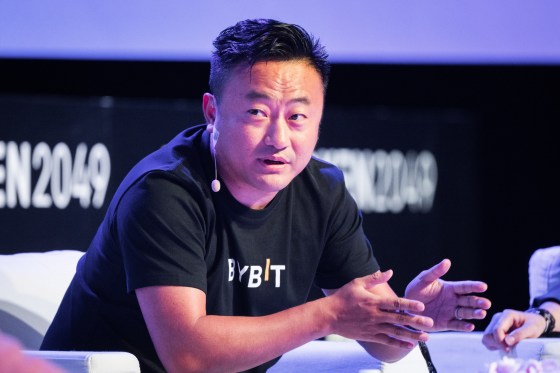
In a staggering blow to the cryptocurrency industry, Dubai-based exchange Bybit has fallen victim to a cyberattack resulting in the theft of approximately $1.5 billion in Ethereum tokens. This incident, occurring during a routine transfer between digital wallets, is now considered the largest digital heist in history.

The breach transpired as Bybit conducted a standard operation, moving assets from a cold wallet—offline storage designed to safeguard funds—to a warm wallet used for daily transactions. During this process, malicious actors manipulated the transfer, seizing control of the cold wallet and diverting 401,000 Ethereum tokens to an unidentified address. Blockchain analytics firms, including Arkham Intelligence, have traced the stolen funds, revealing that $1.36 billion in Ethereum was swiftly liquidated from associated accounts.

Bybit’s CEO, Ben Zhou, addressed the crisis, assuring clients that the exchange remains solvent and that all customer assets are backed on a one-to-one basis. He emphasized that unaffected wallets and withdrawal processes continue to operate normally. To mitigate the impact on users, Bybit has implemented bridge loans to cover any unrecovered funds and has launched a recovery bounty program, offering up to 10% of the reclaimed amount to ethical hackers assisting in the retrieval efforts.

The magnitude of this theft has prompted a surge in withdrawal requests, with over 350,000 submissions flooding the platform. While this influx has the potential to cause processing delays, Zhou noted that the rate of withdrawals has begun to decelerate. In response to the breach, Bybit is collaborating with law enforcement agencies and cybersecurity experts to trace the perpetrators and enhance its security infrastructure to prevent future incidents.

Speculation regarding the identity of the attackers has intensified, with some experts pointing towards North Korea’s notorious Lazarus Group. This collective has been implicated in previous high-profile cryptocurrency thefts, including the pilfering of $1.7 billion in 2022 and $800 million in 2024. While these allegations remain unconfirmed, the pattern of large-scale crypto heists attributed to state-sponsored actors raises significant concerns about the security of digital assets on global trading platforms.

In a related development, cybersecurity firm CertiK has identified another suspicious transfer involving approximately $49.5 million from an unverified Ethereum contract. The recipient address has been observed converting these funds into the stablecoin DAI. The community speculates that this incident may be connected to the Infini platform, a stablecoin digital bank, though official confirmation is pending.

These consecutive breaches underscore the vulnerabilities inherent in the rapidly evolving cryptocurrency landscape. As digital assets become increasingly mainstream, the imperative for robust security measures and regulatory oversight grows more pressing. The Bybit hack serves as a stark reminder of the potential risks investors face and the necessity for exchanges to implement stringent protective protocols to safeguard user funds.

In the wake of these events, the cryptocurrency market has experienced notable fluctuations. Ethereum’s value witnessed a temporary decline of approximately 4%, reflecting investor apprehension following the breach. Market analysts advise stakeholders to exercise caution and remain informed about security practices employed by exchanges to mitigate exposure to such risks.

Bybit’s commitment to reimbursing affected users and bolstering its security framework aims to restore confidence among its clientele. However, the broader implications of this unprecedented theft continue to reverberate throughout the digital currency ecosystem, prompting a reevaluation of security standards and the adoption of more resilient measures to combat the escalating threat of cyberattacks targeting cryptocurrency platforms.

As investigations proceed, the collaboration between cryptocurrency exchanges, cybersecurity firms, and regulatory bodies will be crucial in addressing the challenges posed by increasingly sophisticated cyber threats. The lessons gleaned from the Bybit incident are poised to inform future strategies aimed at fortifying the security of digital assets and ensuring the integrity of the burgeoning cryptocurrency market.

A heated dispute has erupted between cryptocurrency exchange OX.FUN and NFT artist collective JefeDAO, centering on accusations of fraud and the freezing of substantial funds. The conflict has escalated publicly, with both parties presenting conflicting narratives regarding the events.

JefeDAO has publicly accused OX.FUN of fraudulent activities, alleging that a member of their collective is unable to withdraw $1 million in USDC from the exchange. They claim that OX.FUN is engaging in extortion by withholding these funds without valid justification. This accusation has been disseminated across various social media platforms, amplifying concerns within the cryptocurrency community about the exchange’s practices.

In response, OX.FUN has refuted these allegations, asserting that the funds were frozen due to JefeDAO’s attempt to manipulate the platform’s oracle system. The exchange contends that this action was a deliberate effort to tarnish its reputation and disrupt its operations. OX.FUN maintains that all other users’ withdrawals are being processed without issues and emphasizes its commitment to user fund security and adherence to service terms.

The Ministry of Communications and Information Technology has introduced a pioneering ‘Digital Skills Framework’ aimed at accelerating Qatar’s digital transformation. This initiative delineates 115 distinct digital competencies across 19 key domains, structured into four progressive proficiency levels. The framework is designed to enhance digital literacy and expertise within both public and private sectors, aligning with the nation’s Digital Agenda 2030 and the Third National Development Strategy.

The Digital Skills Framework serves as a foundational tool to standardize digital competencies across various industries in Qatar. By categorizing skills into beginner, intermediate, advanced, and expert levels, the framework provides a clear pathway for individuals and organizations to assess and develop their digital capabilities. This structured approach ensures that the workforce is equipped to meet the evolving demands of a digitally-driven economy.

In conjunction with the launch of the Digital Skills Framework, MCIT has established the ‘Digital Skills Working Group.’ This collaborative body comprises representatives from various government entities and aims to foster the development of digital skills nationwide. The working group is tasked with coordinating efforts to implement the framework effectively, identifying opportunities for digital upskilling, and addressing challenges related to digital competency development. Regular quarterly meetings are scheduled to ensure continuous progress and alignment with national digital strategies.

The introduction of the Digital Skills Framework and the formation of the working group are integral components of Qatar’s broader strategy to position itself as a leading digital economy. The Digital Agenda 2030 outlines key pillars, including the enhancement of digital infrastructure, promotion of digital innovation, and integration of smart technologies across various sectors. By focusing on these areas, Qatar aims to create a conducive environment for technological advancement and economic diversification.

In a significant move to bolster its digital transformation efforts, Qatar has entered into a five-year partnership with Scale AI, a San Francisco-based artificial intelligence solutions provider. This collaboration is set to deploy AI-powered tools and training programs to enhance government services. Scale AI will develop over 50 AI use cases tailored to Qatar’s governmental needs, incorporating predictive analytics, automation, and advanced data analysis. This initiative is expected to streamline operations and improve public service delivery, positioning Qatar at the forefront of AI integration in governance.

The partnership with Scale AI underscores Qatar’s commitment to leveraging cutting-edge technologies to drive national development. By integrating AI solutions into government operations, Qatar aims to enhance efficiency, reduce operational costs, and provide more responsive services to its citizens. This initiative also reflects a broader trend among Gulf nations to invest in artificial intelligence as a means to diversify their economies and reduce dependence on hydrocarbon revenues.

Qatar’s focus on digital transformation is further evidenced by its substantial investments in digital infrastructure. The Qatar Investment Authority has announced plans to merge Qatar National Broadband Network with Gulf Bridge International , aiming to create a national leader in telecommunications. This merger is expected to enhance the country’s digital and AI infrastructure, providing a robust foundation for future technological initiatives. Additionally, telecommunications company Ooredoo is expanding its regional data centers to meet the growing demand for AI applications, further solidifying Qatar’s position as a digital hub in the region.

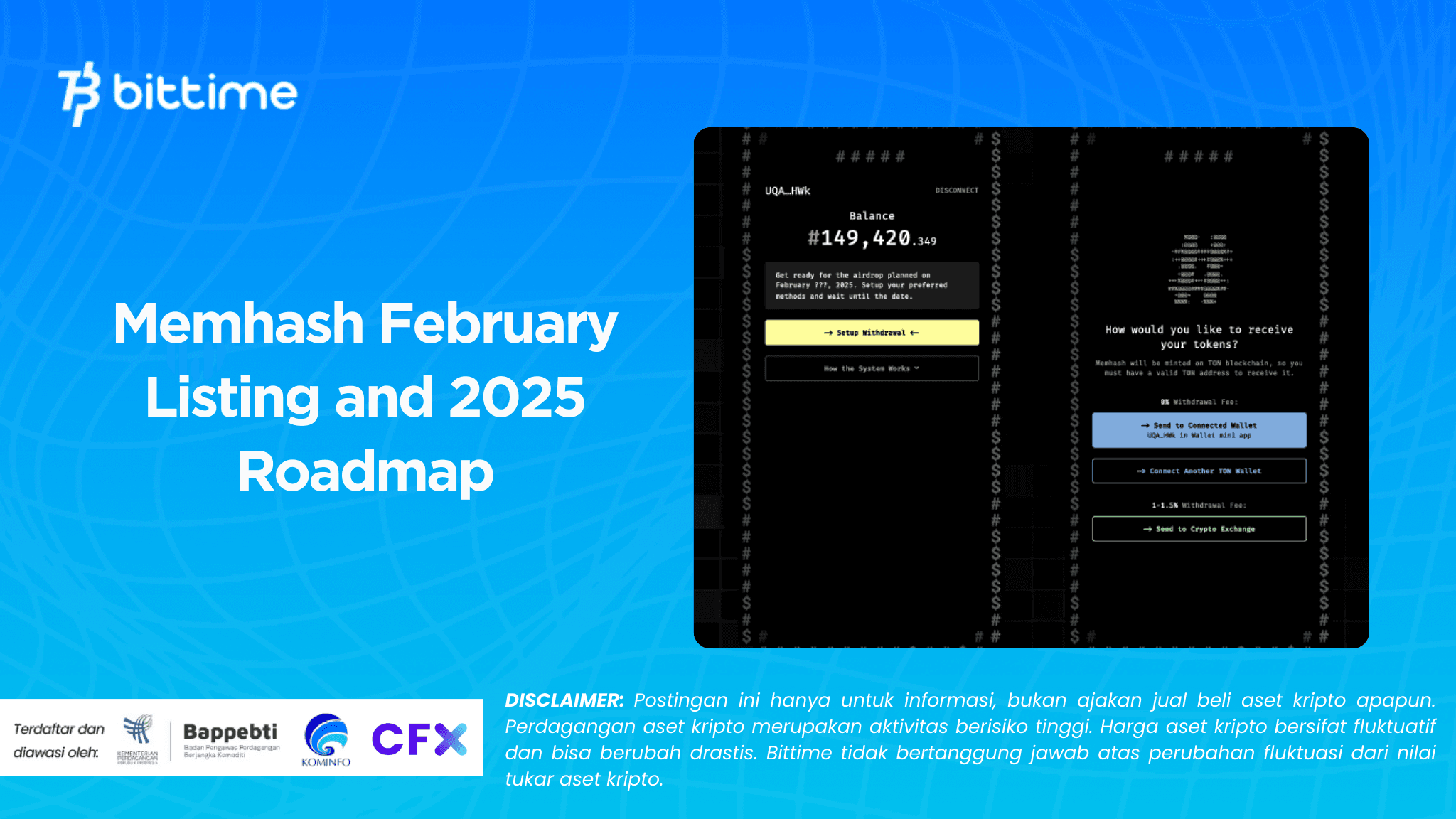
Memhash , a novel cryptocurrency that merges gaming simplicity with blockchain technology, is poised for its official debut on several prominent exchanges. Trading is scheduled to commence at 09:00 UTC on 28 February 2025, offering enthusiasts and investors an opportunity to engage with this innovative digital asset.

KuCoin, a leading cryptocurrency exchange, has confirmed the listing of MEMHASH on its platform. Deposits are currently open via the TON-Jetton network, allowing users to prepare ahead of the trading launch. The MEMHASH/USDT trading pair will be available, with withdrawals becoming accessible from 10:00 UTC on 1 March 2025. To enhance user experience, KuCoin will support various trading bots, including Spot Grid and AI Spot Trend, facilitating automated trading strategies.

In addition to KuCoin, MEXC Global has announced the inclusion of MEMHASH in its Innovation Zone. This segment is dedicated to high-potential assets, providing traders with early access to emerging cryptocurrencies. Deposits on MEXC are already open, with trading set to begin simultaneously at 09:00 UTC on 28 February 2025. Withdrawals will be enabled from 09:00 UTC on 1 March 2025, ensuring seamless transactions for users.

Bitget, another major exchange, is also preparing to list MEMHASH. While specific details regarding trading pairs and exact timings are yet to be disclosed, the exchange has indicated that the listing will occur concurrently with other platforms on 28 February 2025. This simultaneous launch across multiple exchanges is expected to provide substantial liquidity and trading opportunities for MEMHASH participants.

The journey of Memhash began with an airdrop event that ran from 29 October 2024 to 1 January 2025. During this period, participants engaged in a simulated mining process via Telegram, earning MEMHASH tokens. Approximately 43% of the total token supply was mined during the airdrop, with the remaining 57% allocated for future mining activities and community incentives.

Dubai is solidifying its status as a premier destination for ultra-high-net-worth individuals and family offices, driven by a confluence of strategic initiatives, favourable economic policies, and an influx of global financial entities. This trend is reshaping the emirate’s financial landscape, positioning it as a global hub for wealth management and investment. The Dubai International Financial Centre has experienced remarkable growth, with the number of hedge funds increasing […]

RAKBANK has entered into a strategic partnership with Faturalab, a prominent provider of smart supply chain solutions, aiming to transform supply chain finance for businesses across the UAE. This collaboration seeks to enhance financial workflows between buyers, suppliers, and banks, promoting operational efficiency and compliance with relevant regulations. Established in 2016, Faturalab has evolved from an invoice financing platform into Turkey’s leading finance technology provider. The company […]

VISHNU RAJA
RYO YAMADA
HITORI GOTOH
IKUYO KITA
Just in:
Dubai boat show confirms international shipyard line-up for November // e-Crime Bureau Signs Cybersecurity Partnership With Smart Africa, Reinforcing Its Global Expansion // CR Longdation Aethereal Cybersecurity × Global Cybersecurity Alliance (GCSA) Join Hands to Establish the “AI and Cybersecurity Research Centre” // Anthropic to prohibit persistent abuse of Claude chatbot // Vance attributes Republican midterm defeats to Iran conflict // Cloudflare unveils Zero Wire vulnerability intelligence service // Ta’ziz finalises $1.39bn funding for Ruwais industrial facilities // Democrats capture Senate majority with seven Republican seats // Govt opposes Arlekar’s PSC action // As AI Reshapes Education, Singapore Convenes Global Dialogue on the Future of Early Childhood Education // xCube Access Welcomes Entrust Capital Limited  Expanding Access to Professional Portfolio Management // Cyberport Venture & Capital Forum 2026 Grand Opening // Pinarayi faults UDF over mounting road crashes // OpenAI identifies 948 Linux privilege escalation flaws using AI // U.S. Mid Term Result Is A Clear Verdict Against Trump’s Authoritarianism // ADIA and partners establish $1.4 billion aviation venture // Fast Just Got Fastest: STING Energy Boost™ Celebrates Kimi Antonelli’s Formula 1® World Championship and the Fan Energy Behind It // Hong Kong mandates crypto transaction disclosures to tax authorities // UK air traffic outage inflicted £33m financial losses // Utilities pursue ₹1,992 cr in unpaid bills //