News related to
data

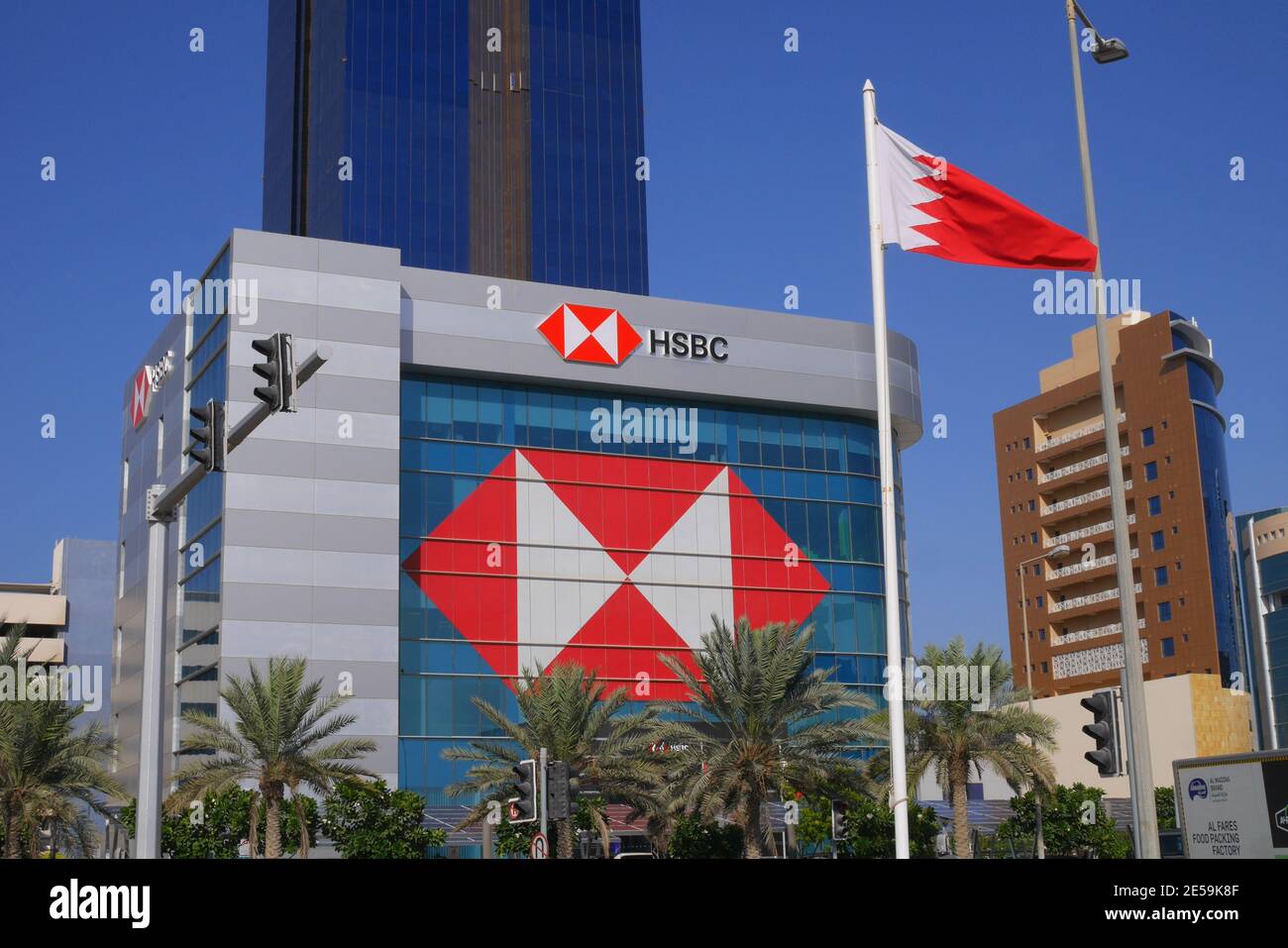
HSBC has announced the sale of its retail banking operations in Bahrain to the Bank of Bahrain and Kuwait , transferring approximately 76,000 customer accounts. This move aligns with HSBC’s ongoing global restructuring strategy, focusing on streamlining operations and enhancing profitability.

The transaction encompasses the transfer of retail loans, deposits, and customer accounts to BBK, a financial institution predominantly owned by the governments of Bahrain and Kuwait. Notably, HSBC’s corporate and private banking services in Bahrain are excluded from this deal. While the financial specifics remain undisclosed, the completion of the transaction is anticipated in the fourth quarter of 2025.

This divestment is a component of HSBC’s broader initiative to reduce its global footprint in less profitable markets. Under the leadership of CEO Georges Elhedery, who assumed his role in October 2024, the bank has been actively reassessing its international operations. Elhedery’s restructuring plan aims to achieve $1.5 billion in annual cost savings by the end of 2026, reallocating resources from non-strategic areas to more competitive sectors. This strategy has already led to significant changes, including the consolidation of commercial and investment banking divisions and a revamp of the leadership structure.

In line with these efforts, HSBC has been withdrawing from various retail banking markets worldwide. The bank has exited retail operations in countries such as Thailand, Japan, South Korea, Brazil, and New Zealand over the past decade. More recently, HSBC has been evaluating its retail banking presence outside the UK and Hong Kong, considering scaling back in markets like Mexico, Malaysia, and Indonesia to concentrate on wealthier “premier” clients and wealth management services.

The decision to sell the Bahrain retail unit reflects HSBC’s commitment to optimizing its global operations and focusing on core markets where it holds a competitive advantage. By divesting from less profitable regions, the bank aims to enhance efficiency and profitability, ensuring resources are allocated to areas with the highest growth potential.

BBK, established in 1971, stands as one of Bahrain’s leading commercial banks. The acquisition of HSBC’s retail operations is poised to bolster BBK’s market position, expanding its customer base and retail banking assets. This strategic move aligns with BBK’s growth objectives, enabling the bank to offer an expanded range of services to its clients.

The global banking landscape has been undergoing significant transformations, with major institutions like HSBC reevaluating their strategies to adapt to evolving market conditions. Factors such as technological advancements, changing customer preferences, and economic shifts have prompted banks to streamline operations and focus on core competencies. HSBC’s restructuring efforts are indicative of a broader trend among global banks aiming to enhance agility and competitiveness in a rapidly changing environment.

In addition to divesting from certain markets, HSBC has been implementing cost-cutting measures across its operations. The bank reported a 3% reduction in headcount, bringing the total number of employees to approximately 220,928. This reduction is part of a concerted effort to manage expenses and improve operational efficiency. Despite these cuts, HSBC’s bonus pool remained relatively stable at $3.80 billion, reflecting the bank’s commitment to rewarding performance while maintaining fiscal prudence.

The restructuring has also led to strategic shifts in HSBC’s investment banking sector. The bank has laid off around 40 investment bankers in Hong Kong and announced plans to wind down its mergers and acquisitions and certain equities businesses in Europe and the Americas. These changes underscore HSBC’s strategic pivot towards focusing more on the Asian market, where it anticipates higher growth opportunities.

Financially, HSBC has demonstrated resilience amid these transitions. The bank’s annual pre-tax profit rose by 6.6% to $32.3 billion, surpassing market expectations. This growth was driven by increased revenue in wealth and markets businesses, highlighting the effectiveness of HSBC’s strategic focus on these areas. Additionally, the bank has announced a dividend of 87 cents per share and a $2 billion share buyback, signaling confidence in its financial position and future prospects.

The sale of the Bahrain retail banking operations is subject to regulatory approvals and customary closing conditions. Both HSBC and BBK are collaborating closely to ensure a seamless transition for customers and employees affected by the transaction. The banks have committed to maintaining transparent communication throughout the process to minimize disruptions and uphold service quality.
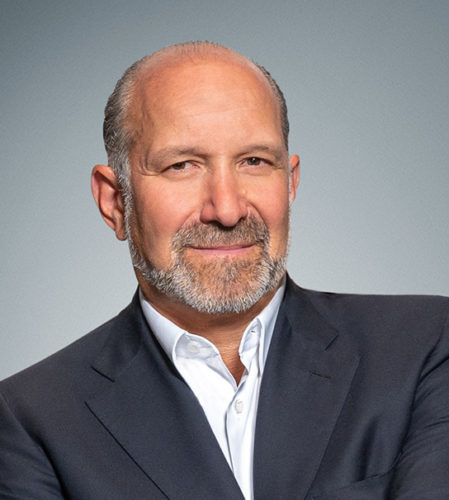
Howard Lutnick, the former CEO of Cantor Fitzgerald, has been confirmed by the U.S. Senate as the new Secretary of Commerce under President Donald Trump. The Senate approved his nomination with a 51-45 vote, positioning Lutnick to oversee a department responsible for a wide array of economic activities, from trade policy to technology regulation.

Lutnick’s confirmation marks a significant moment in the Trump administration’s efforts to reshape the nation’s economic and regulatory landscape. Known for his resilience in rebuilding Cantor Fitzgerald after the tragic loss of 658 employees during the September 11 attacks, Lutnick brings a wealth of experience from the financial sector. His leadership during that crisis, including the distribution of $180 million to victims’ families, has been widely recognized.

As Commerce Secretary, Lutnick is expected to play a pivotal role in implementing President Trump’s trade policies, which have recently included the announcement of potential 25% tariffs on foreign automobiles, semiconductors, and pharmaceuticals. These measures are part of a broader strategy to bolster domestic manufacturing and reduce reliance on foreign imports.

In addition to Lutnick’s appointment, the Trump administration is advancing a series of nominations for key regulatory positions, particularly in agencies overseeing financial markets and emerging technologies. Paul Atkins, a former Securities and Exchange Commission commissioner known for his free-market philosophy, has been nominated to lead the SEC. Atkins has a history of advocating for reduced regulatory burdens and is anticipated to foster a more accommodating environment for financial innovation, including cryptocurrencies.

Brian Quintenz, who previously served as a commissioner at the Commodity Futures Trading Commission from 2017 to 2021, has been nominated to return as the agency’s chairman. During his prior tenure, Quintenz was recognized for his expertise in both traditional finance and the burgeoning cryptocurrency sector. His recent role as head of policy at a16z Crypto, the cryptocurrency division of venture capital firm Andreessen Horowitz, underscores his deep engagement with digital assets. Quintenz’s return to the CFTC is expected to influence the agency’s approach to regulating complex financial instruments and fostering innovation in blockchain technologies.

Jonathan Gould, a legal professional with extensive experience in banking and financial regulation, has been nominated to lead the Office of the Comptroller of the Currency . Gould’s background includes serving as senior deputy comptroller and chief counsel at the OCC, where he provided legal oversight on a range of banking issues. His appointment is seen as a continuation of the administration’s trend toward installing regulators who are knowledgeable about and potentially supportive of cryptocurrency and fintech developments.

These nominations reflect President Trump’s broader strategy to reshape financial regulation in favor of innovation and reduced federal oversight. The administration has been critical of previous regulatory approaches that it perceives as overly restrictive, particularly concerning emerging financial technologies. By appointing individuals with pro-crypto leanings and a history of advocating for lighter regulatory frameworks, the administration aims to create an environment conducive to growth in the fintech and cryptocurrency sectors.

However, these appointments have not been without controversy. Critics argue that reducing regulatory oversight could lead to increased financial instability and potential exploitation within rapidly evolving markets. Supporters, on the other hand, contend that a more permissive regulatory environment is necessary to foster innovation and maintain the United States’ competitive edge in global financial markets.

The Senate’s confirmation of these nominees will be closely watched, as their leadership will significantly influence the direction of U.S. financial regulation in the coming years. As these individuals assume their respective roles, stakeholders across the financial spectrum—from traditional banking institutions to emerging fintech startups—will be assessing how the new regulatory landscape will impact their operations and strategic planning.

In the context of global trade, Lutnick’s role as Commerce Secretary will be particularly critical. His support for President Trump’s tariff policies suggests a continuation of protectionist measures aimed at strengthening domestic industries. This approach has garnered both praise and criticism, with proponents arguing that it safeguards American jobs and industries, while detractors warn of potential retaliatory measures from trading partners and the risk of escalating trade wars.

As the administration moves forward with its economic agenda, the interplay between these regulatory appointments and broader trade policies will be pivotal in shaping the U.S. economic landscape. The emphasis on accommodating financial innovation, particularly in the realm of cryptocurrencies, alongside a protectionist trade stance, represents a distinctive approach that will have lasting implications for both domestic and international economic relations.

Aptoide, a prominent independent app store, has officially launched its service for iPhone and iPad users within the European Union. This development offers EU consumers an alternative to Apple’s App Store, expanding their options for app downloads and installations.

The introduction of Aptoide’s platform is facilitated by the European Union’s Digital Markets Act , which mandates that major technology companies, including Apple, permit third-party app stores on their devices. This legislation aims to foster competition and provide consumers with more choices in the digital marketplace.

One of the standout features of Aptoide’s iOS app store is the “App Versions” function. This allows users to download and install previous versions of applications, a capability particularly beneficial for those using older devices or who prefer earlier iterations of specific apps. This feature addresses a common limitation in traditional app stores, where only the latest version is typically available for download.

Aptoide’s journey to this launch began in June 2024 with a beta phase that attracted significant interest, amassing a waitlist of approximately 20,000 users. During this period, the platform gradually onboarded users, refining its services based on feedback and performance metrics. The full release now makes Aptoide accessible to all iOS users across the EU without the need for a waitlist.

In addition to offering older app versions, Aptoide provides a diverse selection of games and applications, aiming to create an open and unrestricted distribution ecosystem for iOS users. This move is expected to encourage developers to explore alternative distribution channels, potentially leading to a more dynamic and competitive app market.

The launch of Aptoide’s iOS store is part of a broader trend of alternative app stores emerging in the European market. Companies like Epic Games have also introduced their own stores, leveraging the opportunities created by the DMA to challenge Apple’s dominance in app distribution. These developments signify a shift towards a more diversified app ecosystem, offering both developers and consumers new avenues for engagement.

Apple has historically maintained strict control over app distribution on its devices, citing security and user experience considerations. However, the enforcement of the DMA requires the company to adjust its policies within EU jurisdictions, allowing for the presence of third-party app stores. This regulatory environment aims to balance the need for security with the promotion of competitive practices in the digital economy.

While Aptoide’s launch is a significant milestone, it also raises questions about the future landscape of app distribution on iOS devices. The success of such alternative platforms will depend on various factors, including user adoption, developer participation, and the ongoing response from Apple regarding its policies and practices.

For consumers, the availability of alternative app stores like Aptoide means increased flexibility and choice. Users can now access a broader range of applications and versions, tailoring their app experiences to better suit their individual needs and preferences. This development also encourages innovation among app developers, who now have multiple platforms through which to reach their audience.

As Bitcoin approaches its all-time high, investors are turning their attention to small-cap cryptocurrencies with the potential for substantial returns. Among these, XYZVerse has emerged as a notable contender, alongside four other promising tokens.

XYZVerse is a sports-themed meme coin operating on the Polygon blockchain. It aims to merge the excitement of sports with the viral nature of meme coins, creating a unique niche in the crypto market. Currently in its presale phase, XYZVerse has raised nearly $5 million, reaching the 9th stage out of a planned 15. The project boasts solid tokenomics, plans for strategic listings on both centralized and decentralized exchanges, and regular token burns designed to enhance its value proposition.

Another cryptocurrency attracting attention is Nexa, a scalable layer-one blockchain supporting Ethereum Virtual Machine contracts. With a market cap under $60 million, Nexa aspires to be the next-generation Ethereum by offering a solution for decentralized applications that require both scalability and efficiency.

Bonk, a dog-themed meme coin, has gained traction as Solana’s community-driven token. Unlike other speculative meme coins, Bonk adds value to the Solana ecosystem by incentivizing liquidity across decentralized exchanges. Key highlights include airdrops to Solana NFT collectors and developers, rapid adoption within Solana’s decentralized applications, and strong community backing that fuels price rallies.

Creditcoin is another low-cap cryptocurrency with significant growth potential. It offers innovative solutions and has a strong community, making it an attractive option for investors seeking high-risk, high-reward opportunities.

Loopring is a low-cap cryptocurrency that provides innovative solutions and has a strong community, positioning it as a promising investment opportunity.

Advancements in quantum computing may eventually enable access to dormant Bitcoin wallets, including those of Bitcoin’s elusive creator, Satoshi Nakamoto, according to Tether CEO Paolo Ardoino. In a statement on February 8, Ardoino suggested that while quantum computing currently poses no immediate threat to Bitcoin’s cryptographic security, future developments could compromise inactive wallets lacking quantum-resistant protections.

Ardoino emphasized that Bitcoin’s existing cryptographic structures remain robust, with quantum computing still “very far from any meaningful risk of breaking Bitcoin cryptography.” However, he noted that as quantum technology progresses, wallets with lost keys or those belonging to deceased individuals could become vulnerable. This includes the estimated 1.1 million Bitcoins attributed to Satoshi Nakamoto, which have remained untouched since their creation.

The Tether CEO reassured active Bitcoin holders, stating that the cryptocurrency community is expected to adopt quantum-resistant addresses before quantum computing becomes a tangible threat. “All people alive will move Bitcoin into new quantum-resistant addresses,” Ardoino explained. This proactive approach aims to safeguard active wallets from potential future vulnerabilities.

Despite the potential for previously inaccessible Bitcoins to re-enter circulation, Ardoino underscored that Bitcoin’s fixed supply cap remains unchanged. “Only 21 million Bitcoin anyway. Nothing can change that. Not even quantum computing. That’s the real key important message,” he affirmed. This fixed supply is a fundamental aspect of Bitcoin’s design, intended to preserve its scarcity and value over time.

The discussion around quantum computing’s impact on Bitcoin security has gained momentum following technological advancements by major corporations. Google’s recent unveiling of its quantum processor, Willow, has sparked conversations about the timeline within which quantum computers might pose a genuine threat to current cryptographic systems. While these developments are noteworthy, experts generally agree that practical applications capable of compromising Bitcoin’s security are still years away.

Emin Gün Sirer, co-founder of Ava Labs, has also weighed in on the matter, highlighting that early Bitcoin transactions utilized a Pay-to-Public-Key format. This format exposes public keys, potentially making them susceptible to future quantum attacks. Sirer suggested that the Bitcoin community might need to consider measures such as freezing old P2PK-based holdings or setting deadlines for their usability to mitigate potential risks.

The identity of Satoshi Nakamoto remains one of the most enduring mysteries in the cryptocurrency world. Various theories and investigations have attempted to unmask the creator, but none have been conclusive. The potential unlocking of Satoshi’s Bitcoin holdings through quantum computing adds another layer of intrigue to this enigmatic figure’s legacy.

The cryptocurrency market is currently experiencing heightened volatility, with the Bitcoin Fear and Greed Index indicating a significant surge in fear among investors. This sentiment shift has prompted a closer examination of alternative digital assets, particularly memecoins like DOGEN, which are gaining traction as potential high-reward investments.

As of February 19, 2025, Bitcoin is trading at $95,389, reflecting a decrease of $753 from the previous close. This downward trend has contributed to the elevated fear levels in the market. In contrast, memecoins such as DOGEN are capturing investor interest due to their unique market positioning and community-driven momentum.

DOGEN, a memecoin inspired by popular internet culture, has seen a notable increase in trading volume. Its appeal lies in its vibrant community and the potential for rapid appreciation, characteristics that have historically driven the success of similar tokens. Market analysts suggest that during periods of market fear, investors often explore alternative assets like memecoins, which, despite their inherent risks, offer opportunities for substantial gains.

Hong Kong’s Securities and Futures Commission has granted a license to Bullish, a prominent virtual asset trading platform, marking a significant milestone in the city’s ambition to become a leading hub for digital assets. This approval allows Bullish to operate within Hong Kong’s regulated framework, offering trading services to both institutional and retail investors.

The SFC’s decision to license Bullish is part of a broader strategy to enhance Hong Kong’s competitiveness in the global digital asset market. Financial Secretary Paul Chan announced that, to date, nine digital asset trading platform licenses have been issued, with eight additional applications under review. This initiative underscores the city’s commitment to fostering a robust and secure environment for virtual asset trading.

Julia Leung, the SFC’s Chief Executive, highlighted that the regulatory body is evaluating the introduction of new cryptocurrency products, including derivatives and margin lending, specifically tailored for professional investors. Speaking at Coindesk’s Consensus Hong Kong 2025 conference, Leung emphasized that these considerations aim to expand the range of services available to investors, thereby solidifying Hong Kong’s position as a regional digital assets hub.

Bullish’s entry into Hong Kong’s regulated market is expected to enhance the city’s digital asset ecosystem. The platform, known for its innovative trading solutions, integrates advanced technologies to provide deep liquidity and secure transactions. By obtaining the SFC license, Bullish demonstrates its commitment to adhering to stringent regulatory standards, offering users a trustworthy platform for virtual asset trading.

The SFC has been proactive in refining its regulatory framework to accommodate the evolving digital asset landscape. In January 2025, the commission introduced a streamlined licensing process for virtual asset trading platforms. This new procedure requires a single external assessment report, replacing the previous two-phased assessment, thereby expediting the approval process for applicants. This move aims to attract more virtual asset service providers to establish operations in Hong Kong, contributing to the city’s growing digital economy.

Hong Kong’s efforts to position itself as a digital asset hub come amid increasing global competition. Jurisdictions such as Singapore and Dubai are also vying for prominence in the virtual asset sector, offering regulatory incentives and establishing comprehensive frameworks to attract blockchain and cryptocurrency enterprises. Hong Kong’s strategic approach, characterized by rigorous regulatory oversight combined with industry-friendly policies, seeks to balance investor protection with innovation.

The city’s regulatory advancements have coincided with notable movements in the cryptocurrency market. Bitcoin, the leading cryptocurrency, experienced a significant surge, reaching an all-time high of $109,071 in January 2025 before stabilizing around $96,000. This upward trajectory reflects growing investor confidence and increased institutional adoption of digital assets. Analysts attribute this trend to favorable regulatory developments and the mainstream acceptance of cryptocurrencies as a legitimate asset class.

In addition to licensing trading platforms, Hong Kong is advancing regulations for stablecoins—digital currencies pegged to stable assets like fiat currencies. The SFC is formulating guidelines to govern the issuance and management of stablecoins, aiming to mitigate risks associated with their use and ensure financial stability. This regulatory clarity is anticipated to encourage the development of stablecoin projects within the region, further diversifying Hong Kong’s digital asset offerings.

Market participants have responded positively to these regulatory developments. The introduction of new licensed platforms is expected to enhance market liquidity and provide investors with a wider array of trading options. Furthermore, the presence of regulated entities like Bullish is likely to attract institutional investors seeking compliant and secure avenues for digital asset exposure. This influx of institutional capital could contribute to the maturation and stabilization of the cryptocurrency market in Hong Kong.

Advertisements

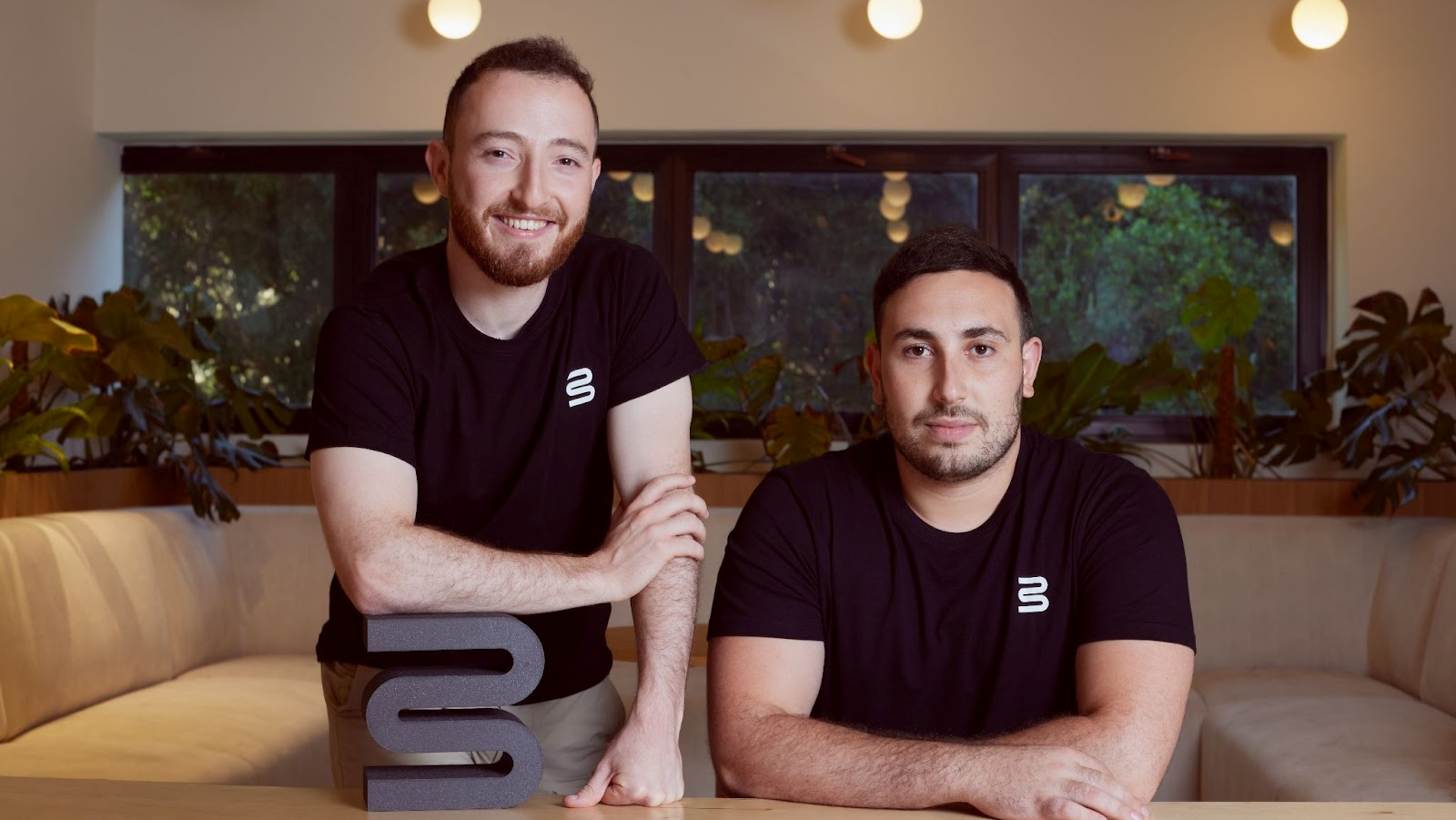
Blockchain security firm Blockaid has raised $50 million in a Series B funding round led by Ribbit Capital, with participation from GV , Variant, and Cyberstarts. This investment aims to bolster Blockaid’s research, engineering, and product development teams to meet the growing demand for robust on-chain security solutions.

Founded in 2022 by former Israeli cyber intelligence operatives, Blockaid has rapidly positioned itself as a key player in the blockchain security sector. The company’s platform offers real-time threat detection for blockchain transactions, integrating directly with wallets and decentralized applications to protect users from malicious activities. In the past year, Blockaid’s system scanned over 2.4 billion transactions and successfully blocked 71 million attacks, safeguarding assets for prominent clients such as Coinbase, MetaMask, Uniswap, and Stellar.

The infusion of new capital will enable Blockaid to scale its product and engineering teams, strengthen go-to-market operations, and expand research capabilities to stay ahead of evolving threats. This strategic growth is in response to the increasing adoption of blockchain technology by major financial institutions and fintech firms, which has, in turn, heightened the need for advanced security measures.

Blockaid’s CEO, Ido Ben-Natan, emphasized the importance of proactive security in the blockchain space, stating, “While the blockchain itself is secure, on-chain applications and the users that interact with them are at risk. This investment will help us continue to advance our machine learning capabilities and expand our current offerings to stay ahead in a highly adversarial landscape of evolving threats.”

The company’s approach leverages machine learning models to detect and prevent potential threats in real-time, providing end-user protection through direct integrations with wallets and dApps. This methodology has proven effective in mitigating risks associated with fraud, phishing, and hacks within the blockchain ecosystem.

Blockaid’s rapid growth is evident in its expansion from 20 employees to 70 within a year, with plans to double its workforce by the end of the year. This scaling aligns with the company’s mission to provide enterprise-grade security solutions for everything on-chain, catering to a diverse clientele that includes chains, protocols, wallets, exchanges, banks, and hedge funds.

The Series B funding round brings Blockaid’s total capital raised to $83 million, following a $27 million Series A round in October 2023. The continued support from prominent investors underscores the confidence in Blockaid’s ability to address the pressing security challenges facing the rapidly evolving blockchain industry.

As blockchain technology continues to gain traction across various sectors, the imperative for robust security measures becomes increasingly paramount. Blockaid’s commitment to enhancing its platform and expanding its team positions the company to effectively combat the sophisticated cyber threats that accompany the growth of on-chain operations.

In addition to its technological advancements, Blockaid places a strong emphasis on research and development. The company plans to utilize part of the new funding to expand its research capabilities, ensuring that it remains at the forefront of identifying and mitigating emerging threats within the blockchain space.

The involvement of GV, the venture capital arm of Alphabet Inc., in this funding round highlights the increasing interest of traditional tech investors in blockchain security solutions. This collaboration is expected to provide Blockaid with strategic insights and resources to navigate the complex landscape of cybersecurity and blockchain technology.

Blockaid’s proactive approach to security has garnered trust from its clients, enabling them to operate with confidence in an environment fraught with potential vulnerabilities. By offering comprehensive security solutions that encompass fraud detection, scam prevention, exploit mitigation, and financial risk assessment, Blockaid addresses the multifaceted challenges inherent in on-chain operations.

As the blockchain industry continues to evolve, the role of security firms like Blockaid becomes increasingly critical. The company’s dedication to innovation, coupled with the substantial financial backing from esteemed investors, positions it to set new standards in blockchain security and to effectively safeguard the interests of its expanding client base.

Vantage Data Centers, a prominent global provider of hyperscale data center campuses, has entered into a strategic partnership with VoltaGrid, an innovator in advanced microgrid power generation. This collaboration aims to deploy more than one gigawatt of power generation capacity across Vantage’s expanding North American portfolio, addressing the escalating demand for data center energy solutions without imposing additional strain on existing grid systems.

The rapid proliferation of cloud computing and artificial intelligence technologies has necessitated the swift development of additional data center infrastructure. However, securing timely and scalable power remains a significant challenge in the industry. Dana Adams, President of North America at Vantage Data Centers, emphasized that partnering with VoltaGrid offers an optimal solution to deploy capacity in power-constrained markets, thereby meeting customer demand for innovative technologies that yield social and economic benefits.

A key aspect of this partnership is the emphasis on speed and scalability. VoltaGrid’s solutions are engineered for rapid deployment, with installations achievable within months. This accelerated timeline ensures that hyperscale customers have access to the necessary power infrastructure promptly, circumventing the prolonged grid connection queues that often hinder data center expansions. Nathan Ough, President and CEO of VoltaGrid, highlighted that their ability to swiftly deploy scalable energy solutions redefines industry expectations and provides AI hyperscalers with the confidence to continue scaling their operations.

The collaboration also underscores a commitment to sustainability. Utilizing advanced natural gas-powered microgrids, the partnership aims to achieve up to a 98% reduction in emissions, particularly concerning criteria air pollutants. VoltaGrid’s technology is adaptable, capable of operating on 100% hydrogen-based or renewable natural gas fuel sources when feasible, and offers carbon offsets to support advanced net-zero solutions. This environmentally conscious approach aligns with Vantage’s objective to provide reliable yet sustainable energy solutions for its data centers.

South Korea has announced plans to build a groundbreaking artificial intelligence data centre with a capacity of 3 gigawatts , positioning it as the largest of its kind globally. The project, spearheaded by investment firm Stock Farm Road , is set to commence construction in late 2025 and aims for completion by 2028. The total investment is projected to reach $35 billion , marking a significant milestone […]

T-Mobile has announced a strategic collaboration with Red Hat to deploy Red Hat OpenShift Platform Plus, aiming to establish a unified telco cloud that spans the company’s core and far-edge operations. This initiative is designed to enhance operational efficiency, streamline automation processes, and expedite the rollout of new applications and services, all while reducing overall costs. The telecommunications industry is experiencing an escalating demand for flexible cloud […]

The United Arab Emirates’ Ministry of Finance has unveiled a new certification program in International Public Sector Accounting Standards , developed in partnership with the Association of Chartered Certified Accountants . This initiative aims to enhance the financial acumen of federal government employees, aligning the nation’s public sector accounting practices with globally recognized standards.

The IPSAS certification program commenced with an inaugural training session in Dubai on 17 February 2025. This session marked the beginning of a comprehensive effort to equip finance professionals within the UAE’s federal entities with the necessary skills to implement accrual-based accounting effectively. By adopting these standards, the MoF seeks to improve the quality, consistency, and transparency of financial reporting across public sector institutions.

H.E. Younis Haji Al Khoori, Undersecretary of the Ministry of Finance, emphasized the significance of this collaboration, stating that it reflects the ministry’s commitment to fostering strategic partnerships and reinforcing its position as a global leader in public finance. He highlighted that the adoption of IPSAS is a critical step towards achieving financial sustainability and enhancing the efficiency of government financial operations.

The partnership with ACCA is particularly noteworthy, as the association is renowned for its expertise in accounting certifications worldwide. The ACCA’s Certificate in International Public Sector Accounting Standards is designed to provide participants with a thorough understanding of IPSAS, covering various aspects such as financial statement presentation, accounting policies, and the treatment of assets and liabilities. The program also delves into the nuances of financial performance, consolidation, and the disclosure of financial information, ensuring that participants are well-versed in the comprehensive application of these standards.

In addition to the IPSAS certification, the MoF has signed a Memorandum of Understanding with the American University in Dubai to launch an Executive Diploma Program in Government Financial Policy Sustainability. Scheduled for the 2024-2025 academic year, this diploma aims to delve into topics such as financial sustainability, emerging trends in government finance, and the impact of artificial intelligence on financial analysis. Dr. Kyle Long of AUD expressed enthusiasm about the collaboration, noting that it has the potential to transform financial management within federal agencies and prepare professionals to tackle contemporary challenges.

The MoF’s dual approach—offering both the IPSAS certification and the executive diploma—underscores its dedication to building a robust financial framework within the UAE’s public sector. By investing in the education and training of its financial workforce, the ministry aims to ensure that government entities are not only compliant with international standards but are also pioneers in adopting innovative financial practices.

This initiative is part of a broader strategy by the UAE government to modernize its financial systems and promote transparency. By aligning with international accounting standards, the UAE aims to enhance investor confidence and foster a more attractive environment for foreign investments. Moreover, the adoption of IPSAS is expected to facilitate better decision-making processes within government entities, as accurate and transparent financial information is crucial for effective policy formulation and implementation.

The training sessions are structured to provide participants with both theoretical knowledge and practical applications of IPSAS. Through case studies, interactive exercises, and real-world examples, attendees will gain insights into the challenges and solutions associated with implementing these standards. The program also offers a platform for finance professionals to engage in discussions, share experiences, and develop a network of peers committed to advancing public sector financial management.

Malik Sarieddine of ACCA highlighted the importance of this certification, stating that it equips finance professionals with the necessary tools to lead initiatives aligned with global standards. He emphasized that the training will enable participants to navigate the complexities of public sector accounting, ensuring that financial reports are both accurate and reflective of the true financial position of government entities.

The MoF’s commitment to continuous improvement is evident in its proactive approach to adopting international best practices. By collaborating with esteemed institutions like ACCA and AUD, the ministry is taking concrete steps to elevate the proficiency of its financial professionals. This, in turn, is expected to lead to more efficient public spending, improved resource allocation, and enhanced public trust in government financial operations.

BANGKOK, THAILAND – Media OutReach Newswire – 19 February 2025 – Bangkok is no longer just a city of vibrant lights and ceaseless energy—it has emerged as a design hub that’s driving transformative change in urban living. By addressing challenges in city infrastructure, quality of life, environmental sustainability, and business innovation, Bangkok has positioned itself as a global leader in leveraging design to shape a better future. […]

Brazil’s Prosecutor-General, Paulo Gonet, has formally charged former President Jair Bolsonaro with orchestrating a coup attempt to remain in power following his 2022 electoral defeat. The indictment alleges that Bolsonaro and 33 associates devised a scheme, dubbed “Green and Yellow Dagger,” which included plans to poison President Luiz Inácio Lula da Silva and assassinate Supreme Court Justice Alexandre de Moraes. The charges, submitted to the Supreme Court, […]

Elon Musk’s artificial intelligence venture, xAI, has unveiled its latest chatbot, Grok-3, positioning it as a formidable competitor to leading AI models from OpenAI and China’s DeepSeek. Grok-3 is now accessible to Premium+ subscribers on Musk’s social media platform, X, and through the new SuperGrok subscription tier on xAI’s mobile application and Grok.com. In a live-streamed presentation, Musk highlighted that Grok-3 utilizes over ten times the computational […]

ACWA Power has signed a power purchase agreement worth SAR 8.6 billion with the Egyptian Electricity Transmission Company to develop a 2-gigawatt wind power plant in South Hurghada, Egypt. The 25-year agreement was formalized on February 18, 2025, marking a significant milestone in Egypt’s renewable energy expansion.

The project encompasses the development, financing, construction, ownership, and operation of the wind energy facility. Financial closure is anticipated in 2026, following the completion of environmental studies expected by mid-2026. This initiative aligns with Egypt’s strategic objectives to diversify its energy mix and reduce reliance on fossil fuels.

Saudi Arabia’s Minister of Energy, Prince Abdulaziz bin Salman, announced the agreement during the Egypt Energy Show . He highlighted that this project is the largest of its kind in Egypt and is part of a broader collaboration between Saudi and Egyptian companies in the renewable energy sector. Collectively, these initiatives aim to add approximately 1.696 GW of renewable energy capacity to Egypt’s grid, with a total investment nearing SAR 6.2 billion.

In addition to the wind project, Saudi and Egyptian authorities are advancing the Saudi-Egypt Electricity Interconnection Project. Valued at SAR 6.7 billion, this project is designed to facilitate the exchange of up to 3,000 megawatts of electricity between the two nations upon completion of both phases. This interconnection is poised to enhance grid stability and energy security in the region.

Egypt has been actively pursuing renewable energy projects in collaboration with international partners. Notable developments include the Benban Solar Park in Aswan, which boasts an installed capacity of 1.8 GW and features contributions from multiple developers. Another significant venture is the 500 MW Gulf of Suez Wind Farm, developed in partnership with international stakeholders.

By Dr. Gyan Pathak The data that PM Narendra Modi government has been churning out since 2014 have always been a suspect. Now, by no less a person than PM Narendra Modi’s own Economic Advisor has indicated that many of the data earlier produced even under the Modi regime were “influenced” while chiefly targeting the […]

A collision between a Tesla Model Y and a Xiaomi SU7 in a Chinese tunnel has sparked widespread discussions about electric vehicle safety and build quality. The incident, which occurred when the Xiaomi SU7 rear-ended the Tesla Model Y, resulted in both vehicles sustaining damage, with the Xiaomi SU7’s front end severely crushed, while the Tesla Model Y exhibited comparatively minor rear-end damage. Photographs of the aftermath […]

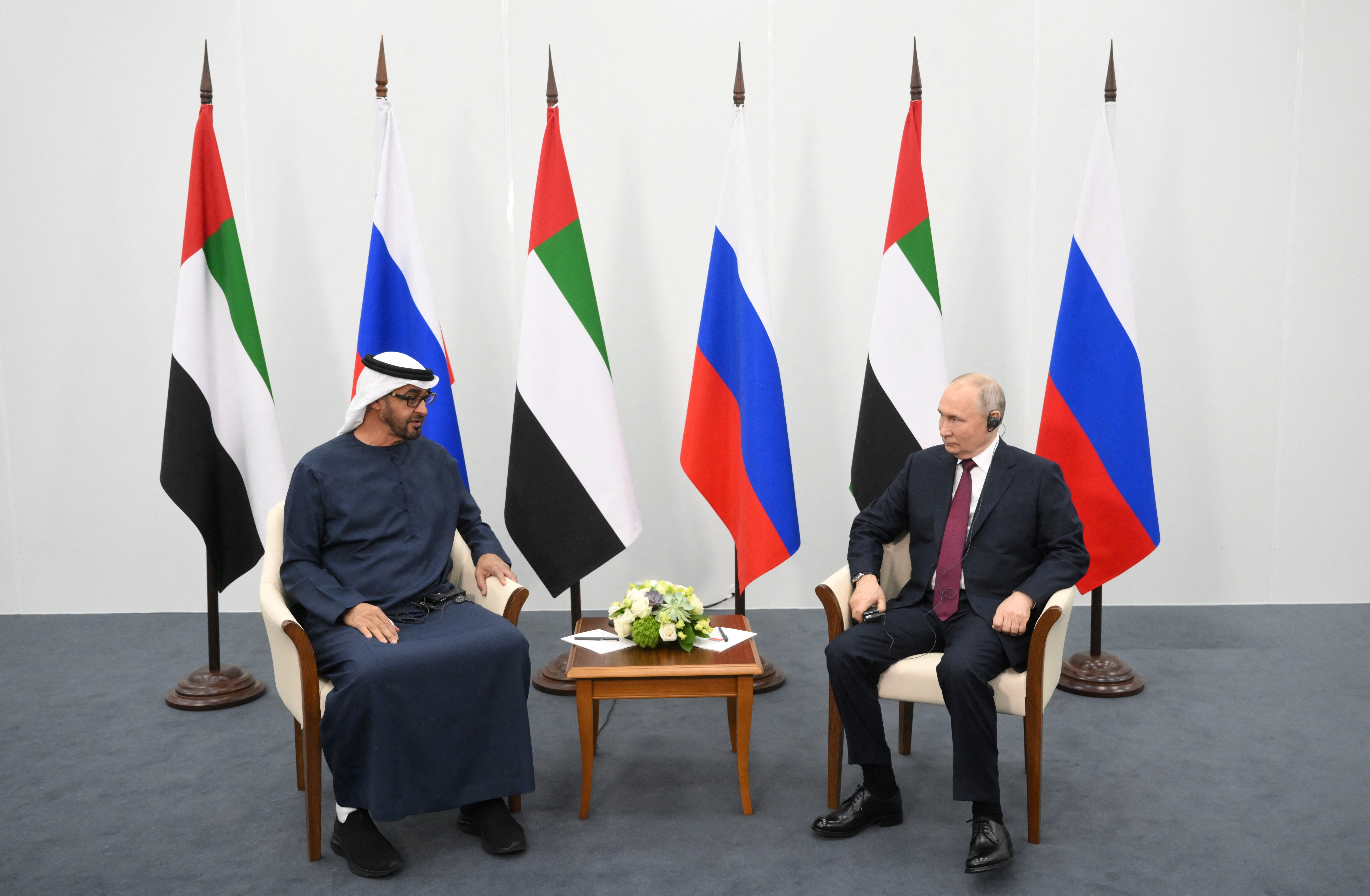
The United Arab Emirates and Russia have taken significant steps to enhance their financial and economic collaboration. On 17 February 2025, both nations convened the inaugural UAE-Russia Strategic Financial Dialogue in Abu Dhabi, culminating in the signing of an agreement aimed at eliminating double taxation on income and capital. This pact is designed to prevent tax evasion and foster a more transparent and competitive tax environment, thereby […]

Billionaire entrepreneur Elon Musk has suggested distributing $5,000 refund checks to American taxpayers, funded by savings from the Department of Government Efficiency . This proposal comes as the White House asserts that Musk holds no formal authority within the department. Musk’s idea, referred to as the “DOGE Dividend,” aims to return 20% of the projected $2 trillion in government savings to taxpayers, equating to approximately $400 billion. […]

The United Arab Emirates is set to enhance its aerospace capabilities through a collaboration between Tawazun Council and Mubadala Investment Company. This partnership aims to establish a state-of-the-art Maintenance, Repair, and Overhaul facility in Al Ain, focusing on aircraft engines. The initiative underscores the UAE’s commitment to becoming a regional hub for advanced aerospace technologies.

Announced at the International Defence Exhibition 2025, the project involves Mubadala’s subsidiary, Sanad, joining forces with global aerospace leader Pratt & Whitney. The facility will be the first of its kind in the Middle East, North Africa, and South Asia regions, providing comprehensive MRO services for Pratt & Whitney’s GTF™ engines. Once operational, it is expected to handle up to 350 engine shop visits annually.

Dr. Bakheet Al Katheeri, CEO of Mubadala’s UAE Investments platform, highlighted the strategic importance of the collaboration: “This partnership between Mubadala and Tawazun is a clear demonstration of the Mubadala UAE Investments platform delivering on its mandate. We are building national champions in the aerospace sector, fostering a vibrant aerospace ecosystem, and partnering with world-class entities like Pratt & Whitney to accelerate the transformation of Abu Dhabi’s economy.”

The facility, slated to open in the third quarter of 2028, will be located at the Al Ain Aerospace Park. It is poised to generate several hundred jobs, contributing significantly to the local economy and supporting the UAE’s broader economic diversification strategy. The collaboration also serves to fulfill Raytheon’s offset obligations to the UAE, marking a unique instance where a civil project offsets military purchases.

Marc Meredith, Vice President of GTF Commercial Aftermarket at Pratt & Whitney, expressed enthusiasm about the venture: “Pratt & Whitney have been talking to Sanad about developing our relationship with them. This is a really exciting, generational project, both for us and for them.” The partnership builds upon a decade-long relationship between Pratt & Whitney and Sanad, which currently operates an MRO facility for IAE V2500 engines in Abu Dhabi.

The decision to establish a new site in Al Ain, rather than expanding the existing facility, was driven by the anticipated scale of future GTF engine production. Meredith noted the substantial opportunities ahead: “There is a massive opportunity in front of us.”

Tawazun Council, an independent government entity collaborating closely with the Ministry of Defence and security agencies in the UAE, plays a pivotal role in this initiative. The Council’s involvement ensures alignment with national defense and security objectives, while also promoting the growth of the UAE’s aerospace sector.

In a significant diplomatic and economic development, the United Arab Emirates and Ukraine have formalized a Comprehensive Economic Partnership Agreement during Ukrainian President Volodymyr Zelensky’s official visit to Abu Dhabi. The accord aims to bolster bilateral trade, investment, and economic collaboration between the two nations, marking a pivotal moment in their diplomatic relations.

The signing ceremony, held in Abu Dhabi, was attended by UAE President Sheikh Mohamed bin Zayed Al Nahyan and President Zelensky. Under the terms of the CEPA, 99% of Ukrainian imports of UAE goods and 97% of Ukrainian exports to the UAE will be exempt from customs duties, effective immediately. This strategic move is projected to contribute approximately $369 million to the UAE’s Gross Domestic Product and $874 million to Ukraine’s GDP by 2031. The agreement is also expected to accelerate Ukraine’s economic recovery and create new opportunities for cooperation in sectors such as infrastructure, heavy industry, aviation, aerospace, and information technology.

President Zelensky’s visit to the UAE comes at a time when momentum is building for potential peace talks to end the ongoing conflict in Ukraine. The UAE, home to a significant number of Russian and Ukrainian expatriates, has been considered a potential site for these discussions. During his visit, President Zelensky emphasized priorities such as repatriating Ukrainian captives, enhancing economic partnerships, and initiating humanitarian programs. He expressed gratitude for the UAE’s mediation efforts, which have reportedly resulted in saving many lives.

In addition to the CEPA, the two leaders agreed to establish a Ukraine-UAE Investment Council, aiming to explore promising investment opportunities in Ukraine, particularly in infrastructure projects. This initiative underscores the UAE’s commitment to supporting Ukraine’s economic development and post-war reconstruction efforts.

The UAE’s involvement in facilitating dialogue and supporting Ukraine’s sovereignty has been evident through its diplomatic engagements. Sheikh Mohamed bin Zayed Al Nahyan reaffirmed the UAE’s dedication to supporting peaceful resolution efforts and alleviating the humanitarian impact of the Ukraine conflict. He emphasized the importance of reaching peaceful solutions to crises around the world and reiterated the UAE’s commitment to building partnerships based on cooperation and understanding to promote peace, stability, and prosperity for all.

Concurrently, high-level talks between U.S. and Russian officials are set to occur in Saudi Arabia, aiming to explore a peace dialogue regarding the Ukraine conflict. Notably, Ukraine has been excluded from these discussions, a move President Zelensky criticizes, emphasizing the necessity of consulting strategic partners before any negotiations with Russia. He has declared that Ukraine will disregard any peace agreements forged between the U.S. and Russia without its involvement, underscoring the importance of including Ukraine in any peace negotiations.

The CEPA between the UAE and Ukraine is the first such agreement Ukraine has signed with a Gulf country, highlighting the UAE’s role as a strategic partner in Ukraine’s economic and diplomatic endeavors. Bilateral trade between the two nations reached $372.4 million in 2024, and the new agreement aims to further enhance this economic relationship by reducing or eliminating customs duties and opening new avenues for collaboration in various sectors.

This development reflects a broader trend of Middle Eastern countries engaging more actively in global diplomatic efforts, positioning themselves as neutral grounds for conflict resolution and as pivotal players in international economic partnerships. The UAE’s strategic support and facilitation of dialogue underscore its growing influence in global affairs, particularly in fostering peace and stability in conflict regions.

As the situation in Ukraine remains fluid, the international community continues to monitor the developments closely. The UAE’s proactive approach in mediating and supporting Ukraine’s sovereignty may serve as a model for other nations seeking to play a constructive role in global peace efforts. The success of the CEPA and the potential for future diplomatic resolutions could significantly impact the geopolitical landscape, offering a pathway toward stability and economic growth in the region.

Australian digital assets market maker Zerocap has unveiled the nation’s inaugural options-based structured product linked to the CoinDesk 20 Index . Announced at Consensus Hong Kong, this partnership with CoinDesk Indices aims to provide sophisticated investors with diversified exposure to leading digital assets.

The CoinDesk 20 Index serves as a benchmark, capturing the performance of the top 20 digital assets by liquidity and volume. Over the past five years, the index has demonstrated significant growth, offering a broader alternative to traditional bitcoin-ether portfolios by including a range of prominent cryptocurrencies.

Mark Hiriart, head of sales at Zerocap, highlighted the significance of this development: “This partnership with CoinDesk Indices brings sophisticated, structured options to the crypto market for the first time, offering our clients enhanced ways to invest in digital assets with tailored risk and diversification benefits.”

The introduction of this product reflects a growing demand among institutional investors for advanced financial instruments in the cryptocurrency sector. By incorporating options-based strategies, the offering allows for customized risk management, potential yield enhancement, and exposure to a diversified basket of digital assets.

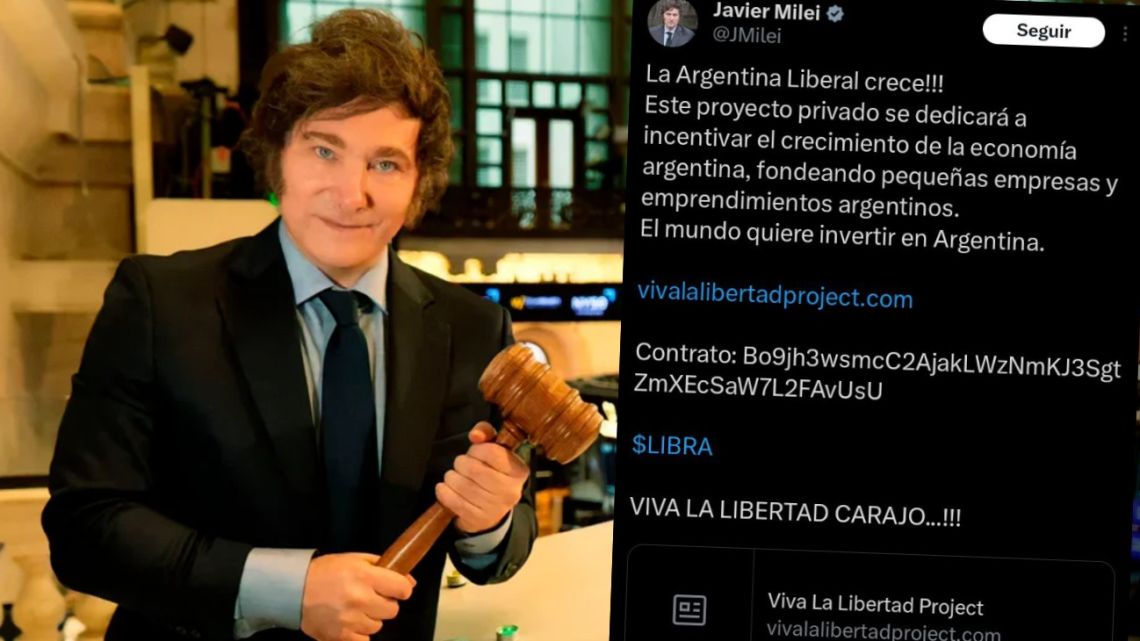
In a development that has sent shockwaves through Argentina’s political and financial spheres, Hayden Davis, co-creator of the controversial cryptocurrency Libra, is alleged to have boasted about making payments to Karina Milei, sister and close advisor to President Javier Milei. These claims have surfaced amid a broader investigation into the president’s promotion of the now-collapsed memecoin.

Text messages purportedly sent by Davis in December 2024 suggest he had significant influence over President Milei through financial dealings with Karina Milei. In these messages, Davis allegedly stated, “I send $$ to his sister and he does whatever I say and does what I want.” These communications were reportedly reviewed by multiple media outlets, including CoinDesk and El País.

Karina Milei, who holds the position of General Secretary of the Presidency, is known for her influential role in her brother’s administration. She has been a prominent figure alongside President Milei during official engagements and policy deliberations. The allegations suggest that Davis believed his financial interactions with her granted him sway over presidential decisions.

In response to these claims, Davis has denied any wrongdoing. Through a spokesperson, he stated that he does not recall sending such messages and has no record of them on his device. He further emphasized, “I never made any payments to them, nor did they request any. Their only concern was ensuring proceeds from Libra would benefit Argentina’s people and economy.” This statement was reported by CoinDesk.

The controversy intensified when President Milei promoted the Libra token on social media in mid-February 2025. He described the cryptocurrency as an innovative tool to support small businesses in Argentina. However, shortly after his endorsement, the token’s value plummeted by over 90%, leading to significant financial losses for investors. This rapid decline has been characterized by some financial analysts as a “rug pull,” a term used to describe a scenario where a cryptocurrency’s creators abruptly withdraw, taking investors’ funds with them.

The political ramifications have been swift. Opposition leaders have called for an impeachment trial, accusing President Milei of engaging in fraudulent activities and compromising the integrity of his office. Federal Judge María Romilda Servini has been assigned to lead the investigation into the matter, as reported by Reuters. The judiciary is examining whether the president’s actions constitute fraud or other criminal offenses.

The scandal has also had a tangible impact on Argentina’s financial markets. The S&P Merval, the country’s primary stock index, experienced a significant drop of nearly 4% following the emergence of the controversy. This decline reflects investor apprehension regarding the potential economic and political instability resulting from the incident.

President Milei has addressed the nation, denying any misconduct and asserting that his promotion of the Libra token was intended solely to explore alternative financial solutions for Argentina’s struggling economy. He stated, “I did not promote that. What I did, I spread the word,” during an interview with Todo Noticias, as reported by CoinDesk. Despite these assertions, the president faces mounting scrutiny from both the public and political adversaries.

The role of Karina Milei in this unfolding situation remains a focal point of the investigation. As a trusted advisor and integral member of the president’s inner circle, any substantiated evidence of her involvement in unethical financial transactions could have profound implications for the administration. To date, neither Karina Milei nor her office has issued a public response to the allegations.

VISHNU RAJA
RYO YAMADA
HITORI GOTOH
IKUYO KITA