News related to
energy

The United Arab Emirates drew AED 167.6 billion in foreign direct investment in 2024, climbing to tenth position globally, according to the UN Conference on Trade and Development’s World Investment Report 2025. This 48.7 percent surge from 2023 cements the UAE as a top-tier destination for international capital, with greenfield projects playing a central role. Foreign investors backed 1,369 new greenfield ventures worth AED 53.3 billion, placing the UAE second globally in […]

Saudi Energy Minister Prince Abdulaziz bin Salman told delegates at the St Petersburg Economic Forum on 19 June that OPEC+ has evolved into a “key guarantor” of global oil prices and market stability. The alliance’s capacity to respond to evolving economic and geopolitical realities distinguishes it as an effective and trustworthy instrument for safeguarding the sector. At the forum, Prince Abdulaziz emphasised that OPEC+ adapts proactively to prevailing […]

Experience the legendary ‘Plácido Domingo’ live in Thailand for the first time—alongside an Indian epic, dazzling Chinese ballet, operas, and jaw-dropping acrobatics Tickets Now Available! BANGKOK, THAILAND – Media OutReach Newswire – 20 June 2025 – Get ready for a world-class spectacle like no other—right here in Thailand. Bangkok’s 27th International Festival of Dance & Music is making a grand comeback, bringing 14 stunning performances from over […]

Santos Ltd’s board of directors has endorsed a US $18.7 billion cash offer from an Abu Dhabi-led consortium, pledging immediate relief for stretched gas markets but plunging Australia into a high-stakes national interest conflict. The bid, sponsored by ADNOC’s investment arm XRG alongside ADQ and Carlyle, offers A$8.89 per share—a 28 per cent premium to Santos’s market value—while assuming A$36.4 billion in enterprise debt. It marks the largest all‑cash takeover ever in […]

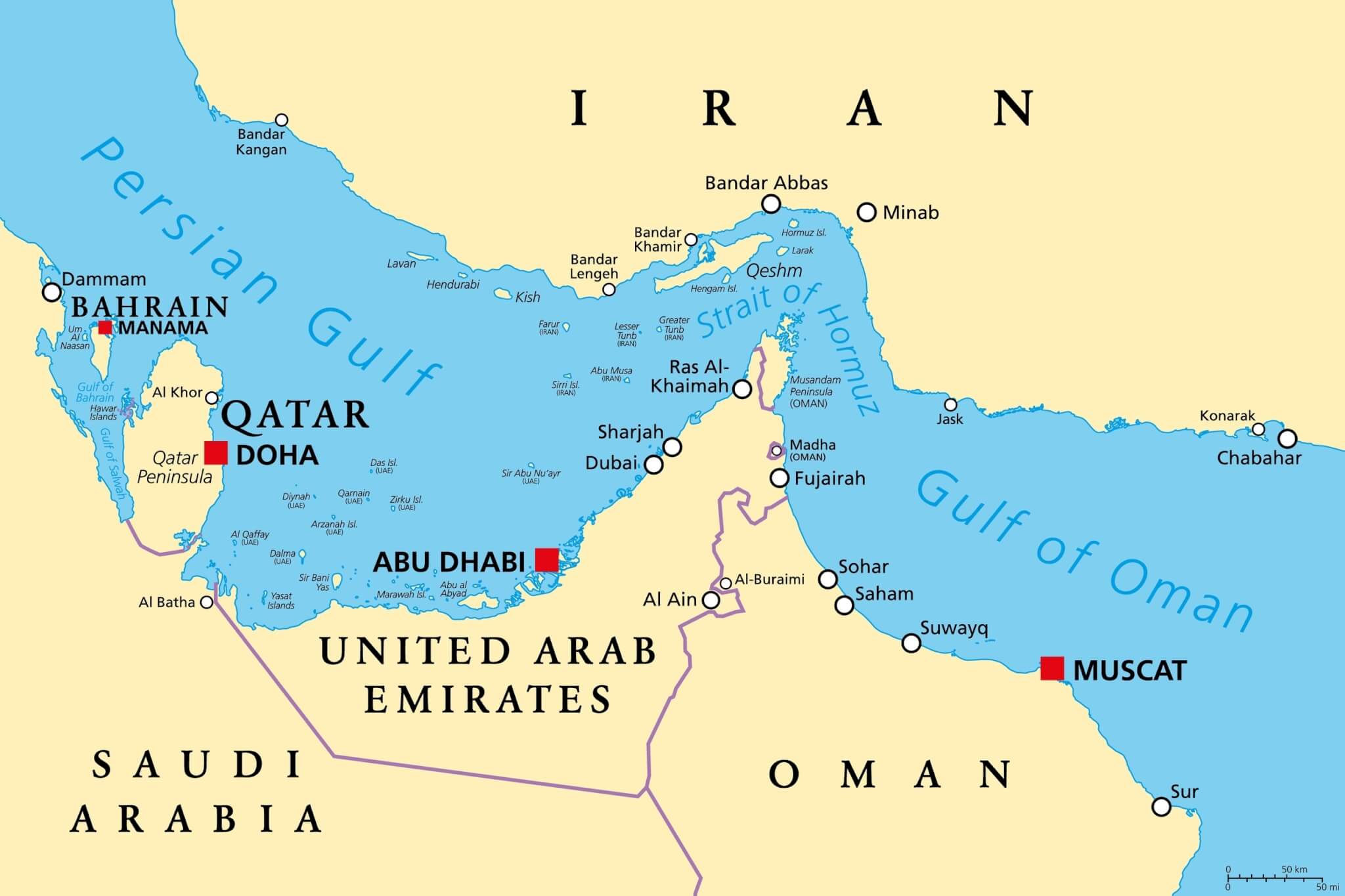
Citigroup analysts warn that a shutdown of the Strait of Hormuz could lift Brent crude prices to approximately $90 a barrel, although they expect any halt to shipping to be brief. They cite the strategic importance of the strait—through which nearly 20 million barrels per day flow—suggesting market reaction would be sharp but short-lived as global efforts would swiftly aim to reopen the passage.

Citigroup’s forecast is embedded in a wider reassessment of global oil dynamics amid escalating Middle East tensions, particularly stemming from the Israel‑Iran conflict. With around 3 million barrels per day of output at potential risk and Iran among OPEC’s top producers, disruptions—even temporary—could reverberate across the energy market. Citi’s base-case scenario projects Brent at $75–78 per barrel if approximately 1.1 million barrels daily of Iranian exports are affected.

A total 3 million bpd disruption, sustained over months, could even hit the $90 mark, Citi warns. Still, analysts emphasise that broader supply resilience, including increased output from non‑OPEC producers and reduced demand growth—due in part to slowing Chinese purchases—might temper a sustained rally.

Other leading financial institutions draw a similar line: Goldman Sachs and Barclays point to heightened geopolitical risk premiums, respectively estimating $10 and $15–20 per barrel add-ons if Iran’s exports are severely cut—a situation that could push prices above $100 in extreme scenarios. JPMorgan outlines a worst-case blockade of the Hormuz strait leading to a $120‑130 spike, though such events would likely be fleeting.

Analysts and experts stress that while short-term oil supply disruptions would sharply affect spot prices, structural market factors could offset prolonged volatility. OPEC has spare capacity; U.S. shale output remains nimble; and China has begun trimming its purchases as inventories fill, helping absorb supply shocks.

Geosphere Capital’s Arvind Sanger assesses a 25 percent likelihood of an actual tactical attack on critical infrastructure such as Kharg Island or Hormuz, but holds that there is a 75 percent chance hostilities do not directly impact supply chains. Shipping insurance and risk premiums are rising, though long‑term disruption remains unlikely.

Diplomatic signals, particularly from Washington playing a stabilising role in response to Iranian threats, may also help contain risks. Historical precedent—such as Rapid US naval deployments near the strait in 2008—reinforces the view that any attempt to close Hormuz by Tehran would quickly provoke international counter‑measures.

Market movements reflect this delicate balance. Brent futures recently climbed above $78 before easing to the low‑to mid‑$70s, as traders weighed the potential for escalation against buffer capacity and broader production trends. Estimates from Rystad Energy suggest oil will likely remain capped below $80 unless dramatic escalation occurs—a view echoed by Midland Reporter‑Telegram coverage.

Citi’s note, authored by Anthony Yuen and Eric Lee, highlights that even though Hormuz closure would trigger a pronounced price spike, global strategic response and logistical imperatives would likely curtail its duration. They describe that, in their bullish scenario, “any closure of the Strait could lead to a sharp price spike … but … it should not be a multi‑month closure.”

Investors are advised to monitor diplomatic channels, oil inventories, and production shifts in Saudi Arabia, UAE and the US. While a temporary supply squeeze may lift prices—potentially to the $90 level—structural growth in non‑OPEC output and strategic reserves may prevent a prolonged energy shock.

If the United States launches direct military strikes against Iran, global stock markets will likely react with speed and force—dropping hard before any official policy statements are made or economic forecasts adjusted. This would not be a measured repricing. It would be a sharp reflex from investors who have, until now, largely overlooked the rising threat of a wider regional war in the Middle East. Equities across […]

KUALA LUMPUR, MALAYSIA – Media OutReach Newswire – 19 June 2025 – On 16 June 2025, Chairman Xu Guanju of Transfar Group was invited to speak at the 2025 Energy Asia Conference. Hosted by PETRONAS, the Energy Asia Conference was held at the Kuala Lumpur Convention Centre from 16 to 18 June. Focusing on the theme ‘Delivering Asia’s Energy Transition’, the conference brought together policymakers, industry leaders, […]

Advertisements

Bitcoin Solaris is gaining rapid momentum, positioning itself as a potential outperformer of Polkadot’s early expansion. Analysts and on‑chain metrics highlight growth indicators that not only replicate Polkadot’s debut phase but in several cases significantly surpass it. Market observers attribute this shift to Solaris’s mobile‑first mining approach, hybrid consensus architecture, and aggressive presale execution.

Polkadot established its reputation through multi‑chain interoperability and shared security via parachains—a design emphasising developer adoption over mainstream user engagement. In contrast, Bitcoin Solaris is scaling through mass inclusivity. Its Solaris Nova app enables users to mine with everyday smartphones or PCs, eliminating the need for costly ASICs or complex infrastructure—barriers that still restrict Polkadot validator participation. This strategy has sparked an influx of retail interest, including among existing Polkadot investors turning to BTC‑S presale phases in search of higher short‑term returns.

Solaris’s roadmap reflects an ambition to execute where Polkadot encountered slowdowns. From launching testnet and mobile wallet in early 2026 to a full mainnet and exchange listings by late 2026, the timeline is concrete and time‑bound. In contrast, Polkadot’s parachain roll‑out, while pioneering, has been criticised for complexity and slower-than-expected mainstream uptake.

Technically, Solaris combines foundational Proof‑of‑Work for security with Delegated Proof‑of‑Stake for instant transactions and smart contracts. Its target throughput—10,000 to 100,000 TPS with finality in as little as two seconds—edges ahead of both Polkadot and competing layer‑1 networks. Validators rotate daily to enhance decentralisation, and its Helios security layer brings protocol-level safeguards comparable with Bitcoin’s scarcity model and Solana’s performance.

Energy consumption is also a focal point. Solaris claims 99%+ savings in power usage compared with legacy mining operations. With escalating scrutiny of crypto’s environmental impact, that low‑energy design resonates with both regulators and eco‑conscious investors.

The presale narrative underscores urgency. Currently in mid‑phases, token pricing has ranged from US $2–8, with anticipated exchange‑launch pricing plateauing near US $20. This structure has already attracted over US $4–5 million in capital, and presale bonuses approach 12–14% per phase.

Comparisons to Bitcoin’s early growth phase are emerging. Financial analysts argue that Bitcoin Solaris’s fixed supply, mobile mining model, and early‑stage presale echo crypto’s 2013 dynamics. Even modest investments—US $1,000 today—are being framed as having potential to outperform multi‑thousand‑dollar Bitcoin buys over a similar timeframe.

However, such enthusiasm is not without admonitions. As a relatively new protocol, Solaris remains in development, with adoption hinging upon mainstream acceptance of the Nova app, audit outcomes, smart contract integrity, and exchange listings. Polkadot’s longevity and proven ecosystem via robust parachain deployment stand as a counterpoint—Solaris must demonstrate resilience under live load.

The academic and developer communities have taken note of Polkadot’s strengths—shared security via NPoS consensus, governance frameworks, and scholarly analysis of its sharding mechanisms. Yet critiques surrounding complexity, validator cost thresholds, and centralisation risks persist. By contrast, Solaris is proactively targeting those criticisms with user‑centric design, streamlined entry, and full audit transparency.

Early data from presale participants suggests substantial uptake. West African and Southeast Asian communities—traditionally underrepresented in high‑end mining—are increasingly engaging through mobile mining accessibility. While precise regional figures are opaque, anecdotal evidence and community growth metrics from Solaris’s Telegram and X channels point to significant global traction.

Institutional interest remains unsubstantiated. Vertex Ventures and other blockchain‑focused funds have yet to announce allocations. Solaris’s validation remains retail‑driven, though its governance plan includes institutional play in later roadmap phases. By contrast, Polkadot has cultivated grants via Web3 Foundation and tapped institutional bonds for parachain funding.

As of now, the crypto community stands at a divergence point. One path reflects Polkadot’s methodical but slower‑burn strategy, centred on developer utilisation and cross‑chain infrastructure. The other is a sprint toward inclusion, speed, and mobile participation via Bitcoin Solaris.


Hundreds of metal industry professionals converged on Cairo this week for the debut of the wire and Tube Middle East Africa events, held alongside GIFA and METEC Middle East Africa at METAL & STEEL EGYPT, hosted at the Egypt International Exhibition Center from 2 to 4 September. The four Messe Düsseldorf satellite fairs collectively presented machinery, technology, materials and services from the wire, cable, tube, foundry and […]

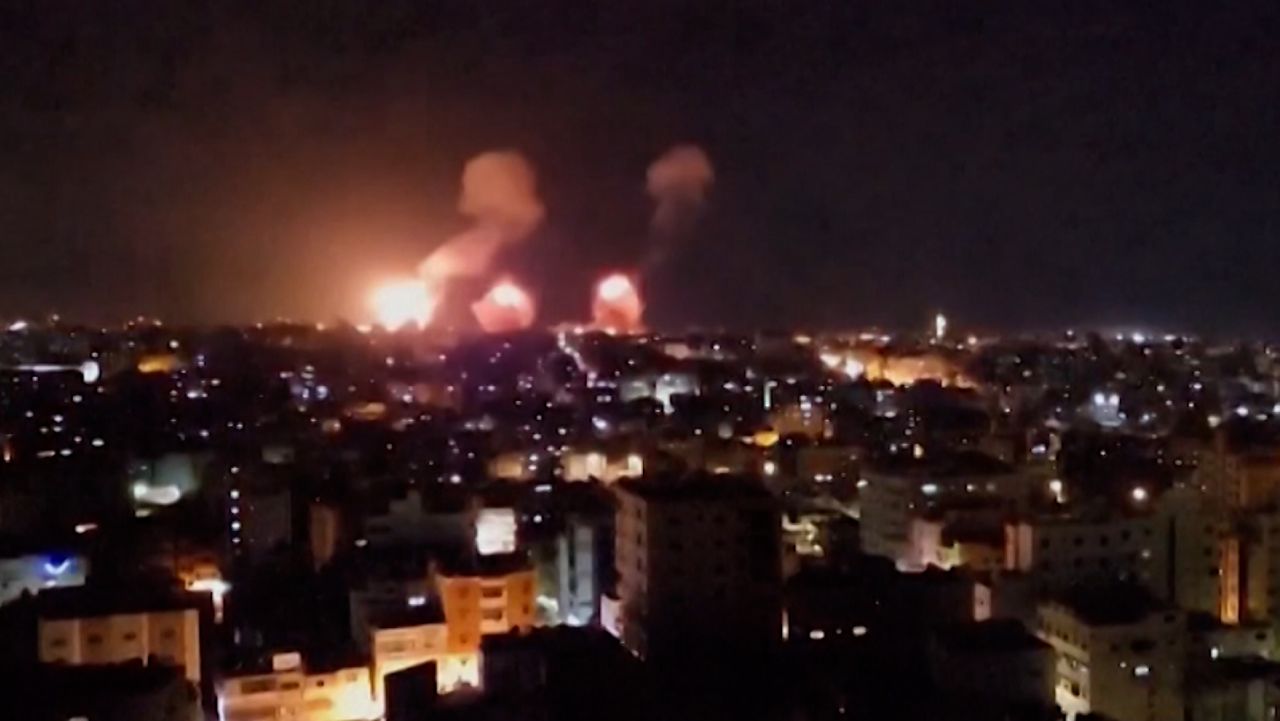
A ballistic missile launched by Iran struck the Tel Aviv Stock Exchange building in Ramat Gan on 19 June 2025, inflicting substantial structural damage in the heart of Israel’s financial district. This incident occurred amid a coordinated barrage that also hit key civilian infrastructure elsewhere, including Soroka Medical Centre in Be’er Sheva, intensifying already volatile regional tensions.

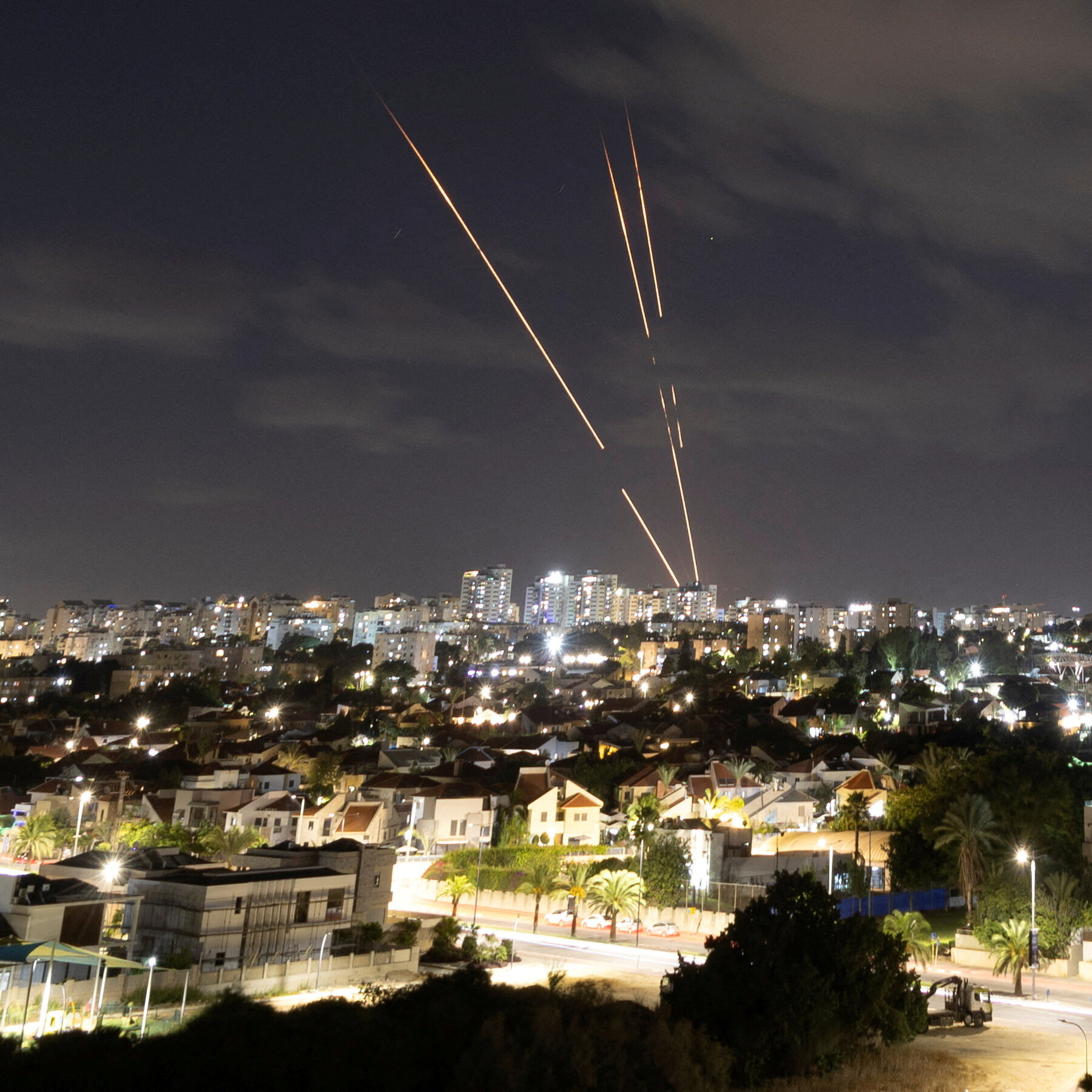
Sirens wailed across central and southern Israel as air defence systems engaged waves of inbound missiles. Between 20 and 30 ballistic projectiles were reported, an escalation surpassing previous exchanges earlier this monthꟷnotably those on 15 and 16 June, which injured dozens and damaged residences in Tel Aviv, Bat Yam and Haifa. This latest salvo targeted multiple urban areas, with at least 32 civilians confirmed wounded by Magen David Adom teams, some in serious condition.

The stock exchange structure, known as Birsa, sustained extensive facade damage and shattered windows, with parts of surrounding offices impacted. Video footage circulated online showing debris falling from upper floors into streets below. Emergency crews were deployed immediately to evacuate employees and assess structural integrity, though no fatalities were reported at the site.

In parallel, Soroka Medical Centre at Be’er Sheva—Israel’s principal hospital serving around one million residents with more than 1,000 beds—was also struck. Footage and eyewitness reports confirmed significant damage: roof collapse in some wards, shattered glass across corridors and injuries among both patients and medical staff. Hospital officials imposed strict access controls, advising the public to avoid the area as emergency protocols were activated.

Israel’s air-defence systems, including Iron Dome and Arrow batteries, intercepted many of the missiles but failed to prevent all impacts. Some missiles penetrated defences and struck densely populated neighbourhoods, damaging residential high-rises and injuring civilians. This pattern marks a troubling shift. Previous intercepts had been more successful, but the latest strikes have underscored vulnerabilities in urban protection.

The missile offensive came as retaliation for Israel’s strikes on Iranian nuclear facilities. Earlier on 19 June, Israeli aircraft reportedly struck the heavy-water reactor at Arak and a related plutonium-production component, in what the Israeli government called efforts to disrupt Tehran’s nuclear capabilities. Iran’s state media countered that the reactor had been evacuated in advance and there was no radiation leak.

Prime Minister Benjamin Netanyahu publicly condemned the missile strikes on Israel’s financial hub and its hospital network, accusing Iran’s leadership of targeting civilians and vowing that Tehran “will pay the full price”. Defence officials say that Iran deployed over 25 missiles targeting Israeli urban centres during this wave.

Humanitarian services are stretched thin. Magen David Adom paramedics reported at least 32 people with injuries ranging from shock and minor shrapnel wounds to serious trauma in Be’er Sheva and Tel Aviv. Hospitals near strike zones have diverted critically ill patients and limited admissions to emergencies, raising concerns over the continuity of essential health services.

Economically, the assault on the stock exchange reverberated across markets. While share trading has continued, operational disruptions occurred as staff evacuated and investigations into building safety commenced. Analysts note that the financial centre embodies Israel’s economic resilience, but warn that repeated infrastructure targeting injects uncertainty into investor sentiment.

As missiles fly in both directions, global powers are watching warily. US President Donald Trump indicated possible military support for Israel pending internal approval, while European leaders called for restraint and emphasised the potential for diplomatic channels. The International Atomic Energy Agency has voiced alarm over Iran’s uranium enrichment practices, now exacerbated by military confrontations sparked by retaliatory airstrikes.

Israeli authorities warn that this may be Iran’s most sustained attack yet, burning through long-range arsenal previously reserved for strategic military targets. Intelligence assessments suggest Iran is deploying missiles intensively—over 400 since the conflict’s escalation—though only a fraction have struck urban centres.

With civilian infrastructure clearly in the crosshairs, the stakes are escalating dangerously. Analysts warn that further strikes on hospitals, markets or cultural institutions may invite stronger Israeli countermeasures, potentially widening the conflict. For now, cities remain on high alert as missiles continue to disrupt daily life and rattle the foundations of an already tense Middle East.

Cushman & Wakefield Greater China has been honoured with three five‑star awards at the 2025 Asia Pacific Property Awards, recognising its excellence in commercial real estate services across the region. The firm also received an additional “Award Winner” designation, strengthening its regional leadership credentials. Judged by an expert panel comprising property professionals, these awards are regarded as one of the industry’s most prestigious marks of quality, celebrating […]

Oil markets surged on Tuesday and Wednesday as escalating military exchanges between Iran and Israel sparked investor anxiety. Brent crude futures climbed approximately 2.1 per cent to $74.79 a barrel by 12:02 GMT, while US West Texas Intermediate settled near $73.19—following intraday swings exceeding 2 per cent gains and drops. The gains were driven by soaring geopolitical concerns after Israel bombed Iran’s South Pars gas field—shared with Qatar—igniting a fire that prompted Iran […]

The United Arab Emirates is on track to maintain an annual growth rate of approximately 4 % from 2025 through 2028, underpinned by robust expansion in non-oil sectors and rising oil output, according to S&P Global Ratings.

S&P’s Zahabia S Gupta, Director of the Sovereign team, emphasised that even with softened oil prices and global growth headwinds, the federation and individual emirates are projected to record consecutive fiscal surpluses. Boosted liquidity and investment returns are expected to raise the UAE’s net asset position to around 177 % of GDP by 2028.

Oil production quotas agreed by OPEC+ are forecast to remain elevated, enhancing the UAE’s hydrocarbon revenues, though the non-oil sectors—such as finance, real estate, tourism, and services—are seen as the main drivers. The Central Bank raised its 2024 GDP projection to 4 % and forecasts growth of 6 % for 2025. Sectoral diversification, including continued investment in infrastructure, logistics, and digital technologies, will support sustained activity levels across the seven emirates.

Emirates’ fiscal health, backed by solid sovereign reserves and rising yields on sovereign-backed assets, positions the government to generate surpluses even amid modest global economic slowdown. Gupta points out that income from liquid investments will be critical in reinforcing net asset accumulation. This resilient fiscal trajectory contrasts favourably with regional peers.

Sharjah, however, presents a more cautious outlook. S&P recently revised its forecast for the emirate’s economic performance, predicting roughly 3 % annual growth through 2028 alongside a widening deficit that is expected to reach 6.7 % of GDP in 2024. The difference underlines the UAE’s internal variance in expansion and structural robustness.

The UAE’s medium-term macroeconomic forecast aligns with IMF projections indicating real GDP growth of about 4.2 % in 2025 and a gradual uptick to 4.5 % by 2028. Non‑oil GDP growth is expected to consistently outpace the oil sector, significantly contributing to overall diversification efforts. Financing this will involve domestic debt issuance, estimated at around US $19 billion in 2024, nearly 55 % of which will be allocated to development projects.

Market observers note that the central bank’s policy rate adjustments, tied to the US Federal Reserve, may influence domestic lending conditions, but the policy outlook remains cautious given the dirham’s peg to the dollar. Financial sector resilience—evidenced by healthy bank liquidity and expanding lending—will support private sector credit growth.

The UAE’s strategic economic pivot includes deeper integration into global supply chains, expansion of tourism and hospitality capacity, and advanced digital infrastructure rollout. High-profile projects such as the Wynn Al Marjan Island integrated resort, which is set to open in Ras Al Khaimah in 2027, reflect the commitment to economic diversification.

Investors and analysts recognise that sustaining 4 % growth will require balancing oil revenue reliance with resilient non-hydrocarbon sectors. Fiscal discipline and effective public investment will remain crucial, particularly amid geopolitical tensions and potential global demand fluctuations. S&P’s projections anticipate that the UAE will continue recording fiscal surpluses, unlike other economies which may face tightening pressures.

The UAE’s economic trajectory contrasts sharply with that of Saudi Arabia, where growth is expected to accelerate to about 4 % over the same period—yet heavily influenced by oil production—underscoring the UAE’s relative strength in non‑oil diversification. The country’s strategic position as a regional financial and logistics hub reinforces its prospects against external shocks.

Challenges persist, including global inflationary pressures, energy price volatility, and regional geopolitical uncertainty. The government’s capacity to manage these risks, while preserving capital buffers and sustaining reform momentum, will be critical to achieve projected outcomes.

A powerful heat wave will bring intense swelter to New York City and other major Eastern Seaboard cities, with heat indices rising into the triple digits along the I‑95 corridor. Temperatures are expected to climb well above seasonal norms from Sunday through mid‑week, driven by a strengthening high‑pressure dome and amplified humidity, posing serious health risks and heightening strain on infrastructure. Cities from Chicago to Washington, D.C.—including […]

A coalition of South Korea’s top 100 firms generated an economic contribution of 1,615.2 trillion won in 2024, marking a 3.9 percent rise from the previous year, according to CEO Score data released on 18 June. Samsung Electronics led the charge with a 7 percent increase to 157.5 trillion won, accounting for 9.8 percent of the total haul.

This growth reflects an integrated model of wealth distribution across stakeholders—suppliers, workers, government, shareholders and communities. Total sales of these firms reached 2,122.4 trillion won, growing 6.6 percent year-on-year, underlining the deep economic interlinkages driving expansion.

Hyundai Motor secured the second position with a contribution of 115.2 trillion won, followed by Kia at 86.6 trillion won, which spectacularly posted the steepest increase thanks to surging supplier payments. Among the top ten contributors were LG Electronics, Hyundai Mobis, GS Caltex, SK Energy, Posco, Samsung C&T and LG Chem. In contrast, LG Energy Solution saw a pronounced drop of 28.3 percent to 19.2 trillion won, weighed down by lower stakeholder payouts.

Industry breakdown highlights that electronics and IT firms contributed about 370 trillion won, followed by petrochemicals at 312 trillion won and the auto sector at 303.5 trillion won. Construction, shipbuilding, steel and distribution made further sizeable additions, reflecting a diverse industrial base.

The dominance of chaebol giants—especially Samsung—continues unabated. Samsung and its affiliates, constituting nearly a quarter of national GDP, help drive national innovation and exports. Beyond scale, these conglomerates are embracing strategic shifts. Government figures show a record R&D investment of 83.6 trillion won by South Korean firms, with Samsung alone ploughing 30.2 trillion won into innovation, followed by SK hynix at 4.5 trillion won, Hyundai at 4.3 trillion won, and LG Electronics at 3.4 trillion won.

Despite stepping up R&D budgets by 15.3 percent, only 40 domestic firms made the global top 2,000 by R&D outlays, compared to 681 in the US and 524 in China—underscoring scope for further thrust in innovation. Within semiconductors, South Korea continues to hold a dominant global footprint, commanding approximately 60 percent of the DRAM market and 52.6 percent of NAND, led by Samsung and SK hynix. Notably, SK hynix claimed 36 percent of DRAM market share in Q1 2025, overtaking Samsung’s 34 percent.

This data reveals a dual narrative: chaebol behemoths remain the backbone of the economy, but a growing reliance on innovation and global competitiveness is reshaping the corporate landscape. Hyundai’s pivot to electric vehicles, Kia’s ramped-up supplier integration and LG’s diversification into chemicals and energy solutions are emblematic of this shift.

However, concentration risk persists. Samsung and its affiliates form a significant share of GDP and exports, but reliance on a limited set of heavyweights may expose the economy to global headwinds. The comparative lag in R&D-intensive mid-sized firms risks stifling long-term resilience.

Nevertheless, public policy is responding. Regulatory tweaks aimed at supporting corporate research and streamlining licensing protocols, alongside financial incentives and infrastructure development, suggest a proactive stance to broaden innovation beyond the chaebol core.

As South Korea navigates economic turbulence—from fluctuating global demand to supply chain uncertainties and U.S.–China tech tensions—the measured expansion of stakeholder-driven value and intensification of R&D efforts signal a strategic repositioning.

By K Raveendran With the likelihood of a diplomatic solution appearing increasingly distant, West Asia is now clearly veering toward a longer and more intense confrontation, one that may significantly reshape economic, geopolitical, and energy dynamics not only in the Middle East but globally. What was initially perceived as a retaliatory exchange following months of […]

Lawmakers in Ohio’s House Technology and Innovation Committee have approved House Bill 116 — dubbed the “Bitcoin Rights” measure — with a unanimous 13‑0 vote. The legislation safeguards personal control over encrypted digital assets, explicitly legalises individual and corporate mining and node operation, and provides a state income‑tax break of up to US $200 per transaction in capital gains from digital assets.

The bill, formally titled the Ohio Blockchain Basics Act, moves to the full House for a vote as part of an initiative to position the state as a hub for blockchain and cryptocurrency operations.

At the heart of the measure is the protection of self‑custody rights, allowing citizens to keep their crypto in hardware or self‑hosted wallets without interference from state or local authorities. It also shields miners and node operators from regulatory burdens. Individuals may mine at home, in residential zones, and businesses may operate industrial‑scale mining farms where zoning rules permit. Additionally, digital‑asset activities such as mining, staking, token swaps and node‑running would not trigger money‑transmitter or investment licensing requirements.

Another key component is the $200 per transaction exclusion from Ohio state income tax on capital gains from digital assets used as payment. That threshold is set to rise annually with inflation, offering relief to small‑scale users and encouraging routine use of cryptocurrency in commerce. Local governments, including municipalities and charter counties, would also be barred from imposing their own taxes or fees on such transactions.

The legislative analysis explains that the bill prevents state or locality from prohibiting acceptance of crypto as payment or from confiscating hardware or wallets. In industrial zones, mining operations enjoy protections from discriminatory rezoning, though noise and zoning regulations still apply.

Proponents, including the bill’s primary sponsor, Representative Steve Demetriou, have framed the bill as a foundational move to foster technology innovation, champion financial autonomy and attract blockchain businesses to Ohio. The bipartisan, unanimous committee vote reflects broad political willingness to embed crypto‑friendly measures at state level.

Supporters argue Ohio will benefit economically by drawing in infrastructure investment and fostering public familiarity with digital assets — especially with enhanced legal certainty and tax incentives in place.

However, critics caution that the bill may leave regulatory gaps, presenting consumer‑protection and environmental challenges. Concerns have been raised over potential disregard for energy‑intensive mining’s impact on local power grids and carbon emissions. Others warn that dubbing activities like mining and staking as outside the scope of money‑transmitter laws could allow for unmonitored financial operations.

Industry experts and legal analysts note that the bill’s nuanced definitions — covering digital assets, hardware wallets, self‑hosted wallets, nodes and mining operations — constitute one of the more comprehensive legal frameworks for crypto in the US. Its allowance for pension funds to study digital‑asset ETF investment is also seen as a significant institutional development.

Under the bill, each state retirement system must submit a report within a year assessing the viability, advantages and risks of investing in digital‑asset ETFs, and offer recommendations to reduce exposure in case of such investments.

Should the full House and Senate pass the bill and the governor sign it, Ohio will rank among the most crypto‑welcoming states. Observers suggest that its balanced approach — mixing legal clarity, tax relief and targeted environmental zoning controls — may serve as a model for other jurisdictions exploring blockchain policy frameworks.

With the committee stage complete, attention now turns to the legislature’s upper chamber, where further amendments or debates may arise. Policy‑wonks will be watching for potential changes on environmental stipulations and consumer protections, as well as alterations to the tax‑exemption levels.

The United Arab Emirates has cautioned against a dangerous spiral between Israel and Iran, as its foreign minister strongly warned that “uncalculated and reckless steps” might spread beyond the conflict zones. Sheikh Abdullah bin Zayed Al Nahyan expressed deep concern over escalating military actions that risk drawing in neighbouring states and aggravating regional instability, the UAE Foreign Ministry said on Tuesday. Abu Dhabi’s heightened alarm follows a sharp intensification of hostilities. […]

Oil surged on Wednesday amid escalating friction between Iran and Israel, with Brent crude topping $76.60 and West Texas Intermediate reaching roughly $75.10 a barrel. Market momentum was powered by rising fears over supply chain vulnerabilities in the Middle East, even though core oil infrastructure remains largely intact and operational. The escalation entered its sixth day as both nations exchanged strikes. President Trump has intensified U.S. military […]

Qatar has instructed LNG carriers to remain outside the Strait of Hormuz until one day prior to loading operations as regional security risks heighten, with officials emphasising that this measure is precautionary and unlikely to disrupt overall supply volumes.

The directive from QatarEnergy affects vessels bound for the Ras Laffan terminal, one of the world’s largest liquefied natural gas export facilities. Around a dozen carriers are idling in ballast outside the terminal, awaiting final instructions before undertaking brief, tightly scheduled transits through the strait.

Market indicators reacted swiftly: European gas prices surged as much as 4.8%, while Asian benchmarks inched upward amid growing concern over potential delivery delays. Despite this, analysts and industry insiders maintain that the streamlined entry process—coupled with Qatar’s steady production—should keep cargo volumes within normal parameters.

This move aligns with contingency efforts by the world’s third-largest LNG exporter. Industry sources confirm that the carriers will execute “quick entry and speedy exits” across the Hormuz passage, necessitating precise scheduling and coordination with maritime authorities.

Analysts acknowledge that about 20–25% of global LNG traffic transits the Strait, underscoring its significance as a logistical chokepoint. Instructing vessels to loiter offshore aims to reduce their vulnerable exposure time in the strait.

Strategic analysts warn that escalating tensions—particularly after recent military exchanges involving Israel and Iran—increase risks for all Gulf shipping. Tehran has threatened to seal off the strait, which could strain Qatar’s export pipelines and ripple through global energy markets.

Despite geopolitical headwinds, Qatar’s production at the South Pars/North Field complex remains steady. The foreign ministry emphasised that LNG output and shipments continue to follow their usual course, even as the country takes enhanced security measures.

Operational insights from shipping analysts describe a familiar summer idling pattern, but note slight increases in loitering time and cautious routing. Vessels such as the tanker HLAITAN are reportedly waiting outside the strait in anticipation of load orders.

Market response has been modest. European gas hubs such as TTF recorded price rises of around 4–5%, while the Asia‑Pacific’s JKM benchmark reached nearly $14 per mmBtu, marking a $1.20 uptick since mid‑June. CNBC‑style commentary points out that the precautionary shift is “unlikely to cause major disruption,” although insurers are adjusting premiums to reflect the heightened transit risks.

For global exporters and importers, Qatar’s stance underscores a renewed emphasis on maritime risk management. Shipping firms are increasingly factoring geopolitical volatility into their routing and scheduling protocols. International insurers have begun revising coverage for LNG carriers traversing the Gulf, citing increased premiums tied to potential missile or drone threats in the region.

Qatar’s approach enables more controlled maritime planning: by delaying vessel entry until close to the loading window, the country limits their exposure to strategic bottlenecks and regional flare‑ups. This calculated move underscores Doha’s dual priorities of maintaining export reliability and protecting vital shipping assets.

Abu Dhabi’s state‑owned oil giant ADNOC has unveiled plans to escalate its U.S. energy investments six‑fold over the next decade, targeting a total of $440 billion. Speaking in Washington on 17 June, Sultan al‑Jaber, ADNOC Chief Executive and UAE Minister of Industry and Advanced Technology, declared that the American market is “not just a priority; it is an investment imperative” for the company’s global expansion.

Al‑Jaber underlined the urgency of the move, emphasising that artificial intelligence represents a “once‑in‑a‑generation investment opportunity.” He pointed out that the growth of data centres driven by AI will demand substantial power— “The next stage of evolution” in energy consumption, he said. The planned investments will span a wide spectrum: anchor stakes in the largest liquefied natural gas facility in Texas, petrochemical plants, and the deployment of 5.5 gigawatts of renewable energy paired with storage systems “from coast to coast”.

ADNOC’s international investment arm, XRG, is cementing its presence with a new Washington office, aimed at steering these high‑stakes ventures. XRG has already struck a deal with Occidental’s 1PointFive for a direct air capture project in Texas, with potential investment reaching $500 million. Additional widescale cooperation includes agreements to develop U.S. gas, LNG, specialty chemicals and energy infrastructure.

The announcement synchronises with a broader bilateral strategy: in March, senior UAE officials committed to a ten‑year, $1.4 trillion investment framework in the U.S., covering sectors such as AI, energy, semiconductors and manufacturing. As part of that pact, U.S. companies agreed to invest $60 billion in UAE energy assets. The XRG–Occidental partnership, as well as other collaborations involving ExxonMobil, Japanese firms Inpex and JODCO, is expected to expand capacity at Abu Dhabi’s major offshore oil field, Upper Zakum.

At the Atlantic Council Global Energy Forum in Washington, al‑Jaber addressed the broader challenge of powering AI, stating that U.S. energy infrastructure must undergo a “system‑wide shift” to keep pace. He highlighted the need to hyperscale energy supply—from gas, renewables with storage and nuclear—to meet the projected requirement of 50–150 GW of new capacity just in the next five years. He warned against prematurely retiring existing power plants, advocating instead for grid modernisation and rapid permitting for new infrastructure.

Environmental groups have voiced concern that the surge in AI‑driven energy demand could lead to rising carbon emissions unless clean energy is prioritised. In response, al‑Jaber suggested that AI could, in fact, offer solutions—optimising grid efficiency and managing load fluctuations, effectively “unlocking its own energy challenge”.

The energy‑AI summit ENACT, hosted by XRG and MGX alongside the Atlantic Council, gathered leading figures from across the energy, tech and finance sectors. Delegates, including representatives from Exxon, OpenAI and BP, discussed mid‑ and long‑term strategies to address the escalating power needs of hyperscale data centres.

These developments are set against a backdrop of rising instability in the Middle East, where al‑Jaber cautioned that energy remains a “cornerstone of peace, stability and prosperity,” signalling that the new chapter of collaboration aims to underpin global energy security.

For the U.S., the influx of investment promises a host of benefits: large‑scale infrastructure expansion, high‑task employment, and reinforced energy resilience. Projects under the UAE umbrella—from LNG plants to hydrogen and carbon capture initiatives—are poised to generate thousands of jobs, while U.S. energy firms gain access to new development avenues both at home and back in the Gulf.

Yet questions remain. Policy experts stress that realisation of al‑Jaber’s ambitious vision will depend heavily on ensuring timely regulatory approvals and creating an effective risk environment for private capital. Moreover, balancing fossil fuel commitments with the drive toward decarbonisation will require clear direction from both governments and industry stakeholders.

TAIPEI, TAIWAN – Media OutReach Newswire – 18 June 2025 – Emerging as champions of the hit Taiwanese talent show《Atom Boyz 2》, the boy group F.F.O officially debuted at the end of 2024 during the Graduation Concert. Their debut track《腦袋漂流記》received glowing reviews from fans, and their first album, now available for pre-order, has already seen impressive sales. With strong fan support at every appearance, from pop-up events […]

If you’re considering investing in or moving to Takaya at Motor City by Union Properties, one of the smartest first steps is reviewing the official brochure. This comprehensive document gives prospective buyers a detailed overview of the project’s master plan, unit layouts, key features, and lifestyle offerings. Whether you’re interested in Takaya apartments, Takaya villas, or Takaya townhouses, the brochure provides essential information that helps you make informed decisions — from […]

Partners Group, a leading Swiss private markets investment firm managing approximately $152 billion, has inaugurated a new regional headquarters at Abu Dhabi Global Market, signalling a strategic intensification of its presence in the Middle East. Suhail Albaz, appointed Chairman of Middle East, Africa and Central Asia, will oversee the office. His brief includes deepening ties with Gulf institutions, expanding private wealth services, and targeting transformational investment opportunities […]

VISHNU RAJA
RYO YAMADA
HITORI GOTOH
IKUYO KITA