News related to
energy

By K Raveendran With the likelihood of a diplomatic solution appearing increasingly distant, West Asia is now clearly veering toward a longer and more intense confrontation, one that may significantly reshape economic, geopolitical, and energy dynamics not only in the Middle East but globally. What was initially perceived as a retaliatory exchange following months of […]

Lawmakers in Ohio’s House Technology and Innovation Committee have approved House Bill 116 — dubbed the “Bitcoin Rights” measure — with a unanimous 13‑0 vote. The legislation safeguards personal control over encrypted digital assets, explicitly legalises individual and corporate mining and node operation, and provides a state income‑tax break of up to US $200 per transaction in capital gains from digital assets.

The bill, formally titled the Ohio Blockchain Basics Act, moves to the full House for a vote as part of an initiative to position the state as a hub for blockchain and cryptocurrency operations.

At the heart of the measure is the protection of self‑custody rights, allowing citizens to keep their crypto in hardware or self‑hosted wallets without interference from state or local authorities. It also shields miners and node operators from regulatory burdens. Individuals may mine at home, in residential zones, and businesses may operate industrial‑scale mining farms where zoning rules permit. Additionally, digital‑asset activities such as mining, staking, token swaps and node‑running would not trigger money‑transmitter or investment licensing requirements.

Another key component is the $200 per transaction exclusion from Ohio state income tax on capital gains from digital assets used as payment. That threshold is set to rise annually with inflation, offering relief to small‑scale users and encouraging routine use of cryptocurrency in commerce. Local governments, including municipalities and charter counties, would also be barred from imposing their own taxes or fees on such transactions.

The legislative analysis explains that the bill prevents state or locality from prohibiting acceptance of crypto as payment or from confiscating hardware or wallets. In industrial zones, mining operations enjoy protections from discriminatory rezoning, though noise and zoning regulations still apply.

Proponents, including the bill’s primary sponsor, Representative Steve Demetriou, have framed the bill as a foundational move to foster technology innovation, champion financial autonomy and attract blockchain businesses to Ohio. The bipartisan, unanimous committee vote reflects broad political willingness to embed crypto‑friendly measures at state level.

Supporters argue Ohio will benefit economically by drawing in infrastructure investment and fostering public familiarity with digital assets — especially with enhanced legal certainty and tax incentives in place.

However, critics caution that the bill may leave regulatory gaps, presenting consumer‑protection and environmental challenges. Concerns have been raised over potential disregard for energy‑intensive mining’s impact on local power grids and carbon emissions. Others warn that dubbing activities like mining and staking as outside the scope of money‑transmitter laws could allow for unmonitored financial operations.

Industry experts and legal analysts note that the bill’s nuanced definitions — covering digital assets, hardware wallets, self‑hosted wallets, nodes and mining operations — constitute one of the more comprehensive legal frameworks for crypto in the US. Its allowance for pension funds to study digital‑asset ETF investment is also seen as a significant institutional development.

Under the bill, each state retirement system must submit a report within a year assessing the viability, advantages and risks of investing in digital‑asset ETFs, and offer recommendations to reduce exposure in case of such investments.

Should the full House and Senate pass the bill and the governor sign it, Ohio will rank among the most crypto‑welcoming states. Observers suggest that its balanced approach — mixing legal clarity, tax relief and targeted environmental zoning controls — may serve as a model for other jurisdictions exploring blockchain policy frameworks.

With the committee stage complete, attention now turns to the legislature’s upper chamber, where further amendments or debates may arise. Policy‑wonks will be watching for potential changes on environmental stipulations and consumer protections, as well as alterations to the tax‑exemption levels.

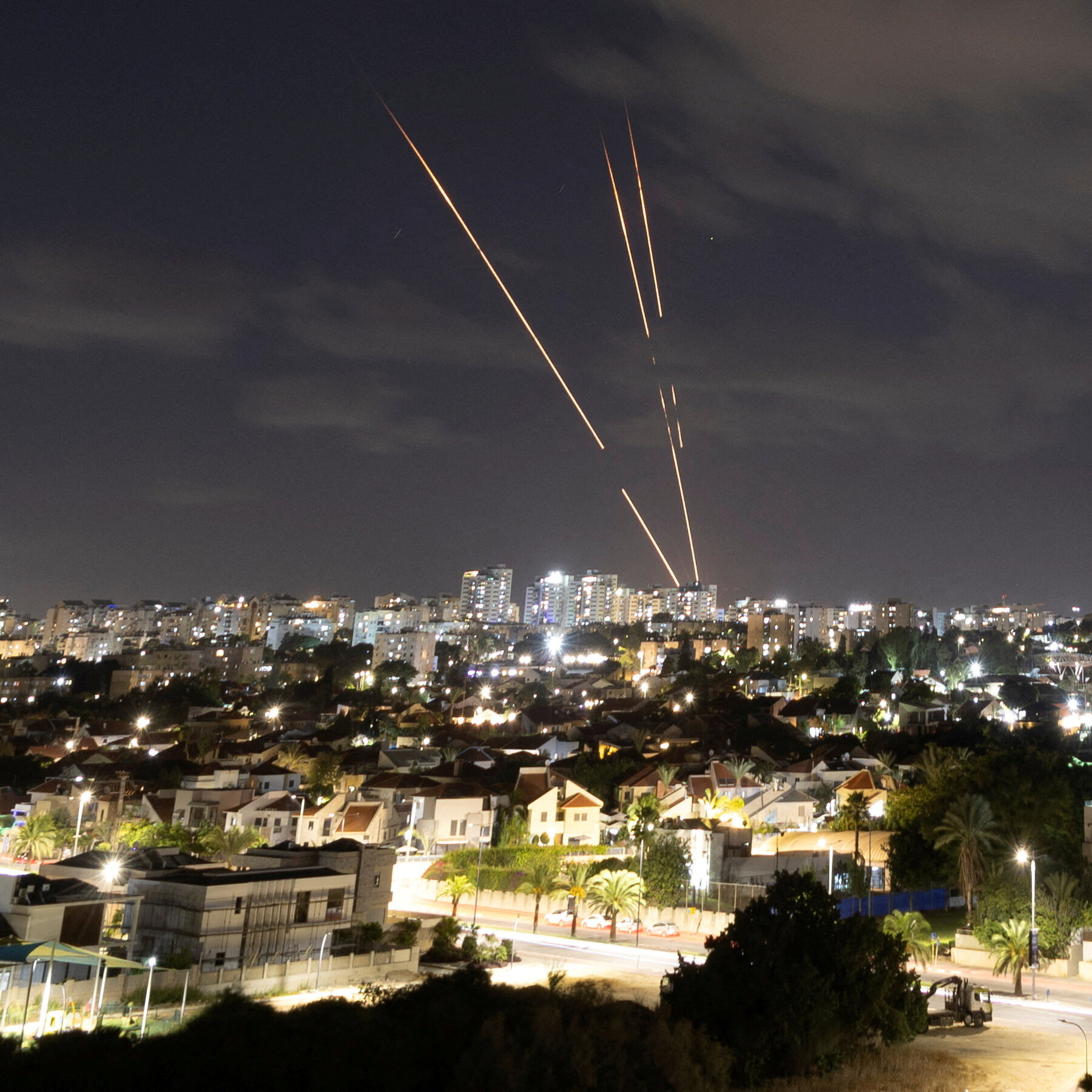
The United Arab Emirates has cautioned against a dangerous spiral between Israel and Iran, as its foreign minister strongly warned that “uncalculated and reckless steps” might spread beyond the conflict zones. Sheikh Abdullah bin Zayed Al Nahyan expressed deep concern over escalating military actions that risk drawing in neighbouring states and aggravating regional instability, the UAE Foreign Ministry said on Tuesday. Abu Dhabi’s heightened alarm follows a sharp intensification of hostilities. […]

Oil surged on Wednesday amid escalating friction between Iran and Israel, with Brent crude topping $76.60 and West Texas Intermediate reaching roughly $75.10 a barrel. Market momentum was powered by rising fears over supply chain vulnerabilities in the Middle East, even though core oil infrastructure remains largely intact and operational. The escalation entered its sixth day as both nations exchanged strikes. President Trump has intensified U.S. military […]

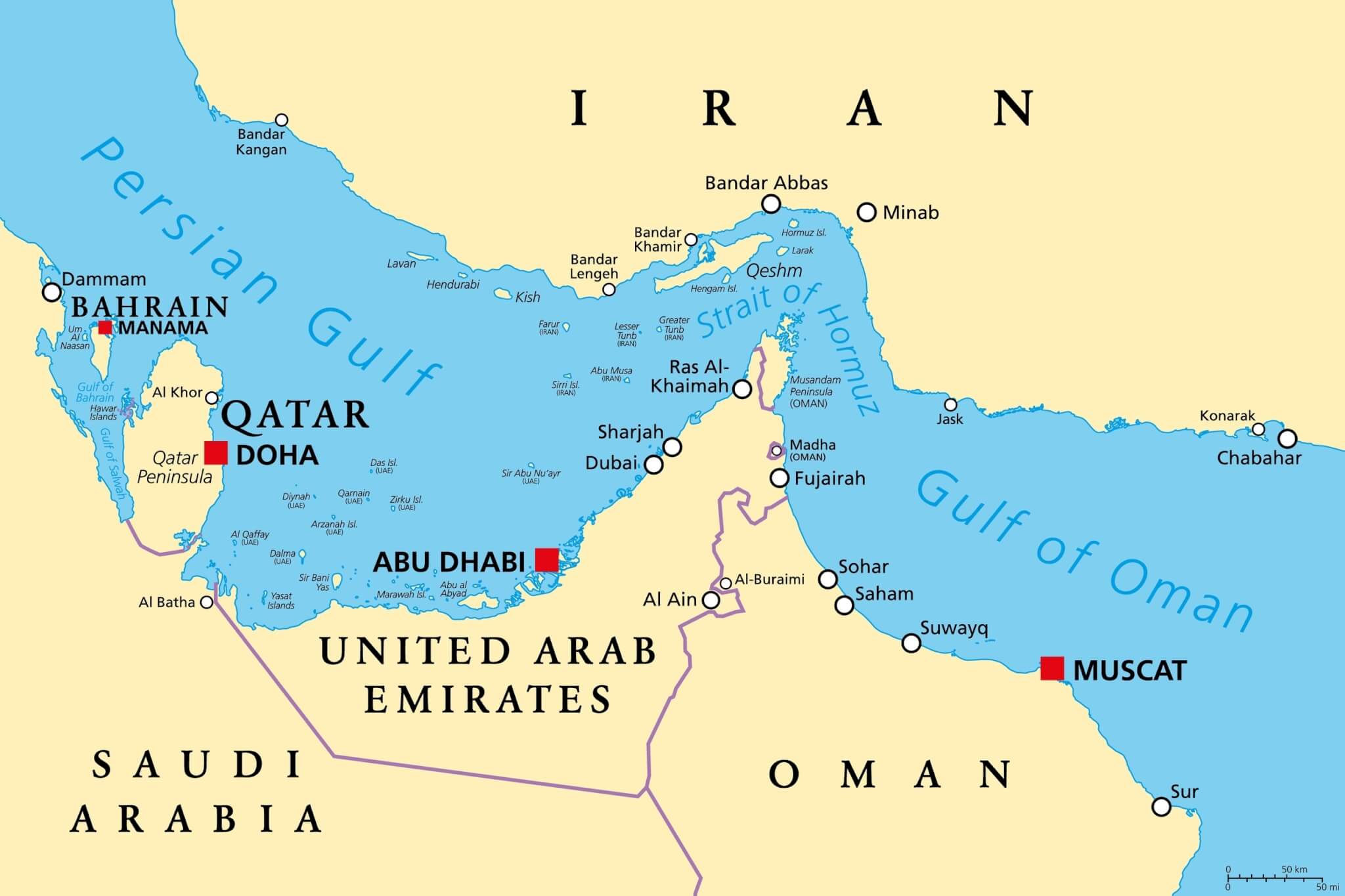
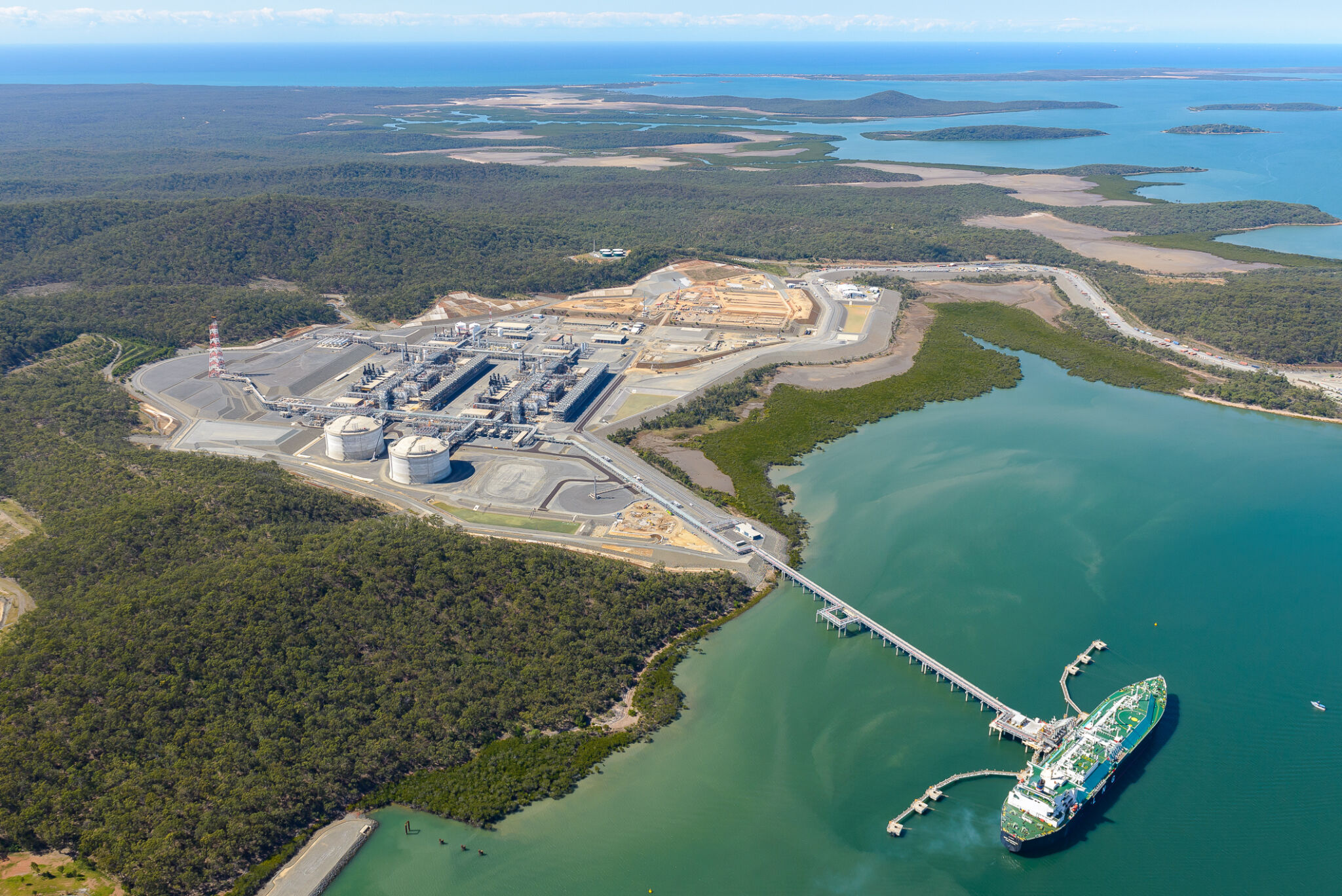
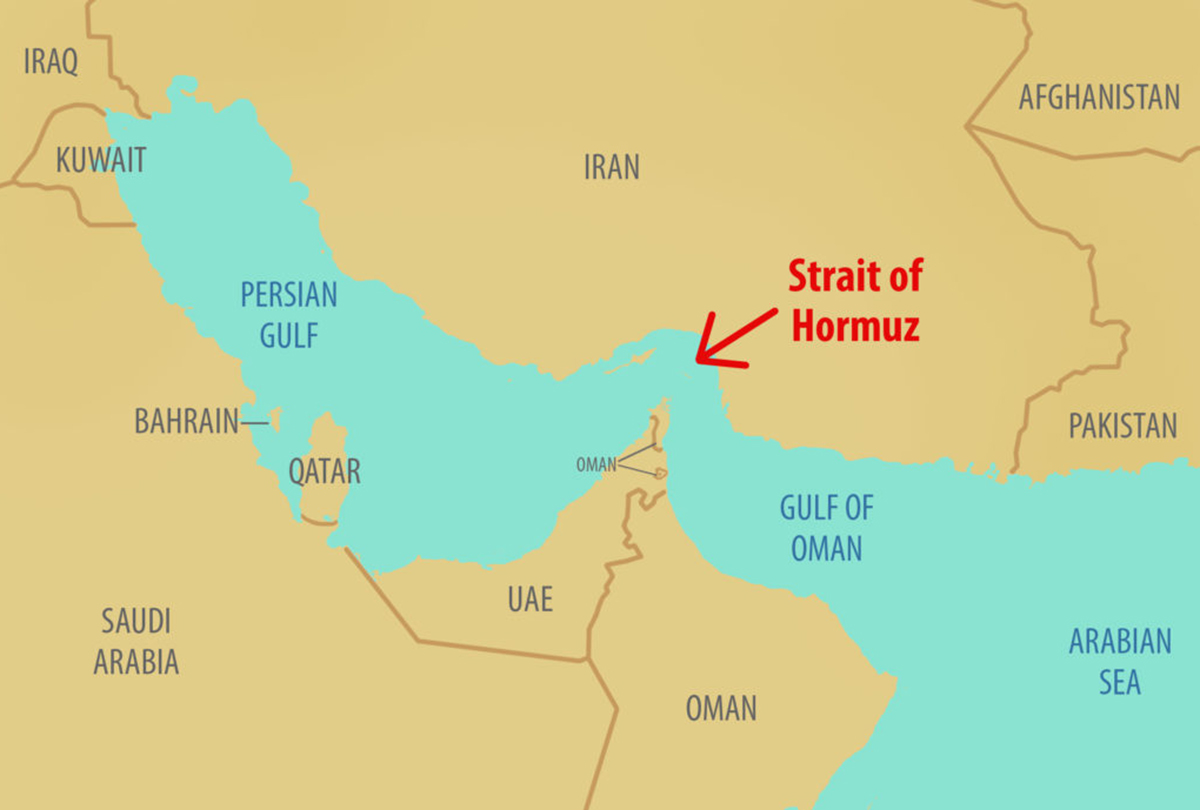
Qatar has instructed LNG carriers to remain outside the Strait of Hormuz until one day prior to loading operations as regional security risks heighten, with officials emphasising that this measure is precautionary and unlikely to disrupt overall supply volumes.

The directive from QatarEnergy affects vessels bound for the Ras Laffan terminal, one of the world’s largest liquefied natural gas export facilities. Around a dozen carriers are idling in ballast outside the terminal, awaiting final instructions before undertaking brief, tightly scheduled transits through the strait.

Market indicators reacted swiftly: European gas prices surged as much as 4.8%, while Asian benchmarks inched upward amid growing concern over potential delivery delays. Despite this, analysts and industry insiders maintain that the streamlined entry process—coupled with Qatar’s steady production—should keep cargo volumes within normal parameters.

This move aligns with contingency efforts by the world’s third-largest LNG exporter. Industry sources confirm that the carriers will execute “quick entry and speedy exits” across the Hormuz passage, necessitating precise scheduling and coordination with maritime authorities.

Analysts acknowledge that about 20–25% of global LNG traffic transits the Strait, underscoring its significance as a logistical chokepoint. Instructing vessels to loiter offshore aims to reduce their vulnerable exposure time in the strait.

Strategic analysts warn that escalating tensions—particularly after recent military exchanges involving Israel and Iran—increase risks for all Gulf shipping. Tehran has threatened to seal off the strait, which could strain Qatar’s export pipelines and ripple through global energy markets.

Despite geopolitical headwinds, Qatar’s production at the South Pars/North Field complex remains steady. The foreign ministry emphasised that LNG output and shipments continue to follow their usual course, even as the country takes enhanced security measures.

Operational insights from shipping analysts describe a familiar summer idling pattern, but note slight increases in loitering time and cautious routing. Vessels such as the tanker HLAITAN are reportedly waiting outside the strait in anticipation of load orders.

Market response has been modest. European gas hubs such as TTF recorded price rises of around 4–5%, while the Asia‑Pacific’s JKM benchmark reached nearly $14 per mmBtu, marking a $1.20 uptick since mid‑June. CNBC‑style commentary points out that the precautionary shift is “unlikely to cause major disruption,” although insurers are adjusting premiums to reflect the heightened transit risks.

For global exporters and importers, Qatar’s stance underscores a renewed emphasis on maritime risk management. Shipping firms are increasingly factoring geopolitical volatility into their routing and scheduling protocols. International insurers have begun revising coverage for LNG carriers traversing the Gulf, citing increased premiums tied to potential missile or drone threats in the region.

Qatar’s approach enables more controlled maritime planning: by delaying vessel entry until close to the loading window, the country limits their exposure to strategic bottlenecks and regional flare‑ups. This calculated move underscores Doha’s dual priorities of maintaining export reliability and protecting vital shipping assets.

Abu Dhabi’s state‑owned oil giant ADNOC has unveiled plans to escalate its U.S. energy investments six‑fold over the next decade, targeting a total of $440 billion. Speaking in Washington on 17 June, Sultan al‑Jaber, ADNOC Chief Executive and UAE Minister of Industry and Advanced Technology, declared that the American market is “not just a priority; it is an investment imperative” for the company’s global expansion.

Al‑Jaber underlined the urgency of the move, emphasising that artificial intelligence represents a “once‑in‑a‑generation investment opportunity.” He pointed out that the growth of data centres driven by AI will demand substantial power— “The next stage of evolution” in energy consumption, he said. The planned investments will span a wide spectrum: anchor stakes in the largest liquefied natural gas facility in Texas, petrochemical plants, and the deployment of 5.5 gigawatts of renewable energy paired with storage systems “from coast to coast”.

ADNOC’s international investment arm, XRG, is cementing its presence with a new Washington office, aimed at steering these high‑stakes ventures. XRG has already struck a deal with Occidental’s 1PointFive for a direct air capture project in Texas, with potential investment reaching $500 million. Additional widescale cooperation includes agreements to develop U.S. gas, LNG, specialty chemicals and energy infrastructure.

The announcement synchronises with a broader bilateral strategy: in March, senior UAE officials committed to a ten‑year, $1.4 trillion investment framework in the U.S., covering sectors such as AI, energy, semiconductors and manufacturing. As part of that pact, U.S. companies agreed to invest $60 billion in UAE energy assets. The XRG–Occidental partnership, as well as other collaborations involving ExxonMobil, Japanese firms Inpex and JODCO, is expected to expand capacity at Abu Dhabi’s major offshore oil field, Upper Zakum.

At the Atlantic Council Global Energy Forum in Washington, al‑Jaber addressed the broader challenge of powering AI, stating that U.S. energy infrastructure must undergo a “system‑wide shift” to keep pace. He highlighted the need to hyperscale energy supply—from gas, renewables with storage and nuclear—to meet the projected requirement of 50–150 GW of new capacity just in the next five years. He warned against prematurely retiring existing power plants, advocating instead for grid modernisation and rapid permitting for new infrastructure.

Environmental groups have voiced concern that the surge in AI‑driven energy demand could lead to rising carbon emissions unless clean energy is prioritised. In response, al‑Jaber suggested that AI could, in fact, offer solutions—optimising grid efficiency and managing load fluctuations, effectively “unlocking its own energy challenge”.

The energy‑AI summit ENACT, hosted by XRG and MGX alongside the Atlantic Council, gathered leading figures from across the energy, tech and finance sectors. Delegates, including representatives from Exxon, OpenAI and BP, discussed mid‑ and long‑term strategies to address the escalating power needs of hyperscale data centres.

These developments are set against a backdrop of rising instability in the Middle East, where al‑Jaber cautioned that energy remains a “cornerstone of peace, stability and prosperity,” signalling that the new chapter of collaboration aims to underpin global energy security.

For the U.S., the influx of investment promises a host of benefits: large‑scale infrastructure expansion, high‑task employment, and reinforced energy resilience. Projects under the UAE umbrella—from LNG plants to hydrogen and carbon capture initiatives—are poised to generate thousands of jobs, while U.S. energy firms gain access to new development avenues both at home and back in the Gulf.

Yet questions remain. Policy experts stress that realisation of al‑Jaber’s ambitious vision will depend heavily on ensuring timely regulatory approvals and creating an effective risk environment for private capital. Moreover, balancing fossil fuel commitments with the drive toward decarbonisation will require clear direction from both governments and industry stakeholders.

TAIPEI, TAIWAN – Media OutReach Newswire – 18 June 2025 – Emerging as champions of the hit Taiwanese talent show《Atom Boyz 2》, the boy group F.F.O officially debuted at the end of 2024 during the Graduation Concert. Their debut track《腦袋漂流記》received glowing reviews from fans, and their first album, now available for pre-order, has already seen impressive sales. With strong fan support at every appearance, from pop-up events […]

Advertisements

If you’re considering investing in or moving to Takaya at Motor City by Union Properties, one of the smartest first steps is reviewing the official brochure. This comprehensive document gives prospective buyers a detailed overview of the project’s master plan, unit layouts, key features, and lifestyle offerings. Whether you’re interested in Takaya apartments, Takaya villas, or Takaya townhouses, the brochure provides essential information that helps you make informed decisions — from […]

Partners Group, a leading Swiss private markets investment firm managing approximately $152 billion, has inaugurated a new regional headquarters at Abu Dhabi Global Market, signalling a strategic intensification of its presence in the Middle East. Suhail Albaz, appointed Chairman of Middle East, Africa and Central Asia, will oversee the office. His brief includes deepening ties with Gulf institutions, expanding private wealth services, and targeting transformational investment opportunities […]

Abu Dhabi National Oil Company, via its XRG investment arm, has launched an A$8.89‑per‑share all‑cash takeover offer worth roughly US$18.7 billion for Santos, Australia’s second‑largest gas producer. The bid has ignited intense scrutiny from Australian regulators concerned about safeguarding domestic gas supply and securing critical infrastructure. Simultaneously, XRG has pledged to accelerate key gas‑project development, a strategy aimed at wining over skeptical authorities and stakeholders.

The takeover offer emerges at a pivotal moment: Santos’ shares closed at A$7.73 following the announcement, indicating investor scepticism over regulatory clearance, even as the A$8.89 bid reflects a healthy 28 per cent premium. Jamie Hannah, deputy head at VanEck Australia, acknowledged that while the path ahead “is not going to be smooth sailing”, the “very attractive” straight‑cash offer underscores its appeal.

Regulatory risk centres on the critical role Santos plays in Australia’s energy system. The firm possesses about 5 per cent of eastern and 24 per cent of western domestic gas market share, essential for supplying both export and local needs. Analysts warn that the Foreign Investment Review Board, charged with vetting significant foreign acquisitions, will scrutinise ADNOC’s control over gas assets, particularly given concerns of an east‑coast gas shortfall projected by 2027.

Yet ADNOC is banking on its deep financial resources to tip the scales. XRG has emphasised it can fast‑track Santos’ stalled projects, such as Narrabri and Beetaloo, pledging to develop them faster and more robustly than Santos’ previous plan to boost shareholder returns. UBS’s Tom Allen highlighted this strength, saying regulators may view ADNOC’s funding as a delivery mechanism for the gas Australia needs.

The layered bid comes from a consortium that includes not only ADNOC’s XRG, but also Abu Dhabi Development Holding Company and private‑equity giant Carlyle, valuing Santos at some US$36.4 billion including debt – making it the largest all‑cash corporate takeover ever in Australia.

Despite such scale, state‑level political concerns are emerging. South Australia’s Premier Peter Malinauskas and Energy Minister Tom Koutsantonis have called for protections on local jobs, licence control, and keeping Santos’s headquarters in Adelaide. Meanwhile, new state legislation adds weight to ministerial approval of petroleum licence transfers, granting South Australia extra leverage in the process.

At the federal level, Treasurer Jim Chalmers holds the ultimate authority. His decision will rely closely on FIRB advice, with insiders describing it as a pivotal “captain’s call” for the Albanese government. The broader Ministry of Energy and Resources, currently reviewing gas supply strategies, may leverage the bid to extract concessions in line with looming energy security needs.

Santos CEO Kevin Gallagher, whose compensation could wind up exceeding A$50 million if the deal proceeds, has maintained discretion, saying he will “let the process take its course”. Gallagher previously brought forward a stalled bid with Woodside, signalling a strategic interest in consolidation.

Market sentiment remains guarded but not dismissive. Santos shares rallied approximately 11 per cent in the wake of the board’s backing of the bid and release of due‑diligence exclusivity. Analysts point to ADNOC’s deep capital reserves and the trade deal with the UAE as factors that may cushion adversities and lend credence to the offer.

One area of uncertainty is the domestic Narrabri gas project in New South Wales: although Novation from the recent Native Title Tribunal clearance supports its long‑anticipated development, ongoing regulatory review and possible asset spin‑offs to comply with FIRB guidelines could delay its final investment decision. Analysts have speculated that domestic‑facing assets might be excluded or managed separately, potentially involving Carlyle as a local partner to satisfy national interest criteria.

This complex engineering of commercial ambition and governmental oversight places energy security at the centre of the acquisition narrative. While ADNOC’s financial might and project‑acceleration promise may reassure regulators, political and community stakeholders are tightening the lens on national asset control, job retention, and supply resilience. The outcome will hinge on whether FIRB, acting on Chalmers’s counsel, accepts the consortium’s assurances — or opts for a compromise that safeguards domestic gas capacity.

CHANGCHUN, CHINA – Media OutReach Newswire – 16 June 2025 – From June 12 to 15, FAW HONGQI unveiled its luxury vehicle lineup at the 2025 International Automotive and Supply Chain Expo(Hong Kong), showcasing its unique “Oriental Luxury” concept to the world. During the expo, HONGQI held the “Glory in Hong Kong, Shaping the Future Together” Golden Sunflower Exclusive Appreciation Event, which forged profound connections between HONGQI […]

Commercial real estate operators are pivoting beyond traditional boardroom focuses to harness AI-driven insights from their facility and lease management data to boost profitability and operational performance. JLL’s latest research finds that nine out of ten companies plan to deploy AI tools over the next five years to aid human experts in commercial real estate decision‑making. JLL’s Global Future of Work survey, conducted among more than 2,300 […]

Greenlogue/AP Dubai will host the 11th World Green Economy Summit on 1 and 2 October 2025 at the Dubai World Trade Centre, underlining its ambition to accelerate global climate action and sustainable innovation. This flagship event, convened by the Dubai Supreme Council of Energy, Dubai Electricity and Water Authority and the World Green Economy Organisation, will gather industry leaders, policymakers and technical experts around the theme ‘Innovating […]

Tehran has entered a state of widespread panic as thousands of residents flee the capital following the latest wave of Israeli airstrikes targeting military, nuclear, energy, and regime-linked sites.

Cities in northern provinces such as Mazandaran, Gilan and Alborz have reported being inundated with evacuees, many travelling along the Tehran–North and Tehran–Qom highways, with gridlock stretching for miles. Fuel stations in Tehran and Karaj are overwhelmed, and shoppers report shortages of essentials amid surge demand. The Iranian capital’s internet has been intermittently throttled amid efforts to suppress distress and control the narrative.

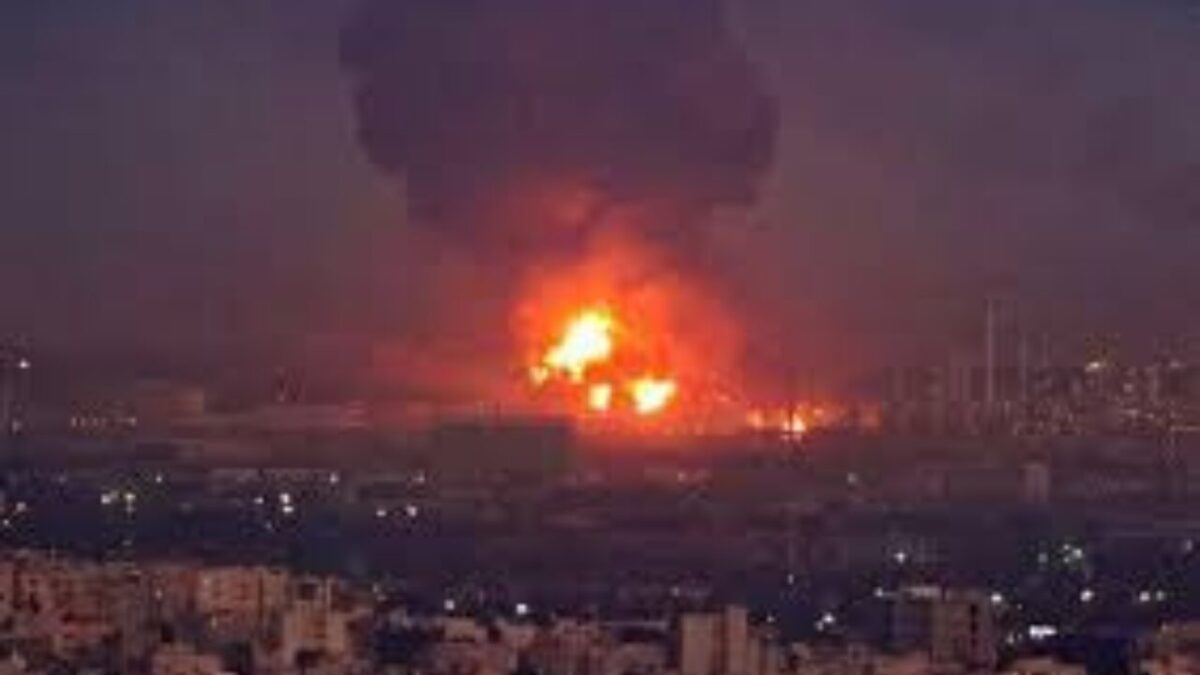
The operation, identified by Israeli leaders as “Operation Rising Lion,” commenced on 13 June when hundreds of precision strikes struck facilities tied to Iran’s nuclear aspirations, ballistic missile production, IRGC leadership and critical infrastructure in and around Tehran. High-value targets were obliterated, including the South Pars gas field, military command centres, and the Defence Ministry, underlining Israel’s expanded scope beyond nuclear installations.

Toll estimates vary: Iranian sources cite more than 224 civilian deaths, including over a dozen IRGC commanders and key nuclear scientists, with more than 900 injured. Israeli authorities report 10 to 14 fatalities in Israel from Iranian missile counterattacks. Silence from Tehran’s official channels contrasts with visible damage and civilian trauma—homes laid waste, shattered windows, and heavy reliance on basements, subway stations and schools repurposed as makeshift shelters.

Despite a state warning against mass exodus, authorities suggested citizens near refineries evacuate and advised use of metro systems for shelter. But many view this response as inadequate; Tehran lacks a network of formal bomb shelters, and a culture that venerates martyrdom over civilian safety has limited protective infrastructure.

Residents describe scenes of desperation: families abandoning homes, children crying, and queues forming at petrol stations and ATMs amid collapsing communications. One finance analyst shared that “windows began to shake” and smoke seeped into her home during a Sunday strike, prompting her to leave the city with neighbours. Another Tehran student spoke of long petrol lines at stations and panicking crowds hunting for food.

Domestic anxiety is compounded by structural vulnerabilities. The Iranian economy, enduring its deepest crisis in decades, faces inflation rates above 40%, mass unemployment and widespread food insecurity. This backdrop of poverty and instability was outlined by Iranian government statistics and global economic monitoring groups. The middle class, already suffering from double-digit inflation and unemployment, is struggling to cope with this surge in insecurity.

In this context, analysts caution that the airstrikes may fit a wider strategy. With senior members of the IRGC and nuclear scientists killed, Israeli officials are believed to be signalling a shift towards undermining regime stability and infrastructure to accelerate political change. Prime Minister Netanyahu has urged Iranians to rise against the clerical leadership, though experts warn that such encouragement could backfire, consolidating hardliner control and prompting Tehran to accelerate its nuclear timeline.

International observers are also raising alarms about spill‑on effects. Crude oil prices have jumped over 10%, a sign of global markets jittering at the potential for further escalation. Meanwhile, the World Bank warns that heightened war intensity may undermine adjacent states involved in sensitive hydrocarbon trade and production.

Within Iran, elites are now confronting increasingly vocal criticism. Social media posts mocking authorities for failing to build basic shelters are circulating despite internet restrictions. While some citizens express threats of retaliation, others develop resignation: “You worry what’s going to come next,” one resident remarked, reflecting the capital’s unease.

Interviews with experts indicate a nation on the cusp of transformation. Iran’s leadership, confronted by a collapsing economy, degrading military deterrent, and a civilian population on the move, faces growing internal rupture. However, dissent remains fragmented and tightly controlled by the IRGC and security services.


Leaders at the 51st G7 summit convening in Kananaskis, Canada, are confronting an abrupt surge in hostilities between Israel and Iran, marked by intensified airstrikes, rising civilian casualties, and mounting diplomatic tensions. With missile barrages and pre‑emptive assaults already claiming hundreds of lives, the summit agenda has shifted dramatically, prioritising strategies to contain the conflict and avert a broader regional war.

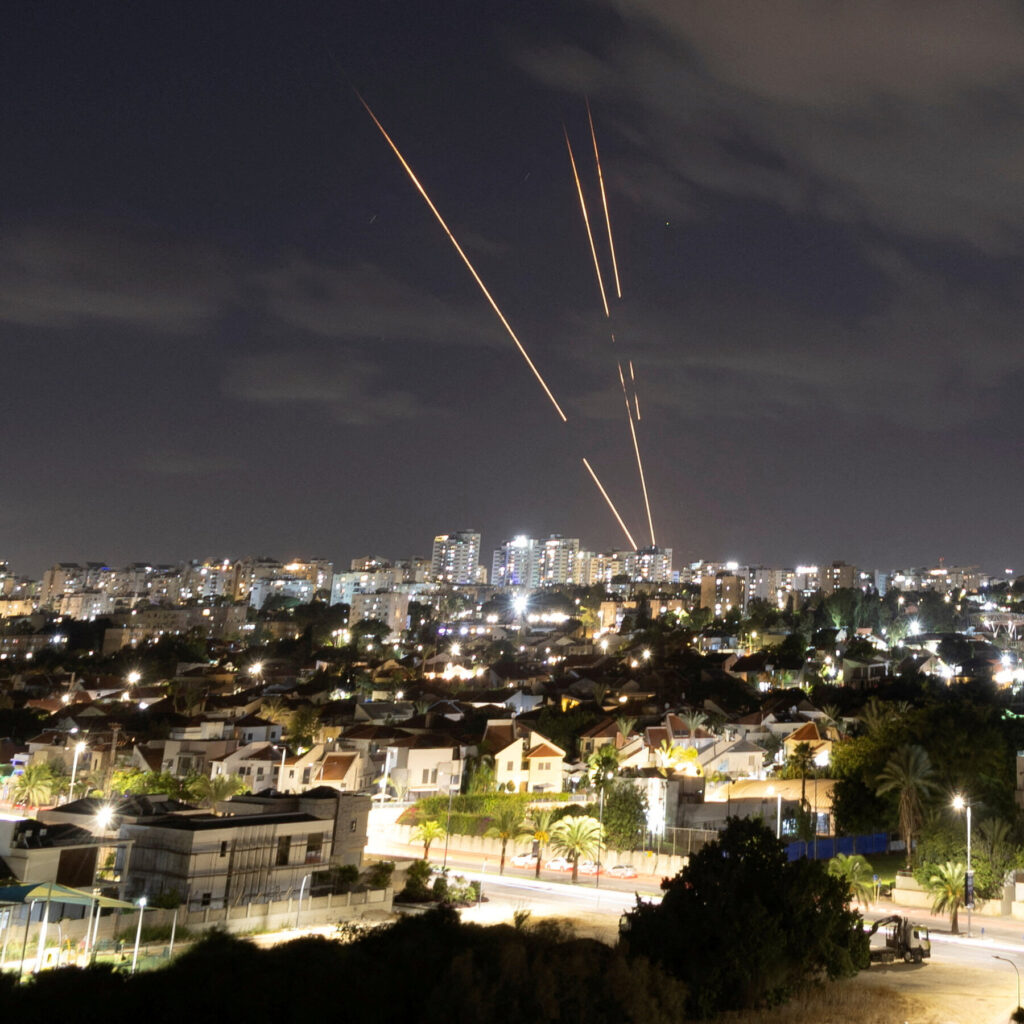
Israeli forces launched “Operation Rising Lion” on 13 June, targeting Iran’s nuclear, ballistic missile, and military infrastructure—including key command centres and Iranian Revolutionary Guard facilities around Tehran—and killed high‑ranking officials and scientists. Iran retaliated with a wave of over 270 missiles, deploying new tactics that overwhelmed Israel’s air defences and struck densely populated urban areas such as Tel Aviv and Haifa. As of 16 June, at least five Israelis were killed and more than 100 injured in the latest overnight strikes. Iranian health authorities report a death toll of at least 224, predominantly civilians, and over 1,200 wounded.

The rapid escalation has introduced fresh complexity to international diplomacy. U.S. President Donald Trump vetoed an Israeli proposal to target Iran’s Supreme Leader Ayatollah Ali Khamenei, emphasising that such action would only inflame the situation. Trump has also signalled the possibility of brokering a deal, suggesting Iran “must make a deal before there is nothing left” and voicing optimism that peace negotiations could emerge from this crisis.

European leaders are urging urgent collective action. German Chancellor Friedrich Merz asserted at the summit that unity is essential to prevent Iran’s nuclear ambitions, uphold Israel’s right to self‑defence, curb escalation, and open diplomatic channels. He indicated that measures could include sanctions, and emphasised cooperation with regional actors such as Oman to reduce tensions with Iran and Yemen’s Houthi rebels. Meanwhile, Ursula von der Leyen and Emmanuel Macron deployed diplomats to press for negotiation, although Macron’s optimism about a swift resolution contrasts with ongoing military deployment in the region.

Britain has signalled readiness to support Israel with defensive and civil aid while advocating restraint. Prime Minister Keir Starmer has reinforced diplomatic engagement with Trump, Netanyahu, and Gulf leaders, and authorised RAF Typhoon jets as a contingency against potential Iranian threats to UK bases. Nonetheless, Iran has dismissed ceasefire calls while military operations continue.

Canada, hosting the summit, has abandoned the traditional joint communiqué, opting instead for chair’s summaries to manage discord—particularly over trade and Middle East policy—between the U.S. and other participants. Canadian Prime Minister Mark Carney emphasised the summit focus on peace, security, supply chains, and jobs—prioritising a co‑ordinated response to the Israel‑Iran crisis.

G7 officials are crafting a unified statement urging Iran to halt its nuclear programme and Israel to pause expansive military action, signalling tangible diplomatic pressure backed by clear consequences for non‑compliance. However, persistent disagreements across the bloc—over trade, relations with Russia, and climate policy—complicate efforts to forge a consensus.

Regional actors are mobilising diplomatic channels. Qatar and Oman are reportedly engaged in shuttle diplomacy to de‑escalate the conflict. Simultaneously, Iran‑backed groups, including militias in Iraq and Houthis in Yemen, are extending hostilities across front lines, prompting concern that the confrontation may metastasise into a wider regional war.

The humanitarian fallout is grave. Large‑scale displacement is underway as Iranians flee Tehran after warnings issued by Israeli forces to civilians near weapons facilities. Hospitals in northern provinces are stretched, while the Iranian Red Crescent has launched mobile clinics to address urgent needs. Energy markets have also reacted sharply: Brent crude prices spiked as Gulf insecurity intensified.

Analysts warn the conflict risks triggering retaliatory terror attacks in the West and disrupting global energy security. The G7 faces a pivotal test: coordinating military readiness, civilian protection, sanctions, nuclear non‑proliferation, and active diplomacy, all while preserving internal unity amid geopolitical divisions.

EdgeCortix has launched its SAKURA‑II M.2 AI accelerator for the Raspberry Pi 5 and other Arm‑based platforms, enabling high‑performance, energy‑efficient execution of generative AI at the device edge. With 60 TOPS and 30 TFLOPS performance within an 8–10 W power envelope, the SAKURA‑II module supports advanced models including Llama 2, Stable Diffusion, Vision Transformers and VLMs on compact, affordable hardware. Dr Sakyasingha Dasgupta, EdgeCortix founder and CEO, highlighted that the integration “opens […]

Dodoma’s state leadership confirmed significant advancements in the Third National Five-Year Development Plan, registering strides in infrastructure, agriculture, energy, justice reform and foreign investment initiatives. In a parliamentary session, Planning and Investment Minister Professor Kitila Mkumbo detailed over 193 development schemes—among them 17 flagship mega-projects—now underway. Irrigation farming has expanded, with irrigated areas growing from approximately 695,000 ha in 2019/20 to 727,280 ha by 2022/23, driven by intensified use […]

Iran launched a coordinated attack using ballistic missiles and combat drones against Israel, marking a significant intensification of hostilities and signalling a tactical shift in its military posture. A new guided ballistic missile—named ‘Haj Qassem’ after the late Major‑General Qasem Soleimani—was deployed alongside swarms of drones, striking central Israel including Tel Aviv and Haifa. Iranian state media described the operation as a hybrid assault, showcasing advanced navigation capabilities […]

Amazon Web Services has secured a landmark 20‑year power purchase agreement with Talen Energy, guaranteeing 1,920 MW of carbon‑free electricity from the Susquehanna nuclear plant in Pennsylvania. The contract, lasting until 2042 with extension options, positions nuclear energy as a pillar of Amazon’s strategy to meet surging demand from its AI and cloud operations. Talen will gradually ramp up delivery, starting with 840–1,200 MW by 2029 and reaching full […]

SINGAPORE – Media OutReach Newswire – 16 June 2025 – ST Telemedia Global Data Centres (STT GDC), a leading data centre service provider headquartered in Singapore, today published its 2024 Environmental, Social and Governance (ESG) report. The report details progress toward STT GDC’s ESG targets, as well as its three main ESG pillars – carbon-neutral data centre operations by 2030; a safe, secure, diverse and inclusive workplace; […]

BAODING, CHINA – Media OutReach Newswire – 15 June 2025 – While new energy vehicles continue to gain momentum worldwide, efficient diesel power remains a compelling choice—especially in challenging off-road environments where torque, range, and reliability are critical. GWM is advancing diesel technology with a focus on refinement, performance, and real-world usability. At the recent GWM Thailand Diesel Day event, the brand demonstrated how modern diesel can […]

G42 has unveiled a new London‑based subsidiary, G42 Europe & UK, designed to amplify its AI infrastructure and services across the United Kingdom and continental Europe. The entity, co‑chaired by Omar Mir and Marty Edelman, will deliver end‑to‑end AI offerings—from advisory and model deployment to supercomputing infrastructure—for sectors including finance, healthcare, energy and manufacturing. The launch comes as G42 continues its strategic European rollout, following the roll‑out of AI compute […]

By K Raveendran Israel’s strike against Iran has reignited a familiar tension in global energy markets, sending oil prices climbing into the mid-$70 per barrel range. The impact is not just visible in the numbers, but in the broader nervousness sweeping across energy trading floors and geopolitical circles alike. At the heart of this movement […]


G42 has inaugurated a London-based subsidiary, named G42 Europe & UK, marking a strategic expansion into the continent’s private and public sectors. The entity aims to deliver AI-driven solutions and collaborate with governments and industry partners to erect critical AI infrastructure across continental Europe. The new operation will be co‑chaired by Omar Mir, a board member at World Wide Technology with over 20 years’ experience in 5G, edge computing, […]

VISHNU RAJA
RYO YAMADA
HITORI GOTOH
IKUYO KITA