Just in:
Geely’s i-HEV Intelligent Hybrid Technology Offers a New Direction for Gasoline-Powered Vehicles // Miss Universe Hong Kong Jen Zhou Departs for Puerto Rico to Compete in the 75th Miss Universe World Final // OpenAI abandons secrecy agreements for future data centres // Geely’s i-HEV Intelligent Hybrid Technology Offers a New Direction Vision for Gasoline-Powered Vehicles // e-Crime Bureau Signs Cybersecurity Partnership With Smart Africa, Reinforcing Its Global Expansion // Technology shares plunge as Nasdaq enters correction // UK air traffic outage inflicted £33m financial losses // Ousted top Kochi cop gets IG post // CM disputes Vijayan’s claims // TVM –Mangaluru Vande Bharat claims top spot // Millions Of Indians May Soon Be Deprived Of Government Assistance // Oil advances towards $100 as tanker attacks persist // OpenAI introduces GPT-6 Cyber with restricted security access // CR Longdation Aethereal Cybersecurity × Global Cybersecurity Alliance (GCSA) Join Hands to Establish the “AI and Cybersecurity Research Centre” // Emaar approves Development buyout ahead of planned delisting // Xi Jinping Preparing For A Trilateral Summit With Trump And Putin At APEC Summit On Nov 18-19 // Ningbo Consensus on Collaborative Development released at 2026 Global Mayors Dialogue · Ningbo // Trump’s Iran War Has A Share Of Contribution To His Midterm Debacle // Dubai details five-year visa benefits for returning visitors // Excise chief shunted out in bar licence dispute //

News related to
global

Warnings that Japanese companies face existential risks if supply chains linked to China are disrupted are sharpening the debate in Tokyo over economic security, diversification and the costs of geopolitical strain in East Asia. Hidetoshi Tashiro, chief economist at Infinity LLC and chief executive of Terra Nexus Project Management Services, said the most serious danger from worsening Japan–China relations lies not in tariffs or diplomacy but in […]

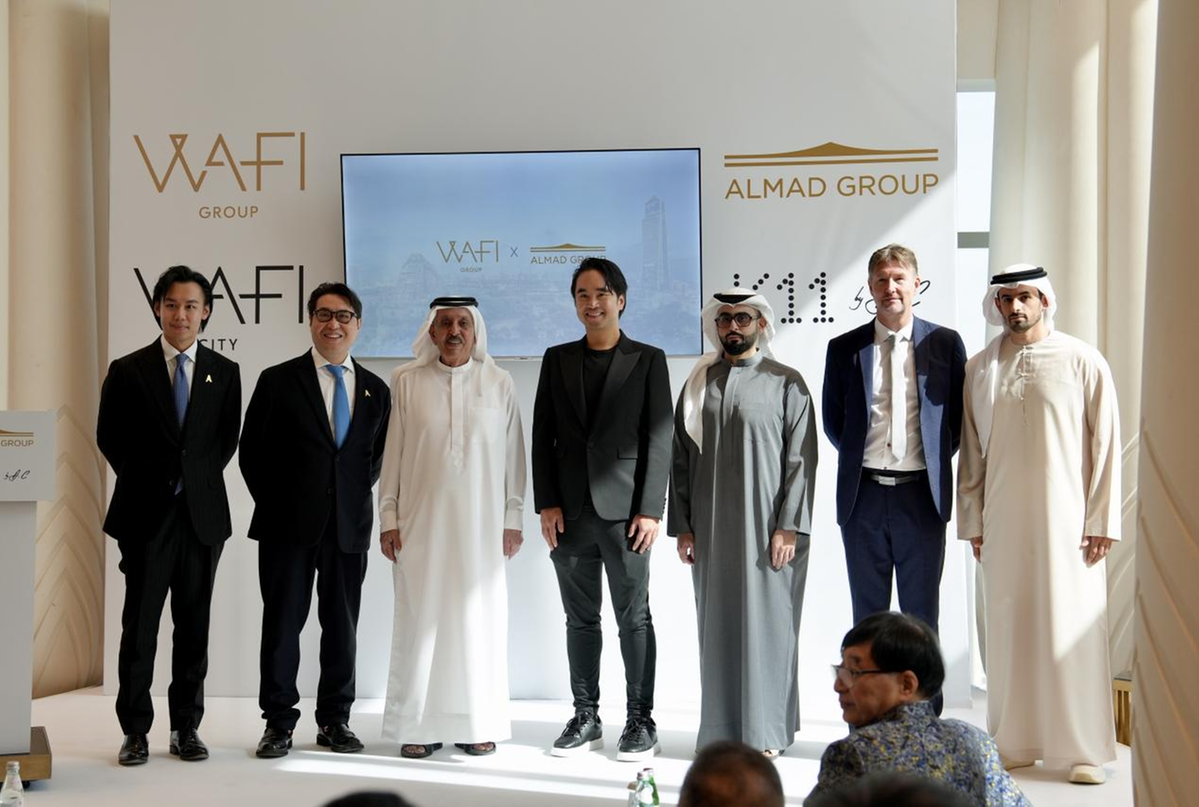
Hong Kong-based Almad Group and Dubai-based Wafi Group have formalised a strategic partnership aimed at tapping the fast-expanding animation, retail and cultural entertainment market in the Gulf, marking a notable deepening of commercial and cultural ties between East Asia and the Middle East.

The agreement, signed on December 11 in Dubai, brings together Almad Group’s lifestyle and cultural development arm, K11 by AC, and Wafi Group, one of the city’s established real estate and hospitality players. At the centre of the cooperation is the creation of a new joint venture entity, Wafi Anime 11, designed to anchor animation-led retail, immersive entertainment and intellectual-property-driven experiences in the UAE, with an eye on regional expansion.

Senior executives and representatives from both sides attended the signing, including Richard Cheung, group chief executive of K11 by AC; Dr Adrian Cheng, founder and executive chairman of K11 by AC of Almad Group; Sheikh Mana bin Khalifa Al Maktoum, founder and chairman of Wafi Group; and Sheikh Rashid bin Mana Al Maktoum, director of Wafi Group. The presence of Dubai Chambers’ executive vice-president for international relations, Salem Al Shamsi, underscored the broader trade and investment significance of the deal.

The partnership goes beyond a single retail concept. According to the framework outlined at the ceremony, Wafi Anime 11 will serve as a platform for developing themed cultural and entertainment projects, hosting IP-exclusive activities, and curating experiences aimed at both residents and international visitors. These initiatives are intended to align with Dubai’s wider strategy of positioning itself as a global hub for creative industries and experiential tourism.

A key commercial pillar of the agreement involves leasing and brand-entry cooperation for Hong Kong and the Chinese mainland labels seeking a foothold in the Middle East. The partners plan to introduce a portfolio of lifestyle, fashion and cultural brands that reflect contemporary Chinese creativity while adapting to local consumer tastes and regulatory environments. This approach reflects a growing trend among Asian brand owners to use Dubai as a gateway to the Gulf and wider Middle East and North Africa markets.

Tourism collaboration also features prominently. Almad Group and Wafi Group will roll out targeted incentive strategies aimed at visitors from Hong Kong and the Chinese mainland, encouraging longer stays and deeper engagement with Dubai’s retail and cultural offerings. Under the plan, travellers will be guided towards premium hospitality assets such as Sofitel Dubai The Obelisk and Raffles Dubai, both located within or adjacent to Wafi City, while being introduced to curated shopping, dining and entertainment itineraries.

Wafi City itself is expected to play a central role in the initiative. Long known as a mixed-use destination combining retail, hospitality and leisure, the complex will host several of the new animation-themed and IP-driven concepts. The partners believe this integrated environment provides a ready-made ecosystem for blending retail with storytelling, live events and digital engagement, a model increasingly favoured by younger consumers and families.

Another element of the cooperation involves the expansion of Gentry Club, a private members’ lifestyle concept, into the Middle East and North Africa. While details remain under development, the inclusion of Gentry Club signals an ambition to build community-based, experience-led offerings alongside mainstream retail, catering to affluent and culturally engaged audiences.

Richard Cheung said the agreement followed extensive groundwork and market analysis. “Our team has been studying the Middle East market since 2024 and is well aware of its immense development potential,” he noted. Cheung added that the first phase of cooperation would focus on brand introduction and ecosystem building, with several flagship labels representing Chinese cultural aesthetics expected to open by 2026.

Industry observers see the partnership as part of a broader shift in how cultural IP and retail are being deployed globally. Animation, gaming and character-driven franchises are no longer confined to screens or merchandise, but are increasingly used to anchor physical destinations, from themed malls to pop-up exhibitions and interactive spaces. The UAE, with its diversified economy, strong tourism flows and appetite for experiential formats, has emerged as a testing ground for such concepts.

BANGKOK, THAILAND – Media OutReach Newswire – 12 December 2025 – Vinhomes has been honored as “Developer of the Year Southeast Asia 2025”, the most prestigious title within the Dot Property Southeast Asia Awards 2025. The award marks a significant milestone in Vinhomes’ regional expansion journey and reaffirms its pioneering role in shaping modern urban developments, enhancing quality of life, and setting sustainable development benchmarks for Southeast […]

Dubai Chamber of Commerce has launched the Bulgarian Business Council, marking a new institutional step aimed at expanding bilateral trade, strengthening commercial partnerships and encouraging mutual investment between Dubai and Bulgaria.

The council has been established under the umbrella of Dubai Chambers and is intended to serve as a structured platform for companies from both markets to collaborate, exchange market intelligence and identify joint opportunities. Officials involved in the initiative said the move reflects growing interest among Bulgarian firms in using Dubai as a regional base, while Dubai-based businesses increasingly view Bulgaria as a gateway to the European Union and South-Eastern Europe.

The new body brings together representatives from key sectors including manufacturing, logistics, food and agriculture, information technology, tourism, construction and renewable energy. Its mandate includes organising business delegations, facilitating B2B meetings, supporting regulatory understanding and helping members navigate investment frameworks in both jurisdictions. Dubai Chamber of Commerce indicated that the council will also work closely with public institutions and trade promotion agencies in Bulgaria to ensure alignment with national economic priorities.

Speaking at the launch, Dubai Chambers officials said the council was designed to “build stronger partnerships between business communities and unlock new opportunities for joint investment”, highlighting a shared interest in diversifying trade flows and deepening private-sector engagement. Bulgarian representatives echoed that view, noting that Dubai’s position as a global trade and logistics hub offers Bulgarian exporters and investors access to markets across the Middle East, Africa and Asia.

Trade ties between Dubai and Bulgaria have been expanding steadily, supported by improved logistics links and a broader push by Dubai to strengthen economic relations with European economies. Non-oil trade between the UAE and Bulgaria has grown over the past decade, driven by machinery, metals, chemicals, food products and pharmaceuticals, according to publicly available trade data. Dubai’s role as a re-export centre has also helped Bulgarian firms reach third markets more efficiently.

The launch of the Bulgarian Business Council fits into Dubai Chamber of Commerce’s wider strategy of establishing country-specific business councils to institutionalise trade relations and provide structured support to foreign investors. Dubai Chambers now hosts dozens of such councils, covering markets across Europe, Asia, Africa and the Americas. These councils have become a central tool in Dubai’s efforts to attract foreign direct investment, promote cross-border partnerships and reinforce the emirate’s status as a preferred base for international companies.

Analysts note that Bulgaria’s competitive advantages include its EU membership, relatively low operating costs, skilled workforce and strategic location linking Europe, the Balkans and the Black Sea region. For Dubai-based companies, these factors make Bulgaria an attractive destination for manufacturing, near-shoring, logistics and technology development. At the same time, Bulgarian companies see Dubai as a stable business environment with advanced infrastructure, business-friendly regulations and strong connectivity.

Investment interest between the two sides has been widening beyond traditional trade. Sectors such as renewable energy, agri-tech, fintech, health care and tourism development have emerged as areas of mutual focus. Bulgarian technology firms have shown growing interest in Dubai’s innovation ecosystem, while companies from Dubai are exploring opportunities in Bulgaria’s industrial zones, real estate and tourism assets.

The Bulgarian Business Council is expected to play a coordinating role in these areas by aligning private-sector initiatives with broader economic strategies. Its agenda includes promoting joint ventures, supporting start-ups seeking cross-border expansion and encouraging knowledge exchange in areas such as digitalisation and sustainability. Council members will also work to address practical barriers faced by businesses, including regulatory clarity, market entry requirements and partner identification.

Diplomatic and business officials involved in the initiative stressed that the council is intended to complement, rather than replace, existing government-to-government frameworks. By focusing on commercial engagement, it aims to translate high-level economic cooperation into tangible outcomes for companies operating on the ground. Similar councils under Dubai Chambers have previously been credited with accelerating deal-making and improving investor confidence by providing direct access to market insights and decision-makers.

Australia has begun enforcing a landmark social media restriction aimed at limiting how platforms interact with users under 16, triggering debate among teenagers who question whether the policy addresses the realities of online life or simply shifts responsibility away from technology companies. The measures, introduced through updates to the Online Safety Act and reinforced by regulatory directives to major platforms, require companies such as Meta, TikTok, Snap […]

Danish pharmaceutical company Novo Nordisk has launched its blockbuster diabetes and weight-related therapy Ozempic in India, making the semaglutide-based injectable available across the country with a starting cost of about ₹2,200 per week for the lowest 0.25 mg dose. The move positions Ozempic as a key element in the fast-evolving metabolic health market, where type 2 diabetes and obesity rates are among the highest globally.

Available in pre-filled pens with 0.25 mg, 0.5 mg and 1 mg strengths, the therapy has been approved in India as an adjunct to diet and exercise for adults with uncontrolled type 2 diabetes. Novo Nordisk has set the monthly cost for the 0.25 mg dose at approximately ₹8,800, with incremental pricing for the higher strengths. The company says Ozempic delivers benefits beyond glycaemic control, including cardiovascular and kidney risk reduction, and supports weight management through appetite suppression.

India’s diabetes burden is among the world’s largest, with more than 100 million adults affected, according to World Health Organization estimates. Additionally, hundreds of millions live with overweight or obesity, factors that increase the risk of metabolic complications. The introduction of a globally validated therapy such as Ozempic provides clinicians with another option in managing these interconnected health challenges.

Industry analysts note that the launch comes as the country becomes a major battleground for GLP-1 receptor agonist drugs — a class that includes semaglutide and competitors such as Eli Lilly’s tirzepatide, marketed locally as Mounjaro. These therapies mimic gut hormones to regulate blood glucose and appetite, and have become focal points in efforts to curb both diabetes and excess weight.

Novo Nordisk’s roll-out follows the entry of Wegovy, its higher-dose semaglutide formulation specifically approved for chronic weight management, which debuted in India earlier in the year. Wegovy’s pricing adjustments have sparked a noticeable uptick in uptake, highlighting how cost influences adoption of these premium therapies. Ozempic’s pricing at a relatively lower weekly rate aims to broaden its accessibility, though some clinicians stress that affordability will remain a concern for patients without comprehensive insurance coverage.

The timing of the launch intersects with ongoing intellectual property developments. While the core semaglutide patent has expired in India, a secondary patent covering specific formulations remains valid until early 2026, limiting domestic generic competition. Indian courts have recently allowed local firms such as Sun Pharmaceutical Industries and Dr. Reddy’s Laboratories to manufacture semaglutide for export to countries where Novo Nordisk holds no patent but have barred domestic sales of these versions until the formulation patent lapses, shaping competitive dynamics in the near term.

Novo Nordisk India’s managing director, Vikrant Shrotriya, has acknowledged that the weekly pricing is positioned to balance accessibility with the company’s investment in supply infrastructure. He said the goal is to expand reach beyond major urban centres to tier-1 and tier-2 cities and dedicated diabetes clinics, where consistent access to modern therapies has traditionally lagged. Clinicians emphasise that appropriate patient education and specialist referrals will be crucial in ensuring safe and effective use, given that semaglutide therapies require monitoring for gastrointestinal and metabolic effects as part of comprehensive care.

The launch also intersects with broader digital health initiatives. Local health-tech firms are partnering with international drugmakers to offer patient support programmes that provide coaching and adherence tools for individuals on GLP-1 therapies. These services aim to bolster outcomes by integrating medication with lifestyle guidance, reflecting a holistic approach to long-term metabolic health management.

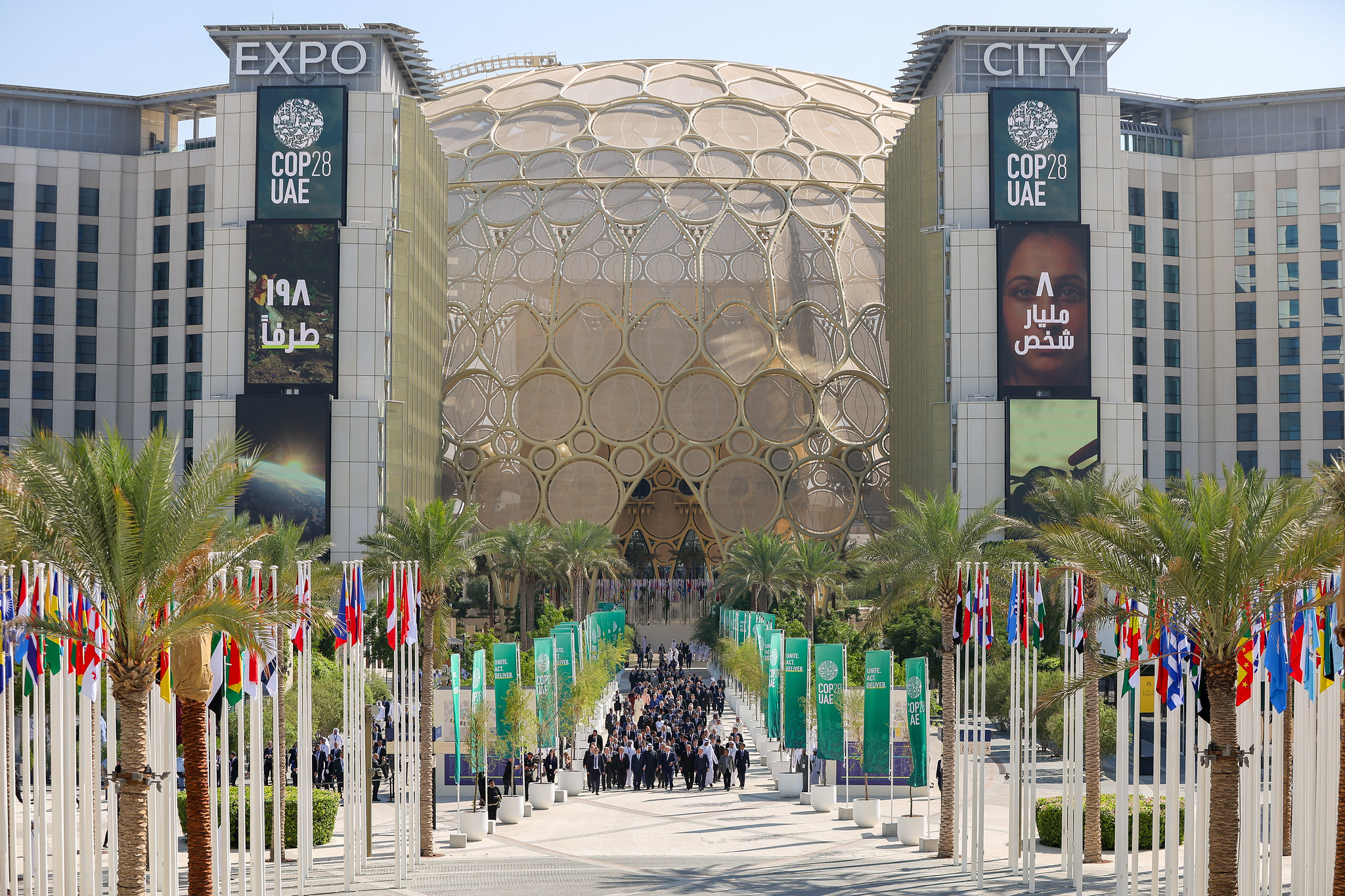
Abu Dhabi has hosted the CGIAR System Council meeting for the first time in the Arabian Gulf region, marking a significant moment for global agricultural governance and underscoring the UAE’s ambition to position itself as a convening hub for food systems innovation, climate resilience and sustainable development.

The gathering brought together representatives of governments, multilateral organisations, donors and research leaders who collectively oversee CGIAR, the world’s largest public agricultural research partnership. The System Council sets strategic direction, approves funding allocations and assesses the impact of research programmes that influence food security for hundreds of millions of people, particularly in climate-vulnerable regions.

Hosting the council in the UAE reflects a broader shift in global agricultural research towards regions facing acute water stress, rising temperatures and land degradation. Officials involved in the meeting emphasised that solutions for future food systems must be designed and tested in environments that mirror the challenges many countries already face, including arid climates and fragile ecosystems. The Gulf, long associated with food import dependence, is increasingly presented as a laboratory for innovation in desert agriculture, controlled-environment farming and climate-smart technologies.

CGIAR’s research portfolio spans crop improvement, climate adaptation, nutrition, water management and biodiversity conservation. Its network includes 15 research centres operating across Africa, Asia, Latin America and parts of the Middle East. Discussions in Abu Dhabi focused on aligning research priorities with accelerating climate risks, tightening development budgets and the need to demonstrate measurable outcomes for smallholder farmers and vulnerable communities.

Senior figures attending the meeting highlighted the urgency of scaling innovations that improve productivity while reducing environmental footprints. Heat-tolerant crop varieties, drought-resilient seeds, precision irrigation systems and data-driven advisory services were cited as areas where scientific advances are already delivering tangible benefits. Council members also reviewed progress on integrating gender equity and nutrition outcomes into agricultural research, recognising that yield gains alone do not guarantee food security.

The UAE’s role as host was framed around its investments in agri-tech, food security strategies and international development partnerships. Over the past decade, the country has expanded funding for agricultural research, supported pilot projects in arid farming and strengthened ties with international institutions working on climate adaptation. Officials involved in organising the meeting said the decision to host the council aligned with national priorities on sustainable food production and knowledge-based economic diversification.

Beyond symbolism, the location influenced the agenda. Sessions examined how lessons from desert agriculture can be adapted for other water-scarce regions, including parts of Africa and Central Asia. Controlled-environment agriculture, including greenhouse and vertical farming, featured prominently as participants assessed their potential to complement open-field farming rather than replace it. Energy use, affordability and scalability in lower-income settings were central to these debates.

Financing emerged as a critical issue. CGIAR operates in an environment of competing global crises, where humanitarian needs, climate finance and development assistance all draw from limited public funds. Council members discussed strategies to broaden the donor base, attract blended finance and strengthen partnerships with the private sector without compromising CGIAR’s public-good mandate. Transparency, accountability and rigorous impact evaluation were repeatedly emphasised as essential to maintaining donor confidence.

The meeting also addressed governance reforms within CGIAR, which has undergone structural changes aimed at improving coordination across its research centres. Council members reviewed progress on streamlining programmes, reducing duplication and enhancing collaboration with national research systems. Strengthening ties with regional institutions in the Middle East and North Africa was identified as an opportunity to expand the reach of research outputs while respecting local contexts.

Advertisements

Market speculation around XRP has intensified after a well-known digital asset commentator argued that the token could climb from around $2 to $10 in less than a year, reigniting debate over whether structural shifts in payments, regulation and market plumbing could support such a move. XRP, the token associated with Ripple’s cross-border payments network, has spent much of its existence oscillating between bouts of optimism and prolonged […]

Dubai has taken a decisive step toward autonomous urban transport with the launch of a pilot public robotaxi service on the Uber app, allowing selected users to book self-driving rides within designated zones of the emirate. The initiative, rolled out by the Roads and Transport Authority in partnership with autonomous technology firm WeRide and Uber Technologies, marks the first time such a service has been made available […]

Global oil supply is likely to align closely with demand through 2026, according to fresh projections from the Organization of the Petroleum Exporting Countries, setting up a clear divergence with forecasts from other major agencies that warn of a sizeable surplus building in the same period. OPEC’s latest monthly assessment indicates that the OPEC+ alliance, which brings together OPEC members, Russia and other producing partners, expects market […]

PwC Middle East has relocated its Riyadh office to Laysen Valley, underscoring the professional services firm’s deepening commitment to the kingdom as demand for advisory, audit and consulting services accelerates alongside economic transformation programmes. The new office brings PwC’s teams and capabilities together in a larger, purpose-built environment designed to support collaboration, client delivery and skills development. The firm said the facility is intended to serve as […]

Paramount Skydance’s decision to bring three Gulf sovereign wealth funds into its $108 billion hostile bid for Warner Bros Discovery has highlighted a rare convergence of interests among Saudi Arabia, Abu Dhabi and Qatar, as the states accelerate efforts to secure influence across the global entertainment industry. Paramount said the Saudi Public Investment Fund, Abu Dhabi’s L’imad Holding Company and the Qatar Investment Authority have agreed to […]

SINGAPORE – Media OutReach Newswire – 12 December 2025 – In today’s competitive job market, academic qualifications alone are no longer sufficient. Employers seek graduates who are academically accomplished and equipped with practical skills, confidence, and strong industry connections. At the Singapore Institute of Management (SIM), Career Connect delivers a holistic approach to career development that transforms education into employability. A Holistic Approach to Career Development SIM […]

Arabian Post Staff -Dubai Abu Dhabi’s sovereign investor Mubadala Investment Company plans to almost double its exposure to Asia to around a quarter of its global portfolio over the next decade, signalling a long-term shift in capital allocation as the region’s digital economy, energy transition and infrastructure needs accelerate. Speaking at Abu Dhabi Finance Week, Mohamed Albadr, Mubadala’s Head of Asia, said Asia’s share of assets under […]

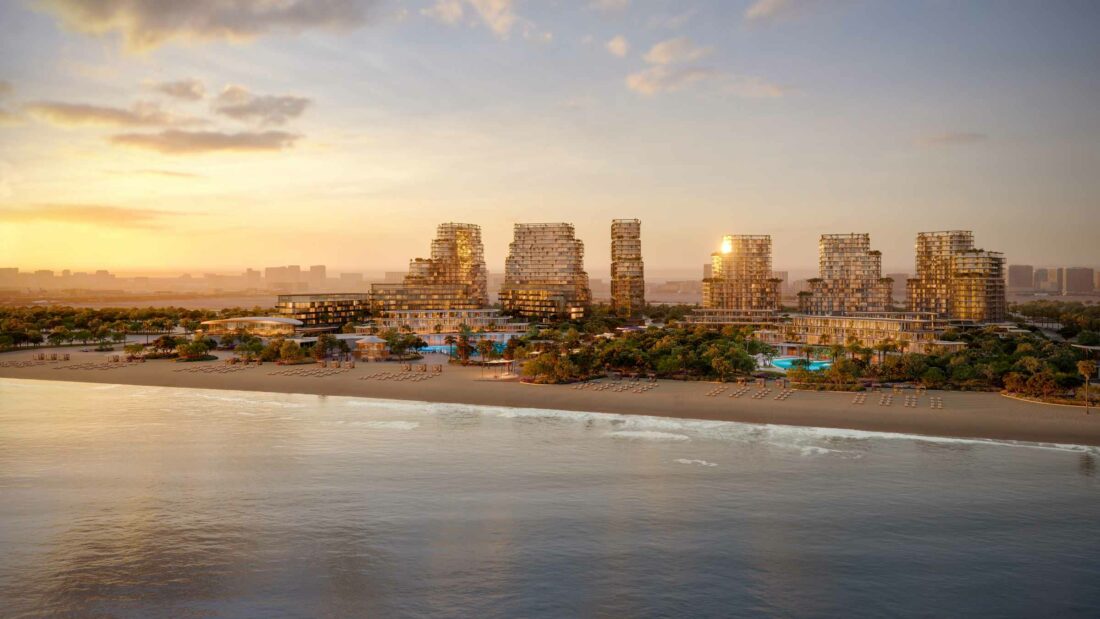
Beyond Developments has launched SIORA, its first beachfront masterplan on Dubai Islands, marking a significant step in the design-led developer’s expansion and reinforcing its alignment with Dubai’s long-term urban development strategy. The project becomes Beyond’s second large-scale community introduced within a year, underscoring the pace at which the company is scaling operations in a competitive real estate market shaped by strong demand for lifestyle-driven coastal living.

Planned across more than two million square feet, SIORA is positioned as a low-density waterfront enclave that blends residential, leisure and public-realm spaces. The development is conceived as a coastal sanctuary, with design cues drawn from Japanese garden philosophies and the concept of Ikigai, which centres on balance, purpose and fulfilment in everyday life. Beyond has said the masterplan aims to integrate natural elements, walkable environments and tranquil waterfront vistas to support wellness-focused living rather than high-intensity urban density.

Dubai Islands, formerly known as Deira Islands, has been earmarked by city planners as a key growth corridor for tourism, hospitality and mixed-use communities. The location offers direct coastal access while remaining closely connected to established commercial districts, ports and transport infrastructure. Authorities have promoted the area as part of a broader effort to diversify beachfront destinations beyond traditional luxury zones, combining residential neighbourhoods with cultural, retail and recreational assets. SIORA is expected to contribute to this repositioning by introducing a master-planned community rather than a standalone residential cluster.

Beyond Developments has framed the launch as part of a wider strategy to deliver future-ready communities that respond to evolving buyer preferences. Demand across Dubai’s residential market has increasingly tilted towards integrated developments that prioritise open space, sustainability and lifestyle amenities, particularly among long-term residents and international buyers seeking primary homes rather than short-stay investments. Waterfront projects, in particular, have continued to command price premiums, driven by limited supply and consistent global interest.

The company’s emphasis on Japanese-inspired design sets SIORA apart from conventional beachfront schemes dominated by high-rise towers and resort-style branding. Landscape-led planning, curated sightlines and quiet communal areas are intended to foster a sense of retreat within an urban context. Developers and architects working on similar concepts have pointed to growing interest in biophilic design and wellness-oriented planning, trends that gained traction as residents placed greater value on liveability, privacy and access to nature.

Beyond’s accelerated project pipeline also reflects confidence in Dubai’s regulatory environment and long-term population growth projections. Government initiatives supporting foreign ownership, long-term residency visas and infrastructure investment have underpinned sustained real estate activity across multiple price segments. Analysts tracking the market note that while transaction volumes have moderated from peak surges, end-user demand for well-located, thoughtfully designed communities remains resilient, particularly in waterfront and master-planned districts.

The launch of SIORA follows Beyond’s earlier community introduction within the same year, signalling a deliberate move to establish brand presence through scale rather than isolated developments. Industry observers note that new entrants adopting a design-led positioning often seek differentiation through master planning, architectural identity and curated amenities to compete with established developers. Delivering multiple large communities in quick succession also places emphasis on execution, construction timelines and long-term community management, factors that influence buyer confidence.

A fresh layer of speculation has emerged around Helldivers 2 after Arrowhead Game Studios’ chief creative officer, Johan Pilestedt, disclosed that a prototype for a roguelite mode has been developed, signalling a potential shift in how players may engage with the fast-growing multiplayer title. The comment surfaced through a social media exchange, where Pilestedt noted that the experimental mode alters the structure of the game in a […]

Engineered for the AI era, MIMO delivers breakthrough metrics: 400 GB/s bandwidth, 54 million IOPS, and 40–90 μs latency—all within a form factor comparable to a large suitcase. MIMO serves as both a high-performance data hub for large-scale GPU clusters and a flexible edge deployment platform, extending seamlessly to desktop environments where it orchestrates workflows with various DGX Spark units based on NVIDIA’s GB10 Grace Blackwell superchip. […]

Global development officials are assessing faltering progress on sustainable development targets as the United Nations Development Programme warns that economies and communities face mounting pressures from climate shocks, widening inequality, and geopolitical instability. The review comes at a time when the Global Environment Outlook 7 underscores the scale of environmental disruption, projecting that unchecked climate change could shave about 4 per cent off annual global GDP by […]

Google has unveiled its most affordable artificial intelligence subscription in India, aiming to challenge OpenAI’s popular ChatGPT Go service and expand the reach of its AI ecosystem. The new Google AI Plus plan is priced at ₹399 per month, with a special introductory offer of ₹199 for the first six months for new subscribers, a strategy clearly designed to attract price-sensitive users in one of the world’s fastest-growing digital markets.

The launch places Google directly in competition with OpenAI’s ChatGPT Go subscription, which has gained traction by offering enhanced features at a similar price point and, in some cases, bundled free access through promotions. Both plans now sit at roughly the same monthly cost, but key differences in features and ecosystem integration could shape consumer choice.

Google’s AI Plus plan gives subscribers expanded access to Gemini 3 Pro, the company’s most capable AI model yet, enabling advanced natural language understanding, coding assistance, creative tasks and complex research queries. It also includes Nano Banana Pro, Google’s latest image-generation and editing model, and enables video generation through tools such as Flow and Veo 3.1—features that aim to broaden appeal among creators and professionals alike.

Beyond generative capabilities, the plan bundles 200GB of cloud storage shared across Gmail, Google Drive and Photos, and allows users to share privileges with up to five family members, a benefit absent in many direct AI chatbot subscriptions. The integration of AI tools into everyday applications like Gmail and Docs is also a distinguishing factor for Google, tying advanced AI functionality directly into widely used productivity platforms.

Market analysts say the move reflects tech giants’ broader strategy to embed AI deeper into consumer ecosystems. By offering storage and productivity enhancements alongside generative AI, Google appears to be positioning AI as an everyday utility rather than a standalone service, contrasting with ChatGPT Go’s focus on conversational and research use cases.

OpenAI’s ChatGPT Go has been offered free for a year in various markets, including India under promotional deals, increasing its adoption among students, freelancers and casual users. Google’s decision to counter with a low-entry price signals recognition of the importance of competitive pricing in winning market share in regions where cost is a significant adoption factor.

Industry observers note that India has become a key battleground for generative AI services. The country’s large English-speaking population, burgeoning digital user base, and rapid uptake of smartphones have made it one of the most contested markets for AI subscriptions globally. This push comes amid substantial investment flows from global tech firms into the Indian AI and cloud sectors, including commitments from Microsoft and Amazon to expand infrastructure and services locally, underscoring broader confidence in the region’s long-term growth potential.

Despite aggressive pricing, some experts caution that affordability alone may not secure dominance. “Value for users increasingly depends on how AI integrates with everyday workflows,” said an independent technology analyst, pointing to the added utility of cloud storage and productivity enhancements in Google’s offer. “These extras could tip the balance for professionals and households in choosing one platform over another.” This assessment reflects growing sentiment that seamless application integration, rather than raw AI prowess alone, will be a key differentiator in consumer choices.

The launch also comes against a backdrop of regulatory and competitive developments in the AI landscape. Governments worldwide, including a policy proposal in India to impose royalties on AI firms that train on copyrighted local content, are scrutinising how large models are developed and monetised. Such regulatory pressure could shape how global AI companies price and deliver services in key markets.

Google’s broader AI strategy continues to evolve, with investments in advanced models and partnerships aimed at pushing generative AI beyond chat interfaces into practical, everyday tools. The company has also recently bolstered its AI collaborations, such as integrating advanced coding tools and developer platforms, and its executives have signalled an intensified focus on next-generation models and applications capable of supporting complex tasks.

The investment landscape of 2026 is being shaped by a set of forces that are measurable, global, and impossible for any serious investor to overlook. The noise around short-term market swings has masked the reality that structural trends—not sentiment—are driving the next decade of value creation. Investors focused on what actually moves markets should concentrate on seven megatrends that are now setting the pace. The first is […]

McDonald’s Netherlands has withdrawn its Christmas commercial built with generative artificial intelligence after an extraordinary wave of criticism from viewers who found the creative execution and message off-putting and disconnected from seasonal sentiment. The advertisement, designed to run through the festive period, was taken down from the company’s official YouTube channel just days after its release, reflecting growing public scepticism about AI-assisted advertising. The 45-second spot, produced […]

OpenAI has appointed Denise Dresser, the chief executive of Slack, as its first-ever chief revenue officer, a decisive move aimed at accelerating the artificial intelligence giant’s commercial push and enterprise expansion. Dresser, a veteran of more than a decade at Salesforce and head of Slack since 2023, will oversee OpenAI’s global revenue strategy, encompassing enterprise sales and customer success as the company navigates mounting competition and seeks […]

A wave of ambition is reshaping the technology landscape as leading entrepreneurs turn their attention to building artificial intelligence data centres in space. What began as scattered experiments in off-planet computing has matured into a competition among industry powerhouses seeking an edge in processing capacity, energy efficiency, and control over the infrastructure that will anchor next-generation AI systems. The pursuit is driven by the belief that Earth-based facilities are reaching fundamental limits, from land availability to cooling constraints, and that low-Earth orbit may provide the only environment capable of sustaining the exponential escalation in computational demand. Advocates frame this as an extension of a long-standing principle in engineering and exploration: to put human ingenuity to its fullest possible use, wherever the boundaries of science allow.

Several major technology leaders have stepped into this arena over the past two years. Their investments reflect a profound shift in strategy as companies realise that AI models cannot continue to scale using terrestrial infrastructure alone. The voracious energy requirements of large-scale training workloads challenge even the most advanced data-centre designs, pushing firms to explore solutions that draw on off-planet solar power and exploit the vacuum of space for passive cooling. Executives argue that orbiting facilities promise a cleaner energy profile, reduced environmental impact, and unprecedented independence from Earth’s physical constraints. As one aerospace investor remarked during a private industry event, the next digital revolution may be fuelled not by new algorithms but by new geography.

Engineering teams working on these orbital concepts often describe them as a convergence of satellite technology, chip innovation, and AI architecture. The logic is straightforward: satellites already operate reliably in extreme conditions with limited maintenance; AI systems increasingly require specialised compute hardware that benefits from consistent temperature conditions; and the economics of launch have changed dramatically due to reusable rockets. Once the cost of placing hardware into orbit falls to thresholds comparable to building premium facilities on Earth, the case for space-based computing strengthens considerably. What was once a speculative thought experiment has become a viable commercial target because access to space is no longer a privilege of governments alone.

However, the motivations driving this race are not solely technical. Strategic considerations weigh heavily. Ownership of orbital AI capacity promises unparalleled control over data sovereignty and computational independence. For executives wary of regulatory intervention or geopolitical risk, space offers a jurisdictional buffer that has become increasingly attractive. The ability to operate hardware outside traditional national borders gives corporations leverage at a moment when governments are tightening rules on data transfer, algorithmic transparency, and cloud-computing dependencies. Critics warn that this dynamic could set the stage for tension between public oversight and private ambition, particularly as orbital networks start to support commercial, defence, and financial applications simultaneously.

Security analysts have begun to examine the implications of off-planet AI infrastructure for global stability. On one hand, distributing critical systems across multiple orbital layers may reduce the vulnerability of communication and computing networks to terrestrial attacks or natural disasters. On the other, it introduces fresh risks, as high-value satellites could become targets in future disputes. Industry leaders tend to emphasise resilience and cooperation, arguing that shared standards and open coordination mechanisms can prevent escalation. Yet even in the early stages of development, commercial confidentiality and competitive pressure limit transparency, raising questions about how cooperative such a system can truly be.

Environmental considerations further complicate the picture. Proponents argue that orbital facilities will dramatically reduce the carbon footprint of data centres by tapping continuous solar energy and eliminating the need for extensive water-based cooling. They claim that redirecting computation to space will relieve pressure on overloaded terrestrial grids and free up land used for sprawling data-centre campuses. Environmental organisations counter that launching hundreds of tonnes of hardware into orbit will generate emissions during the construction phase and intensify concerns about space debris. Engineers involved in the projects acknowledge these issues but maintain that the long-term carbon savings outweigh the initial costs. Some firms have begun exploring closed-loop manufacturing cycles using recycled orbital material, a concept still in its infancy but increasingly part of corporate presentations.

The economic dimension of the space computing race has also attracted significant attention. Venture capital firms see orbital AI networks as a foundational platform similar in scale to the early internet, creating opportunities for startups focused on maintenance robotics, radiation-hardened chips, inter-satellite laser communication, and autonomous control systems. Government space agencies have shown interest too, recognising that private data-centre initiatives could stimulate broader commercial activity in orbit. Financial analysts caution that the capital intensity of these projects is immense and that many entrants may struggle to secure the funds required to move from prototype to full-scale deployment. But they also acknowledge that the firms leading the charge have histories of turning audacious concepts into viable industries.

One of the most compelling arguments for orbital AI centres revolves around scientific potential. Researchers emphasise that such facilities could support breakthroughs in materials engineering, climate modelling, pharmaceutical development, and astrophysics. Training models in microgravity environments may enable experiments that are impractical on Earth, and the isolation of orbital systems creates opportunities for secure high-performance computing dedicated to sensitive research. A prominent AI scientist recently noted at a conference that new frontiers in intelligence will be unlocked only when researchers have access to computational substrates as novel as the algorithms themselves, and that space may provide exactly that.

Despite enthusiasm, several fundamental questions remain unresolved. Energy transmission is one of them. While orbiting platforms can harness abundant solar power, efficiently transferring that energy to onboard compute clusters and ensuring stable operation during orbital night remains a challenge. Another issue concerns maintenance. Although robotic servicing is improving, most concepts still require periodic human intervention, raising questions about safety, reliability, and cost. Legal scholars are also wrestling with the future regulatory landscape, debating whether orbital AI nodes should be governed by space law, telecommunications frameworks, or entirely new agreements. These uncertainties highlight the complexity of forging infrastructure that defies conventional definitions.

Public perception is another area shaping the debate. The idea of billionaire-led initiatives expanding beyond Earth has drawn criticism from those who view it as a diversion of resources from urgent terrestrial needs. Advocates counter that technology has always advanced through bold exploration and that the benefits of space-based AI will eventually extend across society, from medical research to disaster forecasting. Several industry leaders have used narratives emphasising human progress and responsibility, suggesting that building orbital computing platforms represents a contribution to global knowledge rather than a retreat from Earth’s challenges.


A claim circulating across social media that the Walt Disney Company intends to invest about $1 billion in OpenAI drew industry attention today as analysts assessed whether one of the world’s most influential entertainment groups is preparing a substantial push into generative artificial intelligence. The suggestion, shared widely online, has not been confirmed by Disney or OpenAI, yet it prompted heightened scrutiny because the company has been […]

VISHNU RAJA
RYO YAMADA
HITORI GOTOH
IKUYO KITA
Just in:
Microfinance case trouble for Vellappally // Elephant calf on death line airlifted for treatment in Gujarat // Dubai details five-year visa benefits for returning visitors // Motorola introduces Signature 27 flagship priced at $1,599 // UK air traffic outage inflicted £33m financial losses // The “1st Greater Bay Area Health and Longevity Summit & Awards Ceremony” concludes successfully in Macao // Battle Uttar Pradesh Will Be Tougher For Yogi Than Expected // Miss Universe Hong Kong Jen Zhou Departs for Puerto Rico to Compete in the 75th Miss Universe World Final // TVM –Mangaluru Vande Bharat claims top spot // Geely’s i-HEV Intelligent Hybrid Technology Offers a New Direction Vision for Gasoline-Powered Vehicles // OpenAI abandons secrecy agreements for future data centres // Private varsities bill all set to face the axe // Ningbo Consensus on Collaborative Development released at 2026 Global Mayors Dialogue · Ningbo // Trump’s Iran War Has A Share Of Contribution To His Midterm Debacle // CR Longdation Aethereal Cybersecurity × Global Cybersecurity Alliance (GCSA) Join Hands to Establish the “AI and Cybersecurity Research Centre” // Xi Jinping Preparing For A Trilateral Summit With Trump And Putin At APEC Summit On Nov 18-19 // OpenAI introduces GPT-6 Cyber with restricted security access // Oil advances towards $100 as tanker attacks persist // Geely’s i-HEV Intelligent Hybrid Technology Offers a New Direction for Gasoline-Powered Vehicles // India Under Pressure To Join RCEP On The Eve Of ASEAN Summit In Manila On Nov 15-17 //