News related to
global

VSING Central Flagship Store Officially Opens in Central HONG KONG SAR – Media OutReach Newswire – 25 August 2025 – Worldgate Global Logistics Ltd (“Worldgate” or the “Company”, together with its subsidiaries, the “Group”; HKEx: 8292) proposes to change the name of the Company to “VSING Limited”, in order to establish a new corporate image and identity, as well as to better reflect the business focus and […]

Dubai’s educational landscape is set for a major expansion, with 25 new institutions due to open for the 2025-26 academic year. This development will significantly enhance the city’s educational offerings, with a focus on early childhood education, primary and secondary schools, as well as higher education. The initiative underscores the city’s commitment to improving its education system while catering to its growing population and diverse expat community.

The plan includes 16 early childhood centres, six new schools, and three international universities. With these additions, the Emirate is strengthening its position as a global education hub. The new schools will offer a variety of curricula, catering to different international standards, while the universities are expected to provide high-quality degree programmes in multiple disciplines. The expansion aligns with Dubai’s strategic vision to position itself as a regional leader in education, attracting international students and families.

The increasing demand for high-quality education in Dubai is driven by a combination of factors. The city’s burgeoning population, especially among expatriates, has created a need for more educational institutions. According to the Knowledge and Human Development Authority, Dubai’s private schools have seen consistent growth over the past decade, with enrolment numbers steadily rising year after year. This demand for diverse and accessible education options has made the expansion of private institutions a top priority for the local government.

Dubai’s early childhood education market has been one of the fastest-growing sectors. The planned 16 new early childhood centres aim to address the gap in early education services, particularly in areas with high residential developments. These centres will cater to children from infancy to six years old, offering quality educational programmes designed to nurture cognitive, emotional, and social development. As more families choose Dubai as their home, there is an increasing need for flexible, high-standard childcare options.

The introduction of new international universities is part of Dubai’s broader strategy to attract higher education institutions from around the world. The city’s academic infrastructure has been steadily growing over the last two decades, with several global universities establishing campuses in Dubai Knowledge Park and Dubai Silicon Oasis. This expansion will further cement Dubai’s status as a destination for world-class higher education, offering a wide range of undergraduate and postgraduate programmes in fields such as technology, business, engineering, and healthcare.

The opening of these institutions also presents significant opportunities for local and international educators. With a large number of expat families residing in the city, the demand for skilled teachers across all levels of education remains high. This expansion will create numerous job opportunities for both local and international educators, particularly in the fields of STEM, which are seeing rising demand.

The 25 new institutions are expected to support Dubai’s broader economic development by equipping the workforce with critical skills needed for the city’s knowledge-driven economy. As Dubai continues to diversify its economy, education plays a crucial role in ensuring that its population is equipped with the expertise required for future industries, such as artificial intelligence, renewable energy, and fintech.

The city’s growth in education is not limited to the expansion of physical infrastructure. The KHDA is also investing in digital learning platforms, enhancing access to education through technology. The shift towards online learning, accelerated by the global pandemic, has influenced Dubai’s educational sector, with many institutions adopting hybrid models of teaching that combine traditional classroom learning with digital tools. These changes aim to make education more accessible and flexible for students of all ages.

Dubai’s vision for 2030 includes further investment in education, ensuring that it continues to attract families and professionals from around the world. As the city’s private education sector evolves, it is set to become an even more attractive option for expatriates seeking world-class education for their children, while also providing opportunities for students to pursue higher education without leaving the region.

Sloth fever, a rare and mysterious virus first identified in 1955, has resurfaced in the Amazon, raising concerns among health experts as it spreads through local populations. The virus is transmitted primarily by the biting midge, Culicoides paraensis, a small insect found in the region’s humid forests. Although the virus has long been on the radar of researchers, its increasing prevalence among humans has prompted renewed investigations. […]

OKB, the native token of the OKX exchange, has surpassed the $200 mark, generating significant attention in the cryptocurrency market. This surge in price comes after the platform announced the burning of 65 million OKB tokens, a move that has impacted the token’s supply and price trajectory.

The token burn, part of a broader strategy by OKX to reduce the circulating supply, was confirmed by the exchange in its latest quarterly report. The reduction in the available supply has had an immediate effect on the price of OKB, driving it higher as investors react to the scarcity of the token. The burn, valued at over $1.3 billion at current prices, has sent a signal to the market that the platform is committed to managing the long-term sustainability and value of OKB.

In addition to the burning event, several factors are influencing OKB’s upward movement. The growing adoption of the OKX platform, as well as the increasing institutional interest in the wider cryptocurrency market, is contributing to a favourable market sentiment. OKX has also gained recognition for its transparent approach to tokenomics, including regular updates on its burn schedule and token supply adjustments.

The broader context of rising interest in decentralized finance and the increasing use of exchange-native tokens is also playing a role. Many traders and investors are turning to OKB not just as a utility token for the exchange but as an asset that holds value in its own right. The token’s recent price movement has been accompanied by increased trading volumes, further driving up the price.

Experts suggest that the token burn may have created a short-term supply shock, but it is the long-term market fundamentals that will determine OKB’s price stability. While the reduction in token supply tends to lead to a price increase, the overall health of the cryptocurrency market, the strength of OKX’s platform, and the evolving regulatory environment remain key factors in sustaining the current momentum.

The OKB burn is part of OKX’s ongoing efforts to create a deflationary model for the token, which has included previous burns as well as strategic buybacks. These measures are designed to reward holders by increasing the value of the token over time. However, critics argue that while token burns can create upward price pressure in the short term, they do not guarantee long-term price appreciation if demand for the token does not remain strong.

As OKB continues to perform well, some analysts are raising questions about the sustainability of the current rally. They point to potential challenges in the global crypto market, particularly with the tightening of regulations across major jurisdictions. Despite this, OKB has shown resilience, with its strong growth being bolstered by a series of partnerships and its increasing use in DeFi protocols.

OKX has not only focused on tokenomics but also on expanding its range of products and services. The exchange has been integrating its platform with various blockchain ecosystems and is promoting its suite of DeFi tools, which has helped boost OKB’s utility beyond just trading. The introduction of new features such as staking and yield farming for OKB holders is also enhancing its appeal to long-term investors.

Looking ahead, the next steps for OKX could include additional token burns, further integrations with DeFi, and possibly the release of new products aimed at attracting more users to the platform. Investors will be keen to see whether the momentum can be sustained or whether market conditions will pose challenges to OKB’s continued growth.

HSBC Holdings Plc’s Swiss private banking division is severing ties with numerous high-net-worth individuals from the Middle East, a move aimed at reducing exposure to high-risk clients. This decision, which impacts more than 1,000 clients from countries including Saudi Arabia, Lebanon, Qatar, and Egypt, comes as part of the bank’s strategy to streamline its wealth management business and comply with evolving global financial regulations.

The clients affected are those with substantial assets, some exceeding $100 million, who will no longer be able to maintain accounts with HSBC’s Swiss arm. The bank’s decision reflects growing scrutiny over financial institutions’ relationships with clients deemed risky due to their geopolitical associations, business dealings, or regulatory concerns.

HSBC’s Swiss private banking unit, once a lucrative segment for the bank, has been subject to increasing pressure, particularly after several international regulatory challenges over the years. The Swiss division had long been a hub for wealth management services, catering to high-net-worth individuals seeking to safeguard and grow their assets. However, with stricter global regulations targeting the private banking sector, particularly surrounding anti-money laundering practices and financial transparency, HSBC has been forced to reassess its client base.

The bank’s decision to end these relationships comes as part of a broader push by financial institutions to reduce their exposure to high-risk clients. Over the past several years, there has been an uptick in global regulatory pressure aimed at preventing money laundering and promoting transparency, especially for private banks handling large sums of money. This has led some banks to adopt more stringent vetting procedures for clients, scrutinising not only their financial standing but also their backgrounds and business affiliations.

HSBC’s move aligns with the ongoing trend within the banking sector to de-risk their portfolios and distance themselves from controversial clients. Wealthy individuals from certain regions, particularly those in the Middle East, have increasingly come under the microscope due to political and legal concerns. For instance, clients who are heavily tied to governments or businesses with unclear or controversial financial practices have raised alarms for regulatory bodies.

In the case of HSBC, the bank is reportedly working to ensure that the wealth management division in Switzerland only maintains relationships with clients who meet its revised risk criteria. The bank’s decision, while part of an ongoing strategy to refine its client list, has caused concern among those impacted, who now face limited options for managing their wealth within Switzerland’s historically secure banking environment.

For many of the clients affected, the closure of their accounts represents a significant shift, as Swiss private banking has long been considered a safe haven for those seeking discretion, financial stability, and robust wealth management services. Some clients have expressed frustration over the decision, noting that their wealth and business activities have been fully transparent and compliant with international laws.

The Swiss banking landscape, however, is changing. With growing demands for increased transparency and a crackdown on illegal financial activities, institutions such as HSBC are recalibrating their approach to international wealth management. As financial regulations continue to tighten globally, private banks are expected to adopt more stringent policies regarding the kinds of clients they choose to serve.

HSBC’s move could set a precedent for other global financial institutions to follow. The bank’s focus on reducing its exposure to high-risk individuals in the Middle East highlights the changing nature of international banking. Other banks with significant wealth management operations, particularly in regions with unstable political environments or controversial business practices, may follow suit in an effort to mitigate risks and align with global financial regulations.

The American Heart Association has made significant changes to its blood pressure guidelines, sparking discussions among health experts about the implications for treatment and prevention. Under the revised norms, a blood pressure reading of less than 120/80 mm Hg is now considered optimal. Previously, figures above this threshold were seen as the standard for healthy adults. This revision is expected to influence how blood pressure is monitored […]

FUJIAN, CHINA – Media OutReach Newswire – 23 August 2025 – On August 16, 2025, in Hanoi, Vietnam, Chinese maternal and infant brand BB Kitty ushered in a significant moment – the grand opening of the “Strategic Cooperation Signing and Investment Promotion Ceremony” co-hosted with its Vietnamese agent. This event not only marks the official acceleration of BB Kitty’s commercialization process in Southeast Asia, but also represents […]

Advertisements

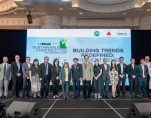
KUALA LUMPUR, MALAYSIA – Media OutReach Newswire – 23 August 2025 – YTL Cement, in partnership with The Edge, successfully concluded its third annual sustainable construction symposium recently, bringing together over 200 industry leaders and players to explore the future of construction under the theme “Building Trends Redefined: The Next Level” which explored urban liveability, sustainable construction ambitions, and smart green technologies. (From left) Skidmore, Owings & […]

Asia-Pacific public cloud expenditure is set to more than double, expanding from approximately $53 billion in 2024 to reach an estimated $131 billion by 2029. That projection reflects a compound annual growth rate of about 19.8 per cent from 2025 to 2029, driven by surging demand for IaaS, PaaS and SaaS across key sectors such as finance, retail and telecommunications.

Cloud adoption is gaining speed as organisations across the region prioritise digital modernisation. Financial services, retailing and telecoms industries are leading investments, while government, e-commerce and public service sectors follow closely behind. E-governance programmes and the need for operational efficiency are central to this surge.

Artificial intelligence integration is playing a significant role in this expansion. Organisations are increasingly embedding AI and machine learning capabilities into cloud platforms, intensifying demand for managed and industry-specific cloud services.

Nevertheless, the transition is not without its obstacles. Legacy infrastructure and a shortage of skilled cloud professionals remain persistent hurdles. As a result, hybrid and multi-cloud approaches are becoming more common, enabling flexibility, improved interoperability and alignment with sovereign data regulations in markets like India, Singapore and Australia.

Global hyperscale providers are doubling down on infrastructure growth across the region. Amazon Web Services has unveiled multi-billion-dollar expansions in Australia and Taiwan, supplementing earlier investments in Singapore, Malaysia and Japan. AWS projects Asia-Pacific cloud spending at about $250 billion in 2025, largely fuelled by AI uptake and infrastructure renewal.

Microsoft Azure and Google Cloud continue their expansion as major contenders. Alibaba Cloud maintains leadership in China and across Asia-Pacific, operating terrain-wide with numerous regions and availability zones. Alibaba is forging ahead with new data centre investments in Malaysia, the Philippines and plans in Vietnam.

Regional cloud players such as Tencent Cloud and Huawei Cloud are also making notable strides. Tencent is reinforcing operations in Indonesia, Malaysia, Singapore and Thailand, investing heavily in AI-enabled services like digital IDs and secure payment systems— notably a $500 million commitment in Indonesia alongside GoTo and Alibaba. Huawei Cloud is growing its presence in Singapore, Bangkok and Jakarta. Local integrators and managed service providers— including Singtel’s services and Singapore’s ST Telemedia—are strengthening adoption by offering hybrid and tailored industry solutions.

Amazon has approached the Commerce Ministry with a proposal to modify foreign direct investment rules by creating a carve-out for export transactions. The company is requesting permission to purchase goods directly from Indian sellers for overseas sales, a departure from the longstanding policy that restricts foreign e-commerce firms to pure marketplace operations.

The policy currently prohibits platforms like Amazon and Walmart-owned Flipkart from holding inventory or selling directly to consumers, aiming to protect small retailers by ensuring a level playing field. Amazon’s pitch emphasises that an export exemption would benefit small Indian sellers by streamlining customs procedures and improving access to international markets. The company adds that it has facilitated US$13 billion in cumulative exporter earnings since 2015 and targets US$80 billion by 2030.

From the Commerce Ministry’s internal documents, it is clear that no decision has been made yet. Any policy adjustment must strictly safeguard the domestic retail market by clearly delineating goods intended solely for export from those that could be sold locally.

The move faces strong resistance. Three industry groups, representing small retailers, voiced concerns during the meeting that Amazon—and Flipkart, which also attended—would gain unfair advantages through preferential arrangements and heavy discounting, further marginalising small businesses.

Amazon and Flipkart did not offer comment at the time, and the Commerce Ministry has not yet responded publicly to media queries.

This development takes place against the backdrop of India’s rapidly expanding e-commerce space, valued at approximately US$125 billion in 2024 and projected to swell to US$345 billion by 2030. Meanwhile, foreign e-commerce operators, particularly U. S.-based Amazon and Flipkart, have long contended that the inventory-based model they use globally is impeded in India by FDI restrictions—restrictions designed to prevent foreign platforms from influencing pricing or favouring affiliated sellers.

Amazon’s request interlinks with broader efforts in the export ecosystem. Earlier this month, the Federation of Indian Export Organisations agreed to sign an MoU with Amazon to support exporters via cross-border e-commerce, including training, compliance assistance and market access support.

The issue also ties into wider trade dynamics. U. S.–India trade tensions remain unresolved, and Amazon’s proposal adds complexity to ongoing discussions. Modifying FDI norms for the export segment could influence negotiations and set precedents for how e-commerce platforms operate within the country.

As exporters grapple with global headwinds, including rising tariffs in key sectors, the government is evaluating how regulatory changes could facilitate global access without dismantling protections for domestic retail.

Leveraging B2C and B2B Synergies to Capitalize on the Global K-Beauty Boom Results Highlights Revenue rose by 49.3% to US$243.93 million. Operating profit increased by 31.9% to US$18.68 million. Net profit grew by 26.7% to US$14.08 million. Business-to-Customer (B2C) YesStyle Platforms recorded revenue of US$164.86 million, up 31.7%, contributing 67.6% of the Group’s total revenue. Revenue of Business-to-Business (B2B) platform AsianBeautyWholesale surged by 110.9% to US$77.94 million, […]

Highlighting five years of success, the destination continues to elevate its appeal through a comprehensive marketing strategy and the ongoing addition of world-class luxury brands. BANGKOK, THAILAND – Media OutReach Newswire – 22 August 2025 – Siam Premium Outlets Bangkok, Thailand’s first and only premium outlet destination, proudly marks its 5th anniversary. The milestone highlights the success of its comprehensive business strategy that spans marketing, customer engagement […]

Abu Dhabi National Energy Company has secured a significant financial boost in the form of an AED 8.5 billion term loan aimed at enhancing liquidity and supporting its growth strategies. This loan agreement marks a strategic move by the company as it seeks to continue its expansion and strengthen its financial position. The loan facility, which has a two-year term, is denominated in UAE dirhams and comes […]

Greenlogue/AP Abu Dhabi Future Energy Company is poised to receive continued backing from the local government to fuel its expansion in the energy sector. As part of an ongoing commitment to achieve its ambitious target of 100 gigawatts in renewable energy capacity, the Abu Dhabi government will provide regular equity injections for brownfield projects. This financial support underscores the government’s confidence in Masdar’s role as a key […]

Azizi Developments has entered into a strategic partnership with Modern Plastic Industry, a leading manufacturer of advanced piping solutions, to provide high-performance UPVC pipes and fittings for key construction projects in Dubai. This agreement will see MPI supply materials for Azizi’s upcoming developments, including those requiring high-pressure and drainage piping systems. The collaboration underscores Azizi’s commitment to sourcing top-tier materials for its growing portfolio of residential and commercial properties in the UAE’s competitive real estate market.

As one of the leading private developers in Dubai, Azizi Developments is known for its diverse range of residential and mixed-use projects. These developments span from affordable housing to luxury properties, aimed at addressing the growing demand for high-quality living spaces in the city. By partnering with MPI, the company continues to enhance the quality and sustainability of its developments while meeting the increasing demand for durable, efficient infrastructure solutions in the region’s fast-paced construction sector.

For MPI, the deal represents a significant opportunity to expand its footprint in the UAE market, where the construction industry remains one of the most active globally. The company, based in the UAE, has gained recognition for its innovative approaches to piping solutions, offering a comprehensive range of high-performance products tailored to both residential and commercial applications. MPI’s UPVC pipes are particularly suited to high-pressure and drainage systems, making them an ideal choice for large-scale developments like those undertaken by Azizi.

The partnership also reflects a broader trend in the UAE’s construction sector, where developers are increasingly turning to advanced, long-lasting materials to meet both technical and environmental demands. As construction projects become more complex and high-rise buildings continue to dominate Dubai’s skyline, the need for efficient, reliable piping systems has never been more critical. Azizi’s selection of MPI’s products highlights its commitment to ensuring the safety, durability, and environmental sustainability of its developments.

Azizi’s projects, known for their modern architecture and integration of cutting-edge technology, will benefit from MPI’s extensive experience in manufacturing superior piping systems. The collaboration will cover multiple projects across Dubai, including large residential towers, office complexes, and mixed-use developments that require dependable and robust infrastructure. The deal aims to ensure that the piping systems used in these projects are built to last, meeting the rigorous demands of Dubai’s urban environment.

The agreement between the two companies comes at a time when the UAE’s construction sector is showing resilience, particularly in Dubai, which continues to attract both domestic and international investors. Despite global economic uncertainties, Dubai remains a thriving hub for construction, largely driven by ambitious projects such as Expo 2020’s legacy developments, the Dubai Creek Harbour, and various mega residential and mixed-use schemes. As the city continues to evolve, the demand for high-quality, cost-effective materials remains strong, making partnerships like the one between Azizi and MPI particularly timely.

Saudi Aramco’s initial public offering has become one of the most talked-about events in global finance, with its ambitious approach to market entry setting a precedent for the world’s largest oil company. The IPO, which was launched in 2019, sought to achieve a staggering $2 trillion valuation, a figure that stirred controversy and scepticism within financial circles. But despite its high-profile marketing campaign and the sweeping promises […]

The first half of 2025 marked a significant surge in greenfield foreign direct investment into Saudi Arabia, with the United States leading the charge. American investors drove 61 projects, injecting $2.7 billion into the Kingdom’s economy, accounting for nearly a third of both the project count and total investment. This surge highlights the growing confidence of international investors in Saudi Arabia’s Vision 2030 economic reforms and its appeal as a business hub in the region.

According to a report by Emirates NBD, greenfield investments in Saudi Arabia showed a notable increase, both in terms of project volume and capital inflow. In total, 203 greenfield projects were launched in Saudi Arabia during the first half of 2025, marking a 30.1% year-on-year rise. These projects, spanning across various sectors, reflect the country’s strong development trajectory and its efforts to diversify away from oil reliance.

Egypt emerged as the second largest contributor to Saudi Arabia’s greenfield FDI, securing $1.81 billion through 11 projects. Many of these ventures were centered around real estate developments, capitalising on the Kingdom’s expanding urbanisation and demand for residential and commercial properties. Egypt’s growing involvement reflects deeper ties between the two nations, particularly in sectors related to infrastructure and housing.

China, a global FDI powerhouse, played a significant role as well, investing $858.3 million through 11 projects in Saudi Arabia. China’s investments in the Kingdom primarily focused on manufacturing, technology, and energy, complementing the Saudi government’s drive to expand its industrial base and modernise key sectors. Chinese companies are also playing a pivotal role in the development of high-tech infrastructure, which aligns with Saudi Arabia’s push towards a more diversified, knowledge-based economy.

France also made its presence felt, contributing $771.7 million through six greenfield projects. The French investments were primarily focused on technology, retail, and luxury goods, with several high-end brands expanding their operations within the Kingdom. France’s engagement is part of a broader European interest in tapping into Saudi Arabia’s expanding consumer market, particularly in areas linked to fashion, entertainment, and sustainable energy.

The UAE’s regional influence continued to grow, with 25 projects worth $205.3 million being launched in Saudi Arabia. These ventures spanned various industries, with a focus on hospitality, logistics, and real estate. The UAE’s investments underscore the close business ties between the two countries, with the Kingdom remaining a key destination for Emirati capital looking to expand its footprint in the region.

Riyadh, Saudi Arabia’s capital, was the top destination for greenfield FDI, attracting 100 projects valued at $2.3 billion. As the political, economic, and cultural centre of the country, Riyadh continues to benefit from the majority of investments, particularly in the areas of technology, infrastructure, and urban development. Dammam, home to one of the Kingdom’s key industrial hubs, secured 21 projects worth $1.28 billion, while Jeddah followed closely with 13 projects totalling $1.22 billion. These cities represent strategic focal points in Saudi Arabia’s ambitious plans for diversification, driven by growth in manufacturing, logistics, and energy.

Saudi Arabia’s overall greenfield FDI rose by 1.7% to $9.34 billion during the first half of 2025, reflecting the Kingdom’s position as an attractive investment destination. The growth is seen as a direct result of efforts to enhance the ease of doing business in the country and to create a more transparent regulatory environment. Initiatives like the National Industrial Development and Logistics Program and the Saudi Green Initiative have been instrumental in drawing foreign investments into the Kingdom.


Labour unrest at the CHEP plant in Boksburg, South Africa, escalated on Thursday when approximately 110 workers initiated a strike following two months of failed negotiations. The dispute centres around unresolved wage issues and conditions that employees claim have been neglected by management. The workforce, employed at the CHEP site in Jet Park, halted operations after talks between the unions and management reached an impasse, with no […]

The UAE government has unveiled a transformative public-private partnership framework aimed at boosting the national economy and attracting further investment. This new initiative aims to streamline and enhance the collaboration between the public and private sectors, providing a cohesive platform for businesses to engage with government projects more effectively. Under the new framework, the UAE seeks to build on its existing infrastructure while introducing new policies that […]

OpenAI has announced plans to establish its first office in New Delhi, marking a significant step in the company’s expanding global footprint. The move underscores the growing importance of India to the AI research and development community. It follows a recent surge in OpenAI’s user base in the country, where its language model, ChatGPT, has gained significant traction among businesses, developers, and students.

India’s burgeoning tech ecosystem, combined with its large, diverse user base, makes it an ideal location for OpenAI’s expansion efforts. As the company seeks to strengthen its presence in Asia, New Delhi was chosen due to its strategic positioning within the country’s technology and policy landscape. The office will serve as a key hub for local operations, focusing on developing partnerships with Indian firms and educational institutions, while also engaging with policymakers around AI regulation.

One of the driving factors behind OpenAI’s decision is India’s rapidly growing demand for advanced AI solutions. Indian businesses, particularly in sectors like healthcare, finance, and e-commerce, have increasingly turned to AI tools to enhance productivity and deliver personalised services. OpenAI’s language models, including ChatGPT, are already being integrated into a variety of applications across these industries, signalling a shift towards AI-driven business solutions.

The launch of a new, affordable subscription plan for ChatGPT earlier this week is also indicative of OpenAI’s commitment to making its technology more accessible. At just $4.60 per month, the plan is the most affordable option offered by the company thus far and is expected to further drive the adoption of its models in India. By reducing the cost barrier, OpenAI hopes to democratise access to its technology, allowing a wider range of users to benefit from its capabilities.

OpenAI’s arrival in India also comes at a time when the country is increasingly positioning itself as a leader in AI innovation. The Indian government has been exploring various initiatives to foster the development and responsible deployment of artificial intelligence, aiming to tap into its potential to fuel economic growth and tackle societal challenges. India’s National Strategy for Artificial Intelligence, announced in 2018, has laid out a roadmap for harnessing AI for public good, and OpenAI’s presence is expected to complement these efforts.

However, OpenAI’s expansion into the Indian market is not without its challenges. India’s regulatory environment surrounding AI is still evolving, with concerns around data privacy, ethics, and the potential for job displacement. OpenAI will likely have to navigate these regulatory hurdles as it looks to deepen its engagement with the country. While the Indian government has expressed support for AI innovation, it has also emphasised the need for safeguards to ensure that AI technologies are used responsibly and ethically.

Binance has partnered with TRM Labs to unveil a groundbreaking initiative aimed at tackling cryptocurrency-related crime. The newly launched Beacon Network is designed to enhance the security and integrity of the digital assets market. This collaboration marks a significant step in addressing the increasing concerns surrounding illicit activities in the crypto space.

Beacon, powered by TRM Labs, will provide a comprehensive suite of tools to track and identify suspicious activities across the blockchain. The network’s capabilities extend beyond the identification of suspicious transactions; it will also monitor exchanges and wallet providers for potential risks associated with money laundering, fraud, and terrorist financing.

This partnership is timely, as the cryptocurrency sector continues to expand and evolve, with regulators and lawmakers increasingly focusing on how to prevent its use for illegal activities. Binance, a global leader in digital asset exchanges, has long faced scrutiny over its role in the market and its ability to ensure compliance with anti-money laundering and know-your-customer standards. By working with TRM Labs, the company seeks to bolster its efforts in this area and demonstrate its commitment to ensuring the safety and legitimacy of the platform.

TRM Labs, a firm specializing in blockchain forensics and compliance tools, brings a wealth of experience to the table. The company’s technology is already used by financial institutions, law enforcement agencies, and regulators worldwide to detect and investigate financial crimes in the cryptocurrency ecosystem. Its role in the Beacon Network will help provide real-time analysis and actionable insights that can prevent fraudulent activities before they escalate.

A key feature of the Beacon Network is its use of advanced artificial intelligence and machine learning algorithms to detect emerging patterns in financial transactions. This technology will continuously monitor the blockchain, adapting to new methods of crime as they emerge. The platform will also integrate data from numerous public and private blockchains, creating a unified view of the crypto landscape that will be accessible to stakeholders across the industry.

While the initial focus of the Beacon Network will be on detecting fraud and money laundering, the partnership with Binance also signals a broader ambition to enhance overall regulatory compliance within the crypto space. Binance’s decision to invest in this technology is part of its wider effort to improve transparency and strengthen its reputation among regulators, especially in markets like the United States and Europe, where scrutiny has been particularly intense.

The collaboration also highlights the growing recognition that the cryptocurrency industry must take a more proactive stance in preventing crime and enhancing security. As the industry continues to grow, so too does the scale and sophistication of the threats it faces. The launch of the Beacon Network is therefore seen as an important step in building trust with both regulators and users, addressing concerns over the potential for digital assets to be used for illicit purposes.

Despite these efforts, challenges remain. The decentralized and pseudonymous nature of cryptocurrencies makes it inherently difficult to track illicit transactions. However, by combining Binance’s vast resources with TRM Labs’ expertise in blockchain analytics, the Beacon Network aims to create a powerful tool that will help combat the dark side of the crypto revolution. This collaboration is expected to set a new standard for industry best practices and contribute to the broader goal of mainstream adoption of digital currencies.

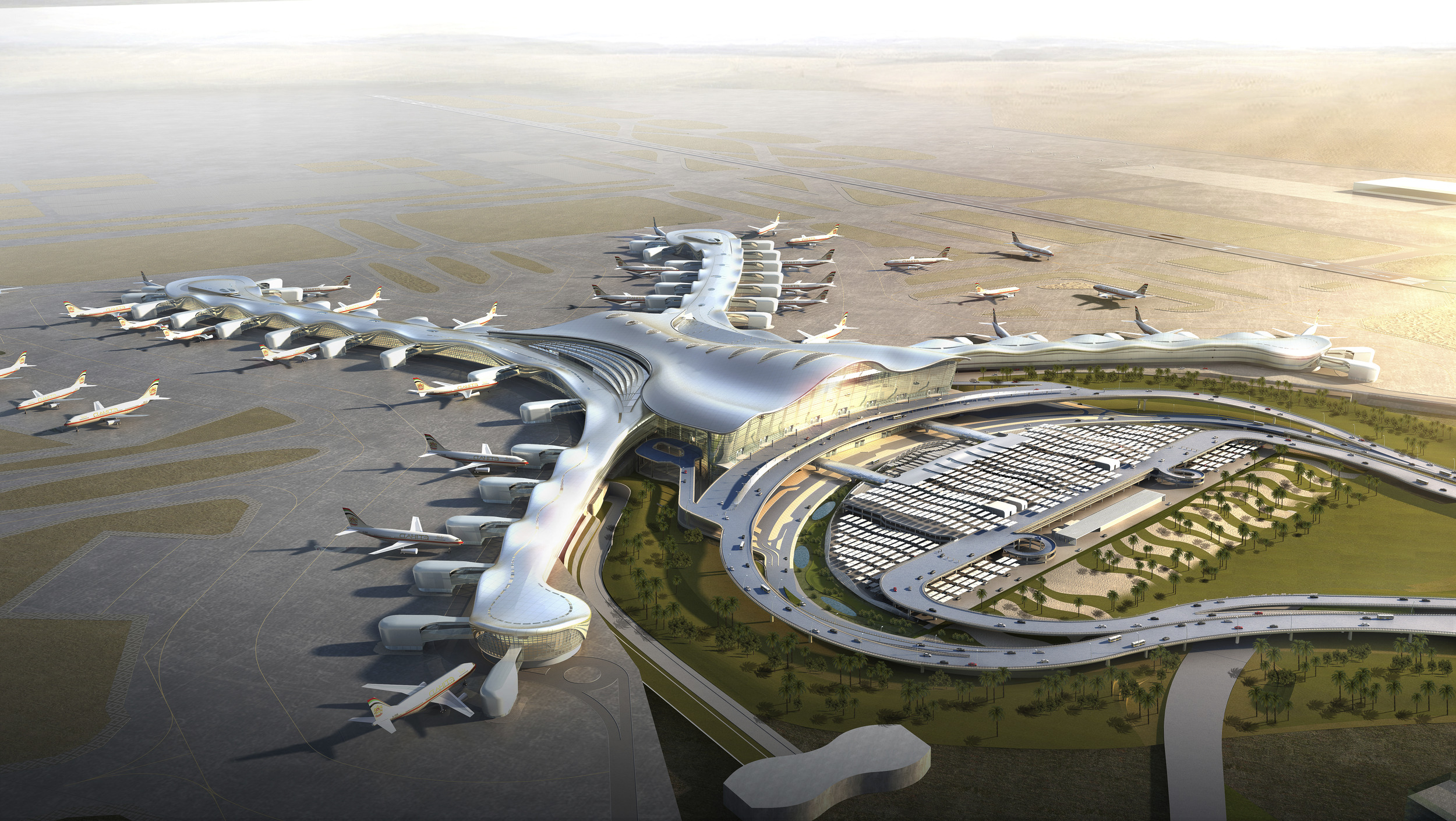
The UAE General Civil Aviation Authority has unveiled a new Civil Aviation Regulation aimed at revolutionising aerodrome crisis management. The regulation sets a robust framework to strengthen the nation’s airport readiness in handling emergencies, aiming to improve overall safety, response efficiency, and recovery strategies in the face of crises.

The new rules come as a response to growing demands for enhanced operational resilience at airports, which are essential hubs in global transport and commerce. With air traffic increasing steadily, the regulation focuses on both proactive measures for risk management and the efficient handling of unforeseen disruptions.

According to the GCAA, the new CAR focuses on three core areas: preparedness, response, and recovery. These areas are designed to ensure that airports can effectively manage crisis situations, be it natural disasters, technical failures, or unexpected large-scale incidents. By implementing a coordinated, multi-departmental approach, airports will be better equipped to minimise operational interruptions and ensure the safety of passengers and personnel.

The regulation outlines specific operational requirements, including the establishment of Crisis Management Teams at each aerodrome. These teams, which will be made up of senior airport and aviation management, are tasked with overseeing crisis response procedures and ensuring that all airport operations adhere to the established standards. The CAR also mandates the development of detailed emergency response plans that can be activated in real-time during crises, integrating airport emergency services, air traffic control, and external agencies.

The GCAA has stipulated that aerodromes must conduct regular crisis simulation exercises to assess their preparedness and response mechanisms. These drills will be evaluated by the GCAA, ensuring that each airport meets the required standards for crisis management. The regulation also stresses continuous training for airport staff, highlighting the importance of equipping personnel with the necessary skills to handle high-pressure situations effectively.

The move aligns with international aviation safety standards, with the GCAA’s regulation being designed to complement global best practices. The introduction of these measures comes in the wake of several high-profile airport disruptions globally, which have underscored the need for proactive crisis management at aerodromes worldwide. By adopting such a framework, the UAE is positioning itself as a leader in airport crisis preparedness within the region, ensuring its air travel hubs remain safe, efficient, and resilient.

The GCAA has indicated that the regulation will be implemented gradually, with all airports required to comply with the new standards within the coming months. As part of the transition, GCAA will work closely with airport operators to ensure smooth implementation and address any challenges faced by aerodromes.

Key players in the UAE aviation sector have expressed strong support for the regulation, acknowledging its potential to significantly enhance the safety and security of air transport. Industry experts have also highlighted that the regulation will foster collaboration between airport authorities, airlines, and other stakeholders, strengthening the overall aviation ecosystem.

The broader aviation community has also taken note of the UAE’s progressive approach, with many looking to the country as a model for modernising aerodrome crisis management procedures. The introduction of the CAR aligns with the UAE’s broader efforts to develop its aviation infrastructure, focusing not only on expanding airport capacity but also on improving the quality and resilience of services provided to travellers.

HONG KONG SAR – Media OutReach Newswire – 22 August 2025 – Southco Asia Ltd., a subsidiary of Southco Inc., a leading global provider of engineered access solutions such as locks, latches, captive fasteners, electronic access solutions and hinges/ positioning technology has introduced RA Rack Attach to the server industries. RA Rack Attach As the race for the best AI technology heats up, manufacturers are turning to […]

LibreOffice has unveiled its 25.8 release, bringing a host of improvements aimed at enhancing performance and user experience. One of the key highlights is a significant reduction in file loading times, which now see a 30% faster rate, greatly benefiting both individual users and enterprises relying on the suite for document management and collaboration. The focus on speed is a direct response to growing demands for efficient […]

VISHNU RAJA
RYO YAMADA
HITORI GOTOH
IKUYO KITA