Just in:

News related to
global

Hard Rock International has dismissed a senior executive amid an unfolding scandal involving improper betting practices at its casino in the Dominican Republic. The controversy, which has cast a shadow over the company’s expansion efforts, is causing a significant disruption to its bid for a new casino in New York City. The executive, whose name has not been publicly disclosed, was accused of engaging in activities that […]

Gaining Unparalleled Industry Insights to Shape the Future of Wealth Management HONG KONG SAR – Media OutReach Newswire – 26 August 2025 – Citi Hong Kong recently partnered with the FinTech Association of Hong Kong (FTAHK) and Shenzhen FinTech Association (SZFTA) to organize a specialized field trip to Shenzhen for its talented Wealth Summer Interns, providing participants with exposure to the dynamic and rapidly evolving fintech landscape […]

Snowflake, the leading cloud data platform, has inaugurated a new office at The Square, Vittal Mallya Road in Bengaluru, further solidifying its presence in one of India’s largest technology hubs. The move follows the company’s expansion into Mumbai earlier, reflecting its commitment to establishing a robust footprint in the country.

The new Bengaluru office aims to be a hub for innovation, with a focus on data and artificial intelligence. Snowflake intends to foster collaboration between local and global teams to leverage the rapidly growing talent pool in the region. The company is not only seeking to tap into India’s burgeoning tech ecosystem but also to cultivate a work environment where data professionals and engineers can develop solutions that drive both local and global customer impact.

Bengaluru, known as India’s Silicon Valley, is home to a vast number of technology firms, startups, and innovation centres. As one of the leading tech cities globally, it offers an abundance of skilled professionals and a vibrant startup ecosystem. Snowflake’s decision to expand in Bengaluru underscores its confidence in the Indian market and the country’s crucial role in its global growth strategy.

The new office will serve as a centre of excellence, enabling Snowflake to provide tailored data solutions to clients across various sectors, including finance, retail, healthcare, and technology. It will also act as a research and development hub, working closely with Snowflake’s global teams to accelerate the delivery of cutting-edge products and services. This move aligns with Snowflake’s broader strategy of capitalising on AI, machine learning, and advanced data analytics to deliver transformative results for businesses around the world.

Snowflake’s expansion is a part of a broader trend where global tech giants are increasingly looking towards India as a critical location for their growth and innovation. India’s talent pool, particularly in software development, data science, and AI, continues to be one of the main driving forces for international firms seeking to innovate and build scalable solutions. The Bengaluru office will further enhance Snowflake’s ability to tap into this wealth of expertise and cater to the growing demand for advanced data solutions in the region.

The company’s expansion is also expected to create significant job opportunities, not just in data engineering and analytics but across various domains, from sales and marketing to customer support. By strengthening its local presence, Snowflake plans to build stronger relationships with its clients and partners in the region, which will be essential as it looks to further integrate itself into the local tech ecosystem.

In addition to providing innovative solutions for businesses, Snowflake’s new office will serve as a training ground for local talent. With a strong focus on learning and development, the company intends to upskill its employees and equip them with the necessary skills to tackle emerging data challenges. The office will also act as a key centre for Snowflake’s efforts in advancing data security and privacy, two areas that are increasingly top-of-mind for organisations operating in the cloud.

Metaplanet, a rising star in the global financial landscape, has secured a spot on the FTSE Japan Index as part of the index provider’s upcoming September 2025 Semi-Annual review. This milestone marks a significant achievement for the company, reflecting its growing influence and the wider surge of interest in Bitcoin, of which Metaplanet is a notable accumulator.

The inclusion in the FTSE Japan Index is a noteworthy development for Metaplanet, a firm that has increasingly drawn attention for its strategic investments, particularly in cryptocurrency. By being added to such a prestigious index, the company solidifies its position as a key player in both the financial and digital asset sectors. This move aligns with the broader trend where digital currencies, including Bitcoin, are gradually being embraced by traditional financial markets, despite the volatility and regulatory challenges they often face.

This development also highlights the importance of cryptocurrency in the modern investment ecosystem. Bitcoin, the largest and most well-known cryptocurrency, has continued to capture the imagination of investors globally, with its price trajectory remaining a focal point of market analysts and institutional investors alike. Metaplanet, which has been accumulating Bitcoin in substantial amounts, stands to benefit significantly from this alignment with the FTSE Japan Index, as it opens up new avenues for investment and institutional partnerships.

For Metaplanet, this index inclusion is more than just a symbol of growth—it signals the company’s readiness to compete at a higher level in the global financial arena. The FTSE Japan Index is a barometer of leading Japanese stocks, and Metaplanet’s acceptance onto this index brings it into the fold of internationally recognized entities. This could potentially lead to more widespread institutional adoption of its business model, which is centred on the integration of cryptocurrency into mainstream investment strategies.

Experts suggest that this inclusion is likely to accelerate Metaplanet’s efforts to gain greater market exposure, especially within the highly competitive cryptocurrency sector. With major institutional investors showing increasing interest in Bitcoin as a store of value and a hedge against inflation, Metaplanet’s move to the FTSE Japan Index could drive its market valuation further, benefiting from an influx of both retail and institutional investors who view its role in the crypto market as promising.

While Bitcoin’s price has faced fluctuations, its long-term trajectory continues to be shaped by institutional interest. The broader cryptocurrency market, once considered a speculative investment class, is gaining momentum as a key asset class, with more traditional financial institutions moving towards crypto assets. For Metaplanet, this move is a calculated step in line with these market trends, positioning itself as a leader in the digital asset investment space.

The decision by FTSE to include Metaplanet in its Japan Index signals a shift in the broader financial market’s view of cryptocurrencies. As more companies within the cryptocurrency space are achieving mainstream recognition, it is becoming increasingly clear that digital currencies are not only a passing trend but a growing component of the future financial landscape.

While Metaplanet’s entry into the FTSE Japan Index is a significant milestone, the company’s focus remains squarely on its long-term investment strategy. With a growing portfolio of Bitcoin assets, the company is poised to leverage its inclusion in one of the world’s most prestigious indices to further its ambitions in both traditional financial markets and the digital currency world.

The inclusion could pave the way for Metaplanet to attract further attention from international investors seeking exposure to Bitcoin’s potential growth. As regulatory frameworks for cryptocurrencies continue to evolve, companies like Metaplanet are positioning themselves to navigate these challenges and capitalise on the growing integration of digital currencies into the global financial system.

The US government has secured a 10% stake in Intel, a move that has sparked significant debate within the business and investment community. This unprecedented acquisition, part of the Biden administration’s push to strengthen domestic semiconductor manufacturing, could reshape the company’s relationship with investors and international stakeholders. Intel executives have raised concerns, warning that this direct involvement by the government might lead to complications in global markets, […]

The United States government is considering reallocating up to $2 billion originally designated for semiconductor manufacturing under the CHIPS Act to fund initiatives related to mineral production. This potential move reflects a growing focus on securing critical minerals, particularly rare earth elements, that are vital to numerous industries, including technology and defence. The proposal has been met with mixed reactions from industry experts and lawmakers. On one […]

Dubai has witnessed the debut of COLABB, a groundbreaking real estate platform that combines investment, interior design, and digital strategy. The integrated platform, launched with the aim to reshape the regional real estate sector, seeks to streamline processes for developers, investors, and consumers alike.

COLABB promises to offer a comprehensive, multi-disciplinary approach to property development, management, and design. By bridging traditionally separate fields, it hopes to create a unified platform that delivers a seamless, end-to-end real estate experience. The project’s focus on integrating digital tools into real estate development is a key element in positioning COLABB as a forward-thinking force within Dubai’s competitive property market.

The platform’s three-pronged approach combines investment management, design services, and cutting-edge digital strategies. Investors will have access to a range of property development opportunities, including high-end residential and commercial projects, while interior designers will benefit from an intuitive design tool that aligns with industry trends and client preferences. Additionally, COLABB’s digital strategy will include data-driven insights, virtual tours, and market predictions, making it easier for all stakeholders to make informed decisions.

With the UAE’s rapidly growing real estate market, COLABB aims to capitalize on the increasing demand for smarter, more efficient ways to manage, invest, and design properties. Dubai, being a regional real estate hub, provides a perfect testing ground for this integrated platform. The city’s thriving construction and property development sectors are increasingly focused on embracing technological advancements, which COLABB is well-positioned to address.

The real estate landscape in Dubai has undergone significant transformation in the past few years. COLABB enters at a time when the city is seeing rising interest from international investors and homebuyers, with many new developments aimed at addressing the needs of the global market. The platform’s innovative approach to property development and management could offer a competitive edge in this dynamic environment.

For developers, COLABB promises a seamless experience that incorporates smart design with financial planning. By offering tools that allow for the early-stage integration of interior design concepts and investment strategies, COLABB hopes to simplify the development lifecycle. This integrated approach aims to enhance the quality of buildings and offer more lucrative investment returns.

The platform’s commitment to digitalization could also provide a crucial edge, as it leverages data analytics and artificial intelligence to offer predictive insights into market trends, property valuations, and customer behaviour. By understanding these trends, COLABB can offer tailor-made solutions that address specific market needs, making it easier for investors and developers to navigate an increasingly complex industry.

Further boosting its appeal is COLABB’s strong emphasis on collaboration between stakeholders in the real estate sector. The platform fosters a community-like environment where architects, designers, contractors, and property owners can collaborate freely. The aim is to streamline communication, reduce overheads, and increase the overall efficiency of the development process.

As the Dubai property market continues to attract global attention, COLABB’s entry is expected to draw interest from major international real estate players. Its combination of investment management, design services, and digital solutions sets it apart from more traditional platforms, potentially ushering in a new era of property development in the region.


Advertisements

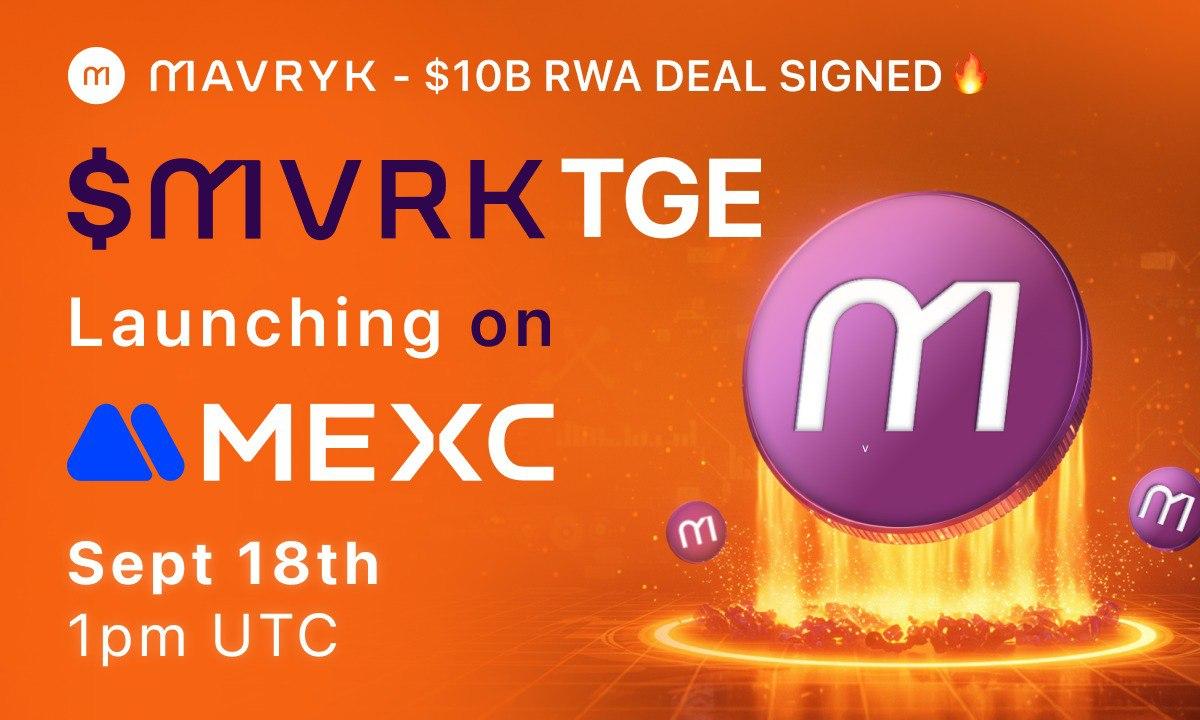
Mavryk Network, a layer-1 blockchain platform that has been pivotal in the tokenization of over $10 billion in real-world assets, is gearing up for the official launch of its mainnet token. The project’s native token, $MVRK, will soon be available for trading on MEXC, a leading global cryptocurrency exchange. This launch marks a significant milestone for the network, which aims to revolutionise the way assets are digitised and managed in the decentralized finance space.

The $MVRK token is integral to the Mavryk ecosystem, designed to support various on-chain operations, including transactions, staking, and governance. This launch will provide liquidity to the token, offering users an opportunity to engage with the network’s growing ecosystem, which has steadily gained traction in the blockchain space. By listing on MEXC, Mavryk will expand its reach, tapping into a wider pool of potential investors and developers.

The Mavryk Network focuses on creating a robust framework for tokenizing RWAs, enabling the seamless integration of assets such as real estate, commodities, and other traditional financial instruments into the blockchain. This approach aims to provide users with the ability to access a broader array of investments, offering a new avenue for both institutional and retail participants.

A key feature of Mavryk’s blockchain is its scalability and efficiency. With the ability to process high transaction volumes at a low cost, the platform addresses a significant pain point in the blockchain industry – transaction speed and cost-efficiency. The network’s architecture is designed to facilitate the fast and secure transfer of assets, making it an appealing option for businesses and individuals seeking to leverage blockchain technology for asset management.

Industry experts have expressed optimism about the potential of Mavryk, particularly in light of the increasing interest in RWAs. Tokenizing these assets could unlock liquidity in traditionally illiquid markets, such as real estate and commodities, providing more flexibility for investors. The growing trend of tokenisation is seen as a critical development in the broader blockchain space, with numerous projects exploring the possibilities of converting physical assets into digital tokens.

Mavryk’s focus on RWAs is not the only aspect drawing attention. The platform has also made significant strides in establishing partnerships and collaborations across different sectors. By building strategic alliances with major financial institutions, developers, and technology providers, Mavryk is positioning itself to become a key player in the rapidly evolving blockchain ecosystem. These partnerships are expected to enhance the adoption of the platform, further solidifying its standing in the DeFi space.

The upcoming launch on MEXC will be closely watched by investors and blockchain enthusiasts alike. MEXC’s reputation as a trusted exchange, combined with its extensive user base, could drive considerable interest in the $MVRK token. As one of the top exchanges by trading volume, MEXC provides a platform with significant exposure, which could lead to an influx of liquidity for Mavryk’s ecosystem.

Looking ahead, Mavryk is also exploring the integration of more advanced features to enhance user experience and platform functionality. Among the features in development are enhanced staking mechanisms, cross-chain interoperability, and increased decentralization. These features are expected to complement the core mission of enabling seamless, efficient, and secure blockchain-based asset management.

HONG KONG SAR – Media OutReach Newswire – 25 August 2025 – On August 25, 2025, Lens Technology (300433.SZ, 06613.HK) released its 2025 half-year financial report, highlighting robust growth driven by advancements in AI terminals, smart vehicles, humanoid robots, and an accelerated global expansion strategy. Through continuous innovation and expanded production capabilities, the company is well-positioned to seize opportunities in emerging markets while delivering sustained value to […]

MACAU SAR – Media OutReach Newswire – 25 August 2025 – Galaxy Macau™’s world-class Galaxy Arena is proud to announce the renewal of its three-year strategic partnership with TMElive, extending its existing three-year run of its successful partnership. Under the newly extended agreement, both parties will continue supporting Macau’s quality development in culture and tourism and presenting multifaceted musical spectacles to music lovers, by leveraging shared resources […]

By Nantoo Banerjee Notwithstanding India’s current trade tariff spat with the United States, India should apply caution to further open up imports from China with which it already suffers from massive trade deficits – nearly $100 billion last year when China had severely cut down imports from India. The latter should also avoid the Chinese […]

A shift is taking place within the UAE’s restaurant industry, as owners increasingly turn to artificial intelligence to optimise their operations and improve profitability. According to a recent survey by SevenRooms, 87 per cent of restaurant owners in the UAE have already integrated AI into their business strategies. The rise of AI-powered solutions is transforming the food and beverage industry, enabling operators to harness the full potential […]

Dubai’s education sector is set for a substantial transformation as the city prepares to welcome six new schools, 16 early childhood centres, and three prestigious international universities in the 2025–26 academic year. This growth is part of the emirate’s ongoing commitment to becoming a global hub for top-tier education and family-friendly living, making it an increasingly attractive destination for expatriates and local families alike. The new institutions […]

Greenlogue/AP Abu Dhabi National Energy Company has secured a deal to acquire GS Inima, a major player in water treatment and desalination services, from GS Engineering & Construction. The agreement, valued at US$1.2 billion, will grant TAQA full ownership of GS Inima and propel the company’s international water growth ambitions. Headquartered in Madrid, GS Inima has long been a key figure in the global water industry, with […]

Santos Ltd. has extended the exclusivity period for its proposed $18.7 billion acquisition by an Abu Dhabi-led consortium until September 19. The move marks the second extension for the deal, which is being led by the Abu Dhabi National Oil Company subsidiary, XRG, along with the Abu Dhabi Development Holding Company.

The extension, announced in a regulatory filing on Monday, follows a series of negotiations between the Australian oil and gas giant and the Abu Dhabi-based investors. Santos, Australia’s second-largest oil and gas producer, initially entered into exclusive talks with the consortium earlier this year. The deal is seen as one of the most significant energy sector transactions in the region, reflecting growing interest in Australia’s energy assets.

The consortium, led by ADNOC, has been vying to secure a controlling stake in Santos as part of its broader strategy to expand its oil and gas footprint internationally. While the negotiations have faced delays, the extended exclusivity period is intended to allow both sides to finalise terms and address regulatory requirements.

The decision to extend the exclusivity period underscores the complexity of the deal, which involves multiple stakeholders with differing interests. Industry experts have noted that the timeframe is critical for both ADNOC and Santos to iron out key details related to financing, regulatory approvals, and future operational integration.

Santos, for its part, has stated that the extension will allow for continued discussions regarding the offer’s terms. The company has also reiterated that the proposed acquisition remains subject to the successful completion of due diligence and other customary closing conditions.

While the deal’s original timeline was set to expire in mid-August, the extension provides additional time to navigate hurdles such as securing clearance from Australian competition authorities and finalising financing arrangements. The Australian government’s scrutiny of foreign acquisitions in the country’s critical infrastructure sector has been a key point of discussion.

The potential takeover has already attracted attention from various industry analysts, with many viewing it as part of a wider trend of increased mergers and acquisitions within the energy sector. Experts argue that the deal could reshape the Australian energy landscape by consolidating assets under a state-backed entity like ADNOC, which has a track record of making strategic investments in key oil and gas markets.

Santos’ strategic positioning in the market and its substantial reserves of gas have made it an attractive target for investors seeking to capitalise on the rising demand for energy. The company has significant operations in Queensland, Western Australia, and Papua New Guinea, all of which have been integral to ADNOC’s interests in securing a foothold in the Pacific region.

The proposal is expected to significantly impact the Australian energy sector, not only in terms of market share but also in the broader geopolitical context. As part of ADNOC’s strategy to diversify its global energy portfolio, the acquisition could also have implications for Australia’s relationship with key energy partners, particularly in the Asia-Pacific region.

The consortium’s interest in Santos is also aligned with ADNOC’s broader goals of expanding its footprint in the global natural gas market. With natural gas demand projected to grow in the coming decades, ADNOC sees the acquisition as a means to secure long-term assets that can ensure the UAE’s energy dominance on the global stage.

The deal’s implications, however, are still unfolding, as both parties continue to navigate regulatory processes and market conditions. The extension of the exclusivity period provides both sides the necessary time to address any outstanding issues before a final agreement is reached.

The GCC debt capital market is gearing up for a surge of new issuances following an active start to the year, despite a quiet period during the early days of August. With the market showing strong resilience, experts predict that the second half of the year could bring new opportunities for issuers, albeit under certain market conditions.

The first half of 2025 witnessed robust activity in the debt market, with significant bond and sukuk issuances across the Gulf Cooperation Council region. Several large corporations, sovereigns, and financial institutions took advantage of favourable conditions, including low interest rates, to raise funds and meet liquidity needs. This rush of issuances demonstrates the ongoing demand for GCC debt despite global economic uncertainties.

Victor Mourad, Co-Head of CEEMEA Debt Financing at Citi, highlighted the market’s performance, noting that the first half was particularly strong. “We had a phenomenal first half,” Mourad said. “The pipeline in the second half could be smaller, unless a drop in rates sparks a pre-funding strategy toward year-end, pulling transactions planned for early 2026 into November.” He pointed out that the timing of issuances would depend on a combination of factors, particularly the interest rate environment.

The market cooled off in the first three weeks of August, a period traditionally marked by lower activity, as many market players take a break before gearing up for the final months of the year. However, Mourad remains optimistic, suggesting that a rate reduction in the coming months could lead to a wave of issuances in the final quarter, as companies and governments look to lock in favourable terms before rates climb again.

Issuers are likely to adopt a strategic approach in the second half, with many considering early funding to avoid higher borrowing costs in 2026. A drop in rates could accelerate this strategy, as issuers push forward deals planned for the following year. It remains to be seen whether this shift in strategy will materialise, but the potential for an uptick in transactions towards the year-end remains high.

Investors will also play a key role in shaping the market dynamics. With yields on GCC bonds still appealing compared to those in other regions, demand for debt from the Gulf is expected to remain strong. The relatively stable economic backdrop, coupled with favourable oil prices, offers an attractive investment proposition for global investors looking for higher returns in a low-interest-rate environment.

Another crucial factor influencing the market will be the sovereign debt landscape across the GCC countries. Governments have continued to implement fiscal reforms and drive diversification efforts, which have bolstered the creditworthiness of the region’s sovereign issuers. As a result, GCC sovereign bonds have become a key asset class for international investors, offering a blend of safety and yield in uncertain times.

Corporate issuers in the region have also adapted to the shifting dynamics. Many have been tapping into the capital markets to fund expansion plans and refinance maturing debt, while also benefitting from government-backed stimulus packages. These initiatives have helped to stabilise the regional economy and offer liquidity to businesses during challenging periods.

However, challenges remain for certain sectors, particularly those heavily reliant on global supply chains or exposed to geopolitical risks. Tensions in the wider Middle East region could create volatility, which might impact investor sentiment. As the global economy continues to grapple with inflationary pressures and tightening monetary policies, GCC issuers will need to balance their strategies carefully to ensure they remain attractive to both local and international investors.

TAQA, the Abu Dhabi National Energy Company, has announced a significant acquisition aimed at expanding its global water platform. The company is set to acquire a 100% stake in GS Inima, a Spanish water infrastructure firm, for $1.2 billion. This strategic move will bolster TAQA’s existing water operations and position it as a leading player in the global water sector, reflecting the company’s ambition to diversify its portfolio and contribute to addressing the world’s growing water demands.

The acquisition will also align with TAQA’s sustainability goals, reinforcing its commitment to providing essential services in the water and energy sectors. With water scarcity becoming an increasingly urgent global issue, TAQA’s foray into water management is expected to play a pivotal role in meeting the needs of populations in water-stressed regions.

TAQA’s investment is seen as a response to the growing demand for sustainable water solutions, especially in the Middle East and North Africa, where the water scarcity issue is particularly pressing. The acquisition of GS Inima gives TAQA access to a portfolio of water treatment facilities, including desalination plants, water treatment plants, and wastewater management projects. These assets will allow TAQA to extend its reach in providing integrated solutions for water supply and wastewater treatment, addressing both operational and environmental challenges.

GS Inima, which has a proven track record in the management and operation of water infrastructure projects, will bring valuable expertise to TAQA. The Spanish company operates in various international markets, including Latin America, the Middle East, and Europe. Its portfolio includes some of the largest and most advanced desalination plants globally, complementing TAQA’s existing energy and water projects in the UAE and other regions.

For TAQA, the acquisition represents a strategic diversification into a critical infrastructure segment. The company has been shifting focus toward renewable energy and sustainable projects, reflecting broader trends in the energy sector. In line with the UAE’s commitment to sustainability, TAQA aims to contribute to global water security while also expanding its renewable energy footprint.

TAQA’s expansion into the water sector also serves as a response to market trends that indicate increasing investments in water infrastructure. According to industry experts, water scarcity is becoming a more pronounced challenge, particularly in urbanising and industrialising regions. The integration of water assets into TAQA’s broader portfolio enhances its ability to deliver sustainable solutions across both the energy and water sectors, offering customers integrated service offerings.

This acquisition also signals a shift in the regional market dynamics, where energy companies are increasingly seeking to tap into water management solutions. With over 50% of the world’s population living in water-scarce regions, the water market is expected to see continued growth. The UAE, known for its ambitious water desalination projects, stands to benefit from TAQA’s increased investment in water infrastructure, ensuring a more sustainable future for its rapidly growing population.

The integration of GS Inima into TAQA’s operations will also provide the company with a solid platform for further expansion. TAQA has been involved in several large-scale water and energy projects in the UAE, such as the development of renewable energy initiatives and large desalination plants. By merging with GS Inima, TAQA can leverage its experience to improve water management solutions worldwide and position itself as a leader in sustainable water resource management.

VSING Central Flagship Store Officially Opens in Central HONG KONG SAR – Media OutReach Newswire – 25 August 2025 – Worldgate Global Logistics Ltd (“Worldgate” or the “Company”, together with its subsidiaries, the “Group”; HKEx: 8292) proposes to change the name of the Company to “VSING Limited”, in order to establish a new corporate image and identity, as well as to better reflect the business focus and […]

Dubai’s educational landscape is set for a major expansion, with 25 new institutions due to open for the 2025-26 academic year. This development will significantly enhance the city’s educational offerings, with a focus on early childhood education, primary and secondary schools, as well as higher education. The initiative underscores the city’s commitment to improving its education system while catering to its growing population and diverse expat community.

The plan includes 16 early childhood centres, six new schools, and three international universities. With these additions, the Emirate is strengthening its position as a global education hub. The new schools will offer a variety of curricula, catering to different international standards, while the universities are expected to provide high-quality degree programmes in multiple disciplines. The expansion aligns with Dubai’s strategic vision to position itself as a regional leader in education, attracting international students and families.

The increasing demand for high-quality education in Dubai is driven by a combination of factors. The city’s burgeoning population, especially among expatriates, has created a need for more educational institutions. According to the Knowledge and Human Development Authority, Dubai’s private schools have seen consistent growth over the past decade, with enrolment numbers steadily rising year after year. This demand for diverse and accessible education options has made the expansion of private institutions a top priority for the local government.

Dubai’s early childhood education market has been one of the fastest-growing sectors. The planned 16 new early childhood centres aim to address the gap in early education services, particularly in areas with high residential developments. These centres will cater to children from infancy to six years old, offering quality educational programmes designed to nurture cognitive, emotional, and social development. As more families choose Dubai as their home, there is an increasing need for flexible, high-standard childcare options.

The introduction of new international universities is part of Dubai’s broader strategy to attract higher education institutions from around the world. The city’s academic infrastructure has been steadily growing over the last two decades, with several global universities establishing campuses in Dubai Knowledge Park and Dubai Silicon Oasis. This expansion will further cement Dubai’s status as a destination for world-class higher education, offering a wide range of undergraduate and postgraduate programmes in fields such as technology, business, engineering, and healthcare.

The opening of these institutions also presents significant opportunities for local and international educators. With a large number of expat families residing in the city, the demand for skilled teachers across all levels of education remains high. This expansion will create numerous job opportunities for both local and international educators, particularly in the fields of STEM, which are seeing rising demand.

The 25 new institutions are expected to support Dubai’s broader economic development by equipping the workforce with critical skills needed for the city’s knowledge-driven economy. As Dubai continues to diversify its economy, education plays a crucial role in ensuring that its population is equipped with the expertise required for future industries, such as artificial intelligence, renewable energy, and fintech.

The city’s growth in education is not limited to the expansion of physical infrastructure. The KHDA is also investing in digital learning platforms, enhancing access to education through technology. The shift towards online learning, accelerated by the global pandemic, has influenced Dubai’s educational sector, with many institutions adopting hybrid models of teaching that combine traditional classroom learning with digital tools. These changes aim to make education more accessible and flexible for students of all ages.

Dubai’s vision for 2030 includes further investment in education, ensuring that it continues to attract families and professionals from around the world. As the city’s private education sector evolves, it is set to become an even more attractive option for expatriates seeking world-class education for their children, while also providing opportunities for students to pursue higher education without leaving the region.

Sloth fever, a rare and mysterious virus first identified in 1955, has resurfaced in the Amazon, raising concerns among health experts as it spreads through local populations. The virus is transmitted primarily by the biting midge, Culicoides paraensis, a small insect found in the region’s humid forests. Although the virus has long been on the radar of researchers, its increasing prevalence among humans has prompted renewed investigations. […]

OKB, the native token of the OKX exchange, has surpassed the $200 mark, generating significant attention in the cryptocurrency market. This surge in price comes after the platform announced the burning of 65 million OKB tokens, a move that has impacted the token’s supply and price trajectory.

The token burn, part of a broader strategy by OKX to reduce the circulating supply, was confirmed by the exchange in its latest quarterly report. The reduction in the available supply has had an immediate effect on the price of OKB, driving it higher as investors react to the scarcity of the token. The burn, valued at over $1.3 billion at current prices, has sent a signal to the market that the platform is committed to managing the long-term sustainability and value of OKB.

In addition to the burning event, several factors are influencing OKB’s upward movement. The growing adoption of the OKX platform, as well as the increasing institutional interest in the wider cryptocurrency market, is contributing to a favourable market sentiment. OKX has also gained recognition for its transparent approach to tokenomics, including regular updates on its burn schedule and token supply adjustments.

The broader context of rising interest in decentralized finance and the increasing use of exchange-native tokens is also playing a role. Many traders and investors are turning to OKB not just as a utility token for the exchange but as an asset that holds value in its own right. The token’s recent price movement has been accompanied by increased trading volumes, further driving up the price.

Experts suggest that the token burn may have created a short-term supply shock, but it is the long-term market fundamentals that will determine OKB’s price stability. While the reduction in token supply tends to lead to a price increase, the overall health of the cryptocurrency market, the strength of OKX’s platform, and the evolving regulatory environment remain key factors in sustaining the current momentum.

The OKB burn is part of OKX’s ongoing efforts to create a deflationary model for the token, which has included previous burns as well as strategic buybacks. These measures are designed to reward holders by increasing the value of the token over time. However, critics argue that while token burns can create upward price pressure in the short term, they do not guarantee long-term price appreciation if demand for the token does not remain strong.

As OKB continues to perform well, some analysts are raising questions about the sustainability of the current rally. They point to potential challenges in the global crypto market, particularly with the tightening of regulations across major jurisdictions. Despite this, OKB has shown resilience, with its strong growth being bolstered by a series of partnerships and its increasing use in DeFi protocols.

OKX has not only focused on tokenomics but also on expanding its range of products and services. The exchange has been integrating its platform with various blockchain ecosystems and is promoting its suite of DeFi tools, which has helped boost OKB’s utility beyond just trading. The introduction of new features such as staking and yield farming for OKB holders is also enhancing its appeal to long-term investors.

Looking ahead, the next steps for OKX could include additional token burns, further integrations with DeFi, and possibly the release of new products aimed at attracting more users to the platform. Investors will be keen to see whether the momentum can be sustained or whether market conditions will pose challenges to OKB’s continued growth.

HSBC Holdings Plc’s Swiss private banking division is severing ties with numerous high-net-worth individuals from the Middle East, a move aimed at reducing exposure to high-risk clients. This decision, which impacts more than 1,000 clients from countries including Saudi Arabia, Lebanon, Qatar, and Egypt, comes as part of the bank’s strategy to streamline its wealth management business and comply with evolving global financial regulations.

The clients affected are those with substantial assets, some exceeding $100 million, who will no longer be able to maintain accounts with HSBC’s Swiss arm. The bank’s decision reflects growing scrutiny over financial institutions’ relationships with clients deemed risky due to their geopolitical associations, business dealings, or regulatory concerns.

HSBC’s Swiss private banking unit, once a lucrative segment for the bank, has been subject to increasing pressure, particularly after several international regulatory challenges over the years. The Swiss division had long been a hub for wealth management services, catering to high-net-worth individuals seeking to safeguard and grow their assets. However, with stricter global regulations targeting the private banking sector, particularly surrounding anti-money laundering practices and financial transparency, HSBC has been forced to reassess its client base.

The bank’s decision to end these relationships comes as part of a broader push by financial institutions to reduce their exposure to high-risk clients. Over the past several years, there has been an uptick in global regulatory pressure aimed at preventing money laundering and promoting transparency, especially for private banks handling large sums of money. This has led some banks to adopt more stringent vetting procedures for clients, scrutinising not only their financial standing but also their backgrounds and business affiliations.

HSBC’s move aligns with the ongoing trend within the banking sector to de-risk their portfolios and distance themselves from controversial clients. Wealthy individuals from certain regions, particularly those in the Middle East, have increasingly come under the microscope due to political and legal concerns. For instance, clients who are heavily tied to governments or businesses with unclear or controversial financial practices have raised alarms for regulatory bodies.

In the case of HSBC, the bank is reportedly working to ensure that the wealth management division in Switzerland only maintains relationships with clients who meet its revised risk criteria. The bank’s decision, while part of an ongoing strategy to refine its client list, has caused concern among those impacted, who now face limited options for managing their wealth within Switzerland’s historically secure banking environment.

For many of the clients affected, the closure of their accounts represents a significant shift, as Swiss private banking has long been considered a safe haven for those seeking discretion, financial stability, and robust wealth management services. Some clients have expressed frustration over the decision, noting that their wealth and business activities have been fully transparent and compliant with international laws.

The Swiss banking landscape, however, is changing. With growing demands for increased transparency and a crackdown on illegal financial activities, institutions such as HSBC are recalibrating their approach to international wealth management. As financial regulations continue to tighten globally, private banks are expected to adopt more stringent policies regarding the kinds of clients they choose to serve.

HSBC’s move could set a precedent for other global financial institutions to follow. The bank’s focus on reducing its exposure to high-risk individuals in the Middle East highlights the changing nature of international banking. Other banks with significant wealth management operations, particularly in regions with unstable political environments or controversial business practices, may follow suit in an effort to mitigate risks and align with global financial regulations.

The American Heart Association has made significant changes to its blood pressure guidelines, sparking discussions among health experts about the implications for treatment and prevention. Under the revised norms, a blood pressure reading of less than 120/80 mm Hg is now considered optimal. Previously, figures above this threshold were seen as the standard for healthy adults. This revision is expected to influence how blood pressure is monitored […]

FUJIAN, CHINA – Media OutReach Newswire – 23 August 2025 – On August 16, 2025, in Hanoi, Vietnam, Chinese maternal and infant brand BB Kitty ushered in a significant moment – the grand opening of the “Strategic Cooperation Signing and Investment Promotion Ceremony” co-hosted with its Vietnamese agent. This event not only marks the official acceleration of BB Kitty’s commercialization process in Southeast Asia, but also represents […]

VISHNU RAJA
RYO YAMADA
HITORI GOTOH
IKUYO KITA
Just in:
UK air traffic outage inflicted £33m financial losses // Dubai details five-year visa benefits for returning visitors // Dubai boat show confirms international shipyard line-up for November // e-Crime Bureau Signs Cybersecurity Partnership With Smart Africa, Reinforcing Its Global Expansion // Millions Of Indians May Soon Be Deprived Of Government Assistance // Oil advances towards $100 as tanker attacks persist // Oil and chip shares retreat after Democratic victories // Emaar approves Development buyout ahead of planned delisting // APT29-linked campaign exploits outdated Apple and Android software // Geely’s i-HEV Intelligent Hybrid Technology Offers a New Direction for Gasoline-Powered Vehicles // TVM –Mangaluru Vande Bharat claims top spot // OpenAI introduces GPT-6 Cyber with restricted security access // Miss Universe Hong Kong Jen Zhou Departs for Puerto Rico to Compete in the 75th Miss Universe World Final // CR Longdation Aethereal Cybersecurity × Global Cybersecurity Alliance (GCSA) Join Hands to Establish the “AI and Cybersecurity Research Centre” // After Reaching 7 Million Users in the Philippines, Skyro Launches Transparent Cash Loans in Malaysia // OpenAI identifies 948 Linux privilege escalation flaws using AI // Emirates Group records AED 4.1 billion half-year profit // Geely’s i-HEV Intelligent Hybrid Technology Offers a New Direction Vision for Gasoline-Powered Vehicles // Hong Kong mandates crypto transaction disclosures to tax authorities // Trump’s Iran War Has A Share Of Contribution To His Midterm Debacle //