Just in:
Technology shares plunge as Nasdaq enters correction // Millions Of Indians May Soon Be Deprived Of Government Assistance // Kochi police detain two actors over bid to honey trap doctor // OpenAI introduces GPT-6 Cyber with restricted security access // Emaar approves Development buyout ahead of planned delisting // Miss Universe Hong Kong Jen Zhou Departs for Puerto Rico to Compete in the 75th Miss Universe World Final // Private varsities bill all set to face the axe // Dubai details five-year visa benefits for returning visitors // e-Crime Bureau Signs Cybersecurity Partnership With Smart Africa, Reinforcing Its Global Expansion // Geely’s i-HEV Intelligent Hybrid Technology Offers a New Direction Vision for Gasoline-Powered Vehicles // Ousted top Kochi cop gets IG post // APT29-linked campaign exploits outdated Apple and Android software // After Reaching 7 Million Users in the Philippines, Skyro Launches Transparent Cash Loans in Malaysia // Beyond the exhibition floor: How robots, AI and networks are moving into the real world // Cloudflare unveils Zero Wire vulnerability intelligence service // Meraas showcases five residential zones at Dubai Design Week // OpenAI identifies 948 Linux privilege escalation flaws using AI // TVM –Mangaluru Vande Bharat claims top spot // Asia Left Behind: Ten international companies have yet to report delivering on their cage-free egg pledges across the region // Hong Kong mandates crypto transaction disclosures to tax authorities //

News related to
global

Mastercard and Circle have deepened their collaboration to enable settlement of transactions in USDC and EURC stablecoins for acquirers and merchants across Eastern Europe, the Middle East and Africa. Arab Financial Services and Eazy Financial Services are among the first institutions to access this capability, which integrates stablecoin payments into Mastercard’s established global network.

The initiative marks a clear shift towards tokenised money. Mastercard’s President for EEMEA, Dimitrios Dosis, emphasised the ambition to bring stablecoins into mainstream finance by investing in infrastructure, governance and partnerships, while leveraging the company’s longstanding expertise in security and compliance. Kash Razzaghi, Chief Business Officer at Circle, framed the move as a step towards “borderless, real‑time commerce,” seeking to make USDC as ubiquitous as traditional payments.

Arab Financial Services highlighted the tangible value of the new model: improved liquidity, operational efficiencies and dramatically reduced friction in high‑volume reconciliations. Eazy Financial Services underscored how the expanded settlement option aligns with its mission to offer faster, more secure, and efficient payment solutions, setting a fresh standard for digital settlements in EEMEA.

This development builds on existing collaborations such as crypto payment card solutions with the likes of Bybit and S1LKPAY, which already use USDC for settlement in the region. Mastercard further extends its stablecoin portfolio beyond USDC and EURC, already supporting USDG, FIUSD and PYUSD across various use‑cases spanning remittances, B2B, and payouts via platforms like Mastercard Move and the Multi‑Token Network, underpinned by its Crypto Credential and Crypto Secure frameworks.

Financial infrastructure experts view the rollout as particularly meaningful for emerging markets. World Bank data indicates cross‑border transfer costs remain high—around 8% on average—far exceeding the UN’s Sustainable Development Goal threshold of 3%. Introducing stablecoin settlement is expected to trim costs, accelerate transfers, and bolster working capital and currency resilience for small and medium businesses.

Analyses point to early adopters witnessing significant gains: settlement speeds up by 30%, and liquidity costs drop around 20%, according to some reports. Mastercard’s compliance infrastructure, combined with evolving regulatory frameworks like the European MiCA and US GENIUS Act, fosters institutional trust in this digital settlement evolution.

Circle is working to fortify USDC’s global footprint beyond this initiative. Its broader strategy includes partnerships with Finastra to plug USDC into traditional payment hubs, OKX for zero‑fee USDC conversions, and ventures with SBI Group and Ripple in Asia—all aimed at building liquidity, interoperability and widespread adoption.
By K Raveendran There are increasing signals that Trump’s weaponised tariffs will most likely be his nemesis. A US court of appeals has thrown out his tariffs against other nations, ruling that he exceeded his authority in declaring an emergency to justify the draconian measures. The development is more than a legal setback; it strikes […]

Sui Network and Alibaba Cloud have unveiled an artificial intelligence‑powered coding assistant for the Move programming language, embedded directly within ChainIDE to enhance developer experience from the outset.

An AI assistant has been introduced into ChainIDE, Sui’s flagship development environment, enabling developers to generate Move code through natural language prompts in English, Chinese and Korean. The assistant provides intelligent autocompletion, real‑time security checks, automated documentation and readily available templates—features engineered to smooth out common roadblocks in smart contract development.

This integration aligns with the growing convergence of AI and blockchain innovation, offering a unified environment where developers can focus more on creativity and less on syntax or language barriers.

Market reception has been positive. The SUI token’s price climbed between one and 2.1 percent following the announcement, reaching approximately $3.44, signalling investor confidence despite a generally bearish crypto climate.

Behind the integration lies a broader strategy to lower entry barriers for Move developers—particularly non-English speakers, who constitute a significant portion of the global Web3 community. By offering multilingual support, the tool opens the door for wider participation across Asia and beyond.

Industry observers suggest that this could translate into increased developer engagement and boosted ecosystem activity. The intelligent tooling is expected to streamline dApp deployment, reduce development cycles and yield more robust, secure code—even for newcomers to blockchain development.

Emerging data underscores this potential. Preliminary reports indicate a possible 40 percent uplift in developer activity within the Sui ecosystem, alongside rising application deployment and on‑chain usage. When combined with enhanced tooling and cloud infrastructure from Alibaba Cloud, this surge can help catalyse a flywheel effect: more developers, more dApps, more users, stronger demand for SUI through gas fees and staking.

Alibaba Cloud contributes more than software. The alliance includes node infrastructure support and enterprise‑grade scalability capabilities, reinforcing the network’s ability to handle higher transaction volumes and support institutional use cases.

Security remains a key consideration. The assistant’s real‑time vulnerability detection helps flag potential issues such as reentrancy risks or inefficiencies before deployment. Yet concerns persist about overreliance on AI-generated code, emphasising the importance of combining automation with developer oversight.

Institutional momentum continues to build. Swiss custodial services and SUI‑centric investment vehicles have entered the ecosystem, signalling growing trust. Meanwhile, developer outreach events in financial hubs such as Hong Kong, Singapore and Dubai are helping showcase Sui’s AI‑enhanced toolkit to enterprises and Web3 innovators.

A sophisticated cyber‑espionage operation is exploiting Windows shortcut files disguised alongside seemingly genuine PDF newsletters to surreptitiously infiltrate institutions across Asia and the Middle East. This deeply orchestrated campaign has been attributed to APT‑37, a North Korean‑linked group known for precision targeting. Threat actors dispatch archives containing a PDF titled “National Intelligence Research Society Newsletter” together with a malicious companion: an LNK file that mirrors the PDF’s […]

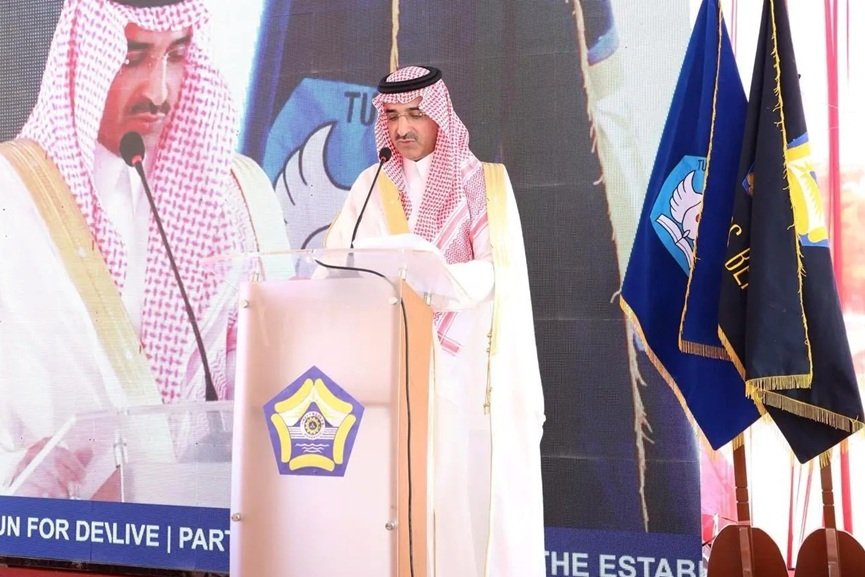
A new teaching and research hospital at the University of Bengkulu opened its doors this week, backed by a $22 million concessional loan from the Saudi Fund for Development. The facility is expected to bolster healthcare delivery and medical training in the region, reinforcing nearly five decades of strategic collaboration between SFD and Indonesia.

Sultan bin Abdulrahman Al-Marshad, Chief Executive Officer of SFD, presided over the inauguration on Friday, joined by Dr Retno Agustina Ekaputri, Rector of the University of Bengkulu, and Ir H Mian, Vice-Governor of Bengkulu Province. The hospital promises expanded healthcare access for local communities while serving as an academic hub for medical students and professionals.

At the ceremony, Al-Marshad emphasised that the facility represents “an important milestone in strengthening healthcare services for the people of Bengkulu and beyond,” highlighting the nearly 49-year trajectory of cooperation between SFD and Indonesia and affirming their mutual commitment to advancing the Sustainable Development Goals.

Functioning as both a medical facility and a teaching and research institution, the hospital is poised to enhance the region’s health system resilience, improve community health outcomes, and deliver hands-on training for new generations of medical staff.

Since its initial engagement in Indonesia in 1976, SFD has financed 12 development projects through over $396 million in loans, spanning healthcare, education, infrastructure and other vital sectors.

These initiatives illustrate a model of long-term development partnerships, tailored to local priorities while reinforcing broader global development objectives.

Al-Marshad’s visit also recalls a prior milestone when he laid the foundation stone for the hospital as part of a cluster of projects, including educational campuses in Jakarta and East Java, during his 2022 trip—an early indicator of the project’s eventual realisation. That plan had projected serving over 328,000 beneficiaries annually across Indonesia.

The Ministry of Economy and Tourism has signed a Memorandum of Understanding with Dubai Science Park to reinforce legal and technical assistance for patent registration and intellectual property protection. The agreement is set to ease processing procedures and support businesses across TECOM Group’s business districts.

Support will extend to companies located in Dubai Science Park and other hubs such as Dubai Internet City, Dubai Media City, and Dubai International Academic City. The collaborative framework introduces expert guidance and streamlined mechanisms for innovators, aiming to enhance patent registration and commercialisation both locally and internationally.

Dr Abdulrahman Al Muaini, Assistant Undersecretary for the Intellectual Property Sector at the Ministry, emphasised a sustained commitment to fostering the national innovation ecosystem through partnerships that bolster IP protection capabilities. Marwan Abdulaziz Janahi, Senior Vice‑President of Dubai Science Park along with Dubai Knowledge Park and Dubai International Academic City, described the pact as a catalyst for accelerating research and innovation with global resonance.

Growth in patent activity underscores the impetus for such a partnership. From January to July 2025, the Ministry recorded 1,221 patents, up from 466 for the equivalent period in the prior year. Meanwhile, patent applications rose to 2,430 from 1,996 in the same timeframe. This solid year‑on‑year increase signals both institutional and societal recognition of the strategic importance of intellectual property.

Dubai Science Park serves as a key component of the UAE’s innovation infrastructure, hosting over 500 entities—including global firms such as AstraZeneca, BeiGene, and Pfizer—and facilitating the work of more than 6,500 professionals in the life sciences, energy and environmental sectors. Facilities include Grade‑A offices, LEED‑certified laboratories, and sophisticated logistics infrastructure.

The MoU also introduces outreach initiatives—for instance, workshops, training sessions, and awareness campaigns—designed to enhance IP literacy among business owners and innovators across TECOM’s network of districts.

This agreement aligns with the UAE’s long‑term strategy to transform into a knowledge‑based economy by 2031. It reflects a broader ambition to position the nation as a global centre for innovation and research by providing creators with robust protections for their intellectual property.

The new MoU follows earlier initiatives such as the Accelerated Patent Grant agreement with the United States Patent and Trademark Office, which aimed to speed up UAE patent approvals for inventions granted in the United States. Furthermore, the Ministry’s ‘Green IP Roadmap’ introduced accelerated registration for sustainable and eco‑friendly innovations—pushing to reduce registration timelines from 42 months to six and increasing patent numbers to 6,000 by 2026.

By Nitya Chakraborty The tariff war declared by the United States President Donald Trump against India by imposing a total duty of 50 per cent on Indian exports to the USA effective August 27 this year, is having its impact on the economic relations between the two powerful economies of Asia , China and India. […]
Advertisements

Highlights of the Interim Results for the Six Months Ended June 30, 2025: Benefiting from the sustained growth in AI computing power demand, the demand for chips has grown significantly across related industries, driving the Group’s revenue up by approximately 54.5% year-on-year to RMB6,676.5 million. The Group recorded a gross profit of approximately RMB585.9 million, and a net profit of approximately RMB190.0 million. Profit attributable to equity […]

Digital Realty and Vultr have entered into a strategic global partnership to deploy enterprise‑grade, GPU‑accelerated AI infrastructure in key data‑hub markets. Through this alliance, Vultr’s cloud‑based GPU clusters – powered by NVIDIA HGX B200 and AMD Instinct MI325X chips – will be integrated into Digital Realty’s PlatformDIGITAL data‑centre network, offering high‑performance AI compute close to where enterprise data resides. The new offering allows organisations to access Vultr’s GPU resources via direct […]

Commerce and Industry Minister Piyush Goyal said today that a free‑trade agreement with Oman will be finalised soon, while Qatar has expressed interest in negotiating a similar pact. Concurrently, he confirmed that negotiations with the European Union are gathering pace.

Speaking at a New Delhi event, Goyal assured exporters of government support to navigate global trade uncertainties—particularly those triggered by unilateral policies of other nations. He emphasised ongoing consultations with stakeholders, including Indian diplomatic missions, aimed at diversifying export markets and strengthening domestic consumption through Goods and Services Tax reforms. Goyal asserted that exports this year are poised to exceed last year’s levels.

Progress on the Oman front appears particularly advanced. Goyal characterised the India–Oman free‑trade agreement as “almost finalised,” suggesting that formal conclusion is within reach.

At the same time, Goyal reiterated that Qatar, along with Saudi Arabia, is keen on forging trade agreements with India, signalling growing interest from Gulf cooperation partners. Notably, India and Qatar had earlier set a goal to double bilateral trade to US$28 billion over five years—a vision reinforced by renewed discussions of a free‑trade pact.

Meanwhile, Europe remains a focal point. Goyal referenced rapid progress in FTA talks with the EU, and earlier this year had projected that negotiations could be concluded before the end of 2025. He expressed confidence that both sides may even exceed expectations and wrap up the deal ahead of schedule. The European Commissioner for Trade, Maroš Šefčovič, is expected in New Delhi in September to oversee the conclusion of the 13th round of discussions, which are likely to address remaining sticking points.

Goyal portrayed this as part of a broader, much‑intensified trade diplomacy, describing India’s approach as negotiations “from morning till evening” with multiple partners including the US, Chile, Peru, and others. He emphasised that each agreement will be grounded in national interest and industrial benefit, stressing that India will uphold its self‑respect and not compromise in negotiations—even as global trade tensions evolve.

These developments unfold against a backdrop of mounting trade headwinds. India’s share in global trade remains relatively modest, at around 2 percent, while nearly 40 percent of its exports to the US remain outside the scope of the newly imposed 50 percent tariffs—muting some of the trade impact.

India’s trade strategy appears to be one of diversification and resilience, deepening ties across regions—from the Gulf to Europe to the Americas. With multiple free-trade agendas advancing simultaneously, key pivots such as the Oman deal, Gulf engagement, and an EU agreement could reshape economic dynamics in the coming months.

Greenlogue/AP Veolia has moved to acquire the remaining 30 per cent stake in its Water Technologies and Solutions subsidiary from CDPQ, in a deal valued at around US$1.75 billion, positioning the company for greater strategic agility and cost-efficiency. The transaction is expected to bring about €90 million in run‑rate cost synergies by 2027, simplification of the group’s structure, and added value through streamlined decision‑making and integration. The move forms […]

Sotheby’s will stage its first auction series in Abu Dhabi this December as part of a broader push by the emirate to emerge as an international hub for art and luxury. The event, named Abu Dhabi Collectors’ Week, is set to run from 2 to 5 December and promises to captivate collectors with offerings spanning fine jewellery, rare watches, collector cars and premium real estate. The drive behind […]

3 Cross-regional fashion events kicking off at CENTRESTAGE in Hong Kong followed by a fashion show and exhibition in Seoul Bringing together 35 units of renowned and emerging designers from Guangdong-Hong Kong-Macao Greater Bay Area and Korea to present over 100 creations Breaking cultural boundaries with Cantopop, K-pop and films from Hong Kong and Korea to open a new frontier in cultural exchange HONG KONG SAR – […]

South African President Cyril Ramaphosa unveiled a G20 taskforce led by Nobel Prize‑winning economist Joseph Stiglitz, aimed at scrutinising global wealth inequality and its consequences for economic growth, poverty and cooperation among nations. This pioneering effort marks the first time the G20 has deployed such a specialised group of independent experts, with findings due to be presented at the Johannesburg summit in November 2025. The six‑member panel […]

Arabian Post Staff -Dubai Pre‑orders for Huawei’s second‑generation Mate XTs smartphone have begun in China, ahead of its unveiling scheduled for 4 September. The device does not have an official US release at this time. The Mate XTs, slated for presentation on 4 September at 14:30 China time, retains the tri‑fold, or “S‑style”, design of its predecessor while introducing refinements such as two new finishes—white and crimson purple—and a more […]

A quarter of white‑collar professionals in the UAE express concern that artificial intelligence might one day replace their roles, yet more than half acknowledge that AI tools have made their work noticeably easier—presenting a complex picture of apprehension tempered by appreciation.

LinkedIn data shows that 80 per cent of professionals in the UAE now use AI tools “regularly,” a significant increase from 56 per cent in 2024. This puts the UAE second globally in AI adoption behind only India, where the figure stands at 85 per cent. Confidence in experimenting with AI is high, with 81 per cent of local professionals saying they enjoy exploring AI tools, and 73 per cent reporting more frequent and confident usage compared with the previous year. Many describe learning AI as “a second job.”

A survey by The National found that roughly 25 per cent of the 200 respondents worry about AI’s future impact on their jobs. Yet more than half affirm that AI has made their current tasks easier, and 7 per cent report that their roles have already been replaced—though they emphasise this is based on a small sample. Roles in media, advertising and marketing appear particularly vulnerable to automation. Nevertheless, David Mackenzie of recruitment firm Mackenzie Jones Middle East maintains that, at present, AI lacks the sophistication to supplant senior professionals in white‑collar roles.

Broader sentiment in the UAE workforce is largely optimistic. A Korn Ferry workforce report indicates that 82 per cent of employees in the UAE feel positive about AI’s potential—a stance mirrored in neighbouring Saudi Arabia. Moreover, a survey reveals only 7 per cent of UAE professionals would resist working alongside AI as a colleague, compared with 21 per cent globally. There is, however, cautious pragmatism: 35 per cent support limiting automation in sensitive sectors such as healthcare and education, and 61 per cent would endorse full automation only if accompanied by a universal basic income or welfare compensation, compared with 40 per cent worldwide.

These mixed perspectives take shape against a backdrop of national ambition and infrastructural investment. The UAE has broadened its Golden Visa programme to attract global talent in AI, climate technology and advanced digital industries—a strategic move to make itself a hub for technological innovation and sustainable growth. The country’s AI strategy also includes the establishment of dedicated institutions and leadership structures, such as the Ministry of State for Artificial Intelligence, Digital Economy and Remote Work Applications, led by Omar Sultan Al Olama, who was appointed in 2020 as the world’s first minister for artificial intelligence.

Academic insights reinforce the nuanced impact of AI across sectors. A recent study of creative professionals—including journalists and filmmakers—reveals that while AI enhances operational efficiency and reduces costs, it also raises concerns about authenticity, cultural integrity and skill erosion. The absence of sector‑specific guidelines leaves individuals to navigate AI adoption on their own.

On a global scale, developments are shaping discourse on AI’s real effects. A Stanford‑led study has documented a 16 per cent decline in employment among workers aged 22–25 in sectors vulnerable to automation, such as customer service and software development, between late 2022 and mid‑2025. Experienced workers remain comparatively shielded as AI takes over repetitive tasks. The report emphasises the importance of policies that favour human‑AI collaboration rather than outright replacement. Microsoft’s AI chief Mustafa Suleyman urges professionals not to fear job loss, but rather stagnation—championing reskilling, collaboration, and a growth mindset.

These threads converge as the UAE continues to pursue its goal of becoming an AI leader by 2031—anchored in education, infrastructure, investment and workforce transformation. Yet the responses of professionals remain varied: a blend of anxiety, adaptability and optimism defines the evolving relationship between AI and work in the UAE.

A vibrant showcase of Malaysia’s artistic heritage opened at Abu Dhabi’s Cultural Foundation on 26 August 2025, when the Embassy of Malaysia in the United Arab Emirates inaugurated its first-ever cultural exhibition, “To Know Malaysia Is To Love Malaysia: Highlights from the AFK Collection.” The six-month-long presentation occupies a prestigious place in Abu Dhabi’s cultural calendar and signals a renewed focus on cross-cultural engagement.

Ambassadors accredited to the UAE, business leaders, members of the Malaysian community and cultural and media figures attended the reception. Emirati journalist Dr Jamal Al Majaida was among those present as the exhibition was unveiled. The Ambassador of Malaysia to the UAE, H E Tengku Sirajuzzaman Bin Tengku Mohamed Ariffin, described art and culture as “a vital window into Malaysia’s history and diverse heritage, which blends Asian and Islamic civilisations.” He emphasised that the relationship between the two nations extends beyond politics and economics into the realm of cultural dialogue.

A rare array of works from the AFK Collection—an internationally recognised private collection dedicated to Malaysian art—is on display. It spans classical and Islamic‑inspired pieces to bold contemporary creations, offering a panoramic view of Malaysia’s vibrant creative traditions. The exhibition, running from April through to September at the Cultural Foundation, was introduced in April with similarly enthusiastic reception.

The initiative has infused Abu Dhabi’s cultural scene with fresh momentum. Guests lauded the exhibition’s curation and the uniqueness of its pieces, observing that such events foster mutual understanding and strengthen cultural ties. Members of the Malaysian community voiced pride in seeing their heritage celebrated prominently, and many expressed hope that the exhibition evolves into an annual fixture.

Beyond its individual appeal, the exhibition intersects with broader initiatives to highlight Malaysia’s narratives on the global stage. Curators have framed the AFK Collection as offering insight into the country’s cultural shifts, overlooked histories and political movements, positioning the show as more than an art display—but a medium of storytelling and creative diplomacy.

First Abu Dhabi Bank has unveiled a pioneering five‑year Blue Bond worth HKD 390 million, marking the first such issuance by a financial institution in the Gulf. Placed via private placement and backed by an Article 9 investor, the bond signals a bold move into water‑ and marine‑related sustainable financing. FAB’s issuance aligns with its Sustainable Finance Framework 2023 and adheres to the International Capital Market Association’s Green Bond Principles. […]

Global logistics investor GLP will receive up to $1.5 billion from a wholly owned subsidiary of the Abu Dhabi Investment Authority, signalling the sovereign wealth fund’s first move from limited partner to direct stakeholder in the firm. The initial capital deployment of $500 million is earmarked for expanding GLP’s operations in logistics, digital infrastructure, and renewable energy, with further investment to follow in coming months.

The capital infusion aligns with growing global demand across sectors driven by e‑commerce growth, artificial intelligence and cloud adoption, and the green energy transition. GLP’s data‑centre division is notably thriving: its annual revenue surged 43 percent year‑on‑year to US $193 million.

GLP oversees approximately US $80 billion in assets through its management arm, GLP Capital Partners. This move marks a strategic shift for ADIA—long an investor in GLP’s funds—into becoming a direct shareholder in the global investment group.

In a statement, GLP co‑founder and chief executive Ming Z Mei emphasised that the enhanced capital base and strategic partnership will enable the company to “accelerate growth” and capitalise on the “secular expansion of new economy sectors in which we operate.” Mohamed Al Qubaisi, executive director of ADIA’s real estate department, noted that the transaction deepens their longstanding relationship with GLP and supports its next growth phase while scaling exposure to new economy segments.

The investment supports GLP’s diversified global platform. The firm has operations across Brazil, China, Europe, India, Japan, the US, and Vietnam, spanning logistics real estate, data centres and renewables. Moreover, the investments come amid escalating interest in digital infrastructure, particularly data centres, which are seen as pivotal to AI and cloud services growth.

GLP’s momentum is further underlined by recent capital inflows from regional partners. In China, the company secured 2.5 billion yuan from Zhejiang government‑backed investors to boost its data‑centre operations. Earlier in the year, GLP completed the sale of its ex‑China funds management business to Ares Management for US $3.7 billion, in a deal partly financed with cash and equity. The company also retains stakes in those funds and has backed Ares’s first Japanese data‑centre fund, which completed a US $2.4 billion final closing in June.

GLP’s evolution over the past decade provides further context for this development. Founded in 2009 by Ming Z Mei and Jeffrey H Schwartz, the firm originated as Global Logistic Properties. It went public in 2010 in what was at the time Singapore’s largest IPO. It was taken private in 2018, following a leveraged buyout led by a private‑equity consortium. The company has since transformed into a multi‑sector platform across logistics, digital infrastructure and renewable energy.

On the other side, ADIA stands as one of the world’s largest sovereign wealth funds, managing a diversified global portfolio across asset classes including real estate, private equity and data‑centre platforms. This leap into a direct stake in GLP underscores the fund’s strategy of pursuing active positions in entities driving structural sectoral growth.

Ajman NuVentures Centre Free Zone has launched a representative office in Dubai, strategically expanding its investment reach. The facility, situated on the ninth floor of Aspin Tower on Sheikh Zayed Road, will serve as a local hub for entrepreneurs seeking seamless company registration in Ajman through a fully digital platform.

H. E. Sheikh Dr. Mohamed bin Abdullah Al Nuaimi, Chairman of ANCFZ, inaugurated the office and highlighted its role in enhancing Ajman’s position as a rising business hub. He described the move as a model of public–private collaboration and a strategic step in responding to global economic shifts.

Mr. Rishi Somaiya, CEO of ANCFZ, explained that the new office will not operate as a service outlet but as a platform for promoting ANCFZ services and supporting a growing base of investors. He noted that within just one year of its launch, ANCFZ has attracted investment interest from over 150 countries and secured more than AED 250 million in total investments.

A partnership agreement was signed alongside the office launch, marking a commitment to long-term institutional synergy between ANCFZ and its partner, FDI Zone. This agreement is intended to streamline investment processes, offer technical and legal support, and foster economic integration between public and private sectors.

ANCFZ offers several investor-friendly advantages, including two‑hour business licence issuance, 24‑hour visa processing, and a completely digital setup experience. These features have distinguished it from many other free zones in the UAE.

In July, ANCFZ introduced a flexible “Pay as You Go” package, enabling businesses to launch with minimal upfront costs and pay only for services as needed—covering visa processing, legal documentation, and office services. Somaiya described the offering as empowering entrepreneurs to scale at their own pace.

This Dubai expansion aligns with ANCFZ’s broader strategy to enhance accessibility and affordability while supporting Ajman Vision 2030. By establishing a physical presence in Dubai, the zone aims to attract a broader investor base and lower entry barriers.

Placing the office in Dubai, a global business nexus, grants investors direct access to face-to-face support and eases navigation of the digital registration platform. Investors can now initiate company setup in Ajman from within Dubai’s business ecosystem, benefiting from efficient processing, simplified legal support, and transparent digital systems.

Over its initial year, ANCFZ booked notable growth—attracting entrepreneurs from more than 150 countries and accumulating investments exceeding AED 250 million.

The Dubai office is poised to accelerate that trajectory by enhancing investor outreach and reinforcing ANCFZ’s reputation for efficiency, transparency, and innovation. Its aim is to support founders through every stage of setup, with streamlined licence procurement, visa facilitation, and administrative assistance—all delivered through a user-focused digital infrastructure.

Greenlogue/AP Negotiations in Geneva over a global plastics treaty collapsed amid sharp disagreement on key issues, leaving hopes of a legally binding agreement in limbo. Delegates from 183 countries failed to reach consensus, marking a second missed opportunity to finalise the world’s first treaty to curb plastic pollution. Opening with high expectations, the Intergovernmental Negotiating Committee aimed to build on prior progress and resolve enduring disputes. This […]

HONG KONG SAR – Media OutReach Newswire – 29 August 2025 – Dataplugs announced the launch of its Tokyo Dedicated Server platform, bringing enterprise‑grade bare metal performance, low‑latency connectivity, and 24/7 onsite technical support to customers targeting Japan and the wider Asia‑Pacific region. The new location is engineered for latency‑sensitive workloads and compliance‑focused deployments, with a default 250Mbps BGP International bandwidth and an optional upgrade to CN2 […]

Featuring ISO-Certified, High-Performance Products from Korea’s Leading Manufacturers — Meet Them at Hall 1, Booths 1801–1812, Kuala Lumpur Convention Centre, 2–4 September 2025 KUALA LUMPUR, MALAYSIA – Media OutReach Newswire – 25 August 2025 – Korean companies engaged in the manufacturing of products in the oil & gas field are scheduled to participate in the upcoming Oil & Gas Asia exhibition (OGA 2025), to be held at […]

By T N Ashok NEW YORK: Trump’s 50% tariffs on Indian exports took effect from Wednesday as there has been no resolution to the dispute over Russian oil buys in by India. In a move that has stunned global markets and rattled one of America’s most strategically important partnerships, President Donald Trump on Wednesday imposed […]

VISHNU RAJA
RYO YAMADA
HITORI GOTOH
IKUYO KITA
Just in:
OpenAI introduces GPT-6 Cyber with restricted security access // Hong Kong mandates crypto transaction disclosures to tax authorities // Millions Of Indians May Soon Be Deprived Of Government Assistance // Beyond the exhibition floor: How robots, AI and networks are moving into the real world // Dubai details five-year visa benefits for returning visitors // The “1st Greater Bay Area Health and Longevity Summit & Awards Ceremony” concludes successfully in Macao // Dubai boat show confirms international shipyard line-up for November // Emirates Group records AED 4.1 billion half-year profit // Trump’s Iran War Has A Share Of Contribution To His Midterm Debacle // Cloudflare unveils Zero Wire vulnerability intelligence service // Xi Jinping Preparing For A Trilateral Summit With Trump And Putin At APEC Summit On Nov 18-19 // Oil and chip shares retreat after Democratic victories // OpenAI identifies 948 Linux privilege escalation flaws using AI // Ousted top Kochi cop gets IG post // Kochi police detain two actors over bid to honey trap doctor // CR Longdation Aethereal Cybersecurity × Global Cybersecurity Alliance (GCSA) Join Hands to Establish the “AI and Cybersecurity Research Centre” // Oil advances towards $100 as tanker attacks persist // After Reaching 7 Million Users in the Philippines, Skyro Launches Transparent Cash Loans in Malaysia // Geely’s i-HEV Intelligent Hybrid Technology Offers a New Direction Vision for Gasoline-Powered Vehicles // Geely’s i-HEV Intelligent Hybrid Technology Offers a New Direction for Gasoline-Powered Vehicles //