News related to
processing

Deutsche Telekom has made a significant move into the blockchain space by partnering with Meta Pool, marking a pioneering step in the telecom industry. As the first telecom giant to run a validator node on the NEAR blockchain, this partnership represents an innovative leap toward integrating telecommunications with decentralized technologies. The collaboration aims to bolster the scalability and security of the NEAR protocol, while furthering Deutsche Telekom’s commitment to exploring blockchain and Web3 solutions.

The NEAR blockchain, recognized for its high throughput and low transaction costs, is positioning itself as a formidable competitor in the rapidly expanding blockchain ecosystem. By running a validator node, Deutsche Telekom is not only contributing to the network’s infrastructure but also aligning itself with the emerging trend of decentralized finance (DeFi) and Web3 technologies. Validator nodes are crucial components in blockchain networks, as they validate transactions and ensure the integrity and security of the blockchain.

This strategic partnership with Meta Pool, a leading staking provider for the NEAR blockchain, allows Deutsche Telekom to play a critical role in the operation and security of the network. Through this collaboration, Deutsche Telekom aims to leverage its expertise in telecommunications to support the growth of blockchain-based ecosystems. The partnership also opens the door for future ventures in decentralized applications, marking a new chapter for the company in the digital era.

Telecom giants have been gradually exploring blockchain for its potential to improve network management, enhance data security, and enable novel financial services. However, Deutsche Telekom’s decision to operate a validator node on the NEAR blockchain takes this exploration a step further. It reflects a broader trend where traditional industries are increasingly recognizing blockchain as a transformative technology that extends beyond cryptocurrencies.

NEAR’s unique consensus mechanism, known as Nightshade, is designed to enhance scalability without sacrificing decentralization. With its sharding protocol, NEAR allows for the processing of a high volume of transactions in parallel, making it an ideal blockchain for large-scale applications. This scalability is a key feature that distinguishes NEAR from other blockchains, positioning it as a powerful platform for developers building decentralized applications.

By participating in the NEAR ecosystem, Deutsche Telekom strengthens its position as a forward-thinking player in the telecom industry. The company has been an active participant in the digital innovation space, with initiatives spanning cloud computing, 5G technology, and smart networking solutions. Its involvement with blockchain technology further cements its commitment to staying ahead of the curve in a rapidly evolving digital landscape.

For Meta Pool, the collaboration with Deutsche Telekom brings credibility and stability to its operations. As a provider of staking services, Meta Pool allows users to pool their tokens to participate in network validation, enabling them to earn rewards while contributing to the blockchain’s security. With Deutsche Telekom’s technical expertise and global infrastructure, Meta Pool gains a valuable partner that can help scale its services and reach a broader audience.

The partnership is also a testament to the growing interest in blockchain’s potential to disrupt traditional industries. Blockchain technology, which underpins cryptocurrencies like Bitcoin and Ethereum, has found applications far beyond digital currencies. From supply chain management to voting systems, decentralized finance to digital identity verification, blockchain offers a wide array of possibilities for sectors ranging from finance to healthcare.

For Deutsche Telekom, the partnership also signals a shift towards exploring new revenue streams. The telecom industry, long dependent on providing connectivity and infrastructure, is now looking toward Web3 technologies as a way to diversify its offerings. By running a validator node on the NEAR blockchain, Deutsche Telekom could potentially tap into the emerging market for decentralized services, a space that promises significant growth as the adoption of blockchain continues to rise.

The telecom industry is no stranger to technological advancements, having embraced 5G and cloud computing as key components of its future growth strategy. However, blockchain presents a unique set of opportunities and challenges that require a nuanced understanding of both telecommunications and decentralized networks. Deutsche Telekom’s move into the blockchain space signals a broader trend where telecom companies are beginning to experiment with blockchain as a tool to enhance their service offerings.

The implications of Deutsche Telekom’s move could reverberate across the telecom sector. Other major telecom operators may follow suit, recognizing the importance of blockchain as a technology that can offer more than just a buzzword. As blockchain continues to mature, its potential to redefine industries outside of finance grows clearer. The collaboration between Deutsche Telekom and Meta Pool could pave the way for more partnerships between blockchain platforms and traditional telecom giants, contributing to the further mainstreaming of decentralized technologies.

The participation of a major player like Deutsche Telekom brings legitimacy to blockchain as an enterprise-grade solution. Telecom companies, with their vast infrastructure and global reach, are uniquely positioned to help scale decentralized networks. Their involvement in blockchain could facilitate its adoption across various industries, bringing new business models and opportunities for collaboration.

SHENZHEN, CHINA – Media OutReach Newswire – 11 November 2024 – OPPO, the world’s leading smart device brand will launch Find X8 Series and ColorOS 15 at a global launch event, set to take place on November 21, 2024 in Bali, Indonesia. Debuting the all-new Find X8 and Find X8 Pro, each is set to redefine flagship smartphone excellence in its class. “Until now, flagship camera phones […]

Revolutionizing Payment Processing Across Asia Pacific Markets HONG KONG SAR – Media OutReach Newswire – 11 November 2024 – eft Payments (Asia) Limited (“eftPay” or the “Company”), one of the leading e-Payment services providers in Hong Kong, is pleased to announce that the Company has entered into a memorandum of understanding (the”MOU“) with AXS, an e-payment solutions provider in Singapore, to develop inter-connectivity between both existing gateways […]

KUALA LUMPUR, MALAYSIA – Media OutReach Newswire – 11 November 2024 – AI has already made a profound impact on the financial markets. Its ability to predict trends, execute trades swiftly, and manage risk is transforming investment strategies at its core. Since it allows companies to provide enhanced user experience with improved accuracy and personalisation, businesses have started to adopt the tech and implement AI-based solutions. NVIDIA’s […]

Iceland’s reputation as a sustainable data hub is strengthening as atNorth, a Nordic high-performance computing and colocation provider, scales its Iceland operations in response to rising global demand for artificial intelligence (AI) and high-performance computing (HPC). Leveraging the country’s abundant geothermal and hydroelectric energy, atNorth is set to expand its infrastructure, which supports sectors from scientific research to advanced AI model training, by enhancing capacity at its […]

DigitalOcean’s Q3 2024 results show a marked rise in growth and profitability, as the cloud service provider reported a 12% year-over-year revenue increase, reaching $198 million. The results underscore the company’s strategic emphasis on innovation in AI infrastructure, helping to position DigitalOcean among competitive tech players targeting small- and medium-sized businesses (SMBs). With its latest launches in AI, DigitalOcean aims to address the shifting needs of developers, […]

IonQ, a global leader in quantum computing, has announced the acquisition of nearly all operational assets of Qubitekk, a California-based firm specializing in quantum networking technology. The strategic purchase is designed to enhance IonQ’s position in the rapidly evolving quantum space, particularly in quantum networking, which has become a critical aspect of advancing quantum computing. The deal marks a significant step for IonQ as it looks to […]

Advertisements

Acquisition Expands TBS’ Regional Waste Management Platform in Indonesia and Singapore, aligning with its TBS2030 target. TBS is committed to ensuring SembEnviro’s high standards of service. JAKARTA, INDONESIA – Media OutReach Newswire – 8 November 2024 – PT TBS Energi Utama Tbk. (“TBS”), through its subsidiary, SBT Investment 2 Pte. Ltd. (“SBT Investment”), is pleased to announce the signing of Share Purchase Agreement with Sembcorp Industries Ltd. […]

HOHHOT, CHINA – Media OutReach Newswire – 7 November 2024 – In Q4 2024, the World Economic Forum (WEF) announced its latest group of “Lighthouse Network,” with Mengniu Group’s cutting-edge facility – Mengniu Ningxia Factory, being honored as a “Lighthouse Network.” This achievement marks a significant milestone as the first in China’s dairy industry and the world’s inaugural liquid milk factory to receive this prestigious designation. Fully […]

Lumen Technologies has entered a significant partnership with Amazon Web Services (AWS) to transform its network capabilities and boost cloud infrastructure. This collaboration is set to bring advanced artificial intelligence (AI) and machine learning (ML) technologies into Lumen’s network services, aiming to optimize data transfer speeds, strengthen security measures, and enhance overall cloud connectivity across the United States. As part of this partnership, Lumen will leverage AWS’s […]

To Foster Emotional Well-Being Through Art and Technology HONG KONG SAR – Media OutReach Newswire – 4 November 2024 – Breast cancer is the most common cancer among women in Hong Kong. In addition to improving treatment options for better disease management and survival rates, the medical community is increasingly prioritizing the enhancement of patients’ emotional well-being. From left to right: Professor Angela, Leung Yee-man, Associate Head […]

A new app called Easy Watermark has emerged as a practical solution for Android users looking to safeguard their images. This application allows users to effortlessly add custom watermarks to their photographs, providing an additional layer of protection against unauthorized use and copyright infringement. The rise in digital photography and content creation has intensified concerns regarding image theft. Photographers, artists, and social media users often find their […]

Venture capital funding in the Americas took a significant lead in Q3 2024, according to KPMG’s Q3 Venture Pulse Report, reflecting both the strength of U.S. technology sectors and ongoing international interest in AI, defense technology, and clean energy. Despite an overall decline in global funding volume, the Americas have continued to dominate, with North American firms capturing the lion’s share of investments, led by growth in generative AI, defense tech, and other high-stakes innovations, even as other regions recorded slower capital inflows.

The third quarter saw roughly $38 billion raised by VC-backed companies globally, with over half of this funding directed to American companies. AI alone accounted for an impressive 33% of all U.S. venture capital funding, showing the sector’s resilience even as some high-profile names, such as Anthropic and OpenAI, completed multimillion-dollar funding rounds this year. Notably, VC funding in Europe, the Middle East, and Asia has contracted compared to previous quarters. In Europe, market watchers note that funding has slowed down, especially in fintech and climate tech, previously fast-growing sectors. In Asia, investments have shown mixed results; China’s subdued economic environment impacted overall venture capital inflows, although China saw continued investment in artificial intelligence, robotics, and advanced manufacturing.

A shift in defense technology investments has emerged in 2024, with the U.S. and allied nations emphasizing strategic technologies that support national security. This has resulted in significant funding growth for American defense-tech firms, which benefited from increased federal spending and private sector collaboration. Noteworthy deals included significant rounds raised by emerging defense-tech firms that are leveraging AI to enhance surveillance, reconnaissance, and cybersecurity operations. The U.S. government’s increased focus on countering security risks from AI-related technologies has spurred both private and public investment in dual-use tech—civilian technologies with potential military applications, which are becoming increasingly prioritized.

Generative AI has maintained its role as a primary driver of VC funding. According to data from Accel, AI-related startups received nearly two-thirds of all generative AI funding across the U.S., Europe, and Israel. This trend was most visible in large-scale investments in foundational AI infrastructure, including cloud services, model training, and neural network development. Market research indicates that U.S. firms like OpenAI continue to set records, raising approximately $18.9 billion since early 2023, with Anthropic following closely with $7.8 billion. Notably, new players such as Elon Musk’s xAI have also seen significant investments, reflecting the strategic importance and market enthusiasm for AI innovation.

In Europe, artificial intelligence continues to attract capital, albeit at a slower pace. Notable AI recipients included Wayve, a UK-based autonomous driving startup, and Mistral, a French AI firm focusing on natural language processing. While European investment levels have softened overall, AI and defense-related sectors show continued resilience, aligning with national priorities and security considerations.

Globally, clean energy investments also attracted substantial VC interest, especially in areas related to hydrogen and battery technologies. Despite the sector’s promise, climate tech funding was one of the hardest-hit areas globally, affected by economic uncertainties and fluctuating energy prices. This has led to a more conservative approach from investors, although breakthroughs in energy storage, carbon capture, and hydrogen fuel cells remain attractive for long-term investors looking at green energy’s potential within sustainability mandates and decarbonization policies.

Certainly, I’ll create this news report for you. One moment, please.

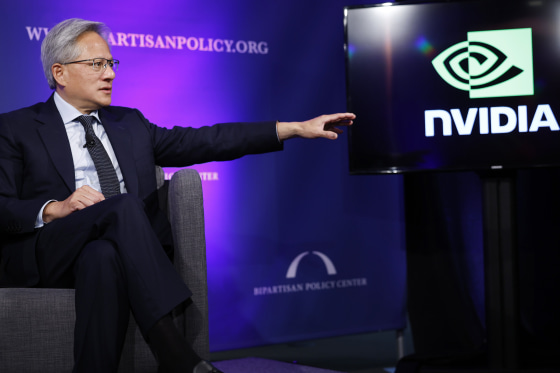
The Dow Jones Industrial Average, a long-established benchmark reflecting the U.S. stock market, is preparing to replace Intel with Nvidia, marking a pivotal change driven by the latter’s ascendance in artificial intelligence (AI). Nvidia’s impressive stock surge over recent years has made it a prime candidate for the Dow, where selections are based on sustained growth and market interest. As Nvidia’s influence in AI and data-driven computing continues to expand, Intel’s long-held seat in the Dow, which it has occupied since 1999, now seems increasingly out of alignment with the evolving market landscape.

This shift underscores the growing weight of AI in financial markets, with Nvidia’s valuation skyrocketing alongside its impact in cloud computing, AI software, and high-performance graphics processing units (GPUs) that power industries from healthcare to gaming. Intel, by contrast, has faced challenges, including decreased demand for consumer and enterprise chips and increased competition from international semiconductor manufacturers.

Blockchain infrastructure provider Ankr has announced a significant new integration with The Open Network (TON) blockchain, enabling developers to build decentralized applications (DApps) directly for Telegram, one of the world’s largest messaging platforms. With this integration, Ankr is expected to facilitate the development process, allowing programmers to streamline the creation of apps and mini-games, further expanding the use of decentralized technology on a platform boasting nearly 950 million users.

The integration, unveiled by Ankr on October 24, introduces a robust Remote Procedure Call (RPC) gateway that connects developers to the TON network. This gateway enables them to interact with the blockchain’s ecosystem without the technical hurdles of setting up nodes. Through this, developers can execute transactions, check wallet balances, and retrieve ownership information, optimizing their workflow and eliminating the need for extensive blockchain-specific setup. This new feature is part of Ankr’s Web3 API suite, making it more accessible for developers to integrate TON’s blockchain technology directly into their applications.

Telegram’s use of the TON blockchain, originally developed to support a cryptocurrency ecosystem within its platform, has evolved since Telegram’s founders, Pavel and Nikolai Durov, introduced it in 2018. Although the initial launch faced regulatory challenges in the United States, resulting in Telegram stepping back from the project, the technology continued under the governance of the TON Foundation, which has maintained its focus on decentralized application development. The ecosystem, now seeing renewed momentum, is positioned as a decentralized Web3 solution closely aligned with Telegram’s commitment to privacy and user control over data.

Ankr’s integration with TON arrives amid a broader surge of interest in decentralized applications and blockchain-based services across social platforms. In September, TON received a $30 million investment from crypto firms Bitget and Foresight Ventures, an injection aimed at accelerating TON’s infrastructure and developer engagement. This financial boost underscores the increasing viability and competitive positioning of TON as a blockchain choice within Web3 development.

Incorporating Ankr’s RPC service for TON enhances accessibility for developers seeking to tap into Telegram’s extensive user base. This service, now integrated with Ankr’s Web3 API, simplifies decentralized application workflows, allowing for seamless deployment of applications, wallet management, and transaction processing. As developers build tools on TON, they can leverage these capabilities to integrate applications, mini-games, and utility tools, enhancing user engagement within Telegram and expanding the use of digital assets through TON’s ecosystem.

Top executives across various industries have expressed strong optimism about the role of artificial intelligence (AI) in driving decarbonization efforts and enhancing energy efficiency. As the world grapples with climate change and strives to meet net-zero goals, AI’s capabilities are being increasingly recognized as vital tools in this transformation. The discussions surrounding AI’s impact on energy and the environment have gained significant momentum in 2024, especially at […]

The partnership will support the global growth of Chinese brands by enhancing the cross-border payment solutions available to merchants. LONDON, UNITED KINGDOM – Media OutReach Newswire – 31 October 2024 – Global fintech Unlimit has formed a strategic partnership with SHOPLINE, a rapidly growing Software-as-a-Service (SaaS) provider, to assist Chinese merchants in expanding their global reach through the integration of new payment processes. Unlimit X SHOPLINE SHOPLINE […]

The International Air Transport Association (IATA) has announced its plans to incorporate digital currencies into its financial settlement systems, signaling a significant shift in how the aviation industry conducts transactions. This move aims to enhance operational efficiency and cater to evolving consumer preferences in a rapidly digitizing world.

With a growing interest in digital currencies, particularly cryptocurrencies and stablecoins, IATA’s initiative addresses the need for more flexible payment methods within the airline sector. The association’s director general, Willie Walsh, emphasized that adopting digital currencies could facilitate quicker settlements, reduce transaction costs, and improve overall customer experience.

As airlines seek innovative ways to optimize their operations post-pandemic, integrating digital currencies presents an opportunity to streamline payment processes. Currently, many airlines and travel-related companies are grappling with the challenges of legacy systems that often hinder speed and efficiency. Walsh stated that integrating digital currencies aligns with the industry’s push towards modernization and technological advancement.

Digital currencies have gained traction in various sectors, but the aviation industry remains cautious due to regulatory uncertainties and the volatile nature of many cryptocurrencies. However, IATA believes that working closely with regulators will ensure that the introduction of digital currencies into financial systems complies with existing laws and regulations.

Emerging trends in the financial landscape are shaping the future of payments in aviation. With a significant portion of travelers expressing interest in using cryptocurrencies, airlines must adapt to meet this demand. Research indicates that younger generations, particularly millennials and Gen Z travelers, are more inclined to use digital currencies for purchases. By embracing these payment methods, airlines can attract a tech-savvy customer base that values flexibility and innovation.

IATA’s move also reflects a broader trend across various industries exploring blockchain technology and digital assets. Companies are increasingly recognizing the potential of blockchain to enhance transparency and security in transactions. This technology allows for secure, real-time processing of payments, reducing the risks associated with fraud and chargebacks.

Several airlines have already begun to experiment with accepting cryptocurrencies. For example, major carriers like AirAsia and Lufthansa have launched initiatives allowing customers to book flights using Bitcoin and other digital currencies. These pioneering efforts indicate a growing willingness among airlines to adapt to changing market conditions and consumer preferences.

The pandemic has accelerated the digital transformation across industries, with contactless payment options becoming a necessity rather than an option. IATA’s strategy to integrate digital currencies is in line with this trend, enabling airlines to offer a seamless and secure payment experience for travelers.

While the potential benefits are significant, challenges remain. Regulatory frameworks surrounding digital currencies vary widely across countries, creating complexity for airlines operating in multiple jurisdictions. IATA is actively engaging with international regulators to address these concerns and promote a cohesive approach to digital currency adoption.

Industry experts believe that for digital currencies to gain widespread acceptance in aviation, robust standards and guidelines must be established. These standards would address issues such as security, interoperability, and compliance with anti-money laundering regulations. Collaboration among stakeholders, including airlines, payment providers, and regulatory bodies, will be crucial in developing a sustainable framework for digital currency transactions.

As the aviation industry grapples with rising operational costs and fluctuating fuel prices, digital currencies may offer a more stable alternative for financial settlements. Stablecoins, which are pegged to traditional currencies or commodities, could provide airlines with a hedge against volatility, enabling more predictable budgeting and planning.

The adoption of digital currencies is not just about payment processing; it also opens avenues for innovative loyalty programs and customer engagement strategies. Airlines could leverage blockchain technology to create more transparent and efficient loyalty schemes, allowing customers to earn and redeem rewards in digital currency.

As IATA moves forward with its plans, collaboration with technology providers and financial institutions will be essential. By partnering with fintech companies, airlines can access the necessary infrastructure and expertise to integrate digital currencies seamlessly into their existing systems.

Customer education will play a vital role in the successful implementation of digital currency payment options. Airlines will need to inform travelers about the benefits, risks, and practicalities of using digital currencies for purchases. This initiative could also foster a greater understanding of blockchain technology and its applications in aviation.

HANOI, VIETNAM – Media OutReach Newswire – 17 October 2024 – Vietnam Airlines has successfully launched an unprecedented series of initiatives to offset CO2 emissions and reduce plastic waste. These efforts represent a significant step in the airline’s commitment to sustainable development and align with The Aviation Challenge 2024 organized by the global airline alliance SkyTeam. Students in Con Dao participated in waste collection and learned how […]

Meta Platforms is advancing its technological arsenal with the development of an AI-driven search engine aimed at lessening its reliance on established competitors like Google and Bing. This strategic move follows a broader trend of tech companies leveraging artificial intelligence to enhance user experiences and streamline information retrieval. The new search tool is designed to deliver conversational AI summaries, allowing users to engage more interactively with current […]

HONG KONG SAR – Media OutReach Newswire – 28 October 2024 – Hong Kong Science and Technology Parks Corporation (HKSTP) joined the FinTech Week 2024 in illuminating new pathways for fintech developments. Inclusive of a spectrum of fintech sectors, market-ready solutions of 41 startups gained traction from over 30 corporate partners at more than 100 business matching sessions, potential investors through immersive networking set-up, the exhibition received […]

Chindata Group has introduced its latest AI-powered “Total Solution 2.0” for data centers, aiming to address the challenges of efficiency, scalability, and sustainability faced by the data center industry amid the rapid global expansion of artificial intelligence. The announcement was made during the Data Center Technology Innovation and Transformation Forum in Beijing, a key gathering co-hosted by the China Academy of Information and Communications Technology (CAICT) where […]

A remarkable milestone occurred on October 26 when Base achieved a record in stablecoin trading volume, momentarily eclipsing major blockchain platforms such as Solana, Ethereum, and Tron. The platform accounted for an impressive 30.06% of the total stablecoin volume, marking a significant shift in the landscape of digital asset trading.

Base, a layer-2 solution built on the Ethereum blockchain, has gained traction for its scalability and low transaction fees, making it an attractive option for traders and developers alike. The recent surge in stablecoin activity can be attributed to a confluence of factors, including growing interest in decentralized finance (DeFi) and the increasing acceptance of cryptocurrencies by mainstream financial institutions.

Alongside the stablecoin volume milestone, Base also set a new benchmark in daily transactions, recording 5.6 million transactions on the same day. This figure represents a notable 20% increase from the previous month, underscoring the growing engagement of users with the platform. The impressive transaction volume reflects not only heightened trading activity but also a broader trend toward the adoption of blockchain technology.

Several key players have contributed to Base’s success in the stablecoin market. The integration of various decentralized applications (dApps) on its platform has enhanced user experience and attracted a diverse range of users. Developers are increasingly building on Base due to its compatibility with Ethereum, allowing for seamless integration of existing Ethereum-based dApps while benefiting from lower gas fees and faster processing times.

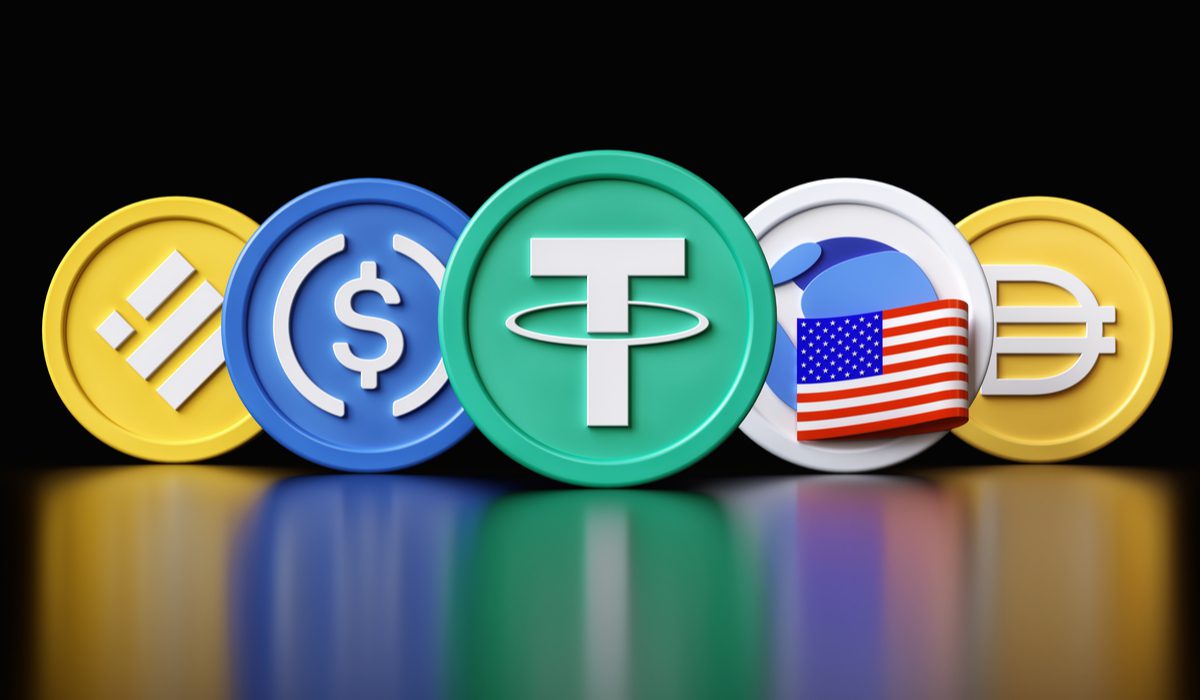
The momentum gained by Base comes in the context of an evolving stablecoin landscape. Traditional stablecoins like Tether (USDT) and USD Coin (USDC) continue to dominate, yet alternative stablecoins and newer entrants are making significant inroads. This shift illustrates the dynamic nature of the cryptocurrency market and highlights Base’s ability to position itself as a formidable player amid these changes.

Partnerships with financial institutions have played a crucial role in Base’s ascent. Collaborations with firms that support crypto transactions have bolstered user confidence and expanded the platform’s reach. As institutional adoption of cryptocurrencies continues to grow, platforms like Base are well-positioned to capitalize on the increased demand for efficient, reliable trading environments.

The surge in daily transactions can also be linked to the rising popularity of yield farming and liquidity provision within the DeFi space. Users are incentivized to engage with platforms that offer competitive yields, prompting a surge in transaction volume as liquidity pools are funded and manipulated to optimize returns. This trend reflects a broader shift toward decentralized financial services, where users can take greater control of their assets without intermediaries.

Market analysts observe that Base’s focus on user experience has been instrumental in its growth. Simplifying the process of trading and providing users with intuitive interfaces has lowered barriers to entry for newcomers to the crypto space. Educational initiatives and community engagement have also played a role in fostering a sense of trust and loyalty among users, which is vital in an industry often marred by volatility and uncertainty.

The competitive landscape for stablecoins and blockchain platforms remains fierce. As Base continues to expand its user base and enhance its offerings, attention must be paid to regulatory developments that could impact the broader market. The regulatory environment for cryptocurrencies and stablecoins is evolving, with various jurisdictions exploring frameworks that could affect operations and user engagement. This regulatory scrutiny emphasizes the importance of compliance and the need for platforms like Base to adapt to changing legal landscapes.

Innovative features are also on the horizon for Base as it looks to maintain its growth trajectory. Enhancements to its infrastructure, including scalability improvements and security measures, are in development to ensure that the platform can handle increasing transaction volumes without compromising performance. Continued investment in technology will be crucial for sustaining user trust and engagement, particularly as competitors vie for market share.

Global IT spending is projected to reach an impressive $5.74 trillion by 2025, reflecting a robust growth rate of 9.3% compared to 2024. This remarkable surge is primarily fueled by escalating investments in generative artificial intelligence (GenAI) technologies and the expanding data center infrastructure required to support these advancements. According to industry analysis, the demand for GenAI applications is reshaping the IT landscape, prompting organizations across various […]

VISHNU RAJA
RYO YAMADA
HITORI GOTOH
IKUYO KITA