News related to
processing

Hong Kong is set to become a major hub for artificial intelligence (AI) and big data, as Financial Secretary Paul Chan Mo-po announced a significant wave of companies preparing to establish or expand their operations in the city. This move underscores Hong Kong’s strategic efforts to solidify its position as a global technology hub, leveraging its business-friendly environment, proximity to mainland China, and extensive financial infrastructure. Over half of the 10 major firms expected to expand operations in the coming months are concentrated on AI and big data technologies, reflecting a growing trend of high-tech industries converging in the city.

The companies set to arrive range from established players in robotics and AI-driven healthcare to emerging startups specializing in machine learning, facial recognition, and digital finance. These firms are expected to bring substantial investments and innovation to Hong Kong’s tech ecosystem, particularly in AI, which has become a major focus for policymakers and industry leaders alike. Government initiatives aimed at enhancing the city’s technological capabilities, such as the Hong Kong Science and Technology Parks Corporation (HKSTP), are poised to play a key role in nurturing this expanding sector.

Among the standout names set to deepen their presence in Hong Kong is Hanson Robotics, the company behind the famous humanoid robot Sophia. Hanson has long been at the forefront of AI development, with its robotics often hailed for their advanced AI capabilities in human-robot interaction. The company’s decision to expand further into Hong Kong reinforces the city’s importance as a regional AI hub. Hanson is part of a growing wave of firms attracted by Hong Kong’s business opportunities and collaborative environment, particularly in industries where AI can be integrated into various services, from education to customer service.

Another notable company eyeing expansion in Hong Kong is Insight Robotics. Known for its innovative risk management solutions using AI-driven technology, the company has made significant strides in wildfire detection and aerial surveying, particularly in the forestry sector. Insight’s systems, powered by machine learning algorithms and thermal sensors, can detect fires early, helping to mitigate damage and improve response times. Its presence in Hong Kong is expected to contribute not only to the city’s tech ecosystem but also to sectors like environmental conservation and disaster management, both of which are becoming increasingly reliant on AI.

Startups are also making a substantial impact, with firms like Trend Lab and Find Solution Ai making Hong Kong a base for their operations. Trend Lab, which operates in stealth mode, is looking to dominate the Asia-Pacific AI financial services market, while Find Solution Ai focuses on the education and healthcare sectors. The latter has gained attention for its ‘4 Little Trees’ platform, an AI-powered educational tool that personalizes learning by analyzing students’ emotional states and performance data. This application is already in use in several Hong Kong schools, and the company’s further expansion in the city signals growing confidence in the local market’s potential.

The trend of AI firms expanding into Hong Kong coincides with increasing global demand for AI applications in everyday life. From facial recognition and augmented reality tools to predictive algorithms used in financial markets and healthcare, AI has emerged as a transformative force across industries. Hong Kong’s proximity to China’s tech powerhouse cities like Shenzhen has also been a critical factor in attracting these AI companies. The city acts as a bridge between the East and West, offering unique opportunities for international firms to collaborate with Chinese tech giants and access a broader market in Asia.

Banuba, a Hong Kong-based startup specializing in facial recognition and augmented reality, is another firm that has attracted significant attention. The company has developed cutting-edge AI tools used in a wide range of applications, including biometric verification, behavioral analytics, and personalized advertising. Banuba’s growth highlights the increasing importance of AI in sectors that rely heavily on machine vision and image processing technologies.

These AI-focused expansions reflect a broader global shift towards integrating AI across various economic sectors, and Hong Kong is positioning itself as a key player in this transformation. The government has also recognized the importance of investing in AI research and development, with targeted funding and policies designed to attract more high-tech firms. Initiatives like the “AI and Robotics Technologies Cluster” under the Hong Kong Science Park offer specialized infrastructure, incubation services, and financial support to startups and established companies alike. These efforts are not only fostering innovation but also attracting top talent to the city, ensuring that Hong Kong remains competitive in the fast-evolving global tech landscape.

Hong Kong’s established financial services sector is set to benefit from the influx of AI expertise. Fintech applications, in particular, are expected to see rapid development, with AI-driven technologies such as algorithmic trading, risk assessment, and fraud detection being deployed by local firms. The rise of AI-focused companies will also complement Hong Kong’s push towards digital transformation, especially as the city aims to enhance its competitiveness in global financial markets.

RNTrust is gearing up to present its groundbreaking advancements in artificial intelligence and hyperautomation at the 2024 edition of GITEX Global in Dubai. The company’s updated SPITrust Coopera platform, set to be unveiled at the Novotel DWTC, is designed to reshape the digital transformation landscape for businesses by offering a comprehensive solution for business orchestration, automation, and enterprise content management (ECM). This new version of Coopera is […]

Red Hat is set to spotlight its open-source innovations at GITEX Global 2024, underscoring its role in reshaping digital infrastructure through hybrid cloud technologies. As businesses increasingly embrace digital transformation, Red Hat’s participation at this high-profile technology event will focus on empowering organizations with scalable, flexible solutions that drive efficiency and agility. The event, taking place from October 14-18 at Dubai World Trade Centre, is expected to attract global tech leaders, offering a platform for companies to explore the future of digital ecosystems.

The company’s showcase will emphasize its hybrid cloud platform, which is rapidly becoming a core solution for organizations navigating the complexities of digitalization. Red Hat, well-known for its contributions to open-source software, has positioned its hybrid cloud infrastructure as a vital tool in addressing the diverse needs of industries ranging from finance to healthcare. By integrating cloud-native applications and services, the platform enables seamless collaboration and innovation across private and public cloud environments, allowing enterprises to stay competitive in an ever-changing market.

Central to Red Hat’s offerings is its edge computing capabilities, which have garnered significant attention due to their potential in enhancing operational efficiency. The company’s booth at GITEX 2024, H6-B50, will feature live demos showcasing how Red Hat’s hybrid cloud solutions are designed to optimize edge computing environments. Edge computing, a crucial aspect for industries with real-time data processing needs, requires a flexible, open-source approach, and Red Hat’s platform provides the necessary tools to unlock this potential.

One of the key highlights of Red Hat’s participation will be its AI and machine learning solutions, particularly in the context of business innovation. As part of its ongoing efforts to integrate artificial intelligence into enterprise environments, Red Hat will host a session on October 15, focusing on moving AI from conceptualization to impactful implementation. Osama Oransa, a prominent figure in Red Hat’s AI division, is expected to lead the discussion on how businesses can overcome challenges and leverage AI to drive growth and innovation.

With cloud computing becoming increasingly integral to digital transformation strategies, Red Hat’s emphasis on open-source development ensures that organizations have access to adaptable, community-driven technologies. Its approach to hybrid cloud architecture reflects a commitment to openness, collaboration, and transparency—values that are foundational to the open-source movement. By empowering companies with the flexibility to scale and innovate, Red Hat continues to play a pivotal role in shaping the digital future of enterprises globally.

India stands at the cusp of an AI-driven revolution, a transformation led by its burgeoning software-as-a-service (SaaS) market and a rapidly growing talent pool in artificial intelligence. As global demand for AI-based solutions intensifies, India’s developers are crucial to harnessing this opportunity. The country’s tech landscape is expanding with AI start-ups, cutting-edge research, and AI-powered platforms, yet a significant gap remains: a shortage of highly specialized developers needed to accelerate this transformation.

The Indian SaaS sector is uniquely positioned to benefit from artificial intelligence. As businesses worldwide shift towards cloud computing and automation, Indian companies are emerging as key players in delivering scalable AI-powered solutions. Indian SaaS firms have been instrumental in providing software that caters to a wide array of industries, from healthcare to financial services, retail, and logistics. AI integration into these sectors can provide enhanced decision-making capabilities, process automation, and predictive analytics. But the key enablers for such integration are India’s developers, who must possess the requisite skills to drive innovation.

India already has a solid base of AI talent, with thousands of engineers graduating from prestigious institutions every year. These developers are skilled in areas like machine learning, natural language processing, and computer vision. However, many experts believe that a gap still exists between the number of developers available and the demand for highly specialized talent in AI development. As artificial intelligence becomes more sophisticated, businesses require developers who can design complex AI models, scale algorithms efficiently, and apply AI to solve real-world problems. Closing this gap is critical to ensuring that India remains a global leader in AI innovation.

Many challenges hinder the development of a more robust AI developer ecosystem in India. The skill gap is one of the foremost concerns, especially as AI evolves into more complex fields like deep learning, generative adversarial networks, and reinforcement learning. These advanced concepts require developers to be fluent not only in programming languages but also in mathematical modeling, data science, and statistical analysis. While India produces a significant number of developers each year, few receive formal training in such advanced AI technologies. Bridging this educational divide is essential to boosting India’s competitiveness in AI.

A lack of industry-relevant exposure for developers remains a bottleneck. Much of the AI research happening in academic institutions does not always translate into industry-ready applications. Many developers, while skilled in theory, lack practical experience with large-scale AI projects or are unfamiliar with integrating AI solutions into business ecosystems. This disconnect between academia and industry must be addressed through greater collaboration between educational institutions and the corporate sector. Providing developers with opportunities to work on real-world AI projects, whether through internships, mentorship programs, or partnerships with tech companies, is essential.

Another barrier to strengthening India’s AI developer community is the challenge of retaining talent. With the global demand for AI professionals skyrocketing, Indian developers often find themselves being recruited by foreign companies. This talent drain means that many of India’s most skilled AI developers leave the country to work on high-profile projects abroad. While this is a testament to the strength of India’s tech talent, it also creates a vacuum domestically. Indian companies must create environments that foster innovation and offer competitive compensation to keep talent from leaving. Moreover, providing opportunities for continuous learning and professional growth will ensure that developers remain engaged and invested in contributing to the AI landscape in India.

Building a strong AI developer community also requires investment in infrastructure and resources. Developing AI solutions requires access to vast amounts of data, computing power, and sophisticated tools for model building and testing. Start-ups and smaller companies, especially in the SaaS sector, may not have the necessary resources to invest in these technologies on their own. Government initiatives and public-private partnerships can help by providing grants, funding research, and setting up AI innovation hubs where developers can collaborate on projects. Creating a supportive ecosystem where developers have access to the tools they need is vital for fostering AI innovation.

One of the most promising areas of growth for India’s AI sector is the integration of AI into traditional industries like agriculture, manufacturing, and healthcare. These sectors are ripe for disruption through AI-powered technologies, whether by using predictive analytics for crop yields, automating manufacturing processes, or deploying AI-driven diagnostics in healthcare. However, for this transformation to occur, developers must be equipped to work with industry-specific data and understand the unique challenges these sectors face. Investing in upskilling programs that target AI applications in these sectors could significantly boost India’s AI capabilities and ensure that developers can build solutions tailored to the needs of these industries.

Another challenge that India’s developer community must overcome is ensuring ethical and responsible AI development. As AI becomes more pervasive, concerns about privacy, data security, and algorithmic bias have become increasingly prevalent. Developers play a crucial role in addressing these concerns by designing AI systems that are transparent, fair, and accountable. This requires a deep understanding of the ethical implications of AI and a commitment to developing technologies that benefit society as a whole. Training developers to approach AI development with these ethical considerations in mind will be key to ensuring that India leads in the responsible deployment of AI technologies.

The role of government policy in shaping India’s AI future cannot be overstated. Encouraging innovation in AI development requires regulatory frameworks that strike a balance between fostering innovation and protecting public interests. Policies that promote AI research, provide funding for start-ups, and incentivize companies to invest in AI development will help create an environment where developers can thrive. Furthermore, government support for AI education initiatives, whether through funding universities or creating AI-specific learning modules for schools, can help nurture the next generation of AI developers.

India’s strong cultural affinity for education and technology positions the country to capitalize on the AI boom, but this potential will only be realized if the developer community is nurtured and supported. The demand for AI-driven business solutions is set to grow exponentially, and the SaaS market is well-placed to ride this wave. However, without a strong developer base, India risks falling behind in the global AI race. Investing in education, infrastructure, industry collaboration, and ethical AI practices will be critical in closing the skill gap and ensuring that India can fully leverage the power of artificial intelligence.

The global AI race is intensifying, with countries around the world vying for leadership in AI innovation. While India has established itself as a key player in the global tech landscape, maintaining its edge in the AI sector will require sustained efforts to build a stronger developer ecosystem. The demand for AI professionals is increasing, and as businesses move towards more advanced AI technologies, the need for highly specialized developers will become even more pronounced.

Kao Data has commenced construction on a £350 million data center in Stockport, Greater Manchester, marking a significant investment in infrastructure for artificial intelligence (AI) and advanced computing. This facility is set to enhance the company’s capabilities in meeting the growing demand for data processing power, particularly in the rapidly evolving AI sector. The new center will be designed with sustainability in mind, aiming to achieve a […]

OpenAI has successfully raised $6.6 billion in a funding round that has significantly boosted its valuation to $157 billion. This is a remarkable increase from the $29 billion valuation it held just a year ago. Key contributors to this funding round include major industry players such as Microsoft, Nvidia, and SoftBank, underscoring the growing confidence in the artificial intelligence sector and OpenAI’s pivotal role within it. The […]

The Abu Dhabi Securities Exchange (ADX) recorded a significant surge in trading activity, logging 15 large deals worth AED 2.66 billion ($724 million) involving ADNOC Gas and Modon properties. These transactions underscore the growing investor confidence in ADNOC Gas and the continued expansion of Modon, a prominent developer of infrastructure projects in Abu Dhabi. ADNOC Gas, a key player in the UAE’s energy sector, has been central […]

Advertisements

Aiello, a prominent startup in the Natural Language Processing (NLP) sector, has successfully raised $5 million in its latest funding round, significantly boosting its growth potential in Japan and Southeast Asia. This financing round, which saw substantial participation from major venture capital players, is set to enhance Aiello’s capacity to expand its offerings and strengthen its market position across these regions. The funding round was led by […]

Emirates National Oil Company (ENOC) is contemplating an expansion of its Jebel Ali Oil Refinery, as articulated by its CEO. This initiative aims to enhance operational capacity and cater to rising regional and global demands for refined products. Currently, the refinery has a processing capacity of 140,000 barrels per day, primarily producing a range of fuels and petrochemical products. The Jebel Ali facility has been instrumental in […]

DP World, the global logistics giant headquartered in Dubai, is preparing to make a significant contribution to Mozambique’s economic landscape by expanding its operations in the country. This development follows a high-profile meeting between Sultan Ahmed bin Sulayem, the CEO and Chairman of DP World Group, and Mozambique’s President, Filipe Nyusi, during the United Nations General Assembly (UNGA) in New York. The two discussed a range of new investment initiatives aimed at enhancing Mozambique’s logistics and industrial capabilities, with DP World confirming its intention to deepen its involvement in the nation’s infrastructure projects.

The company’s new plans come amid Mozambique’s efforts to become a critical player in regional trade, particularly as it seeks to leverage its strategic location along the southeastern coast of Africa. DP World’s planned investments focus primarily on the development of ports and related infrastructure, with an emphasis on increasing trade capacity, boosting local employment, and fostering economic growth.

DP World has long viewed Africa as a key area for growth, and Mozambique represents a strategic link in the company’s broader ambitions across the continent. The nation’s ports, including Maputo and Nacala, serve as vital gateways for international trade, facilitating the movement of goods to and from landlocked countries in southern Africa. By enhancing these logistics hubs, DP World aims to further integrate Mozambique into global trade routes, making it a more attractive destination for foreign investment and positioning the country as a regional logistics hub.

The meeting between DP World’s leadership and President Nyusi underscores the importance of Mozambique’s logistics sector in regional economic development. According to sources familiar with the discussion, both parties are committed to ensuring that the planned investments align with Mozambique’s national development strategy. This includes improving the efficiency of port operations, upgrading existing facilities, and constructing new logistics centers to meet the growing demand for trade services.

Mozambique has already benefited from DP World’s presence in the region. The company operates several ports and terminals across Africa, and its involvement in Mozambique is expected to bring similar benefits. This expansion is part of a broader strategy by DP World to strengthen its footprint across Africa, where it has already made substantial investments in countries like Senegal, Egypt, and Somaliland. In these nations, DP World has transformed local port infrastructure, increasing trade volumes and creating thousands of jobs.

For Mozambique, the focus on infrastructure investment comes at a critical time. The country has been recovering from economic disruptions caused by natural disasters and regional instability, and the development of its logistics sector is seen as vital to ensuring long-term growth. By improving trade routes and modernizing ports, Mozambique hopes to attract more foreign investors, stimulate job creation, and diversify its economy beyond natural resource extraction.

DP World’s involvement in Mozambique could also serve as a catalyst for the country’s broader development goals. In addition to the direct economic benefits of improved logistics infrastructure, there are potential spillover effects in areas like industrial development, transportation, and tourism. The expansion of port facilities could, for example, lead to the growth of ancillary industries such as manufacturing and processing, which in turn would create further job opportunities for the local population.

The partnership between DP World and Mozambique is expected to support regional trade by facilitating the movement of goods across borders. Mozambique’s ports play a critical role in serving landlocked countries like Zimbabwe, Malawi, and Zambia, which rely on Mozambique’s transportation networks to access global markets. With DP World’s expertise in logistics and port management, these networks could become more efficient, reducing transportation costs and speeding up trade flows.

Mozambique’s growing importance as a logistics hub is also evident in the increasing number of global players looking to invest in the country. Aside from DP World, other international companies have shown interest in Mozambique’s ports, attracted by the country’s geographical position and the potential for growth in regional and international trade. The expansion of logistics services in Mozambique not only benefits the local economy but also contributes to the wider African Continental Free Trade Area (AfCFTA) initiative, which seeks to create a single market for goods and services across the continent.

DP World’s investment in Mozambique is part of a long-term strategy to strengthen its presence in emerging markets. The company has been expanding aggressively across Asia, Latin America, and Africa, focusing on regions with high growth potential and strategic importance. Mozambique fits well into this strategy, given its natural resources, growing population, and proximity to major international trade routes.

SiFive, a pioneering leader in RISC-V-based processors, has unveiled key developments that mark significant progress in the adoption of RISC-V for artificial intelligence (AI) workloads. The company’s latest offering, the SiFive Intelligence XM Series, is designed to meet the growing demand for scalable and high-performance AI solutions across various industries, including automotive, edge computing, and data centers. This release introduces a range of AI-focused capabilities, notably the […]

A new contender in the open-source AI landscape has emerged with the introduction of Molmo, a model designed to promote accessibility and transparency in artificial intelligence development. The project aims to democratize AI technologies, providing developers and researchers with tools to innovate without the constraints typically associated with proprietary systems. The growing momentum of open-source AI initiatives reflects an increasing demand for alternatives to the offerings of […]

Audacious has established itself as a prominent name in the world of open-source music players, known for its simplicity, speed, and adaptability. Built on a foundation of lightweight design, the software appeals to users looking for a no-frills music player that gets the job done while offering a range of customization options. First introduced as a fork of the popular XMMS (X Multimedia System), Audacious has since grown into a robust standalone platform, consistently attracting users from the Linux and Windows communities alike.

One of the key strengths of Audacious is its support for a wide array of audio formats, from traditional MP3s to high-fidelity formats like FLAC. This broad compatibility ensures that users with diverse music libraries can seamlessly play their collections without worrying about format restrictions. Not only does it support various audio formats, but Audacious also enables users to create and manage custom playlists effortlessly, catering to those who like to keep their music organized.

Perhaps the most eye-catching feature of Audacious is its customizable interface. For users who grew up with the iconic Winamp player, Audacious offers the nostalgia of Winamp 2.x skins, allowing the interface to be tweaked to resemble the beloved media player of old. However, Audacious goes beyond mere aesthetics, giving users a choice between a simple GTK-based interface or a more advanced and highly customizable mode, depending on the user’s preferences and needs.

What further elevates Audacious above other open-source music players is its expansive plugin architecture. Audacious supports a wide variety of plugins that extend its functionality. Decoder plugins, for instance, handle various codecs, ensuring playback of virtually any audio file. Output plugins allow Audacious to integrate with multiple audio backends, including ALSA, PulseAudio, and JACK, making it adaptable to different system configurations. Additionally, the software offers effect plugins that provide sound processing features such as equalization, bass boost, and reverb, giving audiophiles control over their listening experience.

Notably, visualization plugins like fast Fourier transforms enable users to enjoy dynamic visual effects that respond to the music being played. Audacious also comes equipped with plugins that can write output to files, transcoding audio formats or ripping CDs for storage on modern devices. These features contribute to a highly versatile listening experience, tailored to individual preferences.

While Audacious remains true to its roots in offering a minimalistic, resource-efficient experience, it doesn’t compromise on performance. Despite its relatively lightweight footprint, Audacious handles large music libraries with ease and delivers consistently high sound quality, drawing the attention of users who prioritize audio performance without the clutter of unnecessary features.

On the development side, the open-source nature of Audacious allows for ongoing contributions from the community. Regular updates keep the software aligned with evolving user needs and technology trends. The recent release of version 4.4 has introduced new features such as improved plugin support and a more refined user interface, continuing its legacy of adaptability and user-focused enhancements.

Beyond the basic playback of music, Audacious also boasts useful additional functionalities. For instance, it includes support for MPRIS, enabling integration with desktop environments that utilize media player controls. This is particularly handy for users who want quick access to controls without switching windows. Additionally, the Audtool command-line utility allows for control over the player remotely, proving useful for more technical users who might want to integrate Audacious into custom scripts or workflows.

Though primarily used in Linux environments, Audacious has made strides to ensure cross-platform compatibility. Windows users can now benefit from many of the features that have made Audacious popular in the Linux community, thanks to ongoing development efforts to maintain the software across both operating systems. This expansion of user accessibility underscores Audacious’s commitment to bringing its simple yet effective audio playback experience to as wide an audience as possible.

Audacious is not without competition, as the market for media players is highly saturated. However, its dedication to being lightweight, customizable, and open-source gives it a distinctive edge. While other media players, both open-source and proprietary, may focus on delivering multimedia experiences or integrating streaming services, Audacious remains committed to its core mission: delivering high-quality, local music playback.

Tenth anniversary of the KPMG CEO Outlook shows that despite CEO confidence in the growth prospects of the economy declining since 2015, 72 percent of CEOs remain confident. Ninety-two percent of CEOs are looking to increase the overall headcount of their workforce – the highest since 2020. AI remains the top investment priority for most CEOs (64 percent), with a significant majority (76 percent) believing that it […]

World-class expertise and engineering combine to deliver next-generation servers ready to empower high-performance computing, peak performance and maximum utilization SINGAPORE – Media OutReach Newswire – 26 September 2024 – ASUS today announced its all-new line-up of Intel® Xeon® 6 processor-powered servers, ready to satisfy the escalating demand for high-performance computing (HPC) solutions. The new servers include the multi-node ASUS RS920Q-E12, which supports Intel Xeon 6900 series processors […]

SINGAPORE – Media OutReach Newswire – 28 September 2024 – LEUCHTTURM1917, an international premium notebook brand from Germany, has recently announced Chloe Chen (Yanran Chen) as the brand ambassador for the Chinese market. They are launching a limited edition notebook titled “Mirror Wonderland · Explore Within and Beyond” This product embodies LEUCHTTURM1917’s commitment to high quality and exquisite craftsmanship, incorporating the unique creative style and profound reflections […]

Intel has unveiled its latest offerings, the Xeon 6 processors featuring Performance-cores (P-cores) and the Gaudi 3 AI accelerators, marking a significant step forward in its pursuit of leadership in the artificial intelligence and data center sectors. The new hardware promises to deliver enhanced performance and efficiency, positioning Intel favorably in an increasingly competitive landscape dominated by Nvidia and other emerging players.

The Xeon 6 series aims to meet the escalating demand for processing power driven by AI applications. These processors utilize an architecture designed to optimize performance for various workloads, including cloud computing, edge processing, and high-performance computing (HPC). By integrating P-cores, which focus on maximizing performance for demanding tasks, Intel intends to address the needs of data centers seeking to balance workloads effectively while minimizing energy consumption.

One of the key features of the Xeon 6 processors is their support for advanced AI frameworks, enabling developers to build and deploy AI models more efficiently. Intel emphasizes that these processors are not only faster but also smarter, incorporating enhanced machine learning capabilities that streamline operations in data-intensive environments. This is particularly relevant as businesses increasingly leverage AI for analytics, automation, and improved decision-making processes.

The Gaudi 3 AI accelerators complement the Xeon 6 lineup by providing specialized processing power tailored specifically for deep learning workloads. Built on a unique architecture, Gaudi 3 accelerators promise to offer substantial improvements in both performance and scalability compared to their predecessors. Intel’s focus on AI-specific tasks reflects a broader industry trend where companies are prioritizing hardware that can efficiently handle the complexities of AI computations.

The introduction of the Gaudi 3 also highlights Intel’s commitment to enhancing the performance-per-watt ratio, a critical consideration as enterprises seek to optimize energy consumption in their data centers. By improving the energy efficiency of AI workloads, Intel aims to address one of the most pressing challenges in the industry: the rising costs and environmental impact associated with high-power computing.

In addition to the technical advancements, Intel’s launch includes new software tools and frameworks that will assist developers in maximizing the potential of the Xeon 6 and Gaudi 3 products. These tools are designed to simplify the process of integrating AI capabilities into existing infrastructures, thereby accelerating the adoption of AI technologies across various sectors.

Intel’s strategic positioning with these products also involves partnerships with leading cloud service providers and technology companies. By collaborating with entities such as Microsoft and Google, Intel seeks to ensure that its new hardware is optimized for widespread use in cloud-based AI applications. This collaboration is seen as essential in an environment where cloud adoption is accelerating, and organizations are increasingly migrating to cloud solutions for their computing needs.

The launch aligns with Intel’s broader strategy of revitalizing its product offerings in response to competitive pressures from firms like AMD and Nvidia, which have made significant inroads in the AI and data center markets. The tech giant’s commitment to innovation is underscored by its substantial investments in research and development, aimed at enhancing its competitive edge through cutting-edge technology.

As businesses worldwide embrace digital transformation, the demand for robust AI solutions continues to rise. Organizations are looking for hardware that can provide not only higher performance but also flexibility and scalability to adapt to evolving needs. Intel’s Xeon 6 and Gaudi 3 accelerators are positioned to meet these expectations, providing solutions for enterprises aiming to harness the full potential of AI.

Analysts suggest that Intel’s latest offerings could reshape the landscape of AI and data center performance. By integrating advanced processing capabilities with energy efficiency, Intel is poised to play a pivotal role in the ongoing evolution of AI technologies. The focus on enhancing the developer experience with new tools further strengthens its appeal to enterprises seeking to innovate and integrate AI into their operations.

Scala Data Centers, a leading hyperscale data center platform in Latin America, has obtained $500 million in structured financing aimed at enhancing its regional presence and meeting the surging demand for cloud services and artificial intelligence (AI). This significant capital influx is set to accelerate the company’s growth trajectory as it responds to the escalating requirements from enterprises leveraging digital technologies. The financing round comes at a […]

Global data infrastructure leader NetApp has launched its latest all-flash NetApp ASA A-Series storage systems, strategically aimed at transforming block storage solutions for enterprises. This introduction is part of the company’s initiative to enhance storage modernization, addressing the evolving needs of businesses seeking agility, efficiency, and robust performance. The ASA A-Series builds upon the legacy of the NetApp ASA product line, incorporating advancements in flash technology to […]

Meta has confirmed the launch date for its latest virtual reality headset, the Meta Quest 3S, scheduled to hit the market on October 15. This new model promises an enhanced immersive experience, combining advanced technology with user-friendly features aimed at both gaming enthusiasts and professionals seeking a versatile VR solution. As the VR market continues to evolve, the Meta Quest 3S stands poised to capture significant consumer […]

Brave Software has made a significant leap by integrating local artificial intelligence into its browser, a development aimed at enhancing user privacy while improving online browsing experiences. This move positions Brave at the forefront of a growing trend that prioritizes user data protection amidst escalating privacy concerns in the digital landscape. The incorporation of local AI means that users can enjoy personalized web experiences without the need […]

Whispers about Nvidia’s next-generation graphics card, the RTX 5090, are igniting excitement among gamers and tech enthusiasts alike. Speculation surrounding the RTX 5090’s specifications suggests a significant leap over its predecessor, the RTX 4090, especially regarding processing power and efficiency. The graphics card is expected to debut with a staggering 21,000 CUDA cores, pushing performance boundaries far beyond the 16,384 cores found in the RTX 4090. The […]

Navigating the complexities of artificial intelligence (AI) adoption requires a distinctive skill set, especially for those in leadership roles such as the Chief AI Officer (CAIO). As organizations increasingly recognize the transformative potential of AI, the demand for skilled professionals who can guide their integration and implementation becomes paramount. This role entails much more than overseeing technological innovations; it involves steering strategic initiatives that align with organizational goals, ensuring ethical considerations, and fostering a culture of continuous learning and adaptation. To thrive in this dynamic landscape, a CAIO must possess several essential skills.

First and foremost, a profound understanding of AI technologies is critical. This includes not only a grasp of machine learning, natural language processing, and data analytics but also an appreciation of how these technologies can be effectively deployed within various business contexts. A CAIO should not only be technically proficient but also capable of translating complex AI concepts into understandable terms for stakeholders at all levels. This skill ensures that everyone, from board members to frontline employees, can appreciate the potential and limitations of AI initiatives, fostering a shared vision for the organization’s AI strategy.

Strategic vision is another key competency for a CAIO. The ability to anticipate future trends in AI and recognize opportunities for innovation is essential for any leader in this space. This involves not only staying abreast of technological advancements but also understanding how these advancements can drive business objectives. A successful CAIO must be able to align AI initiatives with the broader strategic goals of the organization, ensuring that investments in AI deliver tangible benefits. This requires a proactive approach to identifying areas where AI can create efficiencies, enhance customer experiences, and ultimately contribute to revenue growth.

A CAIO must exhibit exceptional leadership and communication skills. Leading AI initiatives often involves cross-functional collaboration, requiring the CAIO to work closely with various departments, including IT, marketing, operations, and human resources. The ability to communicate the vision and potential impact of AI projects across diverse teams is essential for gaining buy-in and fostering a collaborative environment. A successful CAIO will also inspire and motivate teams to embrace AI technologies, cultivating a culture that encourages experimentation and learning from failure.

Ethical considerations surrounding AI adoption are increasingly important in today’s business environment. A CAIO should be well-versed in the ethical implications of AI technologies, including issues related to data privacy, algorithmic bias, and transparency. This knowledge enables the CAIO to develop policies and frameworks that prioritize ethical AI usage while ensuring compliance with relevant regulations. By fostering an ethical approach to AI, the CAIO can build trust with stakeholders, including customers and employees, which is vital for the long-term success of AI initiatives.

Adaptability is another crucial skill for a CAIO. The landscape of AI is rapidly evolving, with new technologies and methodologies emerging at a breakneck pace. To remain competitive, a CAIO must be willing to adapt strategies and approaches as needed, demonstrating flexibility in the face of change. This might involve revisiting AI roadmaps, adjusting priorities based on emerging trends, or even pivoting to new technologies that offer superior capabilities. An adaptable CAIO will not only help their organization stay ahead of the curve but also foster a culture that embraces change and innovation.

In addition to technical and strategic skills, a successful CAIO should possess a strong business acumen. Understanding the organization’s financial health, market position, and competitive landscape is essential for making informed decisions about AI investments. A CAIO with strong business acumen can effectively communicate the value proposition of AI initiatives to stakeholders, ensuring that resources are allocated effectively and that projects are prioritized based on their potential return on investment. This financial literacy is particularly important when justifying AI expenditures and demonstrating their impact on the bottom line.

Collaboration is a cornerstone of successful AI implementation. A CAIO should be adept at fostering partnerships both within and outside the organization. Internally, collaboration with data scientists, engineers, and other technical teams is essential for ensuring that AI solutions are developed and deployed effectively. Externally, a CAIO may need to engage with technology vendors, academic institutions, and industry consortia to leverage external expertise and resources. This collaborative mindset not only enhances the organization’s capabilities but also enables the CAIO to stay informed about industry best practices and emerging trends.

To navigate the complexities of AI adoption, a CAIO should also prioritize continuous learning and professional development. The AI landscape is characterized by rapid advancements, and staying informed about the latest research, technologies, and methodologies is vital for success. Engaging in ongoing education, attending industry conferences, and participating in professional networks can provide valuable insights and connections that enhance a CAIO’s effectiveness. By fostering a culture of continuous learning within the organization, a CAIO can ensure that teams are equipped with the knowledge and skills necessary to harness AI’s full potential.

Another important aspect of the CAIO role involves change management. Implementing AI technologies often necessitates significant organizational changes, including shifts in processes, workflows, and even corporate culture. A CAIO should be skilled in change management principles to guide the organization through these transitions smoothly. This includes effectively communicating the reasons for change, addressing employee concerns, and providing support throughout the implementation process. By successfully managing change, a CAIO can help mitigate resistance and ensure that AI initiatives are embraced rather than resisted.

A CAIO must be adept at risk management. AI projects inherently involve uncertainties and risks, including technical challenges, data quality issues, and potential impacts on workforce dynamics. A successful CAIO will be able to identify, assess, and mitigate these risks proactively. This includes implementing robust governance frameworks that ensure AI initiatives are monitored and evaluated effectively. By prioritizing risk management, a CAIO can build resilience within the organization and position it for long-term success in an AI-driven landscape.

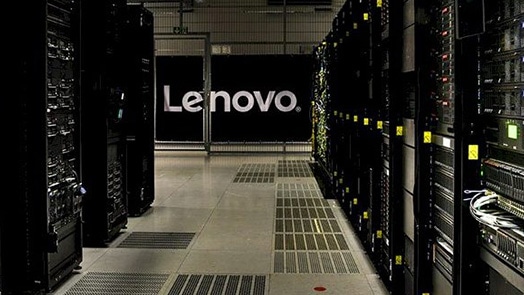
Lenovo has expanded its Neptune liquid-cooling technology to a new line of ThinkSystem V4 servers, offering enhanced efficiency for AI and high-performance computing (HPC) workloads. This new addition is designed to support businesses as they seek to consolidate IT resources, reduce power consumption, and leverage artificial intelligence (AI) for advanced analytics. With Intel® Xeon® 6 processors at its core, the ThinkSystem SC750 V4 supercomputing infrastructure combines peak performance with energy-efficient designs, making it a critical tool for enterprises handling intensive workloads.

The Neptune liquid-cooling ecosystem, which has been pivotal in Lenovo’s growth in the HPC sector, is now even more versatile. Originally focused on large-scale data centers, the technology has been optimized for smaller environments without sacrificing performance. The compact design addresses the growing demand for space-efficient systems that do not compromise on processing capabilities, making it ideal for enterprises managing large data transactions in tight spaces.

Scott Tease, Lenovo’s Vice President and General Manager of High-Performance Computing and AI, emphasized the transformative potential of the new ThinkSystem V4 solutions. He noted that the combination of advanced computing power and the space-optimized liquid-cooling system marks a significant leap forward for enterprises aiming to bring AI use cases to fruition. “Lenovo is helping enterprises of every size and across every industry bring new AI use cases to life based on improvements in real-time computing, power efficiency, and ease of deployment,” Tease said.

The expanded lineup includes solutions that are tailored for AI workloads, with a focus on maximizing real-time data processing and analytics. The use of Intel Xeon® 6 processors enables higher compute density, which is essential for tasks such as AI training, predictive analytics, and large-scale data management. These new systems allow companies to process more data in less time, giving them an edge in industries where speed and accuracy are critical.

Lenovo’s Neptune technology, which utilizes direct-to-node liquid cooling, has been a driving force behind its growth in the HPC space. Unlike traditional air-cooling systems, Neptune provides direct cooling to the most heat-intensive components, significantly reducing the energy required for cooling while maintaining optimal performance levels. The compact nature of the ThinkSystem V4 systems makes it possible for businesses to deploy liquid-cooling technology in environments where space is a constraint, without sacrificing the advantages of the Neptune ecosystem.

The integration of liquid cooling with AI-optimized hardware positions Lenovo to meet the needs of a growing number of enterprises seeking to capitalize on AI technologies. Many organizations face challenges with power consumption and cooling as they scale up their AI operations. Traditional air-cooled systems often struggle to keep up with the increased heat generated by high-performance processors, leading to higher energy costs and reduced efficiency. Neptune’s liquid cooling mitigates these issues, offering a more sustainable solution for AI-driven data centers.

Lenovo has made significant advancements in ease of deployment, allowing enterprises to integrate these high-performance systems with minimal downtime. The SC750 V4 servers are designed for rapid installation, which can help businesses reduce operational disruptions and quickly harness the power of AI for mission-critical applications. This is particularly important for industries such as finance, healthcare, and scientific research, where AI-driven insights can lead to breakthroughs in decision-making and innovation.

The scalability of the Neptune-cooled systems is another highlight of the new ThinkSystem V4 lineup. Enterprises can easily expand their AI and HPC capabilities by adding more nodes to their existing infrastructure without overhauling their cooling systems. This modularity offers businesses the flexibility to scale according to their needs, whether they are running simulations, deep learning models, or real-time analytics.

In terms of power efficiency, the new ThinkSystem V4 solutions deliver a marked improvement over previous iterations. The use of Neptune’s liquid-cooling technology has led to reductions in energy consumption, which translates into lower operational costs for businesses. The efficiency gains are particularly significant for companies managing large data centers, where cooling can account for a substantial portion of energy expenditures.

As AI continues to drive innovation across various sectors, the demand for systems that can handle complex, data-intensive workloads is growing. Lenovo’s ThinkSystem V4 portfolio aims to meet this demand by providing enterprises with the tools they need to scale their AI capabilities efficiently. The combination of Neptune liquid cooling and Intel-powered processing units positions Lenovo as a key player in the evolving AI and HPC landscapes.

VISHNU RAJA
RYO YAMADA
HITORI GOTOH
IKUYO KITA