News related to
processing

Intel has unveiled its Xeon 6 processors featuring Performance-cores , marking a significant advancement in server consolidation and efficiency. These processors are engineered to deliver top-tier performance across a wide array of data center and network infrastructure workloads, offering unparalleled efficiency for diverse applications. The Xeon 6 family introduces a simplified naming convention, aiming to streamline product identification for consumers. This lineup includes processors with up to […]

TAIPEI, TAIWAN – Media OutReach Newswire – 25 February 2025 – The Asian Hardware Online Exhibition 2025 (AsianHardware 2025) is set to redefine the hardware products industry with its innovative hybrid format, seamlessly blending virtual and physical elements. Scheduled to run from February 25, 2025, to May 31, 2025, the exhibition provides an unparalleled opportunity for Asian suppliers, importers, and exporters to connect, collaborate, and showcase their […]

BlockDAG, a pioneering Layer 1 blockchain network, is making significant strides in the cryptocurrency landscape by integrating the security and decentralization of Bitcoin with the speed and scalability of Directed Acyclic Graph technology. This innovative approach aims to address the longstanding challenges of scalability and transaction speed that have hindered traditional blockchain platforms.

At the core of BlockDAG’s architecture is its unique consensus mechanism, which diverges from the conventional linear chain of blocks. Instead, it employs a DAG structure, allowing for parallel processing of transactions. This design enables the network to achieve remarkable speeds, reportedly reaching up to 10 blocks per second, with aspirations to surpass 100 blocks per second in the near future. Such capabilities position BlockDAG as a formidable contender in the race to develop scalable and efficient blockchain solutions.

The native cryptocurrency of the BlockDAG network, BDAG, plays a pivotal role in its ecosystem. BDAG serves multiple functions, including covering transaction fees, facilitating peer-to-peer transfers, and providing staking rewards for validators who contribute to network security. The total supply of BDAG is capped at 150 billion coins, with a halving event scheduled every 12 months to control inflation and maintain value. Notably, 50 billion BDAG coins have been allocated for the presale phase, aiming to attract early supporters and enhance the network’s visibility in the competitive crypto market.

Mining BDAG is accessible to a broad audience, thanks to BlockDAG’s suite of mining solutions tailored to various user needs. The X1 Miner app, available on both iOS and Android platforms, has garnered significant attention, attracting over 500,000 users who mine BDAG coins daily. This mobile application allows individuals to mine up to 20 BDAG coins per day without taxing their device’s resources, making crypto mining more approachable for the general public. For more intensive mining operations, BlockDAG offers hardware solutions such as the X10, X30, and X100 miners, catering to small-scale miners and large industrial operations alike.

Security remains a cornerstone of BlockDAG’s design. By utilizing a Proof-of-Work consensus mechanism, the network ensures robust protection against potential threats, including double-spend attacks. The integration of advanced cryptographic algorithms further fortifies the network’s defenses, maintaining the integrity and trustworthiness of transactions. This commitment to security, combined with its scalable architecture, positions BlockDAG as a promising platform for decentralized applications and other blockchain-based services.

Abu Dhabi’s Tadweer Group has partnered with FAMS Technologies to introduce the region’s first AI-driven Integrated Waste Management Platform, marking a significant advancement in the emirate’s approach to waste management. This innovative platform leverages Artificial Intelligence and the Internet of Things to enhance efficiency and sustainability across all stages of waste handling.

The newly launched platform is designed to revolutionise waste management by integrating AI and IoT technologies into every phase, from collection to disposal. By utilising real-time data and predictive analytics, the system aims to optimise waste collection routes, monitor processing facilities, and improve overall operational efficiency. This approach not only reduces operational costs but also minimises environmental impact by decreasing carbon emissions associated with waste transportation and processing.

Eng. Ali Al Dhaheri, CEO and Managing Director of Tadweer Group, emphasised the transformative potential of this initiative, stating that the collaboration with FAMS Technologies aligns with Tadweer’s mission to build an integrated waste management system and drive the conversion of waste into an economic asset. He highlighted that the AI-driven platform is a testament to their commitment to redefining waste management in the emirate and keeping pace with the global transition towards a circular economy.

The partnership with FAMS Technologies brings together Tadweer’s extensive experience in waste management and FAMS’s expertise in AI and IoT solutions. This collaboration is poised to set new benchmarks in the industry, positioning Abu Dhabi as a leader in adopting cutting-edge technologies for environmental sustainability. The AI-Integrated Waste Management Platform is expected to serve as a model for other regions aiming to modernise their waste management practices.

In addition to technological advancements, the platform is designed with scalability in mind, allowing for future expansions and integrations. This flexibility ensures that the system can adapt to the growing needs of Abu Dhabi’s urban landscape and its increasing waste management demands. The platform’s modular architecture facilitates the incorporation of new technologies and processes as they emerge, ensuring that Abu Dhabi remains at the forefront of sustainable waste management practices.

The implementation of this AI-driven platform is anticipated to have far-reaching economic benefits. By streamlining operations and reducing waste-related expenditures, the system is expected to generate cost savings for the municipality. These savings can be redirected towards other sustainability initiatives, further enhancing the city’s environmental stewardship. Moreover, the platform’s data-driven approach provides valuable insights that can inform policy decisions and strategic planning in waste management.

Environmental experts have lauded this initiative as a significant step towards achieving a circular economy in the region. By transforming waste into a resource through efficient management and processing, Abu Dhabi is making strides in reducing its ecological footprint. The AI-Integrated Waste Management Platform exemplifies how technology can be harnessed to address environmental challenges, setting a precedent for other cities worldwide.

This development comes as part of Tadweer Group’s broader strategy to enhance sustainability and environmental responsibility in Abu Dhabi. The group has been actively involved in various initiatives aimed at promoting recycling, waste reduction, and resource optimisation. The introduction of the AI-driven platform complements these efforts, providing a comprehensive solution that addresses multiple facets of waste management.

Chinese artificial intelligence startup DeepSeek has announced plans to release five open-source code repositories in the coming week, furthering its commitment to transparency and community collaboration. This initiative follows the company’s recent unveiling of its R1 reasoning model, which has positioned DeepSeek as a formidable competitor to established AI entities like OpenAI and Meta. Founder Liang Wenfeng emphasized the cultural significance of open-source practices, stating that they […]

Strengthening Global Trade Financial Solutions NEW YORK, US – Media OutReach Newswire – 24 February 2025 – XTransfer, a leading global B2B cross-border trade payment platform, continues solidifying its regulatory presence in the United States by acquiring five new payment licenses in Illinois, Iowa, New Mexico, Idaho, and South Carolina. This milestone follows the company’s recent expansion into New Hampshire, the District of Columbia, Utah, Georgia, and […]

In a staggering blow to the cryptocurrency industry, Dubai-based exchange Bybit has fallen victim to a cyberattack resulting in the theft of approximately $1.5 billion in Ethereum tokens. This incident, occurring during a routine transfer between digital wallets, is now considered the largest digital heist in history.

The breach transpired as Bybit conducted a standard operation, moving assets from a cold wallet—offline storage designed to safeguard funds—to a warm wallet used for daily transactions. During this process, malicious actors manipulated the transfer, seizing control of the cold wallet and diverting 401,000 Ethereum tokens to an unidentified address. Blockchain analytics firms, including Arkham Intelligence, have traced the stolen funds, revealing that $1.36 billion in Ethereum was swiftly liquidated from associated accounts.

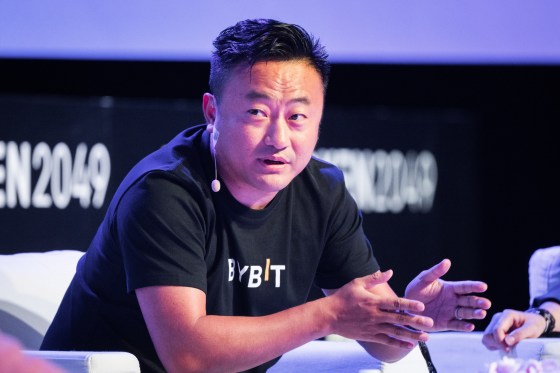
Bybit’s CEO, Ben Zhou, addressed the crisis, assuring clients that the exchange remains solvent and that all customer assets are backed on a one-to-one basis. He emphasized that unaffected wallets and withdrawal processes continue to operate normally. To mitigate the impact on users, Bybit has implemented bridge loans to cover any unrecovered funds and has launched a recovery bounty program, offering up to 10% of the reclaimed amount to ethical hackers assisting in the retrieval efforts.

The magnitude of this theft has prompted a surge in withdrawal requests, with over 350,000 submissions flooding the platform. While this influx has the potential to cause processing delays, Zhou noted that the rate of withdrawals has begun to decelerate. In response to the breach, Bybit is collaborating with law enforcement agencies and cybersecurity experts to trace the perpetrators and enhance its security infrastructure to prevent future incidents.

Speculation regarding the identity of the attackers has intensified, with some experts pointing towards North Korea’s notorious Lazarus Group. This collective has been implicated in previous high-profile cryptocurrency thefts, including the pilfering of $1.7 billion in 2022 and $800 million in 2024. While these allegations remain unconfirmed, the pattern of large-scale crypto heists attributed to state-sponsored actors raises significant concerns about the security of digital assets on global trading platforms.

In a related development, cybersecurity firm CertiK has identified another suspicious transfer involving approximately $49.5 million from an unverified Ethereum contract. The recipient address has been observed converting these funds into the stablecoin DAI. The community speculates that this incident may be connected to the Infini platform, a stablecoin digital bank, though official confirmation is pending.

These consecutive breaches underscore the vulnerabilities inherent in the rapidly evolving cryptocurrency landscape. As digital assets become increasingly mainstream, the imperative for robust security measures and regulatory oversight grows more pressing. The Bybit hack serves as a stark reminder of the potential risks investors face and the necessity for exchanges to implement stringent protective protocols to safeguard user funds.

In the wake of these events, the cryptocurrency market has experienced notable fluctuations. Ethereum’s value witnessed a temporary decline of approximately 4%, reflecting investor apprehension following the breach. Market analysts advise stakeholders to exercise caution and remain informed about security practices employed by exchanges to mitigate exposure to such risks.

Bybit’s commitment to reimbursing affected users and bolstering its security framework aims to restore confidence among its clientele. However, the broader implications of this unprecedented theft continue to reverberate throughout the digital currency ecosystem, prompting a reevaluation of security standards and the adoption of more resilient measures to combat the escalating threat of cyberattacks targeting cryptocurrency platforms.

As investigations proceed, the collaboration between cryptocurrency exchanges, cybersecurity firms, and regulatory bodies will be crucial in addressing the challenges posed by increasingly sophisticated cyber threats. The lessons gleaned from the Bybit incident are poised to inform future strategies aimed at fortifying the security of digital assets and ensuring the integrity of the burgeoning cryptocurrency market.

Advertisements

RAKBANK has entered into a strategic partnership with Faturalab, a prominent provider of smart supply chain solutions, aiming to transform supply chain finance for businesses across the UAE. This collaboration seeks to enhance financial workflows between buyers, suppliers, and banks, promoting operational efficiency and compliance with relevant regulations. Established in 2016, Faturalab has evolved from an invoice financing platform into Turkey’s leading finance technology provider. The company […]

Dubai-based cryptocurrency exchange Bybit has successfully replenished its Ethereum reserves following a massive security breach that resulted in the theft of approximately $1.5 billion worth of Ether . CEO Ben Zhou announced that the exchange has “fully closed the ETH gap,” ensuring all client assets are backed 1:1.

The unprecedented hack occurred during a routine transfer from Bybit’s cold wallet to a warm wallet. Hackers exploited vulnerabilities in the process, gaining control of the cold wallet and siphoning 401,000 ETH to an unknown address. This incident is considered the largest cryptocurrency theft to date, surpassing previous records.

In response to the breach, Bybit took immediate action to secure its platform and reassure its users. The company collaborated with blockchain forensic experts to trace the stolen funds and launched a recovery bounty program, offering up to 10% of the recovered amount to ethical hackers assisting in the retrieval efforts. Despite the scale of the theft, Zhou emphasized that Bybit remains solvent, with unaffected wallets and withdrawals operating normally.

To address the shortfall caused by the hack, Bybit obtained approximately 446,870 ETH through a combination of loans, large investor deposits, and direct purchases. Notably, the exchange acquired 157,660 ETH from crypto investment firms Galaxy Digital, FalconX, and Wintermute via over-the-counter transactions. An additional $304 million in ETH was purchased through centralized and decentralized exchanges.

Bybit plans to publish a new audited proof-of-reserves report to verify that client assets are fully backed on a 1:1 basis. This move aims to restore user confidence and demonstrate the exchange’s commitment to transparency and security.

The hack has raised concerns within the cryptocurrency community, particularly regarding the potential involvement of North Korea’s Lazarus Group, a state-backed hacking organization known for previous cyberattacks on financial institutions. While blockchain analytics firms Arkham Intelligence and Elliptic have traced the hack to the Lazarus Group, official confirmation is still pending.

Following the incident, Bybit experienced a surge in withdrawal requests, processing over 350,000 transactions as users reacted to the news. The exchange assured customers that all assets are safe and that it has the necessary reserves to cover the losses.

This event highlights the ongoing security challenges faced by cryptocurrency exchanges. In 2024 alone, over $2.2 billion was stolen from crypto platforms, underscoring the need for robust security measures and industry-wide cooperation to combat cyber threats.

Bybit’s swift response and proactive measures to address the breach demonstrate its resilience and commitment to user security. As the exchange continues to enhance its security infrastructure, it remains focused on maintaining trust within the cryptocurrency community.

The broader market impact of the hack has been relatively contained. Ethereum’s price experienced a temporary decline of approximately 4% following the news but has since shown signs of recovery. Analysts attribute this resilience to the prompt actions taken by Bybit and the overall maturity of the cryptocurrency market.

As investigations continue, the incident serves as a stark reminder of the importance of security in the rapidly evolving digital asset landscape. Exchanges and users alike are urged to remain vigilant and adopt best practices to safeguard against potential threats.

Bybit’s efforts to restore its reserves and enhance security protocols are steps toward reinforcing trust and stability in the cryptocurrency ecosystem. The exchange’s commitment to transparency and user protection will be closely monitored by industry stakeholders in the coming months.

In the aftermath of the hack, Bybit has also engaged with international law enforcement agencies to aid in the investigation and potential recovery of the stolen funds. The collaboration aims to bring the perpetrators to justice and deter future attacks on cryptocurrency platforms.

While the incident has undoubtedly posed significant challenges, Bybit’s decisive actions reflect a broader industry trend toward strengthening security measures and fostering a culture of accountability. As the cryptocurrency sector continues to grow, such incidents underscore the critical need for continuous improvement in safeguarding digital assets.

Bybit’s experience serves as a case study for other exchanges, highlighting both the vulnerabilities inherent in digital asset management and the effective strategies that can be employed to mitigate risks and protect user interests.


Edge Artificial Intelligence is rapidly transforming how industries process data by enabling real-time analysis directly on devices. This shift reduces dependence on centralized cloud infrastructures, offering significant advantages in speed, security, and efficiency. By processing data locally, Edge AI minimizes latency, providing immediate responses essential for applications like autonomous vehicles and industrial automation. This on-device computation ensures that critical decisions are made without delays associated with data […]

Cryptocurrency exchange Bybit has suffered a significant security breach, resulting in the theft of approximately $1.5 billion in digital assets. The incident has prompted a substantial number of users to withdraw their funds, testing the platform’s liquidity and operational resilience.

The breach involved the unauthorized transfer of over 400,000 Ether from one of Bybit’s cold wallets, which are typically offline and considered more secure than hot wallets. The stolen funds were moved to multiple unidentified addresses, complicating immediate recovery efforts. Bybit’s co-founder and CEO, Ben Zhou, addressed the situation, assuring customers that the exchange remains solvent and that all user assets are safe and backed on a one-to-one basis. He emphasized that the company is taking all necessary measures to investigate the breach and enhance security protocols to prevent future incidents.

In the hours following the hack, Bybit experienced a surge in withdrawal requests, processing more than 350,000 within a ten-hour window. Despite the high volume, Zhou reported that 99.9% of these requests were completed promptly, with only larger transactions undergoing additional security verifications. To address the immediate shortfall caused by the theft, Bybit secured a bridge loan from undisclosed partners, covering approximately 80% of the lost Ether. Zhou noted that purchasing such a large amount of Ether on the open market was not feasible due to liquidity constraints and potential market impact.

The hack has raised concerns within the cryptocurrency community, highlighting ongoing security challenges in the industry. Analysts have pointed out that while cold wallets are generally more secure, they are not immune to sophisticated attacks. The incident has prompted discussions about the need for enhanced security measures and regulatory oversight to protect investors and maintain trust in digital asset platforms.

In response to the breach, Bybit has initiated a comprehensive security review, collaborating with blockchain experts to trace the stolen funds and identify the perpetrators. The exchange has also committed to updating its security infrastructure, including implementing multi-signature protocols and enhancing user authentication processes. Zhou expressed confidence in the platform’s ability to recover from the incident, stating that user funds remain fully backed and that operations will continue without interruption.

The broader cryptocurrency market has shown resilience in the face of the hack, with major assets like Bitcoin and Ether experiencing only slight declines in value. Industry observers suggest that while such incidents can shake investor confidence, the market’s overall stability indicates a maturation of the digital asset ecosystem. However, the event serves as a stark reminder of the vulnerabilities that persist in the space and the continuous need for robust security practices.

Bengaluru-based digital payments firm Cashfree Payments has raised $53 million in a Series C funding round led by South Korean gaming giant Krafton, with participation from existing investor Apis Partners. This investment aims to accelerate Cashfree’s product development, market expansion, and global growth initiatives. Established in 2015, Cashfree Payments has become a significant player in India’s digital payments landscape, processing $80 billion annually for over 800,000 businesses. […]

Jebel Ali Free Zone has entered into a partnership with Indian multinational food brand Haldiram’s to establish one of the largest saffron processing facilities in the Gulf Cooperation Council region. The agreement was formalised during the Gulfood event in Dubai.

Scheduled to commence operations in March 2025, the facility will be managed by Kesar Expert & Packers, a company with 22 years of experience in high-quality saffron processing in India. The plant aims to obtain the globally recognised European BRCGS certification, ensuring the quality and purity of its saffron products.

Initially, the hub will process 30 metric tonnes of saffron annually, with plans to expand capacity to 100 metric tonnes over the next five years. This growth strategy will leverage the Comprehensive Economic Partnership Agreement between the UAE and India, as well as the advanced connectivity and infrastructure provided by Jebel Ali Port and Jafza.

The collaboration also explores further avenues, including expanding Haldiram’s presence in Dubai and investing in additional food processing and distribution facilities. This initiative underscores Dubai’s position as a global trade hub, bolstered by Jafza’s thriving food and beverage sector, which currently hosts over 770 companies.

This development aligns with a series of significant engagements by Indian food and beverage companies at Gulfood. Reliance Consumer Products Limited introduced its renowned brand Campa to the UAE market, marking its inaugural entry, facilitated by Abu Dhabi’s Agthia Group. Additionally, Lulu Retail has signed nine strategic memorandums of understanding with global manufacturers to enhance product offerings across the GCC and beyond. Among these agreements is the introduction of Milaf Cola, a carbonated date beverage from Saudi Arabia, to LuLu stores throughout the GCC, with future plans to enter the Indian market.

Canary Capital’s proposed spot Litecoin exchange-traded fund has been listed on the Depository Trust and Clearing Corporation system under the ticker LTCC, signaling a significant advancement toward its potential debut. This development indicates that the necessary trading infrastructure is being established, though the ETF still awaits approval from the U.S. Securities and Exchange Commission .

The DTCC serves as the primary clearing and settlement provider for securities transactions in the United States, processing millions of trades daily. Inclusion in the DTCC system is a critical preparatory step for any ETF, ensuring that once regulatory approval is granted, the fund can commence trading seamlessly. However, it’s important to note that a DTCC listing does not imply SEC approval; it merely reflects that the issuer is making necessary arrangements ahead of a potential launch.

Canary Capital submitted its application for the spot Litecoin ETF in October 2024, positioning itself ahead of similar filings by asset managers such as Grayscale and CoinShares. The firm’s proactive approach suggests a strategic effort to be at the forefront of offering investors exposure to Litecoin through a regulated financial product. If approved, this ETF would be the first in the U.S. to provide direct exposure to Litecoin, expanding the range of cryptocurrency investment options beyond Bitcoin and Ethereum.

The SEC’s decision-making process involves a thorough review of such applications, with an initial period of 45 days from the filing date, extendable up to 90 days. Given that Canary Capital’s application was filed in October 2024, a decision is anticipated imminently. Market analysts have been closely monitoring the situation, with Bloomberg’s Senior ETF Analyst Eric Balchunas estimating a 90% probability of approval before the end of 2025. This optimistic outlook is based on the SEC’s recent approvals of spot Bitcoin and Ethereum ETFs, which have set a precedent for similar cryptocurrency-based financial products.

The potential approval of a spot Litecoin ETF holds significant implications for the cryptocurrency market. Litecoin, often referred to as the “silver” to Bitcoin’s “gold,” has maintained a robust presence in the digital asset space since its inception in 2011. Designed to offer faster transaction confirmations and a different hashing algorithm, Litecoin has garnered a dedicated user base and widespread adoption. The introduction of an ETF would likely enhance Litecoin’s visibility and accessibility, attracting a broader spectrum of investors, including those who prefer traditional investment vehicles over direct cryptocurrency holdings.

The cryptocurrency market has experienced a surge in ETF-related activities, especially following the successful launch of spot Bitcoin ETFs in 2024. These products have collectively attracted substantial capital inflows, with Bitcoin ETFs alone amassing $65 billion, far exceeding initial projections. This influx of institutional investment has been a driving force behind the appreciation of Bitcoin’s price, which soared from $43,000 to over $100,000 within the same year. The anticipated approval of a Litecoin ETF could potentially replicate this effect, providing upward momentum for Litecoin’s market value.

As of February 22, 2025, Litecoin is trading at approximately $129.57, reflecting a slight decrease of 0.04% from the previous close. The cryptocurrency reached an intraday high of $138.79 and a low of $123.95. Market participants are keenly observing these price movements, as the potential approval of the ETF could serve as a catalyst for increased demand and price appreciation.

Portland-based startup AheadComputing has secured $21.5 million in seed funding to develop advanced CPU technology utilizing the open-source RISC-V architecture. Founded by former Intel executives, the company aims to address performance challenges in artificial intelligence applications, particularly those related to bandwidth and data processing limitations. Leading the company is CEO Debbie Marr, who, along with other senior executives, departed Intel last year to establish AheadComputing. Marr emphasized […]

Kava, a prominent player in decentralized finance , has unveiled the world’s largest decentralized artificial intelligence model, powered by DeepSeek R1. This significant development was announced at Consensus Hong Kong on February 20, 2025, marking a pivotal moment in the convergence of AI and blockchain technologies. The integration of DeepSeek R1 into Kava’s platform aims to democratize access to advanced AI capabilities within the Web3 ecosystem. By […]

Abu Dhabi National Oil Company has successfully completed a $2.84 billion share offering in its subsidiary, ADNOC Gas. The sale involved approximately 3.1 billion shares, priced at 3.40 dirhams each, representing 4% of ADNOC Gas’s total share capital. This transaction stands as the largest share sale in the Middle East and North Africa region since Saudi Aramco’s $12.3 billion offering in June.

The offering witnessed exceptional demand from institutional investors across the Gulf Cooperation Council and international markets, with total oversubscription reaching 4.4 times. The pricing of 3.40 dirhams per share reflects a 43% premium over ADNOC Gas’s initial public offering price of 2.37 dirhams per share and a 5% discount to the company’s closing share price of 3.58 dirhams on February 20, 2025, the last trading day before the offering.

Settlement of the offering is expected to occur on or around February 26, 2025. Post-transaction, ADNOC will retain an 86% majority stake in ADNOC Gas, while the company’s free float will increase by 80%, bringing it to a headline figure of 9%. This enhanced liquidity is anticipated to pave the way for ADNOC Gas’s inclusion in major indices such as the Morgan Stanley Capital International Emerging Market Index and the Financial Times Stock Exchange Emerging Market Index, potentially during the next quarterly review, subject to meeting all relevant inclusion criteria.

Khaled Al Zaabi, Group Chief Financial Officer at ADNOC, expressed pride in completing the UAE’s first-ever marketed offering and the largest placement on the Abu Dhabi Securities Exchange to date. He highlighted that the exceptional demand and competitive pricing underscore strong investor confidence in ADNOC Gas’s performance and growth prospects. Al Zaabi reaffirmed ADNOC’s commitment as a long-term majority shareholder, emphasizing the subsidiary’s integral role in Abu Dhabi’s decarbonization and growth ambitions.

ADNOC Gas has demonstrated consistent growth and profitability. In its full-year 2024 financial results, the company reported an adjusted net income of $5 billion, the highest since its IPO, with $1.38 billion earned in the fourth quarter alone. These figures significantly surpass Bloomberg consensus estimates. The company’s robust performance aligns with its strategic update announced in November 2024, which outlined a refreshed growth pipeline. This includes the planned acquisition of Ruwais LNG and a target of over 40% adjusted EBITDA growth by 2029.

The successful offering is expected to diversify ADNOC Gas’s shareholder base and enhance liquidity. A higher free float is also projected to facilitate the company’s inclusion in prominent emerging market indices, broadening its investor base and increasing awareness of its value proposition.

BofA Securities, Citi, EFG-Hermes, First Abu Dhabi Bank, HSBC, and International Securities acted as joint global coordinators and bookrunners for the offering. ADNOC has agreed to a restriction on selling additional shares for a period of six months from the closing of the offering, subject to certain exceptions and unless waived by the joint global coordinators.

ADNOC Gas, operational since early 2023, was formed by consolidating ADNOC’s gas processing, liquefied natural gas , and industrial gas operations into a single entity. The company went public on the ADX, raising approximately $2.5 billion in one of the region’s largest IPOs in recent years. This latest share sale further underscores ADNOC’s strategy to unlock value from its assets and attract a diversified investor base.

Volvo has unveiled its latest electric luxury sedan, the ES90, which is set to redefine automotive computing power and safety standards. Equipped with a dual NVIDIA DRIVE AGX Orin supercomputer configuration, the ES90 boasts the capability to perform 508 trillion operations per second, positioning it as the most computationally advanced vehicle in Volvo’s lineup. This monumental processing capacity enhances the vehicle’s artificial intelligence-based safety features, sensor integration, […]

Cactus Custody, a prominent provider of institutional digital asset custody solutions, has achieved the SOC 1 Type 1 certification following an independent audit conducted by Deloitte. This accomplishment underscores the company’s dedication to maintaining high operational control standards and delivering secure, compliant custody services.

The comprehensive audit by Deloitte evaluated various aspects of Cactus Custody’s operations, including client account onboarding, fiat and cryptocurrency transactions, and internal system processes. The assessment confirmed the robustness of the company’s financial processing capabilities, encompassing settlement procedures, reconciliation, account management, fee processing, asset valuation, reporting, and the secure management of cryptographic keys throughout their lifecycle across diverse custody storage methods.

Wendy Jiang, General Manager of Cactus Custody, emphasized the significance of this certification: “Achieving SOC 1 Type 1 certification underscores our commitment to robust governance, precise financial management, and secure custody. We prioritize the security of our clients’ assets and maintain strict internal controls to deliver top-tier service. Moving forward, we will promote compliance and transparency, striving to set higher benchmarks in the evolving crypto asset space to enhance trust and satisfaction among our clients.”

The SOC 1 Type 1 certification serves as a benchmark for evaluating the effectiveness of an organization’s internal controls over financial reporting. By obtaining this certification, Cactus Custody demonstrates its capability to safeguard client assets and ensure the accuracy of financial information, thereby reinforcing trust with its clientele.

In addition to the SOC 1 Type 1 certification, Cactus Custody has previously attained the SOC 2 Type 1 certification, also audited by Deloitte. The company is actively working towards achieving the SOC 1 Type 2 report within the current year. These ongoing efforts reflect Cactus Custody’s dedication to enhancing digital asset custody standards, promoting industry compliance, and providing transparent, secure custodial services through regular, independent audits.

Cactus Custody is recognized as a trusted institutional digital asset custodian, holding ISO certifications and a license in Hong Kong . The company has also received a temporary exemption from the Monetary Authority of Singapore . Adhering to strict capital reserve requirements and Anti-Money Laundering and Counter-Terrorism Financing regulations, Cactus Custody is committed to the principle of “Security First, Integrity Always,” aiming to simplify crypto asset management for its clients with professionalism and confidence.

The attainment of the SOC 1 Type 1 certification is a significant milestone for Cactus Custody, reflecting its unwavering commitment to operational excellence, financial accuracy, and the security of digital assets. As the digital asset landscape continues to evolve, such certifications play a crucial role in establishing and maintaining client trust, ensuring that service providers like Cactus Custody meet and exceed industry standards for security and compliance.

The Saudi Red Sea Authority has formalised a partnership with the Ministry of Municipalities and Housing through a memorandum of understanding aimed at advancing the development and management of marinas along the Red Sea coastline. This strategic alliance encompasses the creation of marine vessel maintenance centres, enhancement of beach facilities, and the promotion of coastal tourism destinations, all in alignment with the objectives of Saudi Vision 2030.

The MoU was signed by SRSA’s Chief Executive Officer, Mohammed Al-Nasser, and the Deputy Minister for Licensing and Project Coordination, Mohammed Al-Mulhim. This collaboration underscores SRSA’s commitment to establishing comprehensive regulations and operational standards for marinas, overseeing their development, and ensuring environmental safeguards in marine tourism zones. A key focus is to attract a diverse range of visitors and expand the coastal tourism sector.

Central to the agreement is the utilisation of the Balady platform for processing applications related to the establishment, development, and operation of both onshore and offshore marinas within the designated areas. These facilities will be constructed in accordance with the Saudi Building Code and the approved Marina Planning and Design Code. The partnership also addresses the licensing procedures for commercial operations and the specific requirements for constructing marine fuel stations.

Beyond marina development, the MoU outlines plans for the creation and licensing of marine vessel repair and maintenance centres, providing a regulatory framework for their operations. Additionally, there is a concerted effort to develop and manage beach areas within the specified regions, which includes issuing necessary construction and commercial permits.

The collaboration extends into technological integration, with both entities aiming to enhance coastal monitoring systems and promote coastal tourism destinations. This involves identifying investment opportunities and mapping both tangible and intangible assets along the Red Sea shoreline. A significant aspect of the partnership is the development of policies and initiatives designed to bolster the local workforce in the municipal, housing, and coastal tourism sectors. The agreement also emphasises the advancement of smart marina initiatives, contributing to the development of sustainable coastal cities and improving the overall quality of life.

This MoU is a testament to SRSA’s ongoing efforts to expand strategic partnerships, share expertise, and adopt best practices to fulfil its mission of enhancing coastal tourism. These initiatives are in direct support of the broader goals outlined in Saudi Vision 2030, aiming to create a dynamic and sustainable tourism industry.

Established in November 2021, the Saudi Red Sea Authority serves as the regulatory body for marine and navigational tourism activities within Saudi Arabia’s Red Sea domain. Its responsibilities include issuing necessary licences and permits, formulating policies, and identifying areas suitable for marine tourism, all while ensuring the protection of the marine environment. The authority plays a pivotal role in promoting investment opportunities and enhancing human capital through targeted training programmes.

Abu Dhabi National Oil Company has announced plans to sell approximately 3.1 billion shares, equating to a 4% stake, in its subsidiary ADNOC Gas. This strategic move is projected to raise up to $3 billion, marking one of the most significant share sales in the Middle East and North Africa region since Saudi Aramco’s $12.3 billion offering in June of the previous year.

The offering is set to commence immediately and is expected to conclude on Friday, February 21, 2025. It will be open to qualified institutional and other investors across various countries, including the United Arab Emirates. The final number of shares to be placed and the offering price will be determined at the close of the book-building process, in accordance with the Block Trade Rules of the Abu Dhabi Securities Exchange .

ADNOC currently holds a 90% majority stake in ADNOC Gas. At the last closing price of AED 3.58 per share, the offering is valued at approximately AED 11.1 billion . This initiative aligns with ADNOC’s strategic objectives to enhance the liquidity and free float of ADNOC Gas, while providing a pathway to a more diversified shareholder base and potential inclusion in major indices.

Khaled Al Zaabi, Group Chief Financial Officer at ADNOC, stated, “Since its IPO in March 2023, ADNOC Gas has consistently delivered strong growth, robust financial performance, and superior shareholder returns. As a world-class integrated gas processing company, ADNOC Gas is ideally positioned for further expansion.”

The offering will be subject to a customary 180-day lock-up period for both ADNOC and ADNOC Gas, subject to certain exceptions and unless waived by the joint global coordinators. Major financial institutions, including BofA Securities, Citi, EFG-Hermes, First Abu Dhabi Bank, HSBC, and International Securities, are acting as joint global coordinators and joint bookrunners for this offering.

This move follows ADNOC Gas’s initial public offering in March 2023, which raised approximately $2.5 billion, marking one of the region’s largest IPOs at that time. The company was formed earlier that year by consolidating various gas processing operations into a single entity, aiming to streamline operations and enhance efficiency.

In May of the previous year, ADNOC also raised $935 million by selling a 5.5% stake in its drilling unit to institutional investors, reflecting the company’s ongoing strategy to monetize assets and attract foreign investment.

ADNOC Gas operates an extensive network, managing over 3,000 kilometers of pipeline infrastructure and 26 processing trains. The company plays a crucial role in processing and distributing natural gas within the UAE and to international markets. The funds raised from this stake sale are expected to support ADNOC Gas’s ambitious growth plans, including expanding its processing capacities and exploring new markets.

The energy sector in the UAE has seen significant foreign direct investment in recent years. In 2019, ADNOC attracted major investments from U.S. asset managers BlackRock and KKR, as well as Italian firm Eni, collectively bringing in billions of dollars. These investments have been pivotal in expanding ADNOC’s infrastructure and operational capabilities.

The decision to divest a portion of ADNOC Gas aligns with the company’s broader strategy to optimize its portfolio, enhance capital efficiency, and provide attractive opportunities for global investors. As the global energy landscape continues to evolve, ADNOC remains committed to adapting its business model to meet emerging challenges and capitalize on new opportunities.

Google Pay, a leading digital payment platform in India, has introduced a convenience fee for users settling utility bills via credit and debit cards. This development marks a significant shift from the platform’s previous policy of offering fee-free transactions for essential services such as electricity and gas.

The newly imposed charges range between 0.5% and 1% of the transaction amount, in addition to the applicable Goods and Services Tax . For instance, a user paying an electricity bill of ₹2,000 through a credit card may incur a convenience fee of up to ₹20, plus GST. These fees are applicable exclusively to payments made using credit and debit cards; transactions conducted directly through UPI-linked bank accounts remain exempt from such charges.

This move aligns with a broader trend in the digital payments industry, where platforms are exploring monetisation strategies to offset operational costs associated with payment processing. The National Payments Corporation of India had previously introduced an interchange fee of up to 1.1% on UPI transactions exceeding ₹2,000 when conducted through Prepaid Payment Instruments such as digital wallets. However, it’s important to note that this interchange fee is typically borne by merchants, and standard UPI transactions between bank accounts continue to be free for consumers.

The introduction of convenience fees by Google Pay may influence user behaviour, potentially prompting a shift towards alternative payment methods that do not attract additional charges. Users aiming to avoid these fees are encouraged to utilise UPI-linked bank account payments, which continue to offer a cost-free experience for bill settlements and other transactions.

Lightchain AI has rapidly distinguished itself by seamlessly integrating blockchain technology with artificial intelligence. During its presale phase, the company has raised over $13.5 million, with tokens priced at $0.005625 each. This significant capital influx underscores strong investor confidence in Lightchain AI’s innovative approach.

The platform’s unique proposition lies in its fusion of blockchain’s decentralized ledger capabilities with AI’s data processing prowess. This combination aims to enhance transaction efficiency, security, and scalability, positioning Lightchain AI as a formidable contender in the tech landscape.

In contrast, established blockchain platforms like Ethereum, Solana, Cardano, and Polkadot have been pivotal in the industry’s evolution. Ethereum, for instance, boasts a robust developer community, with approximately 1,889 full-time developers contributing to its ecosystem. This extensive support has facilitated a wide array of decentralized applications and smart contracts.

Solana, renowned for its high transaction speeds, can process up to 65,000 transactions per second . This capability has attracted numerous projects, although the network has faced challenges due to the proliferation of meme coins, which have, at times, affected its reputation.

Cardano and Polkadot, both aiming for high scalability and performance, have seen varying levels of developer engagement. Cardano, for example, has around 153 full-time developers, while Polkadot has approximately 621. These figures highlight the competitive landscape in which Lightchain AI is emerging.

The recent resurgence of staking services by platforms like Kraken further indicates a dynamic shift in the cryptocurrency ecosystem. Kraken’s decision to reintroduce staking for U.S. customers, after a previous suspension due to regulatory challenges, reflects a changing regulatory environment. This move allows users to stake assets such as Ethereum, Solana, Polkadot, and Cardano, potentially increasing user engagement and network security.

stc.AI, the artificial intelligence arm of Saudi Arabia’s leading digital enabler stc Group, has launched a groundbreaking large language model sovereign cloud platform. This move positions the kingdom at the forefront of the AI revolution, marking a key milestone in its ambition to become a global technology hub. The platform is set to run Llama 405B, one of the most advanced AI models in existence, and is […]

VISHNU RAJA
RYO YAMADA
HITORI GOTOH
IKUYO KITA