News related to
trade

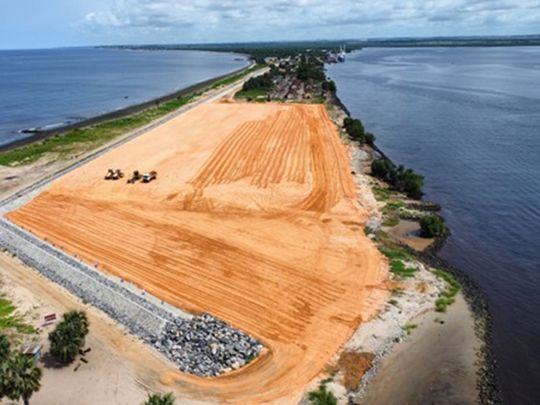
The UK government has allocated $35 million towards the enhancement of the Congo container port, in partnership with Dubai-based DP World. This investment aims to bolster the port’s infrastructure and operational capacity, positioning it as a key player in the region’s trade network.

The funding will be directed towards upgrading facilities, including the construction of new docks and the implementation of advanced cargo handling technology. The project is expected to significantly increase the port’s throughput and efficiency, addressing longstanding bottlenecks that have impeded trade in the Congo Basin.

DP World, a leading global port operator, will oversee the project’s execution. The collaboration leverages DP World’s extensive experience in port management and development, promising to enhance the logistical framework necessary for fostering economic growth in the region.

The Congo container port is strategically located and serves as a crucial node for both regional and international shipping routes. With the anticipated upgrades, it is projected to handle a higher volume of cargo and facilitate smoother transit for goods entering and leaving the Congo.

Economic analysts view this development as a pivotal step towards integrating Congo more firmly into the global supply chain. The improved port infrastructure is expected to attract additional investments and trade opportunities, further stimulating economic development in the area.

Moreover, the initiative is set to create numerous job opportunities, both directly within the port and indirectly through associated industries. This will contribute to local economic advancement and provide a much-needed boost to the region’s employment rates.

The UK’s commitment to this project underscores its strategic interest in enhancing trade routes and fostering economic stability in Africa. This investment reflects a broader trend of international collaboration aimed at modernizing infrastructure in developing regions, which is seen as vital for global trade and economic growth.

As the project progresses, it will be closely monitored to ensure that the infrastructure improvements meet the planned objectives and contribute effectively to the region’s economic landscape.
Nigeria’s Oil and Gas Free Zones Authority (OGFZA) has embarked on a strategic initiative to attract substantial Foreign Direct Investment (FDI), bolstering its role as a key driver of economic growth. The Authority, which oversees Nigeria’s oil and gas free zones, has successfully attracted over $66 billion in FDI, contributing significantly to the country’s industrial development.

OGFZA’s Managing Director, Umana Okon Umana, emphasized that the free zones are pivotal in creating jobs, facilitating technology transfer, and enhancing Nigeria’s global trade competitiveness. The Authority has been actively engaging with international investors, presenting Nigeria as an attractive destination due to its strategic location and favorable investment climate. These efforts are part of a broader push to align with President Bola Ahmed Tinubu’s economic agenda, which focuses on job creation and productivity-driven growth.

One of the major projects under OGFZA’s purview is the Brass Gas Pipeline, expected to generate 20,000 jobs and strengthen the infrastructure in the oil and gas sector. This project, along with others within the free zones, underscores the Authority’s commitment to leveraging Nigeria’s vast natural resources to attract investment and spur industrial development.

Furthermore, the collaboration between OGFZA and private sector partners like the Free Trade Zones Promoters and Development Initiative (FTZ-PDI) aims to raise awareness about the benefits of investing in Nigeria’s free zones. These zones offer significant incentives, such as tax exemptions and reduced export duties, making them highly attractive to foreign investors.

The OGFZA’s initiatives are expected to drive further economic growth, creating millions of jobs and enhancing Nigeria’s standing as a leading destination for oil and gas investment in Africa. As these projects come to fruition, they will not only contribute to the nation’s GDP but also solidify Nigeria’s position as a hub for global trade and investment.

This strategic push aligns with the global trend of utilizing free zones to catalyze economic development, ensuring that Nigeria remains competitive in attracting international capital. The continued success of OGFZA in securing FDI highlights the critical role that well-managed economic zones play in fostering sustainable economic growth.

Arabian Post Staff Euro zone government bond yields experienced notable fluctuations as investors braced for a week filled with critical economic data and the much-anticipated Jackson Hole symposium. Early on Monday, German 10-year bond yields, the benchmark for the region, dropped 3 basis points to 2.234%. Despite this initial decline, the broader outlook remained volatile, with yields expected to rise by 7 basis points over the week. […]

Sheikh Mohammed bin Rashid Al Maktoum, Vice President and Prime Minister of the UAE, and Sheikh Mansour bin Zayed Al Nahyan, Vice President and Deputy Prime Minister, have formally congratulated Paetongtarn Shinawatra on her inauguration as the Prime Minister of Thailand. This diplomatic gesture highlights the UAE’s ongoing efforts to strengthen bilateral ties with Thailand, an increasingly significant partner in the region. The congratulatory messages from UAE […]

By Nantoo Banerjee   The United States of America or the People’s Republic of China may have nothing much to do with the massive public demonstrations in Bangladesh that began last month over governmental job quotas forcing the fall of Sheikh Hasina as the country’s longest serving prime minister and her government. Sheikh Hasina had […]

BlackRock has become the largest institutional holder of Bitcoin and Ether through its publicly traded exchange-traded funds (ETFs), surpassing Grayscale for the first time. This shift highlights the increasing influence of traditional financial institutions in the cryptocurrency market. As of the latest reports, BlackRock’s Bitcoin and Ether ETFs collectively hold more of these cryptocurrencies than Grayscale’s funds. This change reflects a significant move in the financial landscape, […]

2 in 5 customers are not familiar with the details of their insurance policies, AIA Singapore’s latest study finds. SINGAPORE – Media OutReach Newswire – 19 August 2024 – AIA Singapore today announced its initiative to help customers better understand their insurance policies, improve their financial literacy in a continued bid to bridge the nation’s protection gap. Through this initiative, the organisation aims to encourage more Singaporeans […]

Advertisements

KUALA LUMPUR, MALAYSIA – Media OutReach Newswire – 19 August 2024 – Kenanga Futures Sdn Bhd (“Kenanga Futures“) proudly announces its latest nationwide initiative, “Mastering Futures”. The campaign, running until 15 November 2024, is dedicated to educating and equipping beginner traders with a strong foundation in futures trading, with a particular focus on Chicago Mercantile Exchange (CME) Group products. Azila Abdul Aziz, Chief Executive Officer / Executive […]

Navatum, a subsidiary of Abu Dhabi Ports Group, has announced the acquisition of a majority stake in Safina Shipping Services, marking a significant expansion into the Egyptian maritime sector. This strategic move is aimed at bolstering Navatum’s presence and capabilities in the growing maritime logistics industry. Safina Shipping Services, a key player in the Egyptian maritime sector, specializes in providing comprehensive shipping and logistics solutions. The acquisition […]

Oman’s trade relations with the Americas have seen significant growth, with bilateral trade reaching $1.9 billion in May, a 6.6% increase compared to the same period last year. This rise is largely attributed to a surge in exports of Omani goods to countries in North and South America, driven by heightened demand for Omani oil, minerals, and agricultural products. The United States remains Oman’s largest trading partner […]

Trade between Oman and the Americas reached 742 million Omani rials (approximately $1.9 billion) by the end of May, marking a 6.6 percent increase compared to the same period last year. This growth reflects the strengthening economic ties between Oman and both North and South America, driven by a notable rise in exports and imports.

The majority of Oman’s exports to the Americas consisted of metals, with ordinary metals leading the category at 106 million rials. This strong performance underscores Oman’s position as a key supplier of industrial materials to the Americas. Additionally, Oman’s imports from the Americas increased significantly, contributing to the overall growth in trade.

This expansion in trade is part of a broader strategy by Oman to diversify its economic partnerships and reduce reliance on traditional markets. The country’s trade with the Americas is now a crucial component of its international trade portfolio, reflecting the strategic importance of these economic ties.

Oman’s trade relationships with the Americas are expected to continue growing, driven by mutual interests in sectors such as energy, mining, and technology. This trend is likely to bolster the economic stability and global integration of Oman in the coming years.

As Oman’s economy continues to evolve, its expanding trade with the Americas highlights the success of its efforts to engage with global markets and attract foreign investment. The sustained increase in trade volume between these regions demonstrates the potential for further economic collaboration and growth.

   AFFORDABILITY ISSUES FORCE CHANGE IN CUSTOMER BEHAVIOUR, DESIGN TRENDS   K Raveendran Gold has touched $2,500 an ounce for the first time ever, marking a historic milestone in the precious metals market, a development with profound implications both globally and particularly for India, where gold holds significant cultural and economic importance. The unprecedented surge […]

Dubai is increasingly becoming a strategic hub for Chinese businesses aiming to expand their international presence. This shift reflects broader trends in global commerce and geopolitics, with the city emerging as a pivotal platform for Chinese companies to leverage in their quest for growth beyond domestic markets.

Dubai’s allure stems from its strategic location, business-friendly environment, and its role as a gateway to both the Middle East and Africa. The city offers an advantageous tax regime, sophisticated infrastructure, and a well-established financial sector, which together create an inviting atmosphere for international investments. For Chinese firms, Dubai’s status as a global trade and logistics center aligns perfectly with their expansion strategies.

Recent developments underscore this trend. Several prominent Chinese corporations have recently established or expanded their operations in Dubai, capitalizing on the city’s robust economic environment and its strategic position along key international trade routes. The growth of China’s Belt and Road Initiative (BRI) further enhances Dubai’s importance, as the city is a crucial node in this expansive global infrastructure project.

For instance, Chinese technology giants like Huawei and Alibaba have intensified their operations in Dubai. Huawei’s regional headquarters in Dubai manages its Middle Eastern and African markets, while Alibaba has been expanding its e-commerce footprint through local partnerships and logistics hubs. These moves illustrate how Chinese firms are using Dubai not just as a regional base, but as a springboard for global outreach.

Additionally, the Dubai International Financial Centre (DIFC) has become a magnet for Chinese financial institutions seeking to tap into international markets. The DIFC’s regulatory framework, which aligns with global standards, provides a secure and favorable environment for Chinese banks and investment firms to operate. This development is part of a broader trend where Chinese financial entities are increasingly seeking to establish a global footprint.

The UAE and China have strengthened their economic ties through several bilateral agreements aimed at enhancing trade and investment flows. These agreements reflect both countries’ commitment to fostering deeper economic cooperation, which further amplifies Dubai’s role as a crucial business hub for Chinese enterprises. For example, the recent UAE-China Free Trade Agreement is expected to boost trade volumes and facilitate smoother business transactions between the two countries.

The growth of Chinese e-commerce and digital companies in Dubai also highlights the city’s evolving role in the global tech landscape. Chinese firms are leveraging Dubai’s advanced digital infrastructure and favorable regulatory environment to drive their digital growth and innovation strategies. This trend is expected to continue as Dubai positions itself as a leading global technology and innovation hub.

As Chinese firms continue to seek new markets and opportunities for growth, Dubai’s role as a launchpad for international expansion becomes increasingly significant. The city’s strategic advantages, coupled with its dynamic business environment, make it an attractive destination for Chinese companies aiming to broaden their global footprint.

This trend not only reflects the shifting dynamics of global trade and investment but also underscores Dubai’s growing influence as a key player in the international business arena. As Chinese firms leverage Dubai’s unique advantages, the city is set to further solidify its position as a global business hub.

Arabian Post Staff Saudi Arabia’s investment in US Treasury securities has surged to its highest level since the onset of the pandemic, reflecting a strategic shift in the kingdom’s financial portfolio. As of the latest figures, Saudi holdings of US government debt have reached unprecedented levels, surpassing previous peaks observed during the global health crisis. This substantial increase underscores a broader trend of enhanced economic collaboration between […]

Arabian Post Staff Dubai Financial Market (DFM) and Shenzhen Stock Exchange (SZSE) have formalized their partnership with a Memorandum of Understanding (MoU) aimed at enhancing cross-border investments and financial cooperation. The agreement will enable both exchanges to explore new opportunities in dual-listing, exchange-traded funds (ETFs), mutual display of indices, and fixed-income products, broadening the scope for investors in both regions. This strategic collaboration underscores the growing financial […]

Oil prices are anticipated to stabilize in the $80 range over the coming months, driven by a combination of global supply adjustments and steady demand. This outlook comes amid broader market dynamics influenced by production cuts from OPEC+ and strategic shifts by key oil-producing nations. The energy market has seen significant fluctuations recently, with Brent crude oil prices hovering around $87 per barrel, while West Texas Intermediate […]

Saudi Arabia is set to expand its logistics infrastructure with a new agreement between the Saudi Ports Authority (Mawani) and Aljeri, a leading logistics company. This $42 million deal will facilitate the construction of two advanced logistics zones within the kingdom’s strategic ports, a move aligned with the nation’s Vision 2030 to bolster its status as a global logistics hub. The first logistics zone, slated to be […]

Salalah Port, a key logistics hub in Oman, is bracing for a significant decline in container volumes as the Red Sea crisis continues to disrupt global maritime trade. The port is expected to see a 25% drop in container throughput for the remainder of 2024, driven by ongoing blockades and rerouting of shipping lanes. The crisis, now in its sixth month, stems from the Houthi movement’s blockade […]

India’s central bank, the Reserve Bank of India (RBI), is encouraging domestic banks to accelerate efforts to facilitate direct trade settlements between the Indian rupee and the UAE dirham. This initiative is part of a broader strategy aimed at reducing dependence on the U.S. dollar in international trade, particularly with key trading partners like the United Arab Emirates.

The move is seen as a significant step toward strengthening economic ties between India and the UAE, which has become India’s third-largest trading partner, with bilateral trade volumes reaching approximately $83 billion in the last fiscal year. By promoting direct rupee-dirham settlements, the RBI aims to make transactions more efficient and cost-effective for businesses, reducing currency exchange risks and transaction costs.

This push by the RBI aligns with the Indian government’s ongoing efforts to internationalize the rupee and promote its use in global trade. The initiative is also expected to enhance liquidity in the rupee-dirham market and support the growth of trade between the two nations. While the concept of direct currency settlements is not new, the RBI’s renewed focus on this mechanism indicates a strategic shift towards diversifying currency usage in international trade, particularly in the face of global economic uncertainties.

Banks operating in the UAE and India are expected to play a crucial role in this transition by developing the necessary infrastructure and systems to support direct rupee-dirham trade. The RBI’s initiative is likely to encourage more businesses to adopt this settlement mechanism, potentially increasing the volume of trade conducted in local currencies rather than through the U.S. dollar.

This development comes amid a broader trend of countries exploring alternatives to dollar-dominated trade, particularly in the context of geopolitical shifts and the desire to reduce exposure to exchange rate fluctuations. As India continues to position itself as a global economic power, the success of the rupee-dirham settlement mechanism could pave the way for similar arrangements with other key trading partners.

The RBI’s push for direct currency settlement with the UAE is part of a larger strategy to promote the rupee’s role in international markets, reflecting India’s growing economic clout and its ambition to play a more prominent role in the global financial system. This initiative, if successful, could lead to a more significant reduction in India’s reliance on the U.S. dollar for international trade, contributing to the overall stability and resilience of the country’s economy.

As this initiative unfolds, market participants and analysts will closely monitor its impact on trade volumes, currency markets, and the broader economic relationship between India and the UAE. The success of this strategy could set a precedent for similar efforts in other regions, furthering India’s goal of internationalizing its currency and enhancing its economic influence on the global stage.

AD Ports Group has completed its acquisition of a majority stake in the Tbilisi Dry Port, further expanding its global logistics network. This strategic move solidifies the company’s presence in the Caucasus region and marks a significant step in its ongoing international expansion efforts. The acquisition, which involved securing a 75% stake in the port, positions AD Ports Group as a key player in the region’s logistics […]

Dubai-based logistics giant DP World reported a significant decline in net profit for the first half of the year, attributing the downturn to disruptions along key shipping routes in the Red Sea. The company’s profit dropped by 59%, a stark contrast to its robust performance in previous periods.

The slowdown in global trade, coupled with geopolitical tensions affecting major maritime corridors, has had a severe impact on DP World’s operations. Shipping volumes through the Red Sea, a vital artery for international trade, have been notably reduced due to security concerns and logistical challenges. This decline has directly affected the company’s revenue, which saw a steep drop, leading to a corresponding decrease in profitability.

According to industry experts, the situation in the Red Sea is a significant concern for global trade, given the strategic importance of the region. The Red Sea serves as a crucial link between Europe, Asia, and Africa, and any disruption in this area can have widespread repercussions. The rise in piracy, ongoing conflicts, and political instability in adjacent regions have exacerbated the difficulties faced by shipping companies operating in these waters.

DP World has been striving to mitigate these challenges by diversifying its operations and seeking new revenue streams. The company has made significant investments in emerging markets and has expanded its presence in regions less affected by the current geopolitical tensions. However, these efforts have not yet fully compensated for the losses incurred due to the situation in the Red Sea.

The logistics giant’s management remains cautiously optimistic about the future, emphasizing that the current downturn is largely due to external factors beyond the company’s control. They have expressed confidence that once stability returns to the Red Sea region, DP World’s performance will rebound. In the meantime, the company is focusing on optimizing its operations and reducing costs to weather the downturn.

Despite the challenges, DP World continues to play a vital role in global trade. The company manages ports, terminals, and logistics operations across six continents, making it a key player in the international supply chain. Its extensive network of assets and strategic locations has allowed it to maintain a significant market share, even in the face of adverse conditions.

Market analysts note that while the company’s short-term prospects may be uncertain, its long-term outlook remains strong. DP World’s ability to adapt to changing market conditions, coupled with its ongoing investments in technology and infrastructure, positions it well for future growth. The company has also been exploring new business opportunities in the digital logistics space, which could provide additional revenue streams in the coming years.

In the broader context, the challenges faced by DP World highlight the vulnerability of global trade to geopolitical risks. As international tensions rise, the stability of key shipping routes like the Red Sea becomes increasingly critical. Companies operating in the logistics sector must remain vigilant and adaptable, ready to respond to sudden changes in the global landscape.

DP World’s experience serves as a reminder of the interconnected nature of global trade. Disruptions in one region can have far-reaching effects, impacting companies and economies around the world. As the situation in the Red Sea evolves, the global logistics industry will be closely monitoring developments, with the hope that stability can be restored and trade flows can return to normal levels.

DP World’s next steps will be crucial in determining its future trajectory. The company’s ability to navigate the challenges posed by the current geopolitical environment will be a key factor in its ability to recover and thrive in the long term. For now, the focus remains on managing the immediate impact of the Red Sea disruptions while preparing for future opportunities in a rapidly changing global market.

Negotiations to address the ongoing conflict between Israel and Gaza are gaining momentum as high-level talks are scheduled to commence in Doha. The planned discussions, involving representatives from the United Nations, the United States, and Qatar, aim to broker a ceasefire agreement to halt the escalating violence in the region. The announcement comes amidst mounting international pressure for a resolution to the hostilities that have resulted in […]

RIYADH: King Abdulaziz Port in Dammam is strengthening its global trade position with a newly introduced shipping service that links Saudi Arabia more efficiently with major ports in India and China. The General Authority for Ports, known as Mawani, has unveiled the “Milaha Gulf Express 2” service, operated by Qatari maritime company Milaha. The new route is designed to bolster the port’s connectivity, enhancing its significance in […]

The central banks of India and Russia are engaged in discussions to establish a robust mechanism that will expand bilateral trade using local currencies. These negotiations are seen as a strategic move to address the ongoing payment challenges that have emerged due to the significant increase in trade between the two nations following the conflict in Ukraine. Efforts to shift from traditional trade currencies to local currencies […]

VISHNU RAJA
RYO YAMADA
HITORI GOTOH
IKUYO KITA