News related to
trade

KUALA LUMPUR, MALAYSIA – Media OutReach Newswire – 11 March 2025 – Tenchijin Inc. (Chuo-ku, Tokyo; CEO: Yasuto Sakuraba) is pleased to announce that on Tuesday, February 25, 2025, the company will sign a Memorandum of Understanding (MOU) with Universiti Sains Malaysia (USM), Malaysia’s national science university. The MOU aims to facilitate joint research on infrastructure assessment and renewable energy site selection utilizing AI technology and satellite […]

Donald Trump’s economic policies generate excitement, but they often contain internal contradictions that make navigating financial decisions more challenging. Investors and businesses are left in an environment of uncertainty, where competing policy objectives create unpredictability. This is why expert financial advice is more important than ever—because when the strategy of the world’s largest economy pulls in different directions, the risks and opportunities shift rapidly. Take tariffs, for […]

By Nantoo Banerjee Returning empty-handed and crestfallen from his meeting with United States President Donald Trump, popular satirical comedian turned Ukraine President Volodymyr Zelensky looks more like a totally confused person now. He doesn’t know whom to trust — highly peeved US President Donald Trump or the leaders of the EU-UK combine, the backstage instigators […]

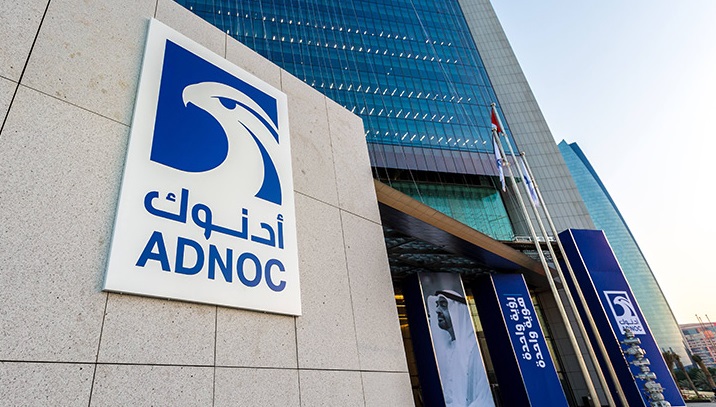
Abu Dhabi National Oil Company is exploring the possibility of listing its international investment subsidiary, XRG, on a stock exchange outside the United Arab Emirates. This strategic move could position XRG among the world’s largest publicly traded energy entities.

According to individuals familiar with the matter, discussions are in the preliminary stages, with Bank of America providing strategic guidance. The potential public offering would involve a minority stake and is anticipated to occur within the next five years. Prior to any listing, ADNOC must appoint a Chief Executive Officer for XRG and transfer relevant assets to the subsidiary.

Established in late 2024, XRG serves as ADNOC’s vehicle for expanding into lower-carbon energy, natural gas, and chemicals sectors. The subsidiary’s formation aligns with ADNOC’s broader strategy to diversify its portfolio beyond traditional oil revenues, reflecting a global industry trend towards sustainable and diversified energy solutions.

Potential venues for the listing include major international exchanges such as London and New York. Each offers distinct advantages, with London providing a robust investor base for energy companies and New York offering unparalleled liquidity and global visibility. The final decision will hinge on various factors, including valuation prospects and strategic alignment with XRG’s growth objectives.

With an estimated valuation exceeding $80 billion, XRG’s public debut would mark a significant milestone in the energy sector. For context, Saudi Aramco’s initial public offering in 2019 raised $25.6 billion, underscoring the scale of XRG’s potential market entry.

ADNOC’s recent activities underscore its commitment to global expansion and diversification. The company has been actively involved in international deals, including mergers and acquisitions in petrochemicals, chemicals, liquefied natural gas , and hydrogen projects. Notably, ADNOC has transferred its U.S. investments, such as stakes in an ExxonMobil hydrogen plant and NextDecade’s LNG export facility in Texas, to XRG. This move signifies ADNOC’s intent to consolidate its international ventures under the XRG umbrella, streamlining operations and enhancing strategic focus.

Spain’s second-largest bank, Banco Bilbao Vizcaya Argentaria , has officially received regulatory approval to offer Bitcoin and Ethereum trading services. This approval comes as the European Union’s Markets in Crypto-Assets regulation fully takes effect, marking a significant step forward for both the banking sector and cryptocurrency adoption within the region.

The move represents a landmark shift for BBVA, as it expands its portfolio of services to include cryptocurrencies. This decision aligns with the bank’s ongoing strategy to adapt to digital finance, meeting growing consumer demand for digital assets. With the MiCA regulation now operational, BBVA is positioning itself to take advantage of new opportunities in an increasingly digital economy.

The MiCA regulation, a major component of the EU’s broader digital finance strategy, aims to create a comprehensive framework for cryptocurrency markets across member states. The regulation provides clarity on legal aspects such as licensing, consumer protection, and financial stability, establishing a uniform approach to crypto assets across the EU. Its implementation signals a major regulatory shift that is set to influence financial institutions throughout the region.

BBVA’s approval is part of a broader trend in Europe where traditional banks are gradually integrating cryptocurrencies into their services. This comes at a time when the European crypto market is maturing, with increased institutional involvement and more regulatory oversight. The move not only represents an opportunity for the bank but also signals increasing mainstream acceptance of digital currencies.

BBVA’s entry into cryptocurrency trading follows a series of pilot programs that tested various blockchain-based solutions. The bank had already ventured into the crypto space in 2021, offering a limited range of services for clients in Switzerland, where cryptocurrency regulation is more permissive. Now, with MiCA regulation fully in place across the EU, BBVA’s decision to expand its crypto offerings into Spain is seen as a natural progression.

The decision by BBVA also highlights the growing importance of regulatory frameworks for the cryptocurrency sector. MiCA aims to ensure that the crypto market operates in a transparent, secure, and consumer-friendly manner, which has been a concern for both regulators and market participants. By adhering to these regulations, BBVA is positioning itself as a leader in responsibly integrating cryptocurrency trading into its offerings.

Other financial institutions in Europe are also taking steps to integrate digital assets into their portfolios. For instance, major banks like Deutsche Bank and Barclays are experimenting with blockchain technologies and exploring potential cryptocurrency-related services. However, BBVA stands out due to its proactive approach in securing regulatory approval and expanding its services at a time when cryptocurrency markets are still evolving.

The move comes as institutional interest in cryptocurrencies continues to rise. More investors, from hedge funds to family offices, are seeking exposure to digital assets, and this trend is expected to continue in the coming years. With its new offering, BBVA aims to cater to both retail and institutional clients, providing them with a secure and regulated platform to trade popular cryptocurrencies like Bitcoin and Ethereum.

As part of its offering, BBVA plans to integrate crypto trading into its existing digital banking services, allowing customers to manage their cryptocurrency investments alongside traditional assets. This seamless integration could offer a competitive advantage, as more banks are starting to see the benefit of combining traditional financial services with digital assets.

While some European banks are cautious about entering the cryptocurrency market, BBVA’s strategy reflects a more optimistic outlook on the long-term potential of digital currencies. The bank’s leadership has signalled that its move into the cryptocurrency sector is part of its broader strategy to embrace innovation and meet the evolving needs of its customers.

The success of BBVA’s crypto offering will depend not only on its ability to navigate regulatory frameworks but also on how well it can address concerns related to security, volatility, and customer education. As cryptocurrency markets continue to evolve, banks like BBVA will need to remain agile, adapting to both regulatory changes and shifting customer expectations.

The impact of BBVA’s decision could also ripple through the broader financial industry, pushing other institutions to consider their own approaches to cryptocurrency and blockchain technology. As more banks integrate digital currencies into their offerings, the financial services landscape could become increasingly intertwined with the cryptocurrency sector, challenging traditional business models and introducing new opportunities for growth and innovation.

Despite the promise, challenges remain. Cryptocurrency markets are still highly volatile, and many investors view digital assets as speculative. While the MiCA regulation aims to address some of these concerns, there are still risks associated with investing in crypto. BBVA’s ability to mitigate these risks through effective risk management strategies will be closely watched by both regulators and investors.


Octa, a global contract-for-difference broker established in 2011, has been honoured with the ‘Best Use of AI in Fintech 2025’ award by Global Business Magazine. This accolade highlights Octa’s commitment to integrating artificial intelligence into its proprietary trading platform, OctaTrader, enhancing user experience and trading efficiency. The award recognises OctaTrader’s suite of AI-driven tools, notably the AI Pattern Recognition feature and OctaVision. The AI Pattern Recognition tool […]

XRP, the cryptocurrency associated with Ripple Labs, has experienced notable price movements and whale activities in the past week, raising questions about its potential trajectory toward the $3.87 mark.

On Wednesday, XRP’s price saw a 1.8% increase, reaching $2.52, though it remains approximately 35% below its all-time high of $3.40. This uptick followed remarks by President Trump, who mentioned XRP as a potential component in a strategic cryptocurrency reserve. However, the gains were tempered after confirmations that U.S. tariffs on Canada and Mexico would proceed, reflecting the broader market’s sensitivity to geopolitical developments. Analyst Alex Kuptsikevich from FxPro noted that such conditions have led to profit-taking among traders, impacting the growth potential of cryptocurrencies.

In the past three weeks, whale activity on the XRP network has steadily risen, with transactions exceeding $1 million reaching their highest levels in months. Notably, a massive transfer of 150 million XRP, valued at over $380 million, occurred between two unknown wallets, sparking significant curiosity across the crypto market. Such movements are often considered indicators of potential price shifts, as large holders accumulating XRP could signal a bullish trend, while distributions might suggest an impending correction.

Technical analysis indicates that XRP is consolidating within a symmetrical triangle pattern, suggesting an imminent breakout or breakdown. Analysts warn that if XRP falls below the critical support level of $2, it could face a potential 24% drop. Conversely, a breakout above current resistance levels might pave the way for a rally toward the $3.87 mark.

In the derivatives market, Volatility Shares has proposed three new XRP exchange-traded funds : a -1x ETF to bet against XRP, a standard spot ETF, and a leveraged ETF to double XRP’s performance. These offerings could provide investors with more avenues to engage with XRP, potentially influencing its price dynamics.

Advertisements

HONG KONG SAR – Media OutReach Newswire – 10 March 2025 – Media OutReach Newswire, Asia Pacific’s first global newswire, has been honoured with OPPO’s prestigious ‘Partner of the Year’ award for the second time, following its exemplary performance in OPPO’s rigorous annual vendor evaluation system. Media OutReach Newswire achieved an exceptional rating exceeding 90% in OPPO’s evaluation matrix—an A-tier classification that OPPO’s Global Procurement team characterises […]

DP World and the Saudi Ports Authority have inaugurated the advanced South Container Terminal at Jeddah Islamic Port, marking a significant milestone in Saudi Arabia’s ambition to become a global trade hub. The SAR 3 billion project has more than doubled the terminal’s capacity from 1.8 million to 4 million twenty-foot equivalent units , with plans to further expand to 5 million TEUs.

The three-year development has transformed the South Container Terminal into one of the region’s most advanced and sustainable facilities. Enhancements include the introduction of automated and electrified yard cranes, and the number of quay cranes is set to increase from 14 to 17 by the end of 2025, eventually reaching 22 as capacity expands. These upgrades enable the terminal to accommodate ultra-large container vessels, significantly boosting its operational efficiency.

The inauguration ceremony was attended by prominent figures, including the Saudi Minister of Transport and Logistic Services, Engineer Saleh bin Nasser Al-Jasser, and DP World Group Chairman and CEO, Sultan Ahmed bin Sulayem. Their presence underscored the project’s importance to the Kingdom’s Vision 2030 strategy, which aims to enhance trade connectivity and diversify the economy.

Sultan Ahmed bin Sulayem remarked, “Today marks a significant milestone in our long-term strategic investment in Jeddah Islamic Port. This expansion builds on our 25-year legacy in Jeddah and reinforces our commitment to driving trade growth in the region. With this modernised terminal, we are enhancing efficiency, improving supply chain resilience, and creating new trade opportunities for the Kingdom and beyond for decades to come.”

Technological advancements have been a cornerstone of the terminal’s modernization. The implementation of smart systems has reduced gate transaction times from two minutes to just 10 seconds. Additionally, Internet of Things -enabled cargo tracking and artificial intelligence -powered cargo tallying systems have been introduced to enhance operational accuracy and efficiency.

In response to the growing demand for perishable goods, the terminal’s capacity for refrigerated containers has been expanded from 1,200 to 2,340 units. A state-of-the-art facility capable of inspecting up to 75 reefers simultaneously is also under development, positioning it as the largest port-centric facility of its kind in the Kingdom.

Environmental sustainability is a key focus of the terminal’s operations. DP World has committed to reducing CO₂ emissions at the South Container Terminal by 50% over the next five years. Initiatives to achieve this goal include the electrification of yard cranes and trucks, installation of solar panels, exploration of floating solar platforms, and the incorporation of green building designs alongside water recycling systems.

Adjacent to the terminal, DP World is investing in the 415,000 square metre Jeddah Logistics Park, the largest integrated facility of its kind in the Kingdom. Scheduled for completion in the second quarter of 2026, the park will offer state-of-the-art warehousing, distribution, and freight forwarding services. Its integration with the terminal is expected to streamline cargo transfers and enhance overall efficiency, further solidifying Jeddah’s position as a key hub connecting trade routes across Asia, Africa, and Europe.

The South Container Terminal’s strategic location on the Red Sea positions it as a pivotal point for international trade. It serves as a major hub for trade between East and West and is a crucial gateway for Hajj and Umrah pilgrims. The terminal’s modernization aligns with Saudi Arabia’s Vision 2030 objectives, aiming to transform the Kingdom into a global logistics center.

The terminal’s infrastructure now boasts a quay length of 2,150 meters, including a deep-water quay with an 18-meter depth, allowing it to accommodate ultra-large container vessels. The planned increase in the number of quay cranes to 17 by the end of 2025, and eventually to 22, will further enhance its capacity and operational capabilities.

Matein Khalid There is no economic reason why OPEC+ chose to add barrels to the global oil market at a time when bearish psychology and positioning dominates trading as attested by the plunge in speculative long positions in both the West Texas Intermediate and Brent IPE futures contracts. The only explanation is that both Saudi Arabia and Russia faced political pressure from a Trump White House that […]

KUALA LUMPUR, MALAYSIA – Media OutReach Newswire – 9 March 2025 – In 2025, global markets are navigating a phase of economic uncertainty as potential inflationary pressures induced by trade tariffs, shifting central bank policy, and geopolitical risk shape trading conditions. Traders who integrate fundamental analysis into their strategies can navigate these uncertainties more effectively, positioning themselves ahead of major market movements. Kar Yong Ang, a financial […]

By K Raveendran Oil prices have hit their lowest since October and by all indications the downward move is far from over. Brent has already dipped below 70 dollars per barrel as the market is feeling the weight of a supply overhang, with OPEC+ barrels set to flood an already well-supplied system, keeping a lid […]

Biconomy.com, a leading digital asset trading platform, has officially listed the native token of the BlackFort Exchange Network, BXN, effective from 26 February 2025. This strategic move offers traders additional opportunities and underscores Biconomy’s commitment to supporting innovative blockchain projects.

BlackFort Exchange Network distinguishes itself as a next-generation blockchain ecosystem, featuring a standalone, independent Layer-1 blockchain compatible with Ethereum. At its core is BXN, the native utility token that fuels various functionalities within the network. BlackFort’s blockchain is engineered to meet the essential demands of modern blockchain technology while introducing groundbreaking innovations.

The BXN token serves multiple practical purposes within the BlackFort ecosystem:

– Transaction Fees: BXN is utilized to cover transaction costs on the BlackFort blockchain, ensuring smooth and economical operations.

– Governance: Token holders have the ability to participate in governance decisions, influencing the future direction of the BlackFort network.

– Staking: Users can stake BXN to promote network security and receive rewards, encouraging active participation and network stability.

By listing BXN, Biconomy.com reinforces its dedication to providing users with access to cutting-edge and promising blockchain ventures. The platform’s strong liquidity, ease of use, and security enable traders to confidently interact with BXN. This listing supports the growth and adoption of the BlackFort ecosystem and expands the range of assets available on Biconomy.com.

Wealth management firm Capital Haus has acquired an 11.6% stake in Equity Story Group Ltd, an Australian Securities Exchange -listed financial media and investment advisory company. The transaction involved the purchase of 19,230,770 shares at 2.6 Australian cents per share, aligning with the last traded price on the ASX. These shares will be held in escrow for 12 months. Additionally, Capital Haus secured 12,820,513 options at an […]

Saudi Arabia, the world’s leading oil exporter, has announced a reduction in its official selling price for crude oil destined for Asian markets in April. This marks the first price cut in three months and aligns with the recent decision by OPEC+ to incrementally boost oil production starting next month. State-owned oil giant Saudi Aramco has decreased the OSP for its flagship Arab Light crude by 40 […]

KUALA LUMPUR, MALAYSIA – Media OutReach Newswire – 8 March 2025 – OctaTrader, Octa broker’s proprietary trading platform, was recently awarded for the ‘Best Use of AI in Fintech 2025’ by Global Business Magazine. This award gives due credit to OctaTrader’s diverse suite of AI-powered features, including one of its most powerful tools, the recently released AI Pattern Recognition. The Global Business Magazine award Octa, a global […]

Matein Khalid There is no doubt in my mind that the epic US equities bull market is now over since the S&P 500 index broke its 200 day moving average while I was at the wonderful StanChart suhoor with so many old pals from the 1990’s Al Mankhool salad days when the Mexican food at Zodiac/Bordertown in the Imperial Suites provided the hottest salsa (mirchi) in Rolla […]

The UAE Ministry of Economy, in partnership with Integra Seven, a prominent public policy research and consulting firm, convened the ‘Future of Jobs’ workshop in Dubai. This initiative brought together senior representatives from 14 key economic entities and companies nationwide, focusing on strategies to empower, attract, and retain talented individuals, aligning with the nation’s vision for economic diversification and innovation.

The workshop provided an exclusive preview of the forthcoming UAE Future Tech Talent Report 2024, scheduled for release in October. Participants included business leaders and talent experts from organisations such as Fragomen, Du, Amazon Web Services , Coffeee.io, DP World, Dubai Knowledge Park, Dulsco Group, e&, HSBC, MCG Talent, Nabta Health, Standard Chartered, and Stripe. Discussions centred on the latest trends in tech talent and policy-driven strategies to bolster the UAE’s position as a global hub for skilled professionals.

Dr Thani bin Ahmed Al Zeyoudi, Minister of State for Foreign Trade and Minister in charge of Global Talent Attraction and Retention, emphasised the critical role of public-private collaboration in shaping the national economic agenda. He stated, “Public-private dialogue is at the core of our approach to developing our national economic agenda. This roundtable on talent attraction is part of a series of important discussions that support our broader vision of crafting policies that ensure continued growth and diversification, advancing our ambitions to foster an economy based on knowledge and innovation.”

The roundtable addressed several key policy areas, including the intensifying global competition for tech talent. Participants explored the role of the UAE’s national brand in attracting global talent and recognised the importance of refining strategies to ensure sustained access to specialised skills that support the country’s economic ambitions.

Natalia Sycheva, Managing Director of Integra Seven, highlighted the significance of the insights revealed in the upcoming UAE Future Tech Talent Report 2024, building on the findings from the previous year’s edition. She remarked, “While the 2023 report identified key trends that have since been reinforced, the 2024 edition uncovers several new and, in some cases, unexpected developments. These will be critical for business leaders and policymakers to carefully assess as they plan for the future.”

As discussions progressed, senior executives examined ways to close skills gaps, enhance collaboration between educational institutions and industry, and streamline the integration of local and international talent into the UAE workforce. The roundtable emphasised the need for an agile, future-focused approach to workforce development, ensuring the UAE remains at the forefront of the global tech talent race.

The UAE Future Tech Talent Report 2024, scheduled for release in October, aims to offer comprehensive insights and actionable recommendations for both businesses and policymakers. This initiative underscores the UAE’s commitment to fostering a knowledge-based economy and solidifying its status as a global incubator for skilled professionals.

By Nitya Chakraborty How is China, the second largest economic and military power of the world after the United States is planning to confront the second term U.S. President Donald Trump’s resurgence disrupting the so long established global order to impose his total domination on international politics? Every political analyst is looking at the current […]


Oil prices have experienced a significant decline, reaching multi-year lows, as a confluence of geopolitical and economic factors exerts pressure on the global energy market. The imposition of new U.S. tariffs on imports from Canada, Mexico, and China, coupled with the decision by OPEC+ to increase oil production, has led to heightened concerns about oversupply and weakened demand. Brent crude futures fell to $68.33 per barrel, while […]

President Donald Trump’s announcement of a U.S. strategic crypto reserve has sent shockwaves through the cryptocurrency market, leading to significant price surges for selected digital assets.

On March 3, 2025, President Trump unveiled plans to establish a federal stockpile of digital currencies, initially including XRP, Solana , and Cardano . This move represents a substantial shift in governmental approach towards integrating cryptocurrencies into national financial strategies.

The immediate market response was notable. XRP’s value escalated from $2.23 to $2.99, SOL experienced an increase from $140 to $168, and ADA surged from $0.68 to nearly $1. Bitcoin, initially absent from the reserve, saw its price rise by 9% to $93,000, adding $166 billion to its market capitalization.

Following the initial announcement, the administration expanded the reserve to include Bitcoin and Ethereum , acknowledging their foundational roles in the cryptocurrency ecosystem.

The strategic reserve aims to bolster the crypto industry, providing governmental support and potentially stabilizing the market. This initiative aligns with broader Republican policies seeking to position the United States as a leader in digital asset adoption.

In tandem with the reserve’s creation, the White House is set to host a Digital Assets Summit on March 7, 2025. The summit will convene key industry leaders, including Michael Saylor and Brad Garlinghouse, to discuss the future of digital assets and regulatory frameworks.

The administration’s actions have also influenced the regulatory landscape. The U.S. Securities and Exchange Commission is reviewing applications for exchange-traded funds linked to various cryptocurrencies, including Cardano , Solana , XRP, Litecoin , Hedera , Dogecoin , and Polkadot . This development could reshape investor behavior by providing more accessible investment vehicles for digital assets.

The White House’s engagement with blockchain projects extends beyond the reserve. Leading blockchain initiatives, such as Chia , Filecoin , Sui , Aptos , NEAR, and Movement , have participated in discussions with the administration to advocate for clearer legislation and support for the crypto industry.

The administration’s comprehensive approach underscores a commitment to integrating cryptocurrencies into the national financial infrastructure. By establishing the strategic reserve, facilitating industry dialogues, and advancing regulatory clarity, the U.S. positions itself at the forefront of digital asset innovation.

Matein Khalid Trump inherited a US economy with 3% growth, a 4% unemployment rate and near 0% recession risk a mere 6-weeks ago. His outrageous tariff threats, policy U-turns, DOGE cutbacks in government spending and mass deportations have ignited a global trade war as well as slashed economic growth, business/consumer confidence. A US recession has now begun as the Atlanta Fed’s GDP Now sees a -2.8% slump […]

CGTN published an article outlining key takeaways of the Chinese government work report, which was submitted to the country’s national legislature for deliberation on March 5. The story expressed China’s full confidence in its economic development prospects for 2025 and highlighted China’s contribution to global development. BEIJING, CHINA – Media OutReach Newswre – 5 March 2025 – The world has once again turned its eyes to Beijing […]

China has set an ambitious economic growth target of approximately 5% for 2025, maintaining the same figure as the previous year, despite ongoing tensions with the United States in the form of a prolonged tariff war. This announcement comes at a time when both countries are embroiled in a cycle of escalating trade restrictions, and experts are closely watching the impact these developments will have on global economic stability.

The Chinese government’s decision to maintain its 5% growth target for 2025 is indicative of its continued focus on achieving steady economic expansion in the face of significant external challenges. The target is in line with that of 2024, as the country seeks to navigate its way through a complicated geopolitical landscape. Despite the slowdown in the global economy and intensifying trade disputes with Washington, the Chinese government is prioritising stability, especially as it prepares for its own domestic policy goals, including technological self-sufficiency and boosting domestic consumption.

In an attempt to strengthen its economic position, China has introduced retaliatory tariffs on key American imports, notably targeting agricultural products. These include 15% tariffs on chicken, wheat, corn, and cotton from the U.S., alongside a 10% levy on a broader range of agricultural commodities such as sorghum, soybeans, pork, beef, aquatic products, fruits, vegetables, and dairy products. This is a clear response to U.S. tariffs that have impacted Chinese industries, particularly in sectors such as electronics and consumer goods. The trade dispute, which has evolved over the years, now impacts critical supply chains, particularly in sectors where the U.S. and China have intertwined economies.

In parallel with the tariff increases, China has expanded its list of American companies subject to export controls. The Chinese Ministry of Commerce recently added 15 more American firms to its export control list, including drone manufacturer Skydio. This measure is aimed at restricting Chinese firms from providing dual-use technologies—equipment that can serve both civilian and military purposes—to these companies. The move is a direct response to U.S. actions, particularly those targeting Chinese firms like Huawei and TikTok in previous years. By limiting access to advanced technology, China seeks to ensure its technological independence, especially in areas of high strategic importance, such as artificial intelligence, semiconductors, and aerospace.

The trade war, which began under former President Donald Trump, has seen both countries impose tariffs on billions of dollars’ worth of goods. Although the Biden administration initially sought to soften the stance, tensions have reignited as both nations continue to use tariffs as a bargaining chip. The announcement of a 5% growth target comes as China faces several challenges, not only from the trade war but also from domestic economic pressures such as rising debt levels, a struggling property sector, and an aging population.

While the 5% growth target may appear conservative compared to China’s previous years of double-digit expansion, analysts argue that it reflects a more sustainable growth trajectory in the current global climate. The focus is now shifting towards quality growth, with an emphasis on high-tech industries, innovation, and green development. For the Chinese government, maintaining this growth rate is essential for ensuring social stability and reinforcing the Communist Party’s control over the country.

The U.S.-China trade war has led to significant disruptions in global markets, with both sides suffering economic consequences. For instance, the U.S. has seen its farmers and manufacturers experience difficulties due to China’s retaliatory tariffs. At the same time, Chinese companies have faced hurdles in securing advanced technology from U.S. suppliers. This has led to shifts in global supply chains, as companies increasingly seek to diversify their production away from China to avoid the risks posed by further trade escalation.

In response to these challenges, China has been actively exploring alternative markets. This includes strengthening its trade ties with countries in Asia, Africa, and Latin America, as well as making efforts to deepen its economic integration with the European Union. Furthermore, China has focused on boosting its domestic consumption, aiming to reduce its reliance on exports as a driver of growth. This approach has led to the expansion of industries such as electric vehicles and renewable energy, which are seen as crucial for the country’s long-term economic future.

Despite the economic headwinds, China’s leadership remains resolute in its plans to ensure economic growth through a mixture of policy tools. Measures such as infrastructure spending, financial support for key industries, and a continued push for technological advancements are central to these plans. The government’s ability to navigate through this tumultuous period will largely depend on its ability to manage both domestic challenges and international relations, particularly with the U.S.

VISHNU RAJA
RYO YAMADA
HITORI GOTOH
IKUYO KITA