News related to
trade

Dubai’s International Financial Centre has seen an unprecedented 25% rise in company registrations over the last year, marking a record high. The financial district, now home to 6,920 active companies, has experienced a significant surge, up from 5,523 in the previous year. This surge signals a growing trend of international businesses, particularly hedge funds, flocking to the emirate’s burgeoning financial sector. The rapid rise in registrations comes […]

UAE defence authorities announced the signing of 13 major contracts worth Dh4 billion on the opening day of the International Defence Exhibition and Conference 2025, the largest defence expo in the Middle East. The deals highlight the UAE’s strategic efforts to enhance its defence capabilities, focusing on advanced technology, military equipment, and international collaborations. The exhibition, taking place at the Abu Dhabi National Exhibition Centre, marks a […]

UAE President Sheikh Mohamed bin Zayed Al Nahyan met with Ukrainian President Volodymyr Zelensky in Abu Dhabi on Monday, marking a significant step towards enhancing diplomatic and economic cooperation between the two nations. The meeting, which took place at Qasr Al Shati, underscored the UAE’s commitment to bolstering global partnerships and supporting peaceful conflict resolution in the region. Both leaders discussed a range of issues aimed at […]

The Mohammed Bin Rashid Aerospace Hub at Dubai South has reached a milestone in private jet movements, recording an unprecedented 17,891 movements in 2024. This represents a 7% increase from the previous year, cementing Dubai’s position as a key global hub for private aviation.

December alone saw over 2,600 private jet movements, marking a staggering 51% rise compared to the same month in 2023. This surge highlights a sustained upward trend in aviation activity, particularly in the final quarter of the year, as Dubai continues to attract significant international traffic.

Several factors are driving this growth, including Dubai’s reputation as a prime destination for international events, leisure, and business activities. The city’s robust tourism industry further bolstered by the steady rise in international visitors contributed significantly to the increase in private jet movements.

With a remarkable 18.72 million international visitors in 2024, Dubai solidified its position as a world-class destination. The UAE’s strategic positioning, its status as a global tourism hub, and the growing appeal of Dubai’s luxury offerings, ranging from top-tier exhibitions to high-profile business conferences, have all contributed to this surge in air traffic.

The aerospace sector is also benefiting from Dubai’s growing importance as a business and leisure nexus, attracting affluent individuals, celebrities, and executives, all of whom rely on private aviation for the convenience and flexibility it provides. This growth in private jet movements has allowed Dubai to expand its aviation infrastructure, with the MBRAH hub now more equipped than ever to handle the increasing demand.

Dubai’s year-round calendar of events has helped sustain this steady growth in the aviation sector. High-profile events such as the Dubai Airshow, Art Dubai, and the Dubai World Cup continue to draw in crowds from all over the world, while the UAE’s leadership in hosting global conferences, such as Expo 2020, further strengthens its role as a premier destination for global business, tourism, and entertainment.

Dubai’s comprehensive tourism strategy has significantly impacted the private aviation sector. Efforts to bolster the city’s appeal to both leisure and business travellers have been fruitful, as evidenced by the growing number of international visitors each year. This influx has directly translated into increased demand for private jet services, ensuring that the aviation sector remains a key player in the emirate’s economy.

Business aviation’s rise in Dubai is not just a reflection of the city’s appeal but also of broader trends within the private jet industry. Globally, business and leisure aviation have surged in popularity, with a growing number of individuals preferring the privacy, convenience, and speed that private jets offer. The UAE, and Dubai in particular, has been quick to capitalize on these global shifts, positioning itself as a central point for high-end travel.

Dubai’s strategic location in the Middle East plays a pivotal role in connecting travellers to major markets across Europe, Asia, and Africa. The city’s status as an international hub makes it an attractive stopover for private jet users who are travelling to and from distant destinations. The growth of international airlines, combined with the continued expansion of Dubai’s own fleet of business jets, enhances its role as a global leader in aviation.

The growing number of private jets arriving in Dubai has also contributed to an expansion of the city’s aviation infrastructure. The increase in private jet movements has led to enhanced facilities at MBRAH, which has significantly improved its capacity to serve high-profile clients and international travellers. This expansion is part of a broader trend in Dubai’s continuous investments in its aviation industry, which have reinforced its status as a hub for global travel.

Notably, private jet traffic has not just been limited to corporate executives and leisure travellers. A rising number of tourists opting for private jet travel are also contributing to the sector’s growth. Dubai’s luxury hotels, exclusive resorts, and world-renowned shopping centres cater to this affluent group of tourists, further incentivising private jet travel.

The city’s commitment to providing exceptional services for private aviation passengers, including bespoke concierge services and streamlined entry processes, has positioned it as an attractive destination for private jet users. With high-end services and access to luxurious facilities, Dubai has become a go-to destination for those seeking an elite travel experience.

KUALA LUMPUR, MALAYSIA – Media OutReach Newswire – 18 February 2025 – The global cryptocurrency market has seen unprecedented growth in the previous year, spearheaded by Bitcoin and Ethereum. Institutional participation was very important in driving prices higher, with Bitcoin reaching an all-time high above $100,000 in December 2024. With the spreading adoption of crypto assets, regulators have paid even more attention to the industry. Kar Yong […]

Pi Network is poised to transition from its Enclosed Mainnet to an Open Network on February 20, 2025, at 8 AM UTC. This pivotal move will enable external connectivity, allowing users to transfer Pi coins to external wallets and facilitating broader integration with other blockchain platforms.

The announcement has ignited a surge of interest within the cryptocurrency community, leading to a flurry of price predictions for the Pi token. Some enthusiasts anticipate substantial gains, with projections reaching as high as $314,159 per token—a figure symbolically linked to the mathematical constant π ≈ 3.14159. However, achieving such a valuation would necessitate a market capitalization exceeding $31 trillion, a figure that dwarfs the entire cryptocurrency market’s current valuation.

More conservative forecasts suggest that the Pi token could trade between $24.85 and $350 in 2025, contingent upon successful market listings and widespread adoption. These projections are based on factors such as the influx of new liquidity, the network’s user base growth, and the overall acceptance of Pi as a viable digital currency.

The forthcoming Open Network launch is also expected to influence the Pi token’s market dynamics significantly. The transition will remove previous restrictions, allowing seamless integration with external platforms and real-world applications. This development is anticipated to enhance the token’s liquidity and accessibility, potentially leading to increased trading activity and price volatility.

Despite the optimistic outlook from some quarters, skepticism persists. The Pi Network has faced criticism regarding its legitimacy and operational model. Notably, Bybit CEO Ben Zhou has explicitly refused to list the Pi token, citing concerns over its legitimacy. Additionally, the project’s reliance on social referrals and marketing has raised questions about its structural integrity, with some observers likening it to a pyramid scheme.

The Pi Network, developed by a team of Stanford graduates, aims to make cryptocurrency mining accessible via mobile devices. Since its inception on March 14, 2019, the network has grown to over 70 million users worldwide. The project’s energy-efficient approach to mining, utilizing a consensus algorithm adapted for mobile devices, has been highlighted as a key innovation in reducing energy consumption compared to traditional mining methods.

Volatility in the cryptocurrency market has triggered a reassessment of investment strategies, as many high-cap digital assets have faced significant price drops. While the broader crypto market has experienced notable growth in the past year, recent corrections have caused some of the most established tokens to witness double-digit percentage declines. This has led to a contraction in the overall market capitalization, falling from roughly $1.3 trillion to about $1.15 trillion.

Despite the challenging conditions, one lesser-known cryptocurrency, Propichain , is emerging as a promising contender for investors seeking value in a recovering market. Propichain, which focuses on blockchain interoperability and decentralized finance , has seen a notable rise in interest amid the market’s turbulence. Analysts predict that the token could experience a significant surge, with some forecasting an astonishing 44,000% growth potential.

Propichain’s appeal lies in its unique approach to solving issues within the blockchain space, particularly its focus on enabling seamless communication between different blockchains. This feature positions Propichain as a solution to one of the key challenges facing the crypto industry today – fragmentation. While blockchain technology has made great strides in recent years, the lack of interoperability between networks has hindered its potential for widespread adoption.

By allowing different blockchains to interact with one another, Propichain offers a new layer of flexibility that could drive the next wave of blockchain innovation. This could prove to be particularly beneficial for decentralized finance projects, which require robust infrastructure for cross-chain transactions. As the DeFi space continues to expand, the ability for various blockchain systems to communicate effectively with one another becomes increasingly important.

Another factor driving Propichain’s potential for massive growth is its development team. The team has a strong track record in blockchain development and has demonstrated an ability to execute complex projects. Propichain’s partnership with established players in the DeFi space, along with its commitment to continuous innovation, further solidifies its position in the market.

With blockchain interoperability becoming more critical, Propichain is positioning itself as a key player in the ecosystem. While other projects are focused on scaling their own networks, Propichain is building a solution that could help other projects scale by connecting them to a larger network of blockchains. This approach could enable Propichain to tap into a wide array of use cases and applications, expanding its reach across industries and potentially leading to widespread adoption.

In addition to its technical capabilities, Propichain has a growing community of supporters and developers who are actively involved in the project’s ecosystem. This community-driven approach is crucial for the long-term success of any blockchain project, as it ensures that the platform remains responsive to the needs of its users and can adapt to changing market conditions.

The tokenomics behind Propichain are also worth noting. The platform uses a unique consensus mechanism that not only enhances security but also incentivizes participation from a wide range of stakeholders. This decentralized approach helps to maintain the integrity of the network while ensuring that it remains accessible to a broad base of users. As demand for blockchain interoperability continues to rise, Propichain’s value proposition could become increasingly attractive to investors looking for opportunities in a market that is still finding its footing after the recent correction.

While the broader cryptocurrency market continues to face volatility, Propichain’s prospects are attracting attention from both retail investors and institutional players. Several industry experts believe that the coin’s market potential could be unlocked as blockchain interoperability becomes a critical factor in the future development of the sector. These factors combined position Propichain as a cryptocurrency that may be poised for a major breakout.

However, as with any investment in the crypto space, there are risks associated with investing in Propichain. The volatility that has shaken the crypto market in recent months serves as a reminder that even the most promising projects can be affected by market forces. Therefore, while the potential for growth is significant, investors must also weigh the risks carefully.

Advertisements

Gold-backed tokens have not lived up to expectations as the price of the precious metal sees a decline while risk assets gain traction. Amid growing speculation that former President Donald Trump’s tariffs may only be a negotiating strategy, investors are reassessing the global economic landscape. As the price of gold drops, the market shift raises questions about the stability of gold-backed tokens and whether they can weather the storm of fluctuating commodity prices.

Despite gold-backed tokens being promoted as a safe haven for investors, their performance has faltered in recent months, mirroring a broader decline in the precious metal’s price. Gold, once viewed as a reliable store of value, has faced downward pressure as investors recalibrate their portfolios in the face of shifting economic factors. The appeal of these tokens—cryptocurrencies that are tied to the price of gold—has diminished in light of market developments that have bolstered other asset classes.

The scenario surrounding Trump’s tariffs has added to the uncertainty. Wall Street analysts are increasingly speculating that the tariffs might not be as severe as originally anticipated. In fact, some view them as a mere tactic in a broader trade negotiation strategy. This perspective has led to a shift in sentiment, with risk assets—such as stocks—seeing an uptick as investors shift focus toward growth opportunities, leaving gold-backed assets in a precarious position.

The price of gold, which peaked earlier in the year due to inflation fears and global uncertainties, has now come under pressure. This decline has seen gold tokens, which track the price of the commodity, underperforming. As institutional investors have shifted their attention to more volatile but potentially lucrative assets, gold has lost some of its former appeal as a hedge against inflation and economic instability.

At the same time, riskier assets, particularly stocks, have surged. Investors are encouraged by signs of economic recovery and the resilience of equity markets. Analysts suggest that the ongoing optimism surrounding the potential easing of trade tensions, particularly between the US and China, has contributed to the rising demand for equities and corporate bonds. This sentiment is in stark contrast to the subdued demand for gold, which typically thrives in periods of heightened economic uncertainty.

The divergence between traditional assets and gold has prompted some financial experts to rethink the role of gold-backed tokens in a diversified portfolio. These digital assets, which have been gaining traction over the past few years, are now facing criticism for not providing the same level of stability that physical gold traditionally offers. With risk assets becoming more attractive to institutional investors, there are concerns that gold-backed tokens might not be able to maintain their value in the face of these shifting market dynamics.

The situation is further complicated by ongoing debates surrounding the broader implications of Trump’s trade policies. With tariffs remaining a key point of contention in international trade relations, the market remains on edge. The possibility of a trade war or retaliatory measures from other nations has been a key driver of gold’s price in the past. However, if the tariffs prove to be a bluff or a short-term negotiation tactic, the potential for further downside in gold prices could become less likely, providing more space for risk assets to flourish.

While gold-backed tokens have faced challenges, the broader cryptocurrency market has continued to evolve. The rise of other types of digital assets, particularly those tied to more volatile sectors like technology and energy, has drawn investor attention away from precious metals. This shift is evident in the increasing focus on tokens linked to blockchain innovation, artificial intelligence, and green energy. Gold, historically seen as a safe bet in times of economic crisis, is now competing with a new generation of digital assets that offer the promise of higher returns, albeit with greater risk.

This change in the investment landscape has left many wondering whether gold-backed tokens will continue to serve as a reliable store of value. The volatility in both the price of gold and the broader financial markets has highlighted the complex relationship between traditional assets and their digital counterparts. As more investors look to diversify their portfolios, the demand for assets like gold-backed tokens may become less pronounced, particularly if the broader trend towards riskier, high-growth investments continues.

A high-level delegation from the UAE will soon engage with European Union officials as part of an effort to combat financial crime through enhanced cooperation on anti-money laundering measures. The meeting, set to take place later this month, is seen as a significant step towards reinforcing the UAE’s commitment to global efforts in fighting illicit financial activities. The UAE has been steadily improving its AML framework, with […]

Dubai’s public parking operator, Parkin, has introduced a change in the parking tariff structure, particularly targeting areas close to major event venues. Starting from February 17, the revised charges will see parking rates rise significantly in zones around the Dubai World Trade Centre , often referred to as the “Grand Event Zone.” The move comes as the city braces for a series of high-profile events, and the […]

A looming tariff threat from the United States is casting a shadow over multiple sectors in India, including automobiles, textiles, and footwear, with analysts warning that potential hikes in import duties could disrupt trade and economic growth. This growing concern comes amid rising trade tensions between the two countries, which have led to a heightened focus on the viability of Indian exports in the face of stricter US trade policies.

The US administration has indicated that it might impose higher tariffs on goods from India, a move that could significantly affect industries critical to the Indian economy. With the US being one of India’s largest trading partners, the prospect of tariffs on goods such as cars, clothing, and shoes is troubling for manufacturers and exporters alike. According to recent reports, India’s automotive and textile sectors have been identified as particularly vulnerable due to their significant export volumes to the US market.

The automotive sector, which includes both luxury cars and compact vehicles, stands to lose billions of dollars in export revenue should tariffs increase. India is home to several global automotive manufacturers, including Maruti Suzuki, Tata Motors, and Mahindra & Mahindra, which export a substantial number of vehicles to the US. A tariff hike could render these products less competitive, pushing US-based consumers towards locally manufactured or cheaper imported alternatives from other countries. In 2023, India exported nearly $2 billion worth of cars to the US, a figure that could shrink under new tariffs.

Similarly, the textiles industry, another key player in India’s export economy, faces a turbulent future if tariffs are raised. India is the world’s second-largest producer of textiles, with a significant portion of its products headed to the US market. The US is a vital customer for Indian textiles, including apparel, fabrics, and home furnishings. Analysts argue that any increase in tariffs could lead to a decline in demand, as US buyers might seek more affordable alternatives from other suppliers, particularly from countries that currently benefit from lower trade barriers.

The footwear sector is also at risk, with India exporting a wide range of footwear items to the US. Footwear exports have been a growing part of India’s manufacturing output, with the US accounting for a major portion of this trade. A tariff increase could significantly affect manufacturers, especially small and medium enterprises , which depend heavily on the US market for revenue. These companies may struggle to absorb the additional costs imposed by tariffs, leading to potential price hikes or a reduction in exports.

The looming tariff threat is not just about trade barriers; it also reflects broader geopolitical concerns. Trade relations between the US and India have been increasingly strained due to disagreements over various trade practices, including market access, intellectual property rights, and agricultural policies. The US has expressed dissatisfaction with India’s protectionist policies, and this discontent has translated into the threat of tariffs. However, the issue is not only about trade; it also touches on political relations, with both countries vying for greater economic influence in the region.

Trade experts suggest that India could be facing a period of heightened vulnerability, especially as the US underlines its “America First” policy, prioritising domestic industries and reducing reliance on imports. While India has sought to diversify its trade partnerships and strengthen ties with other countries, including the European Union and Japan, the US remains a key economic player. This makes the potential for increased tariffs particularly damaging for India, especially in light of its ambition to boost exports and achieve a higher growth trajectory.

In response to the threat of higher tariffs, the Indian government has ramped up efforts to protect its domestic industries by exploring alternative markets and seeking to negotiate more favourable trade terms with the US. The government has also engaged in diplomatic efforts to reduce trade tensions, hoping to find common ground on issues that could benefit both nations. However, some experts are sceptical about the immediate impact of these negotiations, given the political climate and the US’s growing tendency to assert its economic interests.

The potential consequences of these tariffs extend beyond individual industries. Analysts caution that a tariff hike could lead to inflationary pressures within India, as businesses may pass on the additional costs to consumers. This, in turn, could affect consumer spending and dampen overall economic activity. Moreover, sectors like automotive manufacturing and textiles are major sources of employment, and any disruption in these industries could result in significant job losses, further straining India’s labour market.

For now, industry stakeholders are watching closely as developments unfold. The automotive sector is exploring strategies to mitigate the impact of potential tariffs, including shifting production to other countries or adjusting product lines to cater to the changing demands of US consumers. Similarly, the textiles industry is focusing on increasing its competitive edge by diversifying its offerings and tapping into non-US markets. However, these measures may not be enough to offset the damage caused by a sharp rise in tariffs, which could push both sectors to reconsider their overall export strategies.


Dubai has rolled out a new system for parking fees in designated zones near major event venues. The system, which went into effect today, introduces variable pricing, with rates set to increase during large-scale events. The move is part of ongoing efforts to streamline traffic management and improve the overall visitor experience in high-demand areas, including around the Dubai World Trade Centre .

Under the new policy, parking charges will rise to Dh25 per hour during events, a significant increase from the regular fees, which will remain lower during non-event periods. The increased rates apply to the parking areas closest to key venues, such as those surrounding DWTC, which hosts a variety of international conferences, exhibitions, and events that draw large crowds.

The decision to introduce variable parking fees comes after growing concerns over congestion in the vicinity of these event zones. Dubai’s authorities have been actively working on strategies to manage the influx of visitors to major events, ensuring both the smooth flow of traffic and accessibility to key locations.

Officials explained that the rise in parking fees during events is designed to encourage visitors to use alternative modes of transport, such as public transit, which would help alleviate the pressure on parking spaces. The implementation of this system is also expected to contribute to reducing the environmental impact by promoting greener transport options.

The new fee structure is part of a broader effort to modernise the city’s infrastructure in anticipation of increased demand as Dubai continues to establish itself as a global hub for business, culture, and tourism. The city’s proactive approach to managing its transport systems is also a reflection of its ambitions to maintain high standards of urban planning and sustainability.

While the fee hike may be seen as a necessary adjustment in light of the growing demand for parking, it has drawn mixed reactions from residents and visitors alike. Some express concerns that the increased charges could disproportionately affect those attending less prominent events or those who may rely on parking due to the lack of public transport options in certain areas. Others welcome the change, viewing it as a positive step towards ensuring better traffic management and improving the overall quality of life in high-demand zones.

Transport experts have emphasised the importance of integrated planning when it comes to urban mobility. As Dubai continues to develop and expand, experts suggest that a more comprehensive approach to transport, which includes enhanced public transportation networks and better parking management strategies, will be crucial to maintaining the city’s appeal to both residents and visitors.

The Dubai Roads and Transport Authority has been at the forefront of this initiative, working closely with local authorities to ensure the effective implementation of the new fee structure. RTA has also highlighted the expansion of alternative transport options, such as the Dubai Metro and bus services, as essential components of the strategy to support the city’s growing population and increasing number of tourists.

This change aligns with Dubai’s long-term vision of reducing traffic congestion and carbon emissions. The city’s leaders have repeatedly expressed a commitment to sustainable urban development, with a particular focus on reducing the number of private vehicles on the roads. The introduction of variable parking fees is one of many measures designed to support these goals, encouraging more people to rely on public transportation rather than private cars.

Dubai’s move to introduce variable parking fees is also reflective of a broader trend seen in major cities around the world, where dynamic pricing models have been introduced to manage traffic congestion and improve access to key areas. Cities like London and New York have employed similar strategies to control the flow of vehicles in high-traffic zones, with varying degrees of success.

In addition to the economic and environmental benefits, the new pricing model is expected to have a positive impact on the city’s public transportation system. By encouraging more people to use the Metro or buses, the pressure on parking spaces should be alleviated, making it easier for those who truly need to park to find a spot. This shift is expected to help optimise the use of available infrastructure, benefiting both residents and visitors who rely on public transport for their daily commute or during special events.

Cryptocurrency analysts are forecasting a significant upward trajectory for XRP, Ripple’s native token, with projections suggesting a potential rise to $17 in the coming year. This optimistic outlook is bolstered by recent market developments and technical analyses indicating a robust bullish trend.

As of February 17, 2025, XRP is trading at $2.71, reflecting a slight decrease of 0.025% from the previous close. The token experienced an intraday high of $2.80 and a low of $2.70, with a 24-hour trading volume of approximately $2.9 billion.

The recent acknowledgment by the U.S. Securities and Exchange Commission of Grayscale’s application to list an XRP Exchange-Traded Fund has injected renewed enthusiasm into the market. Although this acknowledgment does not equate to approval, it signifies a step forward in regulatory recognition, potentially paving the way for increased institutional investment.

Technical analysis reveals that XRP is forming a bullish pennant pattern, a continuation pattern that often precedes significant price movements. Analyst Egrag Crypto has highlighted this formation, suggesting that upon confirmation of a breakout above the $3.40 resistance level, XRP could rally towards the $15 to $17 range. He emphasizes the importance of surpassing this critical threshold to validate the bullish momentum.

In addition to the ETF developments, XRP’s decentralized exchange has reported a surge in activity, with daily trading volumes reaching $17 million. This uptick in DEX usage indicates growing confidence among retail investors and may serve as a catalyst for further price appreciation.

Market sentiment is further buoyed by the broader cryptocurrency landscape, where assets like Bitcoin have demonstrated resilience amidst economic fluctuations. The recent stabilization of Bitcoin’s price, despite inflationary pressures, suggests a maturation of the crypto market, with XRP poised to benefit from this stability.

By Ruth Milkman LONDON: Michael Burawoy had three lifelong passions. The first was English football, specifically Manchester United, the team he supported from childhood and to which he remained loyal for the rest of his life. The other two were Marxism and sociology, into which he poured his prodigious energies for over half a century. […]

The cryptocurrency market witnessed an unprecedented surge in token creation in January 2025, with over 600,000 new tokens minted, a twelvefold increase from the monthly average of 50,000 observed between 2022 and 2023. This rapid expansion has raised significant concerns among analysts regarding potential liquidity fragmentation and its impact on the market’s stability.

The acceleration in token issuance became particularly notable in the fourth quarter of 2024, with monthly figures reaching 400,000 before escalating to January’s record levels. Bobby Ong, co-founder of CoinGecko, highlighted this trend, attributing it to the emergence of user-friendly token creation platforms. One such platform, Pump.fun, operating on the Solana blockchain, enables users to launch meme coins without requiring technical expertise. This democratization of token creation has lowered barriers to entry, allowing a broader spectrum of individuals to participate in the crypto ecosystem.

While the proliferation of new tokens reflects a vibrant and innovative market, it also poses challenges. Gabriel Halm, a research analyst at IntoTheBlock, expressed concerns that the sheer volume of new tokens could lead to liquidity fragmentation. With investor attention and capital spread across an ever-growing number of assets, the liquidity of individual tokens may diminish, potentially resulting in increased volatility and difficulties in executing large trades without significant price impacts.

The surge in token creation is not occurring in isolation. The broader cryptocurrency market has experienced notable fluctuations. In January 2025, the overall market capitalization saw gains, with Bitcoin’s price increasing by 9% month-over-month, reaching an intramonth high of approximately $109,000. However, this growth has been accompanied by heightened volatility, partly attributed to macroeconomic factors such as elevated U.S. Treasury yields, which have exerted pressure on risk assets, including cryptocurrencies.

The influx of new tokens also raises questions about the quality and viability of these assets. The ease of token creation may lead to an oversupply of tokens with limited utility or value, potentially diluting investor confidence and capital. This environment necessitates rigorous due diligence from investors to discern valuable projects from those lacking substantive foundations.

The rapid expansion of the token landscape could have regulatory implications. As the market becomes increasingly saturated, regulators may scrutinize the legitimacy and compliance of new token offerings more closely. This could lead to stricter regulatory frameworks aimed at protecting investors and ensuring market integrity.

In response to these developments, market participants are advocating for enhanced transparency and standards in token issuance. Establishing clear guidelines and best practices could help mitigate risks associated with the proliferation of new tokens and support the sustainable growth of the cryptocurrency market.

The current landscape presents a paradox: while the surge in token creation signifies innovation and growth, it also introduces complexities that could undermine market stability. Balancing the enthusiasm for new digital assets with prudent risk management and regulatory oversight will be crucial in navigating the evolving dynamics of the cryptocurrency market.

Matein Khalid SpaceX is up 7X since my post in 2020, when we invested at $46 billion pre-money and it is now $350 billion. I do not recommend anybody put new money in this or any of the big AI plays. There are 300 AI startups that were rejected by two Palo Alto brand name VC partners I respect in the past year and this sector will […]

The New York Stock Exchange’s electronic trading platform, NYSE Arca, has formally requested approval from the U.S. Securities and Exchange Commission to permit Ethereum staking within Grayscale’s Ethereum exchange-traded funds . This proposal, submitted on February 14, 2025, aims to amend the operational framework of the Grayscale Ethereum Trust ETF and the Grayscale Ethereum Mini Trust ETF, enabling these funds to participate in Ethereum’s staking mechanism.

Ethereum staking involves validators locking up a certain amount of Ether to support network operations such as block validation and security. In return, stakers receive rewards proportional to their staked amount. By integrating staking into its ETFs, Grayscale intends to enhance investor returns by generating additional income through these rewards.

The official filing outlines that, if approved, the Trusts will stake Ether through reputable staking service providers. This approach is designed to benefit fund shareholders directly, ensuring that the staked assets remain under the custody of the Trusts’ current custodian. Grayscale emphasizes that this method differs from other staking-as-a-service models previously scrutinized by the SEC, as it does not involve pooling assets with third parties.

Grayscale has clarified that while staking is intended to generate additional income, the firm will not guarantee or promote any specific level of returns to investors. This cautious stance likely reflects an awareness of regulatory concerns and market volatility associated with cryptocurrency investments.

The move to incorporate staking comes at a time when Ethereum’s role in the cryptocurrency ecosystem is expanding, particularly after its transition to a proof-of-stake consensus mechanism. This shift allows Ether holders to participate in network validation and earn rewards, making staking an attractive feature for investment funds aiming to maximize returns.

The proposal also highlights that the Trusts’ participation in staking is designed to comply with existing regulatory frameworks. By keeping staked assets under the Trusts’ custody and avoiding third-party pooling, Grayscale aims to mitigate potential risks and align with SEC guidelines.

The SEC’s decision on this proposal could set a significant precedent for the integration of staking features into cryptocurrency investment products. A favorable ruling may encourage other asset managers to explore similar enhancements, potentially leading to a broader acceptance of staking within traditional financial products.

However, the regulatory environment surrounding cryptocurrency staking remains complex. The SEC has previously taken action against certain staking programs it deemed as unregistered securities offerings. Grayscale’s proposal seeks to differentiate its approach by emphasizing direct benefits to fund shareholders and adherence to regulatory standards.

Market analysts suggest that if the proposal is approved, it could enhance the appeal of Grayscale’s Ethereum ETFs by offering investors additional income streams through staking rewards. This development may also influence the competitive landscape of cryptocurrency ETFs, prompting other issuers to consider similar features to attract investors.

As of now, the SEC has not provided a timeline for its decision on the proposal. Stakeholders within the cryptocurrency and financial sectors are closely monitoring the situation, recognizing its potential implications for the future of crypto-based investment products.

In the broader context, this initiative reflects the ongoing efforts by financial institutions to integrate innovative blockchain features into traditional investment vehicles. The outcome of this proposal may serve as a benchmark for future endeavors aiming to bridge the gap between decentralized finance and mainstream financial markets.

Investors are advised to stay informed about the SEC’s forthcoming decisions and to consider the potential risks and benefits associated with staking-enabled investment products. As the regulatory landscape continues to evolve, due diligence and a thorough understanding of the mechanisms involved remain essential for making informed investment choices.

South Korea’s manufacturing sector has witnessed a significant decline in employment, reaching its lowest point in over a decade. Data from Statistics Korea indicates that as of January, the number of individuals employed in manufacturing stood at approximately 4.39 million, a reduction of 56,000 compared to the same period last year. This figure represents the most substantial drop since January 2013, when employment in the sector was […]

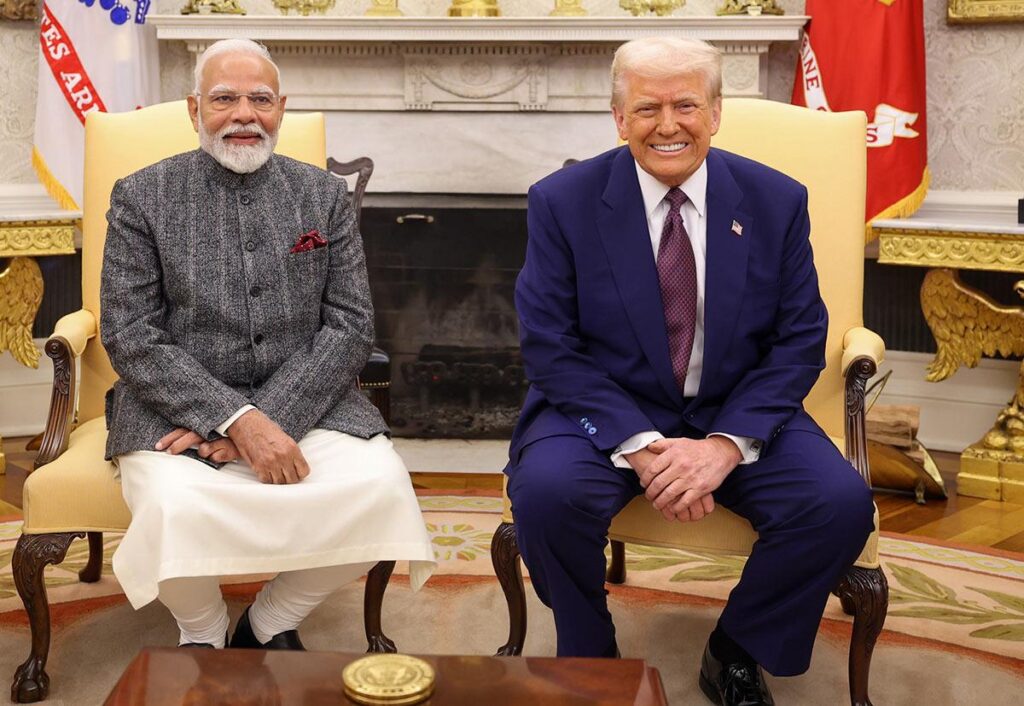
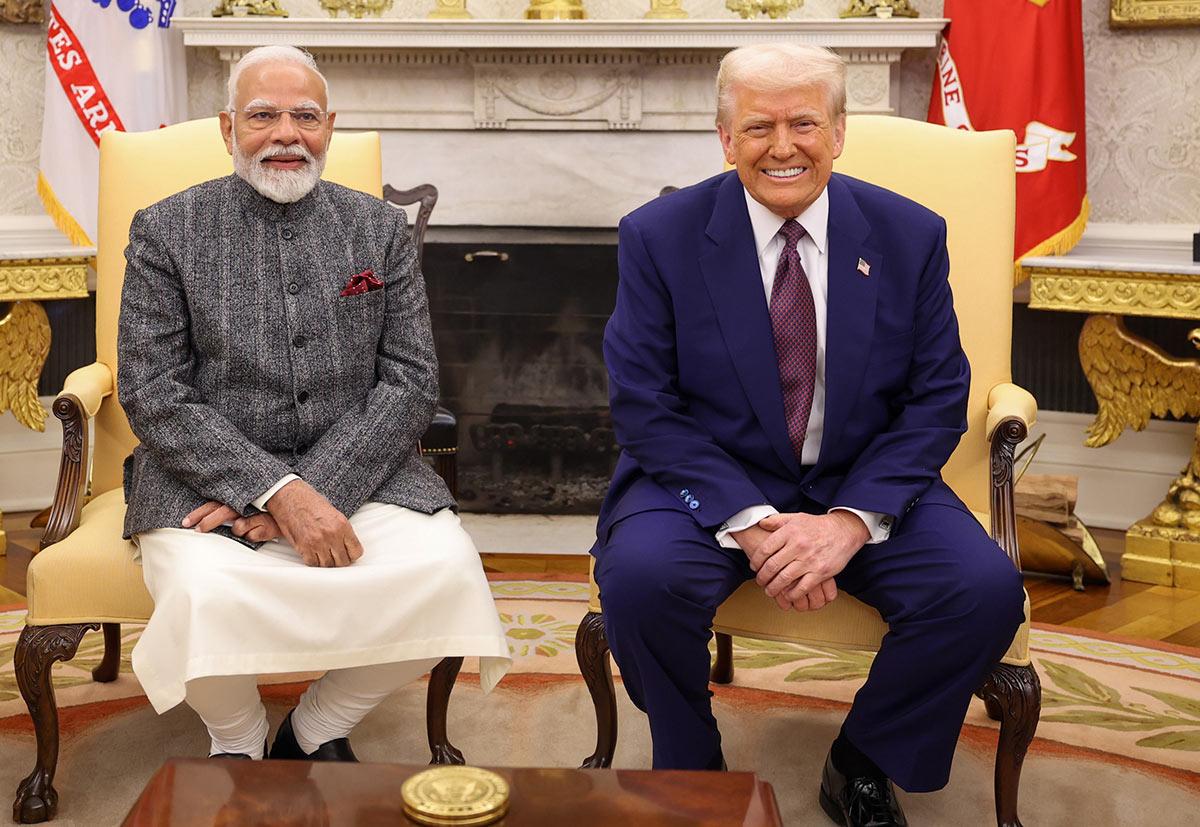
By K Raveendran The Indo-US joint declaration presents a striking imbalance, appearing more as a dictated statement than a mutually crafted agreement. The document is overwhelmingly skewed in favour of the United States, particularly in the domain of defence procurement, where it reads less like a diplomatic understanding and more like a sales pitch for […]
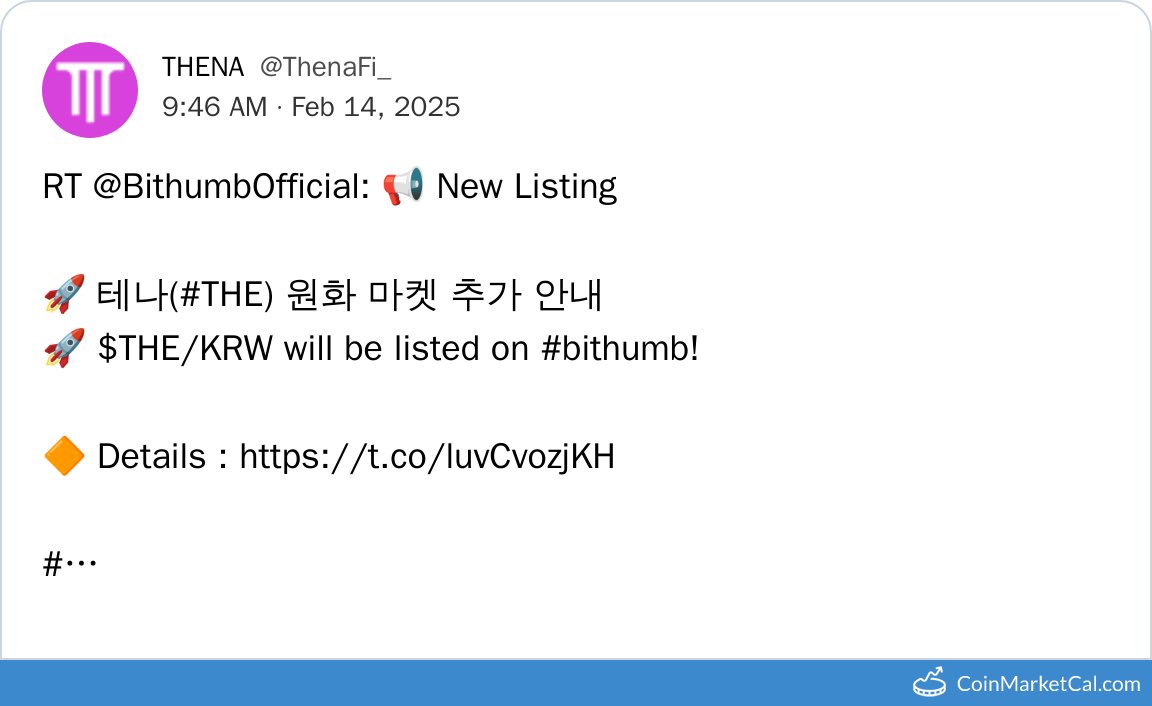

South Korea’s prominent cryptocurrency exchange, Bithumb, has expanded its offerings by incorporating Thena into its Korean Won trading market. Trading commenced at 4 PM KST on February 14, 2025, providing users with a new asset in their investment portfolios.

Deposits and withdrawals for Thena were enabled within three hours following the announcement. Bithumb supports transactions exclusively through the BNB Smart Chain for this asset, explicitly stating that deposits from other networks are not accepted. The initial base price for Thena was established at 1,019 KRW, with a requirement of 15 deposit confirmations to ensure transaction security.

To maintain a stable trading environment during the initial phase, Bithumb implemented temporary restrictions. For the first five minutes post-launch, buying orders were prohibited. Additionally, selling orders faced constraints if the price deviated beyond -10% or +100% of the standard price during this period. Automated trading features, such as stop-loss or take-profit orders, were activated only after the first successful trade.

Thena operates as a community-driven decentralized exchange, utilizing a self-optimizing ve3,3 model to cater to the liquidity needs of BNB Chain projects. This listing on Bithumb signifies a strategic move to enhance Thena’s accessibility and liquidity within the South Korean market.

Brazil is set to host the BRICS leaders’ summit in Rio de Janeiro on 6th and 7th July 2025, as announced by Foreign Minister Mauro Vieira. This gathering will bring together heads of state from Brazil, Russia, India, China, South Africa, and other partner nations, marking a significant event in international diplomacy. Assuming the rotating presidency of BRICS on 1st January 2025, Brazil has been actively preparing […]

Pump.fun, a prominent Solana-based memecoin launchpad, has introduced a mobile application for iOS and Android devices, aiming to enhance user accessibility in the burgeoning memecoin market. This development coincides with a significant increase in token creation, with over 600,000 new tokens launched in January 2025, raising concerns about potential liquidity fragmentation within the cryptocurrency ecosystem.

The newly launched Pump.fun app enables users to create, launch, and trade memecoins directly from their mobile devices, streamlining the process for both novice and experienced traders. This initiative reflects the platform’s commitment to adapting to the evolving needs of its user base and capitalizing on the growing interest in memecoins.

However, the rapid proliferation of new tokens has prompted industry experts to voice concerns about market liquidity. Bobby Ong, Chief Operating Officer of CoinGecko, highlighted the potential risks associated with the surge in token issuance, noting that an excessive number of tokens could dilute trader attention and liquidity, potentially hindering significant price movements in alternative cryptocurrencies.

The ease of token creation facilitated by platforms like Pump.fun has democratized access to the cryptocurrency market, enabling a diverse range of individuals to participate in token generation. While this inclusivity fosters innovation, it also raises questions about the sustainability and quality of the tokens being introduced.

In addition to operational challenges, Pump.fun is currently navigating legal complexities. The platform faces a proposed class-action lawsuit alleging violations of U.S. securities laws, underscoring the regulatory scrutiny that accompanies the rapid expansion of the memecoin sector. Despite these hurdles, the company remains focused on its mission to provide a user-friendly platform for memecoin enthusiasts.

The memecoin phenomenon has been characterized by speculative trading and high volatility, with tokens often experiencing rapid price fluctuations. This environment has attracted a wide array of participants, from casual investors to those engaging in high-risk trading strategies. The introduction of mobile applications like Pump.fun’s is poised to further amplify this trend by making memecoin trading more accessible to a broader audience.

Market analysts caution that the influx of new tokens, while indicative of a vibrant and innovative ecosystem, may lead to challenges such as liquidity fragmentation. This occurs when the market’s liquidity is spread thinly across a multitude of tokens, potentially resulting in decreased trading volumes and increased volatility for individual assets. Such conditions could make it more difficult for traders to execute large orders without significantly impacting token prices.

The memecoin market’s rapid expansion has also drawn attention from regulatory bodies worldwide. The lack of clear guidelines and oversight in this nascent sector poses risks for investors, particularly concerning the potential for fraudulent schemes and market manipulation. As platforms like Pump.fun continue to lower the barriers to entry for token creation and trading, the call for comprehensive regulatory frameworks becomes increasingly pertinent.

Blockchain.com, a prominent digital asset exchange, has appointed Justin Evans as Chief Financial Officer and Mike Wilcox as Chief Operating Officer as it advances towards a potential initial public offering . Evans, formerly the head of crypto investment banking at Goldman Sachs Group Inc., brings extensive experience in financial strategy and capital markets. Wilcox, who previously served as Chief Financial Officer at Velocity Global and was an investment manager at Point72 Asset Management, adds significant operational expertise to the team.

These strategic hires align with Blockchain.com’s objective to position itself for a public listing, capitalizing on the growing institutional adoption of cryptocurrencies and a more favorable regulatory environment. The company joins a cohort of cryptocurrency firms aiming to enter public markets, reflecting a broader trend within the industry.

In parallel, other major cryptocurrency firms are also exploring public listings. BitGo, a cryptocurrency custodian services provider, is reportedly considering an IPO as soon as the second half of this year. The firm is in discussions with potential advisers, although no final decision has been made. BitGo, founded in 2013, serves over 1,500 institutional clients across 50 countries and processes approximately 8% of global Bitcoin transactions by value. In 2023, the company raised $100 million, achieving a valuation of $1.75 billion.

Similarly, Gemini, the cryptocurrency firm backed by the Winklevoss twins, is considering an IPO as early as this year. This move underscores the increasing trend of cryptocurrency companies seeking public listings to access broader capital markets and enhance transparency.

The momentum for crypto-related IPOs is further evidenced by Circle Internet Financial’s plans. The company, known for issuing the stablecoin USDC, announced its intention to relocate its headquarters from Boston to New York City’s One World Trade Center in early 2025, ahead of its planned IPO. This relocation signifies the cryptocurrency industry’s deeper integration with traditional financial hubs.

The surge in IPO considerations among cryptocurrency firms is influenced by several factors, including increased institutional adoption of digital assets and evolving regulatory landscapes. The U.S. IPO market experienced significant growth in 2024, with companies raising over $41 billion, marking the most successful year since 2021. This resurgence is anticipated to continue into 2025, driven by favorable economic conditions and a more supportive regulatory environment.

However, not all major players are rushing to go public. Companies like SpaceX and OpenAI, despite substantial investor interest, are expected to delay their public offerings due to strong private funding. This trend indicates that while the IPO market is becoming more attractive, some firms prefer to remain private, leveraging ample private capital to fuel their growth.

In the retail trading sector, eToro has submitted confidential filings to the U.S. Securities and Exchange Commission for an IPO in New York, potentially valuing the company at over $5 billion. This move follows eToro’s previous attempt to go public in 2022 via a $10.4 billion deal with a blank-check company, which was halted due to unfavorable market conditions.

The increasing number of cryptocurrency and fintech firms pursuing public listings reflects a strategic shift towards greater transparency, regulatory compliance, and access to capital. As the industry matures, these public offerings are poised to reshape the financial landscape, bridging the gap between traditional finance and the burgeoning digital asset economy.

Dubai’s Roads and Transport Authority has completed a significant upgrade to Kite Beach Street in Jumeirah, effectively doubling its capacity and reducing travel time from 15 minutes to just 5 minutes. The project expanded the road from a single lane in each direction to two lanes in the same direction, addressing congestion issues caused by parking and pedestrian pathways.

The RTA announced the completion of this project on February 13, 2025, as part of its ongoing efforts to enhance traffic flow across the emirate. The authority stated that the modifications are in line with continuous efforts towards smoother traffic movement in various areas of Dubai, particularly to manage the high traffic volumes on Kite Beach Road.

In addition to lane expansion, the RTA has introduced extra parking spaces to accommodate the increasing number of visitors to Kite Beach, one of Dubai’s most popular leisure destinations. These enhancements aim to alleviate traffic congestion exacerbated by limited parking and pedestrian activity in the area.

Hussain Al Banna, CEO of the Traffic and Roads Agency at RTA, highlighted that these improvements have played a crucial role in optimizing vehicle movement on major roads while increasing the capacity of road networks as well as entry and exit points. He emphasized that the project aligns with the city’s urban expansion and the need to accommodate growing traffic volumes.

This initiative is part of a broader strategy by the RTA, which completed traffic enhancements at more than 50 locations across Dubai in 2024. These efforts have collectively improved the efficiency of the city’s roads, achieving a 60% reduction in travel time and increasing road capacity by up to 20% in various areas.

The comprehensive plan includes the Dh16 billion Main Roads Development Plan for 2024-2027, unveiled by Sheikh Hamdan bin Mohammed bin Rashid Al Maktoum, Crown Prince of Dubai and Chairman of the Dubai Executive Council. This plan encompasses 22 strategic projects aimed at bolstering the city’s infrastructure to support Dubai’s expanding population, benefiting over six million residents and enhancing connectivity across the emirate.

Key projects under this development plan include the Latifa bint Hamdan Street and Meydan Road developments, which are expected to boost road capacity and significantly reduce travel times in critical areas. These projects are designed to address the increasing demand on Dubai’s road networks and to facilitate smoother traffic flow throughout the city.

In line with Dubai’s commitment to incorporating technology-driven solutions in public transit, the RTA has integrated AI-powered traffic management systems and autonomous transport initiatives. These advancements are part of the city’s Smart Self-Driving Transport Strategy, aiming to transform 25% of total mobility journeys in Dubai into driverless journeys by 2030.

The city’s road network has seen substantial growth, expanding from 8,715 lane-kilometers in 2006 to 18,990 lane-kilometers, now facilitating 2.2 million daily public transport riders. This expansion reflects Dubai’s rapid urban development and the RTA’s proactive approach to infrastructure planning and traffic management.

The RTA’s continuous efforts to enhance road infrastructure and traffic flow are pivotal in accommodating the city’s growth and ensuring a high quality of life for residents and visitors alike. The successful upgrade of Kite Beach Street serves as a testament to Dubai’s commitment to developing efficient and sustainable urban mobility solutions.

As Dubai continues to evolve, the RTA remains dedicated to implementing strategic projects that address current challenges and anticipate future needs. The integration of advanced technologies and comprehensive planning underscores the city’s vision of becoming a global leader in smart and sustainable transportation.

The recent enhancements to Kite Beach Street not only improve the daily commute for motorists but also contribute to the overall safety and accessibility of the area. By providing additional parking and expanding road capacity, the RTA ensures that both residents and tourists can enjoy one of Dubai’s most cherished beachfronts with greater ease and convenience.

VISHNU RAJA
RYO YAMADA
HITORI GOTOH
IKUYO KITA