News related to
trade

A significant decline in oil prices, exceeding 4%, has been observed after Israel conducted airstrikes in Iran, reportedly avoiding energy infrastructure. The unexpected military action has stirred uncertainty in the global oil markets, with analysts weighing the potential implications for future supply dynamics in an already volatile geopolitical landscape.

Crude oil futures, particularly West Texas Intermediate (WTI), fell sharply to around $83 per barrel, while Brent crude dipped below $87. The downward trend comes in the wake of heightened tensions in the Middle East, which had already led to fluctuations in oil prices due to fears of supply disruptions. Analysts had anticipated that military action between Israel and Iran could provoke a response that might impact oil production, but the avoidance of direct hits on energy facilities has seemingly mitigated immediate concerns.

Market sentiment turned bearish as traders reacted to the news. “The focus is on the geopolitical risks that have historically pushed oil prices higher. However, the fact that energy facilities were not targeted means that supply fears are somewhat alleviated, leading to this decline in prices,” commented David Wilson, a senior analyst at a leading energy consultancy. Investors now seem to be reassessing the risk factors that typically influence oil market volatility.

This latest escalation is part of a broader backdrop of ongoing hostilities between Israel and Iran, which have been characterized by intermittent exchanges of fire and military posturing. Iran’s Revolutionary Guard has warned that any attack on its soil will trigger severe retaliation. This historical animosity, coupled with Iran’s significant role as an oil exporter, continues to inject volatility into oil markets. Iran produces approximately 4 million barrels of oil per day, a vital contribution to the global supply.

The broader market reaction also reflects concerns regarding global economic performance, particularly in light of ongoing inflationary pressures and monetary policy tightening in several economies. Experts note that if economic growth slows, demand for oil may diminish, further complicating the price outlook. “Even with geopolitical tensions, the underlying economic indicators suggest a slowdown. If demand continues to weaken, we could see prices stabilize at lower levels,” stated Maria Chan, a commodities strategist.

In the wake of this geopolitical incident, analysts are also scrutinizing other potential threats to oil supply, including disruptions in other oil-producing regions. The Organization of the Petroleum Exporting Countries (OPEC) and its allies, including Russia, are continually adjusting their output strategies to stabilize prices, but such maneuvers become increasingly complicated amid geopolitical instability.

The ongoing conflict in Ukraine remains a significant factor influencing oil prices. Russia’s actions in Ukraine have led to widespread sanctions, disrupting energy supplies and complicating global market dynamics. While the current geopolitical climate suggests heightened risks, some analysts believe that the market has already factored in many of these risks due to the historical precedent of volatility in energy prices.

With the energy market closely monitoring developments in the Middle East, any signs of further escalation could quickly alter price trajectories. “The balance of risk has shifted slightly with this event, but we are still very much in a reactive mode as traders evaluate the ongoing situation,” remarked Samir Gupta, an oil market expert.

On a corporate level, oil companies are assessing how these geopolitical developments could impact their operations and investment strategies. Executives are increasingly focused on the dual challenge of navigating regulatory environments while managing geopolitical risks. “We have to remain agile. The situation can change rapidly, and we must be prepared to adapt our strategies accordingly,” noted Rachel Green, a chief financial officer at a major oil producer.

The situation remains fluid, with various stakeholders keenly observing the geopolitical landscape for further developments. Oil prices are expected to remain sensitive to news from the region, influencing not only immediate market reactions but also long-term strategic planning for oil companies and investors alike.

Divya Malhotra Middle East has turned into a ticking time bomb as Iran and Israel stand on the verge of a full-blown war. A lot has transpired between the two countries since the October 2023 Hamas attack on Israel and the ensuing Gaza war. Israel is more than a thousand miles away from Iran. They do not share any border and there are no significant bilateral claims […]

HONG KONG SAR – Media OutReach Newswire – 24 October 2024 – The global economic recovery presents a mixed picture. While the US economy looks set for a soft landing, the eurozone continues to face many uncertainties, particularly in the industrial sector. China, meanwhile, is struggling to sustain its growth. Finally, our political and social risk index remains at a high level despite the fall in inflation […]

Family Fun with Little Pharmacists, Learning Traditional Chinese Medicine to Beat the Stroke Maze HONG KONG SAR – Media OutReach Newswire – 27 October 2024 – The “Beijing Tong Ren Tang Stroke Prevention Campaign 2024: Tong Ren A-Maze-ing Health Tips” is being held from October 26 (Saturday) to 29 (Tuesday) at TKO Plaza for four consecutive days. This event, in response to “World Stroke Day” on October […]

In collaboration with the National University of Laos, ASEAN Foundation and SAP conclude the ASEAN Data Science Explorers 2024 Regional Finals in Vientiane, Lao PDR. VIENTIANE, LAOS – Media OutReach Newswire – 23 October 2024 – The ASEAN Foundation, in collaboration with SAP, successfully concluded the eighth ASEAN Data Science Explorers (ASEAN DSE) 2024 Regional Finals in Vientiane, Lao PDR. Twenty students from secondary and tertiary institutions […]

In the digital age, the way people live in cities is evolving rapidly. While some people are seeking suburban retreats, many Asians are drawn to the convenience and vibrancy of urban life. This preference is fueled by the emergence of mega-complexes like Vinhomes’ projects, which offer a comprehensive range of amenities within the heart of bustling cities. These developments are designed to meet the diverse needs of […]

Over 700 exhibitors from 17 countries and regions to participate from 6-8 November at the Hong Kong Convention and Exhibition Centre Exhibition reflects four prominent market trends: technology, lifestyle, functionality and sustainability Concurrent Hong Kong International Optometric Symposium to explore latest breakthroughs in myopia control and prevention Finalists of the 24th Hong Kong Eyewear Design Competition to be unveiled HONG KONG SAR – Media OutReach Newswire – […]

Advertisements

KUALA LUMPUR, MALAYSIA – Media OutReach Newswire – 25 October 2024 – In trading, as in many other spheres of life, minor incremental changes lead to substantial differences. In many cases, traders don’t have to come up with innovative approaches to improve their financial outcomes. It may suffice for them to apply the everyday life hacks they have used for ages in their trading. Octa, a global […]

New Opportunities Arising for China’s Manufacturing & Logistics Industry in Southeast Asia HONG KONG SAR – Media OutReach Newswire – 25 October 2024 – In recent years, as the global economic landscape has evolved, a growing number of China enterprises have been exploring greater globalization strategies. As a large trading partner, the Southeast Asia region has become an important market for China enterprises to expand their overseas […]

Dubai Chamber of Commerce has inaugurated the Korean Business Council to bolster economic ties and foster collaboration between businesses in Dubai and the Republic of Korea. This initiative is part of Dubai Chamber’s ongoing efforts to diversify its economic partnerships and attract foreign investment. The council’s establishment comes at a time when both regions seek to enhance their bilateral trade relations, with an eye on creating sustainable business opportunities.

The inaugural annual general meeting of the Korean Business Council took place in Dubai, featuring prominent business leaders, government officials, and representatives from various sectors. This gathering provided a platform for discussions on enhancing trade and investment flows between Dubai and South Korea. Key participants included senior officials from Dubai Chambers, members of the diplomatic community, and representatives from South Korean firms operating in the UAE.

During the meeting, chamber officials emphasized the significance of the council in facilitating dialogue and collaboration. The council aims to serve as a vital link between the two regions, fostering partnerships across various sectors, including technology, renewable energy, tourism, and healthcare. By leveraging the strengths of both economies, the Korean Business Council intends to create a synergistic environment conducive to business growth and innovation.

The UAE is already a significant trading partner for South Korea in the Middle East. In 2023, bilateral trade between the two nations reached approximately $15 billion, with South Korea exporting goods such as machinery, electronics, and automobiles. The establishment of the Korean Business Council is expected to further stimulate this trade and attract South Korean companies to invest in Dubai’s growing market.

South Korea’s Ministry of Trade, Industry, and Energy has expressed support for the initiative, recognizing the strategic importance of strengthening economic relations with the UAE. South Korea’s trade envoy to the UAE highlighted the country’s commitment to fostering business collaborations and creating a more robust economic framework for bilateral trade.

The new council will offer various services to its members, including market research, networking opportunities, and access to resources that can assist in navigating the Dubai business landscape. By providing a platform for collaboration and knowledge-sharing, the council aims to empower businesses to expand their reach and enhance their competitiveness in the region.

The council is expected to play a pivotal role in attracting South Korean investment into Dubai’s rapidly developing sectors. As Dubai continues to position itself as a global business hub, the Korean Business Council will facilitate opportunities for South Korean firms looking to establish or expand their operations in the region.

With its strategic location, favorable business environment, and established infrastructure, Dubai has become an attractive destination for South Korean companies. Numerous South Korean enterprises have already made significant investments in sectors such as construction, hospitality, and technology, underscoring the potential for further collaboration.

The Korean Business Council will also focus on promoting cultural exchanges between the two regions. Cultural ties are essential in fostering mutual understanding and trust, which can enhance business interactions. Events showcasing Korean culture, technology, and innovation are expected to be organized to facilitate this cultural exchange, enabling Dubai businesses to gain insights into South Korea’s advancements in various industries.

The council’s establishment aligns with the UAE’s Vision 2021, which aims to position the nation as a global economic leader and a hub for trade and investment. By enhancing relationships with key markets like South Korea, Dubai is making strategic moves to achieve its economic diversification goals.

In addition to economic benefits, the council is poised to contribute to the broader goal of sustainable development. As both regions prioritize sustainability and innovation, the council will encourage cooperation in sectors such as renewable energy and environmental technology. Collaborative initiatives in these areas can lead to significant advancements, addressing pressing global challenges while promoting economic growth.

As the Korean Business Council embarks on its journey, its success will rely on the active participation of its members and the commitment to fostering a dynamic and collaborative business environment. The council’s leadership has expressed enthusiasm for creating a vibrant network of businesses that can thrive in Dubai’s competitive landscape.

Engaging with local stakeholders and participating in trade missions and exhibitions will be crucial in building relationships and expanding business opportunities. By connecting South Korean and Dubai-based companies, the council aims to unlock the potential for innovative partnerships that can drive economic growth.

The ongoing competition between Dubai and Abu Dhabi to attract wealth managers has intensified, reflecting both emirates’ ambitions to establish themselves as premier financial hubs. This rivalry is driven by their respective initiatives to enhance financial services, optimize tax frameworks, and improve regulatory environments to appeal to high-net-worth individuals (HNWIs) and their advisors.

Dubai has positioned itself as a magnet for wealth management, leveraging its strategic geographical location, robust infrastructure, and a favorable tax regime that includes no personal income tax. The Dubai International Financial Centre (DIFC) has emerged as a central player in this narrative, with its regulatory framework specifically designed to cater to financial institutions. By implementing a series of reforms aimed at streamlining operations for wealth management firms, Dubai aims to bolster its status as a global financial center.

Conversely, Abu Dhabi has ramped up efforts to attract wealth managers through initiatives led by the Abu Dhabi Global Market (ADGM). The ADGM has been pivotal in promoting the emirate as an investment destination, offering competitive regulatory advantages and incentives. Recent collaborations with international financial institutions and investment firms highlight Abu Dhabi’s strategy to enhance its offerings and attract top-tier wealth management services.

The emirates are keenly aware of the lucrative potential of HNWIs. According to reports, the number of HNWIs in the Gulf region is projected to grow, driven by rising oil prices and increased entrepreneurial activity. This demographic shift has spurred competition for wealth management services that cater specifically to this segment, encompassing investment management, estate planning, and financial advisory services.

Industry analysts emphasize that the rivalry is not just about attracting wealth managers but also about creating an ecosystem that fosters innovation and efficiency in financial services. Both Dubai and Abu Dhabi are investing heavily in technology, particularly fintech solutions, to streamline client interactions and improve service delivery. Innovations such as robo-advisory services and digital asset management are becoming integral to wealth management offerings, enabling firms to cater to a tech-savvy clientele.

An important facet of this competition is the ability to provide a diverse range of investment options. Wealth managers are increasingly focused on offering alternatives beyond traditional assets, including private equity, real estate, and alternative investments. The growing interest in sustainable and impact investing further complicates the landscape, with both emirates making strides to support green financing initiatives. This shift aligns with global trends where investors are prioritizing sustainable practices in their portfolios, prompting wealth management firms to adapt their strategies accordingly.

Both Dubai and Abu Dhabi are enhancing their appeal through lifestyle factors. As affluent individuals seek not just financial services but also high-quality living environments, both emirates are investing in luxury developments, healthcare, and educational institutions. The development of vibrant communities with upscale amenities is increasingly seen as essential for attracting and retaining wealthy clients and their advisors.

The competition has sparked a talent war among financial professionals. With both emirates vying for the best talent in wealth management, firms are adopting attractive compensation packages and work environments to entice professionals. This has led to a dynamic job market, where expertise in global investment strategies and local market knowledge are highly sought after.

The global economic landscape also plays a crucial role in this rivalry. With geopolitical uncertainties and shifts in trade dynamics, wealth managers are reevaluating their operational strategies. This has prompted firms to look towards the Gulf region as a stable environment for investment, particularly given its strategic position in bridging Western and Eastern markets. As a result, the influx of international wealth management firms into both Dubai and Abu Dhabi has intensified, amplifying the competition.

In the face of this escalating rivalry, regulatory bodies in both emirates are continuously updating frameworks to ensure they remain competitive. The Dubai Financial Services Authority (DFSA) and the Financial Services Regulatory Authority (FSRA) of ADGM are working diligently to refine regulations that enhance transparency while ensuring robust investor protection. This proactive approach is vital as both emirates aim to build trust and confidence among international investors.

As wealth management becomes a more critical component of the overall financial services industry in the region, the interplay between Dubai and Abu Dhabi will shape the future landscape. The competition between the two emirates is expected to yield not just enhancements in service delivery but also innovations that could redefine how wealth management is approached in the Gulf.

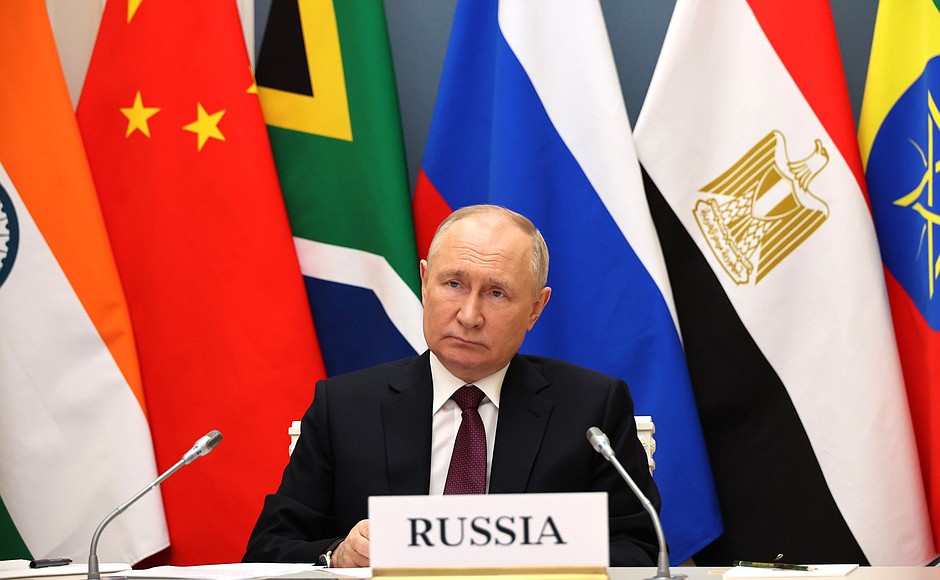
Amid rising geopolitical tensions and ongoing economic sanctions from Western nations, Russia has intensified its push for a clearing and depository system among BRICS nations—an alliance comprising Brazil, Russia, India, China, and South Africa. This initiative aims to facilitate intra-BRICS trade and investment by creating alternative mechanisms that would reduce reliance on Western financial systems, particularly the U.S. dollar.

The call for such a system has gained momentum during discussions at the BRICS summit held in Johannesburg earlier this year, where leaders explored strategies to enhance economic collaboration and safeguard member countries from external economic pressures. Russian President Vladimir Putin, emphasizing the need for financial sovereignty, outlined how a dedicated clearing system would not only streamline trade among BRICS nations but also insulate them from unpredictable sanctions imposed by Western governments.

The financial architecture proposed includes a shared clearing platform that would allow member states to transact in their local currencies. This system is expected to alleviate the costs associated with currency conversion and reduce exposure to fluctuations in the dollar’s value. The depository system would enable BRICS countries to hold reserves and facilitate investments without the involvement of Western banking systems, which often serve as gatekeepers for international trade and finance.

As part of this initiative, the Russian government has engaged with various BRICS member states to discuss technical and regulatory frameworks necessary for establishing this new financial infrastructure. Recent engagements include high-level talks with Chinese and Indian officials, where they explored the operational aspects of the proposed clearinghouse. Both countries have expressed interest, seeing the potential benefits of minimizing their dollar dependency amid geopolitical tensions with the West.

Analysts note that this initiative comes at a time when BRICS countries are seeking to redefine their positions in global trade and finance. The bloc has increasingly advocated for a multipolar world order, aiming to challenge the dominance of the United States and its allies in international financial institutions. The proposed clearing and depository system aligns with these aspirations, reflecting a broader trend of economic diversification and regional integration among non-Western nations.

While the technical implementation of this system remains in preliminary discussions, there are significant challenges to overcome. These include the establishment of common regulatory standards, addressing concerns about currency stability among member states, and ensuring the system’s resilience against external shocks. Moreover, skepticism persists regarding the political will of member nations to fully commit to this initiative, particularly given the varying degrees of economic interdependence and political alignment among them.

Experts predict that the success of the BRICS clearing and depository system will hinge on several factors, including the resolution of these technical challenges and the ongoing commitment of member states to foster economic collaboration. The establishment of a robust framework that can operate independently of Western financial institutions will require significant investments in infrastructure and regulatory harmonization.

In parallel to these discussions, Brazil and China have initiated bilateral agreements to promote trade in their local currencies, signaling a growing trend among BRICS nations to seek alternatives to the dollar. This move underscores the urgency felt by member states to enhance their economic resilience and foster greater autonomy in global markets.

The backdrop of escalating tensions between Russia and Western nations adds a layer of urgency to these discussions. Sanctions targeting Russia have intensified following its military actions in Ukraine, prompting a reevaluation of its economic relationships globally. Russia’s outreach to BRICS allies is not merely strategic; it is also a pragmatic response to the constraints imposed by Western financial measures.

While the BRICS clearing system remains in its conceptual phase, the desire among member nations for a more independent financial architecture reflects a significant shift in global economic dynamics. As emerging economies seek to forge stronger ties and reduce their vulnerabilities, the success of this initiative could have profound implications for the future of international trade and finance.

Several countries, including South Africa and India, have indicated their support for exploring mechanisms to facilitate trade in local currencies. Such support could provide the momentum needed to advance the technical discussions into actionable plans. If successful, this could mark a pivotal moment for BRICS as it seeks to position itself as a counterbalance to Western hegemony in global economic governance.

HONG KONG SAR – Media OutReach Newswire – 24 October 2024 – We are delighted to inform that on the occasion of the celebration of the 75th anniversary of the founding of the People’s Republic of China and the 27th anniversary of establishment of HKSAR, the JMHO Siu Szeto Kit JP MBE Training Centre (the”Centre”) opened on 24 October 2024. This Centre is a pivotal step in […]

Tether, the prominent stablecoin issuer, has presented a groundbreaking proposal to the Turkish government, aiming to tokenize the country’s vast boron reserves. Turkey controls over 70% of the world’s boron, a key mineral used in industries such as glass, ceramics, and detergents, making the potential of tokenization a significant step toward enhancing global trade and accessibility.

The initiative reflects growing interest in tokenizing real-world assets (RWA) across various sectors, including commodities. By converting boron into digital tokens, Tether envisions creating a more liquid and accessible market for this valuable resource, attracting international investment and streamlining the supply chain. This proposal aligns with Turkey’s increasing focus on blockchain technology and digital assets, as seen in its evolving regulatory framework for cryptocurrencies and blockchain applications.

Boron has long been a strategic resource for Turkey, given its extensive industrial applications, ranging from fertilizers to high-tech industries like aerospace. The ability to tokenize boron could potentially make it easier for international businesses to invest in and trade the commodity, reducing barriers associated with traditional supply chains.

This initiative follows Tether’s broader efforts to expand its influence in Turkey. The company has been deepening its presence in the country through partnerships and collaborations, particularly with BTguru, a Turkish think tank, to explore various real-world asset tokenization cases. By leveraging Turkey’s regulatory advancements, Tether hopes to create a sustainable model for tokenizing commodities like boron, further integrating blockchain technology into the country’s financial and industrial ecosystems.

Tokenization of boron also introduces the possibility of fractional ownership, where smaller investors could participate in the boron market, which has historically been reserved for large corporations and governments. Through blockchain technology, these tokens would be securely traded on digital platforms, offering transparency and efficiency that traditional commodity markets lack. The potential benefits for Turkey could be substantial, as it could position the nation as a leader in both the boron market and blockchain innovation.

Tether’s exploration of tokenized commodities aligns with a broader trend in the cryptocurrency sector, where companies are increasingly looking at RWAs as a major growth avenue. Industry analysts suggest that real-world asset tokenization could unlock trillions of dollars in value globally by making traditionally illiquid assets more accessible. Turkey’s boron, due to its critical industrial applications and strategic importance, represents an ideal candidate for tokenization.

The proposal comes at a time when Turkey is actively reforming its regulatory environment for digital assets. The country’s parliament recently passed a crypto bill that aims to regulate the use of digital assets, requiring exchanges to obtain licenses from the Capital Markets Board, Turkey’s financial regulator. This move indicates Turkey’s growing commitment to fostering a secure and transparent digital economy, laying the groundwork for future initiatives like the tokenization of boron.

Tokenization could also offer Turkey new revenue streams. By opening the boron market to a wider array of international investors and reducing trading barriers, the government could generate additional capital, which could be used to support infrastructure and development projects. However, the success of such an initiative would depend on regulatory clarity and the establishment of secure digital marketplaces that protect investor interests.

Though Tether has not provided a specific timeline for the implementation of this project, the company has expressed optimism about the potential for its success. By collaborating with Turkish entities and aligning with the government’s regulatory framework, Tether hopes to create a seamless transition from traditional boron markets to a tokenized future.

HONG KONG SAR – Media OutReach Newswire – 24 October 2024 – Paul Chan, Financial Secretary of the Hong Kong Special Administrative Region, is visiting the United States (October 22-24), where he delivered keynote speeches at the Bloomberg Global Regulatory Forum on the topic of financial sustainability (October 22) and at a business luncheon (October 23) in New York. At the Bloomberg Global Regulatory Forum, Mr Chan […]

MACAU SAR – Media OutReach Newswire – 23 October 2024 – Galaxy Macau™ announced the completion of Raffles at Galaxy Macau today, officially opening the doors to the preeminent luxury hospitality experience of Raffles. A true standard-bearer of refinement, Raffles at Galaxy Macau is an all-suites property complemented by unparalleled guest services, a stellar line-up of world class dining establishments including Sushi Kissho; the first international restaurant […]

Partnership is unveiled at the Ascott Unlimited Global Marquee Event during ITB Asia 2024, capping off a year-long campaign celebrating Ascott’s 40th anniversary SINGAPORE – Media OutReach Newswire – 23 October 2024 – The Ascott Limited (Ascott), the lodging business unit wholly owned by CapitaLand Investment (CLI), is pleased to announce that Ascott China has entered a 50:50 joint venture with Jin Jiang Hotels (China Region) to […]

HONG KONG SAR – Media OutReach Newswire – 24 October 2024 -The first baijiu company listed on the Hong Kong Stock Exchange and the second Chinese sauce-aroma baijiu stock being publicly listed, ZJLD Group Inc. (“ZJLD” or the “Company”, SEHK stock code: 06979. HK), is pleased to announce that it has been rated again as the Top 100 Best ESG Practices among all listed companies in Greater […]

Russia is hosting the latest BRICS summit in a strategic demonstration of strength and unity as it seeks to challenge the geopolitical dominance of the West. The BRICS group – comprising Brazil, Russia, India, China, and South Africa -has evolved beyond its original purpose as a coalition of rapidly developing economies. Initially founded to represent economic growth prospects, BRICS has since transformed into a powerful geopolitical forum, […]

HONG KONG SAR – Media OutReach Newswire – 23 October 2024 – A rising level of insolvency risk has emerged as a major concern looking ahead for half of companies surveyed by Atradius across Asia, with widespread worries it could negatively impact B2B trade on credit. Businesses are preparing for ripple effects and payment risks, adding to further anxiety about future profitability. At the heart of the […]

Britain’s wealthy are increasingly eyeing the UAE as a prime destination for relocation, with over 800 high-net-worth individuals (HNWIs) expected to make the move in 2024. The UAE, renowned for its strategic location, luxurious lifestyle, and favorable tax policies, has become a top choice for millionaires worldwide. The Henley Private Wealth Migration Report reveals that this year, the UAE will welcome a record-breaking 6,700 millionaires, of which […]

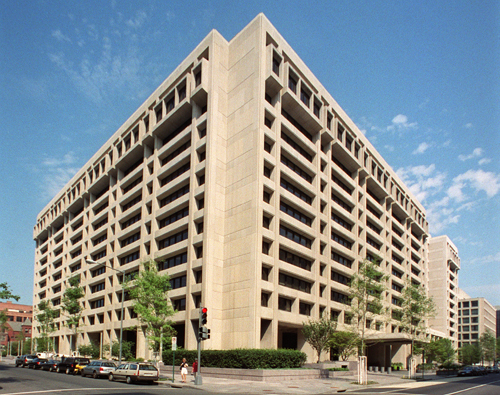
The International Monetary Fund has raised concerns that global markets are underestimating the potential economic impact of geopolitical tensions. Amid signs of improving economic stability, especially as global disinflation enters its final stages, the IMF has identified several medium-term risks that could significantly disrupt financial markets. According to its latest Global Financial Stability Report, while short-term global financial stability risks have receded, major vulnerabilities persist.

The IMF’s warning comes at a time when many market participants are hopeful about the prospects of a “soft landing” for the global economy, aided by disinflation and easing monetary policies. Emerging markets have shown resilience, and international debt issuance has picked up in some frontier economies. Despite these optimistic signs, there are concerns that the financial system remains fragile, especially in light of potential external shocks.

One of the key areas flagged by the IMF is the growing strain in the commercial real estate sector. Rising interest rates over the past year have exposed vulnerabilities within the sector, and further shocks could worsen these conditions. The IMF also points to signs of credit deterioration among corporations, which could intensify if adverse economic conditions continue.

The report highlights that geopolitical tensions remain a significant factor that global markets may be neglecting. Escalating geopolitical conflicts, such as the war in Ukraine and ongoing trade disputes between major economies, present long-term threats that could disrupt financial systems worldwide. These risks are further compounded by cyber threats, which the IMF notes have been on the rise. Although no major systemic disruptions have been caused by cyber incidents so far, the increasing probability of severe cyberattacks poses a looming threat to global macroeconomic stability.

In addition to geopolitical and cyber risks, the IMF underscores the vulnerability of the corporate credit market, which has expanded rapidly in recent years. This market, particularly in private credit, now rivals more traditional forms of lending, including commercial banking. While private credit markets have served as an important source of capital for mid-sized firms, they are also exposed to higher risks. A sudden downturn in economic conditions or a sharp increase in interest rates could leave many of these firms struggling to meet their debt obligations, creating ripple effects throughout the global financial system.

While the IMF acknowledges the progress made in global disinflation and the efforts of central banks to maintain stability, it is urging policymakers and financial institutions to remain vigilant. The report recommends that governments and central banks continue to assess and address medium-term risks while maintaining a focus on geopolitical and cyber threats that could lead to severe disruptions.

Donald Trump has unveiled a tax reform proposal aiming to exempt approximately 93.2 million Americans from federal income taxes. This ambitious plan focuses on eliminating income tax liabilities for individuals earning below a certain threshold, which aligns with Trump’s ongoing efforts to reshape the tax system and promote economic growth. The initiative proposes significant changes, including the removal of taxes on tips and Social Security benefits, signaling a shift in fiscal policy that may impact millions of low- and middle-income workers.

Central to Trump’s tax strategy is the introduction of a new revenue framework based on tariffs, which he argues will replace the traditional income tax model. The proposal outlines a universal 20% tariff on all imports, with an even steeper 60% tariff on goods imported from China. By doing so, the former president aims to generate substantial revenue that would fund his tax cuts and other fiscal initiatives. This approach represents a fundamental change in how the government would collect revenue, relying more heavily on trade rather than direct taxation of citizens’ incomes.

The proposed reforms have sparked debate among economists and policymakers regarding their viability and potential consequences for the economy. Proponents argue that the elimination of income taxes for a large segment of the population would increase disposable income, thereby stimulating consumer spending and fostering economic growth. They contend that individuals who currently face a significant tax burden would have more resources to invest in goods, services, and savings.

Critics, however, caution that such a tax overhaul could lead to considerable budget deficits if the anticipated tariff revenues do not materialize as projected. They highlight that a universal 20% tariff on imports could provoke retaliation from trade partners, particularly China, potentially escalating into a trade war. The economic implications of increased tariffs could also ripple through domestic industries that rely on imported materials, resulting in higher costs for consumers and businesses alike.

Key players in the political landscape are beginning to respond to Trump’s tax plan. Some members of Congress have expressed cautious optimism, suggesting that the proposal may resonate with constituents frustrated by high taxes. Others remain skeptical, voicing concerns about the long-term fiscal implications and the impact on essential government services funded by income tax revenue.

The plan’s reliance on tariffs raises questions about its impact on inflation. With increased costs associated with imported goods, the price of everyday items could rise, disproportionately affecting low-income families who already spend a larger share of their income on necessities. Economists warn that the resulting inflationary pressures could negate any short-term benefits gained from tax exemptions.

Public opinion regarding tax reforms is mixed. A recent survey indicates that while many Americans favor tax cuts, there is significant apprehension about how those cuts would be funded. The possibility of higher consumer prices due to increased tariffs creates a dilemma for many voters, who may find themselves caught between lower taxes and rising costs of living.

Amid this backdrop, Trump’s proposal has found both support and resistance within the Republican Party. Some party members see this as an opportunity to fulfill a long-standing goal of overhauling the tax system in a way that aligns with conservative principles. Others warn against the potential fallout from abandoning traditional income tax structures, emphasizing the need for a balanced approach to tax reform that safeguards government revenue and public services.

As discussions surrounding the proposal continue, financial markets are watching closely. The uncertainty around tariff policies and their economic repercussions could lead to increased volatility, especially in sectors sensitive to trade. Investors are likely to assess how the tax plan and its implementation will influence consumer behavior and corporate profits.

While the tax reform proposal seeks to simplify the tax code and alleviate the burden on a significant portion of the American population, the broader implications of such changes remain to be fully understood. Stakeholders from various sectors are encouraged to engage in the debate, weighing the benefits of tax relief against the potential economic risks associated with an untested revenue model reliant on tariffs.

SHANGHAI, CHINA – Media OutReach Newswire – 22 October 2024 – This year’s Global Data Ecosystem Conference in Shanghai focused on blockchain technology and innovations in how it can be used in different areas. Shanghai can be a pioneer in exploring advanced technologies, including blockchain and data space, Shen Zhulin, deputy head of the National Data Administration, said at the conference held from Oct. 19 to 20. […]

VISHNU RAJA
RYO YAMADA
HITORI GOTOH
IKUYO KITA