News related to
trade

BEIJING, CHINA – Media OutReach Newswire – 18 September 2024 – At the recent 2024 China International Fair for Trade in Services, the “Cultural Tourism Services” exhibition booth of the Beijing Economic-Technological Development Area (also known as Beijing E-Town) in Hall 9 of the Shougang Park captured attention with its strong “tech vibe.” Covering approximately 136 square meters, the booth was divided into three sections: “Technology Leading […]

Bybit, a leading player in the cryptocurrency industry, has released a joint report with BlockScholes, offering a deep dive into how Bitcoin (BTC) could respond to the upcoming U.S. election and the Federal Reserve’s anticipated rate cuts cycle. As the global economic landscape braces for continued market shifts, crypto investors are closely examining how these key events may influence digital assets, particularly Bitcoin, amid heightened volatility.

The report highlights that Bitcoin is expected to play a pivotal role in shaping the investment portfolios of many as traders weigh traditional and digital assets in a volatile environment. Bybit’s collaboration with BlockScholes, a well-regarded firm specializing in digital asset analysis, provides a timely look at how Bitcoin’s market positioning could shift as macroeconomic conditions evolve in the United States.

Increased volatility is forecasted as the U.S. gears up for its election cycle, coupled with the Federal Reserve signaling rate cuts aimed at addressing inflation and promoting economic growth. The report notes that Bitcoin’s decentralized nature, combined with its growing adoption among institutional investors, positions it as a potential hedge against traditional economic risks, such as inflationary pressures and fluctuations in interest rates.

Experts within the report suggest that Bitcoin could see more significant price fluctuations in the lead-up to the U.S. election as political uncertainty traditionally drives volatility in markets. While rate cuts are generally seen as supportive for risk assets, the impact on Bitcoin is expected to vary, given its unique role within the broader financial system. The report underscores that Bitcoin’s correlation with traditional assets, such as equities, has weakened, allowing it to act as a relatively independent asset class under certain macroeconomic conditions.

Cryptocurrency’s growing prominence in the U.S. election has emerged as a key theme in the report. Regulatory developments and policy stances on digital assets are increasingly coming to the forefront of the political discourse. The report indicates that political candidates’ positions on crypto regulation could directly impact market sentiment, particularly if the regulatory environment tightens or loosens significantly.

Federal Reserve’s impending rate cuts are another critical component analyzed within the report. Traditionally, rate cuts boost liquidity in financial markets and can lead to increased investments in high-risk assets. Bitcoin, often referred to as “digital gold,” has historically reacted to monetary policy shifts in unique ways. Its supply cap of 21 million coins, coupled with its decentralized network, makes it immune to inflationary policies that typically affect fiat currencies. Thus, Bitcoin has become an attractive store of value for those looking to protect their wealth from fiat debasement.

However, the report also warns that Bitcoin’s price volatility, a defining characteristic of the asset, may deter risk-averse investors. This volatility may be further compounded by the uncertain geopolitical environment, including the upcoming U.S. election, which could result in unpredictable swings in market sentiment. As political parties finalize their campaign platforms, their approaches to digital currency regulation could heavily influence Bitcoin’s trajectory.

One of the key insights provided in the report revolves around Bitcoin’s potential to act as a hedge against inflationary pressures that are likely to emerge from the rate cuts cycle. Historically, Bitcoin’s price has shown a correlation with inflation expectations. With the Federal Reserve expected to implement rate cuts to stimulate economic growth, the possibility of higher inflation looms large, leading some investors to turn to Bitcoin as a protective asset.

Bybit and BlockScholes also address the growing institutional interest in Bitcoin. Institutional investors have been increasingly incorporating Bitcoin into their portfolios as a diversification tool. According to the report, Bitcoin’s risk-adjusted returns remain attractive compared to traditional assets, particularly during periods of monetary easing. The report suggests that institutional adoption will likely accelerate if Bitcoin continues to outperform traditional assets, further solidifying its place in the financial ecosystem.

While the report provides an optimistic view of Bitcoin’s role amid macroeconomic uncertainties, it also emphasizes the risks associated with regulatory overreach. Stringent crypto regulations could stifle innovation and adoption, creating headwinds for Bitcoin’s growth. The U.S. election could act as a critical inflection point for the future of cryptocurrency regulation, and any shifts in the political landscape may directly affect Bitcoin’s price movements.

Additionally, Bybit and BlockScholes explore the implications of central bank digital currencies (CBDCs) and their potential impact on Bitcoin. As more governments, including the U.S., explore the introduction of digital currencies, the competition with decentralized cryptocurrencies like Bitcoin could intensify. The report suggests that while CBDCs offer greater control to governments and central banks, Bitcoin’s appeal lies in its decentralized nature, which could bolster its attractiveness as a hedge against centralization.

The report’s findings come at a time when the crypto market is experiencing renewed interest, driven by global economic uncertainty and growing distrust in traditional financial systems. Bybit’s CEO, Ben Zhou, remarked that Bitcoin is poised to benefit from the confluence of economic and political factors, though caution is warranted due to the unpredictable nature of both the election and the rate cuts.

Bybit’s partnership with BlockScholes ensures a thorough and data-driven approach to analyzing Bitcoin’s future prospects. The report consolidates a wide range of market data, including historical performance, macroeconomic trends, and political analysis, providing a holistic view of Bitcoin’s potential paths forward.


The Pokémon Company has achieved a significant legal victory, securing $15 million in a lawsuit against Chinese entities accused of intellectual property theft. This ruling addresses the unauthorized distribution of the game “Pocket Monster Reissue,” which allegedly copied elements from the popular Pokémon franchise.

The lawsuit, filed in a U.S. federal court, was centered around claims that several Chinese companies had unlawfully reproduced and distributed “Pocket Monster Reissue,” a game that closely mirrored the Pokémon series. The court found substantial evidence that these companies had infringed on The Pokémon Company’s copyrights and trademarks, leading to the substantial financial penalty.

In its judgment, the court highlighted that the game “Pocket Monster Reissue” contained numerous elements directly copied from the Pokémon series, including character designs, gameplay mechanics, and visual assets. This infringement was deemed to not only harm The Pokémon Company’s intellectual property but also mislead consumers who were led to believe they were purchasing an authentic Pokémon product.

The legal action against the Chinese companies has been ongoing for several years, with The Pokémon Company initially filing the complaint in 2020. The company argued that the unauthorized game undermined its brand and diverted potential revenue. The $15 million awarded will be used to compensate for damages and cover legal costs incurred during the litigation process.

This ruling underscores the broader issue of intellectual property theft in the digital age, particularly with the rise of online gaming and app distribution platforms. The Pokémon Company’s success in this case may set a precedent for similar cases involving digital content theft and enforcement of intellectual property rights.

By Sushil Kutty The NDA government of Prime Minister Narendra Modi completed its first 100 days on September 17 with Modi as third term Prime Minister. How did he fare was the topic of the day, which was also his birthday. Prime Minister Narendra Modi turned 74 on Tuesday and the celebrations were rather muted. […]


DP World and Nedbank have announced a strategic partnership aimed at enhancing trade finance solutions across Africa. This collaboration seeks to address the continent’s working capital needs, offering a robust framework designed to support businesses engaged in import and export activities. The alliance between the global logistics giant DP World and the South African banking institution Nedbank aims to streamline financial processes and improve accessibility to trade […]

Masdar, the UAE-based renewable energy giant, remains resolute in its commitment to an open trade policy amidst ongoing global supply chain disruptions. The company’s CEO, Mohamed Jameel Al Ramahi, emphasized that maintaining trade openness is crucial for navigating the complexities of the current international market. His statements underscore Masdar’s strategy to sustain and enhance its global partnerships despite the ongoing turbulence affecting global logistics and supply chains. […]

The United Arab Emirates (UAE) and Japan are set to begin formal discussions aimed at establishing a comprehensive trade agreement. This move reflects a strategic push by both nations to bolster their economic relationship and enhance bilateral trade flows.

The announcement of these forthcoming negotiations comes amidst a broader global trend where countries are seeking to solidify economic alliances and diversify their trade partnerships. For the UAE, a key player in the Middle Eastern economy, this deal is expected to open new avenues for trade and investment, particularly in sectors such as technology, energy, and infrastructure. Japan, renowned for its advanced technology and industrial capabilities, views this agreement as a strategic opportunity to strengthen its economic presence in the Gulf region.

Current trade between the UAE and Japan is robust, yet both countries believe that there is significant untapped potential. According to the latest figures, Japan is one of the UAE’s leading trading partners in Asia, with a notable presence in areas like automotive and electronics. However, both nations see the potential to expand their economic ties beyond these sectors, focusing on high-tech industries and sustainable development projects.

The trade discussions are expected to address a range of issues, including tariff reductions, market access, and investment protections. The goal is to create a mutually beneficial framework that not only enhances economic cooperation but also facilitates smoother business operations for companies in both countries.

Economic experts suggest that the deal could significantly impact the trade dynamics of the region. By integrating Japan’s technological advancements with the UAE’s strategic location and energy resources, the agreement may lead to innovative collaborations and investments. This aligns with the UAE’s Vision 2030, which aims to diversify its economy away from oil dependence and foster innovation and sustainability.

In recent developments, both governments have been actively preparing for these negotiations by conducting preparatory meetings and consultations with key industry stakeholders. The UAE’s Ministry of Economy and Japan’s Ministry of Foreign Affairs have been working closely to outline the negotiation framework and key areas of focus.

The potential trade agreement could also pave the way for deeper economic integration between the two nations. For Japan, which has been seeking to expand its economic footprint in the Middle East, this deal represents a significant step towards achieving greater market penetration. The UAE, on the other hand, is looking to leverage this partnership to enhance its role as a global business hub.

Additionally, the agreement is likely to cover aspects such as intellectual property rights, regulatory cooperation, and environmental standards, reflecting a modern approach to international trade agreements that goes beyond traditional tariff issues. This comprehensive approach aligns with global trade practices aimed at fostering sustainable and equitable economic growth.

Both nations are also expected to explore collaborative opportunities in emerging sectors such as renewable energy, digital technology, and advanced manufacturing. The UAE has been making substantial investments in renewable energy and technological innovation, while Japan is a global leader in high-tech industries. This alignment could lead to joint ventures and projects that benefit both economies.

As the UAE and Japan embark on these trade discussions, there is considerable optimism about the potential outcomes. The agreement is anticipated to strengthen economic ties, promote mutual investment, and contribute to regional stability. For businesses in both countries, this deal could open new markets and opportunities, further enhancing the economic relationship between these two important partners.

Advertisements

Air France-KLM and Deutsche Lufthansa AG have temporarily suspended flights to Israel and Lebanon due to escalating regional tensions. This move by major European carriers highlights the growing concerns over passenger safety amidst ongoing geopolitical unrest. Air France-KLM’s decision to halt flights affects both direct services to Tel Aviv and connections through other European hubs. The airline cited a “significant deterioration in the security situation” as the […]

Dubai continues to assert its dominance in the maritime industry, securing a place among the top five cities in the 2024 International Shipping Centre Development Index (ISCD). This marks the fifth consecutive year that Dubai has been recognized as a leading global shipping hub. The city’s enduring success in the ISCD underscores its pivotal role in international trade and shipping.

The ISCD, which is published annually, evaluates major maritime cities based on various factors including shipping services, port infrastructure, and connectivity. Dubai’s performance in this index reflects its strategic position, sophisticated infrastructure, and robust maritime services that cater to global trade demands.

Dubai’s port facilities, notably the Jebel Ali Port, play a crucial role in its high ranking. As one of the largest and most advanced ports in the world, Jebel Ali has been instrumental in facilitating extensive cargo handling and logistics operations. The port’s capacity and efficiency continue to attract significant maritime traffic, reinforcing Dubai’s status as a major international shipping center.

Another key factor contributing to Dubai’s top position is its advanced maritime services sector. The city hosts a range of shipping-related services, including ship management, brokerage, and maritime law. The presence of these services enhances Dubai’s appeal to global shipping companies and reinforces its role as a central hub for maritime business.

Dubai’s strategic initiatives in maritime infrastructure development also bolster its position. Investments in new technologies, expansion of port facilities, and the development of logistics hubs have all contributed to enhancing the city’s shipping capabilities. These developments ensure that Dubai remains competitive in an increasingly globalized maritime industry.

Moreover, Dubai’s favorable business environment and regulatory framework support its shipping industry. The city’s policies and regulations are designed to facilitate ease of doing business, which is crucial for attracting international shipping companies. This business-friendly environment, coupled with Dubai’s commitment to continuous improvement, solidifies its position as a leading global shipping center.

Chinese chip-related stocks experienced a significant surge following claims of a breakthrough in the development of domestic semiconductor manufacturing equipment. This advancement represents a crucial step towards mitigating the impact of US sanctions that have hampered the country’s semiconductor industry. The breakthrough, announced by Chinese state media, highlights a shift towards self-sufficiency in a sector heavily influenced by international trade restrictions.

The recent development is seen as a strategic move by China to bolster its semiconductor industry, which has faced substantial challenges due to US export controls and restrictions on technology transfers. The new equipment reportedly allows for more advanced and efficient production processes, positioning China closer to achieving its goal of reducing dependence on foreign technology. This progress has fueled optimism among investors, leading to notable gains in the stock prices of several major Chinese semiconductor companies.

Investors and analysts are closely monitoring the impact of this technological advancement on the broader semiconductor market. The breakthrough is expected to accelerate China’s efforts to enhance its technological capabilities and secure a competitive edge in the global semiconductor supply chain. This move aligns with China’s broader strategy to develop key technologies and reduce reliance on international suppliers amid growing geopolitical tensions.

The Chinese government’s focus on advancing its semiconductor capabilities is part of a larger initiative to strengthen the country’s technology sector and achieve greater self-reliance. This initiative is driven by concerns over the potential for future trade disputes and technological restrictions that could affect China’s access to critical components and technologies. By developing domestic manufacturing capabilities, China aims to mitigate these risks and establish a more resilient semiconductor industry.

The semiconductor industry has been a focal point of US-China trade tensions, with both nations competing to dominate this critical technology sector. US sanctions and export controls have targeted Chinese companies and restricted their access to advanced semiconductor technologies and equipment. In response, China has accelerated efforts to develop its own technology and reduce its dependence on foreign suppliers.

The announcement of the equipment breakthrough has generated enthusiasm among investors, reflecting confidence in China’s ability to overcome external pressures and advance its semiconductor sector. Analysts are observing the potential long-term effects of this development on the global semiconductor market and its implications for international trade relations.

China’s progress in semiconductor technology is also seen as a reflection of broader trends in the global technology landscape. The race to develop advanced semiconductor technologies is intensifying as countries and companies strive to secure their positions in this vital industry. The outcome of this competition will likely influence the future dynamics of the global technology sector and shape the trajectory of international trade and investment.

Donald Trump has taken a surprising turn by fully embracing cryptocurrency, unveiling a digital platform called World Liberty Financial. Once a vocal critic of Bitcoin, labeling it a “scam,” Trump’s shift comes as part of a larger political strategy, aligning with his 2024 presidential campaign. The former U.S. president announced his new project, aimed at the decentralized finance (DeFi) space, during a livestream on X Spaces, where […]

Crypto trading platform Bitsgap has unveiled its latest innovation, an AI Assistant designed to help traders manage their portfolios with greater efficiency. This move marks a significant advancement for the platform, positioning Bitsgap as one of the first to incorporate artificial intelligence into its crypto trading infrastructure. The AI-driven features aim to simplify the complex nature of cryptocurrency trading, empowering users with more robust tools to navigate the often-volatile market.

Bitsgap’s AI Assistant leverages the platform’s extensive experience in developing automated trading systems. The new tool integrates AI insights into portfolio management across multiple partner exchanges, including Binance, OKX, and KuCoin. By shifting the focus from individual trading bots to comprehensive portfolio oversight, the AI Assistant provides traders with a more holistic approach to managing digital assets such as Bitcoin. This shift allows for a diversified trading experience that moves beyond simple asset-to-asset transactions and into more intricate portfolio strategies.

The AI at the core of Bitsgap’s new feature scans thousands of cryptocurrency pairs across all connected exchanges. Using advanced algorithmic models and back testing, it selects the most suitable automated trading strategies based on the user’s portfolio and market conditions. These insights help users make more informed decisions, even in unpredictable market environments, offering a data-backed advantage that sets Bitsgap apart from traditional trading platforms.

What sets the AI Assistant apart from previous iterations of automated trading is its focus on portfolio-wide strategy rather than micromanaging individual bots. Traders can now set broader goals for their portfolios, and the AI Assistant takes on the task of executing these strategies, adjusting based on market fluctuations and user preferences. Among the standout features are take-profit options, which allow traders to lock in gains across several bots, ensuring that profits are realized even when market conditions shift. The system also provides enhanced portfolio management tools, offering streamlined control over assets and a clearer understanding of how different trading bots are performing in relation to one another.

Bitsgap’s representatives emphasized that the AI Assistant was developed in response to the increasing complexity of the crypto market. With thousands of cryptocurrencies in circulation and numerous trading pairs available, managing trades effectively has become a challenge for both novice and seasoned traders alike. By introducing AI-driven strategies, Bitsgap hopes to mitigate the unpredictability of the market while still allowing users the freedom to engage with a variety of trading opportunities. The platform aims to make crypto trading accessible without sacrificing the sophistication required to stay competitive in a fast-paced market.

The company’s decision to focus on AI reflects broader trends in the financial technology sector, where artificial intelligence is becoming a critical tool for improving decision-making processes. Automated trading has been a hallmark of the cryptocurrency world for several years, but the introduction of AI technology represents a new phase of innovation. It signals a move towards more intelligent, responsive trading systems that can adapt to market changes more rapidly than human traders could ever hope to achieve.

The AI Assistant’s launch comes at a time when crypto markets are increasingly influenced by data-driven decisions, and Bitsgap’s decision to incorporate this technology reflects its commitment to staying ahead of industry trends. The platform’s AI tools are designed to accommodate both seasoned traders and those new to cryptocurrency, offering customizable features that can be tailored to a user’s experience level and risk tolerance. Whether a trader is managing small sums or larger, more complex portfolios, Bitsgap’s AI Assistant offers a level of flexibility that appeals to a broad spectrum of investors.

Moreover, the new feature underscores Bitsgap’s focus on offering a seamless user experience. The platform has long been known for its user-friendly interface, and the introduction of AI technology is designed to build upon that foundation, making advanced trading techniques more accessible without overwhelming users with complex algorithms or overly technical interfaces. The AI Assistant’s intuitive design allows traders to focus on strategy while the system handles the execution, freeing users from the need to constantly monitor individual trades.

The integration of the AI Assistant also marks a broader shift in how cryptocurrency trading is evolving. As markets become more data-centric, the ability to process vast amounts of information quickly and accurately is increasingly becoming a competitive edge. Bitsgap’s AI technology offers traders an opportunity to capitalize on this shift, allowing them to make faster, more informed decisions without the need for constant manual input.

Although artificial intelligence is still an emerging technology in the realm of cryptocurrency trading, Bitsgap’s investment in AI tools shows a clear understanding of where the market is heading. The platform’s new feature is likely to attract attention from both casual traders and institutional investors, who are always on the lookout for systems that provide an edge in an increasingly crowded market.

The UAE and Australia have reached a significant trade agreement aimed at enhancing bilateral economic cooperation, marking a milestone for both nations. Australian Trade Minister Don Farrell announced the deal, which is expected to accelerate exports of Australian agricultural products and increase investment flows into the UAE, particularly in green energy and critical minerals. This development underscores the growing ties between the two economies, which are already […]

Dubai is gearing up to transform urban transportation with the introduction of fully electric flying taxis, expected to be operational by the first quarter of 2026. Khaled Al Awadhi, Director of the Transportation Systems Department at Dubai’s Roads and Transport Authority (RTA), announced the ambitious plan during the World Congress and Exhibition on Intelligent Transport Systems (ITS World Congress), which is currently being hosted at the Dubai World Trade Centre.

The flying taxi initiative is part of Dubai’s broader Advanced Air Mobility (AAM) strategy. Al Awadhi emphasized that Joby Aviation, a California-based aerospace company, will be supplying the electric air taxis. The first operational vertiport is projected to be in service by early 2026, positioning Dubai as a global leader in next-generation transport solutions.

The AAM project aims to address the challenges of urban congestion by offering a sustainable, fast, and technologically advanced mode of transportation. The development of vertiports—specially designed airports for vertical take-off and landing (VTOL) aircraft—is a key component of this initiative. Four vertiports are currently planned across Dubai, strategically located to integrate seamlessly with existing public transport networks. Al Awadhi stated that the inaugural vertiport will be situated near Dubai International Airport, ensuring connectivity between the air taxi system and traditional aviation services.

The announcement was made on the sidelines of the ITS World Congress, a prestigious event bringing together global thought leaders in mobility innovation. The congress, running from September 16th to 20th, has provided a platform for Dubai to showcase its cutting-edge advancements in transport technology and its commitment to sustainability. The flying taxi service will be a cornerstone of this vision, contributing significantly to reducing carbon emissions and improving traffic flow in the city.

Joby Aviation has been at the forefront of electric VTOL technology, and its selection as Dubai’s partner for the air taxi project underscores the city’s focus on leveraging innovative and environmentally friendly technologies. Joby’s aircraft, known for their quiet operation, have the capability to carry passengers over urban areas at speeds exceeding 200 kilometers per hour. This makes them an ideal solution for reducing travel time between key locations across the city.

The flying taxi system is expected to offer a premium transport experience, initially targeting business travelers and high-income individuals seeking faster commutes across Dubai’s busiest areas. Over time, as the technology matures and production scales up, the service could become accessible to a broader segment of the population, contributing to the city’s vision of becoming a global smart mobility hub.

The launch of electric air taxis in Dubai aligns with the emirate’s long-standing reputation as a pioneer in futuristic transport solutions. Dubai has consistently been at the forefront of introducing advanced mobility technologies, such as autonomous vehicles and hyperloop systems, with the flying taxis marking another major milestone. The city’s authorities have placed a strong emphasis on ensuring that the new air mobility service will be fully integrated with existing transport systems, providing a smooth transition for commuters and tourists alike.

RTA’s collaboration with Joby Aviation marks a significant step in the global race to bring electric air taxis into commercial use. Other cities around the world, including Paris and Los Angeles, have announced similar plans, but Dubai’s established infrastructure and commitment to innovation provide a distinct advantage in bringing this technology to life.

Al Awadhi also highlighted that the development of regulations and safety standards for the flying taxi service is already underway. The Dubai Civil Aviation Authority (DCAA) is closely coordinating with international aviation bodies to ensure that the air taxi service complies with global safety standards. As the launch date approaches, RTA will also conduct public awareness campaigns to familiarize residents with the new service and address any concerns related to safety and affordability.

As Dubai looks to the future of urban transportation, the city is positioning itself as a global leader in sustainable mobility. The electric air taxi service is expected to significantly reduce the city’s carbon footprint, contributing to Dubai’s broader environmental goals under its Green Mobility Strategy. This strategy, which prioritizes the use of clean energy in transportation, has already seen the city introduce electric buses, hybrid taxis, and a growing number of electric vehicle charging stations.

The flying taxi project will also support Dubai’s ongoing efforts to enhance its tourism appeal. As one of the world’s most visited cities, Dubai continues to invest in innovative solutions that enhance the visitor experience. The air taxis, with their futuristic appeal and time-saving advantages, are likely to become a unique attraction for tourists, offering a novel way to view the city’s iconic skyline while cutting down travel time between major landmarks.

SINGAPORE – Media OutReach Newswire – 17 September 2024 – As part of German Chancellor Olaf Scholz’s trip to Central Asia, delegation member Tobias Bartz, CEO and Chairman of the Rhenus Group, is intensifying two significant projects in the region. In Samarkand, as the first in a series of initiatives, the agreement was signed to establish a joint venture with AO “Uztemir’yolkonteyner,” a subsidiary of the Uzbek […]

Gold prices may experience a temporary decline if the Federal Reserve decides to implement a modest 25-basis-point interest rate cut in its upcoming meeting. According to analysts, this anticipated adjustment could momentarily disrupt the precious metal’s upward trajectory. However, the underlying trend remains positive, with projections indicating that gold will ultimately rebound and achieve new highs, driven by increased investment inflows and persistent economic uncertainties.

The Federal Reserve’s monetary policy decisions are pivotal for gold prices, given the metal’s historical role as a hedge against inflation and economic instability. If the Fed proceeds with the quarter-point rate cut, it would mark a cautious approach amid ongoing economic challenges. A smaller rate reduction might not provide the immediate stimulus that markets had hoped for, leading to a short-term sell-off in gold as investors recalibrate their expectations.

Gold’s reaction to such policy moves often hinges on market sentiment and the broader economic context. A rate cut, while generally supportive of gold, could also signal the Fed’s concerns about economic growth, potentially dampening investor enthusiasm in the short term. This dynamic could result in a brief setback for gold prices as market participants assess the implications of the Fed’s decision.

Despite the potential for a near-term dip, the longer-term outlook for gold remains robust. Analysts anticipate that gold will ultimately benefit from sustained economic uncertainties and ongoing investment flows into the metal. Historically, gold has demonstrated resilience during periods of economic volatility, and this trend is expected to continue as investors seek safe-haven assets amid fluctuating market conditions.

One of the key factors driving gold’s future performance is the ongoing trend of rising investment inflows. Institutional investors and central banks have been increasing their gold holdings, viewing the metal as a strategic asset in their portfolios. This growing demand is anticipated to support gold prices and contribute to their upward momentum in the coming months.

Additionally, geopolitical tensions and economic uncertainties are likely to play a significant role in shaping gold’s trajectory. As global markets navigate challenges such as trade tensions, political instability, and evolving economic policies, gold is expected to remain a preferred investment choice. The metal’s ability to act as a hedge against various risks further reinforces its appeal to investors seeking stability and protection.

MicroStrategy is set to raise $700 million through a convertible senior note offering, signaling its unwavering commitment to expanding its Bitcoin holdings. The move underscores the company’s aggressive Bitcoin acquisition strategy, a hallmark of its financial playbook over the past few years. As the largest publicly traded holder of Bitcoin, MicroStrategy’s efforts are closely watched by both market participants and cryptocurrency enthusiasts alike.

The business intelligence firm announced its intention to offer these notes, which will mature in 2029, with the clear purpose of acquiring more Bitcoin. The company has been a vocal supporter of the cryptocurrency, using it as a strategic asset to diversify its balance sheet. CEO Michael Saylor, a staunch advocate for Bitcoin, has long viewed it as a hedge against inflation and a tool for long-term wealth preservation.

MicroStrategy’s fundraising plan follows a history of similar moves. Over the past three years, the company has repeatedly tapped the debt markets to fund its Bitcoin purchases. The current offering will likely draw substantial attention, given the company’s established pattern of securing funding to accumulate the cryptocurrency. As of the most recent disclosure, MicroStrategy holds approximately 152,800 Bitcoin, worth over $4 billion at current market prices, further solidifying its position as a leading corporate Bitcoin holder.

The convertible notes being issued will carry a fixed interest rate and offer investors the option to convert the debt into MicroStrategy’s common stock, subject to certain conditions. This structure has been favored by the company in prior offerings, allowing it to raise capital without diluting shareholder value immediately. Investors, in turn, are attracted by the potential upside of converting their debt into equity should the company’s stock appreciate, largely driven by the value of its Bitcoin holdings.

MicroStrategy’s bold strategy has both supporters and skeptics. Proponents argue that Bitcoin represents a long-term store of value, particularly in the face of global inflationary pressures. For them, the cryptocurrency’s decentralized nature and limited supply provide a safeguard against traditional monetary policies that may erode the value of fiat currencies. Saylor, who has emerged as one of Bitcoin’s most high-profile advocates, has consistently framed the company’s Bitcoin purchases as a prudent financial decision to protect shareholder value.

On the other hand, critics highlight the risks associated with this approach. Bitcoin’s volatility is a significant concern, with the cryptocurrency experiencing wide swings in value over short periods. A downturn in the digital asset’s price could lead to substantial losses for MicroStrategy, especially given the company’s heavy exposure. Moreover, the decision to use debt financing to purchase a volatile asset has raised eyebrows among financial analysts, some of whom caution against the potential pitfalls of leveraging corporate debt for such purposes.

Despite these concerns, MicroStrategy has doubled down on its strategy. Saylor’s conviction in Bitcoin’s potential as a transformative financial asset has remained undeterred, even during periods of market turbulence. The company’s latest move to raise $700 million further solidifies its intent to continue buying Bitcoin, regardless of market conditions.

The global cryptocurrency landscape has experienced significant developments, with Bitcoin remaining at the forefront. Its adoption as a digital asset by institutional investors has grown over the years, as companies like MicroStrategy have played a pivotal role in driving mainstream acceptance. By integrating Bitcoin into its corporate strategy, MicroStrategy has positioned itself as a trailblazer, with other firms following its lead to varying degrees.

However, MicroStrategy’s approach is not without precedent in the corporate world. Several high-profile companies, particularly in the tech and financial sectors, have taken steps to add Bitcoin to their balance sheets, though none have done so as aggressively as MicroStrategy. Tesla, for instance, made waves when it announced a significant Bitcoin purchase in 2021, though it has since sold off a portion of its holdings. Square, now known as Block, has also invested in Bitcoin, aligning with CEO Jack Dorsey’s vision of the cryptocurrency as a key component of the future financial system.

What sets MicroStrategy apart is the scale and consistency of its Bitcoin acquisitions. Unlike other companies that have taken a more cautious approach, MicroStrategy has continually purchased Bitcoin, regardless of price fluctuations or market sentiment. The company’s actions have been closely tied to Saylor’s personal belief in Bitcoin’s value proposition. His public statements often emphasize that Bitcoin is the “hardest” form of money available, with a fixed supply that cannot be manipulated by governments or central banks.

As MicroStrategy continues to accumulate Bitcoin, it faces both opportunities and challenges. The company’s Bitcoin holdings have undoubtedly increased its visibility in the market, making it a proxy for institutional interest in the cryptocurrency. This visibility, however, comes with heightened scrutiny. Investors will be watching closely to see how the company manages the risks associated with its large Bitcoin position, particularly in light of the cryptocurrency’s well-known volatility.

HONG KONG SAR – Media OutReach Newswire – 17 September 2024 – In celebration of the 25th anniversary of SaloneSatellite, Salone del Mobile.Milano has partnered with IDFFHK (International Design Furniture Fair Hong Kong) in bringing the exquisite ‘SaloneSatellite Permanent Collection 1998-2024′ exhibition overseas for the first time. This remarkable exhibition, curated and designed by Salone del Mobile.Milano, will be showcased in Hong Kong this November at the […]

KUALA LUMPUR, MALAYSIA – Media OutReach Newswire – 16 September 2024 – No matter what tradable instruments a trader prefers, understanding the spreads is instrumental in successfully navigating the financial markets. The experts at Octa, a globally recognised broker since 2011, summarise the key points every trader should know about spreads. The annoying ubiquity of spreads Any trader, regardless of the asset classes in their portfolio, deals […]

81% of Manufacturing Industries Yet to Embrace Smartification Solutions 7 Key Recommendations to Ignite New Momentum in Hong Kong Manufacturing HONG KONG SAR – Media OutReach Newswire – 16 September 2024 – Hong Kong Productivity Council New Industrialisation (HKPC New Industrialisation) announces key findings from the “Hong Kong Manufacturing Industries Development Study Report”, jointly conducted by Deloitte China at the newly opened Future Manufacturing Hall. The study […]

A foreign bank operating in the United Arab Emirates (UAE) has been fined $1.4 million (Dhs 5 million) by the UAE central bank for insufficiently addressing money laundering, financing of terrorism, and related regulatory deficiencies. The financial penalty was announced on Monday as part of the central bank’s commitment to strengthening the country’s financial system and ensuring adherence to global standards in financial transparency and integrity. The […]

Abu Dhabi-based investment firm Lunate has revealed the launch of the first exchange-traded fund (ETF) in the GCC that focuses on German equities. The new Chimera S&P Germany UCITS ETF will offer retail investors in the UAE an opportunity to access Germany’s diversified economy, the largest in Europe and third-largest globally by nominal GDP. Lunate has announced that the ETF will track the S&P Germany BMI Liquid 35/20 Capped Index, a benchmark that includes some of Germany’s most prominent and liquid companies.

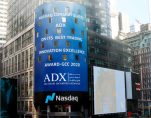
The ETF is set to be listed on the Abu Dhabi Securities Exchange (ADX) on 26th September, marking a key milestone in the region’s growing ETF market. As the first Germany-focused fund available in the GCC, the product reflects increasing interest in European markets, particularly Germany’s robust economic landscape. The benchmark index being tracked by the ETF includes industry giants such as Siemens and Mercedes-Benz, representing sectors pivotal to Germany’s industrial strength.

Lunate, an alternative investment firm with a focus on innovation, has positioned the new ETF as a strategic entry point for regional investors seeking exposure to Germany’s top-tier equities. The firm highlighted that the ETF provides a cost-effective and accessible vehicle for individuals looking to diversify their portfolios beyond regional or U.S.-focused markets. The ETF is structured as a UCITS (Undertakings for the Collective Investment in Transferable Securities), a European regulatory framework known for its high standards of investor protection.

Germany’s economy has long been regarded as a leader in industrial output, innovation, and fiscal responsibility, making it an attractive target for investors looking for stability amidst global market volatility. By tracking the S&P Germany BMI Liquid 35/20 Capped Index, which caps the largest constituents to limit concentration risk, the ETF aims to provide balanced exposure to both established and emerging German firms.

Lunate’s CEO expressed confidence that the ETF will appeal to a broad base of investors in the region, noting that the fund provides an efficient and transparent way to gain access to a diverse range of German equities. The inclusion of companies like Siemens, a global leader in industrial manufacturing and digitalization, and Mercedes-Benz, an automotive powerhouse, highlights the ETF’s focus on industries with strong growth prospects.

The launch of the Chimera S&P Germany UCITS ETF also comes at a time when investor interest in European equities has been growing, particularly as concerns about inflation, supply chain disruptions, and geopolitical tensions weigh on markets globally. Analysts believe that the ETF could attract significant interest, given the relatively stable performance of Germany’s largest companies compared to their international counterparts.

Germany has consistently demonstrated economic resilience, with a solid foundation in sectors such as automotive, manufacturing, and renewable energy. By offering exposure to a wide range of industries, the ETF enables investors to tap into growth opportunities within Germany’s expansive economy. The cap mechanism in the index ensures that the largest firms, which might otherwise dominate, do not excessively influence the fund’s overall performance.

The launch of this ETF also highlights the growing maturity of the ETF market in the GCC. Over the past few years, there has been a noticeable increase in the number and variety of ETFs listed on exchanges like ADX. This trend reflects both increasing investor appetite for passive investment strategies and a recognition of the benefits ETFs offer, such as lower costs, liquidity, and diversification.

While the UAE has been a leader in promoting financial innovation, particularly through initiatives like the introduction of ETFs and the establishment of fintech sandboxes, the listing of a Germany-focused ETF signals a more international outlook for the region’s financial markets. The product opens up new avenues for UAE-based investors to participate in the European market without the need to navigate foreign exchanges or deal with the complexities of direct international investments.

The Chimera S&P Germany UCITS ETF is part of a broader strategy by Lunate to expand its offerings in the passive investment space. The firm has been keen to capitalize on the growing popularity of ETFs, which have become a preferred investment vehicle for many due to their flexibility, lower costs compared to traditional mutual funds, and ability to track specific sectors, regions, or asset classes.

The decision to focus on Germany appears strategic, as Germany remains a global hub for innovation and sustainability. With a strong industrial base and leadership in sectors such as automotive, renewable energy, and high-tech manufacturing, Germany continues to attract investment from around the world. Moreover, the country’s long-standing commitment to fiscal discipline has made it a safe haven for investors, particularly during times of economic uncertainty.

The ETF will be accessible to retail investors across the UAE, and its listing on ADX is expected to generate interest from a broad segment of the investment community. By providing exposure to Germany’s most liquid companies, Lunate aims to meet the growing demand for diversified investment products that offer international exposure while maintaining a focus on transparency and cost-efficiency.

Arabian Post Staff -Dubai The Abu Dhabi Securities Exchange (ADX) has enacted a new ban on insider trading effective immediately, targeting potential market abuses ahead of the third-quarter financial disclosures. This move aims to reinforce market integrity and ensure fair trading practices as companies prepare to release their quarterly results. The ADX’s decision, announced on September 14, 2024, responds to growing concerns about market manipulation and the […]

British ministers have commenced a crucial visit to the Gulf Cooperation Council (GCC) nations to negotiate a new trade agreement aimed at strengthening economic ties and enhancing bilateral trade. The delegation, led by UK Trade Secretary Kemi Badenoch, is engaging with key officials across the GCC to explore opportunities for expanding trade and investment.

The UK government’s strategic pivot towards the GCC underscores its intent to bolster trade relations with this economically significant region. The GCC, comprising Saudi Arabia, the United Arab Emirates, Qatar, Kuwait, Oman, and Bahrain, represents a substantial market for British goods and services, with potential benefits for both sides in diversifying and growing their economies.

The discussions are expected to cover a range of topics including tariff reductions, market access, and cooperation in sectors such as technology, finance, and energy. The UK is particularly interested in enhancing its exports of high-value products like aerospace components and pharmaceuticals, while also seeking greater access for its services sector.

The timing of this visit is significant as the GCC countries are investing heavily in their economic diversification plans, notably through initiatives like Saudi Arabia’s Vision 2030 and the UAE’s Economic Diversification Strategy. These plans aim to reduce the region’s dependence on oil revenues and stimulate growth in non-oil sectors. The UK, with its expertise in various industries, is well-positioned to contribute to these goals.

Recent economic data highlights the growing importance of GCC nations as trade partners for the UK. In 2023, UK exports to the GCC reached £10 billion, marking a 15% increase from the previous year. The GCC’s investments in infrastructure, renewable energy, and technology create substantial opportunities for British companies, especially in sectors where the UK has a competitive edge.

During the visit, British officials will also address bilateral investment agreements. The UK and GCC have already signed several agreements to promote and protect investments, but the new talks aim to update and expand these frameworks to better reflect the evolving economic landscape. The focus will be on creating a more transparent and business-friendly environment, which is expected to attract further investment from both sides.

Energy cooperation will be a significant area of discussion. The GCC countries, particularly Saudi Arabia and the UAE, are major players in the global energy market and are also investing in renewable energy projects. The UK’s experience in offshore wind and green technology could play a crucial role in supporting these initiatives, fostering joint ventures, and driving innovation.

The trade negotiations are also taking place against a backdrop of geopolitical shifts and trade realignments. The UK’s post-Brexit trade strategy emphasizes expanding relationships beyond the European Union, and the GCC represents a key component of this strategy. Strengthening trade ties with the GCC aligns with the UK’s broader goals of securing diverse and resilient trade partnerships worldwide.

As the talks progress, there is a strong emphasis on ensuring that the trade deal addresses both economic and regulatory concerns. The British delegation is expected to negotiate terms that facilitate easier market access for British businesses while addressing any barriers to trade and investment.

VISHNU RAJA
RYO YAMADA
HITORI GOTOH
IKUYO KITA
Just in:
Ondine Capital Announces First Close of Fund III to Drive AI and Semiconductor Innovation // Bank99 launches business accounts through Austrian postal network // Apollo broadens Abu Dhabi partnership through Mubadala Capital stake // DIP Holding targets Dh1.12 IPO price and $529m proceeds // UAE outlines Dh200 billion energy investment at ADIPEC // Vingroup And Legends Global Announce Strategic Partnership For VinFast – Trong Dong Stadium // Arrow Electronics showcases technologies advancing intelligent robotics, mobility and digital infrastructure // Probe ordered into new bar licences // mamun raises US$3 million to finance cross-border trade between the Gulf and Asia // xCube Access Welcomes Entrust Capital Limited  Expanding Access to Professional Portfolio Management // XRG secures agreement for $1.45bn Australian LNG stake // Anthropic to prohibit persistent abuse of Claude chatbot // ONYX Hospitality Group Expands Strategic Partnerships through ONYX Rewards // AI trust gap reveals distinct retail priorities: Divergent paths to consumer growth in Hong Kong and the GBA // Bridge Data Centres Appoints New Co-Chief Executive Officer // CPI, CPM dispute portrayal of Vayalar uprising leaders // ChatGPT billing fraud deploys rotating sites for card theft // Democrats capture Senate majority with seven Republican seats // As AI Reshapes Education, Singapore Convenes Global Dialogue on the Future of Early Childhood Education // Winners and losers if a blue wave sweeps US Congress //