News related to
trade

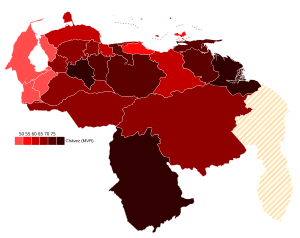
President Donald Trump has declared that, effective April 2, the United States will impose a 25% tariff on all imports from countries purchasing oil or gas from Venezuela. This measure, announced via his Truth Social platform, is aimed at penalizing nations that continue energy trade with Venezuela, which the administration accuses of covertly sending violent criminals into the U.S.

The President’s decision introduces a “secondary tariff” targeting nations engaging in energy transactions with Venezuela. He asserted that Venezuela has “purposefully and deceitfully” sent “tens of thousands” of high-level criminals, including members of the Tren de Aragua gang, into the United States. This gang has been designated as a Foreign Terrorist Organization by the U.S. government.

The impending tariffs are set to affect major importers of Venezuelan oil, notably China and India. India’s significant corporations, such as Reliance Industries Limited and Indian Oil Corporation , which have resumed importing Venezuelan crude following the easing of previous U.S. sanctions, may now face substantial economic repercussions.

This development marks a significant escalation in the U.S.’s economic measures against Venezuela. In August 2017, the Trump administration imposed sanctions targeting Venezuela’s petroleum industry by restricting the trading of Venezuelan bonds in U.S. markets. Further sanctions in January 2019 aimed to pressure President Nicolás Maduro to resign, freezing $7 billion of PDVSA’s U.S. assets and preventing U.S. firms from exporting naphtha to Venezuela.

The President’s announcement has already influenced global oil markets, with Brent crude prices rising by 1% following the news. This surge reflects concerns over potential disruptions in the global oil supply chain and the broader implications of the new tariffs.

The administration’s stance is that these measures are necessary to protect national security and address the alleged threats posed by Venezuela. However, critics argue that such broad tariffs could strain diplomatic relations and have unintended economic consequences for U.S. allies. The lack of detailed implementation plans has also raised questions about the practical enforcement of these tariffs and their impact on ongoing energy contracts.


Six Greater China cities are ranked in the top 20 most expensive office fit out markets in Asia Pacific Hong Kong moves up four places to rank as fifth most expensive fit out market in Asia Pacific, remains most costly in Greater China HONG KONG SAR – Media OutReach Newswire – 24 March 2025 – The cost to fit out an office in key locations across Asia […]

By Nitya Chakraborty Is the Bangladesh Army going to take over control of their politically turbulent country, either from front or behind, to precipitate the holding of early elections? This question is being raised by the seasoned political observers in Dhaka, as the whole of last week was dominated by highly controversial posts on Facebook, […]


Coinbase Global Inc., the largest U.S.-based cryptocurrency exchange, is in advanced discussions to acquire Deribit, a leading platform for Bitcoin and Ether options trading. The potential acquisition has been communicated to regulators in Dubai, where Deribit holds a license.

Deribit, founded in 2016 and headquartered in the Netherlands, has established itself as a dominant force in the cryptocurrency options market, particularly for Bitcoin and Ether contracts. In 2024, the exchange’s options notional trading volume surged 99% year-over-year to $743 billion, with total trading volume nearing $1.2 trillion. This growth underscores the increasing adoption of options and futures among institutional traders seeking risk management tools and leverage in crypto markets.

The potential acquisition aligns with Coinbase’s strategic push to expand its institutional offerings and underscores the growing importance of derivatives in the digital asset space. By integrating Deribit’s robust derivatives platform, Coinbase aims to enhance its product suite for institutional clients and strengthen its position in the competitive cryptocurrency exchange landscape.

While Coinbase’s interest has progressed to advanced stages, it is noteworthy that Kraken, another major U.S. cryptocurrency exchange, has also been in talks with Deribit regarding a potential acquisition. Contrary to earlier reports suggesting that Kraken had withdrawn from negotiations, sources indicate that discussions between Kraken and Deribit are ongoing. This simultaneous interest from two prominent exchanges highlights Deribit’s significant value proposition in the crypto derivatives market.

Deribit’s valuation has been a focal point in these discussions. In January, reports estimated the company’s worth to be between $4 billion and $5 billion. However, with the recent surge in crypto market activity and the heightened interest from major exchanges, the valuation could potentially be higher. Despite the advanced nature of the talks, it remains unclear if Coinbase has reached a final agreement with Deribit, and the discussions may not necessarily result in a deal.

The potential acquisition has been communicated to regulators in Dubai, as Deribit holds a license in the city. This license would be transferred to the acquiring entity, in this case, Coinbase. This regulatory aspect adds a layer of complexity to the negotiations, as compliance with international financial regulations is paramount for both entities.

The cryptocurrency industry has witnessed a surge in mergers and acquisitions, reflecting a maturation of the market and a drive towards consolidation. Exchanges are increasingly seeking to diversify their offerings to cater to a broader clientele, particularly institutional investors who demand sophisticated trading instruments like options and futures. By potentially acquiring Deribit, Coinbase would not only expand its product offerings but also solidify its position as a comprehensive platform for various trading strategies.

For Deribit, integration with a major exchange like Coinbase could provide access to a wider user base and additional resources, potentially accelerating its growth and innovation in the derivatives market. However, such an acquisition would also entail significant integration efforts, including aligning technological infrastructures, compliance protocols, and corporate cultures.

Revitalised Industrial Building Transformed into State-of-the-Art Smart Headquarters Sets Industry Benchmark HONG KONG SAR – Media OutReach Neswire – 21 March 2025 – ATAL Engineering Group (“ATAL”), a leading provider in electrical and mechanical (E&M) engineering and information and communications technology (ICT) services for smart cities, today held the Opening Ceremony for ATAL Design, Research and Training Centre and its new headquarters, ATAL Tower. This milestone underscores […]

Steadfastly Implements High-Quality Development Strategies and Optimize Channel Structures with a Focus on Global Market Expansion HONG KONG SAR – Media OutReach Neswire – 21 March 2025 – ZJLD Group Inc. (“ZJLD” or the “Company”, together with the Company’s subsidiaries, collectively the “Group”) (SEHK stock code: 06979. HK), an outstanding representative in the Chinese baijiu industry and the first baijiu company listed in Hong Kong Stock Exchange, […]

Tron , the blockchain platform known for its high throughput and scalability, has expanded its ecosystem by integrating with the Solana blockchain. This strategic move aims to enhance cross-chain interoperability, offering users and developers increased flexibility within the decentralized finance landscape.

Justin Sun, founder of Tron, announced the integration, stating that TRX is now operational on the Solana blockchain, with full liquidity available. He provided the contract address for the Solana-based TRX coin, emphasizing the readiness of the liquidity pools.

The integration of TRX onto the Solana blockchain represents a significant strategic move for Tron. This cross-chain expansion offers several potential benefits: enhanced liquidity, improved interoperability, and wider adoption. The integration enables TRX to be traded on Solana-native decentralized exchanges like Pump.fun, potentially increasing overall trading volume and market accessibility. As a wrapped token on Solana, TRX can now participate in Solana’s DeFi ecosystem, which is known for its high throughput and low transaction costs. The move exposes TRX to Solana’s growing user base, potentially attracting new investors and users to the Tron ecosystem.

Beyond the Solana integration, Tron has revealed a partnership with Pump.fun to run the launch of PumpSwap, a new native decentralized exchange meant to reinvent liquidity access and cross-chain interoperability.

The integration of TRX into Solana is part of a broader trend towards increased interoperability and collaboration within the blockchain industry. As more projects seek to work together to overcome technical challenges and expand their user bases, this trend is driven by the recognition that no single blockchain can solve all the problems facing the industry, and that collaboration is key to unlocking the full potential of blockchain technology.

This move is expected to enhance the capabilities of smart contracts, NFTs, and DeFi applications within the Tron ecosystem. The collaboration could allow TRX holders to benefit from faster transactions, access cross-chain liquidity, and enjoy lower transaction costs for DeFi operations. Justin Sun’s vision for zero-fee stablecoin transactions on Tron could also gain momentum with this integration, making it more feasible and efficient.

The potential implications of this integration are vast. Direct TRX-SOL exchanges made possible by the integration could reduce dependency on external bridges, minimizing intermediary risks. Tron’s DeFi protocols, such as JustLend and SunSwap, could leverage Solana’s liquidity and ecosystem, expanding their use cases.

The integration of TRX onto the Solana blockchain represents a significant strategic move for Tron. This cross-chain expansion offers several potential benefits: enhanced liquidity, improved interoperability, and wider adoption. The integration enables TRX to be traded on Solana-native decentralized exchanges like Pump.fun, potentially increasing overall trading volume and market accessibility. As a wrapped token on Solana, TRX can now participate in Solana’s DeFi ecosystem, which is known for its high throughput and low transaction costs. The move exposes TRX to Solana’s growing user base, potentially attracting new investors and users to the Tron ecosystem.

Beyond the Solana integration, Tron has revealed a partnership with Pump.fun to run the launch of PumpSwap, a new native decentralized exchange meant to reinvent liquidity access and cross-chain interoperability.

The integration of TRX into Solana is part of a broader trend towards increased interoperability and collaboration within the blockchain industry. As more projects seek to work together to overcome technical challenges and expand their user bases, this trend is driven by the recognition that no single blockchain can solve all the problems facing the industry, and that collaboration is key to unlocking the full potential of blockchain technology.

Advertisements

Nila offers guests a rare taste of Indian coastal cuisine, bringing unique flavours and dining experiences to Thailand BANGKOK, THAILAND – Media OutReach Newswire – 21 March 2025 – ONYX Hospitality Group, a prominent management company in Southeast Asia specialising in hotels and resorts, serviced apartments and luxury residences, is delighted to celebrate the first anniversary of Nila, a Coastal Indian restaurant on the 4th floor of […]

OPEC+ has announced a revised schedule for seven member nations to implement additional oil output cuts, aiming to compensate for previous overproduction. These measures are set to overshadow the planned production increases slated for next month.

The updated plan mandates monthly reductions ranging from 189,000 to 435,000 barrels per day , with the cuts extending until June 2026. This initiative seeks to address the excess output that has occurred despite the group’s ongoing efforts to stabilize the oil market.

Since 2022, OPEC+, which includes members of the Organization of the Petroleum Exporting Countries along with Russia and other allies, has been implementing output cuts totaling 5.85 million bpd, approximately 5.7% of global supply. These cuts were introduced in phases to support market stability amid fluctuating demand and geopolitical tensions.

Despite these efforts, certain member countries have exceeded their production quotas. Kazakhstan, for instance, has seen a significant production surge due to Chevron’s expansion at the Tengiz oilfield, leading to output levels surpassing its OPEC+ quota.

To address this imbalance, the new compensatory cuts will require substantial contributions from Iraq, Kazakhstan, and Russia, with Saudi Arabia also making smaller adjustments. These measures are designed to offset the previous overproduction and align the group’s output with agreed targets.

Concurrently, OPEC+ has decided to proceed with a modest production increase of 138,000 bpd starting in April, citing healthier market conditions. This marks the beginning of a series of monthly hikes intended to gradually restore a total of 2.2 million bpd over the next 18 months, following repeated delays since 2022.

However, the introduction of compensatory cuts raises questions about the net effect on global oil supply. The scheduled reductions are expected to more than offset the planned production hikes, potentially tightening the market further. This development comes amid new U.S. sanctions targeting Chinese entities involved in supplying Iranian oil, which have contributed to a recent uptick in oil prices.

As of Friday, Brent crude futures rose 0.3% to $72.21 per barrel, and U.S. West Texas Intermediate crude futures increased 0.4% to $68.32 per barrel. Both benchmarks were set to rise about 2% for the week, marking the largest weekly gains since early 2025.

The International Energy Agency has noted that increasing global trade tensions and new U.S. tariffs are negatively impacting oil demand and economic growth, creating uncertainty. The IEA revised its oil-demand growth estimates down to 1.03 million bpd from an earlier 1.1 million bpd, while OPEC projects higher growth at 1.45 million bpd.

With OPEC+ set to raise output beyond April and increased production in regions like Kazakhstan, Iran, and Venezuela, the IEA expects global oil supply to exceed demand, foreseeing a surplus of approximately 600,000 bpd. Total supply could average 104.5 million bpd by 2025, driven by non-OPEC+ production growth.

Many factors come into play when choosing a reliable broker to start your trading journey. For someone with limited experience in the markets, this choice can be very confusing, and the priorities are hard to define. However, traders have their own trove of practical knowledge, and tapping into it can shed light on brokers’ red flags. As part of its global research, global broker Octa surveyed hundreds […]

Matein Khalid Starting in 2016, the US has morphed into the world’s largest LNG exporter, eclipsing Australia and Qatar. Trump is determined to achieve global energy dominance as he exploits the geopolitical leverage American LNG exports give him in his relations with Europe, Asia and the GCC. He has pledged to dramatically expand US natural gas production via his “drill baby drill” ethos, rescinded Biden’s environmental pause […]

HONG KONG SAR – Media OutReach Neswire – 20 March 2025 – Hong Kong has maintained its World No.3 ranking in the latest Global Financial Centres Index (GFCI) after New York (No.1) and London (No.2). Hong Kong’s overall rating increased by 11 points to 760, remaining top in the Asia-Pacific region. The biannual GFCI, published today (March 20) by the Z/Yen from the United Kingdom and the […]

Over 10,000 racers are expected to take part in the two-day event happening on 28 and 29 June SINGAPORE – Media OutReach Newswire – 20 March 2025 – AIA Singapore, a leading health insurance provider, today announced its partnership as the Official Title Partner for the highly anticipated AIA HYROX Open Asian Championships 2025 in Singapore. This collaboration underscores AIA Singapore and HYROX Singapore’s shared dedication towards […]

Ripple Labs has achieved a significant legal victory as the U.S. Securities and Exchange Commission officially dropped its lawsuit against the company. This development has not only propelled XRP’s market performance but also opened the door for future financial products centered around the cryptocurrency.

The SEC’s decision to withdraw its case concludes a four-year legal battle that began in December 2020, when the agency accused Ripple of conducting unregistered securities sales totaling $1.3 billion. Ripple’s CEO, Brad Garlinghouse, announced the resolution, marking a pivotal moment for the company and the broader cryptocurrency industry. He described the SEC’s move as a “resounding victory” and a “long overdue surrender” by the regulator.

The immediate market reaction to the news was pronounced. XRP’s price surged by approximately 13%, reaching nearly $2.56. This surge solidified XRP’s position as the third-largest cryptocurrency by market capitalization, trailing only Bitcoin and Ethereum. The broader cryptocurrency market also experienced positive momentum, with Bitcoin rising 2.2% to $84,096 and Ethereum increasing 6.6% to $2,031.

Beyond the immediate market implications, Ripple’s legal victory has broader significance for the cryptocurrency industry. The case had been closely watched as a potential precedent for how digital assets might be regulated in the United States. The SEC’s decision to drop the lawsuit may signal a more favorable regulatory environment for cryptocurrencies, encouraging further institutional adoption and investment.

In the aftermath of the legal resolution, Ripple’s CEO, Brad Garlinghouse, expressed optimism about the company’s future prospects. He anticipates the launch of an XRP exchange-traded fund by the end of 2025, reflecting growing investor interest and potential regulatory acceptance. Garlinghouse stated, “I have immense confidence in the ETFs. I think there are 11 different filings pending with the SEC to launch XRP ETFs. I think those will be live in the second half of this year.”

The potential approval of an XRP ETF would represent a significant milestone for Ripple and the broader cryptocurrency market. ETFs provide investors with a regulated and accessible means to gain exposure to digital assets, potentially attracting a broader investor base. Several applications for XRP ETFs are currently under review by the SEC, including proposals for spot, leveraged, and inverse ETFs. Notably, asset management firm Franklin Templeton has recently joined the list of applicants, underscoring the growing institutional interest in XRP.

The resolution of Ripple’s legal challenges and the anticipated launch of an XRP ETF come at a time of increasing mainstream acceptance of cryptocurrencies. Major financial institutions are exploring digital asset offerings, and regulatory clarity is gradually improving. Ripple’s recent developments position the company to capitalize on these trends and potentially expand its influence within the financial sector.

However, challenges remain. The cryptocurrency industry continues to navigate a complex regulatory landscape, and the approval of an XRP ETF is contingent upon the SEC’s assessment of market stability, investor protection, and other factors. Additionally, the volatility inherent in cryptocurrency markets poses risks that both investors and regulators must consider.

Despite these challenges, Ripple’s recent achievements have bolstered confidence among its stakeholders. The company’s proactive engagement with regulators and commitment to compliance have been pivotal in resolving legal disputes and paving the way for future innovations. As the industry evolves, Ripple’s experience underscores the importance of collaboration between regulators and cryptocurrency firms to foster a sustainable and inclusive financial ecosystem.

Ethereum’s decentralized finance ecosystem has experienced a substantial contraction, with total value locked plummeting by $29 billion over the past 30 days. This decline has raised concerns about Ethereum’s dominance in the DeFi landscape, especially as rival blockchains gain traction.

As of March 19, Ethereum’s TVL stands at $89 billion, down from $118 billion recorded on February 19, marking a 25% reduction in total deposits within its DeFi platforms. This downturn coincides with a surge in the Bitcoin to Ethereum ratio, which has reached an all-time high. Currently, with Bitcoin trading at $83,000 and Ethereum at $1,900, one BTC can now purchase over 44 ETH, reflecting a 30% increase from the 1:33 ratio observed on February 25.

Several factors have contributed to this sharp devaluation. The introduction of new trade tariff policies has unsettled global markets, prompting crypto investors to seek safety in Bitcoin over Ethereum. Additionally, Ethereum’s ongoing network scalability issues and unsuccessful updates have dampened investor confidence. Historical data indicates that Ethereum’s devaluation has accelerated post-Merge, with multiple failed network upgrades pushing ETH supply above pre-Merge levels.

The Ethereum Foundation attempted to regain control by reshuffling leadership in February, but investor sentiment remains bleak following the disappointing Pectra and Hoodi updates. This has led to a massive capital outflow from Ethereum’s DeFi ecosystem, with TVL dropping from $118 billion on February 19 to $89 billion on March 19, marking a $29 billion capital loss within a month—a 25% decline in total deposits across Ethereum DeFi.

The declining on-chain statistics align with lower demand for leveraged longs in ETH futures. The premium of these futures over spot markets has dropped below the 5% neutral level to only 3%—the lowest in over a year—indicating diminished trading confidence.

Ethereum’s decentralized exchange volumes have seen a significant decline, with volumes decreasing approximately 30% over the last week. Specific protocols within the Ethereum network have exhibited notable drops in activity, with the Maverick Protocol experiencing an 85% reduction and Dodo’s volume decreasing by 45%.

Despite these challenges, Ethereum maintains its leadership in total value locked, currently at $47.2 billion. However, a 9% weekly drop has significantly narrowed the gap with competitors. In contrast, BNB Chain’s deposits increased by 6% in the past week, while Ethereum’s key DeFi projects saw major losses, including an 11% drop in Stargate Finance’s TVL, a 9% decline in Maker’s deposits, and a 6% reduction in Spark Finance.

The $29 billion drop in Ethereum’s DeFi TVL, coupled with continued scalability struggles and external economic pressures, heightens bearish risks. As liquidity diminishes in the DeFi ecosystem, ETH coins previously locked in smart contracts are entering the short-term market supply. If capital outflows persist, ETH could face further downward pressure, potentially retesting the $1,500 support zone. Additionally, with Bitcoin’s dominance widening, ETH risks losing more market share in the near term, especially if upcoming economic policies do not meet market expectations.

The declining interest in Ethereum-based exchange-traded funds further exacerbates the situation. Over the past seven days, these digital assets have suffered cumulative outflows of $265.4 million, reflecting diminished institutional interest.

In response to these challenges, Ethereum’s developers are under increasing pressure to address scalability issues and restore investor confidence. The upcoming Hoodi update is anticipated to tackle some of these concerns, but its success remains uncertain. Meanwhile, competitors like Solana and BNB Chain are capitalizing on Ethereum’s setbacks, attracting users and liquidity with their own DeFi offerings.

Binance led global cryptocurrency exchange app downloads in February, achieving 4.83 million installs. OKX followed with 2.47 million downloads, while Bitget secured 1.57 million.

Binance’s dominance reflects its extensive user base and robust infrastructure. The platform offers a wide range of services catering to both novice and experienced traders, featuring a user-friendly interface and comprehensive security measures. This combination has contributed to its global popularity.

OKX has made significant strides, attracting a large number of traders with its advanced trading features and competitive fee structure. The platform’s commitment to providing a seamless trading experience has solidified its strong position in the industry.

Bitget has emerged as a formidable player, gaining traction due to its focus on copy trading and social trading features. These allow users to replicate the trades of successful traders, appealing to those looking to leverage the expertise of others.

The dominance of Binance, OKX, and Bitget in February’s download rankings reflects the growing demand for reliable and user-friendly cryptocurrency exchange platforms. As the cryptocurrency market continues to evolve, these platforms are well-positioned to capitalize on the increasing interest in digital assets. Their ability to adapt to market trends and provide innovative solutions will be crucial in maintaining their leadership positions.

Other notable platforms in the top ten include Coinbase with 1.38 million downloads, Bybit with 1.31 million, Crypto.com with 884,000, KuCoin with 609,000, MEXC with 543,000, Kraken with 343,000, and Gate with 320,000.

These figures highlight the competitive nature of the cryptocurrency exchange market, with platforms continually striving to enhance their offerings to attract and retain users.

In related developments, HTX reported a substantial surge in trading volume in February, accompanied by an 8.15% month-over-month rise in app logins, indicating heightened user engagement. The platform also secured a top-three position in EUR-stablecoin trading volume and was recognized by Forbes as one of the “Top 25 World’s Most Trustworthy Crypto Exchanges of 2025.”

The cryptocurrency exchange landscape is continually evolving, with platforms investing in user experience, security, and innovative features to differentiate themselves in a crowded market. As user preferences shift and new technologies emerge, exchanges that can adapt and meet the changing demands are likely to maintain or improve their standings in future download rankings.

The data underscores the importance of mobile accessibility in the cryptocurrency market, as users increasingly prefer managing their digital assets on-the-go. Exchanges that offer intuitive and secure mobile applications are better positioned to attract a broader user base.

The emphasis on features like copy trading and social trading, as seen with Bitget, indicates a trend towards community engagement and educational resources within trading platforms. These features not only empower novice traders but also foster a sense of community among users.

As regulatory landscapes shift and user expectations evolve, cryptocurrency exchanges face the ongoing challenge of balancing innovation with compliance and security. Platforms that can navigate these complexities while delivering value to their users are likely to see continued growth in both downloads and active user engagement.

Bitcoin, Ether, and Solana are anticipated to experience price fluctuations between 3% and 5% as the Federal Reserve prepares to announce its latest monetary policy decisions.

As of Wednesday, Bitcoin has seen a modest uptick, trading at $83,290—a 1.2% increase, though it remains 31% below its January peak. Ethereum and Solana have also registered gains, with Ethereum rising by 1.5% and Solana by 1.6%.

The Federal Open Market Committee is set to release its rate review, along with growth and inflation projections. Market consensus suggests that the Fed will maintain current interest rates. However, investors are keenly awaiting Chair Jerome Powell’s press conference for indications of potential shifts toward more accommodative monetary policies, especially in light of concerns surrounding the labor market and consumer spending.

Volmex’s one-day implied volatility indices, which measure expected price fluctuations, suggest that Bitcoin could see a 24-hour price swing of approximately 3.31%. Similarly, Ethereum and Solana are projected to experience movements of 5.25% and 5.73%, respectively.

Historically, Bitcoin has exhibited notable volatility around FOMC meetings. For instance, on August 5, 2024, Bitcoin’s price declined by 7.2%, while Ethereum dropped by 10.1%, coinciding with macroeconomic announcements. These movements were accompanied by surges in the Bitcoin Volmex Implied Volatility Index, underscoring the sensitivity of cryptocurrency markets to such events.

Market participants are also reflecting on President Trump’s recent announcement of a U.S. “crypto reserve,” which includes assets like XRP, Cardano , and Solana . This initiative added over $200 billion to the cryptocurrency market’s value, with XRP’s market capitalization alone increasing by $44 billion. Bitcoin and Ethereum were subsequently added to the reserve, leading to a 9% surge in Bitcoin’s price to $93,000.

Despite these developments, Bitcoin’s price has faced challenges, hitting a four-month low of $76,867 before recovering slightly to $80,480. This decline is partly attributed to investor disappointment over the government’s stance on active cryptocurrency purchases.

Analysts caution that Bitcoin is at a critical juncture, with potential support levels around $73,000. Weakness at this technical level could signal further declines, drawing parallels to the 2021 crypto market downturn. Market dynamics, including the prevalence of speculative assets like meme coins, suggest a fragile foundation, with retail traders holding depreciating assets.

HONG KONG SAR – Media OutReach Newswire – 19 March 2025 – Jamf (NASDAQ: JAMF) the standard in managing and securing Apple at work, announced it has been included as a Representative Vendor in the 2025 Gartner® Market Guide for Endpoint Management Tools. As the report points out: “Using a unified endpoint management (UEM) tool remains the best approach to managing the entire employee device fleet. However, […]

American publicly traded Bitcoin mining companies have reached an unprecedented milestone, now controlling approximately 30% of the total global Bitcoin network hashrate. This significant increase underscores the growing influence of U.S.-based miners in the cryptocurrency ecosystem.

The hashrate, representing the total computational power used to mine and process transactions on the Bitcoin network, serves as a critical indicator of the network’s security and efficiency. As of mid-March, the Bitcoin network’s hashrate averaged 811 exahashes per second , reflecting a 2 EH/s increase in the first two weeks of the month. Notably, U.S.-listed miners have maintained their share at around 30% during this period.

This expansion is particularly remarkable considering that just over a year ago, these companies accounted for approximately 20% of the network’s hashrate. The rapid growth can be attributed to several factors:

– Access to Capital: Being publicly listed provides these miners with enhanced access to capital markets, enabling substantial investments in infrastructure and expansion.

– Availability of Resources: The United States offers abundant land and relatively affordable energy resources, essential for the energy-intensive process of Bitcoin mining.

– Aggressive Expansion Strategies: Companies such as IREN , CleanSpark, Riot Platforms, and MARA Holdings have been actively scaling their operations, deploying new mining rigs, and increasing their computational capacities.

IREN, in particular, has been at the forefront of this expansion. Despite reporting a loss of $51.7 million in the first quarter of 2025, the company has ambitious plans to boost its mining power to 50 EH/s in the coming months. This strategy reflects a broader trend among U.S.-listed miners to reinvest earnings into scaling operations, thereby increasing their share of the network hashrate.

However, this rapid expansion has not been without challenges. The average price of Bitcoin declined by approximately 10% in early March, pressuring mining economics. Additionally, the increase in network hashrate has led to heightened competition among miners, further squeezing profit margins. Some companies have responded by stockpiling Bitcoin to navigate these profit squeezes, leveraging the cryptocurrency’s price appreciation to bolster their balance sheets.

MARA Holdings exemplifies this trend. The company recently expanded its capacity by acquiring data centers in Ohio, adding a total of 372 megawatts of compute capacity. This acquisition brings MARA’s total nameplate capacity to nearly 1.5 gigawatts, positioning it as one of the largest players in the industry. Despite these advancements, MARA reported widening net losses of $124.8 million in the third quarter, highlighting the financial pressures faced by miners amid fluctuating Bitcoin prices and rising operational costs.

The consolidation of hashrate among U.S.-listed miners has broader implications for the Bitcoin network. While increased hashrate enhances network security by making it more resistant to attacks, the concentration of mining power raises concerns about decentralization—a core principle of the Bitcoin ethos. Industry stakeholders continue to debate the balance between operational efficiency and maintaining a decentralized network structure.

On 21 February 2025, Bybit, one of the world’s leading cryptocurrency exchanges, suffered a monumental security breach resulting in the theft of approximately 400,000 Ether tokens, valued at $1.5 billion. This incident has been identified as the largest cryptocurrency heist to date, surpassing previous records and sending shockwaves throughout the digital asset community.

The breach occurred during a routine transfer from Bybit’s cold wallet to a warm wallet—a standard procedure intended to ensure liquidity for daily operations. Attackers exploited this process by intercepting the transfer, redirecting the substantial sum to unknown addresses. Initial investigations have traced the hack to the Lazarus Group, a cybercrime organization associated with North Korea, notorious for orchestrating similar high-profile cyberattacks in the past.

In the immediate aftermath, Bybit’s market share plummeted from nearly 20% to a mere 5% by 2 March 2025, as users and traders sought more secure platforms. Binance emerged as a primary beneficiary during this period, with its market dominance soaring to 62% as traders migrated their assets. Other major exchanges, such as OKX and Coinbase, also experienced minor increases in market share, reflecting a broader redistribution of trading activity.

Bybit’s swift crisis response played a crucial role in stabilizing the situation. Unlike many exchanges that suspend withdrawals during security breaches, Bybit maintained operational status, allowing users to access their funds. This decision, coupled with consistent updates, helped maintain confidence and prevent mass withdrawals. The exchange also secured emergency funding from firms including Galaxy Digital, FalconX, and Wintermute, replenishing its reserves within 72 hours. By 9 March 2025, Bybit’s market share had rebounded to 9.04%. However, the exchange still faces significant reputational damage and lingering trust issues, raising doubts about its ability to fully regain its pre-hack position.

The incident has sparked discussions about the inherent vulnerabilities within the cryptocurrency ecosystem. While technological defenses continue to advance, this breach underscores that human error remains a critical weak point. INSEAD’s Ben Charoenwong emphasized that human failings, rather than technical glitches, are often the most significant factors in such incidents. He highlighted that a barrier to effective security is the reluctance to acknowledge ownership and responsibility for vulnerable systems.

The Bybit hack serves as a stark reminder of the importance of robust security protocols and the need for continuous vigilance in the rapidly evolving digital asset landscape. As the industry grapples with the implications of this unprecedented breach, stakeholders are urged to reassess their security measures, prioritize transparency, and foster a culture of accountability to safeguard against future threats.

By Nitya Chakraborty Indrajit Gupta, the dedicated Communist leader of India in the last century and an outstanding Parliamentarian dominated the country’s trade union movement and the Left movement for the last sixty years of the 20th century. He belonged to that generation of leaders from undivided Bengal whose sense of patriotism and deep anguish […]

Global investors have executed a historic shift in their portfolios, markedly reducing exposure to U.S. equities while increasing allocations to European stocks. This movement reflects growing apprehensions about the U.S. economic outlook and a more optimistic view of Europe’s financial prospects.

A Bank of America survey revealed that fund managers decreased their U.S. equity holdings by 40 percentage points, transitioning from a 17% overweight position in February to a net underweight of 23% in March. This represents the most substantial reduction on record, surpassing adjustments observed during previous economic downturns. The survey, which included 171 participants managing $477 billion in assets, underscores a significant reevaluation of investment strategies in response to emerging global economic challenges.

Several factors have contributed to this shift. Investors express heightened concerns over stagflation—a combination of stagnant economic growth and high inflation—and the potential repercussions of escalating trade tensions. The perception of diminishing U.S. economic exceptionalism has further fueled these apprehensions, leading to a reassessment of asset allocations.

In contrast, European equities have experienced increased investor interest. Allocations to Eurozone stocks surged by 27 percentage points, reaching the highest level since mid-2021. Approximately 39% of global investors now hold overweight positions in European equities, reflecting a growing confidence in the region’s economic resilience and potential for growth.

This reallocation is also evident among UK investors, who have increased their exposure to domestic stocks while reducing U.S. equity holdings. This trend suggests a broader reevaluation of investment strategies, with a renewed focus on local markets perceived as more stable or promising under current global economic conditions.

The technology sector, once a stalwart of U.S. market growth, has seen a notable decline in investor sentiment. Conversely, sectors such as utilities and banking have gained favor, indicating a strategic pivot towards more traditionally stable industries amid economic uncertainty.

Despite these shifts, some hedge funds have begun cautiously reinvesting in U.S. equities following significant sell-offs. This activity suggests that certain investors perceive potential value in the U.S. market, although this perspective is not yet widespread.

The broader implications of this investment reallocation are multifaceted. For the U.S., reduced equity allocations could signal waning confidence in its economic trajectory, potentially leading to decreased capital inflows and subdued market performance. Conversely, Europe’s attractiveness to investors may bolster its markets, providing a counterbalance to global economic headwinds.

This strategic pivot underscores the dynamic nature of global investment landscapes, where economic indicators, geopolitical developments, and market sentiments continually influence capital distribution. Investors’ current preference for European equities over U.S. stocks reflects a nuanced assessment of risk and opportunity in an evolving economic environment.

A prominent investment fund has made a significant wager on Brent crude oil prices surging toward $100 per barrel, reflecting growing concerns over escalating geopolitical tensions in the Middle East. On Monday, options contracts equivalent to 20 million barrels were traded, poised to profit if Brent’s June futures approach the $100 mark. This substantial position underscores the fund’s anticipation of a potential price spike amid mounting regional […]

Arabian Post Staff -Dubai Abu Dhabi’s sovereign wealth fund, Mubadala Investment Company, is actively engaging with global banks and market makers to establish a consortium of up to ten partners for the forthcoming Base Exchange in Rio de Janeiro. These prospective partners are expected to provide essential liquidity to the new stock exchange. In return, they would acquire equity stakes, resulting in a slight reduction of Mubadala’s […]

VISHNU RAJA
RYO YAMADA
HITORI GOTOH
IKUYO KITA