News related to
trade

By D Raja History of the Communist Party of India in the last 100 years is a glorious saga of struggles and sacrifices for our country and its people. History of our freedom movement and our progress after independence are incomplete without the blood and sweat of communists all over the country. The foundation day […]

BANGKOK, THAILAND – Media OutReach Newswire – 20 December 2024 – The Department of International Trade Promotion (DITP), under the Ministry of Commerce, has launched a strategic initiative to promote Thai SELECT products and services in international markets. Joining hands with world-class influencers and media, the campaign aims to boost awareness of Thai cuisine, enhance its global appeal, and elevate confidence in the Thai SELECT logo as […]

By K Raveendran While Prime Minister Narendra Modi’s ‘friend’, the US President-elect Donald J Trump, is set to move into White House, once again, it need not be particularly beneficial for India. If anything, Trump can be said to be “anti-India” even while remaining “pro-Modi”. The camaraderie contrasts starkly with the president-elect’s anti-India economic stance, […]

Prime Minister Narendra Modi commenced a landmark two-day visit to Kuwait on December 21, marking the first visit by an Indian prime minister to the Gulf nation in 43 years. This trip aims to strengthen bilateral relations, focusing on trade, defense, and energy cooperation. Upon arrival, Modi was received by Kuwait’s Emir, Sheikh Meshal Al-Ahmad Al-Jaber Al-Sabah, and Crown Prince Sheikh Sabah Al-Khalid Al-Sabah. Discussions are expected […]

HONG KONG SAR – Media OutReach Newswire – 20 December 2024 – The first baijiu company listed on the Hong Kong Stock Exchange, ZJLD Group Inc. (“ZJLD” or the “Company”, SEHK stock code: 06979. HK), is pleased to announce that it has been awarded the 2024 Hong Kong Corporate Governance and ESG Excellence Award by the Chamber of Hong Kong Listed Companies (“CHKLC”). This accolade recognizes ZJLD’s […]

HONG KONG SAR – Media OutReach Newswire – 20 December 2024 – The “Immersive Hong Kong” exhibition opened today (December 20) in Dubai, the United Arab Emirates, making its fifth stop after successful runs in Jakarta, Indonesia; Bangkok, Thailand; Kuala Lumpur, Malaysia; and Guangzhou, China, staged by the Information Services Department of the Hong Kong Special Administrative Region Government. Organised in collaboration with the Hong Kong Economic […]

DP World, the Dubai-based global logistics leader, has issued a $100 million Blue Bond, marking the Middle East and North Africa’s inaugural corporate Blue Bond. This five-year bond, priced at a 5.25% coupon rate, aims to fund sustainable projects in marine transportation, port infrastructure, marine pollution mitigation, and water-positive initiatives. The primary investor in this groundbreaking issuance is T. Rowe Price Associates, Inc., a prominent investment management […]

Advertisements

The Central Bank of the United Arab Emirates (CBUAE) and the Hong Kong Monetary Authority (HKMA) have formalized an agreement to enhance cooperation between their financial markets. This development follows a bilateral meeting held in Hong Kong on December 20, 2024, where both institutions signed a Memorandum of Understanding (MoU) aimed at establishing connectivity between their debt capital markets and related financial infrastructures. The MoU focuses on […]

Oil prices have declined, with Brent crude futures dropping 41 cents to $72.47 per barrel, and U.S. West Texas Intermediate crude futures falling 39 cents to $68.99 per barrel. China’s oil demand is projected to peak by 2027, with fuel consumption slowing. The U.S. dollar has reached its highest value since November 22, making commodities more expensive for holders of other currencies. OPEC+ has reduced its 2024 […]

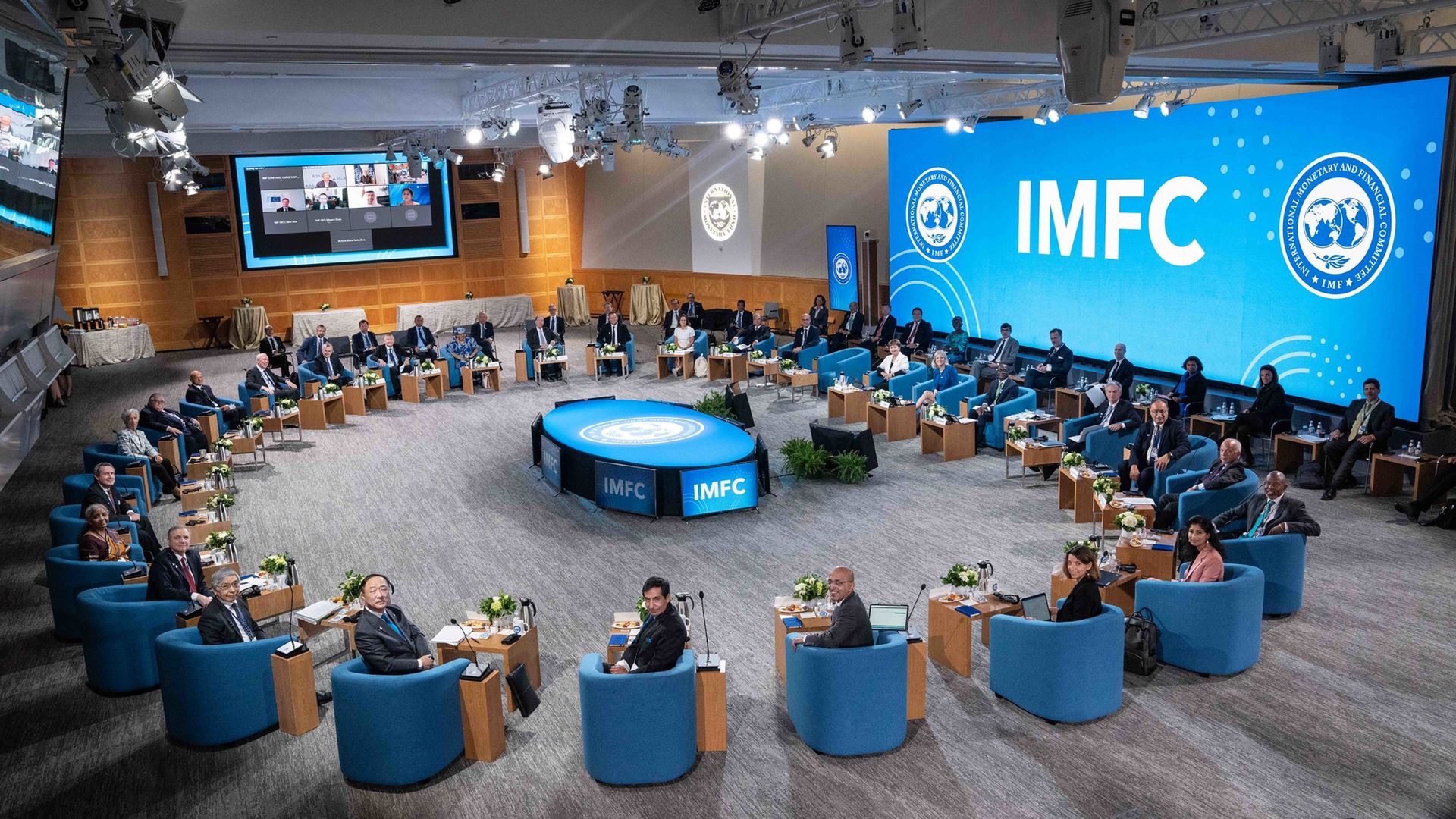
The Gulf economies are expected to continue their upward trajectory despite ongoing geopolitical tensions across the Middle East, according to the latest report from the International Monetary Fund (IMF). The region’s resilience, the IMF suggests, is driven by its diversified economic base, robust fiscal policies, and higher oil prices, which have counterbalanced the adverse effects of regional instability.

While the Middle East remains a hotspot for geopolitical risks, including tensions in Yemen, Syria, and Iran, the Gulf Cooperation Council (GCC) states—namely Saudi Arabia, the UAE, Qatar, Kuwait, Bahrain, and Oman—are poised for solid growth. The IMF’s economic outlook for the Gulf for the upcoming year signals a stable trajectory, with growth projections ranging from 3.2% to 3.5% for most of the member states. This comes on the back of strong economic fundamentals and the region’s strategic efforts to diversify away from oil dependency.

According to the IMF, the GCC’s fiscal prudence and economic diversification initiatives are vital drivers of the positive outlook. Non-oil sectors such as finance, real estate, tourism, and technology have become key contributors to economic growth. Saudi Arabia, for instance, has ramped up its Vision 2030 reform plan, focusing on broadening its economic base and reducing the country’s dependency on hydrocarbons. These efforts have led to an uptick in foreign direct investment and economic activity outside of oil.

The region’s handling of fiscal policies has played a crucial role in shielding it from the negative impacts of external shocks. Governments in the Gulf have generally maintained sound fiscal policies, with substantial fiscal surpluses bolstering state coffers, even as global oil prices fluctuate. For instance, Saudi Arabia and the UAE have used their oil revenues to fund ambitious infrastructure and diversification projects that promote long-term stability.

Saudi Arabia’s economic transformation efforts, notably under the leadership of Crown Prince Mohammed bin Salman, are already yielding results. The kingdom’s GDP has experienced robust growth, especially in non-oil sectors such as entertainment, sports, and tourism. Major projects like Neom, the futuristic city being developed in the northwest, and the Red Sea Project are expected to generate significant economic activity in the coming years. These initiatives reflect a long-term vision to create new economic hubs and reduce reliance on oil.

The UAE, another key player in the Gulf, has also shown a remarkable shift towards diversifying its economy. Dubai’s push to become a global center for technology and finance is starting to pay off, with the city positioning itself as a regional leader in both fintech and blockchain. Abu Dhabi’s focus on renewable energy and clean technologies is further strengthening the UAE’s long-term economic resilience. With such initiatives, the UAE is set to continue its strong performance, with growth forecasts suggesting the economy will expand by 4% over the next year.

Qatar has similarly proven its economic resilience. The country’s investment in liquefied natural gas (LNG) projects has enhanced its export capabilities, enabling it to weather external market fluctuations. Qatar has also shifted its focus to developing a more diverse economy, emphasizing finance, sports, and education, particularly through initiatives like the Qatar National Vision 2030.

The IMF also highlighted that Kuwait and Oman are expected to experience moderate growth, driven by their diversified economies and investments in non-oil sectors, including infrastructure and services. Although Oman has faced fiscal challenges in the past, its recent economic reforms and strategic investments are expected to yield positive results in the coming years. Similarly, Kuwait’s substantial sovereign wealth fund continues to provide a financial cushion, enabling the country to continue its development plans despite challenges.

Despite the ongoing tensions in neighboring countries, the Gulf states have managed to maintain political stability, a crucial element in sustaining investor confidence. The UAE’s role as a neutral hub for international trade, coupled with Qatar’s robust diplomatic efforts, has further insulated the region from potential instability. While conflicts in Yemen, Syria, and Iraq present challenges, the Gulf countries have largely shielded their economies from these disturbances through strong governance and military spending.

The Gulf’s active participation in global energy markets continues to provide it with a cushion against external shocks. Oil remains a crucial driver of revenue, but the higher global oil prices in the past year have supported economic resilience. Saudi Arabia and the UAE have also taken steps to ensure that their energy resources are used sustainably, with the UAE focusing on clean energy initiatives and Saudi Arabia looking to become a leader in green hydrogen production.

The region’s financial markets have also performed admirably in the face of geopolitical risk. Stock exchanges across the Gulf have been showing positive growth, with investors confident in the long-term prospects of the region. The UAE, in particular, has seen a surge in its financial markets, fueled by investor confidence in its economic diversification plans. Furthermore, the region’s strong banking sectors and their adaptation to digital banking and fintech have made them more attractive to foreign investors.

On the global stage, the Gulf has increasingly become a key partner in trade and investment. Its strategic location, at the crossroads of Europe, Asia, and Africa, continues to make it a central hub for international trade. In addition, initiatives such as the GCC’s Free Trade Agreement and the bloc’s involvement in the World Trade Organization (WTO) strengthen its position as a trade powerhouse.


Cryptocurrency exchanges across the European Union are preparing to delist stablecoins that fail to comply with the forthcoming Markets in Crypto-Assets (MiCA) regulations, set to be fully enforced by December 30, 2024. Notably, Tether’s USDT, the world’s largest stablecoin by market capitalization, is among those facing delisting due to non-compliance with MiCA’s stringent requirements.

MiCA aims to establish a comprehensive regulatory framework for crypto-assets within the EU, enhancing transparency, consumer protection, and market integrity. A key provision mandates that stablecoin issuers obtain an e-money license, ensuring tokens are fully backed by reserves held in independent banks and that issuers maintain robust transaction monitoring systems. Tether has not yet secured this license, rendering USDT non-compliant under the new regulations.

In response, major cryptocurrency exchanges operating in the EU have announced plans to delist USDT and other non-compliant stablecoins. Coinbase Europe, for instance, has informed its users of the impending delisting, advising them to convert their USDT holdings into compliant alternatives such as USD Coin (USDC) or Euro Coin (EURC), both issued by Circle and fully compliant with MiCA standards. This move is in line with Coinbase’s commitment to adhere to regulatory requirements and ensure the security of its users’ assets.

The delisting of USDT is expected to have significant implications for the European cryptocurrency market. USDT has been a cornerstone of crypto trading, providing liquidity and a stable store of value for traders and investors. Its removal could lead to reduced liquidity, increased trading costs, and potential disruptions in the market. Market participants are concerned that the absence of USDT may hinder trading activities and slow the growth of the crypto ecosystem within the EU.

Tether’s non-compliance stems from its current operational structure, which does not align with MiCA’s requirements for reserve backing and regulatory oversight. The company has faced scrutiny over the transparency and adequacy of its reserves, with critics alleging insufficient backing for the tokens in circulation. Tether has previously defended its practices, asserting that its tokens are fully backed and that it operates with a commitment to transparency and regulatory compliance.

The implementation of MiCA represents a significant step toward the formalization and regulation of the cryptocurrency industry within the EU. By enforcing strict compliance standards, the EU aims to mitigate risks associated with crypto-assets, including fraud, money laundering, and market manipulation. The regulation also seeks to foster innovation by providing clear guidelines and a stable regulatory environment for businesses and investors.

However, the delisting of prominent stablecoins like USDT raises questions about the balance between regulation and market dynamics. While regulatory compliance is essential for market integrity and consumer protection, the sudden removal of widely used assets could disrupt market operations and negatively impact users who rely on these tokens for trading and value transfer.

Exchanges are taking steps to minimize disruption by offering users options to convert their USDT holdings into compliant alternatives. For example, Coinbase has facilitated the transition by providing seamless conversion services and detailed guidance to its users. Other exchanges are expected to implement similar measures to ensure a smooth transition and maintain user trust.

By Dr. Soma Marla The Union Ministry of Agriculture recently circulated a new draft for a policy framework concerning agricultural marketing. Faiz Ahmed Kidwai, additional secretary in the ministry, proposed the draft to revamp the existing framework. According to the government, the proposed universal tax on agricultural produce will increase farmers’ incomes. The committee has […]

“Global Multi-Currency Accounts” Empowers SMEs with New Market Opportunities SHANGHAI, CHINA – Media OutReach Newswire – 20 December 2024 – XTransfer, the World’s Leading & China’s No.1 B2B Cross-Border Trade Payment Platform, and OCBC, the second largest financial services group in Southeast Asia, jointly announced the comprehensive partnership. OCBC China will leverage the OCBC Group’s extensive regional network and resources in its key markets of Singapore, Hong […]

Dogecoin’s 11% decline has positioned it as the leading loser among major cryptocurrencies, reflecting broader market concerns as Bitcoin also experiences notable drops. These movements have cast a shadow over the crypto sector during the holiday season, stirring unease in an industry already grappling with volatility and uncertainty.

Market experts attributed the downturn to a combination of factors, with QCP Capital, a trading firm, pointing to an overconfidence in market positioning. Their analysis, shared in a Friday report, suggests that traders had adopted overly bullish strategies, which backfired as the market sentiment shifted. This pattern is not isolated to Dogecoin alone but has been echoed across other key cryptocurrencies, with Bitcoin and Ethereum also facing downward pressure.

While Bitcoin remains the dominant player in the market, its decline has been significant, with the cryptocurrency losing ground as investor sentiment wavers. Experts have raised concerns about the future direction of the market, particularly as Bitcoin struggles to regain its footing. Dogecoin’s movement, which often follows trends set by Bitcoin, adds to the growing anxiety about the sector’s stability. The dip is widely seen as part of the broader correction phase that has affected digital currencies in the last few weeks.

The relationship between Bitcoin and altcoins like Dogecoin remains closely intertwined. Historically, shifts in Bitcoin’s price have had a ripple effect, influencing altcoin trends. As Bitcoin’s performance falters, smaller cryptocurrencies, including Dogecoin, often experience more pronounced fluctuations. This pattern appears to be playing out once again, with Dogecoin feeling the brunt of the market’s uncertainty. Traders had previously shown increasing optimism, but now face a sudden correction that has thrown off short-term projections.

Several factors have contributed to the market’s current mood. The ongoing scrutiny of crypto regulations globally has created an environment of caution among investors. As regulators consider tighter controls over digital assets, some market players are reconsidering their positions. For Dogecoin, a currency that has been driven in part by social media sentiment and celebrity endorsements, the external pressures are especially pronounced. Unlike Bitcoin, which is seen as a store of value by many, Dogecoin has struggled to maintain consistent long-term investor confidence.

Investor enthusiasm for digital currencies had been buoyed by the promise of blockchain technology and decentralized finance, but now, market corrections are bringing those expectations into sharper focus. Cryptocurrencies, once seen as the future of finance, are increasingly viewed as speculative assets vulnerable to short-term sentiment shifts. These developments come as the global economy faces uncertainty, with inflationary pressures and geopolitical tensions contributing to the overall risk appetite in the markets.

The combination of technical factors and macroeconomic concerns has created a more cautious environment for crypto trading. As a result, some investors are choosing to hold off on major positions until the market stabilizes. This cautious outlook has been exacerbated by the holiday season, traditionally a time when market activity can be less predictable due to lower trading volumes.

As the crypto industry navigates these challenges, market analysts are keeping a close eye on the broader trends. While Bitcoin and Dogecoin face immediate hurdles, many experts continue to view the long-term potential of cryptocurrencies as promising. However, in the short term, the volatility is likely to persist, leaving many traders to reassess their strategies. The ability of Dogecoin and other altcoins to recover will depend on several factors, including Bitcoin’s price trajectory and the ongoing regulatory landscape.

The ripple effect of Bitcoin’s struggles has also been felt among smaller crypto projects, with many seeing similar patterns of decline. However, some market observers are cautious about the depth of these corrections, noting that the crypto space has a history of bouncing back after sharp declines. While Dogecoin’s fall has been steep, it is far from the first time the currency has experienced significant volatility.

AD Ports Group has successfully refinanced and upsized its revolving credit facility (RCF) to $2.125 billion, enhancing its financial flexibility. This move sees the RCF increased from $1 billion, a strategic decision to bolster the company’s liquidity and further its investment ambitions. The new facility comprises both AED and USD tranches, offering a diversified funding structure that aligns with AD Ports’ expansive growth plans across multiple sectors.

The RCF, now one of the largest in the region, is designed to provide AD Ports with the capacity to pursue its long-term strategic initiatives. The group has positioned itself as a key player in the maritime, logistics, and infrastructure sectors, and this refinancing represents a significant step in its ability to seize emerging opportunities. With the upsized facility, AD Ports aims to fuel its investments in major infrastructure projects, improve its service offerings, and support the increasing demand in global trade.

In an official statement, the company outlined that the new RCF would enhance its liquidity position, enabling it to better capitalize on future expansion opportunities. This includes investments in port infrastructure, logistics, and real estate development, which are central to its growth strategy. The refinancing also comes at a time when AD Ports is actively looking to expand its footprint in new and existing markets, including Asia, Europe, and Africa.

AD Ports Group’s new financing structure offers a blend of flexibility and stability, a crucial element given the current economic environment. The group’s diversified portfolio, which spans across container ports, logistics hubs, industrial zones, and offshore services, provides a strong foundation for leveraging this expanded credit line. Additionally, the refinanced facility includes terms that reflect the group’s improved financial standing, with favorable pricing and extended maturity.

Industry experts have pointed to this refinancing as a sign of the growing strength and financial health of AD Ports. The company’s continued expansion into various sectors has made it a formidable player in the global logistics and maritime industry. The RCF upsizing comes in response to a significant increase in demand for port and logistics services, particularly in the Middle East and beyond, as global supply chains continue to evolve and expand.

The refinancing also highlights AD Ports’ ability to secure competitive financing terms, despite global market fluctuations. This positions the company as a leader in the regional logistics and transportation sectors, equipped with a robust balance sheet to support ambitious growth. By securing favorable credit conditions, AD Ports ensures its ability to navigate the complexities of international trade, enhance its global connectivity, and better serve its diverse customer base.

As part of the refinancing, AD Ports also emphasized its commitment to sustainability and digital transformation, which are integral to its long-term strategy. The company has been investing heavily in smart port technologies, green energy solutions, and digital logistics platforms. These investments are not only expected to improve operational efficiency but also ensure that AD Ports remains at the forefront of innovations in the global trade and logistics sectors.

The expansion of the RCF aligns with AD Ports Group’s vision of becoming a global leader in integrated logistics and transportation services. With access to enhanced capital resources, the company is better positioned to expand its portfolio of services, such as warehousing, cargo handling, and integrated supply chain solutions. The upsized facility ensures that AD Ports has the flexibility to take advantage of opportunities in both developed and emerging markets, continuing to diversify its offerings and increase its market share.

Experts believe that this move will further strengthen AD Ports’ competitive edge, particularly in the UAE and GCC markets, where demand for infrastructure and logistics services continues to grow. The company’s long-term focus on infrastructure development and modernization makes it a pivotal player in shaping the region’s economic future, and the RCF upsizing ensures that it has the financial muscle to execute its plans effectively.

As AD Ports Group continues to expand its global presence, this refinancing positions it to maintain its momentum and meet the evolving needs of its clients and stakeholders. The facility’s enhanced size reflects the company’s strategic shift toward larger-scale operations, enabling it to tackle both regional and global challenges with increased financial agility.

This development also marks a significant milestone for AD Ports as it seeks to integrate more sustainable practices into its operations. The group’s investment in green technologies, including renewable energy solutions for its ports and logistics hubs, is expected to play a central role in its ability to secure future growth. By aligning its financing with its sustainability goals, AD Ports is demonstrating its commitment to responsible business practices while positioning itself for continued success.

As the new year approaches and the book on an eventful year in the energy world closes, 2025 looks set to bring more volatility, geopolitical tension and policy evolutions. Elections in almost all major global economies in 2024 have set the stage for a shifting policy landscape next year, most notably in the US, as President-elect Donald Trump outlines his priorities and plans for the incoming administration. […]

HONG KONG SAR – Media OutReach Newswire – 19 December 2024 – XTransfer, the World’s Leading & China’s No.1 B2B Cross-Border Trade Payment Platform, proudly announced it has been selected as a constituent company of the Corporate Innovation Index (CII) 2024, published by the Asia-Pacific Institute of Business (APIB) at The Chinese University of Hong Kong (CUHK). XTransfer is the only cross-border payment platform to rank in […]

Bitcoin has reached a historic milestone, surpassing 14% of the total market capitalization of gold. This new all-time high highlights the growing prominence of the cryptocurrency as an alternative asset class, even as gold continues to be viewed as a safe haven for investors. As digital assets gain more traction, Bitcoin’s increasing share of gold’s market cap reflects the shift in investor sentiment and the broader financial landscape.

The surge in Bitcoin’s market cap, which now stands at over $500 billion, represents a remarkable evolution for the cryptocurrency. When Bitcoin was first introduced in 2009, it was dismissed by many as a speculative asset with little to no tangible value. Today, however, it is a mainstream financial instrument, widely recognized and traded by institutional investors, hedge funds, and retail traders alike. The ongoing growth of Bitcoin’s value has contributed to a steady increase in its share of gold’s market capitalization, marking a significant milestone for digital currencies.

Gold, with a market cap of around $11 trillion, has long been considered a stable store of value. For centuries, investors have flocked to the precious metal as a hedge against inflation and market instability. Bitcoin, on the other hand, is still relatively young and volatile. Despite this, the cryptocurrency has earned its place in the broader financial ecosystem, with its market share increasingly viewed as a legitimate complement to traditional assets like gold.

The correlation between Bitcoin and gold has been the subject of much debate among financial experts. Some argue that Bitcoin’s rise signals a fundamental shift away from traditional assets, as digital currencies offer more flexibility, transparency, and security. Bitcoin’s decentralized nature allows it to function outside the influence of central banks and governments, which gives it a unique appeal in times of economic uncertainty. Proponents see it as a “digital gold,” offering similar benefits in terms of wealth preservation but with additional benefits such as greater divisibility and ease of transfer.

Conversely, others point out that Bitcoin’s volatility makes it a riskier asset compared to gold. While gold has a long history of stable pricing, Bitcoin has experienced significant fluctuations in value, with its price rising and falling dramatically over short periods. This volatility has raised concerns among some investors, particularly those who are risk-averse. Despite these concerns, the appeal of Bitcoin as an investment continues to grow, as evidenced by its increasingly large share of the global market.

A major factor contributing to Bitcoin’s rising market cap is the increasing adoption of the cryptocurrency by institutional investors. Hedge funds, family offices, and even publicly traded companies are now incorporating Bitcoin into their portfolios as a hedge against inflation and market volatility. The involvement of these institutional players has legitimized Bitcoin as an asset class, pushing its value higher. Large financial institutions like Fidelity, JPMorgan, and Goldman Sachs have begun offering Bitcoin-related services, providing additional legitimacy to the cryptocurrency market.

The growing interest in Bitcoin has been bolstered by regulatory developments that have provided greater clarity on its legal status in many countries. Governments and financial regulators around the world have taken steps to integrate digital currencies into the formal financial system, which has helped to build trust in Bitcoin. The approval of Bitcoin exchange-traded funds (ETFs) in various markets, along with clearer regulations regarding its taxation, have added to the cryptocurrency’s appeal.

However, Bitcoin still faces challenges in fully replacing gold as a store of value. For one, it is far less widely accepted as a medium of exchange than gold, which has been used as currency for thousands of years. While Bitcoin is increasingly accepted as a payment method by online merchants, it is not as universally accepted as gold, which is still widely recognized and used in various industries, from jewelry to electronics.

Bitcoin’s energy consumption has been a point of contention for many environmentalists and critics. The process of mining Bitcoin requires vast amounts of computational power, which in turn consumes significant amounts of electricity. This has led to concerns about the environmental impact of Bitcoin mining, with some countries and regions moving to restrict or ban mining operations. While efforts are being made to address these concerns through the use of renewable energy sources in Bitcoin mining, the issue remains a challenge for the cryptocurrency’s broader adoption.

Despite these challenges, the growing market capitalization of Bitcoin relative to gold underscores the shifting dynamics in the financial world. The cryptocurrency’s increasing prominence has led some to speculate that it could eventually rival gold as a dominant store of value. If Bitcoin continues to gain market share at its current pace, it could challenge gold’s supremacy in the long run, particularly if the global financial system moves further toward digitization.

One of the key factors driving this shift is the global macroeconomic environment. In the wake of the COVID-19 pandemic, central banks around the world have implemented unprecedented monetary policies, including low interest rates and massive fiscal stimulus measures. These policies have led to concerns about inflation and the erosion of traditional currencies. As a result, many investors have turned to Bitcoin as a hedge against the potential devaluation of fiat currencies. With its finite supply and decentralized nature, Bitcoin is seen by some as a more secure store of value in a world of increasingly unpredictable monetary policy.

KUALA LUMPUR, MALAYSIA – Media OutReach Newswire – 19 December 2024 – With Bitcoin going through the roof in 2024 and the entire crypto market showing substantial growth, retail investors’ interest in this asset class also peaked. But how best to profit from the changes occurring in the crypto market and what avenues of investment to choose? The experts at Octa, a broker with globally recognised licences, […]

HONG KONG SAR – Media OutReach Newswire – 18 December 2024 – Outback Steakhouse 25th Anniversary Grand Finale is unveiled! From now until January 31, 2025, customers will be entitled to “A Journey of Flavors” lucky draw entry for every HK$250 net spending at Outback. For every HK$500 spent, you will be entitled to two lucky draw entries, and so on. There is no upper limit on […]

JAKARTA, INDONESIA – Media OutReach Newswire – 18 December 2024 – PT Xanh SM Green And Smart Mobility has officially launched its electric taxi service, Xanh SM, in Indonesia. Indonesia is the third Southeast Asian country to welcome Xanh SM, following Vietnam and Laos. This milestone solidifies the company’s role as a trailblazer in bringing innovative green mobility solutions to the world under its “Go Green Global” […]

Homegrown tech companies sprawling influence and scouting international opportunities while offering a glimpse into the next steps of Global Booster HONG KONG SAR – Media OutReach Newswire – 18 December 2024 – Hong Kong Science and Technology Parks Corporation (HKSTP), in serial to the Innovation Mixer initiative and in parallel to the preparation of the second cohort of the Global Booster Programme: United States 2025, is set […]

Bitflow Finance has launched an Automated Market Maker (AMM) for Runes on the Stacks blockchain, aiming to improve the trading experience for Bitcoin-based assets. This development leverages the recent Nakamoto upgrade, which enhances transaction speeds and security on the Stacks network.

The Nakamoto upgrade has significantly reduced transaction times on Stacks, with block times now averaging less than 10 seconds. This improvement positions Stacks as a competitive platform for decentralized finance (DeFi) applications, offering faster and more secure transactions.

Bitflow’s Runes AMM utilizes this enhanced infrastructure to provide a seamless trading experience for users. By integrating liquidity from various decentralized exchanges (DEXs) and liquidity pools, Bitflow ensures that trades are executed at optimal rates, eliminating the need for users to navigate multiple platforms.

The introduction of the Runes AMM is expected to boost liquidity and trading volume for Runes tokens, a metaprotocol on Bitcoin. This development aligns with the broader trend of integrating Bitcoin with DeFi platforms, offering users more opportunities to engage with the cryptocurrency ecosystem.

In addition to the Runes AMM, Bitflow has introduced a DEX aggregator that scans connected DEXs and liquidity pools to find and execute the most cost-effective trading routes. This feature simplifies the trading process, allowing users to focus on actual trading rather than navigating complex trading processes.

China has implemented an export ban on essential high-tech goods, marking a significant shift in the global semiconductor industry. The move, which targets critical technologies such as advanced chips, comes as a direct response to the United States’ increasing restrictions on Chinese access to semiconductor technology. This escalating tension between the two countries is threatening to disrupt an already fragile global supply chain, where China plays a […]

VISHNU RAJA
RYO YAMADA
HITORI GOTOH
IKUYO KITA