News related to
trade

https://www.census.gov/foreign-trade/balance/c5700.htmlhttps://www.census.gov/foreign-trade/balance/c5700.htmlBy Dr. Nilanjan Banik The US-China trade war has been a focal point of economic discussions for a significant period, as the world’s two largest economies have imposed tariffs on each other’s goods. The Trump administration imposed 10% tariffs on Chinese imports, while China, in turn, levied 15% tariffs on US liquid natural gas (LNG) […]

Dubai authorities have imposed fines of Dh50,000 on 159 companies for violating telemarketing regulations, intensifying efforts to protect consumer privacy and enhance business practices. The Dubai Corporation for Consumer Protection and Fair Trade , operating under the Dubai Department of Economy and Tourism , announced these penalties following the enforcement of Cabinet Decision No. 56 of 2024, which came into effect in August 2024.

The DCCPFT initially issued warnings to 174 companies, urging compliance with the new telemarketing rules. Despite these warnings, 159 companies failed to adhere to the guidelines, resulting in substantial fines. These regulations are part of a broader initiative to reduce intrusive telemarketing calls, ensuring consumer comfort and privacy.

Key provisions of the telemarketing regulations include prohibiting calls to consumers listed on the ‘Do Not Call Registry’ managed by the Telecommunications and Digital Government Regulatory Authority , restricting marketing calls to between 9 am and 6 pm, and requiring telemarketers to inform consumers at the outset if the call is being recorded. Additionally, the regulations forbid the disclosure of personal data without explicit consent and the trading of such data for marketing purposes.

These rules apply to all licensed companies in the UAE, including those operating within free zones. The DCCPFT emphasised that the implementation of these regulations aims to foster a business-friendly environment, bolster consumer trust, and create a fair competitive landscape that enhances economic stability.

The introduction of these stringent measures aligns with Dubai’s D33 economic agenda, launched in 2023, which aspires to position the city among the top three global destinations over the next decade and double the size of its economy by 2033. In the first nine months of 2024, Dubai’s economy experienced a growth of 3.1%, reaching Dh339.4 billion, driven by expansions in sectors such as transport and financial services.

The DCCPFT’s decisive actions reflect a commitment to upholding consumer rights and ensuring that businesses engage in ethical marketing practices. By enforcing these regulations, Dubai aims to minimise market-disruptive practices and promote a positive business climate conducive to sustainable economic growth.

In addition to financial penalties, the TDRA has taken measures against individuals using personal numbers for marketing purposes, detecting over 2,000 violations since the regulations were implemented. Penalties for first-time offenders include a Dh5,000 fine and suspension of all phone numbers registered under the individual’s name until payment is made. Repeat offenders face escalating fines and extended suspensions, with third-time violators being prohibited from obtaining any telecommunications services in the UAE for 12 months.

These comprehensive efforts underscore Dubai’s dedication to protecting consumers from unwanted solicitations and ensuring that telemarketing activities are conducted within the bounds of respect and legality. As the city continues to evolve as a global business hub, maintaining stringent consumer protection standards remains a pivotal aspect of its economic strategy.

Etihad Airways is set to announce the launch of an initial public offering worth $1 billion, sources have revealed. This marks a significant milestone in the aviation industry, as it would be the first public listing by a major Gulf airline in nearly two decades.

The airline, which is fully owned by Abu Dhabi’s sovereign wealth fund ADQ, intends to offer 20% of its business to the public, with the funds raised being allocated towards accelerating its expansion plans. The decision to go public highlights Etihad’s ambitions to position itself as a stronger player in the global airline industry.

The move also underscores the growing trend among Gulf-based companies to raise capital through IPOs, following a wave of high-profile listings in the region. The Middle East has witnessed a surge in IPO activity in recent years, driven by a desire for diversification and economic growth, in line with the region’s broader efforts to reduce reliance on oil revenues.

Etihad’s decision to open up its equity to public investors is part of a larger strategy aimed at enhancing its operational capabilities and competing more effectively with regional and international rivals. The airline’s plans include expanding its fleet, increasing flight frequencies, and potentially adding new routes to cater to growing demand in key global markets.

The IPO also reflects the broader changes taking place in the aviation sector, particularly in the Gulf region. Airlines in the region, such as Emirates and Qatar Airways, have been aggressively investing in their fleets and expanding their networks in a bid to capture more market share. Etihad’s move to become a publicly traded entity comes as the airline looks to consolidate its position as a leading regional carrier, competing with its peers.

Sources close to the matter suggest that Etihad’s management team is optimistic about the potential success of the IPO, given the ongoing recovery in the global travel industry following the challenges posed by the COVID-19 pandemic. The airline is reportedly confident that investors will be attracted to its growth prospects, as air travel demand rebounds and the aviation sector experiences a strong recovery.

The IPO will be managed by a consortium of financial institutions, which are expected to handle the share sale process. The precise timing of the launch is yet to be confirmed, but it is anticipated to take place in the coming days. As part of the offering, Etihad is likely to sell a portion of its shares to institutional investors, with a smaller portion allocated to retail investors.

Etihad Airways has faced a challenging few years as it navigated the impacts of the global pandemic, which resulted in a significant decline in air travel demand. However, the airline has implemented a series of cost-cutting measures and streamlined its operations in an effort to adapt to the changing market environment. These efforts, coupled with its focus on expanding its network and enhancing its product offering, have positioned Etihad for long-term growth.

Despite the challenges faced by the airline, Etihad has remained committed to its vision of becoming a global aviation leader. The airline’s investment in new technologies, customer service initiatives, and sustainability measures has helped bolster its reputation and attract a loyal customer base. By tapping into the capital markets, Etihad hopes to strengthen its financial position and continue to invest in its future growth.

The IPO is expected to be closely watched by market analysts, investors, and industry experts alike, as it could signal the beginning of a new era for Gulf airlines. If successful, Etihad’s IPO could set a precedent for other regional carriers considering similar moves. Airlines in the region are under increasing pressure to modernize their fleets, improve operational efficiencies, and adapt to changing consumer preferences.

Etihad’s decision to go public is part of the wider trend in the Gulf region, where state-owned companies are increasingly seeking to diversify their operations and raise funds to support growth initiatives. The UAE government has been actively encouraging the privatization of certain state-owned entities to promote economic development and attract foreign investment.

KUALA LUMPUR, MALAYSIA – Media OutReach Newswire – 25 February 2025 – France has over 100 different apple varieties thanks to its unique climate and fertile soil. Recently, climate change has significantly impacted global agriculture, particularly affecting fruit cultivation. Following a challenging harvest in 2023, Europe’s apple production faces its second-lowest level of the century, primarily due to severe frost conditions in Eastern Europe, which results in […]

Apple Inc. has unveiled an ambitious plan to invest over $500 billion in the United States within the next four years, a move poised to significantly bolster the nation’s technology infrastructure and employment landscape. Central to this initiative is the construction of a 250,000-square-foot manufacturing facility in Houston, Texas, dedicated to producing servers for Apple’s artificial intelligence operations. This facility is expected to commence operations in 2026, […]

Shares of Japanese semiconductor equipment manufacturers experienced notable declines today following reports that the United States government is preparing to implement more stringent export controls targeting China’s semiconductor industry. This development has raised concerns about potential disruptions in the global technology supply chain and the financial health of key industry players.

Tokyo Electron Ltd., a leading Japanese semiconductor equipment maker, saw its stock price drop by as much as 4.4% during trading hours. Similarly, other prominent companies in the sector, such as Advantest Corp. and Lasertec Corp., also faced downward pressure on their share prices. These movements in the stock market reflect investor apprehension regarding the potential impact of the proposed U.S. export restrictions on these firms’ operations and revenues.

The proposed measures by the U.S. government aim to curb China’s access to advanced semiconductor technologies, thereby limiting its ability to develop cutting-edge technologies in areas like artificial intelligence and supercomputing. This initiative is part of a broader strategy to maintain technological superiority and address national security concerns. The new controls are expected to include restrictions on the export of certain semiconductor manufacturing equipment and high-performance computing chips to Chinese entities.

In response to these developments, Chinese technology companies are reportedly accelerating efforts to achieve self-sufficiency in semiconductor production. For instance, Huawei Technologies Co. has made significant progress in producing advanced artificial intelligence chips, with the yield of its Ascend 910C processors increasing to nearly 40%, up from 20% the previous year. This improvement underscores China’s determination to reduce reliance on foreign technology amid escalating trade tensions.

The potential implementation of stricter export controls has also prompted discussions among industry stakeholders and policymakers in Japan. Given the interconnected nature of the global semiconductor supply chain, Japanese companies play a crucial role in providing essential equipment and materials for chip production worldwide. The proposed U.S. measures could compel these firms to reassess their business strategies and explore alternative markets to mitigate potential losses resulting from reduced access to the Chinese market.

Dubai has introduced ‘Salama,’ an artificial intelligence-powered platform designed to expedite visa renewals, allowing residents to complete the process in minutes without physical paperwork or visits to service centres. The General Directorate of Residency and Foreigners Affairs announced this initiative on Monday, aligning with the UAE’s broader digital transformation strategy. Salama automatically recognises user details upon login, displays the status of dependents’ visas, and highlights the remaining […]

Advertisements

Bitcoin’s value has dropped sharply, leading to over $950 million in liquidations within a 24-hour span, with the majority coming from long positions. The cryptocurrency, which had briefly surpassed $96,000, fell below $91,000 during this period, causing significant turbulence in the market.

The latest downturn in Bitcoin’s price highlights the ongoing volatility of the cryptocurrency market, where large price swings can lead to massive liquidations, especially for investors holding leveraged positions. The $800 million liquidated from long positions underscores the growing risks associated with leveraged trading, as investors who had bet on the currency’s continued rise were caught off guard by the sharp decline.

This price movement came after Bitcoin had reached a significant high, fuelling bullish sentiment across the market. However, the sudden reversal left many traders exposed. Data indicates that liquidations in both futures and margin trading were largely driven by highly leveraged positions, which automatically close out when prices move against the trader’s position. The cryptocurrency’s sudden dip has served as a stark reminder of how quickly market sentiment can shift, particularly for those with large, leveraged bets.

The extent of the liquidation has drawn attention to the role of leveraged trading in amplifying price movements. When Bitcoin’s price surged past the $96,000 mark, many saw it as a sign of continued growth. As more traders entered the market, both retail and institutional, the likelihood of liquidation spikes increased, particularly when the market moved in the opposite direction. Analysts suggest that the cascading liquidations may have exacerbated the drop, as automated sell-offs added downward pressure to the market.

This volatile period is not an isolated incident but part of a broader pattern seen in the cryptocurrency market. Bitcoin, along with other major digital currencies, has witnessed significant fluctuations over the past year, with periods of sharp gains followed by equally dramatic losses. These erratic movements are a result of various factors, including shifting investor sentiment, regulatory concerns, and the broader economic climate, all of which contribute to the unpredictability of the market.

In the wake of the liquidation event, industry experts have called for greater caution in the trading of highly volatile assets like Bitcoin. While the cryptocurrency has demonstrated the potential for substantial profits, the risk of large losses remains ever-present. Investors, particularly those engaging in leveraged trading, are urged to exercise caution, as the market’s unpredictability makes it challenging to accurately forecast future price movements.

Despite the challenges posed by such volatility, Bitcoin’s fundamental role in the wider cryptocurrency ecosystem remains intact. Its status as the leading digital currency continues to attract significant attention from both institutional and retail investors. The fluctuating price of Bitcoin is often seen as a reflection of the growing pains of a maturing market, as it strives for greater stability and legitimacy within the global financial landscape.

The impact of this latest price drop extends beyond just those directly involved in Bitcoin trading. It also affects the broader cryptocurrency ecosystem, as other digital currencies often follow Bitcoin’s lead in terms of price movements. Altcoins such as Ethereum and Litecoin, for instance, have also seen significant declines following Bitcoin’s drop. The interconnectedness of these digital assets means that fluctuations in Bitcoin’s value can ripple through the entire market, leading to a wave of liquidations and losses across various cryptocurrencies.

As the dust settles, it remains to be seen how the market will recover from the latest downturn. Some experts predict a rebound in Bitcoin’s value, while others are cautious about the cryptocurrency’s near-term outlook. Regardless of the direction Bitcoin takes, the market’s volatility continues to challenge investors and analysts alike, with price swings showing no signs of slowing down.

The latest developments also shine a spotlight on the regulatory environment surrounding cryptocurrency markets. As governments around the world seek to establish clearer frameworks for digital asset trading, the need for robust risk management practices becomes more pressing. Many traders are calling for increased transparency in the market, which they believe could help mitigate the effects of such volatile swings. However, the decentralized nature of cryptocurrencies presents a challenge to regulators, who are still grappling with how best to approach these digital assets.

TAIPEI, TAIWAN – Media OutReach Newswire – 25 February 2025 – The Asian Hardware Online Exhibition 2025 (AsianHardware 2025) is set to redefine the hardware products industry with its innovative hybrid format, seamlessly blending virtual and physical elements. Scheduled to run from February 25, 2025, to May 31, 2025, the exhibition provides an unparalleled opportunity for Asian suppliers, importers, and exporters to connect, collaborate, and showcase their […]

Pi Coin has experienced significant volatility following its Open Mainnet launch on 20 February 2025. The cryptocurrency’s price surged to $1.97 before plummeting over 60% to $0.737. Subsequently, it rebounded by approximately 80%, trading at $1.55 as of 24 February 2025. This fluctuation has drawn considerable attention from investors and analysts, prompting discussions about its future trajectory.

The initial price drop was attributed to heavy sell-offs from early adopters capitalizing on gains. However, renewed interest and speculative trading have contributed to the recent recovery. Analysts remain divided on Pi Coin’s potential, with some forecasting substantial growth and others urging caution due to market volatility.

Projections for Pi Coin’s value in 2025 vary widely. Some forecasts suggest the cryptocurrency could trade between $93.41 and $220.46, with an average price around $141.64. Another analysis anticipates a range from $75 to $110 in the first quarter of 2025, driven by speculation surrounding the Open Network launch. Conversely, more conservative estimates predict a trading range of $10.74 to $143.51, with an average price of approximately $24.63 in 2025.

Cryptocurrency markets have witnessed a sharp downturn, with major tokens such as Solana , XRP, and Dogecoin experiencing significant losses. The market has plunged by double digits, with Solana seeing a drop of 14%, while XRP and Dogecoin both fell by 8%. Analysts are pointing to a combination of macroeconomic factors and market sentiment driving the sell-off, which has left many traders and investors anxious about the future of digital assets.

The sell-off marks another chapter in a volatile year for the cryptocurrency market, which has been heavily impacted by shifts in investor confidence, regulatory pressure, and broader economic conditions. Despite the immediate losses, experts suggest that the bearish sentiment may be overblown and that the situation could improve if broader market conditions stabilise. A significant aspect of the downturn stems from macroeconomic decisions, particularly those related to interest rates and inflationary concerns, which continue to affect global financial markets.

A closer examination of the data reveals that Solana’s decline of 14% has been the most pronounced, as the token has struggled to maintain momentum amid broader market turmoil. Solana, once hailed as a promising competitor to Ethereum due to its high transaction speeds and lower fees, had seen significant growth earlier in the year. However, a combination of investor uncertainty and technical setbacks has prompted a sharp pullback. The cryptocurrency, which had been making strides in various sectors including decentralized finance and NFTs, now faces questions about its long-term prospects.

XRP, the token associated with Ripple Labs, also saw a notable decline. XRP’s price had been particularly sensitive to ongoing regulatory scrutiny. The US Securities and Exchange Commission had filed a lawsuit against Ripple Labs, alleging that XRP was being sold as an unregistered security. While the case has experienced some legal setbacks for the SEC, the uncertainty surrounding its final resolution continues to weigh heavily on XRP’s price. The overall decline of XRP further demonstrates the market’s vulnerability to legal and regulatory challenges.

Dogecoin, once considered a meme coin but now one of the most widely recognised cryptocurrencies, also experienced a sharp decline. Dogecoin has largely been buoyed by its strong community and celebrity endorsements, particularly from Elon Musk, who has been a vocal supporter of the coin. However, the broader market sentiment has put pressure on Dogecoin, and its reliance on external factors such as Musk’s influence has led some analysts to question its sustainability as a long-term investment.

Traders and analysts are divided on the cause of the ongoing market plunge. Many argue that the market is simply undergoing a correction after a period of speculative excess, while others point to external macroeconomic factors such as rising inflation and concerns over central bank policies. The US Federal Reserve’s interest rate hikes have been a particular point of concern, as higher rates tend to increase the cost of borrowing, which can reduce risk appetite among investors.

On the other hand, some market participants suggest that the negative sentiment is exaggerated. “The cryptocurrency market is inherently volatile, and these sharp sell-offs are not unusual,” said one experienced trader. “While the market is facing headwinds, there are still significant opportunities for growth if the macroeconomic landscape improves.” According to these traders, the market may bounce back once investors regain confidence, and the ongoing regulatory developments around cryptocurrencies are clarified.

Market watchers are also considering the role of technological advancements and institutional adoption in shaping the future of digital assets. There has been a growing trend of large institutional players becoming more involved in the cryptocurrency space. Companies such as Tesla and MicroStrategy have been buying up Bitcoin, while various traditional financial institutions have been exploring blockchain-based solutions for their clients. The continued expansion of blockchain technology, particularly in areas like supply chain management and cross-border payments, is expected to contribute to long-term growth in the sector.

However, the current sell-off raises important questions about the underlying value of digital assets. Many investors are beginning to question whether the price levels of cryptocurrencies can sustain themselves without broader economic support. The fear of further regulatory crackdowns and the uncertainty surrounding potential government intervention in the space has left many feeling wary of long-term investments in cryptocurrencies.

In light of the current downturn, some analysts believe that the market could stabilise over the coming months, especially if global financial conditions improve. While the sell-off is painful for many investors, it could also present opportunities for those with a longer-term outlook. “These types of corrections are painful, but they are also a natural part of any market cycle,” said one economist specialising in digital currencies. “If the macroeconomic situation stabilises and governments and regulators take a more balanced approach, the market could bounce back.”

The rise of central bank digital currencies is another aspect that could impact the cryptocurrency landscape. Several countries, including China and the European Union, are actively exploring or testing CBDCs, which could potentially reduce demand for private cryptocurrencies. However, experts believe that CBDCs and cryptocurrencies could coexist, with central banks using digital currencies for state-backed transactions and private cryptocurrencies continuing to serve as alternatives for more speculative or peer-to-peer transactions.


The Abu Dhabi Securities Exchange has announced the formation of the ADX Group, a strategic initiative aimed at enhancing the emirate’s investment environment through innovation and increased global connectivity. This move is designed to establish a future-ready capital market by upgrading market infrastructure, introducing new post-trade services, and expanding market access.

The ADX Group’s primary objective is to create a robust and reliable international marketplace that facilitates capital raising and investment flows, thereby bolstering financial resilience and stability. By integrating advanced technologies and services, the group aims to attract a broader spectrum of regional and global investors, offering them seamless access to Abu Dhabi’s diverse and dynamic economic sectors.

In alignment with its commitment to innovation, the ADX Group plans to implement a state-of-the-art trading platform. This platform is expected to enhance trading efficiency, provide real-time market data, and support a wide range of financial instruments, including equities, debt securities, exchange-traded funds, and derivatives. The introduction of new post-trade businesses will further streamline settlement processes, reduce operational risks, and improve overall market liquidity.

The establishment of the ADX Group is a significant milestone in Abu Dhabi’s ongoing efforts to position itself as a leading global financial hub. By fostering an environment conducive to investment and innovation, the group aims to drive economic growth and diversification, aligning with the broader strategic vision of the United Arab Emirates.

This development comes on the heels of several strategic initiatives undertaken by ADX to enhance its market infrastructure and global reach. Notably, ADX has partnered with international entities to expand its services and attract foreign investments. For instance, the collaboration with FTSE Russell led to the launch of the FTSE ADX 15 Islamic Index, catering to the growing demand for Shariah-compliant investment options. This index provides a comprehensive benchmark for Islamic investors, reflecting ADX’s commitment to inclusivity and market diversification.

In addition, ADX has leveraged the ICE Global Network to offer direct market access to global investors. This partnership facilitates real-time access to market data and order entry, thereby broadening the exchange’s international investor base and enhancing its global connectivity. Such initiatives underscore ADX’s strategic vision to integrate advanced technologies and foster collaborations that enhance its market infrastructure and accessibility.

The ADX Group’s formation is also expected to complement Abu Dhabi’s broader economic objectives, including the promotion of sustainable investments and the development of a knowledge-based economy. By providing a platform that supports innovative financial products and services, the group aims to attract a diverse range of investors and issuers, thereby contributing to the emirate’s economic resilience and long-term prosperity.

KUALA LUMPUR, MALAYSIA – Media OutReach Newswire – 25 February 2025 – Over the past few years, the strategic endorsements, enigmatic tweets, and business manoeuvres of Elon Musk have caused shock waves in the cryptocurrency market with wild price fluctuations. Today, he is creating a native cryptocurrency on the X platform under the temporary name, X Money. Source: Shutterstock When and if it happens, the project can […]

Citadel Securities, the prominent market-making firm led by Ken Griffin, is set to expand its operations into the cryptocurrency sector. The firm plans to provide liquidity on major digital asset exchanges, including Coinbase, Binance, and Crypto.com. This strategic move comes as President Donald Trump’s administration signals a more favorable regulatory environment for digital assets.

Historically, Citadel Securities has exercised caution regarding cryptocurrencies, primarily due to regulatory uncertainties in the United States. The recent political shift, however, has prompted the firm to reconsider its stance. By establishing market-making teams outside the U.S., Citadel aims to navigate potential domestic regulatory challenges while capitalizing on the burgeoning global crypto market.

As of October 1, 2024, Citadel manages approximately $64 billion in assets, reflecting significant growth from $43 billion at the end of 2023. This expansion into digital assets aligns with the firm’s broader strategy to diversify its trading portfolio and adapt to evolving market dynamics.

The decision to engage with platforms like Coinbase, Binance, and Crypto.com underscores Citadel’s commitment to integrating with established cryptocurrency ecosystems. These exchanges are among the largest in the industry, facilitating substantial daily trading volumes. By acting as a liquidity provider, Citadel aims to enhance trading efficiency and stability within these platforms.

Market-making involves quoting both buy and sell prices for assets, profiting from the spread between these prices. In the context of cryptocurrencies, effective market-making can reduce volatility and improve price discovery, benefiting both traders and the broader market. Citadel’s entry into this space is poised to bring increased liquidity and professionalism, potentially attracting more institutional investors to digital assets.

This move also reflects a broader trend of traditional financial institutions embracing cryptocurrencies. Firms such as Fidelity Digital Assets and Charles Schwab have made inroads into the crypto sector, indicating growing mainstream acceptance. Citadel’s participation is expected to further legitimize the market and encourage regulatory frameworks that support innovation while ensuring investor protection.

RIYADH, SAUDI ARABIA – Media OutReach Newswire – 24 February 2025 – Sahm Capital, a leading financial services provider, empowered investors at the CMF Riyadh 2025 Investor Bootcamp. Hadeel Bedeeri, General Manager of Sahm Capital, led a session on navigating the IPO process, equipping attendees with essential knowledge to thrive in Saudi Arabia’s evolving capital market. The Investor Bootcamp, held on February 19th, 2025, is part of […]

India’s economy could face a reduction of up to 0.6% in its Gross Domestic Product due to proposed tariff increases by the United States, according to a recent analysis by Goldman Sachs. The financial institution’s report highlights the potential economic repercussions for India if the US implements higher tariffs on imported goods.

The analysis outlines three potential scenarios under the US administration’s “Fair and Reciprocal Plan”: country-level reciprocity, product-level reciprocity, and inclusion of non-tariff barriers. In the country-level reciprocity scenario, the US would elevate tariffs on all imports from a specific nation to match the average tariff differential. For India, this could mean an increase of approximately 6.5 percentage points in effective US tariff rates on Indian imports. The product-level reciprocity approach would involve matching tariffs on individual products, potentially leading to an 11.5 percentage point rise in tariffs on Indian goods. The inclusion of non-tariff barriers, such as administrative hurdles and import licensing requirements, presents a more complex scenario, making precise impact assessments challenging.

Goldman Sachs’ report emphasizes that India’s export exposure to the US is relatively modest, with exports to the US accounting for about 2% of India’s GDP in 2023. However, when considering indirect exposure through exports to other countries reliant on US demand, India’s domestic activity exposure rises to approximately 4% of GDP. This broader exposure suggests that the potential impact on India’s GDP growth could range from 0.1 to 0.6 percentage points, depending on the specific tariff measures implemented.

The bilateral trade relationship between India and the US has seen significant growth over the past decade. India’s goods trade surplus with the US expanded from $17 billion in the fiscal year 2014 to $35 billion in fiscal year 2024. This increase is largely attributed to a surge in exports of electronic items, bolstered by initiatives like the Production-Linked Incentive scheme introduced in 2020.

Despite the potential challenges posed by increased US tariffs, India’s central bank governor, Shaktikanta Das, has expressed confidence in the country’s economic resilience. He highlighted India’s substantial foreign exchange reserves, amounting to $676 billion, and the robust growth trajectory of the economy as key factors that equip the nation to navigate global disruptions, including those arising from protectionist trade policies.

The US administration’s move towards implementing reciprocal tariffs is part of a broader strategy to address perceived trade imbalances. A memo signed by President Donald Trump directs the Commerce Department and the US Trade Representative to develop plans for adjusting tariff rates to mirror those imposed by trading partners. These measures are set to be introduced gradually over the coming weeks and months, with an initial focus on countries maintaining significant trade surpluses with the US or those engaged in practices deemed unfair.

While the intended goal of these tariffs is to protect domestic industries and reduce trade deficits, there are concerns about potential unintended consequences. Analysts warn that such measures could lead to increased costs for consumers and businesses, supply chain disruptions, and retaliatory actions from affected trading partners, potentially escalating into broader trade conflicts.

Strengthening Global Trade Financial Solutions NEW YORK, US – Media OutReach Newswire – 24 February 2025 – XTransfer, a leading global B2B cross-border trade payment platform, continues solidifying its regulatory presence in the United States by acquiring five new payment licenses in Illinois, Iowa, New Mexico, Idaho, and South Carolina. This milestone follows the company’s recent expansion into New Hampshire, the District of Columbia, Utah, Georgia, and […]

Japan’s digital trade deficit reached an unprecedented ¥6.65 trillion in 2024, highlighting the increasing reliance on foreign digital services, particularly from dominant U.S. technology firms. This figure has more than tripled since 2014, when comparable data first became available, according to a recent government report.

The surge in the digital trade deficit is primarily attributed to Japanese companies’ growing dependence on services provided by American tech giants such as Amazon, Microsoft, and Google. These services encompass cloud computing, online advertising, and licensing fees, which have become integral to enhancing operational efficiency across various sectors in Japan. The lack of competitive domestic alternatives has further entrenched the position of these foreign providers in the Japanese market.

In 2024, Japan’s imports of digital-related services outpaced exports, leading to the record deficit. This trend reflects the broader global dominance of U.S. information technology companies, whose advanced services have become indispensable to businesses worldwide. The Finance Ministry’s preliminary balance of payments report indicates that while Japan enjoyed a record current account surplus of ¥29.26 trillion in 2024, bolstered by higher dividend and interest receipts from abroad, the goods and services trade deficit stood at ¥6.51 trillion, heavily influenced by the digital trade imbalance.

Experts suggest that bridging this digital divide requires significant investment in domestic technological development. Kengo Wataya, a researcher at the Mitsubishi Research Institute, points out that despite efforts to develop homegrown cloud services, there remains a substantial gap in capabilities between Japanese and American companies. Wataya emphasizes the necessity for Japan to leverage digital technologies to generate revenue in other sectors, thereby mitigating the burgeoning deficit.

The government’s data also reveals that Japan’s digital trade deficit has been on a consistent upward trajectory over the past decade. In 2014, the deficit was recorded at ¥2.02 trillion, underscoring a more than threefold increase by 2024. This escalation is indicative of the rapid digital transformation globally and Japan’s escalating consumption of foreign digital services.

The digital trade balance encompasses various services, including payments for cloud infrastructure, online advertising, and licensing fees for digital content such as music and video. As both individuals and enterprises in Japan continue to digitize their operations and lifestyles, the demand for sophisticated digital services has surged. However, the domestic market’s inability to supply comparable services has resulted in increased reliance on imports, thereby widening the trade deficit.

While the overall current account surplus suggests a positive economic outlook, the underlying figures present a complex narrative. The substantial income from overseas investments has been a significant contributor to the surplus. However, the persistent and growing trade deficit, particularly in the digital sector, raises concerns about the sustainability of this economic model. Analysts warn that an overreliance on foreign digital services could expose Japan to external economic fluctuations and undermine the competitiveness of its domestic tech industry.

In response to these challenges, there have been calls for strategic policy interventions aimed at fostering innovation within Japan’s tech sector. Proposals include increased funding for research and development, incentives for startups, and collaborations between academia and industry to cultivate a robust digital ecosystem. By enhancing domestic capabilities, Japan could reduce its dependence on foreign services and improve its trade balance in the digital domain.

Addressing the digital trade deficit is not solely an economic imperative but also a matter of national security. Reliance on foreign digital infrastructure and services may pose risks related to data sovereignty and cybersecurity. Therefore, developing indigenous technologies and services is crucial for safeguarding sensitive information and maintaining technological autonomy.

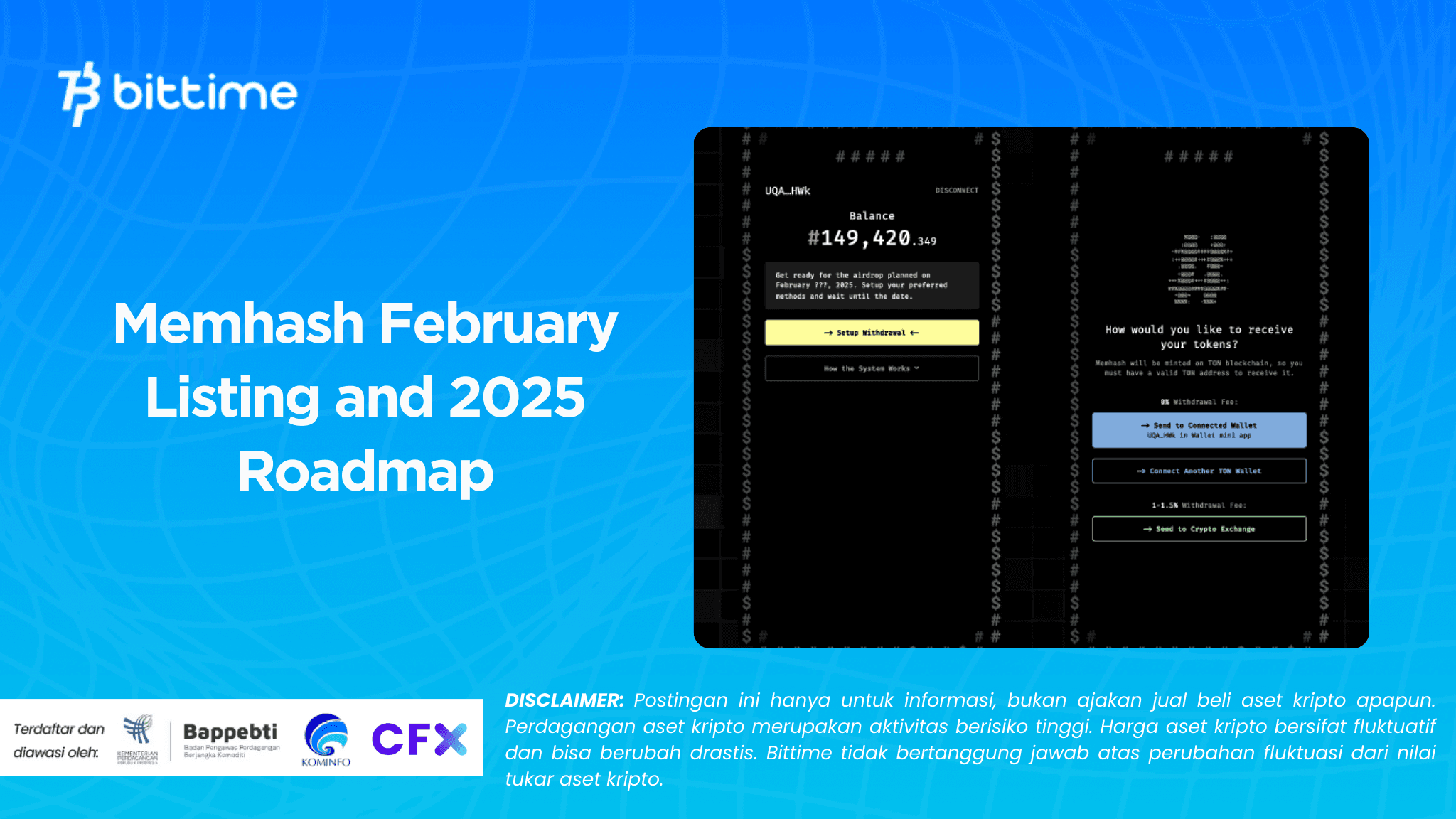
Memhash , a novel cryptocurrency that merges gaming simplicity with blockchain technology, is poised for its official debut on several prominent exchanges. Trading is scheduled to commence at 09:00 UTC on 28 February 2025, offering enthusiasts and investors an opportunity to engage with this innovative digital asset.

KuCoin, a leading cryptocurrency exchange, has confirmed the listing of MEMHASH on its platform. Deposits are currently open via the TON-Jetton network, allowing users to prepare ahead of the trading launch. The MEMHASH/USDT trading pair will be available, with withdrawals becoming accessible from 10:00 UTC on 1 March 2025. To enhance user experience, KuCoin will support various trading bots, including Spot Grid and AI Spot Trend, facilitating automated trading strategies.

In addition to KuCoin, MEXC Global has announced the inclusion of MEMHASH in its Innovation Zone. This segment is dedicated to high-potential assets, providing traders with early access to emerging cryptocurrencies. Deposits on MEXC are already open, with trading set to begin simultaneously at 09:00 UTC on 28 February 2025. Withdrawals will be enabled from 09:00 UTC on 1 March 2025, ensuring seamless transactions for users.

Bitget, another major exchange, is also preparing to list MEMHASH. While specific details regarding trading pairs and exact timings are yet to be disclosed, the exchange has indicated that the listing will occur concurrently with other platforms on 28 February 2025. This simultaneous launch across multiple exchanges is expected to provide substantial liquidity and trading opportunities for MEMHASH participants.

The journey of Memhash began with an airdrop event that ran from 29 October 2024 to 1 January 2025. During this period, participants engaged in a simulated mining process via Telegram, earning MEMHASH tokens. Approximately 43% of the total token supply was mined during the airdrop, with the remaining 57% allocated for future mining activities and community incentives.

Dubai is solidifying its status as a premier destination for ultra-high-net-worth individuals and family offices, driven by a confluence of strategic initiatives, favourable economic policies, and an influx of global financial entities. This trend is reshaping the emirate’s financial landscape, positioning it as a global hub for wealth management and investment. The Dubai International Financial Centre has experienced remarkable growth, with the number of hedge funds increasing […]

RAKBANK has entered into a strategic partnership with Faturalab, a prominent provider of smart supply chain solutions, aiming to transform supply chain finance for businesses across the UAE. This collaboration seeks to enhance financial workflows between buyers, suppliers, and banks, promoting operational efficiency and compliance with relevant regulations. Established in 2016, Faturalab has evolved from an invoice financing platform into Turkey’s leading finance technology provider. The company […]

Dubai’s property market is projected to stabilise or experience a slight decline in prices over the next 12 to 18 months, according to a recent report by Moody’s Ratings. This forecast comes as developers confront escalating construction costs and potential project delays, challenges that could reshape the emirate’s real estate landscape. The anticipated stabilisation follows a period of significant growth, with property prices in Dubai increasing by […]

By K Raveendran The term disruption has undergone a significant transformation in meaning over the years. Traditionally, it carried a negative connotation, indicating disorder or interruption. However, in the contemporary technological setting, disruption is celebrated as a driver of innovation, progress, and problem-solving. Companies like Uber, Airbnb, and Tesla have all disrupted their respective industries, […]


Pump.fun, a rapidly growing platform for launching and trading meme tokens, is developing its own automated market maker . This strategic move aims to shift liquidity from Raydium’s pools to Pump.fun’s proprietary system, potentially increasing revenue and offering enhanced rewards to token holders.

Since its inception in January 2024, Pump.fun has enabled users to create and trade meme tokens on the Solana blockchain with minimal initial liquidity. The platform’s user-friendly interface and low entry barriers have attracted a substantial user base, leading to significant daily trading volumes. Currently, external market transactions on Pump.fun rely on Raydium’s liquidity pools, incurring a 0.25% transaction fee per trade. Of this fee, 0.22% is allocated to Raydium’s liquidity providers, and 0.03% supports $RAY token buybacks and ecosystem development. For instance, with a daily trading volume of $100 million, approximately $5 million is routed through Raydium, resulting in daily fees of $12,500 paid by Pump.fun to Raydium, amounting to about $4.56 million annually.

By establishing its own AMM, Pump.fun seeks to internalize these fees, thereby enhancing its revenue stream. Assuming the same trading volume and fee structure, the platform could retain the entire $12,500 daily, or $4.56 million annually, without distributing a portion to external liquidity providers. This development not only promises financial benefits but also grants Pump.fun greater control over its ecosystem, enabling the introduction of additional decentralized finance products such as perpetual contracts and lending protocols. This strategic shift aims to create a self-sustaining on-chain meme DeFi ecosystem, reducing dependence on external platforms.

The announcement of Pump.fun’s AMM initiative has already impacted the market. Raydium’s native token, $RAY, experienced a sharp decline, with a daily drop of 20%, reflecting investor concerns over potential liquidity migration and reduced fee income for Raydium. Conversely, Crack, a meme token used to test Pump.fun’s new liquidity pool, saw its market capitalization surge to $4 million, indicating positive reception from the community.

However, this transition presents challenges. Migrating liquidity from Raydium to Pump.fun’s AMM requires careful coordination to ensure stability and user trust. Additionally, operating an independent AMM necessitates robust infrastructure and security measures to prevent vulnerabilities and maintain seamless trading experiences.

VISHNU RAJA
RYO YAMADA
HITORI GOTOH
IKUYO KITA