News related to
trade

KUALA LUMPUR, MALAYSIA – Media OutReach Newswire – 2 September 2024 – The influence of presidential elections on financial markets is often temporary. Still, the psychological effect of elections on traders and investors can cause emotional and illogical behaviour, contributing to increased market swings. Apart from the White House, the Senate is also up for grabs this fall, and the balance of power inside the legislative branch […]

Saudi Arabia and Ethiopia have launched a new business council to deepen economic cooperation and boost trade between the two nations. The Federation of Saudi Chambers made the announcement following the approval by the General Authority for Foreign Trade, underscoring the growing importance of bilateral ties between Riyadh and Addis Ababa. The newly established Saudi-Ethiopian Business Council is set to operate for the 2024-2028 term and will […]

India is poised to benefit from an anticipated surge in monsoon rainfall next month, according to the latest weather forecasts. The meteorological department has predicted above-average precipitation for the concluding phase of the June-September monsoon season, offering a significant boost to agricultural productivity. This optimistic forecast comes as a relief to the nation’s farmers who have been grappling with fluctuating weather patterns affecting crop yields. The expected […]

TAIPEI, TAIWAN – Media OutReach Newswire – 29 August 2024 – The Asian Sports and Leisure Online Exhibition 2024 (ASLE 2024) is a hybrid event that integrates virtual and physical elements, targeting Asian suppliers, importers, and exporters. The exhibition will run from August 29, 2024, to January 31, 2025, offering an excellent opportunity for exhibitors to showcase their brands. This transnational trade event, jointly organized by AsianNet […]

Jebel Ali Port in Dubai has achieved its highest container throughput in a single month since 2015, marking a significant milestone for the UAE’s maritime industry. This surge comes amid a notable increase in non-oil foreign trade, driven by the nation’s strategic economic partnerships. The port’s container handling reached unprecedented levels, surpassing previous records and reflecting a robust growth trajectory in trade activities. This spike in volume […]

SINGAPORE – Media OutReach Newswire – 30 August 2024 – Vizzio Technologies Pte Ltd has been awarded a groundbreaking patent by the United States Patent and Trademark Office (USPTO), marking a significant milestone in the field of 3D city mapping. This world-first patent recognises Vizzio Technologies for its innovative integration of 2D satellite imagery and state-of-the-art AI technology to produce highly detailed and geometrically accurate 3D city […]

A clandestine figure identified as ‘Hector’ has emerged as a pivotal player in the Iranian oil trade, reshaping the global energy landscape. Operating under a veil of secrecy, Hector has orchestrated a complex web of transactions that challenges conventional oil market dynamics.

Hector’s influence extends across various regions, with reports indicating a sophisticated network facilitating the clandestine export of Iranian oil despite international sanctions. This network has reportedly employed innovative methods to bypass restrictions and maintain a steady flow of oil to markets that are otherwise difficult to penetrate.

A recent investigation unveiled that Hector’s operations involve an intricate system of shell companies and intermediaries. These entities, often based in jurisdictions with lax regulatory frameworks, obscure the true origin of the oil, allowing it to enter the global market without direct association with Iranian sources. This method not only aids in evading sanctions but also helps in maintaining competitive pricing, which has disrupted established market equilibrium.

The financial aspects of Hector’s operations are equally sophisticated. The trader has reportedly leveraged advanced financial instruments to launder money, further complicating efforts to track and curb illicit oil transactions. By utilizing cryptocurrency and other digital assets, Hector has managed to obscure financial trails, making it challenging for authorities to follow the money.

Hector’s network reportedly includes a range of actors from various sectors, including shipping companies, financial institutions, and political operatives. These collaborators play crucial roles in ensuring the smooth operation of the illicit trade, from logistics to financial transactions. The involvement of such a diverse group underscores the complexity of Hector’s operations and the breadth of his influence in the global oil market.

The implications of Hector’s activities extend beyond mere economic impacts. The ability to circumvent sanctions and manipulate market dynamics poses a significant challenge to international regulatory efforts. This situation underscores the need for more robust measures to address the evolving methods employed by entities engaged in illicit trade.

Energy analysts are closely monitoring the situation, noting that Hector’s operations could have far-reaching consequences for global oil markets. The disruption of traditional supply chains and the introduction of lower-priced oil from these illicit sources could lead to increased volatility in global oil prices. Moreover, the undermining of sanctions regimes could embolden other actors to pursue similar strategies, further complicating efforts to enforce international regulations.

In response to these developments, international bodies and national governments are ramping up their efforts to identify and dismantle such networks. Enhanced cooperation and intelligence-sharing among nations are seen as crucial steps in combating the sophisticated methods employed by traders like Hector. Additionally, there is a growing emphasis on improving financial transparency and regulatory oversight to close loopholes exploited by such actors.

As the global community grapples with these challenges, Hector’s case highlights the need for a multifaceted approach to addressing illicit trade in critical resources. The evolving tactics of secretive traders and the complexities of their operations demand a coordinated and innovative response from policymakers and enforcement agencies alike.

Advertisements

Executives of Raydan Food Co, a prominent food services company in Saudi Arabia, have been sentenced to prison following a thorough investigation into market violations. This legal action marks a significant chapter in the kingdom’s ongoing efforts to enforce stricter compliance within its financial markets. The Saudi Capital Market Authority (CMA) announced that several board members of Raydan Food Co were found guilty of manipulating the company’s […]

Through a holistic curriculum, AIA Singapore and Singapore University of Social Sciences seek to nurture next-generation talents and pave the way for sustainable, purposeful careers. SINGAPORE – Media OutReach Newswire – 30 August 2024 – AIA Singapore and Singapore University of Social Sciences (SUSS) today launched Singapore’s first Minor in Insurance Fundamentals as part of a newly signed Memorandum of Understanding (MoU) between both parties. This programme […]

KUALA LUMPUR, MALAYSIA – Media OutReach Newswire – 30 August 2024 – A globally recognized multi-asset broker, JustMarkets is honored to be valued by clients and experts in the field and has been nominated for the prestigious UF AWARDS APAC 2024. This nomination is a testament to the company’s dedication and hard work in the online trading industry, as recognized on such a prominent platform. The UF […]

Invictus Investment, a company listed on the Abu Dhabi Securities Exchange (ADX), is significantly strengthening its foothold in Africa through the acquisition of a prominent food processing entity. The acquisition, which aligns with Invictus’s broader strategy to diversify its operations across the continent, focuses on expanding its portfolio in the agribusiness sector. This move is part of a larger plan to invest over AED 1 billion across North and East Africa, with the aim of integrating further into the food processing value chain.

The company’s recent actions underscore its commitment to growing its presence in Africa, particularly in the agri-food sector. The acquisition enables Invictus to tap into the region’s rapidly expanding market for processed food products, including staples like flour, pasta, and animal feed. Invictus is not only focusing on the supply of raw agro-commodities but also on providing finished products, thereby adding significant value to its offerings.

Amir Daoud Abdellatif, CEO of Invictus, highlighted the importance of this acquisition as a pivotal step in achieving the company’s long-term goals. Abdellatif emphasized that the company is keen on forming strategic partnerships across various African markets, ensuring that Invictus remains at the forefront of the region’s food processing industry. He noted that the expansion is designed to cater to the rising consumer demand and the increasing need for food security across Africa.

In addition to this acquisition, Invictus has successfully completed over one million metric tonnes of agro-commodity exports to Egypt this year alone. This achievement reflects the company’s ability to scale its operations and manage significant volumes of trade within the region. The company’s strategic investments are expected to create a ripple effect across the African agribusiness landscape, enhancing the availability of essential food products and contributing to the continent’s economic growth.

This latest development marks a significant milestone in Invictus’s broader expansion strategy, which is set to include more acquisitions and partnerships in the coming years. As Invictus continues to diversify its portfolio and expand its market reach, the company is poised to play a crucial role in Africa’s food processing and agribusiness sectors, positioning itself as a key player in the region.

The acquisition is expected to have a positive impact on Invictus’s financial performance, with analysts predicting that it will drive revenue growth and improve the company’s market share in Africa. As the company continues to implement its ambitious expansion plans, it is likely to attract further attention from investors and stakeholders interested in the African agribusiness sector.

This strategic move by Invictus Investment underscores the growing importance of Africa as a key market for global agribusiness players, as well as the increasing demand for food processing capabilities across the continent.

KUALA LUMPUR, MALAYSIA – Media OutReach Newswire – 29 August 2024 – Malaysia’s leading independent investment bank, Kenanga Investment Bank Berhad (“Kenanga” or “The Group“) today announced stronger earnings for the period ended 30 June 2024 (“1H24“). Datuk Chay Wai Leong, Group Managing Director, Kenanga Investment Bank Berhad Revenue for 1H24 rose by 18.3% to RM447.3 million from RM378.1 million, while profit before tax (“PBT“) increased by […]

KUALA LUMPUR, MALAYSIA – Media OutReach Newswire – 29 August 2024 – As the U.S. presidential elections approach, global financial markets brace for potential turbulence. Global broker Octa looks at the historical correlation between U.S. elections and stocks, gold, and the U.S. dollar. Economy The relationship between the party affiliations of the U.S. presidents and economic growth has been a topic of extensive research and debate. Historically, […]

Kuwait and Iraq are engaged in a high-stakes competition to develop two massive port projects that promise to redefine trade routes and economic power in the Gulf region. With an estimated combined investment of $13 billion, the projects—the Grand Faw Port in Iraq and the Mubarak Al Kabeer Port in Kuwait—are set to become major hubs for global shipping. Iraq’s Grand Faw Port, situated in the southern […]

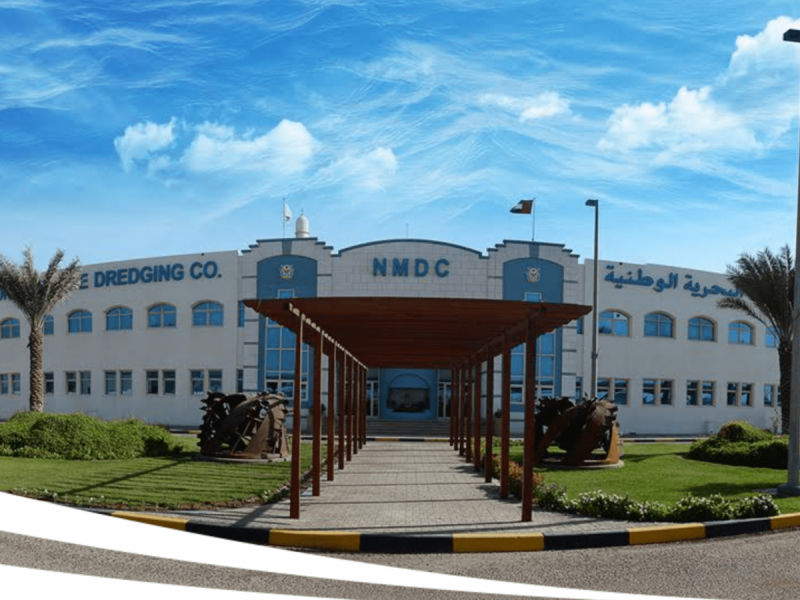
The UAE-based NMDC Group is preparing for what is set to be the country’s largest initial public offering (IPO) of the year. The firm, which was established as a subsidiary of the Abu Dhabi National Oil Company (ADNOC), aims to raise up to $2 billion through the listing. The company is now majority-owned by Alpha Dhabi Holding.

NMDC provides integrated drilling services across the Middle East, has announced plans to float around 7.5% of its shares on the Abu Dhabi Securities Exchange (ADX). The IPO will offer approximately 1.5 billion shares to institutional and retail investors, marking a significant milestone in the UAE’s financial markets.

The NMDC IPO comes at a time of fluctuating oil prices and global economic uncertainties. NMDC has reported substantial revenue growth over the past few years, driven by increasing demand for its drilling services and an expanding portfolio of projects across the region.

Nvidia’s stock took a sharp decline on Thursday as the company’s financial outlook failed to meet the sky-high expectations set by Wall Street. The market reaction was swift after Nvidia’s earnings report, which revealed a strong performance in the second quarter but also signaled potential challenges ahead, particularly concerning delays in the release of its next-generation Blackwell chip. Despite reporting a quarterly revenue of over $28 billion, […]

Global air cargo demand surged in July 2024, marking the eighth consecutive month of double-digit growth, according to data released by the International Air Transport Association (IATA). Middle Eastern carriers led this momentum with a significant 14.7% year-on-year increase in demand, a reflection of the robust performance seen across all regions.

This upswing comes as global demand, measured in cargo tonne-kilometers (CTKs), rose by 13.6% compared to July 2023. The remarkable growth is attributed to several factors, including a rise in global trade, booming e-commerce, and ongoing capacity constraints in maritime shipping, which have increasingly driven demand toward air freight. The peak season for air cargo is still ahead, signaling a potential continuation of these positive trends.

Asia-Pacific airlines recorded the strongest regional performance, with a 17.6% year-on-year growth in demand, bolstered by a 19.8% rise on the Within-Asia trade lane. Middle Eastern carriers maintained their strong position, particularly on the Europe-Middle East route, which saw an impressive 32.2% increase in demand.

Capacity, measured in available cargo tonne-kilometers (ACTKs), also expanded in July, growing by 8.3% globally. This growth was largely driven by a 12.8% increase in international belly capacity, supported by a thriving passenger market, and a 6.9% rise in international freighter capacity.

IATA’s Director General, Willie Walsh, noted the resilience of the air cargo industry amidst various political and economic challenges, highlighting the sector’s ability to adapt to shifting demand patterns. He also pointed out that despite challenges, including flight cancellations and airport disruptions caused by severe weather events in North America and the Caribbean, the industry continued to demonstrate strong performance.

Overall, July’s performance underscores the vital role air cargo plays in global trade, especially in regions where other modes of transport face limitations. With the peak shipping season approaching, the air cargo sector is poised to continue its robust growth trajectory into the latter half of the year.

Pakistan’s central bank is actively pursuing $4 billion in financial support from Middle Eastern banks to address a significant funding gap in the country’s economy. This strategic move aims to bolster Pakistan’s foreign exchange reserves and stabilize its financial situation amid ongoing economic challenges.

The need for external financial assistance has become more pressing as Pakistan grapples with a substantial trade deficit and a weakening currency. The country’s financial authorities have been engaged in discussions with several banks in the Middle East, seeking their participation in bridging the critical funding shortfall.

Pakistan’s central bank chief highlighted that the proposed funds are crucial for managing the nation’s economic stability. These funds would help mitigate the pressure on foreign reserves, which have been under strain due to persistent trade imbalances and rising import costs. The central bank is focused on securing this financial support to ensure the smooth functioning of the economy and maintain investor confidence.

The initiative to secure funding from Middle Eastern banks reflects Pakistan’s broader strategy to diversify its sources of financial support and reduce dependence on traditional Western lenders. This approach is part of a broader economic reform agenda aimed at stabilizing the economy and fostering sustainable growth.

Middle Eastern banks, known for their substantial financial resources, have been a target for many countries seeking to address economic imbalances. Pakistan’s outreach to these institutions aligns with its efforts to build stronger economic ties with the region and tap into its financial capabilities.

The central bank’s efforts come at a time when Pakistan is also negotiating with international financial institutions for additional support. These negotiations are critical for the country as it seeks to balance its budget and address its economic vulnerabilities.

The potential $4 billion infusion from Middle Eastern banks would provide a significant boost to Pakistan’s foreign exchange reserves, allowing the country to better manage its external debt obligations and enhance its economic stability. This move is expected to alleviate some of the immediate financial pressures and provide a more favorable environment for economic recovery.

In parallel, Pakistan’s government is implementing a series of reforms aimed at improving fiscal discipline and enhancing economic efficiency. These measures are designed to address long-standing structural issues and create a more resilient economic framework.

The central bank’s outreach to Middle Eastern banks underscores the importance of international financial collaboration in addressing global economic challenges. As Pakistan navigates its path to economic stability, securing support from key financial players will be crucial in achieving its financial and economic goals.

This funding initiative represents a pivotal moment in Pakistan’s economic strategy, highlighting the country’s proactive approach to managing its financial challenges and seeking innovative solutions to bolster its economic position.

Amid a backdrop of rising tensions and shifting political landscapes, Israel faces a critical juncture in its ongoing struggle with Iran. As support for Prime Minister Benjamin Netanyahu continues to grow, the question of whether Israel should intensify its confrontation with Iran is gaining prominence. While the prospect of such a move may appeal to some as a demonstration of strength and resolve, the unpredictable nature of warfare poses significant risks that must be carefully considered.

Netanyahu has long positioned himself as a staunch defender of Israel’s security, particularly in relation to the perceived threat from Iran. His rhetoric and actions have consistently underscored the view that Iran’s nuclear ambitions and regional influence constitute an existential danger to Israel. Over the years, Netanyahu has been vocal about the need to curb Iran’s power, and his administration has supported a range of strategies, including military strikes, covert operations, and diplomatic pressure, to achieve this goal.

Recent developments have only heightened the stakes. Iran’s nuclear program appears to be advancing at a rapid pace, with reports suggesting that it may soon reach a critical threshold. Additionally, Iran’s influence in the region, through its support for proxy groups such as Hezbollah and its involvement in conflicts in Syria and Yemen, remains a significant concern for Israel. The strategic calculus for Israel is therefore becoming increasingly complex, as it weighs the potential benefits and costs of escalating the conflict with Iran.

Support for Netanyahu’s hardline approach has been bolstered by several factors. Domestically, his political standing has improved, partly due to his handling of security issues and his ability to present himself as a strong leader in times of crisis. The recent normalization agreements between Israel and several Arab states have also enhanced his reputation, suggesting that Israel’s regional position is stronger than ever. These developments may lead some to believe that now is the opportune moment to confront Iran more directly, capitalizing on Netanyahu’s political momentum and the perceived alignment of regional interests.

However, the decision to escalate the conflict with Iran is fraught with peril. Wars, by their very nature, are unpredictable and can spiral out of control in ways that are difficult to foresee. Even with superior military capabilities, Israel cannot guarantee a quick and decisive victory. Iran is a formidable adversary with a well-established military and a network of regional allies that could respond to Israeli aggression in ways that might destabilize the entire Middle East.

One of the key risks associated with a larger war is the potential for it to draw in other regional and global powers. The Middle East is a complex web of alliances and enmities, and any significant escalation by Israel could provoke responses from other countries, including Russia, Turkey, and the United States. Each of these actors has its own interests and objectives in the region, and their involvement could complicate Israel’s strategic objectives, leading to a protracted and costly conflict.

Moreover, there is the question of public opinion, both domestically and internationally. While Netanyahu may enjoy growing support within Israel, particularly among those who prioritize security concerns, there is also a segment of the population that is wary of the consequences of another major war. The memory of past conflicts, such as the 2006 Lebanon War and the ongoing tensions in Gaza, serves as a reminder of the human and economic toll that war can exact. Internationally, Israel could face increased scrutiny and criticism, particularly if civilian casualties were to mount, which could undermine its diplomatic standing and erode the support it currently enjoys from key allies.

The economic implications of a larger conflict should not be overlooked either. Israel’s economy, while robust, is not immune to the shocks that accompany military conflicts. Prolonged warfare could disrupt trade, deter investment, and strain public finances, leading to long-term economic challenges. The costs of rebuilding and addressing the humanitarian fallout of war could be substantial, diverting resources away from other critical areas such as education, healthcare, and infrastructure.

Given these considerations, the argument against escalating the conflict with Iran gains considerable weight. While the desire to neutralize a perceived threat is understandable, the risks associated with a larger war are significant. Netanyahu’s leadership has been characterized by a willingness to take bold actions, but in this case, caution may be the more prudent course.

Israel’s security concerns are legitimate, and the threat posed by Iran is real. However, history has shown that wars often produce unintended consequences. The 2003 invasion of Iraq by the United States serves as a cautionary tale of how even well-intentioned military interventions can lead to long-term instability and suffering. Israel must weigh the potential short-term gains of weakening Iran against the long-term risks of igniting a broader regional conflict.

Diplomatic efforts, while challenging, offer an alternative path. The international community, including Israel’s allies, has a vested interest in preventing a larger war in the Middle East. Diplomatic channels, including negotiations and multilateral efforts to curb Iran’s nuclear ambitions, should be pursued with renewed vigor. While diplomacy may not provide immediate results, it offers the possibility of a more sustainable and less costly resolution to the ongoing tensions.

The decision to escalate or avoid a larger conflict with Iran is one that will define Netanyahu’s legacy and Israel’s future. It is a decision that requires careful consideration of the potential consequences, both known and unknown. The support for Netanyahu’s approach is undeniable, but the wisdom of pursuing a path of greater confrontation remains questionable. Wars are rarely as simple as they appear at the outset, and the costs of miscalculation can be immense.

As Israel navigates this complex and dangerous terrain, the choice it makes will have profound implications for its security, its economy, and its standing in the world. The allure of a decisive victory over a formidable adversary is strong, but the risks of a broader conflict may ultimately outweigh the potential rewards. Israel must tread carefully, recognizing that while strength is essential, so too is the wisdom to avoid unnecessary and potentially catastrophic conflict.


Nasdaq is making strides toward expanding its financial offerings by seeking approval from the U.S. Securities and Exchange Commission (SEC) for a new set of bitcoin index options. This move, if sanctioned, would mark a significant step forward in the integration of digital assets into mainstream financial markets.

Nasdaq’s proposal is focused on introducing options tied to a bitcoin index, which would offer investors a new way to gain exposure to the cryptocurrency market. The exchange’s submission to the SEC underscores the growing interest in bitcoin-related financial products, especially as institutional and retail demand for cryptocurrency exposure continues to rise.

The proposed bitcoin index options would operate similarly to other index options, allowing investors to speculate on the future price of bitcoin without needing to hold the underlying asset. This would provide a level of risk management and flexibility that could appeal to a broader range of investors. The timing of this move coincides with a period of heightened interest in digital assets, driven by bitcoin’s increased adoption and the introduction of various bitcoin exchange-traded funds (ETFs).

Currently, the SEC has not yet approved options based on any individual exchange-traded funds tied to spot bitcoin prices. The regulatory body has been cautious in its approach to cryptocurrency-related products, citing concerns about market manipulation, investor protection, and the overall stability of the financial system. Despite this, there has been a gradual shift in the SEC’s stance, with more openness to considering such products, particularly as the market matures and safeguards are implemented.

Nasdaq’s initiative reflects a broader trend within the financial industry, where traditional exchanges and financial institutions are increasingly exploring the integration of digital assets. This is part of a larger effort to bridge the gap between traditional finance and the rapidly evolving cryptocurrency sector. By offering bitcoin index options, Nasdaq aims to provide a regulated and transparent environment for investors to participate in the cryptocurrency market, potentially paving the way for other exchanges to follow suit.

The introduction of bitcoin index options would also have significant implications for market dynamics. It could lead to increased liquidity in the bitcoin market, as more participants enter through these new financial instruments. Additionally, it could influence bitcoin’s price stability, as options trading can impact the supply and demand balance of the underlying asset.

However, the SEC’s decision will likely hinge on several factors, including the overall security of the proposed product, the measures in place to prevent market manipulation, and the potential impact on investors. The regulatory body has been under pressure to strike a balance between fostering innovation in the financial markets and ensuring the protection of investors. The outcome of Nasdaq’s application could set a precedent for future cryptocurrency-related financial products in the United States.

If approved, Nasdaq’s bitcoin index options could significantly enhance the accessibility and appeal of cryptocurrency investments, particularly for institutional investors who may have been hesitant to enter the market due to regulatory uncertainties. This development would also signal a further legitimization of bitcoin as a financial asset, potentially driving broader acceptance and adoption.

Nasdaq’s pursuit of SEC approval for bitcoin index options represents a pivotal moment in the ongoing evolution of the financial markets. As the intersection of traditional finance and digital assets continues to develop, the decisions made by regulatory bodies like the SEC will play a crucial role in shaping the future of the industry.

Saudi Arabia and Ethiopia have taken a significant step towards bolstering their economic ties through the establishment of a new business council. The Federation of Saudi Chambers announced that the Saudi-Ethiopian Business Council, approved by the General Authority for Foreign Trade, will operate for the 2024-2028 term. This initiative aims to enhance trade and investment opportunities between the two nations, aligning with Saudi Arabia’s broader strategy to deepen its economic relations with Africa.

The council will be led by Abdullah bin Mohammed Al-Ajmi as president, with Omar bin Abdullah Al-Kharashi and Misfer bin Musaad Al-Shahrani serving as vice presidents. The council’s formation follows discussions held during the Saudi-Ethiopian Business Forum in June 2024, where both countries expressed a mutual interest in exploring new avenues for economic collaboration.

Ethiopia, with a GDP of approximately $205 billion in 2022, is one of Africa’s largest economies. However, trade between Saudi Arabia and Ethiopia has remained relatively modest, with bilateral trade valued at less than SR1.3 billion ($346 million). The new council aims to address this gap by fostering stronger business partnerships, particularly in key sectors such as agriculture, mining, petrochemicals, food industries, tourism, real estate, and construction.

Al-Ajmi emphasized Ethiopia’s attractive investment environment and its strategic role as a trade hub for Central Africa. The council is expected to play a pivotal role in supporting Saudi exports and targeting growth sectors in Ethiopia, potentially unlocking new economic opportunities for both nations.

This development is part of Saudi Arabia’s broader effort to expand its influence and economic reach across Africa, with Ethiopia positioned as a critical partner in this strategy. The establishment of the council marks a significant milestone in Saudi-Ethiopian relations, promising to elevate their economic ties to new heights over the next four years.

This initiative not only underscores the importance of Ethiopia in Saudi Arabia’s Africa strategy but also signals a concerted effort to diversify economic partnerships and explore untapped markets on the continent. The coming years will likely see increased Saudi investment in Ethiopia, as the council works to bridge the existing trade gap and create new opportunities for economic collaboration.

Qemtex Chemical Holding has launched a new powder coatings manufacturing plant in the Umm Al Quwain Free Trade Zone, marking a significant expansion for the UAE-based multinational industrial group. This latest venture aims to enhance the company’s footprint in the global market by offering a diverse range of powder coatings for architectural, industrial, and specialized applications. The new facility is equipped with advanced technology designed to support […]

Lunate Capital LLC has introduced a new Shariah-compliant exchange-traded fund (ETF) focused on Indian equities. This initiative marks a significant expansion for the Abu Dhabi-based asset management firm, which operates under the regulatory framework of the Securities and Commodities Authority (SCA) and is a subsidiary of Lunate Holding RSC Limited. The Chimera ETF aims to attract investors interested in adhering to Islamic finance principles while gaining exposure to the dynamic Indian stock market.

The Chimera ETF, launched on August 27, 2024, is designed to align with Shariah laws by avoiding investments in industries such as alcohol, gambling, and pork, and ensuring that financial transactions comply with Islamic principles. The fund’s portfolio will be comprised of companies listed on Indian exchanges that meet these criteria, providing investors with a way to participate in India’s growing economy while adhering to their religious beliefs.

Lunate Capital’s decision to focus on Indian equities is driven by the country’s robust economic growth and increasing market opportunities. India has emerged as a key player in the global economy, with its diverse market presenting significant potential for investment. The Chimera ETF is expected to offer investors a diversified exposure to various sectors, including technology, pharmaceuticals, and consumer goods, reflecting India’s economic diversity.

The introduction of this ETF comes at a time when interest in Shariah-compliant financial products is on the rise, particularly among investors in the Middle East and Southeast Asia. The growth of Islamic finance has been notable in recent years, with many investors seeking opportunities that align with their ethical and religious standards. By launching this fund, Lunate Capital aims to cater to this growing market segment and provide a tailored investment solution.

The ETF’s launch is also a strategic move for Lunate Capital, positioning the firm as a significant player in the Islamic finance sector. The company’s expertise in managing Shariah-compliant investments, combined with its focus on high-growth markets like India, is expected to enhance its reputation and attract a broader investor base. The Chimera ETF will be traded on the Abu Dhabi Securities Exchange (ADX) and is expected to draw significant interest from both regional and international investors.

As global investment trends continue to evolve, the demand for ethical and Shariah-compliant financial products is likely to increase. Lunate Capital’s new ETF is poised to benefit from this trend by offering a product that aligns with investors’ values while tapping into the lucrative Indian market. The launch underscores the growing convergence between Islamic finance and global investment opportunities, highlighting the expanding role of Shariah-compliant products in diverse financial markets.

This development reflects broader trends in the financial industry, where traditional investment products are being adapted to meet the needs of a diverse and global investor base. By integrating Shariah compliance with a focus on high-growth markets, Lunate Capital is setting a precedent for how Islamic finance can intersect with emerging economic opportunities.

BEIJING, CHINA – Media OutReach Newswire – 26 August 2024 – The first comprehensive robot exhibition center in Beijing, “Robot World,” has established a permanent exhibition hall. The National Robot Testing and Evaluation Center (Headquarters) Beijing Evaluation Center provides authoritative domestic and world-class testing and certification services. The Beijing Embodied Intelligence Robot Innovation Center focuses on solving common industry challenges in the development of key embodied intelligence […]

VISHNU RAJA
RYO YAMADA
HITORI GOTOH
IKUYO KITA
Just in:
CM disputes Vijayan’s claims // Private varsities bill all set to face the axe // Geely’s i-HEV Intelligent Hybrid Technology Offers a New Direction Vision for Gasoline-Powered Vehicles // Battle Uttar Pradesh Will Be Tougher For Yogi Than Expected // Miss Universe Hong Kong Jen Zhou Departs for Puerto Rico to Compete in the 75th Miss Universe World Final // Beyond the exhibition floor: How robots, AI and networks are moving into the real world // Trump’s Iran War Has A Share Of Contribution To His Midterm Debacle // e-Crime Bureau Signs Cybersecurity Partnership With Smart Africa, Reinforcing Its Global Expansion // Democrats Gearing Up For 2028 Presidential Elections To Gain Full Power // Elephant calf on death line airlifted for treatment in Gujarat // Motorola introduces Signature 27 flagship priced at $1,599 // Ningbo Consensus on Collaborative Development released at 2026 Global Mayors Dialogue · Ningbo // Geely’s i-HEV Intelligent Hybrid Technology Offers a New Direction for Gasoline-Powered Vehicles // HKUST President Prof. Nancy IP Receives UNESCO–Equatorial Guinea International Prize for Research in Life Sciences // Oil advances towards $100 as tanker attacks persist // The “1st Greater Bay Area Health and Longevity Summit & Awards Ceremony” concludes successfully in Macao // OpenAI introduces GPT-6 Cyber with restricted security access // India Under Pressure To Join RCEP On The Eve Of ASEAN Summit In Manila On Nov 15-17 // OpenAI abandons secrecy agreements for future data centres // UK air traffic outage inflicted £33m financial losses //