Just in:
Ningbo Consensus on Collaborative Development released at 2026 Global Mayors Dialogue · Ningbo // Beyond the exhibition floor: How robots, AI and networks are moving into the real world // Dubai boat show confirms international shipyard line-up for November // OpenAI introduces GPT-6 Cyber with restricted security access // Motorola introduces Signature 27 flagship priced at $1,599 // APT29-linked campaign exploits outdated Apple and Android software // UK air traffic outage inflicted £33m financial losses // Oil and chip shares retreat after Democratic victories // Asia Left Behind: Ten international companies have yet to report delivering on their cage-free egg pledges across the region // e-Crime Bureau Signs Cybersecurity Partnership With Smart Africa, Reinforcing Its Global Expansion // Kochi police detain two actors over bid to honey trap doctor // The “1st Greater Bay Area Health and Longevity Summit & Awards Ceremony” concludes successfully in Macao // Emirates Group records AED 4.1 billion half-year profit // Emaar approves Development buyout ahead of planned delisting // Ousted top Kochi cop gets IG post // Trump’s Iran War Has A Share Of Contribution To His Midterm Debacle // Private varsities bill all set to face the axe // CR Longdation Aethereal Cybersecurity × Global Cybersecurity Alliance (GCSA) Join Hands to Establish the “AI and Cybersecurity Research Centre” // Geely’s i-HEV Intelligent Hybrid Technology Offers a New Direction for Gasoline-Powered Vehicles // Meraas showcases five residential zones at Dubai Design Week //

News related to
trade

By Satyaki Chakraborty The Communist Party of India (Marxist) has released its draft political resolution for the 24th congress of the Party to be held in Madurai in April this year. The last party congress was held in 2022 and so the coming congress held after three years, is expected to make an appraisal of […]

HONG KONG SAR – Media OutReach Newswire – 6 February 2025 – XTransfer, the world-leading and China’s No.1 B2B Cross-Border Trade Payment Platform, and Ecobank Group, the leading private pan-African financial services group with unrivalled African expertise, have signed a landmark Memorandum of Understanding of Cooperation (MOU) to roll out comprehensive cross-border financial services to Africa’s small and medium-sized enterprises (SMEs) engaged in foreign trade. The collaboration […]

SHENZHEN, CHINA – Media OutReach Newswire – 6 February 2025 – Linklogis, a leading provider of technology-driven supply chain finance solutions, is pleased to announce the appointment of Matt St. Louis as Vice President of Sales & Operations for the US and UK and Milan Petrovic as Director of Sales UK. In addition to these key hires, Linklogis International, the international arm of Linklogis, has made significant […]

The UAE has set a remarkable record, achieving a significant milestone in foreign trade with a total of Dhs3 trillion in 2024. This accomplishment comes as the UAE’s foreign trade expanded by an impressive 14.6 per cent, far outstripping the global trade growth, which only saw a modest 2 per cent increase. This surge in foreign trade marks a continuing trend for the UAE, solidifying its position […]

Saudi Aramco, the world’s largest oil producer, has significantly increased its official selling price for Arab Light crude oil destined for Asia. This move has sent ripples through the global energy markets, raising questions about the potential impacts on supply, demand, and the broader oil market dynamics. The price adjustment comes as the global oil market continues to face various challenges, including fluctuating demand, geopolitical tensions, and […]

UAE and Saudi Arabia are poised to dominate the MENA region’s e-commerce growth in 2024, as both countries capitalise on their technological advancements, robust infrastructure, and increasing consumer adoption. With rising digital transformation efforts and governmental support, these two nations are solidifying their position as the region’s e-commerce leaders. The digital marketplace in the MENA region is forecasted to reach new heights this year, with the UAE […]

Vietjet Aviation Joint Stock Company has reported unprecedented financial performance for 2024, marking its most successful year since the onset of the COVID-19 pandemic. The airline’s consolidated revenue reached approximately 52.2 trillion VND , reflecting a 19% increase compared to the previous year. Consolidated after-tax profit stood at 1.4 trillion VND , a significant rise of 564% year-over-year.

Throughout 2024, Vietjet transported over 19.6 million passengers across 104,000 flights, achieving year-over-year increases of more than 6% in passenger numbers and 2% in flight operations. The airline’s fleet of 85 aircraft maintained an average seat utilization rate of 87% and a technical reliability rate of 99.7%. Cargo operations also saw substantial growth, with a total volume of 88,964 tons transported, marking a 73% increase from the previous year and capturing over 10% of the freight market share among Vietnamese airlines.

As of September 30, 2024, Vietjet’s total assets were valued at nearly 94 trillion VND . The company’s debt-to-equity ratio was reported at 2.25, and its liquidity ratio stood at 1.4, both considered safe levels within the aviation industry. Cash, bank deposits, and cash equivalents totaled nearly 3,997 billion VND , ensuring sufficient liquidity and working capital.

In the first nine months of 2024, Vietjet paid nearly 5.56 trillion VND in direct and indirect taxes and fees, underscoring its role as a significant contributor to economic growth, trade, and tourism.

The airline expanded its network to 155 routes, comprising 43 domestic and 112 international destinations. New direct routes were launched, including Da Nang to Ahmedabad and Xi’an to Ho Chi Minh City, with increased frequencies on existing routes such as Ho Chi Minh City to Perth, as well as other regional destinations like South Korea, Japan, and Hong Kong.

In line with its fleet expansion strategy, Vietjet and Airbus signed a contract for 20 new-generation wide-body A330neo aircraft, valued at US$7.4 billion. Additionally, the airline partnered with Rolls-Royce for the supply of 40 Trent 7000 engines and TotalCare services for the A330neo aircraft. A comprehensive service agreement was also signed with Lufthansa Technik, a leading provider of aircraft maintenance services.

Vietjet has been actively pursuing the research, development, and use of sustainable aviation fuel in collaboration with international partners, as part of its commitment to environmental, social, and governance goals. The airline continues to innovate consumer services on its e-commerce platform, prioritizing technology-driven solutions for a seamless passenger experience.

Advertisements

HONG KONG SAR – Media OutReach Newswire – 5 February 2025 – TUMI, the leading international travel, lifestyle and accessories brand, is ushering in Spring 2025 with vibrant energy. This season marks a significant milestone—TUMI’s 50th anniversary—celebrating a legacy rich in heritage, innovation and enduring performance. From exceptional craftsmanship to groundbreaking advancements, TUMI symbolizes timeless luxury. For Spring 2025, TUMI seamlessly blends ancient and modern influences, highlighting […]

Markets flourish with predictability. Companies require consistency to strategize effectively. However, the current US administration’s erratic approach to trade is fostering the opposite environment. Donald Trump’s eleventh-hour decision to postpone sweeping tariffs on Mexico and Canada provides temporary relief but does not address the core issue: the United States is becoming an increasingly erratic economic ally. Investors are already experiencing the repercussions. This latest suspension is the […]

The surge in gold prices has sparked a corresponding rise in gold-backed cryptocurrencies, which have gained significant traction in the wake of global economic uncertainties and a prolonged trade war. The value of gold has climbed nearly 10% this year, reaching new heights as investors look for stable assets amidst volatile market conditions, while most major cryptocurrencies have struggled to maintain positive momentum.

Gold-backed digital currencies, which are pegged to the price of gold, have become increasingly popular as both a hedge against inflation and a secure store of value. These cryptocurrencies provide investors with the benefits of blockchain technology, offering fast, secure transactions and lower fees, while still being tied to the tangible value of gold. As the price of gold breaks records, these digital assets have seen a sharp rise in value, attracting attention from institutional investors who are traditionally more risk-averse and have historically favoured physical gold for their portfolios.

The economic backdrop fueling this surge is primarily the ongoing trade tensions between major global economies. With trade disputes, particularly between the United States and China, showing no signs of abating, the global economy faces mounting pressure. These trade conflicts have led to fears of inflation and slower growth, pushing investors to seek refuge in traditional safe-haven assets like gold. As a result, the demand for gold-backed cryptocurrencies has risen, with investors increasingly willing to embrace digital assets that offer stability amid uncertain times.

Gold-backed cryptocurrencies differ from typical cryptocurrencies such as Bitcoin and Ethereum, which are not directly tied to any physical asset. Instead, the value of gold-backed tokens is directly correlated to the price of gold, which has proven to be a reliable store of value for centuries. This connection appeals to investors who seek the benefits of cryptocurrency without the volatility associated with unbacked tokens.

Several platforms have emerged in recent years offering gold-backed digital currencies, and their growth is being driven by the increasing adoption of blockchain technology across multiple sectors. These platforms typically work by holding physical gold reserves in vaults and issuing tokens that represent ownership of a specific amount of gold. Investors can trade these tokens on various exchanges, and they can also redeem them for physical gold if desired. This hybrid approach offers a unique combination of traditional financial instruments and the advantages of digital currencies.

Notably, the surge in gold prices has been driven by several factors, including concerns over inflation, geopolitical tensions, and the economic fallout from the ongoing trade war. As central banks continue to print money to stimulate economies, the fear of inflation has grown, leading to greater demand for gold as a hedge. In times of economic instability, gold has historically served as a safe-haven asset, with its value often rising when other markets falter. With the US dollar weakening and bond yields remaining low, gold’s appeal as an investment has only increased.

Meanwhile, the trade war, which has disrupted global supply chains and created uncertainty in the markets, has further compounded these concerns. Both the US and China have imposed tariffs on each other’s goods, resulting in higher prices for consumers and reduced global trade. This ongoing uncertainty has prompted many investors to turn to assets like gold-backed cryptocurrencies, which offer the potential for stability in an unpredictable economic environment.

One of the key advantages of gold-backed cryptocurrencies is their ability to provide exposure to the price of gold without the need for physical ownership or storage. Traditional gold investors often face challenges related to the high costs of securing and storing physical gold. By contrast, digital currencies offer a more accessible and efficient way to invest in gold. As more investors seek to diversify their portfolios, gold-backed tokens provide an attractive option for those looking to capitalise on the price of gold while avoiding some of the logistical issues associated with owning physical gold.

Despite the growth of gold-backed cryptocurrencies, challenges remain. The volatility of the broader cryptocurrency market can still affect the price of gold-backed tokens, and there are concerns around regulation and the potential for government crackdowns on digital currencies. While some countries have embraced blockchain technology and cryptocurrency as part of their financial systems, others remain cautious or outright hostile to the sector. This regulatory uncertainty could pose a risk to the long-term growth of gold-backed cryptocurrencies, as potential investors weigh the risks of government intervention and the stability of the market.

Successful Event Draws 200,000 Global Visitors with Hong Kong’s Local Creativity 29 January to 2 February 2025: 38 Featured Creations & 16 Visiting Hong Kong Comics Artists/ Illustrators Watch drawing demonstrations by Hong Kong comics artists in real-time at one of the top three major overseas comics festivals in the world February to May 2025: All the participating artists will be invited to share their exchange experiences […]

By K Raveendran OPEC+ is once again at the centre of a global energy crisis as it grapples with a new challenge posed by President Donald Trump’s tariffs on major crude oil suppliers. The tariffs, which include a 10 percent levy on Canadian oil and 25 percent on US imports into Canada in retaliation, threaten […]

Ethereum has witnessed significant volatility, dropping by over 20% in a 24-hour period before making a swift recovery. Despite the ongoing fluctuations in the broader cryptocurrency market, a new entrant is making waves with the announcement of an innovative platform that promises to reshape the future of decentralised finance . Skyren DAO, a decentralised autonomous organisation , is preparing to launch its groundbreaking airdrop platform aimed at both rewarding early adopters and expanding its user base within the DeFi ecosystem.

The recent movement in Ethereum’s price has captured the attention of traders, investors, and analysts alike. The cryptocurrency saw a sharp drop, prompting concerns about its stability. Ethereum’s price plummeted by 20%, sending shockwaves through the market. However, within hours, ETH began its recovery, regaining some of the lost value. This sharp fluctuation highlights the volatility inherent in the cryptocurrency market, with digital assets often facing rapid changes in value.

While Ethereum’s volatility remains a key point of focus for investors, the announcement by Skyren DAO introduces a new dimension to the crypto landscape. Skyren DAO’s airdrop platform is being touted as a game-changer, aiming to incentivise the growth of decentralised finance projects by rewarding users for their participation. The DAO is positioning itself as a key player in the airdrop space, with its platform designed to allow users to claim tokens from DeFi projects by simply engaging with the platform and completing tasks.

Skyren DAO’s airdrop platform seeks to address the growing demand for DeFi services, providing users with an opportunity to engage directly with innovative projects. The platform will offer token distributions that can be claimed by users who complete specific actions, such as holding certain tokens, participating in governance decisions, or interacting with the Skyren ecosystem. This initiative is aimed at increasing participation and encouraging a broader audience to join the DeFi revolution.

The platform is expected to foster a sense of community by offering rewards in the form of tokens from up-and-coming DeFi projects. By doing so, Skyren DAO hopes to facilitate the growth of its ecosystem while simultaneously giving back to its users. Airdrops have become a popular marketing strategy for DeFi projects, but Skyren DAO’s approach goes beyond simple token distribution. The platform will also integrate educational resources, allowing users to learn more about DeFi, blockchain technology, and the projects they are supporting.

The DAO’s new airdrop platform is part of a broader trend within the crypto industry, where decentralised organisations and projects are looking for ways to engage more users and promote participation. Airdrops have become a standard tool for spreading awareness about new projects and incentivising users. However, Skyren DAO’s approach distinguishes itself by combining rewards with educational opportunities, creating a more inclusive and interactive experience for users.

Skyren DAO’s move comes at a time when the DeFi sector is gaining momentum, with increasing interest in decentralised applications , liquidity pools, and yield farming. The sector has seen a surge in both the number of projects and the amount of capital flowing into the space. Skyren DAO’s airdrop platform aims to capitalise on this momentum by providing users with a simple entry point into the world of DeFi, incentivising them to become more involved in the ecosystem.

The launch of the platform is particularly timely, as the broader cryptocurrency market is in a state of flux. Investors are seeking opportunities that offer more stability amid the volatility, and DeFi platforms are increasingly seen as a viable option. Skyren DAO’s innovative airdrop platform is expected to play a key role in attracting users who may be new to the space, as well as those looking to diversify their portfolios and engage with emerging DeFi projects.

While Ethereum’s volatility continues to stir uncertainty, Skyren DAO is moving forward with its plans to expand the DeFi ecosystem. The DAO’s airdrop platform, by encouraging user participation, is expected to bolster the growth of the Skyren ecosystem and provide a much-needed boost to the broader DeFi market.

As Ethereum’s market price continues to fluctuate, it remains to be seen how this will impact the DeFi sector and the success of new initiatives such as Skyren DAO’s airdrop platform. With Skyren DAO positioning itself at the forefront of this wave of decentralisation, the platform could play a pivotal role in shaping the future of DeFi and bringing more users into the fold.

Cryptocurrency markets began the day with a notable lack of movement, as trading volumes dropped by nearly 30%, marking a period of consolidation. Amid this trend, both bullish and bearish forces have remained active, but the lack of significant price fluctuations points to a potential for range-bound consolidation in the coming period. As major assets like Bitcoin, Ethereum, and XRP continue to experience subdued movement, two particular blockchain projects—Solana and SUI—stand out as they face pivotal moments in their market trajectories.

Solana, once considered one of the leading contenders in the blockchain space, is encountering a crucial juncture. The network, which rose to prominence with its promise of fast transaction speeds and low fees, has seen its price experience a steady decline. As the broader market grapples with low liquidity, Solana’s ability to maintain relevance is being tested. Despite an initial surge fueled by optimism regarding its scalability and unique consensus mechanism, Solana now faces concerns over network outages and heightened competition from other smart contract platforms, including Ethereum and newer contenders such as Avalanche and SUI.

Recent updates from Solana Labs highlight ongoing improvements to the network, including enhancements to decentralisation and transaction throughput. However, these developments have not been enough to stem the downward price pressure that has plagued SOL for months. The volatility seen in its earlier days is now replaced by uncertainty. While Solana remains a top-tier blockchain in terms of market capitalization, many analysts are watching closely to determine whether the project can sustain its position or if it risks falling into the shadows of more dominant platforms.

At the same time, the SUI network—launched with the backing of former Meta engineers—has been positioning itself as a potential long-term winner in the smart contract ecosystem. While it is still in its infancy compared to more established blockchains, SUI has garnered attention for its innovative approach to scalability. Its unique Move programming language, designed to offer flexibility and efficiency in asset management, could differentiate it from competitors.

However, SUI is still in a critical phase where the market must confirm whether it can deliver on its promise. Despite some initial interest, the lack of a clear price surge has left many investors on edge, waiting for concrete signs of bullish momentum. The current market conditions, combined with the cautious stance of many institutional investors, have led to a stagnation in SUI’s growth. Many analysts are closely observing SUI’s ability to break through its resistance levels, which could indicate the start of a more pronounced rally.

As Solana faces its critical point, SUI’s development remains a topic of growing importance in the crypto space. The two projects, while vastly different in terms of their technology and goals, both embody the shifting dynamics of blockchain development. Solana’s struggle to regain its former strength is tempered by the rising expectations around SUI, which is yet to prove itself on a large scale.

The outlook for Solana hinges significantly on its ability to address its scalability issues while maintaining a stable, decentralized network. With its price below key support levels, market watchers have been closely monitoring for any signs of recovery. Some experts argue that Solana might need to focus on strengthening its developer ecosystem, as many of the more successful blockchain platforms owe their success to vibrant communities and continuous innovation.

On the other hand, SUI’s success is largely dependent on its ability to convince both developers and users of its scalability and security advantages. Although SUI’s underlying technology is promising, many in the industry remain sceptical about whether it can achieve significant adoption and whether its distinct approach to data handling will stand the test of time.

The broader market environment plays a crucial role in shaping the trajectories of both networks. If the overall crypto market begins to recover, both Solana and SUI could stand to benefit. However, the current market sentiment remains cautious, as traders wait for more definitive signals. The drop in trading volume indicates that many are waiting for a trigger that might set off the next phase of market activity, whether it’s a bullish breakout or another downtrend.

As it stands, the near-term outlook for Solana is one of continued consolidation, with a focus on whether its core development team can introduce updates capable of restoring confidence in the network. For SUI, the situation is somewhat different; it still has to prove itself in terms of user adoption and building out its ecosystem. While the blockchain space is rife with competition, SUI’s innovative features may yet allow it to carve out a significant position if the market sees an influx of interest in its offerings.

Donald Trump’s administration is making significant strides towards shaping the future of cryptocurrency regulation in the United States, with new initiatives aimed at establishing the country as a leader in the global digital asset market. At the heart of this push is the creation of a National Bitcoin Reserve, a plan intended to secure Bitcoin’s position as a foundational pillar of the U.S. financial system. Alongside this, a comprehensive set of pro-crypto regulations is being crafted, promising to reshape how digital assets are treated under American law.

Trump’s crypto czar, David Sacks, has been vocal in driving this initiative, positioning the U.S. to be at the forefront of the digital revolution. Speaking to a gathering of industry leaders, Sacks emphasised the importance of a robust regulatory framework that would not only protect investors but also provide a clear roadmap for businesses and startups in the crypto space. His statements have echoed the administration’s intent to balance innovation with security, fostering a thriving digital economy.

The National Bitcoin Reserve, a key component of this strategy, aims to establish a large-scale reserve of Bitcoin, ensuring that the U.S. government holds a significant stake in the leading cryptocurrency. Proponents argue that this move would reinforce the dollar’s dominance in the global financial market, positioning Bitcoin as a safe and stabilising asset. The plan has already garnered attention from financial experts, some of whom see it as a potential game-changer, strengthening the U.S. dollar while also promoting the mainstream adoption of cryptocurrency.

Alongside this reserve, the Trump administration is working on a comprehensive package of regulations that would provide clarity and stability to the rapidly evolving crypto landscape. These regulations are set to address a range of concerns, from tax treatment to anti-money laundering measures, ensuring that cryptocurrency transactions are conducted in a secure and transparent manner. Sacks has stressed the need for a regulatory environment that encourages innovation while preventing misuse, striking a delicate balance between growth and security.

This shift in policy comes at a time when the global cryptocurrency market is experiencing rapid growth, with governments around the world racing to establish their regulatory frameworks. In Europe, regulators are moving towards stricter rules aimed at controlling the industry, while countries like China have adopted an outright ban on crypto mining and trading. Against this backdrop, Trump’s administration is aiming to position the U.S. as a haven for crypto businesses, creating an environment where innovation is encouraged, and regulatory certainty is assured.

The role of the U.S. government in this new crypto ecosystem has been a subject of much debate. Critics of the plan argue that such a large government stake in Bitcoin could lead to potential conflicts of interest, with the government holding too much influence over the digital asset market. Others have expressed concerns about the lack of international coordination on crypto regulations, fearing that differing approaches could create barriers to global crypto trade. However, Sacks remains confident that the National Bitcoin Reserve will not only benefit the U.S. economy but will also set a positive precedent for other nations looking to integrate digital currencies into their financial systems.

Key to this vision is the backing of the U.S. Senate and House, where bipartisan support for crypto regulation has been steadily growing. Lawmakers have recognised the economic potential of digital assets and the need to create a framework that fosters innovation while ensuring investor protection. This shift in legislative attitude has led to the formation of a joint committee, aimed at crafting a set of laws that will provide clarity and direction for the future of cryptocurrency in the U.S. The committee is expected to work closely with the Department of Treasury and other federal agencies, ensuring that all aspects of the crypto market are addressed in the new regulatory framework.

While the proposed regulations are still in the early stages, they are set to cover a wide range of issues. The focus will be on ensuring that cryptocurrency transactions are transparent, that businesses comply with tax requirements, and that anti-money laundering protocols are in place. Additionally, the regulations will seek to address the volatility of digital assets, with some proposing the creation of stablecoins as a more secure alternative for everyday transactions. Stablecoins, which are pegged to the value of traditional currencies like the U.S. dollar, have been gaining traction in the crypto space as a way to reduce volatility and encourage mainstream adoption.

Another key element of the plan is the proposed tax incentives for crypto businesses. The Trump administration is looking to create a favourable tax environment for companies in the digital asset space, including tax breaks for startups and incentives for blockchain-based innovations. This approach is designed to attract the best and brightest minds in the crypto world to the U.S., boosting the country’s competitiveness in the sector. With many countries struggling to balance regulatory control with business incentives, the U.S. is positioning itself as a global leader in crypto innovation.

As part of the broader strategy, Trump’s team has also been working to enhance collaboration with the private sector, bringing together industry leaders, financial institutions, and technology experts to create a cohesive and forward-thinking crypto ecosystem. Sacks has highlighted the importance of public-private partnerships in ensuring that the regulatory framework is both effective and practical, reflecting the needs of the rapidly changing digital asset landscape.


Bitcoin traders are bracing for a possible downturn as market sentiment shifts. The flagship cryptocurrency has been under pressure for weeks, with experts warning that a significant price drop could be on the horizon. According to on-chain metrics, factors such as increased selling activity and a slowing bullish momentum are contributing to the growing concern.

Bitcoin, which has long been a cornerstone of the cryptocurrency market, has experienced remarkable volatility in recent months. After reaching new highs, the cryptocurrency has struggled to maintain its upward momentum, with many analysts suggesting that the market is entering a phase of heightened risk. A key factor in this shift is the increasing sell-off activity by long-term holders and institutional investors, who have been cashing in on their positions after a period of sustained growth.

As Bitcoin faces heightened selling pressure, experts point to several signs indicating a potential price correction. On-chain metrics, which track activity on the blockchain, show that many investors are currently in a profit-taking mode. This has created a significant imbalance between buying and selling, with more sellers than buyers in the market. Historically, this has been a precursor to price declines as selling pressure increases, and Bitcoin’s price fluctuates as a result.

Several prominent analysts have expressed concern about Bitcoin’s price trajectory, with some predicting that the cryptocurrency could plummet to as low as $74,000 if the current trend continues. This figure is significantly lower than Bitcoin’s recent highs, marking a potential decline that could shake investor confidence. For many in the crypto community, this warning serves as a reminder of the market’s inherent volatility, where massive swings in value are not unusual.

Despite these concerns, there are still optimists within the market who believe Bitcoin’s current price levels are merely part of a natural correction. Many investors argue that the cryptocurrency market is in the midst of a healthy consolidation phase, which often precedes further upward movement. They point to Bitcoin’s resilience over the years and the increasing adoption of digital assets by traditional financial institutions as reasons to remain bullish in the long term. However, even among these optimists, the prevailing sentiment is that market conditions are growing more uncertain.

At the heart of the current debate is the role of institutional investors. Bitcoin has increasingly attracted attention from large-scale investors, many of whom have been instrumental in driving its previous price surges. However, their involvement has also introduced a new level of complexity to the market. Institutional investors tend to take a more measured approach, often selling off their holdings when they perceive a downturn, which can amplify downward pressure on the price.

The technical indicators also suggest that Bitcoin is facing a critical juncture. On-chain analysis reveals that key support levels are being tested, and a break below these levels could trigger a cascade of selling. If the price drops below $74,000, many analysts expect further liquidation from investors, which could accelerate the decline. This potential scenario has left some traders on edge, as they weigh their options amid the uncertainty.

Adding to the unease is the broader economic environment. The cryptocurrency market, like many others, is not immune to the effects of global economic shifts. In recent months, regulatory scrutiny around cryptocurrencies has increased, particularly in major markets such as the United States and the European Union. The prospect of stricter regulations or increased taxes on crypto transactions has the potential to further weigh on Bitcoin’s price, as it could reduce market liquidity and discourage new investment.

Despite these pressures, there are also several factors working in Bitcoin’s favour. The increasing institutional adoption of digital currencies continues to grow, with companies like Tesla and Square adding Bitcoin to their balance sheets. This trend is expected to continue, as more traditional companies see Bitcoin as a hedge against inflation and a store of value. Moreover, Bitcoin’s use as a digital asset for cross-border payments and remittances continues to expand, particularly in regions where inflation and currency instability are concerns.

SINGAPORE – Media OutReach Newswire – 5 February 2025 – FBS, a leading global broker, introduces FBS AI Assistant, a next-generation tool designed to support traders in making informed decisions. This AI-powered feature analyzes instrument charts in seconds, providing real-time insights based on price trends, patterns, and key market signals. FBS AI Assistant FBS AI Assistant simplifies complex data, transforming complicated chart patterns into clear, easy-to-read reports. […]

Zimbabwe’s economic landscape is undergoing a significant transformation, with the United Arab Emirates emerging as a pivotal partner. Bilateral trade between the two nations has surged, reaching approximately US$2 billion in 2022, positioning the UAE as Zimbabwe’s second-largest trading partner.

This burgeoning relationship is underscored by a remarkable 300% increase in trade over a three-year period. In 2019, trade volumes stood at around US$400 million, escalating to US$1.6 billion by 2021. Precious metals, particularly gold and diamonds, constitute a substantial portion of this trade, accounting for about 80% of the total exchange. Agricultural and food products also play a significant role in the bilateral trade dynamics.

The UAE’s investment footprint in Africa has expanded notably, with commitments totaling $110 billion between 2019 and 2023. Of this, $72 billion has been allocated to renewable energy projects, underscoring the UAE’s role in Africa’s green energy transition. However, concerns have been raised regarding labor rights, environmental standards, and the UAE’s support for hydrocarbon projects.

In Zimbabwe, the UAE’s investments span various sectors, including agriculture, mining, and energy. Zimbabwean businesses are actively exploring opportunities in the UAE’s food and agriculture sectors, while Emirati investors have shown keen interest in Zimbabwe’s gold and precious metals industries. This mutual interest is fostering deeper economic collaboration between the two nations.

The establishment of the Zimbabwean Business Council in Dubai aims to further bolster these ties. The council’s primary objective is to promote the commercial interests of Zimbabwe and Zimbabwean businesses in Dubai, facilitating increased trade and investment flows between the two countries.

Despite these positive developments, Zimbabwe faces internal challenges that could impede its economic progress. Policies such as the requirement for exporters to convert 25% of their foreign currency earnings into local currency have been criticized for hindering the recovery of sectors like horticulture. Additionally, farmers encounter difficulties in securing funding due to uncertain land tenure and past arbitrary state land acquisitions. The lack of government support further exacerbates these challenges, highlighting the need for policy reforms to create a more conducive environment for business growth.

Infrastructure development is another critical area requiring attention. The National Railways of Zimbabwe has opened its network to private firms to boost freight volumes, which had declined due to decades of underinvestment. Collaborations with companies like South Africa’s Grindrod have been initiated to revitalize the railway system, essential for supporting the country’s mining and agricultural sectors.

Gold prices have reached unprecedented levels, with spot gold climbing to $2,858.12 per ounce. This surge is attributed to escalating trade tensions between the United States and China, following Beijing’s imposition of tariffs on U.S. imports in retaliation to new U.S. duties on Chinese goods. The heightened trade conflict has led investors to seek refuge in safe-haven assets like gold. Ilya Spivak, head of global macro at […]

IMAX Box Office in China’s Peak Moviegoing Period up +57% over Previous Best; Animated Blockbuster “Ne Zha 2” Leads the Way with $36 Million and Counting NEW YORK, US and SHANGHAI, CHINA – Media OutReach Newswire – 5 February 2025 – IMAX Corporation (NYSE: IMAX) shattered its box office record for Chinese New Year, delivering $53 million during the 7-day holiday period concluded February 4. The busiest […]

Matein Khalid The ideologues of MAGA assured us that Tariff Man’s threats were pure bombast and Wall Street believed them, the reason equities and crypto went ballistic after the election of POTUS-47. Yet Trump’s tariff threats were all too real and the global markets must now pay a bitter price for history’s second worst economic own goal after Brexit. The 25% tariff on Mexico will immediately send […]

By Nantoo Banerjee It would be wrong to underplay the impact of rising foreign disinvestments from the country’s secondary market on the economy and the very stability of Indian Rupee (INR). Both the domestic economy and INR have been constantly under pressure from large deficit trade balances year after year, external borrowings, loan servicing, very […]

The euro zone’s manufacturing sector displayed tentative signs of recovery at the start of 2025, as the latest data pointed to a moderation in the downturn that has plagued the industry over the past year. The sector’s performance, while still under pressure, showed resilience in the face of rising costs and geopolitical tensions, including the looming threat of tariffs from the United States. Data from the Purchasing […]

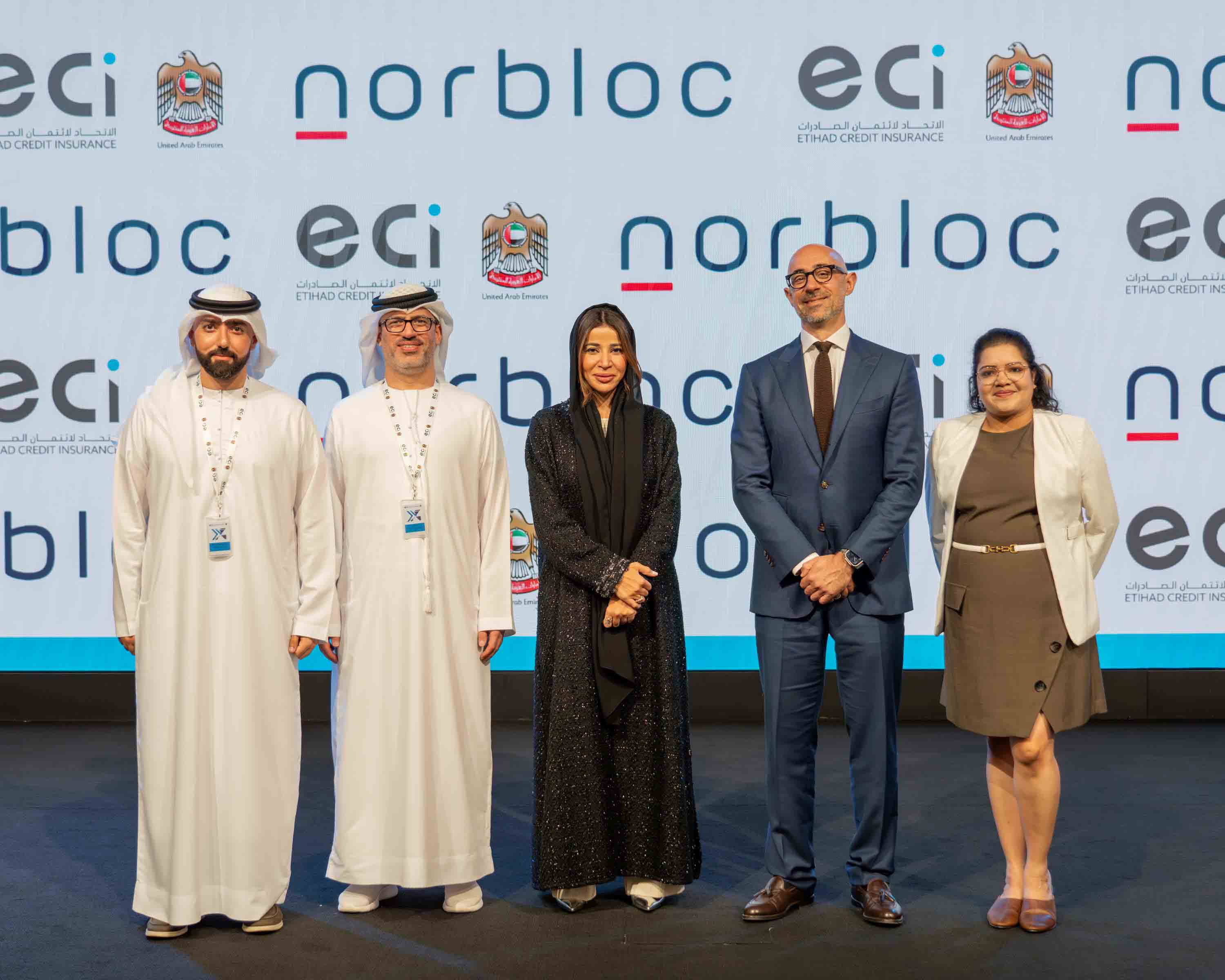
Etihad Credit Insurance , a prominent UAE Federal export credit company, has joined the Know Your Customer Blockchain Platform, marking a milestone for the country’s insurance sector. The partnership, aimed at enhancing the efficiency of customer identity verification, places ECI at the forefront of adopting blockchain technology within the financial industry.

This move reflects a broader trend in the UAE’s ongoing efforts to modernize its financial and insurance sectors. By integrating blockchain-based solutions, ECI joins several other entities striving to increase transparency, reduce fraud, and improve operational efficiency. The KYC Blockchain Platform itself, led by the Dubai Department of Economy and Tourism , represents a key innovation within the region’s fintech ecosystem.

Blockchain’s decentralized nature offers significant advantages for KYC processes. Traditionally, verifying customer identities involves complex, time-consuming procedures that are susceptible to human error and fraud. The adoption of blockchain ensures secure, immutable records, allowing for smoother and faster transactions. By participating in this platform, ECI aims to streamline its own compliance procedures, reducing the need for manual checks and minimizing risks associated with identity theft.

The KYC Blockchain Platform has already gained traction with a growing number of financial institutions and government entities looking to optimize their services. For ECI, the decision to integrate blockchain into its operations comes at a time when trust in digital solutions is paramount. In particular, the move is expected to strengthen the company’s ability to offer enhanced trade credit services, which are crucial for UAE-based businesses involved in international trade.

ECI’s commitment to embracing blockchain technology aligns with the UAE government’s broader push to position the nation as a leader in digital innovation. The country’s strategic focus on blockchain as a key enabler of economic growth is evident in its continued investment in the technology. By incorporating blockchain solutions into its operations, ECI not only aims to simplify its compliance processes but also to contribute to the larger goal of building a more secure and transparent digital economy in the UAE.

Blockchain’s integration into the KYC platform also paves the way for greater collaboration between public and private sectors. Government institutions have been proactive in creating the necessary infrastructure to support blockchain adoption. The Dubai Department of Economy and Tourism’s leadership in this initiative highlights the UAE’s determination to become a global blockchain hub, with numerous projects already underway to explore its applications in diverse sectors such as finance, healthcare, and logistics.

As the UAE continues to embrace new technologies, the success of the KYC Blockchain Platform could serve as a model for other nations aiming to digitize their financial and regulatory systems. The platform’s design, which facilitates secure and real-time sharing of customer information between institutions, addresses one of the most pressing challenges in the global financial sector: the need for robust and efficient identity verification.

The integration of blockchain into KYC processes also aligns with the UAE’s commitment to compliance with global anti-money laundering standards. As the international financial landscape becomes more interconnected, regulatory bodies around the world are increasingly requiring organizations to meet stringent customer verification and monitoring obligations. Blockchain technology’s ability to ensure data accuracy, security, and accessibility provides institutions with the tools they need to comply with these regulations more effectively.

For ECI, this integration represents more than just a technological upgrade. It is part of a larger strategy to remain competitive in an evolving financial environment. The company’s ability to leverage blockchain for more efficient KYC processes enhances its appeal to both local and international businesses. As the UAE’s trade and export sectors grow, having a streamlined and secure system for verifying customers’ identities will be a critical differentiator for businesses operating within the region.

The ECI’s blockchain initiative also promises to have broader implications for the insurance industry in the UAE and beyond. Insurance companies have long faced challenges related to fraud and regulatory compliance. With blockchain’s potential to offer transparent and tamper-proof records, the platform could drive significant changes in how insurers conduct their operations. Moreover, it could encourage more insurers to explore blockchain solutions, further accelerating the sector’s digital transformation.

This development positions ECI as a trailblazer within the UAE’s rapidly expanding blockchain ecosystem. As more companies begin to realize the benefits of blockchain for KYC and other operations, the region could see even greater adoption of this technology. By taking this bold step, ECI not only enhances its own operational capabilities but also contributes to shaping the future of blockchain in the global financial services landscape.

VISHNU RAJA
RYO YAMADA
HITORI GOTOH
IKUYO KITA
Just in:
Dubai boat show confirms international shipyard line-up for November // Emaar approves Development buyout ahead of planned delisting // Geely’s i-HEV Intelligent Hybrid Technology Offers a New Direction for Gasoline-Powered Vehicles // Ningbo Consensus on Collaborative Development released at 2026 Global Mayors Dialogue · Ningbo // e-Crime Bureau Signs Cybersecurity Partnership With Smart Africa, Reinforcing Its Global Expansion // Private varsities bill all set to face the axe // Asia Left Behind: Ten international companies have yet to report delivering on their cage-free egg pledges across the region // Geely’s i-HEV Intelligent Hybrid Technology Offers a New Direction Vision for Gasoline-Powered Vehicles // APT29-linked campaign exploits outdated Apple and Android software // Technology shares plunge as Nasdaq enters correction // Emirates Group records AED 4.1 billion half-year profit // OpenAI abandons secrecy agreements for future data centres // TVM –Mangaluru Vande Bharat claims top spot // OpenAI introduces GPT-6 Cyber with restricted security access // The “1st Greater Bay Area Health and Longevity Summit & Awards Ceremony” concludes successfully in Macao // Miss Universe Hong Kong Jen Zhou Departs for Puerto Rico to Compete in the 75th Miss Universe World Final // Oil and chip shares retreat after Democratic victories // Oil advances towards $100 as tanker attacks persist // Kochi police detain two actors over bid to honey trap doctor // Beyond the exhibition floor: How robots, AI and networks are moving into the real world //