News related to
trade

The Nasdaq Composite Index entered bear market territory on Friday, April 4, 2025, closing over 20% below its December peak. This significant downturn was precipitated by President Donald Trump’s imposition of a 10% tariff on all imports to the United States, with additional substantial levies targeting technology-centric nations such as China, Taiwan, and Vietnam. China’s swift retaliation, announcing a 34% tariff on all U.S. imports, intensified fears of a global recession and inflationary pressures.

Major U.S. stock indices experienced sharp declines. The S&P 500 fell approximately 2.5%, while the Dow Jones Industrial Average dropped nearly 2.45%, shedding 994.46 points to close at 39,551.47. Technology stocks bore the brunt of the sell-off, with Apple Inc. shares declining over 4%, following a nearly 10% drop the previous day. Nvidia and Broadcom each lost more than 7%, and Tesla shares plummeted almost 10%.

The newly announced tariffs, dubbed “Liberation Day” tariffs by the administration, include a universal 10% tariff on all imports and higher targeted tariffs for numerous countries. Economists warn that these measures could disrupt global supply chains, particularly impacting the technology sector, which relies heavily on components from China and Taiwan. The Semiconductor Industry Association expressed concern that the tariffs could stymie growth and innovation within the industry.

International responses were swift. The European Union signaled readiness to implement countermeasures, while the International Monetary Fund cautioned that escalating trade tensions pose significant risks to global economic stability. In the U.S., political figures across the spectrum voiced apprehension. Senate Majority Leader Mitch McConnell and Senator Ted Cruz criticized the tariffs, warning of potential harm to American workers and farmers.

Despite a robust March jobs report indicating the addition of 228,000 new jobs and a slight uptick in unemployment to 4.2%, market sentiment remained negative. Investors are now looking to Federal Reserve Chair Jerome Powell’s upcoming speech for insights into potential monetary policy adjustments in response to the escalating trade conflict.

The CBOE Volatility Index, a measure of market anxiety, surged to levels not seen since August 2024, reflecting heightened investor concern. Oil prices also declined significantly due to fears of reduced global demand amid the escalating trade tensions.

President Trump defended the tariff strategy, asserting that the measures are necessary to address longstanding trade imbalances and would ultimately benefit the U.S. economy. He urged investors to view the market downturn as a wealth opportunity.
By Subrata Majumder The entire world is deepening into geopolitical tensions and increasing uncertainty in trade following the announcement made by the U.S. President Donald Trump the new tariff rates on April 2. The U.S. slapped 27 percent import tariff on India. President Trump exhilarated this as “discounted replication”, despite India imposing 52 percent and […]

Beijing has announced the imposition of a 34% tariff on all imports from the United States, effective April 10, 2025, in direct response to the sweeping tariffs introduced by U.S. President Donald Trump. The Chinese Ministry of Finance stated that this measure aims to counteract what it perceives as unjust and protectionist policies from Washington.

This development follows President Trump’s declaration of “Liberation Day” on April 2, during which he unveiled a universal 10% tariff on all foreign imports, with higher rates for specific countries. China was notably targeted with an additional 34% tariff, bringing the total levy on Chinese goods to 54%. The U.S. administration justified these tariffs as necessary to rectify longstanding trade imbalances and to protect domestic industries.

In a statement, China’s Ministry of Finance condemned the U.S. actions, urging Washington to immediately withdraw the imposed tariffs to prevent further escalation. The ministry emphasized that China’s countermeasures are a legitimate response to safeguard its national interests and the multilateral trading system.

The U.S. tariffs have been met with criticism from various quarters. Economists have expressed concerns over the methodology used to calculate these tariffs, arguing that the approach is overly simplistic and could lead to unintended economic consequences. They warn that such measures might not effectively address trade deficits and could harm consumers through increased prices.

The business community is also bracing for the impact of these tariffs. In New York City, retailers are encouraging consumers to make purchases before the new tariffs lead to price increases. Products such as electronics, appliances, and automobiles are expected to see significant price hikes, prompting a surge in sales ahead of the tariff implementation.

China’s retaliatory tariffs are anticipated to affect a wide range of U.S. exports, including agricultural products, automobiles, and technology goods. This move is expected to have significant implications for American farmers and manufacturers who rely heavily on the Chinese market. Analysts predict that the escalating trade war could disrupt global supply chains and dampen economic growth in both countries.

President Donald Trump’s declaration of “Liberation Day” introduced sweeping tariffs on imports, triggering significant upheaval in global energy markets. The administration announced a baseline tariff of 10% on all imported goods, with elevated rates for specific countries accused of nonreciprocal or discriminatory trading practices. These measures have prompted widespread market volatility and raised concerns about potential economic slowdowns. Oil prices experienced a sharp decline following the tariff […]

President Donald Trump’s administration has announced sweeping tariffs, including a baseline 10% levy on all imports into the United States, with higher rates for specific countries. This development has prompted companies across the Middle East to evaluate potential repercussions and strategize accordingly. The Gulf Cooperation Council nations—comprising Saudi Arabia, the United Arab Emirates , Qatar, Kuwait, Oman, and Bahrain—are subject to the 10% tariff. Given that many […]

The Organization of the Petroleum Exporting Countries and its allies, collectively known as OPEC+, have announced a significant policy shift by accelerating oil production increases. This decision, made during a virtual meeting on Thursday, involves eight member countries—Saudi Arabia, Russia, Iraq, the United Arab Emirates, Kuwait, Kazakhstan, Algeria, and Oman—agreeing to boost output by 411,000 barrels per day starting in May. This adjustment consolidates three months’ worth of planned increases into a single month, surpassing the initially scheduled 135,000 bpd increment.

This move aims to discipline member nations that have been exceeding their production quotas and to address concerns over market stability. The coalition emphasized that these adjustments could be paused or reversed depending on evolving market conditions, underscoring their commitment to maintaining equilibrium in the global oil market.

The announcement had an immediate impact on oil prices. Brent crude futures dropped by 7.1%, settling at $69.63 per barrel, while West Texas Intermediate declined by 7.8% to $66.15 per barrel. These declines represent the steepest single-day percentage drops since mid-2022, reflecting market apprehension about potential oversupply amid existing economic uncertainties.

Compounding these market jitters are newly announced tariffs by U.S. President Donald Trump. The administration has imposed a baseline tariff of 10% on imports from several global economies, raising fears of an escalating trade war that could dampen global economic growth and, consequently, reduce energy demand. Analysts have noted that these tariffs could lead to increased inflation and slower economic expansion, particularly affecting emerging markets in Asia, which are pivotal centers for oil demand growth.

The timing of OPEC+’s decision aligns with these geopolitical developments. By increasing supply, the alliance appears to be responding to external pressures, including calls from major consumers for more affordable energy prices. However, this strategy carries risks, as it may exacerbate price volatility and strain relations within the group, especially with members that have been advocating for more conservative production increases.

Market analysts are closely monitoring the situation, noting that the combination of heightened supply and potential demand contraction due to trade tensions could lead to a surplus in the oil market. This scenario may prompt OPEC+ to reassess its strategy in the coming months to prevent a prolonged downturn in prices.

Impressive technological applications win international praise, assisting enterprises in going global to explore more opportunities HONG KONG SAR – Media OutReach Newswire – 3 April 2025 – The Hong Kong Productivity Council (HKPC) debuted with a dedicated pavilion at Hannover Messe 2025 (Hannover Messe), showcasing a range of Hong Kong’s technological applications, which were highly regarded by international companies and investors. HKPC successfully showcased the impressive achievements […]

Advertisements
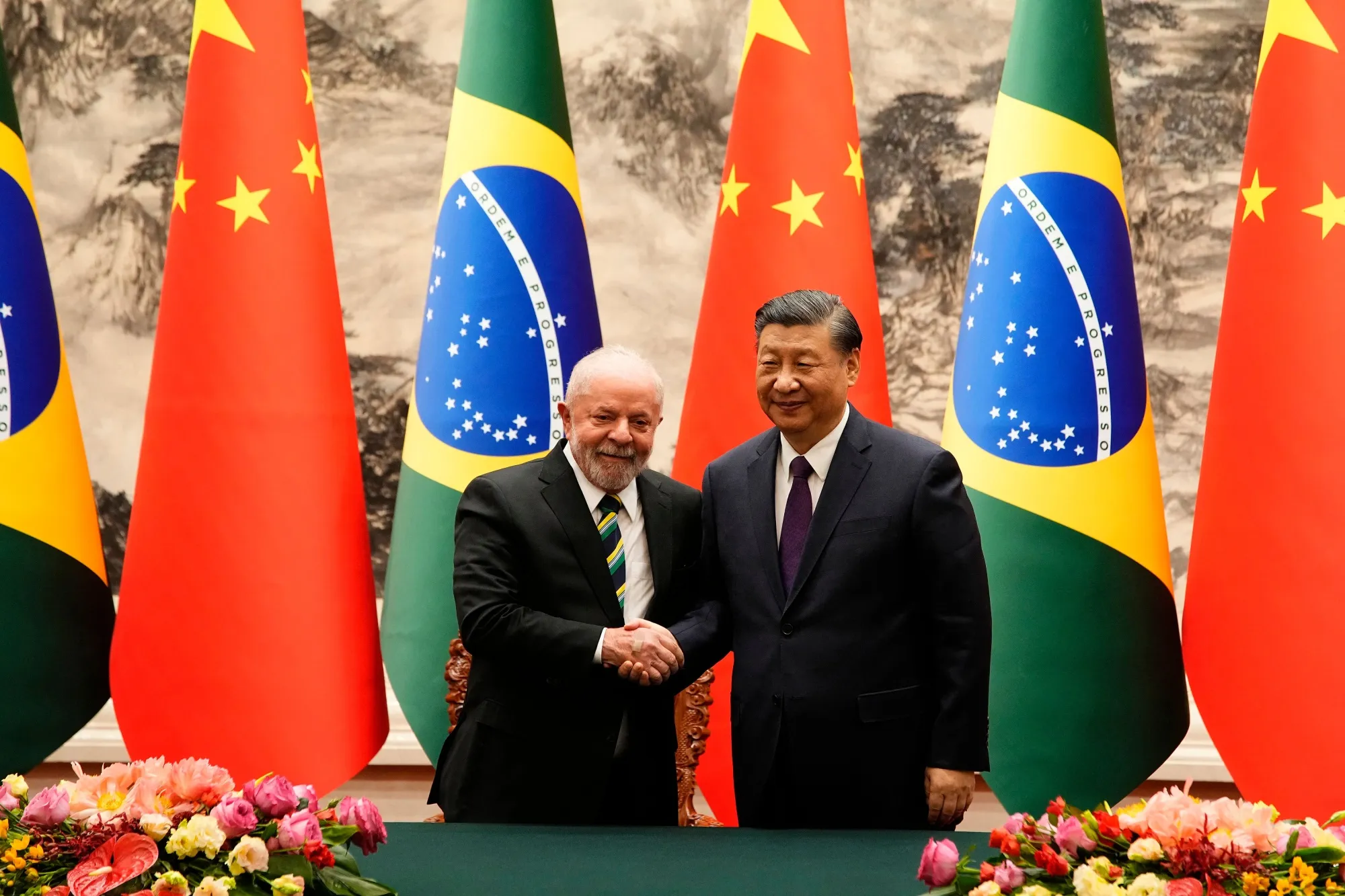
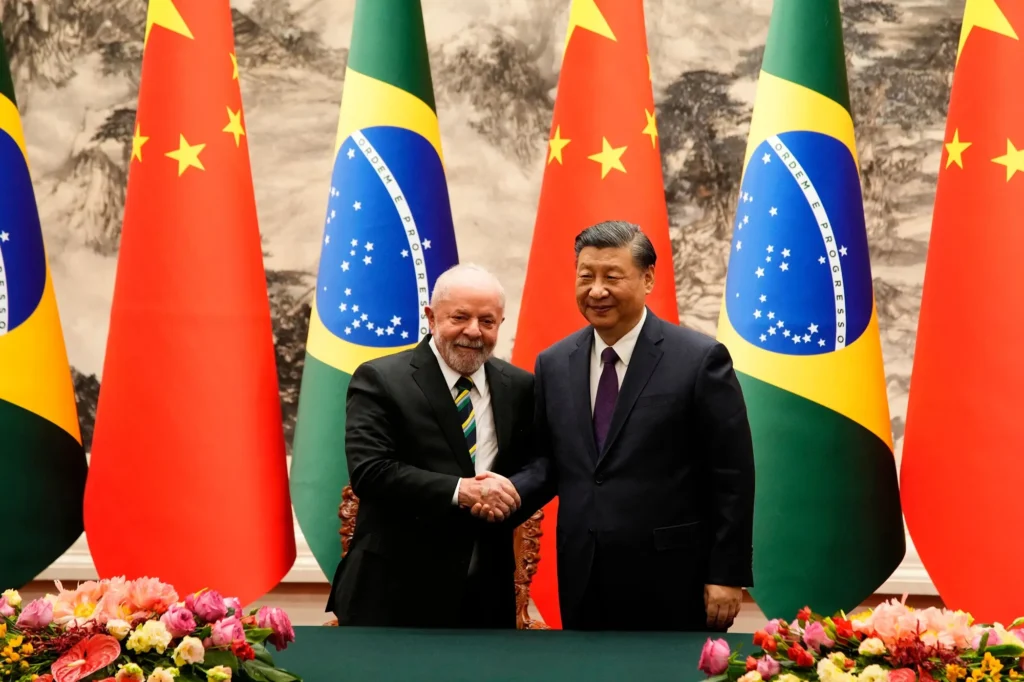
By Nitya Chakraborty Brazil’s President Luiz Inacio Lula da Silva, better known globally as Lula has launched a major initiative to meet the U.S. President Donald Trump’s unilateral tariff offensive by joining hands with Chinese President Xi Jinping and the Russian President Vladimir Putin, apart from taking assistance from South Africa and a few other […]
President Donald Trump’s administration has announced a sweeping tariff regime, imposing a baseline 10% duty on all imports into the United States, with significantly higher rates targeting specific countries. This move, described by Trump as a “Declaration of Economic Independence,” aims to rectify what he perceives as longstanding trade imbalances. However, the policy has elicited widespread concern, particularly regarding its impact on developing economies. Among the hardest […]

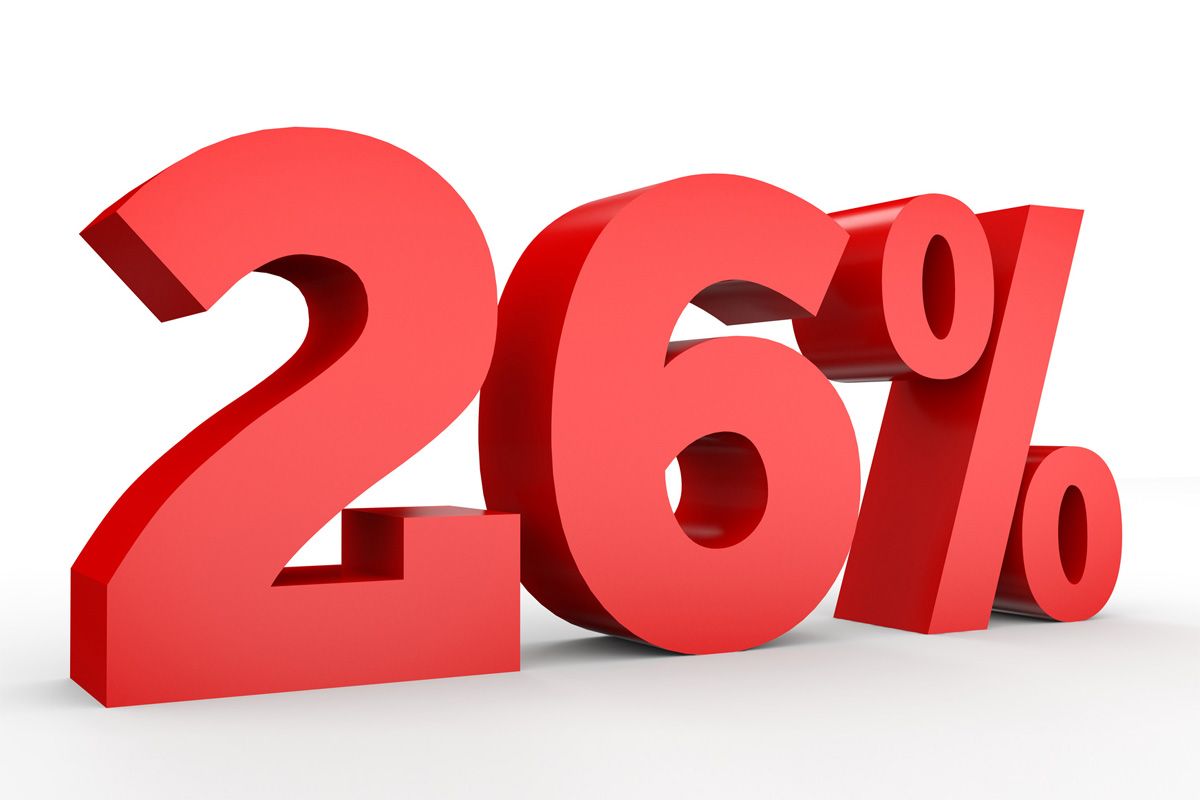
The United States has imposed a 26% tariff on Indian imports, intensifying trade tensions between the two nations. This measure, announced by President Donald Trump on April 2, 2025, is part of a broader strategy targeting countries with which the U.S. has significant trade deficits. The baseline 10% tariff will take effect on April 5, with the additional 16% following on April 9.

President Trump has consistently criticized India’s trade policies, labeling the nation as a “tariff king” and a “big abuser” of tariffs. The administration justifies the new tariffs by pointing to the disparity between the U.S.’s 2.5% tariff on passenger vehicle imports and India’s 70% tariff on similar American products.

Indian officials have expressed mixed reactions to the announcement. A senior government representative described the development as a “mixed bag,” emphasizing that it is not perceived as a significant setback. The commerce ministry is currently evaluating the potential impact of these tariffs on the Indian economy.

The sectors most vulnerable to the increased tariffs include pharmaceuticals, textiles, and automotive parts, which constitute a substantial portion of India’s exports to the U.S. Analysts predict that these industries may experience a decline in competitiveness within the American market, potentially leading to decreased export volumes and revenue losses.

In an effort to mitigate the impact of the tariffs and foster better trade relations, India has proposed reducing tariffs on certain U.S. agricultural products, such as almonds, cranberries, and bourbon whiskey. This initiative aims to facilitate a more favorable trade agreement between the two countries.

Despite these conciliatory efforts, the U.S. proceeded with the tariff imposition. The move has elicited concerns among Indian policymakers and industry leaders about the potential escalation of a trade war and its ramifications on the domestic economy. The Confederation of Indian Industry has urged the government to engage in diplomatic negotiations to resolve the dispute amicably.

The global community is closely monitoring the situation, as the U.S.’s tariff measures have affected multiple countries, including China, the European Union, and Japan. The European Commission has criticized the tariffs as a severe blow to the global economy, while other nations have signaled intentions to retaliate or seek negotiations.

Dubai’s Roads and Transport Authority has entered into a strategic partnership with Uber Technologies Inc. and autonomous driving technology firm WeRide to introduce self-driving taxis to the city’s transportation network. This collaboration aligns with Dubai’s ambition to transform 25% of all journeys into autonomous trips by 2030, as part of its Self-Driving Transport Strategy.

His Excellency Mattar Al Tayer, Director General and Chairman of the Board of Executive Directors of RTA, emphasized the significance of this initiative, stating that the partnership represents a crucial step in advancing Dubai’s autonomous transportation goals. Noah Zych, Uber’s Global Head of Autonomous Mobility and Delivery Operations, expressed enthusiasm about the collaboration, highlighting the company’s commitment to integrating autonomous vehicles onto the Uber platform in Dubai, with WeRide as the initial technology partner.

WeRide, a Guangzhou-based autonomous driving company, has been expanding its global footprint. The firm previously launched a commercial robotaxi service in Abu Dhabi in December 2024, marking Uber’s first deployment of autonomous vehicles outside the United States. The expansion into Dubai signifies the second Middle Eastern city to feature WeRide and Uber’s autonomous ride-hailing service, further solidifying their presence in the region.

The collaboration will commence with pilot programs utilizing Uber’s technology to connect riders with WeRide’s autonomous vehicles, ensuring a seamless user experience. Details regarding the pilot program and subsequent phases are expected to be disclosed in the coming months. The initiative aims to enhance urban mobility by providing reliable and forward-thinking transportation solutions that align with Dubai’s vision for smart cities and future transport.

In addition to this partnership, RTA has been actively expanding its global collaborations with leading autonomous driving technology providers. The authority recently announced a partnership with Baidu’s Apollo Go to deploy autonomous taxis in Dubai, further advancing the city’s autonomous transportation objectives.

The introduction of self-driving taxis is anticipated to transform Dubai’s transport landscape by improving connectivity and reducing accidents. Trials for the autonomous vehicles are scheduled to commence this year, with a safety driver present during the initial phase. Commercial operations are projected to launch in 2026, contributing to the city’s goal of achieving 25% autonomous trips by 2030.

WeRide’s involvement in Dubai builds upon its global expertise in autonomous driving and complements Uber’s leadership in ride-hailing and mobility solutions. The partnership positions Dubai as a pioneering hub for smart transportation, leveraging advanced technology to enhance the city’s public transit system.

KUALA LUMPUR, MALAYSIA – Media OutReach Newswire – 3 April 2025 – Understanding the rhythm of financial markets can give traders a significant edge. Seasonalities—lasting trends that repeat themselves during some periods of the year—tend to influence the value of assets and the overall market state. Identifying these cycles allows traders to adapt their strategies better and make more informed decisions. In this material, experts at global […]

Dubai’s Roads and Transport Authority has entered into strategic agreements with Uber Technologies, WeRide, and Baidu’s Apollo Go to introduce autonomous taxi services in the emirate. These collaborations aim to integrate self-driving vehicles into Dubai’s transportation network, aligning with the city’s goal of making 25% of all journeys autonomous by 2030. Under the partnership, WeRide will deploy its autonomous vehicles through Uber’s platform in Dubai. WeRide, which […]

India’s $32 billion gems and jewellery industry is facing a significant downturn following the United States’ imposition of a 26% reciprocal tariff on Indian imports. This development poses a substantial challenge to the sector, which relies heavily on the U.S. market, accounting for approximately 30% of its annual exports. The tariff, announced by President Donald Trump on April 2, 2025, is part of a broader strategy to […]

President Donald Trump has announced a comprehensive tariff strategy, imposing a baseline 10% duty on all imports into the United States, with significantly higher rates targeting approximately 60 countries. This move, declared during a White House event termed “Liberation Day,” aims to address trade imbalances and bolster domestic industries. Under the new policy, key trading partners will face steep tariffs: China is subjected to a 34% duty, […]

Absa Group Ltd., South Africa’s third-largest bank by assets, plans to open a representative office in Dubai during the first quarter of 2026, pending regulatory approval. Yasmin Masithela, CEO of Absa’s corporate and investment banking division, stated that the move aims to capitalise on the growing trade and investment flows between Africa and the Middle East. The strategic decision positions Absa alongside South African banking counterparts such […]

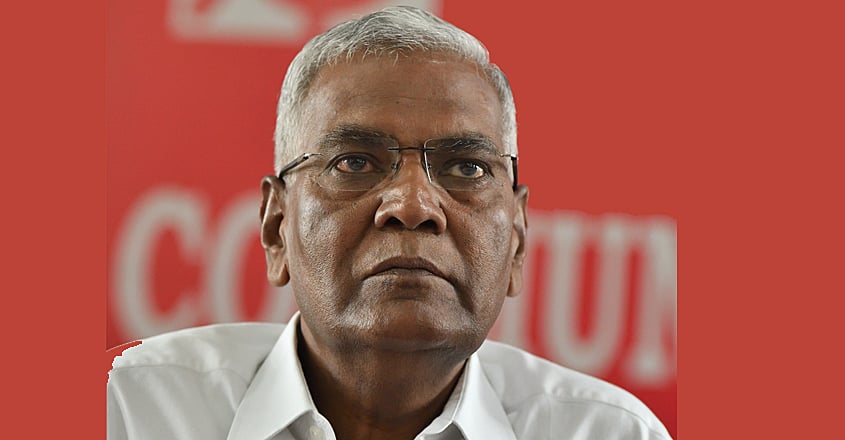
By Satyaki Chakraborty Communist Party of India (CPI) general secretary D. Raja gave a clarion call on Wednesday for the building of principled unity of all communists in India to act as the vanguard of the battle against the Narendra Modi government and the RSS-BJP led Sangh Parivar. Addressing the inaugural session of the 24th […]

KUALA LUMPUR, MALAYSIA – Media OutReach Newswire – 2 April 2025 – Octa, a global broker since 2011, surveyed more than 2,000 traders from Indonesia, Malaysia, South Africa, and Nigeria to discover their most glaring concerns regarding choosing a financial broker. What are the most suspicious brokers’ traits, according to traders? How do traders identify potentially unreliable service providers in the highly diversified e-brokerage landscape? Below is […]

BlackRock, the world’s largest asset manager overseeing approximately $12 trillion, has obtained registration from the UK’s Financial Conduct Authority to function as a crypto asset firm. This authorisation enables BlackRock to offer cryptocurrency services within the United Kingdom.

The FCA’s decision positions BlackRock as the 51st entity on its crypto asset register, joining notable firms such as Coinbase, PayPal, and Revolut. The FCA maintains rigorous standards for registration, having approved only a fraction of applicants. According to the FCA, many submissions have been rejected due to incomplete or substandard components necessary for a thorough assessment.

This development aligns with BlackRock’s strategic expansion into digital assets. In January 2024, the firm introduced the iShares Bitcoin Trust in the United States, which rapidly attracted substantial investor interest. Building on this momentum, BlackRock launched the iShares Bitcoin Exchange-Traded Product on European exchanges in Paris and Amsterdam. The ETP debuted with a promotional fee waiver, reducing its expense ratio to 0.15% until the end of the year, after which it will revert to 0.25%, aligning with competitors like CoinShares. Manuela Sperandeo, BlackRock’s Head of Europe & Middle East iShares Product, remarked that this initiative reflects a tipping point in the industry, combining established retail investor demand with increasing professional engagement.

Market analysts interpret BlackRock’s FCA registration as a significant endorsement of the cryptocurrency sector, potentially encouraging broader institutional adoption. Given BlackRock’s substantial influence in global finance, its entry into the UK crypto market may signal a shift towards mainstream acceptance of digital assets.

BlackRock’s USD Institutional Digital Liquidity Fund , a tokenized money market fund operating on the Ethereum blockchain, has witnessed a significant surge in total value locked , escalating from $615 million to $1.87 billion over a span of three weeks. This substantial growth underscores the increasing institutional interest in blockchain-based financial products.

The BUIDL fund invests in low-risk assets, including U.S. Treasury bills, cash, and repurchase agreements, offering investors a stable yield. The fund’s rapid expansion reflects a broader trend in the tokenization of real-world assets , a market that has recently surpassed $10 billion in TVL. Industry observers attribute this growth to a combination of factors, including enhanced regulatory clarity and the search for secure digital asset investments amid fluctuating cryptocurrency markets.

In addition to its presence on Ethereum, BlackRock has expanded BUIDL’s reach to multiple blockchains, including Avalanche, Aptos, Polygon, Optimism, and Arbitrum. This multi-chain strategy aims to leverage the unique advantages of each platform, such as reduced transaction fees and increased scalability. For instance, the management fee for BUIDL is set at 50 basis points on Ethereum, Arbitrum, and Optimism, while it is lower—only 20 basis points—on Aptos, Avalanche, and Polygon. This fee structure is supported by ecosystem development organizations that have agreed to subsidize the costs to incentivize usage on these platforms.

The tokenization of assets like those in the BUIDL fund offers several benefits, including fractional ownership, increased liquidity, and reduced transaction costs. By converting traditional financial products into digital tokens on a blockchain, investors can access and trade these assets more efficiently. This process also enables instantaneous and transparent settlement, enhancing the overall efficiency of financial markets.

RIYADH, SAUDI ARABIA – Media OutReach Newswire – 1 April 2025 – Recently, at JINGDONG Logistics’ warehouse in Riyadh, goods were being efficiently processed, destined not only for Middle East countries but also for parts of North Africa. Currently, JINGDONG Logistics operates five warehouses in the Middle East, including Saudi Arabia Warehouse No. 1. Last year, JINGDONG Group also established a strategic partnership with Saudi Electricity Company […]

Emails falsely claiming to be from the cryptocurrency exchange Gemini are circulating, sparking concerns of a growing scam targeting its users. The fraudulent messages allege that the company has filed for bankruptcy and urge recipients to click on a link to confirm account details or withdraw their funds before an impending shutdown. Experts warn that this is part of an ongoing wave of phishing schemes aimed at […]

A significant move has been made by a prominent Japanese hotel company, as it secured a 15.5% weighting in a crypto-focused exchange-traded fund . This marks an unexpected yet strategic shift towards the digital currency market by a company traditionally rooted in the hospitality sector. The hotel firm’s investment decision signals a broader trend of diversification and innovation within established industries, as more companies explore the potential of cryptocurrencies and blockchain technology.

The ETF, which predominantly focuses on digital assets, has attracted attention due to its potential to bridge the gap between traditional industries and the rapidly expanding cryptocurrency market. The hotel firm’s acquisition is particularly notable given the ongoing volatility in the cryptocurrency space, which often deters conservative investors. However, its decision reflects a calculated risk in pursuit of higher returns and the possibility of capturing the growing interest in decentralized finance systems.

Experts suggest that the firm’s move could serve as a signal to other companies in Japan and beyond, encouraging them to consider digital assets as part of their portfolios. Japan has historically been one of the more crypto-friendly nations, with a progressive regulatory approach that has supported the growth of the digital currency market. The country’s financial authorities have acknowledged the benefits of blockchain technology and the role it could play in shaping the future of global finance.

The hospitality sector, much like many others, has felt the pressure to adapt in the face of technological advancements. The COVID-19 pandemic has forced businesses to reimagine their operations and explore innovative avenues for growth. For the hotel company, investing in a crypto-focused ETF represents a forward-thinking approach to ensuring long-term sustainability in an increasingly digital world.

The decision comes as institutional interest in cryptocurrencies continues to rise, with major financial players such as investment firms and pension funds gradually incorporating digital currencies into their strategies. However, many experts caution that while the allure of crypto assets is undeniable, they remain a high-risk investment due to their volatility and regulatory uncertainty.

Despite these challenges, the hotel firm’s stake in the crypto ETF is seen as part of a broader trend of traditional companies seeking to capitalise on digital currencies. This move is not isolated; several other firms have either publicly stated their intention to invest in blockchain-based projects or have already made similar investments. The diversification of investment portfolios is a strategy being adopted by businesses looking to stay ahead in a fast-evolving financial landscape.

One of the driving factors behind this shift is the growing acceptance of cryptocurrency as a legitimate asset class. Bitcoin and Ethereum, two of the most well-known cryptocurrencies, have gained significant traction among both retail and institutional investors. Their increasing mainstream acceptance is pushing companies to reconsider their positions on digital currencies.

The hotel company’s move also comes at a time when the global financial markets are experiencing increased interest in crypto-related products. ETFs, which allow investors to gain exposure to various assets without directly purchasing them, have become one of the most popular investment vehicles for retail and institutional investors alike. The crypto ETF, in particular, has garnered significant attention for offering a more regulated and transparent way to invest in digital assets compared to direct investment in cryptocurrencies.

While the potential for growth within the crypto market is substantial, analysts continue to advise caution. The fluctuating nature of digital currencies, along with the regulatory uncertainties surrounding them, makes it a challenging environment for both investors and companies alike. Still, for businesses like the hotel firm, the potential rewards may outweigh the risks, especially as blockchain technology continues to demonstrate its utility beyond just financial transactions.

The investment also highlights the evolving role of hospitality companies in the broader tech landscape. As more businesses in traditional industries engage with the digital economy, the line between sectors becomes increasingly blurred. The integration of cryptocurrencies into established business models could pave the way for future innovations that bring added value to customers and stakeholders alike.

The hotel company’s shift into crypto represents a bold step in its ongoing transformation. Although the move might seem unorthodox, it is aligned with a growing trend of corporate diversification. The company’s leadership has expressed confidence in its ability to manage the risks associated with the crypto market, focusing on long-term growth prospects and positioning the company at the forefront of digital innovation.

The United States has witnessed a dramatic decline in cryptocurrency trading volumes, with figures dropping over 80% since mid-March. On March 14, US exchanges recorded $3.22 billion in trading volume; by April 2, this had fallen to $621 million, marking a significant contraction in market activity.

This downturn aligns with a broader global trend. In January 2025, global cryptocurrency exchange spot volumes experienced a 19.5% decrease, falling to $1.73 trillion from December 2024’s record-breaking $2.14 trillion. Factors contributing to this decline include increased regulatory scrutiny and market volatility.

Coinbase, a major US-based cryptocurrency exchange, has seen its market share diminish as smaller exchanges gain ground. This shift reflects a changing landscape where traders are exploring alternative platforms, possibly due to varying fee structures, user experiences, or perceptions of security.

Despite these challenges, the global cryptocurrency market maintains substantial activity. As of now, the total market capitalization stands at $2.72 trillion, with Bitcoin dominating at $1.61 trillion, representing 59.34% of the market. Stablecoins collectively hold a market cap of $237 billion, accounting for 8.72% of the total crypto market cap.

The decline in US trading volumes may also be influenced by recent events affecting major exchanges. For instance, in February, a significant security breach resulted in the theft of $1.5 billion from Bybit, the world’s second-largest crypto exchange. Such incidents underscore the vulnerabilities within the crypto industry and may contribute to reduced trading activity as investors reassess risks.

VISHNU RAJA
RYO YAMADA
HITORI GOTOH
IKUYO KITA
Just in:
HKUST President Prof. Nancy IP Receives UNESCO–Equatorial Guinea International Prize for Research in Life Sciences // Excise chief shunted out in bar licence dispute // Microfinance case trouble for Vellappally // Ningbo Consensus on Collaborative Development released at 2026 Global Mayors Dialogue · Ningbo // India Under Pressure To Join RCEP On The Eve Of ASEAN Summit In Manila On Nov 15-17 // Private varsities bill all set to face the axe // Dubai Future District Fund and Buimerc formalise cooperation // OpenAI introduces GPT-6 Cyber with restricted security access // Elephant calf on death line airlifted for treatment in Gujarat // Geely’s i-HEV Intelligent Hybrid Technology Offers a New Direction for Gasoline-Powered Vehicles // Battle Uttar Pradesh Will Be Tougher For Yogi Than Expected // Beyond the exhibition floor: How robots, AI and networks are moving into the real world // The “1st Greater Bay Area Health and Longevity Summit & Awards Ceremony” concludes successfully in Macao // Miss Universe Hong Kong Jen Zhou Departs for Puerto Rico to Compete in the 75th Miss Universe World Final // ADIA subsidiary seeks $7.5 billion private investment financing // OpenAI abandons secrecy agreements for future data centres // HKUST President and Chinese Academy of Sciences Academician Prof. Nancy Ip Receives UNESCO Honor for a Second Time // Dubai details five-year visa benefits for returning visitors // Democrats Gearing Up For 2028 Presidential Elections To Gain Full Power // TVM –Mangaluru Vande Bharat claims top spot //