Just in:
Oil and chip shares retreat after Democratic victories // Trump’s Iran War Has A Share Of Contribution To His Midterm Debacle // Utilities pursue ₹1,992 cr in unpaid bills // Xi Jinping Preparing For A Trilateral Summit With Trump And Putin At APEC Summit On Nov 18-19 // After Reaching 7 Million Users in the Philippines, Skyro Launches Transparent Cash Loans in Malaysia // SC to examine students’ exam plea today // Miss Universe Hong Kong Jen Zhou Departs for Puerto Rico to Compete in the 75th Miss Universe World Final // Cloudflare unveils Zero Wire vulnerability intelligence service // Ousted top Kochi cop gets IG post // Hong Kong mandates crypto transaction disclosures to tax authorities // APT29-linked campaign exploits outdated Apple and Android software // Fast Just Got Fastest: STING Energy Boost™ Celebrates Kimi Antonelli’s Formula 1® World Championship and the Fan Energy Behind It // Vance attributes Republican midterm defeats to Iran conflict // CR Longdation Aethereal Cybersecurity × Global Cybersecurity Alliance (GCSA) Join Hands to Establish the “AI and Cybersecurity Research Centre” // Middle East governments assess Iran war after US vote // OpenAI identifies 948 Linux privilege escalation flaws using AI // Asia Left Behind: Ten international companies have yet to report delivering on their cage-free egg pledges across the region // e-Crime Bureau Signs Cybersecurity Partnership With Smart Africa, Reinforcing Its Global Expansion // Ta’ziz finalises $1.39bn funding for Ruwais industrial facilities // Cyberport Venture & Capital Forum 2026 Grand Opening //

News related to
trade

The United States and Saudi Arabia are preparing to sign a preliminary agreement to collaborate on the development of a civil nuclear industry in the Kingdom. This marks a significant step in the two countries’ ongoing energy partnership, reflecting shared interests in enhancing the security and sustainability of global energy resources.

US Energy Secretary Chris Wright, addressing reporters in Riyadh, confirmed the impending deal, which is set to open a new chapter in Saudi Arabia’s ambitions to develop its own nuclear energy sector. The announcement comes amid growing global demand for cleaner and more sustainable energy solutions. Wright’s comments emphasised the importance of this agreement in both supporting Saudi Arabia’s long-term energy goals and strengthening the bilateral ties between the two nations.

The move follows Saudi Arabia’s ambitious Vision 2030 initiative, a broad economic reform programme designed to diversify the country’s economy away from its heavy reliance on oil exports. Among its many facets, Vision 2030 aims to establish a robust nuclear energy sector that can generate significant portions of the country’s electricity, reducing its dependence on fossil fuels. This is crucial for the Kingdom as it seeks to address both domestic energy needs and environmental concerns.

Saudi Arabia has made significant strides in recent years towards the development of nuclear energy. In 2018, the country’s nuclear authorities announced plans to construct two nuclear reactors by 2030, as part of a broader strategy to introduce nuclear power as a reliable energy source. These efforts have garnered attention from global nuclear power experts and energy companies, particularly those from the US, Russia, and China, all of which are vying for a role in the development of the Saudi nuclear industry.

The United States’ involvement in this sector is not new. Over the past decade, American firms have been at the forefront of nuclear technology development, exporting their expertise in reactors, fuel production, and regulatory frameworks. Saudi Arabia’s decision to move forward with a preliminary agreement highlights the growing importance of collaboration with nuclear powers like the US to achieve these ambitious goals. Additionally, American support could help ensure that the Kingdom adheres to international nuclear safety standards, a crucial consideration in the nuclear energy field.

The potential partnership between the US and Saudi Arabia is a step forward in strengthening their long-standing relationship, which spans multiple areas including defence, trade, and energy. Saudi Arabia’s energy infrastructure, heavily dependent on oil, has been under increasing pressure to adapt to the changing global energy landscape. As the world moves towards more sustainable energy sources, Saudi Arabia aims to take advantage of nuclear energy’s potential to generate electricity without emitting the high levels of greenhouse gases associated with fossil fuel consumption.

For the United States, the deal also represents a strategic move to expand its influence in the Middle East’s evolving energy market. The US has long maintained strong energy ties with the Kingdom, but this agreement will further cement its role as a key partner in Saudi Arabia’s energy diversification plans. By providing expertise in the nuclear field, the US ensures that it will be a prominent player in shaping the future of Saudi Arabia’s energy sector.

Critics, however, have raised concerns about the environmental impact of nuclear energy, especially with the potential risks associated with radioactive waste disposal and reactor safety. Despite these concerns, both nations appear committed to ensuring that the nuclear technology used in Saudi Arabia meets the highest safety standards. The Kingdom’s regulatory bodies are expected to follow stringent international protocols, a key point of focus in the upcoming agreement.

In the broader context, this agreement comes at a time when nuclear energy is experiencing a resurgence globally, driven by the need for cleaner alternatives to fossil fuels. Countries like China and Russia have been aggressively advancing their own nuclear energy sectors, while nations in Europe and Asia are exploring similar initiatives. With the increasing demand for clean energy, Saudi Arabia’s foray into the nuclear power industry positions it as a potential leader in the region, with the ability to export energy solutions to neighbouring countries.

The US-Saudi nuclear cooperation deal also plays a part in the shifting dynamics of international geopolitics. The Middle East has long been a region of strategic importance, and energy remains a critical element in the geopolitical landscape. By fostering deeper cooperation with Saudi Arabia, the US further solidifies its influence in the region, while also promoting energy security for both countries.

Dubai’s property market, which has enjoyed a robust 70% rally over the past few years, now faces uncertainty amid growing concerns over global trade tensions and rising tariffs. These external factors are posing risks to the region’s otherwise bullish real estate sector, which had been buoyed by strong demand from both international investors and affluent buyers seeking stable assets.

While the property market in Dubai had been thriving thanks to its appeal as a safe haven for foreign capital, the shifting landscape of international trade and geopolitical issues are beginning to create ripples. Tariffs, particularly those affecting the construction sector, have seen a marked increase, potentially driving up the cost of raw materials such as steel and cement, which could ultimately disrupt the market’s growth trajectory.

Dubai’s real estate market has long been a barometer of economic sentiment, drawing investors from across the globe who have been eager to tap into its lucrative prospects. However, with the imposition of new tariffs between major global economies, analysts suggest that both developers and investors are likely to face additional challenges, as supply chains are strained and costs climb higher.

The UAE government had, up until now, maintained a favourable regulatory environment, with policies aimed at attracting foreign capital and ensuring a favourable investment climate. These efforts have been part of a wider strategy to diversify the nation’s economy and reduce its dependence on oil revenues. However, with rising global inflation rates and the unpredictability of international tariffs, even the UAE’s free-market policies might not be enough to shield the market from external pressures.

The construction sector, which directly impacts the overall real estate market, has already started feeling the heat. Many developers have raised concerns that rising tariffs on imported materials could force them to increase the prices of new homes and commercial properties. This could result in a slowing of the rapid sales pace observed over the last few years, as potential buyers and investors may hesitate to commit to higher-priced assets.

Global economic instability is causing some caution among international investors. High inflation and a fluctuating global market have dampened investment appetites, and the UAE is not immune to these international economic trends. A reduction in international investment could lead to less capital flowing into Dubai’s property market, making it harder for the city to sustain its property price increases.

Despite the looming risks, there are still some positive indicators for Dubai’s property market. The UAE’s economic diversification strategy, alongside government efforts to ensure the stability of the banking system, has helped sustain confidence in the country’s real estate. Furthermore, Dubai’s positioning as a global financial hub, coupled with its luxury real estate offerings, continues to attract high-net-worth individuals, particularly from regions like Europe, Russia, and parts of Asia.

The growth of Dubai’s tourism sector and events such as Expo 2020 have been contributing factors to the property boom. With a steady influx of visitors and the growing number of residents moving to Dubai for work or lifestyle, the demand for high-quality, well-located properties remains strong.

However, as Dubai continues to build its reputation as a global luxury real estate destination, the sector’s reliance on external factors cannot be ignored. Political shifts in major economies, fluctuations in currency values, and trade disruptions are all variables that could significantly affect the long-term outlook of Dubai’s property market.

Anchorage Digital Bank, the only federally chartered crypto bank in the United States, is under investigation by the Department of Homeland Security’s El Dorado Task Force. The inquiry focuses on the bank’s financial practices, particularly its compliance with anti-money laundering regulations. This development follows Anchorage’s recent appointments as a custodian for major crypto products, including those of BlackRock and 21Shares.

The El Dorado Task Force, established to combat financial crimes, has initiated the probe by reaching out to former employees of Anchorage Digital. While specific details of the investigation remain undisclosed, it aligns with the bank’s ongoing challenges in meeting AML compliance standards. In April 2022, the Office of the Comptroller of the Currency issued a consent order against Anchorage for failing to implement an adequate AML program, citing violations of the Bank Secrecy Act.

In response to regulatory pressures, Anchorage has made significant leadership changes aimed at strengthening its compliance framework. In January 2023, the bank appointed Mark duBose as Chief Compliance and Risk Officer and brought in Palmer, a former Department of Homeland Security attorney, to enhance its AML controls. These appointments are part of Anchorage’s broader strategy to address regulatory concerns and reinforce its commitment to compliance.

Despite these efforts, Anchorage’s role in the crypto industry has expanded. The bank has been selected as a custodian for several high-profile crypto exchange-traded funds , including the ARK 21Shares Bitcoin ETF and the 21Shares Core Ethereum ETF. These appointments underscore Anchorage’s growing influence in the institutional crypto custody space, even as it navigates regulatory challenges.

President Donald Trump has affirmed that Chinese-made electronics, including smartphones and laptops, will not be exempt from U.S. tariffs, signaling a continuation of his administration’s protectionist trade policies. Despite a temporary 90-day pause on certain tariffs, Trump clarified that these products remain subject to existing levies and may face additional duties under national security considerations. Commerce Secretary Howard Lutnick announced that electronics will be reclassified under semiconductor […]

By Nantoo Banerjee It is good to know that the government is already cautious about the possible increase in Chinese export trade and investment to India to exploit both the local market as well as to push exports to the USA taking advantage of the massive US import tariff difference between India and China. India […]


European stock markets gained ground on Monday, with investor sentiment buoyed by expectations of a break from the escalation of global trade tensions. As concerns over tariffs eased, the market shifted its focus towards corporate earnings for the first quarter, which could offer valuable insights into the resilience of businesses amidst ongoing global challenges. The major indices in Europe showed positive momentum, with investors optimistic about potential […]

10+ conceptual inventions from student teams of primary and secondary schools in Hong Kong were exhibited for the first time at the top international exhibition HONG KONG SAR – Media OutReach Newswire – 13 April 2025 – The Hong Kong Innovation and Invention(HKII), a project organised by the Hong Kong Exporters’ Association (HKEA), presented over 60 innovations by around 30 local innovation and technology companies and student […]

Advertisements

Pi Coin has gained significant momentum, increasing by over 25% in a single day, with its price surpassing $0.75. This surge places Pi Coin among the leading altcoins for the day, reflecting growing optimism in the cryptocurrency community. Over the last 24 hours, Pi Coin has recorded a remarkable 30% rise, with its value climbing approximately 52% over the past week. The recent jump in Pi Coin’s […]

The cryptocurrency market is undergoing notable shifts as key players continue to evolve and capture the attention of investors. BlockDAG, a blockchain alternative, has secured a substantial $213 million, marking a significant milestone in its rise as an emerging contender in the blockchain space. Meanwhile, Ethereum is pushing forward with upgrades aimed at improving scalability and reducing transaction costs, while Shiba Inu is testing key price levels, potentially positioning itself for a strong rally.

BlockDAG, a Distributed Acyclic Graph technology, has been garnering significant interest due to its ability to overcome some of the limitations of traditional blockchain systems. Unlike conventional blockchains, where transactions are linked sequentially, BlockDAG allows for multiple branches to be added in parallel, offering greater scalability and speed. This new approach is seen as a potential game-changer for industries requiring high throughput and low latency.

The recent funding round, which saw BlockDAG secure $213 million without the involvement of traditional venture capital firms, underscores the growing confidence in the technology’s potential. Investors have expressed interest in the efficiency of BlockDAG’s architecture, which promises to provide faster and cheaper transactions than established blockchains. The funding will be pivotal for BlockDAG to accelerate its development and expand its reach.

BlockDAG’s appeal is evident in its potential to scale more efficiently than other blockchain systems. Ethereum, for instance, continues to face scalability challenges despite its status as one of the most widely used blockchain networks. Ethereum has been pushing forward with key upgrades such as Pectra, which aims to significantly enhance the network’s scalability and reduce gas fees. These upgrades are intended to address ongoing concerns regarding transaction speed and high costs, which have often been cited as barriers to broader adoption.

The upgrade is part of Ethereum’s ongoing efforts to make the platform more efficient as it seeks to maintain its dominance in the decentralised finance space. As Ethereum progresses with its upgrades, it remains to be seen whether it will successfully fend off emerging competitors like BlockDAG, which offer distinct technological advantages.

In parallel, Shiba Inu , often referred to as a meme coin, is witnessing heightened interest as it tests a critical resistance level at $0.0000134. A breakthrough above this resistance could pave the way for a potential 20% rally, enticing speculative investors who have supported SHIB’s meteoric rise. SHIB’s rise from a meme coin to a more serious contender in the crypto space highlights the power of community-driven assets, with its strong social media presence and dedicated following.

SHIB’s price movements have attracted attention from analysts who are closely watching the cryptocurrency for signs of sustained growth. The current resistance level is seen as a crucial point for determining whether SHIB can maintain its momentum or face a downturn. If SHIB manages to break through the $0.0000134 level, it would likely attract further investment, particularly from retail traders seeking high-risk, high-reward opportunities.

Ethereum’s position as the second-largest cryptocurrency by market capitalisation also plays a significant role in the broader market’s direction. The advancements Ethereum continues to make with its ongoing upgrades could have a ripple effect across the broader cryptocurrency market. Other blockchain projects and tokens that rely on Ethereum’s network, such as decentralized applications , will likely benefit from improvements in scalability and transaction efficiency.

The continued growth of DeFi, along with the rise of alternative Layer-1 blockchains such as Solana, Avalanche, and now BlockDAG, signals an increasingly competitive landscape for Ethereum. As these platforms push the envelope on speed, cost-effectiveness, and scalability, Ethereum’s position as the go-to blockchain for smart contracts and decentralised applications will be tested in the years ahead.

Developments in the Ethereum network, especially with projects like Pectra, highlight the ongoing arms race among blockchain platforms to deliver superior performance for various use cases. Ethereum’s transition to Ethereum 2.0 is designed to address long-standing issues such as network congestion, with the proof-of-stake consensus mechanism playing a crucial role in making the network more energy-efficient.

Despite the growth of Ethereum and other competitors, the market remains highly volatile, with projects like BlockDAG, which promises high throughput and low transaction fees, providing a compelling alternative to the limitations of traditional blockchain systems. With institutional and retail investor interest intensifying, the race to capture market share in the rapidly growing blockchain space is becoming more competitive than ever.

By K Raveendran In both foolhardiness in decision making and shameless flip-flop in dealing with disastrous aftermaths, Narendra Modi and Donald Trump have exhibited a total lack of honesty in admitting their mistakes. The similarity is too striking to be missed. Thanks to recklessness and impulsiveness in decision making—Narendra Modi with demonetization and Donald Trump […]


U.S. shale oil producers are confronting a challenging landscape as falling crude prices, escalating tariffs, and global market shifts undermine the sector’s profitability and growth prospects. Despite technological advancements that have bolstered production efficiency, the convergence of economic and policy pressures is prompting a reassessment of the industry’s trajectory.

Crude oil prices have declined to approximately $55 per barrel, a level below the $65 threshold that many U.S. shale companies require to maintain profitable operations. This price drop is attributed to a combination of increased output from the Organization of the Petroleum Exporting Countries and the impact of tariffs on imported equipment, which have raised operational costs for domestic producers. The U.S. Energy Information Administration has adjusted its 2025 crude price forecast downward from $70.68 to $63.88 per barrel, reflecting these market dynamics.

The rig count, a key indicator of drilling activity, has experienced a significant decline. According to Baker Hughes, the number of active oil rigs in the U.S. fell by nine in the past week, marking the largest single-week drop since June 2023. The Permian Basin, the nation’s most prolific shale region, saw its rig count decrease by five to 289, the lowest level since December 2021. This trend suggests a cautious approach among producers in response to the current economic environment.

President Donald Trump’s administration has advocated for increased domestic energy production as part of its “America First” agenda. However, the imposition of tariffs, particularly on steel and other imported equipment essential for drilling operations, has inadvertently strained the sector. Industry analysts warn that these policies may counteract efforts to achieve energy dominance by making U.S. oil less competitive on the global stage.

Efforts to expand U.S. energy exports have also encountered obstacles. The administration’s proposal for the European Union to purchase $350 billion worth of American energy products to address trade imbalances has been met with skepticism. European officials cite logistical challenges, existing long-term contracts with other suppliers, and a strategic emphasis on energy diversification as barriers to such a substantial shift in procurement.

Despite these challenges, U.S. shale production is projected to reach new heights. BloombergNEF forecasts a 4.5% increase in output, bringing production to a record 13.9 million barrels per day in 2025. This growth is attributed to improved drilling techniques and efficiencies that allow for greater output with fewer rigs. However, the sustainability of this growth is uncertain amid the current economic pressures.

The industry’s focus has shifted toward capital discipline and shareholder returns, moving away from aggressive expansion strategies. This shift, combined with the financial strain of tariffs and low oil prices, has led to a more conservative approach to drilling and investment. Some companies are exploring mergers and acquisitions as a means to consolidate resources and reduce operational costs.

Technological advancements continue to play a role in enhancing production efficiency. Innovations such as longer lateral wells and simultaneous fracturing of multiple wells have improved output per rig. However, the benefits of these technologies may be offset by the increased costs associated with tariffs and the need for significant upfront investment.

Matein Khalid “We went eyeball to eyeball and the other guy blinked” – JFK said about Nikita Peasantovich Shoe Bangarov after Stalin’s henchman in the Red Terror back down in the Cuban missile crisis. Trump has gone eyeball to eyeball with the bond market and Xi Jinping but only the Dragon Empire’s Emperor for Life has blinked while the bond vigilantes have gone berserk in the netherworld […]

Empowering Enterprises in Global Expansion and Reinforcing Hong Kong’s Position as an International Innovation and Technology Hub HONG KONG SAR – Media OutReach Newswire – 11 April 2025 – The Hong Kong Productivity Council (HKPC) officially launched “The Cradle – Going Global Service Centre” (The Cradle) today, supported by the Zhongguancun Beijing-Hong Kong-Macao Youth Innovation Centre, the National Innovation Centre par Excellence (NICE), and the Greater Bay […]

Zambia is set to resume construction of a high-voltage transmission line connecting its power grid with Tanzania’s, a move expected to enhance energy security and foster economic integration across Eastern and Southern Africa. The Zambia–Tanzania Interconnector Project , backed by a $292 million financing package from the World Bank, the UK Foreign, Commonwealth & Development Office, and the European Union, aims to establish a 620-kilometre, 400kV double-circuit […]

By Anjan Roy Just as Donald Trump’s tariffs had shaken the world and the financial markets, a sudden brake on their implementation had equally shocked leaders to market sloggers as much. President Trump had equally abruptly pushed back the time when his “reciprocal” tariffs were to kick in. He deferred it by ninety days and […]


The European Union and the United Arab Emirates have agreed to commence negotiations for a bilateral free trade agreement, marking a significant shift in their economic relations. This development comes amid global trade uncertainties and reflects both parties’ desire to deepen ties across various sectors.

The proposed agreement aims to enhance trade in goods and services, investment, and collaboration in key sectors such as renewable energy, green hydrogen, and critical raw materials. The UAE described the pact as a pathway to deeper bilateral ties and economic growth, with benefits including tariff reductions, improved market access, and expanded opportunities in advanced manufacturing, healthcare, logistics, and artificial intelligence.

Currently, the EU is the UAE’s second-largest trading partner, representing 8.3% of its non-oil trade, while the UAE stands as the EU’s top export market and investment partner in the Middle East and North Africa. The deal also marks a strategic shift, as the UAE encouraged direct trade discussions with the EU outside of the broader Gulf Cooperation Council framework.

The UAE has been actively pursuing trade diversification, achieving a record 3 trillion dirhams in non-oil trade in 2024, marking a 14.6% increase from the previous year. This growth is part of the UAE’s strategy to spur economic growth through trade diversification. Since 2021, it has executed numerous Comprehensive Economic Partnership Agreements with countries such as India, Indonesia, Israel, and Turkey.

Matein Khalid As I sensed a few hours after the NYSE opened on Liberation Day, the masters of the universe on Wall Street and the White House have knowingly ignited the mother of all Lehman/Liz Truss moments in the global capital markets. Like Shakira’s hips, my Bloomberg screen does not lie as it speaks to me in its ominous green phosphorescent flicker. ​The Volatility Index is once […]

HONG KONG SAR – Media OutReach Newswire – 11 April 2025 – Today, IX Asia Indexes announced the 2025 1st quarter review of ixCrypto Index Series. The constituent changes will be effective on 18th April 2025 (Friday) (“the effective date”). The results of the constituent review and exchange review are as follows: 1. Constituent Review – ixCrypto Index Series 1.1 ixCrypto Index (“IXCI”) The number of constituents […]

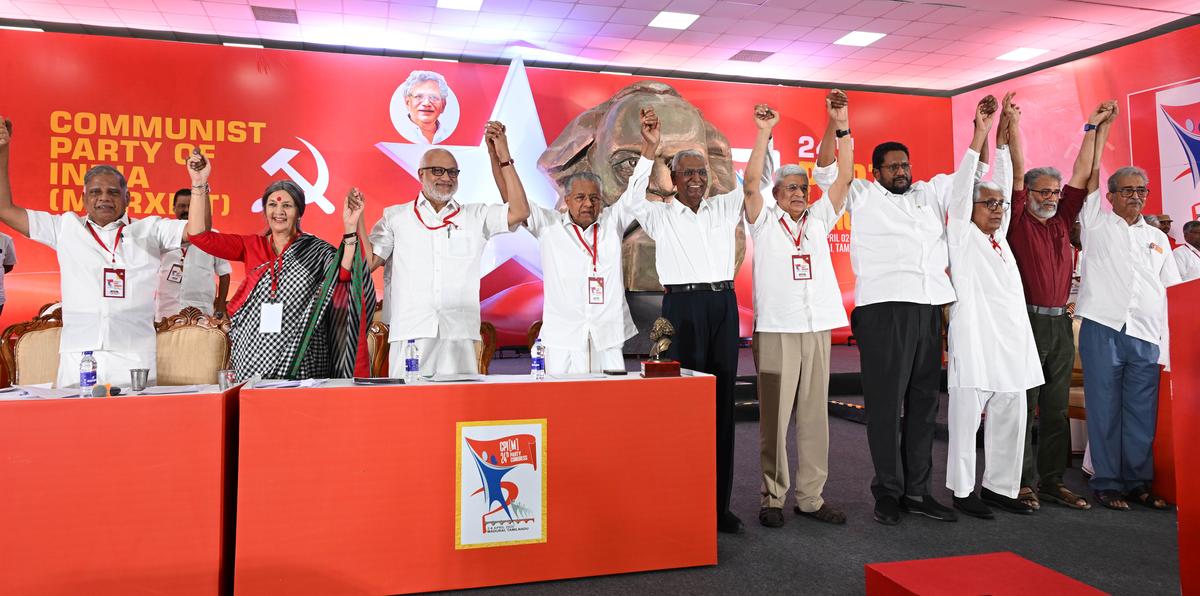
By P. Sudhir The 24th Congress of the CPI(M), which concluded at Madurai on April 6 with a massive rally, was notable in many respects. There were changes both in the agenda and content of the Congress discussions. First of all, a Political Review Report which reviewed the implementation of the political-tactical line adopted at […]


Zimbabwe’s tobacco farmers are confronting significant financial setbacks as barn fires destroy substantial portions of their harvests, exacerbating existing economic pressures. The 2025 tobacco marketing season, which commenced on March 5, has seen farmers grappling with these unforeseen losses. Barn fires have long plagued Zimbabwe’s tobacco industry, with many incidents linked to the use of traditional curing methods that rely heavily on firewood. This practice not only […]

Sheikh Hamdan bin Mohammed bin Rashid Al Maktoum, Crown Prince of Dubai, Deputy Prime Minister, and Minister of Defence, marked a significant moment at the Bombay Stock Exchange by ringing the opening bell during his official visit to India. This event underscores the deepening economic ties between the United Arab Emirates and India, highlighting the robust relationship fostered through years of collaboration.

The Crown Prince’s visit follows an invitation extended by Indian Prime Minister Narendra Modi, delivered by External Affairs Minister Dr. Subrahmanyam Jaishankar during a meeting in Dubai. This invitation reflects the mutual commitment to enhancing bilateral relations across various sectors, including trade, investment, and cultural exchange.

During his time in Mumbai, Sheikh Hamdan engaged with key figures in India’s financial sector, discussing avenues to bolster economic cooperation. The act of ringing the opening bell at the BSE, one of Asia’s oldest stock exchanges, symbolizes the UAE’s interest in strengthening financial and investment linkages with India.

The UAE and India have a longstanding history of economic partnership, further solidified by the Comprehensive Economic Partnership Agreement signed in 2022. This agreement aims to enhance trade flows, reduce tariffs, and create new avenues for investment, benefiting both nations.

Sheikh Hamdan’s visit aligns with the objectives of the Dubai Economic Agenda D33, which seeks to double Dubai’s foreign trade and establish connections with an additional 400 cities globally by 2033. This strategic vision emphasizes Dubai’s role as a global trade hub and its commitment to fostering international economic partnerships.

Global financial markets are experiencing significant volatility as the United States and China escalate their trade dispute, prompting investors to seek refuge in traditional safe-haven currencies. The Japanese yen and Swiss franc have notably strengthened, while risk-sensitive currencies such as the Australian dollar and Chinese yuan have faced substantial pressure.

The turmoil intensified following President Donald Trump’s decision to impose a 125% tariff on Chinese imports, a move that has overshadowed a 90-day suspension of tariffs for other nations. This action led to a swift response from China, which announced an 84% tariff on U.S. imports and lodged a new complaint with the World Trade Organization. These developments have heightened investor anxiety, leading to a pronounced shift towards assets perceived as safer.

In currency markets, the Japanese yen appreciated to 147.68 per dollar, nearing a five-month high, while the Swiss franc reached 0.87665 per dollar, marking a three-month peak. Conversely, the Australian dollar declined sharply, approaching levels not seen since the early stages of the COVID-19 pandemic. The Chinese yuan also experienced volatility, with the offshore rate nearing record lows at 7.3536 yuan per dollar.

Equity markets have mirrored these currency movements, with significant declines observed across major indices. The S&P 500 experienced a 0.90% drop, reaching one-month lows, while European stocks, represented by the Stoxx 600, fell approximately 4%. Asian markets were not spared, as Japan’s Nikkei tumbled as much as 2.3% in early trading. The heightened trade tensions have sparked fears of a global economic slowdown, prompting investors to reevaluate their risk exposure.

U.S. Treasury yields have also been affected, with the 10-year yield rising sharply. This increase is partly attributed to a lackluster three-year Treasury auction and concerns over the diminishing appeal of U.S. assets as safe havens. The dollar index, which measures the greenback against a basket of currencies, has declined, reflecting broader apprehensions about the U.S. economic outlook amid escalating trade disputes.

The corporate sector is feeling the impact of these developments. Companies such as Stellantis and Cleveland-Cliffs have announced job cuts in response to the uncertain trade environment. Many firms are delaying hiring and investment decisions, citing a lack of clear guidance from policymakers. Business leaders have expressed deep concern over the instability and unpredictability of current trade policies, emphasizing the need for a more consistent and transparent approach.

In the commodities market, gold prices have risen as investors seek safe-haven assets amid the market turmoil. Conversely, oil prices have remained relatively stable, despite the broader market volatility. Analysts attribute this stability to factors such as supply constraints and geopolitical considerations that are currently supporting oil prices.

Market analysts warn that the escalating trade confrontation between the U.S. and China could lead to further depreciation of the yuan and increased market instability. The potential for a full-scale trade war raises concerns about long-term global economic growth and investor confidence. The World Trade Organization has cautioned that prolonged trade disputes could result in significant declines in global GDP, underscoring the need for diplomatic efforts to resolve the tensions.

The United States stock market experienced a significant surge following President Donald Trump’s announcement of a 90-day suspension on most newly imposed tariffs. This unexpected policy shift led to a substantial influx of approximately $5.1 trillion into the market, marking one of the most notable rallies in recent history.

On April 9, 2025, President Trump declared a temporary halt to the implementation of new tariffs, with the notable exception of those targeting Chinese imports, which were increased to 125%. This decision came after appeals from over 75 countries seeking relief from escalating trade tensions. The President’s announcement was made via his social media platform, Truth Social, where he encouraged investors to capitalize on the market conditions.

The market responded promptly and positively to the President’s remarks. The S&P 500 index rose by 9.5%, its most significant gain since 2008, while the Dow Jones Industrial Average increased by 7.9%, adding 2,963 points—the largest point gain in its history. The Nasdaq Composite outperformed with a 12.2% surge, marking its most substantial one-day rise since the early 2000s.

Technology stocks, particularly those comprising the “Magnificent Seven,” experienced remarkable rebounds. Nvidia’s stock soared by 18.72%, reflecting strong investor confidence in the semiconductor sector. Tesla’s shares increased by 22.69%, indicating renewed optimism in the electric vehicle market. Apple and Meta Platforms also saw significant gains of 15.33% and 14.76%, respectively, suggesting a positive outlook for consumer electronics and social media industries. Microsoft, Amazon, and Alphabet recorded increases of 10.13%, 11.98%, and 9.88%, respectively, underscoring the broad-based recovery among leading technology firms.

Despite the market’s enthusiastic response, some analysts urge caution, emphasizing the temporary nature of the tariff suspension and the ongoing complexities in international trade relations. The increased tariffs on Chinese goods to 125% have prompted concerns about potential retaliatory measures from Beijing, which could introduce further volatility into the market. Additionally, the bond market exhibited signs of distress, with notable fluctuations in Treasury yields, reflecting underlying uncertainties about the long-term economic implications of the administration’s trade policies.

In Congress, reactions to the President’s tariff pause were mixed. While some Republican lawmakers welcomed the move as a strategic decision to stabilize the economy, others expressed skepticism about the consistency and predictability of the administration’s trade policy. Democratic leaders criticized the abrupt policy shift, labeling it as erratic and potentially destabilizing for both domestic and global markets.

Internationally, the response was varied. While many countries expressed relief at the temporary suspension, the heightened tariffs on Chinese imports escalated tensions with Beijing. China responded by increasing tariffs on U.S. imports to 84%, signaling a potential intensification of the trade conflict between the two economic giants.

President Trump’s decision to pause most new tariffs appears to be a strategic maneuver aimed at alleviating immediate market anxieties and opening avenues for further trade negotiations. However, the selective nature of the tariff adjustments, particularly the substantial increase on Chinese goods, suggests a continued commitment to addressing specific trade imbalances. The administration’s approach reflects an attempt to balance domestic economic interests with the complexities of international trade dynamics.

The South African rand has fallen to unprecedented levels against the U.S. dollar, reaching 19.8225 on April 9, 2025, nearing its June 2023 record of 19.9075. This marks a decline of over 3% within the week. The depreciation is attributed to escalating global trade tensions and internal political instability. The recent downturn follows U.S. President Donald Trump’s imposition of a 10% baseline tariff on all imports, with […]

VISHNU RAJA
RYO YAMADA
HITORI GOTOH
IKUYO KITA