News related to
trade

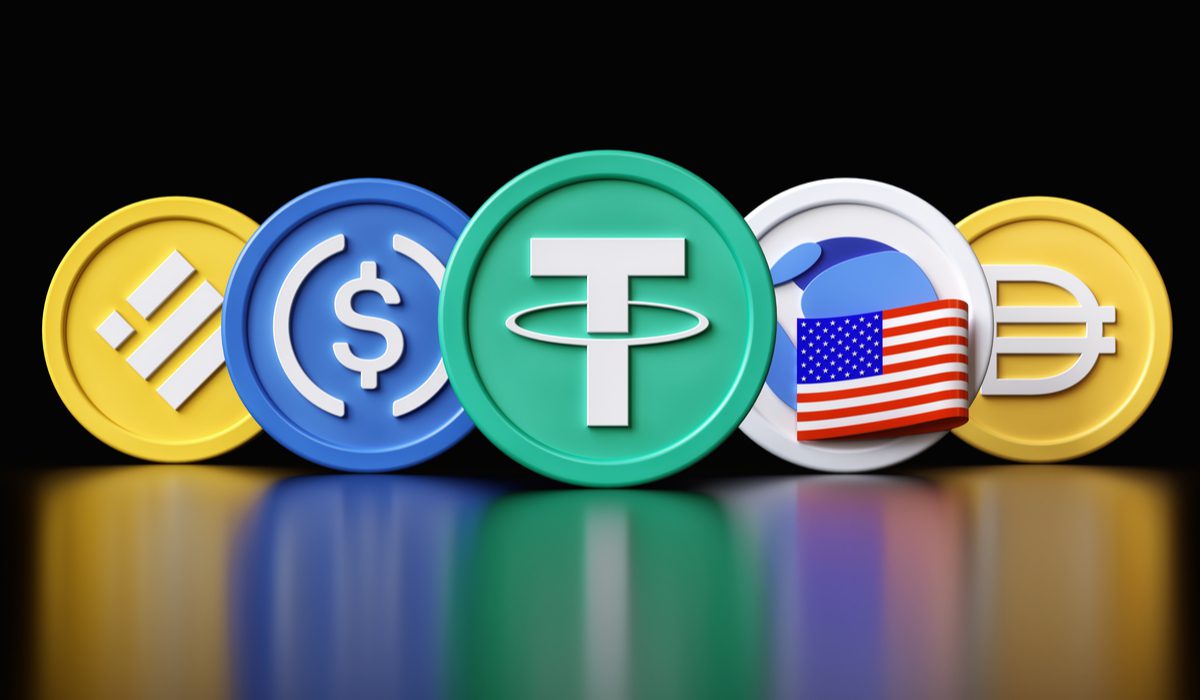
The surge in stablecoin transactions has brought the digital asset market to a pivotal moment, with adjusted on-chain volumes edging close to those of Visa, a global payment giant. Stablecoins, valued for their pegged nature to fiat currencies, have reached a circulation supply exceeding $150 billion, supported by an ecosystem of 27.5 million monthly active users. However, a nuanced examination reveals that this rapid growth masks complexities and operational challenges within the sector.

A significant portion of stablecoin activity is driven by large-scale traders and automated bots, as noted in a detailed study conducted by Visa in collaboration with Allium Labs. The findings highlighted that while on-chain stablecoin transactions surpassed $2.2 trillion in April alone, only $149 billion represented organic payment activities originating from genuine users. This discrepancy raises questions about the utility and adoption of stablecoins as mainstream payment instruments.

The competitive landscape within the stablecoin market has also intensified. Circle’s USDC has outperformed Tether’s USDT in transaction volumes, signifying shifting user preferences and adoption trends. On-chain analyses have further confirmed that the overall stablecoin transaction volume has exceeded Visa’s average monthly transaction values for 2023. Despite these milestones, experts underscore that stablecoin networks remain in a nascent phase of development.

Challenges, including double-counting during cross-chain transactions, contribute to inflated transaction figures. For instance, transferring $100 of USDC to another stablecoin on decentralized platforms such as Uniswap is recorded as $200 in on-chain activity. These anomalies underscore the need for more precise tracking mechanisms to evaluate the actual usage of stablecoins effectively.

Industry leaders, including Visa, are closely monitoring this evolution. Analysts forecast that the total value of circulating stablecoins could reach $2.8 trillion by 2028, marking an 18-fold increase from current levels. However, the pathway to achieving this growth depends on addressing critical infrastructural and regulatory hurdles. Observations from payments platforms such as Airwallex emphasize the importance of refining existing systems to improve the efficiency of stablecoin networks.

Glassnode’s analysis of stablecoin velocity, which measures the speed at which value circulates within networks, shows that only 20% of the total supply is transacted daily. Such metrics illustrate the limited penetration of stablecoins into broader economic activities despite their expanding market capitalization.

The U.S. Securities and Exchange Commission (SEC) has postponed its decision on whether to approve the listing of options for spot Ethereum exchange-traded funds (ETFs), now pushing the deadline to December 3, 2024. The delay comes shortly after the SEC granted approval for options trading related to 11 Bitcoin ETFs, signaling continued regulatory cautiousness in the evolving cryptocurrency investment space.

Originally set for October 19, the decision to allow the Chicago Board Options Exchange (Cboe) to list options for multiple Ethereum-based ETFs was pushed back. This move follows growing anticipation in the market, particularly among Ether investors, who are keen on further legitimizing cryptocurrency assets in mainstream financial markets. Industry analysts speculate that the postponement reflects the SEC’s careful approach to ensuring robust regulatory frameworks around digital assets.

The SEC’s stance could also influence the broader trajectory for cryptocurrency investment products, particularly as more traditional financial instruments, such as ETFs, are introduced into the crypto market. Analysts point out that the approval of Bitcoin ETF options has set a precedent, but Ethereum-based products continue to face heightened scrutiny due to the perceived volatility and regulatory complexity surrounding Ether, the second-largest cryptocurrency by market capitalization.

This latest delay has sparked mixed reactions in the cryptocurrency space. Some market participants view the SEC’s caution as a sign of the agency’s thoroughness, ensuring that all necessary safeguards are in place before fully opening the door for such products. Others argue that the delay could signal further uncertainty for Ethereum as it continues to compete with Bitcoin in the growing crypto-investment market.

HONG KONG SAR – Media OutReach Newswire – 15 November 2024 – The Elite Programme of Hong Kong Science and Technology Parks Corporation (HKSTP) aims to nurture both local and international tech ventures with high growth potential. With 24 companies currently active in the programme, including 13 home-grown companies and 11 from overseas, the Elite companies span across different industries, including AI & robotics, life and health […]

SINGAPORE – Media OutReach Newswire – 14 November 2024 – Singapore-headquartered and SGX-listed Sheffield Green held the inauguration ceremony for its first training centre under Wind Asia Training on October 23, 2024 in Machohou Industrial Park in Chiayi County, Taiwan. This marks a significant milestone for the company’s global training business. The training centre operates by leveraging on the synergy of funding, technology, and expertise from Singapore, […]

Shaping Responsible Supply Chains for a Sustainable Future HONG KONG SAR – Media OutReach Newswire – 14 November 2024 – Organised by amfori, a leading global business association for sustainable trade, its highly anticipated flagship event “amfori Asia Sustainability Summit” was concluded with great success yesterday at Hotel ICON in Hong Kong SAR, China. Attracting over a hundred participants from across Asia, this event highlighted the significant […]

UAE investors have seen their wealth soar following a remarkable surge in Bitcoin prices, attributed to the political and economic shifts following Donald Trump’s victory in the US election. The cryptocurrency, which had been volatile in the years preceding the win, experienced unprecedented growth as markets reacted to the shifting political landscape, with many investors in the UAE now seeing significant returns on their investments.

Bitcoin’s price surged sharply after the US election results were confirmed, with many financial analysts predicting the trend would continue as uncertainty around Trump’s policies drove investors toward assets perceived as safer or potentially more profitable. The volatile nature of cryptocurrencies makes them an attractive option for those willing to accept the risks for the potential rewards. For investors in the UAE, Bitcoin presented a new opportunity, and many took advantage of the fluctuating prices in anticipation of future growth.

Several prominent cryptocurrency investment platforms have seen increased activity in the UAE, with more people turning to Bitcoin as a hedge against inflation and political instability. The surge in Bitcoin’s value has not only been a boon for individual investors but also for cryptocurrency trading platforms and firms offering Bitcoin-based investment products. Several such platforms reported a spike in sign-ups and transactions in the wake of Trump’s election win, which, combined with the global economic uncertainty that followed, has sparked an interest in digital currencies as an alternative to traditional investments.

In Dubai, where many investors have a global outlook, Bitcoin is quickly becoming a key component of wealth management strategies. The local cryptocurrency market has witnessed a rise in demand for both Bitcoin and other digital assets. Investors are diversifying their portfolios with more aggressive positions in cryptocurrency, banking on the potential for continued growth amid the global economic challenges. Some have even opened Bitcoin-specific funds, offering high-risk, high-reward opportunities to those seeking to capitalize on the digital currency’s upward trajectory.

A key factor contributing to this wave of Bitcoin investment is the cryptocurrency’s appeal as an alternative store of value. With concerns around traditional financial systems, particularly in the Middle East, many are seeking to protect their wealth by investing in assets that are decentralized and not subject to the fluctuations of regional currencies or government policies. Bitcoin, with its promise of independence from state-controlled monetary systems, offers a solution that is increasingly attractive to investors in the UAE.

The global appeal of Bitcoin, combined with its growing legitimacy, has made it a more palatable option for UAE investors, many of whom are looking to broaden their financial horizons. The UAE’s status as a financial hub with a progressive regulatory environment for cryptocurrencies has further contributed to the growing interest. While cryptocurrencies remain largely unregulated in many parts of the world, the UAE has been one of the leading countries in the region to introduce frameworks aimed at fostering innovation while protecting investors.

The surge in Bitcoin prices has also prompted a flurry of interest from young, tech-savvy investors in the UAE. As more millennials and Gen Z individuals enter the investment landscape, they are increasingly looking toward digital currencies as a means of growing their wealth. The UAE has one of the highest concentrations of cryptocurrency holders in the Middle East, with a growing number of younger investors taking positions in Bitcoin as part of a broader trend of tech-driven financial strategies.

While the surge in Bitcoin’s price has created substantial wealth for some investors, the cryptocurrency market remains highly volatile, and many caution against overexposure. Financial advisors emphasize the importance of diversifying portfolios, as the rapid rise in Bitcoin’s value could be followed by equally dramatic declines. Investors are urged to remain cautious, keeping in mind that the cryptocurrency market’s unpredictability makes it unsuitable for all types of investors.

The geopolitical factors that contributed to Bitcoin’s rise are also critical to understanding the broader trends at play. Following Trump’s win, the global economy experienced shifts in trade relations and economic policies, which, in turn, affected investor behavior. As Bitcoin’s value continues to fluctuate in response to these political developments, the currency remains a speculative asset. However, for many in the UAE, the rewards have been substantial, allowing some to realize returns on their investments that were previously unimaginable.

Following the victory of Donald Trump in the 2024 U.S. presidential elections, the UAE has experienced a significant surge in remittance flows, with major beneficiaries being India and the Philippines. This spike is attributed to a combination of factors, including a shift in economic dynamics, increasing confidence in the stability of the global economy, and adjustments in the exchange rates. With these countries historically being some of the largest recipients of remittances from the UAE, the recent growth reflects deeper patterns in the region’s labor markets, trade relations, and the broader economic impact of political developments in the United States.

The rise in remittances highlights an enduring trend of expatriates from South Asia and Southeast Asia sending money home, especially in the face of shifting geopolitical and economic landscapes. While the UAE has long been a hub for foreign workers, the current influx of financial support underscores both the strength of these diasporas and their economic significance to the countries of origin. India and the Philippines, two of the top remittance-receiving nations globally, have seen increases that could have significant effects on their local economies, particularly in terms of poverty reduction, infrastructure development, and consumption spending.

For India, which is consistently one of the largest recipients of remittances globally, the increase reflects ongoing economic stability. Many Indian workers in the UAE are employed in sectors such as construction, hospitality, and services, industries that have been impacted by fluctuating global demand. However, with Trump’s victory, there has been a renewed optimism about the UAE’s economic outlook, boosting confidence among remitters. Additionally, the Indian Rupee’s performance against the UAE Dirham has also played a crucial role in making remittance transfers more lucrative for Indian workers, with an improved exchange rate encouraging them to send more money home.

Philippine remittance volumes have mirrored this surge, driven by the large number of Filipino workers across various sectors in the UAE. The increase in remittances to the Philippines is tied to both economic and political factors. With Trump’s win, many Filipino workers have reported feeling more confident in their job security within the UAE, leading to higher disposable incomes and an increased desire to support their families back home. The Duterte administration’s improved diplomatic relations with the UAE, as well as the UAE’s robust labor laws, have also contributed to a more secure working environment for Filipino expatriates. Furthermore, the Philippine government has actively encouraged remittances as a key element in sustaining the country’s economic growth, which is evident in the increased financial flows back home.

One of the key drivers behind the rising remittance numbers is the favorable exchange rate that has emerged following Trump’s victory. The UAE Dirham is pegged to the U.S. Dollar, and with Trump’s anticipated pro-business policies, many economists predict continued economic growth in the region, leading to stronger currencies like the Dirham. As a result, workers from India and the Philippines are able to send larger amounts of money home for each unit of foreign currency they earn.

This surge also aligns with broader trends in global migration patterns, where many labor-exporting countries have seen their nationals continue to seek employment in the UAE despite challenges posed by the global economy. With job opportunities available in sectors like construction, health care, and information technology, both India and the Philippines remain major exporters of labor to the UAE, a relationship that continues to be a vital component of both nations’ economic strategies.

Another factor influencing the rise in remittances is the UAE’s active role in international trade. Trump’s foreign policy outlook, which tends to favor global markets and open trade policies, has reinforced investor confidence in the UAE, positioning it as a leading financial center in the region. This has had a trickle-down effect on remittances, as expatriates feel more secure in sending money back home, knowing that the overall economic stability of the UAE is likely to hold steady.

For both India and the Philippines, remittances are a critical pillar of economic support. The funds sent by workers abroad contribute significantly to the countries’ GDP, provide direct financial assistance to households, and bolster government revenues. In India, remittances have been linked to the reduction of poverty, greater access to education and healthcare, and even the growth of small businesses. Similarly, in the Philippines, remittances support everything from consumer spending to investments in rural development and infrastructure projects.

Despite the positive impact of these remittance flows, challenges persist. The COVID-19 pandemic had a brief dampening effect on global remittances due to economic uncertainties and travel restrictions, but the post-pandemic recovery has led to a strong rebound in money transfers, especially from the UAE. Many of the expatriate workers in the UAE rely heavily on their income to support families in their home countries, making the rise in remittances particularly crucial for those living in more economically vulnerable regions.

Advertisements

Mubadala Investment Company and commodities trader Trafigura are exploring the sale of their assets in Brazil’s iron-ore sector, specifically Porto Sudeste, a key iron ore port in Rio de Janeiro, and the Mineração Morro do Ipê mining project in Minas Gerais. Both entities are working with UBS BB and Goldman Sachs to facilitate the sale, a move that could be completed within the next six to nine […]

KUALA LUMPUR, MALAYSIA – Media OutReach Newswire – 14 November 2024 – Adding exotic currency pairs to a portfolio is a popular way to get exposed to a wider variety of assets. These pairs, which include currencies from emerging markets or smaller economies, offer unique opportunities due to their volatility and potential for high returns. For traders in regions like India and Southeast Asia, exotic pairs can […]

KUALA LUMPUR, MALAYSIA – Media OutReach Newswire – 12 November 2024 – The recent U.S. presidential election and subsequent economic events have significantly impacted the Malaysian Ringgit (MYR), with the USDMYR exchange rate reaching a three-month high on Monday. Octa Broker’s financial market analyst, Kar Yong Ang, explains the reasons for the recent weakness in the Malaysian ringgit and provides short-term exchange rate projections. It has been […]

HONG KONG SAR – Media OutReach Newswire – 13 November 2024 – The first baijiu company listed on the Hong Kong Stock Exchange and the second Chinese sauce-aroma baijiu stock being publicly listed, ZJLD Group Inc. (“ZJLD” or the “Company”, SEHK stock code: 06979. HK), is pleased to announce that the Group has been awarded the supreme honor – The Listed Company of the Year in The […]

Revolut has officially launched its crypto trading platform, Revolut X, in 30 additional European countries. The expansion marks a significant milestone for the financial technology company, which is targeting experienced traders seeking advanced features in cryptocurrency trading. The new rollout is designed to bolster the platform’s presence in Europe, tapping into an increasing demand for more sophisticated trading tools.

The platform, which first launched in the UK and Europe, offers a comprehensive suite of crypto trading features tailored to individuals with a higher level of expertise in the digital assets space. Revolut X includes a range of tools such as real-time market data, advanced charting, and analysis capabilities that are expected to appeal to traders with more in-depth knowledge of the volatile cryptocurrency market.

Revolut, known for its wide array of financial services, had previously made moves in the cryptocurrency market by offering a simpler, more beginner-friendly crypto service through its primary app. The launch of Revolut X in these new markets is part of the company’s strategy to differentiate itself in an increasingly competitive space dominated by established players such as Binance, Kraken, and Coinbase.

The 30 new countries added to Revolut X’s reach include several key European markets, notably in the EU and surrounding regions. These markets represent some of the most active areas for cryptocurrency adoption, with high levels of market penetration and investor interest. For Revolut, this is a calculated move aimed at capturing more of the trading segment from other platforms that cater to more advanced users.

Industry experts suggest that Revolut’s expansion into these markets comes at a time when crypto trading is gaining momentum across Europe. Regulatory frameworks in many EU nations are becoming more favorable, with clearer rules providing a safer environment for traders. This is seen as a major advantage for platforms like Revolut X, which seeks to build trust and legitimacy in a market that has faced scrutiny in recent years due to concerns over security and market manipulation.

With the introduction of advanced trading features, Revolut X also aims to address the growing demand for decentralized finance (DeFi) and other innovative financial products. As more traders seek out opportunities in non-fungible tokens (NFTs), decentralized exchanges (DEXs), and other blockchain-based assets, Revolut is positioning itself as a key player in these evolving markets.

The cryptocurrency sector in Europe has shown considerable growth, with increasing institutional interest and more retail investors participating in crypto markets. Several nations, particularly Germany, France, and the Netherlands, have already seen a rise in retail investment, and there is an ongoing effort within the European Union to establish clearer regulatory standards for digital assets. This regulatory clarity, along with the expanding acceptance of crypto in traditional financial systems, provides a supportive backdrop for Revolut’s expansion.

However, Revolut’s venture into the cryptocurrency space has not been without challenges. Despite the company’s large customer base and technological edge, it faces stiff competition from other financial technology companies and crypto-native platforms that are already well-established in European markets. Furthermore, cryptocurrency trading remains a high-risk venture for many traders, with concerns over market volatility, regulatory changes, and technological risks such as hacking and fraud.

For Revolut, the strategic move to expand Revolut X to 30 new markets is aimed at capitalizing on the increasing adoption of cryptocurrencies and positioning itself as a serious player in the crypto trading sphere. It also aligns with the company’s broader goal of diversifying its service offerings to encompass a wider array of financial products. This includes plans to broaden access to traditional banking, investment options, and more advanced trading tools. As the market matures and regulatory clarity continues to evolve, Revolut’s early investments into crypto trading could prove to be a significant growth area in its future.

The introduction of Revolut X in these 30 countries also signals a shift in the company’s overall business strategy. By targeting more experienced traders, Revolut is moving away from its initial focus on mainstream consumers and expanding into a niche that has shown higher profitability. This move reflects broader trends in the financial industry, where firms are seeking to capture more sophisticated users who are looking for advanced trading features and greater customization in their investment strategies.

KUALA LUMPUR, MALAYSIA – Media OutReach Newswire – 13 November 2024 – As China solidifies its influence across Southeast Asia, it becomes the region’s largest trading partner and a crucial investor in areas like infrastructure, technology, and renewable energy. This release explores how China’s expanding economic reach shapes Southeast Asian markets, from Indonesia’s booming coal exports to Vietnam’s tech transformation, and provides a glimpse into future growth […]

Providing a snapshot of the SaloneSatellite Collection and showcasing the talents of emerging international designers at the West Kowloon Cultural District until 21 November HONG KONG SAR – Media OutReach Newswire – 12 November 2024 – The much-anticipated ‘SaloneSatellite Permanent Collection 1998-2024’ Exhibition makes its official debut in Hong Kong today, showcasing more than 100 innovative award-winning works by talented international designers at the Arts Pavilion of […]

The Zimbabwe-Zambia (Zim-Zam) Energy Projects Summit will take place from November 18-20, 2024, in Victoria Falls, Zimbabwe, and could not be more timely. With the governments of both countries making innovative structural changes to make energy projects more bankable, appetite for investment is high. This is the opportunity to secure a more sustainable energy future for both Zimbabwe and Zambia. LONDON, UK – EQS Newswire – 12 […]

The NFT market in 2024 is grappling with a severe downturn, with the vast majority of new drops failing to gain traction and barely a fraction proving profitable. According to industry reports, 98% of NFT collections released this year have failed, while only 0.2% managed to generate significant returns, signaling an oversaturated market where the potential for success is diminishing rapidly.

The surge in NFT interest that dominated the market in 2021 and 2022 has largely faded. At the height of its popularity, high-profile celebrity-backed NFT collections, art auctions, and metaverse projects generated headlines and high transaction volumes. However, the once-booming sector has faced sharp declines in 2023 and continues to struggle through 2024. The flood of new projects has led to overwhelming competition, with collectors and investors growing increasingly discerning, causing many NFT drops to fail despite substantial marketing efforts.

One key factor behind the market’s downturn is the saturation of low-quality projects. In 2021, the NFT market saw explosive growth, with new collections emerging almost daily, promising lucrative returns. The ease of creating and launching NFTs led to a rapid influx of creators, artists, and brands eager to capitalize on the trend. However, many of these projects lacked the originality, utility, or community support necessary to sustain long-term value, which has become evident in the market’s performance.

Experts point to the lack of innovation in the space as a significant driver of the current struggles. NFT collections that are simply rehashed concepts or derivative works often fail to excite collectors, who are now more cautious in their purchasing behavior. The expectation of speculative profits, which fueled much of the market’s initial boom, has largely dissipated, leaving only the most unique and well-executed projects to stand out. As a result, many newer NFT collections are struggling to build a loyal community, which is crucial for the longevity and success of an NFT project.

The economic environment also plays a crucial role in the market’s decline. A downturn in the broader cryptocurrency market has directly impacted NFTs, as both assets are intertwined. Cryptocurrencies such as Bitcoin and Ethereum have experienced significant price fluctuations in recent months, which has reduced the capital available for NFT investments. With crypto market volatility making investors more risk-averse, the NFT sector has seen fewer high-profile buyers willing to commit to large-scale purchases.

NFT traders have become more skeptical about the long-term viability of the market. While some creators continue to make bold promises about the potential of NFTs in gaming, art, and other sectors, many have struggled to deliver on these visions. Trust in the space has been eroded by scams, failed projects, and the lack of regulatory clarity. As a result, investors are wary of participating in the market, resulting in low transaction volumes and limited liquidity.

One of the few bright spots in the 2024 NFT landscape is the emergence of projects that offer tangible utility. Collections tied to real-world assets, such as exclusive access to events, products, or digital services, have managed to garner attention from collectors who are looking for value beyond speculation. Additionally, some projects have innovated by integrating NFTs into gaming, virtual real estate, and metaverse platforms, where they offer in-game assets or experiences that are more difficult to replicate than traditional artwork-based NFTs.

Despite these innovative approaches, the overall sentiment in the NFT market remains cautious. Several high-profile NFT projects that launched in early 2024 have seen their value plummet, leading to significant losses for investors. The low success rate of new drops suggests that the market’s infrastructure is not yet ready for sustained growth and that additional reforms or innovative solutions may be required to reinvigorate the space.

Some analysts suggest that the NFT market is undergoing a period of “natural correction,” where the speculative bubble that drove its growth is slowly deflating. They believe that the future of NFTs lies in projects that offer real-world utility and sustainable growth, rather than relying solely on hype or celebrity endorsements. These analysts emphasize the importance of community engagement and long-term value for the future of NFTs.

The current state of the NFT market is also prompting calls for greater regulation and industry standards. As more collectors and investors become disillusioned with failed projects, there is an increasing demand for transparency and accountability from creators and platforms. Several organizations and industry leaders are working on establishing clearer guidelines for the NFT ecosystem, focusing on issues like intellectual property rights, secondary market sales, and platform fees.

CASABLANCA, MOROCCO – EQS Newswire – 11 November 2024 – The inaugural Morocco Showcase Summit: Tourism, Hospitality, Invest will take place Nov. 19-20 at the Marriott Hotel in Casablanca, emphasising how Morocco creates a compelling opportunity for Arabian investors to diversify their portfolios and capitalise on the country’s booming hospitality market. The bilingual English and French summit, a collaboration of Société Marocaine d’Ingénierie Touristique (SMIT) and API […]

The growing financial links between Asia and the Middle East are poised to significantly influence global capital flows, according to new insights from HSBC. The accelerating collaboration between these two regions is already reshaping the landscape of international investments, with both sides benefitting from a convergence of economic goals, financial strategies, and geopolitical interests. With Asia’s expanding markets and the Middle East’s substantial financial resources, the deepening […]

Tesla’s cryptocurrency holdings have soared, with the value of its 11,000 Bitcoin reaching over $1 billion. The electric vehicle giant’s investment in Bitcoin has been a key part of its strategy to diversify corporate assets beyond traditional fiat currencies. While the price of Bitcoin fluctuates, Tesla’s large holding has provided it with significant exposure to the cryptocurrency market, elevating the company’s financial profile in a sector that continues to gain attention and evolve.

In 2021, Tesla made headlines when it announced an investment of $1.5 billion in Bitcoin, signaling confidence in the digital asset as a store of value. CEO Elon Musk’s affinity for cryptocurrency, coupled with the company’s broader interest in innovation and emerging technologies, led to this pivotal move. Since then, Tesla’s Bitcoin holdings have fluctuated alongside market conditions, but they have proven to be a lucrative asset, contributing to the company’s financial resilience during periods of market volatility.

Bitcoin’s value has experienced considerable ups and downs, often driven by market sentiment, regulatory changes, and macroeconomic factors. In 2024, the cryptocurrency market saw a resurgence, with Bitcoin prices breaking new thresholds. Tesla’s holdings of 11,000 Bitcoin have benefited significantly from this rise, surpassing the $1 billion mark. At current market prices, Tesla’s Bitcoin stash represents a notable portion of its financial portfolio, highlighting the growing intersection between traditional businesses and the digital economy.

The company’s decision to hold Bitcoin has sparked both praise and criticism. Advocates of the investment argue that Tesla’s strategic move aligns with its innovative image, positioning the company as a leader in adopting cutting-edge technologies. The large holding is seen as a hedge against inflation and a potential future asset in a more decentralized global financial system. Tesla’s Bitcoin investment also provides liquidity, offering the company an alternative means of transacting in the digital realm without relying on conventional banking systems.

Critics, however, point to the volatility of cryptocurrencies and the risks associated with such an investment. Bitcoin’s price can fluctuate significantly over short periods, which has raised concerns about Tesla’s exposure to market swings. Some argue that Tesla’s holdings in Bitcoin could expose the company to unnecessary financial risk, potentially impacting its stock price and long-term stability. There are also broader environmental concerns, with Bitcoin mining being energy-intensive, which could contradict Tesla’s sustainability goals. While the company’s electric vehicles aim to reduce carbon emissions, critics note the contrast between Tesla’s green mission and the energy consumption associated with Bitcoin mining.

Tesla’s Bitcoin holdings also invite scrutiny from regulators. Governments around the world have been taking a closer look at the role of cryptocurrencies in the global economy, with some considering stricter regulatory frameworks. In the U.S., the Securities and Exchange Commission (SEC) has taken an active interest in digital assets, including Bitcoin. Tesla, as a publicly traded company, is subject to scrutiny from regulators on how it reports its cryptocurrency holdings and any potential risks they might pose to shareholders. The company has had to navigate these regulatory waters carefully, ensuring compliance while continuing to profit from its Bitcoin investment.

Despite the risks, Tesla has shown no signs of backing away from its Bitcoin position. The company’s strategy appears to be one of cautious optimism, leveraging the value of Bitcoin while balancing the volatility that comes with holding the cryptocurrency. Tesla has also explored the potential for using Bitcoin as a payment method for its vehicles, further deepening its integration with the digital economy. While this initiative faced some setbacks due to environmental concerns and Bitcoin’s energy consumption, it highlights Tesla’s commitment to pushing the boundaries of innovation in the financial and automotive sectors.

Tesla’s Bitcoin investment has had ripple effects across the business world. Other companies have followed suit, with some publicly traded firms diversifying into cryptocurrency holdings as a hedge or alternative investment. The trend of corporate adoption of Bitcoin has raised questions about the future role of digital currencies in mainstream financial markets. For now, Tesla stands at the forefront of this movement, with its Bitcoin holdings continuing to make waves in both the tech and finance sectors.

The company’s exposure to Bitcoin has also brought attention to the evolving landscape of corporate finance. As the global economy increasingly embraces digital assets, businesses are exploring new ways to incorporate cryptocurrency into their strategies. Tesla’s success with Bitcoin demonstrates the potential for companies to use cryptocurrencies not just as speculative investments, but as integral components of their overall financial strategies.

Bitcoin has surged to unprecedented heights, nearing the $90,000 mark as a combination of market optimism, increased institutional interest, and geopolitical shifts continue to fuel its momentum. This remarkable rise in the cryptocurrency’s value has been closely tied to a series of economic developments, notably the political climate surrounding former U.S. president Donald Trump, whose influence appears to be a significant factor in the growing bullish sentiment.

The cryptocurrency market’s volatility has long been a defining characteristic, but the latest surge in Bitcoin prices signals a shift in the forces driving demand. Analysts are pointing to a confluence of factors, with the Trump factor emerging as a particularly potent catalyst. The former president’s potential return to power has sparked both optimism and uncertainty, prompting traders to flock to Bitcoin as a hedge against political instability and inflationary pressures.

Bitcoin’s ascent began accelerating in mid-2024, following a series of positive regulatory signals, particularly in the United States. The market has also been buoyed by major institutional investors increasing their exposure to digital assets, solidifying Bitcoin’s position as a mainstream asset class. However, it is the increasing political unrest, particularly tied to the upcoming U.S. presidential election, that has helped propel the price to near-record highs.

Trump, whose political future remains uncertain but undeniably impactful, has been a key figure in driving risk-on sentiment within the financial markets. His public statements, rallying for policies that are viewed as pro-business, have ignited optimism among investors, particularly those who see Bitcoin as a store of value. The U.S. dollar’s weakness, in combination with potential political shifts, has fueled the flight to alternative assets, with Bitcoin positioned as the prime beneficiary of this trend.

The U.S. Federal Reserve’s monetary policy, focusing on cautious interest rate adjustments, also plays a role in the cryptocurrency’s rally. As traditional asset classes like equities and bonds face headwinds due to inflationary concerns and tightening policy, Bitcoin’s appeal as an inflation hedge has grown. The digital currency’s decentralized nature makes it an attractive option for those looking to protect their wealth from government interference, and this narrative is gaining traction amid a backdrop of rising populist movements and economic uncertainty.

Meanwhile, the ongoing developments in the global financial landscape are amplifying Bitcoin’s appeal. International geopolitical tensions, such as the growing U.S.-China rivalry and the instability in certain emerging markets, have led to increased interest in decentralized currencies. Bitcoin, as the flagship cryptocurrency, is seen by many as a safe haven in times of crisis. With central banks around the world adopting increasingly accommodative monetary policies in the face of economic challenges, Bitcoin’s value proposition is strengthened.

Institutional investors, who were once cautious about the volatile nature of cryptocurrencies, are now diving into the market with more confidence. Publicly traded companies and hedge funds have significantly increased their Bitcoin holdings over the past year, signaling growing acceptance of digital assets within traditional investment portfolios. This trend has been accelerated by high-profile endorsements, including that of companies like Tesla, MicroStrategy, and Fidelity, which have shifted a portion of their treasury reserves into Bitcoin, further legitimizing it as an investment vehicle.

In addition to institutional interest, the retail market has also played a key role in Bitcoin’s price surge. The proliferation of crypto-focused investment platforms and decentralized finance (DeFi) protocols has enabled easier access for individual investors, resulting in a broader base of market participants. As Bitcoin approaches the $90,000 threshold, its growing popularity among mainstream investors has prompted renewed speculation about the possibility of a $100,000 price target.

Despite the market’s optimism, there are still underlying risks that could hinder Bitcoin’s rally. Regulatory scrutiny remains a significant concern, particularly in major markets like the U.S., where regulators are working to establish clearer frameworks for cryptocurrency trading and taxation. The future of Bitcoin’s price may be shaped by how policymakers choose to approach these challenges.

Another risk factor is the volatility of the broader crypto market. While Bitcoin has shown remarkable resilience, other cryptocurrencies have seen more dramatic fluctuations in value, raising questions about the sustainability of the current rally. Altcoins such as Ethereum, Solana, and others are often subject to greater price swings, which can influence investor sentiment and spill over into Bitcoin’s price.

BEIJING, CHINA – Media OutReach Newswire – 11 November 2024 – On April 23, 1994, ten private entrepreneurs issued a call to action: “Let’s dedicate ourselves to the noble mission of poverty alleviation.” This marked the official starting point of China’s Guangcai (Glorious) Program initiative. The Glorious Program called on Chinese private entrepreneurs to play a part in the development-driven poverty alleviation projects that focus on helping […]

HONG KONG SAR – Media OutReach Newswire – 11 November 2024 – Award-winning brokerage VT Markets held its “Pioneering Global Investment” forum in Hong Kong on 2 November. The event tackled some of the most pressing questions on investment strategies and opportunities as the global brokerage heads into the last quarter of the year. The world economy is an ever-changing pulse—moving to the beat of inflation, political […]

Cathay Pacific has expanded its international network with the launch of direct flights between Hong Kong and Riyadh, marking a significant milestone in the airline’s growth strategy. This new route provides both business and leisure travelers with a more efficient travel option, strengthening connectivity between two major economic hubs in Asia and the Middle East.

The inaugural flight, which took off in early November, was celebrated with a ceremony attended by key officials from both Hong Kong and Saudi Arabia. Among the notable attendees were Financial Secretary of the Hong Kong SAR Government Paul Chan Mo-po, Consul General of Saudi Arabia in Hong Kong Hamad Aljebreen, and Cathay Group Chair Patrick Healy. The event underscored the growing ties between Hong Kong and the Kingdom of Saudi Arabia, particularly in the context of expanding air connectivity.

The new flight will operate four times a week, offering travelers more flexibility when flying between the two cities. Riyadh, the capital of Saudi Arabia, is a growing business center with increasing demand for direct international flights, particularly from Asia. Hong Kong, as one of the world’s major financial and trading hubs, is a natural gateway for Saudi nationals seeking to conduct business in Asia, and for Hong Kong residents wishing to explore the expanding opportunities in the Kingdom.

The service will be operated using Cathay Pacific’s Airbus A350-900 aircraft, which provides a comfortable flying experience with both business and economy class options. This aircraft is known for its fuel efficiency and advanced technology, making it a fitting choice for long-haul flights.

Lavinia Lau, Cathay Pacific’s Chief Customer and Commercial Officer, highlighted the importance of this new service, noting that it will significantly enhance the airline’s connectivity within the Middle East and further strengthen its presence in Asia. She emphasized the airline’s commitment to offering quality service and expanding its network to meet the evolving demands of its passengers.

The launch of the Hong Kong-Riyadh route is part of Cathay Pacific’s broader strategy to increase its presence in the Middle East. The airline has long been focused on providing convenient connections to key destinations in Asia, Europe, and North America, and this new flight is seen as a key step in maintaining the airline’s competitive edge in the global aviation industry.

Riyadh, as the economic heart of Saudi Arabia, is undergoing rapid transformation under the country’s Vision 2030 initiative. This ambitious plan aims to diversify the economy and reduce the Kingdom’s dependency on oil. As part of this vision, there is a concerted effort to build up the tourism and business sectors, with the government seeking to attract more international investment. This has created a strong demand for enhanced air links between Riyadh and key international destinations.

The direct flight between Hong Kong and Riyadh will play an integral role in fostering economic and cultural ties between the two regions. The Kingdom of Saudi Arabia has long been a major trade partner for Hong Kong, with bilateral trade continuing to grow in recent years. The direct air link will further support trade, tourism, and business opportunities by reducing travel time and increasing convenience for travelers.

The launch comes at a time when airlines are cautiously recovering from the pandemic’s effects on global air travel. Cathay Pacific, like many other carriers, faced significant challenges during the pandemic but has been gradually rebuilding its network as travel demand returns. The Hong Kong-Riyadh route signals the airline’s confidence in the recovery of international travel and its commitment to expanding its network in key markets.

Hong Kong’s Airport Authority also played a crucial role in making the direct flight route a reality. Vivian Cheung, Acting Chief Executive Officer and Chief Operating Officer of the Airport Authority Hong Kong, expressed enthusiasm for the new service, emphasizing that the launch reflects the airport’s continued effort to strengthen its global connectivity and solidify Hong Kong’s status as an international aviation hub.

With the increased demand for air travel between Hong Kong and the Middle East, this new service is expected to benefit not just business travelers but also tourists. Saudi Arabia has been making strides in opening up to international tourism, particularly with the introduction of new visa options and its ongoing efforts to position itself as a major tourist destination in the region. Hong Kong, with its mix of cultural heritage and modern attractions, is well-positioned to attract tourists from Saudi Arabia who are keen to explore Asia’s vibrant cities.

Solana’s native cryptocurrency, SOL, has soared to a significant milestone, surpassing a $100 billion market capitalization for the first time. The rise in SOL’s price to $212 marks its highest value in over three years, reflecting a broader surge in the cryptocurrency market. This rally is being fueled by multiple factors, including the increasing momentum following Bitcoin’s own breakthrough above $80,000, alongside recent market catalysts such as Donald Trump’s electoral victory and the Federal Reserve’s decision to cut interest rates.

As the broader crypto market rebounds, Solana has emerged as one of the key beneficiaries, marking a dramatic rise that has reinvigorated investor interest in the digital assets space. This surge places Solana firmly in the ranks of the top five cryptocurrencies by market capitalization, signaling its growing influence in the industry. Despite the volatility that often characterizes digital currencies, Solana has managed to carve out a niche with its innovative approach to blockchain technology, which offers scalability and faster transaction speeds compared to many competitors.

The price surge is seen as a continuation of Solana’s broader recovery since the sharp decline in its value experienced during the crypto winter of 2022. Over the past year, the blockchain has regained substantial traction, driven by both technical advancements and increasing adoption by developers and decentralized finance (DeFi) platforms. As of now, Solana’s price stands well above its March-April cycle highs, marking an important psychological level for traders and investors.

Much of Solana’s recent growth is tied to its ecosystem’s increasing popularity in decentralized applications (dApps) and non-fungible tokens (NFTs). The blockchain’s high throughput capabilities, combined with low transaction fees, make it a preferred platform for developers building on Web3 and DeFi applications. These characteristics have garnered Solana a significant user base and investment, which is now paying off as market conditions favor the broader crypto sector.

The crypto rally has also been propelled by the changing economic landscape. The Federal Reserve’s decision to cut interest rates has had a ripple effect across financial markets, contributing to increased liquidity and risk appetite among investors. Cryptocurrencies, often seen as a hedge against inflation and traditional financial systems, have benefited from this environment. As the Fed’s monetary policy continues to evolve, many market participants see digital assets as a safer investment compared to traditional stocks and bonds, especially in uncertain economic times.

Meanwhile, Bitcoin’s rise above $80,000 has created a halo effect for other cryptocurrencies, including Solana. The world’s largest cryptocurrency has often set the tone for market movements, and its surge has bolstered investor confidence in the broader digital asset class. Many traders view the rally in Bitcoin as an indication that the overall cryptocurrency market is in the midst of a bull phase, with altcoins like Solana and Ethereum seeing heightened interest from institutional and retail investors alike.

Solana’s technological advancements also play a crucial role in this price surge. The blockchain’s focus on scalability through its Proof of History (PoH) mechanism allows it to process thousands of transactions per second, which significantly enhances its capacity to handle large-scale decentralized applications. This technology has made Solana an attractive choice for developers looking to build decentralized exchanges (DEXs), NFT marketplaces, and other dApps that require high throughput and low transaction fees.

Another key factor contributing to Solana’s growth is the backing it has received from prominent venture capitalists and institutional investors. Over the past few years, Solana has secured major funding rounds, positioning it as one of the most well-funded projects in the cryptocurrency space. This has helped solidify its position as a strong competitor to Ethereum, which has historically dominated the decentralized application space but has struggled with scalability issues due to high transaction costs and slower confirmation times.

Despite these positive developments, the cryptocurrency market remains volatile, and Solana’s price could still face significant fluctuations. While many analysts remain bullish on the future of Solana, there are concerns regarding broader market corrections, regulatory scrutiny, and the sustainability of the current rally. Some experts caution that the rapid rise in Solana’s price could be driven by speculation rather than fundamental growth, which could lead to a pullback in the future.

Solana’s ability to maintain its current market momentum will likely depend on its ability to scale and meet the growing demand for decentralized applications. While its technical advantages set it apart from many of its competitors, the blockchain space remains highly competitive, with Ethereum and other Layer-1 chains continuously improving their offerings. Moreover, the potential regulatory challenges posed by governments and financial institutions around the world could impact Solana and other cryptocurrencies in the coming months.

VISHNU RAJA
RYO YAMADA
HITORI GOTOH
IKUYO KITA