News related to
trade

Ripple has launched a new offering called Ripple Custody, aimed at banks and fintech companies seeking secure digital asset storage. This marks a significant step for Ripple as it expands its service portfolio to support the growing demand for digital asset management solutions in the financial sector. The custody service integrates with Ripple’s XRP Ledger, offering a comprehensive solution that not only stores digital assets securely but also supports tokenization, compliance tools, and faster trading.

The launch of Ripple Custody comes at a time when more financial institutions are exploring crypto assets as part of their service offerings. Ripple’s platform provides an integrated and user-friendly interface that allows financial firms to manage a range of digital assets, including cryptocurrencies and tokenized real-world assets. The service also includes anti-money laundering (AML) risk monitoring, which is critical for meeting regulatory requirements in the global financial landscape.

Ripple Custody is built upon the technology of Ripple’s existing XRP Ledger blockchain, known for its efficiency and low-cost transaction capabilities. This ledger forms the backbone of Ripple’s ecosystem, facilitating fast and secure transactions between institutions. By integrating this ledger with the custody service, Ripple ensures that users have access to advanced blockchain technology for managing and transacting digital assets. The company’s focus on scalability and security makes it a competitive option for financial entities looking to diversify their portfolios with crypto assets.

This new service also capitalizes on Ripple’s acquisition of Metaco, a Swiss-based provider of digital asset custody and tokenization technology. This acquisition allowed Ripple to strengthen its technological capabilities in the custody space, positioning itself as a key player in the digital asset management sector. Ripple’s expansion into the custody business is part of a broader strategy to offer end-to-end solutions for financial institutions, from secure storage to liquidity and tokenization of various assets.

Ripple’s growing ecosystem aligns with the broader trend in the financial industry where digital assets are becoming a more accepted part of mainstream finance. Financial institutions are under increasing pressure to offer secure, compliant, and efficient digital asset services to meet the evolving needs of their clients. By addressing these requirements with Ripple Custody, Ripple is ensuring that its platform remains relevant in an ever-changing market.

Ripple Custody also offers advanced compliance tools, crucial for institutions navigating the complex regulatory environment around digital assets. These tools are designed to assist financial firms in adhering to AML, Know Your Customer (KYC), and other regulatory standards, reducing the risks associated with digital asset transactions. Ripple’s emphasis on compliance sets its custody service apart from other offerings in the market, as it provides an added layer of security for institutions wary of regulatory hurdles.

Another key feature of Ripple Custody is its support for the tokenization of real-world assets, enabling users to create digital representations of physical assets. This feature has the potential to unlock liquidity in traditionally illiquid markets by allowing assets like real estate or commodities to be traded on blockchain platforms. Tokenization is seen as a major innovation in the financial sector, offering new opportunities for both investors and institutions to access global markets more easily.

Ripple’s custody service also aims to enhance the speed and efficiency of trading through its integration with the XRP Ledger. By using this blockchain, the service can offer lower transaction fees and faster settlement times compared to traditional systems, making it an attractive option for institutions looking to optimize their operations. Ripple’s focus on transaction speed and cost efficiency reflects its ambition to compete with traditional financial infrastructure.

The launch of Ripple Custody has attracted attention from various sectors of the financial industry, as Ripple continues to solidify its position as a leader in the blockchain and digital asset space. By offering a secure, compliant, and efficient solution for digital asset storage and management, Ripple is helping to drive the mainstream adoption of digital currencies and tokenized assets among financial institutions.

Qatar’s Lesha Bank has finalized the acquisition of Bereke Bank in Kazakhstan, marking a significant expansion into Central Asia’s financial landscape. This strategic move aims to bolster Lesha Bank’s regional presence and enhance its service offerings, catering to a broader customer base in both retail and corporate banking sectors. The acquisition was officially announced following regulatory approval from Kazakhstan’s National Bank. This pivotal decision reflects a growing […]

Several airlines have expanded their operations over Afghanistan, marking a significant shift in air traffic dynamics in a region characterized by geopolitical instability and ongoing tensions. This development comes in the wake of changing airspace policies and a gradual restoration of air routes previously closed due to security concerns. The resumption of flights has attracted attention from various sectors, including commerce, humanitarian efforts, and diplomatic engagements. Countries […]

Hafeet Rail has successfully secured $1.5 billion in project financing from a consortium of banks, marking a significant milestone in the development of rail infrastructure in the region. This funding will support the construction and operational phases of the Hafeet Rail project, which aims to enhance connectivity and economic activity across various regions. The financing consortium includes several prominent international banks, each bringing extensive expertise in infrastructure […]

VanEck, a leading global asset management firm, has introduced a $30 million early-stage fund, VanEck Ventures, marking a significant move into the realms of fintech, digital assets, and artificial intelligence (AI). This initiative aims to capitalize on the burgeoning opportunities in technology-driven financial services, with the fund dedicated to pre-seed and seed-stage startups. The company’s focus is squarely on supporting visionary founders and entrepreneurs as they develop cutting-edge financial applications and infrastructure for the next generation.

The new fund is part of VanEck’s broader strategy to expand its presence in emerging sectors such as blockchain, cryptocurrency, and AI, which are increasingly becoming integral to the global financial ecosystem. Fintech has seen an explosion of growth, driven by rapid digitalization and consumer demand for innovative financial solutions. With this fund, VanEck is positioning itself at the forefront of this transformation, aiming to fuel the growth of promising early-stage companies.

The fund, VanEck Ventures, reflects the company’s growing interest in startups that can disrupt traditional financial systems with groundbreaking technologies. The global shift towards decentralized finance (DeFi) and blockchain-based financial services has created a fertile environment for innovation. Fintech solutions are enabling faster, cheaper, and more accessible financial services to both individuals and businesses, particularly in underserved markets. Similarly, AI is becoming a pivotal tool for enhancing decision-making, automating processes, and improving customer experiences within the financial sector.

VanEck Ventures will target a wide range of innovative companies, particularly those working on decentralized finance, AI-driven financial technologies, and blockchain-based solutions. The fund’s focus on pre-seed and seed stages highlights its commitment to backing startups during their formative years, when support and funding can have the most significant impact. With many early-stage fintech and AI companies struggling to secure financing, the creation of this fund provides crucial capital and resources to help these businesses scale.

The global fintech landscape has been evolving rapidly, with investment in the sector reaching unprecedented levels. In recent years, a growing number of traditional financial institutions and asset managers have been diversifying into fintech and digital assets to stay competitive. VanEck’s new venture fund is a testament to this shift, demonstrating how established firms are seeking to harness the potential of disruptive technologies. As the lines between traditional finance and technology continue to blur, VanEck Ventures is well-positioned to drive the next wave of financial innovation.

VanEck’s foray into venture capital follows a pattern seen in other major asset management firms. Several of these firms have launched venture funds aimed at early-stage fintech companies in the hopes of getting ahead of technological changes reshaping the financial services landscape. By investing in startups at the pre-seed and seed stages, VanEck not only aims to benefit from potential returns but also gain strategic insights into emerging technologies and business models.

AI’s role in transforming financial services has also been a key driver of investment interest. AI and machine learning are now being deployed across various financial processes, from fraud detection and risk management to customer service and algorithmic trading. The integration of AI technologies in fintech has led to more efficient, secure, and personalized services. As the sector matures, it is expected that more startups will emerge, leveraging AI to develop innovative solutions that address the complex challenges faced by the financial industry.

VanEck Ventures’ commitment to digital assets aligns with the growing institutional interest in blockchain and cryptocurrency technologies. Blockchain is seen as a foundational technology that can enhance transparency, security, and efficiency in financial transactions. VanEck has been an early advocate of cryptocurrency investments, notably with its push for a Bitcoin exchange-traded fund (ETF). The creation of VanEck Ventures represents a natural extension of the company’s efforts to foster the development of blockchain-based financial solutions.

The competitive nature of the fintech landscape, combined with the rapid pace of innovation, means that early-stage funding is critical for startups looking to make an impact. For companies in this space, having access to not only capital but also strategic guidance from an established player like VanEck could prove invaluable. The firm’s expertise in asset management and financial services positions it as a key partner for fintech and AI startups seeking to navigate the complexities of their respective industries.

VanEck’s decision to launch VanEck Ventures at this moment speaks to the broader trends driving the financial services industry. As fintech, AI, and blockchain technologies converge, the boundaries between these fields are becoming increasingly porous, resulting in a surge of new opportunities for innovation. Companies that can effectively harness these technologies stand to redefine the future of finance, and VanEck Ventures aims to be at the heart of this transformation.

The focus on pre-seed and seed-stage companies also underscores VanEck’s long-term vision for the sectors in which it is investing. While the risks associated with early-stage investments are higher, so too are the potential rewards. By backing innovative startups at an early stage, VanEck is positioning itself to not only gain financial returns but also play a pivotal role in shaping the evolution of fintech and AI.

SHANGHAI, CHINA – Media OutReach Newswire – 9 October 2024 – The documentary series “Dialogue with ASEAN” is set against the backdrop of the United Nations’ 2030 Sustainable Development Agenda and the “Belt and Road Initiative.” Through real-life cases and compelling personal stories, it showcases the successful outcomes of connectivity, cooperation, and mutual exchanges between China and ASEAN countries across five key areas: society, economy, ecology, technology, […]

HONG KONG SAR – Media OutReach Newswire – 9 October 2024 – As the Federal Reserve adopts a more accommodative monetary policy, VT Markets emphasizes the importance for traders and investors to stay informed and proactive. The Federal Reserve’s recent decision to cut interest rates by 50 basis points on September 19, 2024, marks a significant shift from its previous aggressive rate-hiking regime to a strategy designed […]

Advertisements

A transformative budget for 2025 has been approved by the UAE Cabinet, reflecting a strategic vision to enhance the nation’s economic growth, development, and social welfare. The budget, amounting to an unprecedented AED 72.8 billion (approximately USD 19.8 billion), is designed to bolster critical sectors, improve infrastructure, and drive innovation.

Key allocations in the budget underscore a commitment to education, healthcare, and economic diversification. The Ministry of Education will receive AED 16.2 billion, marking a significant increase aimed at advancing educational facilities and enhancing the quality of teaching. This initiative aligns with the broader objective of cultivating a skilled workforce equipped to meet the demands of a rapidly evolving job market.

Healthcare also sees substantial investment, with AED 10 billion earmarked to improve public health services and infrastructure. This funding is expected to expand healthcare access and enhance service delivery across various emirates, particularly in remote areas. The focus on healthcare is part of a long-term strategy to prioritize citizens’ health and well-being, especially in light of the challenges posed by global health crises.

Infrastructure development continues to be a priority, with a notable AED 14 billion allocated for projects aimed at modernizing transport and logistics systems. This investment is poised to facilitate greater connectivity within the UAE and enhance the nation’s position as a global trade hub. It underscores the commitment to maintaining a competitive edge in the region’s logistics and supply chain sectors.

The budget also emphasizes environmental sustainability and energy efficiency. Initiatives aimed at promoting renewable energy and reducing carbon emissions are integral to the government’s long-term vision. Funding for green projects and sustainable practices reflects a commitment to diversifying the energy portfolio and reducing dependency on fossil fuels. This aligns with the UAE’s ambitious sustainability goals, which aim to establish the country as a leader in clean energy solutions.

The Cabinet’s decision to prioritize economic diversification is evident in the allocation of AED 9 billion to support small and medium-sized enterprises (SMEs). Recognizing the pivotal role that SMEs play in driving economic growth and job creation, the government aims to provide these businesses with the necessary resources and support to thrive in a competitive market. This initiative is expected to stimulate innovation and entrepreneurship across various sectors.

Digital transformation is another focal point of the budget, with AED 6.4 billion directed towards enhancing digital infrastructure and cybersecurity measures. As the UAE continues to position itself as a tech-savvy nation, investments in digitalization are crucial for driving efficiency and improving service delivery in both public and private sectors. This funding aims to foster a digital ecosystem that encourages technological advancements and enhances the overall quality of life for residents.

The Cabinet’s approval of the budget reflects a comprehensive approach to governance, prioritizing both immediate needs and long-term goals. The strategic allocations signal a robust framework for navigating challenges while harnessing opportunities for growth. The budget aims to position the UAE as a resilient economy capable of adapting to global shifts and uncertainties.

In addition to focusing on domestic priorities, the budget also highlights the UAE’s commitment to international partnerships. Allocations for foreign aid and developmental assistance demonstrate the nation’s dedication to fostering relationships with other countries and contributing to global efforts in areas such as education, health, and infrastructure development. This commitment enhances the UAE’s reputation as a proactive player on the international stage, reinforcing its position as a leading contributor to global development.

The government has expressed optimism that the 2025 budget will stimulate economic activity and support job creation across various sectors. Officials anticipate that strategic investments will yield positive returns, enhancing overall economic resilience. The budget serves as a roadmap for growth, providing a foundation for initiatives aimed at increasing productivity and fostering a culture of innovation.

Abu Dhabi has emerged as the wealthiest city globally, boasting sovereign wealth funds (SWFs) that collectively manage assets worth $1.7 trillion. This ranking highlights the city’s financial significance and positions it as a critical player on the world stage.

The analysis, conducted by various financial institutions, underscores Abu Dhabi’s SWFs, including the Abu Dhabi Investment Authority (ADIA) and Mubadala Investment Company. These entities have strategically diversified their investments across sectors such as technology, infrastructure, healthcare, and renewable energy, driving substantial returns. As of this year, the ADIA alone manages assets estimated at over $700 billion, positioning it as one of the largest SWFs globally.

A crucial aspect of Abu Dhabi’s financial success stems from its oil and gas revenues, which have historically fueled the growth of these funds. The emirate has effectively transformed its natural resource wealth into a broad-based investment strategy, allowing it to capitalize on opportunities beyond hydrocarbons. Investments in international markets and partnerships with global firms have further diversified its portfolio and reduced dependency on oil revenues.

The financial environment in Abu Dhabi benefits from robust government support and a commitment to enhancing the investment climate. Initiatives to attract foreign direct investment (FDI) have played a vital role in expanding the emirate’s economic landscape. The introduction of new laws and reforms aimed at easing business operations, coupled with free trade zones, has made Abu Dhabi an appealing destination for global investors.

Recent developments indicate that the UAE, led by Abu Dhabi, is keen on positioning itself as a center for financial technology (fintech). The government has launched various initiatives to promote innovation in the financial sector, attracting startups and established companies to the region. These initiatives are expected to create a vibrant ecosystem that enhances the emirate’s economic resilience.

While Abu Dhabi’s wealth continues to grow, it faces challenges common to cities reliant on large-scale investments. The ongoing global shift towards sustainable investments and green energy poses both risks and opportunities. Abu Dhabi is already taking proactive measures to address these changes, with investments in renewable energy projects such as the Mohammed bin Rashid Al Maktoum Solar Park and the Barakah Nuclear Energy Plant.

Another key player in Abu Dhabi’s economic landscape is the Abu Dhabi Global Market (ADGM), an international financial center that has garnered attention for its regulatory framework and ease of doing business. ADGM has attracted numerous global financial institutions and fintech firms, enhancing the emirate’s reputation as a financial hub. This growth is evidenced by a significant increase in the number of registered entities within ADGM, reflecting the appeal of Abu Dhabi as a business destination.

The global economic climate, characterized by inflationary pressures and geopolitical uncertainties, also influences investment strategies in Abu Dhabi. Financial analysts note that the emirate’s diversified approach mitigates risks associated with market volatility. Its emphasis on long-term investments and sustainable growth positions Abu Dhabi favorably compared to cities that may rely heavily on cyclical industries.

Abu Dhabi’s wealth is not just confined to financial markets. The emirate has invested heavily in cultural and social projects aimed at enhancing quality of life and promoting tourism. Initiatives such as the Louvre Abu Dhabi and the Guggenheim Museum project exemplify the city’s commitment to fostering a rich cultural scene, making it an attractive destination for visitors and expatriates alike.

As global economies navigate the complexities of post-pandemic recovery, Abu Dhabi’s status as the world’s richest city reinforces its position as a resilient and adaptive financial center. The emirate’s strategic investments and commitment to innovation and sustainability ensure that it remains a focal point for wealth generation and investment opportunities.

The ranking of Abu Dhabi as the wealthiest city underscores not only its financial prowess but also the broader trends shaping global wealth distribution. As sovereign wealth funds gain prominence in the investment landscape, cities like Abu Dhabi exemplify how strategic asset management can lead to sustainable economic growth.

Arabian Post Staff Cathay Pacific has introduced a compelling offer to commemorate its new direct route between Riyadh and Hong Kong, aimed at enticing Saudi travelers with a unique opportunity. The airline, known for its premium service and strong presence in Asia, launched this route as part of its ongoing effort to expand connections in the Middle East and capitalize on the growing demand for air travel […]

SHAH ALAM, MALAYSIA – Media OutReach Newswire – 8 October 2024 – On December 1, 2022, BEST Group officially launched its cargo network in Malaysia. In just two years, BEST Cargo has rapidly risen to become a major driver in Malaysia’s logistics industry, achieving 100% nationwide coverage. This comprehensive network has significantly contributed to the expansion of Southeast Asia’s logistics landscape. In just two years, BEST Cargo […]

Solana has emerged as the leading blockchain network for new token creation, accounting for a staggering 96,010 out of 110,180 tokens launched in the past year across decentralized exchanges (DEXs). This puts Solana at the forefront of the token creation space, representing over 87% of all new tokens. The rapid rise in token launches on Solana can be largely attributed to the increasing popularity of memecoins and speculative assets, which have flooded the network over the past year.

Blockchain networks, particularly Solana, have seen a significant influx of memecoins, which have become one of the primary drivers behind the surge in token creation. The memecoin phenomenon has led to a frenzy of activity as users flock to decentralized platforms to create, trade, and speculate on these assets. Solana’s fast and low-cost transaction infrastructure has made it an attractive destination for memecoin creators, as well as those looking to capitalize on the short-term hype surrounding these tokens. Despite their initial popularity, many memecoins tend to lose value quickly, leaving traders and investors vulnerable to volatile market movements.

Since early 2024, Solana has consistently maintained its position as the dominant network for token creation, often competing with Base Layer, another blockchain network that has played a significant role in token launches. Together, these two networks have dominated the space, accounting for over 80% of all new token projects. However, Solana has continued to pull ahead, with a large percentage of these new tokens being listed on decentralized exchanges (DEXs), which offer open and permissionless trading environments for newly minted tokens.

Despite the impressive growth in token launches, the influx of new assets on Solana is not without risks. Memecoins, in particular, are highly speculative and can experience extreme price swings, often leading to market instability. Many of these tokens are created quickly, with minimal utility or long-term viability, and can lose value as quickly as they rise. This has raised concerns about the sustainability of the memecoin-driven growth on Solana and the broader implications for token creation on decentralized platforms.

The explosive growth of token creation on Solana is also a reflection of the broader trends within the cryptocurrency market, where new asset classes, such as non-fungible tokens (NFTs) and decentralized finance (DeFi) tokens, have taken center stage. Token creation is no longer limited to traditional cryptocurrencies like Bitcoin or Ethereum, but now includes a wide variety of digital assets, many of which are driven by community-led initiatives and viral marketing campaigns.

Highlights: Google has certified P3 as an accredited partner in its Third-Party Lab (3PL) Vendor program that ensures Android Automotive Operating System (AAOS) compliance. P3 was selected as one of Google’s certification partners for in-vehicle infotainment (IVI) in the new Android Automotive partner ecosystem. P3 Group is an international technology and software consulting company with over 28 years’ experience supporting major players in the automotive industry. STUTTGART, […]

Abu Dhabi Investment Authority (ADIA), one of the world’s largest sovereign wealth funds, has established a subsidiary in Gujarat International Finance Tec-City (GIFT City), India’s first operational smart city and International Financial Services Centre (IFSC). This strategic move underlines ADIA’s growing interest in India’s financial ecosystem and is expected to accelerate the UAE’s investments in key sectors of the Indian economy.

ADIA’s decision aligns with the broader UAE-India economic collaboration that has deepened in recent years, driven by the Comprehensive Economic Partnership Agreement (CEPA). Signed in May 2022, CEPA has already resulted in substantial gains in bilateral trade, particularly in non-oil sectors, reaching $28.2 billion in the first half of 2024 alone. This agreement, designed to remove trade barriers, has also spurred significant foreign direct investment (FDI) inflows into India, with ADIA playing a prominent role.

The new subsidiary will benefit from GIFT City’s unique regulatory and tax advantages, enhancing ADIA’s capacity to manage and diversify its global portfolio from India. GIFT City offers a conducive environment for international businesses, with simplified tax regimes, ease of operations, and direct access to Indian and global markets, making it an attractive hub for financial activities. ADIA’s expansion into this zone signals a potential increase in UAE-driven investments, particularly in infrastructure, real estate, and technology sectors, areas where India is actively seeking foreign capital.

This development follows a series of UAE-led initiatives in India, such as the establishment of food parks and logistics hubs, and marks the strengthening of bilateral ties under the leadership of Indian Prime Minister Narendra Modi and UAE President Sheikh Mohamed bin Zayed Al Nahyan. Both leaders have emphasized the significance of UAE’s investments in India, with projects spanning across infrastructure, renewable energy, and technology sectors. The bilateral focus is not just on economic gains but also on fostering sustainable growth and innovation.

ADIA’s growing footprint in India is part of a broader trend of Middle Eastern sovereign wealth funds seeking to diversify their investment portfolios amidst global economic uncertainties. India, with its burgeoning middle class, robust consumption patterns, and ambitious infrastructure development plans, has emerged as a prime destination for such funds. ADIA’s investments are not only expected to boost India’s financial services sector but also contribute to the creation of high-skilled jobs and the development of a sophisticated financial ecosystem.

The subsidiary in GIFT City is anticipated to further bolster ADIA’s long-standing presence in India, where it has already invested in a variety of sectors including logistics, highways, and affordable housing. Over the past few years, the fund has also collaborated with local partners to channel investments into emerging sectors like e-commerce, technology, and healthcare. The new base in GIFT City could facilitate the expansion of ADIA’s investment portfolio, providing opportunities for greater collaboration with Indian companies and startups, especially those focusing on cutting-edge technologies like artificial intelligence (AI) and renewable energy.

With ADIA’s move into GIFT City, the potential for synergies between UAE’s sovereign funds and India’s development goals has significantly increased. GIFT City is positioned to be a critical financial hub, and the entry of global players like ADIA could accelerate the transformation of this zone into a regional powerhouse. India’s policymakers have been actively promoting GIFT City as a destination for international financial services, aiming to attract leading global financial institutions to establish a presence there. ADIA’s entry could prompt other sovereign funds and multinational corporations to follow suit, further cementing GIFT City’s role in global finance.

The announcement of ADIA’s subsidiary comes at a time when India is also witnessing a surge in foreign investments across various sectors, thanks in part to favorable government policies and the country’s economic resilience. Despite global headwinds, India remains one of the fastest-growing economies in the world, and its government has been keen on securing investments that contribute to long-term growth. The cooperation between India and the UAE, symbolized by initiatives such as ADIA’s expansion, is seen as a key pillar in India’s broader strategy to bolster its economic prospects through strategic partnerships with key global players.

Saudi Arabia’s food giant Almarai is poised for a major expansion in the region with its decision to acquire Jordan’s Hammoudeh Food Industries for $70 million. This strategic move aims to bolster Almarai’s dairy and cheese production capabilities through its subsidiary, Teeba Investment. The deal is seen as part of Almarai’s broader efforts to deepen its presence in core markets across the Middle East.

Hammoudeh Food Industries, a leading producer of dairy, juices, and other related products in Jordan, represents a crucial addition to Almarai’s portfolio. The acquisition, valued at SR263 million (roughly $70 million), will be financed through Almarai’s internal cash flows. This investment not only solidifies the company’s foothold in Jordan but also aligns with its long-term growth strategy. The acquisition is still subject to regulatory approvals in both Jordan and Saudi Arabia, and adjustments to the final price may occur as the process progresses.

The acquisition is expected to provide Almarai with significant operational leverage, enabling it to enhance its product offerings and scale operations across the region. Almarai’s strategic move aligns with ongoing trends in the Middle East’s food and beverage sector, where companies are increasingly looking to consolidate their presence in key markets and diversify their product lines. For Almarai, this acquisition marks another step in maintaining its competitive edge as one of the largest dairy producers in the region.

The company has been eyeing expansion opportunities in key markets like Jordan, where Hammoudeh’s established brand and operational capabilities complement Almarai’s ambitions to enhance its supply chain and distribution networks. This move is likely to have significant implications for Almarai’s growth trajectory as it works to tap into Jordan’s growing dairy market and further expand its consumer base.

Almarai’s financial performance has been robust, reflecting its successful execution of strategic acquisitions and operational efficiencies. Over the years, the company has maintained a strong presence in the GCC, and the acquisition of Hammoudeh is expected to solidify its position as a leading player in the region’s dairy market. This latest acquisition will enable Almarai to extend its product range, which includes milk, cheese, and other dairy products, while also leveraging economies of scale to drive profitability.

The Middle East’s dairy market has seen a surge in demand driven by shifting consumer preferences toward healthier food options. Companies like Almarai have responded by investing in innovation and expanding their product lines to cater to these trends. Almarai’s recent financial results also demonstrate the company’s resilience and ability to adapt to changing market conditions. In its latest trading updates, Almarai’s stock price climbed by 1.62% following the announcement of the acquisition, signaling strong investor confidence in its expansion strategy.

Almarai’s acquisition of Hammoudeh Food Industries also comes at a time when regional trade relationships are being strengthened. Saudi Arabia and Jordan have been enhancing economic cooperation, especially following the signing of the Comprehensive Economic Partnership Agreement (CEPA), which aims to boost trade between the two nations. The trade between Saudi Arabia and Jordan is projected to reach $8 billion in the near future, a sign of the deepening ties between these neighboring nations. Almarai’s investment in Jordanian assets could serve as a catalyst for further collaborations between businesses in the two countries, strengthening economic ties and creating opportunities for other sectors as well.

This acquisition is seen as a continuation of Almarai’s strategy of diversifying its business and enhancing its regional footprint. Previously, the company had made strategic acquisitions and investments to expand into new product segments, particularly in the food and beverage industry. This focus on expansion has enabled Almarai to maintain its leadership in the market, especially amid growing competition in the sector.

Looking ahead, Almarai is expected to continue seeking out new growth opportunities in the region, with a particular focus on emerging markets that offer strong consumer demand for dairy products. The acquisition of Hammoudeh is just one piece of the puzzle in Almarai’s broader growth strategy, as the company works to enhance its production capabilities, streamline its supply chain, and expand its distribution network across the Middle East.

The possibility of Dan Gallagher, Robinhood’s Chief Legal Officer, becoming the next SEC chair is gaining traction, particularly in the event of a Donald Trump presidency. His candidacy signals a shift in regulatory priorities, especially concerning the highly scrutinized cryptocurrency sector. Gallagher, who previously served as an SEC commissioner, has expressed clear opposition to the SEC’s current stance on crypto enforcement, arguing for more nuanced, tailored regulations that support market growth while ensuring investor protection.

As discussions about the leadership of the SEC intensify, Gallagher’s approach to cryptocurrency regulation has garnered support among certain industry players. His emphasis on creating crypto-specific regulations contrasts sharply with the current SEC chair Gary Gensler’s aggressive enforcement of registration requirements for crypto platforms. Gensler has focused heavily on pursuing platforms like Binance and Coinbase, accusing them of offering unregistered securities, a stance Gallagher views as a misapplication of regulatory authority. He contends that such efforts stifle innovation and fail to recognize the unique nature of crypto assets.

The SEC’s crypto enforcement actions have triggered heated debates within the industry. Gallagher has been vocal about the need to differentiate fraud prevention from registration violations, arguing that targeting platforms purely for registration failures doesn’t address the real risks in the crypto market. This perspective has resonated with crypto advocates who view the SEC’s current actions as excessive. Should Gallagher assume leadership, it is expected that the SEC would take a more crypto-friendly approach, reducing its focus on punitive enforcement and prioritizing fraud-related cases.

Gallagher’s potential leadership also raises questions about the future of cryptocurrency exchange-traded funds (ETFs). Under Gensler, the SEC has been reluctant to approve spot Bitcoin ETFs, citing concerns about market manipulation and investor protection. However, there is speculation that a Gallagher-led SEC would be more open to approving these financial instruments, which are seen as crucial for providing retail investors with safer exposure to cryptocurrencies.

The broader implications of Gallagher’s potential appointment extend beyond crypto regulation. His past tenure at the SEC was marked by a strong pro-business stance, advocating for policies that would increase market access and reduce regulatory burdens. This outlook aligns with the broader deregulatory agenda expected from a Trump administration, which would likely seek to roll back several Biden-era policies across financial regulation, including ESG (Environmental, Social, and Governance) disclosure requirements that have been a point of contention.

Industry insiders have pointed out that if Gallagher takes the helm, he may also influence the SEC’s stance on initial public offerings (IPOs) and special purpose acquisition companies (SPACs), which have faced stricter scrutiny under Gensler. Gallagher’s leadership could usher in a period of relaxed oversight, encouraging more companies to go public through traditional IPOs or SPACs without facing stringent SEC regulations.

The SEC, historically structured to maintain a balance between political affiliations, could see a significant shift if Gallagher assumes the role. Currently, only two of the five commissioners are Republicans, with the remaining three appointed by Democratic administrations. However, should a Republican win the presidency, the SEC’s composition would likely change, with more appointees favoring Gallagher’s pro-business, market-friendly regulatory approach. His nomination would also mark a departure from the leadership of Gensler, who has been criticized by both Republican commissioners and crypto proponents for his enforcement-heavy approach.

Meanwhile, Gallagher’s critics argue that a more lenient regulatory approach could pose risks, particularly in a sector as volatile and rapidly evolving as cryptocurrency. They point to the collapse of major crypto firms like FTX, emphasizing the importance of stringent oversight to protect investors. Skeptics warn that weakening the SEC’s enforcement actions could leave gaps in investor protection, potentially leading to fraud and market manipulation.

Driving Operational Excellence and Competitive Edge TOKYO, JAPAN – Media OutReach Newswire – 7 October 2024 – Azbil Corporation (Tokyo Stock Exchange Code: 6845) announced its participation at the seventh Industrial Transformation ASIA-PACIFIC (ITAP) taking place from October 14 to 16. Under the theme “Empowering Sustainable Future through Automation,” Azbil will showcase its wide range of industrial automation and building automation solutions. These solutions leverage advanced measurement […]

Collaborative investment efforts are accelerating the development of Ras El Hekma on Egypt’s north coast, with the United Arab Emirates emerging as a key player in this transformative project. This coastal area is being positioned as a prime tourist destination, highlighting a strategic partnership aimed at bolstering economic growth in Egypt.

The UAE’s involvement stems from a broader initiative to enhance bilateral ties between the two nations, with a focus on infrastructure and tourism development. In a landmark agreement signed earlier this year, the UAE’s significant investment is expected to amount to billions of dollars, signaling confidence in Egypt’s potential for growth and development in the tourism sector. This collaboration aligns with Egypt’s Vision 2030, which seeks to diversify the economy and increase foreign investment.

Ras El Hekma, located approximately 80 kilometers west of Alexandria, is notable for its picturesque coastline and proximity to the Mediterranean Sea. The region has long been earmarked for development due to its favorable geographical location, which provides access to major transportation routes. Recent government initiatives have spotlighted Ras El Hekma as a vital component of Egypt’s tourism strategy, targeting both domestic and international visitors.

The development plans for Ras El Hekma include upscale resorts, luxury hotels, and residential units designed to attract both tourists and expatriates. A key aspect of this project is sustainability, with investments aimed at creating eco-friendly infrastructures that preserve the natural landscape while accommodating tourism. Authorities are keen to balance the influx of visitors with environmental stewardship, ensuring that Ras El Hekma retains its natural beauty.

Local authorities have reported that the first phase of the development is already underway, with groundwork being laid for the construction of high-end hotels and entertainment facilities. Partnerships with leading hospitality brands are being established to enhance the attractiveness of the region. This initial phase is expected to create thousands of jobs, contributing positively to the local economy.

Key players in the real estate sector are also engaging in this project. Prominent UAE-based real estate developers are exploring opportunities to invest in Ras El Hekma. Their expertise in luxury developments will play a crucial role in transforming the area into a sought-after destination for both international tourists and affluent residents. This influx of investment from UAE developers highlights a growing trend of Middle Eastern investment in North African markets, particularly in sectors like real estate and tourism.

The Egyptian government is committed to supporting these efforts through favorable policies and infrastructure improvements. Plans for enhancing transportation networks to Ras El Hekma include the expansion of roadways and the development of nearby airports to facilitate easier access for tourists. This strategic infrastructure development is critical to ensuring the success of the tourism initiative.

The UAE’s involvement in Ras El Hekma is part of a larger economic strategy that extends beyond tourism. Investments in sectors such as renewable energy, agriculture, and technology are also being explored, reflecting the UAE’s vision for a diversified portfolio in Egypt. The strong economic ties between the two countries are underscored by numerous high-level visits and trade agreements aimed at fostering collaboration.

Challenges remain as the project progresses. Economic stability and regional security are crucial factors that could influence investor confidence. The Egyptian economy has faced significant hurdles in recent years, including inflation and currency fluctuations, which may impact the overall viability of large-scale investments. Nevertheless, the UAE’s commitment to investing in Ras El Hekma is indicative of its belief in the potential of the Egyptian market.

The growing demand for online privacy has fueled the popularity of privacy tools such as Orbot, a Tor-powered app designed to protect user data on Android devices. As governments and corporations continue to monitor digital communications, users increasingly turn to technologies like Orbot to safeguard their online activity. The app, maintained by the Guardian Project, leverages the Tor network to enable anonymous internet browsing and allows apps […]

Automattic, the parent company of WordPress, has experienced a significant upheaval as 159 employees have exited amid the intensifying legal feud between CEO Matt Mullenweg and WP Engine. This development follows a heated dispute over trademark violations, with WP Engine accused of misusing the “WordPress” brand for its own benefit. Mullenweg’s stance, labeling WP Engine as harmful to the ecosystem, led to the banning of certain WP Engine products from accessing WordPress plugins and themes, disrupting many of the company’s hosted websites.

WP Engine, a major player in web hosting, retaliated by filing a lawsuit accusing Mullenweg of extortion and unethical demands. The lawsuit, which includes allegations of libel and slander, highlights claims that Automattic requested an eight percent royalty on WP Engine’s revenue, which the hosting company refused to pay. WP Engine maintains that its use of the “WordPress” name complies with legal requirements and asserts that it has operated within the bounds of trademark law.

The rift has drawn attention to Automattic’s ongoing legal and public relations challenges, with employees reportedly leaving due to the increasing internal and external pressures. Most of the departing employees were from the company’s WordPress ecosystem and app divisions, including key roles in Tumblr and Cloudup, two of Automattic’s high-profile acquisitions. Despite this, Mullenweg sought to downplay the significance of the departures, claiming that a vast majority of employees chose to stay, even foregoing potential severance packages.

Red Hat is set to spotlight its open-source innovations at GITEX Global 2024, underscoring its role in reshaping digital infrastructure through hybrid cloud technologies. As businesses increasingly embrace digital transformation, Red Hat’s participation at this high-profile technology event will focus on empowering organizations with scalable, flexible solutions that drive efficiency and agility. The event, taking place from October 14-18 at Dubai World Trade Centre, is expected to attract global tech leaders, offering a platform for companies to explore the future of digital ecosystems.

The company’s showcase will emphasize its hybrid cloud platform, which is rapidly becoming a core solution for organizations navigating the complexities of digitalization. Red Hat, well-known for its contributions to open-source software, has positioned its hybrid cloud infrastructure as a vital tool in addressing the diverse needs of industries ranging from finance to healthcare. By integrating cloud-native applications and services, the platform enables seamless collaboration and innovation across private and public cloud environments, allowing enterprises to stay competitive in an ever-changing market.

Central to Red Hat’s offerings is its edge computing capabilities, which have garnered significant attention due to their potential in enhancing operational efficiency. The company’s booth at GITEX 2024, H6-B50, will feature live demos showcasing how Red Hat’s hybrid cloud solutions are designed to optimize edge computing environments. Edge computing, a crucial aspect for industries with real-time data processing needs, requires a flexible, open-source approach, and Red Hat’s platform provides the necessary tools to unlock this potential.

One of the key highlights of Red Hat’s participation will be its AI and machine learning solutions, particularly in the context of business innovation. As part of its ongoing efforts to integrate artificial intelligence into enterprise environments, Red Hat will host a session on October 15, focusing on moving AI from conceptualization to impactful implementation. Osama Oransa, a prominent figure in Red Hat’s AI division, is expected to lead the discussion on how businesses can overcome challenges and leverage AI to drive growth and innovation.

With cloud computing becoming increasingly integral to digital transformation strategies, Red Hat’s emphasis on open-source development ensures that organizations have access to adaptable, community-driven technologies. Its approach to hybrid cloud architecture reflects a commitment to openness, collaboration, and transparency—values that are foundational to the open-source movement. By empowering companies with the flexibility to scale and innovate, Red Hat continues to play a pivotal role in shaping the digital future of enterprises globally.

ST. VINCENT AND THE GRENADINES – Media OutReach Newswire – 4 October 2024 – This October, Olymptrade, a global online trading platform, marks 10 years in the market with over 100 million traders across 130 countries. To celebrate the milestone, Olymptrade has introduced a refreshed name, logo and platform design. Its new slogan, “Care that counts,” emphasizes the company’s ongoing commitment to providing reliable services and support […]

With over half (59%) of Singaporean consumers expressing a need or potential need for additional resources and support for mental wellness[1], AIA Singapore aims to bridge this gap with their upcoming policy enhancements. SINGAPORE – Media OutReach Newswire – 4 October 2024 – AIA Singapore, the leading insurer in employee benefits, today announced substantial enhancements to its corporate insurance policies starting in 2025. This includes a first-in-market […]

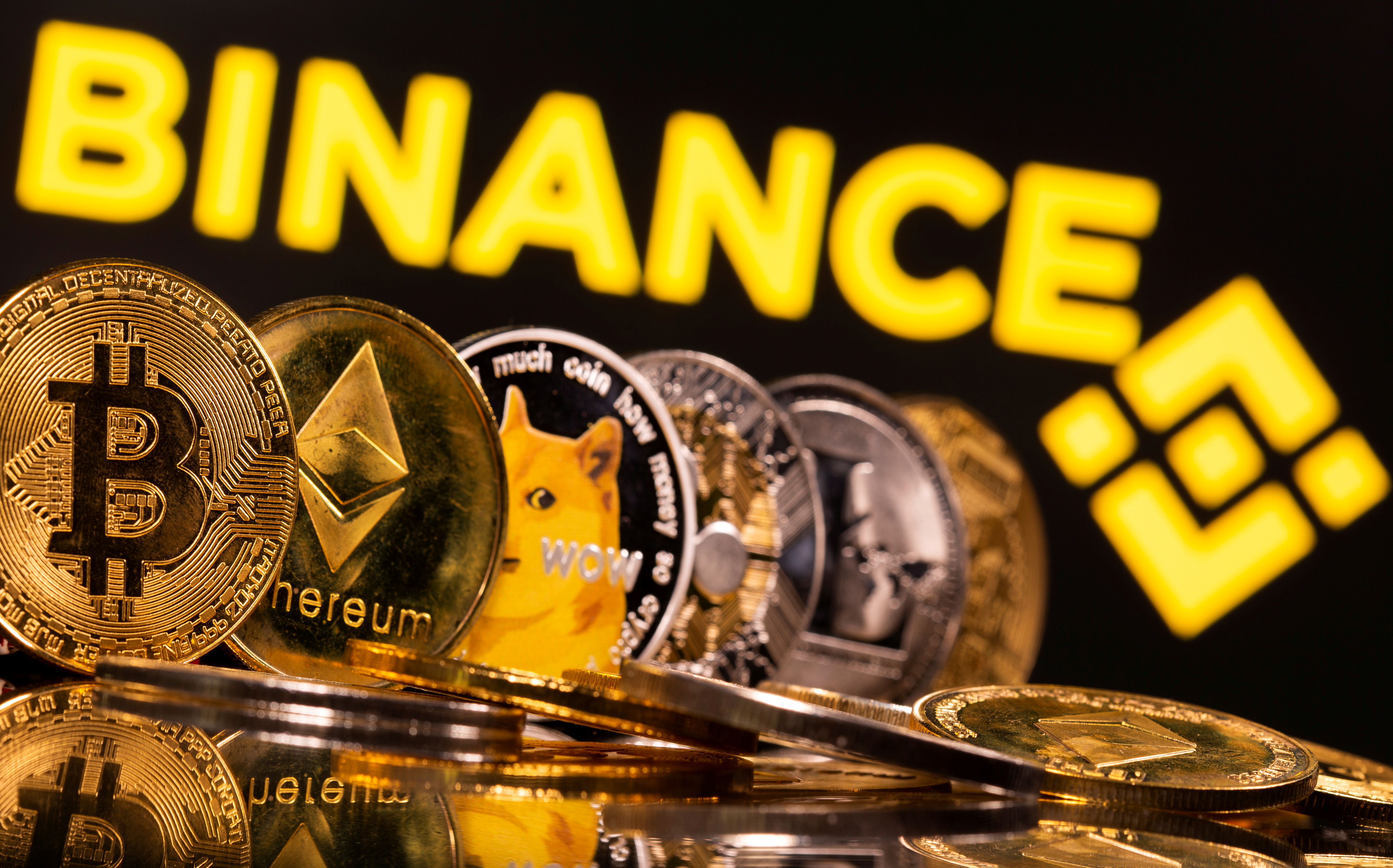
Binance, once the dominant force in cryptocurrency exchanges, has witnessed a sharp fall in its market share, marking a four-year low as of September 2024. This decline is coupled with a notable drop in trading volumes, with figures indicating a contraction of over 20% compared to the previous month. The exchange’s declining influence underscores broader market dynamics that are reshaping the competitive landscape of digital assets trading.

As of September, Binance’s market share slipped to approximately 34%, a significant decline from the 50% it commanded earlier in the year. The company’s dwindling dominance has raised questions about its long-term strategy and its ability to maintain its foothold in a market that is becoming increasingly fragmented. Several factors have contributed to Binance’s drop, including regulatory pressures, legal challenges, and the emergence of rival platforms that are capitalizing on the exchange’s setbacks.

Binance’s struggle is further exacerbated by the global regulatory environment, which has been tightening around the exchange. Multiple jurisdictions, including the U.S. and Europe, have introduced or expanded regulations aimed at increasing oversight of cryptocurrency exchanges. In particular, Binance has faced scrutiny from authorities over concerns surrounding compliance with anti-money laundering (AML) rules, as well as issues related to Know Your Customer (KYC) requirements. These challenges have resulted in some users migrating to alternative platforms that are seen as more compliant or less prone to legal uncertainties.

Despite these obstacles, Binance continues to be a major player in the crypto space. Its diverse offerings, including a wide array of digital assets and its established reputation, still attract a substantial user base. However, the exchange has been forced to adapt to changing conditions, implementing new policies aimed at addressing regulatory concerns. These measures, while necessary, have also created friction with some users who prefer the more relaxed regulatory environment that Binance originally thrived in.

Rival exchanges such as OKX and Bybit have gained ground, seizing the opportunity to attract traders dissatisfied with Binance’s regulatory troubles. OKX, in particular, has seen its market share rise, largely driven by its appeal to institutional investors and its regulatory standing in key regions. Bybit, on the other hand, has capitalized on its innovative product offerings, particularly in derivatives trading, which has drawn significant trading volume away from Binance.

Decentralized exchanges (DEXs) have surged in popularity as a viable alternative to traditional, centralized platforms like Binance. DEXs offer users the ability to trade directly from their wallets without the need for intermediaries, providing an additional layer of privacy and security that centralized exchanges sometimes struggle to offer. Uniswap and other DEXs have seen an uptick in usage, contributing to the redistribution of market share across the broader crypto ecosystem.

The overall cryptocurrency market has also been experiencing reduced trading activity, which has affected not just Binance but the industry as a whole. Lower volatility in major cryptocurrencies such as Bitcoin and Ethereum has led to a decrease in speculative trading, which typically drives much of the volume on exchanges. As a result, Binance’s reliance on high trading volumes has placed it in a vulnerable position during periods of market stagnation.

The exchange’s response to these challenges will likely determine its ability to regain market share. Binance has already made efforts to bolster its reputation and restore confidence, including expanding its regulatory compliance team and forging partnerships with regulators to create a more transparent operational environment. Nevertheless, with its trading volume plunging and competitors gaining traction, Binance’s path forward remains uncertain.

One of the more notable trends influencing Binance’s decline is the growing interest in institutional cryptocurrency trading. Institutional players have become more active in the space, seeking exchanges that can provide robust compliance frameworks, secure trading environments, and advanced features suited to their needs. Binance, despite its size and market share, has struggled to fully cater to these demands, creating an opening for more niche, institution-focused platforms to thrive.

Binance’s founder and CEO, Changpeng Zhao (CZ), has maintained a bullish stance on the future of the company, pointing to its innovation pipeline and its commitment to working with regulators. He has stressed the exchange’s focus on creating a sustainable ecosystem that will benefit both retail and institutional traders. However, the company’s future success will largely depend on how well it navigates the complex regulatory landscape and adapts to the evolving needs of its users.

VISHNU RAJA
RYO YAMADA
HITORI GOTOH
IKUYO KITA