Just in:
India Under Pressure To Join RCEP On The Eve Of ASEAN Summit In Manila On Nov 15-17 // OpenAI abandons secrecy agreements for future data centres // HKUST President Prof. Nancy IP Receives UNESCO–Equatorial Guinea International Prize for Research in Life Sciences // Democrats Gearing Up For 2028 Presidential Elections To Gain Full Power // Geely’s i-HEV Intelligent Hybrid Technology Offers a New Direction for Gasoline-Powered Vehicles // Technology shares plunge as Nasdaq enters correction // OpenAI introduces GPT-6 Cyber with restricted security access // Excise chief shunted out in bar licence dispute // Trump’s Iran War Has A Share Of Contribution To His Midterm Debacle // ADIA subsidiary seeks $7.5 billion private investment financing // The “1st Greater Bay Area Health and Longevity Summit & Awards Ceremony” concludes successfully in Macao // Geely’s i-HEV Intelligent Hybrid Technology Offers a New Direction Vision for Gasoline-Powered Vehicles // HKUST President Prof. Nancy IP Receives UNESCO–Equatorial Guinea International Prize for Research in Life Sciences // Kochi police detain two actors over bid to honey trap doctor // HKUST President and Chinese Academy of Sciences Academician Prof. Nancy Ip Receives UNESCO Honor for a Second Time // Microfinance case trouble for Vellappally // Motorola introduces Signature 27 flagship priced at $1,599 // ADNOC secures decade-long LNG supply pact with Gujarat Energy // Ningbo Consensus on Collaborative Development released at 2026 Global Mayors Dialogue · Ningbo // Emaar approves Development buyout ahead of planned delisting //

News related to
trade

Chinese chip-related stocks experienced a significant surge following claims of a breakthrough in the development of domestic semiconductor manufacturing equipment. This advancement represents a crucial step towards mitigating the impact of US sanctions that have hampered the country’s semiconductor industry. The breakthrough, announced by Chinese state media, highlights a shift towards self-sufficiency in a sector heavily influenced by international trade restrictions.

The recent development is seen as a strategic move by China to bolster its semiconductor industry, which has faced substantial challenges due to US export controls and restrictions on technology transfers. The new equipment reportedly allows for more advanced and efficient production processes, positioning China closer to achieving its goal of reducing dependence on foreign technology. This progress has fueled optimism among investors, leading to notable gains in the stock prices of several major Chinese semiconductor companies.

Investors and analysts are closely monitoring the impact of this technological advancement on the broader semiconductor market. The breakthrough is expected to accelerate China’s efforts to enhance its technological capabilities and secure a competitive edge in the global semiconductor supply chain. This move aligns with China’s broader strategy to develop key technologies and reduce reliance on international suppliers amid growing geopolitical tensions.

The Chinese government’s focus on advancing its semiconductor capabilities is part of a larger initiative to strengthen the country’s technology sector and achieve greater self-reliance. This initiative is driven by concerns over the potential for future trade disputes and technological restrictions that could affect China’s access to critical components and technologies. By developing domestic manufacturing capabilities, China aims to mitigate these risks and establish a more resilient semiconductor industry.

The semiconductor industry has been a focal point of US-China trade tensions, with both nations competing to dominate this critical technology sector. US sanctions and export controls have targeted Chinese companies and restricted their access to advanced semiconductor technologies and equipment. In response, China has accelerated efforts to develop its own technology and reduce its dependence on foreign suppliers.

The announcement of the equipment breakthrough has generated enthusiasm among investors, reflecting confidence in China’s ability to overcome external pressures and advance its semiconductor sector. Analysts are observing the potential long-term effects of this development on the global semiconductor market and its implications for international trade relations.

China’s progress in semiconductor technology is also seen as a reflection of broader trends in the global technology landscape. The race to develop advanced semiconductor technologies is intensifying as countries and companies strive to secure their positions in this vital industry. The outcome of this competition will likely influence the future dynamics of the global technology sector and shape the trajectory of international trade and investment.


Donald Trump has taken a surprising turn by fully embracing cryptocurrency, unveiling a digital platform called World Liberty Financial. Once a vocal critic of Bitcoin, labeling it a “scam,” Trump’s shift comes as part of a larger political strategy, aligning with his 2024 presidential campaign. The former U.S. president announced his new project, aimed at the decentralized finance (DeFi) space, during a livestream on X Spaces, where […]

Crypto trading platform Bitsgap has unveiled its latest innovation, an AI Assistant designed to help traders manage their portfolios with greater efficiency. This move marks a significant advancement for the platform, positioning Bitsgap as one of the first to incorporate artificial intelligence into its crypto trading infrastructure. The AI-driven features aim to simplify the complex nature of cryptocurrency trading, empowering users with more robust tools to navigate the often-volatile market.

Bitsgap’s AI Assistant leverages the platform’s extensive experience in developing automated trading systems. The new tool integrates AI insights into portfolio management across multiple partner exchanges, including Binance, OKX, and KuCoin. By shifting the focus from individual trading bots to comprehensive portfolio oversight, the AI Assistant provides traders with a more holistic approach to managing digital assets such as Bitcoin. This shift allows for a diversified trading experience that moves beyond simple asset-to-asset transactions and into more intricate portfolio strategies.

The AI at the core of Bitsgap’s new feature scans thousands of cryptocurrency pairs across all connected exchanges. Using advanced algorithmic models and back testing, it selects the most suitable automated trading strategies based on the user’s portfolio and market conditions. These insights help users make more informed decisions, even in unpredictable market environments, offering a data-backed advantage that sets Bitsgap apart from traditional trading platforms.

What sets the AI Assistant apart from previous iterations of automated trading is its focus on portfolio-wide strategy rather than micromanaging individual bots. Traders can now set broader goals for their portfolios, and the AI Assistant takes on the task of executing these strategies, adjusting based on market fluctuations and user preferences. Among the standout features are take-profit options, which allow traders to lock in gains across several bots, ensuring that profits are realized even when market conditions shift. The system also provides enhanced portfolio management tools, offering streamlined control over assets and a clearer understanding of how different trading bots are performing in relation to one another.

Bitsgap’s representatives emphasized that the AI Assistant was developed in response to the increasing complexity of the crypto market. With thousands of cryptocurrencies in circulation and numerous trading pairs available, managing trades effectively has become a challenge for both novice and seasoned traders alike. By introducing AI-driven strategies, Bitsgap hopes to mitigate the unpredictability of the market while still allowing users the freedom to engage with a variety of trading opportunities. The platform aims to make crypto trading accessible without sacrificing the sophistication required to stay competitive in a fast-paced market.

The company’s decision to focus on AI reflects broader trends in the financial technology sector, where artificial intelligence is becoming a critical tool for improving decision-making processes. Automated trading has been a hallmark of the cryptocurrency world for several years, but the introduction of AI technology represents a new phase of innovation. It signals a move towards more intelligent, responsive trading systems that can adapt to market changes more rapidly than human traders could ever hope to achieve.

The AI Assistant’s launch comes at a time when crypto markets are increasingly influenced by data-driven decisions, and Bitsgap’s decision to incorporate this technology reflects its commitment to staying ahead of industry trends. The platform’s AI tools are designed to accommodate both seasoned traders and those new to cryptocurrency, offering customizable features that can be tailored to a user’s experience level and risk tolerance. Whether a trader is managing small sums or larger, more complex portfolios, Bitsgap’s AI Assistant offers a level of flexibility that appeals to a broad spectrum of investors.

Moreover, the new feature underscores Bitsgap’s focus on offering a seamless user experience. The platform has long been known for its user-friendly interface, and the introduction of AI technology is designed to build upon that foundation, making advanced trading techniques more accessible without overwhelming users with complex algorithms or overly technical interfaces. The AI Assistant’s intuitive design allows traders to focus on strategy while the system handles the execution, freeing users from the need to constantly monitor individual trades.

The integration of the AI Assistant also marks a broader shift in how cryptocurrency trading is evolving. As markets become more data-centric, the ability to process vast amounts of information quickly and accurately is increasingly becoming a competitive edge. Bitsgap’s AI technology offers traders an opportunity to capitalize on this shift, allowing them to make faster, more informed decisions without the need for constant manual input.

Although artificial intelligence is still an emerging technology in the realm of cryptocurrency trading, Bitsgap’s investment in AI tools shows a clear understanding of where the market is heading. The platform’s new feature is likely to attract attention from both casual traders and institutional investors, who are always on the lookout for systems that provide an edge in an increasingly crowded market.

The UAE and Australia have reached a significant trade agreement aimed at enhancing bilateral economic cooperation, marking a milestone for both nations. Australian Trade Minister Don Farrell announced the deal, which is expected to accelerate exports of Australian agricultural products and increase investment flows into the UAE, particularly in green energy and critical minerals. This development underscores the growing ties between the two economies, which are already […]

Dubai is gearing up to transform urban transportation with the introduction of fully electric flying taxis, expected to be operational by the first quarter of 2026. Khaled Al Awadhi, Director of the Transportation Systems Department at Dubai’s Roads and Transport Authority (RTA), announced the ambitious plan during the World Congress and Exhibition on Intelligent Transport Systems (ITS World Congress), which is currently being hosted at the Dubai World Trade Centre.

The flying taxi initiative is part of Dubai’s broader Advanced Air Mobility (AAM) strategy. Al Awadhi emphasized that Joby Aviation, a California-based aerospace company, will be supplying the electric air taxis. The first operational vertiport is projected to be in service by early 2026, positioning Dubai as a global leader in next-generation transport solutions.

The AAM project aims to address the challenges of urban congestion by offering a sustainable, fast, and technologically advanced mode of transportation. The development of vertiports—specially designed airports for vertical take-off and landing (VTOL) aircraft—is a key component of this initiative. Four vertiports are currently planned across Dubai, strategically located to integrate seamlessly with existing public transport networks. Al Awadhi stated that the inaugural vertiport will be situated near Dubai International Airport, ensuring connectivity between the air taxi system and traditional aviation services.

The announcement was made on the sidelines of the ITS World Congress, a prestigious event bringing together global thought leaders in mobility innovation. The congress, running from September 16th to 20th, has provided a platform for Dubai to showcase its cutting-edge advancements in transport technology and its commitment to sustainability. The flying taxi service will be a cornerstone of this vision, contributing significantly to reducing carbon emissions and improving traffic flow in the city.

Joby Aviation has been at the forefront of electric VTOL technology, and its selection as Dubai’s partner for the air taxi project underscores the city’s focus on leveraging innovative and environmentally friendly technologies. Joby’s aircraft, known for their quiet operation, have the capability to carry passengers over urban areas at speeds exceeding 200 kilometers per hour. This makes them an ideal solution for reducing travel time between key locations across the city.

The flying taxi system is expected to offer a premium transport experience, initially targeting business travelers and high-income individuals seeking faster commutes across Dubai’s busiest areas. Over time, as the technology matures and production scales up, the service could become accessible to a broader segment of the population, contributing to the city’s vision of becoming a global smart mobility hub.

The launch of electric air taxis in Dubai aligns with the emirate’s long-standing reputation as a pioneer in futuristic transport solutions. Dubai has consistently been at the forefront of introducing advanced mobility technologies, such as autonomous vehicles and hyperloop systems, with the flying taxis marking another major milestone. The city’s authorities have placed a strong emphasis on ensuring that the new air mobility service will be fully integrated with existing transport systems, providing a smooth transition for commuters and tourists alike.

RTA’s collaboration with Joby Aviation marks a significant step in the global race to bring electric air taxis into commercial use. Other cities around the world, including Paris and Los Angeles, have announced similar plans, but Dubai’s established infrastructure and commitment to innovation provide a distinct advantage in bringing this technology to life.

Al Awadhi also highlighted that the development of regulations and safety standards for the flying taxi service is already underway. The Dubai Civil Aviation Authority (DCAA) is closely coordinating with international aviation bodies to ensure that the air taxi service complies with global safety standards. As the launch date approaches, RTA will also conduct public awareness campaigns to familiarize residents with the new service and address any concerns related to safety and affordability.

As Dubai looks to the future of urban transportation, the city is positioning itself as a global leader in sustainable mobility. The electric air taxi service is expected to significantly reduce the city’s carbon footprint, contributing to Dubai’s broader environmental goals under its Green Mobility Strategy. This strategy, which prioritizes the use of clean energy in transportation, has already seen the city introduce electric buses, hybrid taxis, and a growing number of electric vehicle charging stations.

The flying taxi project will also support Dubai’s ongoing efforts to enhance its tourism appeal. As one of the world’s most visited cities, Dubai continues to invest in innovative solutions that enhance the visitor experience. The air taxis, with their futuristic appeal and time-saving advantages, are likely to become a unique attraction for tourists, offering a novel way to view the city’s iconic skyline while cutting down travel time between major landmarks.

SINGAPORE – Media OutReach Newswire – 17 September 2024 – As part of German Chancellor Olaf Scholz’s trip to Central Asia, delegation member Tobias Bartz, CEO and Chairman of the Rhenus Group, is intensifying two significant projects in the region. In Samarkand, as the first in a series of initiatives, the agreement was signed to establish a joint venture with AO “Uztemir’yolkonteyner,” a subsidiary of the Uzbek […]

Gold prices may experience a temporary decline if the Federal Reserve decides to implement a modest 25-basis-point interest rate cut in its upcoming meeting. According to analysts, this anticipated adjustment could momentarily disrupt the precious metal’s upward trajectory. However, the underlying trend remains positive, with projections indicating that gold will ultimately rebound and achieve new highs, driven by increased investment inflows and persistent economic uncertainties.

The Federal Reserve’s monetary policy decisions are pivotal for gold prices, given the metal’s historical role as a hedge against inflation and economic instability. If the Fed proceeds with the quarter-point rate cut, it would mark a cautious approach amid ongoing economic challenges. A smaller rate reduction might not provide the immediate stimulus that markets had hoped for, leading to a short-term sell-off in gold as investors recalibrate their expectations.

Gold’s reaction to such policy moves often hinges on market sentiment and the broader economic context. A rate cut, while generally supportive of gold, could also signal the Fed’s concerns about economic growth, potentially dampening investor enthusiasm in the short term. This dynamic could result in a brief setback for gold prices as market participants assess the implications of the Fed’s decision.

Despite the potential for a near-term dip, the longer-term outlook for gold remains robust. Analysts anticipate that gold will ultimately benefit from sustained economic uncertainties and ongoing investment flows into the metal. Historically, gold has demonstrated resilience during periods of economic volatility, and this trend is expected to continue as investors seek safe-haven assets amid fluctuating market conditions.

One of the key factors driving gold’s future performance is the ongoing trend of rising investment inflows. Institutional investors and central banks have been increasing their gold holdings, viewing the metal as a strategic asset in their portfolios. This growing demand is anticipated to support gold prices and contribute to their upward momentum in the coming months.

Additionally, geopolitical tensions and economic uncertainties are likely to play a significant role in shaping gold’s trajectory. As global markets navigate challenges such as trade tensions, political instability, and evolving economic policies, gold is expected to remain a preferred investment choice. The metal’s ability to act as a hedge against various risks further reinforces its appeal to investors seeking stability and protection.

Advertisements

MicroStrategy is set to raise $700 million through a convertible senior note offering, signaling its unwavering commitment to expanding its Bitcoin holdings. The move underscores the company’s aggressive Bitcoin acquisition strategy, a hallmark of its financial playbook over the past few years. As the largest publicly traded holder of Bitcoin, MicroStrategy’s efforts are closely watched by both market participants and cryptocurrency enthusiasts alike.

The business intelligence firm announced its intention to offer these notes, which will mature in 2029, with the clear purpose of acquiring more Bitcoin. The company has been a vocal supporter of the cryptocurrency, using it as a strategic asset to diversify its balance sheet. CEO Michael Saylor, a staunch advocate for Bitcoin, has long viewed it as a hedge against inflation and a tool for long-term wealth preservation.

MicroStrategy’s fundraising plan follows a history of similar moves. Over the past three years, the company has repeatedly tapped the debt markets to fund its Bitcoin purchases. The current offering will likely draw substantial attention, given the company’s established pattern of securing funding to accumulate the cryptocurrency. As of the most recent disclosure, MicroStrategy holds approximately 152,800 Bitcoin, worth over $4 billion at current market prices, further solidifying its position as a leading corporate Bitcoin holder.

The convertible notes being issued will carry a fixed interest rate and offer investors the option to convert the debt into MicroStrategy’s common stock, subject to certain conditions. This structure has been favored by the company in prior offerings, allowing it to raise capital without diluting shareholder value immediately. Investors, in turn, are attracted by the potential upside of converting their debt into equity should the company’s stock appreciate, largely driven by the value of its Bitcoin holdings.

MicroStrategy’s bold strategy has both supporters and skeptics. Proponents argue that Bitcoin represents a long-term store of value, particularly in the face of global inflationary pressures. For them, the cryptocurrency’s decentralized nature and limited supply provide a safeguard against traditional monetary policies that may erode the value of fiat currencies. Saylor, who has emerged as one of Bitcoin’s most high-profile advocates, has consistently framed the company’s Bitcoin purchases as a prudent financial decision to protect shareholder value.

On the other hand, critics highlight the risks associated with this approach. Bitcoin’s volatility is a significant concern, with the cryptocurrency experiencing wide swings in value over short periods. A downturn in the digital asset’s price could lead to substantial losses for MicroStrategy, especially given the company’s heavy exposure. Moreover, the decision to use debt financing to purchase a volatile asset has raised eyebrows among financial analysts, some of whom caution against the potential pitfalls of leveraging corporate debt for such purposes.

Despite these concerns, MicroStrategy has doubled down on its strategy. Saylor’s conviction in Bitcoin’s potential as a transformative financial asset has remained undeterred, even during periods of market turbulence. The company’s latest move to raise $700 million further solidifies its intent to continue buying Bitcoin, regardless of market conditions.

The global cryptocurrency landscape has experienced significant developments, with Bitcoin remaining at the forefront. Its adoption as a digital asset by institutional investors has grown over the years, as companies like MicroStrategy have played a pivotal role in driving mainstream acceptance. By integrating Bitcoin into its corporate strategy, MicroStrategy has positioned itself as a trailblazer, with other firms following its lead to varying degrees.

However, MicroStrategy’s approach is not without precedent in the corporate world. Several high-profile companies, particularly in the tech and financial sectors, have taken steps to add Bitcoin to their balance sheets, though none have done so as aggressively as MicroStrategy. Tesla, for instance, made waves when it announced a significant Bitcoin purchase in 2021, though it has since sold off a portion of its holdings. Square, now known as Block, has also invested in Bitcoin, aligning with CEO Jack Dorsey’s vision of the cryptocurrency as a key component of the future financial system.

What sets MicroStrategy apart is the scale and consistency of its Bitcoin acquisitions. Unlike other companies that have taken a more cautious approach, MicroStrategy has continually purchased Bitcoin, regardless of price fluctuations or market sentiment. The company’s actions have been closely tied to Saylor’s personal belief in Bitcoin’s value proposition. His public statements often emphasize that Bitcoin is the “hardest” form of money available, with a fixed supply that cannot be manipulated by governments or central banks.

As MicroStrategy continues to accumulate Bitcoin, it faces both opportunities and challenges. The company’s Bitcoin holdings have undoubtedly increased its visibility in the market, making it a proxy for institutional interest in the cryptocurrency. This visibility, however, comes with heightened scrutiny. Investors will be watching closely to see how the company manages the risks associated with its large Bitcoin position, particularly in light of the cryptocurrency’s well-known volatility.

HONG KONG SAR – Media OutReach Newswire – 17 September 2024 – In celebration of the 25th anniversary of SaloneSatellite, Salone del Mobile.Milano has partnered with IDFFHK (International Design Furniture Fair Hong Kong) in bringing the exquisite ‘SaloneSatellite Permanent Collection 1998-2024′ exhibition overseas for the first time. This remarkable exhibition, curated and designed by Salone del Mobile.Milano, will be showcased in Hong Kong this November at the […]

KUALA LUMPUR, MALAYSIA – Media OutReach Newswire – 16 September 2024 – No matter what tradable instruments a trader prefers, understanding the spreads is instrumental in successfully navigating the financial markets. The experts at Octa, a globally recognised broker since 2011, summarise the key points every trader should know about spreads. The annoying ubiquity of spreads Any trader, regardless of the asset classes in their portfolio, deals […]

81% of Manufacturing Industries Yet to Embrace Smartification Solutions 7 Key Recommendations to Ignite New Momentum in Hong Kong Manufacturing HONG KONG SAR – Media OutReach Newswire – 16 September 2024 – Hong Kong Productivity Council New Industrialisation (HKPC New Industrialisation) announces key findings from the “Hong Kong Manufacturing Industries Development Study Report”, jointly conducted by Deloitte China at the newly opened Future Manufacturing Hall. The study […]

A foreign bank operating in the United Arab Emirates (UAE) has been fined $1.4 million (Dhs 5 million) by the UAE central bank for insufficiently addressing money laundering, financing of terrorism, and related regulatory deficiencies. The financial penalty was announced on Monday as part of the central bank’s commitment to strengthening the country’s financial system and ensuring adherence to global standards in financial transparency and integrity. The […]

Abu Dhabi-based investment firm Lunate has revealed the launch of the first exchange-traded fund (ETF) in the GCC that focuses on German equities. The new Chimera S&P Germany UCITS ETF will offer retail investors in the UAE an opportunity to access Germany’s diversified economy, the largest in Europe and third-largest globally by nominal GDP. Lunate has announced that the ETF will track the S&P Germany BMI Liquid 35/20 Capped Index, a benchmark that includes some of Germany’s most prominent and liquid companies.

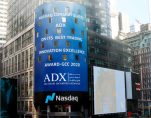
The ETF is set to be listed on the Abu Dhabi Securities Exchange (ADX) on 26th September, marking a key milestone in the region’s growing ETF market. As the first Germany-focused fund available in the GCC, the product reflects increasing interest in European markets, particularly Germany’s robust economic landscape. The benchmark index being tracked by the ETF includes industry giants such as Siemens and Mercedes-Benz, representing sectors pivotal to Germany’s industrial strength.

Lunate, an alternative investment firm with a focus on innovation, has positioned the new ETF as a strategic entry point for regional investors seeking exposure to Germany’s top-tier equities. The firm highlighted that the ETF provides a cost-effective and accessible vehicle for individuals looking to diversify their portfolios beyond regional or U.S.-focused markets. The ETF is structured as a UCITS (Undertakings for the Collective Investment in Transferable Securities), a European regulatory framework known for its high standards of investor protection.

Germany’s economy has long been regarded as a leader in industrial output, innovation, and fiscal responsibility, making it an attractive target for investors looking for stability amidst global market volatility. By tracking the S&P Germany BMI Liquid 35/20 Capped Index, which caps the largest constituents to limit concentration risk, the ETF aims to provide balanced exposure to both established and emerging German firms.

Lunate’s CEO expressed confidence that the ETF will appeal to a broad base of investors in the region, noting that the fund provides an efficient and transparent way to gain access to a diverse range of German equities. The inclusion of companies like Siemens, a global leader in industrial manufacturing and digitalization, and Mercedes-Benz, an automotive powerhouse, highlights the ETF’s focus on industries with strong growth prospects.

The launch of the Chimera S&P Germany UCITS ETF also comes at a time when investor interest in European equities has been growing, particularly as concerns about inflation, supply chain disruptions, and geopolitical tensions weigh on markets globally. Analysts believe that the ETF could attract significant interest, given the relatively stable performance of Germany’s largest companies compared to their international counterparts.

Germany has consistently demonstrated economic resilience, with a solid foundation in sectors such as automotive, manufacturing, and renewable energy. By offering exposure to a wide range of industries, the ETF enables investors to tap into growth opportunities within Germany’s expansive economy. The cap mechanism in the index ensures that the largest firms, which might otherwise dominate, do not excessively influence the fund’s overall performance.

The launch of this ETF also highlights the growing maturity of the ETF market in the GCC. Over the past few years, there has been a noticeable increase in the number and variety of ETFs listed on exchanges like ADX. This trend reflects both increasing investor appetite for passive investment strategies and a recognition of the benefits ETFs offer, such as lower costs, liquidity, and diversification.

While the UAE has been a leader in promoting financial innovation, particularly through initiatives like the introduction of ETFs and the establishment of fintech sandboxes, the listing of a Germany-focused ETF signals a more international outlook for the region’s financial markets. The product opens up new avenues for UAE-based investors to participate in the European market without the need to navigate foreign exchanges or deal with the complexities of direct international investments.

The Chimera S&P Germany UCITS ETF is part of a broader strategy by Lunate to expand its offerings in the passive investment space. The firm has been keen to capitalize on the growing popularity of ETFs, which have become a preferred investment vehicle for many due to their flexibility, lower costs compared to traditional mutual funds, and ability to track specific sectors, regions, or asset classes.

The decision to focus on Germany appears strategic, as Germany remains a global hub for innovation and sustainability. With a strong industrial base and leadership in sectors such as automotive, renewable energy, and high-tech manufacturing, Germany continues to attract investment from around the world. Moreover, the country’s long-standing commitment to fiscal discipline has made it a safe haven for investors, particularly during times of economic uncertainty.

The ETF will be accessible to retail investors across the UAE, and its listing on ADX is expected to generate interest from a broad segment of the investment community. By providing exposure to Germany’s most liquid companies, Lunate aims to meet the growing demand for diversified investment products that offer international exposure while maintaining a focus on transparency and cost-efficiency.

Arabian Post Staff -Dubai The Abu Dhabi Securities Exchange (ADX) has enacted a new ban on insider trading effective immediately, targeting potential market abuses ahead of the third-quarter financial disclosures. This move aims to reinforce market integrity and ensure fair trading practices as companies prepare to release their quarterly results. The ADX’s decision, announced on September 14, 2024, responds to growing concerns about market manipulation and the […]

British ministers have commenced a crucial visit to the Gulf Cooperation Council (GCC) nations to negotiate a new trade agreement aimed at strengthening economic ties and enhancing bilateral trade. The delegation, led by UK Trade Secretary Kemi Badenoch, is engaging with key officials across the GCC to explore opportunities for expanding trade and investment.

The UK government’s strategic pivot towards the GCC underscores its intent to bolster trade relations with this economically significant region. The GCC, comprising Saudi Arabia, the United Arab Emirates, Qatar, Kuwait, Oman, and Bahrain, represents a substantial market for British goods and services, with potential benefits for both sides in diversifying and growing their economies.

The discussions are expected to cover a range of topics including tariff reductions, market access, and cooperation in sectors such as technology, finance, and energy. The UK is particularly interested in enhancing its exports of high-value products like aerospace components and pharmaceuticals, while also seeking greater access for its services sector.

The timing of this visit is significant as the GCC countries are investing heavily in their economic diversification plans, notably through initiatives like Saudi Arabia’s Vision 2030 and the UAE’s Economic Diversification Strategy. These plans aim to reduce the region’s dependence on oil revenues and stimulate growth in non-oil sectors. The UK, with its expertise in various industries, is well-positioned to contribute to these goals.

Recent economic data highlights the growing importance of GCC nations as trade partners for the UK. In 2023, UK exports to the GCC reached £10 billion, marking a 15% increase from the previous year. The GCC’s investments in infrastructure, renewable energy, and technology create substantial opportunities for British companies, especially in sectors where the UK has a competitive edge.

During the visit, British officials will also address bilateral investment agreements. The UK and GCC have already signed several agreements to promote and protect investments, but the new talks aim to update and expand these frameworks to better reflect the evolving economic landscape. The focus will be on creating a more transparent and business-friendly environment, which is expected to attract further investment from both sides.

Energy cooperation will be a significant area of discussion. The GCC countries, particularly Saudi Arabia and the UAE, are major players in the global energy market and are also investing in renewable energy projects. The UK’s experience in offshore wind and green technology could play a crucial role in supporting these initiatives, fostering joint ventures, and driving innovation.

The trade negotiations are also taking place against a backdrop of geopolitical shifts and trade realignments. The UK’s post-Brexit trade strategy emphasizes expanding relationships beyond the European Union, and the GCC represents a key component of this strategy. Strengthening trade ties with the GCC aligns with the UK’s broader goals of securing diverse and resilient trade partnerships worldwide.

As the talks progress, there is a strong emphasis on ensuring that the trade deal addresses both economic and regulatory concerns. The British delegation is expected to negotiate terms that facilitate easier market access for British businesses while addressing any barriers to trade and investment.

TAIPEI, TAIWAN – Media OutReach Newswire – 16 September 2024 – The Asian Safety & Security Online Exhibition 2024 (ASSOE 2024) is a hybrid event that integrates virtual and physical elements, targeting Asian suppliers, importers, and exporters. The exhibition will run from September 16, 2024, to December 31, 2024, offering an excellent opportunity for exhibitors to showcase their brands. This transnational trade event, jointly organized by AsianNet […]

FHA-HoReCa will take place 22-25 October in Singapore with an expected turnout of over 45,000 attendees. First time ever, Singapore plays host to the Global Chef Challenge Finals, the biggest competition for chefs worldwide! This premier event will also welcome a series of new competitions alongside the new Future of Hospitality Seminar. SINGAPORE – Media OutReach Newswire – 12 September 2024 – FHA-Food & Beverage, Asia’s top […]

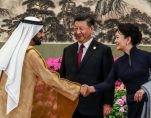
The United Arab Emirates (UAE) and China are continuing to deepen their diplomatic and economic ties, signaling a strong and flourishing partnership that has grown substantially in recent decades. This relationship has evolved into what both nations now refer to as a “comprehensive strategic partnership,” driven by their mutual economic interests, cultural exchanges, and high-level political engagement.

Diplomatic relations between the UAE and China date back to 1984, when both nations formally established ties. Since then, the two countries have signed over 140 bilateral agreements, covering various sectors such as trade, technology, infrastructure, education, and culture. The partnership took a significant step forward with Chinese President Xi Jinping’s visit to the UAE in 2018, which set the stage for closer cooperation in critical areas such as energy, investment, and technology.

The UAE has emerged as one of China’s most important partners in the Middle East, not only due to its strategic geographic position but also because of its role as a major hub for the Belt and Road Initiative (BRI), the massive infrastructure project spearheaded by China. The UAE is regarded as a critical player in facilitating the success of this initiative, thanks to its logistics capabilities and connectivity to Europe, Asia, and Africa.

Non-oil trade between the two countries reached a record high of approximately $81 billion in 2023, marking significant growth and making China the UAE’s largest trading partner. The majority of this trade involves China’s exports to the UAE, which consist of electronics, machinery, and manufactured goods, while the UAE exports primarily aluminum, chemicals, and re-exported goods to China.

Another important aspect of the relationship is tourism. China’s growing middle class has shown an increasing interest in the UAE, with over one million Chinese tourists visiting the country in the first ten months of 2023 alone. Additionally, the UAE has embraced Chinese language and culture, introducing Mandarin into hundreds of schools across the country and hosting various cultural festivals to strengthen people-to-people connections.

Investment ties are equally robust. From 2003 to 2023, the total value of UAE investments in China was approximately $11.9 billion, while Chinese investments in the UAE reached $7.7 billion over the same period. These investments have been directed toward sectors like telecommunications, renewable energy, infrastructure, and tourism. Moreover, the UAE pledged $10 billion to a joint investment fund with China aimed at supporting projects under the Belt and Road Initiative, particularly in East Africa.

China’s technology giants are also expanding their footprint in the UAE. Companies like Huawei and Alibaba are integral players in developing the UAE’s digital infrastructure, contributing to the nation’s ambitions to become a leading technology hub in the region.

Politically, both nations have maintained a close dialogue on international issues. Mutual visits between leaders have further solidified their bond, including the pivotal visit of Sheikh Mohamed bin Zayed Al Nahyan to China in 2019, which emphasized their shared vision for global economic and security cooperation. The two countries continue to align on various international platforms, reinforcing their strategic interests on the global stage.

Cultural ties between the two countries are also flourishing. One notable example is the Sheikh Zayed Centre for Arabic Language and Islamic Studies in Beijing, which promotes Arab culture in China and serves as a bridge for cultural exchange. Additionally, both nations have promoted student exchanges and collaborative research efforts, which have contributed to stronger educational links.

As the UAE and China look to the future, their relationship is poised to grow even further. Both nations are investing heavily in sustainable technologies and clean energy, areas in which they are already cooperating closely. China’s expertise in renewable energy, particularly solar, aligns with the UAE’s Vision 2050, which seeks to diversify its energy mix and reduce its dependence on oil.

India has renewed its anti-subsidy duty on Chinese imports of Atrazine Technical, a herbicide used extensively in agriculture, for an additional five years. This measure, initially enacted in 2019, aims to safeguard domestic manufacturers from the impacts of subsidized exports that could undermine local production.

The decision by India’s Directorate General of Trade Remedies (DGTR) reflects ongoing concerns over unfair trade practices in the global chemicals market. Atrazine Technical, a crucial ingredient in herbicides, has been under scrutiny due to allegations that Chinese producers benefit from government subsidies, allowing them to sell their products at lower prices. This practice has posed a significant challenge to Indian manufacturers, who face difficulties competing on price despite maintaining high production standards.

India’s extension of the countervailing duty underscores its commitment to protecting its domestic chemical industry. The countervailing duty, which imposes an additional tariff on the imported Atrazine Technical, is designed to neutralize the price advantage gained through subsidies. The original imposition of this duty followed an investigation into the pricing practices of Chinese exporters, which found that subsidized prices were harming local producers.

The global market for Atrazine Technical is highly competitive, with major players in several countries. However, the Indian market has been particularly sensitive to price fluctuations due to the significant role of this herbicide in its agricultural sector. Atrazine is used primarily for controlling weeds in maize and sugarcane crops, making it essential for crop yields and food security.

The decision to extend the duty is seen as a proactive measure by the Indian government to ensure fair competition and to foster a level playing field. Domestic producers have welcomed the move, citing that the continued imposition of the duty will help stabilize the market and encourage investment in the local industry. This extension is anticipated to provide a buffer against aggressive pricing strategies by foreign competitors.

International trade relations and economic policies are continually evolving, and measures like the anti-subsidy duty reflect the complexities of global trade dynamics. The ongoing scrutiny and regulatory actions highlight the broader issues of trade imbalances and the impact of state support on international markets.

The extension of the anti-subsidy duty is also part of a broader strategy by India to address trade issues with several countries. As global trade tensions rise, countries are increasingly using tariffs and duties to protect their domestic industries from perceived unfair competition. India’s decision aligns with this trend and reflects a strategic approach to trade policy.

Iran and India are poised to enhance their tourism ties with a new Memorandum of Understanding (MoU) focused on boosting cooperation and increasing tourist exchanges. This agreement builds on Iran’s recent move to waive visa requirements for Indian travelers, a policy that has already led to a noticeable rise in visitor numbers.

The MoU, expected to be finalized shortly, aims to foster greater collaboration between the two nations in the tourism sector. It outlines several key areas for joint initiatives, including the promotion of cultural exchanges, development of tourism infrastructure, and coordinated marketing efforts to attract more tourists from both countries.

This strategic partnership comes in the wake of Iran’s decision to eliminate visa requirements for Indian tourists. The waiver, which was implemented to strengthen bilateral relations and promote tourism, has already yielded significant results. Since the policy’s introduction, Indian tourist arrivals in Iran have surged, highlighting the potential for further growth in visitor numbers.

Officials from both countries have expressed optimism about the impact of the MoU. The agreement is expected to streamline travel procedures, facilitate easier access to tourist destinations, and enhance overall visitor experiences. By simplifying the process for Indian tourists, Iran hopes to capitalize on its rich cultural heritage and diverse attractions, which have long been a draw for travelers.

On the Indian side, the MoU is anticipated to open new avenues for tourism-related businesses and stakeholders. The increased flow of visitors is expected to benefit local economies, particularly in regions that rely heavily on tourism revenue. Indian travel agencies and tour operators are gearing up to accommodate the anticipated rise in demand, offering tailored packages and services designed to cater to the interests of Iranian tourists.

Cultural diplomacy also plays a significant role in this burgeoning relationship. The MoU outlines provisions for cultural exchange programs, which aim to deepen mutual understanding and appreciation between the two nations. These initiatives may include art exhibitions, music festivals, and collaborative events that showcase the rich heritage and traditions of both countries.

In addition to enhancing tourism, the agreement is seen as a strategic move to strengthen broader diplomatic and economic ties between Iran and India. Both nations have historically enjoyed a relationship marked by cooperation in various fields, including trade, energy, and technology. The new tourism pact represents a continuation of this trend, with a specific focus on expanding people-to-people connections.

As the agreement progresses, both Iranian and Indian authorities are working to address logistical and operational details. This includes improving visa processing systems, enhancing connectivity between key tourist hubs, and ensuring that infrastructure developments align with the needs of international visitors.

Russia and China have escalated their collaboration to counteract global monopolies, signaling a strategic pivot towards a more coordinated economic front. This move was solidified with the signing of a significant agreement aimed at developing the BRICS commodities exchange system, announced by the BRICS Competition Law and Policy Centre.

The agreement, formalized during a recent meeting, outlines an ambitious plan to enhance the cooperative mechanisms between the two nations, focusing on creating a robust platform for commodities trading under the BRICS framework. This initiative is expected to bolster the collective bargaining power of BRICS nations against global monopolies that dominate various sectors of the economy.

The BRICS Competition Law and Policy Centre, a prominent institution dedicated to fostering fair competition and economic cooperation among BRICS countries, will spearhead the development of this new exchange system. This effort aligns with broader objectives to diversify trade routes and reduce dependency on Western-dominated financial systems.

The signing of this document highlights a notable increase in economic alignment between Russia and China. Both countries have been actively seeking ways to strengthen their economic ties, and this agreement represents a significant leap in that direction. The planned commodities exchange system is envisioned as a tool to enhance transparency and fairness in global trade practices.

China’s involvement in this venture is particularly significant. The country has been expanding its influence in international trade and investment, and this agreement further consolidates its role as a key player in the global economic landscape. By partnering with Russia, China aims to counterbalance the influence of established market leaders and provide BRICS nations with a platform to assert their economic interests more effectively.

The BRICS nations—Brazil, Russia, India, China, and South Africa—have long advocated for reforms in international trade to address the disparities created by dominant global monopolies. This new commodities exchange system is set to become a critical component of their strategy to achieve a more equitable global trading environment.

Experts suggest that the establishment of this exchange system could have far-reaching implications for global trade. It is expected to offer an alternative to existing trading platforms that are often criticized for their lack of transparency and susceptibility to monopolistic practices. By providing a more competitive and open marketplace, the BRICS commodities exchange could potentially challenge the dominance of major global players and offer new opportunities for emerging economies.

The agreement also reflects a broader trend of increased economic cooperation between Russia and China. Both nations have been deepening their strategic partnership in various sectors, including energy, technology, and infrastructure. This latest development underscores their commitment to enhancing economic ties and reinforcing their positions in the global economy.

For Russia, the partnership with China represents a strategic move to diversify its economic relationships and reduce its reliance on Western markets. The country has been actively seeking to strengthen its ties with non-Western nations as part of its broader strategy to navigate the complexities of global geopolitics and economic sanctions.

China, on the other hand, is leveraging its growing economic power to shape global trade dynamics. The country’s participation in the BRICS commodities exchange system is part of its broader strategy to expand its influence and promote a multipolar world order. By collaborating with Russia and other BRICS members, China aims to establish a more balanced and inclusive global economic system.

The development of the BRICS commodities exchange system is expected to proceed with a phased approach. Initial efforts will focus on setting up the technical infrastructure and regulatory framework necessary to support the new platform. Subsequent phases will involve the integration of trading mechanisms and the establishment of market norms that align with BRICS’ objectives of fairness and transparency.

The actress’ second campaign highlights how TUMI bags complement and elevate her busy lifestyle HO CHI MINH, VIETNAM – Media OutReach Newswire – 12 September 2024 – Today, international travel and lifestyle brand TUMI debuts Voyageur Leather and TUMI 19 Degree Frame, stunning iterations of two of the brand’s most beloved collections. To celebrate these new Fall 2024 pieces, TUMI tapped global ambassador, South Korean actress Mun […]

BEIJING, CHINA – Media OutReach Newswire – 13 September 2024 – At the invitation of China International Fair for Trade in Services (CIFTIS) in Beijing, “(Daguan · Keweiwei) The 9th China Brand Value Top 100” and “(Daguan · Keweiwei) The World Brand Value Top 900” rankings are officially released at the CIFTIS on September 12, 2024. “(Daguan · Keweiwei) The 9th China Brand Value Top 100” and […]

Hong Kong is seeking to deepen its financial and trade ties with the Gulf, focusing on attracting investment from sovereign wealth funds in Saudi Arabia and the UAE. This push comes as Hong Kong strengthens its role as a financial bridge between China and the Middle East, particularly through initiatives like the Belt and Road Initiative, which has seen significant interest from Gulf nations.

Officials in Hong Kong, including the city’s chief executive John Lee, have been actively courting Gulf investment. His visit to the UAE and Saudi Arabia earlier this year marked a significant step towards securing deeper partnerships. During his meetings, Lee emphasized Hong Kong’s potential as a gateway for Gulf capital into broader Asian markets, particularly in sectors such as technology, infrastructure, and finance.

Hong Kong’s outreach to Gulf sovereign wealth funds coincides with broader shifts in global economic alignments. As ties between China and Western economies face challenges, Hong Kong’s strategy appears focused on positioning itself as a “super-connector” linking the growing economic powerhouses of the Gulf with China’s vast market. This connection is further bolstered by the existing Belt and Road partnerships, which have laid the groundwork for increased collaboration between China and the GCC.

Both the UAE and Saudi Arabia have demonstrated keen interest in leveraging Hong Kong’s financial infrastructure to diversify their investment portfolios, particularly as part of their long-term economic visions. The Saudi Vision 2030 and the UAE’s economic diversification plans align well with Hong Kong’s offerings in sectors like fintech, biotechnology, and artificial intelligence. Sovereign wealth funds from the region, including Saudi Arabia’s Public Investment Fund and Abu Dhabi’s Mubadala Investment Company, are seen as key players in this expanded relationship.

Trade between the UAE and Hong Kong has been growing steadily, with non-oil trade reaching $11.7 billion in 2022, a 40 percent increase over the past five years. This surge in trade is part of a larger trend that sees Hong Kong acting as a vital conduit for Gulf goods flowing into China. UAE exports to Hong Kong, for instance, now exceed those to mainland China, highlighting the city’s re-export role.

The strategic importance of these partnerships is further evidenced by ongoing discussions around free trade agreements. Both Hong Kong and the UAE have expressed interest in formalizing their economic ties through a bilateral free trade agreement, which analysts believe could serve as a model for similar agreements between Hong Kong and other Gulf states. Such a deal would facilitate smoother trade and investment flows, especially in sectors like technology and infrastructure, where Gulf nations are looking to invest heavily.

As part of its efforts to strengthen ties with the Gulf, Hong Kong is also offering incentives to Gulf companies. This includes government-backed investment funds and policies aimed at making Hong Kong a more attractive destination for Gulf capital. The city’s $4 billion technology fund is a particular draw, with officials hoping to attract innovation and technological collaboration from the Middle East.

Hong Kong’s outreach to the Gulf is part of a broader effort to realign its global economic strategy. With tensions rising between China and its traditional trade partners, particularly the U.S. and Japan, Hong Kong has increasingly looked to the Middle East for new opportunities. The growth in trade and investment between China and the Gulf provides a promising alternative, and Hong Kong’s unique position as an intermediary is seen as a crucial asset.

Analysts are optimistic about the future of Hong Kong-Gulf relations, noting that the city’s role as a global financial hub aligns well with the ambitions of Gulf sovereign wealth funds. The Belt and Road Initiative, in particular, has been a key factor in strengthening these ties, offering Gulf nations a way to tap into China’s expansive infrastructure and development projects.

VISHNU RAJA
RYO YAMADA
HITORI GOTOH
IKUYO KITA