News related to
trading

Cryptocurrency exchange Bybit has reinstated its full suite of services in India following successful registration with the country’s Financial Intelligence Unit . As of 25 February 2025, existing users can once again open new trades and access all products, with new user onboarding set to commence gradually.

This development comes after Bybit faced regulatory challenges earlier this year. On 31 January 2025, the FIU-IND imposed a fine of ₹9.27 crore on Bybit for operating without the necessary authorization under the Prevention of Money Laundering Act . In response, Bybit suspended its services in the country to address compliance concerns and worked diligently to align its operations with local regulations.

Bybit’s return to the Indian market is significant, considering the country’s growing interest in cryptocurrency trading. With over 60 million users worldwide, Bybit’s reinstatement offers Indian traders renewed access to a global platform, potentially enhancing the local crypto trading landscape.

However, Bybit’s resurgence in India is not without challenges. On 21 February 2025, the exchange experienced a significant security breach, with over $1.4 billion in Ether-related tokens stolen. The North Korean-affiliated Lazarus Group has been identified as the perpetrator of this heist, marking it as one of the largest recorded crypto thefts to date. Despite this setback, Bybit’s swift action to restore services underscores its commitment to security and compliance.

The broader cryptocurrency market has been experiencing fluctuations. Bitcoin is currently trading at $88,774, reflecting a decrease of 3.41% from the previous close. Ethereum stands at $2,487.72, down 0.64%, while Binance Coin has seen a rise of 2.53%, now priced at $624.42. These movements indicate a dynamic market environment, influenced by various global events and regulatory developments.

Bybit’s proactive measures to comply with Indian regulations and its prompt response to security incidents highlight the exchange’s dedication to providing a secure and compliant trading environment. As the cryptocurrency landscape continues to evolve, such efforts are crucial in fostering trust and reliability among users and regulators alike.

In the context of India’s regulatory framework, Bybit’s successful registration with the FIU-IND sets a precedent for other cryptocurrency exchanges aiming to operate in the region. It emphasizes the importance of adhering to local laws and regulations to ensure uninterrupted services and maintain user trust.


Bitcoin’s value has experienced a significant decline, falling below the $90,000 threshold for the first time since November 2024. The cryptocurrency reached a low of $86,000, marking a substantial drop from its peak of $109,225 observed on January 20, 2025. This downturn has led to widespread market repercussions, including over $1.6 billion in liquidations within the past 24 hours.

The recent sell-off has been attributed to a confluence of factors, notably escalating geopolitical tensions and internal challenges within the cryptocurrency ecosystem. President Donald Trump’s administration has introduced new tariffs on Mexico and Canada, measures perceived as inflationary and potentially detrimental to economic growth. These policies have contributed to a broader risk-averse sentiment among investors, leading to a retreat from volatile assets such as cryptocurrencies.

In addition to geopolitical concerns, the security of cryptocurrency platforms has come under scrutiny. A significant breach occurred on February 21, 2025, when Bybit, a prominent Dubai-based crypto exchange, suffered a hack resulting in the loss of approximately $1.5 billion. This incident has exacerbated apprehensions regarding the safety of digital assets, prompting further sell-offs in the market.

The cascading effect of these events has led to substantial liquidations across the cryptocurrency market. Data indicates that over 362,000 traders have been affected, with total liquidations surpassing $1.3 billion in the past day. Bitcoin alone accounted for $523 million of these liquidations, underscoring the volatility and heightened risk associated with leveraged trading positions.

Market analysts are closely monitoring key support levels for Bitcoin. The breach of the $90,000 support has raised concerns about potential further declines. Technical analysis suggests that if Bitcoin fails to maintain support at $86,000, it could test lower thresholds, with significant support anticipated around the $80,400 and $74,000 levels. Conversely, resistance levels are identified at $98,500 and $106,000, which Bitcoin would need to surpass to signal a potential reversal of the current downward trend.

The broader cryptocurrency market has mirrored Bitcoin’s downturn. Major altcoins such as Ether and XRP have experienced notable declines, with Ether dropping 8.5% to $2,416 and XRP falling by 5% to $2.24. The overall market capitalization has contracted significantly, reflecting the pervasive uncertainty and risk aversion among investors.

Investor sentiment has been further dampened by unmet expectations regarding regulatory support for cryptocurrencies. The initial optimism surrounding a crypto-friendly stance from the current U.S. administration has not materialized into concrete policy changes. This lack of regulatory clarity, coupled with economic challenges, has contributed to the recent sell-off and the erosion of confidence in the market.

In response to the heightened volatility, traders are advised to exercise caution, particularly those engaged in leveraged positions. The current market environment underscores the importance of risk management and the need for a thorough understanding of the factors influencing cryptocurrency valuations.

Litecoin, a prominent cryptocurrency known for its swift and cost-effective transactions, has unveiled the .LTC domain, enabling users to establish personalized onchain identities. This initiative, developed in partnership with Unstoppable Domains, aims to enhance user interaction within the Litecoin ecosystem by replacing complex wallet addresses with memorable domain names.

The .LTC domain offers several advantages to the Litecoin community. Users can now send and receive Litecoin using easily recognizable names, eliminating the need for lengthy alphanumeric wallet addresses. This simplification is expected to improve user experience and reduce errors in transactions. Additionally, owning a .LTC domain allows individuals to showcase their affiliation with Litecoin, fostering a sense of identity and pride within the community.

Beyond simplifying transactions, .LTC domains are designed to integrate seamlessly with various onchain applications, including decentralized finance platforms, gaming, and encrypted messaging services. This versatility positions the .LTC domain as a comprehensive tool for users seeking to engage more deeply with blockchain-based applications.

In a move to further legitimize the .LTC domain, Unstoppable Domains is collaborating with Litecoin on an ICANN generic top-level domain application. If approved, this would incorporate .LTC into the global domain name system, providing users with a universally recognized digital identity. This development underscores the commitment to integrating blockchain technology with existing internet infrastructure, offering users a blend of innovation and familiarity.

The introduction of .LTC domains reflects a broader trend in the cryptocurrency industry, where digital assets are increasingly focusing on user-friendly solutions to drive adoption. By providing tools that simplify interactions and enhance personal branding, cryptocurrencies like Litecoin are positioning themselves for broader acceptance and utility in everyday transactions.

As of February 26, 2025, Litecoin is trading at $119.03 USD, reflecting a change of $4.43 from the previous close. The intraday high stands at $120.87 USD, with a low of $107.02 USD. This price stability indicates a steady interest in Litecoin, potentially bolstered by innovations such as the .LTC domain initiative.

Dubai authorities have imposed fines of Dh50,000 on 159 companies for violating telemarketing regulations, intensifying efforts to protect consumer privacy and enhance business practices. The Dubai Corporation for Consumer Protection and Fair Trade , operating under the Dubai Department of Economy and Tourism , announced these penalties following the enforcement of Cabinet Decision No. 56 of 2024, which came into effect in August 2024.

The DCCPFT initially issued warnings to 174 companies, urging compliance with the new telemarketing rules. Despite these warnings, 159 companies failed to adhere to the guidelines, resulting in substantial fines. These regulations are part of a broader initiative to reduce intrusive telemarketing calls, ensuring consumer comfort and privacy.

Key provisions of the telemarketing regulations include prohibiting calls to consumers listed on the ‘Do Not Call Registry’ managed by the Telecommunications and Digital Government Regulatory Authority , restricting marketing calls to between 9 am and 6 pm, and requiring telemarketers to inform consumers at the outset if the call is being recorded. Additionally, the regulations forbid the disclosure of personal data without explicit consent and the trading of such data for marketing purposes.

These rules apply to all licensed companies in the UAE, including those operating within free zones. The DCCPFT emphasised that the implementation of these regulations aims to foster a business-friendly environment, bolster consumer trust, and create a fair competitive landscape that enhances economic stability.

The introduction of these stringent measures aligns with Dubai’s D33 economic agenda, launched in 2023, which aspires to position the city among the top three global destinations over the next decade and double the size of its economy by 2033. In the first nine months of 2024, Dubai’s economy experienced a growth of 3.1%, reaching Dh339.4 billion, driven by expansions in sectors such as transport and financial services.

The DCCPFT’s decisive actions reflect a commitment to upholding consumer rights and ensuring that businesses engage in ethical marketing practices. By enforcing these regulations, Dubai aims to minimise market-disruptive practices and promote a positive business climate conducive to sustainable economic growth.

In addition to financial penalties, the TDRA has taken measures against individuals using personal numbers for marketing purposes, detecting over 2,000 violations since the regulations were implemented. Penalties for first-time offenders include a Dh5,000 fine and suspension of all phone numbers registered under the individual’s name until payment is made. Repeat offenders face escalating fines and extended suspensions, with third-time violators being prohibited from obtaining any telecommunications services in the UAE for 12 months.

These comprehensive efforts underscore Dubai’s dedication to protecting consumers from unwanted solicitations and ensuring that telemarketing activities are conducted within the bounds of respect and legality. As the city continues to evolve as a global business hub, maintaining stringent consumer protection standards remains a pivotal aspect of its economic strategy.

Shares of Japanese semiconductor equipment manufacturers experienced notable declines today following reports that the United States government is preparing to implement more stringent export controls targeting China’s semiconductor industry. This development has raised concerns about potential disruptions in the global technology supply chain and the financial health of key industry players.

Tokyo Electron Ltd., a leading Japanese semiconductor equipment maker, saw its stock price drop by as much as 4.4% during trading hours. Similarly, other prominent companies in the sector, such as Advantest Corp. and Lasertec Corp., also faced downward pressure on their share prices. These movements in the stock market reflect investor apprehension regarding the potential impact of the proposed U.S. export restrictions on these firms’ operations and revenues.

The proposed measures by the U.S. government aim to curb China’s access to advanced semiconductor technologies, thereby limiting its ability to develop cutting-edge technologies in areas like artificial intelligence and supercomputing. This initiative is part of a broader strategy to maintain technological superiority and address national security concerns. The new controls are expected to include restrictions on the export of certain semiconductor manufacturing equipment and high-performance computing chips to Chinese entities.

In response to these developments, Chinese technology companies are reportedly accelerating efforts to achieve self-sufficiency in semiconductor production. For instance, Huawei Technologies Co. has made significant progress in producing advanced artificial intelligence chips, with the yield of its Ascend 910C processors increasing to nearly 40%, up from 20% the previous year. This improvement underscores China’s determination to reduce reliance on foreign technology amid escalating trade tensions.

The potential implementation of stricter export controls has also prompted discussions among industry stakeholders and policymakers in Japan. Given the interconnected nature of the global semiconductor supply chain, Japanese companies play a crucial role in providing essential equipment and materials for chip production worldwide. The proposed U.S. measures could compel these firms to reassess their business strategies and explore alternative markets to mitigate potential losses resulting from reduced access to the Chinese market.

Stellar’s native cryptocurrency, XLM, is confronting a significant downturn, with technical analyses indicating a potential 35% price drop. Currently trading at approximately $0.298598, XLM has experienced a downward trajectory, influenced by prevailing bearish market sentiments and specific chart patterns.

Technical indicators have identified the formation of a ‘death cross’ on XLM’s daily chart, where the 50-day moving average crosses below the 200-day moving average. This pattern is traditionally viewed as a strong bearish signal, suggesting potential for further declines. Analysts project that if this trend persists, XLM’s price could descend to around $0.22, marking a 35% decrease from its current value.

Further compounding the bearish outlook, the Relative Strength Index for XLM has fallen below the neutral 50.00 threshold, indicating increased selling pressure. The RSI’s decline reflects a shift towards bearish momentum, raising concerns among investors about the cryptocurrency’s near-term performance.

Market sentiment surrounding XLM has also been adversely affected by a broader decline in the cryptocurrency sector. Over the past week, XLM’s price has decreased by approximately 9.74%, aligning with a general downturn observed across various digital assets. This trend suggests that macroeconomic factors and investor caution are contributing to the current market dynamics.

Despite the prevailing bearish indicators, some analysts advise caution before making definitive conclusions about XLM’s future trajectory. While technical patterns like the death cross and declining RSI provide insights into potential trends, they do not guarantee specific outcomes. Investors are encouraged to consider a range of factors, including market volatility and external economic influences, when evaluating their positions in XLM.

In response to the current market conditions, some investors are exploring alternative cryptocurrencies that may offer resilience against the downturn affecting XLM. Assets such as Chainlink and Dogecoin have demonstrated relative stability, prompting market participants to diversify their portfolios in an effort to mitigate potential losses associated with XLM’s decline.

Aux Cayes FinTech Co., the operator of the cryptocurrency exchange OKX, has pleaded guilty to operating an unlicensed money-transmitting business in the United States and agreed to pay approximately $505 million in fines and forfeitures. This development underscores the increasing regulatory scrutiny faced by cryptocurrency platforms operating without proper authorization.

The U.S. Department of Justice announced that the Seychelles-based company admitted to violating U.S. anti-money laundering laws by serving U.S. customers without the necessary registration as a money services business with the Financial Crimes Enforcement Network . Despite an official policy prohibiting U.S. users, OKX facilitated transactions for American clients, including significant institutional players.

From 2018 through early 2024, OKX processed over $1 trillion in transactions for U.S. customers, generating hundreds of millions of dollars in fees and profits. Notably, the platform facilitated more than $5 billion in suspicious transactions and criminal proceeds during this period. Prosecutors highlighted instances where OKX employees allegedly advised customers on circumventing geographic restrictions, including instructing them to falsify identity credentials by claiming residence in the United Arab Emirates and using random numbers for identification purposes.

In addition to serving retail customers, OKX’s U.S. institutional clients were among its largest customers. One firm alone generated over $1 trillion in transactions, despite OKX’s failure to register as an MSB and its official policy banning U.S. customers. This significant activity from institutional clients contributed substantially to the platform’s revenue from U.S. operations.

The resolution of this case includes an $84.4 million fine and a $420.3 million forfeiture, reflecting the profits derived from these unauthorized activities. As part of the plea agreement, OKX is required to employ an external compliance consultant through February 2027 to ensure adherence to U.S. regulations. This measure aims to prevent future violations and enhance the platform’s internal controls.

In a statement, Aux Cayes FinTech acknowledged the improper trading by U.S. customers, attributing these infractions to “legacy compliance gaps.” The company emphasized that U.S. customers constituted a small percentage of its overall user base and asserted that these clients are no longer serviced on the OKX platform. This acknowledgment indicates a shift towards stricter compliance measures and a reevaluation of the platform’s operational policies.

The DOJ’s action against OKX is part of a broader effort to enforce compliance within the rapidly evolving cryptocurrency industry. Authorities have been intensifying their focus on platforms that fail to adhere to regulatory standards, particularly those related to anti-money laundering and customer identification protocols. This case serves as a precedent, signaling to other cryptocurrency exchanges the importance of obtaining proper licensing and implementing robust compliance programs.

OKX, established in 2017, has grown to become one of the world’s largest cryptocurrency exchanges, offering a wide range of digital asset trading services. The platform’s rapid expansion and substantial trading volumes have attracted both retail and institutional investors globally. However, this growth has also drawn the attention of regulators concerned about the potential for illicit activities facilitated through unregulated platforms.

The enforcement action against OKX highlights the challenges faced by cryptocurrency exchanges operating across multiple jurisdictions with varying regulatory frameworks. As the industry matures, exchanges are increasingly required to navigate complex legal landscapes to ensure compliance and maintain their reputations. This case underscores the necessity for platforms to proactively engage with regulators and implement comprehensive compliance strategies.

Market analysts suggest that this significant penalty may prompt other cryptocurrency exchanges to reassess their compliance practices and operational policies, particularly those serving customers in regions with stringent regulatory requirements. The financial and reputational repercussions faced by OKX could serve as a catalyst for industry-wide reforms aimed at enhancing transparency and regulatory adherence.

Investors and users of cryptocurrency platforms are advised to remain vigilant and ensure that the exchanges they engage with are fully compliant with relevant regulations. This due diligence is crucial in mitigating risks associated with potential legal actions and ensuring the security of their assets. The OKX case serves as a reminder of the importance of regulatory compliance in fostering a secure and trustworthy cryptocurrency ecosystem.

As the cryptocurrency landscape continues to evolve, regulatory bodies worldwide are expected to intensify their oversight to address concerns related to illicit activities and consumer protection. Exchanges operating without proper authorization may face increased scrutiny and enforcement actions, emphasizing the need for robust compliance frameworks within the industry.

Advertisements

Policymakers, industry leaders, and researchers convened in New Delhi on Monday for the Prakriti 2025 conference, focusing on leveraging carbon markets to combat climate change and promote sustainable development. Union Minister for Power and Housing & Urban Affairs, Manohar Lal, inaugurated the event, emphasizing the government’s commitment to integrating carbon markets into national climate policy. Organized by the Bureau of Energy Efficiency under the Ministry of Power, […]

Bitcoin’s value has dropped sharply, leading to over $950 million in liquidations within a 24-hour span, with the majority coming from long positions. The cryptocurrency, which had briefly surpassed $96,000, fell below $91,000 during this period, causing significant turbulence in the market.

The latest downturn in Bitcoin’s price highlights the ongoing volatility of the cryptocurrency market, where large price swings can lead to massive liquidations, especially for investors holding leveraged positions. The $800 million liquidated from long positions underscores the growing risks associated with leveraged trading, as investors who had bet on the currency’s continued rise were caught off guard by the sharp decline.

This price movement came after Bitcoin had reached a significant high, fuelling bullish sentiment across the market. However, the sudden reversal left many traders exposed. Data indicates that liquidations in both futures and margin trading were largely driven by highly leveraged positions, which automatically close out when prices move against the trader’s position. The cryptocurrency’s sudden dip has served as a stark reminder of how quickly market sentiment can shift, particularly for those with large, leveraged bets.

The extent of the liquidation has drawn attention to the role of leveraged trading in amplifying price movements. When Bitcoin’s price surged past the $96,000 mark, many saw it as a sign of continued growth. As more traders entered the market, both retail and institutional, the likelihood of liquidation spikes increased, particularly when the market moved in the opposite direction. Analysts suggest that the cascading liquidations may have exacerbated the drop, as automated sell-offs added downward pressure to the market.

This volatile period is not an isolated incident but part of a broader pattern seen in the cryptocurrency market. Bitcoin, along with other major digital currencies, has witnessed significant fluctuations over the past year, with periods of sharp gains followed by equally dramatic losses. These erratic movements are a result of various factors, including shifting investor sentiment, regulatory concerns, and the broader economic climate, all of which contribute to the unpredictability of the market.

In the wake of the liquidation event, industry experts have called for greater caution in the trading of highly volatile assets like Bitcoin. While the cryptocurrency has demonstrated the potential for substantial profits, the risk of large losses remains ever-present. Investors, particularly those engaging in leveraged trading, are urged to exercise caution, as the market’s unpredictability makes it challenging to accurately forecast future price movements.

Despite the challenges posed by such volatility, Bitcoin’s fundamental role in the wider cryptocurrency ecosystem remains intact. Its status as the leading digital currency continues to attract significant attention from both institutional and retail investors. The fluctuating price of Bitcoin is often seen as a reflection of the growing pains of a maturing market, as it strives for greater stability and legitimacy within the global financial landscape.

The impact of this latest price drop extends beyond just those directly involved in Bitcoin trading. It also affects the broader cryptocurrency ecosystem, as other digital currencies often follow Bitcoin’s lead in terms of price movements. Altcoins such as Ethereum and Litecoin, for instance, have also seen significant declines following Bitcoin’s drop. The interconnectedness of these digital assets means that fluctuations in Bitcoin’s value can ripple through the entire market, leading to a wave of liquidations and losses across various cryptocurrencies.

As the dust settles, it remains to be seen how the market will recover from the latest downturn. Some experts predict a rebound in Bitcoin’s value, while others are cautious about the cryptocurrency’s near-term outlook. Regardless of the direction Bitcoin takes, the market’s volatility continues to challenge investors and analysts alike, with price swings showing no signs of slowing down.

The latest developments also shine a spotlight on the regulatory environment surrounding cryptocurrency markets. As governments around the world seek to establish clearer frameworks for digital asset trading, the need for robust risk management practices becomes more pressing. Many traders are calling for increased transparency in the market, which they believe could help mitigate the effects of such volatile swings. However, the decentralized nature of cryptocurrencies presents a challenge to regulators, who are still grappling with how best to approach these digital assets.

TAIPEI, TAIWAN – Media OutReach Newswire – 25 February 2025 – The Asian Hardware Online Exhibition 2025 (AsianHardware 2025) is set to redefine the hardware products industry with its innovative hybrid format, seamlessly blending virtual and physical elements. Scheduled to run from February 25, 2025, to May 31, 2025, the exhibition provides an unparalleled opportunity for Asian suppliers, importers, and exporters to connect, collaborate, and showcase their […]

Pi Coin has experienced significant volatility following its Open Mainnet launch on 20 February 2025. The cryptocurrency’s price surged to $1.97 before plummeting over 60% to $0.737. Subsequently, it rebounded by approximately 80%, trading at $1.55 as of 24 February 2025. This fluctuation has drawn considerable attention from investors and analysts, prompting discussions about its future trajectory.

The initial price drop was attributed to heavy sell-offs from early adopters capitalizing on gains. However, renewed interest and speculative trading have contributed to the recent recovery. Analysts remain divided on Pi Coin’s potential, with some forecasting substantial growth and others urging caution due to market volatility.

Projections for Pi Coin’s value in 2025 vary widely. Some forecasts suggest the cryptocurrency could trade between $93.41 and $220.46, with an average price around $141.64. Another analysis anticipates a range from $75 to $110 in the first quarter of 2025, driven by speculation surrounding the Open Network launch. Conversely, more conservative estimates predict a trading range of $10.74 to $143.51, with an average price of approximately $24.63 in 2025.

The Abu Dhabi Securities Exchange has announced the formation of the ADX Group, a strategic initiative aimed at enhancing the emirate’s investment environment through innovation and increased global connectivity. This move is designed to establish a future-ready capital market by upgrading market infrastructure, introducing new post-trade services, and expanding market access.

The ADX Group’s primary objective is to create a robust and reliable international marketplace that facilitates capital raising and investment flows, thereby bolstering financial resilience and stability. By integrating advanced technologies and services, the group aims to attract a broader spectrum of regional and global investors, offering them seamless access to Abu Dhabi’s diverse and dynamic economic sectors.

In alignment with its commitment to innovation, the ADX Group plans to implement a state-of-the-art trading platform. This platform is expected to enhance trading efficiency, provide real-time market data, and support a wide range of financial instruments, including equities, debt securities, exchange-traded funds, and derivatives. The introduction of new post-trade businesses will further streamline settlement processes, reduce operational risks, and improve overall market liquidity.

The establishment of the ADX Group is a significant milestone in Abu Dhabi’s ongoing efforts to position itself as a leading global financial hub. By fostering an environment conducive to investment and innovation, the group aims to drive economic growth and diversification, aligning with the broader strategic vision of the United Arab Emirates.

This development comes on the heels of several strategic initiatives undertaken by ADX to enhance its market infrastructure and global reach. Notably, ADX has partnered with international entities to expand its services and attract foreign investments. For instance, the collaboration with FTSE Russell led to the launch of the FTSE ADX 15 Islamic Index, catering to the growing demand for Shariah-compliant investment options. This index provides a comprehensive benchmark for Islamic investors, reflecting ADX’s commitment to inclusivity and market diversification.

In addition, ADX has leveraged the ICE Global Network to offer direct market access to global investors. This partnership facilitates real-time access to market data and order entry, thereby broadening the exchange’s international investor base and enhancing its global connectivity. Such initiatives underscore ADX’s strategic vision to integrate advanced technologies and foster collaborations that enhance its market infrastructure and accessibility.

The ADX Group’s formation is also expected to complement Abu Dhabi’s broader economic objectives, including the promotion of sustainable investments and the development of a knowledge-based economy. By providing a platform that supports innovative financial products and services, the group aims to attract a diverse range of investors and issuers, thereby contributing to the emirate’s economic resilience and long-term prosperity.

KUALA LUMPUR, MALAYSIA – Media OutReach Newswire – 25 February 2025 – Over the past few years, the strategic endorsements, enigmatic tweets, and business manoeuvres of Elon Musk have caused shock waves in the cryptocurrency market with wild price fluctuations. Today, he is creating a native cryptocurrency on the X platform under the temporary name, X Money. Source: Shutterstock When and if it happens, the project can […]

Citadel Securities, the prominent market-making firm led by Ken Griffin, is set to expand its operations into the cryptocurrency sector. The firm plans to provide liquidity on major digital asset exchanges, including Coinbase, Binance, and Crypto.com. This strategic move comes as President Donald Trump’s administration signals a more favorable regulatory environment for digital assets.

Historically, Citadel Securities has exercised caution regarding cryptocurrencies, primarily due to regulatory uncertainties in the United States. The recent political shift, however, has prompted the firm to reconsider its stance. By establishing market-making teams outside the U.S., Citadel aims to navigate potential domestic regulatory challenges while capitalizing on the burgeoning global crypto market.

As of October 1, 2024, Citadel manages approximately $64 billion in assets, reflecting significant growth from $43 billion at the end of 2023. This expansion into digital assets aligns with the firm’s broader strategy to diversify its trading portfolio and adapt to evolving market dynamics.

The decision to engage with platforms like Coinbase, Binance, and Crypto.com underscores Citadel’s commitment to integrating with established cryptocurrency ecosystems. These exchanges are among the largest in the industry, facilitating substantial daily trading volumes. By acting as a liquidity provider, Citadel aims to enhance trading efficiency and stability within these platforms.

Market-making involves quoting both buy and sell prices for assets, profiting from the spread between these prices. In the context of cryptocurrencies, effective market-making can reduce volatility and improve price discovery, benefiting both traders and the broader market. Citadel’s entry into this space is poised to bring increased liquidity and professionalism, potentially attracting more institutional investors to digital assets.

This move also reflects a broader trend of traditional financial institutions embracing cryptocurrencies. Firms such as Fidelity Digital Assets and Charles Schwab have made inroads into the crypto sector, indicating growing mainstream acceptance. Citadel’s participation is expected to further legitimize the market and encourage regulatory frameworks that support innovation while ensuring investor protection.

RIYADH, SAUDI ARABIA – Media OutReach Newswire – 24 February 2025 – Sahm Capital, a leading financial services provider, empowered investors at the CMF Riyadh 2025 Investor Bootcamp. Hadeel Bedeeri, General Manager of Sahm Capital, led a session on navigating the IPO process, equipping attendees with essential knowledge to thrive in Saudi Arabia’s evolving capital market. The Investor Bootcamp, held on February 19th, 2025, is part of […]

India’s economy could face a reduction of up to 0.6% in its Gross Domestic Product due to proposed tariff increases by the United States, according to a recent analysis by Goldman Sachs. The financial institution’s report highlights the potential economic repercussions for India if the US implements higher tariffs on imported goods.

The analysis outlines three potential scenarios under the US administration’s “Fair and Reciprocal Plan”: country-level reciprocity, product-level reciprocity, and inclusion of non-tariff barriers. In the country-level reciprocity scenario, the US would elevate tariffs on all imports from a specific nation to match the average tariff differential. For India, this could mean an increase of approximately 6.5 percentage points in effective US tariff rates on Indian imports. The product-level reciprocity approach would involve matching tariffs on individual products, potentially leading to an 11.5 percentage point rise in tariffs on Indian goods. The inclusion of non-tariff barriers, such as administrative hurdles and import licensing requirements, presents a more complex scenario, making precise impact assessments challenging.

Goldman Sachs’ report emphasizes that India’s export exposure to the US is relatively modest, with exports to the US accounting for about 2% of India’s GDP in 2023. However, when considering indirect exposure through exports to other countries reliant on US demand, India’s domestic activity exposure rises to approximately 4% of GDP. This broader exposure suggests that the potential impact on India’s GDP growth could range from 0.1 to 0.6 percentage points, depending on the specific tariff measures implemented.

The bilateral trade relationship between India and the US has seen significant growth over the past decade. India’s goods trade surplus with the US expanded from $17 billion in the fiscal year 2014 to $35 billion in fiscal year 2024. This increase is largely attributed to a surge in exports of electronic items, bolstered by initiatives like the Production-Linked Incentive scheme introduced in 2020.

Despite the potential challenges posed by increased US tariffs, India’s central bank governor, Shaktikanta Das, has expressed confidence in the country’s economic resilience. He highlighted India’s substantial foreign exchange reserves, amounting to $676 billion, and the robust growth trajectory of the economy as key factors that equip the nation to navigate global disruptions, including those arising from protectionist trade policies.

The US administration’s move towards implementing reciprocal tariffs is part of a broader strategy to address perceived trade imbalances. A memo signed by President Donald Trump directs the Commerce Department and the US Trade Representative to develop plans for adjusting tariff rates to mirror those imposed by trading partners. These measures are set to be introduced gradually over the coming weeks and months, with an initial focus on countries maintaining significant trade surpluses with the US or those engaged in practices deemed unfair.

While the intended goal of these tariffs is to protect domestic industries and reduce trade deficits, there are concerns about potential unintended consequences. Analysts warn that such measures could lead to increased costs for consumers and businesses, supply chain disruptions, and retaliatory actions from affected trading partners, potentially escalating into broader trade conflicts.

In a staggering blow to the cryptocurrency industry, Dubai-based exchange Bybit has fallen victim to a cyberattack resulting in the theft of approximately $1.5 billion in Ethereum tokens. This incident, occurring during a routine transfer between digital wallets, is now considered the largest digital heist in history.

The breach transpired as Bybit conducted a standard operation, moving assets from a cold wallet—offline storage designed to safeguard funds—to a warm wallet used for daily transactions. During this process, malicious actors manipulated the transfer, seizing control of the cold wallet and diverting 401,000 Ethereum tokens to an unidentified address. Blockchain analytics firms, including Arkham Intelligence, have traced the stolen funds, revealing that $1.36 billion in Ethereum was swiftly liquidated from associated accounts.

Bybit’s CEO, Ben Zhou, addressed the crisis, assuring clients that the exchange remains solvent and that all customer assets are backed on a one-to-one basis. He emphasized that unaffected wallets and withdrawal processes continue to operate normally. To mitigate the impact on users, Bybit has implemented bridge loans to cover any unrecovered funds and has launched a recovery bounty program, offering up to 10% of the reclaimed amount to ethical hackers assisting in the retrieval efforts.

The magnitude of this theft has prompted a surge in withdrawal requests, with over 350,000 submissions flooding the platform. While this influx has the potential to cause processing delays, Zhou noted that the rate of withdrawals has begun to decelerate. In response to the breach, Bybit is collaborating with law enforcement agencies and cybersecurity experts to trace the perpetrators and enhance its security infrastructure to prevent future incidents.

Speculation regarding the identity of the attackers has intensified, with some experts pointing towards North Korea’s notorious Lazarus Group. This collective has been implicated in previous high-profile cryptocurrency thefts, including the pilfering of $1.7 billion in 2022 and $800 million in 2024. While these allegations remain unconfirmed, the pattern of large-scale crypto heists attributed to state-sponsored actors raises significant concerns about the security of digital assets on global trading platforms.

In a related development, cybersecurity firm CertiK has identified another suspicious transfer involving approximately $49.5 million from an unverified Ethereum contract. The recipient address has been observed converting these funds into the stablecoin DAI. The community speculates that this incident may be connected to the Infini platform, a stablecoin digital bank, though official confirmation is pending.

These consecutive breaches underscore the vulnerabilities inherent in the rapidly evolving cryptocurrency landscape. As digital assets become increasingly mainstream, the imperative for robust security measures and regulatory oversight grows more pressing. The Bybit hack serves as a stark reminder of the potential risks investors face and the necessity for exchanges to implement stringent protective protocols to safeguard user funds.

In the wake of these events, the cryptocurrency market has experienced notable fluctuations. Ethereum’s value witnessed a temporary decline of approximately 4%, reflecting investor apprehension following the breach. Market analysts advise stakeholders to exercise caution and remain informed about security practices employed by exchanges to mitigate exposure to such risks.

Bybit’s commitment to reimbursing affected users and bolstering its security framework aims to restore confidence among its clientele. However, the broader implications of this unprecedented theft continue to reverberate throughout the digital currency ecosystem, prompting a reevaluation of security standards and the adoption of more resilient measures to combat the escalating threat of cyberattacks targeting cryptocurrency platforms.

As investigations proceed, the collaboration between cryptocurrency exchanges, cybersecurity firms, and regulatory bodies will be crucial in addressing the challenges posed by increasingly sophisticated cyber threats. The lessons gleaned from the Bybit incident are poised to inform future strategies aimed at fortifying the security of digital assets and ensuring the integrity of the burgeoning cryptocurrency market.

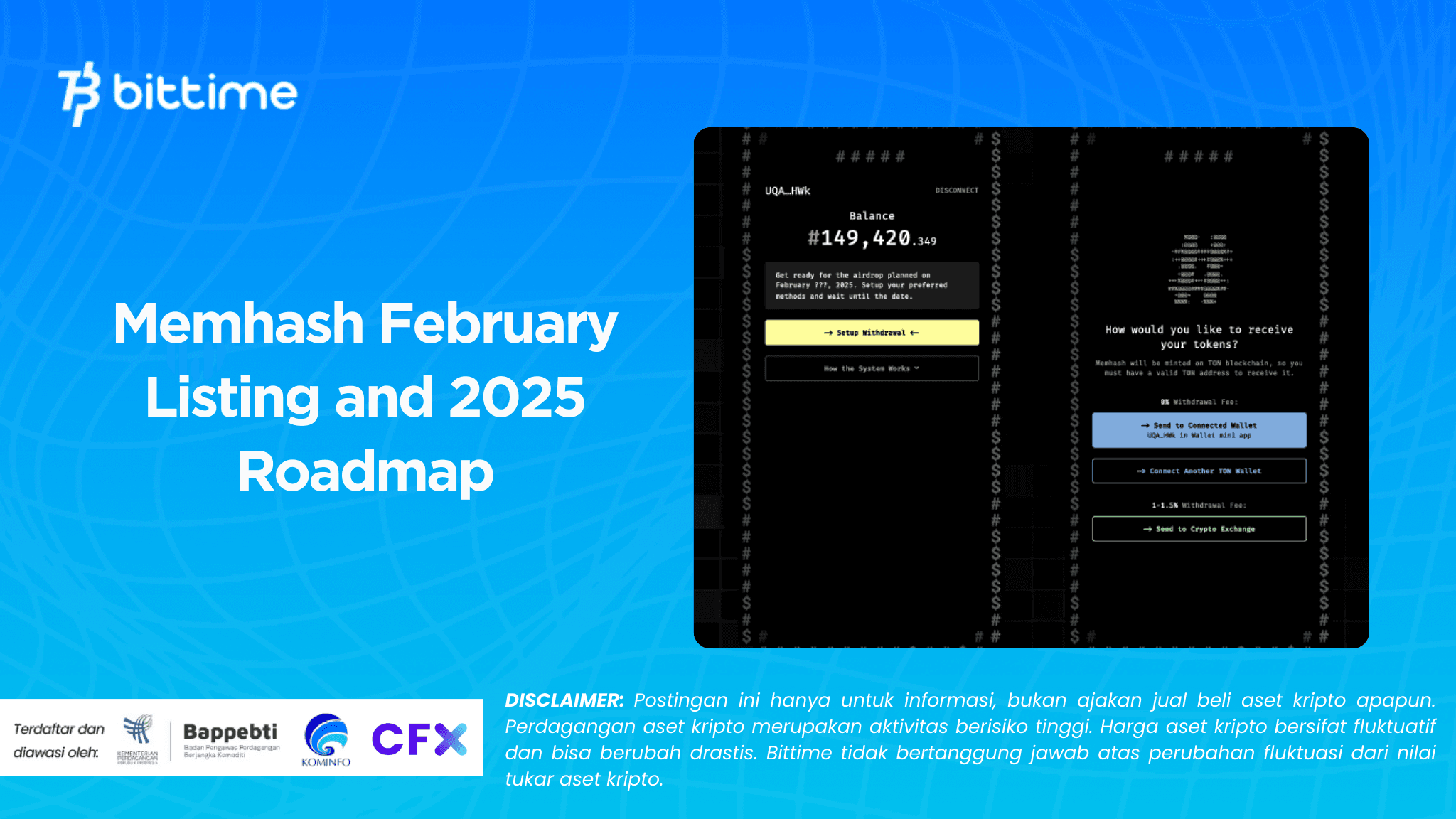
Memhash , a novel cryptocurrency that merges gaming simplicity with blockchain technology, is poised for its official debut on several prominent exchanges. Trading is scheduled to commence at 09:00 UTC on 28 February 2025, offering enthusiasts and investors an opportunity to engage with this innovative digital asset.

KuCoin, a leading cryptocurrency exchange, has confirmed the listing of MEMHASH on its platform. Deposits are currently open via the TON-Jetton network, allowing users to prepare ahead of the trading launch. The MEMHASH/USDT trading pair will be available, with withdrawals becoming accessible from 10:00 UTC on 1 March 2025. To enhance user experience, KuCoin will support various trading bots, including Spot Grid and AI Spot Trend, facilitating automated trading strategies.

In addition to KuCoin, MEXC Global has announced the inclusion of MEMHASH in its Innovation Zone. This segment is dedicated to high-potential assets, providing traders with early access to emerging cryptocurrencies. Deposits on MEXC are already open, with trading set to begin simultaneously at 09:00 UTC on 28 February 2025. Withdrawals will be enabled from 09:00 UTC on 1 March 2025, ensuring seamless transactions for users.

Bitget, another major exchange, is also preparing to list MEMHASH. While specific details regarding trading pairs and exact timings are yet to be disclosed, the exchange has indicated that the listing will occur concurrently with other platforms on 28 February 2025. This simultaneous launch across multiple exchanges is expected to provide substantial liquidity and trading opportunities for MEMHASH participants.

The journey of Memhash began with an airdrop event that ran from 29 October 2024 to 1 January 2025. During this period, participants engaged in a simulated mining process via Telegram, earning MEMHASH tokens. Approximately 43% of the total token supply was mined during the airdrop, with the remaining 57% allocated for future mining activities and community incentives.

By K Raveendran The term disruption has undergone a significant transformation in meaning over the years. Traditionally, it carried a negative connotation, indicating disorder or interruption. However, in the contemporary technological setting, disruption is celebrated as a driver of innovation, progress, and problem-solving. Companies like Uber, Airbnb, and Tesla have all disrupted their respective industries, […]

Pump.fun, a rapidly growing platform for launching and trading meme tokens, is developing its own automated market maker . This strategic move aims to shift liquidity from Raydium’s pools to Pump.fun’s proprietary system, potentially increasing revenue and offering enhanced rewards to token holders.

Since its inception in January 2024, Pump.fun has enabled users to create and trade meme tokens on the Solana blockchain with minimal initial liquidity. The platform’s user-friendly interface and low entry barriers have attracted a substantial user base, leading to significant daily trading volumes. Currently, external market transactions on Pump.fun rely on Raydium’s liquidity pools, incurring a 0.25% transaction fee per trade. Of this fee, 0.22% is allocated to Raydium’s liquidity providers, and 0.03% supports $RAY token buybacks and ecosystem development. For instance, with a daily trading volume of $100 million, approximately $5 million is routed through Raydium, resulting in daily fees of $12,500 paid by Pump.fun to Raydium, amounting to about $4.56 million annually.

By establishing its own AMM, Pump.fun seeks to internalize these fees, thereby enhancing its revenue stream. Assuming the same trading volume and fee structure, the platform could retain the entire $12,500 daily, or $4.56 million annually, without distributing a portion to external liquidity providers. This development not only promises financial benefits but also grants Pump.fun greater control over its ecosystem, enabling the introduction of additional decentralized finance products such as perpetual contracts and lending protocols. This strategic shift aims to create a self-sustaining on-chain meme DeFi ecosystem, reducing dependence on external platforms.

The announcement of Pump.fun’s AMM initiative has already impacted the market. Raydium’s native token, $RAY, experienced a sharp decline, with a daily drop of 20%, reflecting investor concerns over potential liquidity migration and reduced fee income for Raydium. Conversely, Crack, a meme token used to test Pump.fun’s new liquidity pool, saw its market capitalization surge to $4 million, indicating positive reception from the community.

However, this transition presents challenges. Migrating liquidity from Raydium to Pump.fun’s AMM requires careful coordination to ensure stability and user trust. Additionally, operating an independent AMM necessitates robust infrastructure and security measures to prevent vulnerabilities and maintain seamless trading experiences.

Watani Investment Company, a subsidiary of the National Bank of Kuwait Group, has introduced a comprehensive investment platform named NBK Invest and rebranded its brokerage services from Watani Brokerage to NBK Brokerage. This strategic move aims to unify the company’s investment products and services under the NBK brand, enhancing client accessibility and experience.

NBK Invest is designed to offer clients a seamless and integrated investment experience, providing a range of services tailored to meet diverse financial goals. The platform encompasses various investment solutions, including guided investments, money market funds, equity funds, and bond funds. By consolidating these services under the NBK brand, the company seeks to streamline its offerings and present a cohesive identity to its clientele.

Operating independently from NBK Invest, NBK Brokerage caters to clients seeking an active trading experience. The brokerage service provides access to multiple markets, including Boursa Kuwait, other Gulf Cooperation Council markets, and Egypt. Clients can engage in online trading, subscribe to capital increases, and efficiently manage dividend distributions. The rebranding to NBK Brokerage reflects the company’s commitment to delivering comprehensive brokerage services with expert trading support, all under the trusted NBK name.

The decision to unify investment services under the NBK brand aligns with the company’s broader strategy to enhance brand recognition and trust. By offering a cohesive suite of investment and brokerage services, NBK aims to provide clients with a more streamlined and user-friendly experience. This initiative is expected to bridge the gap between clients and the company’s diverse financial products, fostering a more integrated approach to wealth management.

In addition to the rebranding efforts, NBK has emphasized its commitment to technological innovation within its investment services. The NBK Invest platform incorporates advanced digital tools, enabling clients to monitor their portfolios, execute trades, and access market insights in real-time. This digital-first approach is designed to meet the evolving needs of modern investors, offering convenience and efficiency in managing their investments.

The rebranding of Watani Brokerage to NBK Brokerage also signifies a strategic effort to align the company’s services with the overarching NBK brand identity. This alignment is anticipated to enhance client trust and loyalty, as the NBK brand is synonymous with financial stability and excellence in the region. By integrating its brokerage services under this well-established brand, the company aims to attract a broader client base and reinforce its position in the competitive financial services market.

NBK Brokerage offers specialized services tailored to meet the unique needs of different client segments. For instance, the brokerage provides Sharia-compliant trading options, allowing clients to invest in accordance with Islamic principles. This inclusivity ensures that a diverse range of clients can find investment solutions that align with their financial objectives and ethical considerations.

Cryptocurrency exchange Bybit has made a significant move in the digital asset market by acquiring approximately 36,893 Ether in an over-the-counter transaction valued at $100 million USDT. This strategic purchase, conducted at a rate of $2,711 per ETH, was facilitated through prominent financial services firms Galaxy Digital and FalconX.

This acquisition comes on the heels of a substantial security breach that Bybit experienced on February 21, 2025, where approximately 401,347 ETH, equivalent to $1.12 billion, were illicitly transferred from the exchange’s cold wallet. The hack, attributed to the North Korean Lazarus Group, significantly impacted market confidence and led to a notable decline in Ethereum’s price, which dropped from $2,850 to $2,750 within an hour of the incident.

In response to the breach, Bybit’s CEO, Ben Zhou, addressed the situation in a public forum, assuring users of the exchange’s financial resilience. He stated that the company’s assets exceed the stolen amount, with a cold wallet reserve of nearly $3 billion in USDT. This reassurance aimed to bolster user confidence amidst the turmoil.

The decision to purchase a substantial amount of ETH is part of Bybit’s strategy to replenish its reserves and stabilize its operations following the hack. The transaction was executed through OTC channels to minimize market disruption and secure a fixed purchase price. This approach reflects a growing trend among cryptocurrency exchanges to manage large transactions discreetly, thereby reducing potential volatility in the open market.

Market analysts have observed that such significant acquisitions can influence investor sentiment positively. Following Bybit’s announcement, Ethereum’s price experienced a modest uptick, rising by over 2.3% in the past 24 hours, while the broader CoinDesk 20 Index saw a 0.76% increase during the same period. This price movement suggests a restoration of confidence among investors, despite the recent security concerns.

The broader implications of Bybit’s actions highlight the challenges cryptocurrency exchanges face in ensuring security and maintaining user trust. The swift response to the breach, coupled with transparent communication and decisive financial maneuvers, underscores the importance of robust security protocols and contingency planning in the rapidly evolving digital asset landscape.

As the situation develops, stakeholders within the cryptocurrency ecosystem will be monitoring Bybit’s continued efforts to enhance security measures and restore full operational integrity. The incident serves as a critical reminder of the vulnerabilities inherent in digital asset management and the necessity for continuous advancements in cybersecurity practices.

In the wake of these events, Ethereum’s market performance remains a focal point for investors. The recent price fluctuations underscore the asset’s sensitivity to exchange-related incidents and broader market dynamics. As of now, Ethereum is trading at $2,769.35, reflecting a change of $89.60 from the previous close. The intraday high reached $2,792.69, with a low of $2,679.35, indicating ongoing volatility in the market.

The probability of a Litecoin Exchange-Traded Fund gaining approval in 2025 has surged to 85%, as indicated by the prediction platform Polymarket. This significant development reflects growing optimism within the cryptocurrency community and among investors regarding the potential mainstream acceptance of Litecoin-based financial products.

Polymarket, a decentralized information markets platform, enables users to speculate on the outcomes of future events by trading shares that correspond to specific predictions. The current 85% figure represents the collective sentiment of market participants who believe that regulatory bodies are likely to approve a Litecoin ETF within the current year.

The push for cryptocurrency ETFs has been a focal point for financial institutions and investors aiming to integrate digital assets into traditional financial markets. Bitcoin and Ethereum, the leading cryptocurrencies, have been at the forefront of this movement, with several ETF proposals submitted to regulatory authorities worldwide. The increasing attention towards Litecoin suggests a broadening interest in diversifying crypto-based financial instruments.

Litecoin, often referred to as the “silver to Bitcoin’s gold,” was created in 2011 by Charlie Lee, a former Google engineer. It offers faster transaction confirmation times and a different hashing algorithm compared to Bitcoin, positioning itself as a more efficient alternative for everyday transactions. Over the years, Litecoin has maintained a strong presence in the cryptocurrency market, consistently ranking among the top digital assets by market capitalization.

The potential approval of a Litecoin ETF could have several implications for the financial markets. Firstly, it would provide institutional and retail investors with a regulated and familiar vehicle to gain exposure to Litecoin without the need to directly purchase and store the cryptocurrency. This could lead to increased liquidity and potentially reduce volatility in Litecoin’s market price.

The introduction of a Litecoin ETF could signal a maturation of the cryptocurrency market, indicating that regulatory bodies are becoming more comfortable with digital assets beyond Bitcoin and Ethereum. This could pave the way for a wider array of crypto-based financial products, offering investors more options to diversify their portfolios.

However, the path to ETF approval is not without challenges. Regulatory agencies, such as the U.S. Securities and Exchange Commission , have historically been cautious in approving cryptocurrency ETFs, citing concerns over market manipulation, custody solutions, and the overall volatility of digital assets. While there have been instances of ETF approvals in other jurisdictions, the U.S. market remains a significant hurdle for widespread adoption.

In response to these challenges, proponents of a Litecoin ETF have been actively engaging with regulators to address their concerns. This includes implementing robust custody solutions, ensuring transparent pricing mechanisms, and demonstrating compliance with existing financial regulations. The collaborative efforts between the cryptocurrency industry and regulatory bodies aim to create a framework that balances innovation with investor protection.

The broader cryptocurrency market has been experiencing a period of growth and increased adoption. Major financial institutions have begun offering crypto-related services, and several countries are exploring the development of central bank digital currencies . This evolving landscape suggests a shift towards the normalization of digital assets within the global financial system.

Investors and market analysts are closely monitoring the developments surrounding the potential approval of a Litecoin ETF. While the 85% probability indicated by Polymarket reflects a strong belief in a favorable outcome, it is essential to approach such predictions with caution. The regulatory environment is complex and subject to change, and past performance is not indicative of future results.

As the year progresses, the cryptocurrency community will be attentively observing regulatory announcements and market responses. The approval of a Litecoin ETF could serve as a catalyst for further innovation and acceptance of digital assets within traditional finance. Conversely, delays or rejections could prompt a reevaluation of strategies among crypto advocates and investors.

The U.S. Securities and Exchange Commission has agreed to dismiss its lawsuit against cryptocurrency exchange Coinbase, signaling a significant policy shift under President Donald Trump’s administration. This decision concludes a legal battle initiated in 2023, where the SEC accused Coinbase of operating as an unregistered securities exchange, broker, and clearing agency.

Coinbase’s Chief Legal Officer, Paul Grewal, announced the development, describing it as a “complete win” for the company. The SEC’s move to drop the case is pending approval from its three commissioners. This action reflects a broader change in the regulatory landscape for cryptocurrencies in the United States, as the current administration aims to foster a more crypto-friendly environment.

President Trump’s administration has swiftly overhauled the SEC’s approach to cryptocurrency regulation. Acting SEC Chair Mark Uyeda has established a task force dedicated to creating a new regulatory framework for digital assets. This initiative seeks to provide clear guidelines and reduce regulatory uncertainty for industry participants.

The lawsuit against Coinbase was originally filed under the leadership of former SEC Chair Gary Gensler during President Joe Biden’s tenure. The SEC alleged that Coinbase had been operating illegally by facilitating the trading of unregistered securities. Coinbase consistently denied these allegations, arguing that its operations complied with existing laws and that the SEC’s regulatory framework was ill-suited for digital assets.

The dismissal of the lawsuit is seen as a victory not only for Coinbase but also for the broader cryptocurrency industry, which has faced increased regulatory scrutiny in recent years. Industry stakeholders have argued that stringent regulations stifle innovation and limit the potential benefits of blockchain technology.

The Trump administration’s approach marks a departure from the previous administration’s policies, which were characterized by rigorous enforcement actions against crypto companies. In addition to dropping the lawsuit against Coinbase, the SEC is reportedly reviewing other pending cases against cryptocurrency firms, including those against Binance and Kraken. These actions suggest a broader trend toward deregulation and a more permissive environment for digital asset enterprises.

The decision to dismiss the lawsuit has been met with mixed reactions. Proponents of cryptocurrency view it as a positive step that will encourage innovation and solidify the United States’ position as a leader in the digital asset space. Critics, however, express concern that reduced regulatory oversight could lead to increased fraud and market manipulation, potentially harming investors.

The SEC’s internal dynamics have also shifted with the change in administration. Commissioners Mark Uyeda and Hester Peirce, known for their pro-crypto stances, are leading efforts to redefine the regulatory approach toward digital assets. Their leadership is expected to influence the development of policies that balance investor protection with the promotion of technological innovation.

Coinbase’s CEO, Brian Armstrong, has been an outspoken advocate for clearer cryptocurrency regulations. Following the announcement of the lawsuit’s dismissal, Armstrong expressed gratitude toward the administration, stating that the decision “righted a major wrong” and would have positive implications for the industry. He emphasized the need for a regulatory framework that provides clarity and supports the growth of the crypto economy.

The SEC’s decision comes at a time when the cryptocurrency market is experiencing significant growth. Bitcoin, the leading digital currency, has reached record highs, and institutional interest in crypto assets is increasing. The administration’s favorable stance toward cryptocurrencies is expected to further boost market confidence and attract more participants to the space.

However, the rapid policy shift has also raised questions about the influence of political contributions on regulatory decisions. Reports indicate that several tech industry leaders, including figures from the cryptocurrency sector, made substantial donations to President Trump’s campaign. While some view these contributions as a means to support favorable policies, others argue that they may undermine the integrity of regulatory processes.

As the SEC moves forward with its new task force, the focus will be on developing comprehensive guidelines that address the unique characteristics of digital assets. This includes determining how existing securities laws apply to cryptocurrencies and what new regulations may be necessary to protect investors while fostering innovation.

VISHNU RAJA
RYO YAMADA
HITORI GOTOH
IKUYO KITA