News related to
trading

SINGAPORE – Media OutReach Newswire – 8 November 2024 – The Asia Pacific Enterprise Awards (APEA) 2024 Regional Edition is pleased to honor Ariescope EL Mejor Trading Pte Ltd (Ariescope Trading) as an exemplary business in Asia. Organized by the NGO Enterprise Asia, the APEA is an unparalleled platform for fostering entrepreneurial growth in Asian economies. Ariescope Trading stands at the forefront of the Trading & Wholesaling […]

BEIJING, CHINA – Media OutReach Newswire – 8 November 2024 – Since its inception more than three decades ago, the Asia-Pacific Economic Cooperation (APEC) has become a dynamic engine of economic growth and one of Asia Pacific’s most important regional forums. Its 21 member economies represent approximately 62 percent of the world GDP and nearly half of world trade. As the 2024 APEC gathering will commence soon […]

Acquisition Expands TBS’ Regional Waste Management Platform in Indonesia and Singapore, aligning with its TBS2030 target. TBS is committed to ensuring SembEnviro’s high standards of service. JAKARTA, INDONESIA – Media OutReach Newswire – 8 November 2024 – PT TBS Energi Utama Tbk. (“TBS”), through its subsidiary, SBT Investment 2 Pte. Ltd. (“SBT Investment”), is pleased to announce the signing of Share Purchase Agreement with Sembcorp Industries Ltd. […]

Dubai’s financial landscape has showcased substantial activity in recent trades, with the Dubai Financial Market (DFM) witnessing trades valued at $10.51 million across major players, particularly Al Ansari Financial Services and Ajman Bank. Al Ansari’s consistent performance, marked by a 5% rise in operating income to AED 578 million for the first half of 2023, is partly fueled by high corporate demand and an increased volume of […]

A second term for Donald Trump could usher in significant changes for investors in the Middle East, with the potential for both increased economic opportunities and geopolitical instability. Trump’s return to the presidency would likely revive his administration’s assertive economic policies, reshaping U.S. foreign relations, particularly toward China, Europe, and Middle Eastern nations, while possibly impacting global market dynamics in ways that will directly affect Gulf economies.

Trump’s “America First” approach, previously marked by attempts to realign American foreign policy priorities, could lead to heightened trade tensions with major global economies, including the European Union and China. During his previous term, the Trump administration imposed steep tariffs on Chinese goods and withdrew from the Trans-Pacific Partnership, signaling a shift from multilateral agreements to bilateral deals with clear U.S. advantages. These policies could place Middle Eastern investors in a challenging position, especially those with extensive ties to both Western and Asian markets. His re-election could rekindle these policies, affecting key industries and the economic strategies of regional stakeholders, who may need to reassess their portfolios to navigate potential trade disruptions.

One area of likely change would be Trump’s approach to the U.S.-China trade war, which saw tariffs as high as 25% imposed on hundreds of billions in imports. The escalating tariffs strained trade flows globally, and with Trump’s potential return, the continuation or expansion of such tariffs could push China to deepen its ties with Gulf nations as it seeks alternative partners. The Middle East, particularly Saudi Arabia and the UAE, has already seen increased investment from China under the Belt and Road Initiative, and a further intensification of U.S.-China rivalry could strengthen these relations. Additionally, Gulf economies that depend heavily on oil exports may find opportunities as China looks for secure energy suppliers outside of the American sphere.

Simultaneously, Trump’s proposed policies are expected to drive further U.S. disengagement from traditional allies in Europe, compelling these countries to secure alternative economic partnerships. This shift could create an environment where European countries turn to the Middle East to establish closer trade relations, viewing Gulf states as critical energy providers and investment hubs. Regional investors could benefit from an increased inflow of European capital seeking to mitigate the effects of U.S. tariffs.

In terms of defense, Trump has consistently voiced support for reducing U.S. military commitments abroad, urging allies in Europe and the Middle East to shoulder more responsibility for their own defense. This could result in reduced U.S. military presence in Gulf nations, which may encourage these states to expand defense partnerships within the region and seek additional security alliances beyond the U.S. This shift could spur an increase in local defense spending and the development of domestic defense industries, presenting investment opportunities in these sectors. However, it may also bring heightened insecurity, which could lead to market instability, especially in oil-dependent economies that rely on stable energy production and export environments.

The Middle East’s energy sector might experience new pressures and opportunities under a Trump administration focused on American energy independence. Trump has previously supported policies that increase domestic oil and gas production in the U.S., which could lead to a drop in oil prices globally, impacting the revenue of oil-exporting countries in the Gulf. To counter this, Gulf economies may be motivated to diversify and boost non-oil sectors such as technology, real estate, and tourism, creating new avenues for regional and international investors.

Trump’s stance on Iran could also lead to renewed tensions in the region. During his first term, the administration’s “maximum pressure” campaign aimed at curbing Iran’s nuclear ambitions led to economic sanctions and heightened regional conflicts. If reinstated, such policies could escalate instability in areas around the Strait of Hormuz, a key chokepoint for global oil exports. Middle Eastern markets might face disruptions if these tensions spill over, particularly for industries dependent on steady energy flows and safe trading routes. Yet, defense and energy infrastructure investments may see a boost in response to these renewed geopolitical challenges.

Trump’s previous involvement in brokering the Abraham Accords set a precedent for Arab-Israeli normalization. A return to power could see a renewed push for expanded economic ties between Israel and more Arab states, following the precedent of UAE, Bahrain, Morocco, and Sudan establishing official relations with Israel. Investors across the Gulf could benefit from these expanded commercial ties through greater market access, technology transfers, and joint ventures, particularly in high-growth sectors like technology, renewable energy, and tourism. The prospect of regional integration holds promise for attracting further foreign direct investment (FDI) and bolstering Middle Eastern economies.

Middle Eastern investors, therefore, may need to prepare for a mixed impact, balancing potential market volatility with strategic opportunities. Gulf Cooperation Council (GCC) countries, particularly the UAE and Saudi Arabia, may find themselves in a pivotal position, with increased leverage in securing favorable trade agreements as both Western and Eastern economies seek partnerships in response to Trump’s policies. Yet, they may also have to contend with the risks of being on the frontline of fluctuating U.S. policies toward the region, especially regarding defense and energy.

KUALA LUMPUR, MALAYSIA – Media OutReach Newswire – 8 November 2024 – Trading offers a pathway to financial growth, yet for many beginners, fear of loss, mistakes, and market unpredictability can create mental blocks. Octa, a broker with globally recognised licences, explores common trading fears, breaks down their causes, and presents practical methods to manage them. These insights will help traders build management and confidence-boosting strategies, creating […]

KUALA LUMPUR, MALAYSIA – Media OutReach Newswire – 6 November 2024 – Asian financial markets are experiencing increased interest from novice traders. In Southeast Asia, online trading has expanded rapidly, driven by growing internet access and an increasingly digital-savvy population. In Indonesia, active online traders grew by 18%, supported by a thriving e-commerce sector and rising financial literacy. Across Southeast Asia, the digital economy is projected to […]

Advertisements

KUALA LUMPUR, MALAYSIA – Media OutReach Newswire – 6 November 2024 – Current developments and key facts As of 7:00 a.m. UTC, most data providers, including ABC, CBS, NBC, and CNN, projected that Donald Trump would become the next president of the United States. However, even as Trump’s victory looks almost guaranteed at this point, it is the balance of power in the U.S. Congress that will […]

Tajul Islam Donald Trump’s recent critique of Bangladesh on social media, branding it as a nation rife with “barbaric violence” against religious minorities and claiming it exists in a “total state of chaos,” has drawn significant attention. This statement, made just days before the US presidential election, appears to be an effort to appeal to Hindu-American voters, a demographic that has increasingly urged Trump to address issues related […]

KUALA LUMPUR, MALAYSIA – Media OutReach Newswire – 5 November 2024 – E-brokerage is a rapidly expanding sector globally, raising questions about its societal impact through social initiatives. Traders’ attitudes towards socially beneficial projects, including those led by Forex brokers, play a crucial role in this space. Octa, a global broker operating since 2011, conducted research to analyze traders’ involvement in and opinions on various charitable initiatives. […]

Hong Kong’s regulatory landscape for stablecoins is expected to undergo significant transformation with new frameworks anticipated by the end of the year. This marks a substantial step in the Hong Kong Monetary Authority’s (HKMA) broader plan to establish the city as a central player in the digital asset ecosystem. Through an upcoming licensing scheme, the HKMA intends to create a structured environment for fiat-backed stablecoins, ensuring stringent oversight that would apply not only to domestic issuers but also to overseas companies actively marketing stablecoins to the Hong Kong public. This regulatory approach aligns with Hong Kong’s ambition to become a global hub for virtual assets while maintaining a secure environment for investors.

The proposed framework follows Hong Kong’s recent initiatives to regulate virtual asset exchanges and has sparked interest from key industry figures, including Circle’s CEO, who identified Hong Kong as a strategic market for USD Coin (USDC). The stablecoin issuer has shown readiness to engage with Hong Kong’s new regulations, positioning itself for early compliance as the city shapes a potentially influential model for stablecoin governance worldwide.

The core of the HKMA’s strategy targets fiat-referenced stablecoins, distinguishing them from algorithmic or arbitrage-backed digital currencies, which are less likely to meet the agency’s stringent requirements. Under the proposed system, stablecoin issuers must uphold the stability of their currencies by maintaining equivalent reserve assets in segregated accounts, preferably held in Hong Kong–based financial institutions. This approach is intended to prevent destabilization risks seen with algorithmic stablecoins and offers an added layer of financial assurance by linking reserves to the value of the Hong Kong dollar or other fiat currencies.

In setting these standards, the HKMA is seeking to build consumer confidence in stablecoins as reliable digital alternatives to traditional currency. The proposed licensing requirements include a mandated HK$25 million in capital and the presence of a registered office in Hong Kong, requirements that aim to ensure operational transparency and accountability. Additionally, stablecoin issuers will need to meet rigorous internal controls, including risk management practices for handling and safeguarding reserve assets, similar to standards seen in traditional banking and finance.

The HKMA’s approach reflects the “same activity, same risk, same regulation” principle, which mandates that entities offering similar financial services be subject to comparable oversight regardless of their digital or traditional format. This regulatory alignment is intended to create an even playing field, further solidifying Hong Kong’s appeal as a stablecoin issuance and trading center. With the HKMA as the principal regulatory authority, the agency is positioned to enforce these new rules, impacting not only issuers but also entities involved in the stablecoin distribution network.

This framework brings with it an extraterritorial element, meaning that foreign stablecoin issuers could fall under Hong Kong’s regulatory scope if they issue stablecoins pegged to the Hong Kong dollar or target Hong Kong consumers. This provision seeks to limit risks associated with cross-border stablecoin transactions, which can complicate efforts to maintain monetary stability and secure reserves. Overseas issuers operating within Hong Kong’s jurisdiction will be required to obtain the necessary licenses, ensuring that foreign entities adhere to Hong Kong’s regulatory standards when they conduct business with local investors.

The HKMA’s efforts also highlight a broader trend in Asia toward more precise stablecoin regulations. With Japan recently setting its own regulations, Hong Kong is looking to offer a competitive regulatory framework that could draw international digital asset firms to establish operations within the city. This move reflects Hong Kong’s attempt to balance innovation with investor protection, a challenging dynamic as central banks worldwide navigate the complexities of digital finance.

As the regulatory framework unfolds, industry leaders like Circle’s Jeremy Allaire have recognized the advantages of a structured stablecoin ecosystem in Hong Kong, citing its role as a key market for USDC, one of the most widely used fiat-backed stablecoins globally. Circle’s interest in Hong Kong underscores the potential of the market and the appeal of the city’s stable regulatory environment, which could provide stability and growth opportunities for USDC and similar stablecoins within Asia.

Hong Kong’s proactive stance contrasts with the regulatory approaches seen in many Western jurisdictions, where stablecoin legislation remains in preliminary stages or subject to extensive legislative debate. The HKMA’s framework positions Hong Kong as a leader in digital currency regulation, providing a model that could inform stablecoin policies in other regions. By requiring stablecoin reserves to be held in highly liquid and low-risk assets, the proposed guidelines aim to create a safeguard against market volatility and instill confidence among users and investors alike.

Price fluctuations for Bitcoin have surged, reaching levels not seen in three months as the U.S. presidential election approaches. This spike in volatility reflects the heightened uncertainty and speculation among investors in both cryptocurrency and traditional financial markets. As the electoral landscape becomes more complex, analysts suggest that market participants are increasingly turning their attention to the potential impacts of the upcoming election on economic policies and financial regulations.

Bitcoin’s price, a benchmark for the broader cryptocurrency market, recently showed significant swings, underscoring the tendency of digital assets to react strongly to political developments. Analysts note that this uptick in volatility is closely linked to investor sentiment regarding regulatory frameworks that could emerge post-election. With candidates from both major political parties holding contrasting views on cryptocurrency regulation, the stakes for Bitcoin and other digital currencies have escalated.

Investors are particularly attentive to signals from leading candidates, such as the incumbent President and potential challengers. Their positions on digital currency policies and broader economic strategies are being closely monitored, as they could influence the legislative environment surrounding cryptocurrencies. The outcome of the election could determine the trajectory of regulatory measures impacting the sector, which many see as critical for the long-term viability of digital assets.

Market observers emphasize that the correlation between political events and Bitcoin price movements is becoming increasingly pronounced. The volatility jump is viewed as a precursor to more significant price adjustments that could follow the election. Historically, political events have played a crucial role in shaping investor behavior in financial markets, and cryptocurrencies are no exception.

In addition to regulatory concerns, macroeconomic factors such as inflation rates and monetary policy are also contributing to Bitcoin’s volatility. The Federal Reserve’s stance on interest rates and inflationary pressures are vital considerations for investors. A potential change in the administration could result in shifts in fiscal policy that directly affect financial markets, leading to speculative trading behavior.

With analysts predicting increased trading volumes in the lead-up to the election, the interplay between market sentiment and political developments is likely to intensify. Investors in Bitcoin are now more focused on potential outcomes and their implications for the digital currency space, which could lead to rapid price changes. The market’s response to the election will also be influenced by key economic indicators released in the weeks leading up to voting day, such as job reports and inflation data.

The heightened volatility comes amid a broader trend of increasing institutional interest in Bitcoin. Major financial institutions are beginning to incorporate cryptocurrencies into their portfolios, signaling a shift in acceptance and potential mainstream integration of digital assets. This institutional involvement adds another layer of complexity to market dynamics, as larger players with substantial capital can amplify price movements in response to political news.

As traders navigate these turbulent waters, the focus remains on strategies to mitigate risks associated with price swings. Many are employing advanced trading techniques, including options and futures contracts, to hedge against potential losses. This trend reflects a growing sophistication in the cryptocurrency market, as participants become more adept at managing volatility.

The decentralized nature of Bitcoin and its underlying technology, blockchain, continues to attract attention as a revolutionary force in finance. As debates around digital currency regulations unfold, advocates for cryptocurrency assert that the technology can provide financial inclusion and transparency, regardless of the election outcome. However, concerns regarding security, fraud, and consumer protection remain central to discussions on regulation.

In the context of international markets, Bitcoin’s performance is also being viewed against the backdrop of global economic conditions. Investors are keenly aware of how changes in U.S. policy could ripple through global markets, influencing everything from trade relationships to investment flows. The interconnectedness of financial systems means that developments in the U.S. can have significant implications for the broader cryptocurrency ecosystem.

As election day approaches, investors and analysts alike are keeping a close eye on sentiment shifts and potential surprises in the political landscape. The ability of Bitcoin to weather these fluctuations will likely depend on the clarity and stability of regulatory frameworks established post-election. Market participants are poised for action, recognizing that the outcomes of political contests often reverberate far beyond the ballot box, impacting investment strategies and market valuations.

RIYADH, SAUDI ARABIA – Media OutReach Newswire – 3 November 2024 – Sahm Capital is pleased to announce that retail investors can now subscribe to the highly anticipated Tamkeen Human Resources Co. Initial Public Offering (IPO) through the Sahm App [https://sahmcapital.onelink.me/Wjbt/oamyoiri]. Tamkeen, a leading company in the Saudi human resources sector, has set its final IPO offer price at SAR 50 per share, following a successful institutional […]

HONG KONG SAR – Media OutReach Newswire – 31 October 2024 – International Genius Company (“IGC“, stock code: 0033.HK) is pleased to release its annual report for the year ended 30 June 2024 (the “Year under Review“). During the Year under Review, IGC has been continuously promoting strategic transformation through two engines: “technology driven + innovative cooperation model”. IGC aims to become an artificial intelligence trading technology […]

Aleksei Andriunin, the founder of Gotbit, along with directors Fedor Kedrov and Qawi Jalili, has been indicted by U.S. prosecutors on charges of market manipulation and fraud. The allegations stem from their involvement in artificially inflating cryptocurrency trading volumes between 2018 and 2024, a strategy purportedly designed to facilitate listings on major exchanges. This indictment marks a significant legal move in the ongoing scrutiny of practices within the cryptocurrency sector, where regulatory oversight has become increasingly stringent.

The indictment outlines a scheme in which Gotbit, through its executives, allegedly manipulated trading activities to create a false appearance of market activity. The U.S. Attorney’s Office for the Southern District of New York has characterized these actions as a blatant attempt to mislead investors and exchanges alike, potentially jeopardizing the integrity of the financial system. Prosecutors argue that the defendants engaged in practices that not only distorted the market but also violated federal securities laws.

According to the court documents, Gotbit utilized various tactics to inflate its trading volumes. This included wash trading, where the same assets are bought and sold in a circular manner to create the illusion of increased trading activity. By presenting a facade of liquidity and investor interest, Gotbit sought to attract more traders and investors, thereby elevating its profile in a highly competitive marketplace. The indictment indicates that this fraudulent activity was systematically orchestrated over several years, potentially impacting a wide range of investors and the broader market.

The consequences of such actions could be severe. If convicted, the defendants face a maximum sentence of 20 years in prison for wire fraud, underscoring the serious nature of the charges. The case not only highlights individual accountability within the cryptocurrency industry but also reflects the larger narrative of regulatory crackdowns on practices deemed harmful to investors and market integrity. As authorities intensify their efforts to regulate the cryptocurrency market, this indictment serves as a warning to other market participants regarding the legal ramifications of manipulative practices.

Gotbit has positioned itself as a significant player in the cryptocurrency trading arena, providing a platform that allows users to engage in trading various digital assets. However, the allegations against its leadership could tarnish the company’s reputation and operations. The indictment is likely to raise questions about the operational practices within Gotbit and the broader implications for other cryptocurrency platforms that may be engaging in similar activities.

The growing concern over market manipulation within the cryptocurrency sector has prompted regulators to take a closer look at trading practices. The U.S. Securities and Exchange Commission (SEC) and other regulatory bodies have been actively pursuing cases against individuals and entities accused of engaging in fraudulent activities, with an emphasis on protecting investors from deceptive practices. The case against Andriunin, Kedrov, and Jalili represents just one of many instances where regulators are taking decisive action to maintain market integrity.

As the legal proceedings unfold, there may be broader implications for the cryptocurrency market as a whole. Investors are increasingly wary of potential fraud and manipulation, leading to calls for clearer regulations and increased transparency in the industry. This situation could catalyze changes in how cryptocurrency exchanges operate, pushing for stricter compliance measures and more rigorous oversight to protect investors and uphold market integrity.

The indictment could spark discussions within the industry regarding the ethical responsibilities of cryptocurrency platforms. As more individuals and institutions enter the cryptocurrency market, the need for robust ethical standards and practices becomes paramount. The fallout from this case may encourage stakeholders to reassess their operational practices, ensuring that they are in alignment with legal and ethical expectations.

IPO Oversubscribed by 1.5x SINGAPORE – Media OutReach Newswire – 31 October 2024 – Goodwill Entertainment Holding Limited (“Goodwill Entertainment” or the “Company“, and together with its subsidiaries, the “Group“), a multi- entertainment concepts operator, registered its offer document today in connection with the proposed placement (the “IPO“) and listing of its ordinary shares in the capital of the Company on the Catalist Board (“Catalist“) of the […]

Robinhood Markets, Inc. has reported a remarkable increase in its cryptocurrency trading volumes for the third quarter of the fiscal year, reaching $14.4 billion. This figure marks a 112% rise compared to the same period last year, reflecting a growing interest in digital assets among retail investors. However, this uptick follows a significant drop from earlier in the year, with volumes falling sharply from $21.5 billion in the previous quarter and $36 billion in the first quarter.

The third-quarter results underscore a broader trend in the cryptocurrency market, where trading activities have experienced volatility amid shifting market conditions. Investors have been navigating a complex landscape characterized by fluctuating prices and regulatory scrutiny. The increase in trading volume year-over-year highlights Robinhood’s ability to capture a segment of the market, particularly among novice traders who have flocked to the platform for its user-friendly interface and commission-free trading model.

Despite the impressive year-over-year growth, the decline from earlier quarters raises questions about the sustainability of this trend. Analysts attribute the decrease to a combination of factors, including heightened market volatility and a cooling off after the frenzy surrounding cryptocurrencies in 2021. The cryptocurrency market, once marked by soaring prices and speculative investments, has encountered increasing regulatory scrutiny and market corrections that have tempered trading enthusiasm among investors.

A pivotal aspect influencing trading volumes has been the evolving regulatory environment surrounding cryptocurrencies. Governments and regulatory bodies worldwide are implementing stricter guidelines to manage risks associated with digital assets. For instance, the U.S. Securities and Exchange Commission (SEC) has intensified its focus on cryptocurrency exchanges, emphasizing compliance and investor protection. Such regulatory measures have led to increased uncertainty in the market, potentially impacting trading behavior on platforms like Robinhood.

The competitive landscape for trading platforms has evolved, with various fintech companies entering the cryptocurrency space. Established players are enhancing their offerings to attract users, while traditional financial institutions are beginning to embrace digital currencies. This competition could pose challenges for Robinhood as it seeks to maintain its market share in an increasingly crowded field.

User engagement remains a critical factor for Robinhood as it navigates these challenges. The platform has introduced features aimed at enhancing the trading experience, including educational resources and enhanced tools for monitoring cryptocurrency performance. By focusing on user education, Robinhood aims to empower its investors to make informed decisions in a volatile market. This strategy is particularly relevant as retail investors, many of whom are new to trading, may require additional guidance in navigating the complexities of cryptocurrency investments.

Despite the recent fluctuations in trading volumes, Robinhood has remained committed to expanding its cryptocurrency offerings. The company is actively exploring the introduction of new digital assets and trading pairs to cater to a diverse range of investor preferences. This strategy aligns with the broader trend of increasing consumer demand for access to a wider array of cryptocurrencies, as more investors seek to diversify their portfolios.

Looking ahead, analysts anticipate that Robinhood’s ability to adapt to market conditions and regulatory developments will be crucial for sustaining growth in cryptocurrency trading. The platform’s responsiveness to evolving investor needs, combined with its commitment to enhancing the user experience, will likely play a significant role in shaping its future performance. As the cryptocurrency market continues to evolve, Robinhood will need to navigate the delicate balance between user engagement, regulatory compliance, and competitive pressures to remain a leading player in the space.

The sentiment among retail investors is gradually shifting. Many are becoming more cautious after experiencing the volatility that characterized the cryptocurrency markets earlier this year. This shift in sentiment may influence trading behaviors and the overall demand for crypto assets in the short term. Investors may take a more strategic approach, focusing on long-term investments rather than short-term speculative trades.

UAE-based issuers have raised a staggering $11.7 billion in the third quarter of 2024 through bond and sukuk offerings, marking a significant achievement in the region’s capital markets. This surge demonstrates robust investor confidence and a growing appetite for fixed-income securities, despite global economic uncertainties and fluctuations in interest rates. The third quarter witnessed a notable increase in activity compared to previous quarters, with both sovereign and […]

Bitcoin surged to $73,600 during U.S. trading hours, inching close to its previous record of $73,798 established on March 14. This remarkable upward movement has generated renewed optimism among traders, as Bitcoin currently holds steady around $72,200, representing a robust 3% increase in just one day. This trend aligns with a broader positive sentiment across the cryptocurrency market, which has been characterized by rising trading volumes and heightened investor interest.

Market analysts attribute this surge to a confluence of factors. Institutional interest remains a significant driver, with several large-scale investments recently reported. Notably, Fidelity Investments announced its plan to launch a Bitcoin exchange-traded fund (ETF), a move seen as a substantial endorsement of the cryptocurrency. This development has fueled speculation that other major financial institutions might follow suit, further legitimizing Bitcoin as an asset class.

Macroeconomic conditions are contributing to the bullish momentum. With inflation concerns lingering and central banks hinting at prolonged low interest rates, many investors are turning to Bitcoin as a hedge against inflation. This shift in sentiment is underscored by a marked increase in the number of wallets holding Bitcoin, which reflects growing adoption among retail and institutional investors alike.

In addition to institutional interest, the trading behavior of retail investors is also evolving. Following Bitcoin’s rise earlier this month, many retail traders have re-entered the market, leveraging platforms that facilitate easy access to cryptocurrency trading. This influx of retail participation has intensified market dynamics, creating a feedback loop that propels prices higher as more buyers enter the fray.

Emerging trends in blockchain technology further bolster the optimism surrounding Bitcoin. Innovations such as the Lightning Network, which enables faster and cheaper transactions, are enhancing the overall utility of Bitcoin. This technological advancement is likely to attract even more users to the ecosystem, potentially driving up demand and price.

Key players in the cryptocurrency space are also responding to these trends. Exchanges like Binance and Coinbase have reported significant increases in trading volumes, signaling heightened activity among investors. This increased liquidity makes it easier for larger trades to occur without causing substantial price fluctuations, further supporting the bullish case for Bitcoin.

However, challenges remain. Regulatory scrutiny is intensifying in various jurisdictions, as governments seek to establish frameworks for cryptocurrency operations. Notably, discussions around taxation and compliance are ongoing, and any unfavorable regulatory changes could dampen market enthusiasm. Investors are closely monitoring these developments, as regulations could either facilitate further growth or impose constraints on the market.

The sentiment in cryptocurrency circles is largely optimistic, with many analysts projecting that Bitcoin could surpass its all-time high in the near future. Some are targeting even higher price points, with estimates ranging between $74,000 to $80,000 as the next psychological barriers. This speculation is supported by technical analysis indicating that if Bitcoin breaches the $74,000 mark, it could trigger a wave of buying pressure as traders seek to capitalize on momentum.

Investor sentiment, driven by social media platforms and online forums, plays a crucial role in shaping market expectations. Influencers and analysts on platforms like Twitter and Reddit are actively discussing potential price trajectories, contributing to a more dynamic trading environment. This collective discourse influences not only retail investor behavior but also how institutional players position themselves in the market.

The global cryptocurrency market is witnessing a renaissance, characterized by an influx of new entrants and a growing acceptance of digital assets as legitimate investment vehicles. Major financial institutions, hedge funds, and even traditional asset managers are reevaluating their portfolios to include cryptocurrencies. This broadening acceptance of Bitcoin and other cryptocurrencies is gradually reshaping the landscape of global finance.

As Bitcoin navigates this transformative phase, the importance of market education cannot be overstated. Initiatives aimed at educating potential investors about the fundamentals of blockchain technology and the intricacies of trading can significantly enhance participation in the market. A more informed investor base is likely to make more prudent decisions, contributing to the overall stability and maturity of the cryptocurrency market.

The interplay between supply and demand dynamics is also pivotal. With Bitcoin’s supply capped at 21 million coins, any increase in demand has a direct impact on price. Market participants are keenly aware of the halving events that occur roughly every four years, which reduce the rate at which new Bitcoin is generated. This mechanism, along with increasing institutional participation, is expected to create a supply-demand imbalance that could drive prices higher in the long term.


Investcorp, a global alternative investment powerhouse with a strong presence in the Gulf, has formalized a strategic partnership with Awaed, Saudi Arabia’s pioneering commission-free trading platform. This move underscores Investcorp’s continued expansion in the Middle East’s fintech sector, aligning with Saudi Arabia’s Vision 2030, which aims to diversify the nation’s economy by promoting non-oil industries, including financial technology.

The collaboration with Awaed is positioned to provide Awaed’s growing user base access to Investcorp’s recently launched Saudi Pre-IPO Growth Fund. The fund, which Investcorp launched to help promising Saudi enterprises prepare for public offerings, aims to bridge international capital with local businesses ready for substantial growth. According to sources familiar with the development, this fund will allow Awaed users to engage in pre-IPO investments, an option typically reserved for high-net-worth and institutional investors. This democratization of access to Investcorp’s fund represents a new frontier for retail investors, who now have an unprecedented opportunity to back burgeoning companies within Saudi Arabia’s rapidly transforming economy.

Established in 2021, Awaed is Saudi Arabia’s first platform to offer commission-free trading and has seen swift adoption among Saudi nationals seeking affordable, accessible investment solutions. This partnership marks a significant step for Investcorp as it becomes one of the few global asset managers to embrace a fintech-focused partnership model in the Kingdom. By aligning with Awaed, Investcorp aims to tap into Saudi Arabia’s youthful, tech-savvy population, many of whom are increasingly exploring investment options beyond traditional asset classes. The collaboration reflects a deepening trend where global asset managers are seeking ways to engage with the rapidly evolving financial landscape across the Gulf Cooperation Council (GCC) region.

Investcorp’s strategy behind the partnership aligns closely with its broader investment narrative in the GCC and Asia. The company recently announced a $1 billion platform, supported by the China Investment Corporation (CIC), to stimulate cross-border investments between China and GCC nations, including Saudi Arabia. This initiative highlights Investcorp’s commitment to facilitating global capital flows that foster economic growth within and beyond the Gulf region.

Hazem Ben-Gacem, Co-CEO of Investcorp, has previously expressed that the company views the GCC as a critical growth hub. With an established 40-year legacy across asset classes, Investcorp sees this latest partnership as an extension of its long-standing relationship with the region. The move to support retail investors through Awaed signals a shift in Investcorp’s approach, as the asset manager traditionally focused on high-net-worth and institutional clients. This partnership not only amplifies Investcorp’s influence in the local market but also strengthens its position as a key player in Saudi Arabia’s emerging fintech sector.

The timing of Investcorp’s collaboration with Awaed coincides with increased government and private sector support for the fintech ecosystem in Saudi Arabia. The Saudi Central Bank and the Capital Market Authority have both been active in implementing regulatory frameworks that encourage innovation while ensuring consumer protection. This regulatory backing has enabled companies like Awaed to flourish, as seen in the company’s rapid user adoption since its launch.

Looking ahead, the partnership’s implications for Saudi Arabia’s investment landscape are substantial. By enabling access to pre-IPO opportunities, Investcorp and Awaed are positioning themselves at the forefront of a shift where retail investors become active participants in wealth creation through high-growth local companies. This arrangement could also stimulate further investment interest among global asset managers eyeing the GCC as a burgeoning market ripe with opportunities in sectors such as fintech, real estate, and logistics.

A wave of E. coli cases across ten U.S. states led to a temporary suspension of McDonald’s Quarter Pounder sales as federal health officials investigated its potential role in the outbreak. At least 49 people reported illness after consuming meals from McDonald’s, with a significant number indicating that they had ordered the Quarter Pounder burger. These reports linked to confirmed cases of E. coli O157:H7— a bacterium […]

French President Emmanuel Macron is set to arrive in Morocco on October 28, marking a significant effort to repair diplomatic ties that have been strained by a series of disputes and political frictions in recent years. The visit, spanning three days, comes at the invitation of Morocco’s King Mohammed VI and is positioned as an attempt to reinforce cooperation between the two countries amid rising regional challenges and shifting political dynamics.

Diplomatic relations between France and Morocco have been complex over the last decade, with periods of both cooperation and tension. Notable points of contention have involved policy disagreements regarding the Western Sahara, Morocco’s push for greater autonomy, and perceptions of French interference in North African affairs. A perceived coolness in bilateral ties reached a tipping point over the past year, as Morocco deepened its ties with other global powers, particularly the United States and Israel, indicating a shift away from its traditional reliance on France as a key ally and economic partner.

The French administration, aware of the economic and strategic value Morocco holds, has framed this visit as an opportunity for Macron to personally affirm France’s commitment to fostering a balanced and respectful partnership. The agenda is expected to address a range of topics crucial to both countries, including economic trade, security collaboration, and cultural exchanges, as well as a potential reset in policies affecting visa issuance for Moroccan nationals—a sensitive topic that has fuelled public resentment in Morocco. Macron’s planned public appearances, speeches, and bilateral meetings with Moroccan officials are anticipated to underscore shared interests while navigating areas of difference diplomatically.

A focal point of Macron’s visit is expected to be Morocco’s reconstruction and recovery efforts following the recent earthquake that devastated the Atlas Mountains region, leaving a trail of significant human and infrastructural damage. Although French relief support following the earthquake had been met with some criticism regarding its timeliness and adequacy, Macron’s engagement with reconstruction efforts may symbolize France’s willingness to assist its long-standing partner in this critical phase, despite prior political strains.

The visit will also provide a platform to address regional security, particularly as Morocco and France have historically shared concerns over terrorism and human trafficking across the Mediterranean. Both countries continue to be key players in counterterrorism efforts in North Africa and the Sahel region, where extremist groups pose a persistent threat. Macron’s discussions with Moroccan leaders are likely to revisit joint security strategies, including intelligence sharing and border control measures, which have served as pivotal elements of cooperation in past years.

Economic collaboration, too, will feature prominently on the agenda. France remains one of Morocco’s largest trading partners, with French companies heavily invested in sectors such as telecommunications, automotive manufacturing, and renewable energy in Morocco. Macron’s delegation includes business representatives aiming to explore new investments, especially in renewable energy projects, a sector where Morocco has established itself as a regional leader. Macron is expected to promote French participation in Morocco’s green initiatives, aligning with global climate commitments and France’s own economic priorities in clean energy transitions.

Observers believe Macron’s visit also reflects a broader objective: to recalibrate France’s influence in a region where economic and political alliances are rapidly evolving. Morocco’s engagement with other international partners, particularly the United States and China, has accelerated, with significant investment flows reshaping Morocco’s infrastructure and defense capabilities. Additionally, Morocco’s recent normalization of ties with Israel has diversified its diplomatic alliances, a move that France has viewed with cautious optimism, recognizing Morocco’s intent to play a more autonomous role in regional affairs.

A remarkable milestone occurred on October 26 when Base achieved a record in stablecoin trading volume, momentarily eclipsing major blockchain platforms such as Solana, Ethereum, and Tron. The platform accounted for an impressive 30.06% of the total stablecoin volume, marking a significant shift in the landscape of digital asset trading.

Base, a layer-2 solution built on the Ethereum blockchain, has gained traction for its scalability and low transaction fees, making it an attractive option for traders and developers alike. The recent surge in stablecoin activity can be attributed to a confluence of factors, including growing interest in decentralized finance (DeFi) and the increasing acceptance of cryptocurrencies by mainstream financial institutions.

Alongside the stablecoin volume milestone, Base also set a new benchmark in daily transactions, recording 5.6 million transactions on the same day. This figure represents a notable 20% increase from the previous month, underscoring the growing engagement of users with the platform. The impressive transaction volume reflects not only heightened trading activity but also a broader trend toward the adoption of blockchain technology.

Several key players have contributed to Base’s success in the stablecoin market. The integration of various decentralized applications (dApps) on its platform has enhanced user experience and attracted a diverse range of users. Developers are increasingly building on Base due to its compatibility with Ethereum, allowing for seamless integration of existing Ethereum-based dApps while benefiting from lower gas fees and faster processing times.

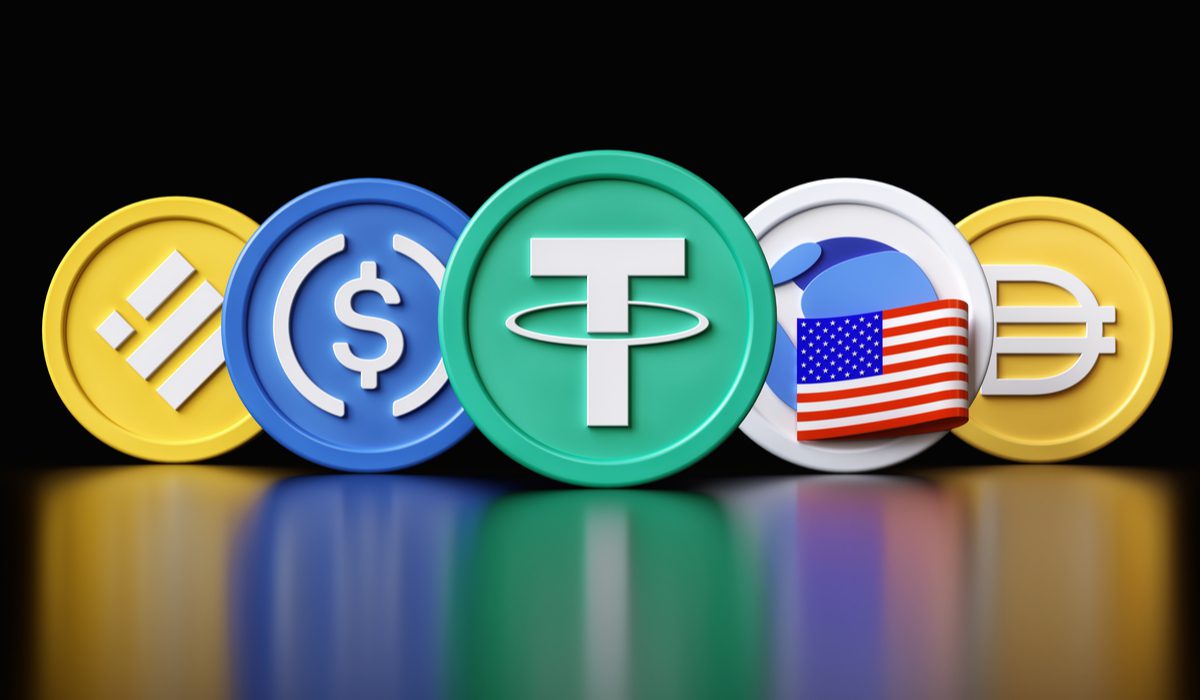
The momentum gained by Base comes in the context of an evolving stablecoin landscape. Traditional stablecoins like Tether (USDT) and USD Coin (USDC) continue to dominate, yet alternative stablecoins and newer entrants are making significant inroads. This shift illustrates the dynamic nature of the cryptocurrency market and highlights Base’s ability to position itself as a formidable player amid these changes.

Partnerships with financial institutions have played a crucial role in Base’s ascent. Collaborations with firms that support crypto transactions have bolstered user confidence and expanded the platform’s reach. As institutional adoption of cryptocurrencies continues to grow, platforms like Base are well-positioned to capitalize on the increased demand for efficient, reliable trading environments.

The surge in daily transactions can also be linked to the rising popularity of yield farming and liquidity provision within the DeFi space. Users are incentivized to engage with platforms that offer competitive yields, prompting a surge in transaction volume as liquidity pools are funded and manipulated to optimize returns. This trend reflects a broader shift toward decentralized financial services, where users can take greater control of their assets without intermediaries.

Market analysts observe that Base’s focus on user experience has been instrumental in its growth. Simplifying the process of trading and providing users with intuitive interfaces has lowered barriers to entry for newcomers to the crypto space. Educational initiatives and community engagement have also played a role in fostering a sense of trust and loyalty among users, which is vital in an industry often marred by volatility and uncertainty.

The competitive landscape for stablecoins and blockchain platforms remains fierce. As Base continues to expand its user base and enhance its offerings, attention must be paid to regulatory developments that could impact the broader market. The regulatory environment for cryptocurrencies and stablecoins is evolving, with various jurisdictions exploring frameworks that could affect operations and user engagement. This regulatory scrutiny emphasizes the importance of compliance and the need for platforms like Base to adapt to changing legal landscapes.

Innovative features are also on the horizon for Base as it looks to maintain its growth trajectory. Enhancements to its infrastructure, including scalability improvements and security measures, are in development to ensure that the platform can handle increasing transaction volumes without compromising performance. Continued investment in technology will be crucial for sustaining user trust and engagement, particularly as competitors vie for market share.

SINGAPORE – Media OutReach Newswire – 24 October 2024 – Senoko Energy, one of Singapore’s largest energy companies, and Gentari, a clean energy solutions provider, have signed a Memorandum of Understanding (MoU) to embark on a collaborative effort to explore the importation of hydrogen gas from Malaysia to Singapore. Senoko Energy and Gentari Collaborate to Enhance Sustainable Energy Solutions in Singapore with Hydrogen Following the MoU, both […]

VISHNU RAJA
RYO YAMADA
HITORI GOTOH
IKUYO KITA