News related to
trading

The Trump family has completed the acquisition of financial technology firm ALT5 Sigma in a move expected to reshape their investment portfolio. At a purchase price of $15 billion, the deal signals a shift towards further diversification of their business interests, marking a significant venture into the fintech space. This acquisition, which involved a combination of private equity and strategic investments, has drawn the attention of hedge funds and investment groups keen on gaining a stake in the evolving financial technology sector.

ALT5 Sigma, known for its sophisticated algorithms and artificial intelligence solutions aimed at streamlining investment strategies, has long been regarded as a key player in the fintech arena. The company provides innovative tools for hedge funds and asset managers to optimise trading operations and enhance decision-making processes. In acquiring the firm, the Trump family gains access to these advanced technologies, positioning themselves at the forefront of the increasingly competitive tech-driven investment world.

Hedge funds have been particularly keen on ALT5 Sigma’s cutting-edge trading platforms, which leverage artificial intelligence and machine learning to predict market movements and analyse large sets of data. These tools have proven invaluable in helping firms maximise returns, mitigate risks, and remain agile in an ever-evolving market. By entering the fintech industry, the Trump family secures a stake in a sector that is expected to grow exponentially in the coming years.

Financial experts suggest that the acquisition could help the Trump family tap into new revenue streams while also increasing their exposure to emerging technologies. The fintech sector has been attracting substantial investment over the past decade, with companies like ALT5 Sigma leading the charge in transforming how financial services are delivered. With this acquisition, the Trump family joins the ranks of high-profile investors looking to capitalise on the growing demand for innovative financial tools.

The involvement of hedge funds in the deal further highlights the strategic importance of ALT5 Sigma’s offerings. Several prominent hedge funds have expressed interest in supporting the Trump family’s new venture, recognising the potential for long-term returns through the use of cutting-edge trading systems. These hedge funds, which are known for their appetite for high-risk, high-reward investments, view the acquisition as a means to enhance their portfolios by gaining access to superior trading technology.

For the Trump family, the acquisition also marks a potential shift in their investment strategy. Historically known for real estate and branding ventures, this deal represents a move into the tech industry, which could position them for success in the rapidly expanding digital economy. By diversifying into fintech, they not only gain access to a lucrative sector but also strengthen their influence in the evolving financial landscape.

Industry analysts have raised questions about the potential challenges the Trump family may face as they navigate the complexities of the fintech sector. The industry is known for its regulatory challenges, technological demands, and intense competition. However, with the backing of well-established financial firms and a strong track record of business acumen, the Trump family may be well-positioned to overcome these obstacles.

As the Trump family’s acquisition of ALT5 Sigma begins to take shape, the deal is expected to attract increasing interest from other investors and stakeholders within the fintech space. Analysts will be closely monitoring how the family leverages its new acquisition, particularly in how it integrates ALT5 Sigma’s technologies into its broader investment strategies.
Pakistan’s authorities have implemented a sweeping ban on gambling and casino apps, alongside unregulated forex trading platforms and apps that gather users’ personal data. The decision follows increasing concerns over the safety, privacy, and legality of these mobile applications, which have gained significant traction in the country. The Federal Ministry of Information Technology and Telecommunication, in a statement, announced the prohibition of several mobile applications deemed harmful […]

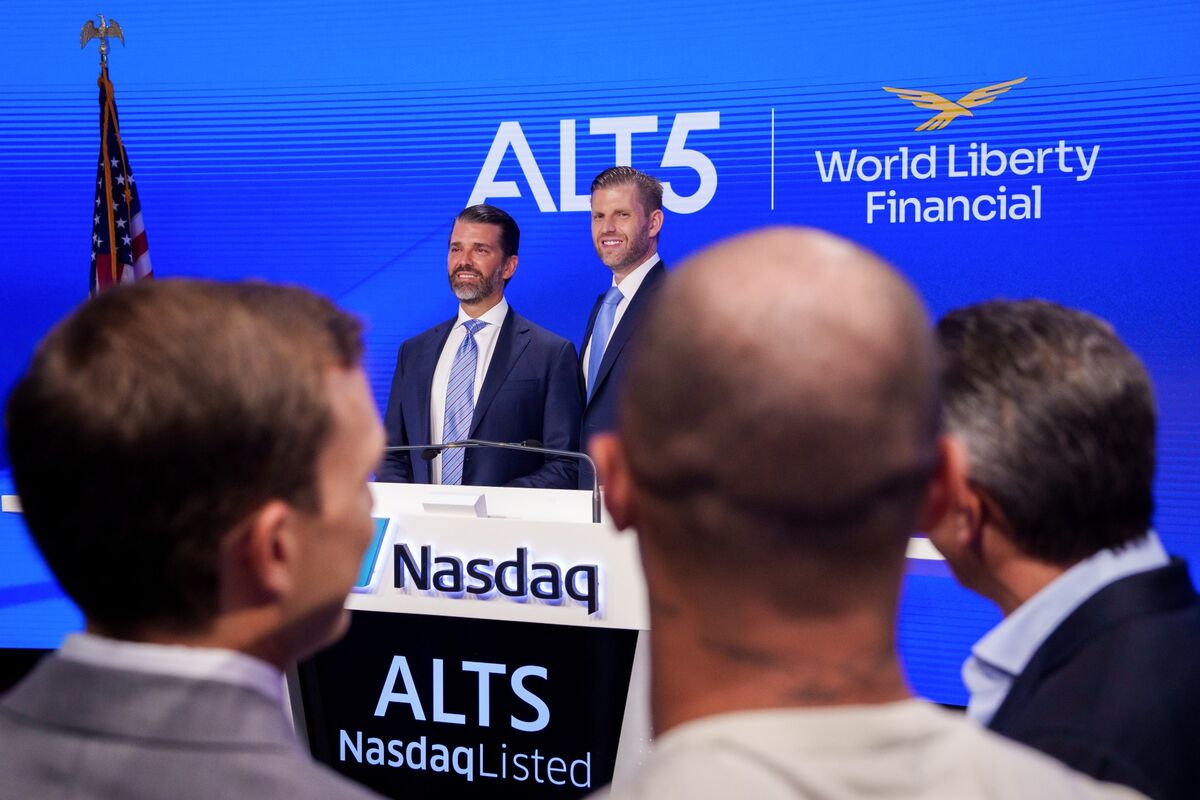
Eric Trump and Donald Trump Jr. marked a significant moment for the Trump family in the financial sector, ringing the Nasdaq opening bell as part of a high-profile $1.5 billion deal. The transaction involved the biotech-turned-crypto payments company Alt5 Sigma Corp. and the Trump-backed World Payment Network, a crypto firm under scrutiny due to its political affiliations. The deal has sparked interest among top financial firms, with Point72 Asset Management and ExodusPoint Capital Management both securing stakes in the venture.

Point72, a prominent hedge fund with a reputation for aggressive trading strategies, has previously invested in various tech-driven industries, but its entry into the crypto space marks a strategic pivot. The firm, led by billionaire Steve Cohen, has long been a major player in hedge funds, with a focus on alternative investments. ExodusPoint, a rising star in the hedge fund world, also moved to acquire a share, further solidifying its presence in the rapidly growing digital assets market.

Alt5 Sigma, originally founded as a biotech company, has undergone a dramatic transformation into a blockchain-powered payment network. With its backing from the Trump family’s business empire, the company has aimed to bridge the gap between cryptocurrency and traditional finance, particularly in the realm of payments processing. This shift has garnered attention from institutional investors and major financial players, eager to tap into the lucrative crypto market.

Both Point72 and ExodusPoint’s moves signal growing institutional interest in crypto-based financial products, which have garnered mixed reactions across the financial world. The cryptocurrency market, often volatile and speculative, remains a space that many traditional investors tread carefully within, though firms like Point72 and ExodusPoint see long-term growth potential.

The involvement of Trump-linked entities, particularly World Payment Network, has added a layer of political intrigue to the deal. World Payment Network, founded in connection with the Trump family’s business operations, has drawn attention for its ties to former President Donald Trump. Critics of the deal have raised concerns over potential conflicts of interest, pointing to the Trump family’s history of leveraging its brand for financial gain. Some worry that the high-profile nature of the Trump name could invite unwanted scrutiny from regulatory bodies, especially in a space already under heavy regulatory pressure.

Despite the controversy, the transaction illustrates the ongoing trend of high-profile figures and firms entering the crypto space, a market known for its innovation but also fraught with risks. In recent months, several hedge funds and institutional investors have increasingly allocated capital into digital assets as they look for high-return opportunities in the wake of traditional financial market fluctuations.

Point72’s foray into crypto comes as no surprise, as Cohen’s fund has long been known for diversifying into new and potentially high-reward areas. However, its involvement with a Trump-backed company adds an interesting layer of complexity, given the family’s polarizing influence on both the financial and political landscapes. ExodusPoint, on the other hand, is still a relatively new player in the hedge fund world, but its rapid growth and aggressive strategies have made it a name to watch. Its decision to back a Trump-linked crypto firm signals its willingness to embrace unconventional investment opportunities.

The crypto payments industry itself is growing rapidly, with companies such as Alt5 Sigma Corp. and World Payment Network at the forefront of bridging the gap between blockchain technology and traditional financial systems. The potential for global expansion and seamless cross-border payments has made blockchain an appealing solution for an industry looking for greater efficiency and security. However, the path forward remains uncertain. Regulatory challenges, particularly in the US, where authorities are seeking to increase oversight on crypto firms, could hamper the growth of companies like Alt5 Sigma.

At the same time, developments in blockchain technology continue to push the envelope for how financial transactions could be conducted in the future. If World Payment Network and its partners can navigate the regulatory hurdles and maintain a level of credibility amid political controversy, they may be well-positioned to capitalize on the growing demand for crypto-based financial services.

The combined platform supports agribusinesses in meeting EU Deforestation Regulation (EUDR) and ESG requirements with end-to-end transparency across key commodities. SINGAPORE – Media OutReach Newswire – 19 August 2025 – Agridence Grp Holdings Pte. Ltd. (“Agridence”), a Singapore-based leader in digital agri-commodity supply chain solutions, announced its acquisition of farmer connect, a European compliance and traceability platform. This acquisition comes alongside Agridence’s newly secured investment, enabling the […]

Federal lawmakers are grappling with a surge of feedback following the Senate’s release of its discussion draft of the Responsible Financial Innovation Act, aimed at defining the regulatory framework for digital assets. With a compressed input window and wide-ranging submissions from banking associations, regulators and web3 groups, attention has quickly centred on stablecoin interest—an area of mounting concern.

Provisions introduced by the House’s CLARITY Act placed digital assets under Commodity Futures Trading Commission oversight, but the Senate’s RFI Act grants the Securities and Exchange Commission primary regulatory authority over so-called “ancillary assets” while still permitting CFTC consultation on specific rules. The RFI Act also empowers banks to engage in activities such as custody, lending, market-making and even operating blockchain nodes, alongside instructing the SEC to craft a new rule to determine what constitutes an investment contract, potentially supplanting the decades-old Howey Test.

While the SEC-centric approach aims to resolve ambiguity in digital asset regulation, banking groups are alarmed by what they describe as a critical loophole in the GENIUS Act—the stablecoin law recently enacted. Although the GENIUS Act forbade stablecoin issuers themselves from paying interest on token holdings, it does not explicitly block affiliated intermediaries from offering yield-like rewards. This is of particular relevance to Coinbase, which ends its joint issuance role in USDC but still enables clients to earn approximately 4.1 percent via “rewards” on their holdings.

Major banking associations, including the American Bankers Association and the Bank Policy Institute among others, have urged Congress to plug this gap. Their position is clear: yielding through affiliates risks siphoning deposits from traditional banks, potentially destabilising credit provision and triggering deposit outflows that could amount to trillions.

Coinbase disputes accusations of exploiting the loophole, characterising its model as a legitimate separation between issuers and intermediaries. Nonetheless, concerns endure that such practices undercut the intent of the GENIUS Act, which aimed to draw boundaries between stablecoin issuers and banking functions.

Meanwhile, the RFI Act has divided opinion in the Senate. Democratic senators, led by Senator Elizabeth Warren, warn that redefining digital assets as “ancillary” could erode critical investor protections and financial stability. They argue that the bill would weaken the SEC’s regulatory role and expose taxpayer-backed protections such as FDIC insurance to undue risk.

On the industry front, the GENIUS Act did usher in uniform rules for payment stablecoins, mandating full backing with low-risk assets, monthly reserve disclosures, and independent audits—including attestations from CEOs or CFOs. Yet critics caution that the law stops short of safeguarding against systemic threats or conflicts of interest, particularly noting exemptions that may benefit subsidiaries of large tech firms or powerful political figures.

Academic analysis underscores the broader implications: stablecoins are increasingly viewed as pivotal to a new era of banking, often referred to as “Banking 2.0,” given their potential to enhance global transaction speed, reduce fraud and integrate new financial mechanisms—yet they also carry real risks if regulatory gaps persist.

As the Senate culture shifts from discussion to legislation, the RFI Act’s comment deadline—set for 5 August—has crystallised the debate. The responses could shape whether a stablecoin interest ban via intermediaries is codified, and determine the future balance of power between the SEC and CFTC, between innovation and investor protection, and between crypto-enabled finance and the conventional banking system.

Metaplanet has acquired an additional 775 Bitcoin in a substantial move that lifts its total holdings to 18,888 BTC, worth around $1.9–2.2 billion. The purchase, executed at an average price near $120,000 per coin and valued at approximately $93 million, underscores the company’s continued commitment to a Bitcoin-centric treasury strategy at a time when markets are under pressure. The latest figures reflect a return of over 480 percent year-to-date in BTC yield, positioning the firm as a formidable force among global corporate Bitcoin holders.

Metaplanet’s CEO, Simon Gerovich, acknowledged market disappointment amid Bitcoin’s dip back toward $115,000 but emphasised confidence in the company’s strategic foundation and long-term trajectory.

The announcement arrives amid a broader pattern of aggressive accumulation. Earlier in the year, Metaplanet purchased 780 BTC for about $92.5 million, bringing its holdings to 17,132 BTC and solidifying its status as Asia’s largest corporate Bitcoin holder and the seventh-largest globally. Prior to that, it added 1,005 BTC at roughly $107,601 each, overtaking peers to climb the rankings among corporate treasury holders.

Metaplanet’s expansion is part of its ambitious “555 Million Plan,” under which it aims to amass 210,000 BTC—about 1 percent of the total Bitcoin supply—by the end of 2027. The strategy includes issuing significant equity through warrants and share offerings, enabling rapid accumulation while managing shareholder dilution.

This pivot to Bitcoin has dramatically altered Metaplanet’s trajectory. A company formerly focused on hotel operations has emerged as a pioneering corporate treasury vehicle, mirroring the playbook of the US firm Strategy. CEO Gerovich, once a banker at Goldman Sachs Tokyo, has described the company’s strategic focus as a “Bitcoin gold rush,” envisaging Bitcoin serving as collateral to acquire cash-generating businesses in the future.

The firm’s bold asset approach has delivered notable returns, with its stock market value surging hundreds of percent this year and its BTC Yield metric demonstrating impressive growth relative to share dilution.

At a time when Bitcoin is trading near $115,000 after recently testing highs above $118,000, Metaplanet’s latest acquisition exemplifies a strategic bet on long-term appreciation amid short-term volatility. Market observers view its consistent accumulation—regardless of price dips—as a factor that could both tighten liquidity and exacerbate volatility.

Arabian Post Staff Abu Dhabi has experienced a significant 10.3% rise in certificates of origin, underscoring the ongoing expansion of its non-oil exports. This increase highlights the Emirate’s growing role as a regional hub for trade and investment, further diversifying its economic landscape. Certificates of origin are essential documents for businesses, validating that products are manufactured or processed in a specific country. They play a crucial role […]

Advertisements

Cohere has raised $500 million in new funding, propelling its valuation to an impressive $6.8 billion as the company accelerates its push to reshape enterprise AI. This significant investment will bolster its efforts to expand its security-first agentic AI platform, a product designed to enhance organizational productivity through advanced, secure artificial intelligence. The AI sector has seen rapid growth over the last few years, with businesses increasingly […]

Bullish bets on rising US oil prices plunged to a 16-year low as mounting expectations of an oversupplied market and cooling fears of sanctions on Russian crude prompted a sharp pullback by traders.

Net-long positions in West Texas Intermediate futures dropped by nearly 30,000 contracts in a single week, reaching just over 49,000—a level not seen since 2009. The shift came amid forecasts from the International Energy Agency and the US government signalling that global oil supplies will outstrip demand well into 2026, tipping sentiment decisively bearish.

Analysts have noted that expectations of Russian sanctions are beginning to fade. While geopolitical risks had earlier supported price premiums, markets now reckon that even if sanctions are imposed, ample spare capacity among OPEC+ producers and resilient non-OPEC output would cushion any disruptions. Compounding the downward pressure, the US Energy Information Administration reported an unexpected build of 3 million barrels in crude inventories, further weighing on prices.

The retreat in bullish positions is consistent with a broader narrative of abundant supply. In late July, hedge funds slashed their net-long WTI positions to their lowest since mid-April, driven by OPEC+ ramping up production and a surge in US crude stockpiles—a rise of 7.7 million barrels recorded at the end of July. Earlier in the year, speculators trimmed net-long holdings by half over a five-week span amid deteriorating technical outlooks, trade-war concerns and expectations that OPEC+ would taper production cuts.

Despite these bearish trends, forecasters caution that demand could provide occasional counter-currents. Wildfires in Canada have temporarily removed around 350,000 barrels per day of oil from production, supporting prices in the short term. Meanwhile, geopolitical flashpoints—including tensions around Iran’s nuclear programme and Russian export vulnerability—could intermittently bolster outlooks. But with OPEC+ intent on increasing output—for example, by 411,000 barrels per day in July—and projections indicating a supply surplus growing to over a million barrels per day by year-end, the dominant trend remains one of oversupply.

This convergence of factors—ample supplies, fading sanctions risk, swelling US inventories and rising OPEC+ output—has catalysed a reappraisal of market dynamics by speculators. The resulting collapse in bullish positioning reflects a recalibration of expectations amid shifting fundamentals.

Narratives of tight supply have lost momentum, leading to a revaluation of oil’s near-term trajectory across trading desks worldwide.

Futu Securities International has launched Solana trading on its Futu NiuNiu App in Hong Kong, marking a significant step in expanding access to digital asset markets. The launch comes on the heels of a broader push for crypto adoption across Asia and aims to offer more flexible trading opportunities to the region’s retail investors.

This move positions Futu Securities, an influential brokerage firm, as a key player in the competitive landscape of cryptocurrency trading in Hong Kong. The company has been focusing on bridging traditional financial services with digital asset trading, reflecting a growing trend in the region towards integrating blockchain technology into mainstream investment platforms.

The new trading feature allows users to trade Solana directly, a cryptocurrency known for its high-speed transactions and scalability, which have positioned it as a potential competitor to Ethereum. The decision to add Solana to the platform follows a series of strategic partnerships and product enhancements by Futu, aimed at capturing a share of the rapidly evolving crypto trading market.

Solana’s inclusion is particularly notable given the increasing popularity of decentralized finance platforms and non-fungible tokens, sectors where Solana has made significant strides. Its fast transaction speeds and lower fees have made it a favourable option for developers and traders alike. By offering this asset, Futu Securities provides its customers with greater flexibility to tap into the growth of blockchain-based applications.

The launch also comes at a time when other crypto trading platforms are making similar moves to expand their offerings. The competitive pressure is particularly intense in Hong Kong, a city that is positioning itself as a major hub for digital assets in Asia. Several firms are already catering to the burgeoning demand for cryptocurrency products, prompting regulators to adapt to the new landscape.

Hong Kong’s regulators have taken a balanced approach to crypto oversight, striving to foster innovation while ensuring the protection of investors. This regulatory stance has attracted firms like Futu to launch new offerings with confidence, knowing that the regulatory framework is supportive of such developments.

Futu’s move into the retail Solana trading space also ties into the broader trend of financial firms integrating digital currencies into their portfolios. The platform already offers trading in various other digital assets, including Bitcoin and Ethereum, making Solana’s addition a natural extension of their crypto offerings.

This shift is not isolated to Hong Kong alone. Several other financial institutions in Asia have been exploring ways to incorporate blockchain technology into their traditional business models. Many see digital currencies as a way to diversify their service offerings and attract a new wave of tech-savvy investors who are more inclined to explore innovative financial products.

Futu Securities’ push into the crypto space also follows its international expansion strategy. The company has been actively seeking ways to grow its customer base beyond the borders of mainland China, where stricter crypto regulations have limited access to digital asset markets. By capitalising on Hong Kong’s more open regulatory environment, Futu aims to strengthen its position in the broader Asia-Pacific region.

As retail investors in Hong Kong and across Asia continue to show increasing interest in cryptocurrencies, platforms like Futu NiuNiu are tapping into this growing demand by offering accessible and secure trading options. This aligns with broader trends in the financial industry where the lines between traditional and digital assets are becoming increasingly blurred.

The decision to offer Solana trading comes at a pivotal moment for the cryptocurrency market. Solana has garnered attention as a potential alternative to Ethereum, largely due to its speed and lower costs. With the platform’s growing user base, the ability to trade SOL on a mainstream brokerage app represents an important shift in how digital assets are perceived by traditional investors.

Air Arabia Abu Dhabi has announced the commencement of seasonal flights connecting the UAE capital to Yekaterinburg, Russia, marking an important step in the airline’s expansion strategy. The new service, which will operate during the winter months, offers a direct, low-cost option for travellers between the two regions, catering to the rising demand for affordable travel during peak seasons.

The flights, operating non-stop, provide an efficient travel option for those seeking to connect between the UAE and Russia. Air Arabia’s Abu Dhabi-based operations have grown rapidly, with the airline seeking to solidify its position as a key player in the region’s budget airline sector. The new route to Yekaterinburg highlights the airline’s commitment to enhancing connectivity between the Middle East and Russia, particularly as demand for travel has surged.

Yekaterinburg, one of Russia’s major cultural and industrial hubs, has become a significant destination for business and leisure travel from the UAE. The city, which is located in the Ural region, is known for its rich history, thriving arts scene, and strategic importance as an economic centre. The direct flight to this city will make it easier for both tourists and business professionals to travel, bolstering the already strong ties between Russia and the UAE.

This launch also reflects a broader trend in the aviation industry, where low-cost carriers are rapidly expanding their international routes to cater to an increasing number of travellers looking for budget-friendly travel options. As competition intensifies among airlines, Air Arabia’s expansion is timely, offering more affordable alternatives to traditional, higher-priced carriers, and positioning the airline as a competitive force in the region.

The decision to introduce seasonal flights also underscores Air Arabia’s flexibility in adapting to seasonal travel demand. As the winter season typically sees an uptick in travel, the airline is poised to cater to holidaymakers and those travelling for business, aligning with the growing interest in international travel. By offering this seasonal route, Air Arabia aims to provide its customers with more options without compromising on affordability.

For the UAE market, this development is significant. As the country continues to strengthen its position as a global hub for travel and tourism, having direct air links to cities in Russia, such as Yekaterinburg, provides an added dimension to the UAE’s international appeal. The move comes as part of a wider strategy to enhance bilateral relations between the UAE and Russia, focusing on expanding both tourism and business opportunities.

Air Arabia’s service to Yekaterinburg is also expected to appeal to a broader demographic, especially Russian nationals residing in the UAE. The ease of direct travel will foster stronger connections between these communities and provide greater access to the cultural and economic opportunities of both countries. With Russia being a major trading partner of the UAE, the new flight route is expected to foster greater collaboration in both sectors.

The airline has also taken steps to ensure that its passengers are well catered for. In line with its low-cost offering, the airline continues to provide high-quality service at an affordable price, which includes modern aircraft with amenities that appeal to a wide range of customers.

Singapore has firmly established itself at the forefront of global digital finance innovation, particularly in the realm of tokenized assets. The city-state’s embrace of blockchain technology is reshaping the investment landscape, enabling quicker, more accessible, and transparent transactions. As financial institutions, startups, and regulatory bodies collaborate, Singapore is positioning itself as a pivotal player in the tokenization of assets.

Tokenization, the process of converting assets into digital tokens on a blockchain, has garnered significant attention for its potential to revolutionize various sectors, from real estate to commodities. In Singapore, tokenized finance is progressing from pilot projects to full-scale adoption, driving the country’s financial ecosystem towards greater efficiency and market accessibility.

One of the main driving forces behind Singapore’s success in this area is its robust regulatory framework. The Monetary Authority of Singapore has been instrumental in fostering innovation by providing a clear set of rules that encourage experimentation while maintaining investor protection. This regulatory clarity has given businesses the confidence to explore tokenized finance solutions without fear of running afoul of the law.

The growth of blockchain technology in Singapore has been swift, particularly in sectors like real estate, where tokenized property shares allow for fractional ownership. Investors no longer need substantial capital to gain exposure to high-value properties. Instead, they can purchase smaller stakes in tokenized properties, broadening the pool of potential investors and promoting liquidity in traditionally illiquid markets.

Equally noteworthy is the role of Singapore’s thriving fintech sector. The city has seen a surge in startups developing blockchain-based solutions, ranging from platforms for trading tokenized securities to services that facilitate the creation and management of digital assets. This startup ecosystem is supported by venture capital, which has flooded the market with investment, accelerating the development of blockchain applications in finance.

Global players are also taking note of Singapore’s advancements in tokenization. International banks and financial institutions are increasingly setting up operations in the city, attracted by the favourable regulatory environment and the city’s growing reputation as a hub for blockchain and digital asset innovation. For instance, HSBC and Standard Chartered have partnered with local firms to explore tokenized securities and digital asset offerings, cementing Singapore’s status as a global leader in this space.

The introduction of projects like Project Ubin has been pivotal in demonstrating the benefits of blockchain technology within the financial services sector. Initiated by the MAS, Project Ubin explored the use of blockchain for the clearing and settlement of payments, offering proof of concept for tokenized digital currencies. This project not only advanced the understanding of blockchain within financial markets but also helped to strengthen Singapore’s position as a blockchain innovation leader.

The government’s commitment to blockchain and tokenization goes beyond regulation. Singapore has also established itself as a key player in blockchain research and development, with several academic institutions focusing on the technology’s financial applications. Collaborations between private companies and research bodies ensure that Singapore stays at the cutting edge of blockchain development.

Tokenization also promises to democratize finance, giving more people access to investment opportunities that were once restricted to the wealthy. By lowering the barriers to entry, tokenized assets open up new possibilities for retail investors, who can now invest in a wide range of tokenized products with much smaller capital commitments.

Despite these advancements, challenges remain. As tokenization grows, concerns about security, compliance, and the stability of the underlying blockchain systems need to be addressed. Singapore’s regulatory bodies are aware of these risks and continue to refine regulations to ensure that tokenized markets remain secure and trustworthy. The development of more sophisticated security protocols and smart contract auditing tools is expected to further strengthen the ecosystem.

The cryptocurrency market has suffered a significant blow, with over $500 million in liquidations across positions within just one hour. This sharp decline follows the release of the latest U. S. Producer Price Index report, which revealed unexpectedly high inflation figures. The data has dashed investor hopes for imminent interest rate cuts by the U. S. Federal Reserve, sparking widespread panic and a sell-off across multiple crypto assets.

The PPI report, which tracks the change in prices that producers receive for goods and services, showed an uptick in inflation that exceeded analysts’ expectations. The results were particularly alarming given the U. S. Federal Reserve’s ongoing battle to control inflation. As a result, the market now faces a more aggressive stance from the central bank, with investors bracing for potential rate hikes rather than cuts, at least in the short term.

This shift in sentiment has had a dramatic impact on risk assets, particularly in the volatile crypto market. Bitcoin, Ethereum, and several altcoins saw rapid declines in their valuations, with the overall market sentiment turning bearish. Liquidation volumes surged as traders, particularly those with leveraged positions, were forced to sell their assets to cover their margin calls.

Bitcoin, the largest cryptocurrency by market capitalisation, saw a drop of over 5% in just a few hours, while Ethereum and other major altcoins followed suit with steep losses. The sell-off was not confined to smaller coins either; large-cap cryptos that are usually seen as more stable also witnessed significant price drops. Some analysts have warned that the market could continue its downward trajectory if inflation remains persistent and the Fed keeps its hawkish policy stance in place.

The crypto market had previously been showing signs of optimism, especially after recent rallies that saw prices inch higher. Many market participants had hoped that the Federal Reserve, under pressure from slower economic growth, would begin to reduce interest rates in the latter half of 2023, which would typically support riskier assets like cryptocurrencies. However, the latest PPI figures dashed such expectations, leading to a sharp reversal in market sentiment.

The primary concern now is the potential for more stringent monetary tightening, which could further dampen investor appetite for high-risk assets. Rising interest rates often drive capital out of speculative markets, as higher borrowing costs make riskier assets less appealing compared to traditional investments like bonds or equities.

Some analysts are predicting that the current market instability could persist for some time, especially if inflationary pressures continue to be a concern. “Cryptocurrencies are still seen as speculative assets, and as long as inflation remains high and the Fed is tightening, there is little room for these assets to flourish,” said one senior strategist at a leading global investment bank.

The liquidations across the crypto market serve as a stark reminder of the inherent risks of trading in this volatile space. Traders leveraging their positions to maximise profits are particularly vulnerable in such an environment, as even small fluctuations in price can trigger substantial losses. The crypto market’s high leverage environment is often seen as a double-edged sword, where both potential rewards and risks are amplified.

Beyond the immediate price impact, there are broader concerns about how the crypto market might react to further tightening measures by the Fed. If inflation continues to exceed expectations, market participants may be forced to adjust their strategies, potentially driving further price declines.

This shake-up has led to heightened calls for regulation within the crypto space. Industry experts have long argued that greater oversight is needed to protect investors and reduce the risks associated with volatile market movements. The sudden surge in liquidations underscores the importance of establishing clearer guidelines for trading and risk management in cryptocurrencies.

Matein Khalid Two fallen angel megacaps in a rich market now that July CPI proved a non-event, I see a beautiful opportunity to scale up my long Palo Alto Networks (PANW) and Eli Lilly (ELY) to former darlings of Mr. Market who have been sandbagged by adverse events in the last two weeks. My rationale? Palo Alto Networks (PANW) was slammed down to 165 after its $25 […]

Robinhood has added Floki Inu and Ondo Finance to its cryptocurrency offerings, granting both tokens access to the platform’s 25 million-strong user base. This strategic move has led to significant price surges for both assets, highlighting a growing interest in diverse crypto projects.

Floki Inu, once known primarily as a meme coin, has evolved into a multifaceted ecosystem encompassing decentralized finance, non-fungible tokens, and metaverse initiatives. Its listing on Robinhood marks a significant step in its transition from a niche digital asset to a more mainstream cryptocurrency. The listing has been met with enthusiasm from the community, as evidenced by a notable uptick in trading volume and market activity.

Ondo Finance, on the other hand, is focused on integrating real-world assets into the blockchain ecosystem. By tokenizing assets such as U. S. Treasury bills, Ondo aims to bridge the gap between traditional finance and the crypto world. The platform’s approach has garnered attention from institutional investors, further underscoring the potential of RWAs in the digital asset space.

The inclusion of both tokens on Robinhood underscores the platform’s commitment to diversifying its crypto offerings. While Floki Inu appeals to retail investors with its community-driven approach, Ondo Finance attracts those interested in the convergence of traditional finance and blockchain technology.

Ripple’s native token, XRP, has experienced a notable uptick in trading volumes, particularly within the Asian markets, indicating a shift towards institutional involvement and regional dominance.

In the past 24 hours, XRP’s trading volume exceeded $9.3 billion, positioning it among the top three cryptocurrencies by market activity. This surge is attributed to several factors, including the resolution of legal disputes and increased institutional interest.

A significant portion of XRP’s trading activity is concentrated in the Asia-Pacific region, with countries like Japan and South Korea leading the charge. South Korea’s Upbit exchange, for instance, has reported substantial XRP trading volumes, surpassing those of Bitcoin and Ethereum on certain days. This trend underscores the growing preference for XRP among retail and institutional investors in the region.

The resolution of Ripple’s legal challenges in the United States has further bolstered investor confidence. With the dismissal of appeals by Ripple Labs and the U. S. Securities and Exchange Commission, the uncertainty surrounding XRP’s regulatory status has diminished, paving the way for increased institutional participation.

By Nitya Chakraborty The India-US trade war over Donald Trump’s 50 per cent tariff on Indian exports to the USA with effect from August 27 this year has assumed a major political dimension linking the political future of both Indian Prime Minister Narendra Modi and the United States President Donald Trump. For Narendra Modi, the […]

Additional funding allows Agridence to better deliver its traceability modules and ESG solutions across agri-commodity sectors globally. SINGAPORE – Media OutReach Newswire – 13 August 2025 – Agridence Pte. Ltd. (“Agridence”), a Singapore-based technology leader in digital agri-commodity supply chains, today announced a funding round led by Cercano Management and supported by returning strategic investors EXEO Innovation Fund and Provident. This will empower Agridence to rapidly scale […]

Oil prices held steady after a slight decline in thin trading, with market participants awaiting a critical meeting between US and Russian leaders. Global benchmark Brent crude remained above $66 per barrel, while West Texas Intermediate hovered around $63.

The modest drop in prices, which amounted to a 0.8% decrease in the previous session, marked a quiet period in the market as traders refrained from making significant moves. Investors are now looking ahead to upcoming discussions between US Secretary of State Marco Rubio and Russian Foreign Minister Sergey Lavrov. These talks are expected to set the stage for a high-stakes summit between President Joe Biden and Russian President Vladimir Putin, scheduled for later this week.

The ongoing volatility in oil markets, coupled with geopolitical uncertainty, has contributed to the recent fluctuation in prices. Despite this, oil has largely remained above the $60 per barrel mark, as tightening supplies and ongoing tensions in key production regions continue to support price levels.

Analysts are paying close attention to the diplomatic developments between the US and Russia, which could have broader implications for the energy sector. Market sentiment has been influenced by both nations’ roles as major players in global energy production and their influence on decisions within organisations such as OPEC+.

The summit will centre around various issues, including security concerns and energy policies. With both nations holding significant sway in global oil production, the discussions could have far-reaching consequences for the market. A breakthrough or escalated tension could prompt either a surge or a dip in oil prices depending on the outcome of the talks.

Investors are also looking at other global factors that could sway oil prices. In the US, the energy industry is continuing to recover from the impacts of the pandemic, with some analysts forecasting a strong rebound in demand as economies continue to reopen. However, the overall uncertainty surrounding economic recovery, inflation concerns, and ongoing supply chain issues are making the market particularly sensitive to external events.

OPEC+, the alliance of oil-producing nations, has played a significant role in stabilising prices in the past year. Its production cuts, alongside the gradual return of demand, have helped lift oil prices from the lows seen in 2020. As the group navigates production decisions and adapts to the changing landscape, it has become a crucial player in shaping the trajectory of global oil markets.

In addition to geopolitical tensions, the market is also contending with shifting dynamics in energy consumption. The growing push for renewable energy and the evolving role of electric vehicles are reshaping demand forecasts. With governments around the world pledging to reduce carbon emissions and transition towards greener energy sources, there is a growing expectation that long-term demand for fossil fuels may face pressure. This evolving energy landscape will inevitably impact the future of oil markets.

Despite these broader trends, short-term market activity is heavily influenced by supply-demand imbalances, particularly in the wake of global events. As the US and Russia prepare for their talks, traders will continue to watch for any signals of change in the balance of power within the energy sector. A shift in policy or a sudden geopolitical event could have immediate and lasting effects on oil prices.

Hyperliquid, a decentralised exchange platform, has resolved a significant technical issue that temporarily hindered user access to its trading services. The glitch, reported by users in various online communities, involved a disruption that prevented some traders from executing orders and impacted the platform’s ability to update prices accurately. The malfunction, which occurred during a period of high trading volume, raised concerns about the reliability of the system, with some users expressing frustration over the lack of transparency and communication from the platform’s support team.

The issue first came to light after multiple reports surfaced from users who found themselves unable to place or complete transactions, while others faced price slippage due to delays in the system’s updates. The disruption coincided with a surge in demand for certain assets, leading to increased pressure on the platform’s infrastructure. Hyperliquid acknowledged the problem in a statement, revealing that it was related to a backend technical failure in its order-matching system, which handles the execution of trades.

Technical teams at Hyperliquid worked quickly to address the malfunction, with a fix implemented within several hours. The platform’s engineers carried out a series of updates to its infrastructure and order-matching logic, designed to prevent such issues from recurring. Hyperliquid assured its users that it was closely monitoring the situation and would continue to improve its systems to ensure a smooth trading experience in the future.

This glitch on Hyperliquid is part of a wider trend that has raised concerns about the stability of decentralised exchanges, which rely on smart contract-based mechanisms to execute transactions. While decentralised platforms are often touted as more secure and resistant to manipulation, they can face unique technical challenges that centralised exchanges do not. These issues range from software bugs to network congestion and other performance bottlenecks, particularly during periods of heightened activity.

In light of this disruption, many users have called for greater transparency from decentralised exchange platforms regarding their technical operations. Some have questioned whether such glitches could undermine trust in the decentralised finance space, which is increasingly seen as an alternative to traditional financial systems. The DeFi ecosystem has seen explosive growth in recent years, with millions of dollars flowing through platforms like Hyperliquid. However, incidents like this highlight the vulnerabilities inherent in even the most sophisticated blockchain-based systems.

Hyperliquid’s response to the outage, including the quick deployment of a fix, has been largely positive among the platform’s users, although many are still wary of potential future disruptions. Several traders noted that while the issue was resolved swiftly, the lack of clear communication from the platform during the downtime was a point of contention. Some have suggested that platforms like Hyperliquid could benefit from providing users with more detailed updates in real time, especially during periods of service disruption.

The incident has also sparked a broader conversation within the DeFi community about the need for better infrastructure and risk management protocols. Experts have pointed out that while decentralised exchanges offer innovative features such as privacy and self-custody of funds, their technological foundations must be solid enough to handle spikes in demand without compromising the user experience.

HANOI, VIETNAM – Media OutReach Newswire – 11 August 2025 – F88 Investment Joint Stock Company (F88) on August 8 officially listed over 8.26 million shares for trading on the UPCoM platform. Over 8.26 million shares of F88 was officiallt listed on the UPCoM platform. Photo courtesy of F88 With a reference price of VNĐ634,900 (US$24) per share on its first trading day, F88 now holds the […]

Gold’s steadfast position as a safe haven for investors in the UAE has withstood the test of rising prices, continuing to attract attention amid a global economic landscape marked by inflationary pressures and market volatility. Despite record-high valuations, the precious metal remains a symbol of financial security for those seeking stability in uncertain times. The price of gold has been climbing steadily, driven by a combination of […]

The Gulf region is fast becoming a significant alternative hub for Indian jewellery manufacturing and exports, spurred by rising trade tensions between the US and India. Experts point to the growing challenges faced by Indian jewellers, particularly as American tariffs on Indian imports climb in response to geopolitical factors, including India’s continued oil purchases from Russia.

The latest move by the US, led by an executive order from President Donald Trump, has intensified trade uncertainties. The executive order, signed on Wednesday, introduces a hefty 25 per cent tariff on Indian goods, with specific implications for the jewellery sector. This tariff hike, effective in three weeks, increases the overall tariff burden on Indian imports to 50 per cent—one of the highest rates the US has imposed on its trading partners.

For years, India has been the global leader in jewellery manufacturing, with a robust presence in the international market, particularly in the US. However, the imposition of punitive tariffs has forced many Indian jewellers to rethink their export strategies. The Gulf region, traditionally a key market for Indian gold and precious stones, is now gaining prominence as a strategic manufacturing base, offering a more favourable trade environment.

The decision to shift operations to the Gulf is driven by a combination of factors, including the region’s strategic geographic position and its trade agreements with major markets. Countries like the UAE and Bahrain have long been involved in the jewellery trade, but as tariffs increase on Indian exports to the US, their roles are now being redefined. Experts suggest that the Gulf’s advanced infrastructure, coupled with an array of free trade agreements, makes it an attractive destination for manufacturing and re-exporting high-end jewellery to global markets, including the US.

The Dubai Gold and Jewellery Group, one of the region’s leading jewellery trade bodies, has welcomed the shift, noting the opportunities it presents for growth. The UAE, in particular, has developed an attractive ecosystem for jewellery manufacturers, offering tax incentives, access to advanced technology, and a well-established logistics network. These benefits make it an appealing alternative for Indian jewellers seeking to bypass the punitive tariffs imposed by the US.

India’s reliance on the US market for jewellery exports, particularly in the high-end sector, has been significant. However, as the tariff burden becomes heavier, companies are exploring alternatives that provide both cost-effectiveness and access to lucrative international markets. Several large manufacturers have already established bases in the UAE, with plans to expand their operations further into the region.

A noteworthy trend is the increasing collaboration between Indian and Gulf-based jewellery firms. These partnerships are focused on expanding manufacturing capabilities while reducing reliance on traditional export routes. The UAE, with its business-friendly policies, is proving to be an ideal locale for jewellery production, particularly for smaller-scale businesses that are unable to absorb the full impact of the US tariffs.

One of the key drivers of this shift is the growing US demand for luxury goods, including jewellery. The tariff hike, while discouraging direct exports from India, has not dampened the appetite for high-quality jewellery. Instead, it has prompted companies to explore alternative routes to meet this demand. Experts point out that the Gulf provides a strategic advantage for such businesses, offering them the flexibility to maintain their competitive edge without the added burden of trade barriers.

The Gulf’s importance in the global jewellery trade has long been overlooked in favour of established centres like India. However, as geopolitical tensions continue to shape trade flows, the region’s position as a central player in the jewellery manufacturing process is becoming more evident. Industry insiders predict that over the next few years, the Gulf’s jewellery manufacturing and export capabilities will only grow stronger, reshaping the global jewellery supply chain.

For Indian jewellery manufacturers, the shift to the Gulf represents a broader strategy to diversify their risk exposure. By establishing a presence in markets that are less susceptible to abrupt policy changes, Indian companies are better positioned to mitigate the impact of volatile geopolitical situations. The expansion of Gulf-based jewellery production also ensures that India maintains a foothold in the lucrative US market, even as tariffs continue to escalate.

The UAE is on track to finalise key trade and investment agreements with the Eurasian Economic Union by the end of this year, according to Sultan Ahmed Al Zeyoudi, Minister of State for Foreign Trade. These deals are expected to significantly bolster economic relations and facilitate the UAE’s efforts to diversify its economy beyond oil.

Al Zeyoudi’s announcement reflects the UAE’s growing ambition to expand its trade network, particularly with nations in the Eurasian region. The EAEU, which includes Russia, Armenia, Belarus, Kazakhstan, and Kyrgyzstan, represents a significant economic bloc that the UAE sees as a vital partner in its long-term economic strategy.

The agreements focus on enhancing investment flows and providing broader access to regional markets. Both parties are keen to foster deeper collaboration in sectors such as energy, technology, agriculture, and logistics. With its strategic location as a global trade hub, the UAE is positioning itself as a bridge for Eurasian nations to access markets across the Middle East, Africa, and South Asia.

The economic benefits for the UAE are substantial, aligning with the country’s efforts to diversify its economy away from oil dependency. The UAE government has long pursued a strategy of enhancing non-oil sectors, such as tourism, renewable energy, and advanced technology. According to Al Zeyoudi, these agreements are an integral part of that vision, as they promise to unlock new avenues for investment and business partnerships.

For the member countries of the EAEU, the deals offer access to the UAE’s advanced infrastructure, highly developed financial systems, and a favourable business environment. The UAE’s well-established role in global logistics and trade is a valuable asset for EAEU nations, many of which have been seeking new markets and economic partners in recent years.

Trade relations between the UAE and EAEU countries have been growing steadily over the past few years. The UAE is already one of the largest trading partners for Russia and Kazakhstan in the Middle East. However, the planned agreements will formalise and expand this economic cooperation, creating a more structured and comprehensive framework for bilateral trade.

Experts suggest that the agreements will have a significant impact on both sides. The UAE stands to benefit from an influx of investment, particularly in sectors like technology and agriculture, where EAEU nations have strengths. Meanwhile, the EAEU countries are likely to gain access to the UAE’s advanced financial markets and industries, accelerating their own economic development.

Al Zeyoudi highlighted that these agreements are not just about trade but also about long-term strategic cooperation. The UAE, with its robust diplomatic and economic capabilities, is offering more than just commercial partnerships; it is providing a platform for wider regional collaboration. This aligns with the UAE’s broader foreign policy goals of strengthening relations with emerging economies and expanding its global influence.

The discussions on these trade deals have intensified in the wake of growing geopolitical shifts, particularly in the context of the global economic reordering. The UAE’s proactive stance in seeking new trade alliances is also a response to the changing dynamics in global trade and investment. By deepening ties with the EAEU, the UAE aims to position itself at the forefront of economic integration across multiple regions.

The agreements are also likely to play a crucial role in enhancing the UAE’s role in the global economy. As countries in the Middle East and Central Asia seek to strengthen their economic positions amid a rapidly changing global landscape, the UAE’s ability to provide a gateway for trade and investment becomes increasingly important.

Al Zeyoudi has been vocal about the need for greater economic diversification and international collaboration. This year, the UAE government has continued to focus on expanding its trade relations beyond traditional partners, with Asia, Africa, and Europe emerging as key regions of focus. The finalisation of the Eurasian agreements will mark another milestone in the UAE’s evolving foreign trade strategy.

VISHNU RAJA
RYO YAMADA
HITORI GOTOH
IKUYO KITA