News related to
trading

SandboxAQ, a company specializing in quantum technology and artificial intelligence, has expressed optimism about the burgeoning opportunities for quantum AI within the United Arab Emirates. The firm, which recently established a regional headquarters in Abu Dhabi, aims to leverage the UAE’s innovative ecosystem to further its mission of integrating quantum solutions into various sectors, including finance, healthcare, and security. The UAE’s government has demonstrated a keen interest […]

Diplomatic negotiations have led to the Nigerian government officially dropping charges against Tigran Gambaryan, a senior executive at Binance Holdings, who was facing legal action over allegations of money laundering. His release is seen as a crucial step in resolving the broader tensions between Nigerian authorities and the cryptocurrency industry, which has been under intense scrutiny due to concerns over foreign exchange manipulation and money laundering.

Gambaryan, a U.S. citizen, had been detained in Nigeria since February 2024 following his visit for discussions aimed at addressing Nigeria’s regulatory concerns over cryptocurrency trading. His arrest and subsequent trial became a flashpoint in Nigeria’s ongoing efforts to regulate the digital currency market, which has been accused of contributing to currency volatility and evasion of foreign exchange rules. The detention also attracted significant attention from U.S. officials, with some members of Congress calling for stronger intervention to secure his release.

After months of legal wrangling and growing diplomatic pressure, Nigeria’s Federal Inland Revenue Service (FIRS) decided to drop tax-related charges against Gambaryan. In an official statement, Binance expressed relief, stating that Gambaryan was not involved in decision-making at the company, and his detention was unnecessary for resolving the broader dispute between the Nigerian government and Binance. The FIRS’s decision has been hailed as a significant breakthrough in what had become a protracted standoff.

Binance has reiterated its commitment to cooperating with Nigerian authorities to address regulatory concerns. The exchange remains at the center of Nigeria’s wider crackdown on cryptocurrency activities, with Nigerian regulators expressing unease about the role of digital currencies in capital flight and foreign exchange violations. Binance’s legal troubles in the country are not entirely over, as it still faces other charges, primarily linked to alleged money laundering.

The executive’s detention was fraught with challenges, including deteriorating health conditions. According to Binance, Gambaryan, who had spent 110 days in custody, had contracted both malaria and pneumonia while being held in Kuje prison. Despite court orders for his medical treatment, delays in his care raised concerns about the conditions of his detention, further complicating diplomatic efforts to secure his release.

Binance’s legal representatives expressed hope that the Economic and Financial Crimes Commission (EFCC) would soon follow the FIRS’s example by dropping its case against Gambaryan, thereby allowing him to return to his family in the United States. Gambaryan’s arrest also drew wider international attention, with several U.S. lawmakers addressing the issue. This diplomatic angle added another layer of complexity to an already high-profile case that has implications for international business relations and cryptocurrency regulation.

Nigeria’s decision to drop the charges is seen as a potential turning point in the strained relationship between Binance and African regulators. Binance’s dominance in the global cryptocurrency market has made it a target of regulatory actions across several jurisdictions. As cryptocurrency adoption grows in regions like Africa, governments are grappling with how to regulate digital assets while protecting their economies from the risks associated with unregulated financial flows.

The Nigerian government’s initial crackdown on Binance and other cryptocurrency exchanges was part of a broader move to clamp down on speculative trading activities that were blamed for exacerbating the country’s foreign exchange crisis. The Central Bank of Nigeria (CBN) had earlier banned cryptocurrency transactions in 2021, but enforcement challenges and continued use of digital currencies led to ongoing tensions between the authorities and crypto platforms.

As part of the government’s efforts to rein in the sector, Nigerian authorities detained two senior Binance executives in early 2024 following allegations of foreign exchange manipulation. The authorities argued that speculative trading of cryptocurrencies had contributed to the depreciation of the naira. These actions were taken within the broader context of Nigeria’s struggle to stabilize its currency amidst economic pressures and rising inflation.

Although the charges against Gambaryan have been dropped, the broader regulatory environment for cryptocurrencies in Nigeria remains uncertain. Many see this case as indicative of the Nigerian government’s stance on cryptocurrency regulation. The government has been attempting to balance the need for financial innovation with the risks that come from unregulated digital markets. While the decision to release Gambaryan is being welcomed by the crypto community, it remains to be seen how future cases involving cryptocurrency firms will be handled by Nigerian regulators.

MBC Group has divested 2.45 million shares of Al Arabia, amounting to a substantial $111 million deal, marking a significant shift in its investment strategy. The move follows a broader trend in the media industry, where conglomerates are re-evaluating their holdings amid changing market dynamics and financial pressures. Al Arabia, a major player in the Middle Eastern media landscape, has seen fluctuations in its stock performance in […]

The world’s largest Bitcoin conference has made its debut in Abu Dhabi, attracting thousands of attendees, including influential figures from the cryptocurrency industry, investors, and blockchain enthusiasts. This event marks a significant milestone for the Middle East, emphasizing the region’s growing importance in the global cryptocurrency landscape. The conference is poised to showcase cutting-edge technologies, regulatory frameworks, and investment opportunities, while highlighting the UAE’s ambition to position itself as a key player in the digital economy.

Held at the Abu Dhabi National Exhibition Centre, the conference has brought together more than 10,000 participants from across the globe. Notable speakers included prominent figures such as Anthony Pompliano, a well-known Bitcoin advocate and investor, and Elizabeth Stark, co-founder of Lightning Labs, who addressed the potential of Bitcoin to reshape financial systems. The agenda features discussions on various topics, including Bitcoin adoption, regulatory challenges, and the future of decentralized finance (DeFi).

Abu Dhabi’s embrace of this event reflects a broader trend within the UAE to foster a conducive environment for blockchain technology and cryptocurrencies. The UAE government has actively pursued initiatives to integrate blockchain solutions across various sectors, including finance, healthcare, and logistics. This commitment is evidenced by the establishment of regulatory bodies such as the Abu Dhabi Global Market (ADGM) and the Dubai Financial Services Authority (DFSA), which have implemented frameworks to regulate cryptocurrency exchanges and Initial Coin Offerings (ICOs).

The conference is seen as a strategic opportunity for the UAE to attract international investment in the cryptocurrency sector, which has grown exponentially in recent years. With the global cryptocurrency market capitalizing at over $1 trillion, the UAE aims to position itself as a regional hub for digital assets, competing with established markets like Singapore and Hong Kong. Industry experts argue that the UAE’s favorable regulatory environment and strategic geographical location make it an ideal destination for cryptocurrency businesses seeking to expand their operations.

Amid the growing interest in cryptocurrencies, discussions surrounding regulatory frameworks have been a focal point of the conference. Panel discussions have addressed the need for a balanced approach that encourages innovation while ensuring investor protection. The UAE’s proactive stance on regulation has garnered praise from industry leaders, who emphasize the importance of clear guidelines to foster trust in the cryptocurrency ecosystem.

Emerging trends within the cryptocurrency space have also been highlighted at the conference, including the rise of non-fungible tokens (NFTs) and decentralized finance. NFT marketplaces have gained significant traction, with many artists, musicians, and creators exploring these digital assets to monetize their work. The integration of NFTs into mainstream culture has prompted discussions about the future of digital ownership and intellectual property rights.

The concept of decentralized finance, which aims to replicate traditional financial services using blockchain technology, has gained momentum. DeFi platforms offer services such as lending, borrowing, and trading without the need for intermediaries, presenting a disruptive force in the financial industry. The conference has provided a platform for DeFi project leaders to share insights on the challenges and opportunities within this rapidly evolving space.

As the conference unfolds, attendees are optimistic about the future of cryptocurrencies in the Middle East. The engagement of local businesses, government officials, and global experts underscores the UAE’s commitment to fostering innovation in the financial sector. Networking opportunities abound, with many participants expressing excitement over potential collaborations and partnerships that could emerge from this gathering.

The successful hosting of this major Bitcoin conference is expected to catalyze further interest and investment in the UAE’s cryptocurrency market. As governments worldwide grapple with the implications of digital currencies, the UAE’s proactive approach positions it as a forward-thinking leader in the sector. The conference’s impact extends beyond mere discussions, as it showcases the region’s capabilities to host significant global events, potentially attracting future conferences focused on blockchain and financial technologies.

Russia’s covert network of oil tankers, often referred to as the “shadow fleet,” has drawn intense scrutiny from Western governments as it plays a central role in circumventing sanctions imposed on the country since its invasion of Ukraine. This fleet consists of hundreds of vessels engaged in the global transport of Russian oil, utilizing a web of deceptive practices, shell companies, and obscured ownership to avoid detection and maintain a steady flow of oil exports. As sanctions grow tighter, so do the clandestine methods employed by this fleet, particularly in securing insurance, which is critical for ships to operate globally.

With the imposition of strict international sanctions on Russia, major Western insurers withdrew from covering Russian oil tankers, creating a vacuum that Moscow has scrambled to fill. The creation of alternative insurance networks has become a lifeline for these vessels, allowing them to continue trading. Countries with limited regulatory oversight, such as certain Middle Eastern and Asian nations, have become key players in providing cover to these ships, enabling them to avoid scrutiny. The complex insurance arrangements are often routed through obscure entities that make it challenging for authorities to track or block the movement of sanctioned vessels.

The UK’s recent actions highlight the extent of the shadow fleet’s activities. In September 2024, the UK government sanctioned ten vessels linked to the shadow fleet, each involved in transporting large quantities of Russian oil. These ships, which had collectively moved over $5 billion in Russian oil, were barred from accessing UK ports and removed from the UK ship register. The sanctions underscore how pivotal the shadow fleet has become for Moscow, which has invested over $8 billion to maintain this network, despite the tightening economic pressure from the G7 and other Western nations. Western authorities hope to cripple this vital revenue stream for the Kremlin, but Russia remains defiant, with this secretive fleet operating across key global trade routes.

One of the most significant elements enabling this shadow trade is the reinsurance market. Reinsurance, which helps insurance companies manage risks by sharing portions of large policies with other firms, is a crucial piece of the puzzle for Russia. While direct insurance contracts for Russian tankers have become scarce, reinsurance deals continue to operate through less-regulated markets, creating layers of separation between the insured vessels and their true owners. These arrangements obscure the ships’ connections to Russia and make enforcement of sanctions difficult, as insurers may not always know they are covering Russian vessels. Some reports indicate that companies in regions like Dubai and Singapore are playing an increasing role in providing this indirect coverage, further complicating international efforts to clamp down on the shadow fleet.

The trade routes these vessels follow are also a significant aspect of their operations. Many ships involved in the shadow fleet use transshipment points, such as ports in Greece or off-shore locations in the Mediterranean and Asia, to transfer oil from sanctioned Russian tankers to other vessels. This practice of ship-to-ship transfers allows Russian oil to be rebranded or disguised before being sold on the global market. The use of such tactics has expanded in scale, with Western observers noting a steady increase in the number of these operations as Russia looks to maintain its oil revenues.

As a response to this ongoing trade, the European Union and G7 have both imposed price caps on Russian oil, limiting the price at which it can be sold legally. This measure, implemented in late 2022, was intended to reduce Russia’s profits from oil exports while keeping the global energy market stable. However, the shadow fleet has allowed Russia to bypass these restrictions by selling oil at a discount through third-party buyers. This system of backdoor trading has proven highly effective, even as governments in the West ramp up their sanctions and surveillance efforts.

What stands out in this complex landscape is the role of emerging markets in supporting Russia’s oil trade. Countries such as China and India have dramatically increased their imports of Russian crude, taking advantage of the lower prices and turning a blind eye to sanctions. In turn, their involvement in Russia’s energy exports has further insulated the country from the full impact of Western economic measures. Despite this, the shadow fleet has remained a critical cog in Moscow’s oil export machine, facilitating the continued flow of crude oil to these markets.

SYDNEY, AUSTRALIA – Media OutReach Newswire – 22 October 2024 – COSETTE, a leading retailer of luxury handbags and accessories, is pleased to announce the conclusion of a comprehensive, year-long investigation by NSW Fair Trading into the authenticity of goods supplied by COSETTE. The investigation has ended with no adverse findings or further action. COSETTE believes this vindicates our repeated statements on the quality and authenticity of […]

RIYADH, SAUDI ARABIA – Media OutReach Newswire – 21 October 2024 – Sahm Capital announces that qualified retail investors can now subscribe to the Initial Public Offering (IPO) of Shalfa Facilities Management Company through the Sahm App. The subscription period will run from October 20 to October 28, 2024. IPO Details: Share Price: SAR 61 Minimum Subscription: 10 shares Maximum Subscription: 209,990 shares Instructions for Subscription via […]

Advertisements
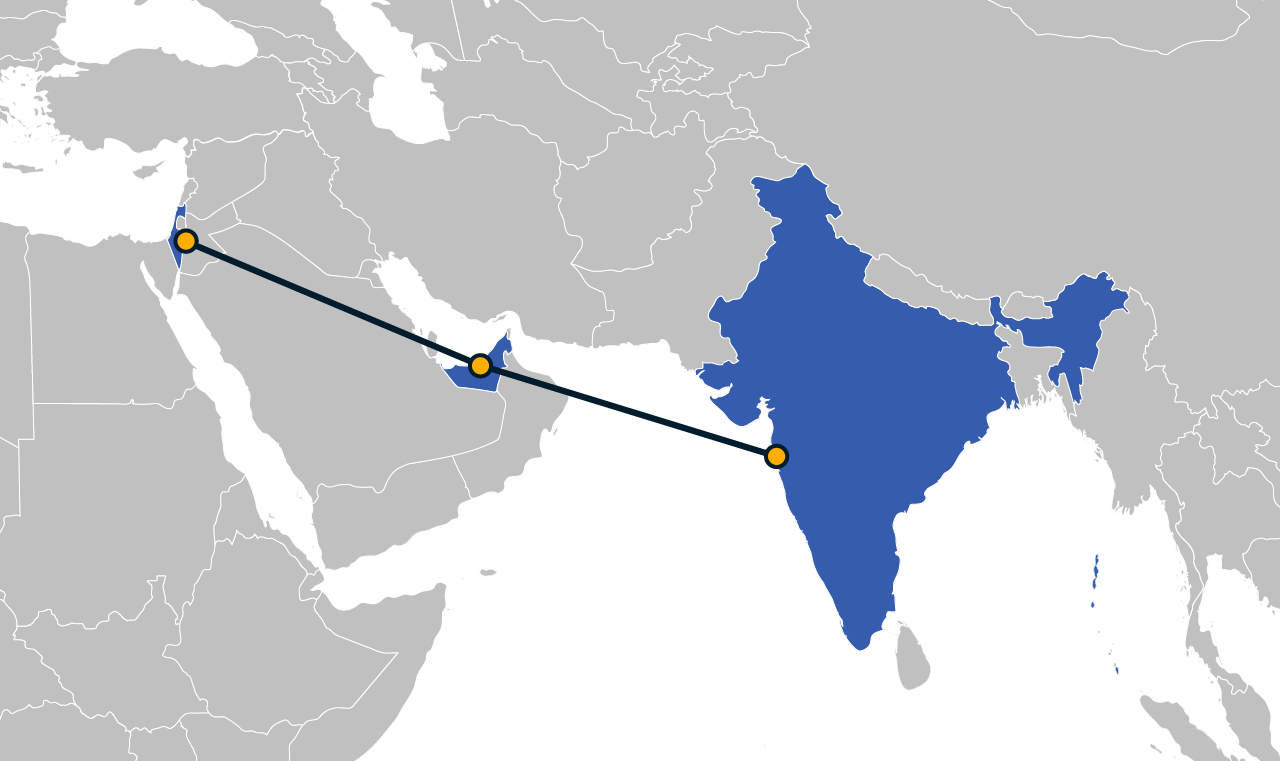
By Nantoo Banerjee It is good to note that the proposed India-UAE food corridor has already roped in a third partner, Israel. The project is expected to eventually involve the United States as well. The US was a key initiator of the historic four-nation I2U2 virtual summit in July 2022 bringing together leaders of India, […]

Octa, a global financial broker, sponsored an on-sight coding bootcamp called STATUS 200 in Kuala Lumpur, Malaysia. Having joined forces with Ideas International, Octa provided a group of young Malaysian men and women with a unique opportunity to level up their coding skills and make a significant leap towards future careers in a sought-after field. KUALA LUMPUR, MALAYSIA – Media OutReach Newswire – 1 October 2024 – […]

KUALA LUMPUR, MALAYSIA – Media OutReach Newswire – 17 October 2024 – BRICS represents a formidable economic bloc that significantly influences global trade and geopolitics. In January, the alliance of Brazil, Russia, India, China, and South Africa formally welcomed Egypt, Ethiopia, Iran, and the United Arab Emirates into its fold. Recent discussions have focused on expanding BRICS to include nations like Malaysia and Indonesia, presenting these countries […]

HONG KONG SAR – Media OutReach Newswire – 18 October 2024 – Hong Kong Virtual Asset Exchange Limited (HKVAX) showcased its leadership in facilitating Security Token Offerings (STOs) for the blue economy at the Oeiras BlueTech Ocean Forum cum 10th International Forum on Clean Energy. The event, held on October 16-17, 2024, in Oeiras, Lisbon, saw HKVAX sign a Memorandum of Understanding (MoU) with Fórum Oceano and […]

Octa, a broker with globally recognised licences, will conduct an online trading workshop, ‘Profit Formula’, on 31 October. The event aims to bring the trading community together to share trading expertise. It will feature top industry experts covering crucial trading-related topics and revealing the secrets of achieving consistent success in the financial markets. KUALA LUMPUR, MALAYSIA – Media OutReach Newswire – 18 October 2024 – Many success […]

Taking Place on 24 – 25 October the Forum Brings Together Leading Venture Capitalists and Entrepreneurs to Discuss Global Venture Capital Trends and Challenges, and Explore the Future Path of Hong Kong as the International Innovation and Technology Hub with Fresh Perspectives HONG KONG SAR – Media OutReach Newswire – 19 October 2024 – In the face of the lingering global economic and geopolitical uncertainties, the annual […]

Chinese markets are rallying as the country’s economy demonstrates signs of improvement. While the latest data offers some optimism, significant hurdles persist. Octa Broker analyses the situation and discusses the potential implications for the People’s Bank of China’s upcoming interest rate decision. KUALA LUMPUR, MALAYSIA – Media OutReach Newswire – 19 October 2024 – China has just released a slew of macroeconomic statistics. Although it generally looks […]

Many industry experts see crypto as having the potential to shape the future of finance, and this year, Bitcoin’s all-time high reflected this sentiment. For traders looking to explore crypto markets, Octa, a globally recognised financial broker, offers valuable tips and insights to help beginners approach trading digital assets effectively. KUALA LUMPUR, MALAYSIA – Media OutReach Newswire – 18 October 2024 – These days, many traders in […]

First Abu Dhabi Bank (FAB), the largest lender in the United Arab Emirates, has reported a remarkable performance for the third quarter of 2024. The bank posted a net profit of $1.2 billion, exceeding analysts’ expectations and reflecting a robust 38% year-on-year growth. This surge is attributed to a diversified revenue mix and strong growth across its core banking operations and investment banking division. FAB’s positive performance […]

The upcoming BRICS summit in Kazan, Russia, is closely monitored for potential developments in economic cooperation and currency strategies. With the introduction of new members and the ongoing development of a BRICS currency, this gathering could mark a significant turning point in international finance. Will the summit unveil a new era of economic cooperation and bring about a new currency? Global broker Octa provides the analytics. The […]

Injective Protocol’s native token, INJ, has seen an impressive price surge of 18% as anticipation builds for its upcoming listing on the Bitfinex exchange. This increase highlights the growing interest and momentum surrounding the Injective project, which has garnered significant attention within the cryptocurrency community. Market analysts are closely monitoring this development, especially as INJ approaches the critical psychological level of $35.

The excitement surrounding the listing on Bitfinex, a leading cryptocurrency exchange known for its advanced trading features, has drawn considerable investor interest. The official announcement regarding the listing sparked a flurry of trading activity, contributing to the significant uptick in INJ’s price. As the exchange gears up for the token’s introduction, traders are eagerly speculating on the potential for further gains.

Injective Protocol is a decentralized exchange (DEX) that aims to enhance trading experiences by offering a unique layer-2 solution on the Cosmos blockchain. Its innovative technology facilitates faster transaction speeds and lower fees, making it an attractive option for traders seeking efficient decentralized trading solutions. The recent developments highlight Injective’s strategic positioning within the growing DeFi landscape.

Market analysts suggest that the price surge of INJ reflects broader trends within the cryptocurrency market, particularly the increasing adoption of DeFi protocols. The demand for decentralized trading solutions has surged as traders seek alternatives to traditional exchanges amid rising regulatory scrutiny. This trend positions Injective Protocol as a key player in the evolving crypto ecosystem.

The Cosmos Network, which serves as the foundation for Injective Protocol, has been instrumental in the project’s success. With its interchain communication capabilities, Cosmos enables seamless interaction between different blockchains, enhancing the overall user experience. This interoperability has attracted numerous projects and investors to the Cosmos ecosystem, further bolstering Injective’s growth prospects.

The INJ token’s recent price movement has prompted speculation about its potential trajectory in the near term. Many traders are eyeing the $35 mark as a crucial target, with some analysts predicting that sustained interest could propel the token even higher. However, market volatility remains a concern, and traders are advised to exercise caution amid fluctuating conditions.

In addition to the excitement surrounding its listing, Injective Protocol has been actively expanding its ecosystem through partnerships and collaborations. The project has forged strategic alliances with various blockchain projects and DeFi platforms, enhancing its visibility and reach. This expansion is expected to play a crucial role in driving user adoption and increasing liquidity within the Injective ecosystem.

The project has been focusing on enhancing its platform’s features to attract a broader user base. Recent upgrades have introduced new functionalities, including advanced trading options and improved user interfaces. These enhancements are designed to cater to the needs of both retail and institutional traders, positioning Injective as a versatile trading platform.

Community engagement also plays a significant role in the project’s growth. Injective Protocol has fostered a strong community of supporters who actively participate in discussions and contribute to the project’s development. This community-driven approach has created a sense of ownership among users, further fueling interest in the INJ token.

As the cryptocurrency market continues to evolve, the significance of governance and decentralization has gained prominence. Injective Protocol allows INJ token holders to participate in governance decisions, giving them a voice in the future direction of the platform. This emphasis on decentralization aligns with the core principles of the cryptocurrency movement and enhances user confidence in the project.

The current market conditions present both opportunities and challenges for cryptocurrency projects, including Injective Protocol. While the surge in INJ’s price reflects positive sentiment, it is essential for traders and investors to remain vigilant. The dynamic nature of the crypto market means that price fluctuations can occur rapidly, necessitating informed decision-making.

In the context of broader market trends, the performance of major cryptocurrencies such as Bitcoin and Ethereum can significantly influence altcoin prices, including INJ. The interconnectedness of the cryptocurrency market means that shifts in sentiment toward larger assets can have cascading effects on smaller tokens. As such, market participants are advised to monitor developments closely.


FTT, the native token of the defunct FTX exchange, has witnessed a significant overnight price surge, raising eyebrows and suspicions within the cryptocurrency community. Currently trading close to the $3 mark, the token has experienced an impressive rally of approximately 16%. This sudden surge comes in the context of a broader recovery in the cryptocurrency market, which has seen various altcoins gaining momentum. However, many analysts are cautioning that this rise may not be a straightforward bullish signal, but rather a potential setup for market manipulation orchestrated by larger investors, commonly referred to as “whales.”

The surge in FTT’s price has been attributed to several factors, including increased trading volumes and speculative interest from investors hoping to capitalize on the anticipated recovery of cryptocurrencies following a turbulent period. Market dynamics have seen FTT becoming a focal point for traders, particularly as interest in altcoins resurges. However, the sudden nature of the price movement has led some analysts to speculate about the underlying motives driving this activity. The price rally appears disconnected from any fundamental developments associated with FTX, especially given the ongoing legal proceedings and regulatory scrutiny surrounding the exchange’s collapse.

Whale activity in the cryptocurrency market is well-documented and often leads to drastic price fluctuations. These larger holders can significantly influence market prices through large buy or sell orders, leading to manipulation concerns among smaller investors. Experts suggest that the current spike in FTT’s price may be an orchestrated move to entice retail investors to enter the market, potentially leaving them vulnerable to losses once larger investors decide to offload their holdings at a profit. This tactic is not new; similar patterns have been observed in the past, where sudden price surges preceded sharp declines, raising alarms about the integrity of market movements.

Market analysts are also examining the overall trading patterns of FTT. The trading volume has seen a marked increase, suggesting heightened interest. Data indicates that this surge could be a strategic play by whales looking to manipulate sentiment around FTT. Analysts advise caution, highlighting the historical context of FTT’s price fluctuations, which have been marked by volatility since the collapse of FTX. The token was once a key player in the crypto landscape but has struggled to regain its footing in the wake of significant regulatory challenges and public scrutiny.

As FTT nears the critical $3 threshold, the cryptocurrency market is rife with speculation. Many traders are monitoring the situation closely, attempting to discern whether this price increase represents a genuine recovery or a setup for a potential downturn. This pivotal moment may act as a litmus test for investor sentiment and the broader market’s reaction to price manipulations. The fear of being caught in a “whale trap” is palpable, especially for new entrants in the market who may lack the experience to navigate these complex dynamics.

Investors are urged to remain vigilant and to conduct thorough research before making decisions related to FTT or any other tokens exhibiting similar price patterns. The implications of whale manipulation can be severe, leading to significant financial losses for unsuspecting investors. Many market participants are advocating for increased transparency and regulatory oversight in the cryptocurrency space to protect investors from these potentially harmful practices.

Despite the challenges, there remains a strong community of supporters rallying around FTT and its potential for a comeback. Some proponents argue that the current rally is indicative of a broader trend within the cryptocurrency sector, where tokens can rebound despite adverse conditions. This perspective emphasizes the possibility of recovery and growth, contingent on improved market conditions and regulatory clarity.

The development of decentralized finance (DeFi) protocols and growing adoption of cryptocurrencies by mainstream financial institutions may provide a foundation for a more stable future for tokens like FTT. As the crypto market evolves, the ability to mitigate manipulation risks through technological advancements and regulatory frameworks will be critical in shaping investor confidence.

HONG KONG SAR – Media OutReach Newswire – 17 October 2024 – John Lee, Chief Executive of the Hong Kong Special Administrative Region unveiled a range of measures in his 2024 Policy Address (October 16) to inject greater vitality into the economy, focusing on both established and emerging industries. In terms of existing businesses, Mr Lee said the Government would explore new growth areas, specifically by creating […]

The market capitalization of PayPal’s PYUSD stablecoin has dropped significantly, falling by 40% from over $1 billion in August to approximately $618 million in a span of just 90 days. This substantial decline appears to be largely attributed to a reduction in the circulating supply of PYUSD on the Solana blockchain, which has been a critical platform for its trading and usage.

PYUSD, introduced by PayPal in August 2023, was designed to provide users with a reliable digital currency that could facilitate transactions and offer a means of value storage within the PayPal ecosystem. Despite its initial success, this latest decline raises concerns regarding the stablecoin’s stability and acceptance in a competitive market, particularly as other cryptocurrencies and stablecoins vie for market share.

One of the main factors behind the market cap decline is the reduced circulating supply on Solana. As a blockchain that supports rapid transactions and lower fees, Solana has been integral to PYUSD’s utility. However, the supply reduction indicates a shrinking user base or decreased demand for the stablecoin within this ecosystem. Market analysts suggest that a diminished supply can lead to reduced confidence in a stablecoin’s ability to maintain its value, potentially triggering a sell-off by investors.

The broader cryptocurrency market has experienced volatility, influencing investor sentiment and trading behavior. PYUSD’s market cap reduction is reflective of the challenges faced by many digital currencies in maintaining stable values amid fluctuating demand. Competing stablecoins, particularly Tether (USDT) and USD Coin (USDC), continue to dominate the market with larger market capitalizations and established user bases. These competitors have managed to sustain trust among investors, unlike PYUSD, which is now seen as struggling to find its footing in the rapidly evolving cryptocurrency landscape.

Despite these challenges, PayPal remains committed to its digital currency initiatives. The company has reiterated its vision of integrating cryptocurrencies into its services and enhancing user experiences with digital payments. Experts believe that PayPal’s established reputation and extensive user base provide a unique advantage, which could be leveraged to revitalize the PYUSD stablecoin.

The declining market cap has led to increased scrutiny from regulatory bodies as well. Governments and financial institutions worldwide are keenly observing how companies like PayPal navigate the complex regulatory landscape surrounding digital currencies. The fallout from PYUSD’s market cap reduction may prompt additional regulatory oversight, emphasizing the importance of transparency and stability in the cryptocurrency sector.

Analysts are closely monitoring user engagement with PYUSD. As digital payments continue to evolve, the preference for cryptocurrencies as a transactional tool could reshape how users interact with stablecoins like PYUSD. PayPal’s integration of PYUSD within its platform could be pivotal in reigniting interest and expanding its user base. The company’s ability to innovate and adapt to market changes will be crucial in determining the future of its stablecoin offerings.

The decline in PYUSD’s market cap also underscores broader trends within the cryptocurrency market. The stablecoin sector has faced increased competition, with various projects emerging to meet diverse consumer needs. User preferences are shifting towards stablecoins that not only provide price stability but also facilitate seamless integration within broader financial ecosystems. This trend poses a challenge for established players like PayPal, which must continuously innovate to retain relevance in the market.

The dynamics of the cryptocurrency landscape are changing rapidly, with traditional financial institutions entering the space and offering their own digital currencies. These developments are creating a more competitive environment, which may further impact the performance of PYUSD and other stablecoins.

Abu Dhabi Securities Exchange (ADX) has announced a strategic partnership with ADIB Securities to launch a digital onboarding platform aimed at enhancing customer experience and streamlining investment processes. This collaboration marks a significant step towards digital transformation in the financial services sector, reflecting the broader trend of modernization across markets in the region. The new platform, set to be operational in the coming months, will leverage cutting-edge […]

Abu Dhabi National Hotels (ADNH) Catering has set the final price for its Initial Public Offering (IPO) at AED 1.18 per share. This decision comes as the company prepares to list its shares on the Abu Dhabi Securities Exchange, with trading expected to commence on October 23. The pricing reflects a market capitalization of approximately AED 1.79 billion ($487 million) and follows a successful offering process that garnered strong interest from both institutional and retail investors.

The IPO represents a significant opportunity for ADNH Catering to enhance its capital structure and expand its operations. The company plans to utilize the proceeds from the IPO to support its growth strategy, which includes diversifying its services and improving operational efficiencies. This strategic move aligns with the broader goals of the Abu Dhabi government to bolster the local economy and increase the participation of private sector entities in the market.

ADNH Catering has been a key player in the hospitality and catering sectors in the UAE, offering a range of services including catering solutions for events, institutional catering, and food services for hotels and restaurants. The company’s strong market position is underpinned by its extensive experience and reputation for quality, making it a preferred partner for various clients in the region.

Market analysts view the IPO as a positive development for both ADNH Catering and the broader UAE market. The successful pricing indicates robust investor confidence in the company’s future prospects. The IPO follows a growing trend of public offerings in the Gulf Cooperation Council (GCC) region, which has seen increased activity in the capital markets as companies seek to capitalize on favorable economic conditions and investor appetite.

Investors’ interest in the ADNH Catering IPO has been driven by several factors, including the company’s track record of profitability and its plans for future expansion. According to reports, the IPO attracted significant attention from institutional investors, with the offering being oversubscribed multiple times. This enthusiasm reflects a broader trend of investor confidence in the UAE market, driven by various economic reforms and a commitment to diversifying the economy.

The UAE’s hospitality sector has shown resilience and adaptability in the face of global challenges, such as the COVID-19 pandemic. As travel restrictions have eased, there has been a notable resurgence in tourism, leading to increased demand for catering services. ADNH Catering aims to leverage this recovery by enhancing its service offerings and expanding its market reach both domestically and internationally.

The IPO is expected to contribute to the UAE’s goal of attracting foreign direct investment. By providing a platform for local companies to access capital, the IPO aligns with the UAE’s Vision 2030 initiative, which seeks to transform the economy by fostering innovation and increasing private sector participation. This initiative is vital for maintaining the UAE’s competitive edge in the global market.

As the date for the start of trading approaches, ADNH Catering has focused on ensuring a smooth transition to the public market. The company has engaged with stakeholders, including investors, financial advisors, and regulatory bodies, to prepare for its debut on the Abu Dhabi Securities Exchange. This proactive approach is designed to instill confidence among potential investors and promote transparency in the company’s operations.

The finalization of the IPO price marks a critical milestone for ADNH Catering, which has undergone significant transformations in recent years. The company has invested in modernizing its infrastructure and enhancing its service capabilities to meet the evolving needs of its clients. This commitment to innovation positions ADNH Catering well for future growth in a competitive market.

The success of the IPO is also likely to inspire other companies in the region to consider going public. As more firms seek to tap into the capital markets, the UAE could see a surge in IPO activity, further solidifying its status as a financial hub in the Middle East. This trend could lead to increased liquidity in the market and offer investors more opportunities to diversify their portfolios.

Analysts are closely monitoring the developments surrounding ADNH Catering’s IPO, recognizing its potential implications for the broader market. The company’s listing is expected to attract considerable attention from both domestic and international investors, adding to the vibrancy of the Abu Dhabi Securities Exchange. The interest generated by the offering underscores the confidence investors have in the company’s growth trajectory and the overall health of the UAE economy.

RIYADH, SAUDI ARABIA – Media OutReach Newswire – 16 October 2024 – Sahm Capital proudly announces the launch of index option trading, a pivotal addition to its suite of services catering to the discerning Saudi investors. This highly anticipated feature enables clients to mitigate risks associated with market fluctuations, focusing initially on the renowned S&P 500 and Mini Standard & Poor’s 500 indexes. Hadeel Bedeeri, the General […]

VISHNU RAJA
RYO YAMADA
HITORI GOTOH
IKUYO KITA
Just in: