News related to
trading

A major cryptocurrency transaction occurred today when a whale deposited 1.2 million Dogwifhat (WIF) meme coins, valued at approximately $3.47 million, into the Coinbase exchange. This move has drawn attention to the coin’s substantial price surge over the past year.

The whale originally acquired the 1.2 million Dogwifhat tokens 11 months ago for $393,000, purchasing them at an average price of $0.3275 per token. At the time, Dogwifhat was still in its early stages of market entry. However, the meme coin has since experienced a significant rise in value, leading to a remarkable profit for the whale, who is now looking at a return of over $3 million—equating to a 790.58% increase.

This development highlights the continuing volatility and speculative nature of the meme coin market, where such trades can yield enormous returns or losses in short periods. Dogwifhat, like other meme coins, has gained traction largely through social media and online communities, where the power of viral marketing often dictates price movements more than traditional fundamentals.

The surge in Dogwifhat’s value can be attributed to a variety of factors. One significant influence has been the active promotion of the token by its community, bolstered by celebrity endorsements and viral internet trends that have propelled its visibility. As with other meme-based cryptocurrencies, there is often a heightened sense of community-driven hype, which can cause rapid and dramatic price fluctuations.

While some investors and traders view these kinds of investments as speculative, the recent deposit into Coinbase brings attention to the larger narrative surrounding meme coins. These tokens often operate on the fringes of the cryptocurrency market, with value driven less by underlying technology and more by community sentiment, social media influence, and market speculation.

Dogwifhat is part of a growing category of meme coins that includes more prominent examples like Dogecoin and Shiba Inu. Both coins have seen dramatic rises in value, thanks in large part to high-profile endorsements from figures such as Elon Musk, who has referred to Dogecoin as “the people’s crypto.” Despite their volatile nature, meme coins continue to attract investors looking for high-risk, high-reward opportunities in the crypto space.

The Coinbase transaction is also notable because it points to a broader trend of meme coins gaining institutional recognition. As cryptocurrency exchanges like Coinbase continue to list more meme coins, the legitimacy of these tokens in the eyes of institutional investors is being solidified. This shift is reflective of the growing maturity of the digital asset space, where regulatory clarity and mainstream adoption are becoming more prevalent.

However, despite the hype surrounding meme coins, many experts caution against treating these tokens as long-term investments. The lack of fundamental value and heavy reliance on speculative trading can lead to rapid losses, particularly when the market sentiment shifts or when broader economic factors affect cryptocurrency valuations.

The continued rise of meme coins like Dogwifhat underscores a larger theme in the crypto market—the blending of internet culture and digital finance. Social media-driven tokens are attracting an increasingly diverse range of investors, from seasoned traders looking for quick profits to retail investors hoping to capitalize on the next big trend. This phenomenon has raised questions about the sustainability of meme coin markets and their place in the future of digital finance.

Some critics argue that meme coins can be dangerous, as they promote a speculative environment where price surges may not always correlate with any real-world use case or technological advancement. Additionally, the decentralized nature of cryptocurrency markets means that whale traders and large holders can have an outsized impact on the price, leading to unpredictable volatility.

Nonetheless, meme coins continue to play a significant role in the overall cryptocurrency ecosystem. They contribute to the diversity of digital assets available on the market and have become a way for individuals to engage with the rapidly evolving world of blockchain and cryptocurrency without the traditional barriers to entry.

For the whale who made the $3 million profit from their Dogwifhat investment, today’s move represents the culmination of months of speculative trading. It also highlights a growing trend of early investors in meme coins reaping substantial rewards. However, it remains unclear whether the price of Dogwifhat will continue to rise, or if it will eventually face a downturn as market trends shift.

The cryptocurrency market is experiencing a downturn, but Turbo has defied the trend with a remarkable 50% price surge this week. The rapid uptick in its value has caught the attention of traders and investors alike, prompting a discussion about whether this is the ideal moment to buy or if a deeper dip could offer a more favorable entry point.

Turbo’s surge is mainly attributed to its recent listing on Coinbase, a move that has significantly increased its exposure to a wider pool of investors. Coinbase is known for providing access to major institutional players and a broad user base, which has led to a surge in trading volume and price action for the token. The timing of this listing aligns with growing interest in the AI sector, which has given a further boost to Turbo’s value. AI-driven innovations have sparked increased interest in digital currencies linked to technological advancements, making Turbo particularly appealing to investors looking for speculative growth.

However, market volatility remains a key concern for many investors. The overall crypto market is still facing pressure, and while Turbo’s price is up significantly this week, the future remains uncertain. Experts have noted that short-term fluctuations in the cryptocurrency space are common, and despite Turbo’s promising performance, the broader market conditions could lead to corrections or consolidation in the coming days or weeks.

In terms of price predictions, some forecasts suggest Turbo could continue its upward trajectory. For example, Turbo’s price is projected to reach $0.027 by 2025, with a maximum potential of $0.055 by 2029. These predictions are based on a combination of Turbo’s growth, its market positioning, and the broader adoption of blockchain and AI technologiesose considering entering the market now, the key question is whether the current price reflects a sustainable trend or is simply a result of hype. Market sentiment is often a strong driver of crypto prices, and with heightened speculation around AI and the token’s new Coinbase listing, there is potential for further gains. However, it’s also possible that a correction will occur as the initial excitement wanes, leading to lower entry points for future buyers.

10+ inventions won awards at the 4th Asia Exhibition of Innovations and Inventions Hong Kong HONG KONG SAR – Media OutReach Newswire – 10 December 2024 – The Hong Kong Exporters’ Association (HKEA)’s “Hong Kong Innovation & Invention” (HKII) today showcased over 40 locally invented innovations at Entrepreneur Day 2024. (From Left to right: 1) Eric Sun, Chairman of the Hong Kong Exporters’ Association; 2) David Taji […]

KUALA LUMPUR, MALAYSIA – Media OutReach Newswire – 10 December 2024 – Octa, a financial broker with globally recognised licences, received two industry accolades for its proprietary trading platform OctaTrader: the ‘Best professional trading platform for functionality and ease of use’ award from Professional Trader Awards and the ‘Best proprietary platform’ award from FXScouts. Near the end of 2024, OctaTrader, Octa broker’s trading solution, received two prestigious […]

Bitcoin experienced one of its sharpest market corrections since 2021, with over $1.6 billion liquidated across the crypto ecosystem in a single day. The cascade of sell-offs led Bitcoin to tumble by more than 10% at its peak, sparking widespread volatility among major cryptocurrencies.

Aggressive selling activity on platforms like Coinbase set the stage for the plunge, beginning just an hour before Bitcoin entered critical price zones. These levels triggered mass liquidations of highly leveraged positions, amplifying the market’s decline. Analysts have pointed to indicators such as surging funding rates and open interest in derivatives markets as evidence of an overheated market ripe for correction.

Ethereum also faced heightened volatility but rebounded with significant buying pressure, signaling continued interest from institutional players. Meanwhile, XRP recorded a sharp 5% drop, with market watchers attributing the decline to concentrated sell-offs, possibly by a major player reducing their holdings. This triggered further liquidations across derivatives platforms, compounding the downward momentum.

The overall liquidity in the market remains a challenge despite the high market caps of leading tokens. The thin order books exacerbated price swings, yet also allowed for rapid recoveries as buyers capitalized on the dip. This trend was particularly evident in Bitcoin, which regained key levels shortly after the drop, trading near $96,500 at press time. Similarly, altcoins like Solana and Cardano saw significant trading activity, reflecting investor optimism despite the turbulence.

Dubai-based fintech platform Stake has officially launched its operations in Saudi Arabia, marking a significant step in its expansion strategy across the Middle East. This move is set to bolster the company’s position in the region’s growing digital financial landscape, which has seen rapid growth amid Saudi Arabia’s push to diversify its economy under the Vision 2030 framework. Stake, which has established itself as a leading player […]

Cryptocurrency, particularly Bitcoin, is increasingly seen as a disruptive force across global financial systems, with a potential to reshape even the most traditional sectors. In the Middle East and North Africa (MENA) region, where Islamic finance principles govern a large portion of financial activities, Bitcoin could signal a fundamental shift. Islamic finance, based on Sharia law, prohibits earning income from interest or investments in businesses that conflict […]

Advertisements

Partnership launched to transition Nguyen Gia Livestock Production Cooperative’s 50,000 hens to 100% certified cage-free production systems, providing solutions for Vietnamese companies to meet their cage-free commitments. HANOI, VIETNAM – Media OutReach Newswire – 10 December 2024 – Global Food Partners (GFP) has partnered with Nguyen Gia Livestock Production Cooperative, led by Mr. Nguyen Huu Tue, one of North Vietnam’s largest egg producers, to spearhead the country’s […]

KUALA LUMPUR, MALAYSIA – Pinion Newswire – 9 December 2024 – In 2024, OctaTrader has emerged as a popular trading platform, demonstrating a six-fold year-on-year growth in its user base since its launch in late 2022. Recognized for its seamless and user-friendly experience, OctaTrader now introduces “Space,” a sophisticated analytics hub integrated into its platform, catering to traders worldwide. Introducing Space: Elevating Decision-Making for Traders Launched in […]

Eric Trump, the son of former U.S. President Donald Trump, is set to deliver a keynote address at the Bitcoin MENA conference in Abu Dhabi, marking his debut at a major cryptocurrency event. The conference, one of the most anticipated gatherings of cryptocurrency enthusiasts and investors in the Middle East and North Africa (MENA) region, comes at a time when the global digital asset market is experiencing a surge in both interest and investment.

Bitcoin MENA, which is scheduled to take place in Abu Dhabi in the coming weeks, will bring together industry leaders, investors, regulators, and developers from around the world to discuss the future of digital currencies and blockchain technology. The event is expected to focus on the rapid developments in the cryptocurrency space, regulatory changes, and opportunities for growth, especially in emerging markets.

Eric Trump’s involvement is seen as significant given his family’s established prominence in the political and business arenas. As the executive vice president of the Trump Organization, Eric Trump has been involved in several business ventures, though this marks a rare public appearance in the cryptocurrency sector. His participation is seen as part of a broader trend where mainstream business figures are increasingly engaging with digital assets as part of their investment strategies.

The cryptocurrency market has seen explosive growth over the past few years, with Bitcoin and other digital currencies reaching all-time highs in value. The MENA region, in particular, has emerged as a key player in the global crypto space, with several countries, including the UAE, creating favorable environments for blockchain and cryptocurrency innovations. Abu Dhabi, with its burgeoning tech infrastructure and regulatory framework, has positioned itself as a hub for fintech and digital finance in the region.

The UAE, where Bitcoin MENA is taking place, has been proactive in adopting blockchain technology. The UAE government’s initiative to integrate blockchain into various sectors, including finance, real estate, and healthcare, has been a driving force in the rise of digital assets within the region. The UAE’s progressive stance on cryptocurrencies has attracted significant foreign investment and a growing number of startups focused on blockchain technology.

In particular, the Abu Dhabi Global Market (ADGM), a financial free zone, has been pivotal in shaping the regulatory landscape for cryptocurrencies in the region. ADGM has implemented clear regulations for cryptocurrency exchanges and trading, creating a safer and more attractive environment for investors and businesses. The UAE’s leadership has also signaled its intent to develop the nation into a leading global fintech center, with blockchain technology at the forefront of these ambitions.

The timing of the Bitcoin MENA conference is particularly notable given the broader context of the cryptocurrency market’s performance. Bitcoin, the largest cryptocurrency by market capitalization, recently surpassed $35,000, reaching new heights despite some ongoing concerns around regulatory scrutiny and market volatility. Analysts suggest that the market is entering a new phase, characterized by institutional adoption and growing acceptance of cryptocurrencies as a legitimate asset class.

Several factors have contributed to the rise of cryptocurrency, including the increasing institutional interest in digital assets, as well as the growing recognition of blockchain technology’s potential to revolutionize various industries. Investment firms, hedge funds, and even governments are increasingly looking at ways to incorporate digital currencies into their portfolios, with some countries exploring the creation of central bank digital currencies (CBDCs) as part of their financial strategies.

For Eric Trump, his appearance at the Bitcoin MENA conference aligns with his family’s broader interest in global business opportunities, including those in the tech and finance sectors. Though primarily known for his family’s real estate business, the Trump Organization has diversified its interests into various fields over the years. Eric Trump’s participation is also likely to draw attention from investors who are looking to connect the worlds of traditional business and cryptocurrency.

The UAE’s role as a key player in the digital economy is also attracting increasing interest from global investors, particularly those looking for opportunities in the cryptocurrency and blockchain sectors. The country’s focus on diversifying its economy away from oil dependence has led to a greater emphasis on tech-driven industries, including fintech, artificial intelligence, and digital assets. This approach aligns with the global trend toward digitization and offers promising prospects for growth in the cryptocurrency market.

As Bitcoin and other cryptocurrencies continue to gain traction across the globe, the role of events like Bitcoin MENA will be crucial in shaping the discourse around regulation, innovation, and market development. The conference will provide an opportunity for thought leaders and experts to engage in discussions on the future of digital currencies, including their impact on global financial systems and their potential to disrupt traditional industries.

Oil prices have seen a notable uptick in recent weeks as escalating political tensions and shifting alliances in Syria continue to have a significant impact on the region’s oil production and global energy markets. As the influence of Bashar al-Assad’s regime wanes in the wake of Syria’s civil conflict, key players in the Middle East are positioning themselves to capitalize on the country’s vast energy resources, contributing to global price fluctuations.

Syria, once a minor oil producer in the Middle East, has become a focal point of geopolitical struggles. Despite being marred by years of civil war and under heavy international sanctions, the country still holds a considerable amount of oil, mostly concentrated in its northeastern region. For years, the Assad regime has relied on these oil fields for revenue, yet the ongoing conflict has severely hampered production and distribution capabilities.

One of the main factors contributing to the current rise in oil prices is the shifting control over Syria’s oil fields. While the Assad regime’s hold over these assets has weakened, both Kurdish forces and various regional actors have taken advantage of this power vacuum. The Kurdish-led Syrian Democratic Forces (SDF), with support from U.S. military forces, have been managing oil extraction in the northeast. However, their trade has been fraught with complications, as they have continued to sell crude to both Iraq’s Kurdistan Regional Government (KRG) and indirectly to the Assad regime, albeit under clandestine circumstances.

This complex trade network has drawn attention from global powers, with Washington’s policy fluctuating between trying to limit Assad’s access to these resources while also preventing the rise of other regional powers, including Russia, from exploiting the vacuum. U.S. efforts to maintain influence over the oil-rich regions have been complicated by the increasing involvement of Russian companies, such as Gulfsands Petroleum, which is now positioning itself to gain access to Syria’s energy assets. This has raised concerns that a shift toward Russian control could stabilize Assad’s regime financially and politically, but at the cost of U.S. objectives in the region.

As these power struggles unfold, oil prices have responded to market uncertainty. The Kurdish-controlled Syrian oil fields, despite being heavily damaged by the conflict, continue to produce, although at lower volumes compared to pre-war levels. However, the trade of oil at below-market prices has become more common, especially with the involvement of entities like Delta Crescent Energy. The U.S. company, which was initially granted a license to help the Kurdish-controlled Autonomous Administration of North and East Syria (AANES) boost its oil exports, faced significant challenges, including a lack of progress in securing long-term contracts. The Biden administration’s decision to revoke Delta Crescent’s license earlier this year has left the situation even more uncertain, and it remains to be seen whether the U.S. will allow new energy companies to enter the market.

Simultaneously, global oil prices have been influenced by shifts in Syria’s energy landscape. The ongoing conflict, the role of U.S. sanctions, and the intervention of Russia in the region’s oil trade have all contributed to price increases, as the Middle East remains a volatile hub for energy production. Additionally, international sanctions against Syrian oil exports have inadvertently created opportunities for black-market trading, often circumventing established sanctions regimes. As a result, global oil markets are left grappling with the complex realities of these geopolitical maneuvers.

BANGKOK, THAILAND – Media OutReach Newswire – 9 December 2024 – Multi-jurisdiction regulated broker FPG Fortune Prime Global has appointed Alice, the former Fullerton Markets Country Manager, as the Country Manager for Thailand to further strengthening the company’s presence in the ASEAN region. Country Manager, Alice Alice brings over 8 years of experience in the financial industry, including her role as Country Manager at Fullerton Markets. With […]

KUALA LUMPUR, MALAYSIA – Media OutReach Newswire – 5 December 2024 – Gold has been valued for its stability when the financial fires are raging. That stable nature was underscored in 2024 when its price shot upward, gaining over $700 per ounce. This amounted to a 34% increase since January. The vibrant price increase has gotten traders and investors all jazzed up again about gold, with the […]

Pump.Fun, a popular platform known for facilitating memecoin trading, has taken the controversial step of blocking access for users in the United Kingdom. This move comes on the heels of a stark warning issued by the Financial Conduct Authority (FCA), which claimed that Pump.Fun was operating without the necessary regulatory approvals. The FCA’s directive, issued earlier this week, has raised significant concerns within the cryptocurrency community, sparking discussions about the future of crypto exchanges and their compliance with national regulations.

The FCA’s intervention highlights growing scrutiny over crypto platforms in the U.K., where authorities have been tightening their grip on cryptocurrency trading operations. While memecoins like Dogecoin and Shiba Inu have surged in popularity, the regulatory landscape surrounding these speculative assets remains unclear, particularly in markets like the U.K., where authorities have been more proactive in shaping crypto laws.

Pump.Fun, which markets itself as a fun, decentralized trading platform for memecoins, swiftly responded to the FCA’s notice by suspending services for U.K. residents. This action has been met with mixed reactions, with some praising the platform for taking swift action to comply with regulations, while others view it as an unnecessary restriction on the freedom of crypto users. The move also underscores the challenges faced by global platforms that wish to serve customers in highly regulated markets.

Industry experts have speculated that this may be part of a larger trend where regulators worldwide are increasingly targeting crypto firms that operate in jurisdictions without clear or consistent oversight. The U.K., in particular, has been tightening its crypto regulations as part of a broader effort to prevent financial crimes, such as money laundering and fraud, that could be facilitated by the anonymous nature of cryptocurrencies.

Although Pump.Fun’s abrupt decision to block U.K. traders may seem harsh, it also serves as a stark reminder of the ongoing regulatory challenges that crypto platforms face. The sector has long struggled to reconcile its decentralized ethos with the increasingly complex and stringent regulatory frameworks being imposed by governments around the world. For many platforms, this balancing act remains one of the most difficult aspects of doing business internationally.

The FCA’s warning is part of its ongoing efforts to clamp down on unregulated crypto operations in the U.K. The regulator has been vocal about the risks associated with cryptocurrency trading, particularly regarding platforms that operate without appropriate licenses or protections for consumers. For platforms like Pump.Fun, which rely on offering quick and user-friendly access to the volatile world of memecoins, the inability to operate in major markets like the U.K. could lead to significant business disruptions.

Some market analysts have noted that this ban could potentially trigger a broader shift in how other U.K.-based traders engage with crypto markets. Platforms that do not meet the FCA’s standards may find themselves facing similar restrictions or being forced to alter their business models. It also raises the issue of cross-border crypto exchanges, which may struggle to comply with local regulations while maintaining their operations globally.

The situation has prompted a debate about the future of crypto regulation in the U.K. Some believe that the government is taking a pragmatic approach to safeguarding consumer interests and protecting the financial system. Others, however, argue that such interventions stifle innovation and hinder the growth of the cryptocurrency sector. With crypto trading volumes continuing to grow globally, especially in markets like Asia and North America, the U.K. faces a delicate balancing act in regulating the sector without pushing it away from its borders.

For now, Pump.Fun’s actions serve as a case study of the challenges that crypto firms must navigate as they attempt to serve a global market while complying with an increasingly complex regulatory environment. The platform has not issued further comments on whether it intends to resolve the situation or permanently restrict U.K. users. For now, the ban remains in place, and traders in the U.K. will need to find alternative platforms for engaging with memecoins and other crypto assets.

JAKARTA, INDONESIA – Media OutReach Newswire – 6 December 2024 – The international event brand “Phoenix Go Glocal” owned by Phoenix TV Group is officially launched during the 19th ASEAN Marketing Summit, in Jakarta, Indonesia on December 5, 2024. It is the largest marketing summit of ASEAN, attracting nearly 5,000 government officials, entrepreneurs, experts and platforms this year. Leveraging international communication advantages, Phoenix TV is a premiere […]

KUALA LUMPUR, MALAYSIA – Media OutReach Newswire – 7 December 2024 – Artificial intelligence is transforming trading, delivering unprecedented power in data analysis, pattern recognition, and decision-making. However, around 40% of traders hesitate to fully trust AI-driven decisions as they fear losing control over critical trading outcomes. Kar Yong Ang, financial markets analyst at Octa Broker, explores how traders can harness the power of AI while maintaining […]

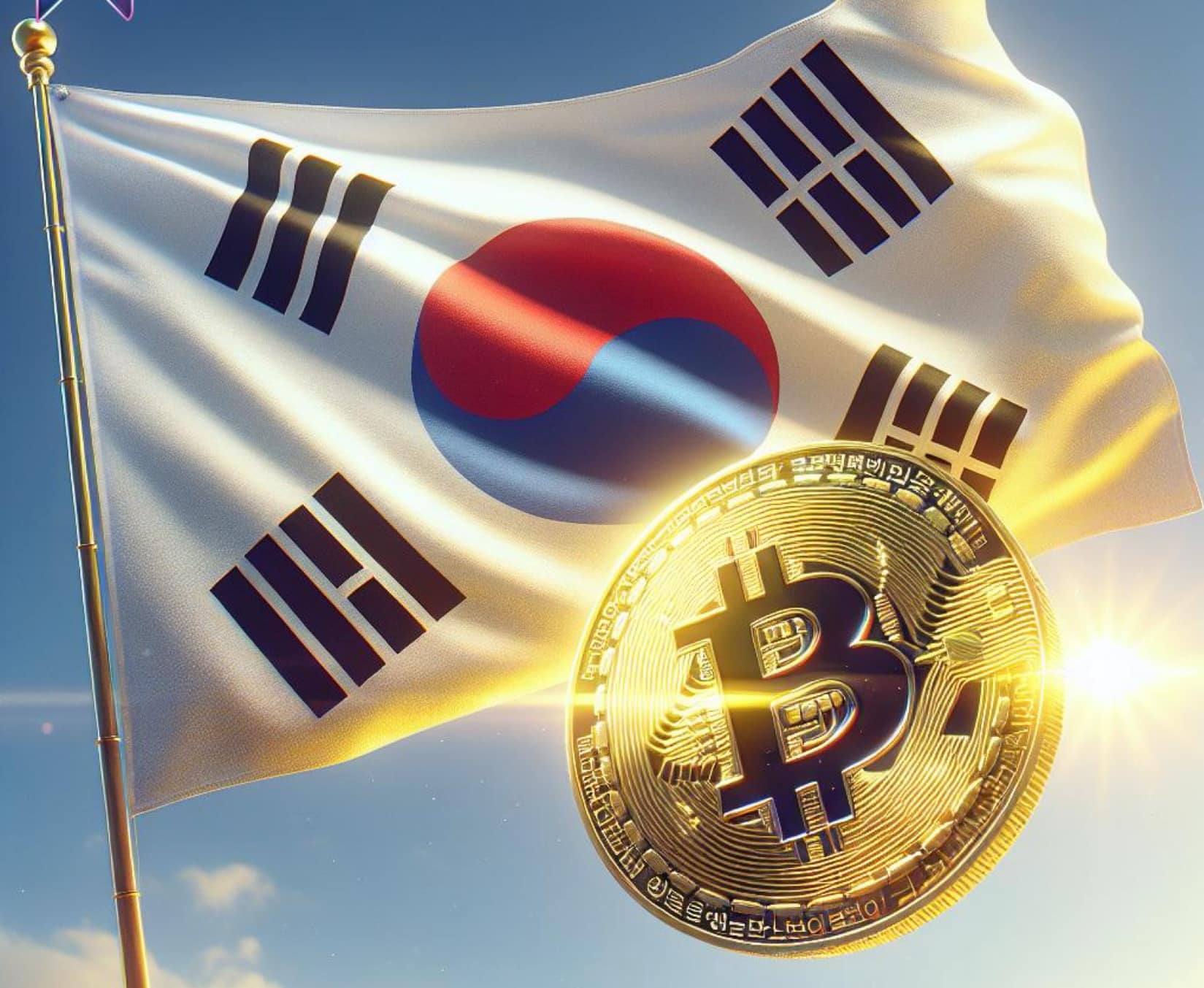
Cryptocurrency trading in South Korea shows a clear preference for altcoins, with 93% of transactions in the country involving digital assets other than Bitcoin. This trend starkly contrasts with the U.S., where Bitcoin continues to hold a larger share of the market, accounting for 29.5% of cryptocurrency transactions.

The growing dominance of altcoins in South Korea is reflective of broader trends within the cryptocurrency ecosystem. While Bitcoin remains the first and most recognized cryptocurrency worldwide, the South Korean market has become a hotspot for alternative cryptocurrencies. These digital assets, often referred to as altcoins, have gained significant traction, with a variety of tokens fueling both investment and speculative trading.

The data highlighting this shift reveals a marked preference for altcoins among South Korean investors, who appear to favor the variety and potential for high returns that altcoins offer. This preference may be driven by a combination of factors, including technological innovation, market volatility, and the potential for faster gains that altcoins can provide compared to Bitcoin, which has a more established presence and slower growth trajectory.

Several of these altcoins have gained popularity due to their specific utility in different sectors, from decentralized finance (DeFi) to gaming and non-fungible tokens (NFTs). The South Korean market, known for its high engagement with emerging technologies and trends, has also seen a growing interest in blockchain projects that offer more than just a store of value, making altcoins an attractive option for a broad base of retail investors.

In contrast, Bitcoin still holds significant sway in the U.S. market, accounting for almost a third of all cryptocurrency transactions. The U.S. has historically been a leader in the cryptocurrency space, with early adoption of Bitcoin paving the way for widespread acceptance. Institutional investment in Bitcoin, along with its status as the first cryptocurrency, has helped maintain its dominance in the American market.

Bitcoin’s larger share of the market in the U.S. is often attributed to its role as a store of value and the most recognized cryptocurrency. Despite the rise of altcoins globally, Bitcoin continues to be viewed as a safer, more stable investment option by many, particularly in more developed markets like the U.S. where institutional investors are a key component of the cryptocurrency ecosystem.

South Korea’s crypto trading landscape is also influenced by the country’s government policies and regulatory environment, which have been both restrictive and supportive of the crypto industry. South Korean regulators have implemented measures to curb speculative trading, including restrictions on anonymous crypto trading and a tax on crypto earnings. However, the country has also embraced blockchain technology and is a significant player in the global cryptocurrency market, making it a key area of focus for cryptocurrency exchanges and investors.

The dominance of altcoins in South Korea also reflects broader regional trends in Asia. Countries like Japan and China have had varying levels of cryptocurrency regulation, but South Korea has emerged as a prominent hub for crypto trading in Asia. The country’s crypto exchanges, such as Upbit, Bithumb, and Coinone, are among the largest in the world by trading volume, underscoring the importance of South Korea in the global digital asset market.

The high volume of altcoin transactions in South Korea is also indicative of a more risk-tolerant investor base. Many South Korean traders are known for their willingness to engage in speculative trading, often seeking to capitalize on the volatility of smaller cryptocurrencies. This risk appetite has created a market where altcoins, despite their relative instability compared to Bitcoin, are seen as more appealing due to the potential for higher rewards.

Despite these trends, Bitcoin’s position in South Korea is not negligible. Although it represents a smaller portion of the overall market compared to altcoins, it remains a key asset in the portfolios of many crypto traders. Bitcoin’s continued relevance is supported by its use as a benchmark for the broader cryptocurrency market, as well as its position as the largest and most well-established cryptocurrency.

Global trends in the cryptocurrency market suggest that the preference for altcoins in South Korea could have implications for other markets, particularly in Asia. As cryptocurrencies evolve and new technologies emerge, the demand for more specialized tokens could increase, leading to further shifts in market dynamics. While Bitcoin remains dominant in many regions, the rise of altcoins is a testament to the diversity and innovation that continues to characterize the cryptocurrency space.

The ongoing global competition between Bitcoin and altcoins reflects the broader evolution of the cryptocurrency ecosystem. As new use cases for digital assets continue to emerge, investors in markets like South Korea are looking beyond Bitcoin to find the next big opportunity. This trend highlights the complex and fast-changing nature of the crypto world, where innovation is constant and market preferences can shift rapidly.

KUALA LUMPUR, MALAYSIA – Media OutReach Newswire – 6 December 2024 – The “Korea Gyeong Buk Premium Food Promotion 2024” hosted by the Gyeongbuk Maeil Newspaper and sponsored by 14 local governments of GyeongSangbuk-do has successfully concluded 2 meaningful events highlighting its specialities and global potential of Gyeong Buk products. The events which feature 20 Korean F&B Companies was held from November 25th to 28th , which […]

Global cryptocurrency trading volumes surged to record highs in November, with spot markets witnessing a transaction volume of $2.7 trillion, marking the most significant activity since mid-2021. This dramatic increase coincided with substantial developments in the political and economic landscape, catalyzing heightened market enthusiasm. Futures trading also experienced a remarkable boost, with Bitcoin and Ethereum futures dominating the derivatives segment.

The momentum in the cryptocurrency market followed the reelection of Donald Trump as U.S. President, a development that fueled optimism around potential regulatory reforms. The departure of SEC Chair Gary Gensler added to this positive sentiment, as his tenure was marked by stringent scrutiny of digital assets. Market participants anticipate a more supportive stance toward cryptocurrencies under the new administration, especially after campaign promises to position the U.S. as a global hub for digital finance.

Bitcoin approached the $100,000 mark for the first time, underscoring a bull run driven by multiple factors. The approval of Bitcoin ETFs in several jurisdictions further encouraged institutional investment, with a combined inflow of $6.87 billion during November. This development was instrumental in providing institutional investors with a more streamlined pathway to crypto exposure, signaling a shift toward mainstream adoption.

The global market cap for cryptocurrencies rose to $3.47 trillion, reflecting robust investor confidence. Exchanges such as Binance and Kraken reported unprecedented activity in perpetual contracts, with altcoins like Solana and Dogecoin showing significant trading volume increases. Dogecoin, often viewed as a speculative asset, briefly surpassed Ethereum in daily trading volumes, highlighting its growing appeal among traders.

Regulatory shifts outside the U.S. also contributed to the rally. Nations in Asia and Europe introduced or committed to frameworks for digital assets, providing much-needed clarity for investors. These developments have encouraged both institutional and retail investors to explore opportunities in the cryptocurrency ecosystem, further driving up trading volumes.

The macroeconomic environment also played a pivotal role. The U.S. Federal Reserve’s decision to ease monetary policy injected additional liquidity into financial markets. Investors flocked to cryptocurrencies as a hedge against inflation, drawn by their scarcity and potential for high returns. This influx of capital was particularly evident in Bitcoin, which saw substantial growth in both spot and futures markets.

As the cryptocurrency market continues to evolve, Cardano and Dogecoin millionaires are setting their sights on an emerging token, PropiChain, sparking significant attention from seasoned investors. This real-world asset (RWA) token is attracting major players in the space, with projections suggesting an explosive rise of up to 50,000%. The surge in interest comes as more investors turn their focus from speculative digital currencies to tokens linked to tangible real-world assets, offering a unique blend of security and potential for massive returns.

PropiChain, designed to bridge the gap between blockchain technology and traditional asset markets, has captured the interest of high-profile investors from the Cardano and Dogecoin communities, both of which have seen substantial gains in recent years. These communities, known for their large, dedicated following, are now seeking opportunities in new tokens with a real-world utility, a trend that could redefine the future of decentralized finance (DeFi). PropiChain aims to provide a decentralized solution for tokenizing real-world assets, such as real estate, commodities, and even intellectual property, opening up a wide range of possibilities for asset-backed investments on the blockchain.

What sets PropiChain apart from other tokens is its ability to tether digital currencies to tangible, regulated assets. This connection offers a degree of stability that many DeFi investors find appealing. By leveraging blockchain’s transparency and immutability, PropiChain enhances liquidity for traditionally illiquid assets, such as real estate, while ensuring that investors have access to a more secure investment vehicle. The market for tokenized real-world assets has been growing steadily, with PropiChain positioning itself as a leading contender in this emerging space.

The token’s potential to revolutionize asset-backed investments has caught the attention of not only individual investors but also institutional players. In recent months, there has been a notable shift in how institutional investors view cryptocurrencies and blockchain technology. Traditionally, institutions have been wary of the volatility and lack of regulation in the crypto market, but with projects like PropiChain offering clear pathways for integrating blockchain into established asset classes, the door is now open for greater institutional participation.

PropiChain’s backing comes from a team of developers with deep expertise in both blockchain and traditional finance. The project’s roadmap includes partnerships with real-world asset platforms and real estate developers, further solidifying its credibility and appeal. These collaborations are expected to enhance the platform’s real-world impact, enabling PropiChain to tokenize a diverse array of physical assets. The combination of robust technological infrastructure and real-world applicability makes PropiChain one of the most anticipated projects in the blockchain space.

For Cardano and Dogecoin investors, the appeal of PropiChain lies in its potential for massive returns. Both Cardano and Dogecoin have experienced significant growth over the past few years, driven in part by their strong communities and high-profile endorsements. As investors from these networks look for new opportunities, PropiChain’s innovative approach to bridging the digital and physical worlds presents a promising avenue for continued growth. PropiChain has captured the attention of these seasoned investors by offering the chance to be part of a project with exponential growth potential.

The token’s unique value proposition and the ongoing expansion of the decentralized finance sector have made PropiChain a rising star in the crypto market. Its underlying technology provides the foundation for a more secure, scalable, and transparent investment ecosystem. This makes PropiChain particularly attractive in a market that is becoming more focused on long-term sustainability and real-world use cases.

As the broader cryptocurrency market remains volatile, investors are increasingly searching for tokens that offer something beyond the speculative trading opportunities that have dominated much of the market in recent years. PropiChain, with its promise of tangible, asset-backed investments, represents a shift towards a more pragmatic approach to crypto investing. By focusing on real-world assets, PropiChain is poised to be at the forefront of the next wave of blockchain innovation, one that blends the best of traditional finance with the cutting-edge possibilities of decentralized technology.

The projected 50,000% increase in PropiChain’s value has sparked significant enthusiasm among crypto investors who see the token as a future powerhouse in the evolving landscape of blockchain-based asset management. While many tokens in the crypto space are often linked to speculative trends or abstract digital concepts, PropiChain offers a solid foundation grounded in physical asset backing. This gives it a distinct edge in attracting a broader range of investors, from those seeking stability to those chasing massive gains.

Importers in the Gulf region can now easily access a wide range of products manufactured by India’s Micro, Small, and Medium Enterprises (MSMEs) thanks to the launch of Post Office Export Centres (POECs). This new initiative, spearheaded by India’s Ministry of Communications, aims to streamline the export process for MSMEs and provide global access to their products, specifically targeting markets like the Gulf, which holds significant trade potential for small businesses in India.

The Post Office Export Centres are designed to function as export hubs within India’s vast postal network, connecting small-scale manufacturers to international buyers. By leveraging the extensive infrastructure of the India Post system, the initiative makes it easier for businesses in the Gulf and other foreign markets to procure products directly from Indian MSMEs. With post offices already having a presence in even remote areas of the country, this expansion is expected to break down logistical barriers, especially for smaller businesses that previously lacked the resources to access international trade networks.

The launch of the POECs is part of the broader vision to promote “Made in India” goods globally, especially MSME products that often struggle to find export channels. MSMEs make up a substantial portion of India’s industrial output, and their products are diverse, ranging from handmade textiles to agricultural goods and electronic components. These enterprises form the backbone of India’s economy but have long faced challenges when it comes to reaching international markets, particularly due to complicated and expensive export processes.

India Post’s established network of over 150,000 post offices across the country is now being utilized to open avenues for MSMEs to participate in global trade. This network, one of the largest in the world, will enable businesses in the Gulf to access Indian-made goods efficiently, while also simplifying the complexities often associated with international shipping and customs processes. The Post Office Export Centres will act as intermediaries, assisting with everything from documentation to packaging and final delivery.

With the Gulf region being a major trading partner for India, this move is seen as a strategic one to strengthen trade relations further. The UAE, Saudi Arabia, Qatar, and Kuwait are some of the leading destinations for Indian exports, and the introduction of POECs will make it easier for businesses there to tap into a wide variety of Indian products. This initiative also aligns with India’s “Atmanirbhar Bharat” campaign, which encourages self-reliance and seeks to boost exports from the country’s smaller enterprises, which are often overlooked in traditional trade practices.

Through these Post Office Export Centres, Indian MSMEs will be able to list their products in a more streamlined manner for foreign buyers. The system simplifies the process of exporting by allowing these enterprises to bypass the complexities typically associated with traditional export methods, such as dealing with multiple intermediaries and navigating intricate customs procedures. Additionally, India Post will provide support in areas such as financial transactions, ensuring that payments are secure and efficiently processed.

This move is expected to bring about a considerable shift in how MSMEs interact with the global market. By utilizing the postal system, which is known for its trust and reliability, India Post is positioning itself as a crucial facilitator of international trade for smaller businesses. The initiative also promises to open doors for a broader range of products, including those from underserved sectors like handicrafts, textiles, and regional food products.

The launch of POECs underscores a significant push towards enhancing digital infrastructure within the Indian postal system. While physical infrastructure remains key, the integration of online platforms for cataloging products, processing orders, and tracking shipments is also a crucial part of the system. The digitalization aspect will ensure that MSMEs are equipped to handle international trade in a manner consistent with global standards, fostering transparency and improving overall efficiency.

For businesses in the Gulf, this system will enable greater access to the vast array of goods that India produces. This is especially significant as Gulf countries have long been important partners for Indian exporters, with a growing demand for diverse products that include textiles, spices, and high-tech gadgets. The opening of these export centres makes the procurement of Indian goods more accessible and cost-effective for Gulf-based importers.

Experts view the initiative as a win-win for both India and the Gulf region. For India, the initiative will boost the export of MSME products and contribute to economic growth, while for the Gulf, it will bring in affordable and high-quality products from India. Additionally, the ease of access through the Post Office Export Centres offers a level of convenience that has been missing in the past, particularly for small-scale importers who often find it difficult to engage in international trade.

Robinhood, the prominent commission-free trading platform, has confirmed its plans to expand into the Asia-Pacific (APAC) region by 2025. The company has chosen Singapore as its base of operations for this significant expansion, a move aimed at tapping into the fast-growing financial markets in Asia. This decision signals the company’s ambition to diversify its global footprint and cater to a region increasingly focused on digital finance and investment opportunities.

The decision to establish an office in Singapore reflects the city-state’s role as a key financial hub in Asia. Singapore’s favorable regulatory environment and its status as a regional fintech leader make it an attractive destination for global fintech companies looking to scale operations in the APAC region. The country has long been known for its pro-business stance, stable financial system, and robust technological infrastructure, all of which provide a conducive environment for a tech-driven financial firm like Robinhood.

Singapore has also seen a growing influx of financial startups and established companies expanding their reach to the Southeast Asian markets, making it a logical choice for Robinhood’s foray into the region. By setting up operations in Singapore, Robinhood hopes to capture a portion of the region’s burgeoning retail investor base, particularly as wealth in Asia grows rapidly, and more individuals gain access to financial markets through mobile apps and platforms.

Robinhood’s move into the APAC region also comes at a time when the fintech sector is undergoing significant changes. With the increasing use of smartphones and the internet, retail investment is seeing massive growth in Asia, especially among young investors who are tech-savvy and eager to explore stock trading. Robinhood’s low-cost, no-commission trading model aligns well with the financial preferences of these investors, making the company an appealing option in a region where many investors are looking for cost-effective and transparent trading solutions.

While Robinhood’s expansion into Asia is an exciting development, it will not be without its challenges. The company must navigate the diverse regulatory environments across various countries in the region, each with its own rules for digital finance, securities, and trading platforms. Although Singapore provides a strong starting point, Robinhood will need to carefully assess the regulatory frameworks in markets like Japan, South Korea, and India, where financial regulations can differ significantly.

As part of its regional expansion strategy, Robinhood is also expected to partner with local financial institutions and fintech startups in Asia. This could help the company tailor its services to the specific needs and preferences of consumers in each market. The company may also look to introduce new features that cater to local market conditions, such as investment options that are popular in certain countries or currencies that are more widely used in the region.

At the same time, Robinhood’s entry into Asia also brings the company into competition with established players in the region, including traditional brokerage firms and other fintech companies. In markets like Japan, South Korea, and Hong Kong, Robinhood will need to prove its ability to offer a compelling value proposition compared to local platforms, many of which already have a strong presence in their respective countries. To succeed, Robinhood will need to balance the advantages of its existing business model with the need to adapt to the unique dynamics of the Asian financial markets.

Despite the competition, Robinhood’s reputation as a disruptor in the financial services industry, combined with its innovative approach to retail investing, could provide a strong foundation for its success in the APAC region. The company’s ability to offer commission-free trading and easy-to-use mobile platforms has made it popular among retail investors in the United States, and it hopes to replicate this success in Asia, a region where digital adoption is accelerating.

Robinhood has also demonstrated its adaptability in the past, introducing new features and expanding into new territories as it seeks to broaden its user base. The company has already expanded its operations in Europe and Canada, and its move into Asia represents a natural next step in its global growth strategy. Given the rising demand for accessible investment tools across Asia, Robinhood’s entry into the region could prove to be a game-changer for retail investing in the APAC markets.

HONG KONG SAR – Media OutReach Newswire – 5 December 2024 – Register for FREE Buyer Badge: https://tinyurl.com/3wpf8hr2 Organised by the Hong Kong Trade Development Council (HKTDC), the 51st Hong Kong Toys & Games Fair, the 16th Hong Kong Baby Products Fair and the 23rd Hong Kong International Stationery & School Supplies Fair (jointly organised with Messe Frankfurt (HK) Ltd) will be held from 6–9 January 2025 […]

Bitcoin has surged to a historic high, edging closer to the $100,000 mark and signaling a broader recovery in cryptocurrency markets. The rally has gained momentum following Donald Trump’s electoral win in early November, with his administration’s anticipated pro-crypto stance sparking investor enthusiasm. This political shift has revitalized the cryptocurrency sector after months of stagnation.

The digital asset reached $99,314, driven by a 4% increase within 24 hours, as recorded during Asian trading hours. Bitcoin’s market capitalization now stands at $1.97 trillion, nearing the $2 trillion benchmark that would signify a pivotal moment for institutional acceptance of cryptocurrencies. Analysts attribute the growth to heightened trading volumes, with approximately $95.84 billion worth of Bitcoin exchanged within a day.

VISHNU RAJA
RYO YAMADA
HITORI GOTOH
IKUYO KITA