News related to
trading

Bitcoin balances on cryptocurrency exchanges have reached a strikingly low level of 2.27 million BTC, the lowest since December 3, 2023. This trend underscores a clear shift among Bitcoin holders, moving assets off exchanges, signaling a preference for long-term storage over active trading.

This reduction in Bitcoin exchange reserves has been attributed to multiple factors. First, heightened regulatory scrutiny in major markets has made some investors wary of holding assets on exchanges. Events such as enforcement actions by financial authorities against prominent crypto platforms have heightened concerns over counterparty risks. Furthermore, technical vulnerabilities exposed in various exchange systems have prompted caution among users.

Another key factor influencing this behavior is the growing adoption of decentralized finance (DeFi) and self-custody solutions. Hardware wallets and other non-custodial storage options provide enhanced control and security for users, aligning with the ethos of decentralization that Bitcoin advocates champion. Institutional investors have also mirrored this trend, with significant transfers of Bitcoin to cold storage wallets indicating an alignment with long-term investment strategies.

Bitcoin’s scarcity narrative plays an essential role in this shift. By holding Bitcoin in wallets outside exchanges, investors signal confidence in its value appreciation potential. This behavior aligns with the prevailing sentiment that Bitcoin functions as a “digital gold,” a hedge against inflation and economic uncertainty.

On the trading side, lower exchange balances have introduced shifts in liquidity dynamics. Market analysts suggest that reduced availability of Bitcoin on trading platforms could increase price volatility. With fewer coins readily accessible for buying and selling, even modest market orders might cause outsized price swings. This phenomenon is compounded by increasing activity in derivatives markets, where investors speculate on price movements without immediate changes in Bitcoin spot holdings.

Meanwhile, Bitcoin’s price movement has displayed resilience. Despite fluctuations in macroeconomic conditions and interest rate policies affecting global financial markets, Bitcoin’s price has remained relatively stable compared to earlier periods of intense volatility. Industry experts believe this reflects maturing market conditions and growing participation by institutional investors who tend to adopt longer-term horizons.

The trends in Bitcoin custody and trading practices are part of a broader evolution in the cryptocurrency space. As traditional finance firms integrate blockchain-based assets into their portfolios, the convergence of decentralized principles with established financial practices is reshaping market dynamics. For Bitcoin, this means an increasingly nuanced ecosystem where retail and institutional participants redefine engagement rules.
Ripple is poised to make a significant move into the U.S. stablecoin market with its new RLUSD stablecoin, which is expected to receive approval from New York’s Department of Financial Services (NYDFS). The approval paves the way for the coin’s anticipated launch on December 4, positioning Ripple to directly compete with established U.S. stablecoin issuers, including Circle and Tether. Ripple’s decision to introduce a stablecoin marks a strategic expansion beyond its core offering of XRP, aiming to tap into the burgeoning stablecoin sector, which has seen rapid growth due to its role in reducing volatility in the cryptocurrency market and facilitating easier cross-border transactions.

The RLUSD stablecoin will be backed 1:1 by the U.S. dollar, offering a more stable and predictable alternative to XRP, which has faced significant volatility in the past. Ripple’s stablecoin will be a key player in the growing demand for stablecoins, which have become integral to decentralized finance (DeFi) and are increasingly being used for remittances, trading, and cross-border payments. The NYDFS approval is critical for Ripple as it will allow the company to offer RLUSD in the highly regulated U.S. market, enhancing its legitimacy and fostering confidence among investors and users.

As Ripple prepares for its entry into the stablecoin market, it is positioning itself against leading stablecoin issuers like Tether’s USDT and Circle’s USDC, which dominate the U.S. stablecoin market with billions in circulation. However, Ripple’s edge lies in its established infrastructure for cross-border payments and its existing partnerships with financial institutions, which could provide RLUSD with a strong foundation for adoption. Additionally, by leveraging its existing RippleNet network, Ripple aims to deliver a smoother and more efficient transaction process compared to its competitors.

Unlike XRP, which is often seen as a speculative asset, RLUSD is designed to serve as a stable digital currency pegged to the U.S. dollar. This makes RLUSD a preferred option for users seeking a low-volatility solution for everyday transactions or for businesses that require a stable digital currency for operations. Ripple’s entry into the stablecoin market could provide users with an attractive alternative for conducting international transactions, where stability and efficiency are critical. Ripple’s extensive network of financial institutions already using RippleNet could facilitate the adoption of RLUSD among these organizations, making it a highly competitive option in the space.

Ripple’s expansion into the stablecoin space also reflects broader trends in the cryptocurrency industry, where the demand for stablecoins has surged as they provide a bridge between traditional fiat currencies and the digital economy. According to data from the Center for Alternative Finance, stablecoins accounted for over $130 billion in market capitalization by mid-2024. This growth is driven by the increasing use of digital currencies in global trade, remittances, and as an on-ramp to decentralized finance platforms.

The stablecoin market has attracted attention from regulators due to its potential to disrupt traditional finance. New York has been at the forefront of regulating cryptocurrency, with the NYDFS providing a rigorous licensing process for digital assets operating in the state. Ripple’s ability to secure approval for RLUSD under these stringent conditions speaks to the company’s commitment to complying with regulatory standards, which may help it differentiate itself from other cryptocurrency projects that have faced regulatory hurdles. In addition to regulatory compliance, Ripple’s track record in the cryptocurrency space, particularly with its XRP token, positions it as a trusted entity in the eyes of many investors and stakeholders.

However, Ripple’s entry into the stablecoin market does not come without challenges. The stablecoin market is becoming increasingly crowded, with numerous players vying for dominance. USDC and USDT remain the dominant stablecoins by market share, and both have established themselves as reliable and trusted assets in the digital currency space. Additionally, these coins have already formed partnerships with major financial institutions and exchanges, making it difficult for new entrants to compete. Ripple will need to differentiate RLUSD not only through its regulatory approval and backing by the U.S. dollar but also through its ability to offer faster, cheaper, and more secure cross-border payment solutions.

While Ripple’s RLUSD aims to provide a less volatile alternative to XRP, it could also offer significant advantages in terms of liquidity and scalability. Stablecoins like USDC and USDT are already widely accepted across various platforms, and Ripple’s partnerships with financial institutions could accelerate the adoption of RLUSD. Furthermore, as more businesses and financial institutions explore the benefits of using digital currencies for cross-border payments, Ripple’s established network could enable RLUSD to scale quickly and gain traction.

Coinbase, one of the world’s largest cryptocurrency exchanges, has officially withdrawn its pre-application to enter Turkey’s highly competitive cryptocurrency market. This marks a significant shift in the company’s strategy, as it had initially expressed strong intentions to expand into the Turkish market, a region that has seen growing interest in digital assets amid economic volatility.

The decision to withdraw follows a series of regulatory hurdles and growing challenges within the Turkish crypto landscape. While Turkey has long been a fertile ground for cryptocurrency adoption, especially as citizens seek alternatives to the national currency amidst inflationary pressures, the government’s regulatory stance on digital assets has been evolving. Authorities in Turkey have yet to formalize comprehensive rules for cryptocurrency exchanges, leaving many firms cautious about fully committing to the market.

This move by Coinbase is a noteworthy development, particularly as Turkey’s cryptocurrency market continues to attract international players. While Coinbase steps back, other exchanges like Bitfinex and OKX remain in the race to establish their presence. These platforms are among the remaining applicants vying for regulatory approval to offer custody services in Turkey, signaling a competitive shift as major players navigate the evolving regulatory environment.

The regulatory framework for cryptocurrency exchanges in Turkey has been under close scrutiny for some time. The country introduced a series of measures to monitor and control the crypto sector, particularly focusing on anti-money laundering (AML) and combating the financing of terrorism (CFT). These measures have raised concerns among some international companies about the compliance and operational challenges associated with entering the Turkish market.

For Coinbase, which has faced increasing regulatory scrutiny in its home market of the United States, the decision to withdraw its pre-application could signal a shift in its global expansion strategy. While Turkey remains an attractive market due to its tech-savvy population and growing cryptocurrency adoption, the complexities surrounding compliance and local regulations might have led to Coinbase reassessing the potential risks.

On the other hand, Bitfinex and OKX are pushing ahead with their applications, signaling confidence in the Turkish market despite the regulatory uncertainties. These exchanges are known for their established presence in various global markets and have experience navigating complex regulatory landscapes. Bitfinex, for instance, has already secured regulatory approvals in several jurisdictions and is hoping to build on this momentum to gain entry into Turkey. Similarly, OKX, a major player in the crypto trading world, has been actively expanding its global footprint and sees Turkey as a strategic location to broaden its services.

Turkey’s regulatory stance has played a significant role in shaping the market’s future. The government has shown a willingness to embrace blockchain technology, but with cautious oversight. In late 2021, Turkey’s central bank launched a digital currency pilot project, signaling the country’s interest in blockchain innovation while maintaining strict control over the crypto space. This move demonstrated a desire to ensure that cryptocurrencies do not undermine the financial system but instead complement the traditional banking infrastructure.

Despite the regulatory hurdles, Turkey remains one of the largest markets for cryptocurrency in the Middle East. According to several reports, more than 20 million Turkish citizens own or trade cryptocurrencies, a significant portion of the population. The adoption of digital assets has been driven by factors such as inflation, a weakening national currency, and the search for alternative investment vehicles. Many Turkish citizens have turned to Bitcoin, Ethereum, and other digital currencies as a store of value during economic uncertainty.

While the Turkish government is still in the process of refining its stance on cryptocurrencies, the market has witnessed substantial growth in user adoption. However, concerns over security and fraud have prompted regulators to tighten oversight. The Turkish government’s approach to crypto regulation is expected to remain cautious, as officials work to balance innovation with security and financial stability.

As Coinbase retreats from the race, its competitors will have to navigate these challenges and carefully consider how to meet regulatory requirements while capitalizing on the growing demand for digital assets in Turkey. For Bitfinex, OKX, and other exchanges, the competition to dominate the Turkish market will likely intensify as they seek to establish themselves as trusted players in the region.

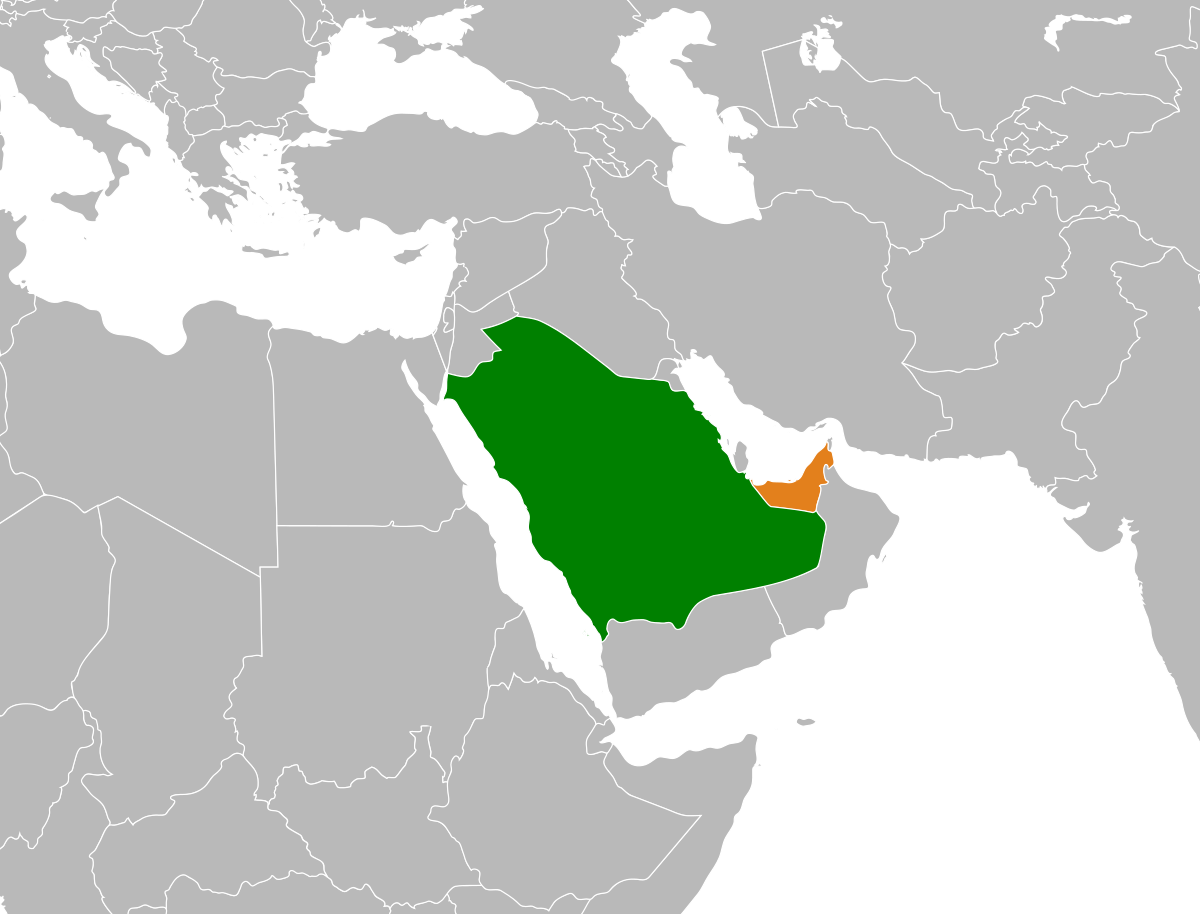
UAE President Sheikh Mohamed bin Zayed Al Nahyan and Saudi Crown Prince Mohammed bin Salman held a high-level meeting to further solidify their countries’ bilateral relations, underscoring the enduring strength of their partnership. The meeting comes as both nations navigate complex regional and global challenges, aiming to reinforce their cooperation in key sectors such as energy, security, and technology.

The summit, which took place in Abu Dhabi, reflects the growing strategic importance of the UAE-Saudi relationship. This alliance has been marked by a shared commitment to regional stability, economic growth, and development. The two leaders’ discussions have centered on deepening political and economic collaborations, enhancing trade, and exploring opportunities in emerging fields like renewable energy and space exploration.

The UAE and Saudi Arabia have long been influential players in the Gulf region, and their partnership is often seen as a counterbalance to external powers. Their collaboration spans beyond bilateral matters, impacting broader issues such as security in the Middle East, OPEC oil production agreements, and joint ventures in technological advancements. The convergence of their interests is aimed at positioning the two nations as global leaders in multiple sectors.

Trade relations between the UAE and Saudi Arabia have been growing steadily, with the UAE becoming one of Saudi Arabia’s largest trading partners. The two nations are focused on further facilitating economic integration through the Gulf Cooperation Council (GCC), which serves as a platform for harmonizing their policies on trade, investment, and infrastructure. Their concerted efforts are seen as crucial for advancing the region’s economic diversification and reducing dependence on oil.

In the realm of energy, the UAE and Saudi Arabia are working together to lead the charge on clean energy initiatives. Both countries have made significant strides in developing sustainable energy solutions, with large investments in solar power, nuclear energy, and hydrogen. Their collaboration in these sectors is intended to help the Gulf region transition toward a low-carbon future while maintaining energy security.

Security is another critical component of the UAE-Saudi partnership. Both nations have faced regional security threats, particularly from non-state actors and the geopolitical tensions surrounding Iran. As a result, the UAE and Saudi Arabia have worked in tandem to fortify their defense mechanisms and enhance intelligence sharing. Their coordinated efforts are also evident in joint military operations, particularly in Yemen, where both countries have been involved in the ongoing conflict as part of a Saudi-led coalition.

The leaders’ discussions also touched on the importance of technological innovation as a driver of future economic growth. The UAE has positioned itself as a hub for technological advancements in the Middle East, with initiatives like Dubai’s smart city projects and the UAE’s space program gaining international recognition. Meanwhile, Saudi Arabia has launched its own ambitious Vision 2030 initiative, which includes plans for transforming its economy through technology, including its investments in artificial intelligence, blockchain, and digital infrastructure.

The strategic alliance between the UAE and Saudi Arabia has not only helped shape the region’s economic and political landscape but has also made them key partners in broader international forums. Both nations have increasingly taken a proactive stance in addressing global challenges, including climate change, public health, and geopolitical tensions. Their efforts to collaborate on such issues signal a broader commitment to fostering stability and peace in the Middle East and beyond.

XRP has made an impressive leap in the cryptocurrency market, surpassing both Solana (SOL) and Tether (USDT) to become the third-largest cryptocurrency by market capitalization. This surge comes after the altcoin witnessed a significant rally of more than 25% in just 24 hours, pushing its price to approximately $2.4 as of Monday, December 2. The sudden rise in XRP’s value has caught market observers by surprise, with many speculating on the reasons behind its rapid ascension.

The rally follows a period of relative stability for XRP, which had traded in the range of $1.80 to $2.00 for several weeks. However, the momentum that has propelled XRP to its new position has been primarily driven by market sentiment, bullish trading volumes, and renewed investor interest. As a result, XRP now stands behind Bitcoin (BTC) and Ethereum (ETH) in market capitalization, making it a significant player in the evolving cryptocurrency space.

Ripple Labs, the company behind XRP, has been at the center of several legal battles, particularly with the U.S. Securities and Exchange Commission (SEC), over whether XRP should be classified as a security. While the case remains unresolved, many investors view the current rally as a signal that positive sentiment may be returning towards the digital asset. The outcome of the SEC case is closely watched by the crypto community, and a favorable ruling could further bolster XRP’s position in the market.

The significant price movement has sparked a broader conversation about the potential for altcoins to challenge the dominance of Bitcoin and Ethereum in the crypto space. While Bitcoin has long been regarded as the “gold standard” of cryptocurrencies, and Ethereum remains the leading platform for decentralized applications (dApps) and smart contracts, XRP’s rise to third place underscores the dynamic and unpredictable nature of the market.

XRP’s market surge has been further fueled by increasing adoption among financial institutions and the ongoing development of Ripple’s payment solutions. Ripple’s cross-border payment technology has gained traction, particularly in regions where traditional banking infrastructure remains underdeveloped. Ripple’s RippleNet network enables faster and cheaper cross-border transactions, a service that has drawn the attention of banks, remittance services, and financial institutions globally.

In addition to institutional interest, XRP’s price movement has been supported by a surge in retail trading activity. As more retail investors engage with the asset, liquidity in the market has increased, creating an environment where sharp price movements can occur more easily. This influx of interest, combined with positive sentiment surrounding the potential resolution of the SEC case, has resulted in XRP’s remarkable rally.

Solana, once considered one of the most promising cryptocurrencies due to its fast transaction speeds and low costs, has faced its own challenges in recent months. Despite high expectations, Solana has struggled to maintain its momentum, experiencing volatility and technical setbacks that have dampened investor confidence. This has opened the door for XRP to climb in the ranks, as Solana’s market capitalization faltered.

Similarly, Tether (USDT), the world’s leading stablecoin, has faced scrutiny in the wake of broader concerns about the stability and transparency of stablecoins. Although Tether has maintained its peg to the U.S. dollar, regulatory pressures and concerns over its backing have led some investors to seek alternatives, contributing to its relative stagnation in the rankings. The decline in Tether’s dominance in the stablecoin space has allowed other cryptocurrencies like XRP to take advantage of shifting market dynamics.

As XRP edges ahead of Solana and Tether, the cryptocurrency market continues to exhibit its volatile and unpredictable nature. While XRP’s ascent is notable, it remains to be seen whether this growth will be sustained or if other factors—such as regulatory developments or market corrections—could shift the tide. XRP’s future trajectory is closely tied to both the broader market trends and the outcome of the legal battles it faces.

For investors, the rise of XRP represents both an opportunity and a risk. Those who have been holding the asset for an extended period are likely to see substantial gains, but the volatility of the cryptocurrency market means that caution is necessary for those entering the space. As XRP’s market capitalization continues to grow, it may attract new investors, but it will also face increased scrutiny as it becomes more prominent.

Elon Musk’s net worth has reached a staggering $348 billion, driven by a surge in Tesla stock and the continued growth of his artificial intelligence venture, xAI. Musk’s wealth has seen a remarkable spike, placing him at the forefront of global billionaires, surpassing key figures in both tech and finance. This surge highlights the continued influence of Musk’s ventures, particularly Tesla, as the company’s performance remains strong […]

KUALA LUMPUR, MALAYSIA – Media OutReach Newswire – 30 November 2024 – Before entering the market, traders need to identify potential price movements to avoid ad hoc trading decisions. Otherwise, they increase risks and merely rely on luck. For instance, gold recently declined below $2,600 per ounce, marking its lowest point since mid-September 2024 as a strengthening U.S. dollar put pressure on traditional safe-haven assets. This movement […]

Advertisements

KUALA LUMPUR, MALAYSIA – Media OutReach Newswire – 29 November 2024 – Artificial Intelligence (AI) has integrated into the financial sector, showing one of the highest adoption rates across industries, according to Statista. The tech transforms industry development, offering new business opportunities, user experience—and risks. Despite undoubted benefits, traders exhibit mixed feelings about AI, grappling with its potential as well as its risks. Octa, a broker with […]

Coinbase, a leading cryptocurrency exchange, will terminate USD Coin (USDC) rewards for users in the European Economic Area (EEA) effective December 1, marking a significant operational shift influenced by the forthcoming Markets in Crypto-Assets (MiCA) regulations. The rewards program, which allowed users to earn returns on their USDC holdings, will accrue earnings up to November 30, signaling a strategic adaptation to Europe’s evolving regulatory framework for digital assets.

The MiCA regulation, set to enforce a standardized approach to cryptocurrency operations across Europe, mandates rigorous compliance measures for crypto companies. Among its stipulations is the requirement for stablecoins like USDC to obtain e-money licenses to continue operations within the EEA. Coinbase’s decision underscores its efforts to align with these regulations while maintaining its standing in a heavily scrutinized market.

USDC, issued by Circle, has been positioned as a key asset in Coinbase’s ecosystem, celebrated for its transparency and full reserve backing. By ending its rewards program in the EEA, Coinbase is taking a precautionary step to ensure full regulatory compliance under MiCA. This regulation aims to bolster consumer protection and ensure the financial stability of stablecoin issuers, aligning them with broader financial industry norms.

While the termination of USDC rewards impacts users in Europe, Coinbase continues to promote the token as a compliant alternative to other stablecoins facing challenges under MiCA. This aligns with Coinbase’s broader strategy of encouraging transparency and compliance in its offerings. Previously, the exchange has recommended that users migrate from other stablecoins, such as Tether (USDT), to USDC, citing greater regulatory alignment and operational transparency.

Coinbase’s move to discontinue rewards reflects broader industry adaptations to MiCA. Other exchanges are also recalibrating their offerings to meet the law’s strict requirements, which include obtaining licenses and ensuring adequate reserve backing for stablecoins. For users, this shift indicates a growing prioritization of regulatory alignment over traditional incentives, reshaping the market dynamics of crypto asset trading and holding.

NTPC Green Energy Limited (NGEL), a subsidiary of NTPC Ltd., made an impressive debut on stock exchanges, recording a 12% rise in its share price on the first day of trading. The shares opened at ₹102, aligning with the lower end of the IPO price band of ₹102-108, and closed the day at ₹114, surpassing market expectations after a subdued start. NGEL’s public offering, conducted from November […]

Abu Dhabi National Oil Company (ADNOC) is reportedly considering the sale of an additional 3% to 5% stake in its gas subsidiary, ADNOC Gas. This move, aimed at enhancing liquidity and broadening investor access, could raise as much as $3.5 billion, based on ADNOC Gas’s current valuation on the Abu Dhabi Securities Exchange (ADX). The exact details of the sale, including its size and timing, remain under […]

Solana’s decentralized finance (DeFi) ecosystem has surged in November, reaching $420.7 million in total value locked (TVL), significantly outpacing Ethereum’s $161.2 million for the month. This marks a sharp 161% increase in Solana’s DeFi earnings, largely attributed to its low transaction fees, high throughput, and a revival of its ecosystem following a challenging period.

Ethereum, long the dominant platform in the DeFi space, has faced stiff competition from Solana, whose technological upgrades and network enhancements have bolstered its position. As Ethereum continues to struggle with scaling issues and high fees, Solana’s faster and cheaper transactions have made it increasingly attractive to developers and users in the DeFi sector.

The dramatic increase in Solana’s DeFi activity is also a reflection of the broader recovery within its blockchain ecosystem, which was hit hard by a series of setbacks, including the collapse of the FTX exchange in late 2022. However, Solana’s resilience in recovering and innovating has allowed it to gain ground on Ethereum, traditionally the go-to platform for decentralized applications (dApps) and smart contract protocols.

Key factors driving Solana’s DeFi boom are its low transaction fees, which remain a major pain point for Ethereum users, especially during periods of high network congestion. While Ethereum’s gas fees can surge to hundreds of dollars for simple transactions, Solana offers an almost negligible fee structure, making it more attractive for smaller, retail investors and developers looking to build cost-efficient DeFi applications.

Solana’s speed is another competitive advantage. It boasts a transaction processing capability of more than 60,000 transactions per second (TPS), far exceeding Ethereum’s current capacity of 30 transactions per second, though Ethereum is working on scaling solutions such as sharding and layer 2 networks. Solana’s network speed allows for quicker and more scalable applications, which is crucial for DeFi protocols that require near-instant transactions to function efficiently, especially in volatile markets.

The ecosystem recovery of Solana has also been spurred by significant developments in its DeFi protocols. A growing number of decentralized exchanges (DEXs), lending platforms, and yield farming protocols have been launched or migrated to Solana’s blockchain, further boosting the platform’s TVL. Solana’s DeFi landscape has seen contributions from several key players, including Serum, Mango Markets, and Radium, all of which provide users with advanced trading options, liquidity, and competitive rewards.

Another contributing factor to Solana’s success is the strategic collaborations and partnerships it has secured with both established companies and up-and-coming startups. Solana has garnered attention from top-tier venture capitalists, along with prominent figures in the cryptocurrency space, who have supported the blockchain’s development and growth. These relationships have helped Solana gain credibility and foster an environment conducive to innovation and expansion.

The increase in DeFi activity on Solana has also been supported by growing interest in the broader Solana ecosystem. After a period of price volatility and uncertainty, Solana’s native cryptocurrency, SOL, has stabilized and regained much of its value. This recovery has sparked renewed confidence in the network and its long-term viability, which has translated into higher DeFi activity. As a result, users are increasingly willing to stake and invest in the network, propelling the overall market cap of Solana’s ecosystem.

Ethereum, on the other hand, continues to dominate the broader smart contract and dApp landscape, largely due to its first-mover advantage and large developer base. Ethereum’s switch to a proof-of-stake (PoS) consensus mechanism with the Ethereum 2.0 upgrade is expected to bring improvements in scalability and energy efficiency. However, Ethereum’s network congestion and high fees remain major hurdles for DeFi users and developers, especially in times of increased demand. These issues are likely to persist unless significant scalability solutions are implemented.

Although Ethereum has a stronghold on the DeFi sector, Solana’s rapid growth underscores the increasing diversification of the space. With its advanced technology, Solana is emerging as a serious challenger, offering viable alternatives for decentralized financial services. Furthermore, Solana’s growing TVL is not only a reflection of the platform’s technological edge but also an indication of the rising demand for alternative DeFi solutions that prioritize scalability, cost-efficiency, and innovation.

Experts suggest that the DeFi landscape is entering a new phase, where competition between smart contract platforms like Solana and Ethereum will be crucial to the long-term development of the ecosystem. As developers continue to search for faster, cheaper, and more scalable platforms, Solana’s performance in November provides a clear indication of the potential for DeFi to flourish on blockchains beyond Ethereum. The focus on speed and cost-effectiveness is expected to drive more DeFi protocols to explore alternatives to Ethereum, opening up the market to a wider range of participants.

The United States Securities and Exchange Commission (SEC) is reviewing an application for the Bitwise 10 Crypto Index ETF, a proposed exchange-traded fund (ETF) comprising ten major cryptocurrencies, including Bitcoin (BTC), Ethereum (ETH), and Solana (SOL). This fund aims to simplify cryptocurrency investment for a broader audience while addressing regulatory and market accessibility challenges.

Bitwise Asset Management, the fund’s issuer, emphasized the importance of providing a diversified cryptocurrency portfolio under the framework of an ETF. The fund, initially established as a publicly traded trust in 2017, manages over $1.3 billion in assets. It features an allocation heavily weighted toward Bitcoin (75%), with Ethereum making up 16.2%, and smaller proportions allocated to Solana, XRP, Cardano, and others. The ETF’s structure would allow for more efficient pricing through mechanisms aligning its trading value with the net asset value (NAV) of its holdings, reducing the discrepancies seen in traditional trust models.

The transition to an ETF format represents a significant milestone for Bitwise and the broader cryptocurrency industry. By achieving ETF status, the fund would likely attract a wider range of institutional and retail investors, given the inherent efficiency, liquidity, and regulatory safeguards of ETFs. Such a move comes amid a wave of enthusiasm in cryptocurrency markets following bullish trends driven by major macroeconomic developments.

Stablecoins demonstrated remarkable resilience in November, with trading volumes on centralized exchanges (CEX) exceeding $1.8 trillion. Tether (USDT) accounted for an overwhelming 70% of this activity, highlighting its dominance in facilitating liquidity across markets. The surge in stablecoin usage was accompanied by a milestone in the broader stablecoin ecosystem, as the total market capitalization surpassed $190 billion—a record high following 14 consecutive months of growth.

USDT continues to serve as the backbone of the stablecoin market, with its presence on Ethereum and TRON networks driving liquidity in significant proportions. As of November, TRON held over $8.5 billion worth of USDT balances on CEXs, while Ethereum-based USDT reached nearly $22.7 billion. Such figures underscore the strategic role of these networks in catering to traders and investors who rely on stablecoins for quick, cost-efficient transactions.

The robust growth trajectory of stablecoins can be linked to their increasing adoption for purposes beyond trading, including decentralized finance (DeFi) and cross-border payments. Analysts point to the ongoing efforts by Tether and other issuers to expand usability and trust. The alignment of stablecoin development with regulatory compliance in key regions also bolstered investor confidence.

Market participants have highlighted that the resilience of stablecoins reflects their utility in volatile crypto markets. They act as a hedge for traders during turbulent periods, offering stability that is otherwise rare in the digital asset ecosystem. As the overall cryptocurrency market fluctuates, stablecoins’ capacity to maintain pegged values ensures their continued demand.

Despite Tether’s dominance, competitors such as USD Coin (USDC) and Binance USD (BUSD) have shown gradual but noteworthy participation in the growth narrative. Collectively, these assets reinforce the expanding footprint of stablecoins across different facets of the financial system.

Short-term Bitcoin holders transferred approximately 54,600 BTC to exchanges, incurring significant losses within the past 24 hours, according to blockchain data. This transfer marks a substantial increase in activity from this group of investors, sparking concerns about potential downward pressure on Bitcoin’s value.

Market analysts have noted that such surges in exchange inflows often coincide with heightened volatility in cryptocurrency prices. The sudden spike in activity by short-term holders suggests a wave of panic selling, driven by fears of further market downturns. This behavior contrasts with the actions of long-term holders, who typically show greater resilience during market fluctuations.

Bitcoin’s price, which had stabilized near the $37,000 mark, showed signs of weakness following this development. While fluctuations in Bitcoin’s value are not uncommon, the scale of these transfers raises questions about broader market sentiment. The losses incurred by these holders highlight the risks associated with short-term trading, particularly in a market as volatile as cryptocurrencies.

The cryptocurrency market has been navigating multiple challenges, including regulatory uncertainty and shifts in global economic conditions. Central bank policies and tightening liquidity in traditional financial markets have added to the concerns, creating an environment where speculative assets face increased scrutiny. This context may have contributed to the decisions of short-term Bitcoin holders to offload their assets in bulk.

Cryptocurrency exchanges have reported heightened activity in trading volumes over the past day, coinciding with the transfer of these 54,600 BTC. Observers have suggested that this behavior may be a response to anticipated market movements or external triggers, such as regulatory announcements. However, the exact motivations behind this selling spree remain unclear, with some pointing to algorithmic trading and others to investor sentiment.

Short-term Bitcoin holders, often identified as addresses holding the cryptocurrency for less than 155 days, play a pivotal role in market dynamics. These participants are more likely to react swiftly to price changes, amplifying volatility during market stress. The aggregated losses observed in this case emphasize the financial vulnerability of such investors during periods of market instability.

The impact of these inflows on Bitcoin’s price trajectory will depend on how the market absorbs this supply. Large-scale sales can lead to oversupply, potentially driving prices lower. Conversely, strong buying interest could stabilize or even support the price at current levels. Analysts are closely monitoring order books and liquidity trends to assess the potential outcomes.

Beyond Bitcoin, the broader cryptocurrency market has also exhibited mixed signals, with major altcoins showing varying degrees of resilience. Ether, the second-largest cryptocurrency by market capitalization, has maintained a steadier performance, while other tokens have experienced sharper declines. The correlation between Bitcoin and the wider market underscores the significance of developments involving the flagship cryptocurrency.

Morocco is preparing to introduce a legal framework that will regulate the use of cryptocurrencies, after banning their use in 2017. Despite the ban, cryptocurrencies like Bitcoin and Ethereum continue to circulate underground, with many Moroccans participating in mining and trading activities. This shift towards regulation comes amid the global rise in digital assets, as well as increasing domestic use, even in the face of uncertain legal standing.

The country’s central bank, Bank Al Maghrib (BAM), along with the Ministry of Finance, has recognized the growing role of digital currencies in the financial ecosystem, prompting officials to explore a clear regulatory structure. Notably, in 2021, BAM softened its stance, acknowledging that the cryptocurrency market is not a fleeting trend but a persistent phenomenon that requires careful regulation. This acknowledgment followed a period of legal ambiguity, where cryptocurrencies were considered illegal, and their use often led to penalties.

The government is now looking to adopt policies that balance innovation with risk management. Morocco’s proposed legal framework seeks to safeguard investors while providing a structured environment for the emerging crypto market. This regulatory shift is crucial in providing clarity for those involved in digital currencies, as well as in managing potential risks related to illegal activities, such as money laundering or fraud, which have been associated with unregulated markets.

While official details of the regulatory framework remain under development, ongoing discussions suggest that Morocco could follow global trends by introducing a Central Bank Digital Currency (CBDC). These developments aim to ensure that cryptocurrencies do not undermine the traditional financial system, while also positioning Morocco as a key player in the evolving landscape of digital finance.

An affiliate of Mubadala Capital, the UAE-based alternative asset management firm, has reached an agreement to acquire Canada’s CI Financial Corp. in a deal valued at approximately CAD 4.7 billion ($3.36 billion). Under the terms of the agreement, all shareholders of CI Financial will receive CAD 32 per share, representing a significant 33% premium over Friday’s closing price and a 58% premium over the 60-day volume-weighted average […]

Morocco’s central bank has confirmed that it is preparing legislation to integrate cryptocurrencies into the country’s legal framework, marking a significant shift in its financial strategy. Abdellatif Jouahiri, the Governor of Bank Al-Maghrib (BAM), announced that the regulatory framework has been finalized and will be subjected to discussions with industry stakeholders before legislative implementation. This initiative reflects the growing recognition of cryptocurrencies’ potential within the global economy, particularly in emerging markets like Morocco.

The proposed regulations aim to define and contextualize cryptocurrencies in a manner suitable for Morocco’s economic and financial environment. The draft bill is expected to balance innovation with necessary safeguards, focusing on protecting individuals while encouraging the development of financial technologies. It also underscores Morocco’s commitment to participating in the digital economy without compromising regulatory oversight. The central bank collaborated with institutions like the International Monetary Fund and the World Bank to develop the guidelines. Insights were also drawn from the regulatory approaches of countries such as France, Sweden, and Switzerland to align the framework with international standards.

Morocco’s stance on cryptocurrency has evolved significantly in recent years. While cryptocurrency trading is currently outlawed in the country, the increasing adoption of digital assets among its population has created a push for regulatory reforms. Reports from Chainalysis indicate that Morocco is one of the fastest-growing cryptocurrency markets in the Middle East and North Africa region, with digital asset ownership rising from 2.4% of the population in 2021 to 3.1% in 2022. This growth mirrors a broader regional trend, as the MENA region recorded a 48% increase in cryptocurrency transaction volumes between mid-2021 and mid-2022.

The legislation’s introduction aligns with the country’s broader economic ambitions. Morocco has shown a keen interest in leveraging blockchain technologies, as demonstrated by projects like Soluna, a blockchain-powered wind farm in Dakhla. The farm channels surplus energy into cryptocurrency mining, exemplifying how digital innovations can integrate with traditional sectors such as renewable energy.

The new legal framework also responds to international concerns about the risks associated with cryptocurrencies, such as money laundering and financial instability. By regulating the sector, Morocco aims to mitigate these risks while harnessing the benefits of blockchain technology. This development could attract foreign investments and spur domestic innovation in the fintech space, potentially positioning Morocco as a regional hub for digital finance.

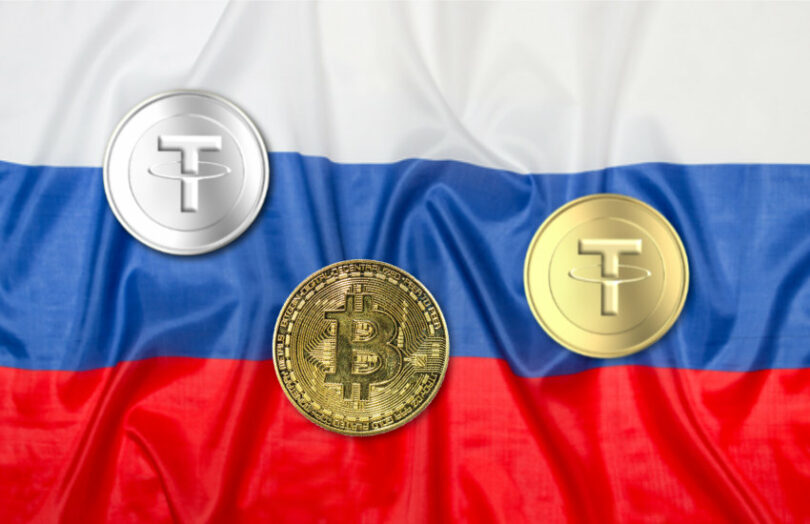
Digital currencies are officially recognized as taxable property in Russia, following legislative amendments approved by the State Duma. This landmark development introduces comprehensive tax rules for cryptocurrency transactions and mining, slated to take effect from January 1, 2025. The amendments represent a significant step in the country’s regulatory approach to digital assets, aiming to streamline income reporting and ensure compliance.

The legislative changes impose a tax of 13% for individual income from cryptocurrency operations, with a slightly higher rate of 15% applicable to non-resident individuals. Additionally, businesses involved in cryptocurrency-related activities will benefit from a value-added tax (VAT) exemption for mining-related transactions. This provision is designed to encourage greater participation in the crypto-mining sector while fostering a controlled environment for its growth. These measures reflect the government’s effort to balance innovation with the need for robust oversight in the digital economy.

A crucial aspect of the legislation involves the stricter regulation of mining infrastructure operators. Companies in this domain will be required to register and comply with stringent guidelines aimed at curbing illegal activities and ensuring transparency. By regulating these operators, authorities seek to establish a framework that promotes legitimate operations and protects market participants from fraud or exploitation.

The move aligns with Russia’s broader strategy to regulate cryptocurrencies amidst increasing global scrutiny of the sector. Cryptocurrencies, often viewed as tools for money laundering or tax evasion, have prompted governments worldwide to introduce regulations to monitor and manage their use effectively. By categorizing digital currencies as property, Russia not only brings clarity to their legal status but also signals its intention to integrate them into the formal economy.

Market analysts suggest that the taxation framework could encourage crypto-mining firms to operate within the law, as compliance becomes a prerequisite for business continuity. This development is especially significant for Russia, which is among the leading countries in crypto-mining due to its vast energy resources and favorable climate. The regulatory measures are expected to attract domestic and international players seeking stability and legal certainty in their operations.

The new rules also mandate the disclosure of cryptocurrency holdings and transactions in annual tax filings, creating an accountability system for individuals and entities involved in digital asset trading. Failure to comply with reporting requirements could result in severe penalties, reinforcing the government’s commitment to maintaining integrity within the sector.

Russia’s decision to implement these measures comes against a backdrop of evolving global attitudes toward cryptocurrency regulation. Countries such as the United States and members of the European Union have been advancing similar initiatives, highlighting a collective acknowledgment of the economic potential and risks associated with digital currencies. By joining this regulatory movement, Russia positions itself as a key player in shaping the future of the global crypto landscape.

Despite the optimism surrounding these changes, critics have raised concerns about the potential for overregulation to stifle innovation. Some industry stakeholders argue that the stringent requirements for mining infrastructure operators could create barriers for small-scale participants, thereby consolidating the industry in favor of larger entities. This, they warn, might undermine the decentralized ethos of cryptocurrency and limit opportunities for new entrants.

The effectiveness of these regulations will largely depend on their implementation and enforcement. Ensuring compliance in a rapidly evolving and highly technical sector presents significant challenges, requiring continuous adaptation and investment in oversight mechanisms. Observers emphasize the need for authorities to strike a balance between fostering growth and maintaining control to avoid unintended consequences.

Donald Trump is preparing to sign an executive order imposing a 25% tariff on all goods imported from Mexico and Canada. The order, which is set to take effect soon, also includes an additional 10% tariff on Chinese imports. The move, according to Trump administration officials, is aimed at addressing the flow of fentanyl and other illicit drugs entering the United States, primarily from these countries. This economic strategy is positioned as part of the broader efforts to curtail the opioid crisis that has ravaged communities across the nation.

The tariff proposal, which would be one of the most significant in recent history, is designed to put economic pressure on neighboring countries and China to stem the flow of synthetic opioids, particularly fentanyl, that have led to a sharp increase in overdose deaths. U.S. officials have expressed frustration that these drugs continue to enter the country, despite previous efforts and international cooperation to curb the trade. With this new economic leverage, Trump hopes to force both Mexico and Canada, along with China, to take more substantial action to prevent fentanyl and other dangerous substances from being trafficked into the U.S.

In addition to the 25% tariff on products from Mexico and Canada, the 10% levy on Chinese imports would signal a significant shift in the ongoing trade tensions between the two countries. While U.S. relations with China have been marked by disputes over technology, trade imbalances, and intellectual property, the fentanyl issue has emerged as a new front in the ongoing trade war. Chinese manufacturers of fentanyl precursor chemicals have been accused of enabling the drug’s production and shipment to the U.S. by circumventing existing international controls.

Trump’s administration has been under increasing pressure to demonstrate tangible results in the fight against the opioid crisis, which claimed the lives of over 100,000 Americans in 2022 alone. The crisis has been compounded by fentanyl, which is up to 100 times more potent than morphine and is responsible for a significant portion of the overdose deaths. Law enforcement agencies, including the U.S. Drug Enforcement Administration (DEA), have repeatedly emphasized the role of international trafficking networks in facilitating the distribution of this deadly drug.

The 25% tariff on Mexico and Canada, two of the U.S.’s largest trading partners, would have a profound economic impact, particularly on industries that rely on cross-border trade, such as automotive, agriculture, and manufacturing. Goods such as cars, machinery, electronics, and agricultural products are likely to be affected. Both Mexico and Canada have expressed concerns over the potential economic fallout, with Canadian officials warning that such measures could trigger retaliatory tariffs. Mexico, meanwhile, has stated that it is committed to addressing the issue of fentanyl trafficking but has argued that blanket tariffs would hurt both economies rather than foster cooperation.

China, which has long been a focal point in discussions on fentanyl and other illicit drug manufacturing, faces additional scrutiny under the proposed executive order. The U.S. has accused Chinese drug producers of operating with impunity in the international market, using the country’s vast manufacturing capabilities to produce fentanyl precursors. Despite China’s commitment to increasing its domestic regulations and limiting the export of such chemicals, U.S. officials contend that China’s efforts have been insufficient. The tariff would be aimed at ramping up pressure on Beijing to fully crack down on illegal drug production and trafficking.

Trump’s proposed tariffs are expected to face significant opposition within Congress, particularly among lawmakers who represent industries that depend heavily on trade with Mexico, Canada, and China. The proposed tariffs could escalate inflationary pressures, increase costs for U.S. consumers, and potentially disrupt supply chains. Some analysts have warned that the move could result in unintended economic consequences, including higher prices for goods and reduced economic growth.

The executive order, if signed, would mark a shift in U.S. foreign and trade policy, as the administration moves beyond traditional trade negotiations and directly ties tariffs to drug enforcement. It underscores the growing concerns over the opioid epidemic, with U.S. officials focusing on international collaboration as part of a broader strategy to combat the drug crisis. The order also signals an escalating approach to trade relations with Mexico, Canada, and China, signaling that economic diplomacy may become increasingly intertwined with the fight against illegal drug trade.

This development has sparked intense debate among experts, policymakers, and industry stakeholders about the potential risks and rewards of such a tariff strategy. Critics of the plan argue that using tariffs as a tool to address drug trafficking may not yield the desired results. They point to the complex nature of the drug trade, which involves numerous actors, including drug cartels, criminal networks, and even corrupt officials, making it difficult to target effectively through economic measures alone.

SINGAPORE – Media OutReach Newswire – 25 November 2024 – FBS, a leading global broker, celebrates winning the Outstanding Trading Education Asia 2024 award from CFI.co, a prestigious international publication. This award highlights FBS’s commitment to providing cutting-edge, accessible, and impactful trading education to traders of all experience levels across Asia and beyond. FBS Wins Outstanding Trading Education Asia 2024 Award Trading financial markets can be complex, […]

Cantor Fitzgerald, a prominent global financial services firm, is reportedly positioning itself to acquire approximately 5% ownership in Tether Holdings, the issuer of the world’s most widely used stablecoin, USDT. This move is viewed as part of Cantor’s strategy to deepen its foothold in the burgeoning cryptocurrency sector, which has seen a surge in institutional interest and regulatory scrutiny.

Tether, known for its dollar-pegged digital token, has grown into a pivotal entity in the cryptocurrency ecosystem, facilitating billions of dollars in daily transactions. The anticipated investment highlights the increasing convergence between traditional financial institutions and the crypto industry, as players like Cantor Fitzgerald seek to leverage the opportunities within blockchain technology and digital currencies.

Howard Lutnick, Cantor Fitzgerald’s CEO and a longstanding ally of President-elect Donald Trump, is expected to play a dual role in shaping these developments. Lutnick is slated to assume the role of Secretary of Commerce under Trump’s administration, raising questions about the interplay of political and business interests, particularly regarding regulatory landscapes affecting digital assets and related financial technologies.

The reported stake acquisition comes amidst broader crypto-related activities on Wall Street, as firms adopt blockchain solutions to modernize trading and record-keeping processes. Observers note that Cantor Fitzgerald’s history of resilience and adaptation, especially following its recovery from significant losses during the 9/11 attacks, positions it well to navigate the volatile but promising crypto market.

As Tether continues to face regulatory challenges globally, including concerns about its reserves’ transparency and governance, the involvement of a major Wall Street firm could signal a shift in perception and potentially bolster confidence in the stablecoin’s operational integrity. Cantor’s move could also influence other financial institutions to consider strategic investments in digital assets, underscoring a growing acceptance of cryptocurrency as a mainstream asset class.

While details about the terms of the deal remain undisclosed, industry insiders suggest that the partnership could herald increased institutionalization of the cryptocurrency market, fostering closer ties between digital finance innovators and established financial entities. This evolution aligns with a broader narrative of transformation within the financial sector, driven by technological advancements and the global adoption of digital payment solutions.

The anticipated collaboration between Cantor Fitzgerald and Tether may also have implications for regulatory policies under the Trump administration. With Lutnick at the helm of the Department of Commerce, there is speculation about potential shifts in the U.S. regulatory approach to cryptocurrencies and blockchain technologies. Some analysts believe that Lutnick’s involvement could provide Tether with a strategic advantage in addressing regulatory challenges and expanding its market reach.

Decentralized exchanges on Solana achieved a groundbreaking milestone, with their collective trade volume reaching $109.8 billion in November. This figure nearly doubles the $55 billion recorded on Ethereum-based DEXs during the same period, showcasing a remarkable surge in activity on Solana’s blockchain. The network’s user-friendly structure, low transaction fees, and a recent memecoin trading frenzy contributed significantly to this growth.

A significant share of this volume was driven by Solana’s decentralized exchanges, notably Raydium, Orca, and Aerodrome Finance. Raydium alone registered an impressive $4.2 billion in 24-hour trade activity, overshadowing Ethereum’s leading DEX, Uniswap, which managed $1.52 billion in the same timeframe. Orca and Aerodrome Finance also contributed significantly, with volumes exceeding $1 billion each, reflecting the ecosystem’s increasing traction among traders seeking efficiency and cost-effectiveness.

The momentum of Solana’s ecosystem is reflected in its address activity, which is on track to surpass October’s record of 123 million unique active addresses. This growth underscores the network’s growing appeal as a scalable alternative to Ethereum for decentralized finance (DeFi) and other blockchain applications.

The rising trade volume also benefited Solana’s native token, SOL, which has rallied by 18% over the past week, pushing its market capitalization to approximately $116 billion. This price movement signals renewed investor confidence in Solana’s potential as a major player in the crypto space, even as Ethereum retains a larger market share in the broader DeFi sector.

Experts attribute Solana’s success to its emphasis on enhancing user experience and its focus on creating accessible blockchain applications. Unlike Ethereum’s infrastructure-centric development approach, Solana prioritizes building applications that deliver tangible value to end users, making it a preferred choice for developers and traders.

Binance has experienced a remarkable surge in stablecoin inflows, with a staggering $10.2 billion flowing into its platform over the past 30 days. This influx highlights the growing importance of stablecoins in cryptocurrency trading and the pivotal role Binance continues to play in this sector.

The surge is primarily driven by traders’ increasing reliance on stablecoins, particularly USDT (Tether) and USDC (USD Coin), to engage in various trading activities such as spot trading, futures, and decentralized finance (DeFi) opportunities within Binance’s extensive ecosystem. The trend signals a shift in trading behavior, with stablecoins now playing an even more prominent role in the daily operations of cryptocurrency markets.

Stablecoins are digital currencies pegged to stable assets like the US dollar, designed to reduce the volatility typically associated with cryptocurrencies like Bitcoin or Ethereum. Their use has grown significantly in recent years as traders and investors seek ways to navigate the fluctuating crypto market while maintaining liquidity and minimizing exposure to market swings. USDT, in particular, has remained the most widely used stablecoin, providing liquidity for a range of trading strategies.

The inflow of such a large volume of stablecoins into Binance further cements its status as a dominant force in the global cryptocurrency ecosystem. Binance’s platform, known for its wide range of services, including spot trading, futures contracts, and DeFi offerings, continues to attract traders looking to capitalize on the benefits of stablecoins. With a user-friendly interface and comprehensive suite of tools, Binance is able to support a variety of trading strategies, from the most basic to complex DeFi protocols.

A significant portion of the stablecoin influx is linked to the growing popularity of decentralized finance (DeFi) projects. DeFi has emerged as one of the most transformative aspects of the crypto space, offering users the ability to trade, borrow, lend, and invest in decentralized markets, often without the need for traditional financial intermediaries. Binance’s DeFi offerings, including decentralized exchanges (DEXs) and lending platforms, have attracted a significant amount of stablecoin liquidity, enabling users to leverage their holdings for greater financial returns.

The stablecoin influx has also been bolstered by Binance’s ability to cater to traders across various regions, providing a platform with global reach. Traders from regions with unstable fiat currencies have increasingly turned to stablecoins as a safe haven, further fueling the demand for USDT and USDC. This shift is reflected in the trading volumes across Binance’s multiple markets, which have seen a significant rise as stablecoins are increasingly used to hedge against currency fluctuations and store value in a more stable form.

Another factor contributing to this trend is the growing adoption of stablecoins by institutional investors. As more hedge funds, family offices, and institutional investors enter the cryptocurrency space, stablecoins have become a preferred medium for large-scale transactions. These investors are attracted to stablecoins’ ability to offer a low-risk, high-liquidity option for large transactions, and Binance is positioning itself as a key player in this market.

Binance’s ability to process such a large volume of stablecoin inflows also speaks to the efficiency of its platform. With advanced liquidity management systems and robust risk controls, Binance can handle vast amounts of capital without significant slippage or disruptions to the market. This is particularly important in the volatile world of cryptocurrency trading, where even small disruptions can have ripple effects across the entire ecosystem.

Despite the positive momentum, some concerns have emerged about the regulatory landscape surrounding stablecoins. As regulators around the world begin to pay closer attention to the growing use of stablecoins, questions about their long-term stability and regulatory treatment are gaining prominence. The U.S. Securities and Exchange Commission (SEC) and other global financial authorities have expressed interest in introducing stricter regulations for stablecoins, which could affect their use in platforms like Binance. However, for now, stablecoins continue to play a critical role in the global crypto trading ecosystem.

Binance’s dominance in the stablecoin space may not go uncontested. Other cryptocurrency exchanges, such as Coinbase, Kraken, and Gemini, are also seeing growth in stablecoin inflows, though none have matched Binance’s sheer volume. The competition among exchanges is likely to intensify as the market for stablecoins continues to expand, with firms racing to offer the best products and services to attract traders.

Binance has maintained its edge in this competitive environment through continuous innovation. Recent updates to its platform, such as the introduction of new trading pairs and features tailored to DeFi users, have enhanced its appeal. Additionally, Binance has introduced a series of initiatives aimed at increasing the accessibility of stablecoins, including support for a wider range of fiat currencies and the integration of various blockchain networks. This flexibility has allowed Binance to remain a leader in stablecoin trading, even as the landscape evolves.

VISHNU RAJA
RYO YAMADA
HITORI GOTOH
IKUYO KITA
Just in:
After Reaching 7 Million Users in the Philippines, Skyro Launches Transparent Cash Loans in Malaysia // Cloudflare unveils Zero Wire vulnerability intelligence service // CR Longdation Aethereal Cybersecurity × Global Cybersecurity Alliance (GCSA) Join Hands to Establish the “AI and Cybersecurity Research Centre” // e-Crime Bureau Signs Cybersecurity Partnership With Smart Africa, Reinforcing Its Global Expansion // Asia Left Behind: Ten international companies have yet to report delivering on their cage-free egg pledges across the region // Ta’ziz finalises $1.39bn funding for Ruwais industrial facilities // Ousted top Kochi cop gets IG post // Private varsities bill all set to face the axe // Meraas showcases five residential zones at Dubai Design Week // APT29-linked campaign exploits outdated Apple and Android software // Govt opposes Arlekar’s PSC action // Kochi police detain two actors over bid to honey trap doctor // The “1st Greater Bay Area Health and Longevity Summit & Awards Ceremony” concludes successfully in Macao // SC to examine students’ exam plea today // TVM –Mangaluru Vande Bharat claims top spot // ADIA and partners establish $1.4 billion aviation venture // Fast Just Got Fastest: STING Energy Boost™ Celebrates Kimi Antonelli’s Formula 1® World Championship and the Fan Energy Behind It // UK air traffic outage inflicted £33m financial losses // Vance attributes Republican midterm defeats to Iran conflict // Xi Jinping Preparing For A Trilateral Summit With Trump And Putin At APEC Summit On Nov 18-19 //