Just in:
UK air traffic outage inflicted £33m financial losses // CR Longdation Aethereal Cybersecurity × Global Cybersecurity Alliance (GCSA) Join Hands to Establish the “AI and Cybersecurity Research Centre” // Ousted top Kochi cop gets IG post // OpenAI abandons secrecy agreements for future data centres // India Under Pressure To Join RCEP On The Eve Of ASEAN Summit In Manila On Nov 15-17 // Geely’s i-HEV Intelligent Hybrid Technology Offers a New Direction for Gasoline-Powered Vehicles // The “1st Greater Bay Area Health and Longevity Summit & Awards Ceremony” concludes successfully in Macao // Private varsities bill all set to face the axe // Emaar approves Development buyout ahead of planned delisting // Geely’s i-HEV Intelligent Hybrid Technology Offers a New Direction Vision for Gasoline-Powered Vehicles // Elephant calf on death line airlifted for treatment in Gujarat // OpenAI introduces GPT-6 Cyber with restricted security access // Battle Uttar Pradesh Will Be Tougher For Yogi Than Expected // Technology shares plunge as Nasdaq enters correction // Oil advances towards $100 as tanker attacks persist // Xi Jinping Preparing For A Trilateral Summit With Trump And Putin At APEC Summit On Nov 18-19 // Millions Of Indians May Soon Be Deprived Of Government Assistance // e-Crime Bureau Signs Cybersecurity Partnership With Smart Africa, Reinforcing Its Global Expansion // Miss Universe Hong Kong Jen Zhou Departs for Puerto Rico to Compete in the 75th Miss Universe World Final // Kochi police detain two actors over bid to honey trap doctor //

News related to
trading

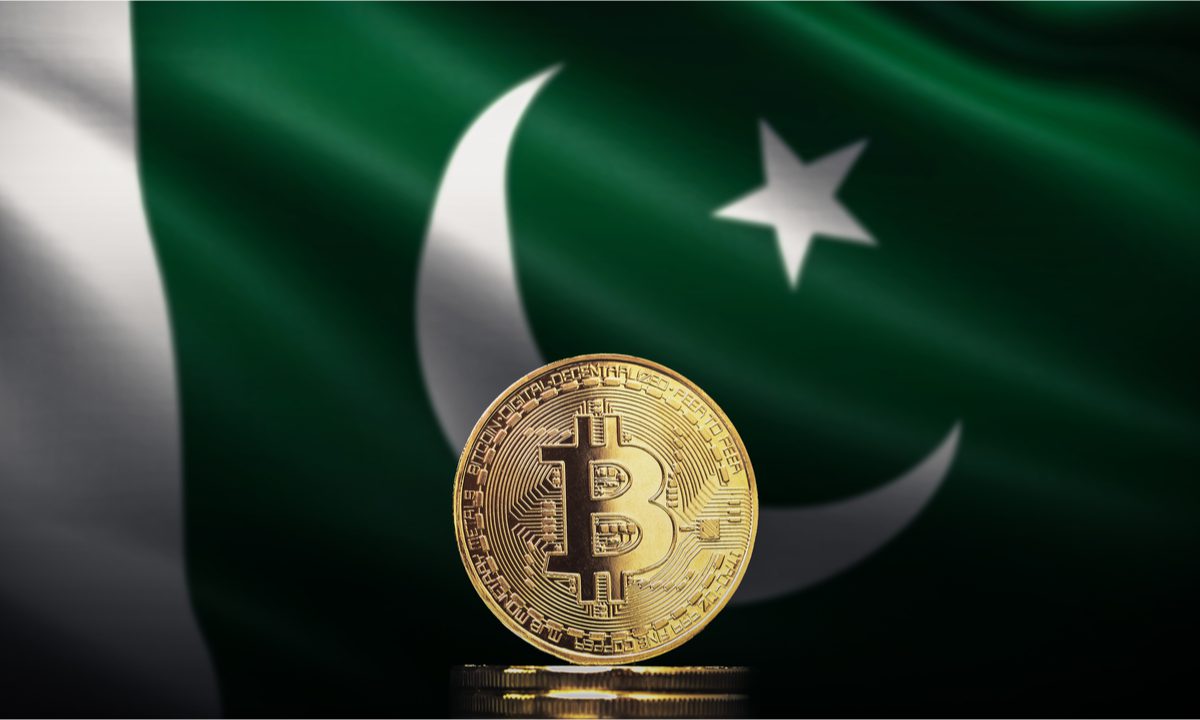
Pakistan is moving decisively towards establishing a legal framework for cryptocurrency trading, aiming to position itself as a hub for blockchain-powered finance and attract international investment.

Bilal Bin Saqib, the newly appointed Chief Executive Officer of the Pakistan Crypto Council, emphasized the country’s readiness to embrace digital assets. “Pakistan is done sitting on the sidelines; we want regulatory clarity and a legal framework that is pro-business,” Saqib stated. He highlighted Pakistan’s potential as a leader in blockchain finance, noting that “60% of the population is under 30; we have a Web3-native workforce ready to build.”

The Pakistan Crypto Council, established under the Ministry of Finance, is tasked with developing regulations and promoting blockchain technology and digital assets within the country. This initiative marks a significant shift from the central bank’s previous warnings against cryptocurrency use, citing concerns over fraud and financial instability.

Despite past apprehensions, Pakistan ranks ninth globally in crypto adoption, with an estimated 15 to 20 million Pakistanis engaging in cryptocurrency trading. This substantial user base underscores the pressing need for a clear regulatory environment to safeguard investors and stimulate economic growth.

Saqib, recognized by Forbes as a Web3 investor and blockchain strategist, highlighted Pakistan’s competitive advantage in the crypto space. He pointed out that the country offers one of the lowest operating costs for crypto businesses, making it a more cost-effective alternative to hubs like Dubai and Singapore.

The government’s proactive stance includes plans to engage with countries like the United Arab Emirates, Nigeria, and Turkey to learn from their regulatory experiences. This collaborative approach aims to ensure that Pakistan’s digital asset ecosystem evolves securely, compliantly, and sustainably.

On the taxation front, the government intends to adopt a “balanced pro-growth tax structure” designed to attract foreign investment while fostering domestic innovation. This strategy reflects a commitment to creating a business-friendly environment that encourages the integration of blockchain technology into various sectors of the economy.

The establishment of the Pakistan Crypto Council underscores the government’s commitment to integrating blockchain technology with the financial landscape. The council’s role includes overseeing policy development, addressing regulatory challenges, and collaborating with international bodies to develop standardized frameworks for digital economic engagement.

This move aligns with global trends, as countries worldwide are increasingly recognizing the potential of cryptocurrencies and blockchain technology. By creating a clear regulatory framework, Pakistan aims not only to attract international investors but also to position itself as a leader in the rapidly evolving digital economy.


Ethereum’s decentralized finance ecosystem has experienced a substantial contraction, with total value locked plummeting by $29 billion over the past 30 days. This decline has raised concerns about Ethereum’s dominance in the DeFi landscape, especially as rival blockchains gain traction.

As of March 19, Ethereum’s TVL stands at $89 billion, down from $118 billion recorded on February 19, marking a 25% reduction in total deposits within its DeFi platforms. This downturn coincides with a surge in the Bitcoin to Ethereum ratio, which has reached an all-time high. Currently, with Bitcoin trading at $83,000 and Ethereum at $1,900, one BTC can now purchase over 44 ETH, reflecting a 30% increase from the 1:33 ratio observed on February 25.

Several factors have contributed to this sharp devaluation. The introduction of new trade tariff policies has unsettled global markets, prompting crypto investors to seek safety in Bitcoin over Ethereum. Additionally, Ethereum’s ongoing network scalability issues and unsuccessful updates have dampened investor confidence. Historical data indicates that Ethereum’s devaluation has accelerated post-Merge, with multiple failed network upgrades pushing ETH supply above pre-Merge levels.

The Ethereum Foundation attempted to regain control by reshuffling leadership in February, but investor sentiment remains bleak following the disappointing Pectra and Hoodi updates. This has led to a massive capital outflow from Ethereum’s DeFi ecosystem, with TVL dropping from $118 billion on February 19 to $89 billion on March 19, marking a $29 billion capital loss within a month—a 25% decline in total deposits across Ethereum DeFi.

The declining on-chain statistics align with lower demand for leveraged longs in ETH futures. The premium of these futures over spot markets has dropped below the 5% neutral level to only 3%—the lowest in over a year—indicating diminished trading confidence.

Ethereum’s decentralized exchange volumes have seen a significant decline, with volumes decreasing approximately 30% over the last week. Specific protocols within the Ethereum network have exhibited notable drops in activity, with the Maverick Protocol experiencing an 85% reduction and Dodo’s volume decreasing by 45%.

Despite these challenges, Ethereum maintains its leadership in total value locked, currently at $47.2 billion. However, a 9% weekly drop has significantly narrowed the gap with competitors. In contrast, BNB Chain’s deposits increased by 6% in the past week, while Ethereum’s key DeFi projects saw major losses, including an 11% drop in Stargate Finance’s TVL, a 9% decline in Maker’s deposits, and a 6% reduction in Spark Finance.

The $29 billion drop in Ethereum’s DeFi TVL, coupled with continued scalability struggles and external economic pressures, heightens bearish risks. As liquidity diminishes in the DeFi ecosystem, ETH coins previously locked in smart contracts are entering the short-term market supply. If capital outflows persist, ETH could face further downward pressure, potentially retesting the $1,500 support zone. Additionally, with Bitcoin’s dominance widening, ETH risks losing more market share in the near term, especially if upcoming economic policies do not meet market expectations.

The declining interest in Ethereum-based exchange-traded funds further exacerbates the situation. Over the past seven days, these digital assets have suffered cumulative outflows of $265.4 million, reflecting diminished institutional interest.

In response to these challenges, Ethereum’s developers are under increasing pressure to address scalability issues and restore investor confidence. The upcoming Hoodi update is anticipated to tackle some of these concerns, but its success remains uncertain. Meanwhile, competitors like Solana and BNB Chain are capitalizing on Ethereum’s setbacks, attracting users and liquidity with their own DeFi offerings.

Binance led global cryptocurrency exchange app downloads in February, achieving 4.83 million installs. OKX followed with 2.47 million downloads, while Bitget secured 1.57 million.

Binance’s dominance reflects its extensive user base and robust infrastructure. The platform offers a wide range of services catering to both novice and experienced traders, featuring a user-friendly interface and comprehensive security measures. This combination has contributed to its global popularity.

OKX has made significant strides, attracting a large number of traders with its advanced trading features and competitive fee structure. The platform’s commitment to providing a seamless trading experience has solidified its strong position in the industry.

Bitget has emerged as a formidable player, gaining traction due to its focus on copy trading and social trading features. These allow users to replicate the trades of successful traders, appealing to those looking to leverage the expertise of others.

The dominance of Binance, OKX, and Bitget in February’s download rankings reflects the growing demand for reliable and user-friendly cryptocurrency exchange platforms. As the cryptocurrency market continues to evolve, these platforms are well-positioned to capitalize on the increasing interest in digital assets. Their ability to adapt to market trends and provide innovative solutions will be crucial in maintaining their leadership positions.

Other notable platforms in the top ten include Coinbase with 1.38 million downloads, Bybit with 1.31 million, Crypto.com with 884,000, KuCoin with 609,000, MEXC with 543,000, Kraken with 343,000, and Gate with 320,000.

These figures highlight the competitive nature of the cryptocurrency exchange market, with platforms continually striving to enhance their offerings to attract and retain users.

In related developments, HTX reported a substantial surge in trading volume in February, accompanied by an 8.15% month-over-month rise in app logins, indicating heightened user engagement. The platform also secured a top-three position in EUR-stablecoin trading volume and was recognized by Forbes as one of the “Top 25 World’s Most Trustworthy Crypto Exchanges of 2025.”

The cryptocurrency exchange landscape is continually evolving, with platforms investing in user experience, security, and innovative features to differentiate themselves in a crowded market. As user preferences shift and new technologies emerge, exchanges that can adapt and meet the changing demands are likely to maintain or improve their standings in future download rankings.

The data underscores the importance of mobile accessibility in the cryptocurrency market, as users increasingly prefer managing their digital assets on-the-go. Exchanges that offer intuitive and secure mobile applications are better positioned to attract a broader user base.

The emphasis on features like copy trading and social trading, as seen with Bitget, indicates a trend towards community engagement and educational resources within trading platforms. These features not only empower novice traders but also foster a sense of community among users.

As regulatory landscapes shift and user expectations evolve, cryptocurrency exchanges face the ongoing challenge of balancing innovation with compliance and security. Platforms that can navigate these complexities while delivering value to their users are likely to see continued growth in both downloads and active user engagement.

Bitcoin, Ether, and Solana are anticipated to experience price fluctuations between 3% and 5% as the Federal Reserve prepares to announce its latest monetary policy decisions.

As of Wednesday, Bitcoin has seen a modest uptick, trading at $83,290—a 1.2% increase, though it remains 31% below its January peak. Ethereum and Solana have also registered gains, with Ethereum rising by 1.5% and Solana by 1.6%.

The Federal Open Market Committee is set to release its rate review, along with growth and inflation projections. Market consensus suggests that the Fed will maintain current interest rates. However, investors are keenly awaiting Chair Jerome Powell’s press conference for indications of potential shifts toward more accommodative monetary policies, especially in light of concerns surrounding the labor market and consumer spending.

Volmex’s one-day implied volatility indices, which measure expected price fluctuations, suggest that Bitcoin could see a 24-hour price swing of approximately 3.31%. Similarly, Ethereum and Solana are projected to experience movements of 5.25% and 5.73%, respectively.

Historically, Bitcoin has exhibited notable volatility around FOMC meetings. For instance, on August 5, 2024, Bitcoin’s price declined by 7.2%, while Ethereum dropped by 10.1%, coinciding with macroeconomic announcements. These movements were accompanied by surges in the Bitcoin Volmex Implied Volatility Index, underscoring the sensitivity of cryptocurrency markets to such events.

Market participants are also reflecting on President Trump’s recent announcement of a U.S. “crypto reserve,” which includes assets like XRP, Cardano , and Solana . This initiative added over $200 billion to the cryptocurrency market’s value, with XRP’s market capitalization alone increasing by $44 billion. Bitcoin and Ethereum were subsequently added to the reserve, leading to a 9% surge in Bitcoin’s price to $93,000.

Despite these developments, Bitcoin’s price has faced challenges, hitting a four-month low of $76,867 before recovering slightly to $80,480. This decline is partly attributed to investor disappointment over the government’s stance on active cryptocurrency purchases.

Analysts caution that Bitcoin is at a critical juncture, with potential support levels around $73,000. Weakness at this technical level could signal further declines, drawing parallels to the 2021 crypto market downturn. Market dynamics, including the prevalence of speculative assets like meme coins, suggest a fragile foundation, with retail traders holding depreciating assets.

Stablecoins have solidified their position in the cryptocurrency market, sustaining an impressive on-chain transaction volume of approximately $800 billion per month over the past four months. This consistent activity underscores the pivotal role stablecoins play in digital finance, offering stability amidst the volatility often associated with cryptocurrencies.

Ethereum, the leading blockchain platform for decentralized applications, continues to dominate as the primary network for stablecoin transactions. Notably, it hosts substantial amounts of the two major stablecoins: USD Coin and Tether . As of the latest data, Ethereum’s network holds around $35 billion in USDC and $67 billion in USDT, reflecting its central role in the stablecoin ecosystem.

The sustained high transaction volumes of stablecoins can be attributed to their widespread adoption for various financial activities, including trading, remittances, and decentralized finance applications. Their ability to maintain a stable value, typically pegged to fiat currencies like the US dollar, makes them an attractive medium for transferring value without the price fluctuations characteristic of other cryptocurrencies.

In 2023, stablecoins facilitated transactions totaling $10.8 trillion, with $2.3 trillion attributed to organic activities such as payments and cross-border remittances. This substantial usage highlights the growing trust and reliance on stablecoins within the global financial system.

Siemens, Europe’s largest industrial technology company, has partnered with Minima, a pioneer in decentralized blockchain technology, to integrate blockchain capabilities into its devices across the automotive, robotics, energy, and healthcare sectors. This collaboration aims to bolster data integrity and security in the rapidly evolving landscape of connected industrial systems. The partnership is facilitated through Siemens Cre8Ventures, an initiative dedicated to accelerating industrial transformation by collaborating with startups […]

Escalating conflict in the Middle East has led to significant upheavals in global financial markets. On March 18, 2025, Israel launched extensive airstrikes across the Gaza Strip, effectively ending a ceasefire that had been in place since January. These strikes resulted in over 400 Palestinian casualties, including many women and children, marking one of the deadliest 24-hour periods in the region since 2023. Israeli Prime Minister Benjamin […]

Advertisements

Raydium, a leading decentralized exchange and automated market maker on the Solana blockchain, has announced the launch of LaunchLab, a new token launchpad platform. This development positions Raydium in direct competition with Pump.fun, a prominent memecoin launchpad that has significantly influenced Raydium’s revenue streams.

LaunchLab is designed to emulate and enhance the functionalities of Pump.fun, offering token creators a platform to introduce new tokens with various bonding curves—linear, exponential, and logarithmic—that align token prices with market demand. Additionally, LaunchLab allows third-party user interfaces to set their own fees, providing greater flexibility for developers and users alike.

The introduction of LaunchLab comes on the heels of reports that Pump.fun is developing its own AMM, signaling a shift away from its reliance on Raydium’s infrastructure. This move by Pump.fun could potentially divert liquidity and trading volume from Raydium, prompting the DEX to innovate and retain its market position.

Pump.fun has been a significant contributor to Raydium’s revenue, with memecoins launched on Pump.fun accounting for approximately 41% of Raydium’s swap fee revenue over the past 30 days. The platform’s model involves depositing liquidity into Raydium’s trading pools once a token reaches a market capitalization of $69,000, thereby integrating with Raydium’s AMM.

The potential migration of tokens from Pump.fun to its own AMM has raised concerns about a possible decline in Raydium’s revenue. In February, Raydium’s native token, RAY, experienced a 25% decline, reflecting investor apprehension about future revenue streams. Despite this downturn, Raydium maintains a robust financial position, with approximately $168 million on its balance sheet, enabling it to invest in new initiatives like LaunchLab.

Raydium’s core contributor, known pseudonymously as Infra, stated that the development of LaunchLab began several months ago but was initially shelved to avoid direct competition with other platforms. However, the evolving landscape, particularly Pump.fun’s move towards establishing its own AMM, necessitated Raydium’s proactive response. Infra emphasized that LaunchLab is not intended to replace Pump.fun but to serve as an alternative for teams seeking to leverage Raydium’s AMM v4 for pool migrations.

The memecoin market has experienced fluctuations, with a notable decline in investor interest. Pump.fun’s graduation rate—the percentage of tokens successfully transitioning from incubation to full tradability on a Solana DEX—has fallen below 1% since mid-February. This decline reflects growing caution among investors regarding high-risk memecoin investments.

Despite these challenges, Raydium’s RAY token has shown resilience. Following the announcement of LaunchLab, RAY surged approximately 28%, rising from $1.60 to $2.00. This uptick indicates renewed investor confidence in Raydium’s strategic direction and its ability to adapt to market dynamics.

The launch of LaunchLab signifies a pivotal moment in the Solana ecosystem, potentially intensifying competition among token launchpads. As both Raydium and Pump.fun vie for prominence, the Solana community may witness accelerated innovation, offering users diverse options for token creation and trading. This competitive landscape could lead to more robust and user-centric platforms, benefiting the broader cryptocurrency market.

However, challenges persist. The declining interest in memecoins poses a risk to platforms heavily reliant on such tokens for revenue. Raydium’s strategic move to launch LaunchLab may mitigate potential revenue losses from Pump.fun’s shift towards its own AMM, but the platform must continue to innovate and adapt to maintain its market share.

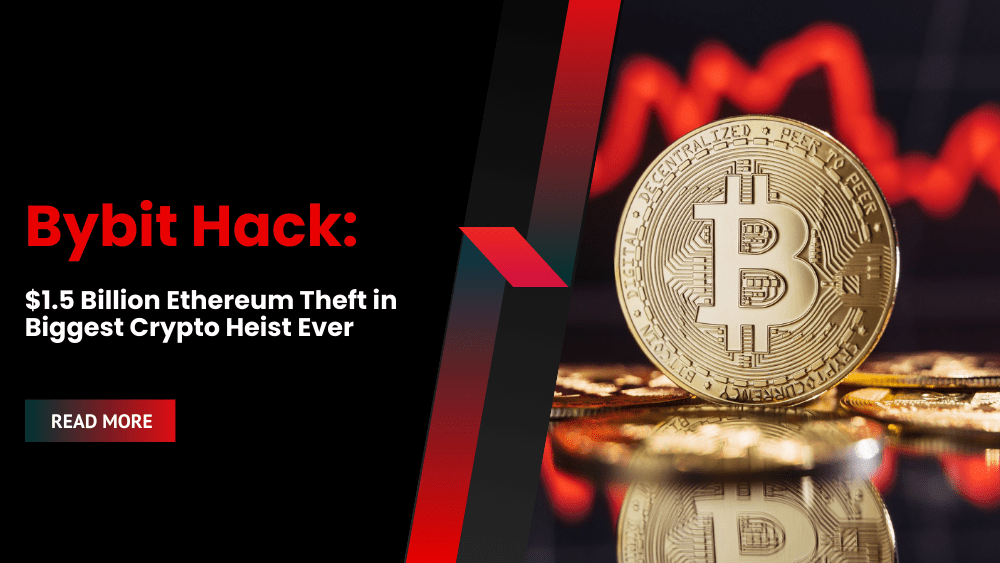
On 21 February 2025, Bybit, one of the world’s leading cryptocurrency exchanges, suffered a monumental security breach resulting in the theft of approximately 400,000 Ether tokens, valued at $1.5 billion. This incident has been identified as the largest cryptocurrency heist to date, surpassing previous records and sending shockwaves throughout the digital asset community.

The breach occurred during a routine transfer from Bybit’s cold wallet to a warm wallet—a standard procedure intended to ensure liquidity for daily operations. Attackers exploited this process by intercepting the transfer, redirecting the substantial sum to unknown addresses. Initial investigations have traced the hack to the Lazarus Group, a cybercrime organization associated with North Korea, notorious for orchestrating similar high-profile cyberattacks in the past.

In the immediate aftermath, Bybit’s market share plummeted from nearly 20% to a mere 5% by 2 March 2025, as users and traders sought more secure platforms. Binance emerged as a primary beneficiary during this period, with its market dominance soaring to 62% as traders migrated their assets. Other major exchanges, such as OKX and Coinbase, also experienced minor increases in market share, reflecting a broader redistribution of trading activity.

Bybit’s swift crisis response played a crucial role in stabilizing the situation. Unlike many exchanges that suspend withdrawals during security breaches, Bybit maintained operational status, allowing users to access their funds. This decision, coupled with consistent updates, helped maintain confidence and prevent mass withdrawals. The exchange also secured emergency funding from firms including Galaxy Digital, FalconX, and Wintermute, replenishing its reserves within 72 hours. By 9 March 2025, Bybit’s market share had rebounded to 9.04%. However, the exchange still faces significant reputational damage and lingering trust issues, raising doubts about its ability to fully regain its pre-hack position.

The incident has sparked discussions about the inherent vulnerabilities within the cryptocurrency ecosystem. While technological defenses continue to advance, this breach underscores that human error remains a critical weak point. INSEAD’s Ben Charoenwong emphasized that human failings, rather than technical glitches, are often the most significant factors in such incidents. He highlighted that a barrier to effective security is the reluctance to acknowledge ownership and responsibility for vulnerable systems.

The Bybit hack serves as a stark reminder of the importance of robust security protocols and the need for continuous vigilance in the rapidly evolving digital asset landscape. As the industry grapples with the implications of this unprecedented breach, stakeholders are urged to reassess their security measures, prioritize transparency, and foster a culture of accountability to safeguard against future threats.

South Korea’s Financial Supervisory Service has mandated that cryptocurrency exchanges contribute a 0.6% annual regulatory fee based on their operating revenues, amounting to a total of 7.9 billion won . This measure aims to bolster oversight within the rapidly expanding digital asset sector.

The fee structure, exceeding the initially anticipated 0.4%, requires quarterly payments due by the end of March, May, July, and October each year. The distribution of these fees among major exchanges is as follows:

– Dunamu, the operator of Upbit, is liable for 6.7 billion won .

– Bithumb faces a fee of 900 million won .

– Coinone is assessed at 150 million won .

– Gopax is charged 21.35 million won .

Korbit is exempt from this fee due to its operating revenue falling below the 3 billion won threshold set by the FSS.

The imposition of these fees underscores the South Korean government’s commitment to enhancing regulatory oversight in the cryptocurrency industry. By aligning digital asset platforms with traditional financial institutions under regulatory scrutiny, the FSS aims to ensure a more secure and transparent trading environment for investors.

This development follows the enactment of the Virtual Asset User Protection Act, which subjects virtual asset service providers to supervisory fees. The act stipulates that businesses with annual revenues exceeding 3 billion won are obligated to contribute to the FSS’s regulatory activities. These contributions are calculated using a rate of 2.686818 per 10,000 won of operating revenue from the previous fiscal year.

For instance, based on this rate, Upbit’s contribution is approximately 272 million won , while Coinone and Gopax are expected to contribute roughly 6.03 million won and 830,000 won , respectively. Korbit, with an operating revenue of approximately 1.7 billion won last year, is excluded from this fee due to not meeting the revenue threshold.

The supervisory fees are intended to fund the FSS’s regulatory activities, including inspections and oversight, ensuring that VASPs operate within the guidelines set forth by the Virtual Asset User Protection Act. This move brings virtual asset operators under the FSS’s inspection scope, aligning them with traditional financial institutions.

However, this new requirement poses significant challenges for many virtual asset exchanges. Most, except for Upbit and Bithumb, continue to suffer operating losses. Despite these losses, exchanges like Coinone and Gopax will still have to pay the supervisory share, adding financial pressure to their strained operations.

In addition to the supervisory fees, the Virtual Asset User Protection Act introduces various requirements for VASPs, including a mandate to hold at least 80% of users’ assets in cold storage. These funds must be segregated from company funds and invested in “risk-free” assets to generate a yield. Furthermore, crypto exchanges are required to reevaluate cryptocurrencies listed for trading, such as verifying their circulation and reviewing white papers.

The introduction of these supervisory fees and regulations reflects South Korea’s proactive approach to regulating the cryptocurrency industry. By implementing stringent oversight measures, the government aims to protect investors and maintain the integrity of the financial system in the face of rapid technological advancements and the growing popularity of digital assets.

The financial burden imposed by these fees may prompt smaller exchanges to reassess their operational strategies or consider mergers to remain viable. It also underscores the importance for cryptocurrency exchanges to maintain transparent and robust financial practices to comply with regulatory standards.

Arabian Post Staff -Dubai Abu Dhabi’s sovereign wealth fund, Mubadala Investment Company, is actively engaging with global banks and market makers to establish a consortium of up to ten partners for the forthcoming Base Exchange in Rio de Janeiro. These prospective partners are expected to provide essential liquidity to the new stock exchange. In return, they would acquire equity stakes, resulting in a slight reduction of Mubadala’s […]

LONDON, UNITED KINGDOM – Media OutReach Newswire – 17 March 2025 – Diginex Limited (“Diginex” or the “Company”)(Nasdaq: DGNX), an impact technology company specializing in environmental, social, and governance (“ESG”) issues, today announced the signing of two memorandum of understandings (“MOUs”) to pursue a broad strategic partnership to facilitate Diginex with its planned expansion in the United Arab Emirates (“UAE”) and the broader Gulf Cooperation Council region […]

CME Group, the world’s largest futures exchange, has introduced Solana futures contracts, providing institutional investors with an additional tool for trading the popular cryptocurrency. This move marks a significant step in the expansion of derivatives markets, particularly as digital assets like SOL continue to rise in prominence within the blockchain ecosystem.

The introduction of Solana futures comes at a time when demand for cryptocurrency-related products among institutional players is growing. By expanding beyond traditional spot trading and options, CME Group is responding to a clear market trend: the increasing appetite for advanced financial instruments in the digital asset space. With the launch of these futures contracts, CME Group further solidifies its position as a leader in cryptocurrency derivatives trading, following its successful rollouts of Bitcoin and Ethereum futures.

For institutional investors, Solana futures provide a method of hedging risk and gaining exposure to the cryptocurrency market without having to directly own or manage the underlying asset. Futures contracts are particularly useful for large-scale traders, offering opportunities to speculate on price movements and manage the volatility associated with crypto assets. The addition of SOL futures further diversifies the range of cryptocurrency products available on the CME Group’s platform, complementing its existing offerings.

SOL, the native cryptocurrency of the Solana blockchain, has seen impressive growth in recent months. It continues to strengthen its position as a leading layer 1 network, noted for its fast transaction speeds and low costs, which have made it a popular choice for developers. As the blockchain ecosystem continues to evolve, Solana’s robust performance in areas like decentralized finance , NFTs, and gaming has contributed to a growing number of use cases, driving interest among both retail and institutional investors.

The rise of Solana can be traced to its unique combination of scalability and decentralization, offering an alternative to slower and more expensive platforms like Ethereum. In particular, Solana’s ability to process thousands of transactions per second at a fraction of the cost of its competitors has made it an attractive option for developers seeking high-performance blockchain solutions. This technical advantage is reflected in the increasing adoption of the Solana network, further contributing to its growing market capitalization and network activity.

As the launch of Solana futures unfolds, the attention is on how the product will be received by institutional traders, many of whom have previously shown a preference for more established cryptocurrencies like Bitcoin and Ethereum. However, the entry of new institutional investors into the Solana market could be a game-changer. The volatility that characterises Solana’s price movements may appeal to institutional traders looking for more active trading opportunities and higher-risk, higher-reward positions. Moreover, the futures contracts offer a way to gain exposure to Solana’s price without being directly affected by the underlying volatility in the same way as spot holders.

In addition to its core functionality as a trading tool, the launch of Solana futures is also indicative of broader trends within the cryptocurrency market. The growing institutional interest in digital assets has led to a surge in derivative products, enabling sophisticated trading strategies that were once unavailable in the traditional financial markets. The success of Bitcoin and Ethereum futures, which have attracted billions in liquidity, serves as a precedent for the growing acceptance of cryptocurrencies in institutional investment portfolios.

The move to introduce Solana futures aligns with CME Group’s broader strategy of offering diverse cryptocurrency-related products to meet the needs of institutional investors. By expanding its product offering to include Solana, CME Group not only attracts more traders to its platform but also increases the legitimacy of the cryptocurrency market within traditional financial systems. This development is likely to encourage further innovation and investment in the sector.

Beyond Solana’s technical advantages, the timing of its futures contract launch also positions CME Group strategically within the broader cryptocurrency landscape. As the digital asset market continues to mature, institutional adoption is poised to grow, with more regulatory clarity and financial infrastructure emerging. As one of the first exchanges to offer a futures contract for Solana, CME Group places itself at the forefront of this market evolution.

Despite Solana’s recent successes, challenges remain for the network. The blockchain’s rapid growth has been accompanied by concerns over network stability, with occasional outages raising questions about the scalability and reliability of its technology. While these issues have not significantly hindered Solana’s progress to date, any technical difficulties could potentially affect investor confidence in the network. However, as Solana continues to innovate and improve its infrastructure, its position in the crypto space looks increasingly secure.

The introduction of Solana futures is expected to bring increased liquidity to the market, further boosting its visibility and legitimacy in the eyes of institutional investors. For CME Group, the move represents a strategic push to offer products that cater to the growing demand for cryptocurrency-based trading instruments, and it reflects the evolving nature of digital asset markets.

OKX, a prominent cryptocurrency exchange, has temporarily suspended its decentralized exchange aggregator service following the detection of a coordinated attempt by the North Korean hacking collective, Lazarus Group, to exploit its decentralized finance offerings. This proactive measure aims to bolster security and prevent further misuse of the platform.

The exchange announced that, after consulting with regulators, it decided to pause its DEX aggregator services to implement additional security upgrades. This suspension allows OKX to address incomplete tagging on blockchain explorers and enhance its systems to prevent malicious activities. The company emphasized its commitment to transparency and is collaborating with blockchain explorers to ensure accurate labeling of transactions, thereby preventing the misidentification of its aggregator as the point of trade.

In response to the detected threats, OKX has already rolled out several security enhancements. These include a hacker address detection system for its Web3 DEX aggregator and a real-time tracking mechanism to monitor and block malicious addresses within its centralized exchange. These measures are part of OKX’s ongoing efforts to stay ahead of cyber threats and protect its users.

Despite the suspension of the DEX aggregator, OKX’s wallet services remain operational. However, the creation of new wallets has been temporarily paused in select markets during this period of heightened security measures. The exchange has not provided a specific timeline for the resumption of its DEX aggregator services, indicating that the suspension will remain in effect until the necessary security upgrades are fully implemented.

The decision to suspend the DEX aggregator comes amid reports of European Union financial watchdogs investigating OKX’s Web3 services and wallet offerings for their alleged role in laundering funds from a significant hack targeting another cryptocurrency exchange, Bybit. According to Bybit CEO Ben Zhou, approximately $100 million from the $1.5 billion hack had been laundered through OKX’s Web3 platform, with a portion of the funds now untraceable.

OKX has refuted these allegations, stating that such reports are misleading. The exchange asserts that upon learning of the Bybit hack, it took immediate action by freezing associated funds from moving into its centralized exchange and developing new hack detection features. OKX maintains that its Web3 DEX aggregator is not a custodian of customer assets but rather serves to provide access to liquidity across multiple protocols, offering users an efficient peer-to-peer trading experience.

The Lazarus Group, believed to be linked to the North Korean government, has been implicated in several high-profile cyberattacks targeting financial institutions and cryptocurrency platforms. Their involvement in the attempted exploitation of OKX’s DeFi services underscores the persistent threats facing the cryptocurrency industry.

In light of these events, OKX has reiterated its commitment to combating financial crime and enhancing the security of its platforms. The exchange has implemented measures such as prohibited markets’ IP blocking and a real-time black address detection and blocking system. OKX CEO Star Xu emphasized the company’s dedication to building industry control standards in collaboration with global partners to ensure a secure and transparent trading environment.

By Nitya Chakraborty Sidelined by the Trump 2.0 administration and rebuffed by India, Bangladesh interim government is exploring all avenues to rejuvenate the country’s ailing economy by expanding its trade and investment relationship with Pakistan and China. The objective is to reduce the dependence on India in major areas where the outsourcing is possible from […]

SINGAPORE – Media OutReach Newswire – 17 March 2025 – FBS, a leading global broker, has been recognized for excellence, winning three major titles at the FXDailyInfo Forex Brokers Award 2025: Best Value Forex Broker 2025 Best Forex Trading Support 2025 Best Global Affiliate Programs 2025 These accolades highlight FBS’s commitment to delivering top-tier trading conditions, outstanding client support, and highly rewarding partnership opportunities. FBS Secures Three […]

Asset management firm Ninety One Plc is increasing its investments in United Arab Emirates equities to mitigate exposure to the ongoing trade tensions initiated by U.S. President Donald Trump. The company’s emerging-markets equity team, overseeing $11 billion in assets, is targeting markets less affected by U.S. tariffs, according to co-portfolio manager Varun Laijawalla. This strategy includes acquiring shares in UAE-based companies such as Emaar Properties PJSC and Abu Dhabi Commercial Bank PJSC.

Emaar Properties, a leading real estate developer in the UAE, has experienced fluctuations in its stock performance. On March 14, 2025, the Dubai Financial Market index declined by 0.9%, influenced by losses in the real estate sector due to new tariff threats from President Trump. Emaar Properties and its construction subsidiary, Emaar Development, saw their shares decrease by 2.2% and 2.8%, respectively.

Despite these short-term declines, Emaar Properties has demonstrated resilience over the past year. The company’s stock has shown a 69.91% increase over the last 12 months, indicating strong growth potential.

Abu Dhabi Commercial Bank , another focus of Ninety One’s investment strategy, has also shown notable financial performance. In 2024, ADCB reported revenues of AED 16.61 billion, marking a 19.64% increase compared to the previous year’s AED 13.88 billion. Earnings for the same period reached AED 8.74 billion, reflecting an 11.80% increase.

The bank’s stock has been trading within a 52-week range of AED 7.61 to AED 12.60, with a market capitalization of approximately AED 76.67 billion.

Ninety One’s strategic move to invest in UAE markets aligns with its objective to find “uncorrelated markets” less susceptible to the adverse effects of U.S. tariffs. The firm, formerly known as Investec Asset Management, rebranded to Ninety One in 2020 to reflect its founding year and has since been listed on both the London and Johannesburg Stock Exchanges.

As of December 31, 2022, Ninety One managed approximately $159 billion in assets, offering a range of active strategies across equities, fixed income, multi-asset, and alternative investments.

The firm’s decision to bolster investments in the UAE comes amid broader market reactions to global trade tensions. On March 11, 2025, major Gulf markets experienced declines due to investor concerns over a potential U.S. recession triggered by widespread trade conflicts. The Saudi Arabian index fell by 1.3%, with significant decreases in Al Rajhi Bank and Saudi National Bank. Similarly, Dubai’s index decreased by 1.1%, affected by a 2.3% drop in Emaar Properties and a 1.9% decline in Emirates NBD.

However, by March 12, 2025, Gulf stock markets displayed mixed results amid hopes for a Ukraine ceasefire and ongoing concerns over U.S. tariffs. Dubai’s main index rose by 0.7%, led by gains in Emaar Properties and Dubai Islamic Bank, while Abu Dhabi’s index increased by 0.4%. Conversely, Saudi Arabia’s index experienced a slight decline of 0.1%.

The UAE’s economic environment presents opportunities for investors seeking markets less correlated with U.S. trade policies. Ninety One’s targeted investments in companies like Emaar Properties and ADCB reflect a strategic approach to navigating global trade uncertainties while capitalizing on the growth potential within the UAE.

Emaar Properties continues to be a significant player in the UAE’s real estate sector, with a market capitalization of AED 122.42 billion and a dividend yield of 7.22%. The company’s earnings per share stand at AED 1.53, and it is scheduled to release its next earnings report on May 8, 2025.

Abu Dhabi Commercial Bank maintains a strong presence in the UAE’s banking industry, with a public float of 2.91 billion shares. The bank’s robust financial performance and strategic initiatives position it well to navigate the challenges posed by global trade dynamics.

Ninety One’s emphasis on identifying investment opportunities in markets less affected by U.S. tariffs underscores its commitment to delivering value to its clients while mitigating risks associated with global trade tensions. By focusing on the UAE’s resilient sectors, the firm aims to achieve sustainable growth in an increasingly complex economic landscape.

RIYADH, SAUDI ARABIA – Media OutReach Newswire – 16 March 2025 – Sahm Capital is excited to announce its official membership in the Arab Federation of Capital Markets (AFCM), further solidifying its commitment to the growth and development of the Arab capital markets. Founded in 1978, AFCM aims to enhance the efficiency and transparency of capital markets across the Arab region, including the GCC, Levant, and Arab […]

Abu Dhabi-based investment firm MGX has made a landmark $2 billion investment in Binance, the world’s largest cryptocurrency exchange. This transaction represents Binance’s first institutional investment and is one of the most significant in the cryptocurrency industry’s history.

The investment was executed using stablecoins, a category of cryptocurrencies designed to maintain a stable value by pegging to traditional fiat currencies. While the specific stablecoin utilized in this transaction was not disclosed, such a substantial investment underscores the growing acceptance and integration of digital assets within mainstream financial systems.

MGX, chaired by Sheikh Tahnoon bin Zayed al-Nahyan, has traditionally focused on artificial intelligence and technological infrastructure. This move into the cryptocurrency sector signifies a strategic expansion of MGX’s investment portfolio, aligning with the United Arab Emirates’ ambition to position itself as a global hub for digital assets and blockchain technology.

Ahmed Yahia, CEO of MGX, emphasized the firm’s commitment to advancing the potential of blockchain technology in digital finance. He stated, “Our investment in Binance reflects our belief in the transformative potential of blockchain and our commitment to supporting the evolution of the digital finance ecosystem.”

Binance, established in 2017, has rapidly ascended to become the leading cryptocurrency exchange globally, boasting a daily trading volume exceeding $20 billion. The company maintains a significant operational presence in Abu Dhabi, employing approximately 1,000 individuals in the region. This investment not only strengthens Binance’s ties with the UAE but also highlights the strategic importance of the Middle East in the global cryptocurrency landscape.

Richard Teng, CEO of Binance, previously served as the head of the Abu Dhabi Financial Services Regulatory Authority. His leadership has been instrumental in navigating the complex regulatory environment and fostering relationships within the region. Teng expressed enthusiasm about the partnership with MGX, stating, “This investment marks a pivotal moment for Binance as we continue to build bridges between traditional finance and the digital asset industry.”

The UAE’s proactive approach to embracing digital assets is further exemplified by the introduction of AE Coin, a stablecoin backed by the UAE dirham. This initiative aims to facilitate seamless transactions within the digital economy and reinforce the country’s position as a pioneer in blockchain adoption.

MGX’s investment in Binance is anticipated to catalyze advancements in artificial intelligence, blockchain integration, and regulatory compliance within the cryptocurrency industry. By leveraging MGX’s expertise in AI and technology infrastructure, Binance aims to enhance its platform’s capabilities, offering more robust and secure services to its global user base.

This development arrives at a time when the cryptocurrency industry is witnessing increased institutional interest and regulatory scrutiny. Binance has faced challenges in the past, including a $4.3 billion fine in 2023 for failing to prevent money laundering activities. However, under Teng’s leadership, the company has made significant strides in enhancing its compliance measures and rebuilding its reputation within the global financial community.

The strategic partnership between MGX and Binance is expected to pave the way for further institutional investments in the digital asset space. As traditional financial institutions increasingly recognize the potential of blockchain technology, collaborations like this are likely to become more prevalent, driving innovation and adoption across the industry.

Goldman Sachs, the world’s second-largest investment bank, has, for the first time, acknowledged the significance of cryptocurrencies in its annual shareholder letter. This marks a notable shift in the bank’s stance towards digital assets, highlighting their increasing influence in the financial industry.

The letter emphasizes that the rise of electronic trading, coupled with advancements in technologies such as distributed ledger technology , cryptocurrencies, and artificial intelligence , has intensified competition within the financial sector. Goldman Sachs notes that some competitors are offering financial products, including cryptocurrencies and other digital assets, which the bank currently does not provide. This disparity suggests a potential gap in the bank’s offerings that clients might find elsewhere.

While acknowledging the growing prevalence of blockchain and digital assets, Goldman Sachs also cautions about the associated risks. The bank points out that these technologies are still in their early stages and may be susceptible to cyberattacks and other inherent vulnerabilities. This perspective underscores the need for a balanced approach, recognizing both the opportunities and challenges presented by emerging technologies.

Goldman Sachs has been gradually exploring the cryptocurrency space. In 2021, the bank launched a cryptocurrency trading desk, marking its initial foray into digital assets. The following year, it introduced the Goldman Sachs Digital Asset Platform , aimed at facilitating the issuance and custody of digital assets such as digital bonds. These initiatives reflect the bank’s efforts to adapt to the evolving financial landscape.

Despite these developments, Goldman Sachs has maintained a cautious stance towards cryptocurrencies. The bank’s leadership has previously described Bitcoin as a speculative asset, acknowledging its potential as a store of value while highlighting its volatility. This cautious approach aligns with the bank’s emphasis on understanding and mitigating the risks associated with digital assets.

Gold prices have soared past the $3,000 per ounce mark for the first time, reflecting investors’ flight to safety amid escalating global economic uncertainties. The precious metal reached an unprecedented high of $3,004.86 during midday trading on Friday before settling slightly below this milestone later in the session. Several factors have converged to drive this historic surge. Chief among them is the intensifying trade conflict initiated by […]

Bitso, a leading cryptocurrency exchange in Latin America, has added Toncoin to its trading platform, reflecting its commitment to broadening digital asset offerings. Users can now trade TON through the Bitso app, enhancing their access to The Open Network’s ecosystem.

To begin trading Toncoin on Bitso, users should:

1. Create a Bitso Account: Register and complete the verification process.
2. Fund the Wallet: Deposit local currency or other cryptocurrencies into the Bitso wallet.
3. Purchase TON: Navigate to the Buy/Sell section in the Bitso app, locate the TON trading pair, and execute the transaction.

This integration offers users seamless, efficient transactions within The Open Network’s ecosystem.

Toncoin, the native cryptocurrency of The Open Network , is designed to facilitate decentralized applications and services. The network aims to provide fast, secure, and scalable blockchain solutions, positioning itself as a significant player in the evolving digital landscape.

Founded in 2014, Bitso has emerged as a prominent cryptocurrency platform in Latin America, boasting over 7 million users globally. The exchange offers a variety of services, including a mobile app for buying, selling, and using cryptocurrencies, as well as Bitso Alpha, a platform tailored for traders seeking advanced tools and high liquidity. Bitso operates under regulatory frameworks in countries like Mexico, Brazil, and Argentina, ensuring compliance and security for its users.

The addition of Toncoin aligns with Bitso’s strategy to diversify its cryptocurrency offerings, catering to the growing demand for varied digital assets. This move not only enriches the trading options for existing users but also attracts new investors interested in exploring The Open Network’s capabilities.

In the context of the broader cryptocurrency market, Toncoin has been gaining attention. Technical analyses suggest potential price movements, with patterns indicating possible bullish trends. However, as with all cryptocurrencies, investors are advised to conduct thorough research and exercise caution due to the inherent volatility of the market.

Bitso’s continuous efforts to integrate diverse cryptocurrencies demonstrate its dedication to providing comprehensive services to its user base. By adding assets like Toncoin, Bitso enhances its platform’s appeal, offering users opportunities to engage with emerging technologies and blockchain innovations.

HANOI, VIETNAM – Media OutReach Newswire – 14 March 2025 – KVB emerged as the ultimate winner of the prestigious Most Popular Broker 2024 award presented by Followme, after breaking through fierce competition among 371 participating brokers. Following a rigorous evaluation process, the final selection was based on a comprehensive assessment of key factors, including customer base and activity levels, service quality, user reputation, and overall engagement […]

Abu Dhabi-based technology investment firm MGX has invested $2 billion in Binance, marking the first institutional backing for the world’s largest cryptocurrency exchange. This unprecedented move underscores the growing convergence between traditional finance and the digital asset industry. The investment, finalized on March 12, 2025, was transacted entirely in stablecoins—a category of cryptocurrencies pegged to traditional fiat currencies. While the specific stablecoin utilized remains undisclosed, this method […]

VISHNU RAJA
RYO YAMADA
HITORI GOTOH
IKUYO KITA
Just in:
Battle Uttar Pradesh Will Be Tougher For Yogi Than Expected // TVM –Mangaluru Vande Bharat claims top spot // Democrats Gearing Up For 2028 Presidential Elections To Gain Full Power // Motorola introduces Signature 27 flagship priced at $1,599 // CM disputes Vijayan’s claims // Miss Universe Hong Kong Jen Zhou Departs for Puerto Rico to Compete in the 75th Miss Universe World Final // Ousted top Kochi cop gets IG post // Geely’s i-HEV Intelligent Hybrid Technology Offers a New Direction for Gasoline-Powered Vehicles // Trump’s Iran War Has A Share Of Contribution To His Midterm Debacle // OpenAI abandons secrecy agreements for future data centres // Beyond the exhibition floor: How robots, AI and networks are moving into the real world // CR Longdation Aethereal Cybersecurity × Global Cybersecurity Alliance (GCSA) Join Hands to Establish the “AI and Cybersecurity Research Centre” // Xi Jinping Preparing For A Trilateral Summit With Trump And Putin At APEC Summit On Nov 18-19 // e-Crime Bureau Signs Cybersecurity Partnership With Smart Africa, Reinforcing Its Global Expansion // Excise chief shunted out in bar licence dispute // The “1st Greater Bay Area Health and Longevity Summit & Awards Ceremony” concludes successfully in Macao // Dubai details five-year visa benefits for returning visitors // Oil advances towards $100 as tanker attacks persist // Ningbo Consensus on Collaborative Development released at 2026 Global Mayors Dialogue · Ningbo // Millions Of Indians May Soon Be Deprived Of Government Assistance //