News related to
trading

KUALA LUMPUR, MALAYSIA – Media OutReach Newswire – 8 August 2025 – Octa Broker is providing an in-depth overview of the week’s key events and actionable insights to help traders navigate this high-stakes environment with confidence. July was a relatively quiet month for gold, at least by the recent standards. XAUUSD, the primary financial instrument for trading bullion, fluctuated in a very narrow 30-dollar range between roughly […]

The South African rand strengthened in early Thursday trading, buoyed by an uptick in gold prices and a softer US dollar, following the implementation of steep tariffs by the United States. The commodity-linked currency, which often moves in tandem with the price of gold, saw a brief rally as traders sought refuge in the precious metal amidst economic uncertainty. Investors were particularly focused on the U. S.’s […]

Apprehension has returned to US stock markets, and the reasons are becoming increasingly difficult to ignore. Many asset allocators I speak with are questioning valuations that appear stretched and overly reliant on a handful of technology giants. Although the S&P 500 and the Nasdaq 100 reached fresh highs just last week, the rally already feels vulnerable. Outside the United States, sentiment is notably more optimistic. In Europe, […]

By R. Suryamurthy Prime Minister Narendra Modi’s declaration that he is willing to “pay a heavy price” to stand by Indian farmers in the face of escalating U.S. trade tariffs has captured headlines—but not necessarily for the right reasons. It is a speech crafted more for the political stage than the policy war room. Beneath […]

Expands global presence, targeting 100 locations by end of year TOKYO, JAPAN – Media OutReach Newswire – 7 August 2025 – In an era of rapid technological advancement, industries worldwide are actively integrating cutting-edge technologies to drive business breakthroughs. Worldgate global Logistics Ltd (“Worldgate“, together with its subsidiaries, collectively the “Group”; HKEx: 8292) is pleased to announce that its interactive entertainment business, VSING (“the Company”) has formed […]

Arabian Post Staff -Dubai FBS, a prominent global trading company, has suspended its operations in India, citing increasing regulatory challenges. The decision to cease trading activities follows growing concerns from Indian authorities regarding the company’s compliance with local financial regulations and its failure to meet the standards set by the Securities and Exchange Board of India. The move has raised questions about the country’s rapidly evolving regulatory […]

Chris Rokos, the founder of Rokos Capital Management, is making strategic moves to expand his $22 billion hedge fund by setting up an office in Abu Dhabi next year. This step signals a growing trend of financial institutions establishing a foothold in the Middle East as they aim to tap into the region’s increasing significance in global finance.

Abu Dhabi’s financial ecosystem has become a key destination for international money managers, with its combination of tax incentives, a favourable regulatory environment, and proximity to key investment markets. By establishing an office in the UAE capital, Rokos Capital aims to leverage these advantages and enhance its trading strategies across various global markets. This expansion also aligns with a broader push by the hedge fund to diversify its operations and build closer ties with key investors in the region.

The decision to set up an office in Abu Dhabi is expected to attract top-tier talent from around the world, as the region continues to see an influx of skilled professionals seeking new opportunities. Furthermore, the move places Rokos Capital in a prime position to access an increasingly wealthy investor base in the Gulf Cooperation Council states, particularly those with significant holdings in sectors like energy and real estate.

The UAE’s capital is rapidly evolving into a financial hub, with its offerings including some of the world’s most competitive tax rates, an open economic environment, and a growing number of financial services firms. Many hedge funds, private equity firms, and sovereign wealth funds are establishing regional offices in Abu Dhabi to capitalise on these benefits and strengthen their connections with the lucrative markets of the Middle East and North Africa.

Several global players have already set up in the UAE as the emirate works to position itself as an alternative to traditional finance centres like London and New York. The UAE government has introduced various reforms designed to attract international investment, including more relaxed laws on foreign ownership and easier access to its financial markets.

Rokos Capital’s decision reflects a broader trend in the industry, with more asset managers shifting focus to the Middle East as an emerging centre of financial activity. The UAE’s commitment to fostering a dynamic business environment, combined with its strategic geographic location, makes it an attractive option for firms looking to strengthen their global presence.

Despite this, the move also indicates the growing competition among global financial firms to establish a footprint in the Middle East. As the region’s financial market continues to expand, the demand for skilled workers and high-quality investment opportunities is expected to grow, making it an essential market for international hedge funds like Rokos Capital.

By establishing operations in Abu Dhabi, Rokos Capital will be better positioned to manage its diverse portfolio, which spans various asset classes and global markets. This move could also bolster the firm’s trading operations in the region and provide increased access to the considerable liquidity available in local financial markets.

While the details of the office’s specific location and operations are yet to be fully disclosed, this expansion is likely to further cement the UAE’s growing role in global finance. As the financial landscape in the Middle East evolves, the presence of international players such as Rokos Capital will play a crucial role in shaping the future of finance in the region.

Advertisements

Base has outpaced Solana in the number of newly launched tokens, marking a significant shift in the blockchain space. On July 27, Base recorded over 54,000 newly launched tokens, surpassing Solana, which had just 25,000. This surge has been largely attributed to platforms like Farcaster and Zora, where every post generates a liquid token, further accelerating the trend of token migration.

The momentum on Base has been further bolstered by its unique design, which allows a broader, more accessible environment for token creation. This makes it an attractive platform for the influx of new meme coins and so-called “shitcoins.” These tokens, often driven by speculative trading rather than tangible utility, have seen a sharp rise in numbers and trading activity, particularly on decentralized exchanges. Base’s network appears to be more conducive to this type of activity, offering lower transaction fees and faster processing times.

Meanwhile, Solana is facing a decline in the number of meme coins and other low-value tokens being created. Platforms such as Pump. fun and LetsBonk, which once saw massive trading volumes, have seen a dramatic drop in both trading activity and revenues. Analysts suggest that this decline may be the result of waning interest in Solana’s ecosystem, particularly in the meme token space, as investors and creators seek more profitable or stable alternatives.

The cooling off of meme tokens across the broader market is also evident. The total market capitalisation of these tokens has fallen by approximately 15%, while trading volumes have dipped by more than 50%. This decline reflects a broader trend in the cryptocurrency market, where speculative trading has become less profitable amid increased regulation and a general shift towards more sustainable blockchain projects.

The market for meme coins, often referred to as “shitcoins,” is heavily influenced by social media trends and the speculative nature of investors. Meme tokens are typically not backed by any underlying technology or use case, which makes them volatile and prone to sudden surges or declines. The launch of tokens on platforms like Base has further inflated the meme coin market, though it remains to be seen whether these tokens will have any lasting value.

Farcaster and Zora have become central to this shift in token creation. Both platforms offer users the ability to mint tokens tied to their posts, leading to a rapid increase in the number of tokens being minted. On Zora, every tweet or post can become a tradable token, and this feature has contributed to the surge in tokens on Base. These platforms’ decentralised nature and innovative tokenomics have provided a fertile ground for the growth of these low-value assets.

Solana, on the other hand, is facing stiff competition from other blockchain platforms. The ecosystem that once thrived on high-speed transactions and low costs is now grappling with diminishing enthusiasm for meme tokens. As the market evolves, platforms like Solana, once a leader in decentralized finance and non-fungible tokens, are losing their edge. Despite attempts to rejuvenate its ecosystem through partnerships and updates, Solana has yet to recover the lost momentum in the meme token space.

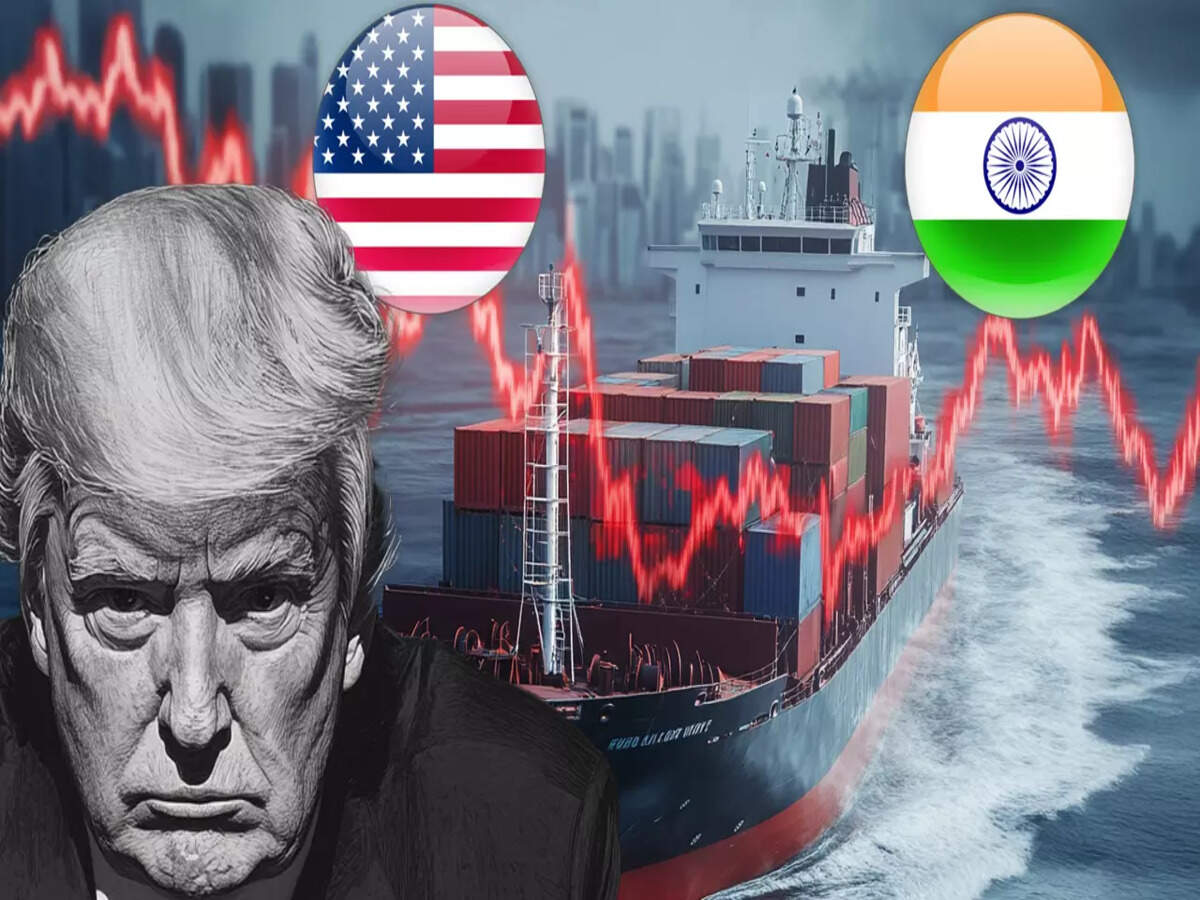
US President Donald Trump has announced plans to significantly raise tariffs on exports from India, citing the country’s oil purchases from Russia as the primary reason for the move. The statement marks an escalation in tensions between the two countries, with both sides having clashed over trade policies and geopolitical issues in recent years.

Trump’s remarks, made on social media, have ignited a strong response from New Delhi, which views the threat as unjustified and damaging to its economic interests. The US President criticized India’s ongoing imports of Russian crude oil, calling the move a betrayal, as the West intensifies efforts to isolate Moscow over its invasion of Ukraine. He pointed out that India’s purchases were then being resold on the international market for profits, further compounding the situation.

The US government has consistently condemned the sale of Russian oil to countries that are still buying from Moscow amid global sanctions designed to cripple the Russian economy. These sanctions, which were imposed by the US and its allies in response to Russia’s aggressive actions in Ukraine, have led to a complex diplomatic web, with several nations, including India, caught in the middle.

While the US and European Union have significantly reduced their oil imports from Russia, countries like India and China have stepped in to fill the gap, buying discounted crude oil from Moscow. India, in particular, has ramped up its purchases of Russian energy, a decision that is seen by many as a strategic move to secure energy resources at lower costs. These purchases have helped India maintain its economic growth amidst the energy price crisis exacerbated by the war in Ukraine.

The announcement by Trump that tariffs on Indian goods would be substantially raised could have serious repercussions for trade between the two nations. India is one of the United States’ largest trading partners, and any significant tariffs would undoubtedly affect a range of industries, from agriculture to technology. In 2022, the bilateral trade between the two countries surpassed $150 billion, with India exporting a wide array of goods to the US, including textiles, chemicals, and pharmaceuticals.

The Indian government, however, has rejected Trump’s claims, arguing that its oil purchases from Russia are in line with its energy security needs and do not violate any international laws. New Delhi has maintained a neutral stance on the war in Ukraine, calling for dialogue and diplomacy to resolve the crisis rather than escalating sanctions and pressure on Russia.

India’s position reflects a broader strategy of balancing its foreign relations with both the West and Russia. While it maintains strong ties with the US and Europe, it also values its long-standing relationship with Russia, particularly in defense and energy sectors. Over the years, Russia has been a reliable supplier of defense equipment to India, a factor that continues to shape India’s foreign policy decisions.

The economic impact of higher tariffs could have a ripple effect on both countries’ economies. India could face higher costs for its exports to the US, which might lead to inflationary pressures within certain sectors. For the US, such tariffs could result in higher prices for American consumers on imported goods, potentially exacerbating inflation at a time when the country is already grappling with economic challenges.

The political fallout from Trump’s threat to raise tariffs could further complicate efforts to resolve trade disputes between the US and India. Both nations have been working on strengthening their strategic and economic ties, but issues like tariffs and energy trade could undermine this progress. Negotiations over trade deals, such as the proposed free trade agreement, may now face significant hurdles as both sides dig in their heels.

The decision to increase tariffs on India could also have wider implications for the global economy. It might set a precedent for other nations to retaliate against countries purchasing Russian oil, particularly those in the Global South who have not been willing to fully sever their economic ties with Moscow. This could potentially fragment the global energy market even further, making it harder for countries to secure stable and affordable energy supplies.

This development highlights the growing division between the US-led West and countries that have opted to remain neutral or continue engaging with Russia. As the war in Ukraine shows no sign of abating, the economic and diplomatic repercussions of these decisions are likely to continue shaping global relations for the foreseeable future.


eToro, the globally recognised trading platform, revealed plans to introduce tokenized US stocks and exchange-traded funds on Ethereum. This announcement, made during a global webinar titled ‘eToro Unlocked: Trade Without Boundaries’, marks a significant development in the integration of traditional financial assets with blockchain technology.

The initiative aims to bridge the gap between conventional finance and the burgeoning world of decentralised finance. By utilising Ethereum’s blockchain, eToro will allow users to trade tokenized versions of US stocks and ETFs. This move follows the growing trend of decentralised financial products that provide greater accessibility and transparency to global markets. The tokenisation of these assets is expected to enable fractional ownership, meaning investors can hold and trade portions of stocks and ETFs without the need for a large capital outlay.

This shift is in line with a wider industry push towards blockchain adoption. Major financial institutions, including banks and asset managers, have explored tokenisation as a way to simplify processes, reduce costs, and make trading more efficient. By offering these products on a platform like eToro, which boasts millions of active users, the company is positioning itself as a key player in the digital asset space.

As of now, traditional trading platforms have been somewhat slow to incorporate blockchain technologies, particularly when it comes to mainstream products like equities and ETFs. However, tokenisation is rapidly gaining traction, with the promise of faster transactions, lower fees, and enhanced security. Ethereum, due to its widespread use and robust smart contract capabilities, has emerged as a leading blockchain for such innovations.

The rollout of tokenized US stocks and ETFs will occur in phases. Initially, a select group of eToro users will be given early access to these digital assets, with the plan for a broader launch depending on regulatory approval and market demand. Despite the novelty of tokenised equities, the platform’s offering will be fully compliant with the relevant financial regulations, ensuring that users can trade with confidence.

eToro’s move to embrace Ethereum-based tokenisation comes at a time when other financial services firms are also investigating blockchain’s potential in transforming asset management. For instance, firms like Fidelity and Grayscale have pioneered offerings that allow traditional investment in cryptocurrency, while companies such as JP Morgan and Goldman Sachs have been integrating blockchain technologies into their existing infrastructure.

However, it remains to be seen whether tokenised assets can truly revolutionise the way investors interact with traditional financial products. While blockchain technology offers numerous advantages, including faster settlement times and reduced friction in cross-border trading, the challenge lies in widespread adoption. Regulatory hurdles and market acceptance will play key roles in determining whether tokenisation becomes mainstream or remains a niche offering.

Nonetheless, the trend is gaining momentum. Tokenisation is seen as a way to democratise access to high-value assets that were previously reserved for wealthier investors or institutions. By breaking down these assets into smaller, more affordable fractions, eToro aims to give a wider audience the opportunity to diversify their portfolios, gain exposure to US stocks and ETFs, and participate in a global marketplace.

As eToro has expanded its offerings in recent years, it has positioned itself as a platform that seeks to empower users by providing more trading options and access to a range of global financial products. This tokenisation project is part of eToro’s broader vision of a more open and inclusive financial ecosystem, where geographical and financial barriers are diminished through technological advancements.

By K Raveendran Donald Trump’s aggressive tariff regime, launched under the guise of bolstering American strength and reclaiming lost economic ground, has triggered a worldwide response that may ultimately defeat the very goal it seeks to achieve. Framed as a nationalist project to assert America’s economic primacy, the tariff war has turned out to be […]

Russia has renewed efforts to revive the dormant Russia–India–China trilateral dialogue, prompting cautious signals from India and prompt endorsement from China. Moscow’s deputy foreign minister, Andrei Rudenko, has confirmed active negotiations with Beijing and New Delhi around restarting consultations among the trio, all founding members of BRICS, to address global strategic concerns. China’s foreign ministry spokesperson Lin Jian framed the initiative as beneficial not only to the […]

By Dr. Nilanjan Banik Before the August 1 deadline, the U.S. President Donald Trump decided to impose a 25% tariff on Indian exports. He also talked about an additional penalty on Indian exports, which could go up to100% as a surcharge, targeting countries that continue trading oil with Russia. Trump seems to care less about […]

The U. S. Treasury has placed sweeping sanctions on a sprawling oil‑trading and shipping network linked to Mohammad Hossein Shamkhani, whose father, Ali Shamkhani, serves as adviser to Iran’s Supreme Leader Ayatollah Ali Khamenei. The action, imposed on 30 July 2025, marks the most extensive Iran‑related sanctions package since 2018, covering more than 115 individuals, entities and vessels.

At the heart of the measures is Shamkhani’s maritime empire, comprising 15 shipping firms, 52 vessels and 53 entities operating across 17 countries from Panama to Hong Kong. Officials contend the network funnels tens of billions of dollars in revenue from Iranian and Russian oil sales, largely to buyers in China, using aliases, front companies and falsified documentation to conceal ownership and origin.

Treasury Secretary Scott Bessent described the network as a prime example of elite Iranian circles using state influence for private gain while empowering Tehran’s destabilising agenda, asserting that this is “the largest to‑date since the Trump Administration implemented our campaign of maximum pressure on Iran”.

Hossein—known in industry as “H”, “Hector” or, in travel documents, “Hugo Hayek”—is said to travel internationally using foreign passports and operate from the UAE and beyond. The Treasury report underscores his use of a web of shell enterprises and shipping registries in jurisdictions such as Hong Kong, Singapore, the UAE, Italy and Switzerland to obscure true control of assets.

The network’s operations align with broader patterns observed in Iran’s so‑called “ghost fleet.” Surveillance reports have documented vessels switching flags, deactivating AIS transponders, engaging in ship‑to‑ship oil transfers, blending cargoes mid‑voyage and falsifying bills of lading to evade detection. Such tactics enable covert deliveries to Chinese “teapot” refineries and other end‑users despite global sanctions.

The sanctions also extend to six firms based in India, accused of transacting petroleum and petrochemical goods with Iran worth approximately $220 million. U. S. officials warned these sanctions could strain trade relations and signal serious repercussions for firms ignoring sanctions diplomacy ][5]).

While the sanctions are intended to sever the flow of funds financing Iran’s nuclear, ballistic missile and proxy capabilities, U. S. officials stopped short of declaring they will destabilise global oil markets. Still, they emphasised that the network’s disruption would make it “much more difficult” for Tehran to covertly maintain oil sales via front companies and intermediaries.

Ali Shamkhani, previously sanctioned by the U. S. in 2020, remains a key figure in Iran’s security establishment. Serving as a naval officer, former defence minister and head of the Supreme National Security Council until May 2023, he assumed the role of adviser to the supreme leader thereafter. His son’s oil empire is widely seen as an extension of those elite institutional networks.

Industry observers say the sanctions package highlights the increasing difficulty in enforcing international measures against Iran’s evolving evasion networks. The complexity, scale and global reach of Shamkhani’s operations underscore the challenge of identifying and intercepting entities that operate invisibly across jurisdictional lines.

The United States has introduced new visa restrictions for citizens of 31 African countries, a move that directly impacts nations such as Nigeria, Ghana, and Gambia. This policy revision limits non-immigrant visas to single-entry permits, significantly altering the travel dynamics for individuals from these countries. The policy, announced by the U. S. State Department, aims to curb perceived abuse of the American visa system while reinforcing the […]

The Securities and Exchange Board of India has escalated its investigation into the trading activities of Jane Street, a global proprietary trading firm, as part of a broader probe into alleged market manipulation. The regulatory body has now requested trading data from several Indian stock exchanges, further deepening its scrutiny of the firm’s involvement in the country’s financial markets.

SEBI’s action stems from claims that Jane Street engaged in manipulation of stock indices through derivative positions. This move follows a regulatory ban imposed on the firm in early July, which temporarily barred it from conducting any trading activities in Indian markets. The ban was issued after SEBI’s preliminary findings suggested that Jane Street had used complex strategies to artificially influence the performance of key stock indices.

As part of the ongoing investigation, SEBI is focusing on obtaining detailed trading records from exchanges including the Bombay Stock Exchange and the National Stock Exchange of India. The goal is to determine whether the firm’s activities, particularly its use of derivatives, involved any illegal practices that could have distorted market prices or harmed retail investors.

Industry experts suggest that the regulator’s heightened interest in Jane Street reflects a broader concern about the role of large institutional traders in shaping market dynamics. Derivative positions, often leveraged and high-risk, can be used to exert significant influence on the underlying stocks, especially in a market as liquid as India’s. By examining data from exchanges, SEBI aims to clarify the extent of Jane Street’s trading strategies and assess whether they align with Indian securities laws.

The investigation is seen as a key test of SEBI’s ability to enforce its regulations on foreign firms operating in India’s rapidly growing financial markets. Despite the firm’s global operations, Jane Street has a significant presence in India, with its trading strategies often tied to the country’s major stock indices. The firm’s complex use of derivatives, particularly index futures, has drawn scrutiny from both regulators and market participants, who have raised concerns about potential market distortion.

Jane Street, which is based in the United States, has yet to publicly comment on SEBI’s request for trading data or the investigation itself. The firm has previously maintained that its activities are compliant with global market regulations, including those in India. However, the SEBI inquiry underscores growing concerns among global regulators about the tactics employed by large-scale traders in emerging markets.

The investigation into Jane Street is part of a broader initiative by SEBI to strengthen its oversight of foreign investment in India. Over the past few years, SEBI has been increasingly focused on improving market transparency and curbing potential manipulative practices, particularly in high-frequency trading and derivative markets. While foreign firms play an essential role in providing liquidity to Indian markets, their influence has raised alarms about potential market imbalances.

Market analysts point out that the use of derivatives and other sophisticated financial instruments by international trading firms has brought India into closer alignment with global financial markets. However, the rise of algorithmic and high-frequency trading has led to concerns over market stability, especially in volatile times. In response, SEBI has ramped up its efforts to ensure that such trading does not compromise the fairness or integrity of the market.

In the wake of SEBI’s actions, some market participants have called for more stringent regulations governing the use of derivatives in India. While derivatives are legal and widely used, their impact on the underlying markets can sometimes be opaque, especially when large institutional players use them in tandem with other strategies to influence stock movements. Calls for greater transparency and stricter enforcement mechanisms are expected to intensify as the investigation continues.

The timing of SEBI’s investigation is significant, as it comes at a time of heightened global scrutiny on market manipulation and the role of high-frequency traders. In the wake of high-profile cases involving market abuses in other jurisdictions, regulators are under pressure to ensure that trading practices do not undermine investor confidence or market integrity.

South Africa’s trade proposal to the United States remains unaddressed with only four days left before a critical deadline. The proposal, submitted last month, aims to prevent the imposition of steep tariffs on South African goods, which could significantly affect the nation’s economy. As the deadline draws near, the lack of response from Washington has raised concerns among policymakers in Pretoria about the potential impact on exports […]

Greenlogue/AP The Future Investment Initiative Institute, in collaboration with Saudi oil giant Aramco and global consultancy firm Arthur D. Little, has released a comprehensive white paper focused on leveraging artificial intelligence to revolutionise the voluntary carbon market. The paper, titled “AI-Enabled Carbon Markets: Identifying AI Solutions for the Voluntary Carbon Industry,” explores the vital role AI could play in improving transparency, accuracy, and efficiency within the sector, […]

The Abu Dhabi Investment Authority, a prominent sovereign wealth fund, has bolstered its investment in India with the acquisition of a 1.17% stake in the National Securities Depository Limited, the country’s oldest central depository. This move comes as part of NSDL’s initial public offering, which has garnered significant attention within the Indian financial sector.

The deal positions ADIA as one of the key anchor investors in NSDL’s IPO, valued at ₹40.12 billion. The IPO officially opened for subscription today, marking a critical phase for both the company and the broader investment landscape. ADIA’s involvement is seen as a strong endorsement of NSDL’s role within the Indian financial ecosystem and reflects the UAE-based fund’s growing confidence in India’s capital markets.

ADIA has acquired 174,996 equity shares in NSDL at ₹800 per share, amounting to an investment of ₹140 million. This participation places ADIA among the notable institutional investors backing the public offering, signalling the strategic importance of NSDL in India’s burgeoning financial sector. The sovereign wealth fund’s move is likely to strengthen its position in the Indian market, where it has been increasing its footprint over the past several years.

The IPO has attracted substantial attention from institutional investors, with the Life Insurance Corporation of India securing the largest anchor allotment. LIC holds an 11.99% stake, underscoring its significant role in India’s financial services landscape. Following closely is the Smallcap World Fund, which has committed to an 8.33% stake, further highlighting the appeal of NSDL as a viable investment proposition for large-scale financial institutions.

NSDL, which plays a pivotal role in the clearing, settlement, and dematerialisation of securities in India, has been integral to the functioning of the Indian stock markets since its inception in 1996. The company provides critical infrastructure that supports the trading of securities and facilitates the electronic transfer of ownership. Its IPO is seen as a major milestone, not only for the company but for the broader development of the Indian financial market.

As the oldest depository in the country, NSDL has witnessed the rapid expansion of India’s financial markets over the past few decades. The company’s role in streamlining the trading of securities has been a key enabler of the country’s financial growth, positioning it as a leader in the sector. The funds raised through the IPO will be used to further enhance its technological infrastructure and expand its range of services, including the digitalisation of securities.

The growing interest from global institutional investors, such as ADIA, underscores the attractiveness of India’s financial market. Despite global economic uncertainty, India’s stock exchanges continue to attract significant foreign investments, bolstered by the country’s large consumer base, robust economic growth, and ongoing reforms aimed at improving market liquidity and transparency.

ADIA, which has been active in the Indian market for several years, has diversified its portfolio across various sectors, including infrastructure, real estate, and technology. The sovereign wealth fund has shown a particular interest in India’s financial services sector, making strategic investments in leading financial institutions and companies with strong growth potential.

NSDL’s IPO marks a significant step in the company’s journey, with the funds raised providing a boost to its expansion and digitalisation efforts. For ADIA, this investment represents a continuation of its strategy to capitalise on India’s growing financial sector and enhance its portfolio through carefully selected high-potential opportunities.

JAKARTA, INDONESIA – Media OutReach Newswire – 29 July 2025 – In collaboration with Human Initiative, Finex, an A+++ status Indonesian broker, hosted the Edu Trip program — a day of outdoor learning and play for 100 underprivileged children. The program strengthens the broker’s commitment to education, empowerment, and social impact. The event took place at Rivera Outbound and Edutainment in Bogor, Indonesia. The Edu Trip is […]

KUALA LUMPUR, MALAYSIA – Media OutReach Newswire – 28 July 2025 – Forex traders are bracing for what could be one of the most pivotal trading weeks of the year. The calendar is packed with high-impact releases that could send shockwaves through the markets, potentially even temporarily halting trading altogether as global economies digest a barrage of critical data. From central bank decisions to blockbuster economic reports, […]

Cryptocurrency markets are in a constant state of flux, where tokens that once seemed promising can easily lose their edge while others rise to prominence. Ruvi AI, a token that has gained substantial attention, is emerging as a noteworthy competitor in the blockchain space. With a solid foundation built on audited technology, strategic partnerships, and a utility-driven approach, RUVI is positioning itself as a serious player that could challenge the dominance of long-established tokens like Cardano.

Ruvi AI stands apart from the many volatile coins and tokens in the cryptocurrency landscape due to its thorough audit and the robust technology underpinning its ecosystem. Unlike many projects that rely heavily on speculative interest, RUVI’s development has been focused on creating a genuinely useful product. The token leverages AI-driven solutions to bring enhanced functionality to blockchain applications, with its goal being to optimize the efficiency and accuracy of blockchain networks. This focus on practical, utility-driven innovation has already caught the attention of both investors and developers, making the token an attractive proposition.

At the core of RUVI’s strategy is its commitment to delivering a platform that offers scalable and secure AI solutions across various industries. Unlike other tokens that focus on speculative trading, Ruvi AI is designed to integrate artificial intelligence with blockchain to create a decentralized ecosystem. This combination has the potential to revolutionise sectors such as finance, healthcare, and supply chain management by making transactions more secure, transparent, and efficient. By focusing on AI-driven decentralisation, Ruvi AI is positioning itself as more than just another cryptocurrency – it is presenting itself as a long-term technological innovation.

A key feature that differentiates Ruvi AI from its competitors is the token’s transparency. The platform has been subjected to a thorough audit process, ensuring that its codebase and underlying infrastructure meet the highest standards of security. This is crucial in a market where trust and transparency are often in short supply, and projects that fail to adhere to rigorous auditing processes can fall victim to hacking or mismanagement. Ruvi AI’s commitment to transparency not only boosts its credibility but also instills confidence in investors who are wary of the risks associated with less-regulated tokens.

Ruvi AI’s strategic partnerships further enhance its prospects. By aligning itself with established players in the tech and blockchain industries, the token has gained credibility and access to vital networks. These partnerships are vital for any emerging blockchain project, as they offer a pathway to mass adoption and use cases that extend beyond speculation. Through these collaborations, Ruvi AI has been able to tap into a broader market, positioning itself as a token with real-world utility rather than just a speculative asset.

The token’s utility-driven approach has already set it apart from major players like Cardano, which has long been a frontrunner in the blockchain space. Cardano’s focus on creating a secure and scalable platform for decentralised applications has made it a popular choice among investors, but its primary appeal lies in its technical capabilities rather than the tangible applications of its technology. In contrast, Ruvi AI’s emphasis on providing AI-powered solutions that solve practical problems across various industries makes it a more attractive proposition for those seeking long-term utility in blockchain technology.

In terms of market performance, Ruvi AI has shown impressive growth, and its increasing adoption among developers and businesses further solidifies its potential. While Cardano remains a strong contender in the crypto market, the AI-driven nature of Ruvi AI gives it a significant edge, particularly as industries across the globe continue to embrace artificial intelligence. With AI expected to play a critical role in the next phase of blockchain’s evolution, Ruvi AI’s focus on leveraging this technology positions it ahead of many of its competitors, including Cardano, which has yet to fully integrate AI into its platform.

The broader crypto community has taken note of Ruvi AI’s innovative approach, and its potential to disrupt the market is becoming more widely recognised. The token has gained a strong following among developers and investors who see the long-term value in its utility-focused approach. As the blockchain ecosystem continues to evolve, tokens like Ruvi AI that prioritise practical applications and technological advancements will likely be the ones that thrive.

Jay Patel, a commodities and currency trader, has a unique approach to market analysis. While many financial analysts begin their day by reviewing earnings reports and tracking macroeconomic trends, Patel looks to the cosmos for guidance. A 43-year-old veteran in the financial sector, Patel blends traditional market analysis with astrology, believing planetary movements and moon cycles play a crucial role in predicting market behaviours. “I watch the […]

Meme stocks, which experienced a meteoric rise in 2021, are once again attracting the attention of retail investors. Stocks like Opendoor Technologies and Krispy Kreme are leading the charge as individual traders rally behind companies driven by online communities, pushing their values to impressive highs. As the market continues to shift, these speculative stocks are emerging as high-risk, high-reward plays for those seeking the next big win. But with history showing how quickly these stocks can plummet, questions abound regarding their long-term viability.

Retail investors have proven their power over the stock market once more, with a newfound enthusiasm for meme stocks. Driven largely by platforms like Reddit’s WallStreetBets and Twitter, investors are taking cues from social media discussions rather than traditional financial analysis. The renewed fascination has led to dramatic fluctuations in stock prices, catching the eyes of seasoned traders and new entrants alike.

While meme stocks are nothing new, the latest resurgence has more to do with a potent blend of internet culture, technology, and the psychology of collective action. Retail investors have learned valuable lessons from the explosive growth seen in companies like GameStop and AMC, both of which were propelled by social media communities in 2021. With those successes still fresh in their minds, many are hoping to replicate that same level of market manipulation—albeit with a different set of companies.

Opendoor Technologies, a company in the real estate sector, has seen a sharp rise in its stock price. The online home-buying platform’s stock has surged as it draws support from online traders who are betting on the company’s growth. Despite an overall market downturn in the broader real estate industry, Opendoor’s stock continues to garner attention, largely driven by the aggressive campaigns and memes shared across various social media outlets.

Krispy Kreme, the iconic doughnut chain, has also found itself back in the meme-stock spotlight. After being listed on the New York Stock Exchange in 2021, the stock price fluctuated dramatically before finding its place once again among retail investor portfolios. With social media memes pumping its stock, Krispy Kreme is once more benefiting from the heightened attention, although some market analysts remain sceptical of the sustainability of such speculative investments.

This wave of meme-stock activity has reignited debates about the role of social media in stock market movements. Retail traders, empowered by apps like Robinhood and Webull, are driving stock rallies in a way that was once only possible for institutional investors. The ability to access real-time data, combined with the viral nature of social media, creates an environment ripe for high volatility, where stocks can be rapidly inflated or deflated based on collective sentiment rather than fundamentals.

However, the meme-stock trend has its detractors. Critics argue that the hype surrounding these stocks is little more than market manipulation. The financial world has seen examples where retail investors’ speculative actions have caused large fluctuations in stock prices, benefiting those who were able to capitalise early. For those who enter too late, the results can be financially disastrous.

Regulators, too, are keeping a close eye on the situation. The US Securities and Exchange Commission has previously warned against the dangers of trading based on social media trends. The agency has indicated that it is considering tightening regulations to curb the impact of online communities on stock prices. Given that some meme-stock rallies have led to significant losses for investors who jumped in without doing due diligence, further scrutiny from regulators is likely in the near future.

Many market analysts urge caution when it comes to meme stocks. The price fluctuations are unpredictable, and while some traders have been able to profit from these rapid spikes, others have been left holding the bag when stocks suddenly plummet. The volatility associated with meme stocks makes them highly speculative, with little in the way of traditional metrics such as earnings reports or long-term growth prospects to support the valuations.

Yet, despite the inherent risks, meme stocks remain a captivating prospect for retail investors, particularly as the broader market continues to see slower growth. The allure of a quick profit, amplified by social media influencers and viral campaigns, is simply too enticing for many to resist. As this trend continues to evolve, it is clear that meme stocks will remain a significant part of the conversation on Wall Street.

VISHNU RAJA
RYO YAMADA
HITORI GOTOH
IKUYO KITA