News related to
trading

Malta’s Financial Intelligence Analysis Unit has levied a €1.1 million fine against cryptocurrency exchange OKX’s local subsidiary for significant breaches of anti-money laundering regulations. The penalty follows an onsite compliance examination conducted in April 2023, which uncovered several failures deemed “serious and systematic” by the FIAU.

The FIAU’s investigation revealed that OKX’s business risk assessment failed to adequately evaluate potential money laundering risks associated with the products it offered. This deficiency impaired the company’s ability to implement effective measures to mitigate such risks.

In response to the FIAU’s findings, OKX has reportedly taken steps to address the identified shortcomings. The company has implemented remedial measures to enhance its AML compliance framework, aiming to prevent future violations.

Beijing has announced the imposition of a 34% tariff on all imports from the United States, effective April 10, 2025, in direct response to the sweeping tariffs introduced by U.S. President Donald Trump. The Chinese Ministry of Finance stated that this measure aims to counteract what it perceives as unjust and protectionist policies from Washington.

This development follows President Trump’s declaration of “Liberation Day” on April 2, during which he unveiled a universal 10% tariff on all foreign imports, with higher rates for specific countries. China was notably targeted with an additional 34% tariff, bringing the total levy on Chinese goods to 54%. The U.S. administration justified these tariffs as necessary to rectify longstanding trade imbalances and to protect domestic industries.

In a statement, China’s Ministry of Finance condemned the U.S. actions, urging Washington to immediately withdraw the imposed tariffs to prevent further escalation. The ministry emphasized that China’s countermeasures are a legitimate response to safeguard its national interests and the multilateral trading system.

The U.S. tariffs have been met with criticism from various quarters. Economists have expressed concerns over the methodology used to calculate these tariffs, arguing that the approach is overly simplistic and could lead to unintended economic consequences. They warn that such measures might not effectively address trade deficits and could harm consumers through increased prices.

The business community is also bracing for the impact of these tariffs. In New York City, retailers are encouraging consumers to make purchases before the new tariffs lead to price increases. Products such as electronics, appliances, and automobiles are expected to see significant price hikes, prompting a surge in sales ahead of the tariff implementation.

China’s retaliatory tariffs are anticipated to affect a wide range of U.S. exports, including agricultural products, automobiles, and technology goods. This move is expected to have significant implications for American farmers and manufacturers who rely heavily on the Chinese market. Analysts predict that the escalating trade war could disrupt global supply chains and dampen economic growth in both countries.

Market maker Wintermute has come under scrutiny following significant price fluctuations in several altcoins, notably ACT, which experienced a sharp decline of approximately 53% on April 1, 2025. This downturn has raised questions about Wintermute’s trading strategies and their impact on the cryptocurrency market.

On April 1, ACT’s value plummeted by nearly 53%, triggering discussions about potential market manipulation. Observers noted that Wintermute executed substantial sell-offs of ACT and other meme coins, leading to rapid price declines. In response, Wintermute’s CEO, Evgeny Gaevoy, denied intentional market manipulation, stating that their actions were reactive and aimed at arbitraging Automated Market Maker pools.

Further analysis revealed that out of 27 tokens launched on Binance in 2025, only three were profitable, with an average loss of 44% across the board. This trend has intensified scrutiny of the exchange’s listing practices and the role of market makers like Wintermute in influencing token performance.

In another development, the stablecoin FDUSD briefly depegged to $0.8726 following unfounded bankruptcy rumors. Capitalizing on this, Wintermute reportedly acquired 31 million FDUSD at the reduced price and later redeemed them at par value, resulting in an estimated profit exceeding $3 million.

President Donald Trump’s declaration of “Liberation Day” introduced sweeping tariffs on imports, triggering significant upheaval in global energy markets. The administration announced a baseline tariff of 10% on all imported goods, with elevated rates for specific countries accused of nonreciprocal or discriminatory trading practices. These measures have prompted widespread market volatility and raised concerns about potential economic slowdowns. Oil prices experienced a sharp decline following the tariff […]

President Donald Trump’s administration has announced sweeping tariffs, including a baseline 10% levy on all imports into the United States, with higher rates for specific countries. This development has prompted companies across the Middle East to evaluate potential repercussions and strategize accordingly. The Gulf Cooperation Council nations—comprising Saudi Arabia, the United Arab Emirates , Qatar, Kuwait, Oman, and Bahrain—are subject to the 10% tariff. Given that many […]

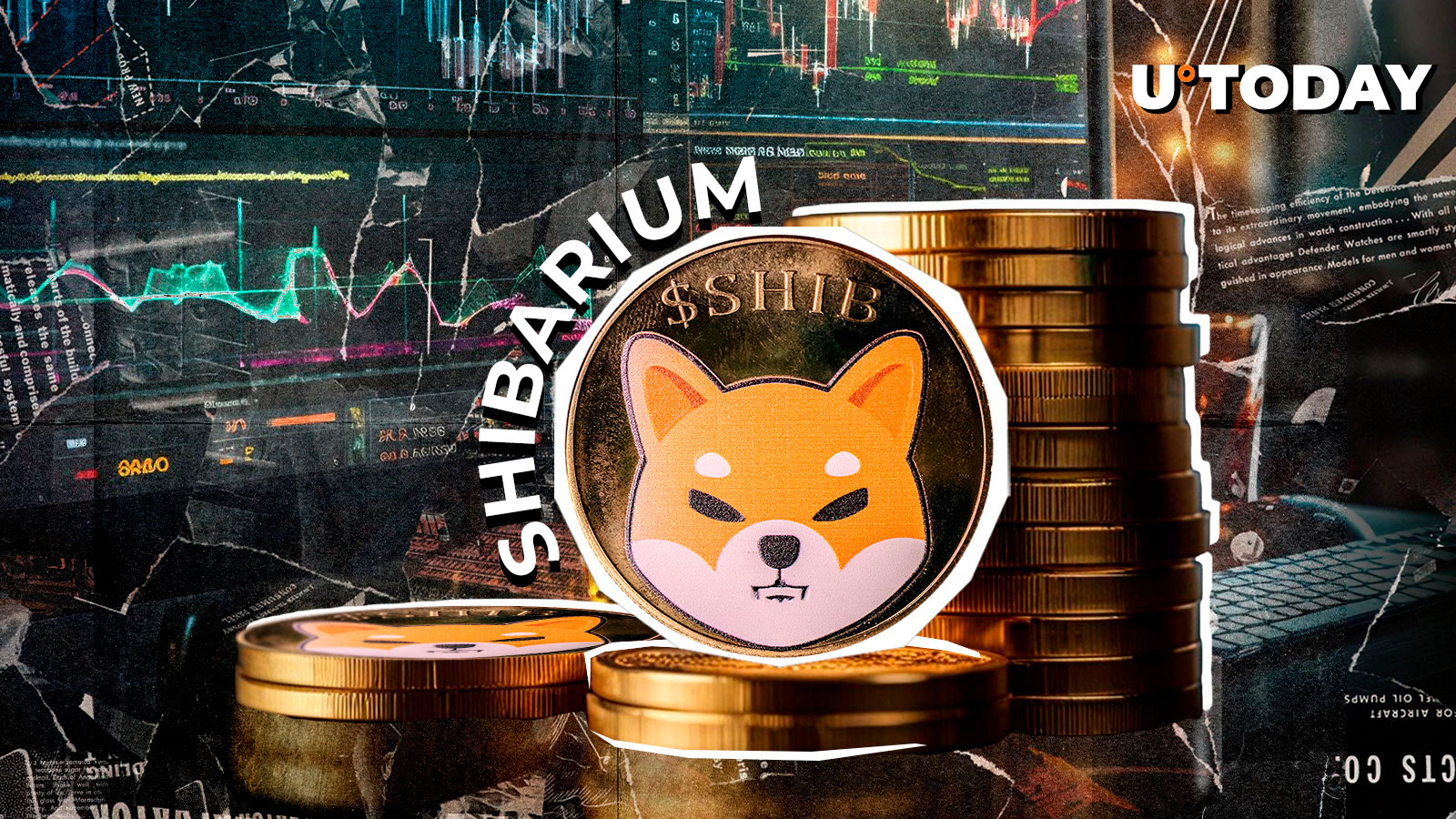
Shibarium, the Layer-2 blockchain designed to enhance the Shiba Inu ecosystem, has achieved a significant milestone by processing over 1 billion transactions since its launch in August 2023. This accomplishment underscores the network’s rapid adoption and robust performance within the cryptocurrency landscape.

Despite this technical achievement, the price of Shiba Inu’s native token, SHIB, has experienced a downturn. Over the past 24 hours, SHIB’s value declined by approximately 4.8%, trading at around $0.0000122. This decline extends to a 13% decrease over the past month, reflecting broader market trends.

The surge in Shibarium’s transaction volume is notable, especially when compared to established blockchains. For instance, Bitcoin required 15 years to reach a similar transaction count, highlighting Shibarium’s accelerated growth trajectory. The network’s ability to handle high transaction volumes without significant outages demonstrates its technical resilience and the active participation of the Shiba Inu community.

In addition to transaction volume, Shibarium has seen an increase in user engagement. The network boasts over 193 million unique addresses interacting with the platform, further indicating its expanding user base. The average block time remains at a swift 5 seconds, facilitating efficient transaction processing.

Potential disposal reflects the Group’s strategic realignment to recycle capital to its other business segments Enterprise value for the Group’s two subsidiaries ranges between S$45 million and S$55 million SINGAPORE – Media OutReach Newswire – 03 April 2025 – Enviro-Hub Holdings Ltd (SGX: L23) (“Enviro-Hub” or the “Company“, and together with its subsidiaries, the “Group“) today announced that it has entered into a non-binding letter of intent […]

Advertisements
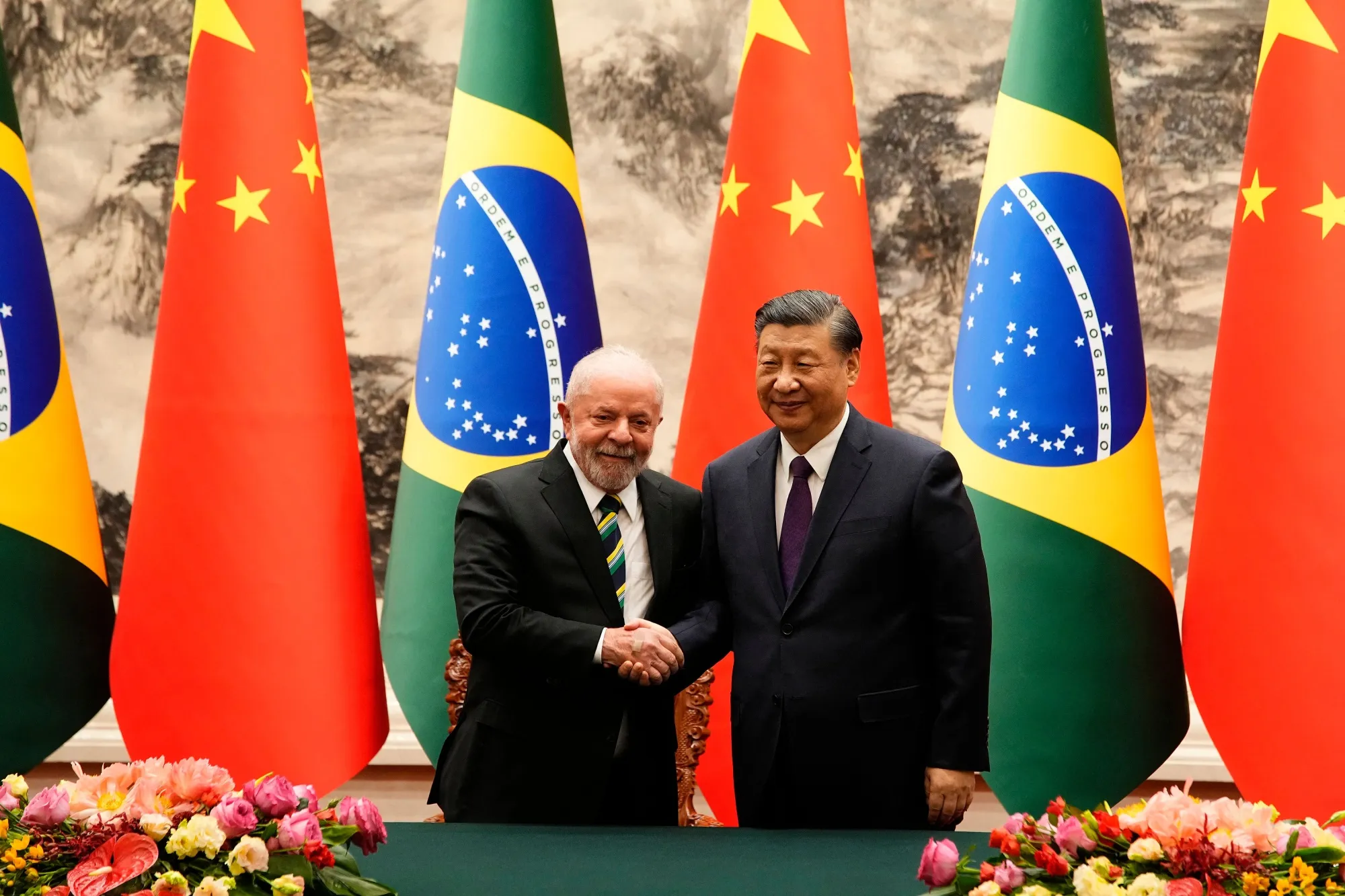
By Nitya Chakraborty Brazil’s President Luiz Inacio Lula da Silva, better known globally as Lula has launched a major initiative to meet the U.S. President Donald Trump’s unilateral tariff offensive by joining hands with Chinese President Xi Jinping and the Russian President Vladimir Putin, apart from taking assistance from South Africa and a few other […]

Cryptocurrency exchange Kraken has obtained a Restricted Dealer registration from the Ontario Securities Commission , enabling it to continue offering crypto trading services in Canada under the nation’s evolving regulatory framework. This development underscores Kraken’s commitment to adhering to Canada’s investor protection guidelines and solidifying its position in the Canadian market.

In conjunction with this regulatory milestone, Kraken has appointed Cynthia Del Pozo as the new General Manager for North America. Del Pozo is tasked with leading the company’s growth initiatives across Canada, focusing on strengthening regulatory, political, and commercial relationships to further embed Kraken within the North American crypto landscape.

To enhance accessibility for Canadian clients, Kraken is now offering free Interac e-Transfer deposits. This initiative aims to simplify the process of funding accounts, thereby lowering barriers for newcomers to the platform and making cryptocurrency investing more accessible and affordable.

Kraken’s registration as a Restricted Dealer places it under the supervision of the OSC, ensuring that clients have access to crypto products within a regulated environment. This status is one of eight firm registration types in Canada, each with specific requirements and conditions set by securities regulators.

KUALA LUMPUR, MALAYSIA – Media OutReach Newswire – 3 April 2025 – Understanding the rhythm of financial markets can give traders a significant edge. Seasonalities—lasting trends that repeat themselves during some periods of the year—tend to influence the value of assets and the overall market state. Identifying these cycles allows traders to adapt their strategies better and make more informed decisions. In this material, experts at global […]

President Donald Trump has announced a comprehensive tariff strategy, imposing a baseline 10% duty on all imports into the United States, with significantly higher rates targeting approximately 60 countries. This move, declared during a White House event termed “Liberation Day,” aims to address trade imbalances and bolster domestic industries. Under the new policy, key trading partners will face steep tariffs: China is subjected to a 34% duty, […]

Ripple has integrated its US dollar-pegged stablecoin, RLUSD, into its cross-border payments platform, Ripple Payments. This integration aims to enhance the efficiency and scalability of international transactions. The move coincides with RLUSD’s listing on the cryptocurrency exchange Kraken, broadening its accessibility to both institutional and retail users.

Launched in December 2024, RLUSD has rapidly approached a market capitalization of $250 million, reflecting significant adoption within the digital asset ecosystem. The stablecoin is fully backed by U.S. dollar deposits, government bonds, and cash equivalents, ensuring its stability and reliability. Ripple has positioned RLUSD as an enterprise-grade asset designed to streamline cross-border payments by providing a stable and efficient medium of exchange.

The integration of RLUSD into Ripple Payments is part of a phased rollout. Select customers, including cross-border payment providers BKK Forex and iSend, are already utilizing RLUSD to enhance their treasury operations. This development underscores Ripple’s commitment to combining its expertise in payments with a robust payout network and a compliant stablecoin to deliver fast, low-cost, and scalable cross-border payment solutions.

In addition to its integration into Ripple Payments, RLUSD’s listing on Kraken marks a significant milestone in its adoption. Kraken joins a growing list of platforms supporting RLUSD, including LMAX Digital, Zero Hash, Bitstamp, and Bullish. This expansion increases RLUSD’s liquidity and provides users with more avenues to access and utilize the stablecoin.

Jack McDonald, Ripple’s Senior Vice President of Stablecoins, noted that RLUSD’s market capitalization has exceeded internal projections, with adoption spanning multiple financial sectors. He highlighted that RLUSD is being used as collateral in both crypto-native and traditional finance trading markets. Furthermore, Ripple is actively collaborating with non-governmental organizations to explore the potential of stablecoins in streamlining charitable giving.

The stablecoin market has been predominantly dominated by Tether and USD Coin , which together account for nearly 90% of the total market capitalization. Ripple’s entry into this space with RLUSD signifies a strategic move to challenge these incumbents by leveraging its established infrastructure and expertise in cross-border payments. The company’s recent legal victory against the Securities and Exchange Commission has further bolstered its position in the cryptocurrency industry, enabling it to pursue new ventures such as RLUSD with greater confidence.

Ripple’s approach to RLUSD emphasizes compliance and transparency. The stablecoin is 100% backed by U.S. dollar deposits, U.S. government bonds, and cash equivalents. To oversee RLUSD’s operations and ensure adherence to regulatory standards, Ripple has appointed an advisory board that includes notable figures such as Sheila Bair, former chair of the U.S. Federal Deposit Insurance Corporation.

The integration of RLUSD into Ripple Payments and its listing on Kraken are expected to drive further adoption of the stablecoin. By providing a stable and efficient medium for cross-border transactions, RLUSD aims to address the challenges associated with traditional international payments, such as high costs and lengthy processing times.

As the digital asset landscape continues to evolve, the role of stablecoins like RLUSD in facilitating seamless and efficient transactions is likely to expand. Ripple’s strategic initiatives with RLUSD position the company to play a pivotal role in the future of cross-border payments, offering both enterprises and individuals a reliable alternative to traditional payment methods.

Singapore’s City Developments Limited is under scrutiny by the Singapore Exchange Regulation following a publicized internal conflict within the Kwek family, who control the property giant. The regulatory body has sought clarifications regarding the company’s corporate governance practices in light of the familial dispute.

The contention became public when CDL’s Executive Chairman, Kwek Leng Beng, accused his son, CEO Sherman Kwek, of attempting a boardroom coup. Allegations centered on Sherman purportedly appointing two independent directors without full board approval and restructuring board committees to bypass the nomination committee. In response, Kwek Leng Beng initiated legal proceedings to remove his son from the CEO position, emphasizing the need to uphold corporate integrity.

This internal strife led to a temporary suspension of CDL’s stock trading, with shares closing at S$5.12 prior to the halt. Upon resumption, the stock experienced a decline, closing at S$4.94, reflecting investor apprehension over the company’s stability.

The Securities Investors Association has also expressed concern, particularly regarding the role of Catherine Wu, an adviser whose influence has been questioned amid the dispute. SIAS has called for transparency from CDL to address shareholder concerns and clarify the company’s strategic direction.

KUALA LUMPUR, MALAYSIA – Media OutReach Newswire – 2 April 2025 – Octa, a global broker since 2011, surveyed more than 2,000 traders from Indonesia, Malaysia, South Africa, and Nigeria to discover their most glaring concerns regarding choosing a financial broker. What are the most suspicious brokers’ traits, according to traders? How do traders identify potentially unreliable service providers in the highly diversified e-brokerage landscape? Below is […]

Highlights of the Annual Results for the Year Ended December 31, 2024: With rising demand for chips from AI technology-related industries, AI chip orders from Comtech continued to grow, driving the Group’s revenue up by 14.3% year-on-year to RMB10,129.1 million. The Group recorded a gross profit of approximately RMB889.4 million and a net profit of approximately RMB273.5 million. Profit attributable to equity shareholders of the Company was […]

The United States has witnessed a dramatic decline in cryptocurrency trading volumes, with figures dropping over 80% since mid-March. On March 14, US exchanges recorded $3.22 billion in trading volume; by April 2, this had fallen to $621 million, marking a significant contraction in market activity.

This downturn aligns with a broader global trend. In January 2025, global cryptocurrency exchange spot volumes experienced a 19.5% decrease, falling to $1.73 trillion from December 2024’s record-breaking $2.14 trillion. Factors contributing to this decline include increased regulatory scrutiny and market volatility.

Coinbase, a major US-based cryptocurrency exchange, has seen its market share diminish as smaller exchanges gain ground. This shift reflects a changing landscape where traders are exploring alternative platforms, possibly due to varying fee structures, user experiences, or perceptions of security.

Despite these challenges, the global cryptocurrency market maintains substantial activity. As of now, the total market capitalization stands at $2.72 trillion, with Bitcoin dominating at $1.61 trillion, representing 59.34% of the market. Stablecoins collectively hold a market cap of $237 billion, accounting for 8.72% of the total crypto market cap.

The decline in US trading volumes may also be influenced by recent events affecting major exchanges. For instance, in February, a significant security breach resulted in the theft of $1.5 billion from Bybit, the world’s second-largest crypto exchange. Such incidents underscore the vulnerabilities within the crypto industry and may contribute to reduced trading activity as investors reassess risks.

HONG KONG SAR – Media OutReach Newswire – 31 March 2025 – Huatai Securities Co., Ltd. (the “Company”; stock codes: 601688.SH, 6886.HK, HTSC.L), a leading technology-driven comprehensive securities company in China, released its consolidated financial results for the year ended December 31, 2024, reporting record revenue and profit, alongside substantial progress in its internationalization strategy. Annual Highlights: In 2024, the Company continued to execute on strategic priorities, […]

The United Arab Emirates has ascended to the forefront of global cryptocurrency adoption, marked by a 41% year-on-year increase in crypto app downloads, totaling 15 million in 2024. In January 2025 alone, the nation recorded 3.55 million installations of crypto applications, underscoring a robust and growing interest in digital assets. Projections indicate that user penetration will reach 39.1% by the end of 2025, signifying the transition of cryptocurrency from a niche interest to a mainstream financial instrument within the country.

This surge is underpinned by a proactive regulatory environment. The Dubai Financial Services Authority has expanded its list of recognized crypto tokens, while the Abu Dhabi Global Market introduced the world’s first Distributed Ledger Technology Foundations Framework, providing legal structures for blockchain-based organizations. Furthermore, the Central Bank of the UAE approved AE Coin, the nation’s inaugural dirham-pegged stablecoin, facilitating faster and more cost-effective digital transactions.

A study by Atmos, a proprietary trading platform by Taurex, highlights the UAE’s leadership in the crypto space. The research indicates a cryptocurrency ownership rate of 25.3% among the UAE population, coupled with an adoption growth rate of 210%. Despite the presence of only one Bitcoin ATM, the UAE secured the top position in the study’s rankings, reflecting the country’s deep integration of digital assets into its financial ecosystem.

The UAE’s commitment to fostering a crypto-friendly environment is further evidenced by substantial institutional investments. Abu Dhabi’s MGX, a $330 billion investment vehicle backed by Mubadala, recently acquired a $2 billion minority stake in Binance, one of the world’s leading cryptocurrency exchanges. This move aligns with the UAE’s ambition to become a global crypto hub and demonstrates confidence in the transformative potential of blockchain technology.

On a regional scale, the Middle East and North Africa have experienced significant growth in the crypto sector. Between July 2023 and June 2024, the UAE received over $30 billion in cryptocurrency, ranking among the top 40 globally and establishing itself as MENA’s third-largest crypto economy. This influx underscores the UAE’s pivotal role in the regional digital asset landscape.

A surge in Studio Ghibli-style AI-generated images has ignited a significant uptick in the creation and valuation of related meme coins within the cryptocurrency market. This trend follows the introduction of OpenAI’s ChatGPT-4o model, which enables users to produce images emulating the distinctive aesthetic of the renowned Japanese animation studio.

On March 25, OpenAI unveiled the ChatGPT-4o model’s image generation feature, allowing users to craft visuals reminiscent of Studio Ghibli’s celebrated films such as “Spirited Away” and “My Neighbor Totoro.” This capability quickly gained traction on social media platforms, with individuals sharing their AI-generated Ghibli-style portraits. Notably, OpenAI CEO Sam Altman participated by posting an image of himself rendered in this style, describing the release as “a new high-water mark” for creative freedom.

The trend garnered further momentum as prominent figures in the tech industry joined in. Entrepreneur Elon Musk shared his own Ghibli-inspired portrait, while Ripple executives Brad Garlinghouse and David Schwartz also posted similar images. Their involvement amplified the visibility of the Ghibli-style AI imagery movement across various online communities.

This widespread fascination with Ghibli-style AI art has translated into the cryptocurrency sphere, leading to the emergence of several Ghibli-themed meme coins. Tokens such as “Ghiblification” and “GhibliCZ” have experienced remarkable surges in market capitalization. Ghiblification, for instance, reportedly achieved a market cap of $20.8 million within 19 hours of its launch, marking a 39,010% increase in value.

The Solana blockchain has become a notable platform for these tokens, with several Ghibli-inspired meme coins experiencing rapid gains. The integration of AI-generated art trends with cryptocurrency ventures has attracted both investors and enthusiasts, leading to heightened trading activity and speculative interest.

However, the rapid proliferation of these tokens has raised concerns regarding their legitimacy and the potential for market manipulation. The cryptocurrency market is known for its volatility, and the sudden popularity of themed meme coins can lead to speculative bubbles. Investors are advised to exercise caution and conduct thorough research before engaging with such assets.

Matein Khalid The auguries for the CoreWeave (CRWV) IPO on Nasdaq are not too bright. Nvidia is down 10% in the last two trading sessions, the grapevine on the Street suggests that the pricing on CRWV will be below the $47-$55 range. While revenue growth has been spectacular since 2022, margins, accounting and loan repayments are a red flag. If this IPO flops, the ripple effect will […]

Shiba Inu , the cryptocurrency that emerged as a meme coin, has demonstrated a remarkable trend in investor behavior, with a significant majority of its holders displaying long-term commitment. Data from IntoTheBlock reveals that 76% of SHIB holders have maintained their positions for over a year, surpassing the long-term holder percentages of both Bitcoin and Ethereum , which stand at 74% and 73% respectively.

This development is particularly noteworthy given Shiba Inu’s relatively recent entry into the cryptocurrency market compared to its more established counterparts. The data suggests a growing confidence among investors in SHIB’s potential, despite its origins as a meme-based digital asset.

Further analysis indicates that 22% of SHIB holders have retained their tokens for a period ranging from one to twelve months, while a mere 2% have held their assets for less than a month. This distribution underscores a trend toward long-term investment strategies within the SHIB community.

The average holding period for SHIB is reported at 2.6 years, which is notable when compared to Ethereum’s 2.4 years and Bitcoin’s 4.4 years. This metric reflects the duration investors are willing to hold onto their assets, indicating a level of patience and belief in the token’s future appreciation.

Despite this positive indicator of investor confidence, Shiba Inu’s price has experienced fluctuations. At the time of reporting, SHIB was trading at $0.00001616, marking a 3% decline over the past 24 hours. Such volatility is not uncommon in the cryptocurrency market, especially among tokens that originated from internet culture and memes.

The concentration of SHIB holdings among a few large investors, often referred to as “whales,” remains a point of discussion within the community. While high whale concentration can lead to concerns about market manipulation and liquidity, the increasing number of long-term holders may contribute to a more stable market environment for SHIB.

The Shiba Inu ecosystem has been expanding, with developments such as Shibarium, a Layer-2 blockchain solution, and ShibaSwap, a decentralized exchange. These initiatives aim to enhance the utility and adoption of SHIB, potentially influencing investor sentiment and contributing to the observed holding patterns.

In the broader context, the cryptocurrency market has seen a decline in the value of meme coins, with the market capitalization dropping from a peak of $137 billion in December to $56.2 billion by late February 2025. Despite this trend, SHIB’s strong long-term holder ratio suggests a resilient investor base that remains optimistic about the token’s prospects.

The increasing holding times among SHIB investors may also reflect a strategic response to market conditions, with holders opting to retain their assets in anticipation of future value appreciation. This behavior aligns with a broader trend in the cryptocurrency market, where investors are becoming more discerning and adopting long-term perspectives.

Galaxy Digital, a prominent cryptocurrency investment firm led by Michael Novogratz, has agreed to a $200 million settlement with the New York Attorney General’s office. The settlement addresses allegations that the firm promoted the cryptocurrency LUNA without adequately disclosing its financial interests, while simultaneously selling substantial holdings of the token at a profit prior to its collapse.

The Terra ecosystem, which included the algorithmic stablecoin TerraUSD and its sister token LUNA, experienced a catastrophic collapse in May 2022. At its peak, LUNA boasted a market capitalization of approximately $40 billion, ranking among the top cryptocurrencies globally. The collapse of UST and LUNA resulted in significant financial losses for investors and raised concerns about the stability of algorithmic stablecoins.

According to the settlement details, Galaxy Digital actively promoted LUNA to investors while concurrently liquidating its own holdings without proper disclosure of these transactions. This dual action allegedly misled investors regarding the firm’s financial interests and the stability of the Terra ecosystem. The New York Attorney General’s office emphasized that such practices undermine market integrity and investor trust.

The $200 million settlement is structured to be paid over a three-year period. Notably, while Galaxy Digital has agreed to the financial terms, the firm has neither admitted nor denied the allegations put forth by the Attorney General’s office.

The collapse of Terra’s tokens had far-reaching implications beyond individual investor losses. The event triggered a broader market downturn, leading to increased scrutiny of the cryptocurrency industry by regulators worldwide. In the aftermath, several firms associated with Terra faced legal actions and financial penalties. For instance, Jump Trading Group agreed to a $123 million settlement with the U.S. Securities and Exchange Commission over allegations related to misleading investors about the stability of TerraUSD.

Terraform Labs, the company behind the Terra blockchain, filed for bankruptcy in January 2024. Subsequently, the firm reached a $4.47 billion settlement with the SEC to address allegations of fraud related to the collapse of TerraUSD and LUNA. The bankruptcy proceedings are ongoing, with efforts focused on winding down operations and compensating affected stakeholders.

Do Kwon, co-founder of Terraform Labs, has also faced legal challenges. After being detained in Montenegro in March 2023, Kwon was extradited to the United States to face federal fraud charges related to the collapse of TerraUSD and LUNA. The charges include wire fraud, commodities fraud, securities fraud, and conspiracy.

The Terra incident has prompted regulators to intensify their oversight of the cryptocurrency industry, particularly concerning the promotion and stability of digital assets. The SEC and other regulatory bodies have been actively investigating and, in some cases, penalizing firms that fail to provide transparent disclosures to investors or engage in misleading promotional activities.

Galaxy Digital’s settlement underscores the importance of transparency and ethical practices within the cryptocurrency sector. As digital assets continue to gain mainstream adoption, regulatory authorities are likely to maintain rigorous enforcement to protect investors and ensure market integrity. Firms operating in this space are increasingly expected to adhere to stringent disclosure requirements and ethical standards to foster trust and stability in the evolving financial landscape.

The repercussions of the Terra collapse serve as a cautionary tale for both investors and firms within the cryptocurrency industry. Investors are urged to conduct thorough due diligence and remain cautious of high-yield investment opportunities that lack transparency. Simultaneously, firms are reminded of the critical need to maintain ethical standards and comply with regulatory requirements to sustain the industry’s credibility and foster long-term growth.

As the cryptocurrency market continues to evolve, the balance between innovation and regulation remains a focal point. The outcomes of legal actions, such as the settlement involving Galaxy Digital, highlight the ongoing efforts by authorities to establish a regulatory framework that protects investors while accommodating the dynamic nature of digital assets.


​ KUALA LUMPUR, MALAYSIA – Media OutReach Neswire – 28 March 2025 – As of March 2025, Brent crude oil prices have experienced fluctuations: its price traded between $68.30 and slightly above $73 per barrel. This volatility reflects evolving macroeconomic factors and geopolitical dynamics. OPEC+ has announced plans to gradually increase oil production starting in April 2025, aiming to unwind 2.2 million barrels per day of previous […]

Ethereum is currently trading at approximately $2,001.24, reflecting a decrease of $34.67 from the previous close. The day’s trading saw a high of $2,038.00 and a low of $1,985.14.

In contrast to Ethereum’s market challenges, Coldware is actively expanding its blockchain ecosystem. A notable addition is the introduction of Freeze.Mint, a Layer-2 service that enables users to create and launch their own tokens on the Coldware blockchain. This tool is designed to simplify token creation, offering a cost-effective solution for businesses and developers aiming to engage with customers, manage loyalty programs, raise funds, and foster community growth. By facilitating the minting of custom tokens, Coldware positions itself as a versatile platform for diverse blockchain applications.

Ethereum’s recent price decline has been attributed to several factors, including increased competition from alternative blockchains like Solana and Cardano, which offer faster and more cost-effective transactions. Additionally, the rise of memecoins has diverted investor attention, and internal challenges within Ethereum’s development community have contributed to market uncertainty. These dynamics have led to a 40% drop in Ether’s value over the past three months, with the cryptocurrency underperforming compared to major tokens such as Bitcoin.

VISHNU RAJA
RYO YAMADA
HITORI GOTOH
IKUYO KITA