News related to
trading

BlackRock’s iShares Bitcoin Trust surpassed $70 billion in assets under management on 6 June, achieving the fastest accumulation ever seen for a spot ETF—reaching the milestone in just 341 trading days. That pace outstrips the previous record held by SPDR Gold Shares, which took 1,691 days, marking a fivefold acceleration.

IBIT now holds approximately 662,707 BTC, nearly 20 per cent of the total 3.4 million bitcoins held by public and private entities, government bodies, exchanges, and decentralised finance protocols. Such concentration under BlackRock’s control is reshaping the distribution of Bitcoin supply across institutional players.

Secondary spot Bitcoin ETFs—led by Fidelity’s Wise Origin with roughly $21.3 billion AUM, and Grayscale’s GBTC at $19.3 billion—lag far behind IBIT in scale. Ark 21Shares and Bitwise report assets under $5 billion. Analysts note that IBIT’s dominance reflects not only investor appetite for regulated exposure to Bitcoin but also confidence in BlackRock’s operational strength and trust in its custody and compliance framework.

The ETF’s structural advantages lie in its cost-effective fee, integration with Coinbase Prime custody, and BlackRock’s institutional-grade infrastructure. It provides market participants with direct Bitcoin exposure without requiring them to navigate private key management or self-custody complexities.

Bitcoin’s value hierarchy has been boosted by IBIT’s growth. With total holdings just shy of 663,000 BTC, the trust exceeds erstwhile leader MicroStrategy, which held 582,000 BTC. A rising number of publicly traded companies are preparing to expand their Bitcoin treasuries. Corporate treasurers are watching IBIT’s capital inflows closely, signalling a shift in institutional allocation strategies from traditional assets into digital scarcity.

The influence of corporate buyers extends beyond small-scale investments. Michael Saylor’s MicroStrategy remains a strong presence, but other blue‑chip corporates are signalling potential acquisitions. Arkham Intelligence data indicates that incremental corporate accumulation may further redistribute Bitcoin supply, previously more diversified across governments, miners and individual holders.

IBIT’s momentum accelerated in May, posting its largest monthly inflow yet. Bloomberg reports this surge synchronised with Bitcoin trading above $108,000, hinting at institutional investors strategically buying ahead of broader market highs.

Secondary market activity reinforces the appetite for IBIT shares. In April, the ETF recorded a single‑day trading volume of $4.2 billion—with Bitcoin hovering around $91,000—underscoring its liquidity and the appetite among both retail and institutional investors.

Industry experts suggest this liquidity is a key attractor. IBIT’s trading activity consistently outpaces competitors, offering tighter spreads and reduced transaction costs, which in turn fuels further inflows.

Regulatory clarity remains pivotal. The official IBIT prospectus confirms the trust is governed by Delaware law, uses Coinbase as custodian and prime broker, and implements safeguards to align on‑chain Bitcoin with the ETF shares. This structure mitigates risks of mispricing or premium/discount discrepancies, giving institutional investors assurance. It also reveals that IBIT is not registered under the Investment Company Act of 1940, though it complies with major U.S. securities and exchange rules.

Meanwhile, BlackRock hints at international ambitions. A European equivalent to IBIT is under regulatory consideration, targeting Swiss registration under evolving EU cryptocurrency taxonomy. The success of the U.S. product strengthens its case for cross‑jurisdiction expansion.

Market analysts emphasise that the dilution of available Bitcoin supply via institutional custody may tighten free float and reduce volatility. With one entity holding a fifth of the publicly held Bitcoin, even modest inflows from public companies or IBIT could exert noticeable price effects.

A shift in supply concentration also raises systemic questions. As BlackRock and corporate treasuries secure larger holdings, the dynamics of price discovery may move away from retail and miner-driven liquidity pools. On‑chain analytics firms suggest emerging demand imbalance between supply locked in long‑term institutional wallets and tradable supply available to speculative or transactional buyers.

Critics argue that increasing centralisation challenges the decentralised ethos of Bitcoin. The risk is that a few large custodians could accrue disproportionate influence over market flows and network sentiment. Proponents counter that regulated trust models and robust custody reduce systemic risk and enhance asset legitimacy among institutional participants.

IBIT’s fee structure is also under scrutiny in comparison to competing ETFs. At 0.25 per cent, it positions itself competitively against alternatives, though slightly higher than passive gold or broad‑market ETFs. Nevertheless, institutional investors appear willing to pay a premium for regulatory certainty and deep liquidity.

Speculation is mounting around BlackRock’s next moves. The firm is reportedly exploring tokenised treasury products across other asset classes, including corporate bonds and money‑market instruments. Observers suggest that if IBIT’s performance continues, similar frameworks could be deployed for Ethereum or thematic digital‑asset baskets.

As rivals respond, competition intensifies. Fidelity’s FBTC and Grayscale’s GBTC have begun marketing enhancements and lower fees. Field analysts expect them to intensify efforts, particularly as Bitcoin continues to test and potentially surpass all‑time high prices near $112,000.


AixuSpeed has recorded over US $500,000 in token purchase commitments within the opening 72 hours of its pre‑sale, signalling strong early interest in this meme‑inspired digital asset. The pre‑sale commenced on 6 June 2025 and rapidly surpassed half a million dollars in pledges by 9 June 2025. The project’s emphasis on rapid transaction settlement—claimed to settle in under a second—appears to resonate with buyers seeking frictionless crypto payments.

AixuSpeed positions itself as more than a playful token, blending meme‑driven community appeal with a payment infrastructure optimised for speed and lean fees. The founders highlight a use case aimed at enabling micropayments—such as tipping for digital content or purchasing small goods—without the usual cryptocurrency delays. Co‑founder Sara “AiXuSpeed_” Akram encapsulated the mission: “People love the fun of memes but hate waiting ten minutes for a coffee on‑chain… your transaction travels faster than the joke itself.”

The start‑up combines talk of sub‑second settlements with a tokenomics model designed to incentivise both usage and community growth. The pre‑sale is capped at one billion tokens, with audited liquidity locks in place to guard against early pump‑and‑dump scenarios. These steps seek to reassure early backers of the project’s commitment to stability.

Promised transaction features include extremely low fees, gas efficiency tailored for nano‑transactions, and security via audited smart contracts. Weekly meme‑contests, NFT airdrops, and viral‑marketing strategies complement the technical value proposition, appealing to users who engage with crypto on social and entertainment platforms.

Ahead of a planned decentralised exchange listing in the third quarter of 2025, AixuSpeed expects a tighter circulating supply and intends to initiate a Speed Grants programme to support third‑party developers building integrations for games, social apps, and e‑commerce systems. A cross‑chain bridge, targeting Ethereum Layer 2 and Solana, is scheduled for deployment in the fourth quarter.

Crypto analysts confirm that the meme coin market has matured, increasingly blending narrative‑driven hype with functional attributes. The success of tokens such as Dogecoin, Shiba Inu and others has encouraged new entrants to emphasise utility—particularly in payment infrastructure, speedy confirmations, and affordable micro‑payment services.

Industry observers see AixuSpeed’s approach as reflective of broader shifts. With global crypto usage increasingly focused on everyday digital interactions—streamer tipping, pay‑per‑article access, mobile vending—tokens that can process ultra‑fast and micro‑scaled transactions may satisfy a gap left by traditional payment rails. The project’s emphasis on near‑zero fees could prove significant; historically, micropayment models struggle with high gas costs on Ethereum and similar networks.

However, the crypto sector is littered with pre‑sale projects failing to follow through. While current commitments underscore interest, delivery of speed claims will depend on robust network architecture. Audit documentation confirms that smart contracts have been reviewed, but comprehensive analysis of throughput performance remains pending independent review.

More cautious voices in the blockchain community point out that meme branding can obscure technical fragilities. A prioritisation of viral campaigns and community incentives must still be grounded in reliable infrastructure to avoid user attrition or reputational damage. Achieving sub‑second confirmation requires strong network validators and resilient consensus protocols to maintain finality and resist double‑spend attacks.

Comparisons have been drawn with Kaanch Network, a Dubai‑headquartered Layer 1 blockchain facilitating institutional tokenisation and real‑world asset frameworks. That project raised over $1.12 million in presale and emphasised sub‑second finality and high scalability. While Kaanch targets a higher‑end institutional use case with compliance and regulatory layers, AixuSpeed appears to focus on mass consumer use and community engagement. The contrast underscores diverging paths in the next wave of token presales: utility for business versus utility for consumers.

The $500,000 threshold reached by AixuSpeed is modest in absolute terms compared to multi‑million dollar raises in top‑tier projects. Nonetheless, meeting that target so quickly suggests resonance with investors seeking culturally rich tokens paired with distinct usage claims. Execution over the next six months will determine whether that initial interest solidifies into long‑term value.

Live community sentiment across crypto forums underscores excitement tempered by vigilance. One commentator in a blockchain discussion said: “They’re promising fast transactions and low fees—if they deliver it could be a breakout. But I want to see stress tests.” Such voices reflect the rational‑optimistic posture of well‑informed retail and minor institutional investors.

Analysts stress that vesting schedules, liquidity availability, and team retention will also influence long‑term health. The audit of liquidity locks must be transparent and rigorously maintained to build investor trust. Additionally, the intended Speed Grants programme must be backed by fresh capital and developer interest to generate ecosystem vibrancy, rather than serving as symbolic goodwill.

Roadmap clarity will be tested as the token approaches listing phases later in the year. Delays in bridge deployment or grant distributions could dampen sentiment. Conversely, strong integration wins—such as inclusion in a popular e‑commerce plugin or a gaming micro‑transaction pilot—could validate project potential.

Crypto‑finance observers recommend scrutiny of on‑chain metrics once the DEX listing occurs. Circulating supply figures, early holder distributions, and active wallet counts will be essential early indicators. Long term success will depend on sustained usage beyond speculative trading: on‑chain activity tied to real value exchange would elevate AixuSpeed above meme token competitors.

Vietnam is first market in Southeast Asia to embrace Click to Pay, offering unmatched convenience, security, and efficiency in e-commerce transactions. HCMC, VIETNAM – Media OutReach Newswire – 9 June 2025 – Visa, a world leader in digital payments, is introducing its issuer-offered Click to Pay solution to the market. Military Commercial Joint Stock Bank (MB), Vietnam Technological and Commercial Joint Stock Bank (Techcombank), JSC Bank for […]

Stablecoins are processing roughly $33 trillion in yearly volume—around 20 times that of PayPal and three times Visa—while amassing $128 billion in U.S. Treasuries, placing these issuers among the top 20 holders of American debt and ahead of major nations such as Germany and Saudi Arabia.

Data from Andreessen Horowitz’s crypto arm shows that over 1 percent of the total U.S. dollar supply is now tokenised on blockchains. Major institutions, including Citi, project that by 2030 stablecoins could accumulate up to $3.7 trillion in Treasury holdings. While Ethereum and Tron currently underpin most of this infrastructure, emerging platforms such as Solana, Arbitrum and Base are gaining traction. Notably, on-chain data reveals that transactional activity in stablecoins appears largely decoupled from broader cryptocurrency trading volumes, indicative of growing real-world adoption. Today, these assets enable sub-second, sub-cent payments—positioning them as serious contenders to onboard the next billion users into the crypto economy.

Market analysts warn that growing stablecoin-backed Treasury holdings may shift demand dynamics for U.S. government debt. One study from academia found that by the end of the first quarter of 2025, Tether held roughly $98.5 billion in Treasury bills—equating to 1.6 percent of total outstanding bills. The research estimates that this level of demand has directly driven down one-month Treasury yields by approximately 24 basis points, indicating that stablecoin issuance is already influencing funding costs and potentially easing liquidity pressures.

Coinciding with this shift is a legislative push in Washington. A bill nearing Congressional approval would require issuers to fully back stablecoins with liquid assets, such as U.S. dollars and short-term Treasuries, and mandate monthly disclosures. Proponents suggest such regulation would reinforce investor trust, legitimize the sector and bolster U.S. debt demand. According to Reuters, Tether and Circle already hold a combined $166 billion in Treasuries—amounts that may increase further under binding legal frameworks.

Financial authorities have offered mixed views. Moody’s warns that large-scale liquidation driven by plunging confidence in stablecoin issuers could destabilise Treasury prices and spill over into broader fixed-income markets. Conversely, policymakers hope that expanded stablecoin activity could facilitate smoother funding for the Treasury, especially if issuers pivot toward demand for short-term debt like bills.

Macro strategies are duly noted. Vanguard’s rates chief suggests that sustained demand from digital currency custodians might spur the Treasury to favour issuing bills over long-term bonds, which could rebalance maturity profiles. Meanwhile, Bitwise’s investment head argues that this growing digital demand could reinforce the dollar’s position as the global reserve currency.

Infrastructure diversification within stablecoins is evolving. Ethereum and Tron continue to dominate, but high-throughput chains like Solana, Arbitrum and Google-backed Base are attracting developers and users aiming to benefit from faster, cheaper payments. The presence of real-world transactions—such as merchant and remittance use cases—underscores that stablecoins are transcending crypto-speculative flows, with sub-cent fees and near-instant settlement now commonplace features.

Emerging risks centre on financial-system vulnerability. The Treasury Borrowing Advisory Committee cautioned that a significant diversion of deposits into stablecoins could dampen demand for Treasuries and potentially curb lending by commercial banks. Money-market managers remain vigilant, with some estimating that stablecoins must scale further before triggering systemic instability.

Proponents counter that regulated stablecoins may alleviate pressures in the Treasury issuance process, with digital platforms absorbing demand in lieu of traditional buyers. Early legislative frameworks could incentivise these issuers to prefer bills over longer-duration instruments, helping to smooth fiscal financing.

Stablecoins are redefining the interface between digital currency networks and the time‑tested Treasury market, leaving policymakers to navigate a complex balance between innovation, stability and monetary control.

India is poised to release a comprehensive discussion paper on cryptocurrency regulation in June 2025, marking a significant shift in its approach to digital assets. This initiative aims to establish a clear policy framework, drawing from international standards set by the International Monetary Fund and the Financial Stability Board . The move comes amid growing global acceptance of cryptocurrencies and domestic pressures, including a nudge from the Supreme Court, to clarify India’s stance on digital assets.

Currently, India’s cryptocurrency landscape is characterized by a 30% tax on gains and a 1% transaction levy, without formal recognition of crypto assets. These stringent tax measures have led to over 90% of Indian crypto trading shifting offshore, as reported by industry sources. The forthcoming discussion paper is expected to address these issues and invite public feedback, potentially paving the way for a more structured and innovation-friendly crypto ecosystem in the country.

Despite the government’s move towards regulation, the Reserve Bank of India maintains a cautious stance on cryptocurrencies. RBI Governor Sanjay Malhotra reiterated concerns about the potential risks to financial stability and monetary policy, emphasizing that there has been no change in the central bank’s position. The RBI continues to promote its own digital currency, the e₹, as a safer alternative to private digital assets.

In parallel with developments in the crypto sector, the Indian government has introduced stricter requirements for claiming tax deductions in the assessment year 2025-26. Taxpayers are now mandated to provide detailed documentation when filing their Income Tax Returns , particularly under the old income tax regime. For instance, claiming House Rent Allowance now necessitates disclosing the place of work, actual HRA received, rent paid, and landlord information. Similarly, deductions under sections 80C and 80D require specific policy or receipt numbers and details of the insurance providers. These measures aim to reduce fraudulent claims by enabling the tax department to cross-verify the eligibility of deductions.

To assist taxpayers in navigating these complex requirements, AI-driven platforms like TaxBuddy have emerged as valuable tools. TaxBuddy simplifies the tax filing process by offering automation that pre-fills ITR forms using data from PAN, Aadhaar, and uploaded documents. The platform reduces manual data entry and minimizes errors, making the process faster and more efficient. Additionally, TaxBuddy provides expert assistance for complex tax situations, post-filing support for notices or audits, and secure data handling for peace of mind.

Meanwhile, affluent individuals are increasingly leveraging agricultural income exemptions to reduce their tax liabilities. Under the Income Tax Bill 2025, while genuine agricultural income remains tax-free, the government has introduced stricter documentation requirements to verify farming activities. This move aims to curb the misuse of agricultural income exemptions by wealthy individuals who invest in farmlands primarily for tax benefits. Tax experts have highlighted cases where individuals with substantial agricultural revenues have legally avoided significant tax payments, underscoring the need for more transparent and equitable tax policies.

Maein Khalid Since the pandemic, IPO activity across GCC capital markets has surged – offering a sharp contrast to the stop-start pace on New York’s Nasdaq and the near standstill on London’s LSE. Nearly 300 IPOs have raised around $50 billion across the Gulf since 2021. Below I outline six key macro themes shaping this post-Covid IPO boom in the GCC. First, contrary to expectations, the number, […]

MEXC, a prominent digital asset exchange, has accelerated its stablecoin expansion strategy after acquiring $20 million worth of USDe tokens, marking a notable milestone as its stablecoin ecosystem surpasses a $100 million total value locked . This move signals a determined push by MEXC to strengthen its position in the increasingly competitive stablecoin market and further diversify its crypto offerings.

The $20 million USDe acquisition represents a calculated effort to bolster liquidity and adoption of stablecoins pegged to the US dollar, which have become vital in reducing volatility within the cryptocurrency sector. Stablecoins like USDe offer users a more reliable medium of exchange and store of value compared to traditional cryptocurrencies, which can experience dramatic price swings. MEXC’s increasing focus on stablecoins aligns with global trends where institutional and retail investors seek safer avenues for digital asset investment amid regulatory uncertainties and market fluctuations.

Beyond the recent purchase of USDe, MEXC’s stablecoin portfolio has seen sustained growth, pushing the platform’s total stablecoin value locked to exceed $100 million. This figure reflects the combined assets users have committed within MEXC’s stablecoin ecosystem, encompassing liquidity pools, staking, and yield farming products. The growing TVL not only underscores user confidence but also enhances the exchange’s capacity to support high-volume trading and DeFi activities anchored by stablecoins.

MEXC’s engagement in the stablecoin space builds upon its earlier strategic $16 million investment in Ethena, a notable innovator specialising in stablecoin technology and ecosystem development. Ethena’s platform focuses on creating programmable, algorithmic stablecoins that aim to maintain price stability through decentralised governance and dynamic supply adjustments. By backing Ethena, MEXC has positioned itself at the forefront of stablecoin innovation, tapping into emerging technologies that could redefine how digital currencies achieve and sustain their peg.

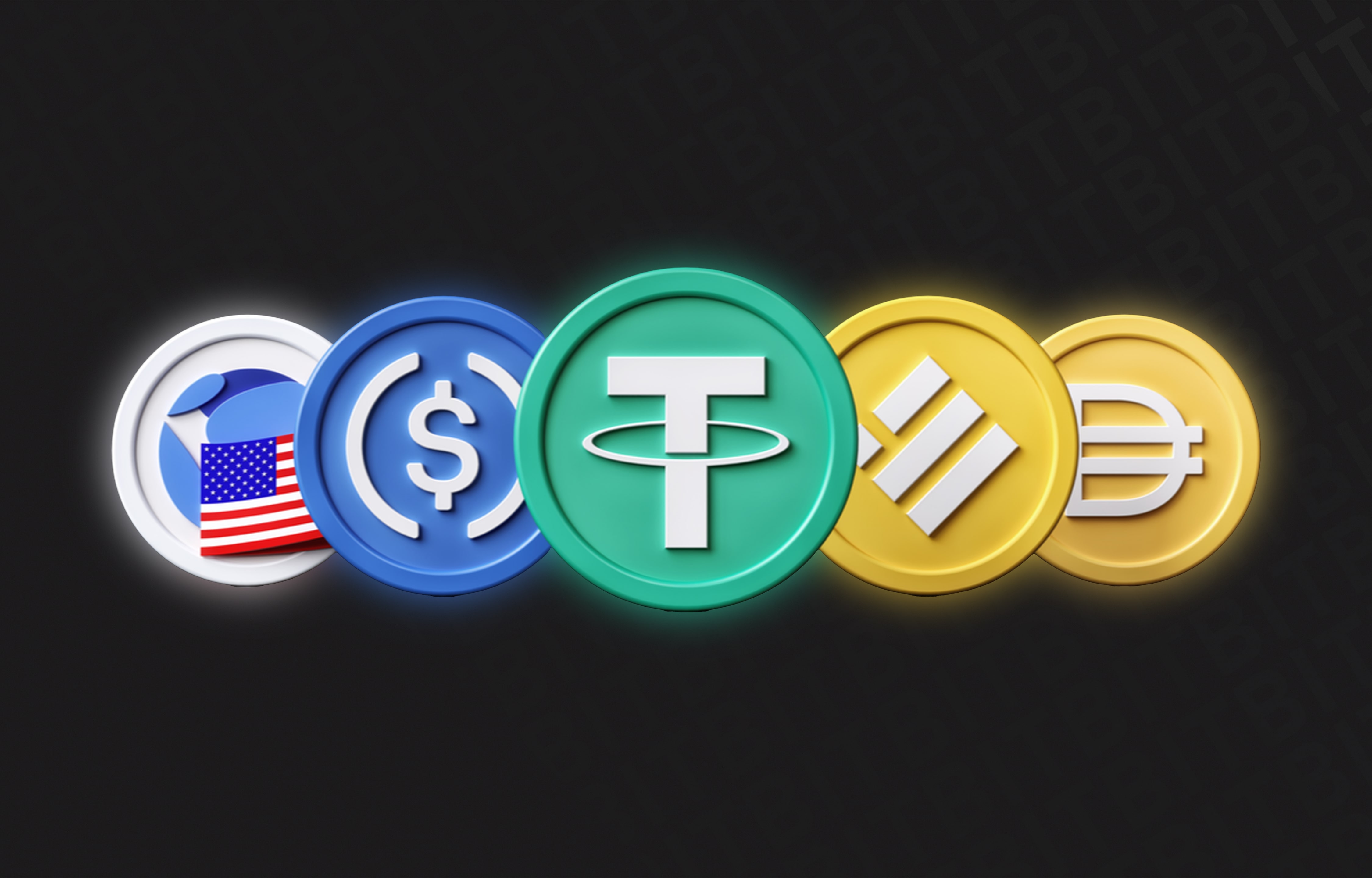
The decision to invest heavily in USDe and Ethena also comes amid rising competition among exchanges and financial platforms seeking to capture market share in stablecoin issuance and trading. Major players like Tether , USD Coin , and Binance USD dominate market capitalization, but newer tokens like USDe have gained traction through enhanced transparency, regulatory compliance, and blockchain interoperability. MEXC’s adoption of USDe highlights its intent to diversify beyond the dominant incumbents, offering users alternatives that may align better with evolving regulatory frameworks.

Industry experts note that the integration of stablecoins into broader financial systems remains a critical driver for crypto adoption. Stablecoins facilitate cross-border payments, remittances, and decentralised finance applications with reduced friction and costs compared to fiat-based mechanisms. MEXC’s strategy of expanding its stablecoin offerings enhances its utility as a hub for such financial activities, making it attractive to a wider range of traders and developers.

Regulatory clarity surrounding stablecoins has varied globally, with some jurisdictions imposing stringent requirements while others promote innovation-friendly policies. MEXC, headquartered in Seychelles with a growing international presence, has adapted to this shifting landscape by aligning its stablecoin partnerships with platforms like Ethena that emphasise compliance and governance transparency. This approach aims to pre-empt potential regulatory hurdles and establish MEXC as a responsible player in the digital currency ecosystem.

The growth in MEXC’s TVL also corresponds with increased user engagement in decentralised finance products facilitated by stablecoins. Yield farming and staking opportunities offered on the platform encourage users to lock their assets in exchange for rewards, helping to boost liquidity and network activity. These products often depend on stablecoins to mitigate risk, offering participants a balance between yield generation and capital preservation.

Market analysts observe that the stablecoin sector is poised for further expansion as demand for digital dollar substitutes rises. Factors such as increasing institutional interest, the rise of central bank digital currencies , and the ongoing integration of blockchain technology into mainstream finance all contribute to stablecoins becoming indispensable in the crypto landscape. MEXC’s proactive steps to expand its stablecoin infrastructure may provide a competitive advantage as these trends accelerate.

The $100 million TVL milestone not only demonstrates MEXC’s capability to attract substantial user funds but also reflects confidence in the exchange’s technical infrastructure and security protocols. Ensuring safe custody and seamless transactions is crucial for stablecoin platforms, given the heightened regulatory scrutiny and user concerns over fraud and hacking incidents in the sector.

MEXC’s roadmap indicates continued efforts to broaden its stablecoin offerings, with potential plans to incorporate additional tokens and enhance cross-chain compatibility. This would enable users to transact stablecoins across multiple blockchain networks, facilitating greater interoperability and expanding MEXC’s reach within the decentralised finance space.

The exchange also plans to deepen its collaboration with DeFi projects and developers, positioning stablecoins as a foundational component for innovative financial products. This aligns with broader industry movements where stablecoins serve as the backbone for lending protocols, decentralised exchanges, and payment solutions.

Advertisements
Cryptocurrency exchange Gemini, co-founded by Cameron and Tyler Winklevoss, has confidentially filed for an initial public offering in the United States, signaling a significant step toward entering public markets. The firm is collaborating with investment banks Goldman Sachs and Citigroup on the offering, according to individuals familiar with the matter. While the timeline and final decision remain pending, the confidential nature of the filing allows Gemini to prepare for a potential listing without immediate public disclosure.

This move follows the conclusion of a nearly two-year investigation by the U.S. Securities and Exchange Commission into Gemini’s operations. In February, Cameron Winklevoss announced that the SEC had closed its inquiry without recommending enforcement action, removing a significant regulatory hurdle. Additionally, Gemini settled a separate lawsuit with the Commodity Futures Trading Commission in January, agreeing to a $5 million penalty over allegations related to its 2017 bid to offer Bitcoin futures contracts.

Gemini’s decision to pursue an IPO comes amid a broader shift in the U.S. regulatory landscape under the current administration, which has adopted a more crypto-friendly stance. This environment has encouraged several digital asset firms, including Kraken and Circle, to explore public listings. Notably, the Winklevoss twins were among approximately 30 crypto executives who attended a White House summit focused on digital assets, reflecting the administration’s engagement with the industry.

Founded in 2014, Gemini has positioned itself as a regulated and secure platform for cryptocurrency trading and custody. The exchange operates in multiple global markets, including New York, Singapore, London, and Dublin. In late 2024, Gemini expanded its services to France in anticipation of new EU cryptocurrency regulations. The company has also diversified its offerings, launching products such as the Gemini Dollar stablecoin and acquiring the NFT platform Nifty Gateway in 2019.

Despite its growth, Gemini has faced challenges, particularly related to its Earn program, which allowed customers to lend crypto assets to the now-bankrupt lender Genesis. The program’s suspension in November 2022 led to approximately $940 million in customer assets being frozen. However, a rise in crypto prices has since enabled Gemini and Genesis to return over $2 billion worth of crypto to affected customers.

Elon Musk’s social media platform X has entered into a partnership with Polymarket, a cryptocurrency-based prediction market, enabling users to place bets on future events directly through the platform. This collaboration aims to integrate Polymarket’s forecasting capabilities with X’s user interface, allowing for real-time betting on topics ranging from political elections to economic indicators.

Polymarket, established in 2020, operates as a decentralized platform where users can wager on the outcomes of various events using cryptocurrency. The platform utilizes blockchain technology to ensure transparency and security in transactions. By partnering with X, Polymarket seeks to broaden its user base and bring prediction markets into mainstream social media usage.

Shayne Coplan, CEO of Polymarket, emphasized the significance of this partnership, stating that it represents a convergence of two platforms committed to truth-seeking and transparency. He highlighted that the integration would provide users with a more interactive and informed experience when engaging with current events on X.

The collaboration is set to introduce features that allow users to participate in prediction markets seamlessly within the X platform. This includes the ability to place bets on live events, access real-time data, and receive AI-generated insights to inform their decisions. The integration is designed to enhance user engagement by combining social media interaction with financial incentives tied to real-world outcomes.

Elon Musk has previously expressed interest in the predictive power of markets like Polymarket, suggesting that they can offer more accurate insights than traditional polling methods. By incorporating such a platform into X, Musk aims to provide users with tools that reflect collective intelligence and market-based forecasting.

The partnership also aligns with Musk’s broader vision of transforming X into a multifaceted platform that extends beyond traditional social media functionalities. By integrating financial services, content creation tools, and now prediction markets, X is positioning itself as a comprehensive digital ecosystem.

While the integration promises to offer users new ways to engage with content and events, it also raises questions about regulatory compliance and the potential for market manipulation. Polymarket has faced scrutiny in the past, including a $1.4 million fine from the Commodity Futures Trading Commission in 2022 for operating an unregistered derivatives trading platform. The company has since taken steps to restrict access for U.S. users and ensure compliance with relevant regulations.

As the partnership unfolds, both X and Polymarket will need to navigate the complex landscape of financial regulations, user privacy concerns, and the ethical implications of integrating betting mechanisms into social media. The success of this collaboration will depend on their ability to balance innovation with responsibility, ensuring that users can engage with prediction markets in a secure and informed manner.

The integration is expected to roll out in phases, with initial features becoming available to select users before a broader launch. Both companies have indicated that they will provide updates on the progress of the integration and any new features that become available.

Deutsche Bank is actively assessing the viability of stablecoins and tokenized deposits, signalling a strategic shift towards digital finance. Sabih Behzad, the bank’s Head of Digital Assets and Currencies Transformation, confirmed that the institution is considering issuing its own stablecoin or participating in a broader industry initiative.

This exploration aligns with the bank’s broader efforts to modernize its payment systems and embrace blockchain technology. Behzad noted the increasing momentum of stablecoins, particularly within regulatory environments that are becoming more supportive, especially in the United States. He outlined that banks have various options in engaging with the stablecoin industry, ranging from acting as reserve managers to issuing their own stablecoins, either independently or as part of a consortium.

In addition to stablecoins, Deutsche Bank is delving into tokenized deposit solutions aimed at enhancing payment use cases. These solutions involve digitizing traditional bank deposits using blockchain technology, potentially streamlining transactions and reducing costs. The bank has already conducted experiments in this domain, collaborating with UBS to simulate tokenized deposit payments. These trials utilized the Bundesbank’s Trigger Solution, enabling blockchain-based systems to link to the central bank’s payment infrastructure, facilitating seamless interbank settlements.

Deutsche Bank’s initiatives are part of a broader industry trend toward embracing digital assets and blockchain technology. The bank is participating in various projects, including Project Agorá, which aims to improve cross-border payments using tokenized assets. These efforts reflect a growing recognition among financial institutions of the potential benefits of digital currencies and tokenization in enhancing efficiency and creating new business models.

The bank’s exploration of stablecoins and tokenized deposits also coincides with evolving regulatory landscapes. In the European Union, the Markets in Crypto-Assets regulation is shaping the framework for digital assets, while in the United States, proposed legislation like the STABLE Act and the GENIUS Act are focusing on transparency, fully backed reserves, and anti-money laundering compliance. These regulatory developments are influencing how banks approach digital currencies and related technologies.

Behzad emphasized the importance of a comprehensive approach to digital asset integration, highlighting the need for robust infrastructure encompassing issuance, trading, settlement, and custody. He pointed out that while tokenization offers significant opportunities, successful adoption requires 24/7 operations and advanced risk management, leveraging programmability and composability for maximum potential.

World Liberty Financial , a cryptocurrency firm closely linked to President Donald Trump and his family, has sent a cease-and-desist letter to Fight Fight Fight LLC and NFT marketplace Magic Eden. The legal action follows the announcement of a new digital wallet branded as the “Official $TRUMP Wallet by President Trump,” which the Trump family asserts was launched without their approval.

The disputed wallet was unveiled earlier this week through the X account associated with the $TRUMP memecoin, a cryptocurrency project initiated by Fight Fight Fight LLC. The company, reportedly connected to longtime Trump associate Bill Zanker, partnered with Magic Eden to promote the wallet, inviting users to join a waitlist. However, the Trump family has publicly denied any involvement with the project.

Donald Trump Jr., Eric Trump, and Barron Trump have all issued statements distancing themselves from the wallet. Eric Trump cautioned against the unauthorized use of their family name, while Donald Trump Jr. emphasized that the Trump Organization had no connection to the project. He also revealed that the family is developing their own official wallet through World Liberty Financial.

World Liberty Financial, co-founded by the Trump family, has been actively expanding its presence in the cryptocurrency space. The firm has launched its own stablecoin, USD1, and is reportedly working on a crypto wallet focused on token yield generation. The company has attracted significant investment, including a $2 billion infusion from a firm associated with the Abu Dhabi government.

The emergence of the unauthorized $TRUMP Wallet has led to confusion and concern within the crypto community. The wallet’s website has experienced intermittent outages, and its X account has been suspended. Despite these issues, neither Fight Fight Fight LLC nor Magic Eden has commented on the dispute.

The Trump family’s foray into cryptocurrency has been marked by controversy. The $TRUMP memecoin, launched in January 2025, saw an initial surge in value before experiencing a significant decline. While the token generated substantial revenue through trading fees, it also raised ethical questions regarding the president’s dual role as a public official and a private entrepreneur.

Critics argue that the intertwining of the Trump family’s business interests with their political influence poses potential conflicts of interest. The lack of clear boundaries between governance and private enterprise has led to calls for greater transparency and regulatory oversight in the rapidly evolving crypto industry.

Global cryptocurrency exchange BYDFi and hardware wallet manufacturer Ledger have initiated a worldwide campaign targeting digital creators and key opinion leaders within the Web3 community. The initiative centres around the distribution of a limited-edition BYDFi x Ledger Nano X hardware wallet, with only 500 units available globally.

Participants are encouraged to engage by posting on the social media platform X using the hashtag #BYDFixLedger, sharing their perspectives on the collaboration, and completing an application form via the official campaign page. Successful applicants will receive the exclusive hardware wallet along with additional benefits as part of the partnership programme.

The BYDFi x Ledger Nano X is a customised version of Ledger’s flagship cold wallet, featuring Bluetooth and USB-C connectivity, and support for over 15,000 cryptocurrencies and NFTs. It is designed with a mobile-first approach, compatible with iOS, Android, macOS, and Windows platforms. Security features include a CC EAL5+ certified secure element, ensuring private keys remain offline and protected from remote threats associated with custodial wallets or centralised platforms. Integration with Ledger Live allows for seamless asset tracking, staking, and transactions.

This collaboration underscores a shared vision between BYDFi and Ledger to promote secure, user-controlled asset management as a cornerstone of the Web3 movement. Michael, Co-founder of BYDFi, emphasised the importance of self-custody, stating, “True ownership starts with self-custody. Our collaboration with Ledger aims to equip users with secure, intuitive tools to manage their digital assets with confidence—anytime, anywhere.”

Ledger, established in 2015, has sold over 6 million devices without a single reported hack, solidifying its reputation in digital asset security. Its products, including the Nano series and Ledger Live app, enable users and enterprises to manage their cryptocurrencies, NFTs, and data securely in the Web3 era.

BYDFi, founded in 2020, serves over 1 million users across more than 190 countries and regions. Recognised by Forbes as one of the Best Crypto Exchanges & Apps for Beginners in 2025, BYDFi offers a comprehensive product suite, including spot trading, perpetual contracts, copy trading, automated bots, and on-chain tools, catering to both novice and professional traders.

The limited-edition BYDFi x Ledger Nano X made its debut at TOKEN2049 Dubai, coinciding with BYDFi’s fifth anniversary. Attendees at the event had the opportunity to receive the wallet through on-site interactive activities. The wallet retains the advanced security features of the original Ledger Nano X while incorporating custom BYDFi design elements, including visual branding and customised packaging.

In addition to the wallet launch, BYDFi showcased its on-chain trading solution, MoonX, at the event. As part of BYDFi’s “CEX + DEX” dual-engine strategy, MoonX combines the transparency of on-chain execution with the high-speed performance of centralised systems, delivering a seamless trading experience tailored to the demands of DeFi users.

KUALA LUMPUR, MALAYSIA – Media OutReach Newswire – 5 June 2025 – May proved to be a rather challenging month for gold traders. XAUUSD, the primary financial instrument for trading gold, fluctuated in a relatively broad range between $3,120 and $3,435 per ounce (oz), but finished the month virtually unchanged, narrowly recording a fifth consecutive monthly gain. Although trading started on a bearish note, XAUUSD found support […]

The United Arab Emirates and the United States are preparing to initiate negotiations for a potential bilateral trade agreement aimed at reducing or eliminating tariffs imposed during President Donald Trump’s administration on UAE steel and aluminium exports. These tariffs include a baseline 10% duty and a specific 25% tariff on steel and aluminium—which the Trump administration plans to double to 50%.

The UAE, whose steel and aluminium are significant non-oil exports and accounted for 8% of U.S. steel and aluminium consumption in 2024, is looking to leverage its history of swiftly concluded trade deals with nations such as India, Turkey, and Australia. While the U.S. may pursue a limited agreement rather than a full free trade pact, it is expected to be labeled a Comprehensive Economic Partnership Agreement , consistent with the UAE’s past trade deals.

The UAE, Washington’s largest trade partner in the Middle East with $34.4 billion in bilateral trade in 2024, is also a major U.S. investor and security ally, hosting American troops and planning $1.4 trillion in future U.S. investments. Both sides reportedly responded positively to the idea during Trump’s recent visit to Abu Dhabi, though a timeline for formal talks remains unclear.

The Trump administration’s decision to double tariffs on imported steel and aluminium to 50% took effect on June 4, 2025, impacting nearly all trading partners except the United Kingdom, which has a preliminary trade agreement with the U.S. The policy significantly affects major U.S. trading partners like Canada and Mexico, with Canada being the leading exporter of aluminium to the U.S. and both countries ranking high in steel exports.

UAE-based steel producers expect to escape major impact from the latest move by the U.S. to double tariffs on steel imports. The new tariffs apply to all trading partners except the UK, which struck a preliminary trade agreement with the U.S. last month. However, steel manufacturers in the UAE don’t anticipate a hard hit. The U.S. decision to double steel import tariffs “may have an indirect effect on market dynamics but is not expected to materially impact Emsteel’s business,” said Michael Rion, chief commercial officer at Emirates Steel, part of Abu Dhabi-listed Emsteel Group. The company has a “modest exposure” to the U.S. market, with exports accounting for less than 2% of total annual sales.

The UAE’s push for a trade agreement with the U.S. is part of its broader strategy to mitigate the impact of increased tariffs and strengthen economic ties. The potential agreement, discussed during President Trump’s visit to Abu Dhabi, seeks to address the challenges posed by the new tariffs and reinforce the economic partnership between the two nations.

BlackRock’s iShares Bitcoin Trust ETF has surged into the ranks of the world’s 25 largest exchange-traded funds , reaching $72.4 billion in assets under management just 1.4 years after its launch. This rapid ascent positions IBIT as the youngest ETF among the top 25 by a significant margin, with the next youngest fund being over 12 years old.

Launched on January 5, 2024, IBIT has demonstrated unprecedented growth in the ETF landscape. Its swift accumulation of assets reflects a strong institutional appetite for regulated exposure to Bitcoin, coupled with investor confidence in BlackRock’s management capabilities.

The fund’s impressive performance is further highlighted by its consistent inflows. IBIT recorded net inflows on 29 of the past 30 trading days, including a 32-day streak without any outflows. Notably, on April 28, the ETF experienced its highest single-day inflow of the year at $970.93 million, even as Bitcoin’s price saw only a modest increase of 1.36%, closing at $95,000. This trend underscores the strong institutional demand for Bitcoin exposure through regulated investment vehicles.

IBIT’s rapid growth has also positioned it as the second-largest holder of Bitcoin globally, with holdings amounting to approximately 660,842 BTC. This places it just behind the pseudonymous creator of Bitcoin, Satoshi Nakamoto, in terms of holdings. The ETF’s success is attributed to its low fees and the trust investors place in BlackRock’s institutional framework.

The fund’s benchmark, the CME CF Bitcoin Reference Rate – New York Variant, provides a reliable and regulated pricing mechanism, further enhancing investor confidence. IBIT trades on the NASDAQ exchange, offering investors a familiar and accessible platform for Bitcoin exposure.

BlackRock’s foray into the cryptocurrency space with IBIT marks a significant shift in the financial industry’s approach to digital assets. The ETF’s success may pave the way for broader acceptance and integration of cryptocurrencies into mainstream investment portfolios.

Matein Khalid Dr. Copper supposedly boasts a doctorate in economic forecasting because its price predicts inflection points in the global industrial cycle and Freeport-McMoRan (FCX) is the largest listed copper miner on earth, with gold and oil drilling businesses as ancillary SBUs. Dr. Copper is not exactly my fav prognosticator of the economic cycle but I do notice a mini price breakout of the red metal on […]

Stablecoins now account for over 80% of total spot trading volume in the cryptocurrency market in 2025, solidifying their position as the primary medium of exchange across major digital asset platforms.

This shift marks a significant evolution in the structure of crypto markets, where fiat-backed digital tokens have overtaken traditional currency pairs in trading activity. Tether’s USDT leads this transformation, commanding approximately 80% of stablecoin payment volume, underscoring its role as the most liquid and widely used asset in the ecosystem.

The stablecoin market has experienced substantial growth, with its total capitalization surpassing $250 billion. This expansion is attributed to increasing institutional adoption and the demand for stable, dollar-pegged assets in volatile markets. USDT’s market cap alone has exceeded $90 billion, reflecting its central role in facilitating crypto transactions.

Regulatory developments have played a crucial role in this growth. In the United States, the proposed Guiding and Establishing National Innovation for U.S. Stablecoins Act aims to provide a comprehensive regulatory framework for stablecoins, encouraging broader issuance by traditional financial institutions. Similarly, the European Union’s Markets in Crypto-Assets regulation, effective from December 2024, offers legal clarity for crypto assets, including stablecoins, fostering their integration into the financial system.

The dominance of stablecoins is also evident in trading behaviors. USDT pairs, such as BTC/USDT and ETH/USDT, have become the preferred trading pairs on major exchanges, offering high liquidity and minimal slippage. This preference is particularly pronounced during periods of market volatility, where traders seek the stability of dollar-pegged assets.

The integration of stablecoins into traditional financial systems is further exemplified by their use in cross-border payments and settlements. Companies like WorldPay have reported a 50% reduction in settlement times through the adoption of stablecoin-based systems. Additionally, the use of stablecoins in cross-border transactions is gaining traction in regions like Asia and Europe, where regulatory clarity and technological infrastructure support their adoption.

The strategic importance of stablecoins is underscored by their growing role in global finance. With the majority of stablecoins pegged to the U.S. dollar, they reinforce the dollar’s dominance in international trade and finance. This trend is expected to continue as regulatory frameworks mature and institutional adoption increases.

EDGE, the United Arab Emirates’ premier defence technology conglomerate, has secured a landmark AED 9 billion contract with the Kuwait Ministry of Defence for the supply of eight FALAJ-3 class missile boats. This agreement represents the largest naval shipbuilding export in the Middle East and ranks among the highest-value naval export deals globally.

Under the terms of the contract, EDGE will serve as the prime contractor, overseeing the design, construction, trials, and delivery of the 62-metre vessels. The agreement also encompasses integrated logistics support and in-service support, with EDGE providing ammunition for the ships. Abu Dhabi Ship Building , EDGE’s naval subsidiary, has been designated as the build subcontractor for the programme.

Hamad Al Marar, Managing Director and CEO of EDGE, described the deal as a significant milestone that deepens long-term defence ties between the UAE and Kuwait. He emphasised that the agreement brings a proven class of advanced vessels into regional service and reinforces EDGE’s position as a trusted international partner. Al Marar highlighted the rapid industrial and engineering progress achieved by EDGE, noting the company’s ability to design, build, and deliver complex naval platforms at scale.

The FALAJ-3 class missile boats are designed for high performance and advanced combat capabilities, tailored to meet Kuwait’s operational requirements. These vessels are equipped for littoral defence operations, featuring advanced combat systems and enhanced capabilities to safeguard Kuwait’s maritime interests.

The Kuwaiti Ministry of Defence stated that the acquisition of these vessels will contribute to raising the level of combat readiness, enhancing maritime security, and protecting the vital and strategic maritime interests of the State of Kuwait. The ministry highlighted that the contract aligns with Kuwait’s strategic objectives to bolster its naval capabilities and ensure the security of its territorial waters.

The FALAJ-3 class has also been adopted by the UAE Navy, with the first vessel, ALTAF, commissioned into service in February 2025. This operational deployment underscores the vessel’s proven capability and performance in regional waters.

The signing ceremony was attended by Sheikh Dr. Abdullah Meshal Mubarak Al Sabah, Undersecretary of the Kuwait Ministry of Defence; Dr. Matar Al Neyadi, UAE Ambassador to Kuwait; Hamad Al Marar, Managing Director and CEO of EDGE; and Omar Al Zaabi, President of Trading and Mission Support at EDGE.

This contract is not the first collaboration between EDGE and Kuwait. Previously, EDGE subsidiary ADSB delivered eight landing craft to Kuwait and provided maintenance, repair, and overhaul services to the Kuwaiti Coast Guard. The current agreement further solidifies the defence partnership between the two nations and demonstrates EDGE’s commitment to delivering comprehensive defence solutions.

The FALAJ-3 class vessels are based on the Fearless-class ships originally designed by Singapore’s ST Engineering for the Republic of Singapore Navy. EDGE has adapted and enhanced these designs to meet the specific needs of regional clients, offering a versatile platform capable of operating in both littoral and blue waters. The vessels can be equipped with a range of weapons, including missiles, rockets, and medium-calibre guns, providing robust defensive capabilities against various threats.

By Saifur Rahman Nisus Finance Investment Consultancy FZCO (NiFCO Dubai), a subsidiary of India’s Nisus Finance Services Company Limited (NIFCO), said it will place funds and assets worth up to US$500 million (Dh1.83 billion) for tokenisation in the UAE. NiFCO Dubai said, it has signed a Memorandum of Understanding (MoU) with Xchain Technologies FZCO (Toyow), a leading blockchain-based forensic and advisory firm, for the tokenisation of funds […]

KUALA LUMPUR, MALAYSIA – Media OutReach Newswire – 4 June 2025 – Octa, a global regulated broker since 2011, conducted a survey to learn more about Malaysian traders’ security habits and behaviours, both in everyday life and in trading. Below are some insightful takeaways on how traders approach one of the most crucial aspects of their craft. There is an old saying, ‘How you do anything is […]

Bitcoin’s network hashrate has reached a new peak, hitting a seven-day average of 942.6 exahashes per second , even as the cryptocurrency’s price dipped below $106,000. This milestone underscores the growing computational power dedicated to securing the Bitcoin blockchain, reflecting increased participation and investment in mining activities.

The network’s mining difficulty—a measure of how hard it is to find a new block—has also climbed to an all-time high of 126.98 trillion. This 4.38% increase indicates that miners are facing more competition, as more computing resources are being deployed across the globe. The adjustment in difficulty is a built-in mechanism to ensure that blocks are added to the blockchain at a consistent rate, approximately every ten minutes.

Despite the intensified mining landscape, the profitability for miners has seen fluctuations. The hashprice, which represents the revenue miners earn per unit of hashrate, fell to $52 per petahash per second following the difficulty adjustment. This decline erases much of the gains observed since early May, when the hashprice briefly spiked to $58 per PH/s amid Bitcoin’s price surge to $112,000.

The current market conditions present a complex scenario for miners. While the increased hashrate and difficulty suggest a robust and secure network, they also imply higher operational costs and thinner margins for mining enterprises. These dynamics may prompt smaller or less efficient miners to reassess their strategies or exit the market, potentially leading to further consolidation in the mining industry.

Bitcoin’s price volatility adds another layer of complexity. After reaching record highs, the cryptocurrency’s value has declined, trading around $105,000. Analysts attribute this downturn to a combination of factors, including global economic uncertainties and shifting investor sentiment. Some projections suggest that Bitcoin’s price could dip further, with potential support levels around $97,000.

Despite these challenges, the long-term outlook for Bitcoin mining remains cautiously optimistic. Advancements in mining technology, coupled with strategic investments and potential regulatory clarity, could enhance efficiency and profitability. Moreover, the sustained interest in cryptocurrencies and blockchain technology continues to drive innovation and adoption across various sectors.

Solana Foundation has formalised a partnership with Dubai’s Virtual Assets Regulatory Authority , marking a significant step in integrating blockchain innovation within the emirate’s regulatory framework. The Memorandum of Understanding , signed on 3 June 2025, outlines collaborative initiatives aimed at fostering a robust crypto ecosystem in Dubai.

Central to this alliance is the establishment of the Solana Economic Zone in Dubai, envisioned as a hub for developers, entrepreneurs, and startups operating on the Solana blockchain. This zone is designed to provide access to Dubai’s progressive regulatory environment, including sandboxes and talent networks, positioning the city as an attractive destination for international Web3 projects.

The partnership encompasses talent development programs, regulatory workshops, ecosystem research, and market insight sharing. Solana Foundation and VARA plan to co-host events, offer policy guidance, and support Solana-based startups in or relocating to Dubai. An integral component of the agreement is the sharing of anonymised data to evaluate the impact of digital assets on employment and economic growth within the UAE.

Lily Liu, President of Solana Foundation, emphasised the strategic importance of this collaboration, stating that it represents a new chapter for Solana in the MENA region. She highlighted Dubai’s leadership in regulating and fostering digital assets, noting that the partnership bridges builders and regulators in one of the fastest-growing crypto hubs globally.

Henson Orser, CEO of VARA, welcomed the collaboration, reinforcing the authority’s commitment to building a future-forward economy powered by innovation, trust, and inclusion. He acknowledged the potential of the Solana Economic Zone to attract international projects seeking to scale operations under a progressive regulatory framework.

The announcement has had a positive impact on Solana’s market performance. Following the news, the SOL token experienced a modest increase, trading around $160, with a 4% rise observed on the day of the announcement. Market analysts interpret this as a bullish signal for Solana’s long-term outlook, reflecting growing confidence in the ecosystem and broader adoption.

South Korea has witnessed the first notable instance of an institutional investor divesting cryptocurrency assets following the government’s decision to lift its long-standing ban on crypto trading by financial institutions. This marks a significant moment in the country’s evolving digital asset landscape, as regulatory shifts continue to reshape market dynamics and investor behaviour.

The institution in question, a major South Korean asset management firm, has reportedly sold off a substantial portion of its cryptocurrency portfolio. This move comes amid growing caution within the sector, despite regulatory relaxation intended to encourage wider institutional participation. Analysts suggest that the sale signals a pragmatic reassessment by financial entities, weighing regulatory clarity against market volatility and emerging geopolitical risks.

South Korea’s approach to cryptocurrency regulation has long been characterised by stringent restrictions designed to curb speculation and protect investors. The ban on crypto holdings by institutional investors, introduced several years ago, effectively excluded major banks, pension funds, and asset managers from direct crypto market involvement. This policy, aimed at stabilising the financial system, has limited the scale and scope of institutional crypto activity compared to other leading markets.

However, government authorities have recently signalled a more open stance, allowing institutions to hold and trade digital assets under stricter compliance and transparency frameworks. The removal of the ban reflects a broader effort to position South Korea as a competitive hub for blockchain technology and crypto innovation while addressing investor protection concerns. Regulatory bodies have emphasised enhanced due diligence, anti-money laundering measures, and consumer safeguards as prerequisites for institutional engagement.

Despite the regulatory easing, the initial institutional response appears cautious. The divestment by the asset management firm highlights lingering uncertainties, including the lack of comprehensive global regulatory harmonisation and fluctuating crypto valuations. Financial executives involved in the transaction point to increased scrutiny from compliance teams and internal risk committees, which have recommended a more conservative stance amid the unpredictability of crypto markets.

Market observers note that institutional investors have been closely monitoring international regulatory developments, including regulatory crackdowns in major economies such as the United States and the European Union. These external pressures, combined with domestic regulatory adaptations, create a complex environment where institutional players must balance opportunity with risk management.

South Korea’s crypto market itself continues to show robust retail participation, with local exchanges reporting increased trading volumes and new account openings. However, institutional activity remains limited, constrained by cautious regulatory interpretations and the need for clearer operational guidelines. Industry insiders indicate that infrastructure development, such as secure custody solutions and regulatory-approved trading platforms, will be critical to attracting sustained institutional capital.

The government’s gradual liberalisation has also been accompanied by initiatives to bolster blockchain technology development and related financial products. South Korean regulators are promoting pilot projects and innovation hubs, fostering partnerships between traditional finance firms and crypto startups. These efforts aim to build an ecosystem that supports not only trading but also tokenisation, decentralized finance applications, and digital asset custody.

Analysts highlight the importance of regulatory certainty for institutional confidence. The absence of clear rules has historically driven many South Korean financial institutions to adopt a wait-and-see approach, fearing potential legal repercussions and reputational damage. The recent institutional exit underscores the delicate balance regulators must maintain between fostering innovation and imposing adequate safeguards.

Investor sentiment is further influenced by macroeconomic factors, including global interest rate trends, currency fluctuations, and geopolitical tensions impacting asset flows. Cryptocurrency’s volatility relative to traditional assets remains a key consideration for institutional portfolio managers. Many firms are adopting phased approaches, initiating pilot crypto investments or forming dedicated teams to evaluate blockchain’s long-term potential before committing substantial capital.

The South Korean government’s broader digital finance strategy integrates cryptocurrency within its fintech agenda, aiming to create a sustainable and regulated market environment. However, achieving widespread institutional adoption will require ongoing dialogue with industry stakeholders, continuous regulatory refinement, and enhanced transparency mechanisms.

The current institutional crypto divestment could serve as a valuable indicator for regulators and market participants alike, revealing the challenges and reservations that remain despite policy shifts. Financial institutions appear to be navigating a transitional period, balancing innovation enthusiasm with prudent risk controls.

Robinhood Markets Inc. has finalised its $200 million cash acquisition of Bitstamp, a Luxembourg-based cryptocurrency exchange, marking a significant step in its global expansion strategy. This move brings over 5,000 institutional clients and 50,000 retail users under Robinhood’s umbrella, with a substantial portion of trading volume originating from institutional activities.

The acquisition, initially agreed upon in June 2024, was completed without alterations to the deal’s terms. Bitstamp, established in 2011, operates across multiple jurisdictions, including Luxembourg, the UK, Slovenia, Singapore, and the US. The exchange holds more than 50 active licenses and registrations, providing Robinhood with a robust regulatory framework to support its international crypto operations.

Johann Kerbrat, General Manager of Robinhood Crypto, highlighted the strategic importance of the acquisition, stating that Bitstamp’s established reputation and global presence would enhance Robinhood’s ability to serve both retail and institutional investors. He emphasised that the integration of Bitstamp’s services would facilitate Robinhood’s expansion beyond the US market.

This acquisition follows Robinhood’s announcement on May 13 of its intent to acquire Canadian crypto firm WonderFi for approximately $179 million. WonderFi operates regulated platforms such as Bitbuy and Coinsquare, and the deal is expected to close in the second half of 2025, subject to regulatory approvals. The acquisition aims to strengthen Robinhood’s presence in the Canadian market and expand its suite of crypto offerings.

Robinhood’s strategic acquisitions align with its broader goal of diversifying its services and increasing its footprint in the global financial market. The company’s stock has experienced significant growth, reflecting investor confidence in its expansion plans and the potential of the cryptocurrency sector.

VISHNU RAJA
RYO YAMADA
HITORI GOTOH
IKUYO KITA